INTERNACIONAL
20 states sue to block Trump admin rule that would make it harder for immigrants to obtain visas, green cards

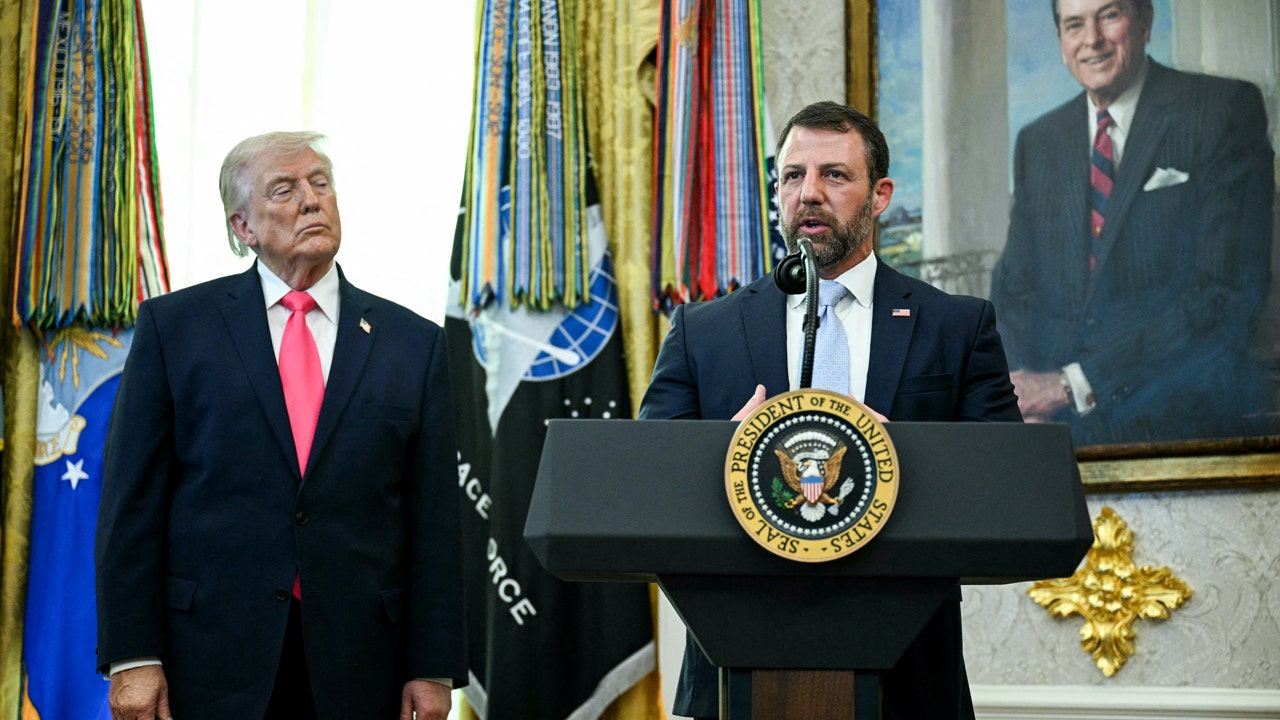
More than 20 states are suing the Trump administration over a new Department of Homeland Security rule that would give immigration officials wider discretion in determining what constitutes a public charge, a statute that allows the government to deny visas or green cards to applicants it determines are likely to become dependent on government assistance.
The rule, which is set to take effect on Friday, would expand the list of possible government aid that officials could point to when deciding to disqualify an applicant.
New York State Attorney General Letitia James led a coalition of 21 states and Washington, D.C., in suing the administration over what they describe as punishment for immigrants’ law use of public assistance. New York City Mayor Zohran Mamdani led a separate lawsuit filed by a coalition of cities challenging DHS’ rule.
James said the rule would allow immigration officials to consider an immigrant’s use of benefits like Medicaid, the Supplemental Nutrition Assistance Program (SNAP) and participation in school meal programs when determining whether they could become dependent on government aid. She also said it could lead to more fear of interacting with the government for people who are part of an immigrant family.
TRUMP ADMIN PAUSES VISA APPOINTMENTS WORLDWIDE AMID HEIGHTENED SCREENING FOR APPLICANTS
«Hardworking families should not be forced to go without the support they need because they fear asking for assistance will get them deported,» James said in a statement. «This rule preys on that fear and counts on families forfeiting the food assistance, health care coverage, and other public benefits to which they are legally entitled. My office fought this exact policy once before and won, and we are leading the nation to ensure the Trump administration cannot inflict this harm on families again.»
The public charge ground applies to certain immigrants seeking admission or adjustment of status. Most undocumented immigrants are ineligible for federal means-tested public benefits, although limited exceptions exist under federal and state law.
The states argue they would lose billions of dollars in federal funding if immigrants pull from programs over fears about the public charge rule.
Immigration officials under the Biden administration’s 2022 public charge rule generally considered only cash assistance for income maintenance, such as Temporary Assistance for Needy Families (TANF) or Supplemental Security Income (SSI), along with government-funded long-term institutionalization, when determining a public charge.
The rule does not specify a fixed list of public benefits that immigration officials may consider. Instead, it states that officers may consider the receipt of any means-tested public benefits as part of a public charge determination, giving them broader discretion in evaluating applicants.
The states’ and cities’ lawsuits asked the courts to declare the rule unlawful and prevent DHS from using it.
«It’s very hard to predict how courts will look at this issue. It is very unusual regulation though,» Cato Institute Director of Immigration Studies David Bier told Digital. «I think from that standpoint the states have a good argument that we had a well defined public charge rule and the administration didn’t replace it with some other well defined rule, it replaced it with nothing. So now there’s just discretion to the officers to do whatever they want with the underlying statute. There’s no regulation that clearly says this is what it means to be a public charge in the United States.»
«The rule as it was before this new regulation was you had to be primarily dependent on certain government benefit programs. This rule removes that definition and doesn’t replace it with anything. So now people and applicants, lawyers who are applying to the government on behalf of applicants, they don’t know really what the law is,» he continued.
The states’ lawsuit argues that DHS is exceeding its authority because Congress did not approve a broader interpretation of what it means to be a public charge. The states say the new rule is arbitrary and that the agency ignored the harmful consequences of the change.
DOJ THREATENS TO CUT BILLIONS IN WELFARE FUNDING FROM STATES FOR FAILING TO REPORT ILLEGAL MIGRANTS
«Cruelty is the point,» James said at a press conference on Monday. «Having a chilling effect on immigrants is the point. Letting individuals know that they are not welcome here is the point. Immigration animus is the point. The fact that you’re going to deny individuals who are sick and hungry and homeless benefits just is beyond the pale.»
DHS did not respond to Digital’s request for comment in time for publication.
Bier said the rule does not prohibit immigrants from receiving welfare and is only used as an officer’s projection about someone’s likelihood of future welfare use in the U.S., warning that it could lead to self-sufficient applicants being denied.
«Whether someone is currently using benefits or not doesn’t matter under this evaluation. It’s this probabilistic determination of the future that they’re using in order to deny people legal status and legal permanent resident status in the United States. That’s a much more difficult assessment to make. That’s going to result in arbitrary denials. It’s just not possible to do this type of assessment and not result in people who would be self-sufficient being denied status,» he said.
This comes as President Donald Trump pursues a broader immigration crackdown that has extended beyond illegal immigration to legal immigration pathways. While Trump campaigned in 2024 on curbing illegal immigration, his administration has also imposed additional restrictions on legal immigration, including higher fees for certain work visas and new limits on how long some foreign students and journalists can remain in the U.S.
The administration has also pursued visa revocations and removal proceedings in cases involving political activity and speech, including some anti-Israel activists. Those efforts have prompted court challenges in which plaintiffs allege violations of First Amendment free speech and Fifth Amendment due process protections.
«It’s very clear that this administration wants to restrict both illegal immigration, which obviously it’s done at the border, and through deportations, but also legal immigration,» Bier said.
Last month, the administration directed U.S. embassies and consulates around the world to postpone immigrant visa interviews while consular officers complete training on new public charge guidance, temporarily stalling applications that had reached the interview stage.
«The primary population that’s going to be affected by this public charge rule are spouses of U.S. citizens and their kids who are trying to receive green cards so they can live with their American spouse or parent here in the United States. That’s the overwhelming majority of the people who are going to be affected by the rule. It’s going to result in many of those immigrant families being separated from their American spouse or parent,» Bier said.
MAMDANI BLASTS FEDS FOR WAGING ‘CAMPAIGN OF VIOLENCE AND TERROR’ AGAINST NYC’S IMMIGRANTS
The public charge provision stems from the Immigration Act of 1882, when federal lawmakers sought to ensure that immigrants would be able to take care of themselves and not become a public burden.
After years of only considering cash benefits, the first Trump administration widened the categories of benefit programs that could be considered a public charge, including Medicaid, food stamps and housing vouchers. But the Biden administration in 2022 published a rule that returned to the previous guidance. The rule set to take effect this week would rescind the Biden administration’s rule.
The new rule is more broad than the one from the first Trump administration, as it does not specify which safety nets should be considered and only states that DHS «will consider the receipt of any means tested public benefits.»
«One of the most important things to understand is that during the first Trump administration, they had a public charge rule that was well defined that really did explain exactly what you were supposed to do in order to not be deemed a public charge or who was a public charge. This is completely different from that. It’s essentially the Wild West. No one knows what’s going on, no one knows what the law is now,» Bier said.
immigration, politics, homeland security, donald trump, us











INTERNACIONAL
El cómplice del peor tiroteo escolar de Canadá: un estadounidense que financió, planificó y prometió difundir la masacre

Durante meses, la pequeña comunidad de Tumbler Ridge, en la Columbia Británica, creyó que el ataque más mortífero en una escuela canadiense en una década había sido obra de una sola persona. Este martes, las autoridades federales de Estados Unidos demostraron que no fue así.
Tal como informó AP News, James Cody Bryant, de 30 años y residente de Bellingham, en el estado de Washington, fue arrestado y acusado de haber guiado, financiado y alentado a la autora de la masacre durante seis meses.
El fiscal interino Neil Floyd calificó el cargo —“conspiración para cometer asesinato en un país extranjero”— como “novedoso” para un caso de estas características.

El ataque y la autora
La tiradora fue Jesse Van Rootselaar, de 18 años, una mujer trans que había comenzado su transición aproximadamente seis años antes del ataque.
La propia Real Policía Montada de Canadá (RCMP) la identificó tal como ella se identificaba pública y socialmente: como mujer.
El 10 de febrero de 2026 mató a su madre y a su padrastro en su domicilio antes de atacar la Tumbler Ridge Secondary School, en la Columbia Británica.
Dentro del establecimiento, asesinó a cinco estudiantes de entre 12 y 13 años y a un asistente educativo, e hirió a otras 25 personas.
Van Rootselaar murió por una herida de bala autoinfligida mientras se encontraba en el interior del colegio.

La comunidad, ubicada en el piedemonte de las Montañas Rocosas a más de 1.000 kilómetros al noreste de Vancouver, cuenta con una escuela secundaria de unos 175 alumnos.
Bryant y Van Rootselaar se habían conocido años antes a través de Omegle, una plataforma de videochat. Según la acusación formal, los dos mantuvieron contacto diario durante los seis meses previos al ataque.
En una comunicación, canalizada por la plataforma Discord, Bryant ofreció en repetidas ocasiones consejos tácticos sobre cómo llevar a cabo los asesinatos para causar el mayor impacto posible.

El rol de Bryant antes de la masacre
El papel de Bryant no se limitó a la planificación verbal. Las autoridades federales afirmaron que el detenido transfirió dinero a Van Rootselaar para que comprara un encendedor destinado a fabricar un dispositivo explosivo.
Bryant también le indicó que eliminara los mensajes intercambiados y que usara redes privadas virtuales (VPN) para evitar ser rastreado.

Según AP News, Bryant también acordó retransmitir el ataque a través de Twitch para amplificar la notoriedad de la autora.
“Además de proveer fondos, asesoramiento técnico y artículos concretos para el tiroteo, Bryant acordó transmitir en vivo el ataque para maximizar la notoriedad de la autora”, aseguró Floyd durante una conferencia de prensa.

Las investigaciones y las consecuencias legales
De acuerdo con AP News, los investigadores accedieron a la cuenta de Twitch de Van Rootselaar y reconstruyeron que, antes de entrar al colegio, la autora había iniciado una transmisión desde su vehículo con un rifle y un fusil en el regazo.
El caso tiene una dimensión adicional de alcance tecnológico y legal. En abril de 2026, siete familias de víctimas presentaron una demanda civil contra la empresa OpenAI después de que se revelara que Van Rootselaar había utilizado ChatGPT para planificar el ataque.
En paralelo, la jefatura forense de Columbia Británica ordenó una pesquisa pública para examinar las circunstancias de la tragedia y formular recomendaciones de prevención. El anuncio situó como eje la identificación y atención de personas en crisis, en especial en comunidades rurales y remotas.

El asistente comisionado de la RCMP, Elija Rain, indicó que las autoridades canadienses contactaron al Departamento de Seguridad Nacional de Estados Unidos poco después del tiroteo, a partir de pistas halladas en las cuentas en línea de la autora.
Bryant realizó su primera comparecencia judicial este martes por la tarde y quedó detenido a la espera de una audiencia preliminar fijada para el 20 de octubre. La oficina del defensor público federal que lo representa no respondió a las solicitudes de comentario.
“Nada devolverá las ocho vidas arrebatadas en febrero, pero es importante que quienes son responsables rindan cuentas”, afirmó Floyd ante los periodistas.
Crime,Law Enforcement,Social Media,Top Picture,Crime,North America
INTERNACIONAL
Biden’s ‘weaponized’ Mar-a-Lago raid slammed by White House as declassified docs reveal FBI’s legal doubts
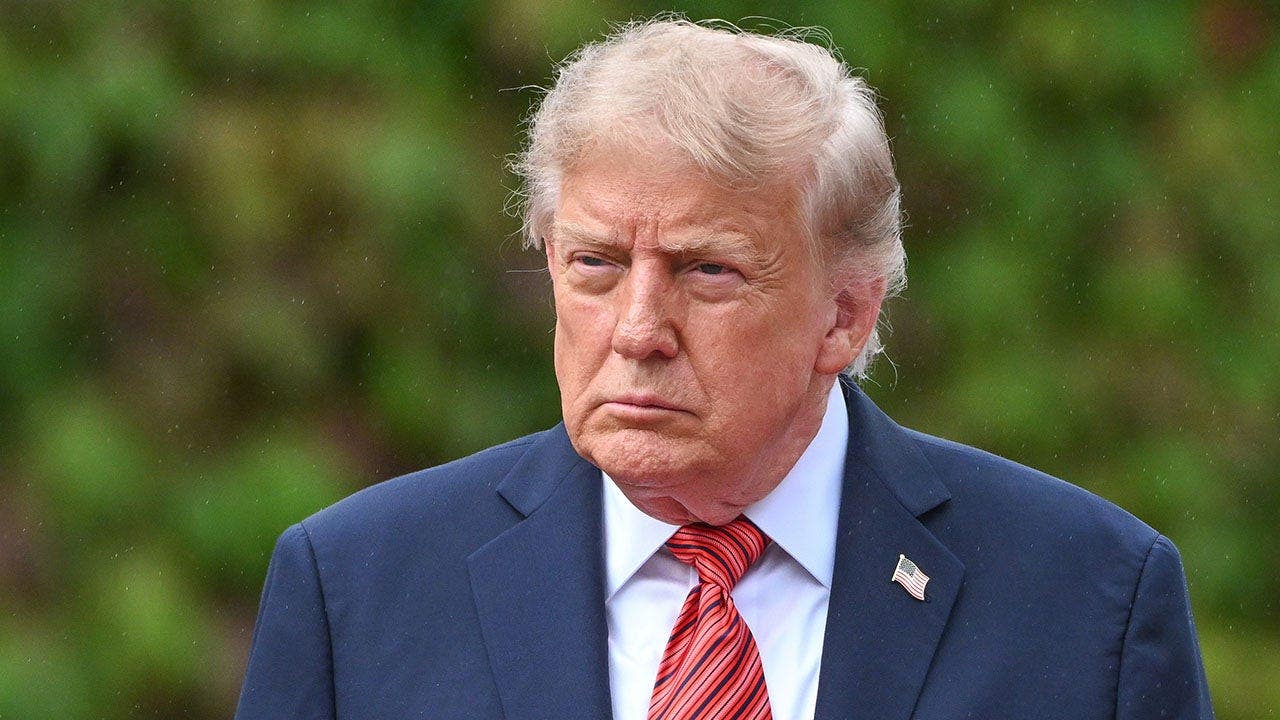
The White House ripped Joe Biden after documents declassified by President Donald Trump on Monday revealed internal strife between the former president’s Department of Justice (DOJ) and the FBI’s Washington Field Office (WFO) before carrying out a raid on Mar-a-Lago in 2022.
In the months leading up to the raid, internal emails between FBI agents in the field office expressed frustration that the DOJ, led by then-Attorney General Merrick Garland, was unresponsive to their requests and unwilling to consider alternative options to raiding Trump’s estate in Palm Beach, Florida a year-and-a-half after he left office after his first term.
Digital exclusively reported on the internal emails, which show the FBI didn’t believe it had probable cause to execute the warrant, in December.
«Spying on political opponents is weaponization of law enforcement, plain and simple,» the White House said Tuesday. «This is further proof the Biden administration weaponized the DOJ to target political opponents. Those responsible must be held accountable.»
TODD BLANCHE REVEALS DOJ UNEARTHED CACHE OF JACK SMITH DOCUMENTS INSIDE FORGOTTEN ROOM
An email dated May 24, 2022, with the subject line «PE (Plasma Echo) Next steps – timeline preference – UNCLASSIFIED,» the special agent in charge of the counterintelligence division of the WFO sent an internal email detailing a proposed timeline for the investigation, ending with the execution of a search warrant. That target date was June 6 of that year. The raid would eventually take place on Aug. 8, 2022.
Another agent replied asking the first to loop the DOJ in on the timeline. What followed was skepticism that the raid was even necessary.
«[REDACTED] and I also agreed if there was a way to obtain the records via the [REDACTED], without the execution of the SW (search warrant), it would be preferable,» the special agent in charge said.
Another batch of internal emails from June 1-2, 2022, shows the FBI seeking a potential off-ramp from the investigation that was heading towards the execution of the raid.
«Even as we continue down the path towards a search warrant, WFO believes that a reasonable conversation with the former President’s attorney, [REDACTED], ought not to be discounted,» the email said. «At a minimum, even if the former President’s attorney is correct and that the documents were all declassified (or believed to be declassified), it can be reasonably argued that the documents remain sensitive and should be properly secured until the matter of classification is sorted out. This conversation could easily be accomplished at the same time that WFO presses forward with the investigation and continues building out the search warrant.»
JACK SMITH’S TRUMP PROBE SWEPT UP NEWS, OTHER MEDIA COMMUNICATIONS AS INVESTIGATION WENT BEYOND LAWMAKERS
The emails noted that Trump’s defense attorneys would likely argue that the president has the absolute authority to declassify documents and expressed frustration that the DOJ, despite being asked, had not provided the FBI with a list of the charges they might file.
An internal email from July 13, 2022, less than a month before the raid, the assistant special agent in charge of the WFO said flatly that the FBI didn’t believe there was probable cause for the raid.
«WFO does not believe (and has articulated to DOJ CES), that we have established probable cause for the search warrant at Mar a Lago. DOJ has opined that they do, requesting the a wide scope including residence, office, storage space,» that email says.
The agent annoyedly continued by implying that the DOJ wasn’t interested in recovering the allegedly mishandled classified documents, intimating that there may have been an ulterior motive.
«Finally, if the goal is to identify and recover classified records quickly, so as to protect the information, the 5 weeks spent fixated on probable cause for a search warrant have been counterproductive,» the email said.
The agent offered other solutions to the raid, including re-interviewing Trump’s attorney and attempting to find other material witnesses.
BIDEN-ERA FBI TRACKED TRUMP FAMILY TRAVEL AND WILES’ CALLS WITH LAWYERS IN SECRET PROBE: DOCS
«A reasonable step would be to recontact the attorney and inquire about any further documents. WFO has made numerous suggestions to DOJ over the course of this investigation that the most expedient way to ensure recovery of all classified documents would be to go through [REDACTED]. DOJ has persistently disagreed.
Other documents declassified by the White House Monday showed that the FBI tapped now-White House chief of staff Susie Wiles’ phone and tracked the movements of Melania and Barron Trump.
The raid on Trump’s Florida estate was viewed as politically driven by many, as Trump was at the time mulling what became a successful bid for the presidency in 2024.
DOJ-appointed special counsel Jack Smith investigated the alleged retention of classified materials. Trump pleaded not guilty to all 37 felony charges from Smith’s probe, including willful retention of national defense information, conspiracy to obstruct justice and false statements.
A superseding indictment charged Trump with three more alleged crimes: another count of willful retention of national defense information and two additional obstruction counts.
Trump pleaded not guilty, and Smith dropped after Trump won the 2024 presidential election.
politics, white house, fbi, justice department, attorney general

El expediente que involucra al Manchester City volvió a poner bajo la lupa la quita de puntos en la Premier League, una sanción poco frecuente, aunque capaz de alterar por completo una temporada. Una comisión independiente consideró responsable al club de 114 de los 115 cargos por presuntas infracciones financieras que presentó la liga inglesa. Sin embargo, la pena todavía no fue definida: se resolverá en una audiencia aparte y la institución ya anticipó que apelará la decisión.
El dictamen comprende hechos ocurridos entre las temporadas 2009/10 y 2017/18. Según la máxima categoría del fútbol inglés, la comisión concluyó que el City utilizó contratos simulados con socios comerciales, presentó información contable inexacta y superó los límites de gasto. También determinó que el elenco de Mánchester incumplió su obligación de colaborar con la investigación. El reglamento contempla desde multas hasta descuentos de unidades y otras sanciones deportivas, aunque por ahora no existe una pena concreta.
La falta de una resolución sobre una eventual quita de puntos mantiene abierto el principal interrogante del caso. Si el conjunto dirigido por Pep Guardiola recibiera esa sanción, pasaría a integrar un grupo reducido: desde la creación de la competencia, en 1992, solo cuatro equipos sufrieron este tipo de sanción.
Los antecedentes de equipos que sufrieron quita de puntos
Los casos abarcan situaciones muy distintas, desde la suspensión de un partido hasta la administración concursal y el incumplimiento de las reglas de rentabilidad y sostenibilidad. La propia Premier League confirmó que el proceso disciplinario continúa en marcha y que una posible sanción contra los Citizens se resolverá en otra audiencia privada.
Middlesbrough (1997): 3 puntos

El primer antecedente ocurrió en enero de 1997. Middlesbrough recibió una penalización de tres puntos después de no disputar un encuentro de diciembre de 1996 ante Blackburn Rovers, un rival directo en la lucha por evitar el descenso. El equipo era dirigido por Bryan Robson, quien sostuvo que tenía 23 futbolistas afectados por lesiones o enfermedades y que no podía completar la convocatoria.
El club afirmó que había recibido garantías de que el partido sería reprogramado, aunque no presentó la documentación exigida para respaldar esa versión. La sanción incluyó una multa de USD 65.000 y se mantuvo tras la apelación judicial. Su impacto fue directo: Middlesbrough terminó 19.º y descendió.
Portsmouth (2010): 9 puntos

La siguiente quita llegó 13 años después y estuvo ligada a una crisis financiera. En marzo de 2010, Portsmouth entró en administración concursal, una situación que activó una deducción automática de nueve puntos. El club ya arrastraba dificultades tras años de altos gastos en transferencias, falta de inversión y problemas para cumplir con sus obligaciones económicas.
Entre diciembre de 2009 y febrero de 2010, Portsmouth dejó de pagar salarios. También recibió una orden de liquidación por impuestos impagos. La llegada del propietario Ali Al-Faraj no revirtió el deterioro de las cuentas y la sanción dejó al equipo último en la tabla. El club no logró cambiar el rumbo y terminó descendiendo al final de la temporada.
Everton (2023): 6 puntos

La regulación financiera pasó a ocupar el centro de la escena en 2023, cuando Everton recibió inicialmente la mayor deducción aplicada hasta entonces en la Premier League: diez puntos. Burnley y Leeds United habían pedido una investigación por las pérdidas de su rival en mayo de 2022. La liga abrió el procedimiento en marzo de 2023 y anunció la sanción en noviembre de ese año.
La comisión determinó que Everton había incumplido las normas financieras de la competición. El club apeló la decisión y logró que el descuento se redujera a seis puntos. El episodio se dio en una temporada marcada por la lucha por la permanencia y confirmó que las infracciones contables pueden afectar la disputa deportiva mucho tiempo después de que se registren los gastos cuestionados.
Nottingham Forest (2024): 4 puntos

Durante la misma campaña 2023/24, Nottingham Forest se convirtió en el segundo club sancionado por el régimen de rentabilidad y sostenibilidad. La institución superó en USD 45.500 millones el límite de USD 80 millones permitido durante su período de evaluación, de acuerdo con el recuento de Sports Illustrated. La consecuencia fue una deducción de cuatro puntos.
La sanción volvió a poner el foco sobre las reglas de control económico en Inglaterra. A diferencia de Middlesbrough y Portsmouth, cuyos casos derivaron de un partido sin disputar y de la administración concursal, los expedientes de Everton y Forest se resolvieron a partir de balances, límites de pérdidas y procedimientos regulatorios de la liga.
optaUUID:3yfh8a9q5jl1ytxc9s20y5zpw,optaMatchId:2645202,sportradarID:sr:sport_event:72221168,Europe,Soccer,Sport

El increíble video que compartió Valtteri Bottas de los 420 kilómetros que recorrió en bicicleta para ir del Gran Premio de Malasia al de Singapur

El cómplice del peor tiroteo escolar de Canadá: un estadounidense que financió, planificó y prometió difundir la masacre

Ramon Vega, primer rival de Infantino en las elecciones de la FIFA: ‘Me presento porque mi vida me ha preparado para ayudar a este deporte’

El nuevo mapa del mercado automotor: los SUV dominan las ventas, pero los sedanes vuelven a ganar terreno

Milei llamó “ladrón” a Lula y volvió a respaldar a Flávio Bolsonaro para el balotaje en Brasil

La Justicia intimó al Gobierno a que informe cuántas hectáreas de tierras bonaerenses están en manos de extranjeros

El Reino Unido anunció que las nuevas licencias de hidrocarburos en las Islas Malvinas requerirán su autorización final

¡Precios de Manhattan con sueldos de Argentina! Cómo los créditos hipotecarios inflaron las propiedades y congelaron el sueño de la casa propia

En la antesala de la discusión electoral, el peronismo buscará un gesto de unidad en la Legislatura bonaerense

El Senado se prepara para el último tramo de sesiones ordinarias: cuáles son los desafíos para el oficialismo

 POLITICA2 días ago
¡Precios de Manhattan con sueldos de Argentina! Cómo los créditos hipotecarios inflaron las propiedades y congelaron el sueño de la casa propia
- INTERNACIONAL3 días ago
La Casa Blanca monitorea un posible brote de peste en Rusia tras la muerte de una trabajadora de un laboratorio
- POLITICA3 días ago
La Argentina se sumó a un acuerdo liderado por EE.UU. para impulsar el uso de la inteligencia artificial en la ciencia