INTERNACIONAL
US, Panama ‘taking back’ canal from ‘China’s influence,’ says Hegseth


Secretary of Defense Pete Hegseth on Tuesday said the U.S. will take back the Panama Canal from «China’s influence» as Washington tries to reassert control over the major trade route.
«The United States of America will not allow communist China or any other country to threaten the canal’s operation or integrity,» he said during a press event from the Central American nation. «To this end, the United States and Panama have done more in recent weeks to strengthen our defense and security cooperation than we have in decades.
«Together we will take back the Panama Canal from China’s influence,» he added.
Panama Security Minister Frank Abrego hosts Secretary of Defense Pete Hegseth at the Presidential Palace in Panama City, Panama on April 8, 2025. (Daniel A. Gonzalez/Anadolu via Getty Images)
SEC HEGSETH TO VISIT PANAMA AFTER TRUMP’S DEMANDS FOR CANAL’S RETURN
Panama has repeatedly rejected the Trump administration’s claims that China effectively controls the canal as it operates two major ports on either end of the waterway.
However, the Central American nation withdrew from its 2017 Belt and Road Initiative agreements with Beijing earlier this year in a signal that Panama has chosen to side with the Trump administration in this geopolitical spat.
Hegseth laid out a litany of joint exercises, operations and the general presence of the U.S. military in and around the canal in a move to counter China, though Fox News Digital could not immediately reach the Pentagon to confirm whether this signified an increase in U.S. presence in the region.
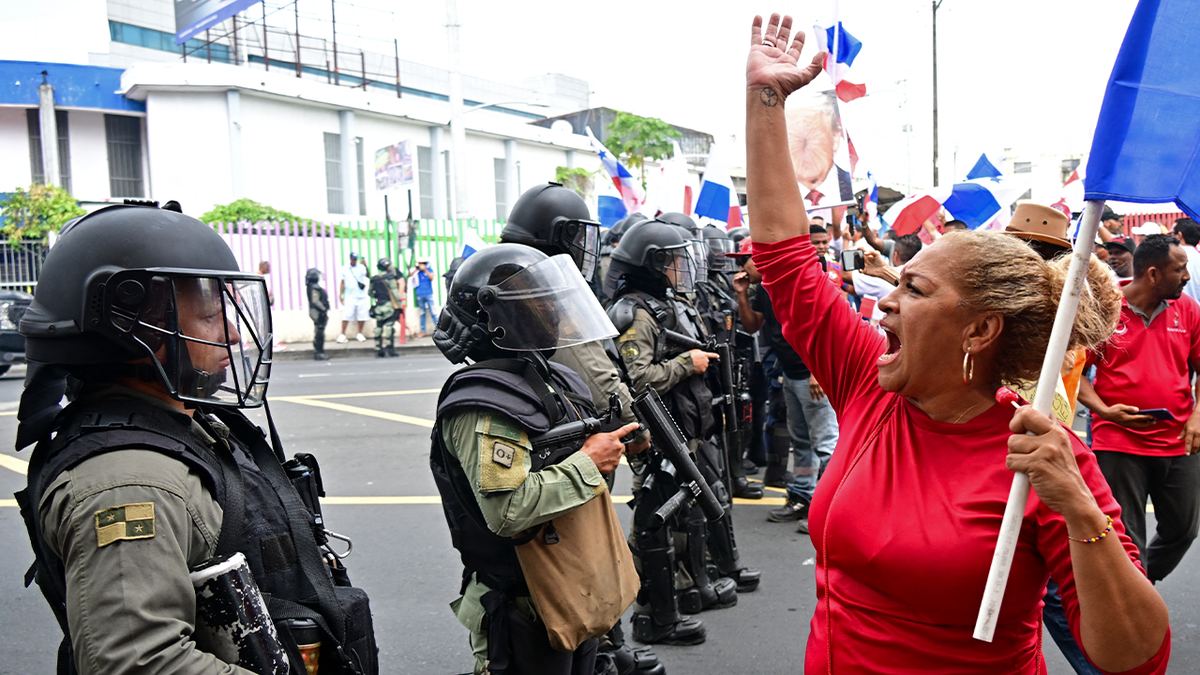
A demonstrator shouts slogans next to riot police during a protest against the visit of Secretary of Defense Pete Hegseth in Panama City, on April 8, 2025. (Martin Bernetti/AFP via Getty Images)
GREENLAND, PANAMA FIERCELY REJECT TRUMP’S AMBITIONS IN ADDRESS TO CONGRESS
«Our relationship with Panama, especially our security relationship, will continue to grow in the months and years ahead,» Hegseth said. «Our relationship is growing in part to meet communist China’s rising challenges.»
The defense secretary said China-based companies continue to install «critical infrastructure» in the canal, which gives China the «potential» ability to «conduct surveillance.»
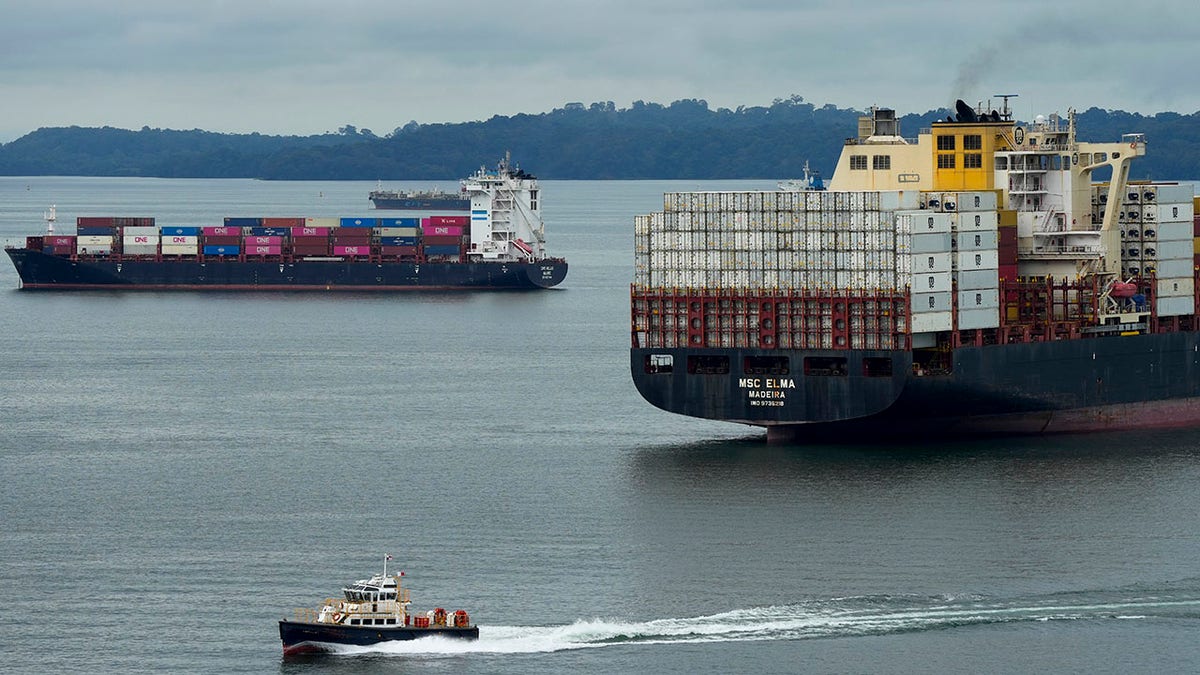
Two cargo ships sail on Gatun Lake near the Agua Clara Locks of the Panama Canal in Colon City, Panama, on Dec. 28, 2024. (Arnulfo Franco/AFP via Getty Images)
CLICK HERE TO GET THE FOX NEWS APP
«This makes Panama and the United States less secure, less prosperous, less sovereign,» he added.
«I want to be very clear. China did not build this canal. China does not operate this canal, and China will not weaponize this canal,» Hegseth said.
The Chinese embassy in D.C. did not immediately respond to Fox News Digital’s request for comment.

NEWYou can now listen to Fox News articles!
Justice Brett Kavanaugh called the Supreme Court’s decision striking down Trump’s emergency tariffs «illogical» in a fiery dissent on Friday and offered a roadmap of alternatives for Trump to attempt to carry out his signature economic policy.
Kavanaugh, a Trump appointee, said the 6-3 majority cherry-picked ways in which Trump could regulate imports under the International Emergency Economic Powers Act, making what he said was a textualist case that the law already allows similar forms of regulation on imports, including quotas and embargoes. Tariffs are not just in the same category as those but are a «far more modest» alternative to them, Kavanaugh said.
«If quotas and embargoes are a means to regulate importation, how are tariffs not a means to regulate importation? Nothing in the text supports such an illogical distinction,» Kavanaugh wrote.
Trump last year bypassed Congress and unilaterally levied tariffs on nearly every country in the world by invoking the IEEPA. The president argued that an influx of illicit drugs from China, Mexico and Canada and a trade deficit that has decimated American manufacturing constituted emergencies that justified the tariffs.
SUPREME COURT BLOCKS TRUMP’S TARIFFS IN MAJOR TEST OF EXECUTIVE POWER
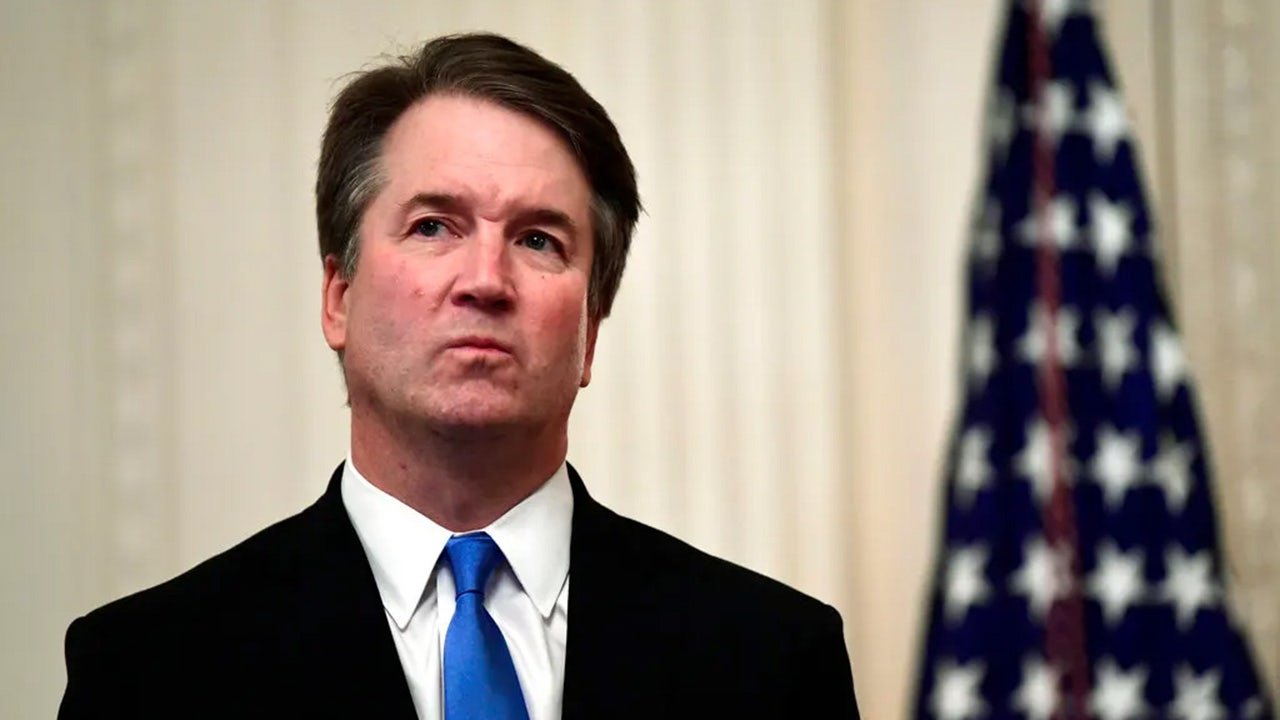
Justice Brett Kavanaugh dissented in a pivotal Supreme Court decision striking down Trump’s emergency tariffs. (AP Photo/Susan Walsh, File)
The majority held in a 6-3 opinion that while IEEPA allows a president to «regulate importation» during a declared national emergency, the statute does not clearly authorize tariffs, a core congressional taxing power. Chief Justice John Roberts wrote that when executive action carries sweeping economic consequences, Congress must weigh in on the matter with unmistakable clarity, alluding to what is known as the major questions doctrine.
Kavanaugh said the Supreme Court’s decision in 2022 upholding a vaccine mandate former President Joe Biden imposed on millions of healthcare workers «strongly supports» upholding Trump’s tariffs. Like tariffs, that executive action also carried major consequences even though Congress did not explicitly mention vaccines in the health and safety statute Biden used to justify his mandate, Kavanaugh said.
In oral arguments in November, Solicitor General John Sauer, appearing on behalf of the government, said tariffs were an invaluable way for Trump to negotiate with foreign partners. Weakening his «suite of tools» by removing tariffs from it was a «bit unusual,» Sauer said.
Sauer also said tariffs were the same as embargoes, which block imports altogether. The solicitor general conceded, though, that tariffs had the «incidental and collateral effect» of raising revenue, but he said their primary purpose was to regulate rather than collect income. Kavanaugh agreed.
«As the [majority of justices] interpret the statute, the President could, for example, block all imports from China but cannot order even a $1 tariff on goods imported from China,» Kavanaugh wrote.
AS TRUMP TOUTS TARIFF WINDFALL, BATTLEGROUND STATES SHOULDER BILLIONS IN COSTS
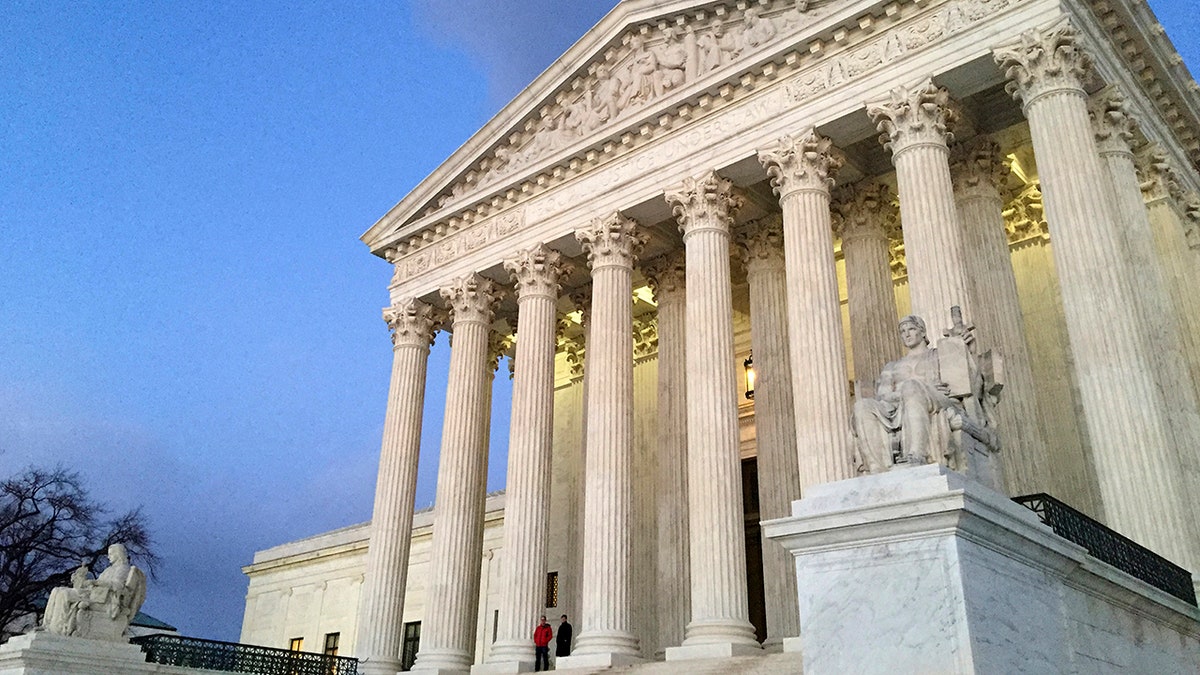
The Supreme Court building in Washington, D.C. (AP/Jon Elswick)
Kavanaugh referenced numerous other statutes he said Trump had in his toolbox, mapping out alternatives in the wake of the high court nixing IEEPA as an option. Kavanaugh said the majority «in essence» concluded that Trump «checked the wrong statutory box.»
Trump, in a speech remarking on the decision, praised Kavanaugh for «his genius and his great ability,» adding he was «very proud of that appointment.»
The president referenced a quote from Kavanaugh’s dissent, saying, «‘Although I firmly disagree with the court’s holding today, the decision might not substantially constrain a president’s ability to order tariffs going forward.’ So think of that … and it doesn’t. He’s right.
«We have very powerful alternatives.»
Kavanaugh also raised a glaring question left unaddressed by the high court’s majority of how the U.S. Treasury could go about refunding companies to the tune of billions of dollars that the government gained from the unlawful tariffs.
JONATHAN TURLEY: SUPREME COURT RULING ON TRUMP TARIFFS COMES DOWN TO A NUMBERS GAME

President Donald Trump shows off non-reciprocal tariff examples. (Mandel Ngan/Getty Images)
Kavanaugh said of the «serious practical consequences» of outlawing Trump’s ability to use IEEPA to levy tariffs that the refund process could be a «mess» as lower courts are likely to see an influx of lawsuits from business owners looking for their money back.
«The United States may be required to refund billions of dollars to importers who paid the IEEPA tariffs, even though some importers may have already passed on costs to consumers or others,» Kavanaugh wrote. «As was acknowledged at oral argument, the refund process is likely to be a ‘mess.’»
CLICK HERE TO DOWNLOAD THE FOX NEWS APP
The majority opinion, authored by Roberts, found that IEEPA’s language allowing a president to regulate imports intentionally omits the word «tariff.»
Roberts wrote that the other words in the statute «cannot bear» the same weight as the word tariff, which he said operates like a tax because it allows the government to collect revenue, which he said only Congress can authorize.
Justices Samuel Alito and Clarence Thomas joined Kavanaugh’s dissent, and Thomas also wrote a separate dissent.
supreme court,donald trump,economy,taxes,politics

Pruebas

Renuncia y jubilación
Polémica política
INTERNACIONAL
Medio siglo del álbum de Peter Frampton que redefinió el impacto de las grabaciones de rock en vivo
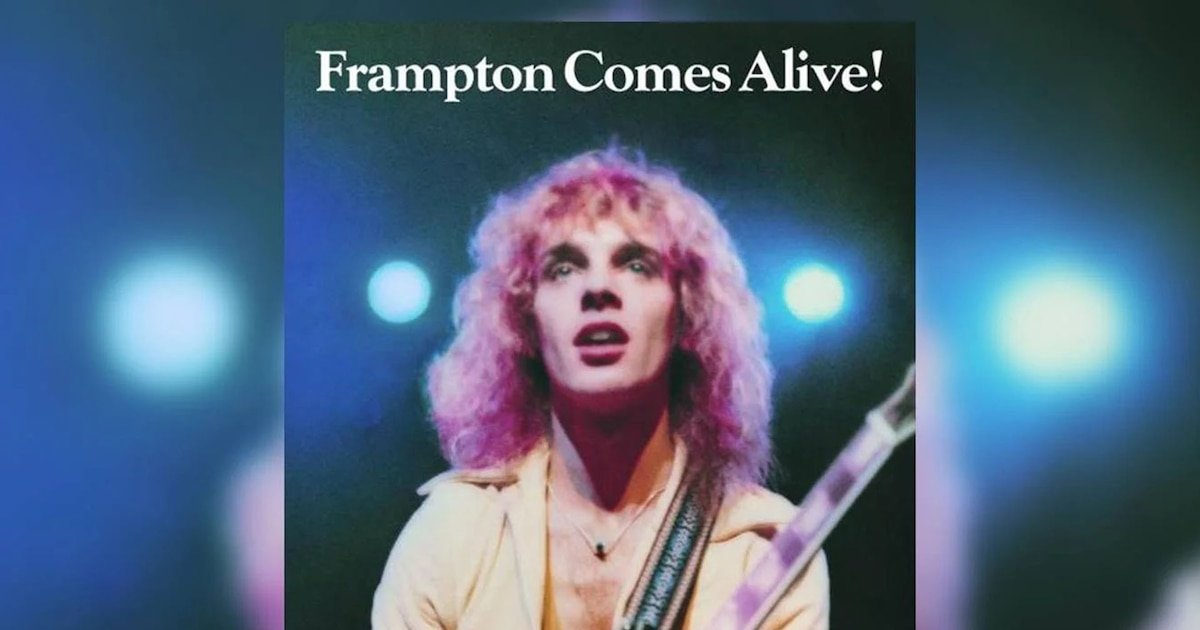
Se cumplen cincuenta años del lanzamiento de Frampton Comes Alive!, uno de los discos en vivo más famosos de la historia del rock. Hay unos cuantos, y seguramente mejores, pero el impacto de este álbum en vivo originó transformaciones clave en la industria musical, gracias a un innovador híbrido de géneros, su calidad sonora y sobre todo, un éxito comercial sin precedentes para la época.
En términos emocionales este disco de Peter Frampton, cantante y compositor británico integrante de dos bandas de rock relativamente relevantes en los 60 -mucho más Humble Pie que The Herd– que aquí dio el gran paso de su vida como solista, representa un hito de los años 70: es la banda de sonido de una generación (es mi recuerdo de la infancia, por influencia de hermano mayor rockero). Y hasta incluso inspiró una obra de teatro, Luis Alberto llega vivo, escrita por Fabián Casas y dirigida por Alejandro Lingenti (dos amigos). De una u otra manera, el doble en vivo de Peter Frampton está ahí, guardado en la memoria. Y para la superestructura de la industria del entretenimiento de esa época, representó un punto de inflexión inflexión en la producción y el consumo de álbumes en vivo, al presentarse como “el más espectacularmente exitoso en el momento de su lanzamiento”.
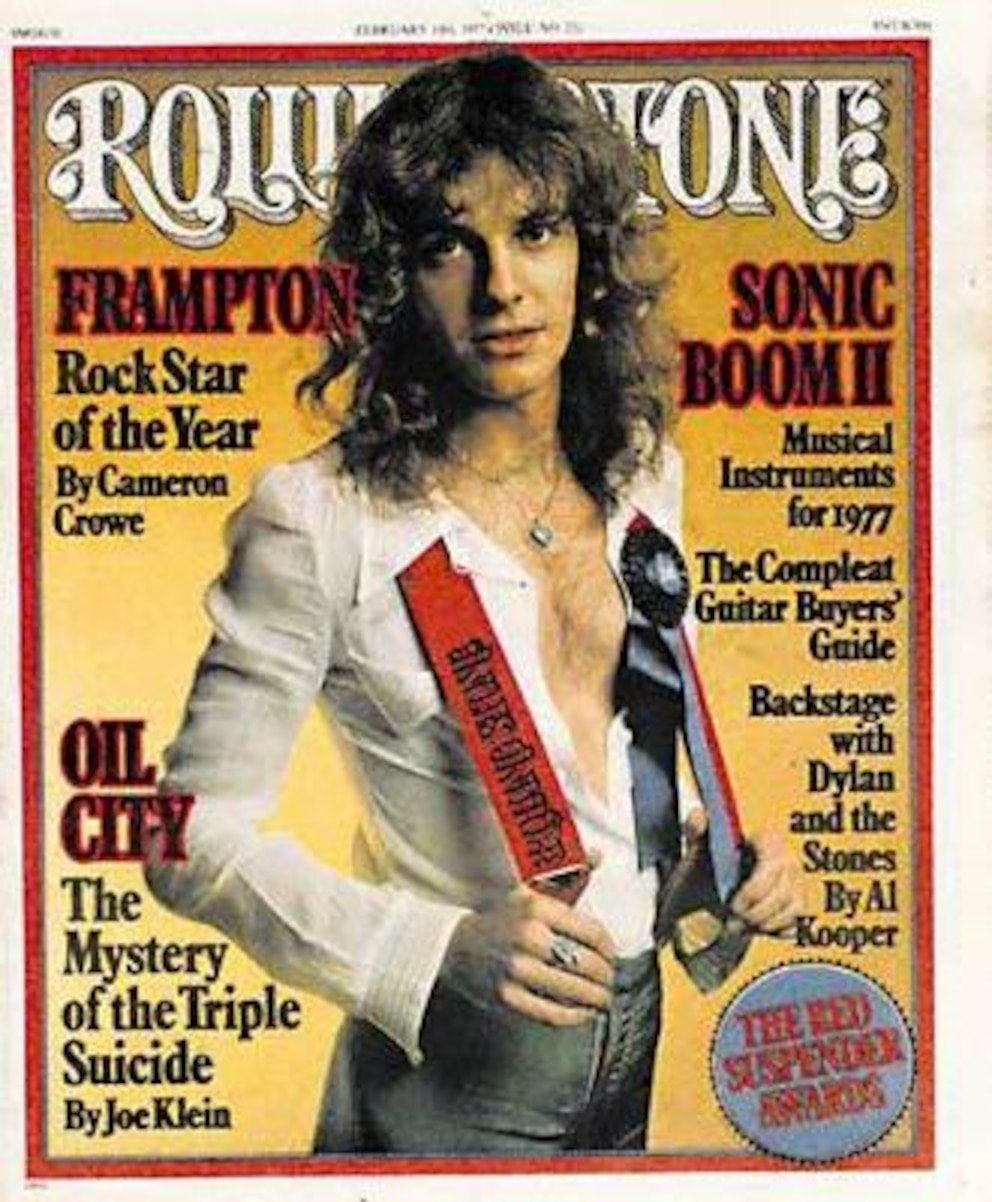
El número 232 de la revista Rolling Stone, en febrero de 1977, lo puso en tapa como “la estrella de rock del año”, con una nota de Cameron Crowe -el cineasta que luego contaría su historia de cronista rockero en la hermosa película Casi famosos– que dice en uno de sus párrafos:
“Frampton, de 26 años, comenzó su carrera a los 16 con The Herd, una banda de pop británica muy popular de finales de los sesenta. El grupo se disolvió, sin dinero, en 1969. Frampton y Steve Marriott, de Small Faces, formaron entonces Humble Pie. Frampton duró hasta el tercer álbum estadounidense de la banda, Rockin’ the Fillmore. Probó suerte como guitarrista de sesión (en Son of Schmillson de Harry Nilsson y All Things Must Pass de George Harrison) y luego como solista. Frampton siempre se consolaba con la idea de que, si fracasaba en solitario, siempre podría volver a tocar como músico de sesión. Consideró esa posibilidad muy real hasta el lanzamiento en enero de 1976 de Frampton Comes Alive!.
En un mes, el LP estaba en el Top Ten. En marzo llegó al número uno durante una semana. Los siguientes tres meses, Frampton Comes Alive! permaneció en el Top Five, dejando espacio para Greatest Hits de The Eagles , Presence de Led Zeppelin, Black and Blue de Los Rolling Stones y Wings at the Speed of Sound de Wings, hasta junio, cuando se apoderó del número uno nuevamente y se negó a moverse durante todo el verano y principios del otoño. Se convirtió en la principal atracción del altamente competitivo verano del Bicentenario. Songs in the Key of Life de Stevie Wonder finalmente destronó a Frampton Comes Alive! a fines de noviembre, después de un récord de 17 semanas en la cima. El álbum ha vendido 7 millones de copias en Estados Unidos y otros 3 millones en todo el mundo; en el mismo período, Frampton vendió casi 2 millones de entradas para conciertos».

Wow. El impacto de Frampton Comes Alive! redefinió el estándar de los discos en vivo en los años 70, a caballo de un repertorio que trascendió géneros y potenciado por un tipo innovación técnica inusual para la época. El propio Frampton desarrolló el álbum entre junio y noviembre de 1975, recurriendo a tecnología personalizada y técnicas de grabación avanzadas para la época. Empleó grabadoras de dieciséis y veinticuatro canales para lograr mayor textura sonora y utilizó cintas que giraban a más velocidad de lo común, permitiendo registrar más información por segundo. Complementó el proceso con reducción de ruido Dolby para aislar la música del ruido ambiental durante las canciones en cuatro recintos distintos. Y sobre todo, incluyó el uso del “talk box”, lo que generó efectos vocales electrónicos en dos de las canciones más populares del álbum.
Por decisión de Jerry Moss, cofundador de A&M Records, el proyecto pasó de un simple LP a convertirse en un álbum doble, bajo el supuesto de que “los compradores de discos querrían más”. Con excepción de pequeñas correcciones en estudio sobre tres canciones, el grueso del material se grabó en directo, sumando la participación de Bob Mayo en guitarra rítmica y teclados, Stanley Sheldon en bajo y John Siomos en batería. Tres canciones se lanzaron como singles y todas alcanzaron el top 15 de la lista Billboard Hot 100. La hazaña comercial se consolidó rápidamente: a los tres meses del estreno, el disco ya lideraba la lista Billboard 200 y logró permanecer diez semanas no consecutivas en el primer puesto.
En lo musical, “Something’s Happening” estableció el tono profético del álbum y marcó el arranque con energía: “¿Quién dijo que este es mi año? ¿Fuiste tú? No puede fallar / Veo un nuevo camino, estarás en mi escenario, cantarás mi canción” canta. La versatilidad de estilos se manifestó en piezas como “Doobie Wah”, en la que se apoya en un sonido y actitud de rock duro al que integró, con sagacidad, el dinamismo vocal y melódico de los Doobie Brothers. La balada “Show Me the Way”, uno de los temás más populares y perennes de su repertorio, incorporó el talk box y líneas de bajo destacadas en una letra de súplica afectiva: “Quiero que me muestres el camino / Te quiero todos los días”. La conmovedora “Baby, I Love Your Way”, con bases de piano Fender Rhodes, remarcó el registro emocional y la preferencia del público.
Las cifras y el legado de Frampton Comes Alive! modificaron los estándares de producción para los discos en vivo: elevó el listón de estas grabaciones con una nitidez sonora que encajaban, como piezas de un rompecabezas completado, con las reacciones eufóricas del público. Eso era lo que transmitían los equipos de sonido de la época, en tiempos de televisión en blanco y negro y programas de radio del tipo Flecha Juventud -conducido por Juan Alberto Badía– como única línea de comunicación con la música del mundo. Un disco de vinilo dando vueltas una y otra vez, hacían toda la magia que se necesitaba en ese tiempo.
Peter Frampton,Frampton Comes Alive!,álbum,música,rock,en vivo,icono,guitarra,70s

Boca Juniors y Racing empataron 0-0 en La Bombonera, por la fecha 6 del Torneo Apertura

Kavanaugh rips Supreme Court majority’s ‘illogical’ line on tariffs

Una denuncia de agresión sexual en la policía de España complica a Pedro Sánchez

Un régimen penal juvenil para la opinión pública

Ante una oposición impotente, el Gobierno profundiza su estrategia para aprobar las próximas reformas

Después de la misión del FMI: qué va a pasar con las metas incumplidas, próximo desembolso y el objetivo de reservas para marzo

Reforma laboral bomba: menos indemnización, más horas y despidos más fáciles — el cambio que puede sacudir el empleo en Argentina

Ayuda Escolar Anual: a cuánto asciende, donde se tramita y quien puede cobrarla

Escándalo en MasterChef: una famosa abandonó a los gritos y acusando que está todo arreglado

Del himno peronista de Kelly Olmos al exabrupto de Agustina Propato: las perlitas del debate por la reforma laboral

 ECONOMIA3 días ago
Ayuda Escolar Anual: a cuánto asciende, donde se tramita y quien puede cobrarla
- CHIMENTOS1 día ago
Escándalo en MasterChef: una famosa abandonó a los gritos y acusando que está todo arreglado
- POLITICA1 día ago
Del himno peronista de Kelly Olmos al exabrupto de Agustina Propato: las perlitas del debate por la reforma laboral