INTERNACIONAL
Astronauts to stand with NASA administrator nominee Jared Isaacman at Senate confirmation hearing

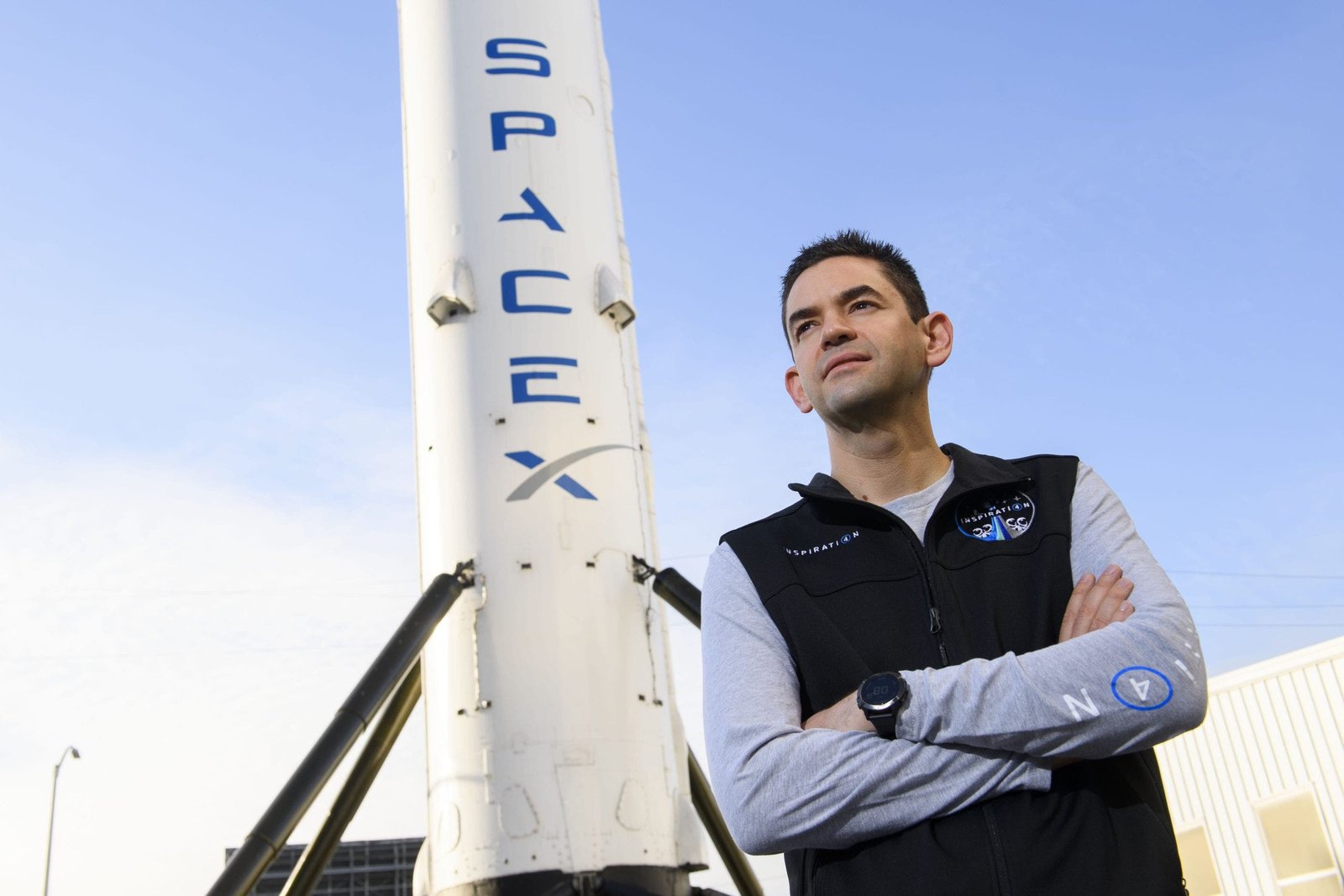
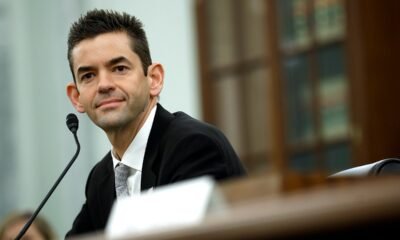
4/9/2025 – President Donald Trump’s nominee for NASA administrator, billionaire space-junkie Jared Isaacman, will face questions at Wednesday’s confirmation hearing in front of the Senate Committee on Commerce, Science, and Transportation.
Fox News Digital exclusively obtained a list of civilian astronauts that will be joining Isaacman at the hearing, some of whom previously traveled on missions to outer space with the 42-year-old entrepreneur.
Scott «Kidd» Poteet, a retired U.S. Air Force lieutenant colonel and former Thunderbird pilot, will be one of the astronauts attending in support of the Trump nominee. On the recent September Polaris Dawn spacewalk, Poteet acted as mission pilot and had worked with Isaacman on previous spaceflight efforts.
SPACEFLIGHT FIRST PRIVATE SPACEX POLAR MISSION SPLASHES DOWN NEAR CALIFORNIA
Isaacman’s all-civilian Inspiration4 mission raised $250 million for St. Jude Children’s Research Hospital. (Patrick T. Fallon/AFP via Getty Images)
Sarah Gillis, a lead space operations engineer at SpaceX and one of the first female mission controllers at the company, and Anna Menon, a biomedical engineer and lead space operations engineer at SpaceX, both worked with Isaacman on the Polaris Dawn mission and will be attending the hearing in his support.
The nominee will also be joined by former colleagues behind the historic 2021 Inspiration4 mission – the first civilian-led spaceflight to orbit Earth. Dr. Sian Proctor, a geoscientist and analog astronaut who served as mission pilot, Chris Sembroski, an aerospace data engineer and U.S. Air Force veteran who served as mission specialist, and Hayley Arceneaux, a physician assistant at St. Jude Children’s Research Hospital and a pediatric cancer survivor who became the youngest American to orbit Earth at 29.
Sembroski was gifted the seat in a raffle by St. Jude Children’s Research Hospital during a fundraising campaign for the mission, which raised $250 million for the cancer center in addition to Isaacman’s personal $125 million donation.
Isaacman will be introduced to the committee by Sen. Tim Sheehy, R-Mont., who told Fox News Digial ahead of Wednesday’s hearing that «for nearly 70 years, the United States has been at the forefront of space exploration. President Trump knows how critical it is to reinvigorate NASA so we can once again lead the world to new heights, and that’s why he chose exactly the right man for the job: Jared Isaacman.»
«A successful innovator, entrepreneur, pilot, and astronaut, Jared believes in NASA’s core mission,» the Montana senator told Fox. «He has the experience and skillset to ensure we continue to lead in the greatest frontier ever known, and I look forward to adding NASA administrator to his already remarkable resume.»
ACTRESS OLIVIA MUNN RIPS UPCOMING ALL-FEMALE SPACE FLIGHT WITH KATY PERRY, GAYLE KING AS ‘GLUTTONOUS’ STUNT
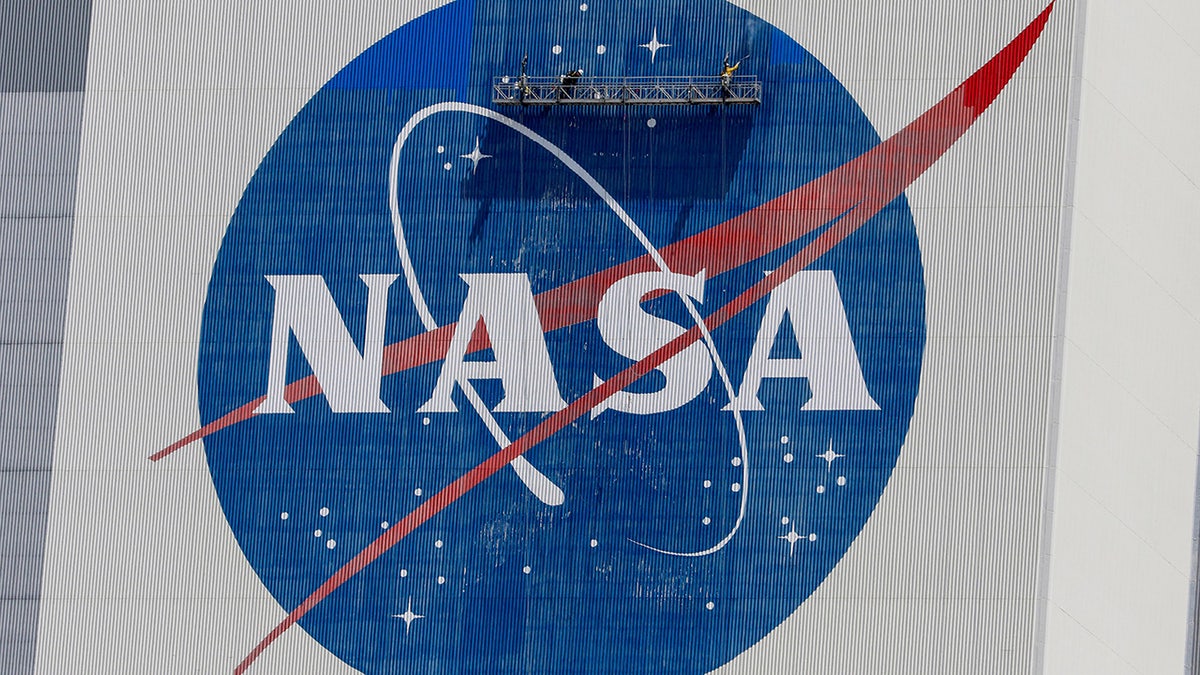
Workers pressure-wash the logo of NASA on the Vehicle Assembly Building at the Kennedy Space Center in Cape Canaveral, Florida, on May 19, 2020. (Reuters/Joe Skipper/File Photo)
Additional senators have already spoken out ahead of the hearing, including Sen. Ted Cruz, R-Texas, who posted on X Monday, saying, «During our meeting, Mr. Isaacman committed to having American astronauts return to the lunar surface ASAP so we can develop the technologies needed to go on to Mars.»
«The moon mission MUST happen in President Trump’s term or else China will beat us there and build the first moonbase,» Cruz continued. «Artemis and the Moon-to-Mars Program are critical for American leadership in space!»
Fox News Digital also obtained Isaacman’s opening remarks for the nomination hearing, where he intends to highlight the importance of multi-planet travel and his plan to «prioritize sending American astronauts to Mars. Along the way, we will inevitably have the capabilities to return to the Moon and determine the scientific, economic, and 3 national security benefits of maintaining a presence on the lunar surface.»
The Trump nominee’s remarks also touch on the value NASA brings to the U.S. «not just to expand our knowledge or strengthen our national security, but to improve all life on Earth and inspire the next generation to reach even further.»
«This is why America needs NASA – why the world needs NASA – because there is no more important investment than inspiring our children to build a better, more exciting future. And the best way NASA can do that is by delivering on our mission and ushering in a new Golden Age of Science & Discovery – and we will not fail.»

This handout photo provided by SpaceX and Polaris on Sept. 15, 2024 shows Jared Isaacman stepping out of the manned Polaris Dawn mission’s «Dragon» capsule after it splashed down off the coast of Dry Tortugas, Florida. (Polaris Program/AFP via Getty Images)
Isaacman may face questions about recent reports that SpaceX founder and DOGE head Elon Musk intends to «take over» the space administration, and congressional Democrats have also been critical of Musk’s involvement in space travel. Rep. Maxwell Alejandro Frost, D-Fla., and Rep. Gerry Connolly, D-Va., sent a letter to NASA chief legal officer Iris Lan in an attempt to snuff out any association between the world’s richest man and U.S. space funding.
But a senior official at NASA headquarters in Washington, D.C. told Fox News Digital Tuesday, «NASA’s acting administrator, Janet Patro, is leading the agency under the Trump administration. Neither Elon Musk nor SpaceX holds any influence over the agency’s priorities.»
RESCUED NASA ASTRONAUTS DELIVER MESSAGE TO TRUMP, MUSK AFTER ‘INCREDIBLE’ NINE MONTHS IN SPACE
Isaacman amassed his $1.3 billion fortune as founder and CEO of Shift4 payments, a credit card payment processing company. The entrepreneur dropped out of high school at just 16 after working at a payment processing firm, and would eventually use a $10,000 check from his grandfather to build a tech empire.
In comparison to the previous NASA administrator, former astronaut and U.S. Sen. Bill Nelson, some critics have referred to Isaacman as an outsider.
CLICK HERE TO GET THE FOX NEWS APP
Fox News Digital spoke with NASA spokesperson Bethany Stevens in March, who pushed back, saying, «President Trump was also once considered an outsider, and the American people have put him back into office, just showing how much they appreciate the business side that he brings to the table. And Mr. Isaacman also has a background as an entrepreneur of an extremely successful business.»
Preston Mizell is a writer with Fox News Digital covering breaking news. Danielle Wallace is a breaking news and politics reporter at Fox News Digital. Story tips can be sent to danielle.wallace@fox.com and on X: @danimwallace.
NASA,Spaceflight,Senate Hearings








INTERNACIONAL
India y Brasil firmaron un memorándum sobre minerales críticos y tierras raras en Nueva Delhi
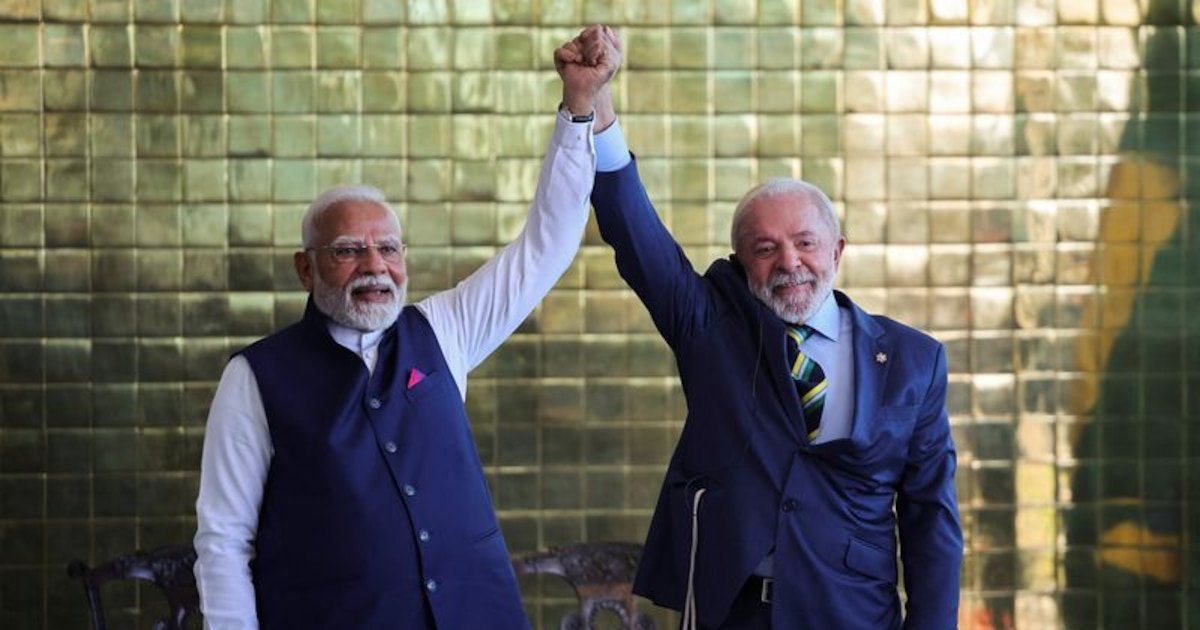
India y Brasil firmaron este sábado un acuerdo sobre minerales críticos y tierras raras, según anunció el primer ministro indio, Narendra Modi, tras mantener conversaciones en Nueva Delhi con el presidente brasileño, Luiz Inácio Lula da Silva.
Modi calificó el acuerdo como “un paso importante hacia la construcción de cadenas de suministro resilientes”. Ambos mandatarios mantuvieron conversaciones en busca de un fortalecimiento en la cooperación del sector estratégico.
Brasil posee la segunda mayor reserva mundial de estos elementos, esenciales en industrias que van desde vehículos eléctricos y paneles solares hasta teléfonos inteligentes, motores a reacción y misiles guiados.
India busca reducir su dependencia de China, principal exportador global de tierras raras, por lo que impulsó la producción interna, el reciclaje y la búsqueda de nuevos proveedores. En este contexto, la alianza con Brasil adquiere especial relevancia.
Lula llegó a Nueva Delhi acompañado por una delegación de ministros y líderes empresariales para participar en una cumbre mundial. El sábado recibió una bienvenida ceremonial y rindió homenaje a Mahatma Gandhi antes de reunirse con Modi. Los funcionarios confirmaron que ambos líderes firmaron un memorando sobre minerales críticos y analizaron iniciativas para incrementar los lazos comerciales.

India ya figura como el décimo mayor mercado para las exportaciones brasileñas, con un comercio bilateral que superará los USD 15.000 millones en 2025. Ambos países se han fijado como objetivo alcanzar los USD 20.000 millones en 2030.
Ante el dominio de China en la producción de tierras raras, varias naciones buscan diversificar sus fuentes. Rishabh Jain, del Consejo de Energía, Medio Ambiente y Agua de Delhi, señaló que la cooperación de India con Brasil en minerales críticos complementa acuerdos recientes con Estados Unidos, Francia y la Unión Europea.
Si bien estas alianzas otorgan acceso a tecnología avanzada y capacidades de procesamiento, “las alianzas del Sur Global son fundamentales para asegurar un acceso diversificado a recursos locales y dar forma a las reglas emergentes del comercio global”, afirmó Jain.
Se esperaba que el primer ministro indio y el presidente brasileño también abordaran en sus conversaciones los obstáculos económicos mundiales y las tensiones en los sistemas comerciales multilaterales, especialmente tras verse ambos países afectados por los aranceles estadounidenses en 2025, lo que llevó a los dos líderes a pedir una cooperación más estrecha.
Desde entonces, Washington se ha comprometido a reducir los gravámenes sobre productos indios en virtud de un acuerdo comercial anunciado a principios de este mes.
“Lula y Modi tendrán ocasión de intercambiar puntos de vista sobre la situación mundial y, en particular, sobre los desafíos que atraviesa el multilateralismo y el comercio internacional”, afirmó Susan Kleebank, secretaria para Asia y el Pacífico de la Cancillería brasileña.

Brasil es el mayor socio de India en América Latina. Entre las principales exportaciones brasileñas hacia India destacan el azúcar, el petróleo, los aceites vegetales, el algodón y el mineral de hierro, cuya demanda se ha incrementado debido al rápido desarrollo de las infraestructuras y el crecimiento industrial de India, que podría convertirse en la cuarta economía mundial.
Empresas brasileñas también se están expandiendo en India. En enero, el grupo Adani y Embraer firmaron un acuerdo para la fabricación de helicópteros.
Durante la cumbre sobre inteligencia artificial AI Impact en Nueva Delhi, Lula reclamó la creación de un programa de gobernanza mundial multilateral e inclusivo para la IA. Tras su visita a India, el presidente brasileño viajará a Corea del Sur, donde se reunirá con el presidente Lee Jae-myung y participará en un foro de negocios Brasil-Corea del Sur.
(Con información de AFP)
INTERNACIONAL
Supreme Court kills Trump’s ‘Liberation Day’ tariffs — but 4 other laws could resurrect them
NEWYou can now listen to Fox News articles!
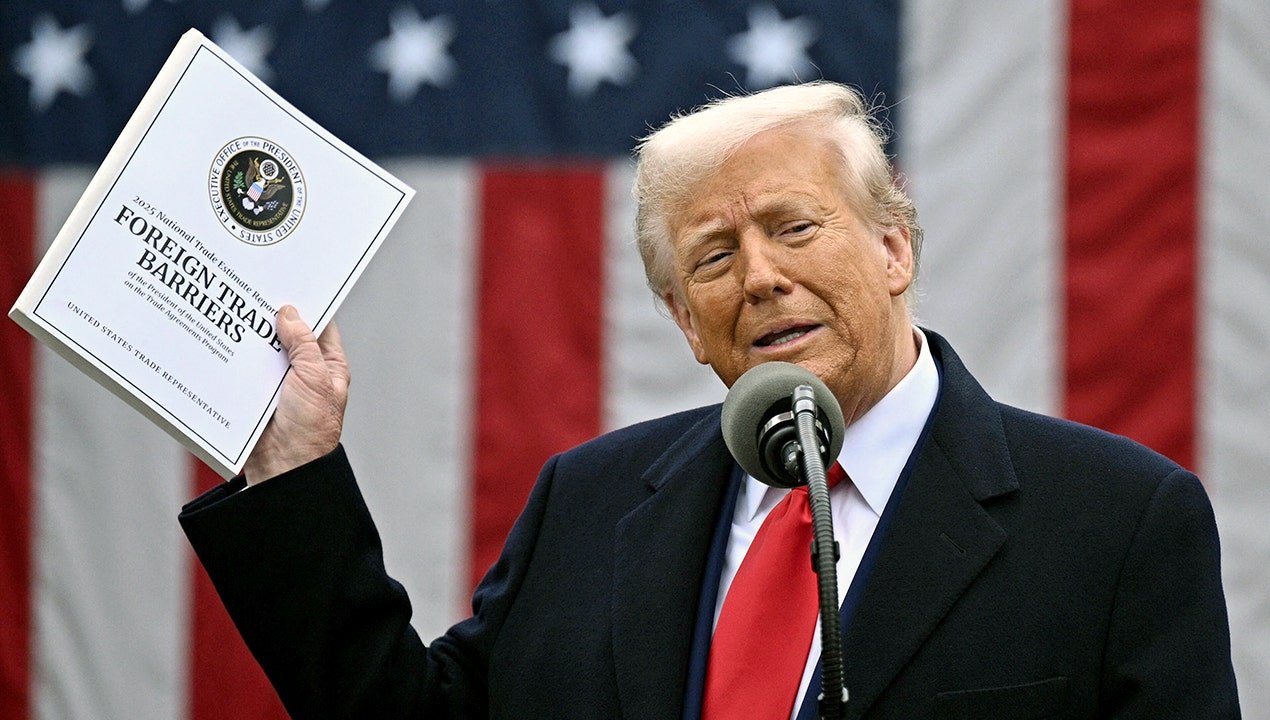
The Supreme Court rebuked President Trump’s use of the International Emergency Economic Powers Act to impose sweeping «Liberation Day» tariffs, ruling that the Constitution gives Congress — not the president — authority over tariffs.
But the decision may not be the final word. From the Trade Expansion Act to the Trade Act of 1974 and even Depression-era statutes, multiple legal avenues remain that could allow Trump to reassert aggressive trade powers.
In a 6-3 decision led by George W. Bush-appointed Chief Justice John Roberts, the court ruled that the «framers gave [tariff] power to Congress alone, notwithstanding the obvious foreign affairs implications of tariffs.»
George H.W. Bush-appointed Justice Clarence Thomas, Trump-appointed Justice Brett Kavanaugh and George W. Bush-appointed Justice Samuel Alito dissented.
SUPREME COURT PREPARES TO CONFRONT MONUMENTAL CASE OVER TRUMP EXECUTIVE POWER AND TARIFF AUTHORITY
A protester holds a sign as the U.S. Supreme Court hears arguments on President Trump’s tariffs on Wednesday, November 5, 2025. (Bill Clark/CQ-Roll Call, Inc via Getty Images)
On «Liberation Day» in 2025, Trump cited the International Emergency Economic Powers Act (IEEPA), drafted by former Rep. Jonathan Brewster-Bingham, D-N.Y., to declare an emergency situation in which foreign countries were «ripping off» the U.S.
With that avenue now closed by Roberts, Trump could try to use the same national security rationale to invoke the Trade Expansion Act of 1962, which in part allows the Commerce Department to impose tariffs on «article[s]… imported… in such quantities or under such circumstances as to threaten or impair the national security.»
Unlike the IEEPA, the JFK-era law has been tested in the courts, and Commerce Secretary Howard Lutnick has since built on his predecessor Wilbur Ross’ 2018 steel and aluminum tariffs imposed under the act, adding 407 more imports to the tariff list on the grounds that they are «derivative» of the two approved metals.
TRUMP’S OWN SCOTUS PICKS COULD WIND UP HURTING HIM ON TARIFFS

President Donald Trump shows off non-reciprocal tariff examples. (Mandel Ngan/Getty Images)
During his 2025 confirmation hearing, Lutnick voiced support for a «country by country, macro» approach to tariffs and agreed with the president that the U.S. is «treated horribly by the global trading environment.»
While tariffs imposed under Section 232 of the Trade Expansion Act are not immediate and require the Commerce Department to conduct a formal investigation, the law provides a court-tested avenue for the president.
In the wake of Friday’s ruling, Sen. Rand Paul, R-Ky., and others celebrated the court’s affirmation that Trump cannot use «emergency powers to enact taxes,» but Congress has previously approved another avenue to impose tariffs.
Then-Rep. Albert Ullman, D-Ore., crafted a bill signed by President Gerald Ford that expressly gave presidents broader authority to impose tariffs: the Trade Act of 1974.
A federal appeals court in September ruled against thousands of companies that challenged tariffs on China imposed under Section 301 of the Trade Act.
6 HOUSE REPUBLICANS DEFY TRUMP ON KEY AGENDA ITEM IN DEM-PUSHED VOTE
In this case, U.S. Trade Representative Jamieson Greer, a Trump appointee, could seek retaliatory tariffs against countries with unfair trade barriers, according to Global Policy Watch.
An investigation, including negotiations with the targeted countries, would then ensue, and Greer could ultimately be cleared to impose trade restrictions if the probe finds that the U.S. is being denied trade agreement benefits or that such a deal is unjustifiable.
However, in most cases, imposed tariffs sunset after four years, according to reports.
In Trump’s favor, it could be argued that the same reasoning Roberts used to strike down the IEEPA authority could backfire on tariff opponents because the 1974 law explicitly gives the executive branch trade-restriction authority.
Another section of the Ford-signed law could also be used to unilaterally impose tariffs.
Section 122, the «Balance of Payments» portion of the law, allows Trump to temporarily enforce tariffs or import quotas in certain situations.
A president may impose tariff duties of up to 15% for 150 days against all or certain countries if they are found to be «maintain[ing] unjustifiable or unreasonable restrictions on U.S. commerce,» according to the Retail Industry Leaders Association.
«This authority is intended to give the executive branch flexibility to respond quickly to trade practices that may harm U.S. economic interests or to correct significant balance-of-payments deficits,» the trade group said in a June report.
However, reports show Section 122 has not been tested in court as extensively, which could lead to lawsuits and legal uncertainty.
SUPREME COURT RULES ON TRUMP TARIFFS IN MAJOR TEST OF EXECUTIVE BRANCH POWERS
Another potential policy option for Trump is one that drew sharp criticism when President Herbert Hoover signed it against the advice of economists early in the Great Depression.
The Smoot-Hawley Tariff Act of 1930, named for Republican Sen. Reed Smoot of Utah and Rep. Willis Hawley of Oregon, imposed tariffs on tens of thousands of imports in hopes of protecting American producers facing dire economic conditions.
Hawley’s great-granddaughter, Carey Cezar of Baltimore, told NBC News in 2025 that she voted for Kamala Harris and opposed Trump’s tariffs after her ancestor’s name resurfaced in public discourse.
Other critics of Smoot-Hawley say it is a key reason the Depression was so dire and expansive.
However, the law still provides a mechanism for the Commerce Department to determine when a good is being «dumped» on U.S. consumers or whether a foreign country is unfairly subsidizing an export to the U.S., and to respond with tariffs.
Additionally, while Trump has imposed tariffs largely on a country-by-country basis, Smoot-Hawley requires that levies be applied on a product-by-product basis.
BESSENT WARNS OF ‘GIGANTIC LOSS’ IF SUPREME COURT STRIPS TRUMP’S EMERGENCY TARIFF POWERS
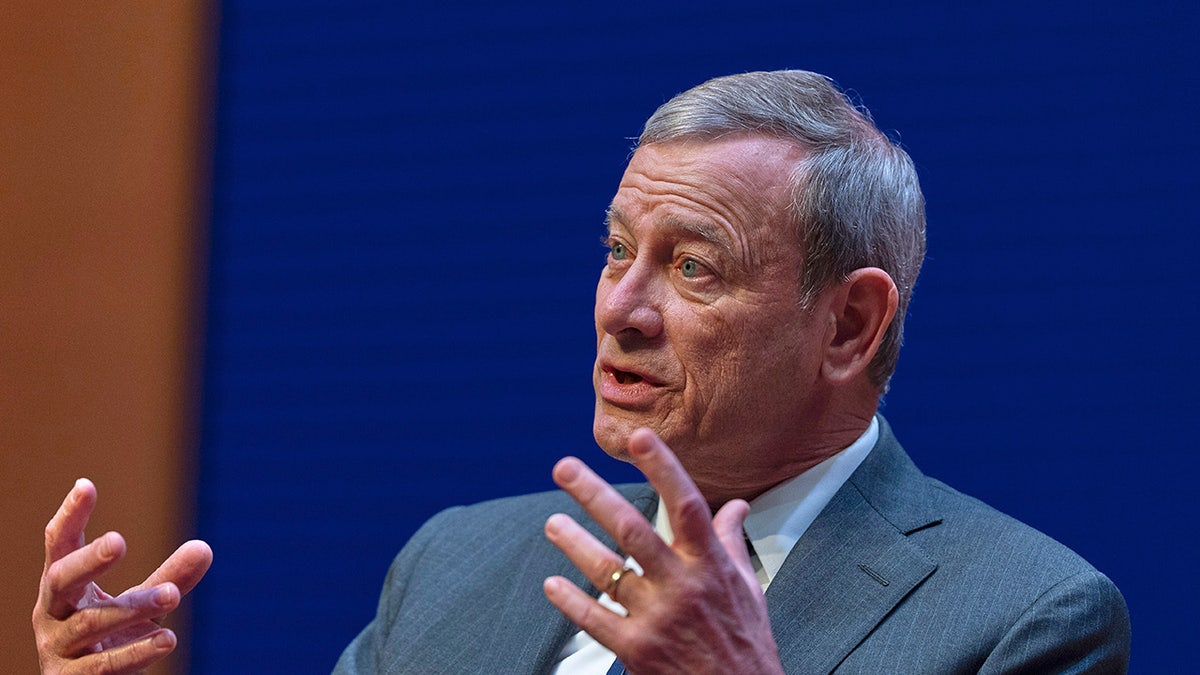
Chief Justice of the U.S. Supreme Court John Roberts speaks during a lecture to the Georgetown Law School graduating class of 2025, in Washington, May 12, 2025. (AP Photo/Manuel Balce Ceneta, File)
A fifth avenue that is largely unreachable by Trump is the Fordney-McCumber Tariff Act of 1922.
Sen. Porter McCumber, R-N.D., and Rep. Joseph Fordney, R-Mich., passed a bill allowing Republican President Warren Harding to impose much higher tariffs than were standard at the time, in hopes of protecting U.S. farmers from a sharp decline in revenue following World War I.
In one of the first contemporary rebukes of protectionism, Fordney-McCumber was criticized for permitting tariffs as high as 50% on countries, including allies, which opponents said had the unintended consequence of hurting America’s ability to service its war debts.
Fordney-McCumber was eventually superseded by Smoot-Hawley, and any remaining provisions are considered obsolete following the Reciprocal Trade Agreements Act, signed by President Franklin Roosevelt to undo some of Congress’ trade restrictions.
CLICK HERE TO DOWNLOAD THE FOX NEWS APP
The RTAA shifted tariff authority from Congress to the president, granting authority for bilateral negotiations aimed at lowering tariffs at the time.
That dynamic, often called «reciprocity,» is being used in the Trump era not to lower tariffs but to raise them.
donald trump,protectionism,supreme court,law,trade
INTERNACIONAL
Más preocupación por Nahuel Gallo en Venezuela: denuncian una trampa en la Ley de Amnistía con las fechas y hay malestar entre los familiares
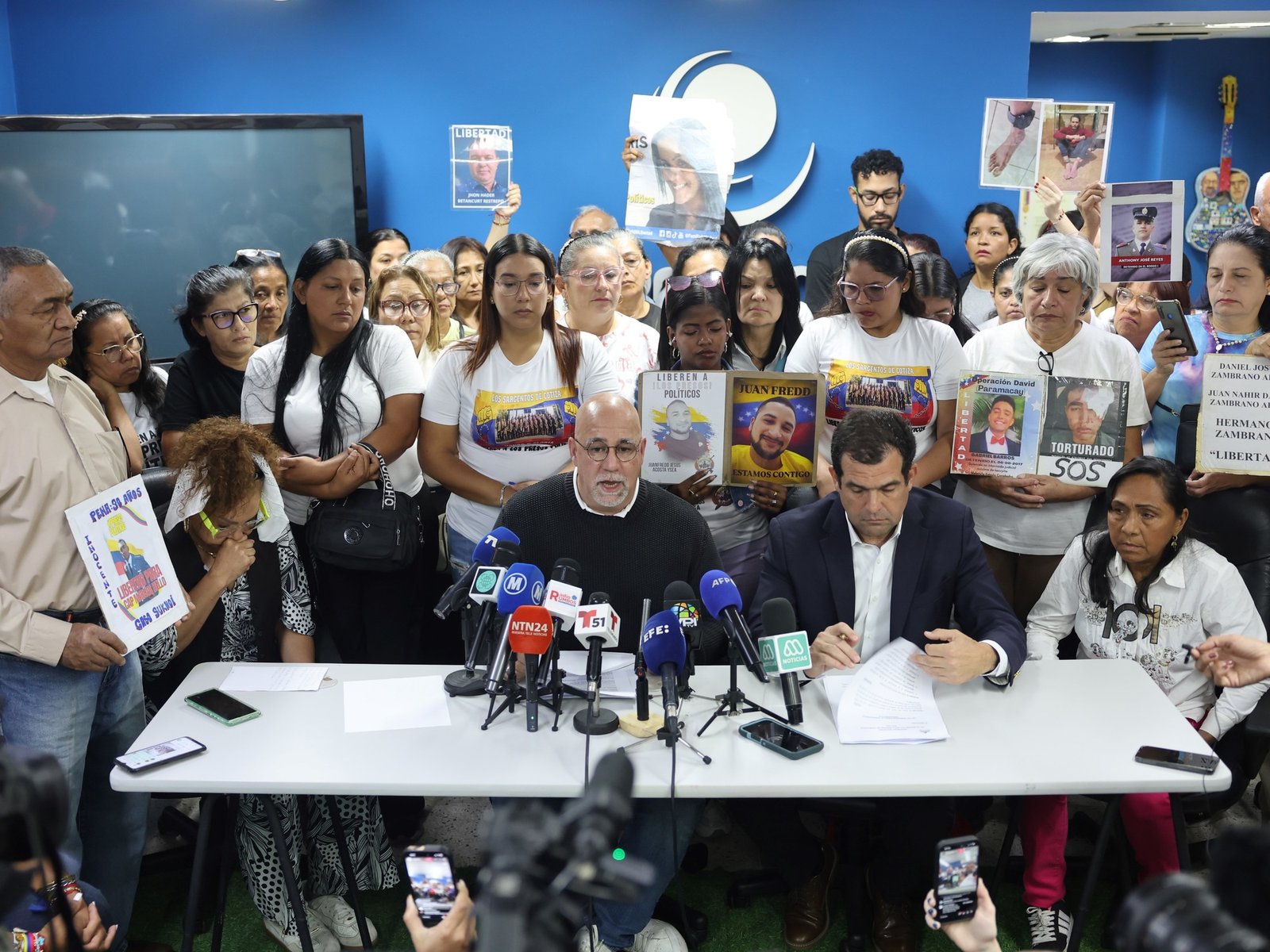
Organismos de derechos humanos y familiares de presos políticos denuncian que la Ley de Amnistía aprobada por la dictadura de Venezuela tiene un recorte arbitrario con las fechas, dentro del período de 28 años que abarca. Sostiene que deja excluidos a 400 detenidos, entre los que figura el gendarme argentino Nahuel Gallo.
Este jueves, la Asamblea Nacional controlada por el chavismo aprobó la Ley de Amnistía, 20 días después de que la anunciara la presidenta encargada Delcy Rodríguez
Si bien Delcy Rodríguez, quien juró en el cargo dos días después de la captura del dictador Nicolás Maduro, había anticipado que la amnistía abarcaría desde 1999 hasta 2026, el texto especifica solo 12 dentro de esos 27 años, por lo que deja por fuera a cientos de detenidos.
Los organismos de derechos humanos remarcan que en la letra chica de la ley, por cómo fueron elegidos los meses, hay 15 años entero de los 28 que quedaron afuera. «Es una selección indebida y bastante arbitraria de momentos y de meses en específico», cuestionó Gonzalo Himiob, vice de Foro Penal, una de las organizaciones civiles más prestigiosas del país y que monitorea la situación de los presos en Venezuela.
En la conferencia de prensa de la ONG en Caracas, donde también estaban familiares de los detenidos, Alfredo Romero, presidente del Foro Penal, aseguró que Nahuel Gallo «en ningún lado de la amnistía está incluido» y destacó la presencial de la suegra del gendarme en la conferencia.
«La amnistía es un instrumento muy pequeño, con muchas restricciones, pero es un logro», destacó Romero, quien igualmente enfatizó que no se podrá alcanzar la reconciliación y la reunificación del país, «sin que como condición previa se liberen todos los presos políticos».
Gallo fue detenido el 8 de diciembre de 2024, y el artículo 6 de la ley determina para ese año la amnistía sólo para «los hechos de violencia por motivos políticos acaecidos en el marco de las elecciones presidenciales de julio de 2024».
Según cifras de la ONG, en Venezuela «hay más de 11.000 personas con medidas restrictivas a su libertad que estuvieron encarceladas» y son numerosos los mayores de 70 años presos, pese a que la legislación contempla medidas sustitutivas de libertad basadas en el principio humanitario.
Los grupos humanitarios también pidieron en una rueda de prensa que se desmantele “el sistema represivo” que dio pie a las encarcelaciones. Y, por otro lado, advirtieron también que el futuro de muchos de los potenciales beneficiarios de la amnistía esta «todavía amenazado por la persecución política» como consecuencia que la ley está sujeta a «una excesiva discrecionalidad».
Consideraron además un despropósito que sean “los mismos jueces y fiscales que han acusado a personas injustamente, arbitrariamente”, los encargados de “interpretar la ley para otorgar beneficios”, en lugar de designar “jueces ad hoc” para ese fin.
«Hasta que esto no cambie, vamos a tener todavía la amenaza en un futuro de que incluso aquellos que van a ser amnistiados puedan ser nuevamente encarcelados», insistió Romero.
En tanto, la ONG Justicia, Encuentro y Perdón (JEP) expresó en un comunicado que todas sus “preocupaciones y advertencias respecto al proyecto de ley de amnistía se confirman ante un texto que, tal como señalamos oportunamente, resulta revictimizante, excluyente y, en lo absoluto, garantiza la liberación plena de todos los presos políticos».
«Hemos sostenido y reiteramos que la liberación de todas las personas detenidas por razones políticas depende de una genuina y verdadera voluntad política, que debe verificarse en la aplicación efectiva de la Constitución y las leyes nacionales, sin interpretaciones restrictivas ni decisiones discrecionales», enfatizó JEP.
El gobierno de Rodríguez anunció el 8 de enero que liberaría a un número significativo de prisioneros. Voceros del gobierno han dicho que han sido liberados casi 900 reclusos desde diciembre, aunque el Foro Penal hasta el miércoles registraba la liberación de 448 personas por motivos políticos.
Con información de la Agencia AP

El ambicioso plan de incentivos de la Reforma Laboral para revivir el empleo registrado

Roberto Baradel se sumó al paro docente contra el Gobierno de Axel Kicillof

La famosa vedette que confesó que extraña su época de trabajar como «gato»: “Es una cosa hermosa que te hagan regalos”

Latios y Latias protagonizan los siguientes Pases de Combate de Pokémon Unite – Nintenderos

Harry Kane al Barça: ¿más que un sueño electoral?: ‘Como su cláusula de rescisión expiró, no tenemos ninguna presión’

India y Brasil firmaron un memorándum sobre minerales críticos y tierras raras en Nueva Delhi

Reforma laboral bomba: menos indemnización, más horas y despidos más fáciles — el cambio que puede sacudir el empleo en Argentina

Ayuda Escolar Anual: a cuánto asciende, donde se tramita y quien puede cobrarla

Escándalo en MasterChef: una famosa abandonó a los gritos y acusando que está todo arreglado

Del himno peronista de Kelly Olmos al exabrupto de Agustina Propato: las perlitas del debate por la reforma laboral

 ECONOMIA3 días ago
Ayuda Escolar Anual: a cuánto asciende, donde se tramita y quien puede cobrarla
- CHIMENTOS1 día ago
Escándalo en MasterChef: una famosa abandonó a los gritos y acusando que está todo arreglado
- POLITICA1 día ago
Del himno peronista de Kelly Olmos al exabrupto de Agustina Propato: las perlitas del debate por la reforma laboral