INTERNACIONAL
Trump demands do-or-die nuclear talks with Iran. Who has the leverage?

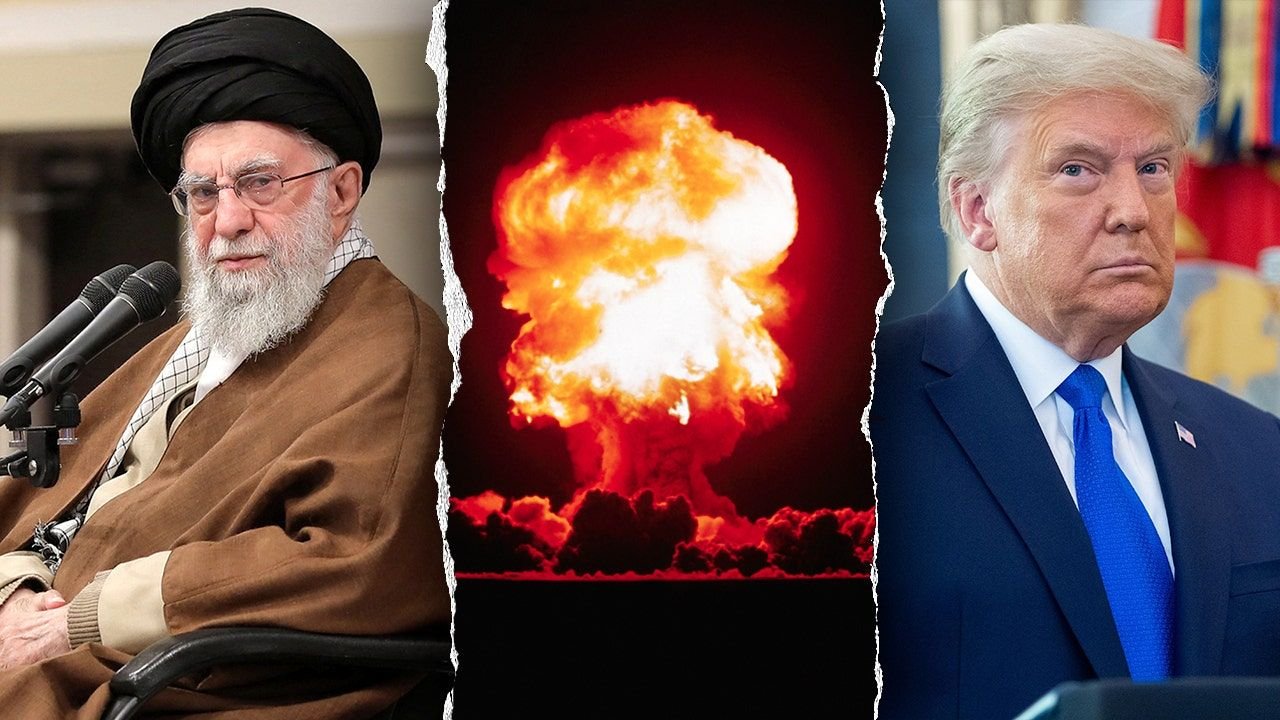
President Donald Trump remains adamant that his administration will engage in «direct» nuclear talks with Iran on Saturday in Oman, while Tehran appears to remain equally steadfast in its insistence the negotiations will be «indirect.»
Middle East envoy Stever Witkoff is scheduled to travel to Oman, where he could potentially be meeting with Iranian Foreign Minister Abbas Araghchi, though the Iranian official has so far maintained the talks will be held through a third party.
While it remains unclear who will get their way regarding the format of the discussions, Iran expert and senior fellow at the Foundation for Defense of Democracies, Behnam Ben Taleblu, said this public controversy between Washington and Tehran is all a game of leverage.
«Both sides have an incentive to either overrepresent or underrepresent what is happening,» he told Fox News Digital. «These are often the negotiations before the negotiations.»
IRAN MULLS PREEMPTIVE STRIKE ON US BASE AFTER TRUMP BOMB THREATS
President Donald Trump speaks to reporters as he signs executive orders in the Oval Office on April 9, 2025. (Getty Images)
«For the White House, the desire to be seen as having direct talks with the Islamic Republic is high,» he said, pointing to the lack of direct engagement between Washington and Tehran dating back to his first term and the regime’s deep disdain for the president, as witnessed in an apparent assassination attempt.
While the Iranian government has long held contempt for the U.S., a sentiment that has persisted for decades, Trump is «very different,» Ben Taleblu said.
The security expert highlighted the 2020 assassination of top Iranian Gen. Qasem Soleimani, the crippling effect of the U.S.-sanctioned maximum-pressure campaign and Trump’s open support for the Iranian people as the major issues that have rankled the Iranian regime.
«Trump is a very bitter pill to swallow, and I think the supreme leader of Iran once said that the shoe of Qasem Soleimani has more honor than the head of Trump,» Ben Taleblu said. «Being seen as directly negotiating with someone [like that] would be making the Islamic Republic look like a supplicant.
«The U.S. wants to be seen as having driven Iran to the negotiating table, and the Islamic Republic does not want to be seen as being driven to the negotiating table,» he added.
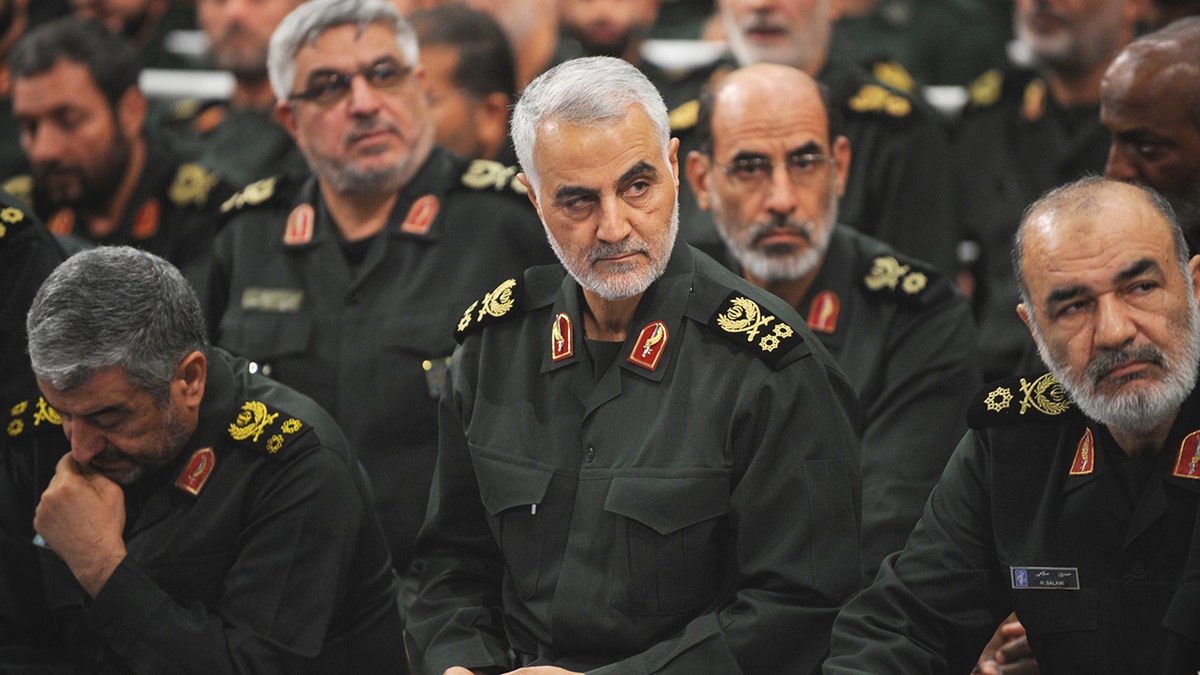
Iranian Quds Force commander Qassem Soleimani is shown in 2016. (Press Office of Iranian Supreme Leader/Anadolu Agency/Getty Images)
AHEAD OF TRUMP ADMIN-IRAN TALKS, NEW REPORT SAYS IRAN NUCLEAR THREAT RISES TO ‘EXTREME DANGER’
Tehran’s chief advantage is the fact that, despite severe U.S. sanctions and geopolitical attempts to halt its development of a nuclear weapon, it has made serious gains in its enrichment of uranium to near-weapons-grade quality, as well as with its missile program, a critical component in being able to actually fire a nuclear warhead.
It also has drastically closer ties with chief U.S. adversarial superpowers like Russia and China, whose position and involvement in countering Western attempts to disarm a nuclear Iran remains an unknown at this point.
While Iran holds significant leverage when it comes to negotiating with the Trump administration on its nuclear program, Washington has a plethora of levers it can use to either incentivize or coerce Tehran into adhering to international calls for the end of its nuclear program.
«The U.S. actually has a heck of a lot of leverage here,» Ben Taleblu said, pointing to not only more economic sanctions, including «snapback» mechanisms under the United Nations Security Council, but also military options.
Trump last month threatened to «bomb» Iran if it did not engage in nuclear talks with the U.S.
But some have questioned how long the administration will allow negotiations to persist as JCPOA-era snapback sanctions expire in October 2025.
The White House would not confirm for Fox News Digital any time restrictions it has issued to Iran, but Trump on Wednesday told reporters, «We have a little time, but we don’t have much time.»
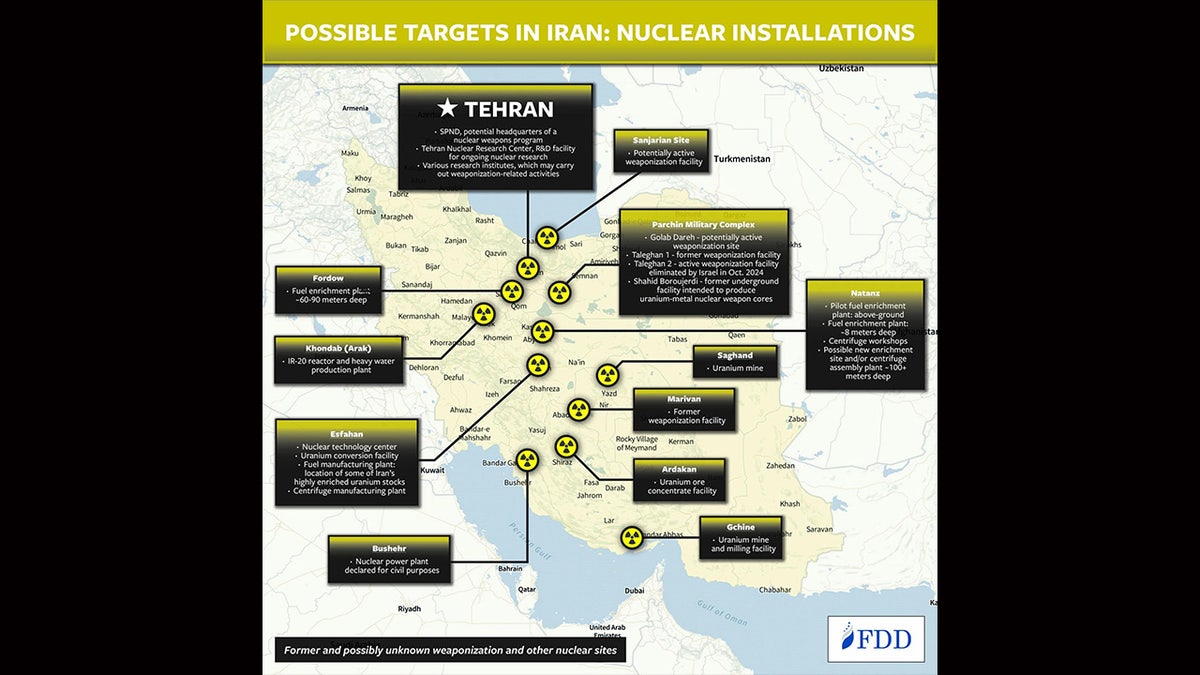
The Foundation for Defense of Democracies analyzed where Iran’s nuclear infrastructure is located. (Foundation for Defense of Democracies)
TIME IS RUNNING OUT TO STOP IRAN FROM MAKING NUCLEAR BOMB: ‘DANGEROUS TERRITORY’
«The regime has its back against the wall,» Ben Taleblu said. «A military option, given what has been happening in the Middle East since Oct. 7, 2023, is an increasingly credible option against the Islamic Republic of Iran.»
«And the regime is engaging, now, to delay and prevent a military option from ever materializing,» he added. «They are hoping to use talks with the Americans as a human shield against the Israelis.»
«So long as you’re talking to America, the Israelis aren’t shooting at you,» Ben Taleblu continued.
Trump this week said that it would be Israel who would take the lead on a military strike on Iran, not the U.S., should nuclear talks fail, which again could be a negotiating tactic as Israel has already demonstrated it will not hesitate to militarily engage with Iran.
«Pursuing wholesale disarmament of the Islamic Republic of Iran is incredibly risky, and it doesn’t have a great track record of succeeding,» Ben Taleblu said.
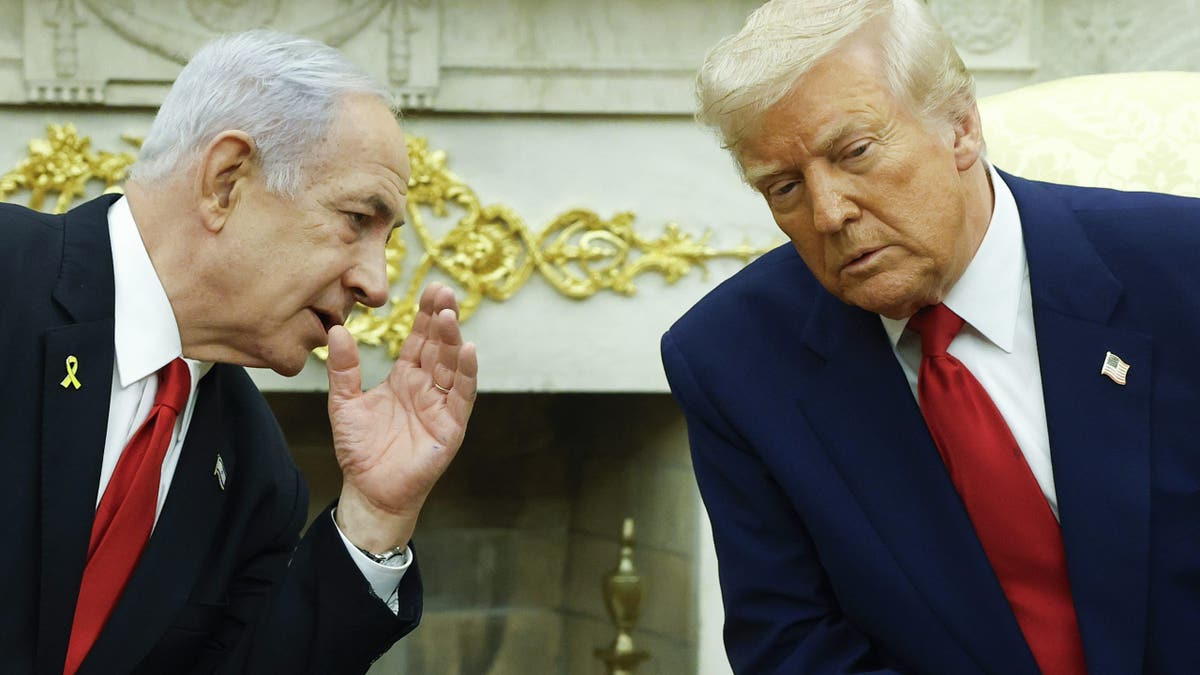
Israeli Prime Minister Benjamin Netanyahu talks to President Donald Trump during a meeting in the Oval Office on April 7, 2025. (Kevin Dietsch/Getty Images)
CLICK HERE TO GET THE FOX NEWS APP
The Iranian expert said the only way to actually take on the Islamic Republic would be through a «broader» and «more holistic» strategy that focuses not only on nuclear nonproliferation but removing the «Axis of Resistance,» scaling up sanctions and having a «ground game» to counter the regime through cyber, political and telecommunication strategies «for when Iranians go out into the street and protest again.»
«What the Islamic Republic would always want is to have you focus on the fire and not on the arsonist, and the arsonist is quite literally a regime that has tried to kill this president,» Ben Taleblu said.

INTERNACIONAL
EN VIVO: Israel bombardea el corazón de Teherán por segundo día consecutivo mientras Irán jura venganza
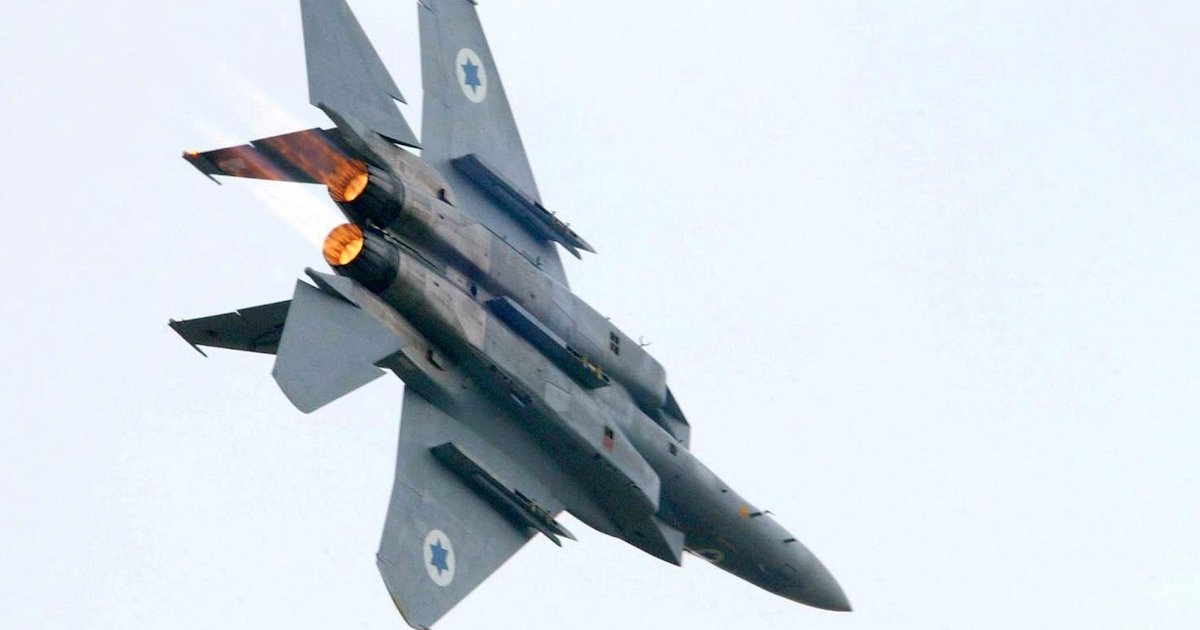
El ejército israelí lanzó una nueva ola de ataques a gran escala sobre la capital iraní y la Guardia Revolucionaria prometió la ofensiva “más feroz de la historia” contra Israel y Estados Unidos tras la muerte del líder supremo Ali Khamenei
Israel lanzó el domingo una nueva ola de ataques a gran escala contra el corazón de Teherán, mientras Irán prometió una represalia de magnitud “nunca antes vista” tras la muerte de su líder supremo, el ayatolá Ali Khamenei, abatido el sábado en una operación conjunta de Estados Unidos e Israel. El ejército israelí indicó que su fuerza aérea avanzaba para “establecer superioridad aérea y abrir el camino hacia Teherán”, y precisó que aproximadamente la mitad de las reservas de misiles iraníes había sido destruida durante la guerra anterior de junio de 2025. Simultáneamente, la Guardia Revolucionaria iraní advirtió que lanzaría “en cualquier momento” la ofensiva “más feroz de la historia” contra Israel y las bases militares estadounidenses en la región.
En Irán, el presidente Masoud Pezeshkian calificó el asesinato de Khamenei de “declaración de guerra contra los musulmanes” y afirmó que vengar su muerte es “un deber y un derecho legítimos” de la república islámica. El jefe de seguridad Ali Larijani prometió atacar a Estados Unidos e Israel “con una fuerza que jamás han conocido”. El país nombró al ayatolá Alireza Arafi miembro de un consejo de liderazgo interino —junto al presidente y al jefe del poder judicial— que gobernará hasta que la Asamblea de Expertos designe un nuevo líder supremo permanente.
El conflicto se extendió rápidamente por toda la región. Irán atacó por segundo día consecutivo Qatar, Bahréin, instalaciones en los Emiratos Árabes Unidos e Irak, mientras misiles iraníes activaron sirenas de alerta sobre Jerusalén. Al menos ocho personas murieron en Karachi, Pakistán, durante protestas frente al consulado estadounidense, y cientos de manifestantes intentaron tomar la Zona Verde de Bagdad, donde se encuentra la embajada de Estados Unidos. El Consejo de Seguridad de la ONU celebró una reunión de emergencia, y el organismo nuclear internacional convocó para el lunes una sesión extraordinaria sobre Irán a pedido de Rusia.
A continuación, la cobertura minuto a minuto:
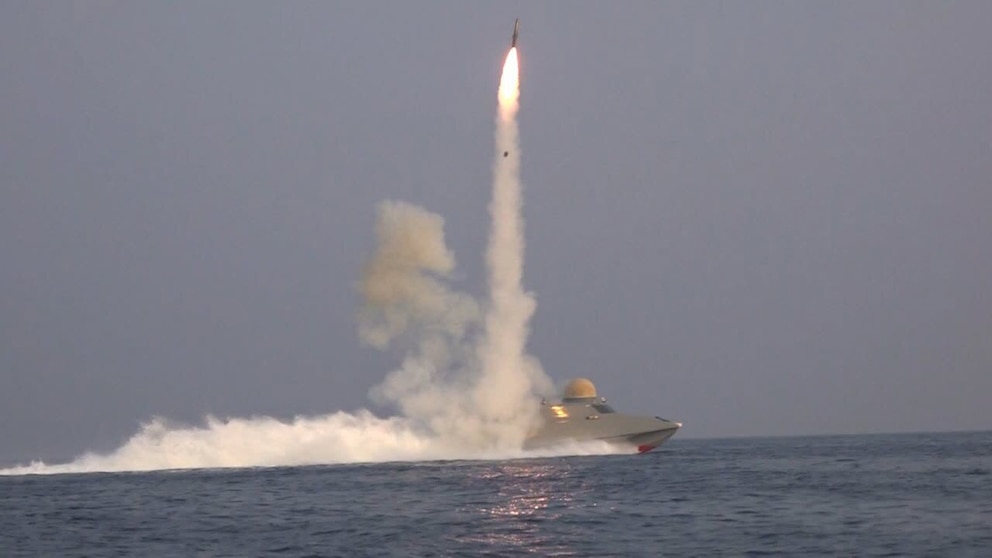
Omán dijo que un petrolero fue atacado frente a las costas de un enclave en los Emiratos Árabes Unidos el domingo, con su tripulación evacuada y cuatro de ellos heridos, mientras Irán llevaba a cabo ataques de represalia en el Golfo.
El papa pide poner fin a la “espiral de violencia” en Oriente Medio

El papa León XIV pidió este domingo poner fin a la “espiral de violencia” en Oriente Medio, después de que Estados Unidos e Israel atacaran Irán, que respondió con bombardeos en la región.
“Ante la posibilidad de una tragedia de enormes proporciones, pido a las partes implicadas que asuman su responsabilidad moral y paren la espiral de violencia antes de que se convierta en un abismo irreparable”, dijo sumo pontífice ante la multitud congregada en la plaza de San Pedro del Vaticano.
Putin condena el asesinato de Khamenei y envía condolencias a Irán

El presidente ruso Vladimir Putin calificó el domingo el asesinato del líder supremo iraní, el ayatolá Ali Khamenei, como una “violación cínica de todas las normas de la moral humana y del derecho internacional”. En una carta dirigida al presidente iraní Masoud Pezeshkian y difundida por el Kremlin, Putin expresó sus “más profundas condolencias” y pidió transmitir su “más sincera simpatía y apoyo” a los familiares del líder supremo, al gobierno y al pueblo de Irán.
Putin describió a Khamenei como “un destacado estadista que realizó una enorme contribución personal al desarrollo de las relaciones amistosas entre Rusia e Irán”. Los lazos entre ambos países se habían estrechado notablemente durante la ofensiva rusa en Ucrania, conflicto en el que Teherán actuó como uno de los aliados más cercanos de Moscú. En 2025, las dos naciones firmaron un tratado de asociación estratégica que contemplaba cooperación en materia de defensa.
El gobierno ruso había expresado ya su rechazo el sábado, cuando calificó los ataques de Estados Unidos e Israel sobre Irán de “aventura peligrosa” con riesgo de desatar una “catástrofe” en la región. El canciller Sergei Lavrov habló ese mismo día por teléfono con su homólogo iraní Abbas Araghchi —a iniciativa de Teherán, según precisó el ministerio ruso—, en una jornada en la que el Kremlin había llamado a la contención antes de que se produjeran los bombardeos.
Irán nombró a Alireza Arafi miembro del consejo de liderazgo tras el asesinato de Khamenei

Irán nombró al ayatolá Alireza Arafi miembro de su consejo de liderazgo interino, que estará al frente del país tras el asesinato del líder supremo, el ayatolá Alí Khamenei, el domingo.
“El Consejo de Discernimiento de la Conveniencia ha elegido al ayatolá Alireza Arafi como miembro del consejo de liderazgo interino”, declaró el portavoz del consejo, Mohsen Dehnavi, en una publicación en X.
El consejo interino, que también incluirá al presidente y al jefe del poder judicial, dirigirá el país hasta que la Asamblea de Expertos “elija un líder permanente lo antes posible”.
Arafi, presidente de los Seminarios Islámicos de Irán, se posiciona de esta manera como el más probable sucesor de Khamenei.
Hezbollah promete “enfrentar la agresión” de EEUU e Israel
El grupo terrorista libanés Hezbollah prometió el domingo enfrentarse a Estados Unidos e Israel por sus ataques contra Irán, principal aliado del grupo.
“Cumpliremos con nuestro deber de hacer frente a la agresión” de Estados Unidos e Israel, afirmó el líder de Hezbollah, Naim Qassem, en un comunicado, añadiendo que no abandonarán “el campo del honor y la resistencia”.
El ejército israelí afirma haber destruido la mitad de las reservas de misiles de Irán
El ejército israelí afirmó el domingo que había destruido aproximadamente la mitad de las reservas de misiles de Irán, y añadió que la República Islámica había estado produciendo docenas de misiles tierra-tierra cada mes.
“Durante la operación, destruimos aproximadamente la mitad de las reservas de misiles del régimen iraní e impedimos la producción de al menos 1.500 misiles adicionales”, declaró el portavoz militar, el general de brigada Effie Defrin, en un comunicado televisado.
“El régimen había estado produciendo recientemente docenas de misiles tierra-tierra al mes y tenía la intención de aumentar la producción a cientos al mes.
El jefe de seguridad de Irán promete ataques contra EEUU e Israel “nunca antes vistos”
El jefe de seguridad de Irán, Ali Larijani, prometió el domingo atacar a Estados Unidos e Israel con una fuerza nunca antes vista tras los ataques contra la República Islámica que causaron la muerte del líder supremo del país.
“AYER, IRÁN DISPARÓ MISILES CONTRA ESTADOS UNIDOS E ISRAEL, E HICIERON DAÑO. HOY, LOS ATACAREMOS CON UNA FUERZA QUE JAMÁS HAN CONOCIDO”, declaró Larijani en un mensaje en X, escribiendo en mayúsculas como suele hacer el presidente estadounidense Donald Trump en su red Truth Social.
El presidente de Irán dijo que vengar el asesinato de Khamenei es “un deber y un derecho legítimos”
El presidente de Irán, Masoud Pezeshkian, afirmó el domingo que vengar el asesinato del líder supremo, el ayatolá Alí Khamenei, en los ataques estadounidenses e israelíes era un derecho y una obligación de la República Islámica.
“La República Islámica de Irán considera que es su deber y su derecho legítimos vengar a los autores y cerebros de este crimen histórico”, afirmó Pezeshkian en una declaración difundida por la televisión estatal.
Pezeshkian también calificó el asesinato de Khamenei de una “declaración de guerra contra los musulmanes”.
“El asesinato de la máxima autoridad política de la República Islámica de Irán y destacado líder del chiismo en todo el mundo… se percibe como una declaración abierta de guerra contra los musulmanes, y en particular contra los chiitas, en todo el mundo”, afirmó Pezeshkian.
El Tribunal Revolucionario de Teherán fue bombardeado y su edificio destruido, según medios estatales
Israel reveló imágenes del ataque al corazón de Teherán
“Vea las primeras imágenes del extenso ataque aéreo de la Fuerza Aérea en el corazón de Teherán. Se adjunta documentación de los minutos finales de la destrucción de la sede del régimen terrorista iraní en el corazón de Teherán”, escribió la cuenta oficial de las Fuerzas de Defensa de Israel vía X.
Más temprano, el ejército israelí anunció este domingo el inicio de una nueva ola de ataques contra objetivos en el centro de Teherán.
Religion,Europe,Religion / Belief
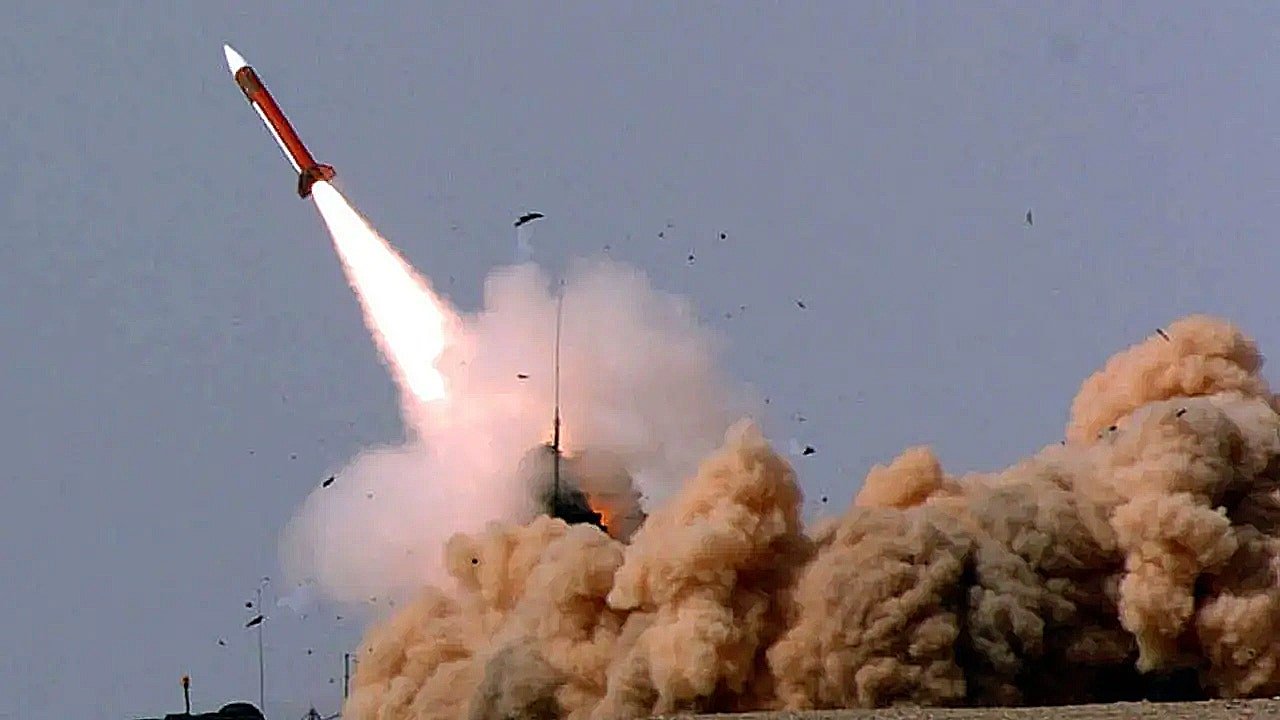
Trump addresses possibility of Iran strikes
President Donald Trump spoke with reporters on Friday about the possibility of the U.S. striking Iran, recognizing that it could risk the U.S. getting into a longer conflict.
NEWYou can now listen to Fox News articles!
As coordinated U.S. and Israeli strikes on Iran continue, current and former defense officials say that while a limited strike lasting several days is feasible, sustaining a broader confrontation — one involving potentially hundreds of incoming missiles — is far more complicated.
The U.S. and Israel undertook a mission known as Operation Epic Fury, targeting Iranian leadership and military sites Saturday. Its duration is still unclear, but the campaign may go on for days, according to U.S. officials.
Sustaining operations beyond the initial window presents a more complex challenge — one shaped by a «zero-sum» competition for missile defense inventories between the Middle East and Europe.
Officials and analysts warn that certain U.S. missile and air-defense interceptor inventories have been severely drawn down by the relentless pace of recent operations. The strategic dilemma for the Pentagon is that the systems required to shield U.S. bases from Iranian retaliation are the same ones being depleted by the defense of Ukraine and the ongoing protection of Israel.
Iran already has fired counterattacks near U.S. positions in Bahrain, Qatar, the United Arab Emirates, Kuwait and Jordan, with several host governments saying their air defense systems intercepted incoming projectiles. No U.S. service member fatalities or injuries have been reported as of Saturday, a U.S. official told Fox News Digital.
U.S. authorities have not publicly released casualty figures or formal damage assessments.
During the intense June 2025 Iran–Israel conflict, U.S. forces fired more than 150 Terminal High Altitude Area Defense Interceptors — roughly a quarter of the total global inventory — and a large number of ship-based standard missiles to protect allies, according to published defense assessments.
This shortfall largely is attributed to the dual pressure of supplying Ukraine against Russian cruise missiles and the surge of batteries to the Middle East. Replenishing these high-end systems can take more than a year, analysts say, because production lines are optimized for peacetime and cannot be surged overnight.
Carrier strike group under USS Gerald R. Ford is in the Middle East to support buildup amid Iran tensions. (U.S. Naval Forces Central Command / U.S. 6th Fleet / Handout via Reuters)
Independent groups have noted the U.S. currently produces roughly 600–650 Patriot PAC-3 MSE missiles annually, reflecting recent contracts to boost production capacity. Analysts say that in a high-intensity war with a near-peer adversary like Iran — where multiple interceptors are often used to defeat a single incoming missile — even a year’s worth of production could be consumed in a matter of weeks, especially after recent drawdowns in Ukraine and the Middle East.
«The Department of War has everything it needs to execute any mission at the time and place of the President’s choosing and on any timeline,» Chief Pentagon spokesman Sean Parnell said in response to readiness questions.
Retired Air Force Gen. Charles Wald, former deputy commander of U.S. European Command, said the United States retains the ability to surge conventional strike munitions into the region and draw from prepositioned stocks if a campaign is ordered.
«From a conventional munition standpoint, we can always fly in more weapons from around the world,» Wald told Fox News Digital. «There are a lot of weapons stored there with this type of mission in mind.»
The greater concern, he acknowledged, lies on the defensive side.
«The issue will be defensive weapons — Patriot, SM-3, and the Arrow system in Israel,» Wald said. «You can never have enough defense.»
Regional analysts caution that in a sustained missile exchange, interceptor inventories — not offensive strike weapons — could become the binding constraint.
«There is a limit to how many THAAD missiles can be used,» Israeli defense analyst Ehud Eilam said. «These are not systems you can reproduce overnight.»
Iran is believed to possess between 1,500 ballistic missiles and 2,000 ballistic missiles, as well as drones and shorter-range rockets capable of striking U.S. bases and Gulf energy infrastructure.
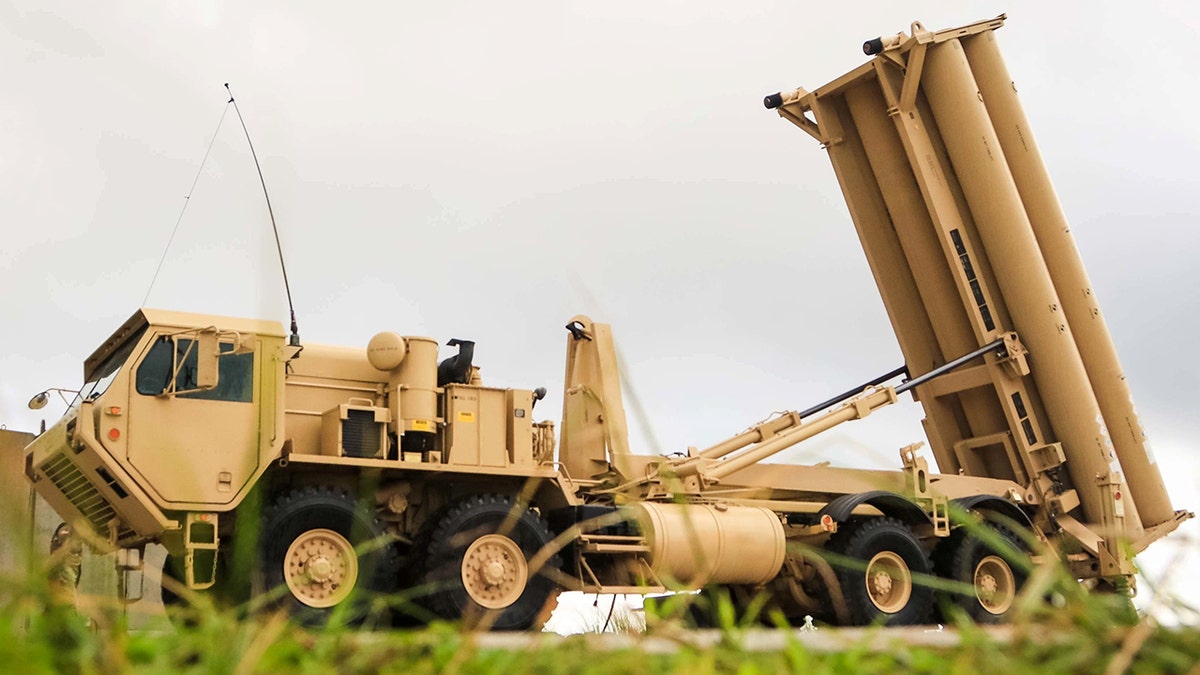
A U.S. Army Terminal High Altitude Area Defense weapon system is seen on Andersen Air Force Base in Guam in October 2017. (Reuters/U.S. Army/Capt. Adan Cazarez)
Several experts also pointed to the psychological impact of recent U.S. operations.
The swift Operation Absolute Resolve in Venezuela in January 2026 and summer 2025’s 12-day exchange with Iran have reinforced confidence in American military capability. However, one former defense official cautioned that success in these tightly scoped missions can create a false sense of momentum toward action in far more complex scenarios.
TRUMP SAYS IRAN HAS 15 DAYS TO REACH A DEAL OR FACE ‘UNFORTUNATE’ OUTCOME
«Iran is a very different problem,» the official said — a large, heavily armed state with extensive missile forces and regional proxy networks that would not resemble a short, surgical operation.
Wald acknowledged that risk.
«You don’t want to get people so confident that you don’t consider the risks. It’s not going to be as clean or pure as, say, Venezuela was, or the 12-day war.»
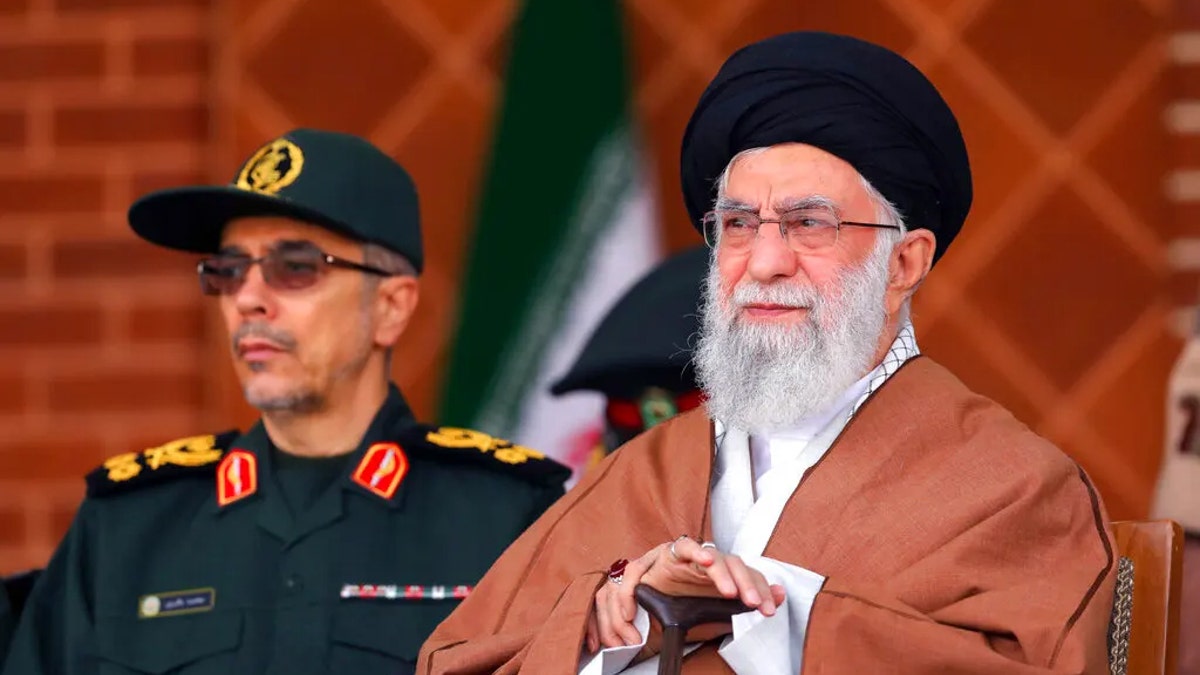
Iran’s Supreme Leader, Ayatollah Ali Khamenei pictured sitting next to senior military official in Iran. (Getty Images)
Even as the strikes continue, officials warn that retaliation from Iran and its network of allied militias could broaden the conflict. Iran’s ballistic missiles and drones — coupled with allied groups in Iraq, Lebanon and Yemen — already have prompted missile salvos against U.S. bases and Gulf partners, according to defense reporting.
Experts say the 2025 conflict underscored how quickly escalation can test both defensive systems and political will.
«Once these things break, you own what follows,» one former official said, underscoring the risk that missiles and proxy actions could quickly widen a limited U.S. strike.
Wald warned that even a successful military phase would not eliminate the political uncertainty.
«Bombing Iran is not going to do regime change,» he said, emphasizing that air power can degrade capability but cannot guarantee a stable political outcome.
Beyond the immediate exchange, officials say the economic consequences could prove just as consequential. Roughly one-fifth of the world’s oil supply transits the Strait of Hormuz, and even limited disruption could send global energy markets sharply higher.
For Washington, the strategic calculus extends beyond the Middle East. China remains the primary long-term competitor, with the war in Ukraine already consuming significant resources.
A sustained regional conflict would draw on naval assets and air-defense systems that planners must also consider for potential future contingencies in Taiwan or North Korea.
CLICK HERE TO DOWNLOAD THE FOX NEWS APP
Officials familiar with internal deliberations say President Donald Trump has sought a high degree of confidence in how an Iran contingency would unfold — a standard that becomes harder to meet in scenarios involving escalation and political fallout.
Fox News Digital has reached out to the White House for comment.
Related Article
iran,donald trump,defense,pentagon,middle east

NEWYou can now listen to Fox News articles!
Four people were injured in a hotel fire in Palm Jumeirah area of Dubai after a loud explosion was reportedly heard as the Iranian regime launched retaliatory strikes in the Middle East.
The Dubai Media Office, a government entity, said in a statement Saturday that the site was secured and the fire had been contained.
«The safety and wellbeing of residents and visitors remain the highest priority. Authorities continue to take all necessary measures to safeguard the public. The public is urged to remain calm, rely solely on verified information from official sources, and refrain from circulating videos or images on social media,» the media office wrote on X.
Dubai authorities confirmed that «an incident» occurred in a building in the Palm Jumeirah area and emergency response teams responded, although they did not elaborate on what caused the incident.
An object appears to hit a building in Dubai on Saturday, Feb. 28, 2026. (Credit: via Storyful)
Reports suggest United Arab Emirates forces intercepted an Iranian air attack in retaliation for U.S. forces conducting Operation Epic Fury against Iran.
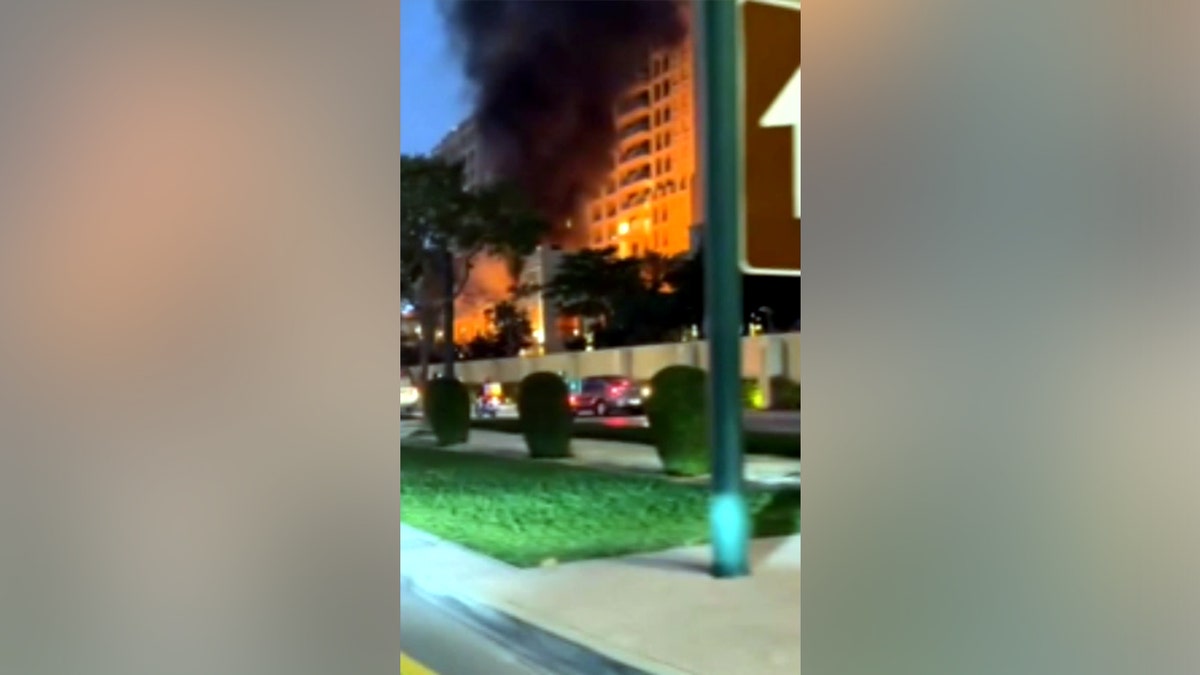
The Dubai Media Office did not elaborate on what caused the fire, though reports suggest United Arab Emirates forces intercepted an Iranian air attack. (Credit: via Storyful)
Iran’s retaliation against the U.S. and Israel’s attacks has been focused on Israel and U.S. assets in the Middle East. Explosions have reportedly been heard in several countries hosting U.S. forces, including Bahrain, Qatar, Kuwait and Jordan.
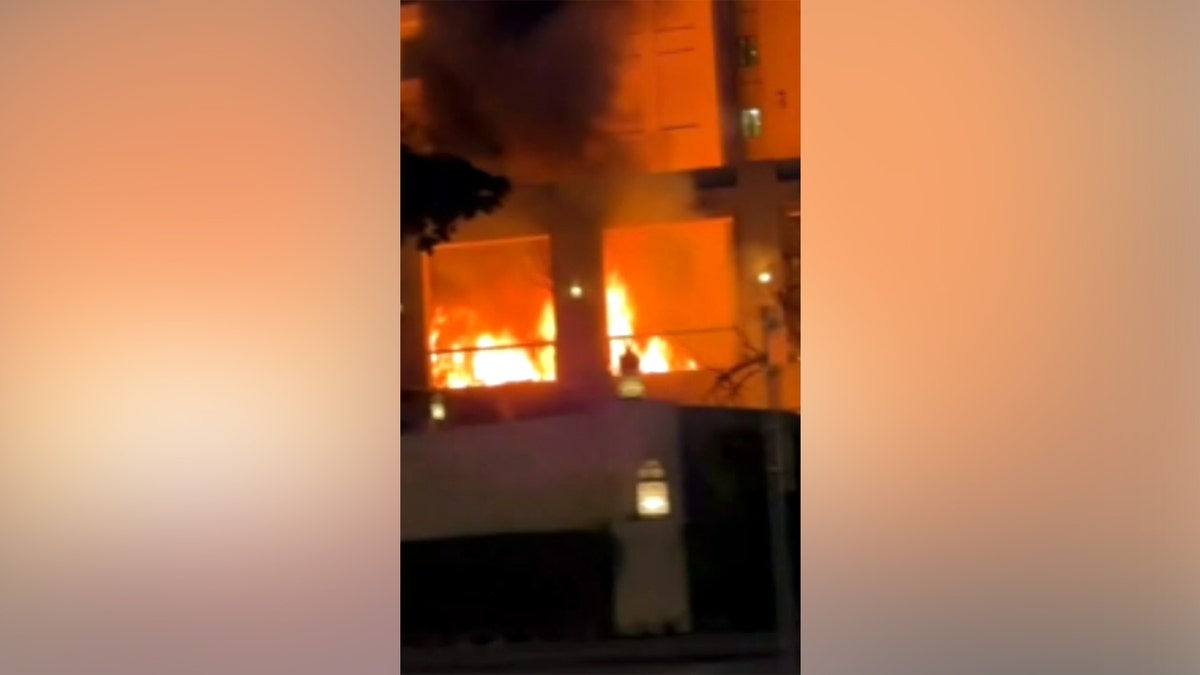
Four people were injured when an Iranian missile hit a hotel in Palm Jumeirah area of Dubai, the Dubai Media Office, a government entity, confirmed on Saturday. (Credit: via Storyful)
TRUMP OVERSEES US STRIKES ON IRAN FROM MAR-A-LAGO, SPEAKS WITH NETANYAHU: WH
Many Gulf states condemned Iran’s retaliatory strikes on their territories and affirmed solidarity with their neighbors in the region.
Qatar’s Foreign Ministry said it reserves its «full right» to defend itself after what it described as Iranian aggression targeting Qatari territory, while Saudi Arabia’s Foreign Ministry warned of «grave consequences resulting from the continued violation of states’ sovereignty and the principles of international law.»
CLICK HERE TO DOWNLOAD THE FOX NEWS APP
The United Arab Emirates’ Ministry of Defense said the country «was subjected to a blatant attack involving Iranian ballistic missiles,» adding that air defense systems «successfully intercepted a number of missiles.» It stated the UAE «reserves its full right to respond.»
Related Article

middle east,war with iran,iran,world

Opositores al líder de la UOM lo denunciaron ante la Justicia por un polémico contrato con una empresa

¡Lo que le faltaba a Tinelli! El supergalán que rompió el silencio y dio detalles de su explosivo romance con Milett Figueroa

Cuánto gana una empleada doméstica en marzo 2026

Escalofriante accidente en una carrera de motociclismo: sufrió una caída en la pista y un rival lo pasó por encima

Tras el revés de Trump en la Corte, el Gobierno no pone fecha al envío del acuerdo con los EE.UU. al Congreso

Las recomendaciones de la embajada en Israel para los ciudadanos argentinos en medio del conflicto con Irán

Catherine Fulop contó el difícil momento que atraviesa su madre en Venezuela: “Está postrada”

Ginette Reynal dio una rotunda marcha atrás con una decisión que tomó hace dos meses: “No aguanto más”

Crisis en la industria: otra multinacional se achica y cierra una planta en la Argentina

Alarma por la salud de Divina Gloria tras salir de Gran Hermano: “La internaron directamente en terapia intensiva”

 CHIMENTOS3 días ago
Ginette Reynal dio una rotunda marcha atrás con una decisión que tomó hace dos meses: “No aguanto más”
- CHIMENTOS2 días ago
Alarma por la salud de Divina Gloria tras salir de Gran Hermano: “La internaron directamente en terapia intensiva”
- CHIMENTOS2 días ago
¡Titi revolucionó Gran Hermano! Cuáles son las 5 cosas que ya extraña: «Accesorios, pilates, bondiola, auriculares y bailar»