INTERNACIONAL
What is the papal conclave: Inside the ancient process of choosing the next pope

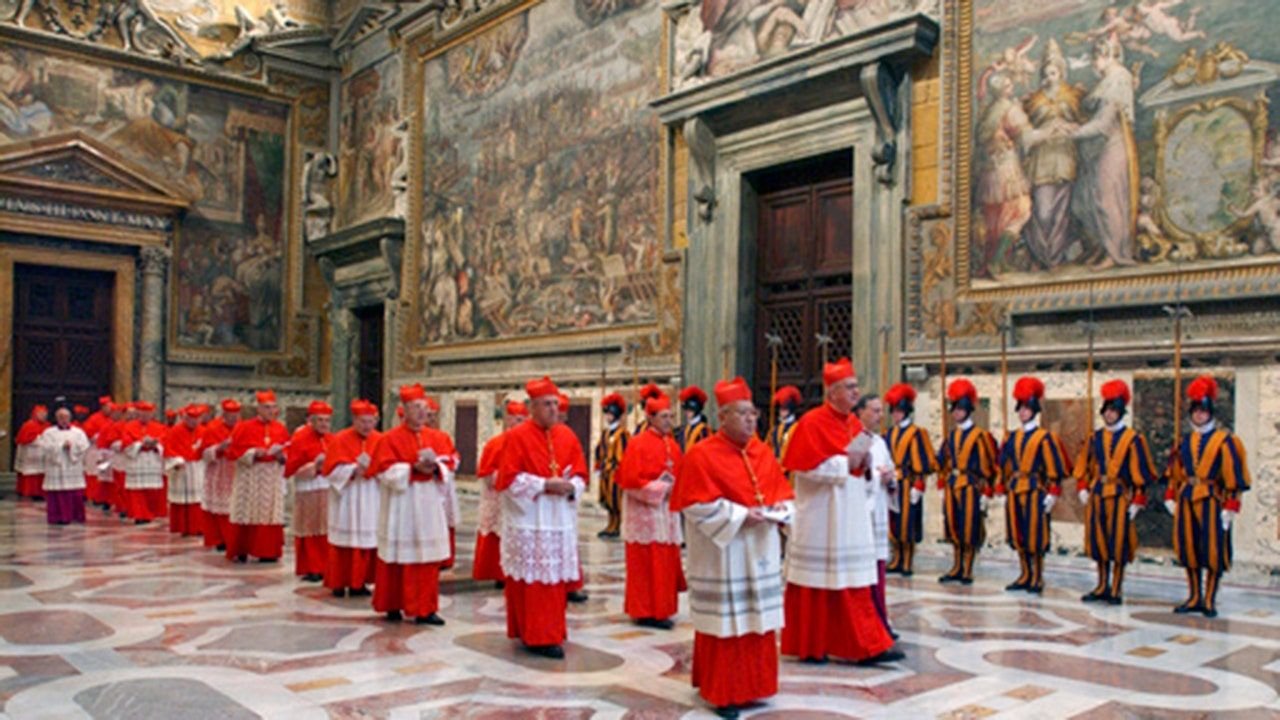
After a pope dies, the Catholic Church chooses its next leader through an ancient electoral process called the «papal conclave.»
In practice, since at least 1276, the conclave gathers the church’s top bishops – called the College of Cardinals – from around the globe. Though there are more than 240 cardinals currently, only those under the age of 80 are eligible to vote in the conclave and the number of cardinal electors is limited to 120.
Nearly all prefects of Vatican offices lose their jobs when a pope dies, but a few stay on, including the foreign minister and the master of liturgical ceremonies, who play a key role in assembling the conclave.
The conclave takes place in the Vatican’s Sistine Chapel and cardinals are kept in strict isolation to keep them far from any outside influence from the rest of the world. This isolation is so important in the process that even the name conclave comes from the Latin «con clavis,» which means «with key,» indicating how the cardinal electors are locked up while they deliberate over who will be the new pope.
POPE FRANCIS DEAD AT 88, VATICAN SAYS
Incense is cast over the coffin of Pope John Paul II by German Cardinal Joseph Ratzinger during the funeral Mass in St. Peter’s Square on April 8, 2005, in Vatican City. (Peter Macdiarmid/Getty Images)
There is also an emphasis on choosing a pope quickly to lessen the amount of time the church spends without a leader. The cardinals cast their first vote the day the conclave begins. They then cast votes at least twice every day after – in the morning and evening – until a pope is selected.
The common practice in the modern Catholic Church is for the cardinals to choose a pope from among their own ranks, though this was not always the case.
POPE FRANCIS REVEALED BURIAL WISHES JUST DAYS AFTER BECOMING POPE IN 2013

Pope Francis receives Vice President JD Vance, at the Vatican on Easter Sunday, April 20, 2025. (Vatican Media via AP, HO)
Conclaves will typically begin with a special Mass celebrated in St. Peter’s Basilica, in which the cardinals invoke the Holy Spirit for guidance.
Cardinals vote for the pope through a secret ballot. At each vote, a cardinal will write his choice on a piece of paper, process up to Michaelangelo’s giant fresco of the last judgment – which serves as a reminder of the gravity and sacredness of their responsibility – and drop his ballot in a chalice.
THEOLOGIAN ON ‘CONCLAVE’ ACCURACY, EXPECTATIONS FOR NEXT SECRETIVE EVENT AFTER POPE FRANCIS’ DEATH
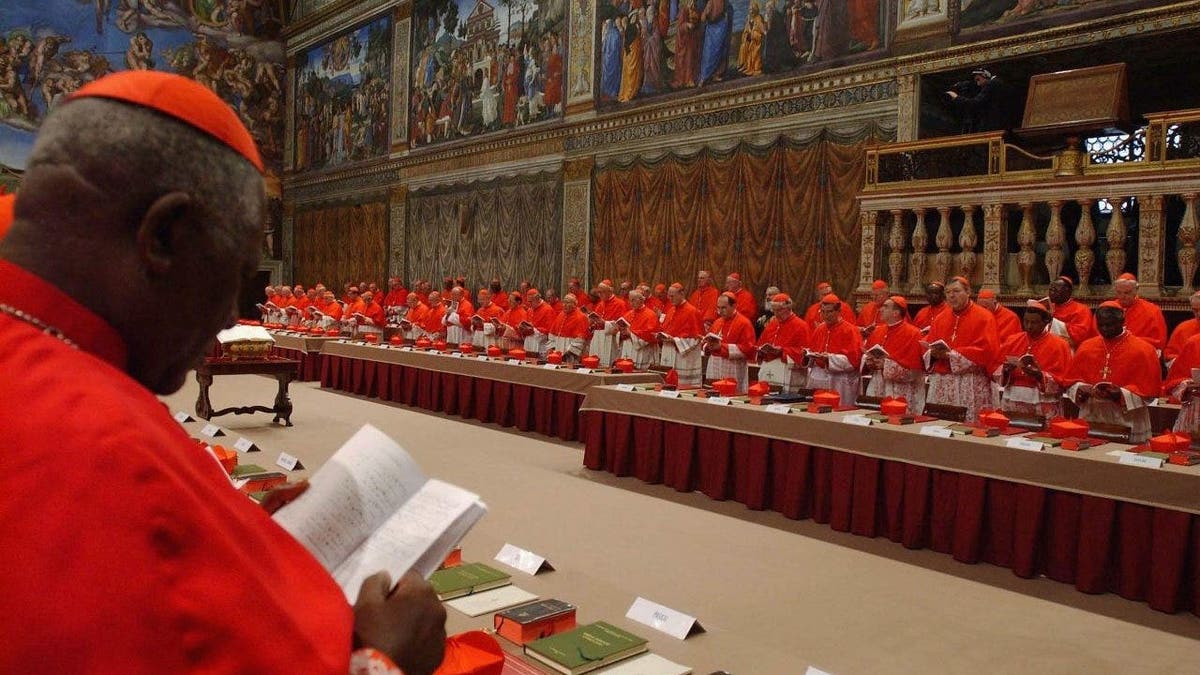
Cardinals of the Catholic Church attend the election conclave in the Sistine Chapel on April 18, 2005, at the Vatican. (Arturo Mari – Vatican Pool/ Getty Images)
A two-thirds majority of votes is needed to select a new pope. More than two-thirds of the eligible cardinal electors were appointed by Pope Francis. However, these cardinals hold a diverse set of viewpoints and come from all different parts of the world.
After each vote, the ballots are burned and the ashes are used to send a signal to the rest of the world about whether a decision has been made. Black smoke rising from the Sistine Chapel means there has not been a consensus, while white smoke means a pope has been chosen.
PRESIDENT-ELECT TRUMP APPOINTS OUTSPOKEN CONSERVATIVE AS VATICAN AMBASSADOR: ‘BLESSINGS AND RESPONSIBILITIES’
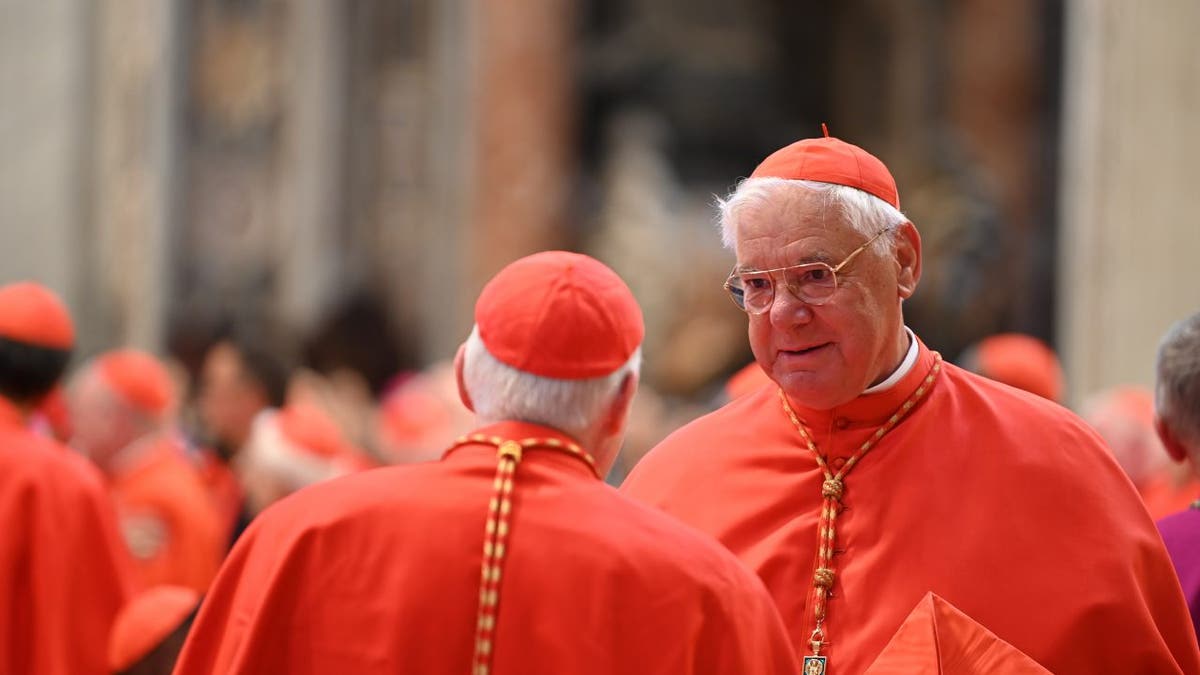
Gerhard Ludwig Cardinal Müller, right, during a consistory in St. Peter’s Basilica. (Johannes Neudecker/picture alliance)
Once a cardinal receives a two-thirds majority of the votes, the dean of the College of Cardinals asks him if he is willing to accept the position. If he accepts, he must then choose his papal name. Cardinal Jose Mario Bergoglio chose the name «Pope Francis,» becoming the first pope to choose this name.
CLICK HERE TO GET TO THE FOX NEWS APP
After the world is alerted through the burning of white smoke, the new pope is announced with the most senior cardinal proclaiming «Habemus papam!» – «We have a pope» – after which the newly elected pontiff processes out and imparts his first blessing to the city of Rome and the rest of the world.


NEWYou can now listen to Fox News articles!
At least a dozen states are scrambling to limit health insurance premium hikes after Congress failed to renew enhanced Obamacare subsidies, leaving millions of Americans facing higher health care costs.
States including California, Colorado, Maryland and New Mexico have approved or are considering temporary measures to help some residents afford coverage, but some officials across the country said the cost of replacing federal subsidies for millions of enrollees is beyond the reach of state budgets, according to Politico.
«We can carry the cost for a little bit, but at some point, we will need Congress to act,» New Mexico House Speaker Javier Martínez told the outlet. New Mexico is so far the only state to fully replace the expired subsidies.
Obamacare, officially known as the Affordable Care Act, was former President Barack Obama’s signature piece of legislation which expanded healthcare coverage to millions of Americans in 2010. Critics argue it forced people to buy insurance, raised costs for some consumers and significantly expanded the federal government’s role in health care.
SPEAKER JOHNSON EKES OUT HEALTHCARE BILL VICTORY AFTER HOUSE GOP OBAMACARE REBELLION
At least a dozen states are scrambling to limit health insurance premium hikes after Congress failed to renew enhanced Obamacare subsidies, leaving millions of Americans facing higher health care costs. (iStock)
The looming expiration of the subsidies hung over negotiations during the longest-ever government shutdown in the fall, as Republicans and Democrats tried — and failed — to pass competing plans to extend or replace the enhanced tax credits.
The lapse of the subsidies is expected to push millions of Americans out of the individual insurance market, increasing pressure on state Medicaid programs and hospitals already facing financial strain. State responses have varied widely, reflecting political divisions, fiscal constraints and differing views on the Affordable Care Act.
According to Politico, California, which anticipated the subsidies would expire, is spending nearly $200 million to support roughly 300,000 lower-income residents, but officials warn that hundreds of thousands more could still lose coverage.
COLLINS, MORENO UNVEIL OBAMACARE PLAN AS REPUBLICANS SEARCH FOR SOLUTION TO EXPIRING SUBSIDIES

Obamacare, officially known as the Affordable Care Act, was former President Barack Obama’s signature piece of legislation which expanded healthcare coverage to millions of Americans in 2010. (By Lea Suzuki/The San Francisco Chronicle via Getty Images; Stefani Reynolds/Bloomberg via Getty Images)
Some states are using regulatory maneuvers rather than direct funding to stretch remaining subsidies. Other states, including Georgia and Washington, say budget shortfalls or political opposition prevent them from acting.
Most states have taken no action at all, including both Republican-led states that oppose the Affordable Care Act and some Democrat-led states that support it, according to Politico.
A few lawmakers in Maine and other battlegrounds worry their efforts could disincentivize Congress from coming up with a federal solution.
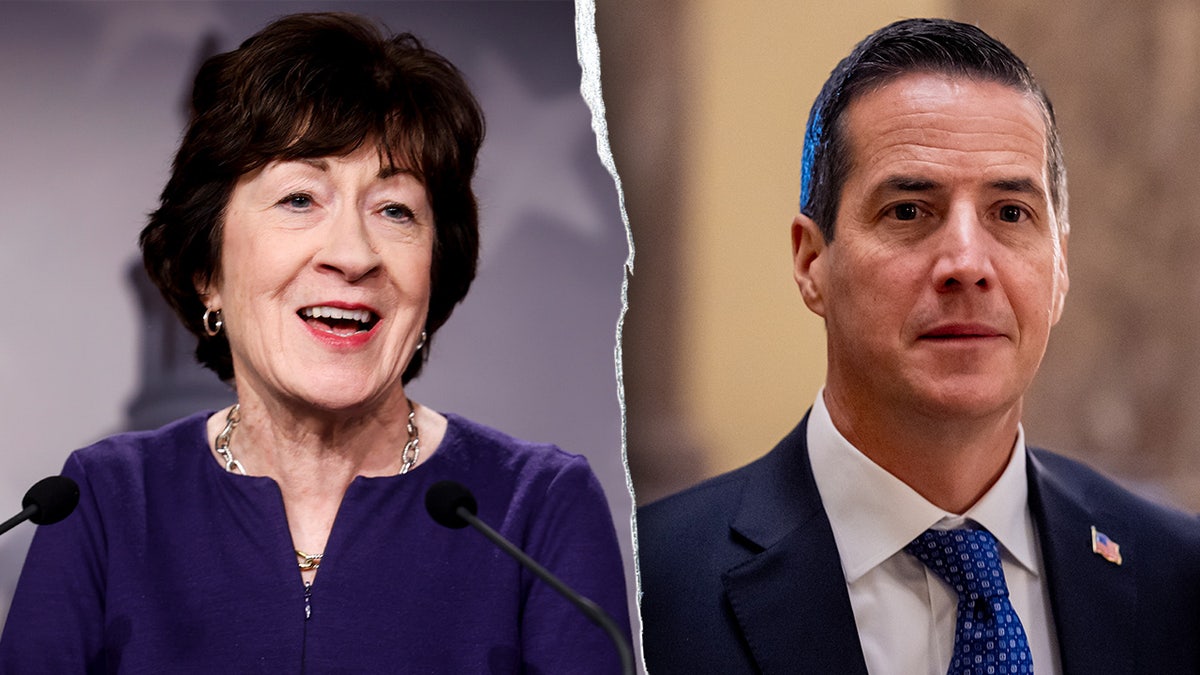
Sens. Susan Collins, R-Maine, and Bernie Moreno, R-Ohio, announced their plan to extend expiring Obamacare subsidies by two years, include income caps and end zero-cost premiums. (Anna Moneymaker/Getty Images ; Andrew Harnik/Getty Images)
CLICK HERE TO DOWNLOAD THE FOX NEWS APP
Earlier this month, Sens. Susan Collins, R-Maine, and Bernie Moreno, R-Ohio, held bipartisan confabs to hash out a framework for an Obamacare fix that could meet the desires of both sides of the aisle, but it has not been formally written into a bill that passed either chamber yet.
Any fix would likely involve a short-term extension of subsidies paired with Republican demands for guardrails, such as income limits or cost controls.
Fox News’ Alex Miller contributed to this report.
politics,health,barack obama,california,senate,republicans,democratic party
INTERNACIONAL
Evidencias desoladoras de los ataques aéreos de Trump aparecen en una península colombiana
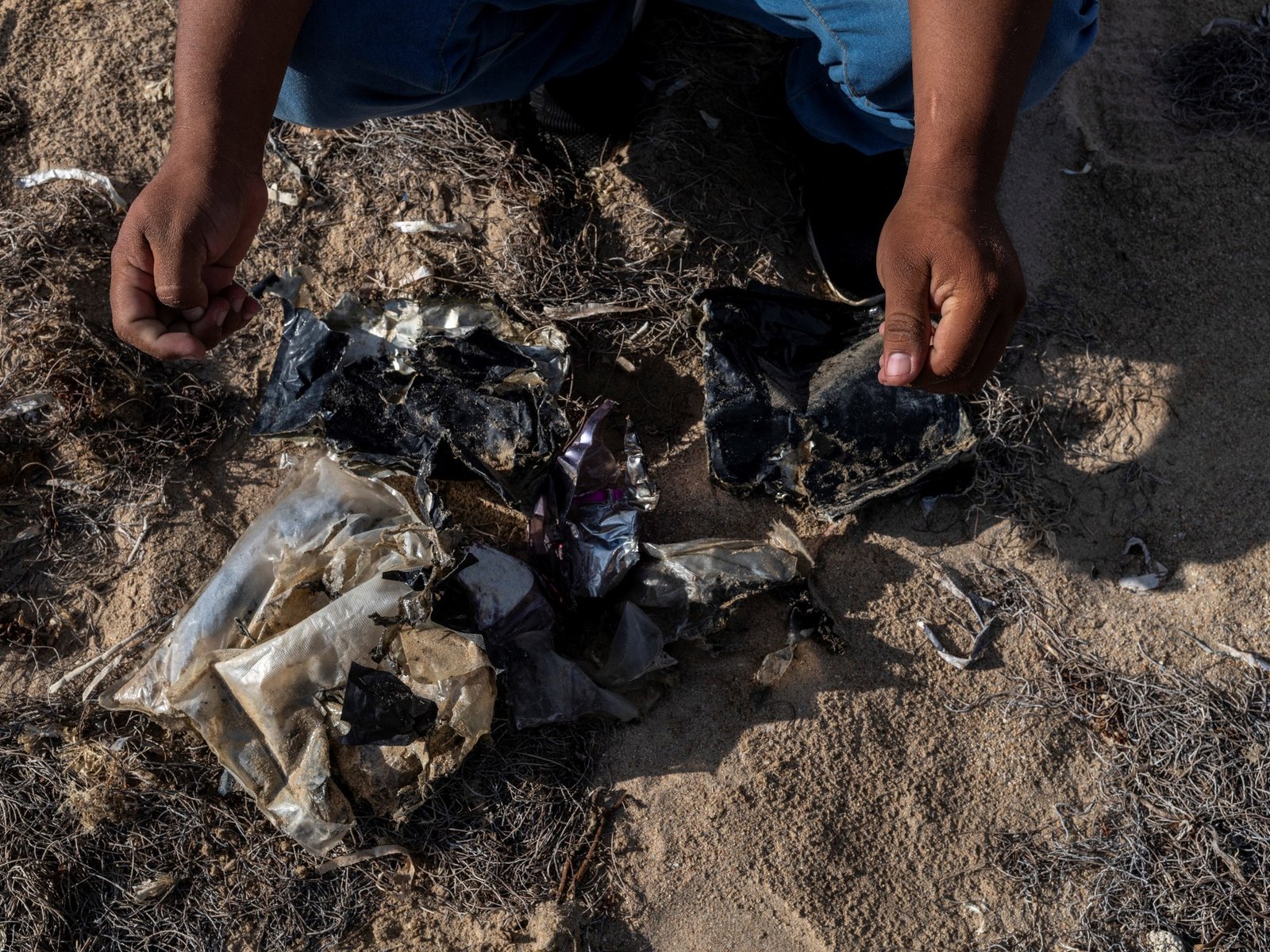
Restos
 Erika Palacio Fernández dijo que grabó un vídeo del humo sobre el agua que resultó provenir de un barco que estaba en llamas. (Federico Ríos/The New York Times)
 Vicente Fernández, un pescador local, dijo que le daba miedo pescar demasiado lejos en el océano. (Federico Ríos/The New York Times)
Entierro
Contrabando
INTERNACIONAL
Taiwán detectó 130 aeronaves militares del régimen chino durante las maniobras militares de Beijing alrededor de la isla
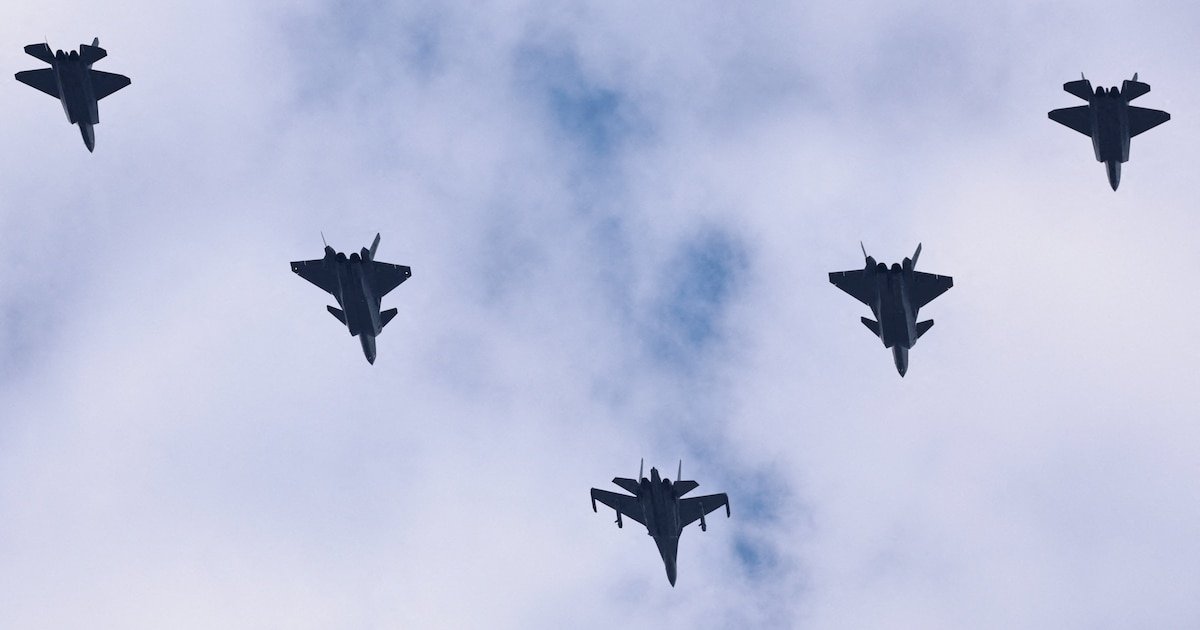
El régimen de China intensificó este martes su presión militar sobre Taiwán tras la detección de 130 aeronaves militares del Ejército Popular de Liberación (EPL) en las inmediaciones de la isla en un lapso de 24 horas, en el marco del segundo día de ejercicios con fuego real que Beijing presentó como una simulación de bloqueo de puertos estratégicos.
El Ministerio de Defensa de Taiwán informó que, desde las primeras horas del lunes hasta la mañana del martes, sus sistemas de vigilancia identificaron la presencia de 130 aviones militares chinos, además de 14 buques de guerra y ocho embarcaciones gubernamentales no especificadas. Según las autoridades de Taipéi, las maniobras constituyen un acto de intimidación militar con efectos directos sobre rutas de navegación marítima y aviación internacional.
La actividad aérea representó uno de los mayores despliegues registrados en un solo día alrededor de Taiwán. El ministerio taiwanés señaló que los aviones operaron en distintas zonas cercanas a la isla, en coordinación con unidades navales, en un contexto de ejercicios de gran escala anunciados por Beijing.
En paralelo, imágenes captadas por AFP mostraron el lanzamiento de cohetes desde Pingtan, una isla bajo control chino situada en el punto más cercano al territorio principal de Taiwán. Periodistas de la agencia observaron una salva alrededor de las 9:00 hora local, con estelas de humo blanco visibles en el cielo.
Al menos diez cohetes despegaron con segundos de diferencia y los estruendos se escucharon en distintos sectores de la isla. Turistas se acercaron a barricadas de madera frente al mar para registrar la escena con teléfonos móviles.

Poco después, el Ejército Popular de Liberación difundió un comunicado oficial. “A las 9:00 del 30 de diciembre, las fuerzas terrestres del Comando del Teatro Oriental del EPL realizaron ejercicios de fuego real de largo alcance en las aguas al norte de la isla de Taiwán y lograron los efectos deseados”, indicó la declaración.
Las maniobras, denominadas “Justice Mission 2025”, comenzaron el lunes y se extendieron durante dos días. Según el EPL, las fuerzas desplegaron destructores, fragatas, cazas y bombarderos, con el objetivo de ejecutar ejercicios de identificación y verificación, advertencia y expulsión, ataques simulados, asaltos a objetivos marítimos, además de operaciones antiaéreas y antisubmarinas.
El Comando del Teatro Oriental afirmó que los ejercicios realizados en aguas al norte y al sur de Taiwán “pusieron a prueba las capacidades de coordinación mar-aire y de bloqueo y control integrados”.
En ese contexto, el portavoz militar Shi Yi sostuvo que las maniobras constituyen “una severa advertencia contra las fuerzas separatistas de ‘independencia de Taiwán’ y una acción legítima y necesaria para salvaguardar la soberanía y la unidad nacional de China”.

La televisión estatal CCTV informó que uno de los ejes centrales del operativo consiste en un bloqueo de puertos taiwaneses estratégicos, entre ellos Keelung, en el norte de la isla, y Kaohsiung, en el sur. Autoridades chinas publicaron un mapa con cinco grandes zonas alrededor de Taiwán destinadas a los ejercicios, previstos hasta las 18:00 del martes hora local.
Desde Taipéi, el gobierno rechazó la operación. El Ministerio de Defensa afirmó que las zonas designadas por China, algunas situadas dentro de las 12 millas náuticas de la costa taiwanesa, afectaron el tránsito marítimo y aéreo internacional. En otro comunicado, sostuvo que las acciones del régimen chino “confirman aún más su naturaleza de agresor y lo convierten en el mayor destructor de la paz”.
La escalada se produjo tras una ronda de ventas de armas de Estados Unidos a Taiwán y declaraciones del primer ministro de Japón sobre la posibilidad de una respuesta militar de Tokio ante el uso de la fuerza contra la isla.
En Beijing, el canciller del régimen chino Wang Yi respondió con dureza. “En respuesta a las continuas provocaciones de las fuerzas pro independencia en Taiwán y las ventas de armas a gran escala de Estados Unidos a Taiwán, debemos, por supuesto, oponernos resueltamente y contrarrestarlas con firmeza”, afirmó en un discurso.
Añadió que cualquier intento de obstruir la unificación “inevitablemente terminará en fracaso”.

Por su parte, el presidente taiwanés Lai Ching-te aseguró en una publicación en Facebook que el territorio no busca “escalar el conflicto” ni provocar disputas. Un día antes, su oficina declaró que China mostró “desprecio por las normas internacionales y el uso de la intimidación militar para amenazar a países vecinos”.
El régimen de China considera a Taiwán parte de su territorio y no descarta el uso de la fuerza para tomar control de la isla, mientras el gobierno taiwanés rechaza esas pretensiones y denuncia el aumento de la presión militar en su entorno inmediato.
(Con información de AFP)
Asia / Pacific,Defense,BEIJING

El futbolista que retornó a River Plate tras un préstamo y Marcelo Gallardo lo tendrá en cuenta para la pretemporada

Some states move to pick up the tab as Obamacare subsidies lapse

Evidencias desoladoras de los ataques aéreos de Trump aparecen en una península colombiana

La tarifa de AYSA aumentará un 4% mensual entre enero y abril de 2026: cuál será la factura promedio

Manuel Adorni hará hoy anuncios claves: todos los cambios en Migraciones, IOSFA y aumentos salariales para funcionarios

¡Bombazo de fin de año! Las pruebas de que Wanda Nara y Martín Migueles están en crisis: «Ella lo dejó de seguir»

Una legisladora de izquierda enfrentará un juicio oral por expresiones antisemitas

Calendario de pagos de ANSES de enero 2026: cuándo cobran jubilados, pensionados y beneficiarios de planes sociales

Milei logra su primera ley de Presupuesto: dólar e inflación en 2026 y una herramienta para Caputo

Patricia Bullrich destacó la aprobación del Presupuesto 2026 y la ruptura del peronismo en el Senado

 ECONOMIA2 días ago
Calendario de pagos de ANSES de enero 2026: cuándo cobran jubilados, pensionados y beneficiarios de planes sociales
- POLITICA2 días ago
Patricia Bullrich destacó la aprobación del Presupuesto 2026 y la ruptura del peronismo en el Senado
- DEPORTE2 días ago
Jana Maradona, hija de Diego: «Toda la vida estuve en juicio con mi papá»