INTERNACIONAL
Trump signs executive order cracking down on ‘sanctuary’ cities, threatens their federal funding


President Donald Trump signed an executive order Monday instructing the Justice Department and the Department of Homeland Security to create a list of all sanctuary cities failing to adhere to federal immigration laws, providing them a chance to abandon their sanctuary status.
The order comes as Trump seeks to speed up deportations, following through on a key promise he made on the campaign trail during his third bid for president.
But so-called «sanctuary cities,» or jurisdictions that limit the ability of local agencies to cooperate with federal immigration authorities, have restricted his ability to do so.
«It’s quite simple: obey the law, respect the law, and don’t obstruct federal immigration officials and law enforcement officials when they are simply trying to remove public safety threats from our nation’s communities,» White House Press Secretary Karoline Leavitt told reporters Monday. «The American public don’t want illegal alien criminals in their communities. They made that quite clear on November 5, and this administration is determined to enforce our nation’s immigration laws.»
Specifically, the executive order will notify sanctuary cities of their status and allow them to drop the sanctuary title — or risk losing federal funding. Additionally, it instructs Attorney General Pam Bondi and Department of Homeland Security Secretary Kristi Noem to «pursue all legal remedies» to push sanctuary cities into compliance with federal law, according to a Monday White House fact sheet shared with Fox News Digital.
Bondi and Noem are also instructed to establish proper channels ensuring that those in sanctuary cities do not receive federal public benefits.
YOUNGKIN TO DRAFT SANCTUARY CITY BAN, MAKING STATE FUNDING CONTINGENT ON ICE COOPERATION
President Donald Trump signs an executive order in the Oval Office of the White House. (Evelyn Hockstein/File Photo/Reuters)
Some of the country’s largest cities have some sort of sanctuary law on the books aimed at protecting their illegal immigrant residents, including Chicago, New York City, Boston and Los Angeles, according to the Center for Immigration Studies. Some states have even gone on to pass their own sanctuary laws, including California, Oregon, Washington and Illinois.
The jurisdictions have faced controversy as Trump has accelerated his deportation efforts, especially in the wake of multiple high-profile crimes that have been allegedly committed by illegal immigrants in sanctuary cities.
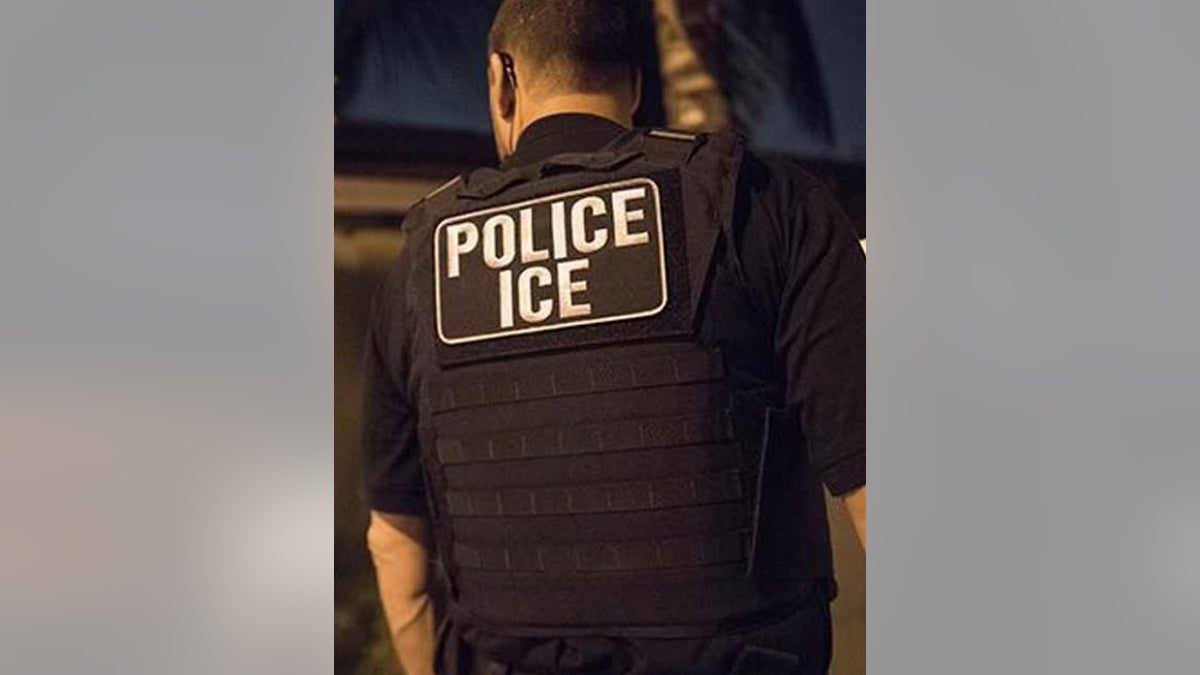
Officers with the U.S. Immigration and Customs Enforcement have seen their efforts hindered by sanctuary jurisdictions. (ICE)
COLUMBIA UNIVERSITY STUDENT PROTESTER SUES TRUMP ADMIN TO PREVENT DEPORTATION
Even so, the executive order comes days after a federal judge blocked the Trump administration from restricting federal funds for sanctuary cities violates the Constitution’s separation of powers principles and the Spending Clause, in addition to the Fifth and 10th Amendments.
The tension between the federal government and the jurisdictions has increased in recent weeks, including at a House Committee on Oversight and Government hearing in March, where members of Congress grilled the mayors of four prominent sanctuary cities.
«These reckless policies in Democrat-run cities and states across our nation have led to too many preventable tragedies,» House Committee on Oversight and Government Reform Chairman James Comer, R-Ky., said ahead of the hearing. «They also endanger ICE agents who are forced to take more difficult enforcement actions in jurisdictions that refuse to cooperate with federal immigration authorities.»
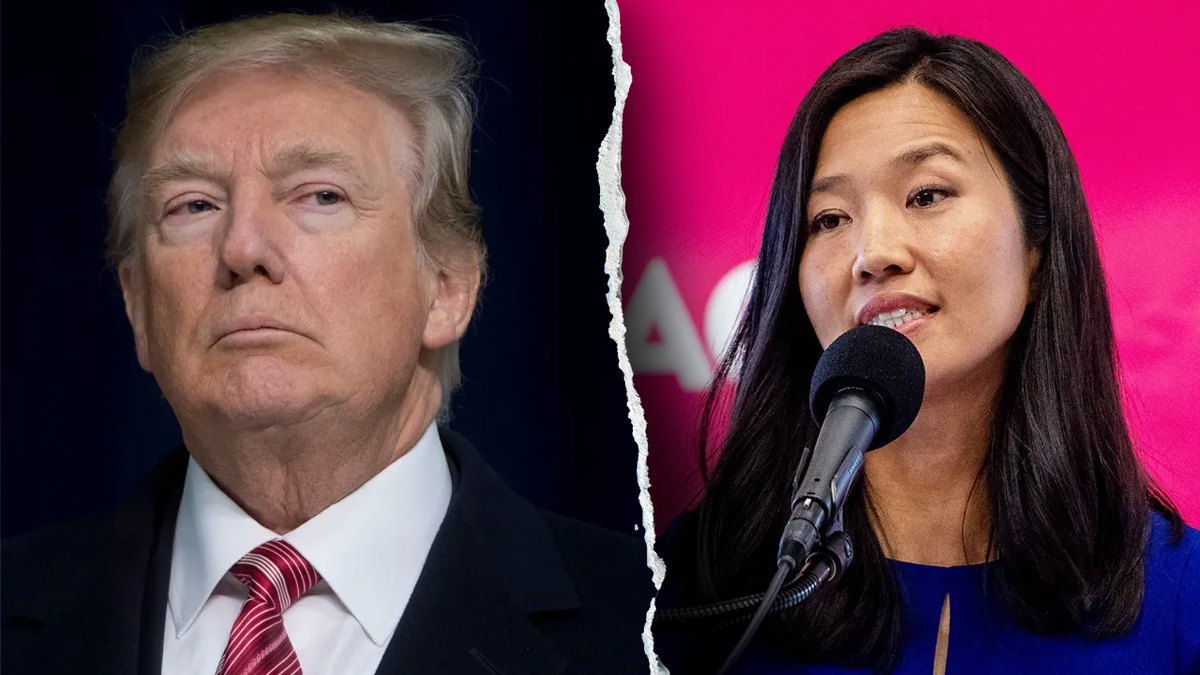
Boston Mayor Michelle Wu has been vocal in opposing the Trump administration, saying of her sanctuary city, «we stand with immigrants.» (Getty Images)
CLICK HERE TO GET THE FOX NEWS APP
Trump, a longtime critic of sanctuary jurisdictions, hinted earlier in an April 10 social media post that such an executive action might be in the works.
«No more Sanctuary Cities! They protect the Criminals, not the Victims,» Trump said on April 10 in a Truth Social post.
«They are disgracing our Country, and are being mocked all over the World. Working on papers to withhold all Federal Funding for any City or State that allows these Death Traps to exist,» Trump said.
The Trump administration has signed more than 140 executive orders during Trump’s first 100 days in office — an increase from the 33 he signed during the first 100 days of his first term.
Fox News’ Peter Pinedo contributed to this report.
Donald Trump,Border security,Immigration,Illegal Immigrants,Trump’s First 100 Days,Chicago,New York City






INTERNACIONAL
Authorities share update on circumstances around missing college student Jimmy Gracey’s death
NEWYou can now listen to Fox News articles!
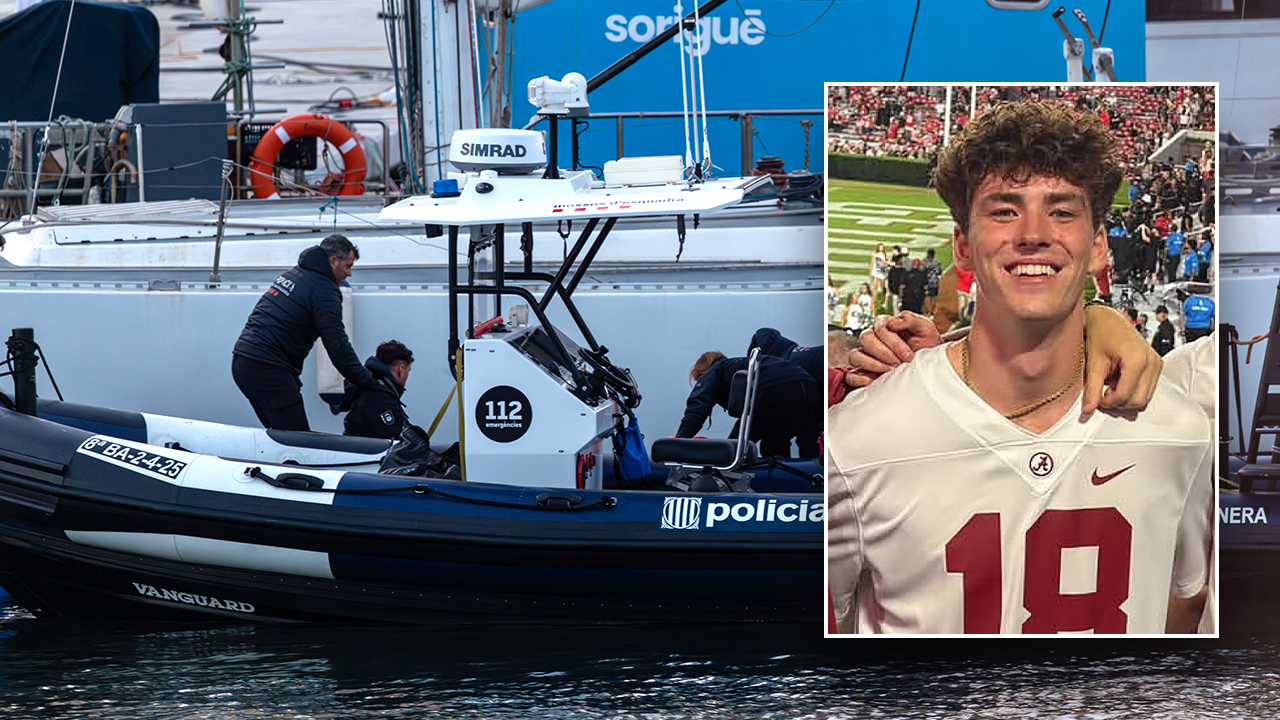
An autopsy of the body of a 20-year-old University of Alabama student who disappeared last week while on spring break in Barcelona shows he likely died from an accidental drowning, according to a preliminary report filed by local police.
The body of James «Jimmy» Gracey, whose disappearance in the wee hours last Tuesday set off a frantic search by Catalan police forces, was found floating in the Mediterranean Sea days later. The report police filed with a local judge found no signs of foul play, but final results will be available on Thursday, according to Spanish newspaper El Periódico.
The Elmhurst, Ill., native had been out with friends at a world-famous nightclub at the city’s Port Olímpic district, which flanks a promenade on sea.
A police spokesman told Fox News that Gracey’s phone had been found on an individual known to local authorities for past charges. The individual was ultimately determined to not have come into contact with Gracey and instead was charged with «illegal possession of another person’s belonging.»
JIMMY GRACEY’S WALLET FOUND INTACT, BUT DRUGGING NOT RULED OUT IN DEATH OF ALABAMA STUDENT IN BARCELONA
University of Alabama student Jimmy Gracey, 20, was found dead in Spanish waters after going missing on Tuesday. (James Breeden for Fox News Digital, Gracey family)
On Thursday, Gracey’s wallet was found floating in the water. Police finally recovered Gracey’s body from the water near the nightclub where he had been on Friday afternoon.
POLICE CALL JIMMY GRACEY’S DEATH AN ACCIDENT AFTER VANISHING ON SPRING BREAK IN BARCELONA, AUTOPSY PERFORMED
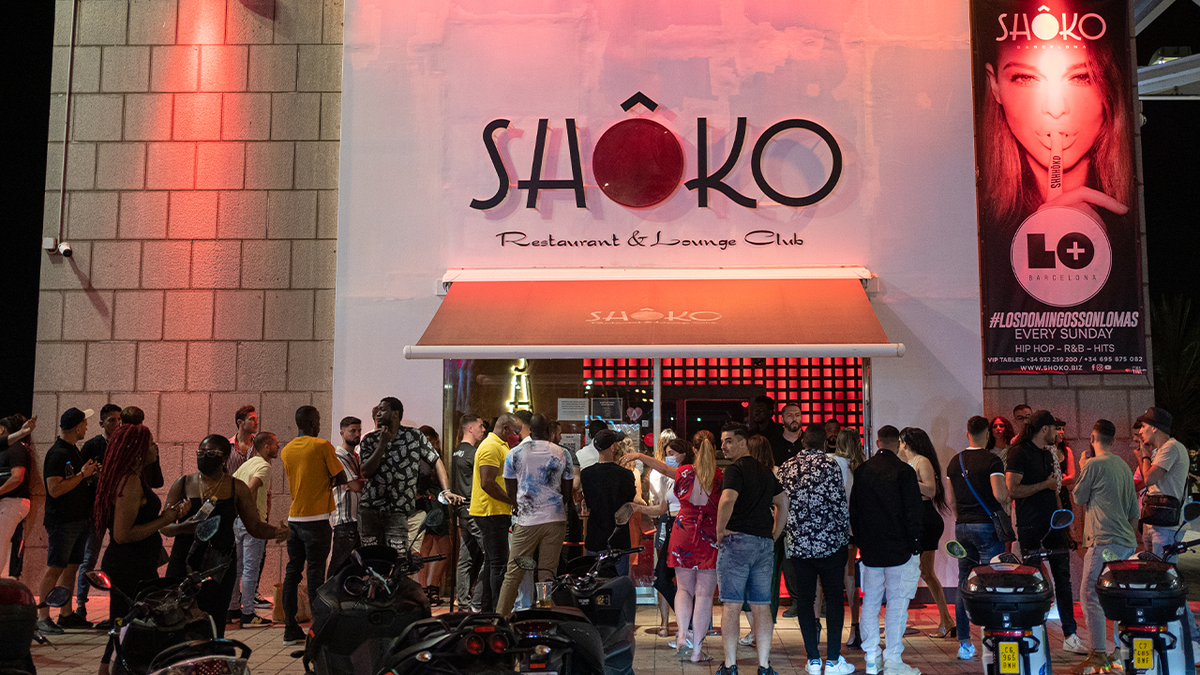
Gracey, 20, was last seen at the Shoko nightclub in Barcelona, Spain, on March 17 during a trip overseas to visit friends during spring break. (Pau Venteo/Europa Press via Getty Images)
According to the newspaper, security camera footage shows Gracey walking by himself onto a dock near the Shoko club and falling in the water.
The preliminary autopsy report points to drowning as the cause of death with multiple injuries to the body consistent with repeated hitting against breakwater rocks, possibly during a swell.
UNIVERSITY OF ALABAMA STUDENT JAMES GRACEY DISAPPEARS IN BARCELONA AFTER VISITING FRIENDS STUDYING ABROAD
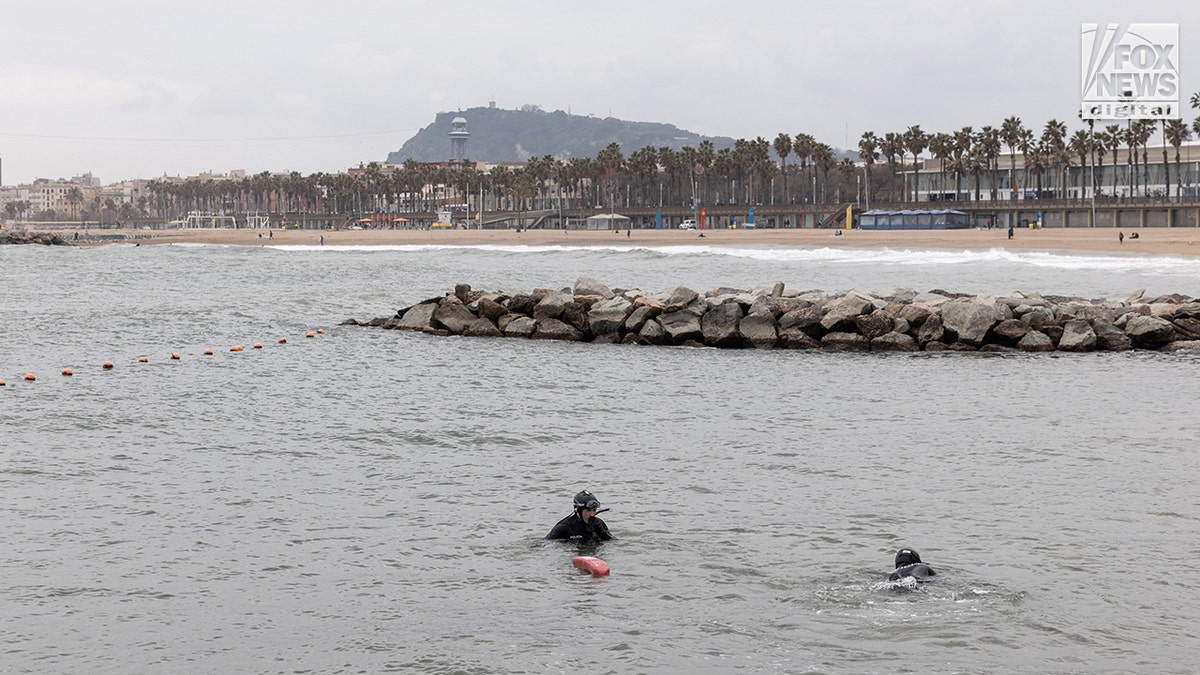
Mossos d’Esquadra’s first line of investigation is reportedly accidental death. (James Breeden for Fox News Digital)
The police spokesman told Fox News that the investigation is ongoing and that their first line of investigation is accidental death. He noted that Gracey’s wallet was found intact with money, credit cards and documents, which lessen the likelihood of foul play.. They also confirmed the preliminary autopsy report did not indicate Jimmy suffered injuries prior to drowning.
Fox News is still waiting on confirmation of Spanish media claims and on whether Gracey’s body was found with his gold chain and rhinestone cross.
CLICK HERE TO DOWNLOAD THE FOX NEWS APP
A Hungarian tourist reported being robbed of her gold necklace in the same area where Jimmy was last seen alive the night before the American student went missing.
spain,alabama,missing persons
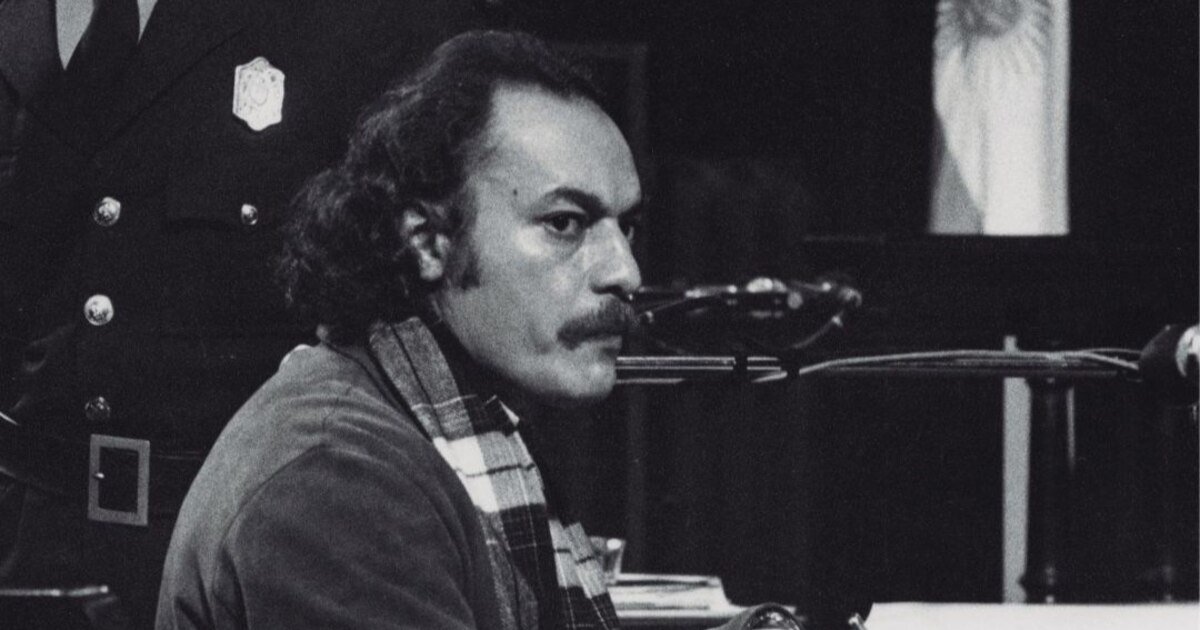
La figura de Víctor Basterra, obrero gráfico y fotógrafo obligado de la Escuela de Mecánica de la Armada (ESMA) durante la última dictadura en Argentina, adquiere una resonancia renovada en el análisis biográfico de Pablo Corso. A medio siglo del golpe cívico-militar, el relato reconstruye el papel central de Basterra en la recolección y filtración de imágenes decisivas, cuya exhibición en el histórico Juicio a las Juntas fue determinante para la condena de los represores.
En 1979, Basterra llega como prisionero a la ESMA y es testigo de las prácticas sistemáticas de desaparición de personas, incluidos los denominados “vuelos de la muerte”, en los que las víctimas eran arrojadas al Río de la Plata. A partir de 1981, después de más de un año como cautivo, se convierte en el fotógrafo informal de sus propios captores. Bajo amenaza constante, accede a confeccionar documentos falsos y retratar a quienes formaban parte de la maquinaria represiva y a otros prisioneros. La dualidad de Basterra queda expuesta: obligado a colaborar para conservar la vida, oculta a sus vigilantes que el material acumulado será clave para desmantelar, a futuro, la impunidad de los represores.
El volumen agrega contexto histórico al recorrido individual de Basterra, trazando su biografía desde el periodo previo a su nacimiento hasta sus últimos días. La narrativa ofrece una síntesis del siglo XX argentino, enmarcando la vida de Basterra entre los cruces de Ejército, movimientos gremiales, guerrilla, fuerzas paramilitares, redes clandestinas y militancia sindical. La fotografía analógica, oficio y arma sustancial en la experiencia de su protagonista, es presentada por Corso como el hilo conductor de una vida marcada por la precariedad, la resistencia y la tolerancia al sufrimiento.
En opinión de Corso, el valor del legado testimonial y visual de Basterra persiste medio siglo después del golpe, porque articula una lucha contra la injusticia que trasciende los avatares personales y las coyunturas políticas inmediatas. Las imágenes filtradas por Basterra, que identificaron a secuestradores y secuestrados en la ESMA, se transformaron en “pruebas fundamentales” y sirvieron, según los fiscales en el Juicio a las Juntas, para “demostrar de manera irrefutable la estructura interna del centro clandestino y la identidad de decenas de represores”.

La reconstrucción de la vida de Basterra aporta, además, elementos esenciales sobre el impacto del terrorismo de Estado en las trayectorias individuales y colectivas. La obra indaga no solo en los hechos históricos, sino en los matices personales: vínculos afectivos, dudas, amistades y los límites de la condición humana bajo presión extrema.
Corso, nacido en Buenos Aires, formado en la Universidad de Buenos Aires y experimentado periodista en medios como Rolling Stone, Newsweek y La Nación, aporta en este libro recursos narrativos y rigor documental. A lo largo de su carrera, el autor cubrió temas sociales, ambientales y científicos para plataformas nacionales e internacionales como SciDev y Dialogue Earth, y produjo biografías de figuras como Diego Maradona y el papa Francisco.
El testimonio y las fotografías salvadas por Víctor Basterra continúan aportando pruebas y relatos fundamentales en el debate contemporáneo sobre memoria, justicia y derechos humanos en Argentina.
———
En una oficina del barrio porteño de Balvanera, cuando los edificios empiezan a cubrir el sol, un abogado joven busca inspiración en la música de Silvio Rodríguez mientras termina un escrito que reclama por otro ser humano que, como dijo un ex dictador, “no tiene entidad, no está muerto ni vivo”. Es un trabajo ingrato, pero no se le ocurre ninguno más importante.
Entre el fraseo del trovador y el golpeteo del teclado se filtra un timbrazo seco. Levanta los dedos de la máquina de escribir, detiene la música, camina hacia la puerta y se pregunta quién es a esa hora. El ojo de pez de la mirilla muestra a un tipo morrudo, peinado para atrás, de bigote y campera oscura. “Cana o milico”, arriesga. “Se vendrá a entregar”, ironiza.
Cuando abre la puerta, el visitante –que carga dos bolsos negros– da las buenas tardes y dice su nombre. Intrigado, el abogado pregunta qué necesita.
–Vengo de la ESMA.1
Entre la incredulidad y el pasmo, le pide que pase.

Mientras caminan hacia el fondo de la oficina, ese hombre serio y tensionado agrega que viene a dejar algo. Llega al escritorio, abre los bolsos y los vacía en una cascada caudalosa.
A medida que sobrevuela el material con los ojos y con los dedos, el abogado piensa en metáforas: diamantes y lingotes, la olla dorada al final del arcoíris.
Son fotos, listas y planillas que –hasta donde puede ver, hasta donde puede proyectar– configuran la mayor prueba documental del genocidio que acaba de terminar.
Cuando se repone del impacto, con la garganta atorada, solo atina a preguntar:
–¿Y usted cómo consiguió esto?
En otoño de 1981, el prisionero lleva más de un año fotografiando a sus captores. Fabrica documentos falsos y les regala una nueva identidad. Lo hace como un autómata sumiso, como el firmante de un pacto extorsivo:la esclavitud a cambio de la vida.
–Tengo frente a mí al tipo que me torturó. Tengo frente a mí al tipo que se quedó con mi casa.
Eso rumia cuando dispara.
Hasta que un día, mientras carga el negativo en el carrete, se pregunta qué pasaría si revelara una copia más, si empezara a construir su propio archivo.
Un impulso inesperado, pero un impulso que no lo abandona.
Entonces se decide. Ya no hay compañeros que arriesgar, ya no hay delaciones que temer.
Entra al laboratorio del Casino de Oficiales, epicentro represivo de la ESMA. Abre un cajón y elige tres fotos. Se baja el pantalón y el calzon-cillo; se las pega con cinta entre el pene y los testículos. Vuelve a vestirse.
Inhala, exhala y abandona el refugio.
Sabe lo que pasará si lo descubren. No quiere imaginar lo que le harán a su mujer y a su hija.
Sube las escaleras con un bolso al hombro. No necesita la ropa, pero quizá ayude a despistar. Saluda a los vigiladores y baja por la explanada de asfalto.
Mientras pasa junto a los centinelas con ametralladoras, el sudor frío le humedece la mejilla. En la casilla de guardia ensaya un saludo distendido. Le revisan los bolsillos, le abren el bolso. Lo miran por últimabvez y le dicen que avance.
Al pisar Avenida del Libertador –su distinción de clase, su placidez sabatina– siente un vértigo arrasador. Camina hasta la parada y espera con un nudo en el estómago. Se acomoda en el asiento y se pierde en el paisaje urbano.

Cuando llega a casa, lo envuelve una nube de agitación. Besa a la compañera que aguanta desde afuera y a la beba que crece sin su padre.
En el baño se baja los pantalones y vuelve a tocar las fotos como para comprobar su estatus de realidad. Los protagonistas siguen ahí: soberbios, esquivos, sobradores.
Es hora de iniciar la venganza. Ya habrá tiempo para la justicia.
Se llama Víctor Basterra y nació el mismo mes del mismo año en que Jorge Luis Borges postuló que “cualquier destino, por largo y complicado que sea, consta en realidad de un solo momento: el momento en que el hombre sabe para siempre quién es”.
El abogado está exultante. Al fin puede contrastar los datos recabados en las oficinas del Centro de Estudios Legales y Sociales, que patrocina causas sobre violaciones a los derechos humanos, con material llegado directamente desde un centro clandestino.
A la velocidad de la luz, cruza los retratos de los represores con testimonios de sobrevivientes, las fotos de los desaparecidos con descripciones de sus familias, las planillas de bajas con la información que los militares sueltan con cuentagotas. Si el rompecabezas tiene cien piezas, aquel hombre trajo noventa.
Cuando toma del escritorio el retrato de un prisionero de pulóver negro, tieso y de mirada fría, con su sombra derramándose como una mancha de Rorschach, vuelve a quedarse sin palabras, hasta que suelta una pregunta retórica.
–¿Este es usted?
En invierno de 1979 el prisionero es un recién llegado, pero ya oyó las historias sobre personas que caen al río desde las alturas. Cree que lo espera ese destino cuando un suboficial macizo y desmesurado le da una trompada y lo obliga a sumarse a la hilera de encapuchados que, tomados del hombro para no tropezar, bajan las escaleras como un convoy de almas en pena. Tienen esposas en las manos y grilletes en los pies, que golpean los escalones con un tintineo agudo.
En el sótano, el guardia empieza a llamarlos por sus números.
Basterra escucha una secuencia repetida: pasos, silencio y un clic.
Avanza hasta que le dicen basta, se detiene y le quitan la capucha.
Cegado y aturdido, entrecierra los ojos para aclimatarse a la luz, pero el fotógrafo no le da tiempo: el flash va directo a la cara.

Mientras se pregunta si todavía tiene alguna chance, se filtra un alarido salvaje desde una sala contigua. Vuelve a verse atado y sangrante en la cama de metal, después de veintidós horas de castigo, de escuchar la peor amenaza que puede recibir un padre.
Le ordenan que gire a su derecha. Un segundo disparo, un segundo destello. Ahora se ve en “Capucha”, el altillo del Casino de Oficiales, donde los prisioneros atraviesan un limbo que no se parece a la vida, pero que todavía no es la muerte. Con los primeros rayos de sol, un zorzal empieza a cantar una melodía impetuosa. Es su punto de fuga. Como tocarle la mano a un compañero lastimado, como enamorarse de una compañera desconocida.
Vuelven a calzarle la capucha y le ordenan que circule. Mientras sube la escalera, su mente vuelve a la cama de tortura. Acaba de confesar algo sobre una revista, una cita, unos compañeros. Cuando lo dejan ir al baño, en el espejo hay un hombre esposado y roto, con ganas de matarse.
Tres décadas después, sigue encerrado en su cabeza. Vive en una cueva oscura, blindada y con las persianas bajas, rebosante de papeles en el piso, en la mesa y en la cama. Nombres, datos, direcciones. Pistas para encontrar a los que no lo dejan dormir.
Las imágenes de las pesadillas son difusas, pero las sensaciones intensas: que es un extranjero, que cae en un pozo sin fondo, que no puede salvar a nadie. Por unos segundos, los protagonistas ganan definición –una nariz aguileña, unos ojos claros, una boca apretada– hasta que vuelven a su estado gaseoso, apenas un espejismo.
A la mañana escribe:
Fantasmas que persisten en mi vida, como si vieran la luz. Pasos, risas, voces.
A veces también me siento como un fantasma, que recorre las calles solitario e incomprendido.
A veces le dicen héroe, a veces le dicen traidor.
Siempre vuelve a aquel día en la ESMA. Sus amigos están desahuciados y temerosos. Quieren saber qué sabe. Quieren saber qué va a pasar.
El guardia avisa que ya no hay tiempo.
Se abrazan como nunca. Antes de perderlo de vista, uno de ellos –el más querido– suelta un pedido que lo atraviesa como una flecha:
–Negro, si zafás de esta, que no se la lleven de arriba.
Pablo Corso,Víctor Basterra,El Ojo en la Tormenta,libro,dictadura argentina,fotografía,derechos humanos,historia,periodismo,Argentina
NEWYou can now listen to Fox News articles!
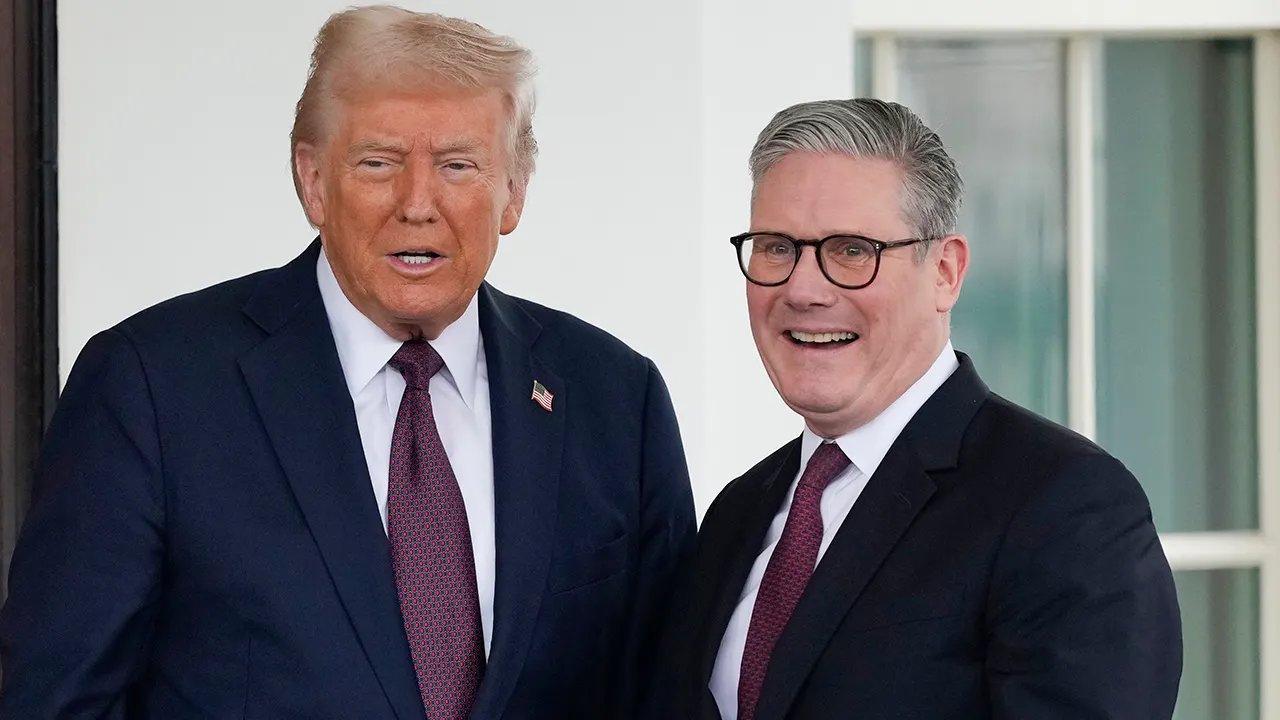
President Donald Trump spoke with British Prime Minister Keir Starmer on Sunday to discuss escalating tensions in the Middle East, with a focus on the urgent need to reopen the Strait of Hormuz and restore global shipping.
The leaders discussed the current situation in the Middle East, and in particular, the need to reopen the Strait of Hormuz to resume global shipping, Downing Street said in a statement.
STEALTH BOMBERS LANDING AT UK BASES ‘IN DAYS’ AFTER TRUMP PRESSURES STARMER: REPORT
Keir Stamer, UK prime minister, during a news conference providing an update on the situation in the Middle East, at Downing Street in London, UK, on Thursday, March 5, 2026. (Tolga Akmen/EPA/Bloomberg via Getty Images)
«They agreed that reopening the Strait of Hormuz was essential to ensure stability in the global energy market. They agreed to speak again soon.»
The call came amid a rapidly intensifying conflict in the region, with Iran blocking the strategically vital strait since the United States and Israel launched coordinated strikes against Iranian targets on Feb. 28.
The military action triggered swift retaliation from Tehran and has since escalated into a broader regional war as Iran has sent missiles into numerous neighboring countries not directly involved in the initial conflict.
UK NUCLEAR SUBMARINE DEPLOYED TO ARABIAN SEA BEFORE IRAN TARGETS KEY US-UK BASE: REPORTS
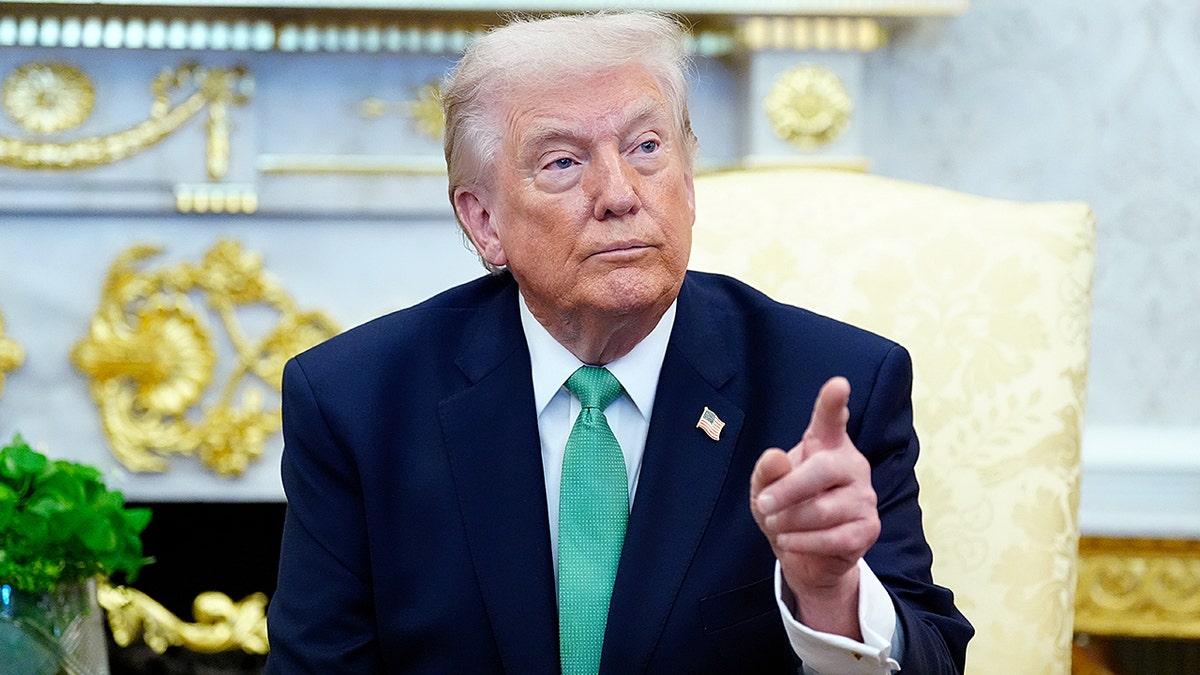
President Donald Trump takes questions from reporters during a meeting with Irish Prime Minister Micheál Martin in the Oval Office of the White House, on St. Patrick’s Day, Tuesday, March 17, 2026, in Washington. (AP Photo/Alex Brandon)
On March 21, Trump issued a 48-hour ultimatum to Iran demanding the reopening of the key maritime route, through which approximately 20% of the world’s oil supply passes.
In a post on Truth Social, Trump warned that failure to comply would result in further U.S. action, including potential strikes on Iran’s energy infrastructure.
EU PUSHES FOR END OF IRAN WAR IN A MANNER WHERE ‘EVERYBODY SAVES FACE’
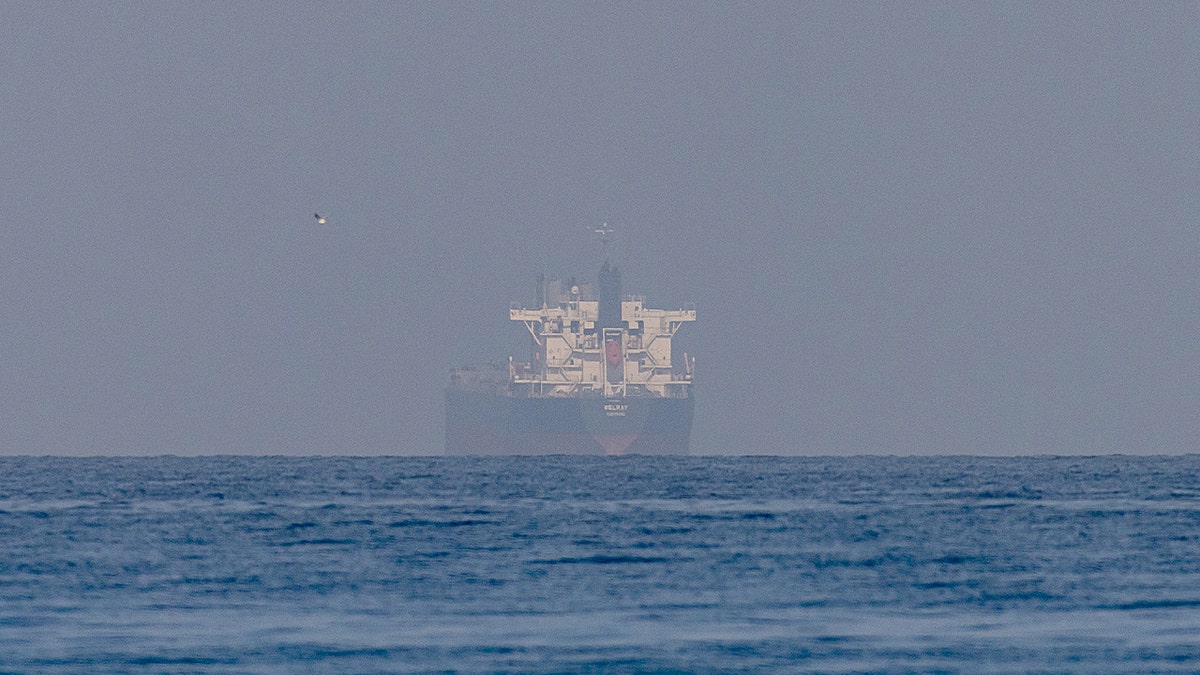
Bulk Carrier, Belray, in the Gulf, near the Strait of Hormuz on March 22, 2026 in northern Ras al Khaimah, United Arab Emirates. (Getty Images/Getty Images)
Sunday’s conversation between Trump and Starmer perhaps reflected a thaw in the tense relationship between the two leaders.
Trump had publicly criticized the U.K. government, stating that Britain «should have acted a lot faster» in allowing the U.S. to use British military bases for strikes targeting Iranian missile sites.
Starmer had also maintained that the use of U.K. bases could only be justified under the principle of «collective self-defense» in the region.
He had initially declined to support the U.S.-Israeli military operation, drawing repeated criticism from the White House.
CLICK HERE TO DOWNLOAD THE FOX NEWS APP
Meanwhile, Trump appeared to apply public pressure, sharing a «Saturday Night Live» clip Sunday mocking the British prime minister’s handling of the crisis.
war with iran,iran,donald trump,united kingdom

La charla mega hot de Brian Sarmiento y Danelik en Gran Hermano: “Yo sin taparme”

Martín Yeza: “En 2023 fuimos separados con LLA en Buenos Aires y ganó Kicillof, ese error no puede repetirse”

Inflación de marzo: alimentos, combustibles y transporte impulsan una suba de más del 3%

Canales para ver el Independiente Rivadavia vs. Rosario Central por el Torneo Apertura

Authorities share update on circumstances around missing college student Jimmy Gracey’s death

El embajador argentino en Israel comparó a Irán con la Alemania nazi: “Apetito de conquista ”

Kicillof desembarcó en CABA, lanzó su proyecto 2027 y empezará a ampliar su armado político en todo el país

¿DÓNDE ESTÁ ESMERALDA? El grito de una madre que sacude a la Argentina: «Me la arrebataron de la puerta»

¿MACRI 2027? El «operativo retorno» que sacude al PRO y los nombres que suenan para la vicepresidencia

¿FIN DE CICLO? Escándalo por la mansión no declarada y viajes de lujo empujan a Manuel Adorni fuera del Gobierno: Su salida sería inminente

 POLITICA2 días ago
¿FIN DE CICLO? Escándalo por la mansión no declarada y viajes de lujo empujan a Manuel Adorni fuera del Gobierno: Su salida sería inminente
- POLITICA3 días ago
“Tiro al facho”: la repudiable “intervención” en Facultad de Medicina en la que había que tirarle dardos a Javier Milei
- POLITICA16 horas ago
»¡VAN A FUNDIR A MEDIO PAÍS!»: El lapidario diagnóstico de Roberto Cachanosky sobre el plan de Milei