INTERNACIONAL
Liberal Supreme Court justices grill religious institution in landmark school choice case

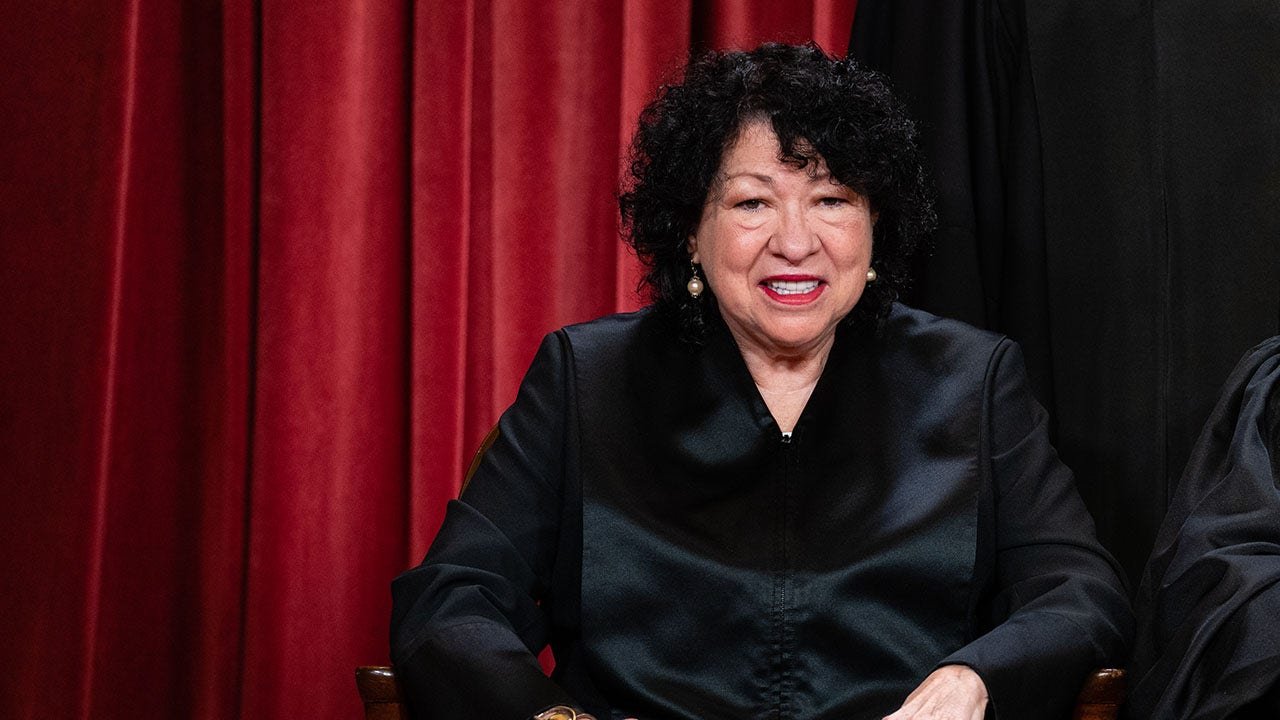
The Supreme Court on Wednesday heard oral arguments in a case involving the nation’s first religious charter schools, and whether it is eligible for state funding despite its religious teachings.
At issue in the case is a virtual Catholic charter school in Oklahoma, St. Isidore of Seville Catholic Virtual School, and whether the school is eligible to receive public funding because of its religious teachings. Lawyers representing the school have argued that it is operating like a private actor working under a contract with the state, and asked the high court on Wednesday to overturn an earlier decision by the Oklahoma Supreme Court.
During Wednesday’s arguments, lawyers for St. Isidore argued that just because they receive state funding does not mean they are a state actor. They also noted recent Supreme Court precedent, which they said has been in their favor.
This Court has «‘repeatedly’ held that ‘a State violates the Free Exercise Clause when it excludes religious observers from otherwise available public benefits,» James Campbell, attorney for St. Isidore, told the court.
100 DAYS OF INJUNCTIONS, TRIALS AND ‘TEFLON DON’: TRUMP SECOND TERM MEETS ITS BIGGEST TESTS IN COURT
A view of the U.S. Supreme Court Building. (Photo by Anna Moneymaker/Getty Images) (Photo by Anna Moneymaker/Getty Images)
Justices used oral arguments to press Campbell on how they would treat individuals with different religious backgrounds.
«What would you do with a charter school that doesn’t want to teach evolution, or it doesn’t want to teach history, including the history of slavery, or it doesn’t want to include having children of another faith. In them, as this one does?» Justice Sonia Sotomayor asked Campbell.
«This one does not say it won’t exclude children of other faiths. But it said, if you want to attend this school, you have to attend mass. You have to accept the teachings of the church with respect to certain principles. So is that something you look at?»
In response, Campbell notes that the school does not require students to affirm its religious beliefs, noting that St. Isidore «allows exceptions for anyone that doesn’t want to attend mass,» and says «point blank» in its handbook that there is no requirement that a student affirm the beliefs of the school.»
TRUMP ADMINISTRATION ASKS SUPREME COURT TO REVIEW EL SALVADOR DEPORTATION FLIGHT CASE
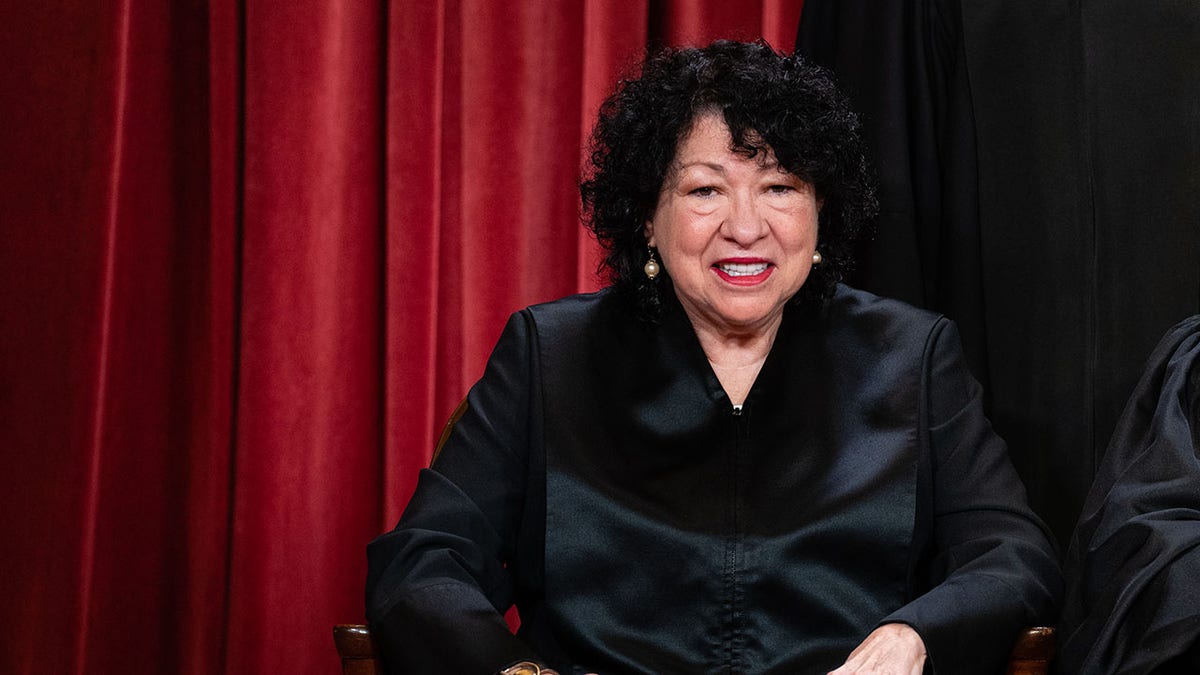
Associate Justice Sonia Sotomayor during the formal group photograph at the Supreme Court in Washington, DC, US, on Friday, Oct. 7, 2022. (Eric Lee/Bloomberg via Getty Images)
The Oklahoma Statewide Virtual Charter School Board approved St. Isidore’s contract request in June 2023, making them eligible to receive public funds.
But its ability to receive state funds was later blocked by the Oklahoma Supreme Court, which ruled that the public funding for the school was in violation of the Establishment Clause of the First Amendment.
Oklahoma Attorney General, Gentner Drummond, has argued that the school would be a state actor if it received state funding. «Charter schools no doubt offer important educational innovations, but they bear all the classic indicia of public schools,» Drummond argued in an earlier Supreme Court filing.
If its «charter-school law violates the Free Exercise Clause, then this is one of the most far-reaching free exercise violations in the Nation’s history,» he argued.
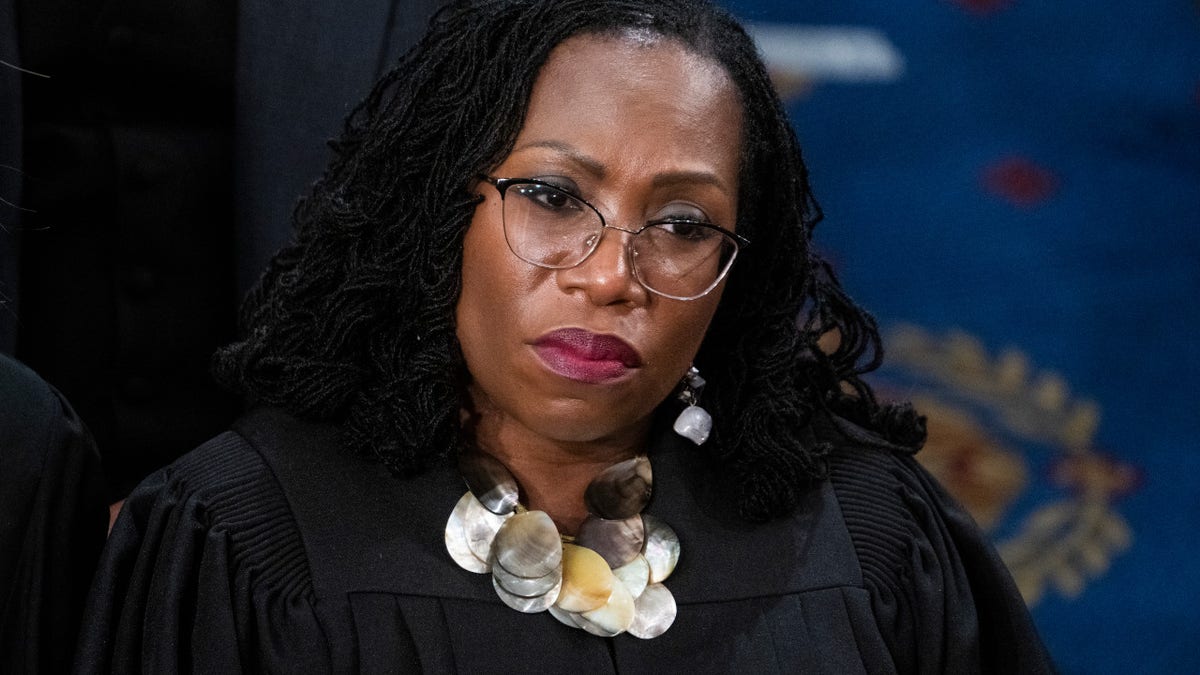
Supreme Court Justice Ketanji Brown Jackson. (Tom Williams/CQ-Roll Call, Inc via Getty Images)
CLICK HERE TO GET THE FOX NEWS APP
The court’s decision here could have wide-ranging ramifications far beyond Oklahoma. More than 40 U.S. states currently authorize charter schools, and the ruling in the case could have ripple effects across the country.
The charter school states outright on its site that it «fully embraces» the teachings of the Catholic Church, «fully incorporates» them «into every aspect» of the curriculum— and that it intends to participate «in the evangelizing mission of the church.»
This is a breaking news story. Check back soon for updates. Fox News’s Anders Hagstrom contributed to this report.
Supreme Court,Donald Trump,Politics,US Faith & Values,US Education









INTERNACIONAL
Exiled Iranian crown prince says he’s ready to lead Iran ‘as soon as the Islamic Republic falls’
NEWYou can now listen to Fox News articles!
Exiled Iranian Crown Prince Reza Pahlavi said Saturday he is ready to lead Iran’s transition «as soon as the Islamic Republic falls.»
As the war in Iran entered its third week, Pahlavi — the son of the late Shah Mohammad Reza Pahlavi — said he has been working in recent months to develop a transition plan should the Iranian regime collapse to ensure the country does not experience a disruption in governance.
Pahlavi said in a social media post that «capable individuals» have been identified both inside and outside Iran to lead what he called a «transitional system.»
«The transitional system, under my leadership, will be ready to assume governance of the country as soon as the Islamic Republic falls and, in the shortest possible time, establish order, security, freedom and the conditions for Iran’s prosperity and flourishing,» he said.
MIKE POMPEO: OPERATION EPIC FURY IS RIGHTEOUS — AND REGIME CHANGE MUST FOLLOW
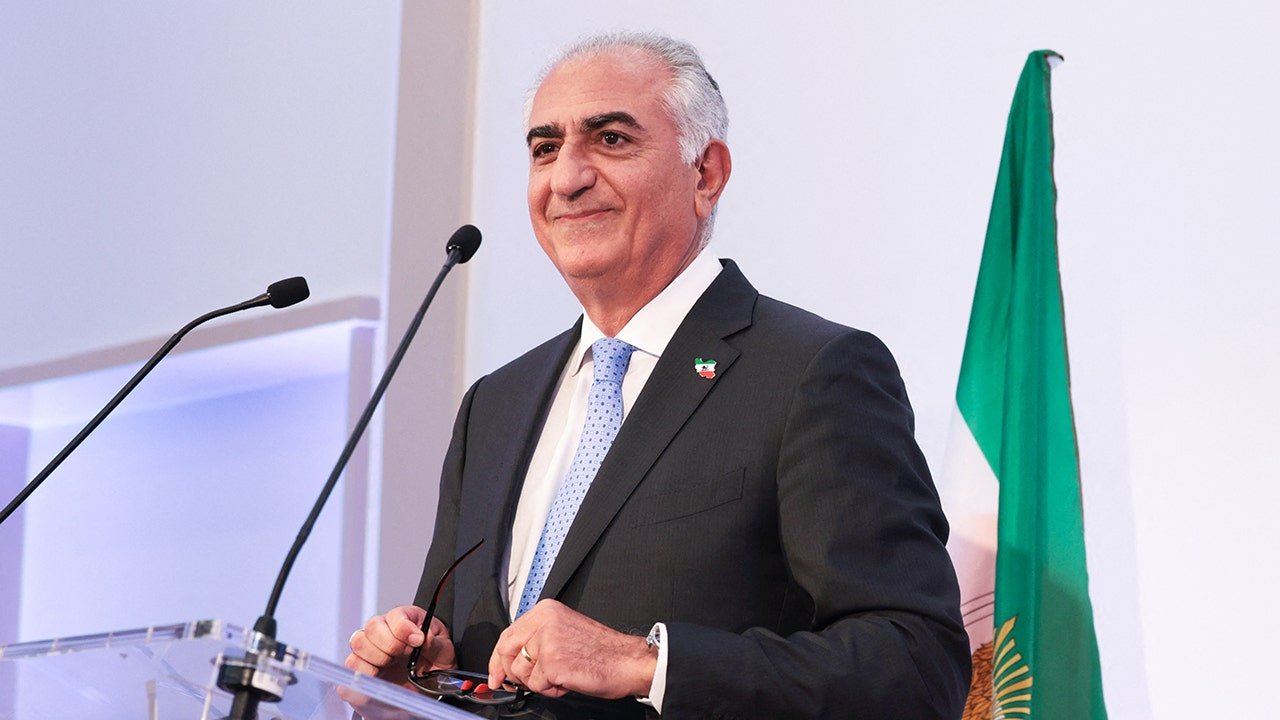
Exiled Iranian Crown Prince Reza Pahlavi said on March 14 that he is ready to lead Iran’s transition should the current regime collapse. (JOEL SAGET/AFP via Getty Images)
Pahlavi has lived in exile since the 1979 Islamic Revolution toppled Iran’s monarchy and established the Islamic Republic.
He has in recent years sought to position himself as a unifying opposition figure and has said he would help guide a transition of power from theocracy to democracy in Iran.
In a message addressed to his «compatriots,» Pahlavi said his plan for governing the country would fall within the framework of the «Iran Prosperity Project.»
IRAN’S NEW SUPREME LEADER IS ‘HIS FATHER ON STEROIDS,’ EXPERTS WARN OF HARDLINE RULE

In this picture obtained from Iran’s ISNA news agency, Mojtaba Khamenei, son of Iran’s supreme leader Ayatollah Ali Khamenei, looks on in Tehran on October 13, 2024. (Hamed JAFARNEJAD / ISNA / AFP via Getty Images)
He said that many compatriots with valuable experience and expertise have declared «their readiness to participate in the rebuilding of the country and to serve the homeland.»
Since joint operations between the U.S. and Israel began, nearly 50 regime figures have been killed, including Supreme Leader Ayatollah Ali Khamenei.
His son, Mojtaba Khamenei, was elected this week by Iran’s Assembly of Experts as the country’s new supreme leader.
TRUMP EXPLORING BACKING MILITIAS IN IRAN TO TOPPLE WEAKENED REGIME FOLLOWING STRIKES: REPORTS
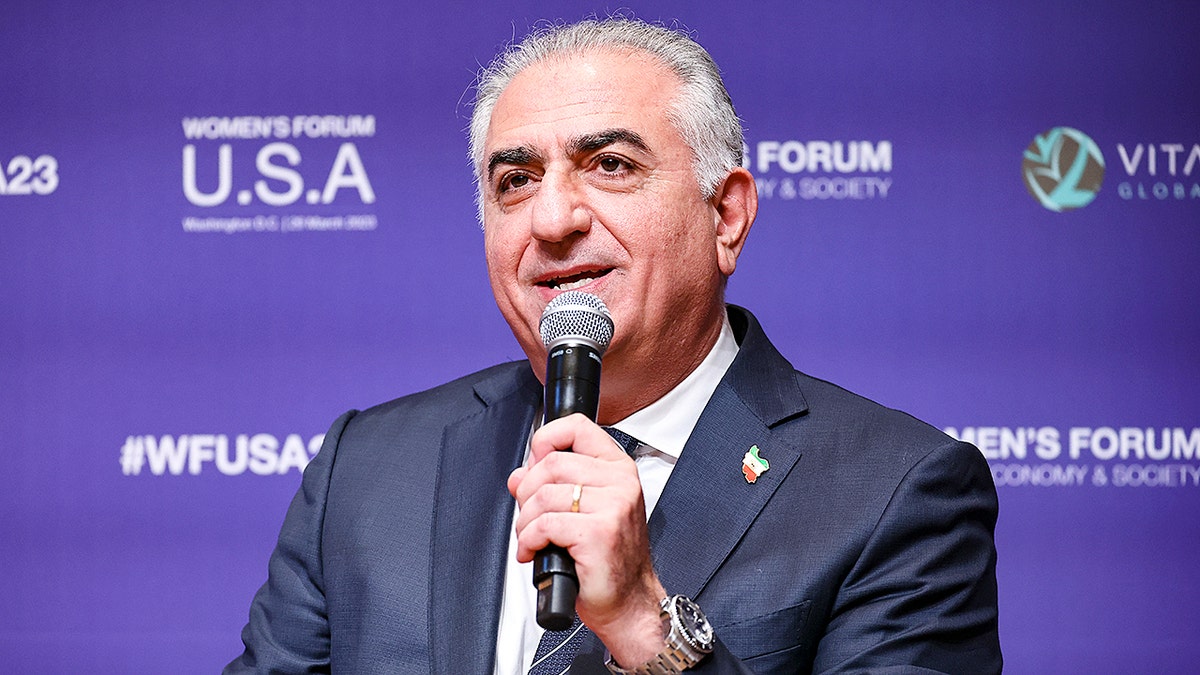
Reza Pahlavi, the exiled crown prince of Iran, said the Islamic Republic is «crumbling» and called for a democratic transition following recent U.S. and Israeli military strikes. (Paul Morigi/Getty Images)
In an appearance last week on Fox News’ «My View» with Lara Trump, Pahlavi said the Iranian people would not accept any outcome moving forward tied to the current regime.
«Only a clean break will ensure that not only we achieve a democratic solution and alternative to this regime, but there will be people who are not in any form or shape directly associated with this regime,» he said.
CLICK HERE TO DOWNLOAD THE FOX NEWS APP
Pahlavi said the Iranian people must decide their country’s leadership and that «only the ballot box should determine the outcome and who will be responsible for our country in the future.»
«I think what we will expect any government, including, of course, the current Trump administration to recognize that indeed the best way to help the Iranian people is to allow them to make that choice freely and to support that choice as a Western democracy, as the leading democracy in the world,» he said.
mojtaba khamenei,ali khamenei,war with iran,iran,israel
INTERNACIONAL
Elvira Sastre: “Este libro es una resistencia a las ausencias de la gente que quiero y que se va muriendo”
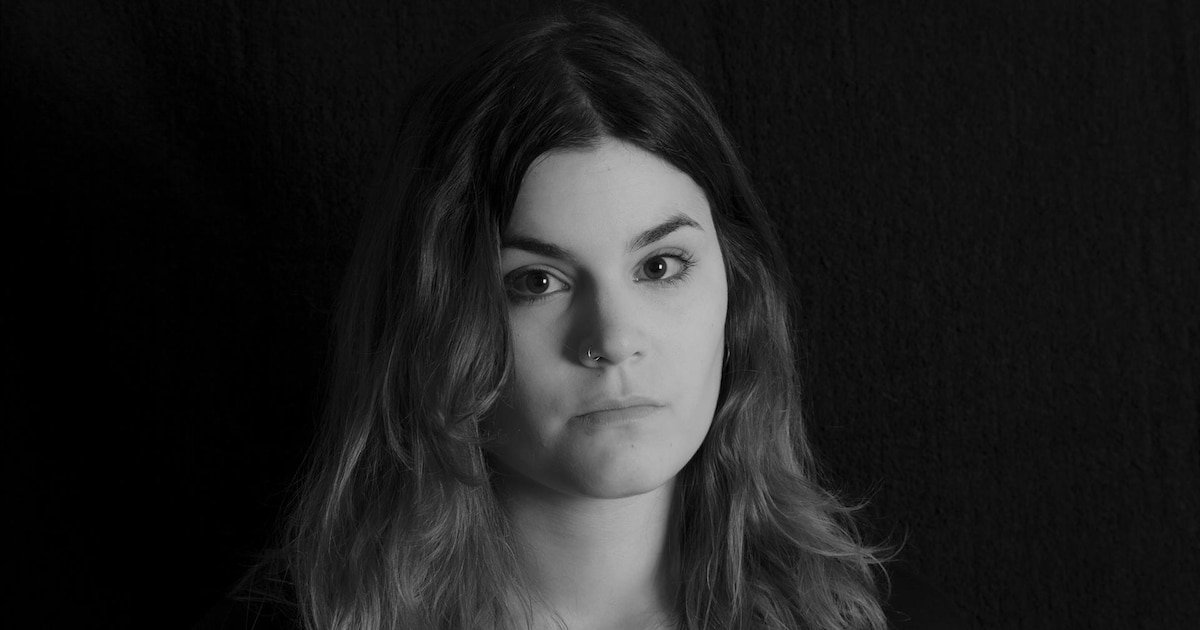
A Elvira Sastre no le gustan las etiquetas ni los hermetismos porque ella escribe justo para lo contrario: para ofrecer una apertura. Escoge las palabras como quien elige un gesto de abrigo, algo íntimo y cercano, un lugar donde resguardarse cuando afuera nos envuelve el ruido. En su literatura no hay voluntad de encajar en un molde, sino de mirar el mundo con cuidado, atención y delicadeza. Sus textos, más que para leerlos, son para habitarlos.
Su último libro nace, precisamente, desde la premisa del cuidado. Un cuaderno de bitácora que responde a la urgencia de retener en la retina aquello que ha sido importante para ella: personas, escenas, cuerpos, momentos. En ese gesto de preservación confluyen dos de sus grandes pasiones, la escritura y la fotografía analógica, que aquí dialogan como si siempre hubieran estado destinadas a encontrarse. Podemos hablar, en este sentido, de un cuidado visual, un lugar para guarecer la memoria sin imponer ni mancillar lo vivido.
Cuando Elvira llega al lugar en el que hemos quedado, yo ya la espero con un café caliente entre las manos. Ella no puede recordarme, es comprensible. Aun así, tiro de carrete memorístico y le cuento que nos conocimos varios años atrás, en la presentación de uno de sus poemarios, en un momento bisagra de mi vida: estaba a punto de mudarme a Colombia. Recuerdo que en aquella dedicatoria me deseó un feliz viaje. Un gesto sencillo que, sin embargo, para mí se convirtió en algo más. Me subí al avión con aquel garabato bajo el brazo y acunarme en ese deseo fue, de algún modo, sentir el hogar a diez mil metros por encima de mi casa.

La narrativa de Sastre es así: parece pequeña, pero acompaña durante mucho tiempo. Quizá por eso sus textos llegan al corazón de tantas personas. Más allá del impulso que puedan darle las redes sociales o del fenómeno que a veces se proyecta sobre su figura, en su escritura hay algo profundamente honesto, una ternura sin artificio. Siempre he pensado que su poesía huele a pan recién horneado o al aroma que desprende el cuerpo caliente de quien amamos. Hay calor en sus palabras, y también verdad.
Esa es su magia: la capacidad constante de humanizar lo inenarrable, de poner nombre a aquello que parecía quedarse fuera del lenguaje. En En defensa de la memoria hay fragilidad, sí, pero también la fuerza arrolladora de una tormenta en una noche de estío. Es una flor silvestre: encapsula la belleza de lo efímero y, al mismo tiempo, demuestra la tenacidad de quien es capaz de brotar en medio de la roca. Desde ahí, desde ese territorio íntimo y resistente, comienza esta conversación.
-Este libro es como el álbum fotográfico que nos encontraríamos en el salón de la casa de la abuela. La intimidad compartida de Elvira Sastre. Leyéndolo, a mí me aparece una palabra una y otra vez: todavía. Todavía seguimos palpando, todavía seguimos haciendo fotos, todavía seguimos cultivando recuerdos. Si hoy tuvieras que elegir una palabra que designara este momento creativo y vital, ¿cuál sería?
-Elegir me cuesta muchísimo, pero yo te diría que resistencia, creo que es la palabra que me ha acompañado y que me acompaña cuando hago fotografía analógica. Que me acompaña también cuando me siento a escribir. Este libro es una resistencia al olvido y al paso del tiempo, a las ausencias de la gente que quiero y que se va muriendo. Es como decir: bueno, sé que la vida funciona así, pero yo voy a resistir fabricando este artefacto que defiende la memoria, porque considero que eso es lo importante.
-De hecho, justo la siguiente pregunta que te iba a hacer está relacionada con eso… ¿Qué te ayuda más en esa resistencia al olvido: la escritura o la fotografía?
-No te sabría decir pero, por la experiencia que he tenido este año, que ha sido complicado y he tenido que atravesar muchas capas de mí para poder llegar a escribir lo que estaba sintiendo, la fotografía me ha liberado. Tengo la necesidad de expresarme siempre, pero las palabras me han provocado este año un esfuerzo demasiado grande; la fotografía, en cambio, me ha permitido soltarme. Al final, cuando estoy escribiendo, todo parte de dentro y va hacia afuera; con la fotografía es al revés, va desde fuera y llega hacia adentro. Son distintas formas artísticas de hacer lo mismo. Por eso este libro se ha construido con fotografías. Es el texto el que las acompaña, y no al revés.

-¿Siempre habías hecho fotografía? ¿De dónde te nace esa pulsión?
-Siempre me gustó. No de un modo profesional ni muchísimo menos, pero de pequeña me gustaba mucho. Recuerdo unas navidades que mi hermana me regaló una réflex digital. Fue la primera y, además, la compró con su primer sueldo. Me encantaba llevarla de viaje. Tuve una época que me dio mucho por la fotografía digital. Cuando después descubrí la analógica, sentí que era ir a contracorriente de todo lo que se estaba haciendo (de todo lo que se está haciendo también ahora). La cámara analógica te exige pausa, concentración, solo tienes una oportunidad de hacer un disparo. También practica mucho la paciencia, porque luego hay que esperar a que te llegue el revelado. Es otra forma de resistencia.
-Algo que creo que hemos perdido con las redes sociales y la fotografía digital es la intimidad. Porque cuando tú tienes un móvil y sacas una foto, generalmente es porque tienes intención de mandarla por WhatsApp o subirla a una red social. En cambio, con la analógica hay muchas fotografías que se quedan ahí para siempre, guardadas en un cajón, donde puede que nadie más las vea nunca. Quería preguntarte cómo ha sido, en este caso, la selección, porque al final en este libro tenemos acceso a una pequeña parte de tu intimidad. ¿Qué archivos has decidido quedarte solo para ti?
-Hace tiempo estuve en París en una exposición de fotografía analógica. No recuerdo el nombre del autor, pero vi una imagen que él había hecho del mar. En la parte de arriba, lo acompañaba un pequeño texto. Ahora que lo pienso, creo que ese fue, en realidad, el germen de este libro. Explicaba que ese día su hermana había dado a luz y que había hecho esa foto porque él estaba lejos y quería enseñarle a su sobrino cómo estaba el mar el día en el que había nacido. Me pareció precioso. Fue entonces cuando dije: venga, voy a hacer esto yo también con mi sobrino cuando nazca. Le hice un álbum donde le explicaba cómo estaba el campo el día que nació, las flores, los perros, el hospital, su número de habitación. Tengo muchísimas fotos, pero las personales las he decidido guardar solo para mí.

-Como tú dices, esa exposición fue, claramente, el germen de este libro, pero ¿en qué otras cosas te inspiras para escribir o fotografiar?
-Me inspira mucho el cine. Estoy pensando en una película japonesa, Perfect days, en la que el protagonista es un hombre que se dedica a limpiar retretes en Tokio. Tiene también una cámara de fotos, es la manera en la que él transita la belleza. Ese tipo de cosas son las que me inspiran, me obsesionan, me quedo como colgada mucho tiempo ahí… Todo lo que me emociona, y no sé muy bien por qué lo hace, intento descifrarlo. Muchas veces la fotografía me resuelve eso, me permite capturar la belleza de las cosas que no sé si nadie más está mirando.
-¿Te digo cuál es mi foto favorita? La del señor mayor que está caminando, saliendo lentamente del pueblo. Te imagino ahí esperando dentro del coche a que cruce, en esa bella pausa creativa.
-Ese verano hice muchísimas fotografías. Me quedaba dentro del coche, esperando. Pensaba: madre mía, cualquiera que me vea aquí… Me da mucho pudor fotografiar a gente que no me está viendo, por eso hay muchas personas de espaldas. Cuando vi a ese señor, vi claramente una historia, el mundo de ese hombre, en ese pueblo vacío, un día de julio, atravesando esa puerta. Pensar ahora en ese momento está siendo muy importante para mí.
*Este es un fragmento de la entrevista publicada por la revista Lengua.
Elvira Sastre
INTERNACIONAL
Son of British couple detained in Iran ‘let down’ by Starmer’s leadership on parent’s imprisonment amid war

NEWYou can now listen to Fox News articles!
The son of a British couple who have remained jailed in Iran for more than a year is appealing to President Donald Trump as the war in Iran complicates the situation.
«Conditions have intensified over the last couple of weeks, to say the least, as you might imagine with the complexity of war,» Joe Bennett told Fox News Saturday.
He said the notorious Evin Prison, where his parents are being held in Tehran, was already at capacity, and a recent surge of protesters has created severely crowded conditions.
«Food is scarce,» he added. «We’re worried about the replenishment of their stocks of food. I mean, it’s unsanitary conditions. It has been described as ‘hell on Earth’ by them.
FREED IRANIAN PRISONER SAYS ‘IN TRUMP, THE ISLAMIC REPUBLIC HAS MET ITS MATCH’
Family and supporters of Lindsay and Craig Foreman hold up a sign in London calling for their freedom in January on the first anniversary of their detention. (Brook Mitchell/AFP via Getty Images)
«With the bombs that are dropping and the activity that’s happening there at the moment, the anxiety is heightened for us and for them as well.»
Craig and Lindsay Foreman were arrested in January 2025 by Iranian authorities while on a global motorcycling trip and were later sentenced to 10 years in prison on suspicion of spying.
Bennett spoke in Washington, D.C., Thursday at the McCain Institute’s US-UK Transatlantic Conference on Hostage-Taking and Arbitrary Detention, criticizing British leaders’ — namely Prime Minister Keir Starmer — «non-existent» advocacy for his parents, BBC News reported.
AMERICANS STRANDED IN DUBAI FACE REPEATED FLIGHT CANCELLATIONS AMID IRAN ESCALATION
«The clear message to the U.K. government and Starmer is to stop hiding behind this as a consular case,» Bennett told Fox News. «I think that was put out the window when they were sentenced to 10 years for espionage, accused of being spies for the Israeli Mossad and the U.K. government.
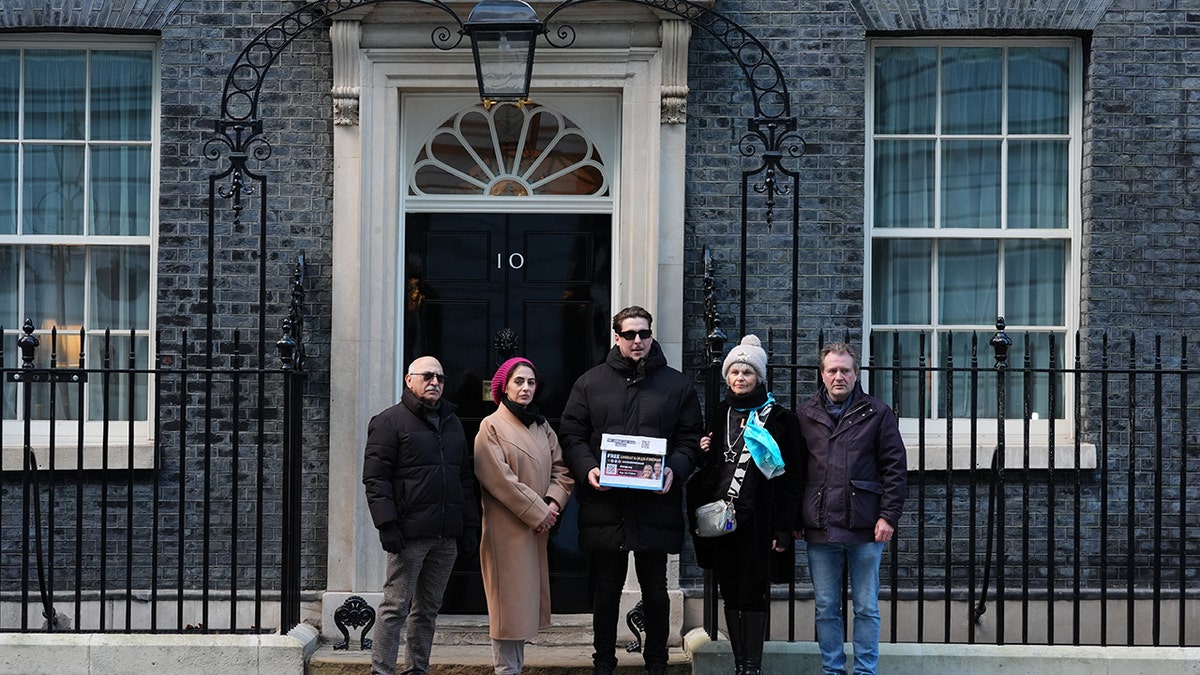
Joe Bennett, center, stands in front of 10 Downing Street in London with a petition in January. (Ben Whitley/PA Images via Getty Images)
«What we haven’t seen is leadership qualities from Keir Starmer. We haven’t seen him advocate since their sentencing to, as you say, condemn this sham process and the treatment of U.K. nationals.»
Starmer’s silence has left Bennett’s family feeling «let down,» he said. «We feel there’s an opportunity to do so and there still is.»
CLICK HERE TO SIGN UP FOR THE ENTERTAINMENT NEWSLETTER
Bennett stressed that his parents’ detention and sentencing «is hostage taking.»
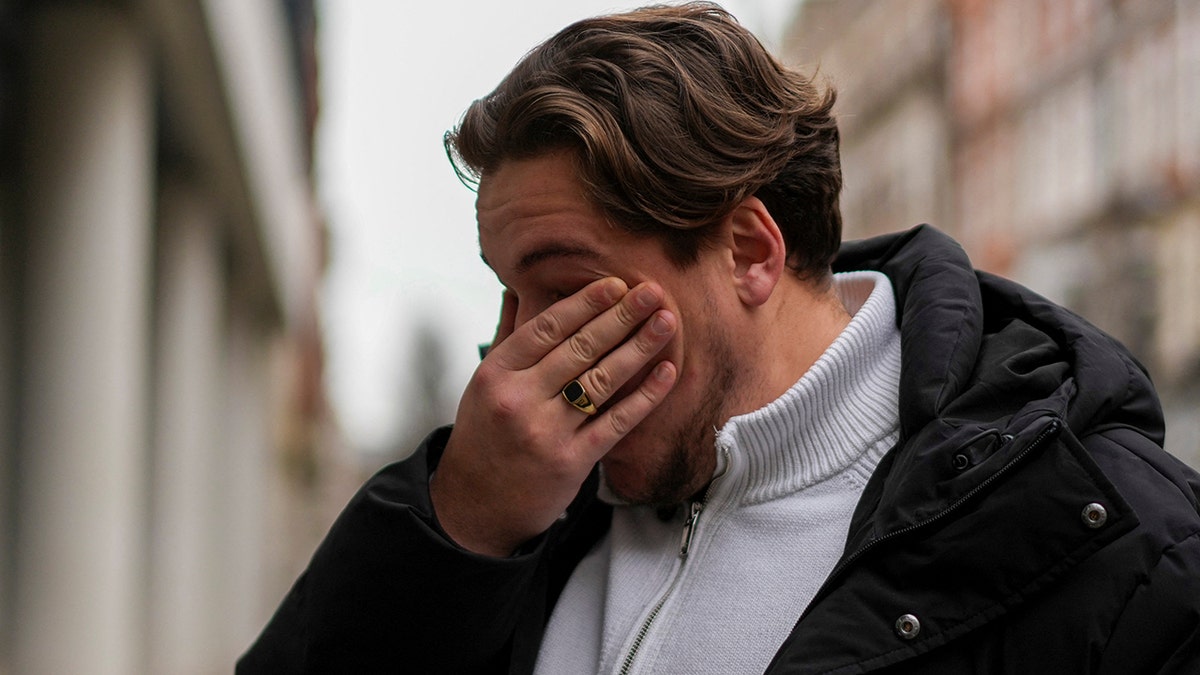
Joe Bennett, the son of Lindsay and Craig Foreman, urged President Trump to be precise with Iranian strikes. (Carlos Jasso/AFP via Getty Images)
«It affects not just the U.K., the U.S. as well and Western civilization,» Bennett added.
«Innocent people are being targeted for leverage as political pawns.»
He also urged Trump to be «concise» with Iranian strikes and not to forget that Brits and Americans are in that prison.
CLICK HERE TO DOWNLOAD THE FOX NEWS APP
«Two things I’d like to say to Mr. Trump is, firstly, that safety is important,» Bennett told Fox News. «Missiles have hit Evin in June of last year but also were very close.
«So, I think the target — I just want him to be concise that, you know, so that Evin isn’t a part of that, and, secondly, is to not forget that they are there.»
He noted that, along with his parents, U.S. nationals are also imprisoned at Evin.
«And as a humanitarian plea, from a son for his mother’s release is what I’m asking for,» he said.
war with iran,world,iran,donald trump,united kingdom

La Justicia embargó por más de $157.000 millones al gobierno bonaerense por un caso de contaminación “aberrante”

Exiled Iranian crown prince says he’s ready to lead Iran ‘as soon as the Islamic Republic falls’

Lollapalooza, día 2: Chappell Roan hipnotizó con una mágica puesta y Lewis Capaldi emocionó con su sensibilidad

Alerta Monotributo: ARCA actualizó las escalas y estos son los montos a pagar en marzo

El árbitro admite un error contra el Bayern: ‘La roja a Luis Díaz fue muy severa. Ahora no la sacaría’

El Gobierno dio marcha atrás con los puntos más espinosos de su Plan de Inteligencia Nacional

El ex novio de Luana de Gran Hermano reveló información sensible sobre su relación: “El bolso tenía plata”

Sorpresa en Gran Hermano tras la expulsión de Carmiña: la reacción de la producción y las dudas sobre su reemplazo

Emanuel Noir, de Ke Personajes, anunció que dejará las redes sociales: “Una búsqueda mayor a la que creí, apareció”

Morena Rial salió de la cárcel y se conoció escalofriante dato que involucra a Jorge Rial: «Me pidió que me hiciera cargo»

 CHIMENTOS3 días ago
El ex novio de Luana de Gran Hermano reveló información sensible sobre su relación: “El bolso tenía plata”
- CHIMENTOS3 días ago
Sorpresa en Gran Hermano tras la expulsión de Carmiña: la reacción de la producción y las dudas sobre su reemplazo
- CHIMENTOS2 días ago
Emanuel Noir, de Ke Personajes, anunció que dejará las redes sociales: “Una búsqueda mayor a la que creí, apareció”