INTERNACIONAL
Trump takes on Hollywood, Alcatraz, calls Pope Donald image a joke


President Donald Trump is fighting several new battles at once with a flurry of initiatives that are causing consternation around the globe.
And that’s not even counting the trade war he launched.
Hollywood is in a state of panic, and bewilderment, over Trump’s vow to slap 100% tariffs on any film made outside the United States – even if they’re American-made movies.
Some countries, such as Canada – not yet the 51st state, though Trump made the pitch to visiting Prime Minister Mark Carney yesterday before they held their meeting – offer lucrative incentives to lure American filmmakers, with shoots in Toronto made to look like New York or L.A.
CARNEY SAYS CANADA IS NOT FOR SALE, TRUMP REPLIES, ‘NEVER SAY NEVER’
From movie tariffs to a push to reopen Alcatraz, this past week has been anything but uneventful for the Trump administration. (Ken Cedeno/UPI/Bloomberg via Getty Images)
Gavin Newsom urged Trump to support a $7.5 billion federal tax incentive for the film industry, far larger than California’s own $330 million credit.
Trump called Newsom «grossly incompetent» for allowing the film industry «to be taken away from Hollywood.»
I would blame streaming services most of all; people have gotten accustomed to watching movies and TV shows on their phones and laptops, whether it’s Netflix, Amazon Prime, Apple TV, Max, Hulu or others.
And naturally, Trump and the blue-state governor, who obviously has presidential aspirations, would wind up in a blame game.
Trump also wants to rebuild the infamous Alcatraz prison.
The San Francisco island, called «the Rock,» was used as a federal jail from 1934 until 1963, when it was shut down because of the massive costs. Gangsters such as «Machine Gun» Kelly and Al Capone, who Trump frequently likes to cite, were held there.
«When we were a more serious Nation, in times past, we did not hesitate to lock up the most dangerous criminals, and keep them far away from anyone they could harm,» Trump posted.
Since those breaking out had to swim a mile in frigid waters to reach San Francisco, there has never been a successful escape. Most have died.
TRUMP ORDERS FEDS TO REOPEN ALCATRAZ TO HOUSE ‘AMERICA’S MOST RUTHLESS AND VIOLENT’ CRIMINALS
But I view this move as largely symbolic. It’s hard to imagine that Trump will be able to foot the bill – though Pam Bondi insists it will save money – and the island will remain a tourist attraction.
And then there’s the tale of Pope Donald.
Trump is now trying to dismiss the AI image, which I’m sure you’ve seen.
«You mean they can’t take a joke? You don’t mean the Catholics, you mean the fake news media? The Catholics loved it.»
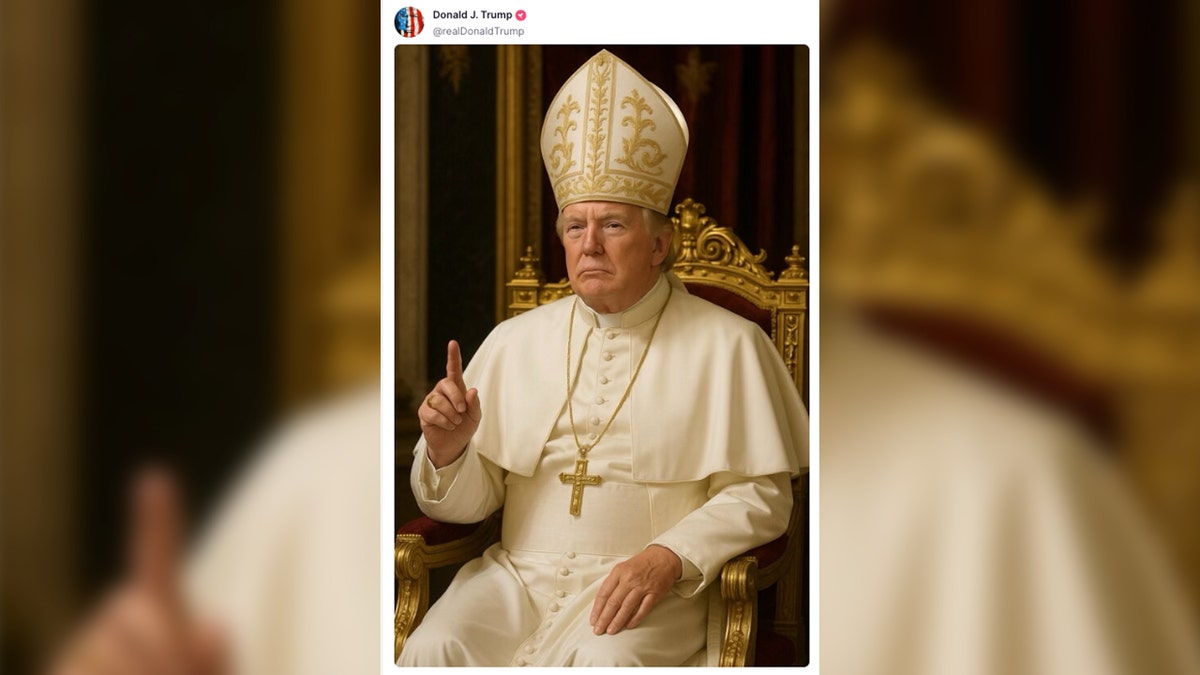
President Trump posted an AI-generated image of himself as the pope on Truth Social last Friday – quickly generating a media firestorm. (@realDonaldTrump/Truth Social)
«I had nothing to do with it,» Trump said. «Somebody made up a picture of me dressed like the Pope, and they put it out on the Internet.»
So he’s both minimizing the picture and distancing himself from it – not an easy maneuver.
But Fox’s Jacqui Heinrich asked him why the controversial image was later posted on the official White House account. Trump retreated to saying he wanted to have «some fun.»
TRUMP POSTS AI IMAGE OF HIMSELF AS POPE AMID VATICAN’S SEARCH FOR NEW PONTIFF
Many Catholics, especially in the leadership, are livid over what they see as sacrilegious.
Former Italian prime minister Matteo Renzi posted: «This is an image that offends believers, insults institutions and shows that the leader of the global right enjoys being a clown.»
The New York State Catholic Conference, as noted by the Washington Post, posted: «There is nothing clever or funny about this image, Mr. President. We just buried our beloved Pope Francis and the cardinals are about to enter a solemn conclave to elect a new successor of St. Peter. Do not mock us.»
The bishop of Springfield, Ill. wrote: «The Bible tells us, ‘Make no mistake: God is not mocked’ (Galatians 6:7). «The Pope is the Vicar of Christ. By publishing a picture of himself masquerading as the Pope, President Trump mocks God, the Catholic Church, and the Papacy…»
Meanwhile, Trump did something else this week that may have surprised people.
He took the same position on the abortion pill mifepristone as the Biden administration.
In a court filing, the Trump team asked a federal judge to throw out a lawsuit from three conservative attorneys general aimed at seriously restricting access to the pill.
SUBSCRIBE TO HOWIE’S MEDIA BUZZMETER PODCAST, A RIFF ON THE DAY’S HOTTEST STORIES
And it was filed in Texas before Judge Matthew Kacsmaryk, who has a history of opposing abortion, as deputy counsel of a conservative, deeply religious law institute.
Doesn’t that mirror the accusation by the right against liberals, that a single judge can impose his or her will on the country by careful venue-shopping?
Trump, of course, takes credit for the end of Roe v. Wade by appointing the three Supreme Court justices who comprised the 6-3 conservative majority.
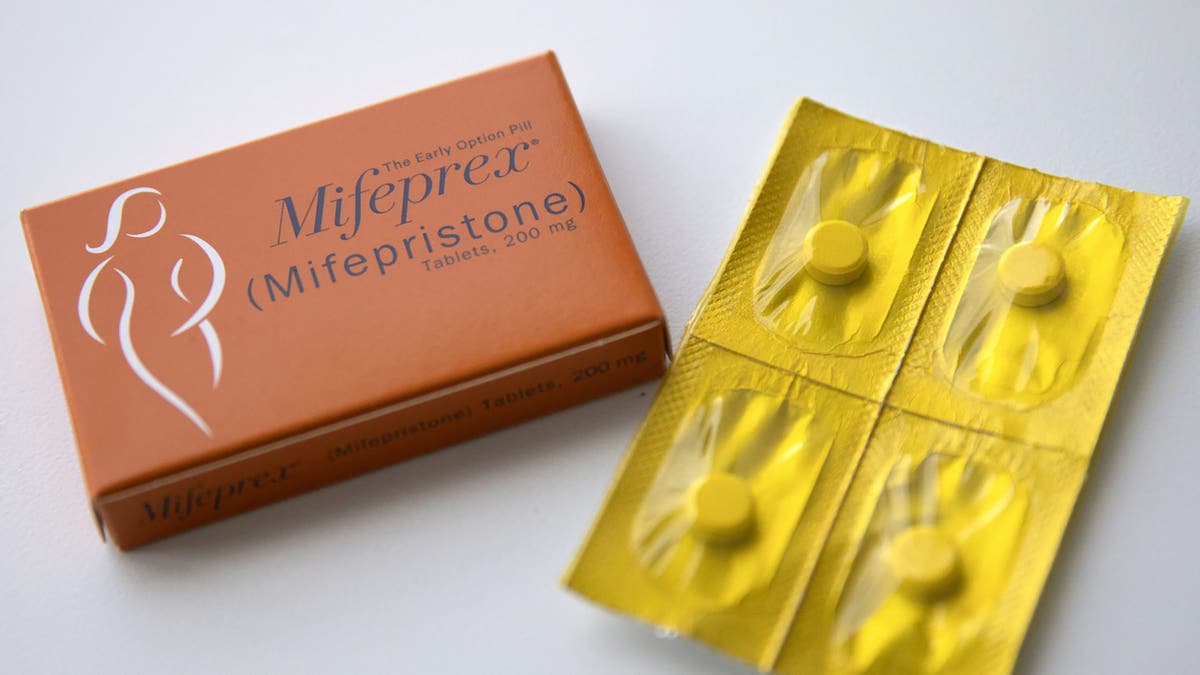
In more surprising news, the Trump administration appears to be taking the same position on abortion-inducing mifepristone as its predecessor. (Erin Hooley/Chicago Tribune/Tribune News Service via Getty Images)
The administration’s filing does not deal with the merits of the case. It makes a procedural argument that the suit does not meet the legal standard to be heard by a Texas court.
Judge Kacsmaryk, relying in part on an 1873 law, ruled that the AGs of Idaho, Missouri and Kansas can continue their lawsuit because «plaintiffs are likely to suffer irreparable harm if the motion is not granted. At least two women died from chemical abortion drugs just last year.»
If the Trump administration succeeds on appeal, it would at the least slow down restrictions on a drug that the FDA first approved in 2000.
CLICK HERE TO GET THE FOX NEWS APP
Abortion may have faded quite a bit as a front-line political issue. But Trump still has the ability to surprise – and to drive the news agenda.
Media Buzz,Donald Trump,White House,San Francisco,Canada







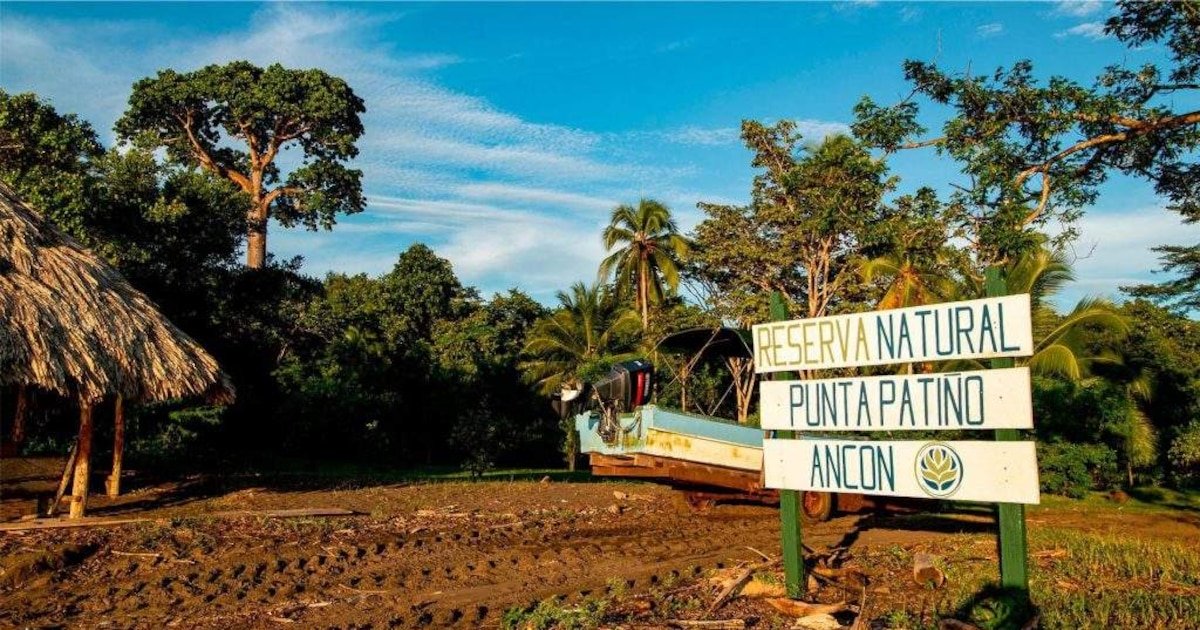
Panamá avanza en su objetivo de ampliar el Humedal Ramsar Punta Patiño mediante recorridos técnicos, monitoreo ambiental y trabajo comunitario desarrollados en la provincia de Darién, en un proceso que busca fortalecer la protección de uno de los ecosistemas más relevantes del país.
Guardaparques del Ministerio de Ambiente (MiAmbiente) y de la Asociación Nacional para la Conservación de la Naturaleza (ANCÓN) realizaron patrullajes terrestres y marítimos enfocados en verificar límites actuales, evaluar zonas propuestas para anexión y recopilar información científica que sustente la ampliación.
Las acciones incluyeron 32 kilómetros por vía acuática y 8 kilómetros por vía terrestre, abarcando límites perimetrales actuales y territorios considerados estratégicos para la conectividad ecológica.
En paralelo, se desarrollaron espacios de diálogo comunitario con representantes de Punta Alegre, Taimatí, Sambú y Garachine, donde se abordaron beneficios ambientales, alcances del proyecto y zonas de interés prioritario que podrían incorporarse al sitio Ramsar.

El proceso contempló también trabajos científicos en campo, incluyendo monitoreo de aves, evaluaciones forestales y establecimiento de parcelas de investigación, elementos que forman parte del sustento técnico requerido para la ampliación.
Equipos especializados realizaron muestreos de agua con instrumentos multiparámetro, mediciones de salinidad y temperatura, colecta de zooplancton y registros de profundidad, con el objetivo de evaluar la salud del ecosistema y su dinámica hidrológica.
Dentro de la ruta de evaluación se incluyeron Guagaral, Playa Cueca, lagunas cercanas a Sambú y sectores próximos a Garachine, áreas consideradas clave para justificar la expansión del humedal y fortalecer la conservación del Corredor Biológico Serranía de Bagre.
En la comunidad de Punta Alegre, autoridades presentaron mapas topográficos y trabajaron con residentes en la delimitación participativa de zonas potenciales para anexión, registrando el proceso mediante fotografías georreferenciadas.

La Reserva Natural Privada Punta Patiño, administrada por ANCÓN, constituye la primera reserva natural privada del país y protege una de las muestras más representativas del bosque tropical panameño, con ecosistemas que incluyen manglares, humedales costeros y bosques inundables.
Su integración al sistema Ramsar responde a la importancia ecológica del área, particularmente como hábitat de especies, regulador hídrico y barrera natural frente a eventos climáticos extremos.
Un sitio Ramsar es un humedal reconocido internacionalmente bajo la Convención Ramsar, tratado ambiental que promueve la conservación y uso sostenible de estos ecosistemas debido a su valor para la biodiversidad, el almacenamiento de carbono, la mitigación de inundaciones y el sustento de comunidades locales.
En materia normativa, Panamá incorporó la Convención Ramsar mediante la Ley 6 de 1989 y cuenta con disposiciones como la Ley General de Ambiente (Ley 41 de 1998), normas de ordenamiento territorial, regulaciones sobre manglares y la Política Nacional de Humedales aprobada en 2018.

La ampliación de Punta Patiño se inserta en esa estrategia global de protección de humedales de importancia internacional.
Panamá cuenta con otros sitios Ramsar como Bahía de Panamá, San San Pond Sak y el Golfo de Montijo, reconocidos por su relevancia para aves migratorias, manglares y ecosistemas costeros, lo que refleja la diversidad de humedales presentes en el país.
En ese contexto, la ampliación de Punta Patiño busca incrementar la cobertura protegida, mejorar la gestión ambiental y reforzar la conectividad entre ecosistemas terrestres y marinos.
Desde el punto de vista ecológico, la expansión propuesta apunta a proteger zonas de transición entre bosques, manglares y áreas marinas, ecosistemas que funcionan como corredores biológicos y refugios para especies amenazadas.
Autoridades ambientales señalan que la incorporación de nuevas áreas permitiría fortalecer procesos de restauración, mejorar la vigilancia ambiental y ampliar el monitoreo científico dentro del sitio Ramsar.

El componente comunitario constituye un eje central del proceso, ya que la ampliación requiere participación local y reconocimiento de usos tradicionales del territorio.
Las reuniones desarrolladas durante los patrullajes permitieron identificar preocupaciones, oportunidades de conservación y posibles beneficios socioeconómicos, incluyendo ecoturismo, investigación científica y programas de educación ambiental vinculados al humedal.
El proceso de ampliación continuará con evaluaciones técnicas, consultas comunitarias y revisión cartográfica, etapas necesarias para sustentar la modificación de límites y su eventual reconocimiento internacional.
Las autoridades destacan que la iniciativa busca consolidar la protección de Punta Patiño dentro del sistema Ramsar y reforzar el papel de los humedales como infraestructura natural clave para la resiliencia ambiental del país.

Igualmente, señalan que la gestión futura de los humedales debe priorizar el ordenamiento territorial, el control del turismo, la protección de cuencas hidrográficas y la integración de estos ecosistemas en las políticas de adaptación al cambio climático.
La presión sobre los humedales panameños se ha incrementado en los últimos años como resultado de la expansión urbana, los rellenos, los cambios en el uso del suelo, el turismo no regulado, la contaminación y los efectos del cambio climático.
corresponsal:Desde Panamá
INTERNACIONAL
La muerte del capo narco Nemesio Oseguera, “El Mencho”: Washington dice que es “un gran acontecimiento” para México, Estados Unidos y América Latina
«Se me ha informado que fuerzas de seguridad mexicanas han matado a ‘El Mencho’, uno de los capos de la droga más sanguinarios», dijo en la red X, Christopher Landau, subsecretario de Estado de ese país. «Esto es un gran hito para México, Estados Unidos, América Latina y el mundo (…). Los buenos somos más que los malos. Felicidades a las fuerzas del orden público de la gran nación mexicana», añadió.
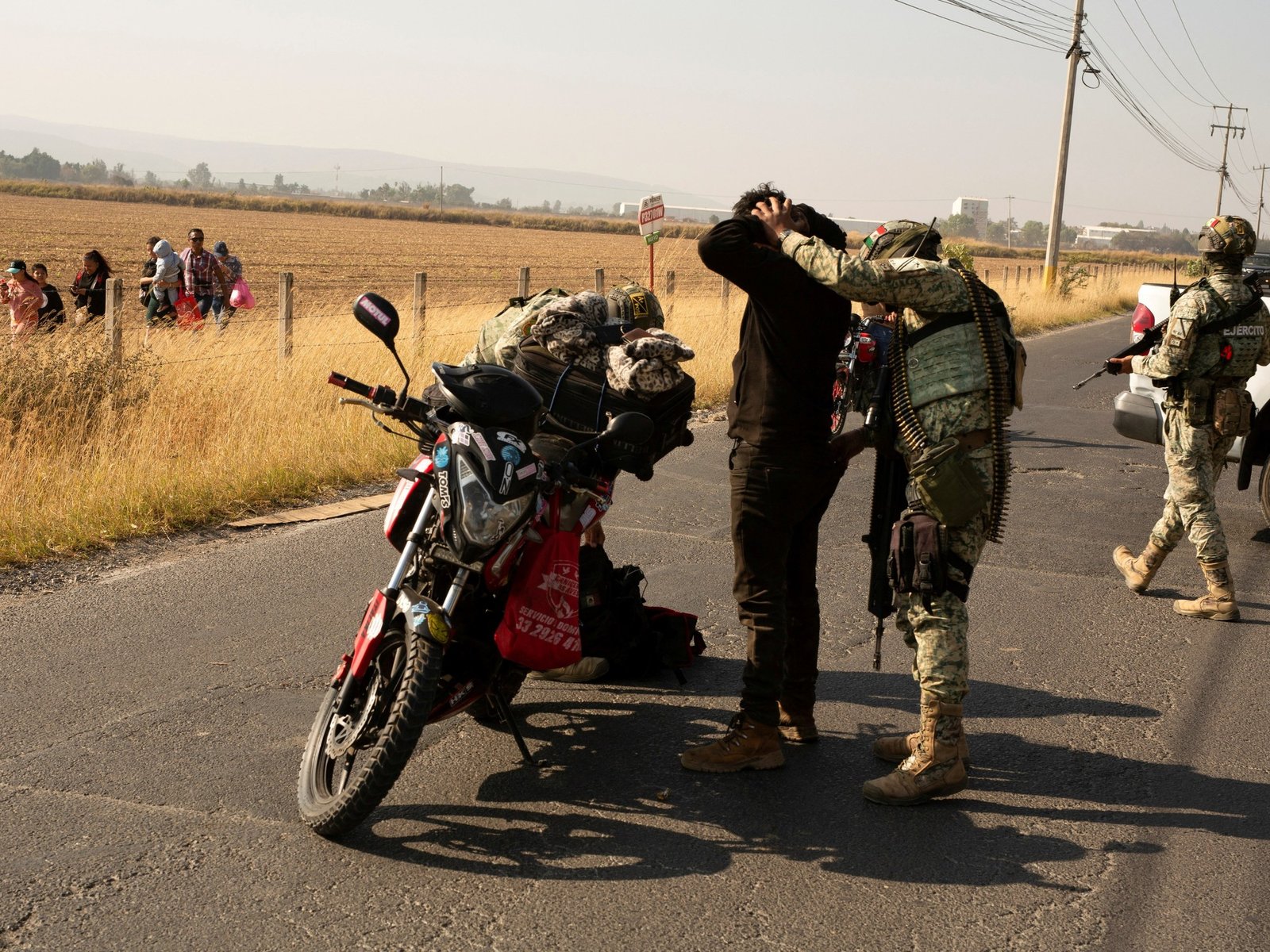
El ejército mexicano anunció este domingo que mató al poderoso capo del narcotráfico Nemesio Oseguera «El Mencho», líder del Cártel Jalisco Nueva Generación (CJNG), tras un violento operativo que conmovió al estado de Jalisco.
La muerte del «Mencho» ocurre en medio de la presión del gobierno del presidente estadounidense, Donald Trump, para que México frene el envío de drogas, en particular del fentanilo, a su país.
Trump ha amagado en varias ocasiones con aranceles a las exportaciones mexicanas, al señalar que el gobierno de la presidenta Claudia Sheinbaum no ha hecho lo suficiente para combatir al narcotráfico.
«El Mencho», de 59 años, era uno de los capos más buscados por México y Estados Unidos, que ofrecía una recompensa de 15 millones de dólares. Era uno de los líderes narco más importantes en actividad tras el arresto de los fundadores del Cártel de Sinaloa, Joaquín Guzmán «El Chapo» e Ismael «Mayo» Zambada, actualmente en prisión en Estados Unidos.
El ejército dijo en un comunicado que el «Mencho» resultó herido en un enfrentamiento con militares en la localidad de Tapalpa, en Jalisco (oeste), y murió «durante su traslado vía aérea a la Ciudad de México».
El ejército añadió que, para la ejecución de esta operación, «además de los trabajos de inteligencia militar central» (…) «se contó con información complementaria» por parte de autoridades estadounidenses.
En total, murieron siete delincuentes y tres militares resultaron heridos. Dos miembros del CJNG fueron detenidos y se incautó diverso armamento, como lanzacohetes capaces de derribar aeronaves y destruir vehículos blindados, según la misma fuente.
Sujetos armados bloquearon con autos y camiones incendiados distintas vías de Jalisco, en respuesta al operativo de fuerzas federales en la región. Por la tarde se veían restos de vehículos calcinados y otros aún en llamas en varias carreteras, en medio del sonido de las sirenas de las fuerzas de seguridad.
Las autoridades han señalado que 21 bloqueos carreteros siguen activos. El ejército añadió que elementos militares se concentran en los estados aledaños a Jalisco «para reforzar la seguridad».
El estado de Jalisco, que recibirá cuatro partidos del Mundial de Fútbol de 2026, ordenó la cancelación de eventos masivos este domingo y la suspensión de clases presenciales para el lunes.
En Guadalajara, capital de Jalisco, diversos negocios, desde farmacias hasta tiendas de conveniencia y gasolineras, cerraron sus puertas y las calles lucen semivacías, constató la AFP.
«Llegaron unos sujetos armados, vi la pistola y dijeron que nos saliéramos, nos salimos y tenían un carro con las puertas abiertas. Pensé que nos iban a secuestrar, corrí para enfrente a un puesto de tacos y me resguardé con ellos», dijo a AFP María Medina, quien trabaja en una tienda de conveniencia que fue incendiada por sujetos armados.
Los bloqueos por el operativo en el que murió Oseguera se extendieron también al balneario de Puerto Vallarta y al vecino estado de Michoacán, en donde su organización tiene presencia.
El cártel del «Mencho» fue formado en 2009 y se convirtió en una de las bandas del narcotráfico más violentas de México, según información del Departamento de Justicia estadounidense.
Estados Unidos ha nombrado a ese cártel como una organización terrorista y lo acusa del tráfico de cocaína, heroína, metanfetamina y fentanilo.
Oseguera es también un viejo conocido del actual secretario de Seguridad Pública federal, Omar García Harfuch. El 20 de junio de 2020 el «Mencho» ordenó un inédito asalto armado contra Harfuch en calles de Ciudad de México. El funcionario resultó herido y tres personas murieron, entre ellos dos escoltas.
NEWYou can now listen to Fox News articles!
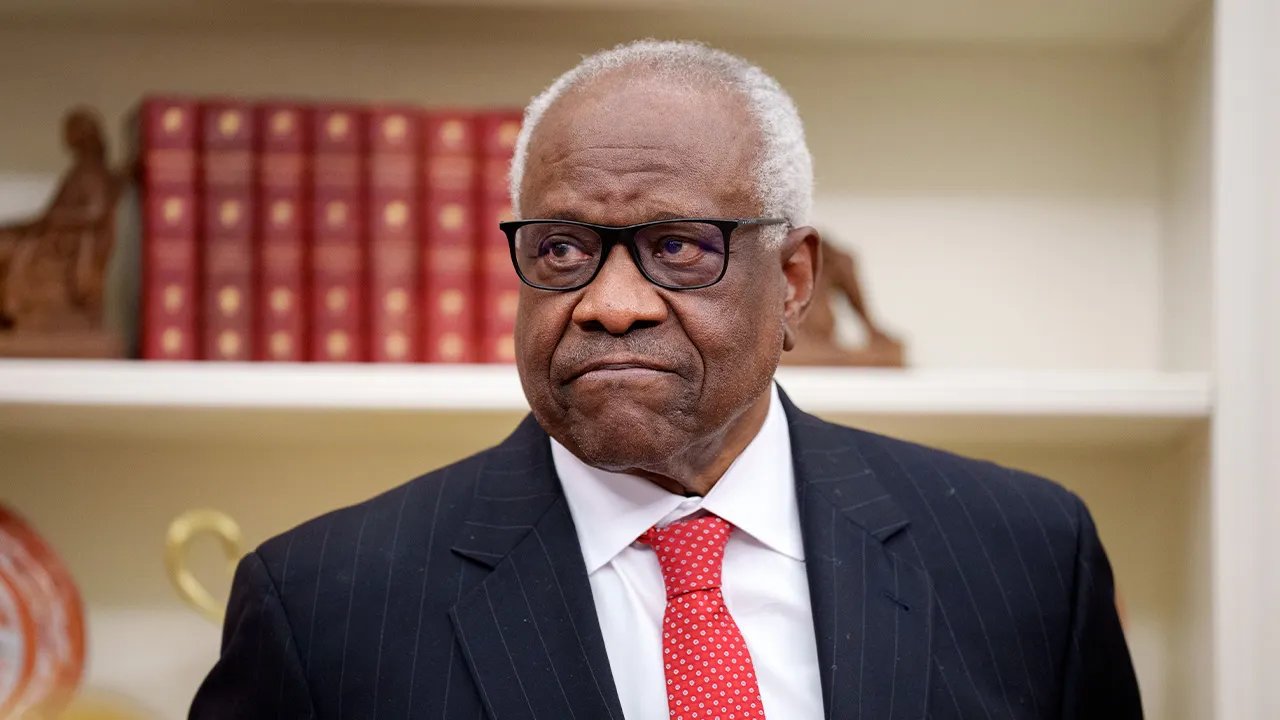
Supreme Court Justice Clarence Thomas ripped the court’s decision blocking President Donald Trump’s use of an emergency law to impose sweeping tariffs on trading partners, calling it a fundamental misread of both the governing statute and the Constitution’s separation of powers.
«As (Kavanaugh) explains, the Court’s decision … cannot be justified as a matter of statutory interpretation. Congress authorized the President to ‘regulate … importation,’» Thomas wrote in his dissent. «Throughout American history, the authority to ‘regulate importation’ has been understood to include the authority to impose duties on imports.»
The court invalidated Trump’s use of an emergency law to impose tariffs in a 6–3 decision Friday morning after weeks of Trump championing that the court should rule in his favor as part of his larger effort to boost the economy, jobs and bring down costs for Americans. Thomas and Justice Samuel Alito joined Justice Brett Kavanaugh in dissenting from the ruling, with Thomas also offering his own separate dissent.
The majority of the court ruled Friday that the International Emergency Economic Powers Act does not authorize the president, even after declaring a national emergency, to impose tariffs — and that Congress did not speak clearly enough to transfer its tariff-and-tax power to the executive branch.
TRUMP RESPONDS TO SUPREME COURT RULING REJECTING SWEEPING TARIFFS POWERS: ‘A DISGRACE’
Supreme Court Justice Clarence Thomas wrote a blistering dissent Feb. 20, 2026, after the Supreme Court found President Donald Trump’s tariffs illegal. (Andrew Harnik/Getty Images)
The International Emergency Economic Powers Act (IEEPA) is a 1977 law that allows the president, after declaring a national emergency in response to foreign threats, to regulate or block certain economic transactions and property interests, such as by imposing sanctions.
«The president asserts the extraordinary power to unilaterally impose tariffs of unlimited amount, duration, and scope,» Supreme Court Justice John Roberts wrote for the court. «In light of the breadth, history, and constitutional context of that asserted authority, he must identify clear congressional authorization to exercise it.»
TRUMP’S TARIFF REVENUES HIT RECORD HIGHS AS SUPREME COURT DEALS MAJOR BLOW
In his dissent, Thomas argued that nondelegation doctrine is a narrow constraint, saying a line is crossed only when Congress delegates «core» power to make rules triggering deprivations of «life, liberty, or property» — not «from delegating other kinds of power,» such as tariffs.
The nondelegation doctrine forbids Congress from delegating core legislative power to the president.
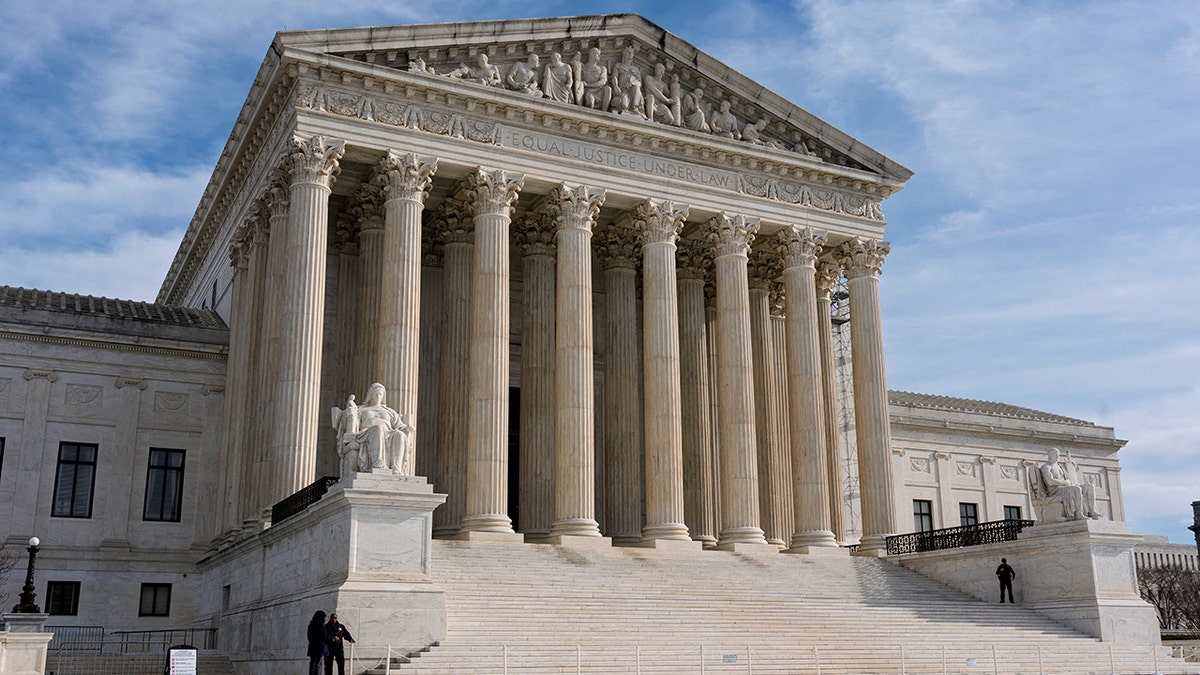
The Supreme Court is seen on Capitol Hill in Washington, Dec. 17, 2024. (AP Photo/J. Scott Applewhite, File)
«As I suggested over a decade ago, the nondelegation doctrine does not apply to ‘a delegation of power to make rules governing private conduct in the area of foreign trade,’ including rules imposing duties on imports,» Thomas wrote. «Therefore, to the extent that the Court relies on ‘separation of powers principles’ to rule against the President is mistaken.»
SUPREME COURT RULES ON TRUMP TARIFFS IN MAJOR TEST OF EXECUTIVE BRANCH POWERS
Thomas pointed to President Nixon’s 1971 import surcharge as a real-world test case that was later upheld in United States v. Yoshida Int’l under IEEPA’s predecessor statute, the Trading with the Enemy Act.
Nixon announced a 10% across-the-board import surcharge on foreign nations in 1971, with the U.S. Court of Customs and Patent Appeals upholding the policy under the same «regulate … importation» language in 1975.
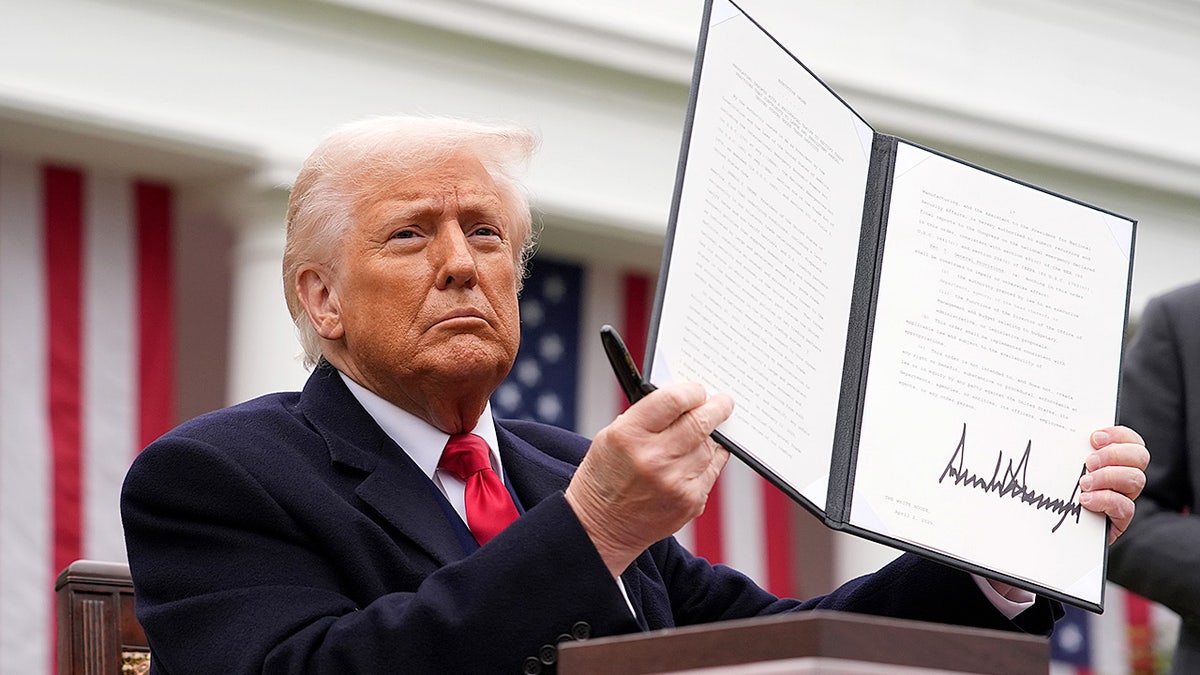
President Donald Trump displays a signed executive order imposing tariffs on imported goods during a «Make America Wealthy Again» trade announcement event in the White House Rose Garden April 2, 2025. (Andrew Harnik/Getty Images)
«The meaning of that phrase was beyond doubt by the time that Congress enacted this statute, shortly after President Nixon’s highly publicized duties on imports were upheld based on identical language,» Thomas wrote.
«The statute that the President relied on therefore authorized him to impose the duties on imports at issue in these cases,» Thomas wrote, adding that Kavanaugh «makes clear that the Court errs in concluding otherwise.»
Trump unveiled his tariff policies in April 2025, which have come with repeatedly updated deals with foreign nations, as a tool to bring parity to U.S. trade policy and encourage businesses to open up shop on U.S. soil as part of an American manufacturing renaissance to boost the job market and the economy.
CLICK HERE TO GET THE FOX NEWS APP
Trump, in recent months, has repeatedly promoted that the Supreme Court rule in his favor, warning just Thursday during a trip to a steel factory in Georgia that «without tariffs, this country would be in such trouble right now.»
The president held a press conference shortly after the decision on Friday, announcing a 10% global tariff, while underscoring that the «Supreme Court did not overrule tariffs,» but «merely overruled a particular use of IEEPA tariffs.»
donald trump,economy,supreme court,politics,law

Inversores extranjeros desinflan el dólar y el carry trade es más rentable, pero crece el riesgo

Dro avisa: en París ya saben de lo que es capaz (y lo que le falta)

El Senado, ante un hecho histórico: celebrará tres sesiones en una misma semana

Martín Menem: “Los que nos critican la reforma laboral son los artífices del fracaso”

Gobierno y ONG impulsan expansión de humedal clave para biodiversidad panameña

Quién ganó las elecciones en Mendoza 2026

Escándalo en MasterChef: una famosa abandonó a los gritos y acusando que está todo arreglado

Del himno peronista de Kelly Olmos al exabrupto de Agustina Propato: las perlitas del debate por la reforma laboral

Villarruel cuestionó la apertura de importaciones: «Sin industria, se pasa a depender de China»

“Ahora es la hora de jugarse”: el mensaje de Patricia Bullrich a los empresarios tras aprobarse la reforma laboral

 ECONOMIA2 días ago
Villarruel cuestionó la apertura de importaciones: «Sin industria, se pasa a depender de China»
- POLITICA2 días ago
“Ahora es la hora de jugarse”: el mensaje de Patricia Bullrich a los empresarios tras aprobarse la reforma laboral
- ECONOMIA2 días ago
Según un especialista, el precio de la carne se mantendrá alto “entre dos y tres años”