
INTERNACIONAL
«Si lo vemos en la calle, lo detenemos»: dura advertencia a Evo Morales en una caravana que terminó con incidentes en Bolivia


Incidentes en La Paz entre militantes de Evo Morales y la Policía
 Evo Morales busca presentarse como candidato a presidente en Bolivia, aunque el Tribunal Constitucional de ese país lo inhabilitó. Foto EFE
 La Policía Boliviana reprimió en las afueras del Tribunal Electoral a militantes de Evo Morales que buscan que se acepte su candidatura, por fuera de la constitución. Foto Reuters/Claudia Morales.
 La advertencia del gobierno de Luis Arce a Evo Morales
Bolivia,Evo Morales,Últimas Noticias












Trump tells Europe to ‘get your own oil’ as Iran conflict fuels shortages
President Trump intensifies pressure on Iran with joint US-Israel strikes, releasing new video of attacks on nuclear sites in Isfahan. Former Secretary of State Mike Pompeo states the Iranian regime’s behavior must change. FBI Detroit Special Agent in Charge Jennifer Runyan reveals the Michigan synagogue attack on March 12 was Hezbollah-inspired, raising domestic terror concerns amid DHS funding disputes.
NEWYou can now listen to Fox News articles!
With Iran increasingly isolated among its Gulf neighbors, recent reports say Tehran has been deepening its ties in the South Caucasus with the Republic of Georgia.
The former Soviet republic, which was until recently seen as an aspiring European Union and potential NATO member candidate, has slowly moved closer to Tehran.
«Iran has built a vast influence infrastructure in Georgia, which includes entities sanctioned by the U.S. government for links to extremism and viewed in Washington as fronts for the Islamic Revolutionary Guard Corps (IRGC),» Giorgi Kandelaki, former member of the Georgian Parliament, told Fox News Digital.
IRAN BACKLASH FORCES GULF ALLIES TOWARD WASHINGTON AS REGIONAL TENSIONS RISE
An anti-war activist holds an Iranian flag during a march organized by Stop the War Coalition, calling for an end to hostilities amid the U.S.-Israeli conflict with Iran, in London on March 7, 2026. (Jack Taylor/Reuters)
Kandelaki, co-author of a recent report with the Hudson Institute titled Georgia’s Iranian Turn: Tehran’s Rapid Expansion of Influence in a Once-Committed U.S. Ally, said that Tbilisi’s turn toward Iran is bad for Georgians but also bad for U.S. interests in the region.
«Georgia has an overwhelmingly pro-U.S. public opinion committed to Western values with it also being viewed as a traditional U.S. ally in Washington. This reality presents a terrible precedent and reversing this trajectory is in the interest of both the U.S. but also Georgian society,» he added.
While Georgia has remained diplomatically neutral, the Hudson report details the budding ties between the two countries and how Iran uses Georgia as a network for intelligence infrastructure, penetrating Georgia’s religious, educational and cultural institutions to impact society.
BLOODY NYC KHAMENEI VIGIL REVEALS ANTI-US PROTEST NETWORK LINKED TO IRAN
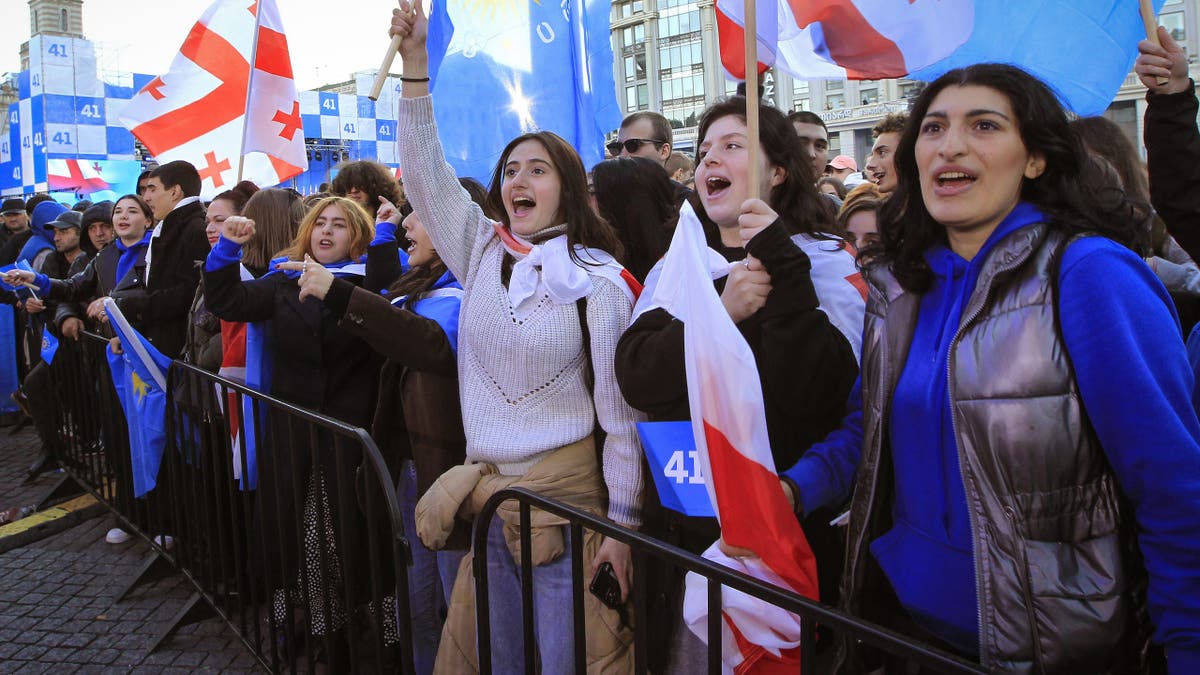
Supporters of the ruling Georgian Dream party attend a rally in the center of Tbilisi, Georgia, Wednesday, Oct. 23, 2024. (Shakh Aivazov/AP)
As far back as 2007, Iran opened the Georgian branch of Al-Mustafa University, which is considered one of Iran’s main arms for the dissemination of Islamic Republic founder Ayatollah Ruhollah Khomeini’s ideology abroad, according to United Against a Nuclear Iran.
The U.S. Treasury Department stated in 2020 that Iran’s IRGC-Quds Force uses Al-Mustafa University in Georgia as an international recruitment network for Iran and acts as a conduit for the Islamic Republic’s ideological and security interests.
«Al-Mustafa has facilitated unwitting tourists from Western countries to come to Iran, from whom IRGC-Qud’s Force members sought to collect intelligence,» the Treasury Department said. It also said that the university facilitated student exchanges with foreign universities to develop intelligence sources.
RUSSIA ALLEGEDLY SHARING SATELLITE INTELLIGENCE ON US BASES WITH IRAN, WORLD LEADER CLAIMS
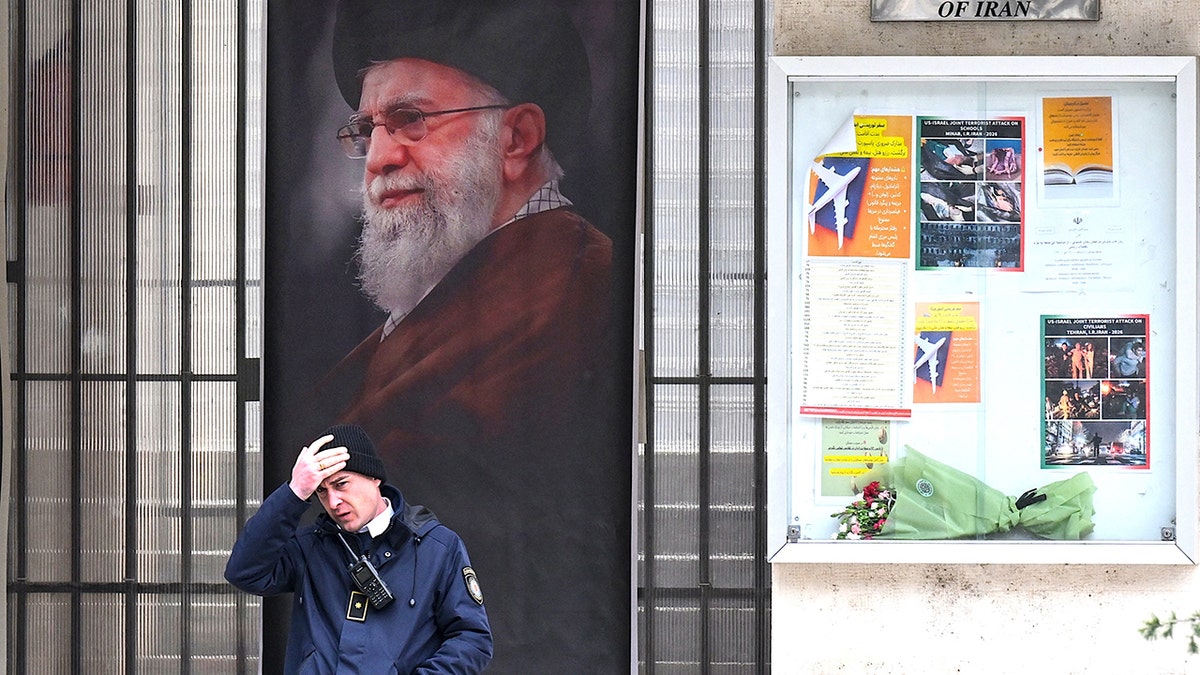
A portrait of the late Iran’s supreme leader Ayatollah Ali Khamenei sits at the entrance to the Iranian embassy in Tbilisi on March 6, 2026. (Vano Shlamov / AFP via Getty Images)
GEORGIAN DEMONSTRATORS WATCH IRAN CLOSELY AS THEIR OWN PROTESTS GRIND ON
A report from the Foundation for Defense of Democracies estimated the university’s annual budget is $100 million and has trained tens of thousands of emissaries across the world who spread Iran’s revolutionary ideology.
Iran has utilized sympathetic Georgians to commit international crimes to advance its domestic agenda.
While no links have ever been made with the Tbilisi government, a Georgian national, Agil Aslanov, who had ties to organized crime, was reportedly recruited by the Quds Forces to assassinate a prominent Jewish leader in Azerbaijan in 2022. In another case in 2025, Georgian national Polad Omarov was indicted in federal court in New York City and sentenced to 25 years in prison for attempting to assassinate prominent Iranian activist Masih Alinejad, a vocal critic of the Islamic Republic’s use of violence against peaceful protesters.
Georgia once made significant inroads to foster political and security ties with the United States following the Rose Revolution in 2003, becoming a bedrock of regional security in the Black Sea region. After decades of Soviet rule, Georgia aligned itself with the United States, contributing to missions in Iraq and Afghanistan, and eventually signed a Strategic Partnership Charter with the United States in 2009.
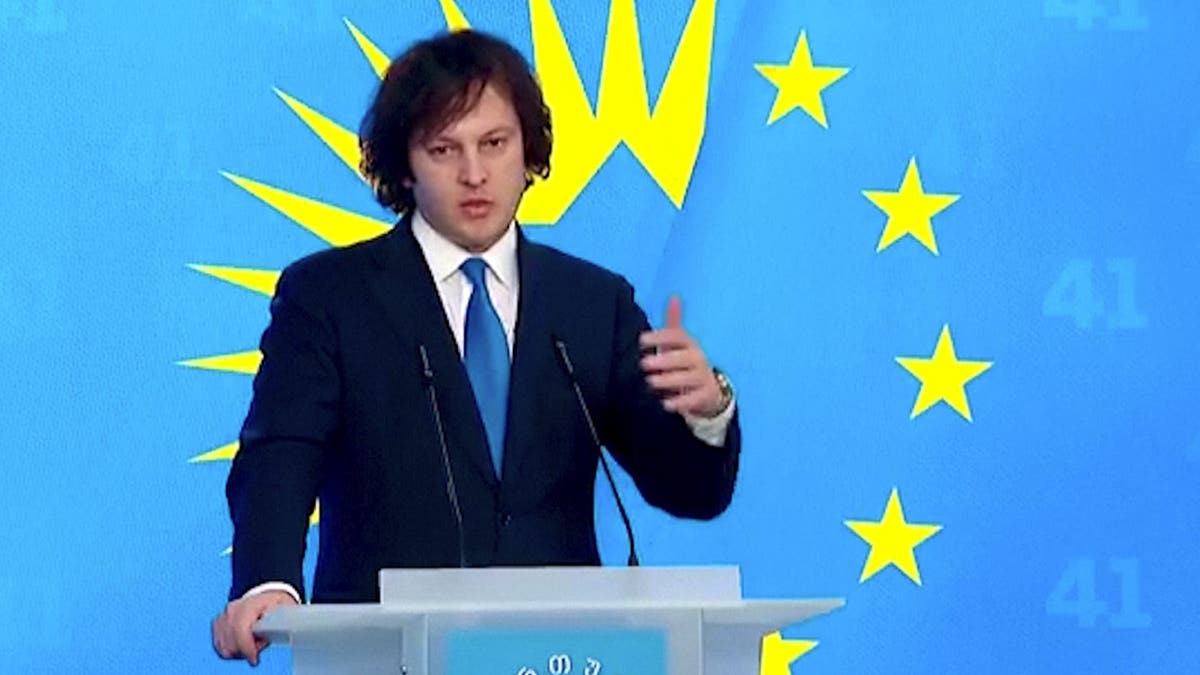
In this photo taken from video released by Georgian Dream Party on Sunday, Oct. 27, 2024, Georgian Prime Minister Irakli Kobakhidze speaks after the parliamentary election in Tbilisi, Georgia. (Georgian Dream Party/AP)
Tbilisi’s ties with Tehran have been expanded under the pro-Russia Georgian Dream party that took power in 2012. That bond, according to analysts, has tightened after Georgia’s pro-Western President Salome Zourabichvili finished her six-year term in office in 2024 and was replaced by Mikheil Kavelashvili, who was chosen as her successor by a newly established electoral college reportedly dominated by Georgian Dream supporters.
INSIDE IRAN’S MILITARY: MISSILES, MILITIAS AND A FORCE BUILT FOR SURVIVAL
Kavelashvili’s installment followed parliamentary elections in Oct. 2024 marred by some irregularities, according to the U.S. embassy in Tbilisi, in which the Georgian Dream declared victory.
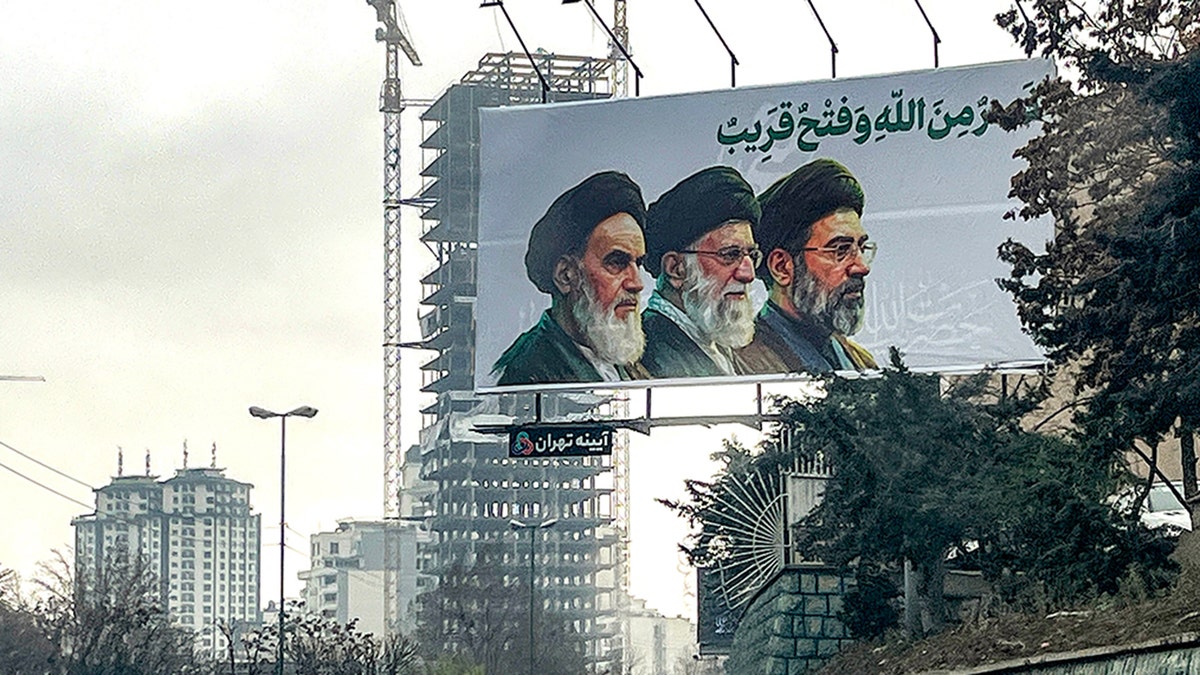
A billboard depicting Iran’s supreme leaders since 1979: (L to R) Ayatollahs Ruhollah Khomeini (until 1989), Ali Khamenei (until 2026), and Mojtaba Khamenei (incumbent) is displayed above a highway in Tehran on March 10, 2026. Iran marked the appointment of Ayatollah Mojtaba Khamenei to replace his father as its supreme leader on March 9, 2026. (AFP via Getty Images)
Leadership ties between both countries have steadily grown since the Georgian Dream’s disputed 2024 parliamentary victory.
Georgian Prime Minister Irakli Kobakhidze visited Iran in May 2024 for the funeral of Iranian President Ibrahim Raisi, who died in a helicopter accident, and again in July to attend the inauguration of Iran’s current president, Masoud Pezeshkian, where Iranian news agencies reported both leaders praised the growing relationship between the two countries.
WHO ACTUALLY RUNS IRAN RIGHT NOW? THE KEY POWER PLAYERS AS TRUMP CLAIMS TALKS TO ‘TOP’ OFFICIAL
Many Georgian companies are also importing oil and petroleum products from Iran, a key economic lifeline for the regime and its regional war efforts, according to Georgian NGO Civic IDEA. In 2024, Iranian oil export revenue was approximately $43 billion, which accounts for roughly 57% of Iran’s total export revenue.
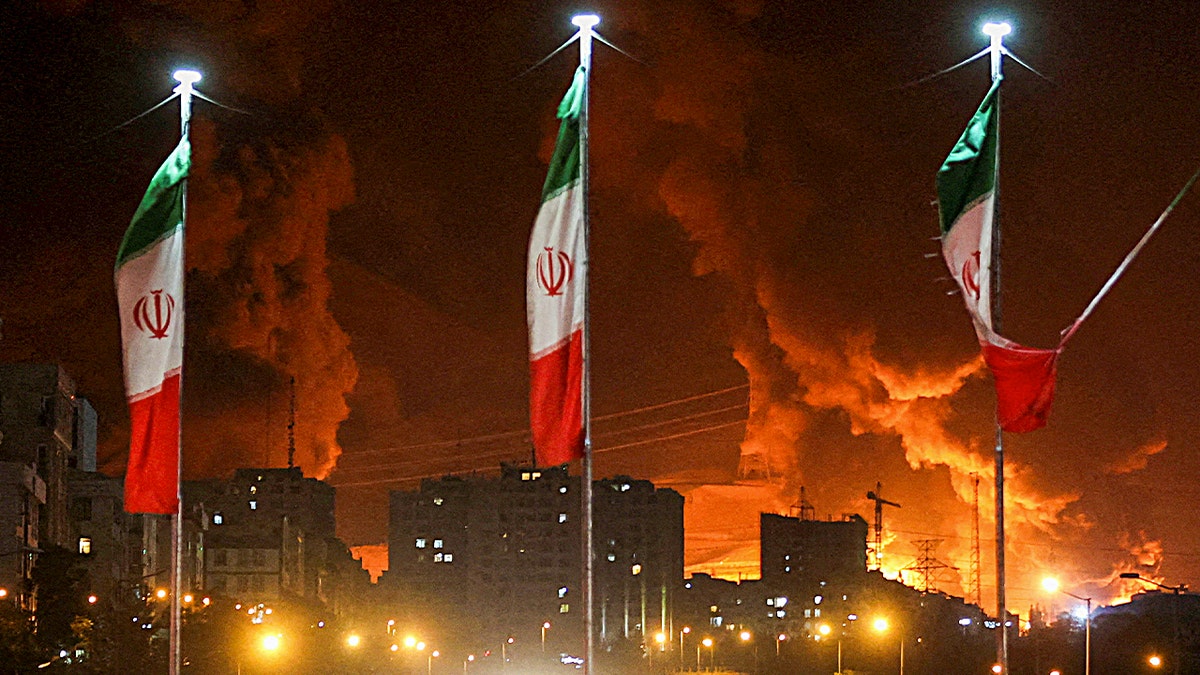
Iranian flags fly as fire and smoke from an Israeli attack on Sharan Oil depot rise, following Israeli strikes in Tehran, Iran, June 15, 2025. (Majid Asgaripour/WANA)
According to Civic IDEA, between 2022 and 2025, 72 companies registered in Georgia imported Iranian oil and petroleum, including eight inked to donors of the ruling Georgian Dream party, boosting Iran’s revenue stream even while heavily sanctioned by Western nations.
«Georgia has become Iran’s primary sanctions-evasion hub . . . funneling hard currency back to Tehran’s war machine and the IRGC through specific schemes in oil imports,» Nicholas Chkhaidze, national security and strategic communications analyst based in Tbilisi, told Fox News Digital.
CLICK HERE TO DOWNLOAD THE FOX NEWS APP
Chkhaidze said these Georgian companies that import Iranian oil pay in cash and can bypass international banking sanctions.
«The scale is massive, as Tehran uses the revenue from these schemes to fund its regional operations,» Chkhaidze claimed.
Telephone and email requests for comment sent to the government of Georgia were not returned. A spokesman for Iran’s mission to the United Nations would not comment on the relations between the two countries.
war with iran, iran, sanctions, russia, national security, the european union
INTERNACIONAL
Streamer who said Rick Scott should be ‘killed’ invited to Yale as lawmaker demands funding cut

NEWYou can now listen to Fox News articles!
A Senate Republican wants federal funding revoked from Yale for a forthcoming speech from a controversial streamer who once called for him to be «killed.»
Sen. Rick Scott, R-Fla., blasted an upcoming event at the Ivy League university featuring Twitch streamer and political commentator Hasan Piker, who has become a flashpoint for Democrats and fodder for conservatives because of his views and alignment with the far-left of the party.
Piker, who has come under fire for his previous comments that «America deserved 9/11» and for excusing sexual violence committed on Oct. 7, 2023, when Hamas launched a surprise attack against Israel, is set to appear at the Yale Political Union for an event dubbed «Resolved: End the American Empire» Tuesday.
SENATE GOP VOWS TO ‘GO IT ALONE’ ON ICE FUNDING AS DEMS DOUBLE DOWN ON SHUTDOWN
«This is WILD,» Scott said on X. «I spoke at the Yale Political Union last year on why we need to buy made in America products. Now, they are hosting a guy who said I should be killed.»
Sen. Rick Scott, R-Fla., blasted Yale for hosting far-left streamer Hasan Piker, who once said that the lawmaker should be «killed» when Republicans were negotiating cuts to Medicaid. (Shelby Tauber/Bloomberg via Getty Images; Photo by Noushad Thekkayil/NurPhoto via Getty Images)
«Yale receives billions from the federal government — President Trump and Congress need to IMMEDIATELY revoke it,» he continued. «An elite private university that hosts an antisemite who says a Senator should be killed, capitalists should be killed, and the U.S. deserved 9/11, shouldn’t get ONE CENT from taxpayers.»
The Yale Political Union did not respond to a request for comment on Scott’s push to nix funding for the university.
Scott and Piker have had a run-in, indirectly, before.
MICHIGAN DEMOCRAT DEFENDS APPEARING WITH HASAN PIKER, DISTANCES HIMSELF FROM PODCASTER’S CONTROVERSIAL REMARKS
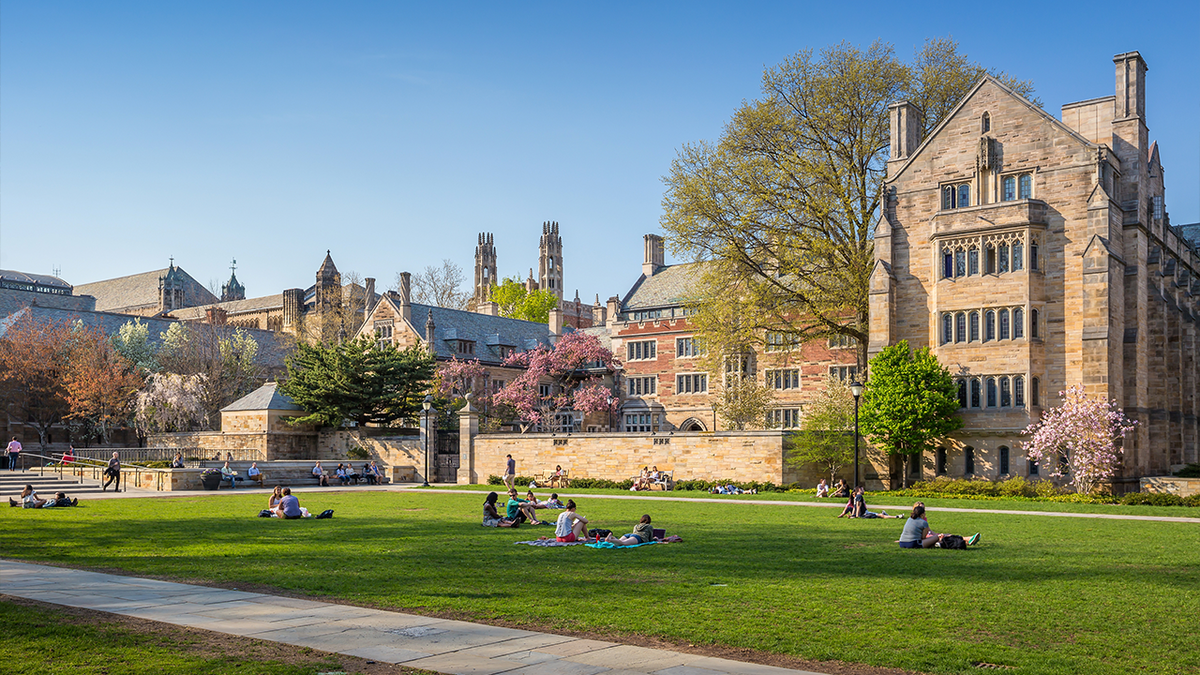
Yale University is a private Ivy League research university in New Haven, Connecticut, founded in 1701. (Fox News)
When Republicans were crafting President Donald Trump’s «big, beautiful bill» in 2025, Piker said during a stream — in reaction to comments from House Speaker Mike Johnson, R-La., that Republicans were targeting Medicaid fraud — that Scott should be killed.
«The reason why I’m saying, if you cared about Medicare or Medicaid fraud, you would kill Rick Scott is because — and not make him a prominent part of the Republican Party — is because he, to this day, is still also known as committing the largest Medicare fraud in U.S. history,» Piker said.
At the time, Republicans were trying to include several provisions in the budget reconciliation process that they pitched as reforms to Medicaid designed to cut costs and root out fraud in the system.
SQUAD MEMBER SUMMER LEE CALLS ‘UPPER CLASS’ THE ‘ENEMY’ AT EL-SAYED RALLY
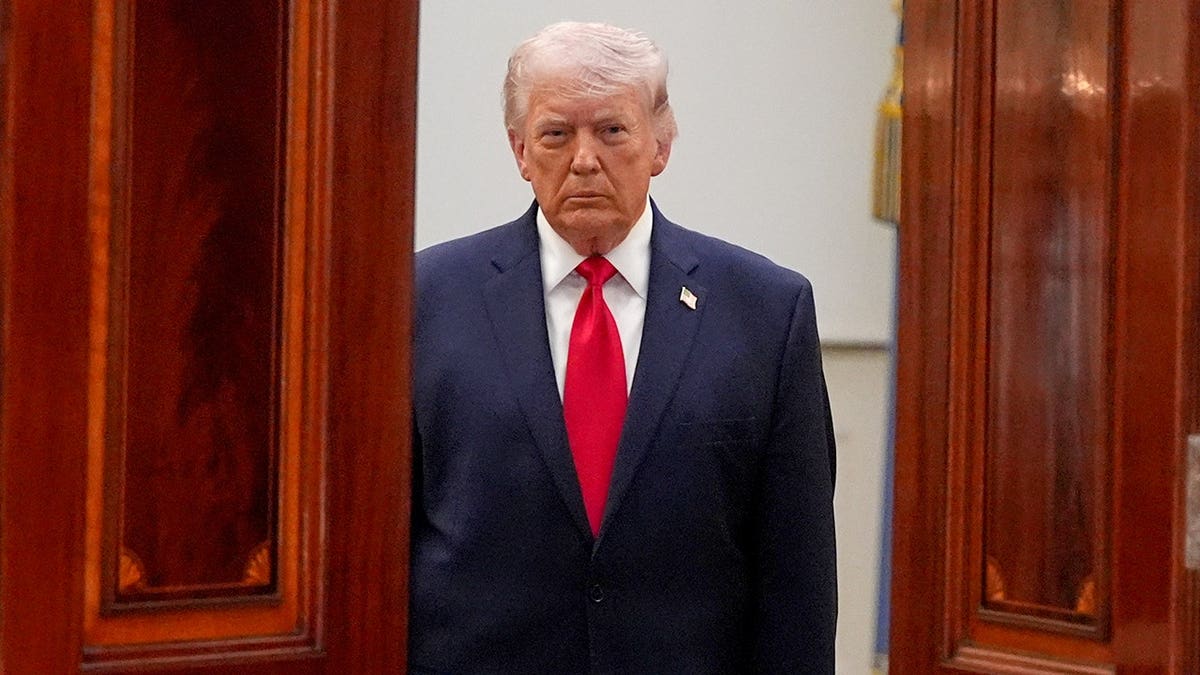
U.S. President Donald Trump arrives to address the nation from the Cross Hall of the White House on April 1, 2026 in Washington, D.C. (Alex Brandon-Pool/Getty Images)
A provider rate crackdown; denying states Medicaid funding for having illegal immigrants on the benefit rolls; preventing illegal immigrants from participating in Medicaid and the Children’s Health Insurance Program (CHIP); and preventing Medicaid and CHIP funding from going toward gender-affirming care were all on the table.
However, those provisions were gutted from the bill for not complying with the strict guardrails that dictate the reconciliation process. Still, Republicans were able to include stringent work requirements for the healthcare program.
CLICK HERE TO DOWNLOAD THE FOX NEWS APP
Scott’s office didn’t comment on Piker’s Medicare fraud accusation but told Fox News Digital that «no Democrat elected official calls this guy out and the press seems to give all the Democrats a pass for actively campaigning with him.»
Piker’s management team and Yale did not immediately respond to a request for comment.
health care executive, campus controversy, republicans, senate elections
INTERNACIONAL
“La gente está agotada y ansiosa”: así se vive en Irán después del alto el fuego y ante el diálogo con EE.UU.
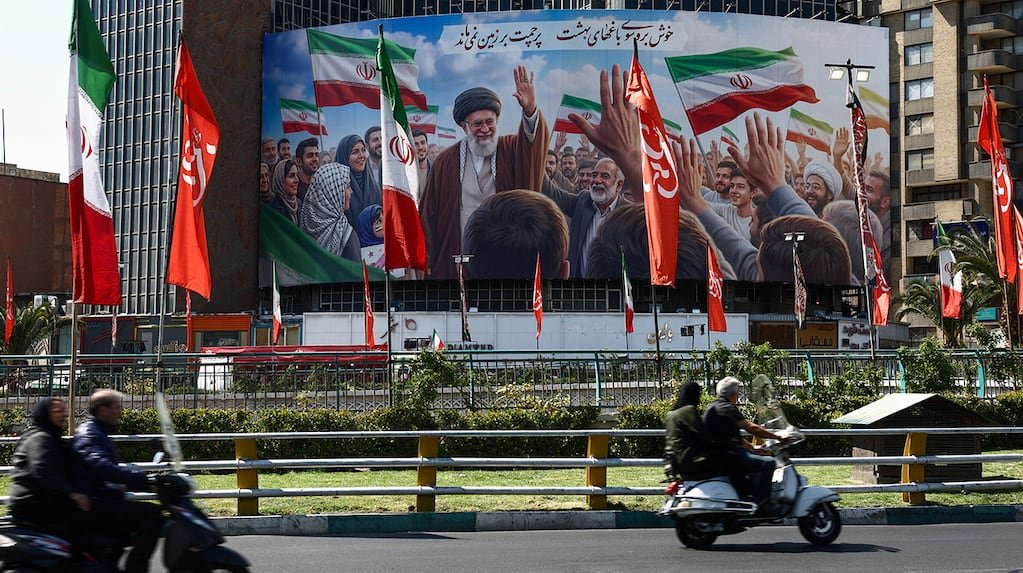
Horas después de que Estados Unidos e Irán acordaran un alto al fuego –lo que puso fin a la amenaza inmediata de ataques aéreos con la que los iraníes han convivido durante casi seis semanas–, algunos iraníes lidiaban con una confusa mezcla de emociones: alivio, conmoción y presentimiento.
“En estos momentos, parece una especie de limbo: no sé cómo acabará, pero la guerra iba en direcciones que me parecían aterradoras”, dijo el miércoles Iraj, residente en Teherán. “Solo sé que hoy me siento mejor que ayer”.
Cuando se le preguntó qué le parecía el alto al fuego, Mohammad, quien también vive en Teherán, dijo que no estaba contento porque, según dio entender, el gobierno autoritario de Irán seguía en funciones. “Pero no quería que la guerra llegara a un punto en que perjudicara gravemente la vida de todos nosotros”, dijo. “Me preocupa que la situación económica y cultural de la sociedad empeore”.
Comunicándose a través de mensajes de texto y notas de voz, enviados durante un corte de internet en curso, los iraníes reflexionaron sobre lo que les habían hecho pasar y a lo que podrían enfrentarse a continuación. Al igual que Mohammad e Iraj, todos pidieron ser identificados solo por su nombre de pila o no ser identificados en absoluto, por temor a represalias del gobierno.
“La gente está conmocionada, mirándose unos a otros con incredulidad”, dijo Maryam, una empleada de banca de 43 años de Teherán, quien dijo que creía que la guerra se reanudaría en dos semanas. “La gente está agotada y ansiosa”.
Muchos expresaron su preocupación por la ruina económica del país. Se han destruido escuelas, hospitales, viviendas, puentes y carreteras, así como importantes empresas que empleaban a decenas de miles de personas y eran el combustible de la economía nacional de Irán.
Un puente cerca de Karaj, Irán, que fue alcanzado por un ataque aéreo el día anterior, el viernes 3 de abril de 2026. (Foto: Arash Khamooshi/The New York Times)
“Los precios se han disparado”, dijo Maryam. “Hoy fui a comprar conservas y el tendero me aconsejó que me abasteciera. ‘Pronto subirán un 40 por ciento’, me dijo”.
A Iraj le preocupaba que los agravios populares, que dieron lugar a una oleada de protestas en enero, volvieran a acumularse pronto ante la falta de acción del gobierno para atender esas quejas. “Seguimos sin disponer de mecanismos adecuados para protestar, y hay mucha gente descontenta”, dijo.
Pero dijo que nunca le habían gustado Estados Unidos e Israel, y que seguía pensando lo mismo. “Espero que otras personas también lleguen a comprender que no son salvadores”, afirmó.
Los iraníes contrarios al gobierno dijeron que estaban consternados de que este hubiera sobrevivido, a pesar de la muerte de sus principales dirigentes y de las declaraciones de dirigentes estadounidenses e israelíes, al principio de la guerra, de que querían un cambio político drástico en Irán.
En las semanas anteriores al comienzo de los bombardeos, algunos iraníes habían expresado su esperanza de que la intervención extranjera condujera al derrocamiento del régimen.
Varias personas contactadas el miércoles dijeron que temían que, en las semanas y meses venideros, el gobierno ejerciera su poder en el país para reafirmar su autoridad. En los últimos días, Irán ha llevado a cabo una serie de ejecuciones de personas que habían sido detenidas durante las protestas de enero. La semana pasada fue detenido un destacado abogado de derechos humanos, y se ha detenido a decenas de personas, algunas de ellas por enviar información a medios de comunicación extranjeros.
En los días previos al alto al fuego, la guerra había trastocado la capacidad de los iraníes para planificar sus vidas. Era difícil encontrar somníferos y ansiolíticos, según declaró Mehrshad, de 41 años, empresario de Teherán, en una entrevista realizada a finales de marzo.
“En Teherán, la gente está sufriendo demasiado”, dijo. “Psicológicamente, muchos se encuentran en un lugar muy oscuro. Incluso quien tenía grandes esperanzas políticas las está perdiendo”.
Además, las milicias progubernamentales armadas han establecido puestos de control en las calles de Teherán, dijo Mehrshad, lo que ha creado “una atmósfera de miedo”.
Él y otros dos iraníes describieron concentraciones callejeras regulares e informales a favor del régimen en Teherán y otras ciudades durante la guerra, realizadas a menudo por la noche. Los partidarios del gobierno ondeaban banderas, dijo, gritaban eslóganes como “Dios es grande, Jameneí es el líder” y emitían cánticos religiosos por los altavoces.
Los tres interpretaron las manifestaciones como una demostración de fuerza, destinada a asustar a la gente para que no aprovechara el caos bélico para protestar en las calles, como habían hecho grandes multitudes de iraníes hace solo tres meses.
“El alto al fuego se anunció de forma que parecía que la gente se quedaba sola, enfrentándose sola a un régimen represivo”, dijo Mojtaba, médico de 40 años que vive en el noreste del país. “La gente corriente está muy preocupada por el futuro y tiene menos esperanzas de cambio que antes de que empezara la guerra”.
Leé también: Divulgaron un nuevo mensaje escrito del líder supremo de Irán: “No buscamos la guerra y no la queremos”
Mostafa, ingeniero informático que vive en Rasht, dijo que los habitantes de las zonas que habían sufrido bombardeos diarios estaban contentos con el alto al fuego. Muchos se sentían aliviados de que no les cortaran el agua, la electricidad y el gas, dijo, dadas las amenazas del presidente Donald Trump a las infraestructuras iraníes.
“La cuestión, sin embargo, es que la República Islámica sigue en el poder”, dijo Mostafa, y añadió que pensaba que el gobierno utilizaría fondos públicos para reconstruir su arsenal de misiles.
Para muchos habitantes de Teherán, las últimas semanas de guerra han supuesto una reducción de sus mundos y prioridades. Empezaron a permanecer más tiempo en casa, dedicando horas al día y valiosos fondos a intentar sortear el cierre de internet, y a comprobar cómo se encontraban sus amigos y familiares tras los ataques. Las explosiones nocturnas les destrozaban el sueño.
Un hombre de unos 20 años que vive en Teherán describió su reciente día a día: luchando durante horas para encontrar una conexión a internet, siendo detenido en los controles callejeros para registrar su coche, teléfono y pertenencias personales, y por la noche despertándose con frecuencia cuando toda su casa temblaba a causa de las explosiones cercanas.
Dijo que, meses atrás, había apoyado la idea de una intervención militar extranjera en Irán, motivado por la desesperación ante el estado del país. Pero recientemente había llegado a la conclusión de que la guerra se había salido de control.
Con el alto al fuego en vigor, dijo que pensaba aprovechar la estabilidad que pudiera aportar para hacer planes para abandonar el país. Y, añadió, no tenía pensado mirar atrás.
*Por Yeganeh Torbati, corresponsal en Irán para el Times.
The New York Times, Irán

Jornada financiera: las fuertes compras de dólares del BCRA impulsaron a los bonos y cayó el riesgo país

El Taty no se rinde: doblete con el West Ham para salir del descenso y ¿se ilusiona con ir al Mundial?

Iran regime uses former Soviet republic to dodge sanctions, fund war machine: report

El portazo de un veedor de la AFA profundiza la interna en el Gobierno

Fentanilo contaminado: por qué la ANMAT dio de baja las habilitaciones de HLB Pharma y Laboratorios Ramallo

Streamer who said Rick Scott should be ‘killed’ invited to Yale as lawmaker demands funding cut

Mario Kart Tour avanza su siguiente temporada de primavera con ciudades europeas – Nintenderos

Melania Trump’s forceful Epstein denial draws bipartisan support from lawmakers

Un gobernador presentó un amparo contra la reforma de la Ley de Glaciares y pidió suspender su aplicación

Trump blasts Biden admin for releasing illegal immigrant now charged in fatal hammer attack on Florida mother
-
 SOCIEDAD15 horas ago
Mario Kart Tour avanza su siguiente temporada de primavera con ciudades europeas – Nintenderos
-
 INTERNACIONAL15 horas ago
Melania Trump’s forceful Epstein denial draws bipartisan support from lawmakers
-
 POLITICA14 horas ago
Un gobernador presentó un amparo contra la reforma de la Ley de Glaciares y pidió suspender su aplicación