INTERNACIONAL
FBI Deputy Director Dan Bongino: James Comey ‘brought shame to the FBI again’ with ’86 47′ post

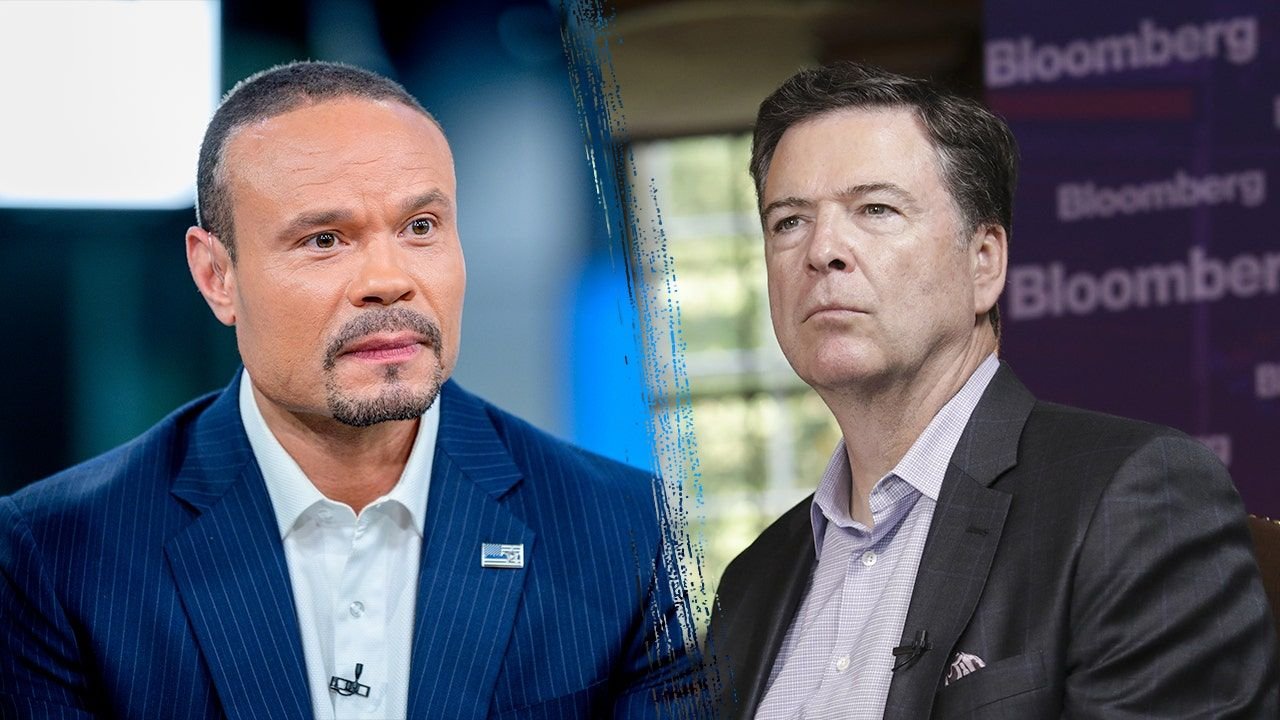
FBI Deputy Director Dan Bongino issued a sharp and public condemnation of the bureau’s former director, James Comey, Saturday, accusing Comey of disgracing the agency as authorities investigate Comey’s controversial «86 47» Instagram post.
In a statement posted to X, Bongino said Comey’s actions are another example of failed leadership that continues to haunt the agency.
«Former FBI Director James Comey brought shame to the FBI badge, yet again, this past week,» Bongino wrote. «The Director and I spend an inordinate amount of time cleaning up messes left behind by former Director Comey. And his latest actions are no exception.»
TRUMP SAYS COMEY KNEW ‘ASSASSINATION’ MEANING BEHIND DELETED SOCIAL MEDIA POST
James Comey, former director of the FBI, pauses during a Bloomberg Television interview in Salzburg, Austria, June 21, 2019. (Alex Kraus/Bloomberg via Getty Images)
Comey, dismissed by President Donald Trump in 2017, sparked outrage after posting a photo to social media Thursday showing seashells arranged to say «86 47,» a phrase widely understood to mean to «get rid of» the 47th president. Though Comey later deleted the post and claimed it was misunderstood, many, including Trump, say the meaning was clear.
«He knew exactly what that meant. A child knows what that meant,» Trump said Friday on Fox News. «If you’re the FBI director, and you don’t know what that meant, that meant ‘assassination,’ and it says it loud and clear.»
Comey offered a follow-up statement online, saying he «didn’t realize some folks associate those numbers with violence» and that it «never occurred to me.»
Bongino strongly rejected that explanation, describing it as part of a larger pattern of misconduct. In his post, Bongino wrote:
FORMER FBI DIRECTOR JAMES COMEY MEETS WITH SECRET SERVICE AFTER CONTROVERSIAL ’86 47′ POST
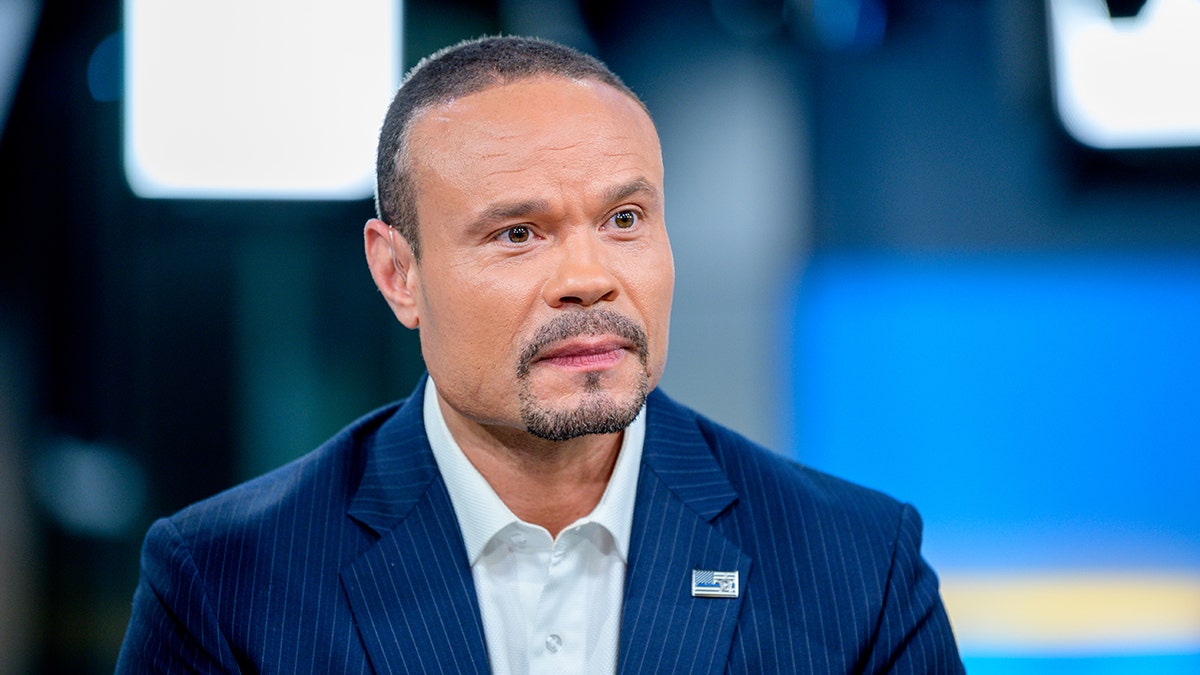
Dan Bongino at Fox News Channel Studios June 18, 2019, in New York City. (Roy Rochlin/Getty Images)
«As the Deputy Director of the FBI, I am charged, standing with Director Patel, with managing the most powerful law enforcement agency in the world. The Director and I are also responsible for looking at grave mistakes made by people within the FBI in the past, and ensuring they never happen again.»
He stressed the FBI’s continuing commitment to supporting federal law enforcement partners investigating any threats involving public officials, past or present.
«While the FBI does not have primary investigative responsibility for investigating threats against the POTUS, and we do not make prosecutorial decisions, we do have the ability and authority to support other federal agencies for violations of federal law,» Bongino said.
«And we certainly have a responsibility to comment on matters involving former FBI officials, and allegations of law-breaking.»
The U.S. Secret Service has already interviewed Comey about the incident. FBI Director Kash Patel said in a separate statement that the bureau is «in communication with the Secret Service and Director Curran.»
Bongino noted that this latest controversy is part of a general legacy of dysfunction inherited from Comey’s leadership, which he and Patel are working to fix from the inside out.
«As I’ve stated in the past, I cannot post openly about all the things the Director and I are doing to reform the enterprise, but I assure you, they are happening,» Bongino wrote. «Sadly, many of those agenda items are the result of former Director Comey’s poor decision-making and atrocious leadership.
«And to those who doubt me, I assure you, when you see what the Director and I see from the inside, it’s even worse.»
The FBI seal inside the J. Edgar Hoover FBI building in Washington, D.C. (Brendan Smialowski/AFP via Getty Images)
Bongino said he chose to post his statement now because his scheduled interview with FOX Business anchor Maria Bartiromo, which will air Sunday on «Sunday Morning Futures,» was recorded earlier in the week, before the Comey post was made public.
«I’m addressing this now, rather than on our interview with Maria Bartiromo [Sunday], because we recorded that interview earlier in the week prior to the incident with Comey,» he explained.
He closed with a message to the country that echoed his support for the law enforcement community and the reforms underway at the FBI.
«God bless America, and all those who defend Her,» he said.
CLICK HERE TO GET THE FOX NEWS APP
Bongino, a former NYPD officer and longtime Secret Service agent, was appointed deputy director of the FBI earlier this year.
His leadership under Director Kash Patel reflects a broader effort by the Trump administration to restore accountability and integrity to the FBI after years of what many see as politically motivated misconduct.
The FBI did not immediately respond to Fox News Digital’s request for further comment.
Dan Bongino,Politics,James Comey,FBI,Donald Trump









INTERNACIONAL
La Casa Blanca dice que los contactos con Irán siguen siendo «fluidos», pero el precio del petróleo vuelve a subir a más de US$100
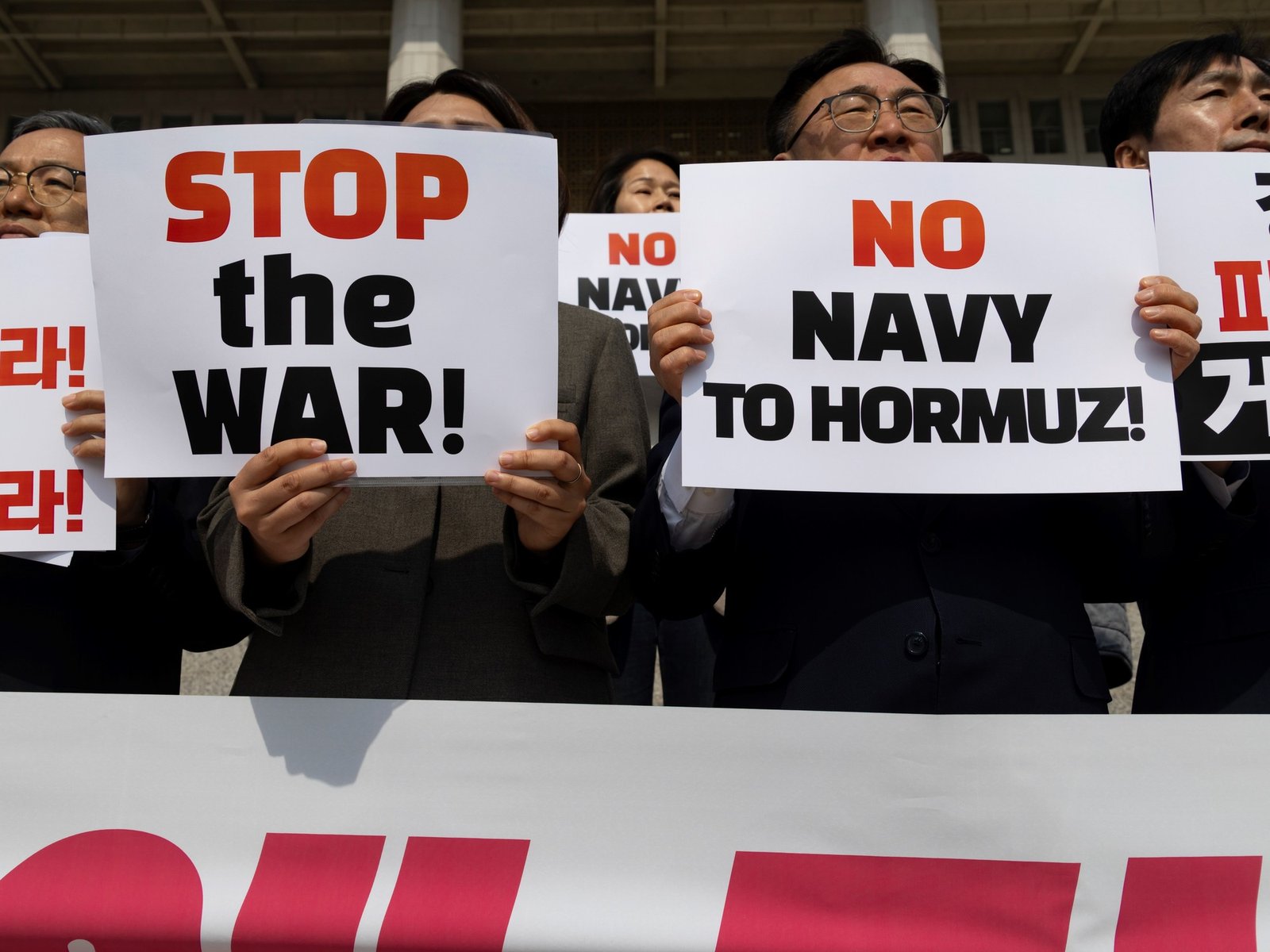
La Casa Blanca ha comunicado a la BBC que los planes para entablar conversaciones con Irán siguen siendo «fluidos», añadiendo que cualquier especulación «no debe considerarse definitiva», cuando la guerra en el Golfo cumple este martes 25 días.
Esto ocurre después de que Trump y el presidente del Parlamento iraní dieran versiones contradictorias sobre posibles diálogos entre ambos países respecto a la guerra en curso.
Trump afirmó anteriormente que había pospuesto los ataques amenazados contra centrales eléctricas iraníes tras mantener conversaciones «productivas» con Teherán.
Irán calificó dichas afirmaciones sobre las conversaciones de «noticias falsas» (fake news).
Según CBS, socio de la BBC en EE. UU., un funcionario del Ministerio de Asuntos Exteriores de Irán afirma que Teherán ha recibido «puntos de parte de EE.UU.» a través de mediadores, como un posible precursor de las discusiones.
Mientras tanto, el precio del petróleo volvió a subir por encima de los 100 dólares por barril, tras haber caído el lunes cuando Trump publicó por primera vez sobre las conversaciones entre EE.UU. e Irán.
El petróleo subió en una sesión volátil —reduciendo la fuerte caída del lunes— ante la preocupación de que la guerra en Oriente Medio pueda intensificarse, ya que el flujo de crudo a través del estratégico estrecho de Ormuz hacia los mercados mundiales sigue interrumpido.
El Brent superó los 100 dólares por barril, tras desplomarse un 11% el lunes, después de que el presidente Donald Trump aplazara durante cinco días su amenaza de atacar la infraestructura energética de Irán. El crudo de referencia estadounidense, el West Texas Intermediate (WTI), avanzó cerca de un 2%.
El crudo Brent ha subido cerca de un 40% este mes ante el temor de que las hostilidades entre Estados Unidos, Israel e Irán, que han sacudido Oriente Medio, desencadenen una crisis energética mundial e impulsen la inflación. La guerra ha obstaculizado el tránsito por el Estrecho de Ormuz, obligando a los productores del Golfo Pérsico a recortar millones de barriles de su producción diaria de petróleo. Los productos derivados, como el diésel y el combustible para aviones, han subido incluso más que el crudo, presionando a los consumidores e inquietando a los gobiernos.
Las consecuencias siguieron extendiéndose. Chile se dispone a aumentar los precios de los combustibles hasta un 50%, mientras que en Asia, Japón ordenó una revisión de toda su cadena de suministro de productos petrolíferos y se dice que el país ha realizado consultas a los participantes del mercado sobre una posible intervención en el mercado de futuros de crudo.
En otros lugares, Tailandia aumentó el precio del diésel, el mayor refinador de petróleo de China afirmó que daría prioridad al suministro local y Filipinas advirtió que la inmovilización de aviones debido a la escasez de combustible para reactores era una posibilidad real.
«Una pregunta fundamental es si el mercado mundial del petróleo puede mitigar la interrupción en el Estrecho de Ormuz», señalaron en una nota analistas de Macquarie, entre ellos Vikas Dwivedi. «Nuestro análisis sugiere que la respuesta es afirmativa, pero solo si se despliegan diversas medidas de mitigación sin los retrasos burocráticos habituales».
Aliados de Estados Unidos, como Arabia Saudita y los Emiratos Árabes Unidos, han endurecido sus posturas contra Teherán debido al bombardeo de sus territorios. Riad comunicó a Estados Unidos que estaba dispuesta a atacar a Irán si sus propias plantas de energía y agua eran blanco de la República Islámica, según personas con conocimiento del asunto.
Los aliados de Estados Unidos en el Golfo Pérsico se acercaban poco a poco a contribuir a la lucha, informó el Wall Street Journal. Entre ellos, el príncipe heredero saudí, Mohammed bin Salman, está ahora ansioso por restablecer la disuasión y se encuentra cerca de tomar la decisión de unirse a los ataques, según el periódico, que cita a personas familiarizadas con la situación.
Con información de BBC News y Bloomberg
NEWYou can now listen to Fox News articles!
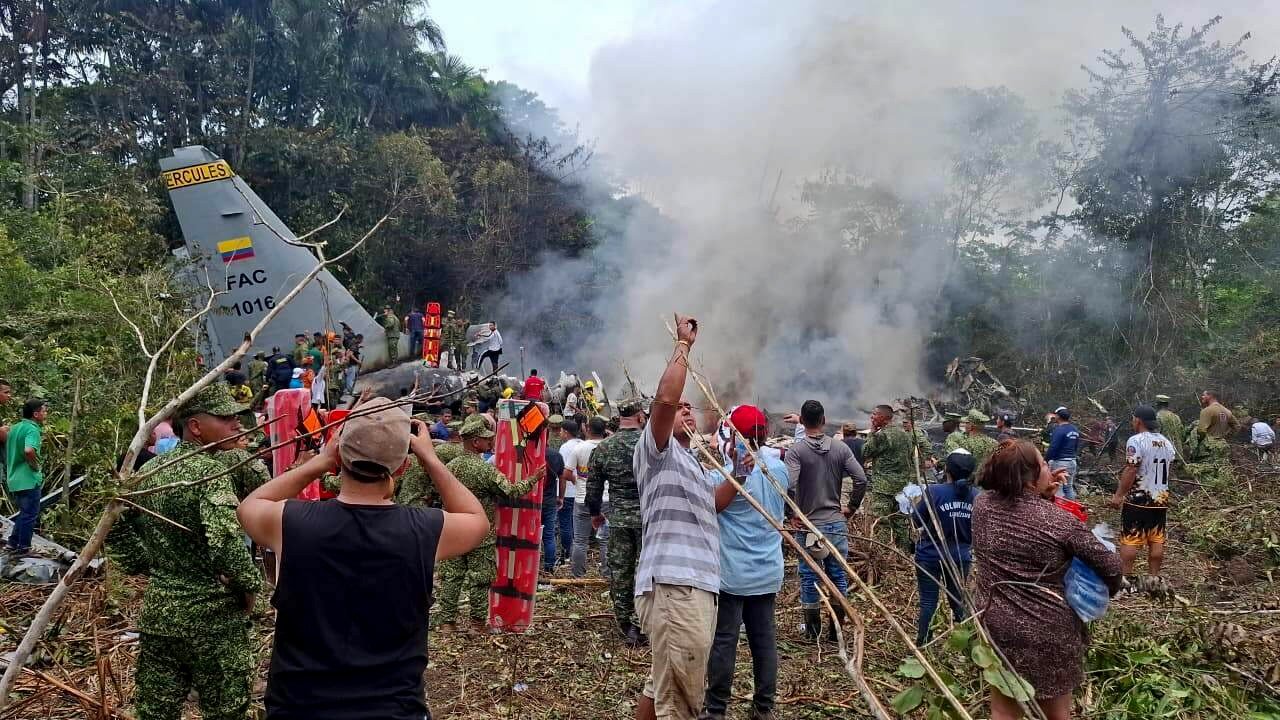
A military transport plane with 128 people on board, mostly soldiers, crashed shortly after taking off Monday in Puerto Leguizamo, Colombia, killing at least 66 people and leaving dozens injured, the head of Colombia’s armed forces said.
Gen. Hugo Alejandro López Barreto said four military personnel were still missing.
«Sadly, as a consequence of this tragic accident, 66 of our military elements died,» he said.
«At the moment, we have no information, or indications, that it was an attack by an illegal armed group,» Barreto added.
LAGUARDIA PLANE CRASH VIDEO SHOWS JET COLLIDE WITH FIRE TRUCK AFTER FRANTIC AIR TRAFFIC CONTROL WARNING
A military transport plane crashed near Puerto Leguizamo, Colombia, shortly after takeoff March 23, 2026, killing at least 66 people and leaving dozens injured. (MiPutumayo via AP)
In a video posted on social media, Deputy Mayor Carlos Claros said the bodies of the victims were taken to the small town’s morgue, and the only two clinics in town treated the injured before they were flown to larger cities. Puerto Leguizamo is located in Putumayo, an Amazonian province that borders Ecuador and Peru.
«I want to thank the people of Puerto Leguizamo who came out to help the victims of this accident,» Claros told Colombian television station RCN.
Defense Minister Pedro Sánchez said on X the plane that crashed Monday was transporting troops to another city in Putumayo.
Images shared online by Colombian media outlets showed a black cloud of smoke rising from a field where the plane crashed and a truck with soldiers rushing to the site.
The airplane had 128 people on board, including 115 from the Army, 11 crew members and two from the national police. Baretto said 57 people were evacuated.
FEDS INVESTIGATE ALARMING NEAR MISS BETWEEN ALASKA AIRLINES JET, FEDEX PLANE AT BUSY NEWARK AIRPORT
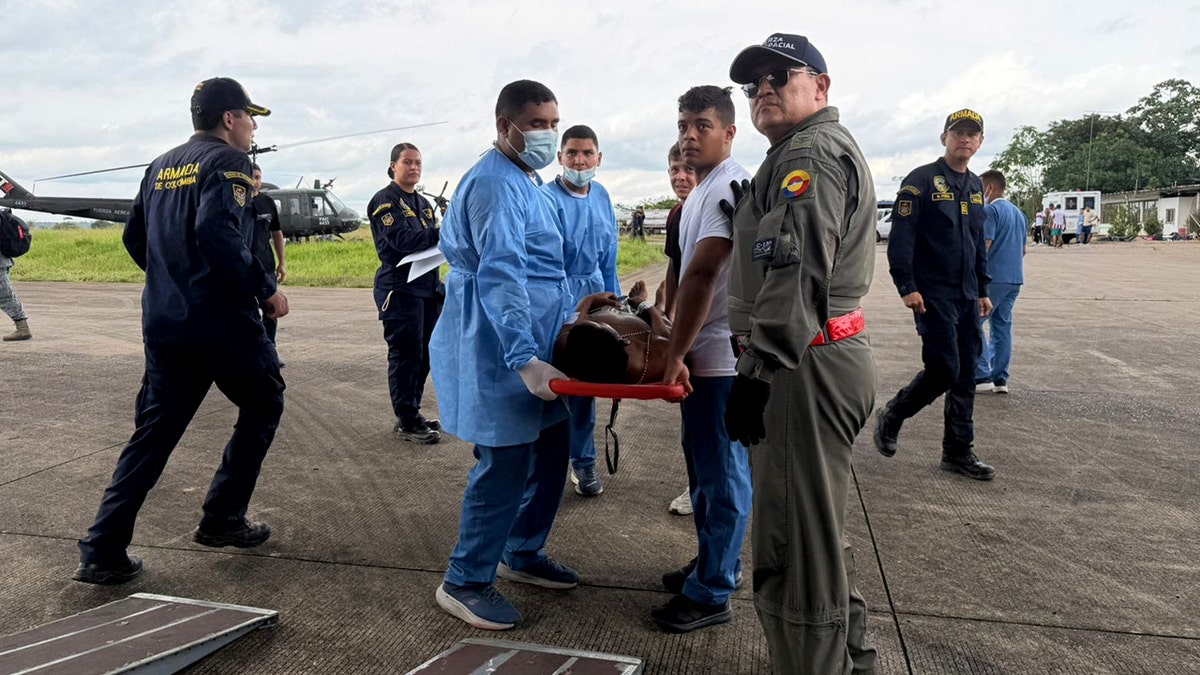
Emergency crews and local residents rushed to help survivors after a deadly military plane crash in southern Colombia March 23, 2026. (Colombia’s Armed Forces press office via AP)
Media outlets shared videos of soldiers being rushed from the site on motorcycles driven by local residents, while another group of residents tried to put out the fire the crash had created in a field surrounded by dense foliage.
Carlos Fernando Silva, the commander of Colombia’s air force, said details of the crash were not yet known, «except that the plane had a problem and went down about two kilometers from the airport.»
The air force commander added that two planes, with 74 beds, were sent to the area to fly the injured back to hospitals in the capital, Bogota, and elsewhere.
President Gustavo Petro seized on the accident to promote what he called his longtime campaign to modernize planes and other equipment used by his country’s military, saying those efforts have been blocked by «bureaucratic difficulties» and suggesting that some officials should be held accountable.
«If civilian or military administrative officials are not up to the challenge, they must be removed,» Petro said.
COLOMBIA FACES SURGE OF REFUGEES FLEEING CRISIS IN VENEZUELA
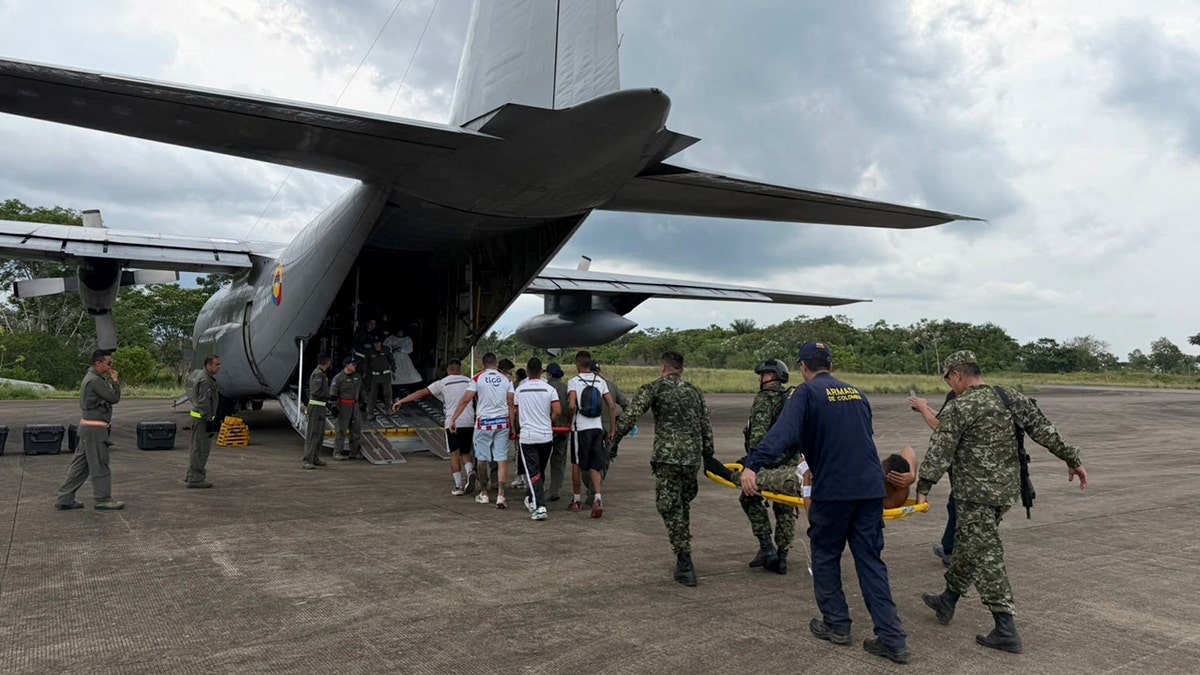
Officials say a C-130 aircraft carrying mostly soldiers went down near Puerto Leguizamo on March 23, 2026, with no signs of an attack by armed groups. (Colombia’s Armed Forces press office via AP)
Critics of the president pointed out that military aircraft have been given fewer flight hours under the Petro administration due to budget cuts, which leads to less experienced crews.
Erich Saumeth, a Colombian aviation expert and military analyst, said the Hercules C-130 that crashed Monday had been donated by the United States to Colombia in 2020. Three years later, it went through an overhaul, in which its engines were inspected and key components were replaced.
«I don’t think this plane crashed because of a lack of good parts,» Saumeth said. He said investigations will have to determine why the engines of the Hercules, which has four propellers, failed so quickly after takeoff.
In a message on X Monday, Defense Minister Sánchez said so far there were no signs the plane was attacked by rebel groups that operate near Puerto Leguizamo.
Sánchez wrote that the accident was «profoundly painful for the country,» adding, «We hope that our prayers can help to relieve some of the pain.»
world, disasters, south america
NEWYou can now listen to Fox News articles!
California Democrats blasted federal immigration authorities after a viral video showed officers arresting two people, including a crying woman, at San Francisco International Airport.
The video shows the woman — who the Department of Homeland Security (DHS) said is an illegal alien — wailing and dropping to the ground as she is being arrested by two plainclothes agents on Sunday while her daughter cries in the background.
California Democrats argued the video showed excessive force and would instill fear in immigrant communities, while calling for answers from federal authorities.
Rep. Doris Matsui, D-Calif., said the woman seen in the video was a «Sacramento mother» and said she was demanding answers.
LA PROTESTERS SWARM RESTAURANT AFTER TSA OFFICERS REPORTEDLY MISIDENTIFIED AS ICE AGENTS
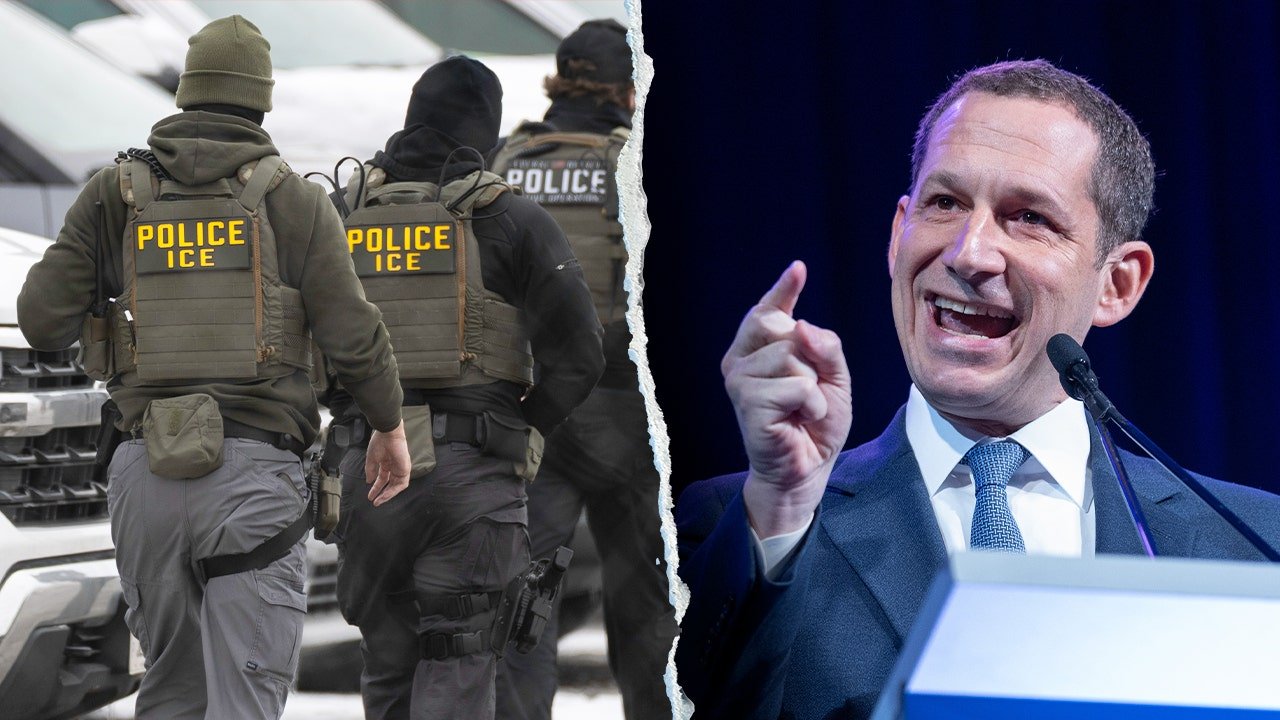
U.S. Immigration and Customs Enforcement (ICE) agents are seen in tactical gear in an undated file photo (left), while San Francisco Mayor Daniel Lurie speaks at an event (right). California Democrats criticized ICE following a viral airport arrest, while Lurie called the incident «upsetting» and said it appeared to be isolated. (John Moore/Getty Images; Christina House/Los Angeles Times via Getty Images)
«I am deeply angered by the video released of a Sacramento mother being forcibly detained by ICE in front of her young daughter at San Francisco International Airport this weekend,» she wrote.
«This is our neighbor and a member of our community. This video showcases the cruelty we have come to expect from Trump’s ICE agents, but also the lasting trauma that will be inflicted on those who are forced to witness their disproportionate and deadly recklessness. I am demanding answers as to why ICE treated this Sacramentan so violently in front of her daughter.»
DHS said two people from a family unit were arrested, saying the family had outstanding removal orders and was in the U.S. illegally.
TRUMP ADMIN URGES NEWSOM TO HONOR ICE DETAINERS FOR MORE THAN 33K CRIMINAL ILLEGAL IMMIGRANTS
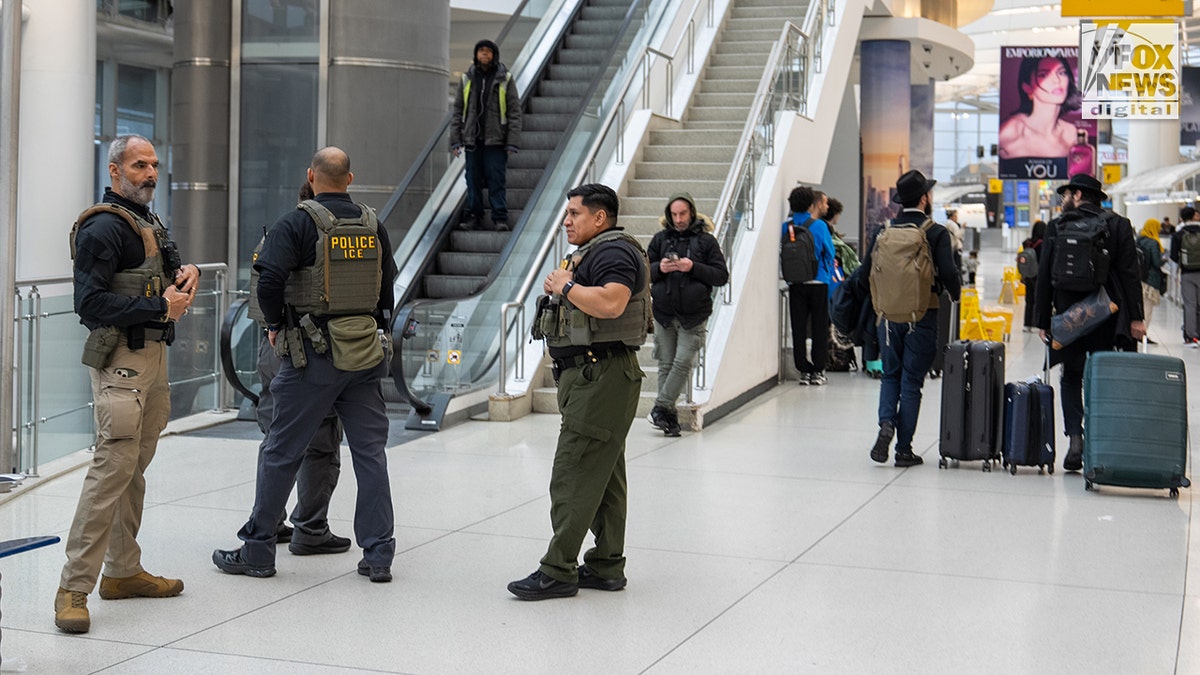
ICE agents arrive at JFK airport in New York City, on March 23, 2026. The event in San Francisco was not treated to the recent deployment of agents at airports. (David Dee Delgado for Fox News)
Federal officials said the arrest followed a lawful final removal order issued by an immigration judge in 2019 and that one of the individuals attempted to flee and resisted officers.
«ICE officers arrested Angelina Lopez-Jimenez and Wendy Godinez-Jimenez at the San Francisco International Airport. These illegal aliens had a final removal order from an immigration judge since 2019,» DHS said on X.
«While being escorted to the international terminal for processing, Lopez-Jimenez attempted to flee and resisted law enforcement officers. ICE is working as quickly as possible to repatriate the family unit to their home country of Guatemala.»
The arrest was not connected to the Trump administration’s plan to deploy U.S. Immigration and Customs Enforcement (ICE) agents to assist Transportation Security Administration (TSA) operations during the ongoing partial government shutdown, DHS said.
San Francisco Mayor Daniel Lurie said the incident was «upsetting» and that the city’s sanctuary policies would not change.
«I have spoken to leaders at SFO and SFPD, and we believe this is an isolated incident,» Lurie said in a post on X.
«We have no reason to believe there is broader federal immigration enforcement at SFO. SFPD officers remained at the scene to maintain public safety and were not involved in the incident,» the mayor continued. «Under our city’s longstanding policies, local law enforcement does not participate in federal civil immigration enforcement. Those policies keep us safe and will not change as long as I’m mayor.»
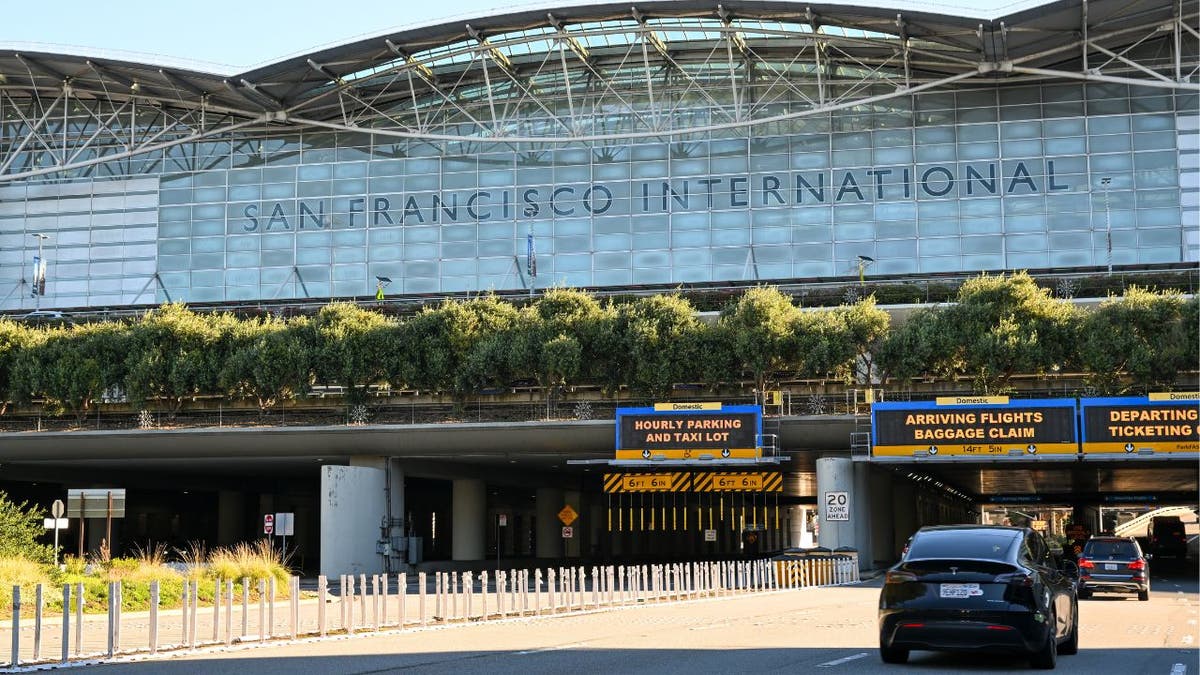
San Francisco International Airport (SFO) in California seen on Nov. 27, 2024. (Tayfun Coskun/Anadolu via Getty Images)
Meanwhile, state Sen. Scott Wiener, a Democrat from San Francisco and candidate for U.S. Congress, held a news conference Monday outside the airport to denounce the actions of federal authorities. Several Democratic candidates for California governor also sharply criticized ICE in response to the video.
«We don’t want ICE here and when ICE descends on our communities, it only creates fear,» Wiener said, according to The Associated Press.
In the video, one female onlooker can be heard repeatedly demanding the officers show their badges.
«This is an illegal arrest, show us your badge number,» the woman can be heard saying.
CLICK HERE TO DOWNLOAD THE FOX NEWS APP
The San Francisco Police Department said its officers did not take part in the arrest, noting the incident involved federal immigration authorities and that local police remained on scene only to maintain public safety.
«SFPD officers were not involved in the incident but remained at the scene to maintain public safety,» the department said in a statement, adding that city policy prohibits officers from assisting in the enforcement of federal civil immigration laws.
The Associated Press contributed to this report.
immigration, democratic party, california, san francisco

Jubilaciones y AUH en abril: el cronograma completo de pagos de ANSES con el aumento del 2,9%

Enzo Fernández y los rumores que lo ponen fuera de Chelsea para sumarse al Madrid: “Después del Mundial se verá”

El esperado Mouse: PI For Hire confirma estas ediciones físicas para Nintendo Switch 2 con cartucho completo – Nintenderos

La Casa Blanca dice que los contactos con Irán siguen siendo «fluidos», pero el precio del petróleo vuelve a subir a más de US$100

Colombian military plane crash kills at least 66, head of armed forces says

Los mensajes y presencia de los famosos en el Día de la Memoria: “Esta lucha es amor”

¿FIN DE CICLO? Escándalo por la mansión no declarada y viajes de lujo empujan a Manuel Adorni fuera del Gobierno: Su salida sería inminente

»¡VAN A FUNDIR A MEDIO PAÍS!»: El lapidario diagnóstico de Roberto Cachanosky sobre el plan de Milei

Apareció otra factura y complica más a Adorni: el vuelo de vuelta también lo pagó su amigo Grandio

ALERTA FINANCIERA: 4 de cada 10 argentinos ya no pueden pagar sus deudas. ¡Caputo debe actuar ya!

 POLITICA2 días ago
»¡VAN A FUNDIR A MEDIO PAÍS!»: El lapidario diagnóstico de Roberto Cachanosky sobre el plan de Milei
- ECONOMIA2 días ago
ALERTA FINANCIERA: 4 de cada 10 argentinos ya no pueden pagar sus deudas. ¡Caputo debe actuar ya!
- POLITICA16 horas ago
El mensaje de Milei sobre la “traición” que llamó la atención en el Gobierno y también en la oposición