INTERNACIONAL
Día Mundial de la Biodiversidad: qué reveló un estudio global sobre el impacto humano en plantas


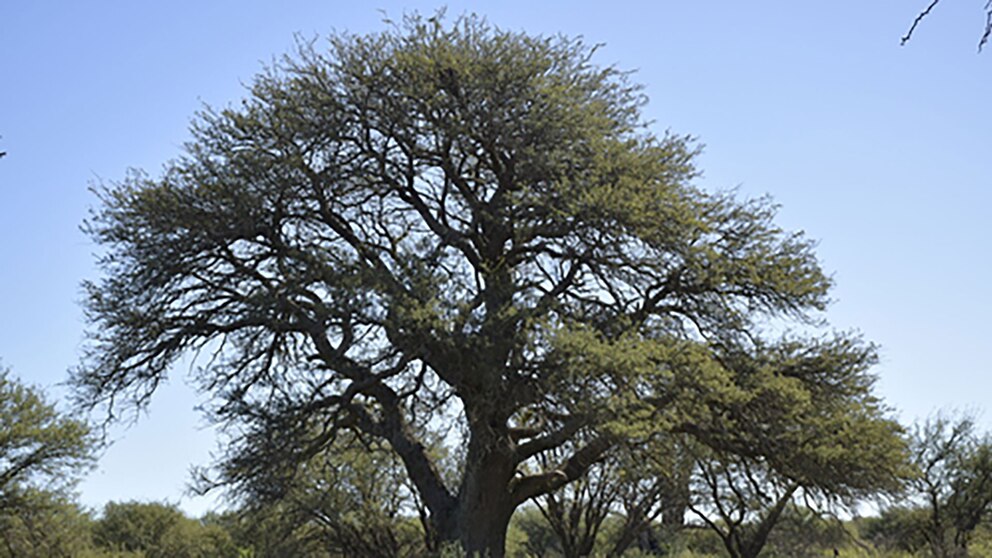
Las poblaciones del árbol del caldén se usaron en el siglo pasado para la elaboración desde adoquines hasta leña. También fueron afectadas por los incendios, las especies invasoras y la expansión de la frontera agropecuaria, entre otras razones.
Todo hizo que el caldén, un vegetal nativo de la Argentina, ya casi no esté en muchos lugares aunque la especie persista regionalmente.
Es parte de la llamada «diversidad oscura», el conjunto de especies que podrían estar presentes en un determinado sitio pero que, por algún motivo, no lo están.
Hoy es el Día Internacional de la Diversidad Biológica, una fecha designada por las Naciones Unidas para fomentar la conciencia y el conocimiento sobre la importancia de la biodiversidad.
Este año se resaltó el lema de que los humanos vivan en “armonía con la naturaleza y el desarrollo sostenible”, y más de doscientos científicos de diferentes países han publicado recientemente resultados que consideran “alarmantes”.
Demostraron que las perturbaciones por las actividades humanas ejercen un impacto mucho mayor de lo que se pensaba inicialmente. Incluso llegan a zonas protegidas alejadas de la fuente del impacto de las personas.
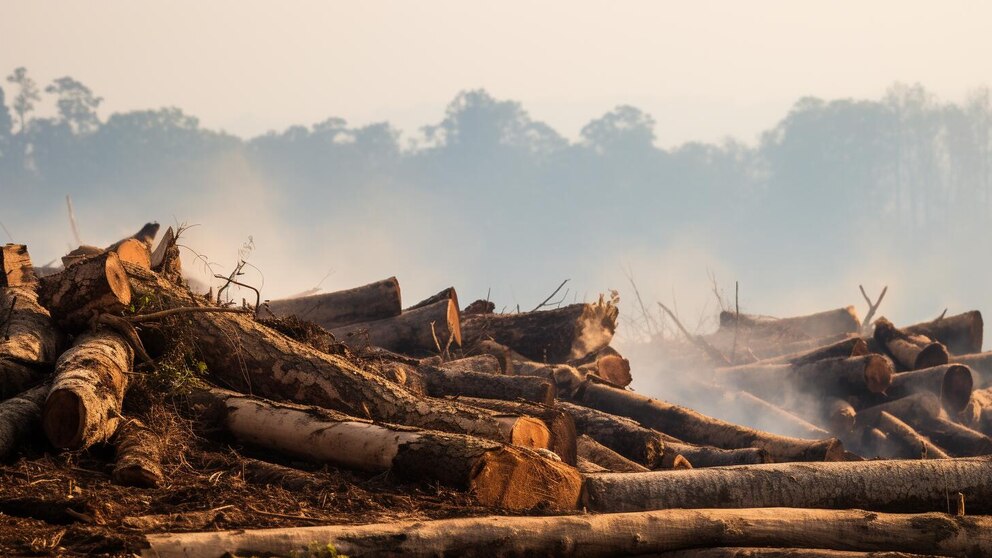
La contaminación, la deforestación, el sobrepastoreo y los incendios pueden afectar a las especies vegetales en sus hábitats naturales e impiden su recolonización, expresaron a través de un estudio publicado en la revista Nature.
En diálogo con Infobae, una de las autoras, Melisa Giorgis, del Instituto Multidisciplinario de Biología Vegetal (IMBIV), que depende del Conicet y la Universidad Nacional de Córdoba, explicó cómo hicieron la investigación y cuáles son las implicancias de los resultados.
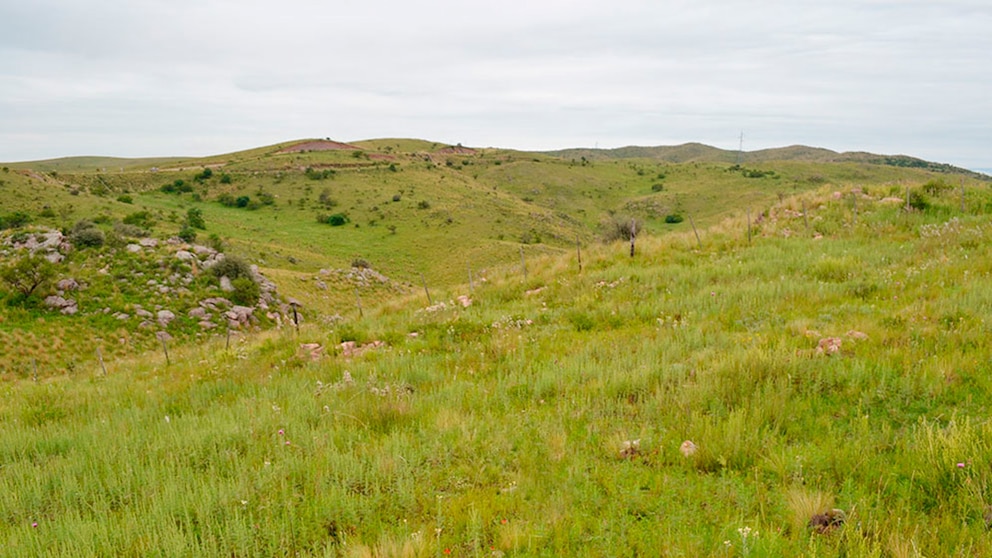
Los investigadores pertenecen a la red de colaboración DarkDivNet y registraron las plantas presentes en alrededor de 5.500 sitios, repartidos en 119 regiones de todo el mundo. Consiguieron identificar la diversidad oscura en cada uno de ellos.
La Argentina estuvo representada en la muestra con dos sitios, localizados en las provincias de Córdoba y Santa Cruz.
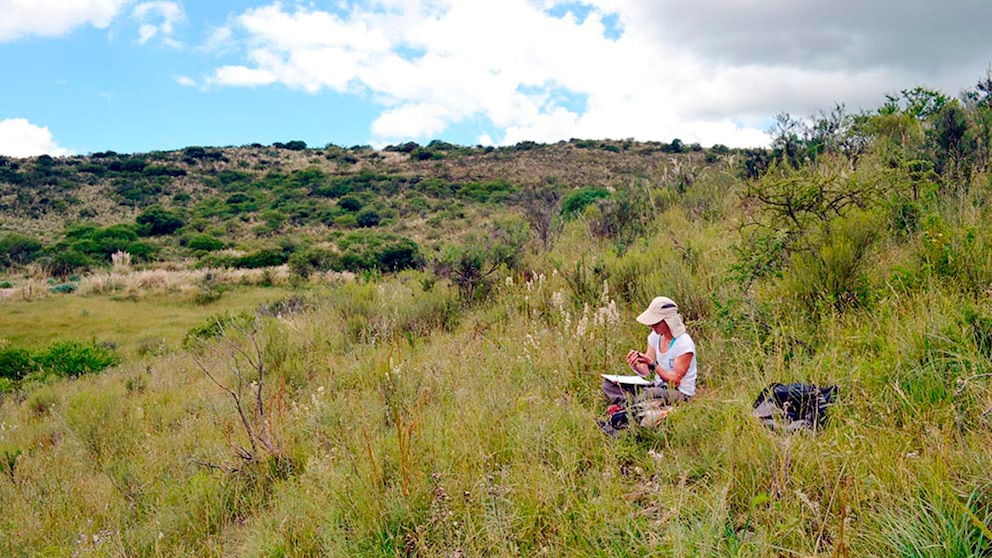
Además de la bióloga Giorgis, también colaboraron Lucas Enrico, del IMBIV, y Pablo Peri del Centro de Investigación y Transferencia de Santa Cruz, que depende del Conicet, la Universidad Nacional de la Patagonia Austral y la Universidad Tecnológica Nacional.
La metodología permitió estimar la diversidad vegetal potencial en cada lugar de estudio y compararla con las plantas realmente presentes.
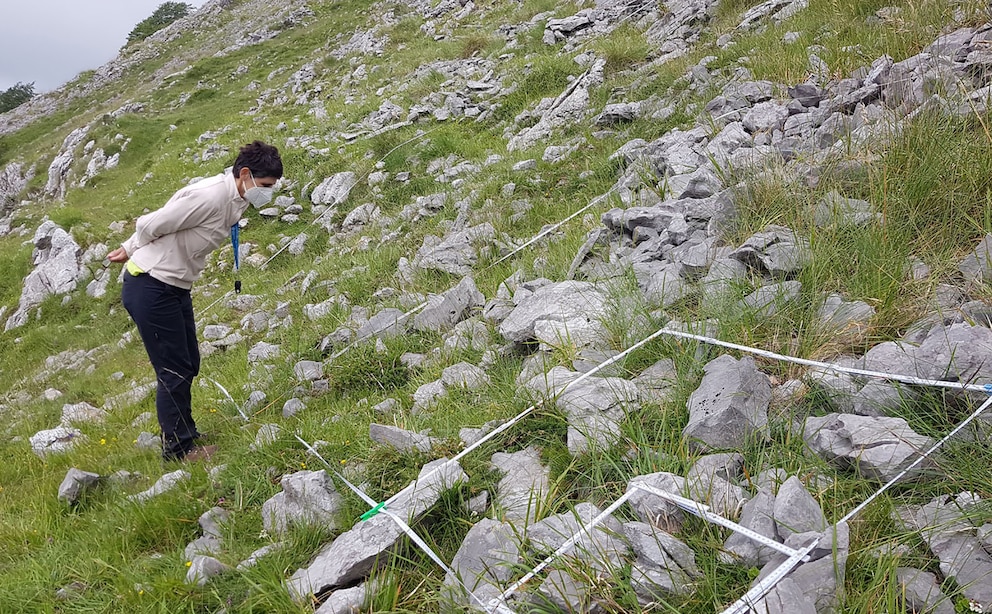
(UPV/EHU)
El concepto de “diversidad oscura” se refiere a las especies vegetales que, aunque son ecológicamente adecuadas para ciertos ecosistemas, están ausentes a nivel local por factores como la fragmentación del hábitat o la actividad humana.
Los resultados del estudio global mostraron que en áreas con bajo impacto humano aproximadamente el 35% de las especies potenciales sí están presentes en un sitio determinado.
Sin embargo, en regiones con alta actividad humana, este porcentaje desciende a menos del 20%.

Según los investigadores, la diversidad oscura aporta una medida crítica que se conoce como “completitud comunitaria”, que evalúa qué tan cerca está un ecosistema de albergar todas las especies potenciales que debería tener.
Esta métrica es crucial porque permite revelar impactos ocultos en la biodiversidad, incluso cuando otros indicadores estándar, como el número de especies presentes, no muestran cambios significativos.
El equipo utilizó el índice de la “huella humana”, que incluye la densidad de población, el uso de suelos agrícolas y la infraestructura y contaminación, entre otros factores.
Este índice fue aplicado en radios de hasta 400 kilómetros alrededor de cada sitio de estudio, y la correlación fue clara: a mayor huella humana, menor es la oportunidad de que especies vegetales adecuadas ocupen su hábitat natural.

(Imagen Ilustrativa Infobae)
La idea del estudio fue de Meelis Pärtel, investigador de la Universidad de Tartu, Estonia, quien fue el primer autor.
“Habíamos introducido la teoría de la diversidad oscura y desarrollado métodos para estudiarla, pero para realizar comparaciones globales necesitábamos un muestreo consistente en muchas regiones. Parecía una misión imposible, pero muchos colegas de diferentes continentes se unieron a nosotros”, comentó Pärtel en un comunicado.
Finalmente la investigación se puso en marcha en 2018. Duró cinco años y los investigadores tuvieron que lidiar con las limitaciones impuestas por la emergencia sanitaria causada por la pandemia del coronavirus.
El empobrecimiento de la diversidad ocurre cuando la influencia de las actividades de los seres humanos, como la fragmentación de hábitats, la pérdida de conectividad, la contaminación, entre otros factores, reduce la capacidad de un sitio de albergar las especies potencialmente adecuadas.
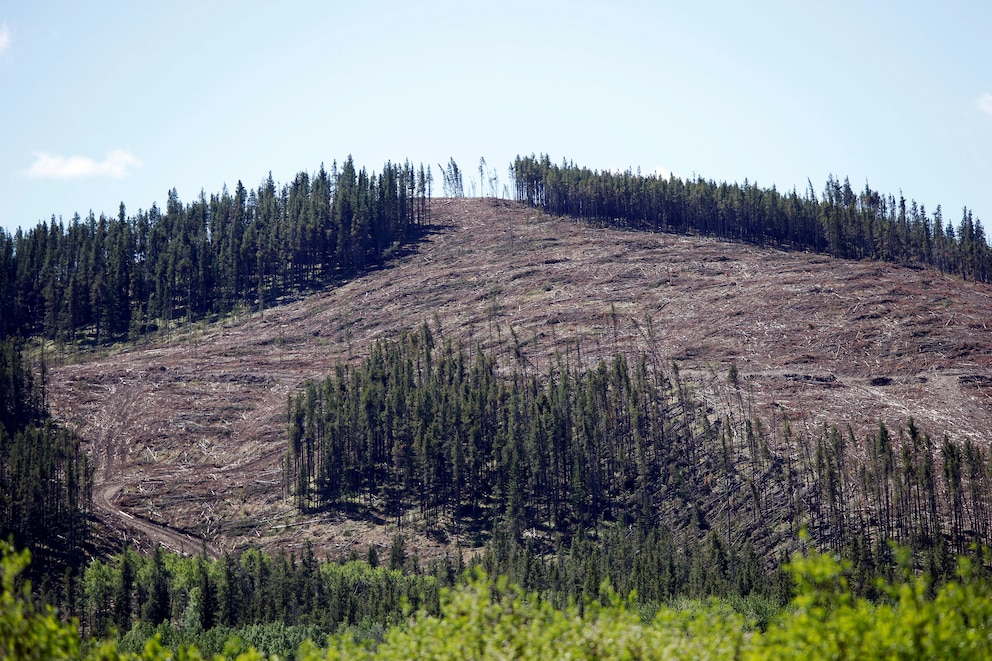
La descentralización del estudio, que incluyó datos de ecosistemas en Europa, Asia, África, América y Oceanía, posibilitó detectar que el empobrecimiento es un fenómeno global y no solo un problema localizado.
Por ejemplo, regiones con alta “completitud comunitaria” incluyen hábitats semi-naturales como pastizales moderadamente manejados. Estos ecosistemas, donde prácticas humanas históricas como el pastoreo y la quema controlada han coexistido de manera equilibrada, parecen resistir mejor al impacto negativo.
Sin embargo, el panorama general deja mucho por reflexionar: incluso regiones dentro de áreas protegidas muestran pérdidas significativas de biodiversidad oculta, lo que implica que las estrategias de conservación actuales pueden estar pasando por alto este problema.

En diciembre de 2022, el mundo había acordado el Marco Mundial Kumming-Montreal, (también conocido como El Plan de Biodiversidad), con 23 metas para 2030 y 4 objetivos mundiales para 2050 con el fin de detener y revertir la pérdida de la naturaleza en 25 años.
Se propuso restaurar el 30% de los ecosistemas, reducir a la mitad los desechos de alimentos e invertir al menos 200.000 millones anuales en estrategias que beneficien a la biodiversidad.
Los investigadores del estudio publicado en Nature alertaron que “proteger un 30% del territorio global, como lo propone la Convención sobre la Diversidad Biológica, “podría ser insuficiente si no se considera la preservación de especies ausentes que aún están presentes en la región”.

Uno de los mensajes más importantes del estudio es que el concepto de “diversidad oscura”. “No solo es una herramienta para evaluar el daño, sino también una oportunidad para la restauración”, consideró el doctor Enrico al ser entrevistado por Infobae.
Las poblaciones de especies ausentes en los ecosistemas locales aún podrían recolonizar sus hábitats si se implementan medidas como reconectar fragmentos de vegetación natural y reducir presiones como la contaminación y la pérdida de conectividad en los ecosistemas.
“Nuestra investigación sobre la diversidad oscura establece una base sólida para debates sobre políticas públicas ambientales y brinda una nueva manera de medir los impactos humanos que son invisibles a simple vista”, comentó.
Tal vez en esa “oscuridad” se encuentren claves para proteger el futuro de los ecosistemas.
Environment,Canada













NEWYou can now listen to Fox News articles!
Top congressional Democrats, party campaign arms and allied groups are suing President Donald Trump and his administration over a sweeping order he signed this week that would increase federal involvement in elections.
Senate Minority Leader Chuck Schumer, D-N.Y., and House Minority Leader Hakeem Jeffries, D-N.Y., along with the Democratic Senatorial Campaign Committee, the Democratic Congressional Campaign Committee, the Democratic Governors Association and the Democratic National Committee, filed the lawsuit Thursday.
The lawsuit, filed in U.S. District Court in Washington, D.C., seeks to block Trump’s executive order signed Tuesday targeting mail-in voting and voter eligibility, as Senate Republicans continue debating the Safeguarding American Voter Eligibility (SAVE) Act.
TRUMP SIGNS EXECUTIVE ORDER OVERHAULING MAIL-IN VOTING IN MAJOR ELECTION INTEGRITY PUSH
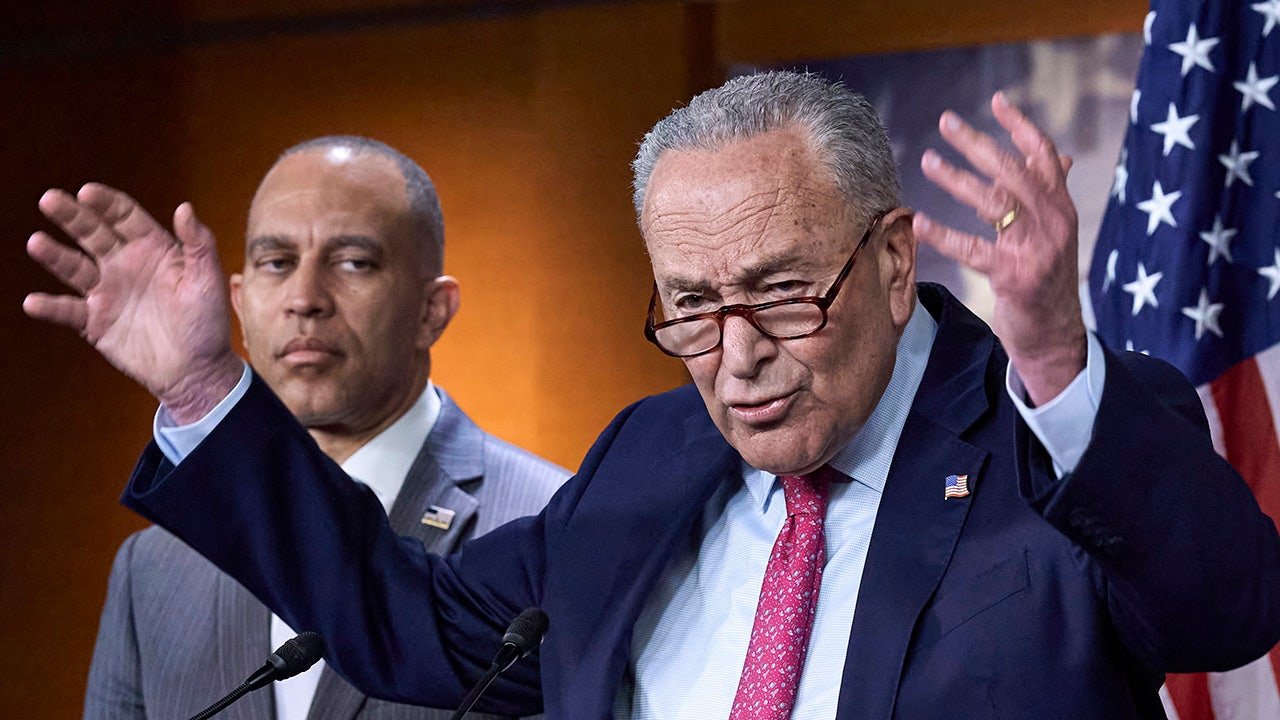
Senate Minority Leader Chuck Schumer, D-N.Y., and House Minority Leader Hakeem Jeffries, D-N.Y., left, hold a news conference on the GOP reconciliation bill at the Capitol in Washington, Wednesday, June 11, 2025. (J. Scott Applewhite/AP Photo)
«The American people are fed up with Republicans’ price-spiking, health care-gutting agenda and are ready to vote them out,» Schumer, Jeffries and the committee chairs said in a joint statement. «That’s why Donald Trump is desperately trying to rig our elections by making it harder to vote for seniors, Americans with disabilities, members of the military, rural communities and other working families who rely on vote-by-mail. This move is blatantly unconstitutional, and we will fight against it.»
«We are taking action to challenge Trump’s executive order to protect the right to vote and ensure every eligible American can make their voice heard at the ballot box,» they added.
Trump has warned Republicans that if they cannot pass the SAVE America Act — which is unlikely given unified Democratic opposition in the Senate — the GOP could face major losses in the upcoming midterm elections.
GOP TRIGGERS MARATHON SENATE FIGHT TO EXPOSE DEMS’ OPPOSITION TO TRUMP-BACKED VOTER ID BILL
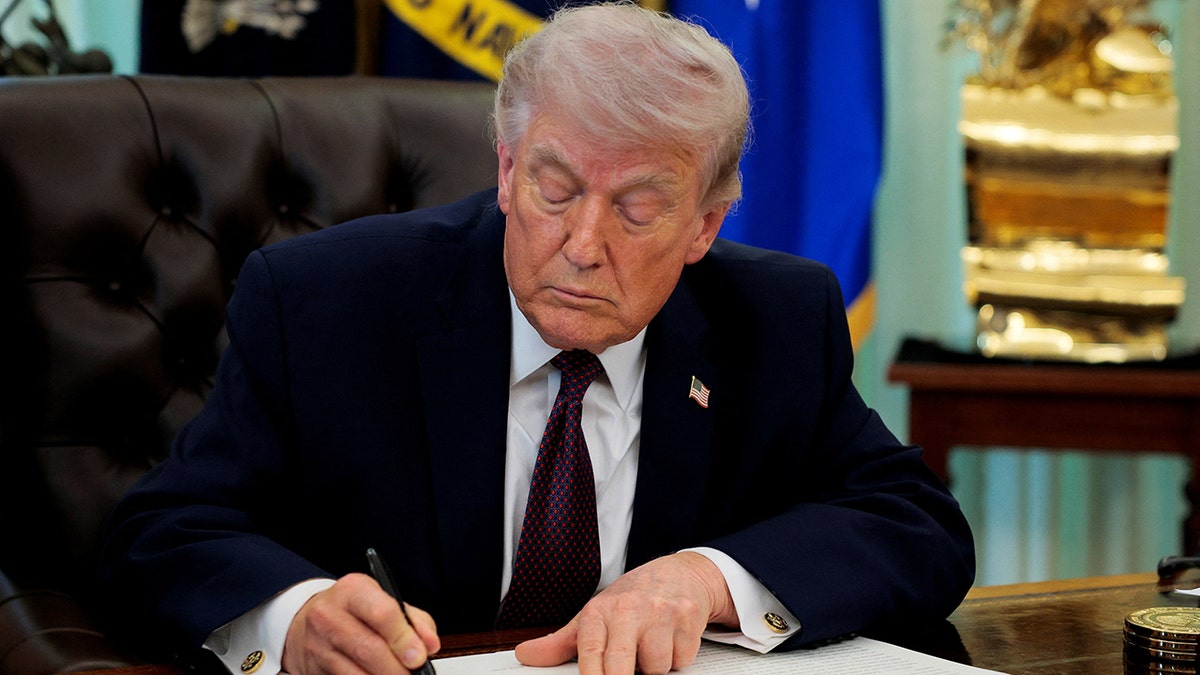
President Donald Trump signs an executive order on mail ballots in the Oval Office of the White House in Washington, D.C., March 31, 2026. (Evan Vucci/Reuters Photos)
The executive order, signed earlier this week, reflects Trump taking matters into his own hands amid the political reality in Congress.
The order would create federal «citizenship lists» of U.S. citizens using government databases, require those lists to be shared with states before elections, and give the U.S. Postal Service (USPS) authority over mail-in voting logistics. It would also require voters to be enrolled with USPS to receive mail ballots.
The order would allow USPS to refuse delivery of ballots from people not on its approved list and impose new federal design and processing rules for mail-in ballot envelopes.
SENATE GOP EYES BLAME GAME AS TRUMP-BACKED SAVE ACT HEADS FOR DEFEAT

Vote by mail ballots are inspected at the Los Angeles County Ballot Processing Center on Nov. 4, 2025, in California.. (Gina Ferazzi/Los Angeles Times via Getty Images)
Democrats argue the order is unconstitutional on several grounds, including that it overrides states’ authority over elections, violates the separation of powers, breaches privacy laws and risks disenfranchising millions of voters.
CLICK HERE TO DOWNLOAD THE FOX NEWS APP
They argue Trump has «no such authority» to impose sweeping changes on elections nationwide.
«If permitted, the President’s actions would fundamentally alter the constitutional balance between the states and the federal government by allowing the executive branch to wield federal power to pressure states into adopting federal preferences for the conduct of elections,» they wrote in the lawsuit.
The White House did not immediately respond to Fox News Digital’s request for comment.
politics, senate, house of representatives politics, chuck schumer, donald trump, elections
INTERNACIONAL
Trump estableció inicialmente cinco objetivos para la guerra contra Irán. Así están las cosas
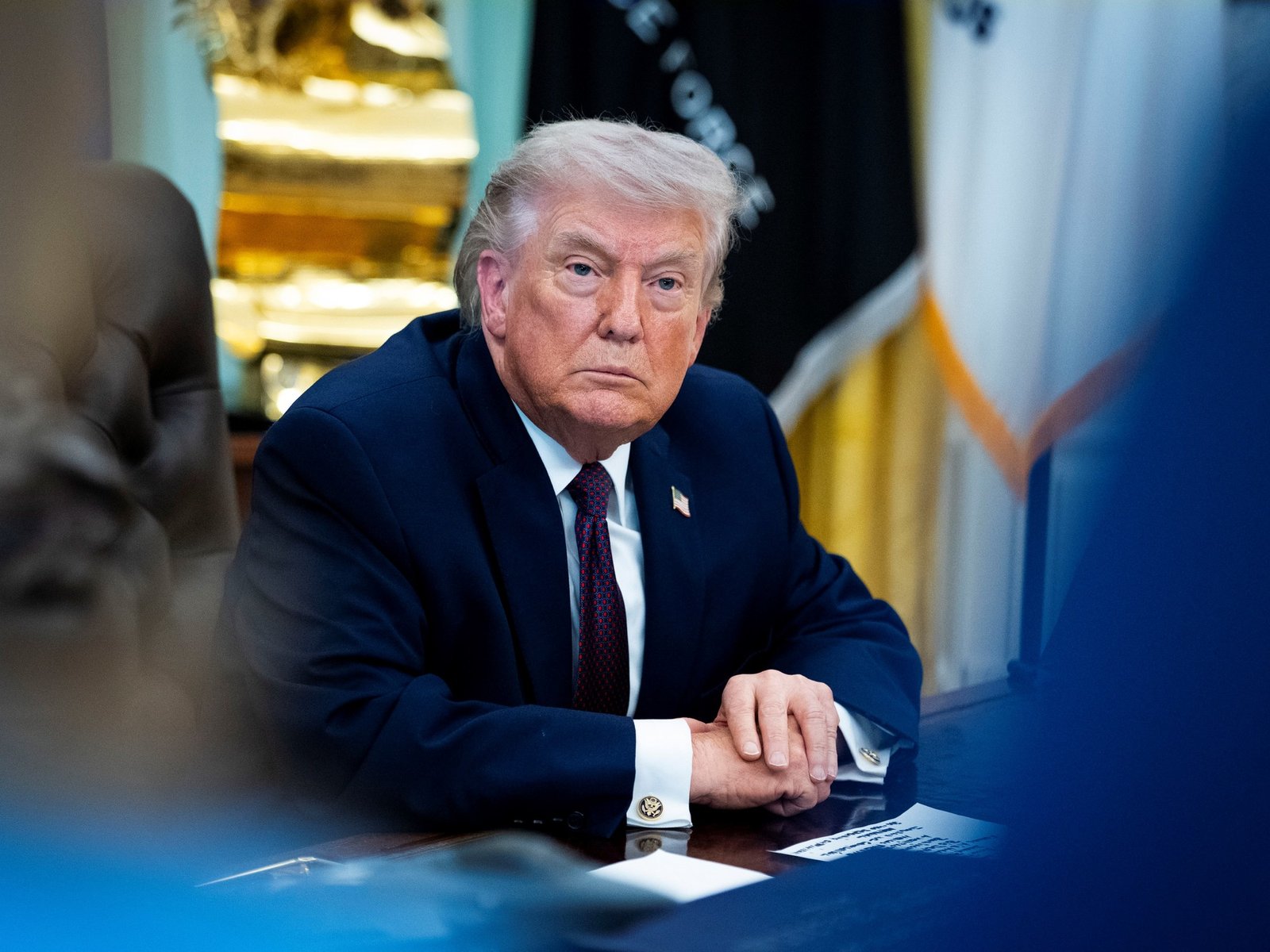
1. “Vamos a destruir sus misiles y arrasar su industria armamentística. Quedará totalmente aniquilada de nuevo.”
2. “Vamos a aniquilar su armada.”
3. “Nos aseguraremos de que los grupos terroristas afines a la región ya no puedan desestabilizar la región ni el mundo»
4. “Y nos aseguraremos de que Irán no obtenga un arma nuclear. Es un mensaje muy sencillo. Nunca tendrán un arma nuclear.”
5. “Finalmente, al gran y orgulloso pueblo de Irán, les digo esta noche que la hora de su libertad está cerca. «

NEWYou can now listen to Fox News articles!
The Islamic Republic of Iran is on track to exceed the record number of executions it carried out against opponents in 2025, with 657 executions in the first three months of the year, according to the Iran Human Rights Society.
Hiding behind the war with the U.S. and Israel, critics say the regime appears desperate to eliminate opposition, particularly following anti-regime demonstrations that shook the nation’s rulers and resulted in tens of thousands being murdered by the country’s security forces and militias.
In March, the regime was met with condemnations, including from President Donald Trump, over the execution of 19-year-old wrestler Saleh Mohammadi.
MOJTABA KHAMENEI REGIME EXECUTES CHAMPION WRESTLER AS IRAN INTENSIFIES BRUTAL CRACKDOWN DURING WAR
A protester holds ‘Stop executions in Iran’ and ‘Free Iran’ placards during the demonstration. Demonstrators gathered outside Downing Street in protest against executions in Iran and in support of freedom for Iran. (Vuk Valcic/SOPA Images/LightRocket via Getty Images)
On Iran’s latest killing spree, a State Department spokesperson told Fox News Digital, «This latest barbaric act is more evidence of why the regime can never be allowed the advanced capabilities that we are destroying.»
The United Nations Special Rapporteur on the situation of human rights in the Islamic Republic of Iran, Mai Sato, said that since the start of the war at least six executions took place as of March 30, and noted on her X account that an additional two executions took place on March 31.
Sato described the regime’s known victims as protesters, an accused spy for Israel, and individuals charged with «armed rebellion» against the regime. Sato said that «due to the internet blackout, it is unclear who else has been executed or are at risk of execution.» She said, «What is clear is that the death penalty is being used as a tool for suppressing political opposition in wartime conditions.»

Cars burn in a street during a protest over the collapse of the currency’s value in Tehran, Iran, Jan. 8, 2026. (Stringer/WANA (West Asia News Agency) via REUTERS)
IRAN’S INTERNET BLACKOUT HIDING STRIKE DAMAGE AND SUPPRESSING DISSENT, ISRAELI OFFICIALS SAY
The Secretariat of the NCRI provided a written statement to Fox News Digital describing the recent executions of four members of the Iranian dissident organization People’s Mohahedin Organization of Iran (PMOE/MEK). The NCRI said members Mohammad Taghavi and Akbar Daneshvarkar were transferred from Ghezel Hesar prison on March 29, and executed the following morning. Four additional members of the group, Babak Alipour, Vahid Bani Amerian, Abolhassan Montazer and Pouya Ghobadi, were transferred as well. On March 31, the regime executed Alipour and Ghobadi.
Ali Safavi, a member of the NCRI’s Foreign Affairs Committee, called for «urgent action» to save the lives of Amerian and Montazer.
Maryam Rajavi, the president-elect of the NCRI, posted on X that the execution conducted on March 31 «reflects the clerical regime’s fear and desperation.» She called on the United Nations and its member states to engage in «practical and effective measures, including the closure of embassies and the expulsion of the regime’s terrorist diplomats and agents.»
CLICK HERE TO DOWNLOAD THE FOX NEWS APP
Before the Islamic Republic killed thousands of its own people during January protests, the United Nations Office of the High Commissioner for Human Rights stated that the Islamic Republic carried out «at least» 1,500 executions in 2025. According to the High Commissioner, «the scale and pace of executions suggest a systematic use of capital punishment as a tool of State intimidation, with disproportionate impact on ethnic minorities and migrants.»
Amnesty International has raised similar concerns, and additionally noted that five «young protesters» now «face the imminent risk of execution,» having been transferred from Ghezal Hesar «to an unidentified location» as of March 31.
war with iran, terrorism, world protests

Milei recibió en la Casa Rosada a los responsables de la estrategia legal en el caso YPF

Irán exige códigos secretos y pagos en moneda china a los buques que quieran cruzar el estrecho de Ormuz

Schumer, Jeffries sue Trump, accuse him of trying to ‘rig’ mail-in voting

El “abrazómetro” del Gabinete con Adorni y los gestos de Milei durante el acto por Malvinas

Oriana Sabatini sorprendió al elegir a una famosa como madrina de Gia, su hija con Paulo Dybala

"Ha callado a los que dudaban y a la Bolsa". Crimson Desert no es solo un éxito, sus autores ahora son 200 veces más ricos que antes

Nuevas críticas de Marcela Pagano contra los Milei: “Karina es la que gobierna”, aseguró

Dos jubiladas que le habrían prestado dinero a Manuel Adorni negaron conocerlo

Quiénes son las dos acreedoras del préstamo con el que Adorni compró su departamento en Caballito

El Gobierno reevalúa la estrategia de comunicación por el caso Adorni y mide el impacto en la imagen de Milei

 POLITICA2 días ago
Dos jubiladas que le habrían prestado dinero a Manuel Adorni negaron conocerlo
- POLITICA3 días ago
Quiénes son las dos acreedoras del préstamo con el que Adorni compró su departamento en Caballito
- POLITICA1 día ago
El Gobierno reevalúa la estrategia de comunicación por el caso Adorni y mide el impacto en la imagen de Milei