INTERNACIONAL
Wisconsin man fired for refusing to use preferred pronouns appeals to Trump administration

EXCLUSIVE: Spencer Wimmer, a Wisconsin man, is asking the Trump administration to intervene after he says he was fired for refusing to use preferred pronouns that conflict with a person’s biological sex—forcing him, he claims, to choose between his livelihood and his faith.
While the Trump administration has moved to roll back DEI and gender ideology workplace requirements, Wimmer, a devout Christian, argues that private citizens are still experiencing workplace discrimination tied to such policies.
Now, after filing a religious discrimination complaint through the Wisconsin Institute for Law & Liberty (WILL) to the Trump U.S. Equal Employment Opportunity Commission (EEOC), he said he hopes President Donald Trump will do something about it.
In an interview with Fox News Digital, Wimmer said that he had worked hard to be a «model employee» during his five years at Generac and was in good standing with the company, having received several positive performance reviews and promotions. He said he expected to have a long, fruitful career at the power equipment company. That is, until he was suddenly pulled into a meeting with human resources and confronted about his refusal to use someone’s preferred pronouns.
‘UNLAWFUL DEI-MOTIVATED’ WORKPLACE DISCRIMINATION TO BE ROOTED OUT BY TRUMP’S NEW ACTING EEOC CHAIR
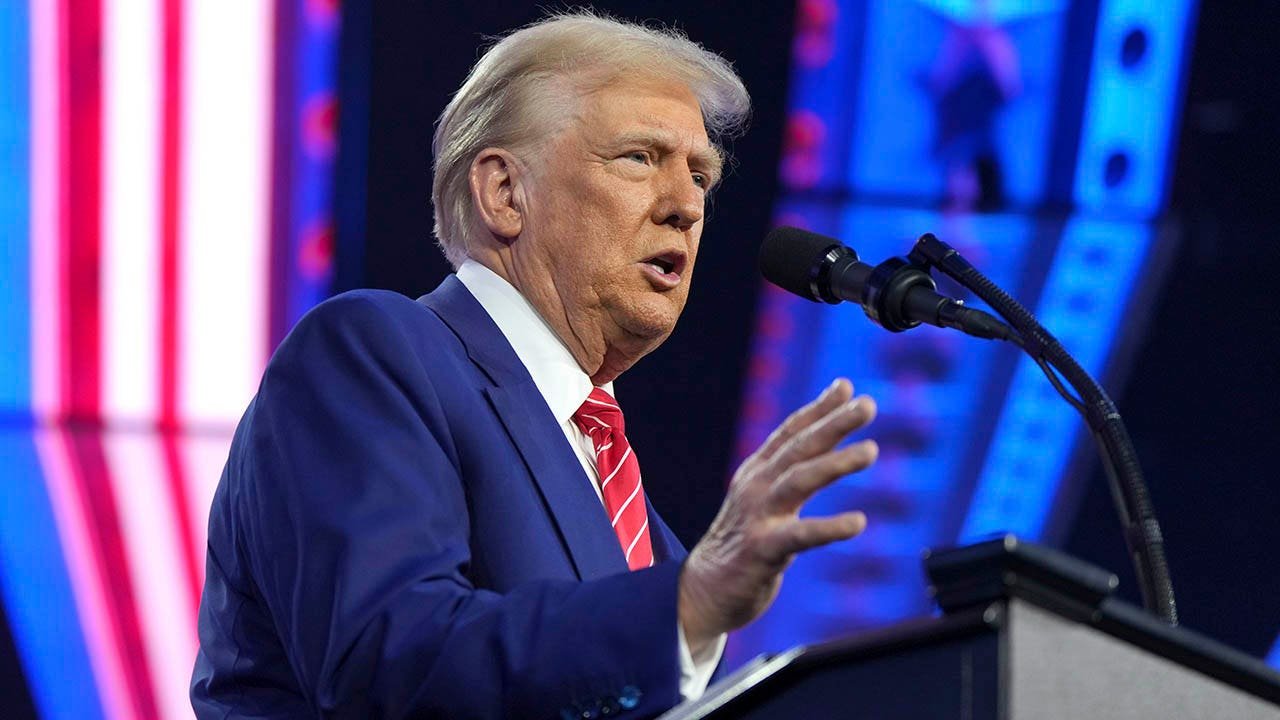
Wisconsin man Spencer Wimmer is asking the Trump administration to fight on his behalf after he says he was forced to choose between his livelihood and «love for God,» and was ultimately fired for his religious belief in not using someone’s preferred pronouns. (AP Photo/Rick Scuteri)
Wimmer says that his refusal to use preferred pronouns is rooted in his deeply held Biblical, religious belief that there are only two genders and that a person cannot switch between one and the other.
He explained that he had prior experience working with transgender people and even had a good working relationship with one of his colleagues who was transgender. However, after Wimmer had to clarify with HR that he could not in good conscience use his transgender colleagues’ preferred pronouns, he was reprimanded for «unprofessional» conduct.
According to WILL, the firm representing Wimmer, Generac HR representatives told him that his request to refrain from using transgender pronouns on religious grounds «did not make any sense.» Wimmer was issued a written disciplinary action note that stated «refusal to refer to an employee/subordinate by their preferred name/pronouns is in violation of the company’s Code of Business Conduct and No Harassment Policy.»
After an entire month in which he said he felt both targeted and bullied for his religious beliefs, Wimmer was fired from his supervisor role at Generac Power Systems on April 2. According to WILL, he was not allowed to collect his personal belongings and was escorted out of the building.
Wimmer described the entire episode as «heartbreaking.»
THE SUPREME COURT APPEARS TO SIDE WITH PARENTS IN RELIGIOUS LIBERTY DISPUTE OVER STORYBOOKS
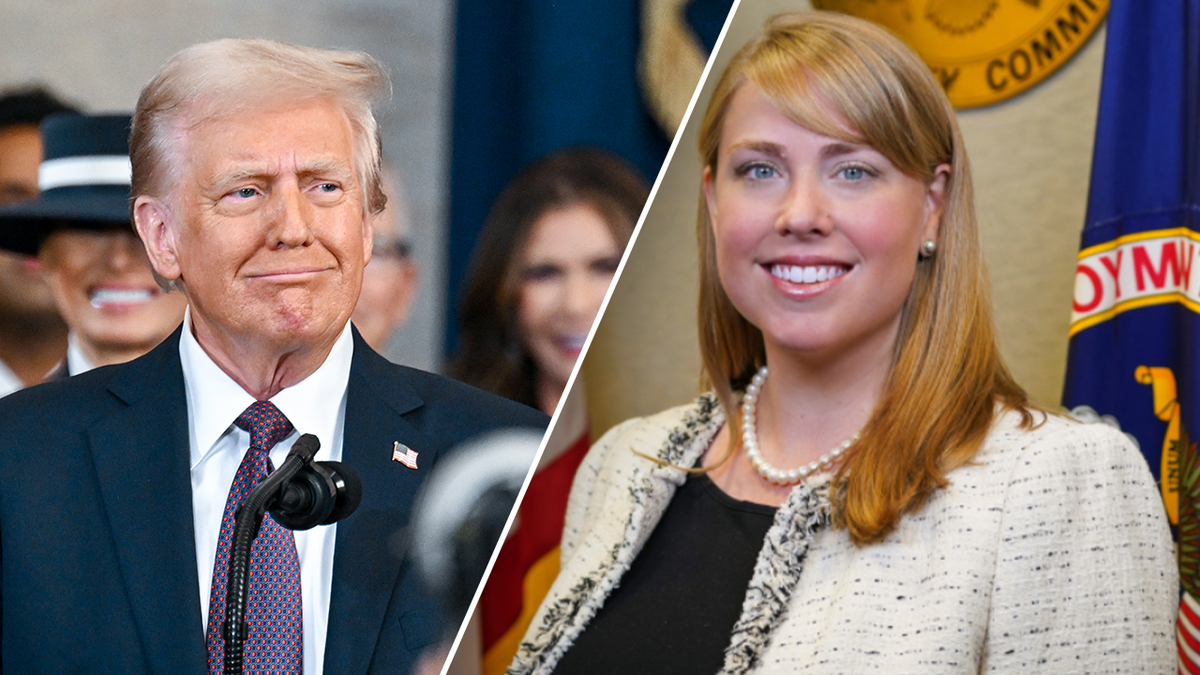
Andrea Lucas, President Donald Trump’s pick to serve as acting chair of the Equal Employment Opportunity Commission (EEOC), vowed to make rooting out diversity, equity and inclusion (DEI) practices in the workplace a priority. (Getty/EEOC )
«I was asked to choose between my livelihood and my love for God and my beliefs,» said Wimmer, adding that it was «very emotional having everything kind of ripped out from under me.»
In its complaint to the EEOC, WILL argues that Generac violated Title VII of the Civil Rights Act, which prohibits employment discrimination based on race, color, religion, sex, or national origin. WILL asserts that Generac violated Wimmer’s rights despite there being no harassment complaints filed against him.
Cara Tolliver, an attorney with WILL, told Fox News Digital that she believes his case carries a broader significance that could impact Americans across the country.
She said that Wimmer’s case puts recent Supreme Court precedent set in a 2023 case called Groff v. DeJoy to the test, challenging the validity of an employer’s compelled gender affirmation policy against an employee’s sincerely held religious beliefs.
«Employers, I think, have kind of become seemingly fixated on a lot of identity politics in the workplace, including the topic of gender identity,» she said. «But it’s crucial to keep in mind that even where Title VII may provide some protection to employees against workplace discrimination and harassment on the basis of a gender identity, this does not supersede or eliminate Title VII protections against religious discrimination and the fact that religious discrimination is illegal.»
SUPREME COURT ALLOWS TERMINATIONS OF INDEPENDENT AGENCY BOARD MEMBERS FOR NOW
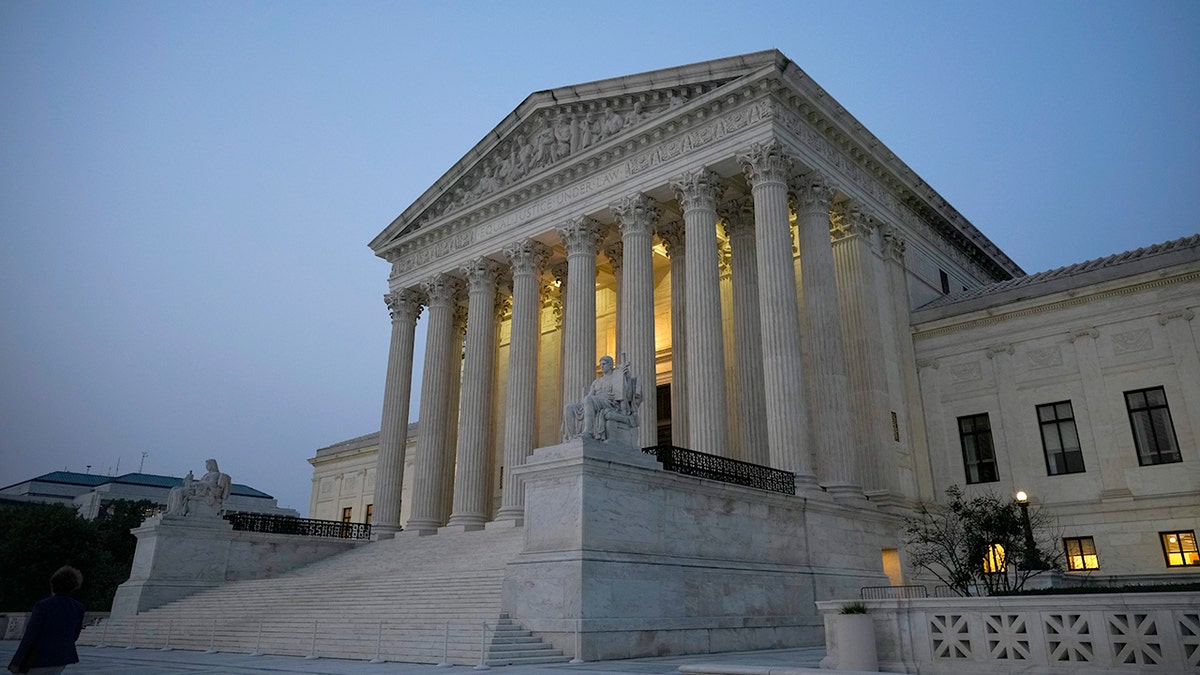
The U.S. Supreme Court is shown at dusk on June 28, 2023, in Washington, DC (Drew Angerer/Getty Images)
Wimmer told Fox News Digital that he «never asked Generac to choose between me and then this other individual.»
CLICK HERE TO GET THE FOX NEWS APP
«There was absolutely a way for us to work together and have a compromise where we continue to have a professional environment,» he said. «Unfortunately, there are individuals and there are organizations and structures in place that won’t let you have compromise. The fact that you have these beliefs is unacceptable to them. So, no amount of compromise is possible.»
In response to Fox News Digital’s request for comment, a spokesperson said: «We do not comment on employment matters nor comment on pending litigation.»
First Amendment Religious Freedom,Donald Trump,Woke Culture,Wisconsin








INTERNACIONAL
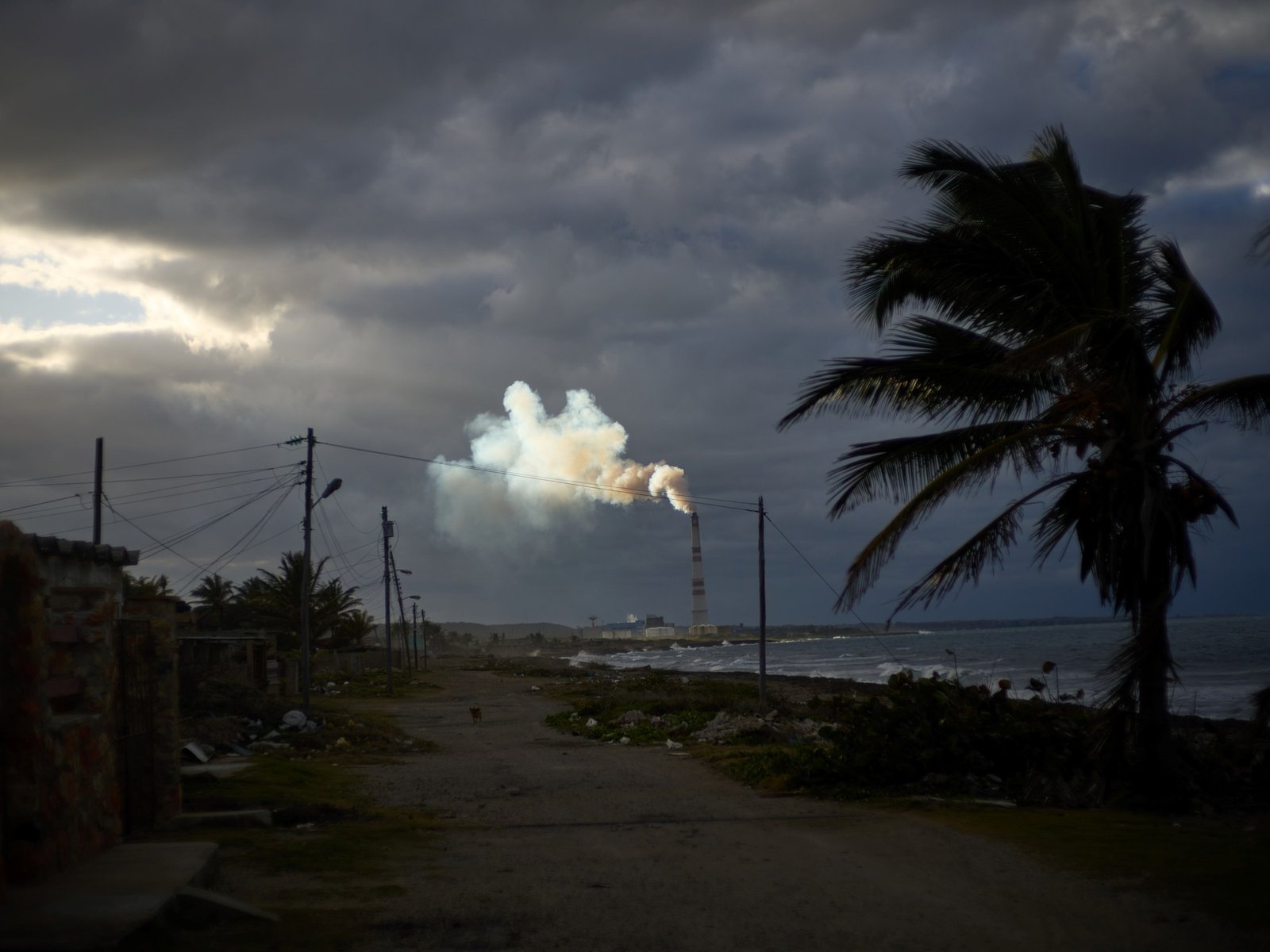
Crisis profunda: entre cortes de energía y sanciones, los cubanos luchan por sobrevivir y mantener la alegría de vivir

Un futuro negro

“Si pudiéramos hacer algo”
NEWYou can now listen to Fox News articles!
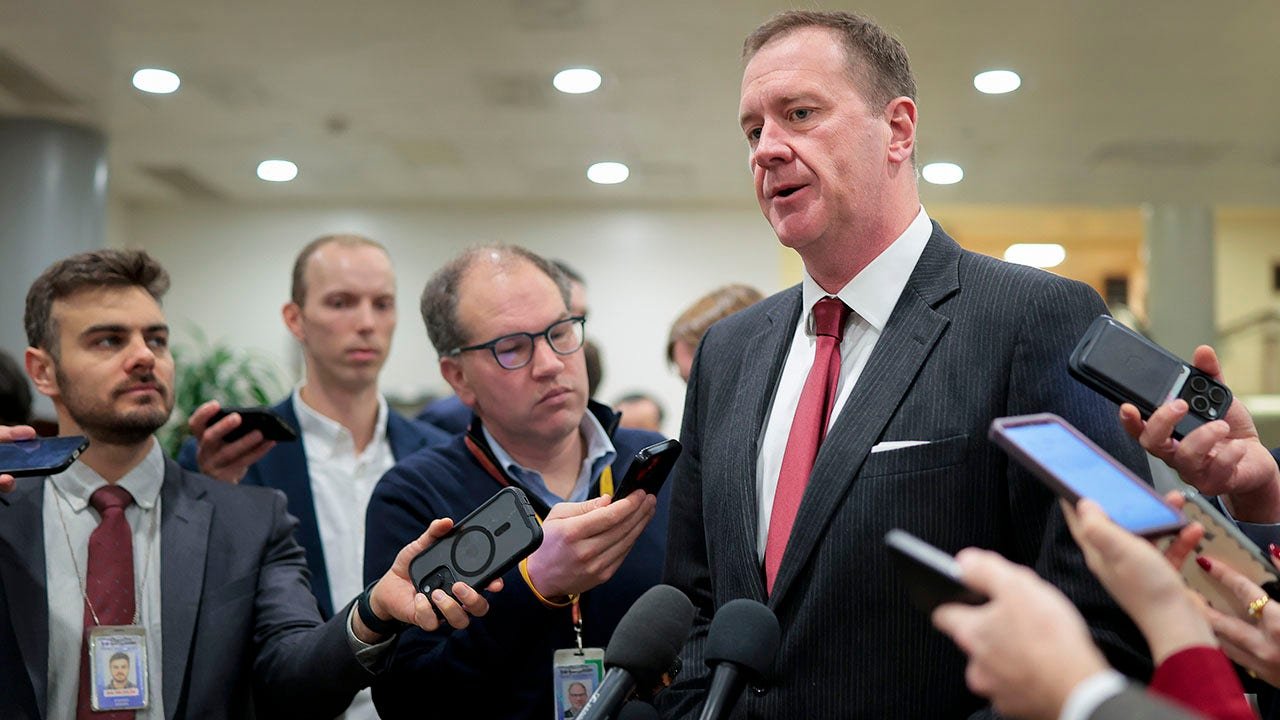
FIRST ON FOX: A Senate Republican wants to kneecap sanctuary cities and provide more stringent protections for federal agents in a sweeping package designed to push back against disruptions to the Trump administration’s immigration operations.
Sen. Eric Schmitt, R-Mo., plans to introduce his Protect America Act, a colossal legislative package that would punish sanctuary cities, enhance penalties for illegal entry and reentry, boost protections for federal agents, and defund «corrupt» nongovernmental organizations (NGOs), or nonprofits.
The goal of the package is to cut into the unrest simmering in cities across the country where the Department of Homeland Security (DHS) and Immigration and Customs Enforcement (ICE) are operating.
SENATOR CALLS OUT ‘GRASSROOTS’ ANTI-ICE GROUPS, URGES DOJ INVESTIGATION INTO ‘COORDINATED NATIONAL OPERATION’
Sen. Eric Schmitt, R-Mo., is gearing up to introduce a sweeping immigration package meant to crush sanctuary cities and bolster protections of federal agents. (Heather Diehl/Getty Images)
Schmitt’s legislation comes as anti-ICE protests continue around the country, most notably in Minneapolis, where agitators have clashed with federal agents, resulting in the fatal shootings of Alex Pretti and Renee Nicole Good.
«This environment demands action,» Schmitt said in a statement. «The Protect America Act is a comprehensive, four-part legislative response designed to address the root causes of disorder, restore lawful enforcement authority, protect federal officers from coordinated interference and violence, and prevent the abuse of nonprofit status to shield or support criminal activity.»
SCHUMER, JEFFRIES MEND RIFT, PRESENT UNITED FRONT ON DHS REFORMS AS DEADLINE NEARS
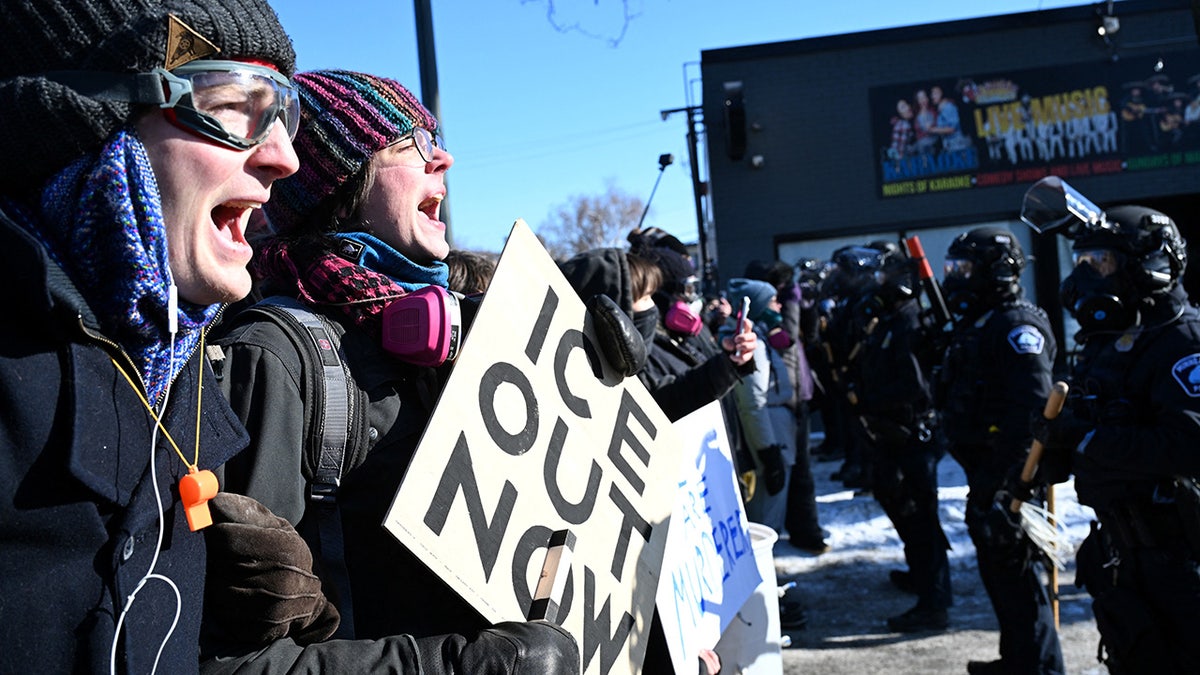
Agitators using whistles to alert neighborhoods to ICE activity face off with Minneapolis police officers Jan. 24, 2026. (Roberto Schmidt/AFP via Getty Images)
The package would condition federal funding to sanctuary cities based on cooperation with ICE and federal law enforcement. Cities that don’t comply would lose their funding completely.
It would also require that jails and detention centers coordinate with ICE to share the identity, immigration status and release timing for detainees, allow people to sue for civil liabilities if a «removable alien» is knowingly released within a sanctuary city and commits a serious crime, and halt new foreign student visas until jurisdictions comply with federal immigration law.
In a bid to bolster protections for federal agents, the package would close loopholes that allow people to use whistles or other devices to interfere with officers’ communications, impose penalties of up to five years in prison for people who obstruct federal agents’ duties, ensure that the First Amendment protections explicitly state that the «act does not prohibit expressive content or lawful expressive conduct,» and make assaulting a federal agent a federal criminal offense.
GOP SENATOR JABS JEFFRIES AS ‘BUTT HURT’ OVER TRUMP-SCHUMER DEAL
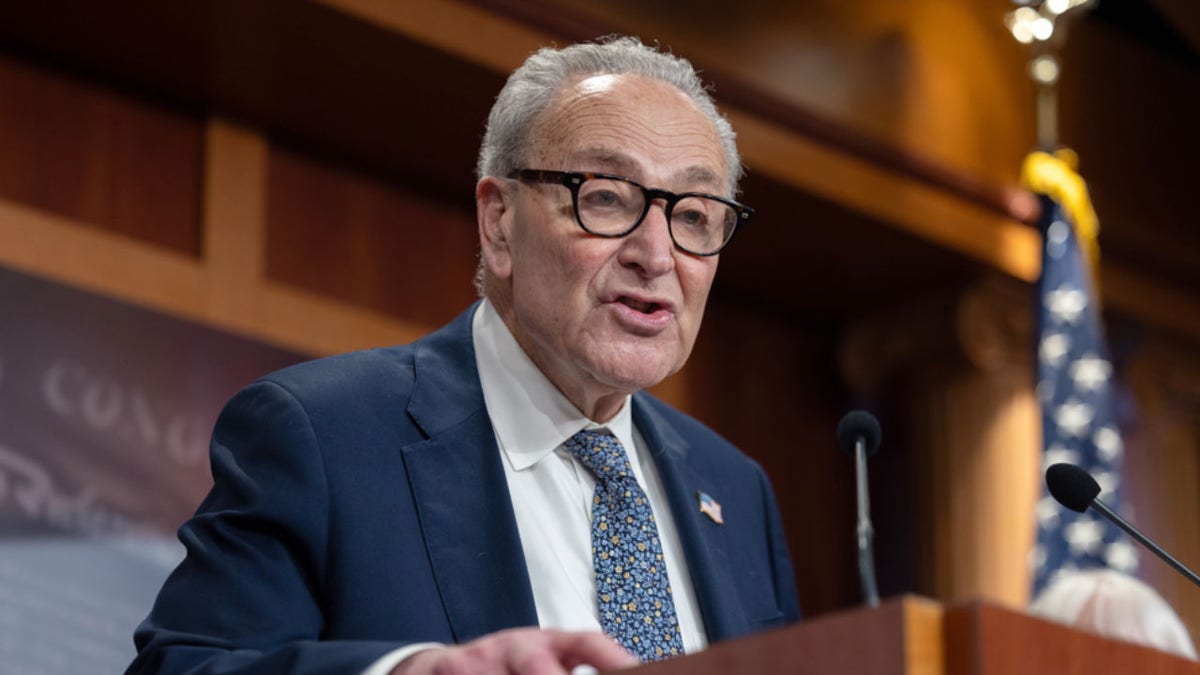
Senate Minority Leader Chuck Schumer, D-N.Y., speaks at a news conference with Sen. Patty Murray, D-Wash., and Sen. Brian Schatz, D-Hawaii., after the passage of government funding bills at the U.S. Capitol in Washington, D.C., Jan. 30, 2026. (Nathan Posner/Anadolu via Getty Images)
Schmitt’s legislation would also strengthen penalties for illegal entry and reentry into the country by ending catch-and-release and mandating detention, make illegal entry a felony, and boost penalties for illegal reentry to include fines and up to two years in prison.
The fourth prong seeks to de-fang NGOs by revoking the tax-exempt status of any nonprofit that promotes, incites, or provides material support for criminal violence.
His legislative package comes as Senate Minority Leader Chuck Schumer, D-N.Y., and congressional Democrats offered their own, competing list of demands meant to rein in DHS and ICE, which they are demanding be considered and codified in exchange for their support of the now-sidelined Homeland Security funding bill.
CLICK HERE TO DOWNLOAD THE FOX NEWS APP
Schmitt and Senate Republicans haven’t taken well to many of the proposals from their counterparts, notably requiring ICE agents to get judicial warrants, de-masking federal agents and requiring full identification when in the field.
«My view is we’re not doing any of this stuff until, unless, we end sanctuary city status, because that’s what’s causing all of this, is the lack of cooperation,» Schmitt said. «It’s the confrontations that are being created, and why you don’t see this in blue or red jurisdictions that aren’t sanctuary status. So this solution is very obvious. I think there’s a political grandstanding on their part.»
politics,senate,immigration,homeland security,legislation
INTERNACIONAL
La advertencia del presidente de Cuba en medio del desabastecimiento de combustible: «Vamos a vivir tiempos difíciles»
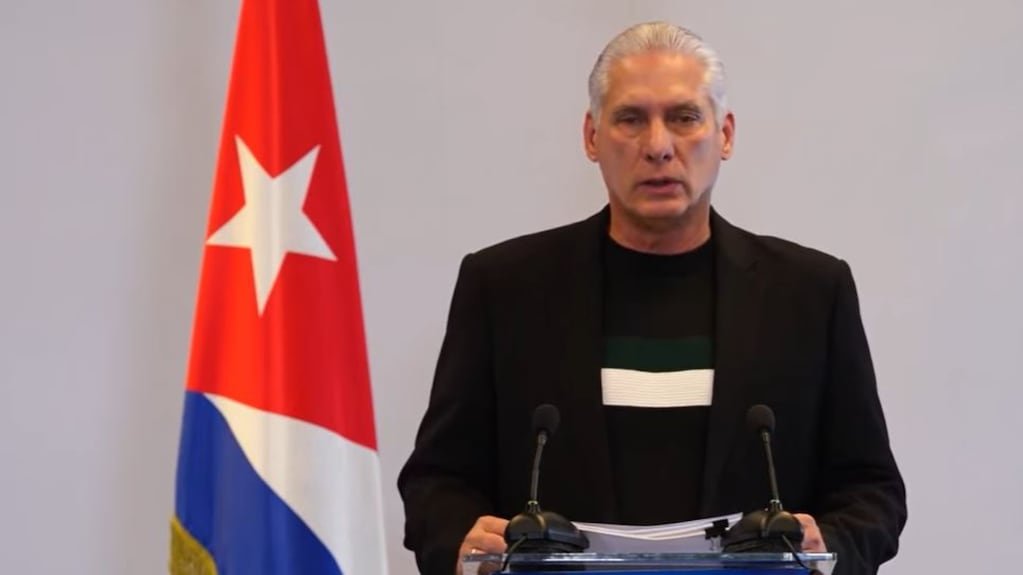
El presidente de Cuba, Miguel Díaz-Canel, advirtió que su país atraviesa un “desabastecimiento agudo de combustible” y denunció una “campaña de calumnia, odio y guerra psicológica” ante la presión de Estados Unidos tras la captura de Nicolás Maduro. Sin embargo, dijo que su gobierno está “dispuesto a un diálogo” con la administración de Donald Trump.
“Cuba está dispuesta a un diálogo con los Estados Unidos, a un diálogo sobre cualquiera de los temas que se quiera debatir o dialogar”, pero “sin presiones” ni “precondicionamientos”, dijo Díaz-Canel en una inusual comparecencia en cadena de radio y televisión.
Leé también: Delcy Rodríguez cumple su primer mes en el gobierno de Venezuela bajo fuerte presión interna y los condicionamientos de Trump
Además, dijo que ese diálogo tendrá que darse desde “una posición de iguales, en una posición de respeto a la soberanía, a la independencia, a la autodeterminación” y sin “injerencia en los asuntos internos”.
“No soy idealista, sé que vamos a vivir tiempos difíciles. Estos, en particular, son muy difíciles”, afirmó.
El gobernante cubano habló este jueves en una inusual rueda de prensa transmitida en directo en la isla. No obstante, todas las preguntas fueron formuladas por representantes cubanos de medios nacionales, bajo un estricto control estatal, y algunos de prensa internacional seleccionados y afines como Russia Today y la agencia de noticias china Xinhua.
“Desabastecimiento agudo de combustible”
Díaz-Canel dijo que su gobierno se reunió para preparar un plan de “desabastecimiento agudo de combustible” ante las presiones de EE.UU y la faltante de nafta que afecta a la isla.
Cuba, sometida desde 1962 a un embargo estadounidense, dependía del petróleo de Venezuela. Pero ese país cesó sus envíos tras lo que en Cuba llaman “los sucesos del 3 de enero”. El gobernante admitió que no entra combustible desde diciembre.
El presidente aseguró que el bloqueo petrolero va a tener consecuencias serias en el país, para lo que se están poniendo en marcha una serie de medidas de emergencia que van a “demandar esfuerzos”. “Es asfixiarnos completamente”, agregó.
“Si no resistimos, ¿qué vamos a hacer, nos vamos a rendir?”, se preguntó Díaz-Canel.
Resaltó que el “bloqueo energético” de EE.UU. va a suponer “afectar la transportación de alimentos, la producción de alimentos, el transporte público, el funcionamiento de los hospitales, de instituciones de todo tipo, de las escuelas, la producción de la economía, el turismo…”.
Ante ese escenario, dijo que el Gobierno adoptó una serie de medidas de emergencia que retoma como referencia las “indicaciones” del expresidente Fidel Castro durante el llamado Periodo Especial, por la depresión que supuso para la isla la caída del bloque soviético. Cubanos aguardan cargar nafta en una estación de servicio de Bacuranao, en las afueras de La Habana (Foto: AP/Ramón Espinosa)
Díaz-Canel retomó el concepto de la “opción cero”, el plan de supervivencia planteado en los años 90 ante el escenario de “cero petróleo”. El plan implicaba un racionamiento extremo, autosuficiencia alimentaria, el uso de tracción animal, carbón vegetal para cocinar y transporte no motorizado, entre otras medidas.
Leé también: Investigan en Italia a un excamionero de 80 años por los presuntos “safaris humanos” en Sarajevo
“Están contempladas (alguna de esas medidas), también actualizadas porque hay situaciones diferentes en estas directivas”, indicó.
Además, afirmó: “No hay estado fallido; lo que hay es un estado que ha tenido que enfrentar con mucha resistencia las máximas presiones para asfixiar la economía de la principal potencia del mundo, una potencia que tiene un basamento imperial y un propósito hegemónico de dominación”, dijo sobre la amenaza estadounidense.
Cuba enfrenta una grave crisis
La isla sufre apagones diarios y masivos por la escasez de combustible, además de una grave crisis económica y sanitaria derivada de una epidemia de chikunguña y la falta de todo tipo de productos de primera necesidad. La ONU advirtió que Cuba puede sufrir un “colapso” humanitario si no recibe petróleo.
Díaz-Canel reconoció que la isla paralizó parte de su producción energética por la presión de EE.UU. y que últimamente el país no pudo contar con ninguno de sus parques de generación distribuida (motores), con una potencia instalada total de alrededor 1.300 megavatios (MW)
“Nacimos y vivimos bloqueados y bajo los signos de esa asfixia económica. Siempre hemos tenido carencias, siempre hemos tenido dificultades complejas, siempre hemos tenido que funcionar en medio de vicisitudes y de imposiciones y presiones que no se les impone a nadie en el mundo y menos de una manera tan prolongada”, dijo Díaz Canel sobre el bloqueo.
Leé también: Tras la presión de Trump, la ONU advirtió que Cuba puede sufrir un “colapso” humanitario si no recibe petróleo
Y advirtió: “No soy idealista, sé que vamos a vivir tiempos difíciles. Estos, en particular, son muy difíciles”.
El presidente agregó que, debido a la “persecución energética, financiera”, es preciso que su gobierno y sus aliados hagan “un trabajo muy fuerte, muy creativo, muy inteligente para sortear” las medidas de EE.UU.
Díaz-Canel, que rechazó la “teoría del colapso” de la isla, abogó por una “articulación antifascista” internacional contra el Gobierno de EE.UU. aunque por ahora no dio detalles acerca del plan.
Además, anunció que su país inició un “plan de preparación para la defensa” ante la presión estadounidense, “Es un deber soberano ante una agresión prepararnos para la defensa”, puntualizó.
“Cuba es un país de paz. La doctrina militar de nuestro país es la concepción de la guerra de todo el pueblo y para nada contempla la agresión a otro país: no somos una amenaza para los Estados Unidos”, remarcó.
Miguel Díaz-Canel, cuba

Crisis profunda: entre cortes de energía y sanciones, los cubanos luchan por sobrevivir y mantener la alegría de vivir

El Gobierno espera un salto exportador tras el acuerdo comercial con EEUU: cuál sería el principal sector beneficiado

Kicillof se encamina a presidir el PJ bonaerense, pero aún no se destrabó la negociación por otros cargos

George Lucas dijo: "He encontrado al actor perfecto para Han Solo". Y era Chrisopher Walken

Quiénes son los 8 argentinos que disputarán los Juegos Olímpicos de Invierno Milano-Cortina 2026: la agenda de su participación

El horóscopo de hoy: viernes 6 de febrero

Bullrich dijo que en el Gobierno de Kicillof “están más preocupados por cuidar al delincuente”

La trama detrás del sorpresivo portazo de Lavagna en el INDEC y el desacuerdo con Milei por el IPC

Mariana Fabbiani mostró fotos de sus vacaciones soñadas en la playa: «Desde el paraíso»

Flor de la V contó las dificultades que vivió junto a Pablo Goycochea cuando se conoció su romance: “Había una persecución”

 CHIMENTOS1 día ago
Flor de la V contó las dificultades que vivió junto a Pablo Goycochea cuando se conoció su romance: “Había una persecución”
- POLITICA2 días ago
Jorge Macri: «Hay una percepción de que hay cosas que aumentan más que la inflación»
- ECONOMIA1 día ago
Milei dejó trascender que Lavagna quería un índice de inflación más alto porque «jugaba para Massa»