INTERNACIONAL
Donald Trump estaría abierto a encabezar una reunión con Volodimir Zelensky y Vladimir Putin


El presidente de Estados Unidos, Donald Trump, está “abierto” a reunirse con sus homólogos ruso y ucraniano en Turquía, dijo la Casa Blanca, después de que las dos partes no lograron el lunes avanzar hacia un esquivo alto el fuego.
Sin embargo, las delegaciones de ambas partes acordaron otro intercambio de prisioneros a gran escala en su reunión en Estambul, que a mediados de mayo también albergó su primera ronda de conversaciones cara a cara.
El presidente turco, Recep Tayyip Erdogan, propuso que el presidente ruso, Vladimir Putin, el presidente ucraniano, Volodimir Zelensky, y Trump se reúnan para una tercera ronda a finales de este mes en Estambul o Ankara.
Putin se ha negado hasta ahora a tal reunión. Pero Zelensky ha declarado su disposición, subrayando que los asuntos clave solo pueden resolverse a nivel de líderes.
Trump, que quiere un fin rápido a la guerra de tres años, “está abierto a ello (una cumbre tripartita) si se llega a ese punto, pero quiere que ambos líderes y ambas partes se sienten juntos a la mesa”, dijo la portavoz de la Casa Blanca, Karoline Leavitt, en Washington.
Zelensky dijo que “realmente esperamos que Trump tome medidas enérgicas” e instó al líder estadounidense a endurecer las sanciones contra Rusia para “presionarla” a aceptar un alto el fuego total.
En la reunión del lunes, Ucrania declaró que Moscú había rechazado su petición de un alto el fuego incondicional. En su lugar, ofreció una tregua parcial de dos a tres días en algunas zonas del frente.
Rusia solo aceptará un alto el fuego total si las tropas ucranianas se retiran por completo de cuatro regiones: Donetsk, Lugansk, Zaporizhzhia y Kherson, según los términos de negociación informados por los medios estatales rusos. Actualmente, Rusia solo controla parcialmente esas regiones.
Moscú también ha exigido que se prohíba a Kiev unirse a la OTAN, limitar el ejército ucraniano y poner fin al apoyo militar occidental.

Los principales negociadores de ambos lados confirmaron que sus últimas conversaciones dieron como resultado un acuerdo para intercambiar a todos los soldados gravemente heridos, así como a todos los combatientes capturados menores de 25 años.
El principal negociador ruso, Vladimir Medinsky, dijo que esto implicaría “al menos 1.000” de cada lado, superando el intercambio de 1.000 por 1.000 prisioneros de guerra acordado en las conversaciones el mes pasado.
Las dos partes también acordaron entregar los cuerpos de 6.000 soldados muertos, dijo Ucrania después de las conversaciones.
“La parte rusa siguió rechazando la moción de un alto el fuego incondicional”, dijo a los periodistas el viceministro de Asuntos Exteriores de Ucrania, Sergiy Kyslytsya, después de las conversaciones.
Rusia dijo que había ofrecido una pausa limitada en los combates.
“Hemos propuesto un alto el fuego específico durante dos o tres días en ciertas zonas de la línea del frente”, dijo el principal negociador, Vladimir Medinsky, añadiendo que esto era necesario para recoger los cuerpos de los soldados muertos en el campo de batalla.
Kiev dijo que estudiaría un documento que la parte rusa entregó a sus negociadores en el que se describen sus demandas tanto de paz como de un alto el fuego total.
Zelensky dijo después de concluir las conversaciones de Estambul que ningún acuerdo debe “recompensar” a Putin.
“La clave para una paz duradera es clara: el agresor no debe recibir ninguna recompensa por la guerra”, dijo Zelensky en una conferencia de prensa en Vilna junto a varios líderes de la OTAN.

El presidente ucraniano ha dicho que un acuerdo de paz a largo plazo sólo puede lograrse una vez que los combates hayan cesado, y ha pedido un cese del fuego inmediato e incondicional que cubra los combates en el aire, el mar y la tierra.
El ministro de Defensa ucraniano, Rustem Umerov, quien encabezó la delegación de su país, solicitó una próxima reunión antes de finales de junio. También afirmó que debería discutirse una cumbre entre Putin y Zelensky.
El ministro de Asuntos Exteriores turco, Hakan Fidan, dijo después de las conversaciones, celebradas en un hotel de lujo a orillas del Bósforo, que se celebraron “en un ambiente constructivo”.
“Las partes avanzaron sobre los puntos que habían acordado durante la primera reunión”, dijo Fidan en X.
“Durante la reunión, las partes decidieron continuar los preparativos para una posible reunión a nivel de líderes”, dijo.
Decenas de miles de personas han muerto desde que Rusia invadió el país, con franjas del este y el sur de Ucrania destruidas y millones de personas obligadas a huir de sus hogares en la mayor crisis de refugiados de Europa desde la Segunda Guerra Mundial.
En la ciudad de Dobropillya, en primera línea del frente, al este de Ucrania, Volodymyr, de 53 años, dijo a AFP que no tenía ninguna esperanza de que el conflicto terminara.
Pensábamos que todo se detendría. Y ahora no hay nada que esperar. No tenemos casa, nada. Casi nos matan los drones, dijo.
Después de meses de reveses para el ejército de Kiev, Ucrania dijo que había llevado a cabo un audaz ataque el domingo, contrabandeando drones a Rusia y luego disparándolos contra bases aéreas, dañando alrededor de 40 bombarderos estratégicos rusos por un valor de 7 mil millones de dólares en una importante operación especial.
(Con información de AFP)
Europe,Military Conflicts,DONETSK REGION










INTERNACIONAL
El ataque de EE.UU. a Irán revela las divisiones y choques entre los gobiernos de Europa
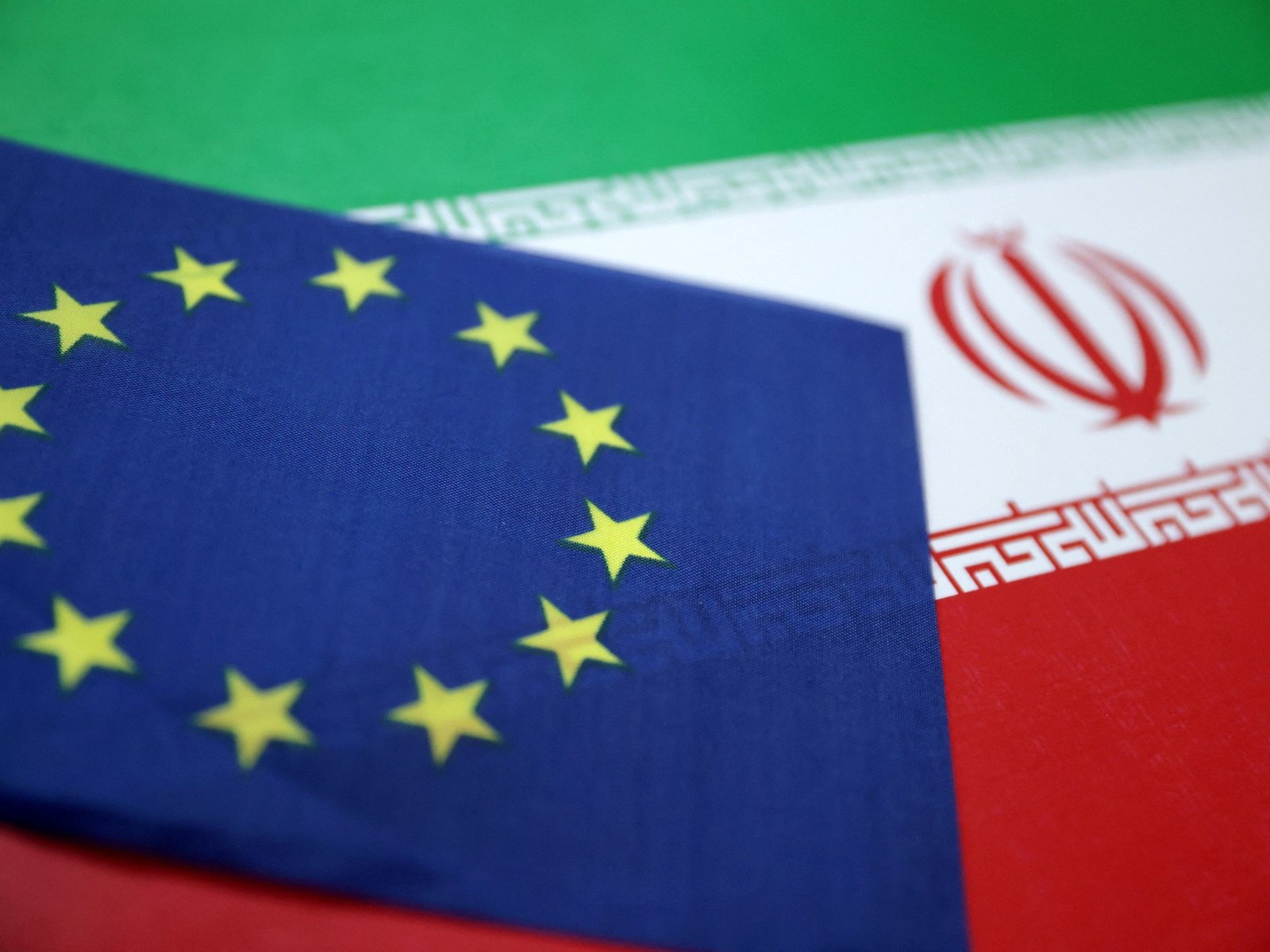
Los europeos tuvieron meses para preparar una posición común frente al ataque de Estados Unidos e Israel contra Irán, pero la historia y la ideología de sus gobiernos marca la reacción, que terminó por resultar una cacofonía.
El presidente del Consejo Europeo, el ex primer ministro socialista portugués António Costa, emitió un comunicado. Por su cargo, habla en nombre de los 27 gobiernos de la Unión Europea. Así que debe encontrar el mínimo común denominador en el que entren los 27. Como las posturas son tan distantes, Costa terminó por no decir nada.
Su comunicado del sábado aseguraba que la Unión Europea “reafirma su compromiso con la estabilidad y la seguridad regional” y que “asegurar la seguridad nuclear y prevenir acciones que lleven a una escalada de tensiones y a minar el régimen global de no proliferación es de importancia crítica”.
Costa recordó que Europa tiene sanciones en vigor contra “el régimen asesino” iraní (esa retórica se adoptó a nivel europeo tras la represión sangrienta de los últimos meses) y que siempre ha buscado que el programa nuclear iraní y el programa de misiles balísticos se solucionaran mediante negociaciones. Costa también pidió a todas las partes que se comporten usando la menor fuerza posible, que protejan a los civiles y que “respeten completamente el derecho internacional”.
El problema de Costa es que hablar en nombre de los 27 en esta crisis es por ahora imposible. El francés Emmanuel Macron se situó en un punto ambivalente, que se parece algo a la respuesta europea. Dijo que “el inicio de la guerra entre Estados Unidos, Israel e Irán tiene graves consecuencias para la paz y la seguridad internacional”, que “la escalada en curso es peligrosa para todos” y que “debe cesar”.
Macron también se dirigió al régimen iraní para recordarle la necesidad de “negociar de buena fe el fin del programa nuclear y balístico” y que “las masacres perpetradas por el régimen islámico lo descalifican”.
Muchos gobiernos europeos podrían alinearse detrás de esa declaración de Macron, pero no todos. Unos, como el español Pedro Sánchez, porque creen que el ataque es, por principios legales, una violación del derecho internacional, más allá de lo criminal que sea el régimen iraní. Otros porque aplauden los bombardeos porque aplauden cualquier cosa que haga Donald Trump y Benjamin Netanyahu, como el húngaro Viktor Orban.
Sánchez dijo que España “rechaza la acción militar unilateral de Estados Unidos e Israel, que supone una escalada y contribuye a un orden internacional más incierto y hostil. Rechaza igualmente las acciones del régimen iraní y de la Guardia Revolucionaria”. Pero también añade: “No podemos permitirnos otra guerra prolongada y devastadora en Oriente medio. Exigimos la desescalada inmediata y el pleno respeto del derecho internacional. Es hora de retomar el diálogo y alcanzar una solución política duradera para la región.
Alemania va por otro camino. Sin hacer referencia alguna al respeto al derecho internacional como Sánchez ni exigir que la guerra cese como Macron, Merz publicó un comunicado que justifica el ataque con el argumento de la represión del régimen iraní y alegando que Estados Unidos había intentado negociar de buena fe.
El problema de la declaración de apoyo de Merz es que sirve idealmente a quienes critican la ambigüedad selectiva de los europeos a la hora de defender las normas del derecho internacional y el respeto a la Carta de Naciones Unidas, y así dañan su credibilidad a nivel mundial. Algo que a las instituciones europeas se supone que les preocupa.
Europa defiende un orden global de normas, no de fuerza. El bloque levantó la bandera de la moral y del derecho cuando Rusia atacó a Ucrania. Y a la luz de esas normas internacionales, con toda la razón del mundo. Pero muchos de sus gobiernos no lo hacen ahora, y así dañan su argumento a favor de la defensa de Ucrania. Un diplomático francés decía a Clarín este domingo: “Los crímenes de otros no justifican actos de agresión unilaterales, aunque los cometan nuestros amigos tradicionales. Los principios que defendemos deben ser consistentes, o dejan de ser principios y pasan a ser intereses”.
Este domingo a última hora hubo una reunión (por videoconferencia) de cancilleres europeos. De esa reunión debería salir otro comunicado que, por no molestar a nadie, no dirá nada sustancial. El antiguo canciller europeo, el hispano-argentino Josep Borrell, decía el sábado: «Ningún demócrata va a llorar sobre la muerte del régimen iraní, pero eso no justifica este ataque ilegal».
NEWYou can now listen to Fox News articles!
American counterterrorism agencies are quietly monitoring suspected sleeper cells on U.S. soil in the wake of joint U.S.–Israel strikes on Iran, stepping up surveillance amid heightened fears of possible retaliation from Iran-linked operatives or sympathizers.
Federal and local law enforcement have also boosted on-the-ground security in major U.S. cities as part of a precautionary posture, even though no specific, credible threats have been publicly identified.
The move comes on the heels of a Saturday morning operation, dubbed Operation Epic Fury, that resulted in the death of Iran’s Supreme Leader Ayatollah Ali Khamenei and several senior Iranian officials in a coordinated U.S.–Israeli military campaign.
Security experts warn that the fallout could extend beyond the Middle East.
«If ever there’s going to be a Hezbollah cell or a Hamas cell act in the United States in a violent way, it’s now,» Chris Swecker, a former assistant FBI director, told Fox News.
«Both organizations are Iranian-backed all the way. Both organizations have had a presence in the United States since the 1980s,» he added.
Swecker said U.S. authorities have long been aware of domestic networks and sympathizers.
«We know that they have cells here. We also know that there are lone sympathizers, many of whom have come out in these protest groups,» he added.
TOMAHAWKS SPEARHEADED US STRIKE ON IRAN — WHY PRESIDENTS REACH FOR THIS MISSILE FIRST
Demonstrators march during a protest in New York City on Saturday, Feb. 28, 2026. (Angelina Katsanis/Bloomberg via Getty Images)
He also warned that border security vulnerabilities may have compounded the risk.
«We just come off four years of open borders, and I have said before that that was an open door for terrorists to terrorist cells and terror sympathizers to infiltrate. Many were already here, but it’s impossible that they would not infiltrate into these particular groups and sort of act as catalysts, as enablers.»
Against that backdrop, the FBI is moving to reinforce its domestic security posture.
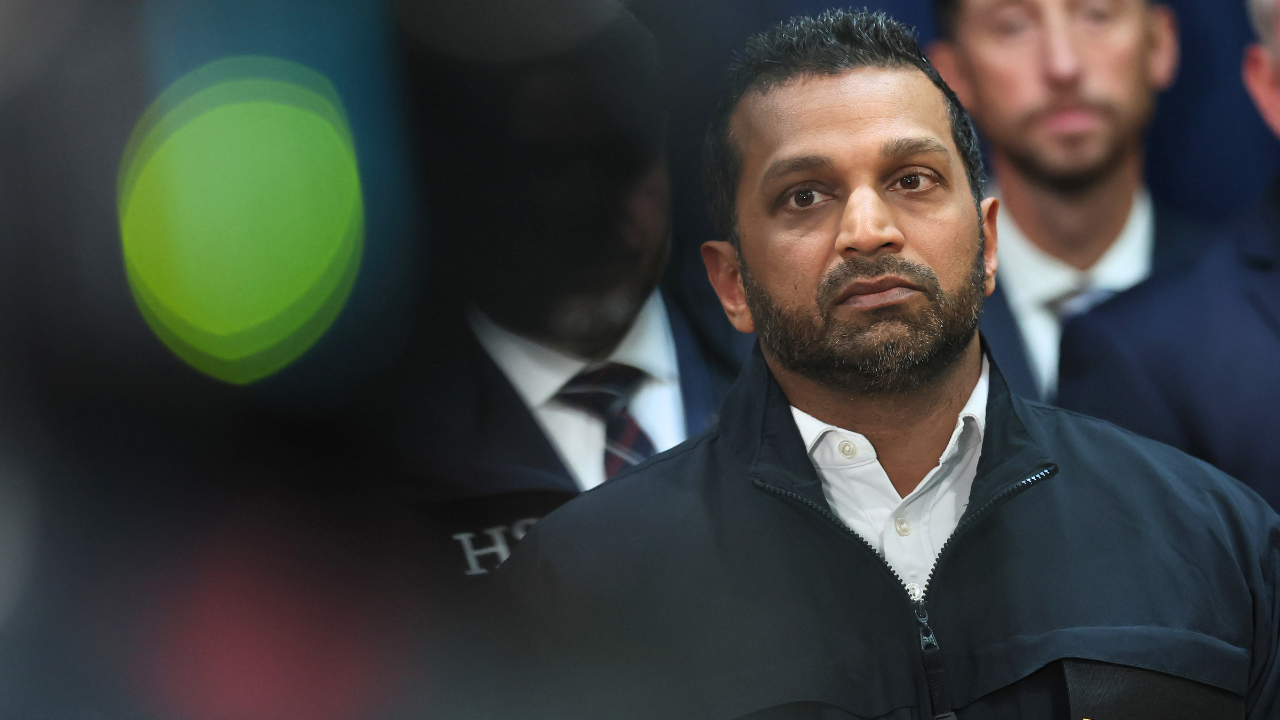
FBI Director Kash Patel said Saturday that counterterrorism and intelligence teams are now on high alert amid ongoing U.S. actions involving Iran.
«Last night, I instructed our Counterterrorism and intelligence teams to be on high alert and mobilize all assisting security assets needed,» Patel wrote on X.
Patel added that while the U.S. military is handling force protection overseas, the FBI «remains at the forefront of deterring attacks here at home» and will continue working around the clock to protect Americans.
FBI RAISES COUNTERTERROR TEAMS TO HIGH ALERT AMID IRAN TENSIONS
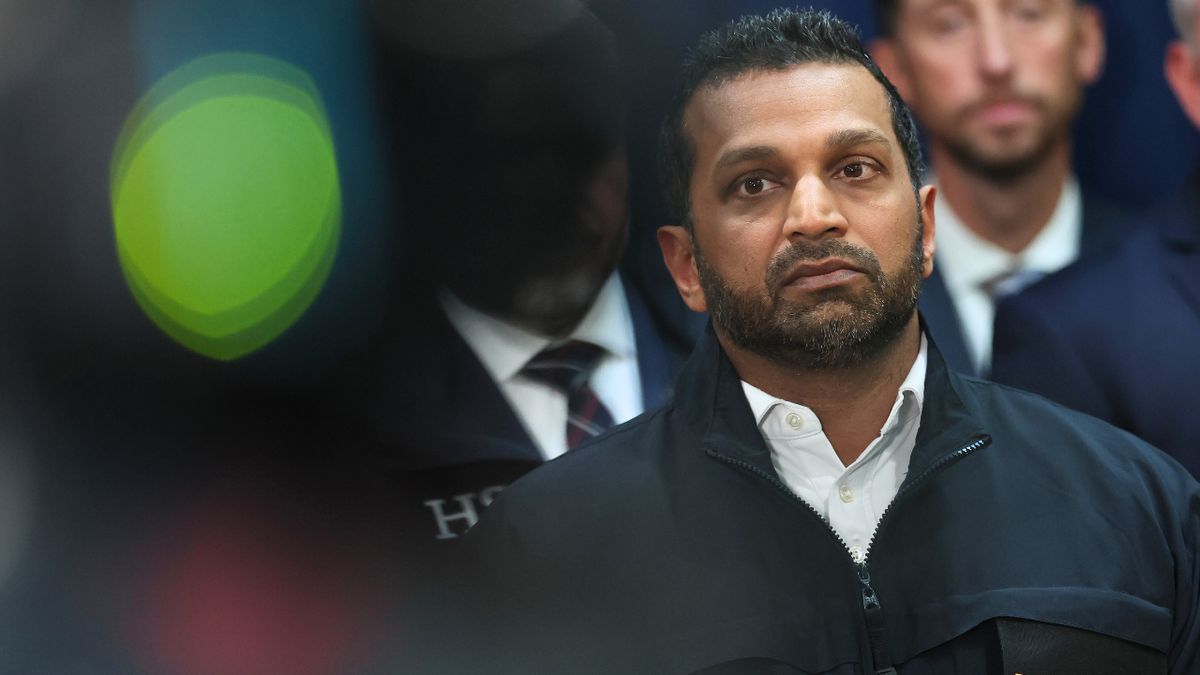
FBI Director Kash Patel stands silently during a press conference on Oct. 23, 2025, in New York City. (Michael M. Santiago/Getty Images)
Jason Pack, a retired FBI supervisory special agent and Fox News contributor, said heightened monitoring is routine when U.S. military operations intersect with adversaries that have historically responded through indirect or unconventional means.
«The intelligence and counterterrorism communities work on this kind of scenario continuously, long before any conflict begins,» Pack said. «When the United States commits to a joint military campaign with Israel, the domestic threat environment doesn’t simply remain static. It could shift, potentially significantly.»
He noted that adversarial actors — including Hezbollah, Hamas’s external networks and Iranian Revolutionary Guard Corps proxies — have historically demonstrated both intent and, in some cases, the capability to retaliate against U.S. military actions.
CLICK HERE TO DOWNLOAD THE FOX NEWS APP
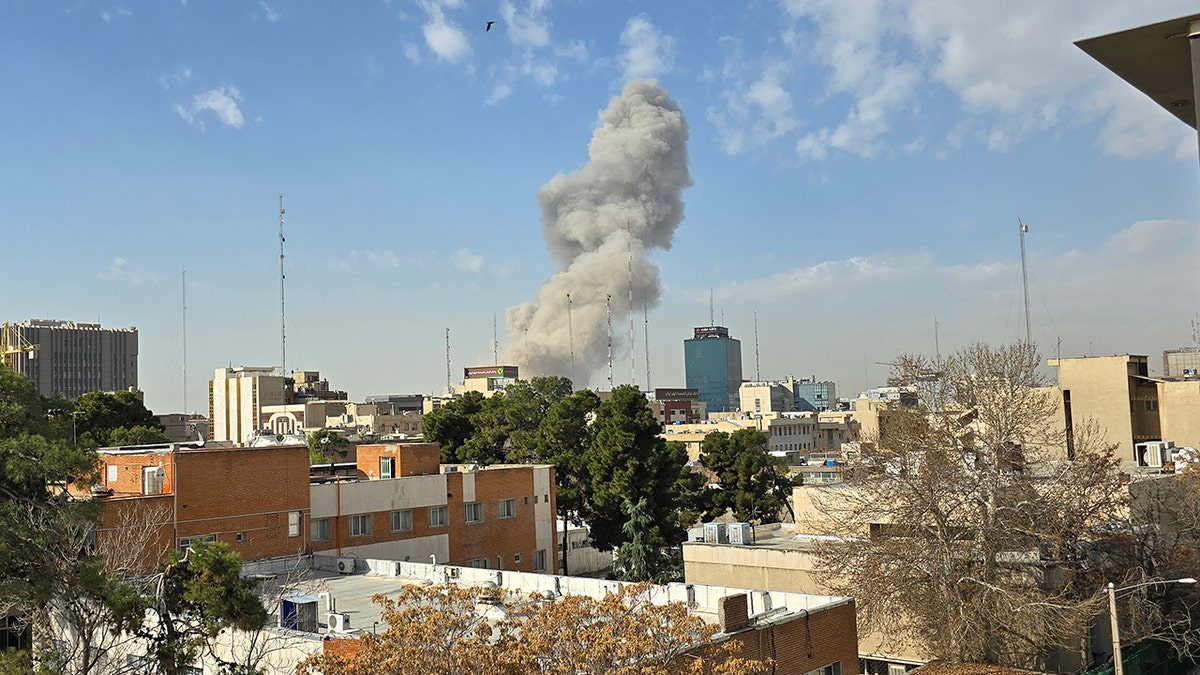
A plume of smoke rises after an explosion on Feb. 28, 2026, in Tehran, Iran. (Majid Saeedi/Getty Images)
Meanwhile, Homeland Security Secretary Kristi Noem said she is «in direct coordination with our federal intelligence and law enforcement partners as we continue to closely monitor and thwart any potential threats to the homeland.»
The heightened alert comes as parts of the Department of Homeland Security face a partial shutdown, raising additional questions about resources and operational strain at a time when federal agencies are on elevated watch.
While no specific plots have been identified, officials acknowledge the threat environment could shift quickly as tensions overseas evolve and whether that escalation reaches American soil remains to be seen.
Fox News Digital’s Michael Dorgan and Kelley Kramer contributed to this report.
war with iran,iran,middle east,middle east foreign policy,fbi

NEWYou can now listen to Fox News articles!
As the White House confirmed on Sunday, the Islamic Republic of Iran’s leadership has contacted the U.S. asking for talks. The list of potential successors to replace Ayatollah Ali Khamenei, who was killed on Saturday by an Israeli airstrike, includes his son and former advisers.
Since the establishment in 1979 of the Islamic Republic, led by the fiery anti-American Ayatollah Ruhollah Khomeini, this will be only the second time that a new supreme leader has been selected.
The potential successors to Khamenei include a list of hard-line anti-Western extremists who, like Khamenei, are set on the destruction of Israel and the continued export of the Islamic revolution.
Ali Larijani warned Trump that US interference would ‘destroy America’s interests’ after president’s protest comments. (Str/Xinhua via Getty Images)
Ali Larijani
One possible successor is regime loyalist Ali Larijani, the secretary of the Supreme National Security Council, who reportedly implemented Khamenei’s plan to massacre over 30,000 Iranians who protested against his regime in January.
On Saturday, he threatened a response in a statement on X on Saturday, writing, «We will make the Zionist criminals and the vile Americans regret it,» adding, «The brave soldiers and the great nation of Iran will deliver an unforgettable lesson to the hell-bound oppressors of the international order.»
In January, the U.S. Department of the Treasury’s Office of Foreign Assets Control (OFAC) sanctioned Larijani as one of «the architects of the Iranian regime’s brutal crackdown on peaceful demonstrators.» The statement added, «Larijani was one of the first Iranian leaders to call for violence in response to the legitimate demands of the Iranian people.»
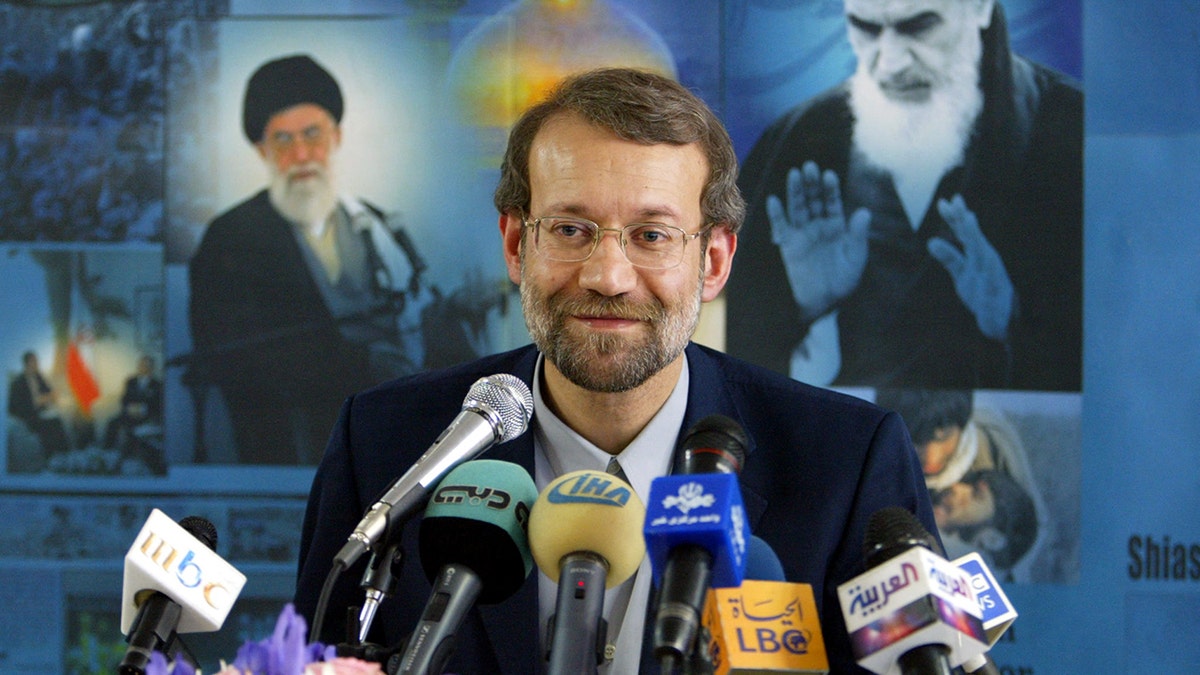
Ali Larijani, addresses a press conference in Tehran, Iran. (Henghameh Fahimi/AFP via Getty Images)
Larijani was the president of the Islamic Republic’s parliament and, like Khamenei, has engaged in Holocaust denial. Larijani was also a commander for the Islamic Revolutionary Guard Corps (IRGC), a U.S. and EU-designated terrorist organization.
TOMAHAWKS SPEARHEADED US STRIKE ON IRAN — WHY PRESIDENTS REACH FOR THIS MISSILE FIRST
Beni Sabti, an Iran expert at the Institute of National Security Studies in Israel, questioned reports claiming that Larijani is favorite to be the next supreme leader. He told Fox News Digital, «Larijani is not a cleric, but he can help some of the candidates who are clerics behind the curtains, such as his brother, Mohammad-Javad Larijani, who was head of the judiciary.»
Mohammad-Javad Larijani

The secretary general of the High Council for Human Rights of the Islamic Republic of Iran, Mohammad-Javad Larijani, attends a meeting with foreign ambassadors in Iran, on June 24, 2019, in the capital Tehran. (Atta Kenare/AFP via Getty Images)
Mohammad-Javad Larijani has called for the destruction of Israel and denied the Holocaust. He was previously secretary general of Iran’s high council for human rights.
As a close adviser to the late supreme leader, he has defended stoning for adultery, declaring it protects «family values» as part of Islamic law.
Mojataba Khamenei
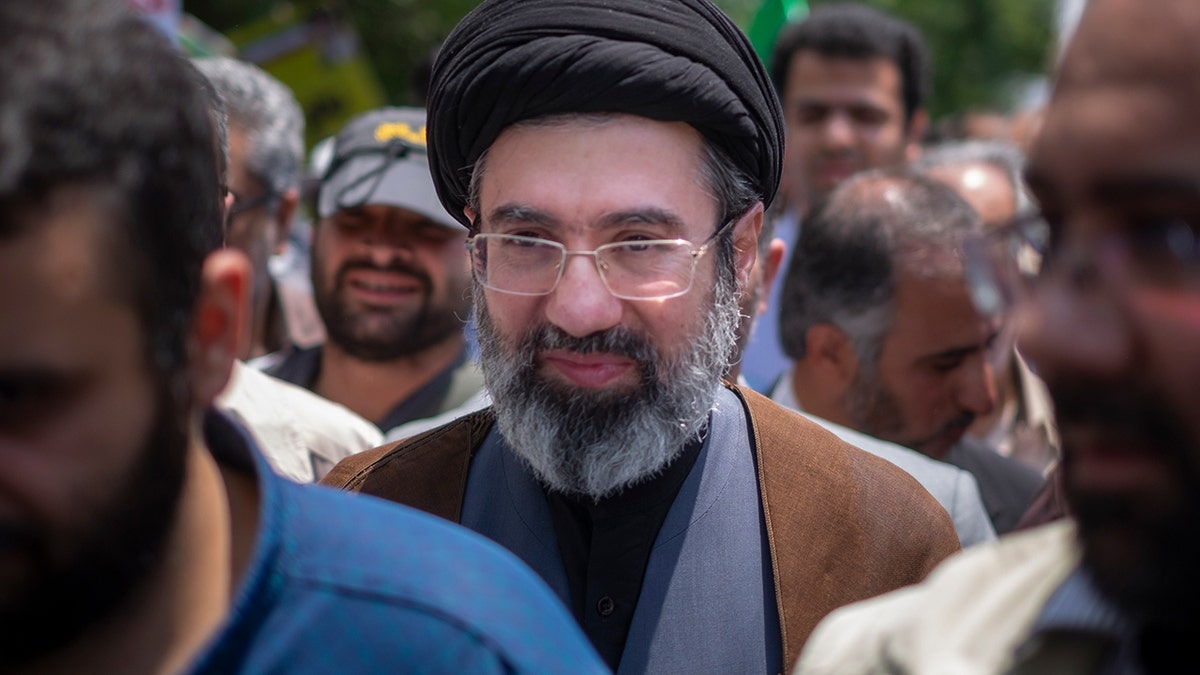
File photo shows Mojtaba Khamenei, son of Iran’s late Supreme Leader Ayatollah Ali Khamenei, attending a demonstration to mark Jerusalem day in Tehran. (Morteza Nikoubazl/NurPhoto via Getty Images)
Another replacement for Khamenei might be his second son, Mojtaba, who works closely with IRGC. The first Trump administration sanctioned him in 2019.
According to the Treasury Department sanction designation, «The Supreme Leader has delegated a part of his leadership responsibilities to Mojataba Khamenei, who worked closely with the commander of the Islamic Revolutionary Guard Corps-Qods Force (IRGC-QF) and also the Basij Resistance Force (Basij) to advance his father’s destabilizing regional ambitions and oppressive domestic objectives.»
JEB BUSH COMMENDS FORMER RIVAL TRUMP’S IRAN OP: ‘THIS IS THEIR TIME TO TAKE THEIR COUNTRY BACK’
Iran International reported that the IRGC seeks a rapid-fire replacement for Khamenei. The Islamic system in Iran prescribes an elected body of 88 senior clerics—the Assembly of Experts—to select the next leader.
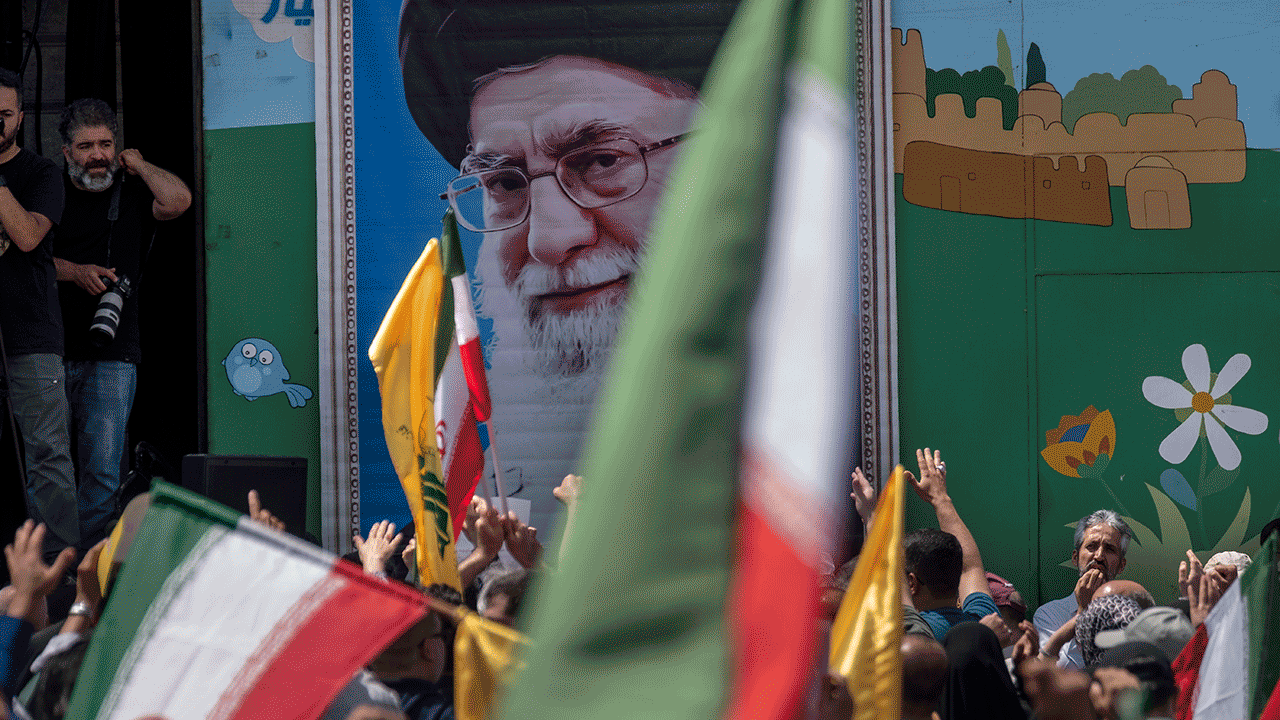
Iranian worshippers hold up their hands as signs of unity with Iran’s Supreme Leader, Ayatollah Ali Khamenei, during an anti-Israeli rally to condemn Israel’s attacks on Iran, in downtown Tehran, Iran, on June 20, 2025. (Morteza Nikoubazl/NurPhoto via Getty Images)
Alireza Arafi
The cleric and jurist Alireza Arafi, 67, who is part of a three-person temporary leadership council to run Iran might also be the successor to Khamenei.
According to the U.S.group United Against a Nuclear Iran, Arafi promised «death» to protesters who knock over the turbans of Iranian Islamic clerics. «Those who attack the turbans of the clergy should know that the turban will become their shroud,» Arafi said.
OBAMA OFFICIAL WHO BACKED IRAN DEAL SPARKS ONLINE OUTRAGE WITH REACTION TO TRUMP’S STRIKE: ‘SIT THIS ONE OUT’
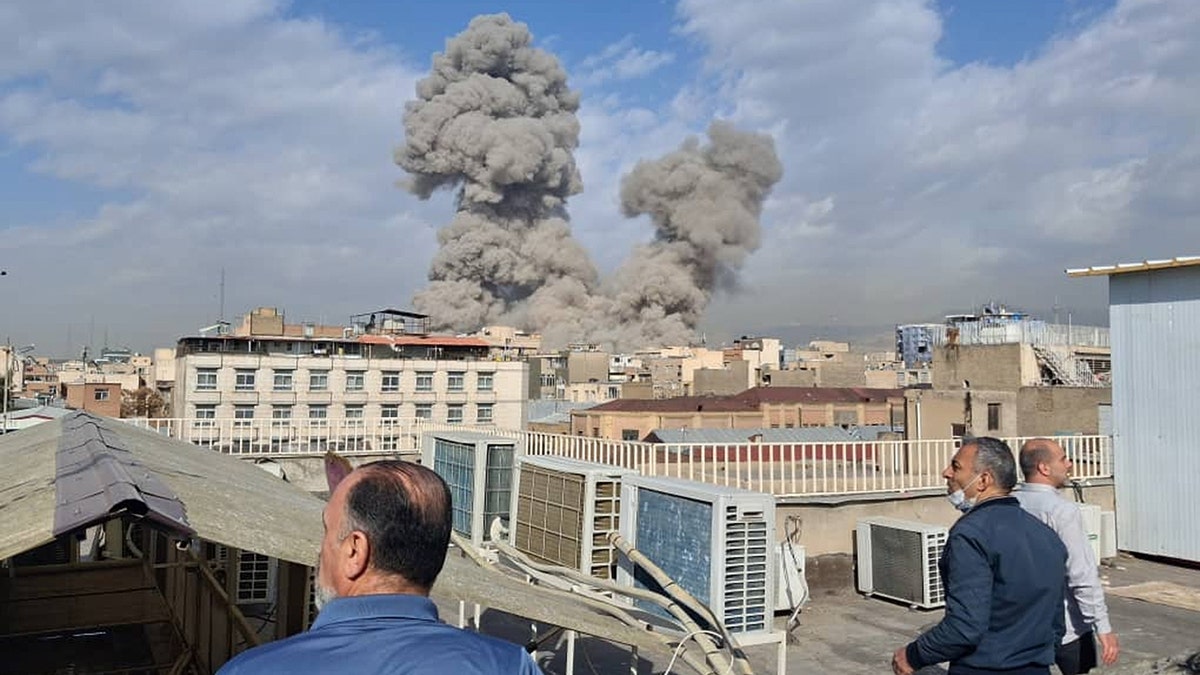
People watch as smoke rises on the skyline after an explosion in Tehran, Iran, Saturday, Feb. 28, 2026.(AP Photo) (AP Photo)
Ayatollah Mohammad-Mehdi Mirbagheri
The extremist Ayatollah Mohammad-Mehdi Mirbagheri is also a contender to replace Khamenei. Mirbagheri argues for fighting and overcoming «infidels.»
Mirbagheri has quoted Iran’s first Supreme Leader, Ruhollah Khomeini, declaring that a «new culture based on Islam in the world» would mean «hardship, martyrdom and hunger» and that Iranian people had «voluntarily chosen» to embrace this activity, according to Iran International. Mirbagheri’s theological credentials position him as a natural replacement for Khamenei.
Other names
Another clerical successor to Khamenei being discussed is Hassan Khomeini, the grandson of Ayatollah Ruhollah Khomeini. He is the custodian of the Khomeini mausoleum and, at 53 is young by the Islamic Republic’s standards for leadership.
United Against a Nuclear Iran ranked Ayatollah Seyyed Hashem Hosseini Bushehri, who was born in 1956 in Bardkhun, Bushehr, a second tier candidate to replace Khamenei.
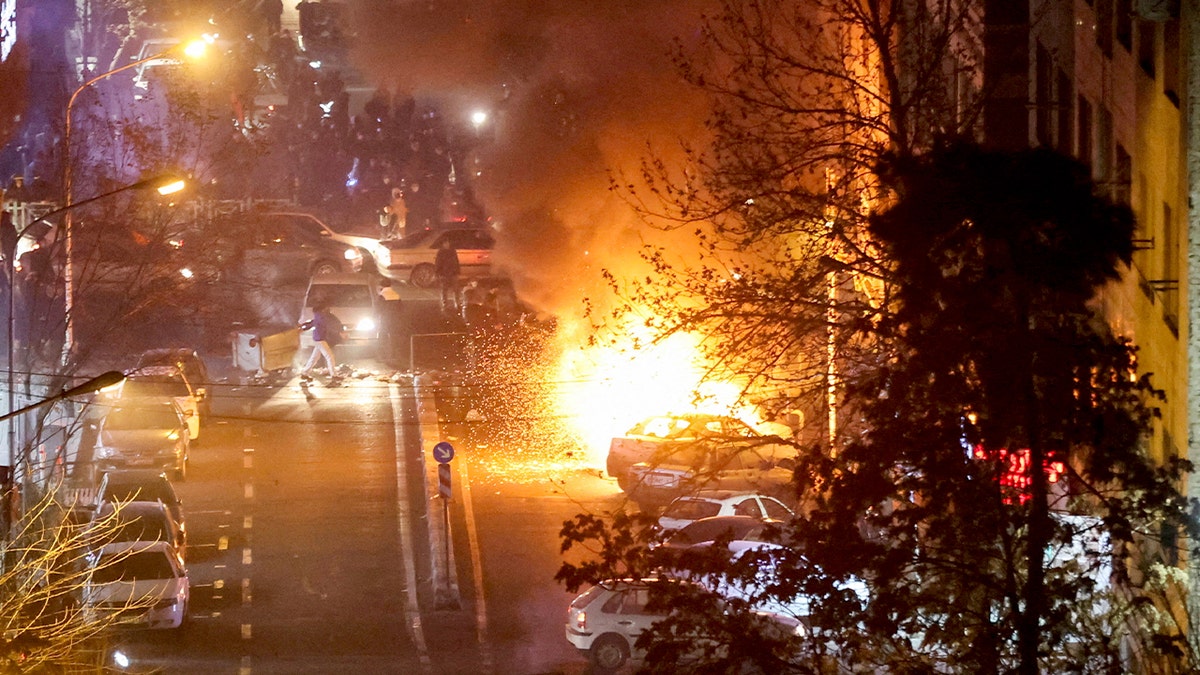
Cars burn in a street during a protest over the collapse of the currency’s value in Tehran, Iran, Jan. 8, 2026. (Stringer/WANA (West Asia News Agency) via REUTERS)
IRAN’S TERROR PROXIES FROM IRAQ-TO-LEBANON SAY READY TO RESPOND TO US-ISRAEL ATTACKS
«Bushehr, is a powerful figure in Iran’s religious and academic spheres. He embarked on his theological education in Bushehr before moving to Qom to further his studies.
According to UANI, In 2024, Bushehri urged Iranian women to «address issues such as the status of women’s rights in Western societies and the flaws that exist in this area in the West,» which would prevent the «enemy [the West]» to «not even have a chance to challenges us [Iran].»
Iran analyst, Sabti, who was born in Tehran, said, «I don’t think that Israel and the U.S. should allow them to choose the next leader.» He compared the successor system to Hamas when Israel eliminates a Hamas terrorist leader, and he is swiftly replaced with a new leader.
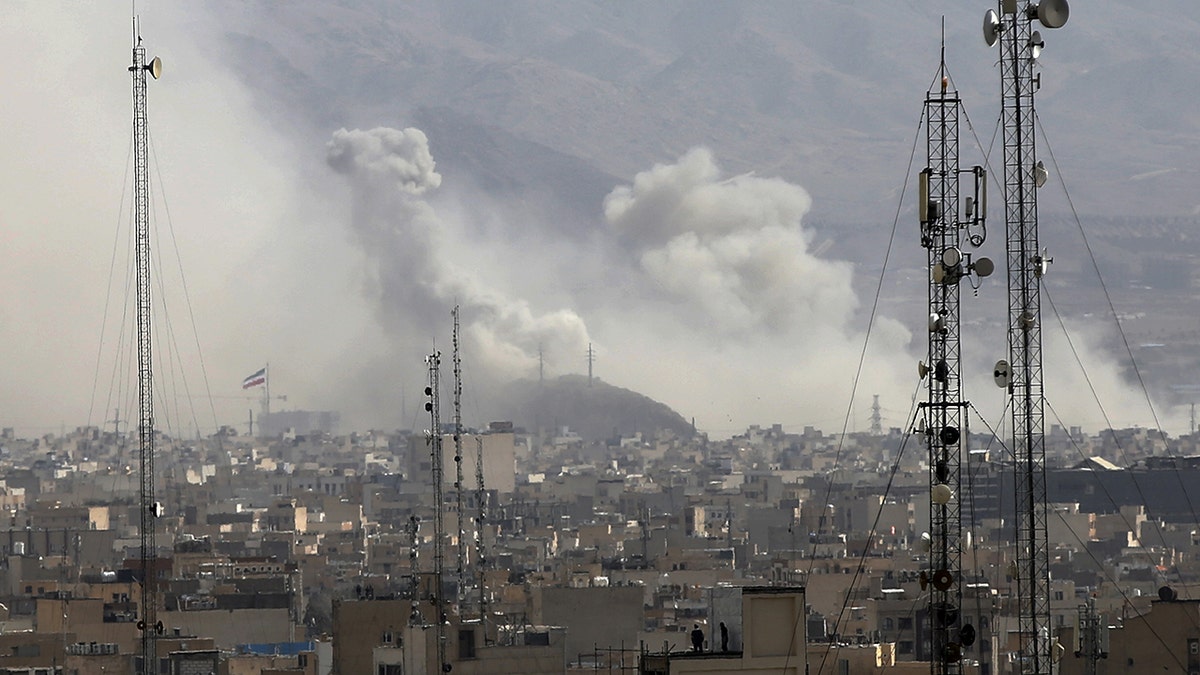
TEHRAN, IRAN – FEBRUARY 28: Smoke rises over the city center after an Israeli army launches 2nd wave of airstrikes on Iran on Feb. 28, 2026. (Fatemeh Bahrami/Anadolu via Getty Images)
«There is a need to «prevent the next leader from being chosen,» he said. «Maybe we can eliminate the next one even before he is chosen.»
He said it is important to «break the system» to prevent the continuation of terrorism. «It is bad for Arab countries and Israel if the regime remains the same» in Iran.
CLICK HERE TO DOWNLOAD THE FOX NEWS APP
Sabti said the regime can continue to build its illicit nuclear weapons program, ballistic missiles and sponsor terrorism, adding it is better to dissolve the regime and «bring in a new system.
He concluded that regime change requires «talking to the people,» and, «maybe it is time for them to come out and make the good revolution.»
Related Article
war with iran,ali khamenei,terrorism,middle east,conflicts

Kicillof prepara su discurso para la Legislatura y deja abiertas las réplicas a Milei hasta último momento

Trapitos, salud y espacio público: las reformas que impulsará La Libertad Avanza en CABA tras el discurso de Milei en el Congreso

La economía que viene: qué falta para destrabar los USD 1.000 millones del desembolso del FMI

Canales para ver el Newell´s vs. Rosario Central por el Torneo Apertura

Un intendente en Santa Fe fue denunciado por su esposa por malos tratos e intimidación

Por la guerra en Medio Oriente, el gobierno porteño reforzó la seguridad en templos, escuelas y embajadas

Ginette Reynal dio una rotunda marcha atrás con una decisión que tomó hace dos meses: “No aguanto más”

Catherine Fulop contó el difícil momento que atraviesa su madre en Venezuela: “Está postrada”

Alarma por la salud de Divina Gloria tras salir de Gran Hermano: “La internaron directamente en terapia intensiva”

¡Titi revolucionó Gran Hermano! Cuáles son las 5 cosas que ya extraña: «Accesorios, pilates, bondiola, auriculares y bailar»

 CHIMENTOS3 días ago
Ginette Reynal dio una rotunda marcha atrás con una decisión que tomó hace dos meses: “No aguanto más”
- CHIMENTOS3 días ago
Alarma por la salud de Divina Gloria tras salir de Gran Hermano: “La internaron directamente en terapia intensiva”
- CHIMENTOS2 días ago
¡Titi revolucionó Gran Hermano! Cuáles son las 5 cosas que ya extraña: «Accesorios, pilates, bondiola, auriculares y bailar»