INTERNACIONAL
El calvario que sufren las personas mayores por la dramática crisis en Cuba: “Ni en el período especial había tanta miseria”


Teresa García no recuerda cuándo tomó agua fría por última vez o durmió una noche seguida. A sus 94 años nunca había vivido una situación similar a la de la Cuba actual: constantes apagones, escasez de alimentos y medicinas, además de “una sensación de desesperanza terrible”.
“Después de tantas angustias en la vida y al final del camino tener que pasar esta”, se lamenta al recibir a la agencia de noticias EFE en su casa, un pequeño apartamento ubicado en el centro de la ciudad de Pinar del Río (oeste). La profunda crisis cubana está en plena metástasis y afecta desde la economía a la salud y la educación, pasando por la alimentación y la energía.
Teté, como prefiere que la llamen, lleva sin fluido eléctrico desde el día anterior. “Si viene ahora por la mañana, son dos o tres horas. Y después no viene hasta por la noche, si la ponen”, dice mientras organiza en la cocina unas cubetas de plástico que alguna vez fueron blancas.
“Esto es para cuando venga la corriente: llenarlas con agua para cocinar. Se va el agua también porque no hay electricidad para bombearla. Valga que los bomberos (de la estación frente a su edificio) nos ayudan a cargar agua”, asegura.
Teté cuenta que se quedó poco a poco sola, porque gran parte de su familia murió y la otra emigró. “Tengo dos sobrinas en La Habana que están locas porque me vaya con ellas, pero nada de eso. Yo siempre he vivido aquí y no me voy”, explica.
Esta nonagenaria no tiene miedo de vivir sola. A lo que tiene “terror” es a los apagones y a la falta de agua, alimentos, medicinas, que le afectan el triple, dice, por su edad. Asegura que sus familiares emigrados y los vecinos la ayudan; si no, “el cuento sería otro”.

Cuba atraviesa desde hace cuatro años un panorama que los expertos describen como “policrisis”. A los prolongados apagones diarios se suma la escasez de básicos (alimentos, agua, medicinas, combustible), una inflación que ha triplicado los precios en apenas cinco años, una creciente dolarización y una oleada migratoria sin precedentes.
“Esto no tiene comparación con nada. Ni en el período especial”, subraya Teté al referirse a la crisis de los años 90, tras la caída del bloque soviético en Europa, entonces principal proveedor de Cuba.
Teté nació en los años 30 del pasado siglo, durante el gobierno de Gerardo Machado (1925–1933), y vivió la época previa y posterior al triunfo revolucionario de 1959, encabezado por Fidel Castro (1926-2006).
“Yo sé lo malo, lo bueno y lo regular de todos esos gobiernos porque los viví, y este no tiene comparación con nada. Es una lucha constante con todo: el pan que viene un día sí y otro no; los frijoles, carísimos; no hay leche, ni carne ni nada”, afirma.
Sentada en un viejo sillón de madera desgastado por los años, señala su refrigerador: “Eso no hace escarcha ya y la comida se me echa a perder con lo caro que está todo”. “Ni en el período especial había tanta miseria como ahora”, remata indignada.

Más de un cuarto de los 9,7 millones de cubanos tiene 60 años o más, según la Oficina Nacional de Estadística e Información (Onei), lo que coloca al país como uno de los más envejecidos de América Latina y el Caribe. Y en el contexto socioeconómico actual muchos sufren especialmente, de acuerdo a la socióloga cubana Elaine Acosta.
En declaraciones a EFE esta profesora de la Universidad Internacional de Florida (EEUU) subraya que la crisis impacta directamente a este grupo de edad, “con graves afectaciones a su salud física y mental”.
Agregó que este segmento de la población “sufre un mayor estrés, ansiedad y una sensación de desesperanza, de imposibilidad de desarrollar su vida como personas mayores, de vivir una vida digna”.
“Una buena parte de esta generación también vivió la crisis del período especial, por lo que padece enfermedades crónicas asociadas a ese déficit alimentario que vivieron durante los años 90”, destaca.
El éxodo migratorio sin precedentes que golpea a Cuba también incide en la calidad de vida de los adultos mayores que, como la propia Teté, “se han quedado sin sus redes familiares más cercanas que puedan asistirlos en todo lo que implica la gestión cotidiana de la alimentación, de la sobrevivencia cotidiana”, afirmó.
En el caso de los apagones, la socióloga subrayó que “implica desarrollar estrategias” para mantener los alimentos sin refrigeración, tener que cocinar de una vez en el día, gestionar largas colas para conseguir los alimentos, e incluso ”muchas veces consumirlos de manera vencida”.
Acosta consideró que “hay cosas que el Estado cubano no está haciendo”, lo que “agrava significativamente la calidad de vida de las personas mayores que ya estaban siendo afectadas hace varios años”.
Muchos ancianos quedan entonces a merced de la desesperanza en medio de la grave situación, como lamenta la propia Teté: “Cada día es peor. Aquí no hay vida. Yo no voy a ver el final, pero esto no tiene buen final”.

INTERNACIONAL
Israeli intelligence sources reject claims Jeffrey Epstein was Mossad operative following document releases
NEWYou can now listen to Fox News articles!
A wave of recent reporting and newly released documents detailing the relationship between former Israeli Prime Minister Ehud Barak and Jeffrey Epstein has reignited claims that Epstein worked for Israel’s Mossad, a theory Israeli intelligence sources and senior political leaders are forcefully rejecting.
Ex-Israeli intelligence officials told Fox News Digital that Epstein never worked for Mossad, describing the allegation as baseless and inconsistent with how the agency operates.
Prime Minister Benjamin Netanyahu publicly pushed back on the claims, writing on X: «Jeffrey Epstein’s unusual close relationship with Ehud Barak doesn’t suggest Epstein worked for Israel. It proves the opposite.»
PRINCESS SOFIA OF SWEDEN BREAKS SILENCE ON EPSTEIN ENCOUNTERS AFTER DOJ FILE RELEASE
In the same post, Netanyahu escalated his criticism, writing: «Stuck on his election loss from over two decades ago, Barak has for years obsessively attempted to undermine Israeli democracy by working with the anti-Zionist radical left in failed attempts to overthrow the elected Israeli government.»
Former Prime Minister Naftali Bennett also sharply dismissed the accusations, writing: «As a former Israeli Prime Minister, with the Mossad having reported directly to me, I say to you with 100% certainty: The accusation that Jeffrey Epstein somehow worked for Israel or the Mossad ran a blackmail ring is categorically and totally false. Epstein’s conduct, both the criminal and the merely despicable, had nothing whatsoever to do with the Mossad or the State of Israel. Epstein never worked for the Mossad.»
Former Israeli Prime Minister Ehud Barak is seen in this handout image from the estate of late financier and convicted sex offender Jeffrey Epstein, released by Democrats on the House Oversight Committee on Dec. 12, 2025. (House Oversight Committee Democrats/Handout via Reuters)
Ex-Mossad director Yossi Cohen also rejected the claims in a podcast interview with The Free Press, saying Epstein had «absolutely nothing» to do with the Mossad — «not an agent, not an operative, nothing.»
The strong denials come amid renewed scrutiny of emails, financial records and communications included in U.S. Justice Department materials and other public reporting, none of which indicate that Epstein cooperated with Israeli intelligence.
Barak, who served as prime minister from 1999 to 2001 and later as defense minister in Netanyahu’s government, has become one of Netanyahu’s most vocal political opponents.
PRINCE WILLIAM’S ENVIRONMENTAL CHARITY REPORTED OVER PARTNER’S EPSTEIN TIES
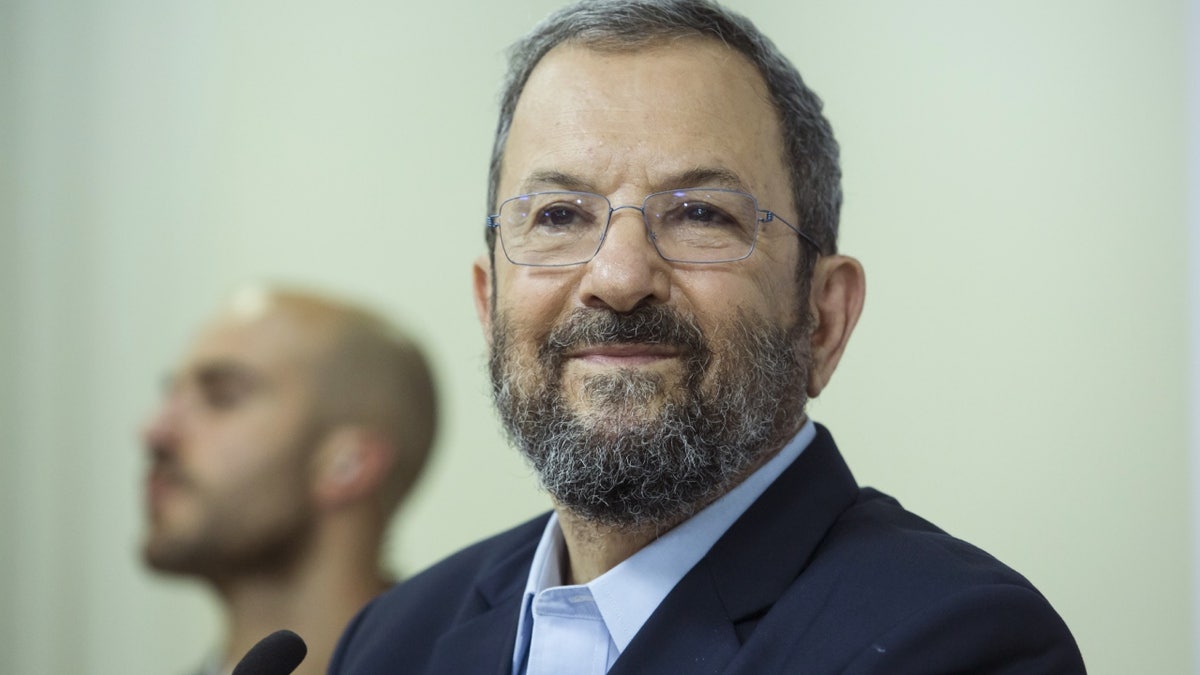
Former Israeli Prime Minister Ehud Barak during a press conference on July 25, 2019, in Tel Aviv. (Amir Levy/Getty Images)
In a statement to Fox News Digital, Barak’s office fired back, describing Netanyahu’s remarks as politically motivated and reiterating that he regrets ever meeting Epstein while denying any wrongdoing.
«Barak has repeatedly and publicly stated that he regrets ever meeting Jeffrey Epstein. There is no credible allegation—none—that Barak engaged in any illegal or inappropriate conduct,» the statement said.
Barak’s office also called Netanyahu’s attacks «the desperate acts of a failed and panicked politician» and «a pathetic attempt to divert attention from his catastrophic record,» accusing the prime minister of attempting to shift blame for national failures.
Newly surfaced materials continue to document Barak’s personal and professional interactions with Epstein, including stays at Epstein’s New York apartment and meetings arranged through the financier.
EXCLUSIVE: EPSTEIN EMAILS RELEASED AS DOJ SAYS NO CRIMINAL OR INAPPROPRIATE CONDUCT BY TRUMP
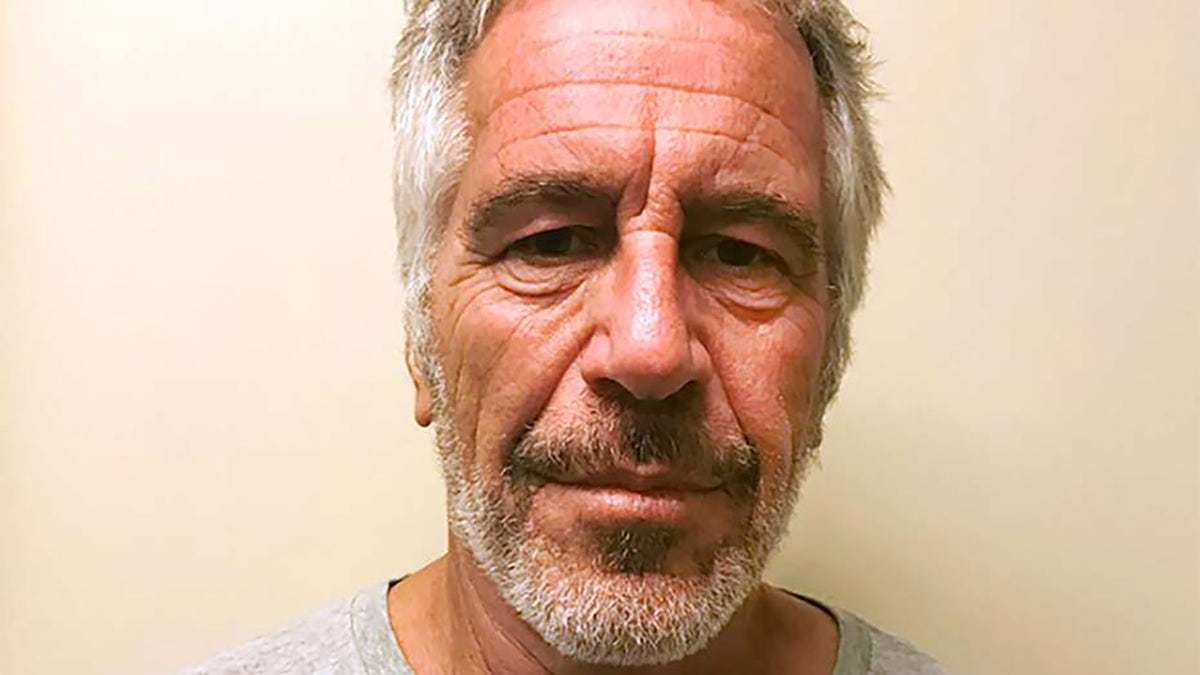
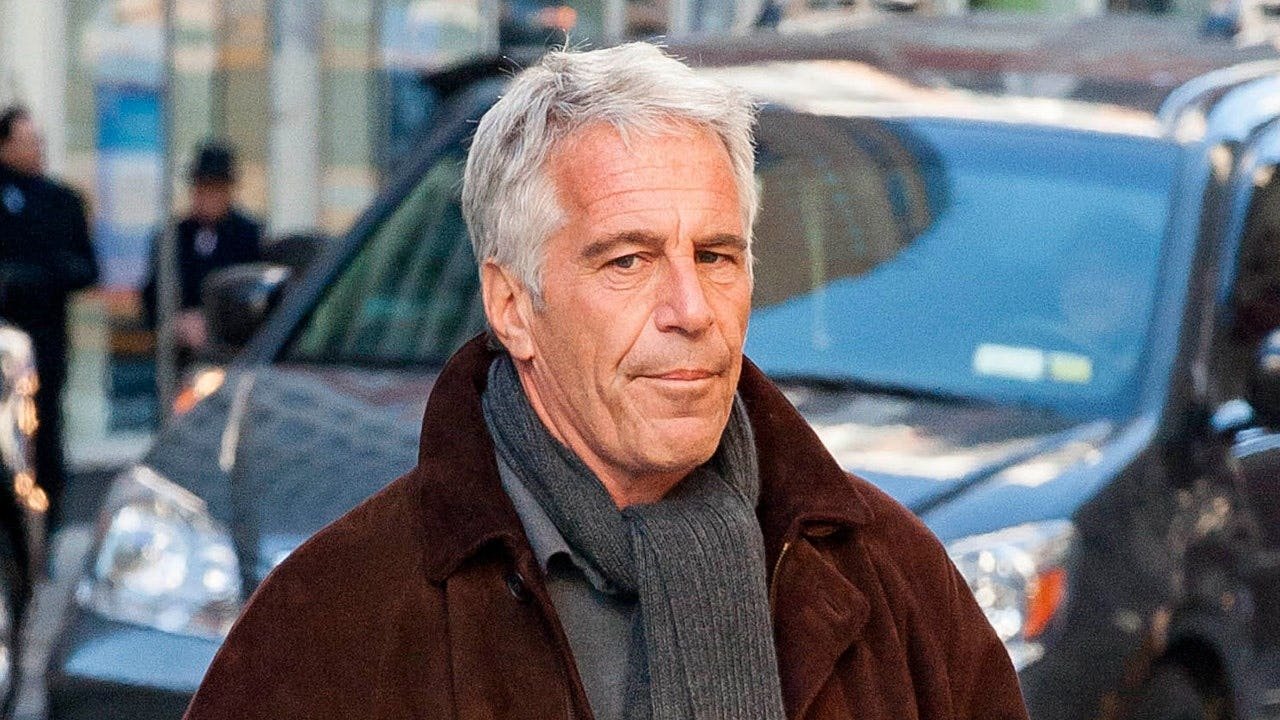
Jeffrey Epstein was found dead in federal custody in 2019. (New York State Sex Offender Registry via AP, File)
Emails cited in document releases describe the apartment as being used by Barak and his then-wife during visits to the United States, with staff coordinating logistics and maintenance requests tied to the property.
Other communications referenced financial ties and introductions facilitated by Epstein, including meetings with prominent business figures, as well as broader correspondence and internal notes referencing allegations, warnings and speculation surrounding Epstein’s activities.
Barak has acknowledged meeting Epstein multiple times and said he regrets the association. In a previous interview, he said he never witnessed improper behavior and never participated in anything illegal.
CLICK HERE TO DOWNLOAD THE FOX NEWS APP
«At times during my occasional visits to the United States, I was sometimes a participant in a breakfast or lunch or dinner at his New York townhouse, together with respected American public figures,» Barak said. «At no point in my dealings with him did I ever witness any improper behavior, and I certainly never participated in anything like that.»
jeffrey epstein,israel,benjamin netanyahu,anti semitism
INTERNACIONAL
Transición en Venezuela: Delcy Rodríguez eliminó por decreto programas sociales y entes emblemáticos del entramado chavista
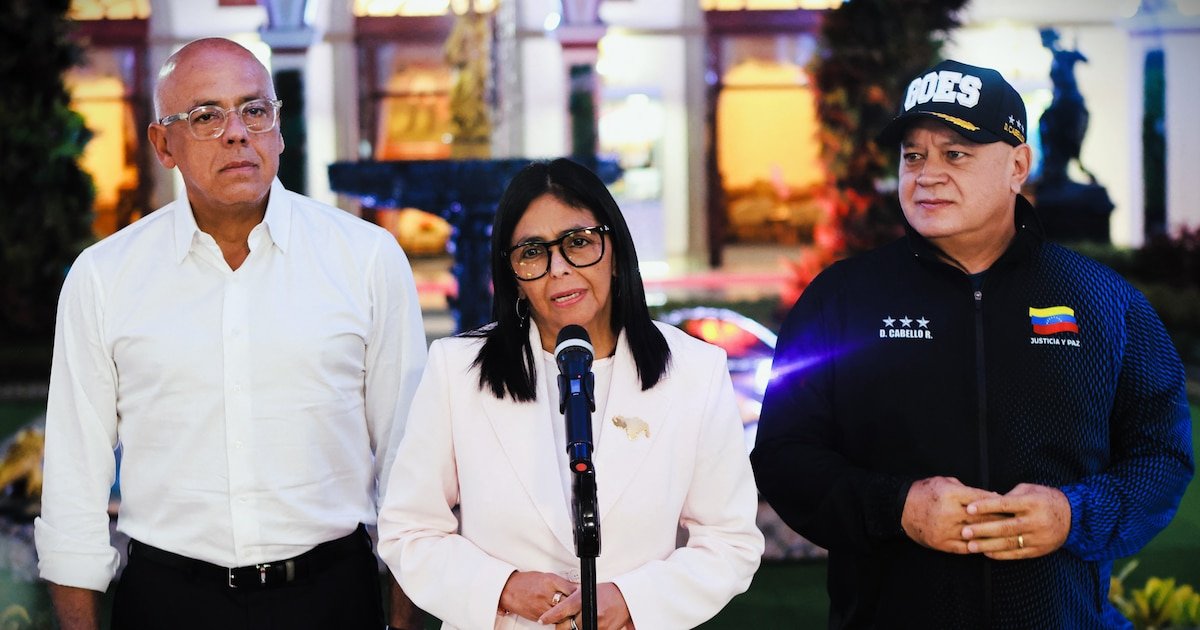
La sucesora del dictador narco Nicolás Maduro, Delcy Rodríguez, eliminó siete organismos del entramado construido por el chavismo durante más de dos décadas, incluyendo programas sociales, fundaciones y un organismo de coordinación de inteligencia y seguridad del Estado.
La decisión quedó establecida en el Decreto N.º 5.248, que ordena la supresión y liquidación de entes adscritos al Ministerio del Poder Popular para el Despacho de la Presidencia y Seguimiento de la Gestión de Gobierno.
Entre las entidades eliminadas destacan:
- Centro Estratégico de Seguridad y Protección de la Patria (Cesppa): fue creado en 2013 y centralizaba la coordinación de información sobre seguridad, defensa, inteligencia, orden interno y relaciones exteriores. Su función era “unificar el flujo informativo sobre los aspectos estratégicos sensibles” del Estado.

- Fundación Propatria 2000: se encargaba de la ejecución de obras de infraestructura, rehabilitación de espacios públicos y proyectos especiales. Es la entidad suprimida con más denuncias de corrupción. Entre 2013 y 2015, el proyecto “Gimnasios Verticales” fue señalado por adjudicar contratos millonarios a empresas sin experiencia y con vínculos irregulares, algunas investigadas por lavado en Colombia y Panamá. Algunas investigaciones revelaron sobreprecios, obras inconclusas y transferencias sospechosas desde el Banco de Venezuela a la fundación. Se estima que parte de los fondos se desviaron a través de contratistas cercanos al régimen.
- Fundación Misión Jóvenes de la Patria “Robert Serra”: impulsaba proyectos de formación, producción y emprendimiento dirigidos a la población juvenil. Su desaparición deja sin soporte institucional a programas de desarrollo de jóvenes gestionados desde el despacho presidencial.

- Oficina Presidencial de Planes y Proyectos Especiales (OPPPE): fue creada en 2011 para coordinar y ejecutar acciones de desarrollo urbanístico, arquitectónico y paisajista. Diversos reportes han denunciado contrataciones directas y sin licitación en proyectos emblemáticos como el mausoleo de Bolívar y otras obras inconclusas o sobrevaloradas. Transparencia Venezuela y otras organizaciones han señalado opacidad en la asignación de contratos y desvío de fondos.
- Fundación José Félix Ribas (Fundaribas): activa desde 1986 en la prevención y tratamiento del consumo de drogas.
- Fundación Movimiento Bolivariano Revolucionario de la Reserva Activa General en Jefe Félix Antonio Velásquez: desde 2016 impulsaba programas de desarrollo socio-productivo en áreas agroalimentarias, farmacéuticas e industriales.
- Misión Socialista Nueva Frontera de Paz: creada en 2015 para la atención de zonas fronterizas y de seguridad.
El decreto ordena el inicio inmediato del proceso de liquidación de estos organismos y la conformación de una junta que supervisará el cierre administrativo, la revisión de bienes y la adecuación institucional.

“Se ordena la supresión y el inicio del proceso de liquidación de los entes adscritos al Ministerio del Poder Popular para el Despacho de la Presidencia y Seguimiento de la Gestión de Gobierno”, indica el texto oficial.
Algunas funciones no desaparecen, sino que serán reasignadas. Por ejemplo, el trabajo de prevención de adicciones de Fundaribas pasará a la Fundación Misión Negra Hipólita. La gestión de la Misión Socialista Nueva Frontera de Paz será responsabilidad de la cancillería. Otros entes, como el Cuerpo Nacional Contra la Corrupción y la Fundación Movimiento por la Paz y la Vida, fueron transferidos al Ministerio de Interior, Justicia y Paz, mientras que la Fundación Radio Miraflores queda bajo el Ministerio de Comunicación e Información.
La lista incluye también el Consejo Nacional para el Desarrollo de las Comunidades Afrodescendientes, ahora bajo el Ministerio de Educación, y el Instituto de Altos Estudios del Pensamiento Hugo Chávez, que pasa al Ministerio de Educación Universitaria.
El documento sostiene que esta reorganización “resulta obligatoria para adecuar la gestión pública a los objetivos actuales”. El proceso entró en vigencia el mismo día de la publicación en la Gaceta Oficial y marca un cambio en la administración de programas sociales, estructuras de seguridad y fundaciones históricas del chavismo.
South America / Central America

NEWYou can now listen to Fox News articles!
Democratic lawmakers say President Donald Trump’s redistricting gambit is backfiring as Virginia’s Democratic-controlled Senate advanced new congressional maps that could chip away at the House GOP’s majority.
The Virginia Senate voted 21-16 along party lines on Wednesday to pass a set of new congressional maps that would leave just one Republican district in play.
Republicans currently hold five.
To Republicans like Rep. Rob Wittman, R-Va., that’s too drastic a swing for a state that only has 11 districts to begin with. Even in light of similar redistricting pushes in Texas, California and other states, Wittman believes Virginia’s case is unique.
DOJ URGES SUPREME COURT TO BLOCK CALIFORNIA MAP, CALLS NEWSOM-BACKED PLAN A RACIAL GERRYMANDER
President Donald Trump speaks to reporters and members of the media at Mar-a-Lago on Feb. 1, 2026, in Palm Beach, Fla. (Al Drago/Getty Images)
«This partisan power grab is not reflective of Virginia. Virginia is a 6-5 congressional delegation: six Democrats, five Republicans. And now they want to go to 10 Democrats, one Republican — 92%,» Wittman said.
«They’re going to disenfranchise most Virginians, if not all of them, that are Republican or independent.»
Despite the size of the change the maps would bring, Democrats believe it’s just the latest continuation of a fight that Trump started.
«You have to fight fire with fire,» Rep. Suhas Subramanyam, D-Va., told Fox News Digital.
«The voters that I’m talking to feel that we can’t just sit back and be victims of redistricting. I don’t think this would be happening unless [Trump] pushed for redistricting in Texas and other red states,» Subramanyam said.
When asked if he thinks the changes would go too far, Subramanyam said he thinks Republicans will have a chance to press their case at the ballot box.
«If Republicans can win over the hearts and minds of Virginians, they will have a good cycle. It’s a very volatile map in that sense, and so I know many have argued that this is actually fair. I would say that it’s certainly a map where, if Republicans campaign well and their message resonates, they can win too,» Subramanyam said.
Since Trump urged lawmakers in Texas to push through a map change in July 2025, state legislatures across the country have explored ways to squeeze out a congressional advantage where control of the House hangs by a two-seat thread.
TEXAS FILES EMERGENCY SUPREME COURT PETITION AFTER TRUMP-BACKED CONGRESSIONAL MAP BLOCKED BY FEDERAL JUDGES

Rep. Suhas Subramanyam, D-Va., speaks during a news conference on Oct. 14, 2025. (Tom Williams/CQ Roll Call, Inc. via Getty Images)
Virginia’s map change, on its own, would give Democrats a path to flipping control of the chamber in November.
But the maps aren’t a sure thing. Their implementation turns on pending legal battles about whether the shakeup complies with the state’s constitutional requirements, according to a complaint filed late last year.
On Friday, the Virginia Supreme Court ruled that the redistricting consideration could continue while it deliberates over a final ruling on whether the maps are permissible.
To become official, maps will also require a statewide constitutional referendum. Under current law, Virginia’s constitution outlaws gerrymandering, the practice of drawing congressional districts to purposefully benefit a political party.
Subramanyam said the referendum gives voters a chance to express their will.
«It will come down to the voters. One good thing in Virginia is that people will have a say and can vote on the referendum in April. Folks in Texas, like where my family still lives, didn’t have a choice,» Subramanyam said, noting that Texas’s redistricting push didn’t require a constitutional amendment and was decided purely by the legislature.
Wittman believes the fact Virginia is looking to upend its own constitution should make the reshuffle a foregone conclusion.
When asked whether he sees Virginia’s redistricting question as a consequence of the redistricting in Texas, Wittman said the two situations differ because of existing state law.
JEFFRIES SAYS GOP ‘DONE EFF’D UP IN TEXAS,’ VOWS THEY WON’T WIN FIVE SEATS: ‘THEY CAN’T IGNORE IT’
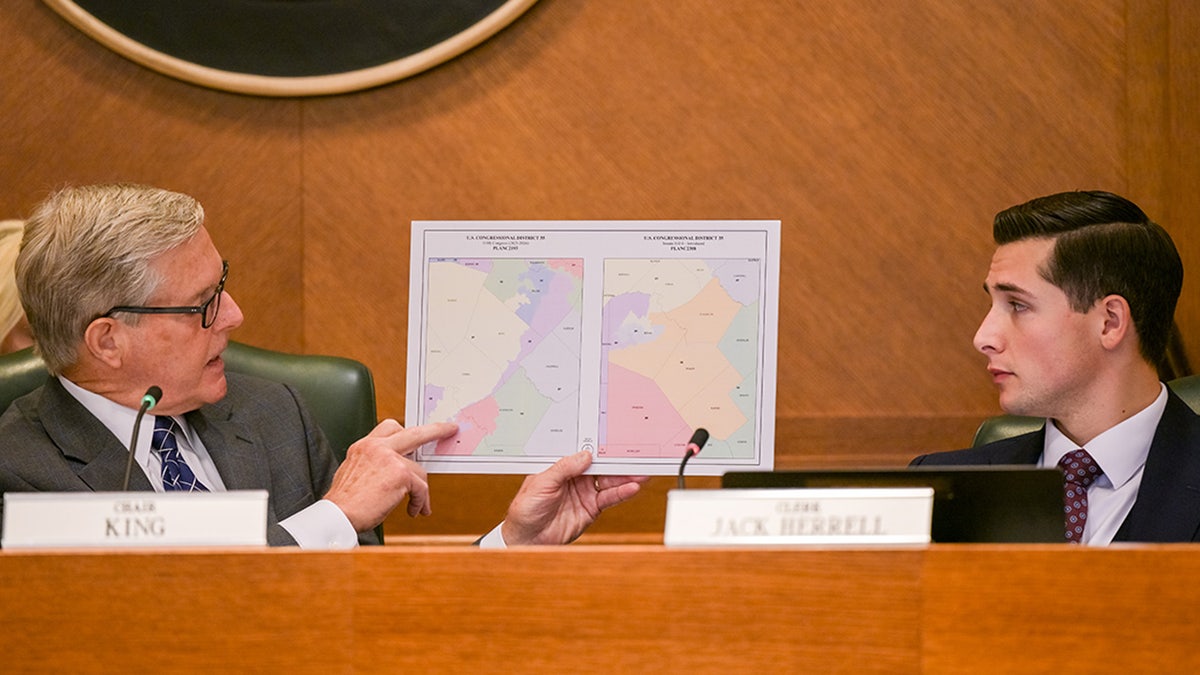
Sen. Phil King, R-Texas, displays a map during a Special Committee on Congressional Redistricting public testimony hearing on Aug. 7, 2025, in Austin. (Brandon Bell/Getty Images)
«Each state has their own constitution as to how they put together their congressional districts. Virginia’s is very clear. A super majority of voters — 66% of the voters — said we want a bipartisan redistricting commission. That’s Virginia,» Wittman said, referring to the 2020 vote in Virginia that outlawed gerrymandering.
«Texas is doing what Texas and its constitution allow,» he added.
Upon teeing up that referendum, Virginia Gov. Abigail Spanberger framed the action as a way to give Virginians a voice in a national debate over congressional redistricting.
CLICK HERE TO DOWNLOAD THE FOX NEWS APP
«Virginia voters deserve the opportunity to respond to nationwide attacks on our rights, freedoms and elections… I trust Virginia voters to respond,» Spanberger said in a statement.
Voters in the state will consider whether to «temporarily adopt new congressional districts to restore fairness in the upcoming elections» on April 21.
congress,virginia,democratic party,politics

Israeli intelligence sources reject claims Jeffrey Epstein was Mossad operative following document releases

Licencias por enfermedad y billeteras virtuales: los puntos más conflictivos de la reforma laboral que complican la negociación del Gobierno

La inflación interanual en Estados Unidos en enero fue menor a la esperada: 2,4%

Canales para ver el Gimnasia vs. Estudiantes por el Torneo Apertura

Nicolás Repetto mostró la carita del bebé de Juana Repetto desde la internación y se armó un escándalo: El conductor subió un hermoso mensaje pero lo obligaron a borrarlo

Reforma Penal Juvenil: cómo funciona el sistema escalonado de sanciones para menores

A quién afecta la Reforma laboral: estos son los puntos clave del proyecto de Milei

Reforma laboral: la modificación sobre accidentes o enfermedades ajenas al trabajo

Cayeron 20% las ventas de automóviles en China y el régimen impone medidas para regular el mercado

El Barça y media Europa esperan: la joya de 19 años Diomandé atrapada en un lío legal

 POLITICA2 días ago
El Gobierno busca aprobar la reforma laboral y el Régimen Penal Juvenil antes del 1 de marzo
- SOCIEDAD2 días ago
Avistaron una ballena azul en Chubut por primera vez en la historia
- INTERNACIONAL2 días ago
Chaotic video shows passengers trading midair blows; plane forced to divert: reports