INTERNACIONAL
User’s manual to security briefings for lawmakers after Minnesota shootings


NEWYou can now listen to Fox News articles!
The weekend shootings of the Minnesota lawmakers profoundly rattled House and Senate Members.
The reason?
«Minnesota was jarring because (the suspect) went after family,» said one House Member who has faced threats and asked for anonymity. «We’re gone 50 percent of the time. There are no lines any more.»
There is a Senate-wide briefing on Member security today. House Republicans received a virtual briefing late Saturday afternoon. House Democrats will receive a remote briefing tomorrow.
MINNESOTA LAWMAKER SHOOTINGS PROMPT SECURITY DEBATE IN HOUSE AND SENATE
The question is what can Congressional security officials do to keep Members safe?
One idea was to force House Speaker Mike Johnson (R-La.) to let Member offices have even more flexibility to use money – which Congress allocates for the operation of each office – toward additional security measure. Fox is told that could enable individual offices to hire full-time protective details.
«Then they don’t need to give us any more money,» said one House Member.
The murders of state Rep. Melissa Hortman, D-Minn., and her husband, and the attempted murders of state Sen. John Hoffman, D-Minn., and his wife, over the weekend, left Capitol Hill profoundly shaken. (Stephen Maturen/Getty Images)
One Democrat applauded the U.S. Capitol Police. But pointed out that it was physically impossible for the USCP to protect all Members and their families 24/7 – both in Washington and in their home states or districts.
It was also pointed out to Fox that there was zero information on the shooters who carried out two of the most violent episodes involving lawmakers in recent years. That includes the Congressional Baseball Practice shooting in 2017 and the shooting of former Rep. Gabrielle Giffords (D-Ariz.) in 2011.
«We need to be pro-active on our own,» said one lawmaker to Fox. «Not reactive.»
MINNESOTA LAWMAKER SHOOTING SUSPECT HIT WITH FEDERAL MURDER, STALKING CHARGES, FACING LIFE IN PRISON OR DEATH
Fox is told there has also been discussion about scrubbing the personal information of lawmakers from the web or approving anti-doxxing legislation.
Rep. Jared Moskowitz (D-Fla.) is tinkering with forcing the House into a «Secret Session» to debate the appropriate approach for congressional security. Such a resolution to move the House into a Secret Session needs a vote. It is also privileged – which means Moskowitz could force the issue. Or, the House could vote to table it. Staff inside the session must sign an oath of secrecy.
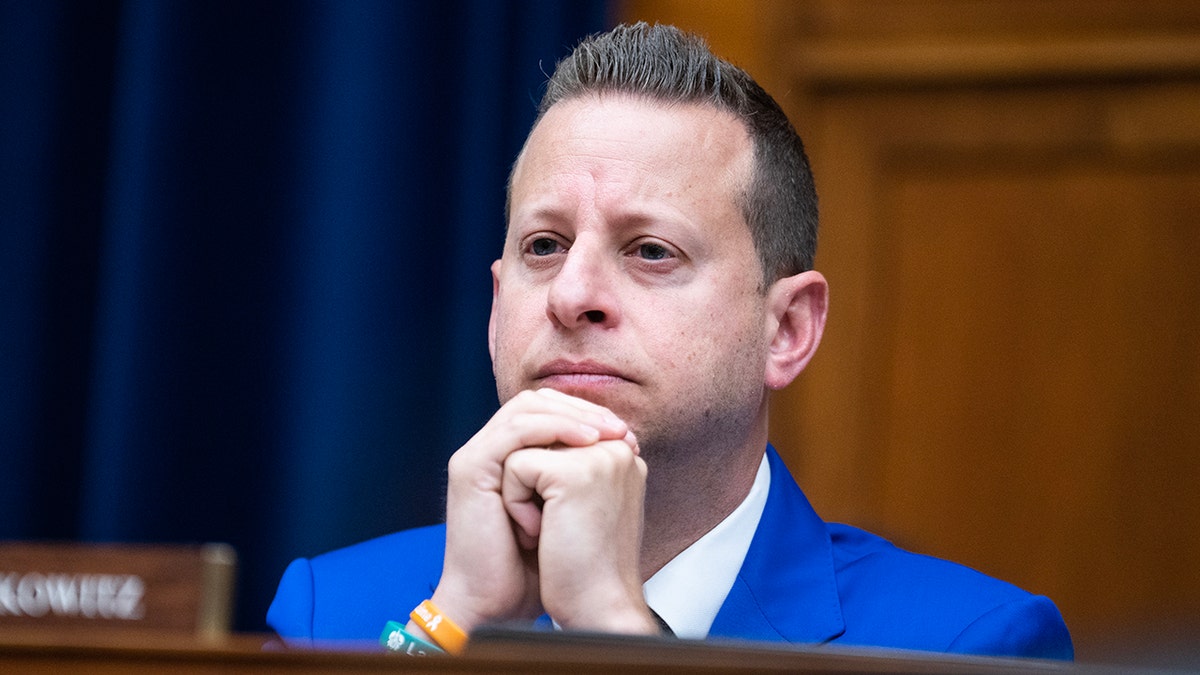
Rep. Jared Moskowitz, D-Fla., is eyeing the idea of forcing the House into «Secret Session» to debate best practices for Congressional security. (Tom Williams/CQ-Roll Call, Inc via Getty Images)
The House has not held a clandestine session since 2008 – and only six such conclaves in the history of the republic. Moskowitz would like to get Members on the record of voting AGAINST a Secret Session for security. If they oppose it, then lawmakers don’t have a right to complain. Otherwise, he believes they can actually figure out a way to keep fellow Members safe and their families. Several lawmakers with whom Fox spoke over the weekend said the problem is that there is no consensus on how or what Members want or if U.S. Capitol Police have the wherewithal – based on what Congress has appropriated for that department – to assure the safety of family Members in 435 far-flung districts.
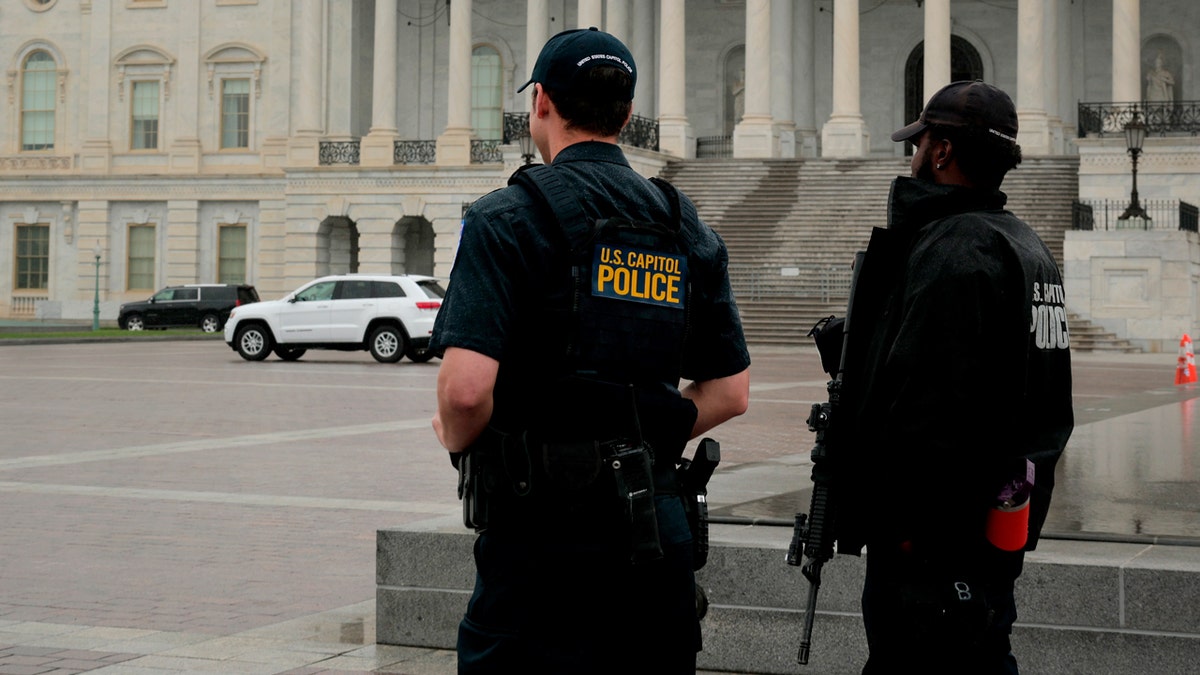
Capitol Police manpower is another hot point of debate. (Anna Moneymaker/Getty Images)
Moreover, security officials and those on the GOP telephone call Saturday tell Fox there was a lot of criticism by Members about the current security posture – from those who don’t take advantage of current programs which the House and USCP designed to keep Members safe.
CLICK HERE TO GET THE FOX NEWS APP
«They like to complain a lot,» said one Republican source of those who haven’t utilized the security options afforded them by USCP.

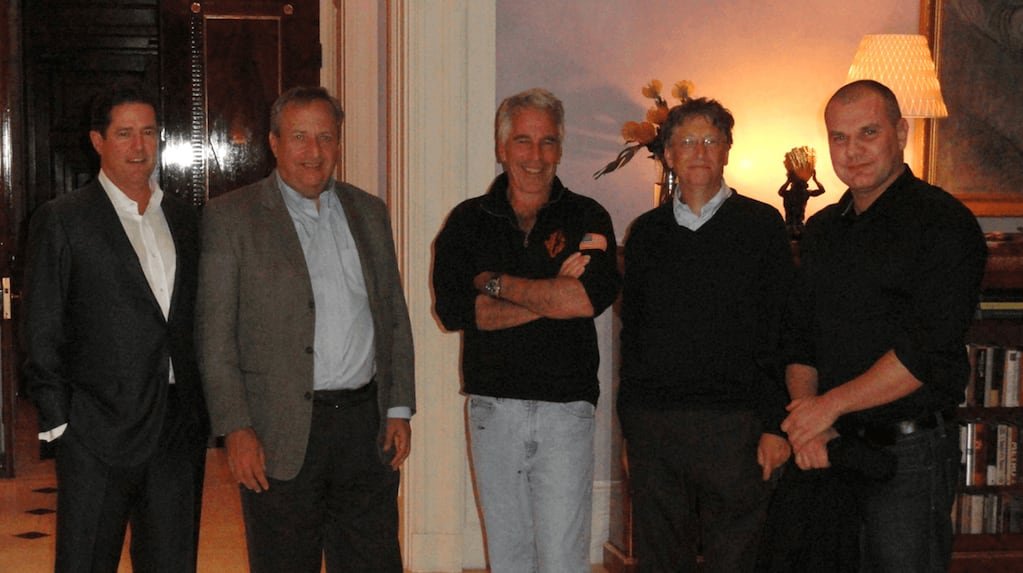
Microsoft atravesaba una turbulencia en 2011. La empresa había fallado en los teléfonos inteligentes y en las búsquedas en internet. Steve Ballmer, el presidente ejecutivo, estaba bajo presión y se hablaba de reemplazarlo.
En medio de esas maniobras estaba Jeffrey Epstein.
Leé también: Escándalo en el Reino Unido: detuvieron al exembajador en EE.UU. por sus vínculos con Jeffrey Epstein
Epstein recibía información actualizada sobre la búsqueda de un nuevo director ejecutivo de Microsoft de parte de personas que trabajaban en la empresa y les ofrecía consejos en tiempo real, según la más reciente publicación de documentos del Departamento de Justicia que detallan la vida del financista antes de que fuera encarcelado en 2019 por cargos federales de tráfico sexual.
“La trama se complica”, le escribió un confidente a Epstein en una nota cargada de chismes de 2011. La búsqueda de Microsoft se había retrasado, decía el correo electrónico censurado, y el cofundador Bill Gates, que había dejado la gestión diaria, estaba pensando en regresar durante nueve meses.
Más que en cualquier otra gran empresa tecnológica, Epstein logró introducirse con éxito en los círculos más íntimos de Microsoft. Aprovechando una conexión tras otra se enteró de los dramas de la empresa, desde la sucesión de su director ejecutivo hasta la filantropía de los altos ejecutivos. Después de que Epstein salió de prisión en 2009 por solicitar prostitución de una menor, sus vínculos con ejecutivos de Microsoft lo ayudaron en su intento de reintegrarse a la vida social.
Las maniobras de Epstein para desarrollar relaciones en otras grandes empresas a través de sus fundadores, entre ellas L Brands y Apollo Global Management, tuvieron menos éxito. Los archivos del Departamento de Justicia muestran que pasó más de una década armando una red de ejecutivos de Microsoft, entre ellos Gates; Nathan Myhrvold, exjefe de tecnología; Steven Sinofsky, que dirigía la división Windows de Microsoft; Linda Stone, exejecutiva de investigación tecnológica; Reid Hoffman, miembro del consejo de Microsoft; y empleados de los fondos personales de inversión y filantropía de Gates.
Aunque algunas de estas personas ya no forman parte de Microsoft, Hoffman sigue formando parte del consejo. Gates, cuya relación con Epstein ha sido ampliamente documentada, asesora a la empresa. Myhrvold asistió el año pasado a la celebración del 50º aniversario de Microsoft.
Epstein se presentaba como alguien tan cercano a los ejecutivos de Microsoft que, en 2013, llegó a tantear, de manera informal, a otros contactos sobre la posibilidad de dirigir la empresa. En un correo electrónico dirigido al multimillonario Tom Pritzker, Epstein escribió: “¿Algún interés en dirigir Microsoft?”.
Leé también: El presidente ejecutivo de Hyatt Hotels renunció tras el descubrimiento de sus conexiones con Jeffrey Epstein
Frank Shaw, jefe de comunicaciones de Microsoft, dijo que la empresa se sintió decepcionada al leer correos electrónicos entre Epstein y “exempleados de Microsoft que actuaban a título personal”. Sin mencionar ningún nombre, Shaw reconoció que los correos mostraban que un exejecutivo -Sinofsky- había compartido información confidencial de la empresa con Epstein.
Una portavoz de Gates remitió una solicitud de comentarios a Microsoft. Gates dijo recientemente que había intentado recaudar fondos para la filantropía a través de Epstein y que no tuvo nada que ver con el comportamiento inapropiado de Epstein hacia mujeres. Ha calificado su relación con Epstein como “un gran error“.
Hoffman dijo en un comunicado que quería que el gobierno de Donald Trump hiciera públicos todos los archivos relacionados con Epstein y procesara a los responsables de conductas delictivas. “Celebro todo el trabajo que están realizando la prensa y las personas en internet para investigar todas y cada una de las conexiones de Epstein y desenmascarar a quienes hayan cometido delitos”, dijo.
El primer vínculo conocido de Epstein con Microsoft se remonta a 1996, cuando Myhrvold, tecnólogo que sería nombrado director de tecnología de la empresa, organizó una cena de gala para el célebre físico Stephen Hawking en el zoológico de Seattle. Lynn Forester, ejecutiva del sector de las telecomunicaciones, llevó a Epstein como invitado, según Stone, quien estaba sentado a su lado.
Forester dijo en un correo electrónico que recordaba la gala, pero no si Epstein había estado presente, y añadió que no volvió a hablar con él después del año 2000.
Epstein se mantuvo en contacto con Stone, quien más tarde pasó a reportar directamente a Ballmer como vicepresidente de Microsoft. En 2002, tras dejar Microsoft, Epstein financió un simposio que Stone ayudó a organizar en St. Thomas, en las Islas Vírgenes de Estados Unidos, sobre el futuro de la inteligencia artificial, junto con académicos de renombre.
Stone dijo en una entrevista con The New York Times que Epstein había sido encantador y persistente al pedirle que le presentara a científicos a quienes podría financiar.
Myhrvold, por su parte, desarrolló una relación con Epstein que duró dos décadas y que le abrió al financista más conexiones con Microsoft. Ambos tenían una relación lo suficientemente cercana como para que en 2003 Myhrvold, que había dejado Microsoft pero seguía siendo cercano a Gates, colaborara con el libro por el 50.º cumpleaños de Epstein. Una foto sin fecha, publicada por el Departamento de Justicia de EE.UU. en los archivos de Epstein, muestra a Nathan Myhrvold cuando era el director tecnológico de Microsoft (Foto: The New York Times)
“Hace unos años, alguien en una fiesta me preguntó: “¿Jeffrey Epstein administra tu dinero?””, escribió Myhrvold en el libro. “Respondí: ‘No, pero me aconseja sobre estilo de vida’”.
Myhrvold incluyó imágenes que había tomado en un viaje a África y que, según dijo, “parecían más apropiadas que cualquier cosa que pudiera expresar con palabras”, entre ellas fotos de leones y cebras apareándose, y otros animales salvajes en estado de excitación.
De manera significativa, Myhrvold avaló a Epstein ante Gates, quien estaba considerando reunirse con el financista por primera vez, según los documentos. Para diciembre de 2010, Gates había decidido reunirse con Epstein y escribió a dos empleados de su oficina privada que “Nathan coincidía con ustedes en que disfrutaría conocerlo y que era una buena cosa que hacer”.
Epstein también pidió a Myhrvold que organizara una reunión de última hora con el otro cofundador de Microsoft, Paul Allen, cuando este se encontrara en la zona de Seattle en julio de 2011, aunque Myhrvold dijo que no recibió respuesta de Allen. En diciembre, Myhrvold escribió que estaba navegando cerca de la isla caribeña privada de Epstein.
Myhrvold y su portavoz no respondieron a las solicitudes de comentarios. En el pasado, un representante ha dicho que Myhrvold conoció a Epstein a través de la comunidad científica y que lamentaba haberlo conocido.
A principios de la década de 2000, Epstein aprovechó su relación con Melanie Walker, una mujer a la que había reclutado como modelo y apoyado durante su carrera de medicina, para introducirse más en Microsoft. Walker empezó a salir con Sinofsky y se mudó a Seattle para estar con él. Empezó a trabajar en la fundación de Gates como responsable de programas en 2006.
Allí, Walker conoció a Boris Nikolic, asesor de la Fundación Gates, quien se convirtió en confidente de Epstein. A través de Walker y Nikolic, Epstein vigilaba de cerca a Gates, según los correos electrónicos.
Nikolic dijo en un correo electrónico que lamentaba haberse relacionado con Epstein, quien “utilizaba mentiras para perseguir sus propios fines”. Walker no respondió a una solicitud de comentarios.
El lanzamiento en 2012 del sistema operativo Windows 8 de Microsoft, supervisado por Sinofsky, fue considerado en gran medida un fracaso. Aunque Sinofsky había sido considerado en su momento como candidato a dirigir Microsoft, estaba planeando irse. Correos electrónicos enviados a Epstein por un remitente cuyo nombre fue suprimido describían a Sinofsky como profundamente descontento en la empresa porque, según el remitente, Ballmer se atribuía el mérito de su trabajo y Gates se ponía del lado de Ballmer.
“No tiene opciones ni pasiones”, escribió el remitente, y añadió: “¿Y ahora qué?”.
Sinofsky recurrió a Epstein para obtener consejo sobre su salida. Compartió el acuerdo de separación propuesto por Microsoft y pidió la opinión de Epstein sobre las condiciones de su indemnización.
A continuación, Sinofsky compartió información no pública de Microsoft con Epstein, según los documentos. Le reenvió a Epstein un correo electrónico interno de altos ejecutivos en el que se analizaban las bajas ventas de la tableta Surface de Microsoft.
Los abogados de Microsoft eran “idiotas” y “ridículos”, respondió Epstein. Sinofsky le dijo a Epstein que su objetivo era “hacer que ellos parezcan mezquinos, no yo”. Un confidente compartió una nota privada de Gates en la que lamentaba la “incompatibilidad” entre Sinofsky y Ballmer.
Después de que Sinofsky recibiera un pago de 14 millones de dólares de Microsoft en 2013, le escribió a Epstein: “Me pagaron. También te pagarán :)”.
Sinofsky rechazó hacer comentarios.
Epstein también cultivó una relación con Hoffman, cofundador de LinkedIn y, por entonces, inversor tecnológico, una conexión que finalmente volvió a desembocar en Microsoft. Durante una conferencia TED en 2013, Stone presentó por correo electrónico a Epstein con Joi Ito, director del Laboratorio de Medios del MIT, donde Stone era asesora y ayudaba a encontrar financiadores. Ito puso en contacto a Epstein con Hoffman.

Una foto sin fecha, publicada por el Departamento de Justicia de EE.UU., muestra, de izquierda a derecha, a Joi Ito, Reid Hoffman y Jeffrey Epstein. (Foto: The New York Times)
En 2014, Epstein pidió a sus asistentes que enviaran un obsequio a Hoffman, Ito, Gates y Nikolic: sus sudaderas características de media cremallera, hechas a medida con las iniciales de cada uno bordadas en forma de rombo y un parche de la bandera estadounidense cosido en la manga.
Ese noviembre, Hoffman e Ito pasaron un fin de semana en la isla de Epstein, según los registros de vuelo. Hoffman se subió a un avión organizado por Epstein esa misma semana y viajó a Nueva York, donde planeaba alojarse en el apartamento de Epstein y asistir a un desayuno con Gates.
“Hablé con Bill, está contento de que vengas”, escribió Epstein a Hoffman.
Ito renunció al MIT y a varios consejos de administración, incluido el de The New York Times Company, en 2019, tras calificar su relación con Epstein como “error de juicio”.
En noviembre de 2014, Epstein envió a Hoffman un regalo: mancuernas acuáticas Hydro-Tone. Hoffman devolvió el gesto enviando a Epstein helado y “algo que podría hacerte gracia para la isla”, que resultó ser una escultura de metal. Añadió que vería a Gates y al director ejecutivo de Microsoft, Satya Nadella, en el año nuevo.
En diciembre de 2014, Virginia Roberts Giuffre acusó a Epstein en documentos judiciales de haberla traficado cuando era menor de edad, lo que renovó el interés de los medios por los delitos de Epstein. Poco después, Hoffman le dijo a Epstein que estaba pensando en formas de ayudar ante la atención mediática negativa, aunque no estaba claro si se refería específicamente a ese caso.
Conocer a Hoffman le ofreció a Epstein nuevas conexiones tecnológicas. Después de una cena en 2015 en Palo Alto, California, a la que asistieron Elon Musk, Mark Zuckerberg, Peter Thiel y otros, Epstein agradeció a Hoffman la invitación y “su amistad”.
Más tarde, Hoffman puso en contacto por correo electrónico a Epstein con Zuckerberg, presidente ejecutivo de Meta, “para que la conversación pudiera continuar”. No hubo indicios de que Zuckerberg respondiera.
En 2015, Epstein invitó a Hoffman a su isla y a su rancho. También instó a Hoffman a comprar un jet privado, aconsejándole que se asegurara de que los pilotos estuvieran casados y no fueran militares.
“Te tomaré de la mano durante todo el camino”, dijo Epstein.
Cuando Microsoft compró LinkedIn en 2016 por 26.200 millones de dólares, Epstein ofreció a Hoffman sus servicios para minimizar sus impuestos personales. En 2017, Hoffman se incorporó al consejo directivo de Microsoft. Continuó reuniéndose con Epstein por Skype y manteniéndolo informado sobre sus interacciones con Gates hasta 2018. No está claro de qué hablaron Hoffman y Epstein.
*Erin Griffith escribe sobre empresas tecnológicas, empresas emergentes y la cultura de Silicon Valley desde San Francisco.
*Karen Weise escribe sobre tecnología para el Times y reside en Seattle. Su cobertura se centra en Amazon y Microsoft, dos de las empresas más poderosas de Estados Unidos.
*Nicholas Kulish colaboró con reportería desde Nueva York.
The New York Times, Jeffrey Epstein
NEWYou can now listen to Fox News articles!
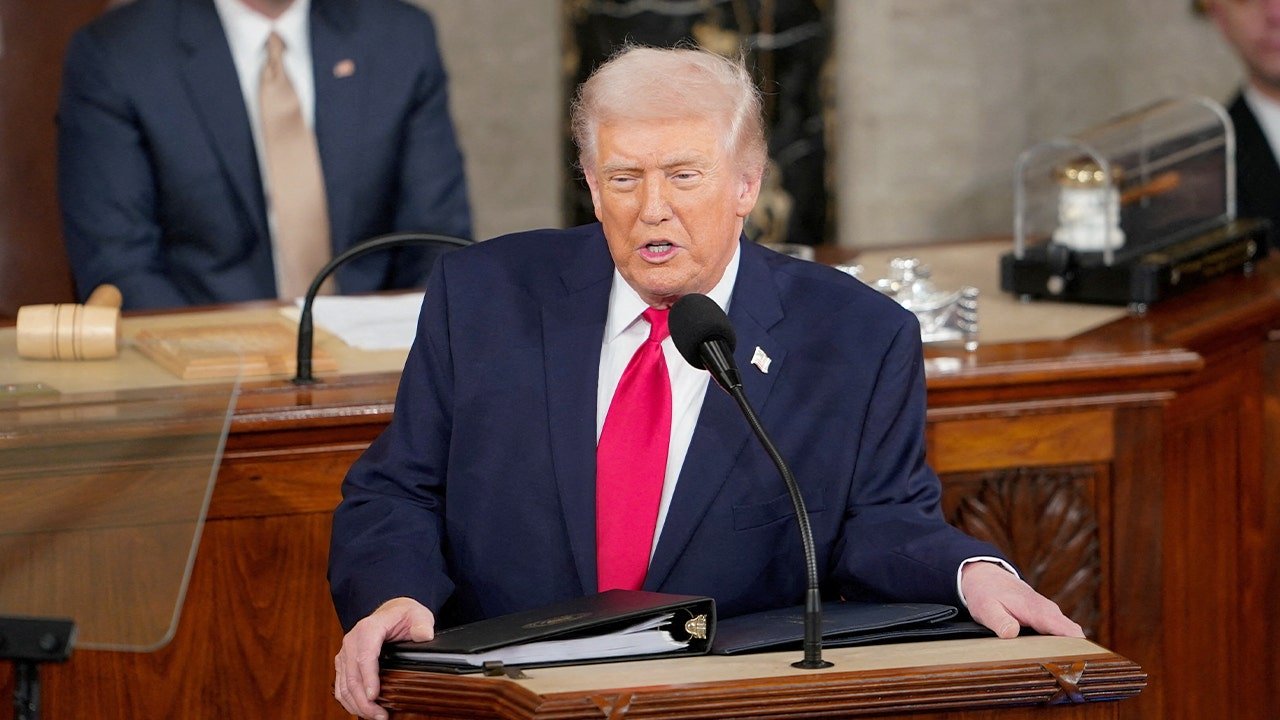
Fact-checkers delivered a mixed verdict on President Donald Trump’s State of the Union address, backing some immigration and crime claims while disputing others on voter fraud, Medicaid and foreign conflicts.
Reviews from PolitiFact, FactCheck.org, The New York Times and others found that Trump’s assertion that «zero illegal aliens» were admitted into the country was an accurate characterization even though illegal crossings have continued at low levels.
The fact-checkers also confirmed his claim that the national murder rate is at a historic low but labeled his statements about «rampant» voter fraud, Medicaid and the number of wars he ended as misleading.
The fact-checks underscored how Trump’s address was a blend of verifiable points and broader claims that grabbed headlines but could be misleading to voters, who Trump is hoping will keep Republicans in power in Congress as he stares down a tough 2026 midterm election cycle.
Immigration
When Trump said Tuesday that «zero illegal aliens have been admitted to the United States,» he was referencing U.S. Border Patrol detaining or deporting migrants attempting to enter the country illegally or by using asylum claims, rather than following the Biden administration’s protocol and releasing them into the country.
Fact-checkers acknowledged the reversal in illegal immigration policies under Trump. They pointed out that illegal border crossings are still happening, but at a far lower pace.
Fact-checkers delivered a mixed verdict on President Donald Trump’s State of the Union address. (Kenny Holston /Pool via Reuters)
«Encounters with people trying to illegally cross the U.S. southern border have dropped significantly during Trump’s second term,» PolitiFact noted, adding that authorities encountered about 10,000 migrants in January compared to more than 60,000 in January 2025.
Trump’s comments about illegal immigrants committing crimes were more disputed, fact-checkers found, noting that the Department of Homeland Security’s figures did not reflect that the Biden administration allowed nearly 12,000 murderers to enter the country illegally, as Trump claimed during his speech.
TRUMP TAKES DIRECT SOTU SWIPE AT DEMOCRATS OVER TAXES: ‘TO HURT THE PEOPLE’
NPR noted that Trump called Ukrainian refugee Iryna Zarutska’s killer an immigrant, despite lacking evidence of that. The outlet noted that local media have reported that the suspect, Decarlos Dejuan Brown Jr., was born in Charlotte, North Carolina.
Brown was seen in grisly surveillance footage repeatedly stabbing Zarutska, 23, while she was riding the light rail home from work in August 2025. Her murder has become a national example of local prosecutors’ lax policies toward repeat offenders.
When Trump said more broadly that the nation’s murder rate is the lowest it has been in 125 years, fact-checkers found that was true.
‘Eight wars’
Several fact-checkers took issue with Trump touting that he ended «eight wars.»
Trump gained widespread praise for brokering a ceasefire between Israel and Hamas that led to a return of Israeli hostages, and the president has been credited with establishing a truce between Israel and Iran after carrying out damaging airstrikes on Iran’s nuclear facilities.
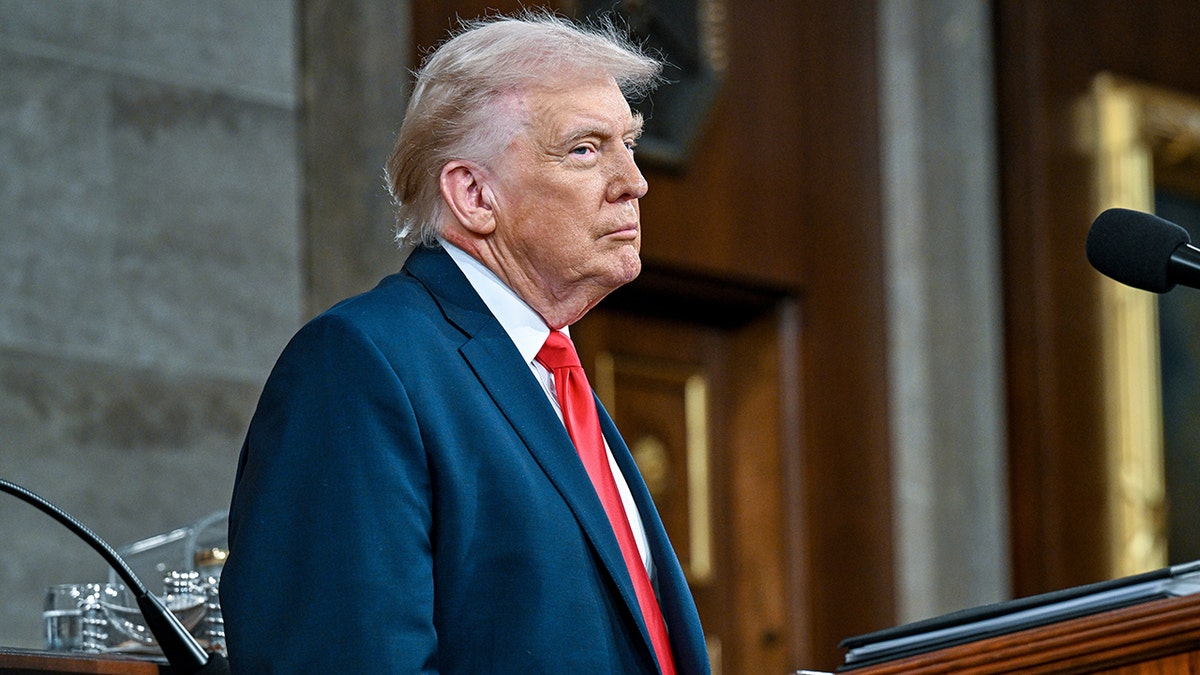
President Donald Trump warned during his State of the Union speech about Iran’s nuclear program. (Kenny Holston/The New York Times via AP)
The New York Times said that eight wars, though, was «exaggerated,» and FactCheck.org called the figure «inflated.»
The fact-checkers pointed to Trump’s disputed involvement in India’s ceasefire with Pakistan. Trump also «counts some international disagreements that weren’t wars,» FactCheck.org said.
Trump was involved in mediating a border dispute between Cambodia and Thailand, and brokered peace agreements between Armenia and Azerbaijan and also Rwanda and the Democratic Republic of the Congo.
Trump also has referenced wars between Serbia and Kosovo, and Egypt and Ethiopia, but some have said those involve tense disagreements and do not amount to war.
Voter fraud
A top flashpoint for fact-checkers was Trump’s assertion that «cheating is rampant» in federal elections.
«Trump made a rapid-fire series of false claims about US elections,» wrote CNN reporter Daniel Dale.
Trump made the comments while demanding Congress pass the SAVE America Act, which would impose a physical proof of citizenship requirement on anyone registering to vote in federal elections.
It is illegal for noncitizens to vote, and voters must declare under penalty of perjury that they are U.S. citizens as part of the registration process. State officials are required by federal law to practice voter roll maintenance to make sure voters who are registered are valid.
State and federal prosecutions of noncitizen voting have been exceedingly rare, but Trump and his base have contended that noncitizen voting is prevalent and simply going undetected.
WHITE HOUSE SAYS MURDER RATE PLUMMETED TO LOWEST LEVEL SINCE 1900 UNDER TRUMP ADMINISTRATION
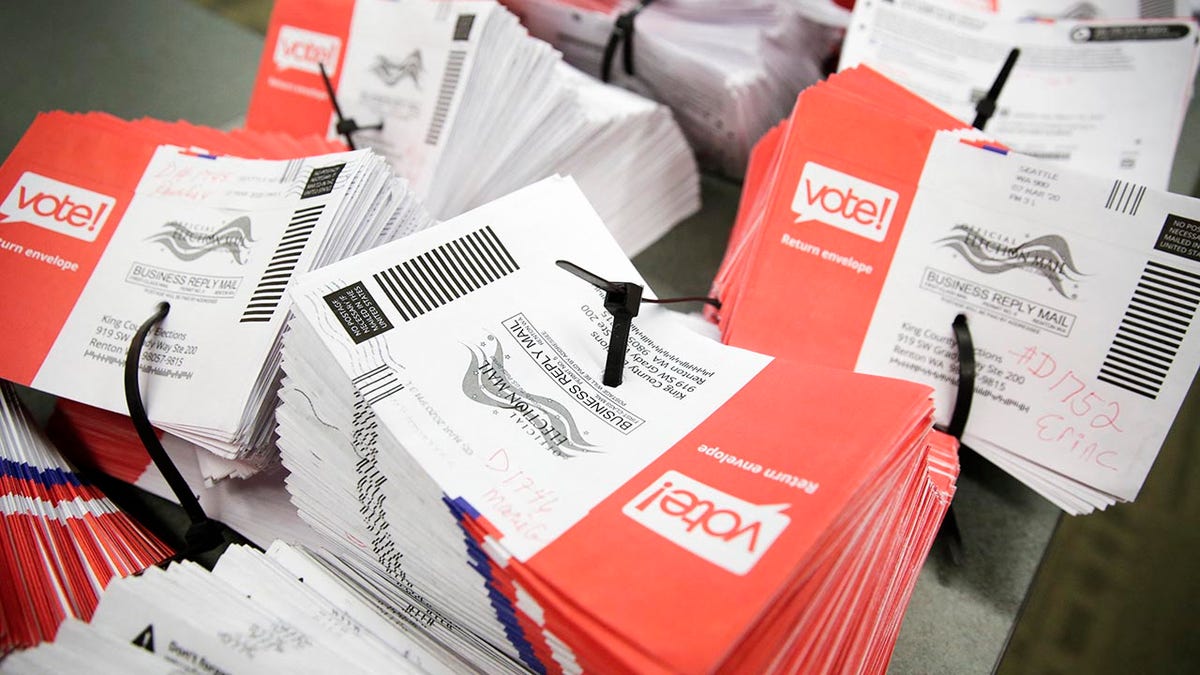
Empty envelopes of opened vote-by-mail ballots for the presidential primary are stacked on a table at King County Elections in Renton, Washington on March 10, 2020. (Jason Redmond/AFP via Getty Images)
NPR pointed to observations by election expert David Becker, who runs the nonprofit Center for Election Innovation and Research.
«Even states that are looking everywhere to try to amplify the numbers of noncitizens … when they actually look, they find a surprisingly, shockingly small number,» Becker said.
The New York Times said the number of noncitizens casting ballots is «infinitesimally small,» noting a Trump DHS study that found up to 0.2% of registered voters could potentially be noncitizens.
Jobs
Fact-checkers labeled Trump’s assertion that more Americans were working than ever before as true, but they said the president’s claim about job growth was misleading.
Job growth remained steady under Trump while the population was the largest it has ever been, meaning labor force participation has not kept up with the population, the New York Times noted.
CLICK HERE TO DOWNLOAD THE FOX NEWS APP
Protecting Medicaid
Fact-checkers swatted down Trump’s claim that he would «always» protect Medicaid, noting that the «big, beautiful bill,» his signature tax and spending plan enacted in July 2025, cut nearly $1 trillion from the program by changing its eligibility requirements.
«With fewer people on Medicaid, the program costs less,» FactCheck.org noted.
Fox News Digital reached out to the White House for comment.
Related Article
donald trump,state of the union,immigration,crime world

NEWYou can now listen to Fox News articles!
Cuba’s coast guard shot dead four people and wounded six others aboard a U.S.-registered speedboat in an exchange of fire off the island’s coast, the Interior Ministry said Wednesday.
In a statement, the ministry said a Cuban patrol vessel had approached the Florida-registered boat to identify those on board when «shots were fired from the boat,» wounding the captain of the Cuban craft.
«As a result of the clash… on the foreign side, four aggressors were killed, and six others were wounded,» the statement said.
The ministry added that the injured were evacuated and given medical treatment. It did not immediately provide further details on the identities or nationalities of those involved, nor specify the exact location of the incident.
This is a developing story. Please check back for updates.
cuba,crime world

Nuevo bono en dólares para pagar la deuda: el Gobierno colocó USD 150 millones a una tasa menor a la esperada

Canales para ver el Vélez Sarsfield vs. Deportivo Riestra por el Torneo Apertura

Paro del viernes 27 de febrero: estos son los gremios que se adhieren a la movilización convocada

La Policía detuvo a un hombre acusado de amenazar a Patricia Bullrich por redes sociales

El tren a Tigre volverá a circular a partir de marzo tras las obras de renovación: qué tareas se llevaron a cabo en el ramal

Cómo Jeffrey Epstein se ganó la confianza de altos ejecutivos de Microsoft

Cómo será el tratamiento de la reforma laboral en el Senado, luego de haber obtenido la media sanción en Diputados

Daiana Fernández Molero defendió la reforma laboral: “Va a haber mayor creación de empleo porque va a ser más fácil contratar en blanco”

Jorge Macri prepara su discurso para abrir el año legislativo: el deseo de reelección y el espejo en Bukele

“Nos hacemos cargo”: Patricia Bullrich admitió un error del Gobierno en la inclusión del artículo de las licencias médicas

 POLITICA2 días ago
Daiana Fernández Molero defendió la reforma laboral: “Va a haber mayor creación de empleo porque va a ser más fácil contratar en blanco”
- POLITICA13 horas ago
Jorge Macri prepara su discurso para abrir el año legislativo: el deseo de reelección y el espejo en Bukele
- POLITICA2 días ago
“Nos hacemos cargo”: Patricia Bullrich admitió un error del Gobierno en la inclusión del artículo de las licencias médicas