INTERNACIONAL
Arrest of Chinese nationals in swing state, Israel’s fight with Iran are ‘wake up’ call on CCP threat: experts


NEWYou can now listen to Fox News articles!
Recent arrests of Chinese nationals at the University of Michigan have resurrected concerns about CCP-owned farmland and property in the United States, particularly in Michigan, and caused some to draw parallels with the current conflict between Iran and Israel.
Earlier this month, two Chinese nationals were charged with allegedly smuggling a «dangerous biological pathogen» into the U.S. to study at the University of Michigan in an incident that FBI Director Kash Patel described as a «sobering reminder that the Chinese Communist Party (CCP) continues to deploy operatives and researchers to infiltrate our institutions and target our food supply, an act that could cripple our economy and endanger American lives.»
Later, a third Chinese national with connections to the university was arrested, renewing questions about China’s efforts to infiltrate and influence various sectors in the United States, including buying up farmland, which has been a growing concern nationwide.
A 2023 report from the United States Department of Agriculture found that «foreign persons held an interest in nearly 45 million acres of U.S. agricultural land,» which represents 3.5% of all privately held agricultural land and 2% of all land in the country.
NEW LEGISLATION AIMS TO TELL CHINA ‘NO’ ON BUYING UP AMERICAN FARMLAND
Experts are warning that recent current events symbolize a «wake-up» call to the threat China poses to the United States. (Getty)
While China is not at the top of the list of countries in that report, the arrests in Michigan have prompted calls from Congress to ensure that the CCP, viewed by many as the nation’s top geopolitical adversary, is not buying up farmland in the United States.
Republican Sen. Pete Ricketts exclusively told Fox News Digital this week that China has been aggressively buying American agriculture, «which is why we need to have a heightened sense of vigilance around protecting our homeland.»
Ricketts, along with Democratic Sen. John Fetterman, introduced the bipartisan Agricultural Foreign Investment Disclosure (AFIDA) Improvements Act that seeks to implement recommendations published by the Government Accountability Office in January 2024, which found the AFIDA was ill-equipped to combat foreign ownership of American agricultural land.
«China’s land purchases aren’t just about acreage—they’re about access,» Michigan GOP Rep. John Moolenaar, chairman of the House Select Committee on the Strategic Competition Between the United States and the CCP, told Fox News Digital.
«Even small parcels near military bases or critical infrastructure pose serious national security risks. In my home state, we’ve seen concerning cases like Gotion’s site near Camp Grayling. We need full transparency into who’s buying land and where—because the Chinese Communist Party shouldn’t be allowed to hide behind shell companies to gain a foothold in our country.»
FBI DIRECTOR PATEL LEADS CHARGE TO ROOT OUT CHINESE INFLUENCE ON US SOIL
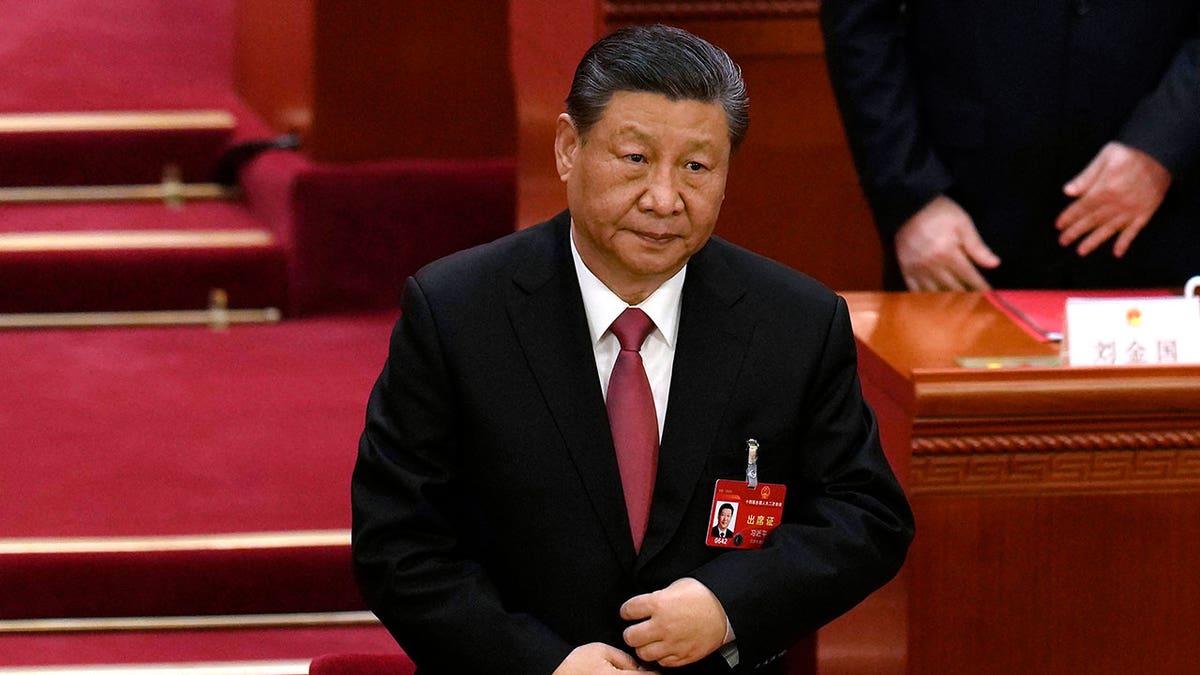
Chinese President Xi Jinping adjusts his jacket as he stands to sing the national anthem at the closing session of the National People’s Congress held at the Great Hall of the People in Beijing. (AP Photo/Ng Han Guan)
China’s encroachment into Michigan’s agriculture was enough of a concern for Republican state Rep. Gina Johnsen to introduce legislation earlier this year banning foreign adversaries from buying up farmland.
«Our state’s agricultural industry is a pillar of our economy. My community is an agricultural community,» Johnsen said. Our farms provide food security, jobs, and economic stability for countless residents. However, there is growing concern about losing our farmland to countries of concern.»
Additionally, Chinese farmland has become a topic of conversation in the wake of revelations that Israel’s attack on Iran’s nuclear capabilities was aided by years of covert planning, surveillance and infiltration by Israeli intelligence.
Code-named «Am Kelavi» (Rising Lion), the preemptive operation was the product of unprecedented coordination between the Israeli air force, the Military Intelligence Directorate, the Mossad and the country’s defense industries. For years, they worked «shoulder to shoulder» to gather the intelligence files needed to eliminate Iran’s most sensitive military and nuclear assets.
As part of that operation, Israel was able to establish a drone base inside Iran, where Mossad operatives retrieved them from hiding spots to use against Iranian sites.
Bryan Cunningham, president of Liberty Defense and former CIA intelligence officer, told Fox News Digital that the Israeli operation is a «wake-up call» for the United States about what a foreign adversary like China could potentially carry out in the United States.
CLICK HERE TO GET THE FOX NEWS APP
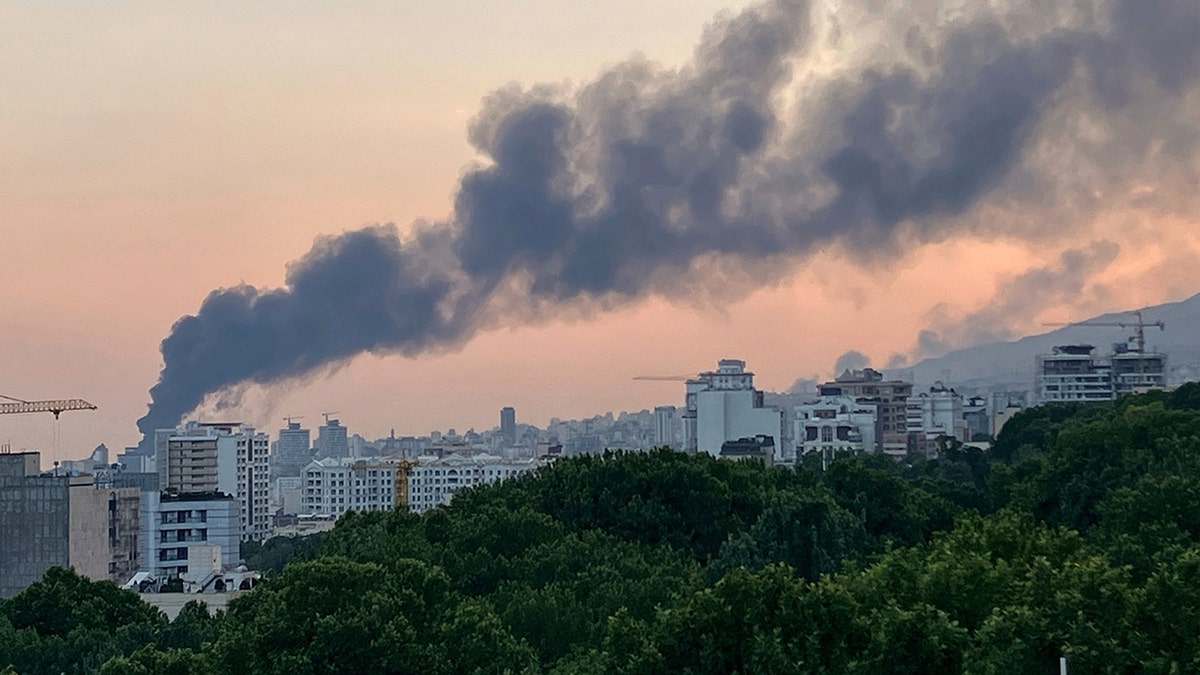
Smoke rises from the building of Iran’s state-run television after an Israeli strike in Tehran, Iran, on Monday. (AP Photo)
«As an intelligence officer, part of me says, I wish that the sources and methods of building these drone factories inside the target countries hadn’t been revealed,» Cunningham said. «But on the other hand, it does serve as a wake-up call, hopefully for our policymakers, and it also ties in, and if I were the administration, I would make this tie in immediately and loudly with the Trump administration’s border strategy.»
Cunningham continued, «Our borders are where you’re most likely to actually intercept these kinds of toxins, explosives, flares, 3D-printed weapons, ceramic weapons, whatever it is. So if it were me and I were the Secretary of Homeland Security, I would be tying this all together. You know, it is important to get people out of the country that have committed violent or other serious crimes in the country, but it’s also really important to prevent people like these guys from bringing in those kinds of materials.»
The FBI is increasing its surveillance of Iranian-backed operatives inside the United States as Trump weighs strikes, a senior law enforcement official told Fox News on Friday.
Fox News Digital’s Deirdre Heavey, Lucas Tomlinson and Efrat Lachter contributed to this report.

INTERNACIONAL
Jaime Bayly reconstruye los tres días que sacudieron a Venezuela en 2002: “Chávez fue un militar, pero también un animador de televisión”

Vuelve Jaime Bayly. Jaime Bayly el mordaz, Jaime Bayly el provocador, Jaime Bayly el escritor. Todo junto. Vuelve con Los golpistas una novela que se lanza este miércoles 11 por Galaxia Gutenberg y donde reconstruye con su estilo los tres días de abril de 2002 en que Hugo Chávez perdió —y recuperó— el poder en Venezuela tras un golpe militar fallido. A partir de una investigación periodística y literaria, Bayly narra el desconcierto de los golpistas, la confusión en los cuarteles y el papel de Fidel Castro en la supervivencia del presidente.
La novela, de 240 páginas, retrata la lógica interna de un golpe descrito por el propio autor como “esperpéntico, chapucero, de aficionados, un golpe del que los propios conspiradores se arrepintieron al tercer día”. El relato alterna la reconstrucción de los hechos con episodios de la vida de Chávez, su ascenso militar, su pasión por el espectáculo.
El autor peruano explora la personalidad contradictoria de Chávez, un militar fascinado por la televisión: “Chávez fue un militar, pero también un animador de televisión. Era un militar atípico: le encantaban las cámaras, le gustaba hablar en público, era un comediante ocasional, vivía para salir en la televisión. Por eso tuvo tanto éxito en sus primeros años en el poder. Los pobres lo querían, no se perdían sus apariciones en la televisión, se reían con él. Para bien o para mal, era el gran animador del país y vivía obsesionado con los ratings de audiencia”, dijo a la prensa.

El libro recurre al humor y al realismo irónico. Bayly apunta: “El golpe fallido pudo cambiar la historia de Venezuela, de haber triunfado. Pero los jefes golpistas eran todos bastante cortos de miras”.
En la novela, los diálogos y las escenas cargadas de ironía permiten ver las motivaciones y contradicciones de los personajes: “—Tienes mi palabra. Serás mi embajador en Madrid. —Y si no te molesta, Efraín, a mi hermano lo nombrás embajador en Lisboa. —¿Y eso, por qué? —Porque me estoy cepillando a mi cuñada”.
Bayly, que entrevistó a Chávez en 1998, utiliza su experiencia como periodista para trazar el retrato de un líder que, según afirma, “era un dictador popular”: “El año mismo en que Chávez tomó posesión como presidente, el golpista fallido de 1992 reveló que seguía siendo un espadón camuflado en 1999, solo que ahora podía dinamitar la democracia desde las entrañas mismas del poder”.
Aquí, el comienzo de la novela:
Abril, 2002
–¡Firme su renuncia ahora mismo! –le gritó el general Efraín Velásquez, comandante general del Ejército, al presidente venezolano Hugo Chávez.
Sentado en el despacho presidencial del palacio de Miraflores, vestido con uniforme militar a pesar de que ya había pasado al retiro, Chávez, quien llevaba poco más de tres años ejerciendo la presidencia de la nación, desafió al general insubordinado mirándolo a los ojos, se arrepintió de haber confiado en él, desenfundó la pistola calibre nueve milímetros que llevaba en la cintura, la puso sobre la mesa, apuntando a Velásquez, y respondió, levantando la voz:
–¡No firmo nada, carajo! ¡No renuncio ni renunciaré! ¡Soy el presidente constitucional de este país!

Luego bebió agua, encendió un cigarrillo y buscó consuelo en la añosa mirada de José Vicente Rangel, su ministro de Defensa, quien, sentado a su lado, le dijo, alisándose un bigote crecio en canas:
–No firmes nada, Hugo. Si no firmas, es un golpe de Estado.
–¡No es un golpe de Estado! –rugió el general Velásquez, poniéndose de pie. Era gordo, sorprendentemente obeso para ser un general de división en actividad. Tenía la cara rechoncha, el hocico prominente, el morro abultado y un adefesio de pelusa sobre el labio superior. Miraba como miraría un jabalí ante el peligro.
A su lado, se apandillaban dos altos jefes militares: el general Manuel Rosado, todavía más gordo que el amotinado Velásquez, tan gordo que su rostro parecía un globo y su cuerpo embutido en el uniforme daba la impresión de estar a punto de reventar, y el general Lucas Rondón, de pelo negro y anteojos de intelectual, quienes, comandados por Velásquez, el jefe de la conspiración, habían llegado al palacio de Miraflores en un corto vuelo en helicóptero desde Fuerte Tiuna.

–¡No es una traición! –prosiguió, todavía de pie, golpeando la mesa, agitando sus mofletes, el general Velásquez–. ¡Es una posición de solidaridad con el pueblo venezolano! –bramó, y los generales sentados a su lado asintieron, moviendo dócilmente la cabeza.
El general Velásquez estaba indignado con el presidente Chávez. Se sentía humillado, desairado por el jefe del Estado.
Chávez le había pedido que sacara los tanques a la calle para reprimir una marcha pacífica de los opositores, quienes deseaban llegar al palacio de Miraflores, hartos de sus exabruptos autoritarios, para forzar su renuncia. Pero Velásquez se había negado a obedecerlo y dispuso que la marcha no se detuviera.
Acorralado, temeroso de que la multitud llegase hasta su despacho y lo linchase o quemase vivo, como él sabía que a veces morían los déspotas, Chávez había dado instrucciones para que sus brigadas paramilitares se apostaran en los techos de los edificios vecinos al recorrido y, desde allí, los francotiradores más avezados disparasen contra la multitud, en particular contra la vanguardia de aquella algarada. Al ver por televisión que el presidente Chávez había ordenado a sus francotiradores que disparasen a los opositores que se dirigían a la casa de gobierno, el general Velásquez y los jefes de la Armada, la Guardia Nacional y la Aviación decidieron, ardiendo en furia, sintiéndose traicionados, que Chávez, el felón, debía caer, que Chávez, el pérfido, debía ser desalojado del poder, que Chávez, el golpista, debía ser depuesto mediante un golpe de las fuerzas armadas.

–¡Le fui leal hasta hoy, señor presidente! –gritó el general
Velásquez, temeroso de que Chávez cogiese la pistola y se disparase un tiro en la cabeza–. ¡Le he perdido el respeto, señor!
¡Ni mis compañeros de armas ni yo toleramos las violaciones a los derechos humanos ni los crímenes que su gobierno ha cometido hoy, atacando a una marcha pacífica y matando a personas inocentes!
De pronto se puso de pie el general Lucas Rondón, miró fríamente al presidente y le dijo, las palabras ardiendo en las llamas del odio y la venganza:
–Si no firma su renuncia, señor presidente, yo anunciaré en la televisión que usted ha renunciado y la gente me creerá y habrá júbilo en las calles. Le ruego que firme. Porque si usted entra en razón y firma su renuncia, no irá a la cárcel y lo dejaremos salir al extranjero.
–Al país que usted elija –añadió el general Velásquez.
–¡No firmo nada, carajo! –rugió Chávez, y arrojó al piso el papel que Velásquez y Rondón habían redactado en Fuerte Tiuna, el acta de renuncia del jefe de Estado–. ¡A mí me eligió el pueblo, y solo el pueblo puede sacarme del poder! ¡Ustedes, miserables, no han sido elegidos por el pueblo! ¡Yo los he nombrado en los cargos que ocupan! ¡Me deben lealtad a mí, partida de escuálidos traidores!
El general Velásquez se acercó al presidente Chávez, lo cogió del pescuezo, como si quisiera estrangularlo, y le dijo, transfigurado en el hombre más poderoso del país:
–No es un golpe. Es un pronunciamiento institucional apegado a la Constitución.
Asustado, Chávez se resignó, bajando la voz:
–Estoy en sus manos, señores generales. Hagan conmigo lo que ustedes crean conveniente. Pero yo no voy a renunciar ni a firmar esos papeles apócrifos que me han traído.
NEWYou can now listen to Fox News articles!
The House of Representatives passed a bill aimed at making it easier for everyday Americans to purchase a home, an issue that’s become a cornerstone of the affordability crisis plaguing much of the United States.
The legislation, which passed with a 390-9 vote, is a rare show of bipartisanship in an increasingly polarized Congress, having gotten a significant amount of support from both Republicans and Democrats.
Housing affordability is also an issue that President Donald Trump has promised to tackle during his second term in office.
Last month, he signed an executive order making it harder for large investment firms to buy single-family homes that could otherwise be purchased by American families, and his One Big Beautiful Bill Act also included tax incentives aimed at development in economically distressed communities.
TRUMP SIGNS NEW LAW HELPING VETERANS AVOID FORECLOSURE WITH PARTIAL CLAIMS PAYMENT PROGRAM
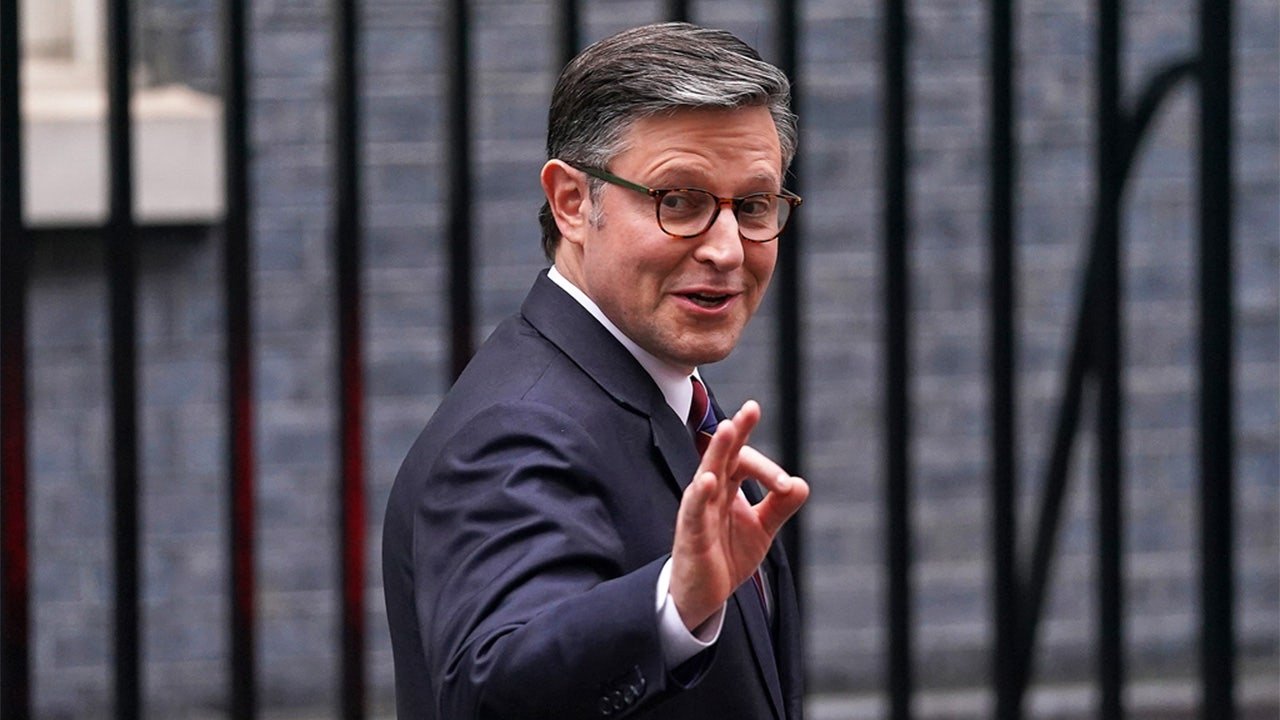
House Speaker Mike Johnson leaves 10 Downing Street after meeting Britain’s Prime Minister Keir Starmer in London, Jan. 19, 2026. (Alberto Pezzali/AP Photo)
The legislation that passed on Monday is a wide-ranging bill with various measures aimed at growing the supply of affordable housing in the U.S., including incentivizing the construction of multifamily homes, taller buildings on smaller lots, and less restrictive permitting processes in state and local jurisdictions.
The streamlining would include establishing a new pilot program under the Department of Housing and Urban Development (HUD) to award grants for creating «pattern books» of pre-approved housing designs that are already compliant with local building codes.
Parts of the bill are chiefly aimed at expanding «missing middle» housing, which is the range between single-family homes and larger apartment buildings.
I TRIED FOR YEARS TO BUY A HOME. WALL STREET ALWAYS BEAT ME — TRUMP MADE THE RIGHT CALL
The measures are primarily aiding first-time home buyers as well as lower-income Americans, and housing developers focused on small and mid-sized housing rather than larger luxury construction.
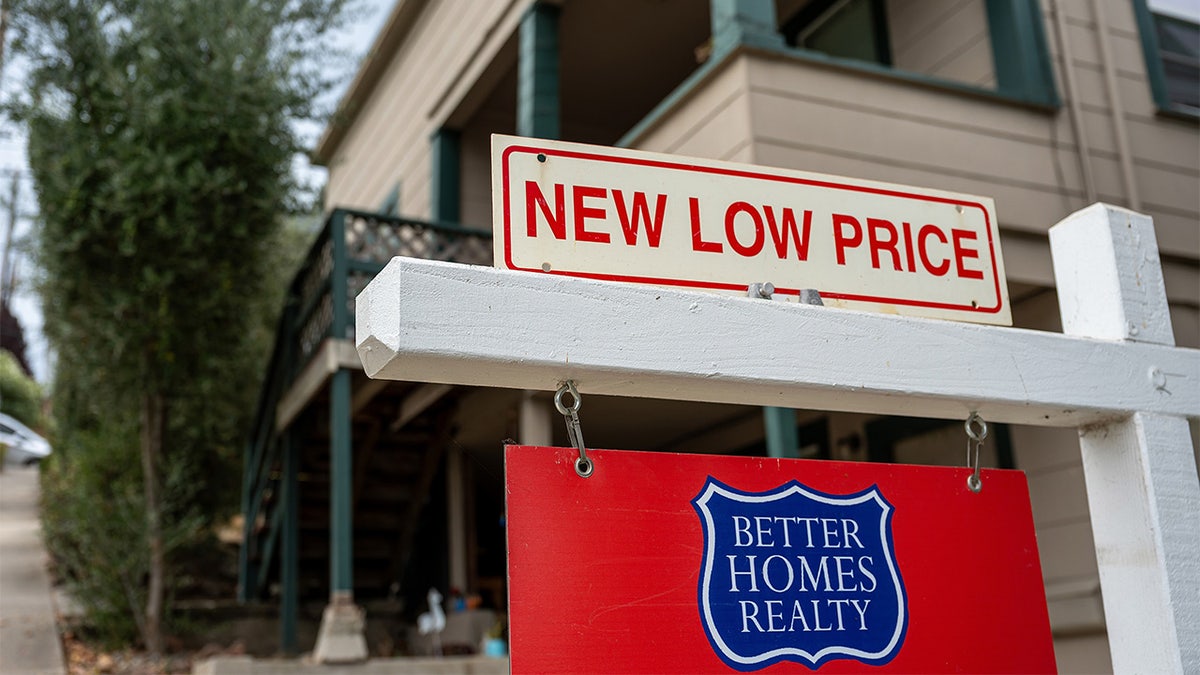
A «New Low Price» sign in front of a home in Crockett, Calif., on Sept. 24, 2025. (David Paul Morris/Bloomberg via Getty Images)
Multiple public surveys released in recent months have found that Americans have a strong desire for more affordable housing. One poll shared by the site Affordable Housing Finance found that more than 60% of people surveyed supported increasing missing middle housing.
The bill was also pushed by lawmakers across the political spectrum. Its two main leaders in the House were House Financial Services Committee Chairman French Hill, R-Ark., a longtime Republican congressman, and progressive stalwart Rep. Maxine Waters, D-Calif., the top Democrat on the committee.
Another proponent of the bill, Main Street Caucus Chairman Brian Flood, R-Neb., hailed it as «landmark legislation.»
PRO-TRUMP GROUP UNLEASHES BLUEPRINT FOR CRUCIAL HOUSING INITIATIVE FEATURING TOP MAGA INFLUENCER
«It doesn’t matter if you’re in a blue city or a red city, whether you’re a Habitat for Humanity in Omaha or, you know, a housing developer in Birmingham, Alabama, these issues aren’t partisan,» Flood told reporters on Monday. «In order to solve the housing crisis, we have to be able to remove a lot of the barriers.»
Hill told reporters that the legislation did not get in the way of areas that had an oversupply of housing, either.
«If there’s not a demand for housing, this doesn’t get in the way of that. I mean, this requires a bank to be willing to lend a community development program to say that we should spend these dollars to build housing. And if there is a surplus of housing and pricing is affordable, then there wouldn’t be that market signal that says we need new housing,» Hill said.
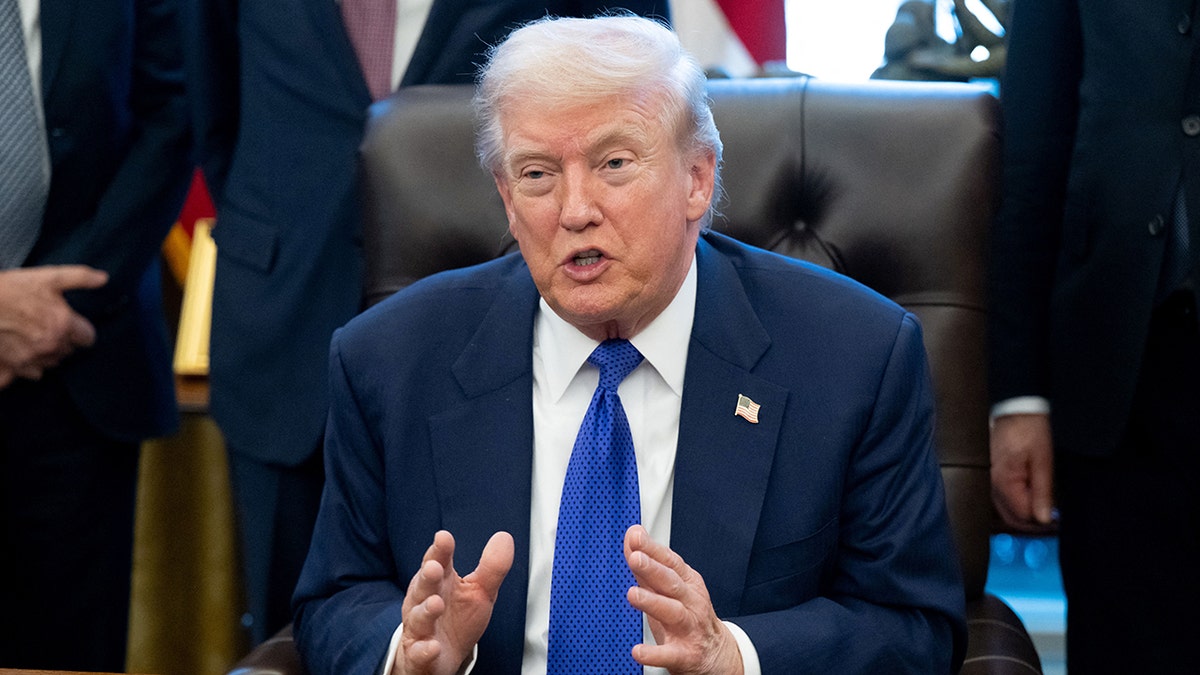
President Donald Trump speaks to the press in the Oval Office of the White House in Washington, Feb. 2, 2026. (Saul Loeb/AFP via Getty Images)
It comes as affordability appears to be an increasingly important topic in the coming November midterm elections.
CLICK HERE TO DOWNLOAD THE FOX NEWS APP
Other supporters of the legislation include Rep. Emmanuel Cleaver, D-Mo., and Rep. Marlin Stutzman, R-Ind., the latter of which championed a bill whose core tenets got folded into the final piece.
«If House Republicans and Democrats can agree on this package to increase housing supply and lower prices across the nation, the Senate should be able to swiftly send it to the president’s desk,» Stutzman told Fox News Digital. «Our constituents need the relief this bill offers.»
Stutzman introduced a bill in September of last year aimed at streamlining the environmental review process for new rural housing projects.
The bill now heads to the Senate, where it must pass with bipartisan support before getting to Trump’s desk for his signature.
house of representatives politics,politics,housing
INTERNACIONAL
Vuelos cancelados y aerolíneas que desvían sus rutas: Cuba se queda sin combustible para los aviones
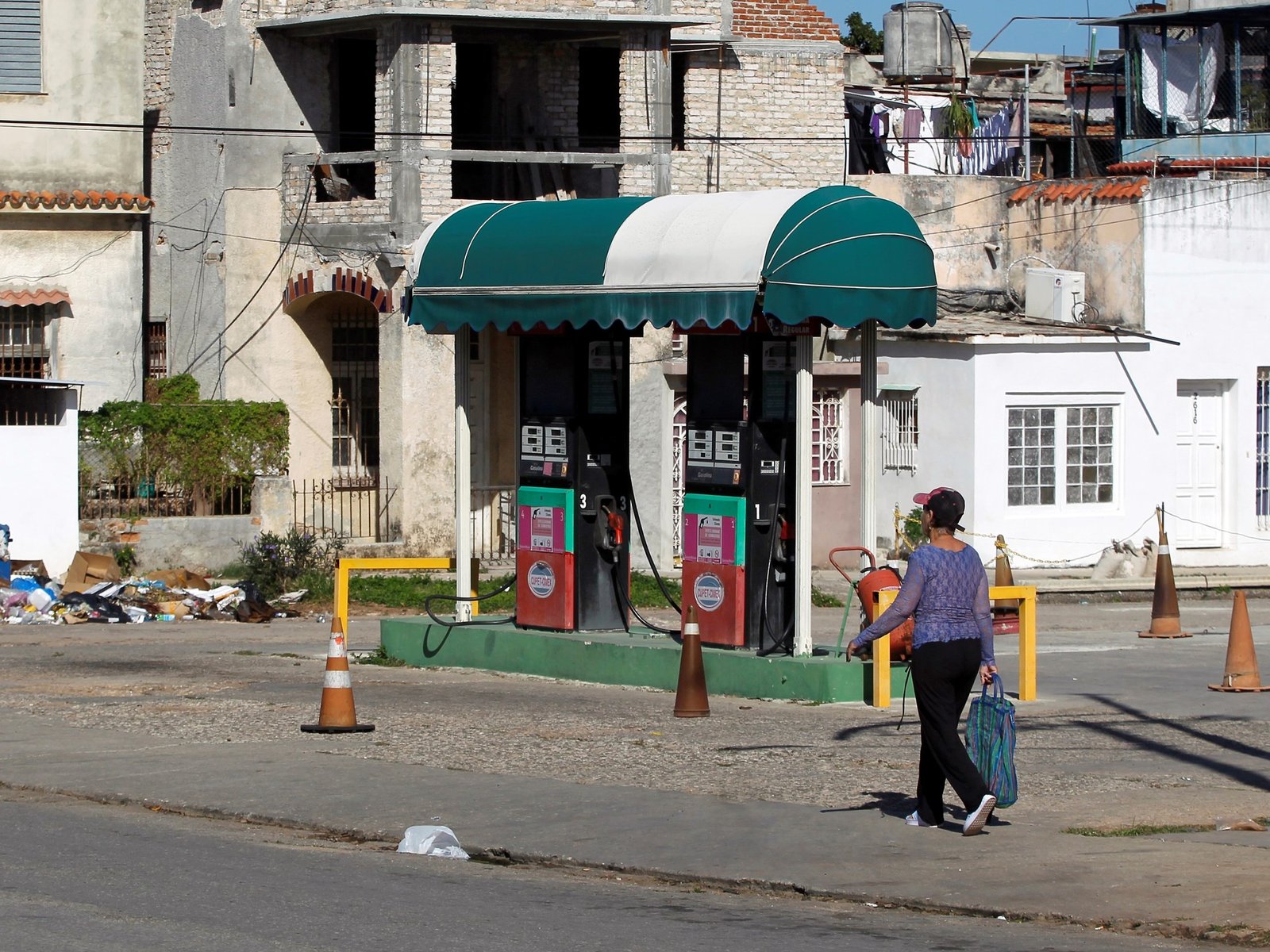
Cuba se queda este lunes sin combustible para aviones, una evidencia más de los graves efectos que está teniendo el estrangulamiento petrolero de Estados Unidos sobre una isla que se encontraba ya en una grave crisis económica y energética.
Como adelantó EFE, las autoridades cubanas informaron a las aerolíneas este domingo a través del servicio de comunicaciones Notam (Aviso a aviadores) y las compañías con vuelos diarios a la isla -principalmente estadounidenses, españolas, mexicanas y panameñas- empezaron a tomar medidas de emergencia.
Las aerolíneas españolas Air Europa e Iberia, con rutas diarias a La Habana (Cuba), informaron que a partir de ahora en sus vuelos desde la isla a Madrid incluirán una parada técnica de repostaje en República Dominicana.
Air Canada, la principal línea aérea de Canadá, anunció este lunes que de forma inmediata suspenderá sus servicios a Cuba por la falta de combustible.
Otras compañías canadienses, el primer mercado de origen del turismo a la isla, comenzaron a reajustar sus frecuencias y rutas, así como a ofrecer cancelación de reservas o cambios sin penalización a sus clientes.
El aviso de las autoridades cubanas en Notam afectaba a los nueve aeropuertos internacionales de Cuba y tenía, en principio, validez por un mes, del 10 de febrero al 11 de marzo.
El sector turístico completo, esencial para la economía cubana, está viéndose afectado por el asedio petrolero de Estados Unidos, que primero acabó con los envíos de Venezuela (3 de enero) y luego amenazó con aranceles a los países suministrasen crudo a la isla (29 de enero).
Entre las medidas de emergencia incluidas en el duro paquete anunciado por el Gobierno cubano para tratar de subsistir sin importaciones de petróleo (pese a que la isla sólo produce un tercio de sus necesidades energéticas) está la «compactación de infraestructuras hoteleras».
En efecto, según confirmaron a EFE este sábado fuentes del sector, varios hoteles del país -principalmente en Varadero y los cayos del norte- han cerrado sus puertas de urgencia y transferido sus turistas a otras instalaciones como medida de ahorro.
La hotelera española Meliá explicó a EFE que cerraron tres instalaciones en la isla de forma provisional, una decisión operativa «basada estrictamente en los niveles de ocupación» para optimizar recursos y con la prioridad de garantizar el mejor servicio y experiencia a los clientes.
El turismo en Cuba se encontraba ya en horas bajas por la conjunción de la pandemia, las sanciones estadounidenses y la crisis del país. El año pasado cerró con apenas 1,8 millones de visitantes internacionales, frente a los 4,7 de 2018.
El turismo había sido en Cuba una de las tres mayores fuentes de divisas, con las remesas y las misiones médicas (otros dos ámbitos en horas bajas).
La escalada de la presión estadounidense cae sobre la isla en su peor crisis económica en décadas, con escasez de bienes básicos (alimentos, combustible, medicinas), elevada inflación, dolarización parcial, prolongados apagones diarios, derrumbe de la producción, abultado déficit fiscal y una migración masiva.
El oficial Centro de Estudios de la Economía Cubana (CEEC) estima en su informe del segundo semestre del año pasado que el producto interno bruto (PIB) de la isla se contrajo un 5 % en 2025, con lo que la economía nacional habría caído más de un 15 % desde 2020.
El documento habla de una «coyuntura crítica» con «solapamiento de crisis» y de «un modelo económico agotado y sin resortes efectivos» para «transformar una realidad necesitada de cambios estructurales y una renovada capacidad de adaptación».
Sobre 2026, el CEEC advierte de un «escenario dominado por la incertidumbre» y percibe como optimista la previsión del Gobierno cubano de crecer un 1 %. Y eso, antes de la orden presidencial que amenaza con aranceles a quien suministre petróleo a la isla.
México, uno de los principales suministradores de Crudo a Cuba en 2025, optó por suspender los envíos de petróleo y mandar a la isla 814 toneladas de ayuda humanitaria. Los dos barcos militares mexicanos con alimentos y productos de higiene tienen previsto atracar en Cuba a mediados de este semana.
Con información de la agencia EFE

El maravilloso estreno de Dro con el PSG: ovación, taconazo… y muchos palos

Los gremios del transporte anunciaron un paro para el miércoles: qué servicios estarán afectados

Quién fue el último eliminado de MasterChef Celebrity: el desafío de la centolla y una salida que emocionó a todos

Pitágoras, filósofo griego: “Si querés vivir mucho, guardá un poco de vino rancio y un amigo viejo”

Las fuertes compras del BCRA no detienen la caída del dólar y reaparece el ancla para frenar la suba de la inflación

Jaime Bayly reconstruye los tres días que sacudieron a Venezuela en 2002: “Chávez fue un militar, pero también un animador de televisión”

¿La revancha de Don Chatarrín?: acuerdo Trump-Milei puede favorecer a Rocca ante el avance asiático

Natalie Weber contó toda la verdad del coqueteo de Sabrina Rojas a Mauro Icardi en un boliche: “Yo sé lo que pasó esa noche y te puedo decir que Sabrina no fue”

Top fiery moments as Democrats clash with Treasury Secretary Bessent in chaotic Hill hearings

Cande Tinelli tiene nuevo novio y casi se matan a piñas con su ex pareja

 CHIMENTOS3 días ago
Natalie Weber contó toda la verdad del coqueteo de Sabrina Rojas a Mauro Icardi en un boliche: “Yo sé lo que pasó esa noche y te puedo decir que Sabrina no fue”
- ECONOMIA2 días ago
El sector industrial advierte que la apertura económica exige eliminar las distorsiones internas
- CHIMENTOS2 días ago
Mirtha Legrand se quebró desconsolada al hablar de la renuncia de Jimena Monteverde a su mesaza