INTERNACIONAL
Reporter’s Notebook: Who really decides when America goes to war? The answer isn’t so clear

NEWYou can now listen to Fox News articles!
The Founding Fathers were clear about lots of things, but in the era of modern warfare, who calls the shots and has the final say to head into battle was not the Founders’ most crystalline moment.
Article I, Section 8 of the Constitution grants Congress the power to «declare War.» But Article II, Section 2 of the Constitution anoints the President «Commander in Chief.»
Constitutional scholars argue that Congress must adopt a resolution before sending service personnel into hostilities abroad under the aegis of «war.» But what if you just dispatch B-2 bombers from Whiteman Air Force Base in Missouri to fly halfway around the world and slingshot 14 bunker buster bombs into three of Iran’s nuclear facilities? Or if you greenlight Ohio Class subs to fire 30 Tomahawk missiles into Iran as well?
TRUMP RECEIVES MIXED SUPPORT FROM CONGRESS FOR IRAN STRIKES AS WAR POWERS DEBATE RAGES
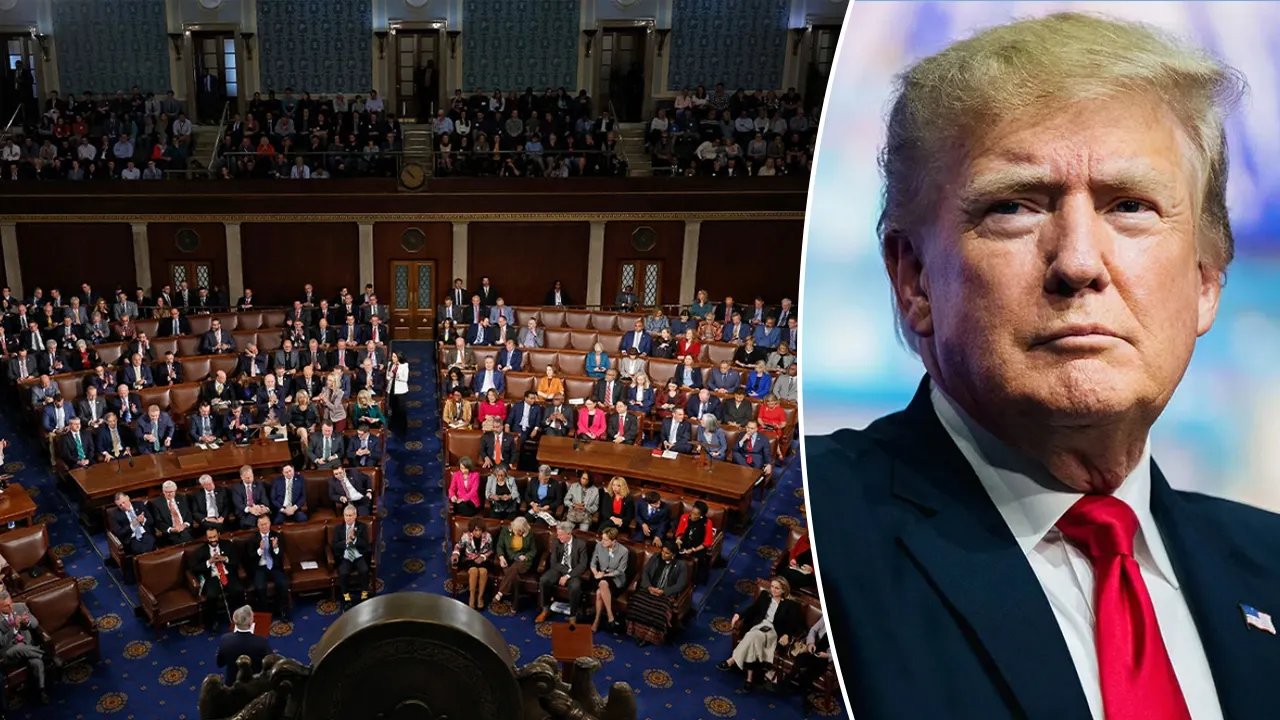
The debate over who gets to declare war rages on in Congress. (Getty Images)
Are you «at war?» Does the president have the authority to do that? What about Congress?
Well, if you say the president — or Congress — both can be right.
Or wrong.
«I’m someone who believes in the Constitution and the War Powers Act,» said Rep. Nancy Mace, R-S.C., on Fox. «(President) Donald Trump did not declare war. He has the right as commander-in-chief to execute a very surgical process.»
SENATE GOP AIMS TO APPROVE MAJOR LEGISLATION NEXT WEEK AS TRUMP TOUTS PARTY UNITY
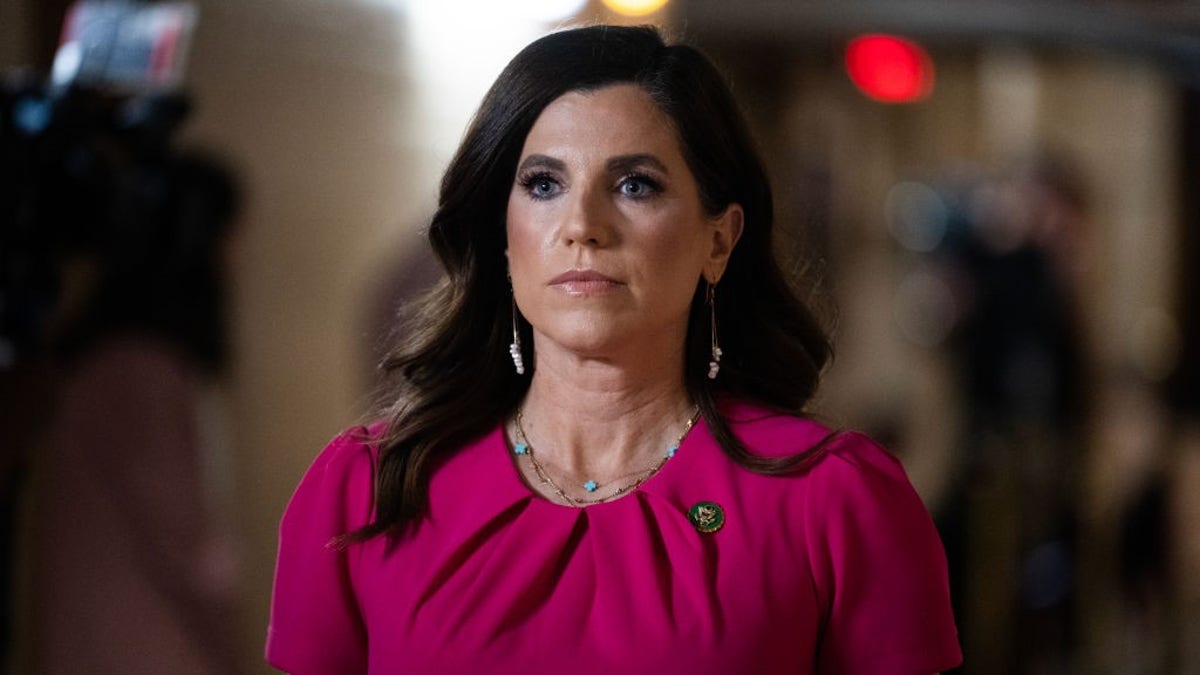
Rep. Nancy Mace, R-S.C., leaves a meeting of the House Republican Conference in the U.S. Capitol on June 6, 2023. (Getty Images)
Mace noted «there were no troops on the ground.»
But then the South Carolina Republican added this:
«The 2001 AUMF is still in place. If we didn’t like it, then Congress should get rid of it,» said Mace.
OK. Hold on.
We know what «troops on the ground» is. We think (think) we understand what «declaring war» is (or do we?).
But pray tell, what in the world is an «AUMF?»
That’s congressional speak for an «Authorization for Use of Military Force.»
It’s kind of like Congress «declaring war.» Both the House and Senate must vote to «declare war.»
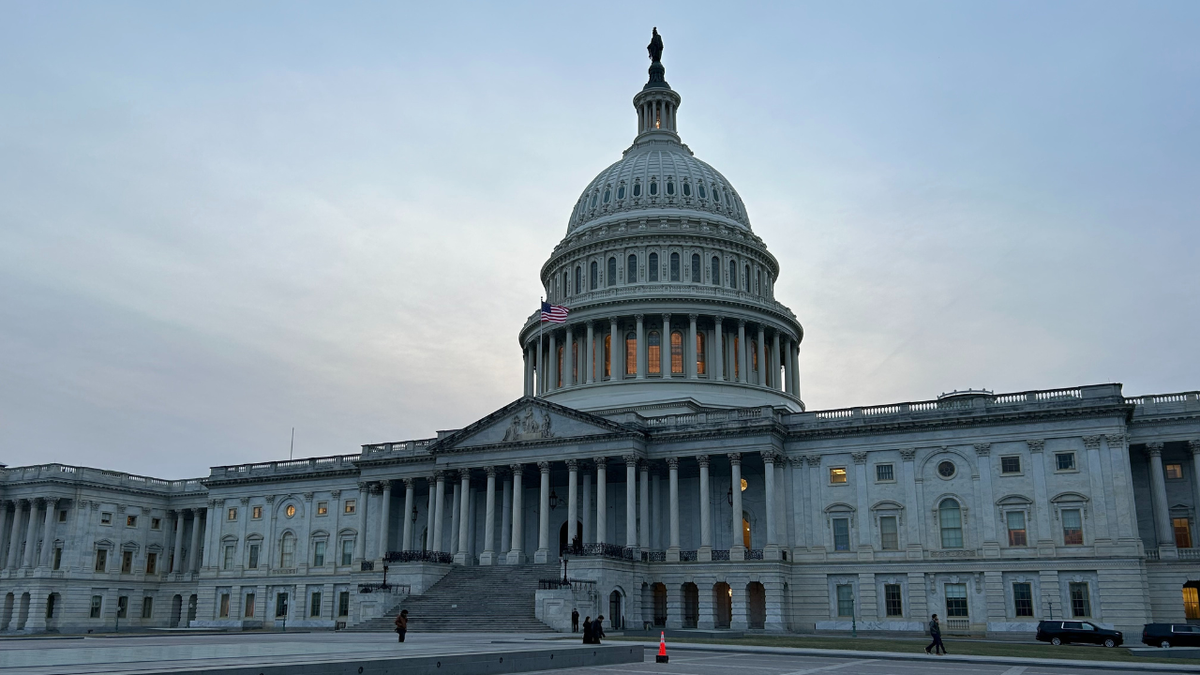
US Capitol Building at sunset on Jan. 30, 2025. (Fox News Digital)
Transom windows, pie safes and coal chutes in homes all started to become obsolete in the 1940s.
So did «declaring war,» apparently.
Congress hasn’t «declared war» since 1942.
And that was against Romania.
In fact, the U.S. has only «declared war» 11 times in history.
And Congress doesn’t just «declare war.» Both the House and Senate must vote. And so what the modern Congress does now is approve an «authorization» to send the military into harm’s way overseas. That could be by sea. Troops on the ground. In the air. You name it.
Congress authorized the Gulf of Tonkin Resolution in 1964. That was the gateway to years of fighting in Vietnam and Southeast Asia. More recently, Congress blessed an authorization to invade Afghanistan and wage the «war on terror» in 2001 after 9/11. Lawmakers followed that up in the fall of 2002 for authorization to invade Iraq — on suspicion that Saddam Hussein’s regime had an arsenal of weapons of mass destruction. The U.S. and its allies found nothing after the 2003 invasion.
To Mace’s point, the 2001 AUMF is so broad that four American presidents have deployed it for various military action around the world. Mace’s argument would be that Iran or its proxies could launch terrorism attacks — or even a nuclear weapon somewhere. So, the 2001 AUMF is justification for American involvement.
That said, most foreign policy and military experts argue that the 2001 and 2002 AUMFs are calcified, legislative relics.
This is why it’s a political kaleidoscope about how various lawmakers felt about launching attacks on Iran and if Congress must get involved.
Democrats who usually oppose President Trump supported airstrikes.
ISRAEL-IRAN CONFLICT: LIVE UPDATES
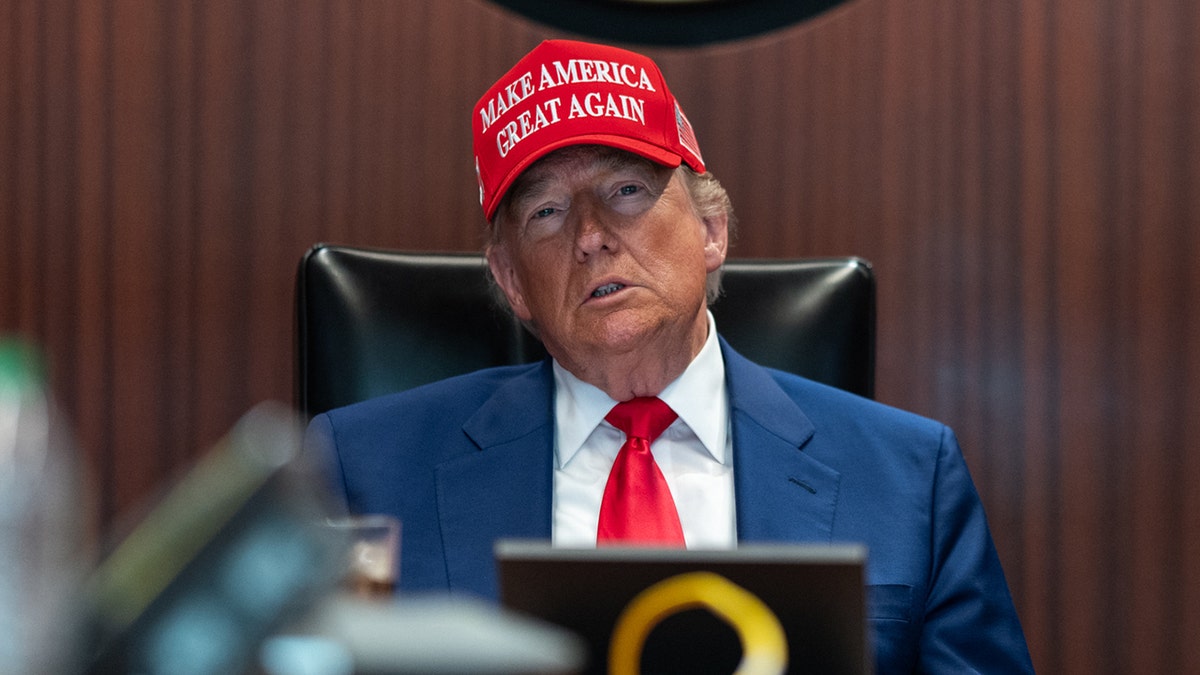
In this handout provided by the White House, U.S. President Donald Trump and Secretary of State Marco Rubio (R) sit in the Situation Room as they monitor the mission that took out three Iranian nuclear enrichment sites at the White House on June 21, 2025, in Washington. (Daniel Torok/The White House via Getty Images)
«I’ve been saying, ‘Hell yes’ for I think it’s almost six weeks,» said Sen. John Fetterman, D-Pa.
Rep. Debbie Wasserman Schultz, D-Fla., is one of the most pro-Israel lawmakers from either party.
«This window is open now,» said Wasserman Schultz before the attack. «We can’t take our boot off their neck.»
But possible strikes worried lawmakers even before the U.S. launched them. There’s concern the conflagration could devolve into a broader conflict.
«The idea that one strike is going to be adequate, that it’s going to be one and done, I think is a misconception,» said Sen. Richard Blumenthal, D-Conn.
Before the conflict, bipartisan House members just returned from Saudi Arabia, the United Arab Emirates and Bahrain.
«They are worried that this will escalate,» said Rep. Don Bacon, R-Neb. «And it wouldn’t take a whole lot for it to spiral out of control.»
This is why Reps. Thomas Massie, R-Ky., and Ro Khanna, D-Calif., wanted the House to vote on their resolution before the U.S. attacked Iran.
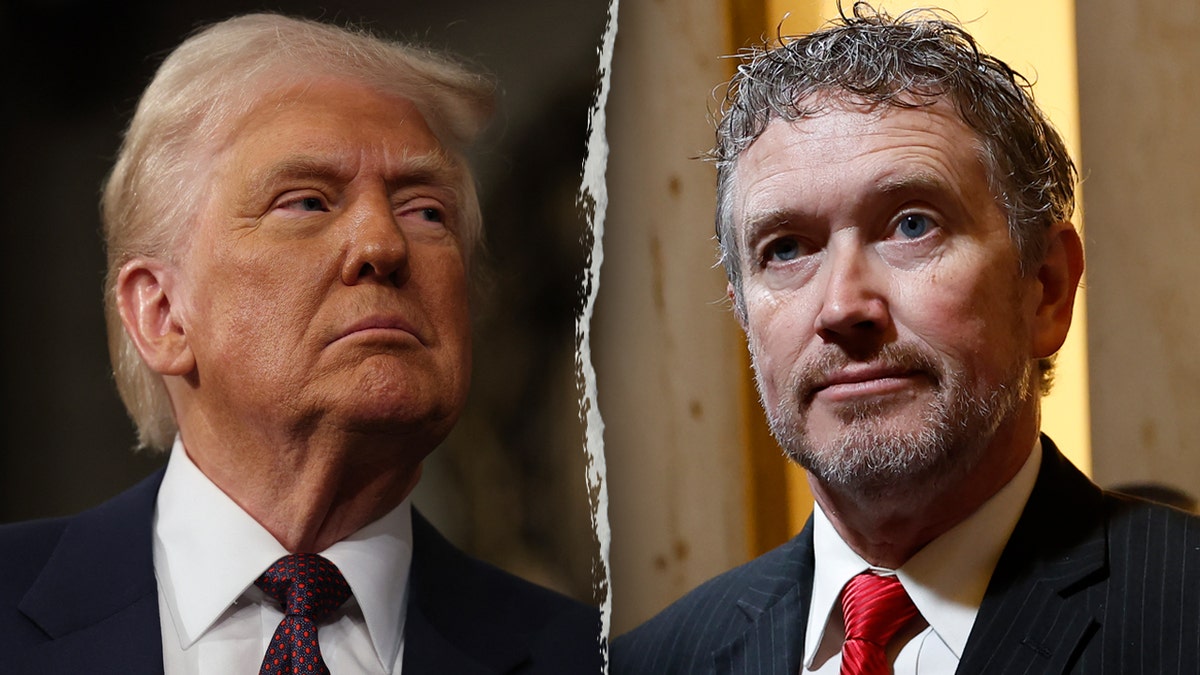
Reps. Thomas Massie, R-Ky., and Ro Khanna, D-Calif., wanted the House to vote on their resolution before the U.S. attacked Iran on Trump’s orders. (Getty Images)
«I wouldn’t call my side of the MAGA base isolationists. We are exhausted. We are tired from all of these wars. And we’re non-interventionists,» said Massie on CBS.
«You’re wasting billions of our dollars because we’re sending more troops to the Middle East. What did you accomplish? And why are you oblivious to the American people who are sick of these wars?» said Khanna, also on CBS.
Rep. Marjorie Taylor Greene, R-Ga., didn’t mention Trump by name, but in a screed posted on X, she excoriated the decision to strike Iran.
«Only 6 months in and we are back into foreign wars, regime change, and world war 3. It feels like a complete bait and switch to please the neocons, warmongers, military industrial complex contracts, and neocon tv personalities that MAGA hates and who were NEVER TRUMPERS!» wrote Greene.
Rep. Warren Davidson, R-Ohio, also questioned the authority of the president to fire on Iran.
«While President Trump’s decision may prove just, it’s hard to conceive a rationale that’s Constitutional,» wrote Davidson on social media.
But when it came to Republicans criticizing those who went against Trump, most GOPers took on Massie.
«I’m not sure what’s going on with Thomas. He votes no against everything,» said Rep. Greg Murphy, R-N.C., on Fox Business. «I’m not sure why he’s even here anymore.»
«He should be a Democrat because he’s more aligned with them than with the Republican Party,» said White House spokeswoman Karoline Leavitt on Fox about Massie.
CLICK HERE TO GET THE FOX NEWS APP
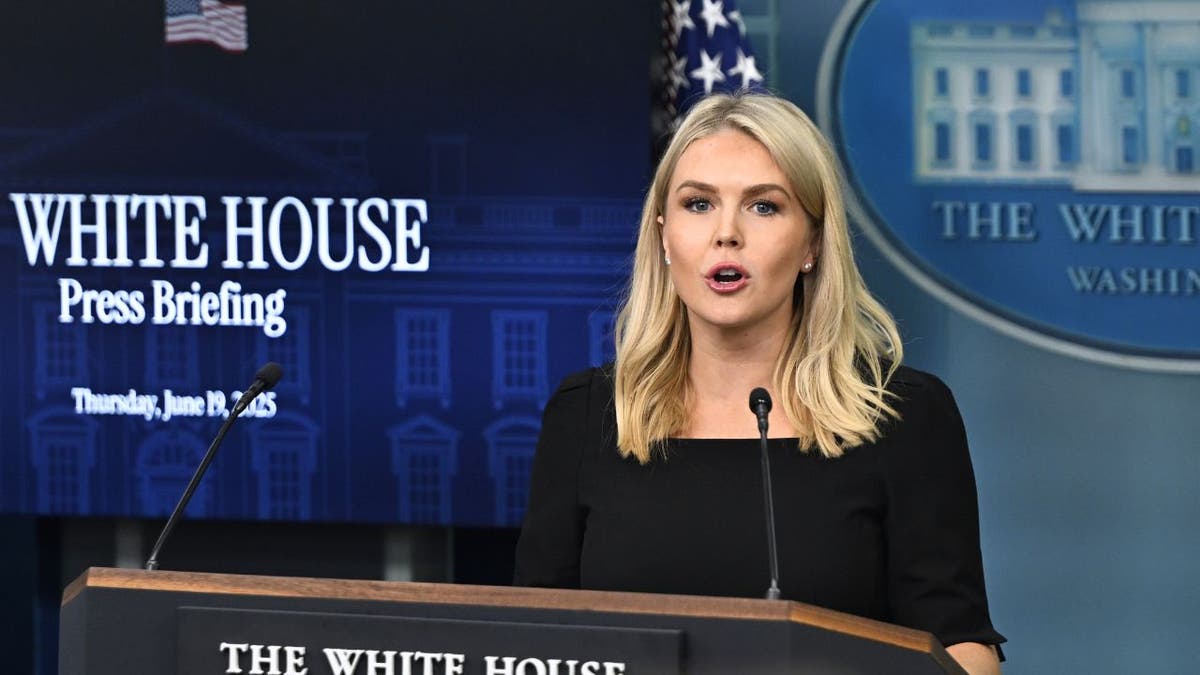
White House Press Secretary Karoline Leavitt said Thursday that President Donald Trump will make a decision on the U.S. becoming involved in Israel’s conflict with Iran within the next two weeks. (Celal Gunes/Anadolu via Getty Images)
Shooing away Republicans toward the Democratic Party could be a questionable strategy considering the narrow GOP House majority. It’s currently 220 to 212 with three vacancies. All three vacancies are in districts heavily favored by the Democrats.
Sen. Tim Kaine, D-Va., plans to compel the Senate to vote this week on a resolution to determine if the U.S. should tussle militarily with Iran.
«We will have all members of the Senate declare whether or not the U.S. should be at war with Iran. It’s unconstitutional for a president to initiate a war like this without Congress,» said Kaine on Fox. «Every member of Congress needs to vote on this.»
Whether the U.S. is involved in «war» with Iran is an issue of debate. And here’s the deepest secret: Lawmakers sometimes preach about exercising their war powers authorities under Article I of the Constitution. But because votes about «war» or «AUMFs» are complicated, some members would rather chatter about it — but cede their power to the president. The reason? These are very, very tough votes, and it’s hard to decide the right thing to do.
The Founders were skeptical of a powerful executive. They wanted to make sure a «monarch,» or, in our case, a president, couldn’t unilaterally dial up hostilities without a check from Congress. But over time, Congress relinquished many of those war powers. And that’s why the executive seems to call the shots under these circumstances.
Is the U.S. at war? Like many things, it may be in the eye of the beholder.
And whether this responsibility ultimately lies with Congress or the president is in the eye of the beholder, too.

NEWYou can now listen to Fox News articles!
Government documents reveal the fall of drug kingpin «El Mencho» over the weekend was the culmination of an aggressive, more than yearlong strategy of «total elimination» pursued by the Trump administration against the ruthless Jalisco New Generation cartel (CJNG), which is present in almost all 50 U.S. states.
Ruben «Nemesio» Oseguera Cervantes, known as «El Mencho,» the leader of the CJNG, was killed Sunday in a Mexican military operation in Tapalpa, Mexico, authorities said. Though the operation was carried out by Mexican forces, the United States laid the groundwork, making El Mencho’s fall possible.
On President Donald Trump’s first day in office, he signed an executive order directing the State Department to designate several cartels and international criminal groups «foreign terrorist organizations» (FTOs), a designation unlocking military-grade surveillance and «material support» prosecutions. Though lesser known than MS-13 or Tren de Aragua, CJNG was one of the groups designated an FTO by the administration.
Shortly after Trump’s executive order, on Feb. 5, Attorney General Pam Bondi sent a policy memorandum to all Department of Justice employees, announcing a «fundamental change in mindset and approach» to cartels and transnational criminal organizations to a policy of «total elimination.»
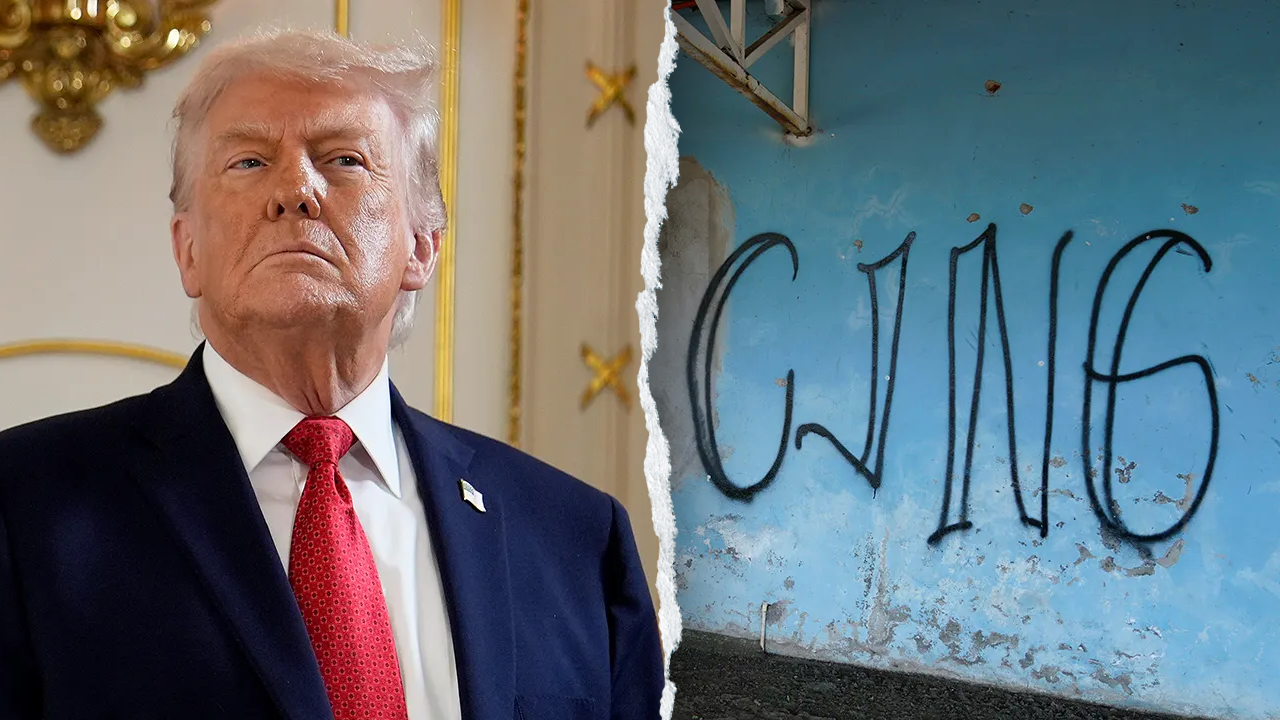
A mugshot of Ruben «Nemesio» Oseguera Cervantes, known as «El Mencho,» beside graffiti depicting the letters of the Jalisco New Generation cartel on an abandoned home in El Limoncito, Mexico. (Eduardo Verdugo/AP Images; Drug Enforcement Administration)
Rather than simply seeking to mitigate the harms of cartel activity, Bondi said the DOJ would be suspending red tape to «empower federal prosecutors throughout the country to work urgently with the Department of Homeland Security and other parts of the government toward the goal of eliminating these threats to U.S. sovereignty.»
The memo said the DOJ would be prioritizing cartel managers and leaders.
According to the Drug Enforcement Administration’s 2025 National Drug Threat Assessment, CJNG is one of the most ruthless cartels in Mexico and a key supplier of fentanyl to the U.S., making it «one of the most significant threats to the public health, public safety, and national security of the United States.»
The DEA said CJNG operates vast distribution networks within the U.S., with associates, facilitators and affiliates operating in «almost all 50 U.S. states.» The DEA also said CJNG has been increasing its involvement in non-drug crime, including extortion, taxing human smuggling and fraud schemes.
A 2019 DOJ statement to the Senate Committee on Homeland Security and Governmental Affairs states that CJNG is «one of the most powerful and fastest growing cartels» and operates key drug distribution hubs in Los Angeles, New York, Chicago and Atlanta. The Department of National Intelligence estimates the group has approximately 15,000–20,000 members.
CARTELS OUTGUN POLICE: ROCKET LAUNCHERS SEIZED IN EL MENCHO RAID SPOTLIGHT CJNG FIREPOWER

A soldier stands guard by a charred vehicle after it was set on fire in Cointzio, Mexico, Sunday, Feb. 22, 2026, after the death of cartel leader «El Mencho.» (AP Photo/Armando Solis)
Recognizing the threat posed by CJNG, the administration announced major results just over one month after Trump’s inauguration. On Feb. 27, Bondi announced the U.S. had secured the extradition of 29 high-ranking cartel leaders from Mexico, including top-tier CJNG leaders, a key money broker and a family member of El Mencho. Among those extradited and charged was Antonio Oseguera Cervantes, also known as «Tony Montana,» El Mencho’s brother, who was charged in the District of Columbia for his alleged leadership role in the cartel.
On March 7, El Mencho’s son and heir apparent, Ruben Oseguera-Gonzalez, known as «El Menchito,» was sentenced in Washington, D.C., to life in prison plus 30 years and ordered to forfeit $6 billion in drug proceeds. El Menchito had been extradited to the U.S. during the first Trump administration in 2020.
The next week, on March 15, the president again upped the ante against the cartels by designating fentanyl as a weapon of mass destruction, authorizing the use of advanced military assets for supply-side interdiction at the border. The move had a major impact on CJNG’s drug smuggling operations.
June was another high-impact month in the fight against CJNG. El Mencho’s brother-in-law, José González Valencia, «La Chepa,» was sentenced to 30 years in federal prison. Another high-ranking leader, José González Valencia, co-founder of the CJNG’s financial wing «Los Cuinis,» was also sentenced to 30 years.
The same month, the Treasury Department used the FEND Off Fentanyl Act for the first time to cut off three major Mexican banks, CIBanco, Intercam and Vector, from the U.S. dollar system for allegedly laundering CJNG funds.
US DRUG OVERDOSE DEATHS PLUMMET 20% AS TRUMP ADMINISTRATION CRACKS DOWN ON SOUTHERN BORDER
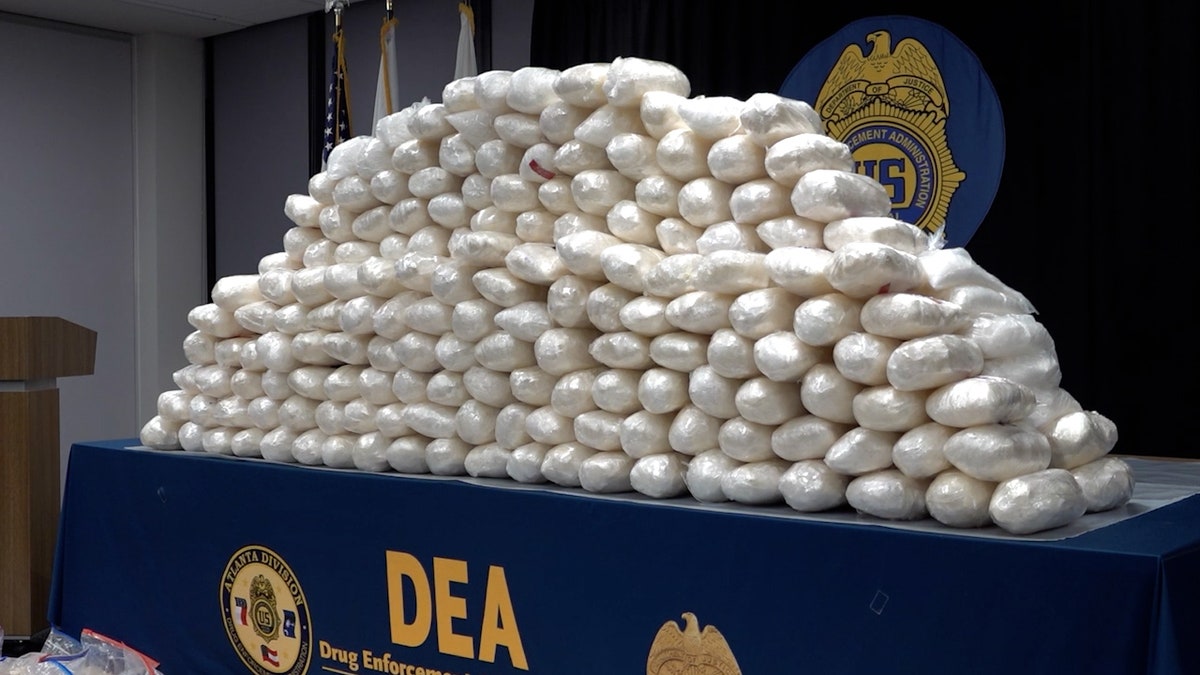
The Drug Enforcement Administration in Atlanta seized more than 1,000 pounds of meth linked to the violent Jalisco New Generation cartel in September. (Fox News)
In August, the administration secured the extradition of another 26 high-ranking cartel leaders from Mexico, including Abigael González Valencia, another brother-in-law of El Mencho known as «El Cuini,» who was the head of a major money-laundering organization for the cartel.
Not letting up, the next month, the DEA and Department of Homeland Security launched a massive, nationwide weeklong operational surge targeting CJNG distribution networks. The effort led to 670 arrests and the seizure of $18 million in currency and $29 million in assets. The operation also resulted in the seizure of 92.4 kilograms of fentanyl powder and 1,157,672 counterfeit fentanyl pills.
Announcing the seizures, DEA Administrator Terrance Cole said the administration «is targeting the Jalisco New Generation cartel as what it is—a terrorist organization—at every level, from its leadership to its distribution networks and everyone in between.»
MEXICO FLIES 37 CARTEL MEMBERS TO US UNDER PRESSURE FROM TRUMP ADMIN
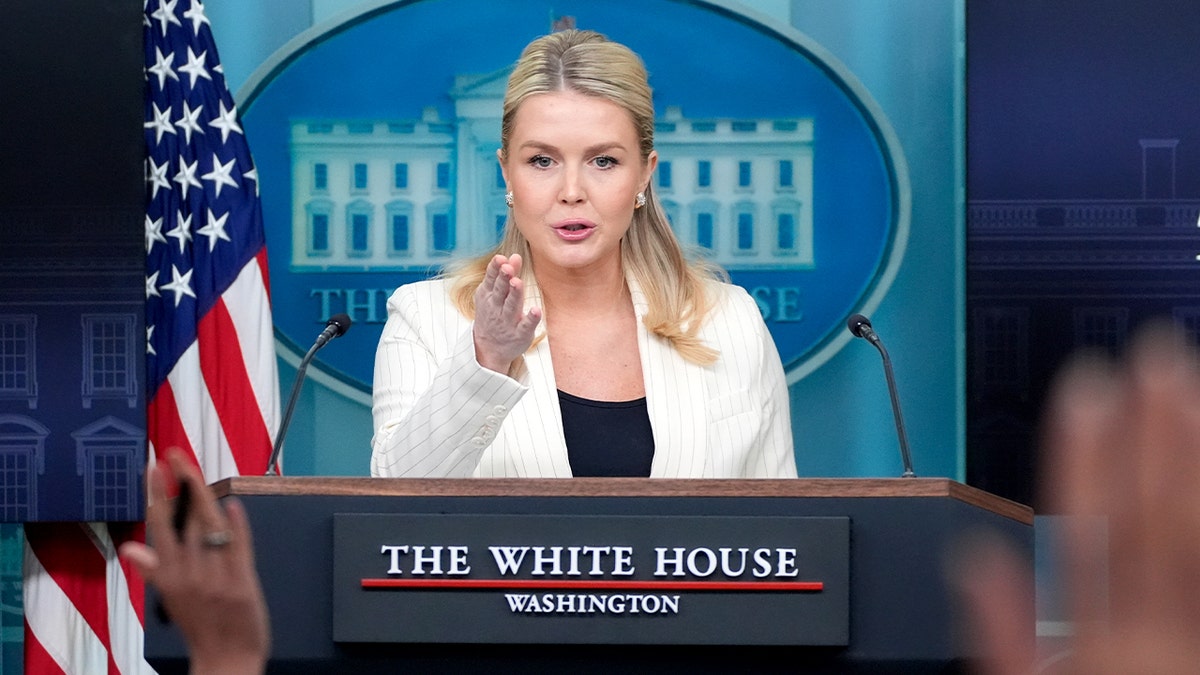
White House press secretary Karoline Leavitt says murders plunged to historic lows as Trump ramped up arrests, deportations and gang crackdowns, citing new crime data. (Alex Brandon/AP)
«Let this serve as a warning,» said Cole at the time. «DEA will not relent… This focused operation is only the beginning — we will carry this fight forward together until this threat is defeated.»
By the end of 2025, the DEA was reporting that it had seized a total of 47 million fentanyl pills, enough to represent more than 369 million lethal doses, from cartel smugglers, including CJNG.
At the start of 2026, the administration again increased its targeting of CJNG and other cartels. The Department of War established the Joint Interagency Task Force-Counter Cartel (JIATF-CC) under U.S. Northern Command as the «next step» in the whole-of-government approach to «identify, disrupt, and dismantle cartel operations posing a threat to the United States along the U.S.-Mexico border.»
On Feb. 19, just 72 hours before the Tapalpa raid, the Treasury sanctioned Kovay Gardens, a CJNG-controlled resort in Puerto Vallarta, cutting off a $300 million revenue stream flowing into the cartel’s coffers.
CLICK HERE TO DOWNLOAD THE FOX NEWS APP
Following the raid, White House press secretary Karoline Leavitt confirmed the U.S. provided intelligence support to the Mexican government to assist in the operation.
Leavitt added that Trump «has been very clear the United States will ensure narcoterrorists… are forced to face the wrath of justice they have long deserved.»
Related Article
mexican cartel violence,donald trump,homeland security,defense,justice department,location mexico,pam bondi
INTERNACIONAL
La hermana del dictador Kim Jong-un, Kim Yo-jong, fue ascendida en el congreso de Corea del Norte
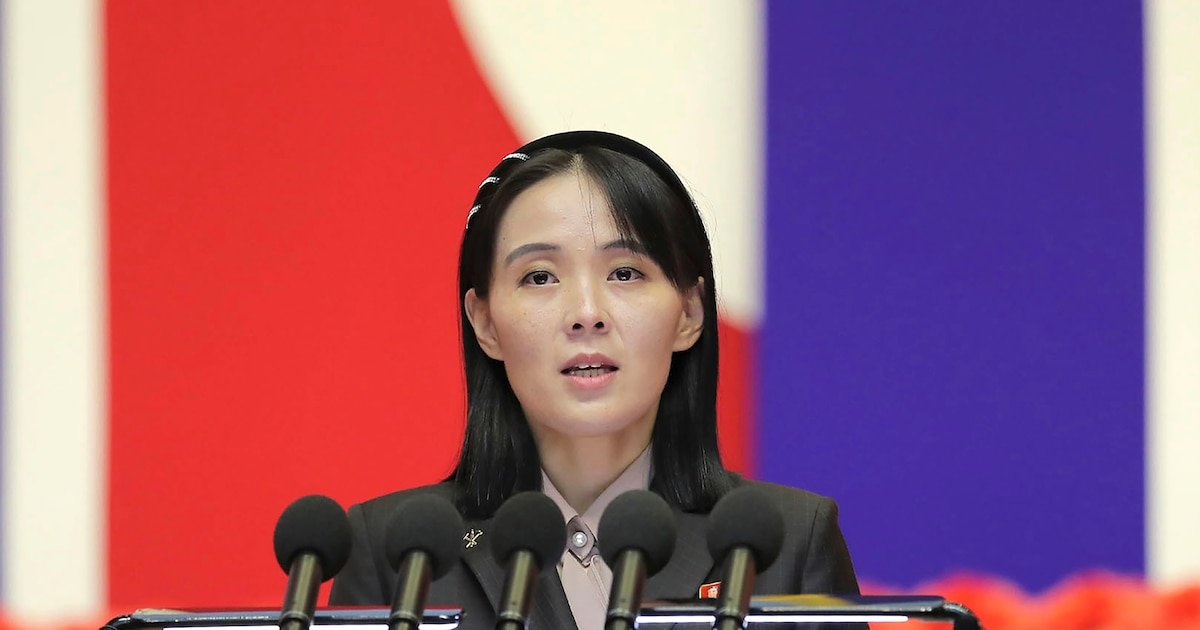
La hermana de Kim Jong-un, Kim Yo-jong, obtuvo un ascenso como directora titular de departamento en el Partido de los Trabajadores de Corea del Norte, según confirmaron este martes los medios estatales.
De acuerdo con la Agencia Central de Noticias de Corea (KCNA), la decisión se tomó durante el congreso quinquenal del partido gobernante en Pyongyang, donde el Comité Central oficializó el nuevo cargo de la funcionaria.
Kim Yo-jong ocupaba hasta ahora el puesto de subdirectora de departamento y su promoción la coloca al frente de uno de los espacios de mayor influencia dentro de la estructura partidaria. El evento, que congregó a miles de miembros de la elite, marcó uno de los pocos momentos en que se permite observar el funcionamiento interno del régimen norcoreano.
El congreso, que se realiza cada cinco años, define las prioridades del Partido de los Trabajadores en áreas clave como la diplomacia y la planificación militar. La cumbre también sirve como escenario para que el líder norcoreano consolide su control sobre la estructura.
Nacida a fines de la década del ochenta, de acuerdo con datos del gobierno surcoreano, Kim Yo-jong es hija de Kim Jong-il y de Ko Yong-hui, quien fue bailarina y tercera pareja conocida del ex mandatario. Tanto ella como su hermano cursaron estudios en Suiza, antes del ascenso de Kim Jong-un tras el fallecimiento de su padre en 2011, y su avance en la jerarquía política se aceleró a partir de ese momento.

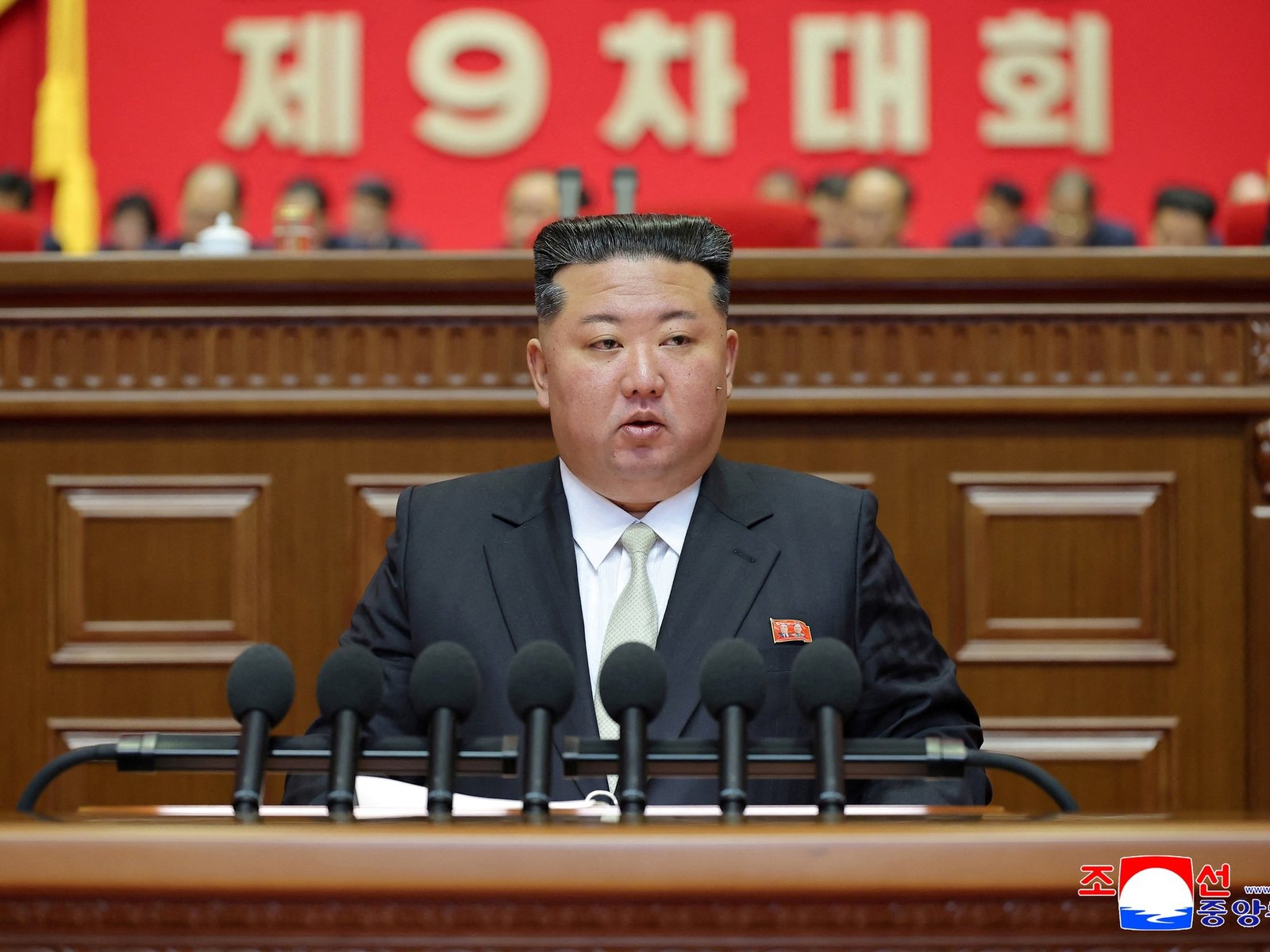
La KCNA indicó que se prevé que Kim Jong-un anuncie las próximas etapas del programa nuclear norcoreano en el transcurso del congreso, que continuará durante varios días.
El dictador norcoreano fue reelecto como secretario general del Partido de los Trabajadores de Corea del Norte durante este noveno congreso de la organización. La decisión, adoptada en la cuarta jornada del encuentro, recibió el respaldo unánime de los delegados y formalizó así su control sobre el poder político y militar del país.
El partido calificó el nombramiento como expresión de la “voluntad inquebrantable” de sus miembros y destacó la figura de Kim como el único dirigente capaz de encarnar la fortaleza del Estado.
“La disuasión bélica del país, con las fuerzas nucleares como eje central, ha mejorado radicalmente y nuestro Estado ha avanzado dinámicamente hacia la prosperidad, garantizando así el futuro del país y de su pueblo a pesar de los duros desafíos de la historia”.
El congreso, considerado el máximo órgano de decisión política del régimen, reúne a cerca de 7.000 participantes entre delegados y observadores. Su función es definir las grandes directrices del Estado, que abarcan desde los planes económicos y sociales hasta las prioridades militares.

“El nuevo plan quinquenal se convertirá en una etapa para estabilizar y consolidar nuestra economía y lograr su desarrollo cualitativo gradual”, señaló Kim en un discurso el lunes.
Según información difundida por el partido, la reunión incluyó la revisión de las normas internas de la organización, pero no se detallaron los cambios aprobados.
En la sesión de apertura, Kim Jong-un señaló ante los delegados: “Hoy, nuestro partido se enfrenta a difíciles y urgentes tareas históricas de impulsar la construcción económica y el nivel de vida del pueblo, y de transformar todos los ámbitos de la vida estatal y social lo antes posible”.
Las autoridades del partido adelantaron que el congreso servirá para presentar la siguiente fase del programa nuclear norcoreano y para avanzar en la sofisticación de la disuasión militar.
(Con información de AFP)
Asia / Pacific


El Gobierno creó una plataforma para denunciar las tasas municipales: “Que nadie se quede con lo que es tuyo”

Trump’s ‘total elimination’ strategy paved way for fall of cartel kingpin ‘El Mencho’

Los optimistas del mercado: 15 consultoras esperan un dólar barato para los próximos meses

Kroos le devuelve el dardo a Ancelotti por el ‘caso Vinicius’: ‘Fue un error’

La hermana del dictador Kim Jong-un, Kim Yo-jong, fue ascendida en el congreso de Corea del Norte

Todo el brillo y la primera tanda de jugadores: así fue la gala estreno de Gran Hermano Generación Dorada

Villarruel cuestionó la apertura de importaciones: «Sin industria, se pasa a depender de China»

“Ahora es la hora de jugarse”: el mensaje de Patricia Bullrich a los empresarios tras aprobarse la reforma laboral

Según un especialista, el precio de la carne se mantendrá alto “entre dos y tres años”

Cómo será el tratamiento de la reforma laboral en el Senado, luego de haber obtenido la media sanción en Diputados

 ECONOMIA3 días ago
Villarruel cuestionó la apertura de importaciones: «Sin industria, se pasa a depender de China»
- POLITICA3 días ago
“Ahora es la hora de jugarse”: el mensaje de Patricia Bullrich a los empresarios tras aprobarse la reforma laboral
- ECONOMIA2 días ago
Según un especialista, el precio de la carne se mantendrá alto “entre dos y tres años”