INTERNACIONAL
Por qué Irán enfrentó a Israel y EEUU sin el respaldo activo de sus aliados terroristas

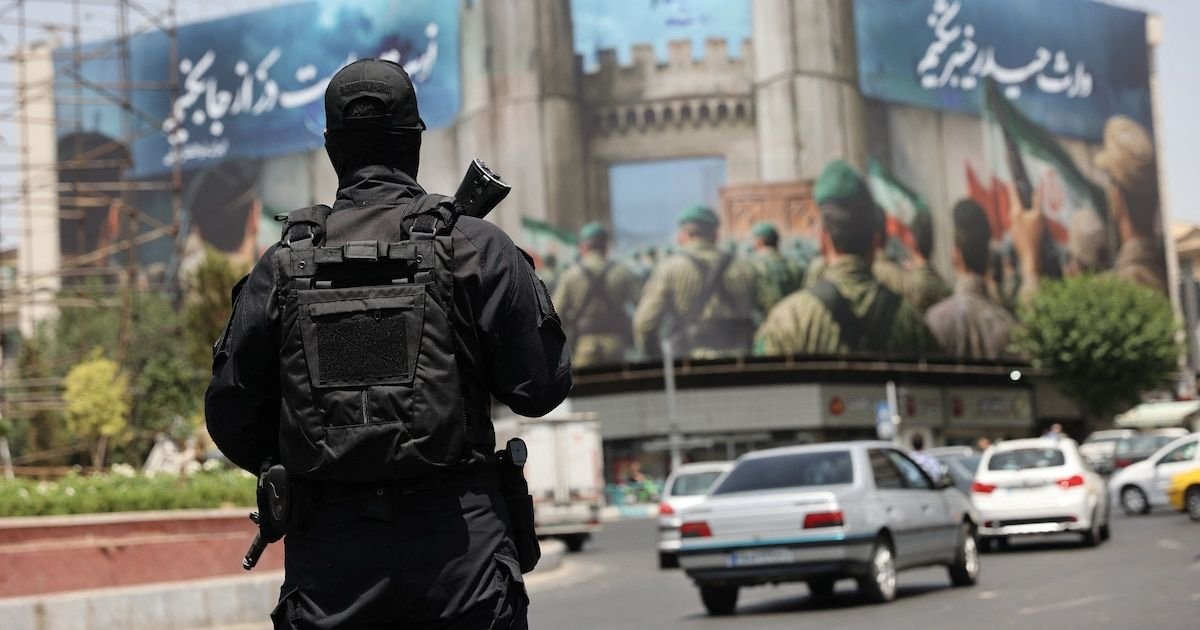
Irán se encontró solo ante los recientes ataques coordinados por Israel y Estados Unidos, pese a haber invertido décadas en consolidar un bloque regional conocido como el “eje de la resistencia”. El 24 de junio entró en vigor un frágil alto el fuego, después de que fuerzas israelíes, con apoyo de EEUU, bombardearan tres instalaciones nucleares clave en territorio iraní. Ninguno de los aliados tradicionales de Teherán respondió militarmente.
La red regional tejida por Irán —que incluye a Hezbollah en Líbano, los hutíes en Yemen, milicias chiitas en Irak, Hamas en Gaza y el régimen sirio— muestra signos de deterioro. En diciembre, el régimen de Bashar al Assad cayó en Siria. Hezbollah y Hamas han sido debilitados tras casi dos años de enfrentamientos con Israel, y los hutíes han sufrido daños significativos por ataques aéreos de EEUU.
Hezbollah, el principal socio militar y político de Irán en la región, evitó participar en el reciente conflicto con Israel. Fundado en 1982 tras la invasión israelí del sur del Líbano, el grupo lanzó una ofensiva con cohetes en apoyo a Gaza tras el ataque de Hamas del 7 de octubre de 2023. Desde entonces, ha sido blanco constante de bombardeos israelíes. Tel Aviv afirma haber destruido el 70 % de su arsenal.
Internamente, hay tensiones por la percepción de abandono por parte de Irán. El desgaste por los bombardeos y la pérdida de hogares entre sus bases sociales ha generado fatiga en sus filas. Aunque Irán mantiene influencia sobre Hezbollah, prefiere no presionarlo ante lo delicado de la relación actual.

En Yemen, los hutíes también optaron por mantenerse al margen del choque directo entre Teherán e Israel, aunque se mostraron más dispuestos a actuar si era necesario. Tras intensificar su campaña naval en el mar Rojo y lanzar ataques con drones contra Israel en apoyo a Gaza, el grupo fue golpeado por bombardeos estadounidenses a partir de marzo. Las capacidades ofensivas que le permitían realizar ataques de precisión transfronterizos fueron en parte neutralizadas.
El grupo, que controla un tercio del territorio y la capital Saná, enfrenta retos de gobernabilidad y descontento social. Aunque recibe apoyo logístico de Irán, actúa con autonomía estratégica y busca ser percibido como un actor independiente, no como una extensión de Teherán.
Hamas sigue enfrentado a Israel, pero carece de capacidad operativa para actuar en nombre de Irán. Su vínculo con Teherán es funcional, más que ideológico: recibe armamento, entrenamiento y fondos, pero no se alinea incondicionalmente con los intereses iraníes. El grupo actúa con independencia y no siempre responde a llamados de contención.

En Irak, Irán ha contado con las Fuerzas de Movilización Popular (Hashd al-Shaabi), una red de milicias chiitas formadas en 2014 para combatir al Estado Islámico. Aunque algunas han atacado bases estadounidenses en Irak, la experiencia reciente de Hezbollah ha sido un factor disuasivo. El 23 de junio, cuando Irán respondió al ataque a sus instalaciones nucleares, eligió como blanco una base estadounidense en Qatar, no en Irak.
La caída del régimen de Bashar al Assad en diciembre supuso un golpe estratégico para Irán. En lugar de respaldar a su aliado, Teherán aceptó su salida con la esperanza de establecer lazos con el nuevo gobierno. Sin embargo, el nuevo presidente sirio, Ahmed al-Sharaa, ha optado por acercarse a Estados Unidos, sus aliados del Golfo y una política de “cero problemas” con los vecinos. No solo evitó responder a ataques israelíes, sino que permitió que su espacio aéreo fuera usado contra Irán.

Irán ha mejorado sus relaciones con Arabia Saudita y Emiratos Árabes Unidos tras años de tensiones. Ambos países reanudaron vínculos diplomáticos —Emiratos en 2022, Arabia Saudita en 2023—, pero su respaldo en la crisis de junio fue limitado a declaraciones y llamados a la paz. Algunos sectores de sus élites acogieron con agrado los bombardeos israelíes, aunque oficialmente mantuvieron una postura neutral.
Irán ha fortalecido sus relaciones con Rusia y China, estableciendo acuerdos estratégicos de 20 y 25 años, respectivamente. Ambos países condenaron los ataques, pero no ofrecieron apoyo tangible. Moscú, concentrado en la guerra en Ucrania, dejó claro que su pacto no incluye compromisos de defensa mutua. Pekín, preocupado por la estabilidad del suministro de petróleo y el acceso al estrecho de Ormuz, abogó por la desescalada.

Aunque Irán conserva la retórica de liderazgo regional, su capacidad real de movilizar aliados ha quedado en evidencia. El eje de la resistencia está fragmentado, y su respuesta frente a ataques coordinados muestra un aislamiento creciente en el escenario geopolítico.
(Con información de Bloomberg)
Middle East,Military Conflicts,TEHERAN








NEWYou can now listen to Fox News articles!
President Donald Trump’s joint strikes on Iran are exposing a divide in both parties, as several Democrats come to the president’s defense while a handful of Republicans question his constitutional authority.
Trump announced U.S. and Israeli forces targeted Iranian leadership and military sites in the early hours of Saturday morning, catching millions of Americans — and the majority of lawmakers in Congress — by surprise.
A handful of House Democrats are justifying the operation, bucking most of their party, who are calling the operation a reckless and illegal action. On the other hand, at least three Republican lawmakers are signaling that the news gave them some pause as of Saturday morning.
Rep. Greg Landsman, D-Ohio, said that the strikes «are targeting military infrastructure —- with warnings to Iranian civilians to take shelter away from these military targets.»
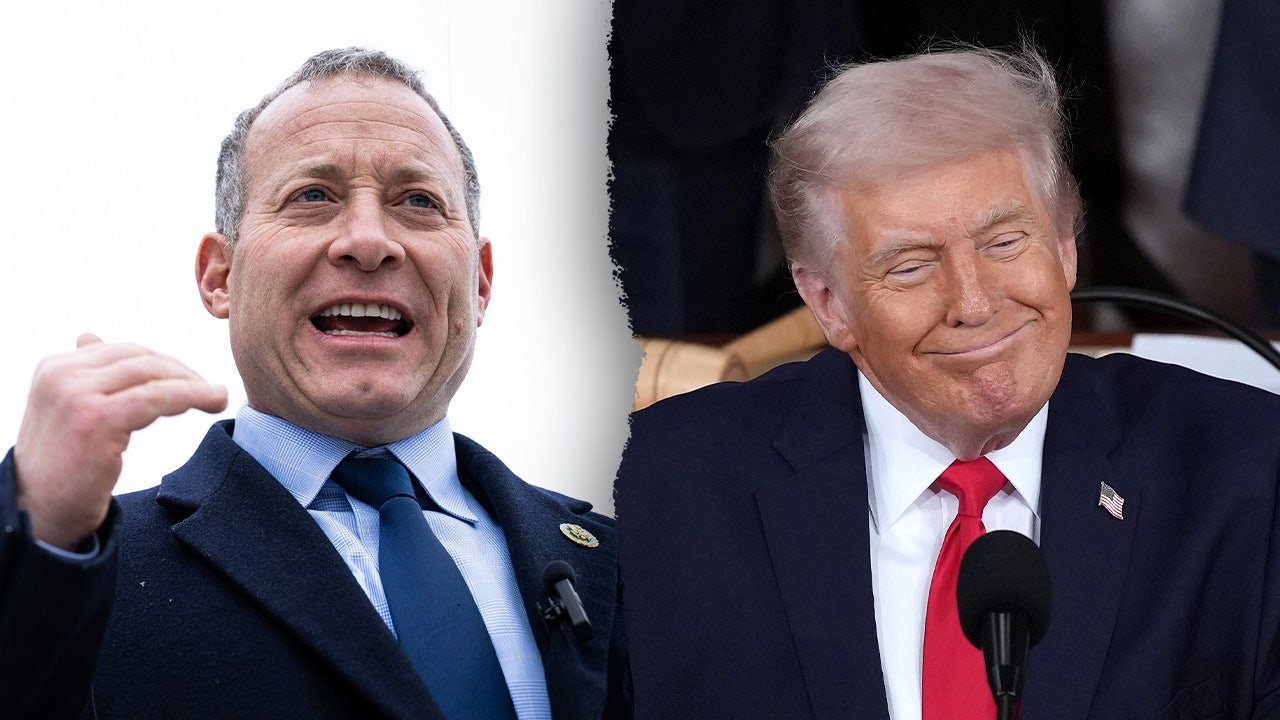
Democrats like Rep. Josh Gottheimer are breaking from their party to justify President Donald Trump’s joint operation with Israel. (Graeme Sloan/Bloomberg via Getty Images; Andrew Harnik/Getty Images)
«I want a lasting peace for everyone in the region — from the Iranian people to the Lebanese, Palestinians, Syrians, Iraqis, Jordanians, and Israelis. I hope these targeted strikes on the Iranian regime’s military assets ends the regime’s mayhem and bloodshed and makes way for this lasting peace in the region,» Landsman said.
«Thank you to our brave service members who are leading this effort, and I pray their work will finally free the people of Iran and those in the region from more violence or war.»
Reps. Tom Suozzi, D-N.Y., and Josh Gottheimer, D-N.J., similarly put the onus on Iran, as did Sens. Jacky Rosen, D-Nev., and John Fetterman, D-Pa.
ISRAEL LAUNCHES PREEMPTIVE STRIKE AGAINST IRAN, DEFENSE MINISTER SAYS
On the Republican side, Reps. Warren Davidson, R-Ohio, Thomas Massie, R-Ky., and Sen. Rand Paul, R-Ky., are concerned about how actions against Iran could run afoul of Congress’ own constitutional authority.
«We need a government small enough to fit within the Constitution. We need a government effective enough to solve problems and serve its own people. Or, we need a new Constitution,» Davidson posted on X.
When another user asked if he supported Trump’s actions against Iran, Davidson replied, «No. War requires congressional authorization.»
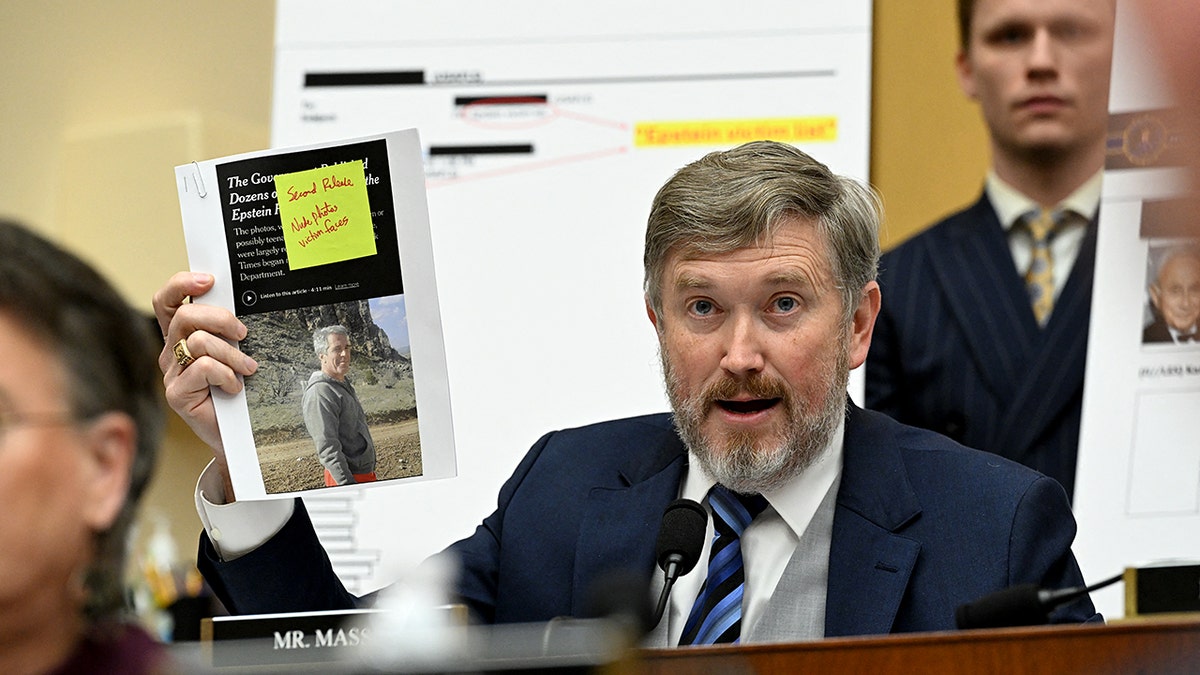
Rep. Thomas Massie, R-Ky., questions Attorney General Pam Bondi before a House Judiciary Committee hearing on Capitol Hill in Washington, Feb. 11, 2026. (Robert Schmidt/AFP via Getty)
ISRAEL TARGETS IRAN’S SUPREME LEADER IN SWEEPING STRIKES AS US JOINS ‘OPERATION EPIC FURY’
Massie, a longtime critic of foreign intervention, went so far as to introduce a resolution alongside Rep. Ro Khanna, D-Calif., to rein in Trump’s war powers. House Democrats are demanding a vote on that resolution as soon as next week.
Landsman told NOTUS that he would vote against such a measure if it came to the House floor.
Rep. Josh Gottheimer, D-N.J., while similarly praising the military’s moves, refused to tell Fox News Digital if he would support the resolution via a spokesperson.
«Today, the United States, with our key democratic ally Israel, took decisive action to defend our national security, fight terror, protect our allies, and stand with the Iranian people who have been massacred in the streets for demanding freedom from the murderous Iranian regime,» Gottheimer said in a statement.
«I applaud the extraordinary bravery and professionalism of our servicemembers and pray for their safety as Iran and its terrorist proxies retaliate against American bases and our partners in the region.»
He, like Suozzi and Rosen, called for a classified briefing on the operation’s details.
GULF STATES CONDEMN IRANIAN RETALIATORY STRIKES ON THEIR TERRITORIES FOLLOWING US-ISRAELI OPERATION
«I agree with the President’s objectives that Iran can never be allowed to obtain nuclear capabilities. The President must now clearly define the national security objective and articulate his plan to avoid another costly, prolonged war in the Middle East,» Suozzi said in his own statement.
Fetterman, meanwhile, has been among the Democrats most full-throated in his support.
«President Trump has been willing to do what’s right and necessary to produce real peace in the region. God bless the United States, our great military, and Israel,» he posted on X early Saturday morning, among the first lawmakers to sound off.
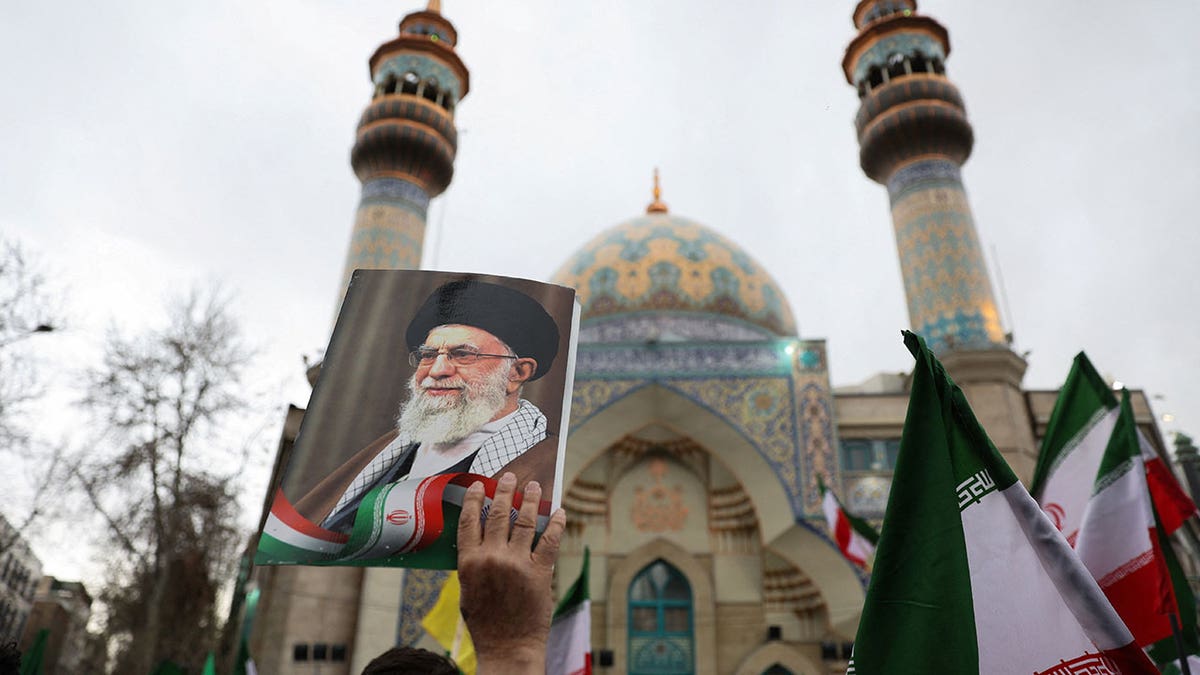
A person holds an image of Iran’s Supreme Leader Ayatollah Ali Khamenei as Iranian demonstrators protest against the U.S.-Israeli strikes, in Tehran, Iran, Feb. 28, 2026. (Majid Asgaripour/WANA (West Asia News Agency) via Reuters)
He said of the war powers vote, «I’m a hard no. My vote is Operation Epic Fury.»
It’s a stark contrast to the majority of Democratic lawmakers who have lambasted Trump for not getting authorization from Congress before the strikes.
CLICK HERE TO DOWNLOAD THE FOX NEWS APP
House Minority Leader Hakeem Jeffries, D-N.Y., accused Trump of moving to «abandon diplomacy and launch a massive military attack has left American troops vulnerable to Iran’s retaliatory actions.»
In the Senate, Minority Leader Chuck Schumer, D-N.Y., said, «Confronting Iran’s malign regional activities, nuclear ambitions, and harsh oppression of the Iranian people demands American strength, resolve, regional coordination, and strategic clarity. Unfortunately, President Trump’s fitful cycles of lashing out and risking wider conflict are not a viable strategy.»
Related Article

congress,war with iran,house of representatives politics,foreign policy senate,donald trump,politics
INTERNACIONAL
Did they get him? Khamenei’s fate remains unknown after Israel strike levels his compound
NEWYou can now listen to Fox News articles!
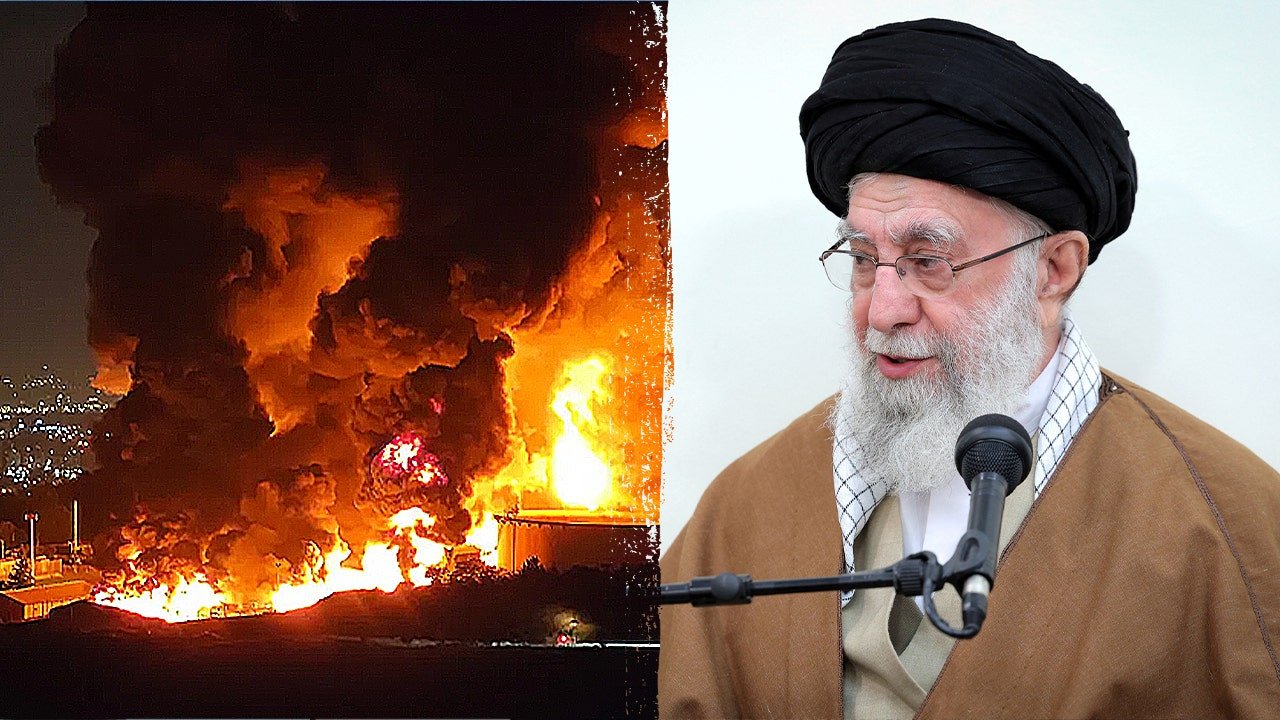
As the smoke was still clearing over Tehran, one question dominated the region and Washington alike: Did they get him?
In the immediate aftermath of the Israel-U.S. strikes, with the Israeli Air Force targeting senior Iranian leadership infrastructure, rumors swirled that Ayatollah Ali Khamenei, Iran’s 86-year-old supreme leader, had been killed.
Satellite images showed heavy damage to Ayatollah Ali Khamenei’s fortified compound, including buildings believed to house his residence and the so-called House of Leadership. Parts of the complex appeared reduced to rubble.
Regional reports indicated a high-level meeting of Khamenei’s top lieutenants may have been underway when the strike hit. Iranian semi-official media also reported missiles struck near the presidential palace and other leadership sites north of the capital.
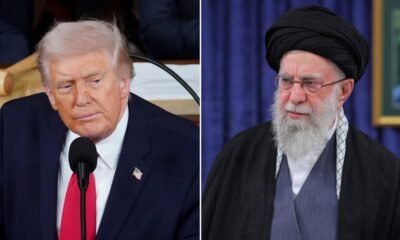
Iran’s Supreme Leader Khamenei makes first public appearance in weeks with fresh U.S. threats. (Office of the Iranian Supreme Leader Credit/ASSOCIATED PRESS)
Addressing the nation on Saturday, Prime Minister Benjamin Netanyahu said in Hebrew, «There are more and more signs indicating Khamenei is gone.»
Israeli officials told Fox News Digital they were still assessing the results and said it was too early to confirm the fate of the 86-year-old supreme leader. They did not rule out the possibility that he was killed.
Iranian officials, however, insisted the country’s leadership — including Khamenei and President Masoud Pezeshkian — remained safe, according to The Guardian, despite what they described as an assassination attempt. Meanwhile, a spokesperson for Iran’s Ministry of Foreign Affairs told the BBC that he was not in a position to confirm whether Ayatollah Ali Khamenei had been eliminated.
IRAN FIRES MISSILES AT US BASES ACROSS MIDDLE EAST AFTER AMERICAN STRIKES ON NUCLEAR, IRGC SITES
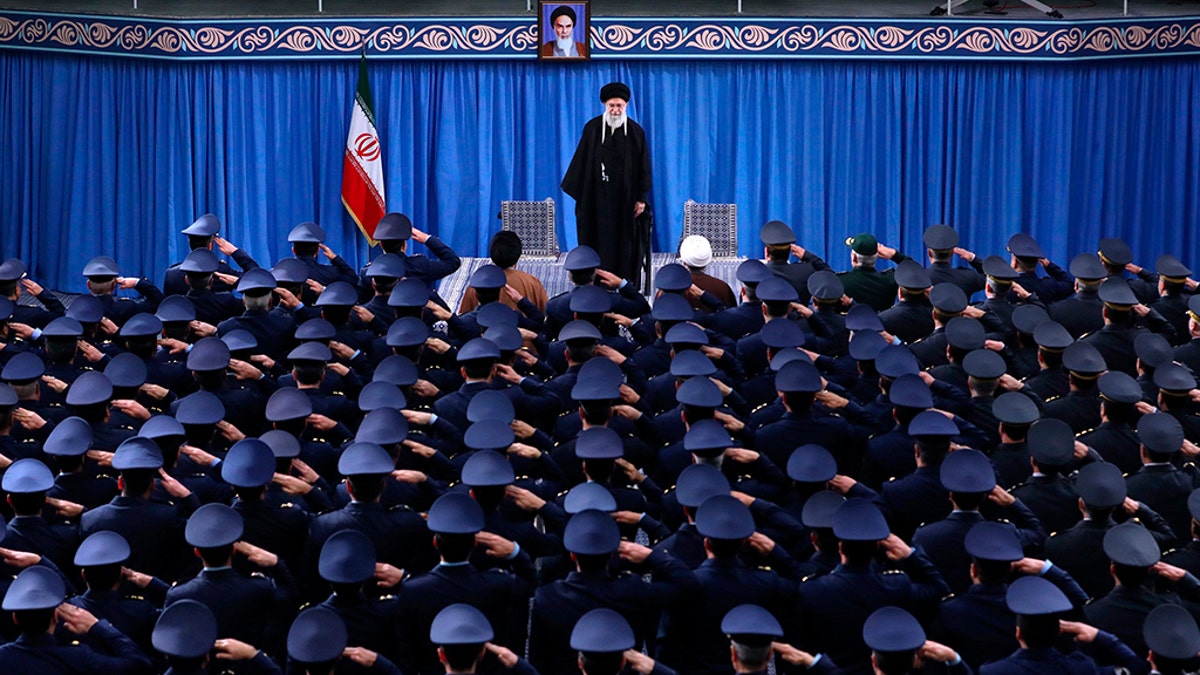
In this picture released by an official website of the office of the Iranian supreme leader, Supreme Leader Ayatollah Ali Khamenei stands as army air force staff salute at the start of their meeting in Tehran, Iran, Friday, Feb. 8, 2019. Khamenei is defending «Death to America» chants that are standard fare at anti-U.S. rallies across Iran but says the chanting is aimed at America’s leaders and not its people. (Office of the Iranian Supreme Leader via AP)
The long-serving cleric has survived decades of internal unrest, assassination plots and foreign pressure. He rarely appears in public without layers of security and is believed to operate through a tightly controlled network of loyalists embedded across Iran’s military, intelligence and political institutions.
In an exclusive Fox News Digital report earlier this week, researchers described how Khamenei runs what amounts to a parallel state within Iran’s formal government structure.
«The Bayt is the hidden nerve center of the regime in Iran… it operates as a state within a state,» Kasra Aarabi, director of Islamic Revolutionary Guard Corps (IRGC) research at United Against Nuclear Iran (UANI), told Fox News Digital.
IRAN COULD ‘ACTIVATE’ HEZBOLLAH IF US TARGETS REGIME, TRUMP’S INNER CIRCLE TO DECIDE: EXPERT
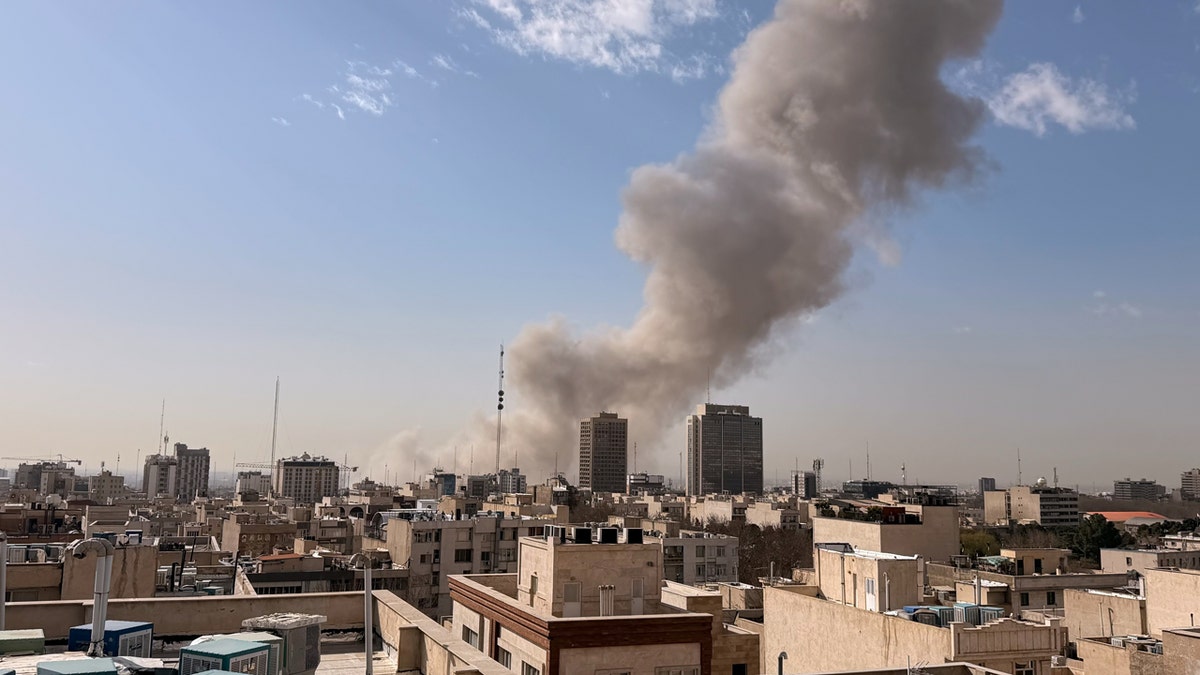
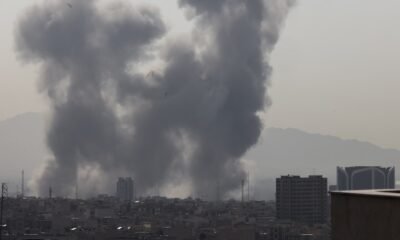
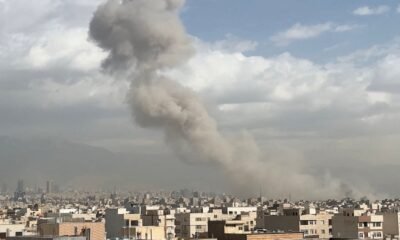
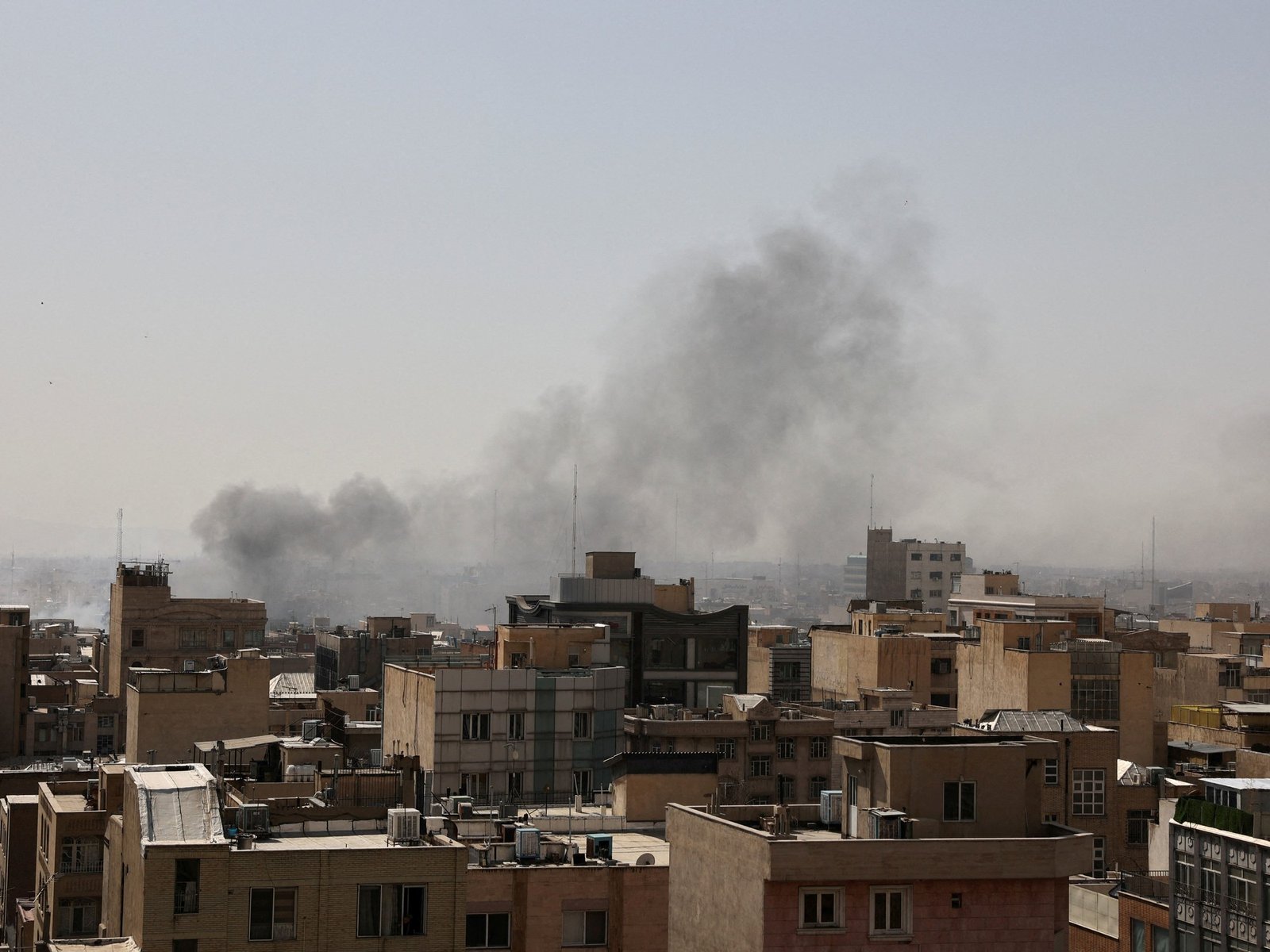
Smoke rises on the skyline after an explosion in Tehran, Iran, Saturday, Feb. 28, 2026. (AP Photo/Vahid Salemi)
Even if Khamenei himself were removed, Aarabi warned, the institutional machinery he built — involving roughly 4,000 core staff and a broader network of tens of thousands — could continue functioning.
«Even if he is eliminated, the Bayt as an institution enables the Supreme Leader to function,» Aarabi said. «Think of the Supreme Leader as an institution rather than just a single individual.»
That reality complicates the picture.
For decades, Khamenei has positioned himself not merely as a political leader but as the apex of a system designed to survive shocks — whether from protests at home or military pressure abroad.
The 86-year-old cleric has faced repeated waves of unrest, including mass protests in 2009, 2022 and again in early 2026. Each time, his regime cracked down forcefully, consolidating control rather than fracturing.
He has also weathered years of covert operations, cyber campaigns and targeted strikes against key Iranian figures across the region.
Still, the scale of the latest strike appears unprecedented.
If confirmed dead, Khamenei’s killing would mark the most significant decapitation of Iranian leadership since the 1979 revolution. It would also raise immediate questions about succession inside a system he carefully engineered to avoid sudden collapse.
CLICK HERE TO DOWNLOAD THE FOX NEWS APP
A person holds an image of Iran’s Supreme Leader Ayatollah Ali Khamenei as Iranian demonstrators protest against the U.S.-Israeli strikes, in Tehran, Iran, Feb. 28, 2026. (Majid Asgaripour/WANA (West Asia News Agency) via Reuters)
If he survived, it would reinforce his reputation for resilience — and underscore how difficult it is to eliminate the core of Iran’s power structure.
For now, officials say assessments are ongoing, and the question may be answered in the very near future.
Related Article

ali khamenei,war with iran,iran,israel,bombings
INTERNACIONAL
Irán afirma que cerró el estratégico estrecho de Ormuz, en un paso audaz que incendia aún más la región

Democrats buck party leaders to defend Trump’s ‘decisive action’ on Iran

Conflicto en Medio Oriente: qué pasará con el precio del petróleo y cómo impactará en Argentina

Douglas Costa pasa de la élite al ‘barro’ de Italia

Did they get him? Khamenei’s fate remains unknown after Israel strike levels his compound

Javier Milei vuelve al prime time para la apertura de sesiones ordinarias, acechado por un antecedente de bajo rating

El Gobierno de Milei expresó su respaldo a la ofensiva de EE.UU. e Israel sobre Irán

Jorge Macri prepara su discurso para abrir el año legislativo: el deseo de reelección y el espejo en Bukele

Crisis en la industria: otra multinacional se achica y cierra una planta en la Argentina

Catherine Fulop contó el difícil momento que atraviesa su madre en Venezuela: “Está postrada”

Alarma por la salud de Divina Gloria tras salir de Gran Hermano: “La internaron directamente en terapia intensiva”

 ECONOMIA3 días ago
Crisis en la industria: otra multinacional se achica y cierra una planta en la Argentina
- CHIMENTOS3 días ago
Catherine Fulop contó el difícil momento que atraviesa su madre en Venezuela: “Está postrada”
- CHIMENTOS2 días ago
Alarma por la salud de Divina Gloria tras salir de Gran Hermano: “La internaron directamente en terapia intensiva”