INTERNACIONAL
Russia launched its largest aerial attack of the war, Ukraine says

NEWYou can now listen to Fox News articles!
Russia launched its biggest aerial attack overnight since the start of the war against Ukraine, a Ukrainian official said on Sunday.
Moscow fired 537 aerial weapons toward Ukraine, including 477 drones and decoys and 60 missiles, according to Ukraine’s air force. Among these weapons, 249 were shot down and 226 were lost, likely electronically jammed.
The attack was «the most massive airstrike» against Ukraine since Russia launched its invasion in February 2022, Yuriy Ihnat, head of communications for Ukraine’s air force, told The Associated Press, taking into account both drones and various types of missiles.
ZELENSKYY POINTEDLY THANKS TRUMP, AMERICA FOR UKRAINE SUPPORT MONTHS AFTER VANCE’S JAB ABOUT LACK OF GRATITUDE
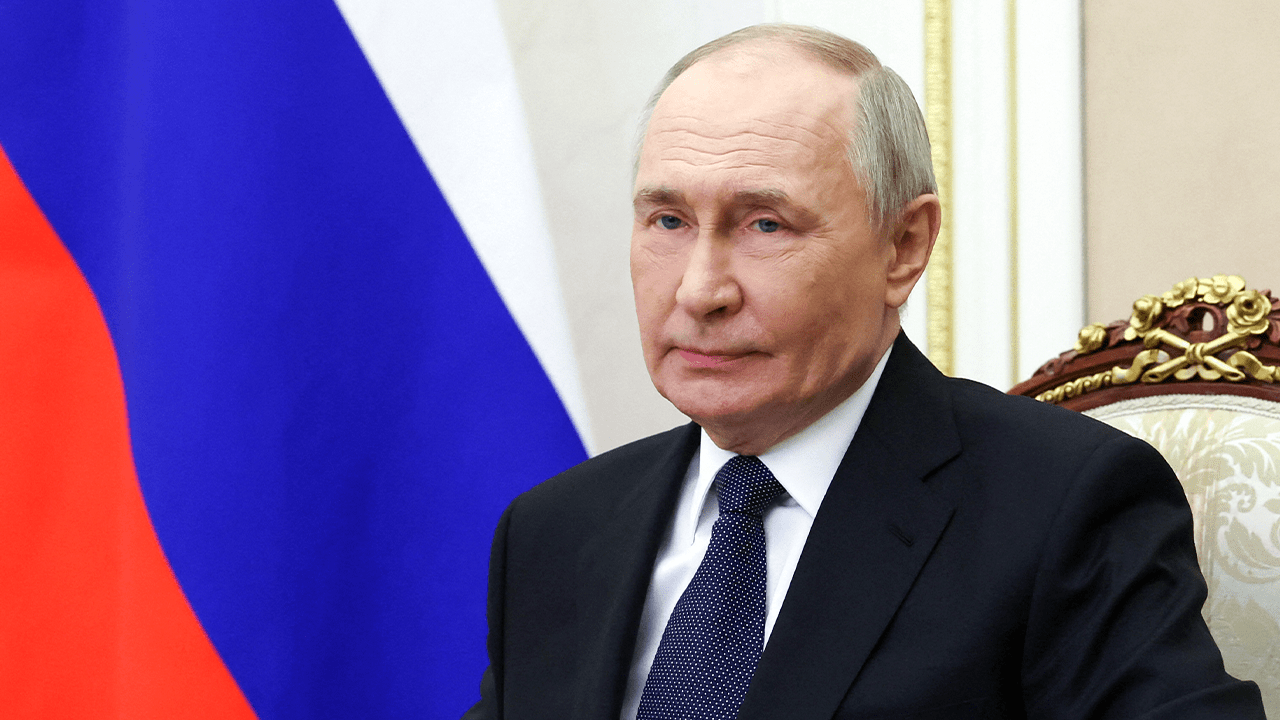
Russia launched its biggest aerial attack overnight since the start of the war against Ukraine, a Ukrainian official said. (SERGEI ILYIN/POOL/AFP via Getty Images)
Several regions were targeted, including western Ukraine, located far from the front line.
Poland and allied countries scrambled aircraft to ensure the safety of Polish airspace, Poland’s air force said.
One person was killed in a drone strike in the Kherson region, according to Gov. Oleksandr Prokudin, while another died when a drone hit a car in the Kharkiv region, its Gov. Oleh Syniehubov said. Six people were wounded in Cherkasy, including a child, regional Gov. Ihor Taburets said.
RUSSIAN OFFICIAL SAYS MOSCOW HAS ‘NO INTENTION’ OF SUPPLYING IRAN WITH WARHEADS, FOLLOWING TRUMP TAUNTS
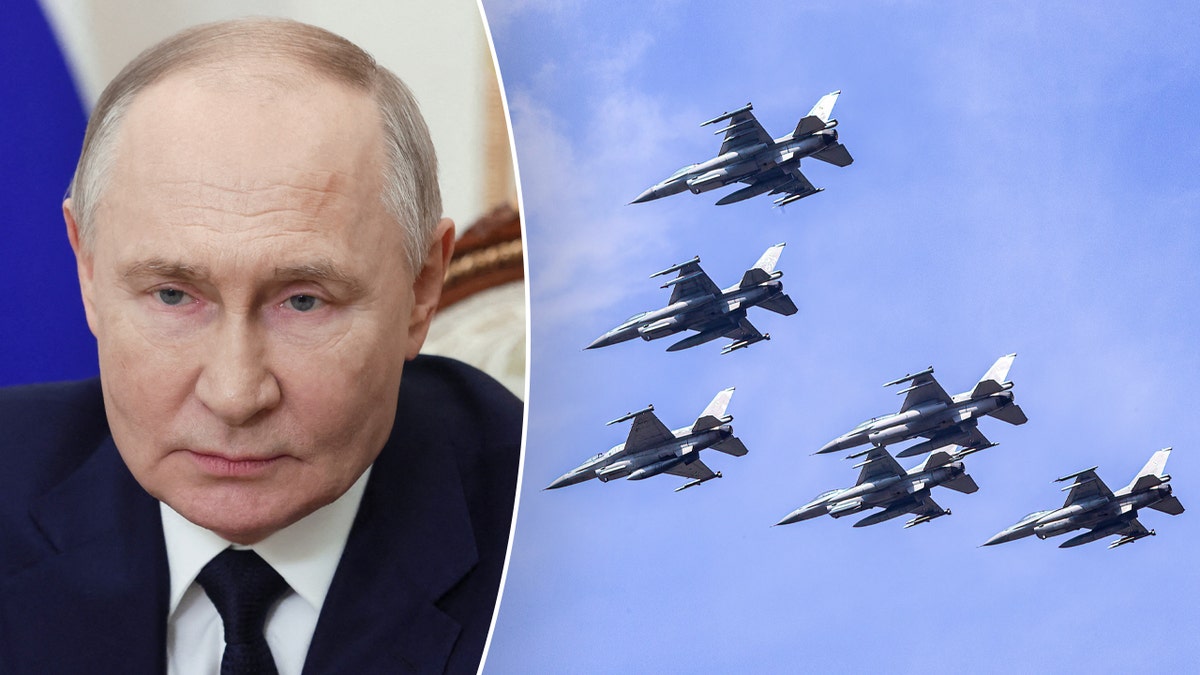
Poland and allied countries scrambled aircraft to ensure the safety of Polish airspace, Poland’s air force said. (Photos supplied by Getty Images)
In the far-western Lviv region, a large fire broke out at an industrial facility in the city of Drohobych after a drone attack that also cut electricity to parts of the city.
Ukraine’s air force said one of its F-16 warplanes supplied by the West crashed after sustaining damage as it was shooting down air targets, killing the pilot.
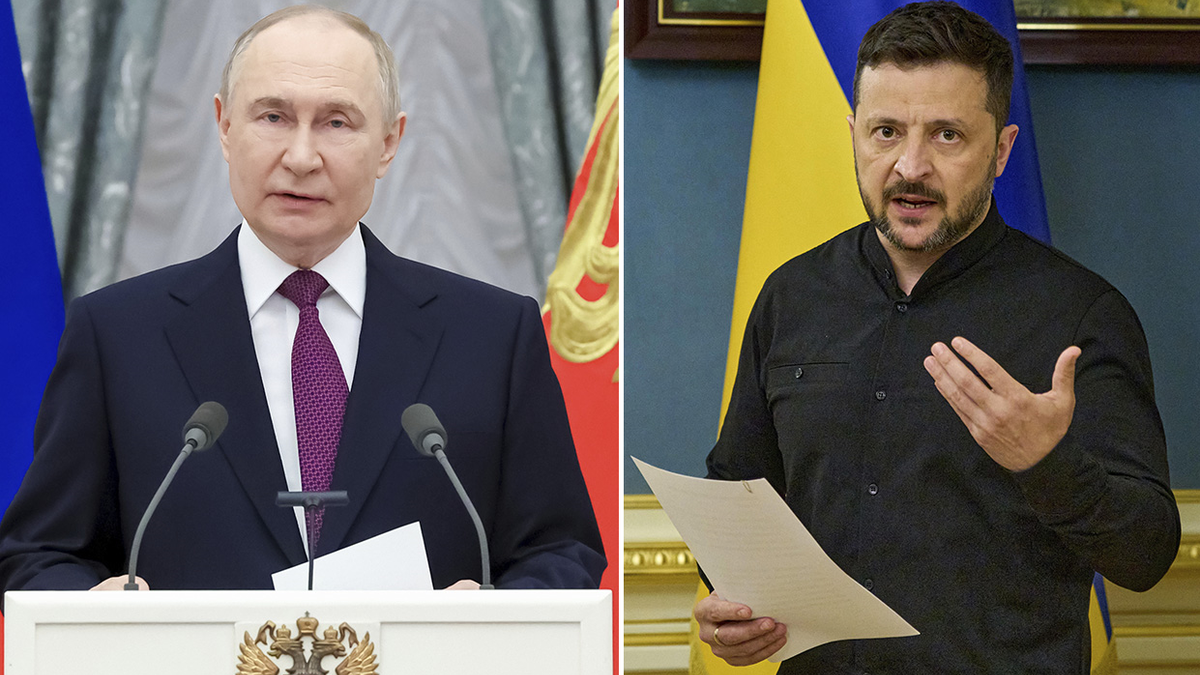
Russian President Vladimir Putin said Moscow is ready for another round of direct peace talks in Istanbul to end the war. (Vyacheslav Prokofyev/Sputnik/Kremlin Pool Photo/Efrem Lukatsky/AP)
CLICK HERE TO GET THE FOX NEWS APP
The new attacks come after Russian President Vladimir Putin said on Friday that Moscow is ready for another round of direct peace talks in Istanbul to end the war.
No end appears to be in sight as international peace efforts coordinated by the U.S. have not yet led to any breakthroughs. Two recent rounds of talks between Russian and Ukrainian delegations in Istanbul were brief and yielded no progress on reaching an agreement.
The Associated Press contributed to this report.

INTERNACIONAL
Crisis en aeropuertos de Estados Unidos obliga a usar agentes de ICE por falta de personal
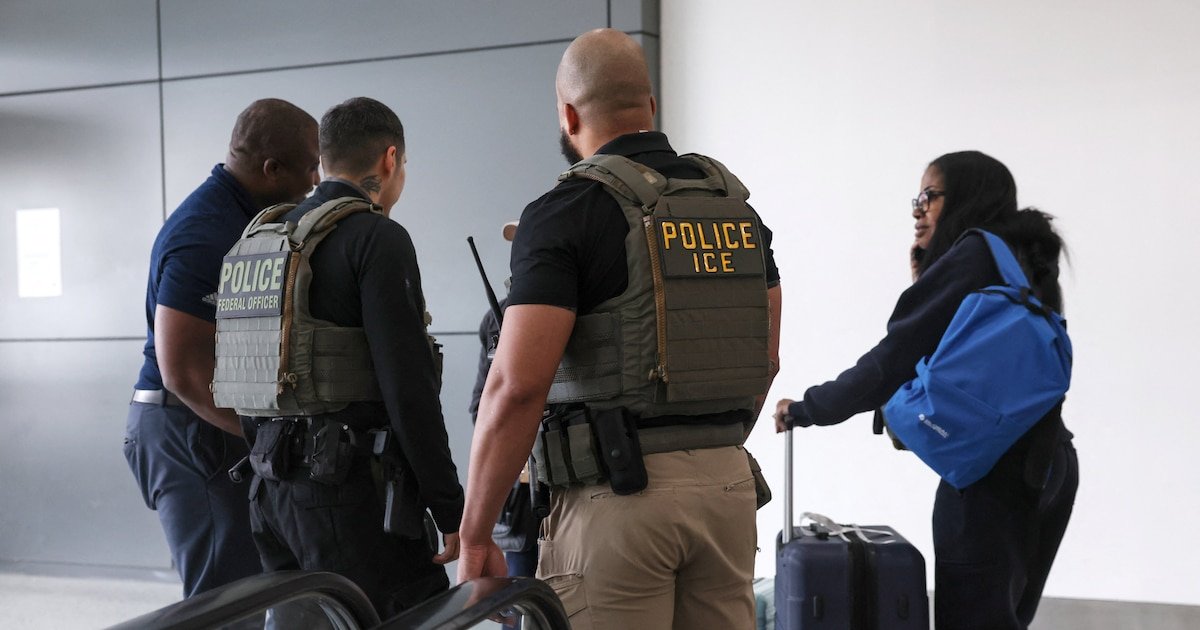
El gobierno de Estados Unidos desplegó el lunes hasta 150 agentes del Servicio de Inmigración y Control de Aduanas (ICE) en los principales aeropuertos del país, una medida destinada a enfrentar la escasez de personal de la Administración de Seguridad en el Transporte (TSA) durante el cierre parcial del gobierno federal. La decisión afecta a millones de viajeros y trabajadores aeroportuarios en plena temporada alta, en medio de largas filas y retrasos en los controles de seguridad.
Según informó The New York Times, los agentes de ICE comenzaron a patrullar aeropuertos como Kennedy en Nueva York, Hartsfield-Jackson en Atlanta y O’Hare en Chicago, entre otros, en respuesta a la ausencia de casi el 12% de los empleados de la TSA, quienes han estado trabajando sin remuneración desde el 14 de febrero debido a la falta de financiamiento del Departamento de Seguridad Nacional (DHS). El despliegue forma parte de una estrategia del gobierno de Donald Trump, que busca mantener la operatividad de los aeropuertos ante la falta de acuerdo en el Congreso sobre la política migratoria y el presupuesto del DHS.
De acuerdo con información del diario The Washington Post, la crisis en los aeropuertos se produce en el contexto de un enfrentamiento político que ha dejado a casi 50.000 agentes de la TSA sin salario y ha obligado a cientos de ellos a buscar trabajos adicionales o ausentarse para cubrir necesidades económicas. El porcentaje de ausencias alcanzó cifras récord en terminales como Hartsfield-Jackson, con más del 41% de ausentismo, y en Louis Armstrong de Nueva Orleans, con 42%. Las filas para los controles de seguridad han superado las cuatro horas en ciudades como Houston y Nueva York, provocando cancelaciones y cambios de vuelo para miles de pasajeros.
El Departamento de Seguridad Nacional (DHS) comunicó que el envío de agentes de ICE busca reforzar los esfuerzos de la TSA para mantener la seguridad aérea y reducir las interrupciones en los viajes. El cierre parcial del gobierno, iniciado por la falta de un acuerdo legislativo sobre la financiación del DHS, dejó sin fondos a la TSA, cuyos empleados pasaron a operar sin sueldo. La administración Trump sostuvo que la presencia de ICE permitiría que los agentes restantes de la TSA se concentren en las tareas de revisión y control, mientras los agentes migratorios asumen funciones auxiliares.
Según declaraciones recogidas por el medio especializado Axios, Lauren Bis, secretaria adjunta en funciones del DHS, explicó que los agentes de ICE se encargan de vigilar entradas y salidas, asistir con la logística y controlar multitudes para permitir que la TSA se enfoque en los controles especializados. La funcionaria añadió: “cuantos más recursos de apoyo dispongamos, más eficientemente podrá la TSA mantener el flujo de pasajeros en los controles de seguridad”.

El gobierno de Estados Unidos no ha publicado una lista oficial de los aeropuertos donde se desplegaron los agentes de ICE, argumentando razones de seguridad operativa. Sin embargo, el diario The Washington Post verificó la presencia de estos agentes en al menos 14 terminales principales, incluyendo:
- Chicago O’Hare International Airport (ORD)
- Hartsfield-Jackson Atlanta International Airport (ATL)
- George Bush Intercontinental Airport, Houston (IAH)
- Houston William P. Hobby Airport (HOU)
- John F. Kennedy International Airport (JFK)
- LaGuardia Airport (LGA)
- Louis Armstrong New Orleans International Airport (MSY)
- Luis Muñoz Marín International Airport, Puerto Rico (SJU)
- Newark Liberty International Airport (EWR)
- Philadelphia International Airport (PHL)
- Phoenix Sky Harbor International Airport (PHX)
- Pittsburgh International Airport (PIT)
- Cleveland Hopkins International Airport (CLE)
- Southwest Florida International Airport (RSW)
Según datos del DHS citados por el diario The Washington Post, estos aeropuertos registraron los índices más altos de ausentismo de la TSA durante el fin de semana previo al despliegue.
Los agentes de Servicio de Inmigración y Control de Aduanas cumplen funciones de apoyo que no involucran el control directo de pasajeros ni la operación de máquinas de rayos X, según explicó Tom Homan en declaraciones a CNN recogidas por The New York Times. Homan indicó que “un agente del ICE podría cubrir una salida o vigilar una zona, permitiendo que los agentes de la Administración de Seguridad en el Transporte se concentren en los controles de seguridad”.
Adam Stahl, subadministrador interino de la TSA, señaló en la cadena Fox News que los agentes de ICE asumen tareas como control de filas, manejo de multitudes y supervisión de accesos. En el aeropuerto de Cleveland Hopkins, por ejemplo, la administración informó que ICE asistirá en el flujo de pasajeros y la logística, sin revisar documentos ni realizar controles de seguridad.
Voceros sindicales de la TSA, como Aaron Barker en Georgia, advirtieron que “los agentes migratorios no cuentan con la capacitación necesaria para realizar controles de pasajeros”, y que su labor se limita a funciones de vigilancia y apoyo logístico.

El despliegue de ICE generó inquietudes entre legisladores demócratas y organizaciones civiles, que alertaron sobre la posibilidad de que los agentes utilicen su presencia para realizar controles migratorios o arrestos. De acuerdo con el medio especializado Axios, ICE tiene autoridad para investigar delitos migratorios y federales en los aeropuertos, pero no puede realizar inspecciones de equipaje ni controles especializados de seguridad sin una orden o sin actuar bajo la autoridad de la TSA o la Oficina de Aduanas y Protección Fronteriza (CBP).
Nicole Hallett, directora de la Clínica de Derechos de los Inmigrantes de la Universidad de Chicago, explicó: “si un agente del ICE sospecha una violación migratoria, puede detener brevemente a la persona y solicitar identificación”, aunque no puede inspeccionar pertenencias personales sin orden judicial. Según Hallett, “los derechos de los pasajeros en un aeropuerto son similares a los de cualquier otro espacio público”.
Respecto a declaraciones oficiales, el alcalde de Atlanta, Andre Dickens, afirmó que el DHS indicó que el despliegue del ICE no tiene como objetivo realizar acciones de control migratorio.
De acuerdo con reportes del diario The Washington Post, la presencia de los agentes de ICEno ha reducido de manera significativa los tiempos de espera en los controles de seguridad. El lunes, los tiempos de espera superaron las cinco horas en terminales como George Bush en Houston, mientras que en Atlanta se observó una mejora en los flujos durante la jornada del martes.
El consorcio de agencias federales y fuerzas de seguridad locales que supervisan la seguridad aeroportuaria en Estados Unidos continuó operando bajo presión. El exadministrador de la TSA, John Pistole, advirtió en el diario The Washington Post que “los agentes del ICE no cuentan con la formación técnica para sustituir a los oficiales de la TSA en tareas de revisión de pasajeros o detección de amenazas”.
La medida afecta a los pasajeros que utilizan los principales aeropuertos del país, quienes enfrentan tiempos de espera prolongados y una mayor presencia de personal uniformado en terminales y accesos. El DHS no ha determinado una fecha de finalización para el despliegue, que permanecerá hasta que se resuelva la crisis presupuestaria y se restablezca el financiamiento de la TSA.
Los viajeros pueden encontrarse con agentes de ICE en cualquier área pública dentro del aeropuerto, no solo en los controles, y deben portar los documentos necesarios para su identificación. Las autoridades aeroportuarias recomiendan llegar con al menos cuatro horas de anticipación a los vuelos y consultar actualizaciones en tiempo real sobre los tiempos de espera.
El gobierno de Estados Unidos señaló que, si la situación no mejora, podría enviar a la Guardia Nacional para reforzar la seguridad y las operaciones aeroportuarias, según declaraciones recogidas por The New York Times. Mientras tanto, sindicatos y legisladores continúan negociando una solución para restablecer el funcionamiento normal de los controles en los aeropuertos del país.
Business,Domestic Politics,Tourism,Travel,Corporate Events,North America,Government / Politics,Tourism / Travel

NEWYou can now listen to Fox News articles!
A bipartisan group of senators is resurfacing legislation to cap many American patients’ insulin costs at $35 a month — the INSULIN Act of 2026 — reviving a push that previously stalled.
The bill co-authored by Sens. Jeanne Shaheen, D-N.H., Susan Collins, R-Maine, Raphael Warnock, D-Ga., and John Kennedy, R-La., would bar group and individual health plans from imposing deductibles on selected insulin products and could not charge more than $35 for a 30-day supply starting in plan year 2027.
Beginning in 2028, patients would pay the lesser of $35 or 25% of the negotiated net price.
Congress had already mandated a Medicare-only cap of $35 in 2022, and President Donald Trump’s long-running agenda to lower prescription medicine costs gives the effort some momentum before the 2026 midterms, where Collins’ seat could be targeted for a Democrat flip amid the very narrow Republican Senate majority (53-47).
SENATE QUIETLY WORKS ON BIPARTISAN OBAMACARE FIX AS HEALTHCARE CLIFF NEARS
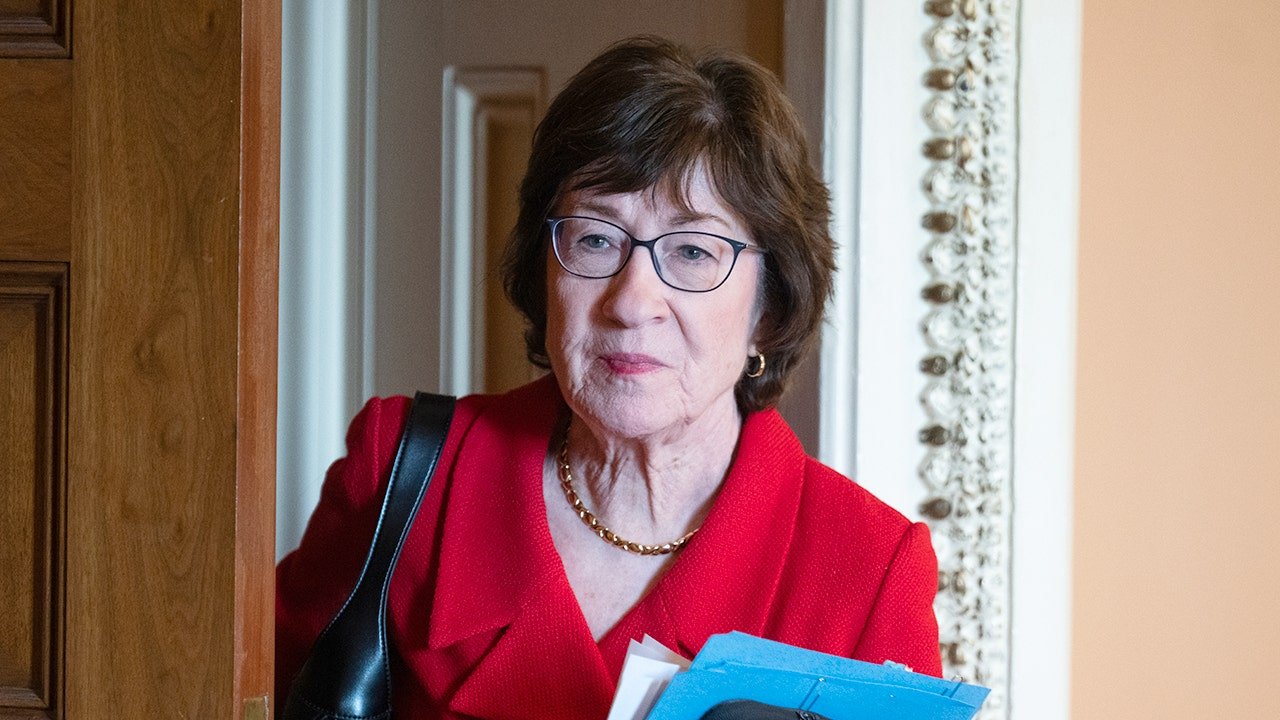
Sen. Susan Collins, R-Maine, is helping to lead the effort to cap insulin costs on Americans at $35 per month. (Tom Williams/CQ-Roll Call, Inc via Getty Images)
«We are the long-time chairs of the Senate Diabetes Caucus, and one of our top priorities is to make insulin more affordable,» Collins said in a Senate hearing last week.
«Our INSULIN Act would impose out-of-pocket limits for patients with commercial insurance, tackle commercial pharmacy benefit managers, and ensure that patients are the ones who are benefiting from the savings that they negotiate, and encourage biosimilar competition in order to lower list prices.»
The bill, first introduced in 2023, has been reworked at Kennedy and Warnock’s urging to include some work to provide capped insulin prices even for the uninsured.
«Our bill also includes provisions to help uninsured Americans access affordable insulin,» Collins continued. «Just this week, I met with a young woman who, a few years ago, ended up in the hospital because she was stretching out her insulin, not taking as much as she was prescribed, because she simply couldn’t afford the cost.»
REPORTER’S NOTEBOOK: GOP TARGETS AFFORDABILITY WITH RECONCILIATION 2.0 PLAN AHEAD OF MIDTERMS
The issue aligns with a 2024 Trump presidential campaign vow. Trump has already announced other initiatives to lower prescription drug prices, including an executive order last May on his «Most Favored Nation» (MNF) policy to take action on Big Pharma companies that are not offering the world’s lowest price on drugs to Americans.
«Americans should not be forced to subsidize low-cost prescription drugs and biologics in other developed countries, and face overcharges for the same products in the United States,» Trump’s policy ordered. «Americans must therefore have access to the most-favored-nation price for these products.»
«My Administration will take immediate steps to end global freeloading and, should drug manufacturers fail to offer American consumers the most-favored-nation’s lowest price, my Administration will take additional aggressive action.»
Then, this December, Trump announced agreements with nine Big Pharma companies to lower prices on Americans under the MFN policy, including offering direct to the consumer lowest pricing on TrumpRx, the president’s new prescription drug portal.
GOP MUST RACE FOR NEW ‘BIG, BEAUTIFUL BILL’ TO SLASH COSTS BEFORE MIDTERMS, TOP HOUSE REPUBLICANS WARN
TrumpRX lists Insulin Lispro from Eli Lilly for $25.
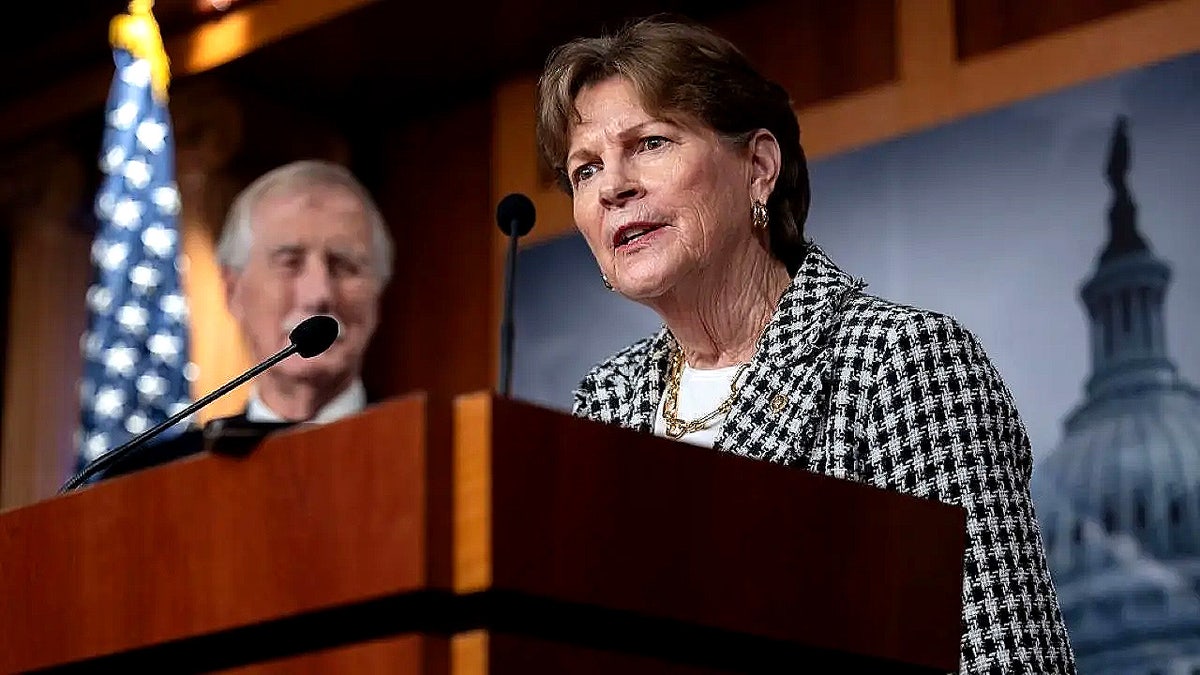
Sen. Janine Shaheen, D-N.H., announced last March that she would not be running for reelection. (Nathan Posner/Anadolu via Getty Images)
Collin and Shaheen’s legislation would also offer a limited cap on insulin for the uninsured — an issue reportedly driven by Warnock and Kennedy in the bipartisan group — creating a five-year pilot in 10 states to help uninsured patients get insulin for no more than $35 a month.
«We have already capped insulin for Medicare enrollees at $35 a month — this new INSULIN Act, which we plan to introduce next [this] week, will address insulin affordability for children, adults and those who are uninsured,» Shaheen said in a statement.
«It will do, as the Medicare provision does, cap the cost of employer and private insurance coverage of insulin at $35 a month, create a pilot program to provide $35 a month insulin for uninsured diabetes patients, and it is a direct way to help American families facing economic pressures, and will make people healthier in the long run.»
TRUMP’S RX PLAN PROMISES SAVINGS, BUT ECONOMISTS SEE A HIDDEN TRADE-OFF
While Collins might need the bill for her 2026 midterm election hopes. Shaheen is serving out her final year in the Senate.
«I would really like to be able to leave the Senate thinking that we had helped to address insulin costs for a lot of Americans: This is the most expensive chronic disease,» Shaheen told Semafor, noting Trump’s agenda for capping prices.
«This is something that he should support, because it is affordability.»
Affordability has been the Democrats’ buzzword for the midterms, but Republicans and Trump have argued it has only been an issue Democrats have made after years of inflation under former President Joe Biden.
TRUMP ENDS BIDEN’S DRUG PRICE NIGHTMARE — AMERICANS GET REAL RELIEF WITH TRUMPRX
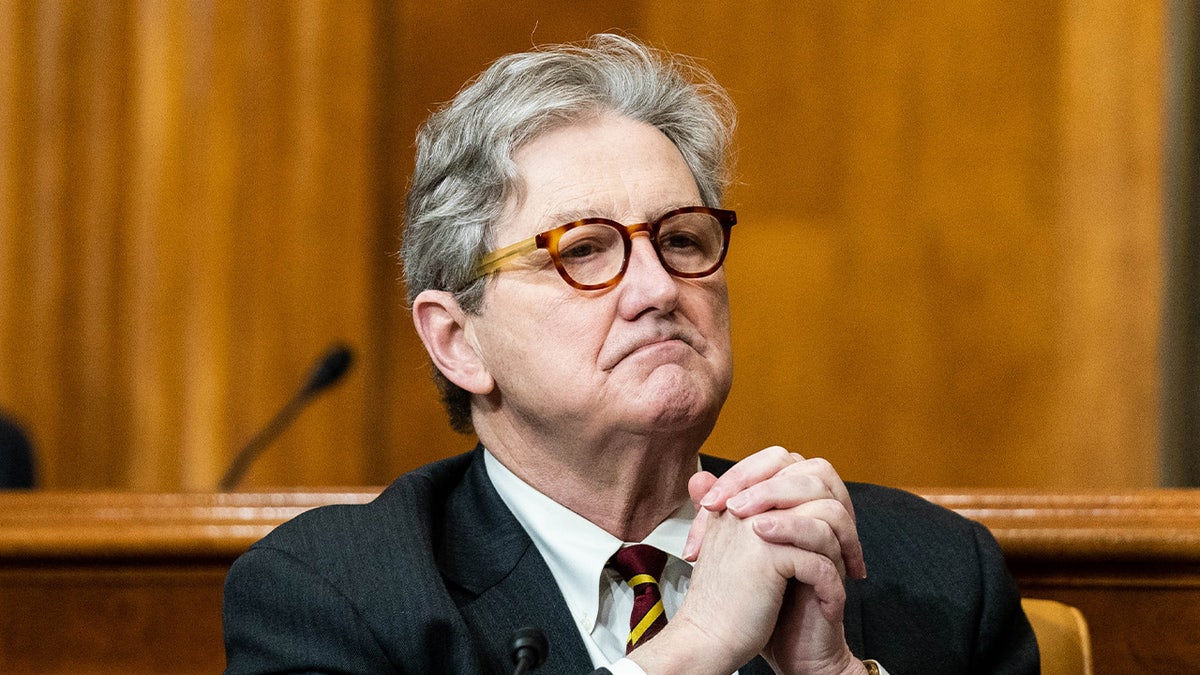
Sen. John Kennedy, R-La., was a part of the bipartisan Senate group pushing the INSULIN Act of 2026 to include provisions to lower insulin costs for the uninsured, too. (Anna Moneymaker / POOL / AFP)
The bill authorizes $100 million for fiscal 2027 for cost-cutting and defines «affordable» insulin as out-of-pocket costs of no more than $35 for a one-month supply.
Collins framed the measure as a response to patients rationing medicine they need to survive.
«I have heard far too many stories from people in Maine and across the country who have been forced to ration their insulin because of the cost, and that is simply unacceptable,» she told Semafor.
Beyond the consumer cap, the bill also tries to lower underlying costs by targeting pharmacy benefit manager practices and encouraging more competition from biosimilars and generics. It orders a federal study on delays in bringing insulin products to market and barriers to biosimilar uptake.
CLICK HERE TO DOWNLOAD THE FOX NEWS APP
The proposal now faces the harder political test: winning buy-in from Senate leadership and finding a path to must-pass legislation later this year. But after years of failed starts, backers say they finally have a bipartisan framework that could move.
senate, health care healthy living, health care, health care senate, midterm elections

Yanina Latorre reveló el drama de las hijas de Wanda Nara con Mauro Icardi y la China Suárez: “La nena llamó a la madre llorando”

Crisis en aeropuertos de Estados Unidos obliga a usar agentes de ICE por falta de personal

Eurnekian impulsa un ambicioso proyecto de megaestadio cerrado con una inversión multimillonaria

Maldini lo tiene claro: ‘Este país va a ganar el Mundial’

Manuel Adorni: “Mi patrimonio lo construí antes de entrar al Gobierno, no tengo nada que esconder”

La audiencia por glaciares se inauguró con polémica y la oposición anticipa su judicialización

»¡VAN A FUNDIR A MEDIO PAÍS!»: El lapidario diagnóstico de Roberto Cachanosky sobre el plan de Milei

ALERTA FINANCIERA: 4 de cada 10 argentinos ya no pueden pagar sus deudas. ¡Caputo debe actuar ya!

El mensaje de Milei sobre la “traición” que llamó la atención en el Gobierno y también en la oposición

El Gobierno apunta a una sindicalista por la filtración del video de Manuel Adorni en un vuelo privado

 POLITICA2 días ago
El mensaje de Milei sobre la “traición” que llamó la atención en el Gobierno y también en la oposición
- POLITICA23 horas ago
24 DE MARZO: La historia completa que el relato omitió sobre el golpe de 1976 y el Juicio a las Juntas
- ECONOMIA2 días ago
A cuánto llegará el dólar en abril de 2026, según los principales analistas de mercado