INTERNACIONAL
Mike Lee preemptively drops ‘big beautiful bill’ provision to sell federal lands that riled GOP colleagues

Democrats force reading of Trump’s 940-page bill
Democratic strategist Theryn Bond and Perspective Strategies Partner Ryan Taylor join ‘Fox News Live’ to discuss the Senate debate over Trump’s ‘big, beautiful bill,’ the probe into Biden’s cognitive decline, and more.
NEWYou can now listen to Fox News articles!
Utah Republican Sen. Mike Lee preemptively withdrew a provision in the One Big Beautiful Bill Act on Saturday evening that would have allowed for the sale of federal lands for development after widespread outrage among his conservative colleagues.
«Over the past several weeks, I’ve spent a lot of time listening to members of the community, local leaders, and stakeholders across the country. While there has been a tremendous amount of misinformation – and in some cases, outright lies – about my bill, many people brought forward sincere concerns,» Lee said in a message posted to his X account on Saturday evening.
Lee, who chairs the Senate Energy and Natural Resources Committee, said he pulled the provision after he failed to secure «safeguards to guarantee that these lands would be sold only to American families,» and not to China or corporations. The Senate parliamentarian ruled on Monday that the provision’s original language did not comply with strict rules related to what could be included in reconciliation legislation, with Lee’s office resubmitting the provision with new language before pulling it altogether on Saturday evening.
Lee said he maintains his long-held position that the U.S. government owns too much land that is often mismanaged and leaves Americans, most notably in Western states, with higher tax burdens.
HOUSE GOP LEADERSHIP TAKES VICTORY LAP AFTER PASSING TRUMP’S ‘ONE BIG, BEAUTIFUL BILL’
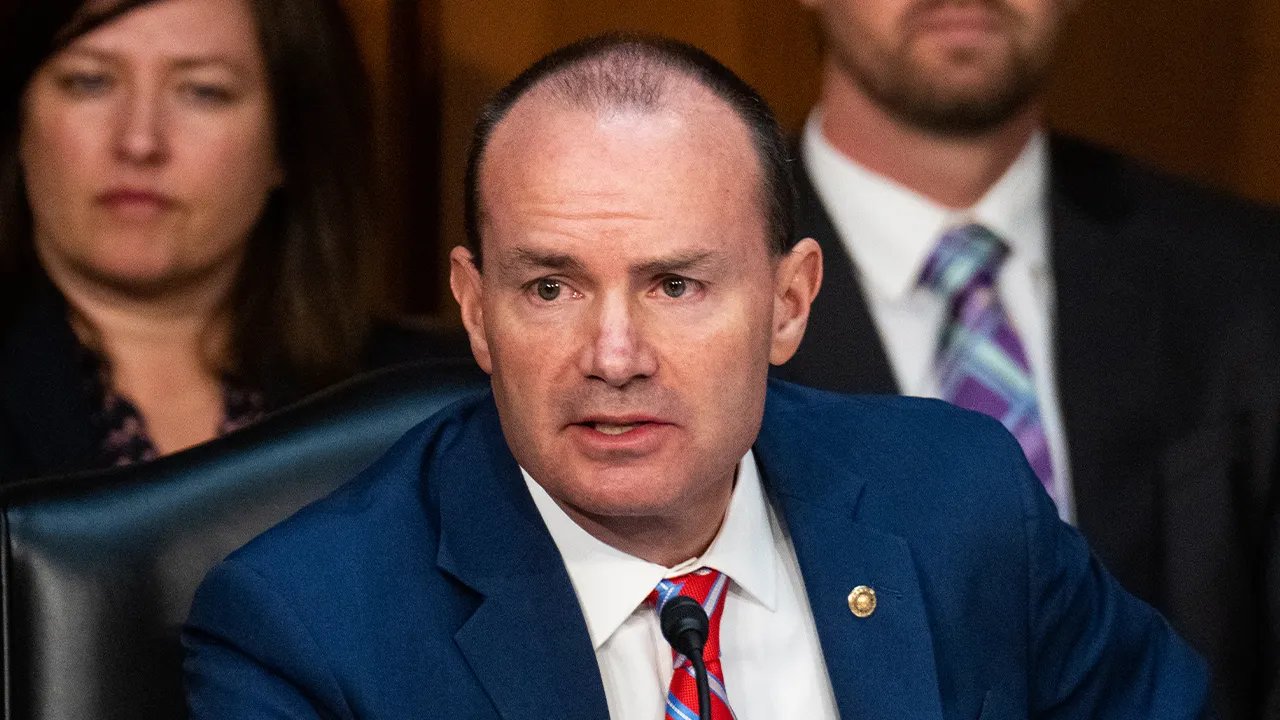
Sen. Mike Lee speaks during the Senate Judiciary Committee markup hearing on Nov. 30, 2023. (Bill Clark/Getty Images)
«I continue to believe the federal government owns far too much land – land it is mismanaging and in many cases ruining for the next generation,» Lee wrote in his post. «Under Democratic presidents, massive swaths of the West are being locked away from the people who live there, with no meaningful recourse.»
Lee had included a mandate for sales of millions of acres of federal lands in a draft provision of the tax cut package earlier this month. He preemptively pulled the provision on Saturday ahead of a procedural vote, as a handful of Republican lawmakers in both chambers publicly denounced the provision and said they would vote against the bill if it was included.
«We’ve got the votes to strike it,» Montana Sen. Steve Daines said Thursday of Lee’s provision. «We’re ready.»
SENATE GOP AIMS TO APPROVE MAJOR LEGISLATION NEXT WEEK AS TRUMP TOUTS PARTY UNITY
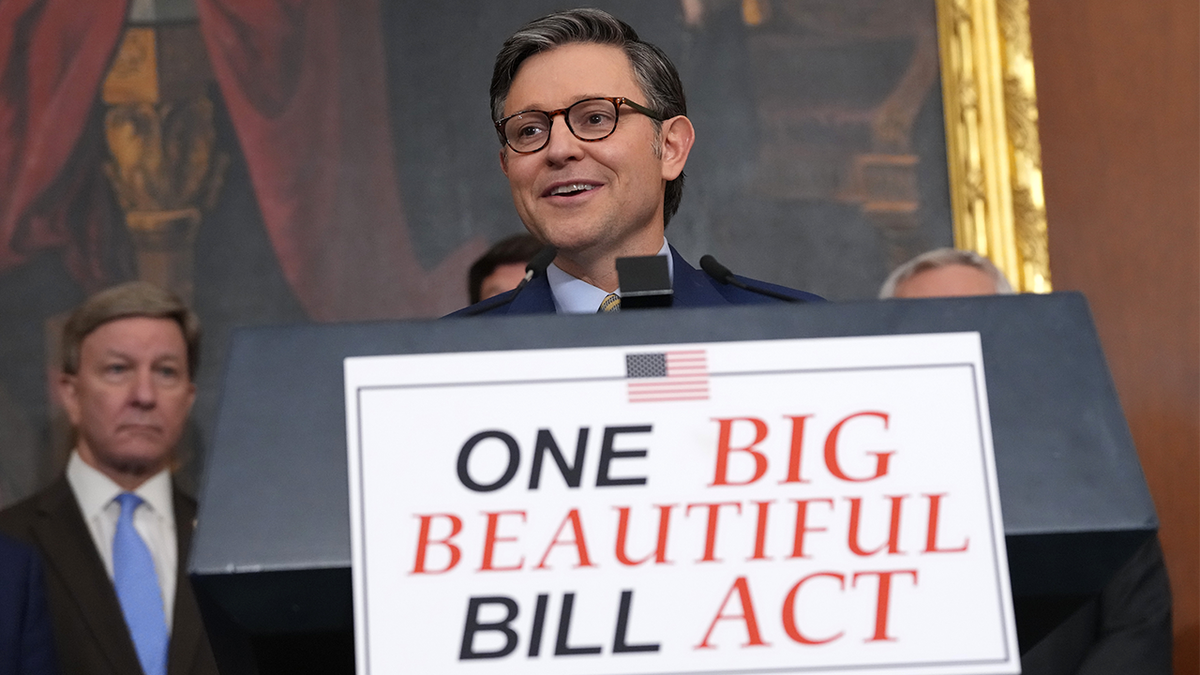
Speaker Mike Johnson addresses the media after the House narrowly passed a bill forwarding President Donald Trump’s agenda at the U.S. Capitol on May 22, 2025. (Kevin Dietsch/Getty Images)
«I agree with my colleagues that the federal government has mismanaged federal lands for decades. But I don’t agree with their solution. The solution is not to sell public lands. The solution is better management. Let’s send legislation to POTUS desk to improve management and access. I remain a no on the senate reconciliation bill,» Montana Rep. Ryan Zinke posted to X last week ahead of Lee pulling the provision. Zinke served as President Donald Trump’s secretary of the Department of the Interior during his first administration.

President Donald Trump is rallying Republican lawmakers to pass the One Big Beautiful Bill Act. (AP Photo/Jose Luis Magana)
«The people of Idaho have been clear – we do NOT support the sale of our public lands to the highest bidder. I am proud to help lead the effort to remove this provision from the One Big Beautiful Bill,» Idaho Republican Sen. Jim Risch posted to X after Lee said he would pull the provision.
MIKE JOHNSON, DONALD TRUMP GET ‘BIG, ‘BEAUTIFUL’ WIN AS BUDGET PASSES HOUSE

Sunrise light hits the U.S. Capitol dome on Jan. 2, 2025. (Bill Clark/CQ-Roll Call, Inc via Getty Images)
CLICK HERE TO GET THE FOX NEWS APP
Lawmakers are on a tight 4th of July deadline to get the legislation, which will advance Trump’s agenda on taxes, immigration, energy, defense and the national debt, to the president’s desk. Senate Republicans successfully carried the legislation over a procedural hurdle late on Saturday after hours of negotiations.
Fox News Digital’s Alex Miller and Elizabeth Elkind contributed to this report.

INTERNACIONAL
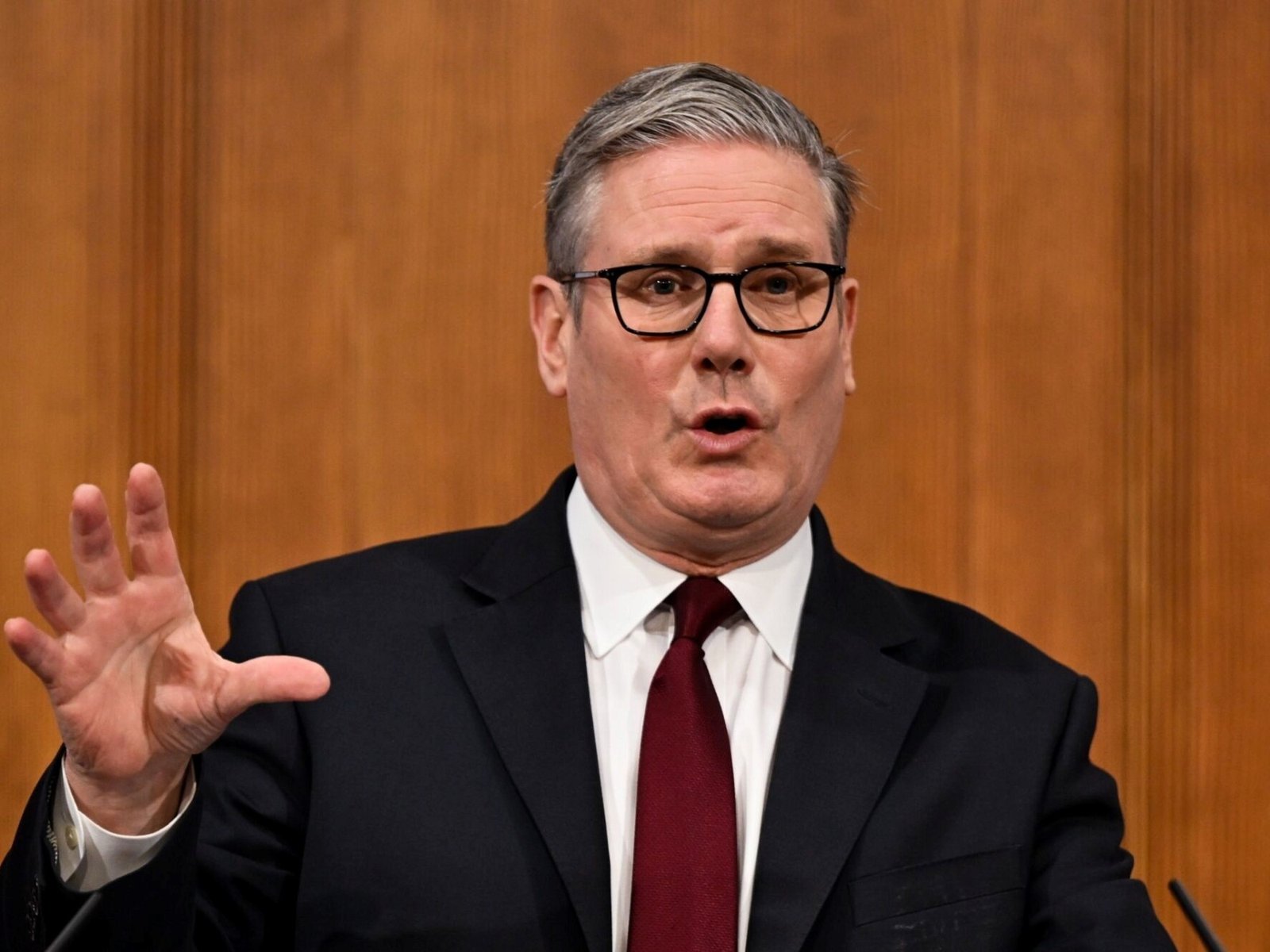
Starmer le responde a Trump por Ormuz: «Gran Bretaña no se verá envuelta en una guerra a gran escala con Irán»
Las amenazas de Trump
«No lo he decidido»
Alemania: «No es nuestra guerra»
El precio del petróleo
Ayudas para calefacción

NEWYou can now listen to Fox News articles!
President Donald Trump sent his clearest warning yet to the North Atlantic Treaty Organization (NATO) on Sunday: Stand with the U.S. for defense of the Strait of Hormuz or face a «very bad» future.
«It’s only appropriate that people who are the beneficiaries of the strait will help to make sure that nothing bad happens there,» Trump told The Financial Times in an interview Sunday. «If there’s no response, or if it’s a negative response, I think it will be very bad for the future of NATO.»
Trump echoed those remarks in a press gaggle aboard Air Force One on Sunday night, returning to Washington, D.C., from a weekend at Mar-a-Lago, saying it would «be nice to have other countries police that with us, and we’ll help – we’ll work militarily.»
«Remember, like as an example of many cases that NATO countries, we’re always there for NATO,» Trump told reporters, pointing to «helping them with Ukraine» even though «between us, it doesn’t affect us.»
US SIGNALS READINESS TO ESCORT TANKERS THROUGH HORMUZ AS TRAFFIC THINS BUT NO MISSION LAUNCHED
President Donald Trump issued some stern warnings for NATO to come to the world’s defense or face a «very bad» future. (SAUL LOEB / AFP)
«But we’ve helped them,» he added, repeating his comments to the United Nations General Assembly last fall, questioning whether NATO will «always be there for us.»
Trump is looking for NATO allies’ assistance in securing the oil tanker traffic through the Strait of Hormuz for the rest of the world. Trump administration officials have been repeating throughout the choking of the strait that the U.S. under Trump is a net exporter of oil and gets only a fraction of its oil from the Middle East – unlike the rest of the world, including NATO allies.
«It’d be interesting to see what country wouldn’t help us with a very small endeavor, which is just keeping the Strait open, and that, by comparison is a small [ask],» Trump added to reporters on Air Force One. «It’s small because Iran has very little firepower.»
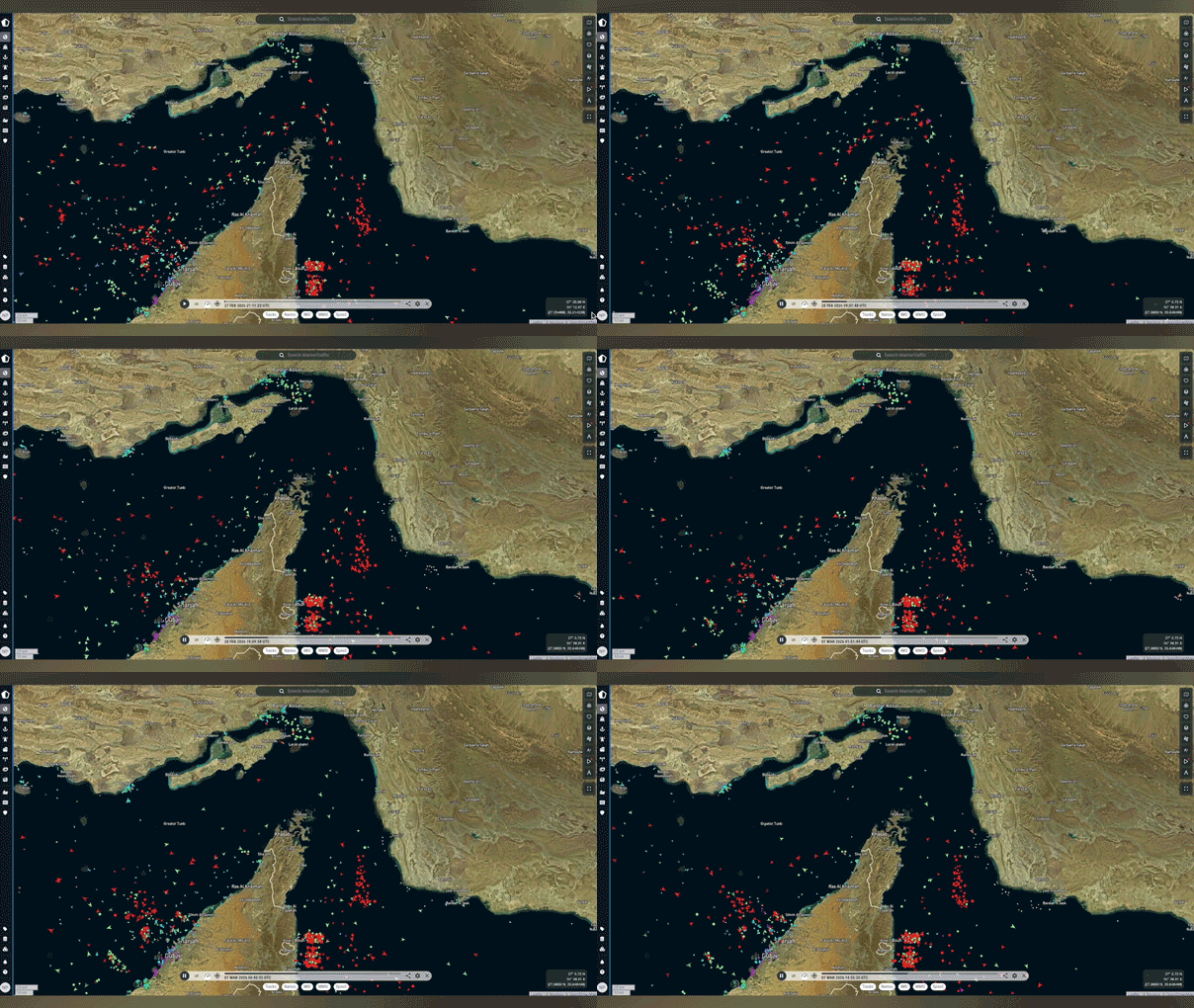
A time-lapse video shows marine traffic moving through the Strait of Hormuz. (Kpler/Marine Traffic)
TRUMP SAYS HE MIGHT HAVE ‘FORCED ISRAEL’S HAND’ IN IRAN STRIKE DECISION AS CRITICS QUESTION WAR POWERS
Trump remained optimistic that NATO allies will ultimately get on board.
«We are talking to other countries about working with us about the policing of the strait, and I think we’re getting a good response,» Trump told reporters on AF1. «If we do, that’s great – and if we don’t, that’s great.»
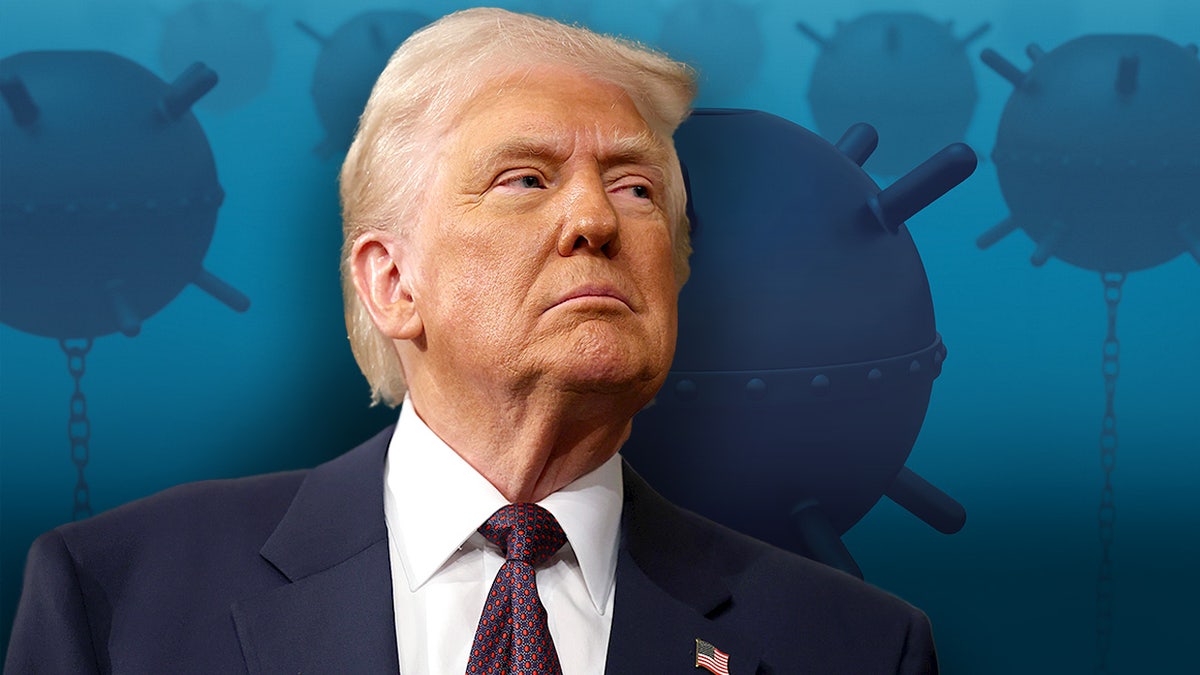
The Iranian regime is using sea mines, which it has stockpiled in the thousands, to make traversing the Strait of Hormuz difficult and deadly. (Win McNamee/Getty Images; Eranicle/iStock)
CLICK HERE TO DOWNLOAD THE FOX NEWS APP
NATO has long been a point of contention for Trump, who had to repeatedly call on member organizations to reach even the 2% of Gross Domestic Product (GDP) spending threshold during his first administration. Current Trump U.S. Ambassador to NATO Matt Whitaker has hailed this second administration in getting NATO to commit 5% of GDP in defense spending.
nato,world,war with iran,donald trump,europe

La reunión Shield of the Americas, recientemente celebrada en Miami, marca el regreso estratégico de Estados Unidos al hemisferio occidental. Convocada por el presidente Donald J. Trump, reunió a una docena de jefes de Estado y dos presidentes electos de la región con un objetivo explícito: construir una coalición hemisférica para enfrentar al crimen organizado transnacional y restablecer la estabilidad estratégica del continente. No se trató solo de una reunión protocolaria; fue el lanzamiento formal de una nueva etapa en la política hemisférica de Washington.
Por años, América Latina y el Caribe han ocupado un lugar secundario en la agenda geopolítica estadounidense. Ese ciclo ha terminado. El hemisferio occidental pasa a ser un espacio de interés vital.
La lógica que sustenta este cambio está claramente expresada en la Estrategia de Seguridad Nacional de los Estados Unidos, publicada en noviembre de 2025: “Estados Unidos debe mantener una posición preeminente en el hemisferio occidental, porque de ello dependen su seguridad y su prosperidad.” Hoy vemos esta premisa convertirse en un principio operativo de política exterior.
La reunión en Miami también refleja una preocupación geopolítica más amplia: la creciente presencia de China en sectores estratégicos de América Latina, desde infraestructura y energía hasta telecomunicaciones y puertos. Para Washington, la estabilidad del hemisferio no es solo una cuestión de seguridad interna. También forma parte de la competencia estratégica global por influencia económica, tecnológica y política.
Este giro comenzó con un episodio que envió una señal clara y fuerte la operación del 3 de enero de 2026 para la captura del dictador venezolano y su traslado a Estados Unidos para enfrentar cargos por narcotráfico y crimen organizado. El mensaje fue contundente. Washington está dispuesto a actuar cuando un régimen estatal se convierte en plataforma del crimen transnacional.
Venezuela no es necesariamente el centro de esta historia, sino un momento clave de la hoja de ruta resumida en “enlist” y “expand”, como lo expresa claramente la Estrategia de Seguridad Nacional de los Estados Unidos. Esta hoja de ruta combina dos instrumentos complementarios: disuasión frente a estructuras que amenazan la estabilidad regional y cooperación con los países que comparten valores y objetivos.
Ese enfoque estratégico se combina con una táctica claramente pragmática. El caso venezolano lo demuestra. Bajo el actual gobierno transitorio, Washington ha restablecido relaciones diplomáticas y ha promovido una acelerada transformación en la industria petrolera. Por ejemplo, la reforma de la Ley Orgánica de Hidrocarburos, aprobada hace unas semanas, reduce el control directo del Estado y permite una participación más amplia de capital privado nacional e internacional. El nuevo marco legal flexibiliza el régimen fiscal, abre espacio para contratos directos con inversionistas y restablece mecanismos de arbitraje internacional para resolver disputas, elementos indispensables para reconstruir confianza jurídica en el sector. El gobierno de transición también ha iniciado una revisión integral de los acuerdos petroleros firmados desde hace varios años para alinearlos con el nuevo marco regulatorio y con estándares internacionales de inversión.
En conjunto, estos acontecimientos son la evidencia de la consolidación de una nueva política hemisférica estadounidense basada en seguridad, estabilidad institucional, apertura económica y cooperación directa con los Estados Unidos. La reunión Shield of the Americas y la constitución de la Americas Counter Cartel Coalition representan el paso más reciente, y más ambicioso, en la implementación de esa estrategia. Todo esto nos pone ante un nuevo momento de la relación hemisférica.
América Latina y el Caribe tienen más de 600 millones de habitantes, abundantes recursos estratégicos, una población urbana creciente y una base de talento joven cada vez más conectada digitalmente. El potencial está ahí, sin duda alguna. Las ventajas competitivas de la región van desde la geografía y los recursos naturales hasta las bondades de la cercanía cultural y los valores compartidos, entre otras. Sin embargo, la dificultad de transitar hacia el desarrollo de la región sigue siendo real. La ventaja es que en el contexto actual, ese desarrollo no es solo un interés regional. Es también un interés estratégico para Estados Unidos y para la estabilidad del hemisferio.
La pregunta ya no es si América Latina y el Caribe tienen potencial para desarrollarse. La pregunta es si sus países serán capaces de construir las instituciones, la infraestructura y las alianzas necesarias para aprovechar el momento estratégico que el hemisferio tiene hoy frente a sí.
Después de décadas en las que Washington minimizó la importancia de la región, hoy se encuentra de regreso en su agenda estratégica. Y esta vez, todo indica que Estados Unidos actuará en consecuencia.
*El autor es empresario, estratega político y exdirector de Políticas Públicas de la Casa Blanca. Es el Director Fundador del Adam Smith Center for Economic Freedom de la Florida International University.

Retiro voluntario en ANSES: quiénes pueden anotarse y cuánto cobrarán por dejar el organismo

Independiente visitará a Instituto de Córdoba en un duelo clave por el Torneo Apertura: hora, TV y formaciones

Javier Milei se muestra con Adorni en un gesto de apoyo en medio de la polémica por los vuelos a Punta del Este y EE.UU.

Bianco atacó a Milei por su justificación sobre el escándalo de Adorni y pidió la libertad de Cristina

Oriana Sabatini contó cómo fue el parto de su hija y el insólito lugar dónde comenzaron las contracciones

La Embajada de Israel convoca a conmemorar el 34° aniversario del atentado a su sede diplomática bajo la campaña “La primera vez no se olvida”

Morena Rial salió de la cárcel y se conoció escalofriante dato que involucra a Jorge Rial: «Me pidió que me hiciera cargo»

Emanuel Noir, de Ke Personajes, anunció que dejará las redes sociales: “Una búsqueda mayor a la que creí, apareció”

Cuánto subirán las jubilaciones y pensiones en abril después del dato de inflación que sorprendió

La fuerte exigencia a Mauro Icardi para poder ver a sus hijas con Wanda Nara: “A Maurito se lo va a multar si no lleva a las menores al colegio”

 CHIMENTOS2 días ago
La fuerte exigencia a Mauro Icardi para poder ver a sus hijas con Wanda Nara: “A Maurito se lo va a multar si no lleva a las menores al colegio”
- POLITICA2 días ago
BOMBAZO – Guerra abierta: Feinmann y Rossi contraatacan tras la denuncia de Victoria Villarruel
- POLITICA3 días ago
Milei llegó a Madrid para participar de un foro ultraliberal organizado por expertos en criptomonedas