INTERNACIONAL
‘Trump has changed the game’: NATO enters brave new era under pressure from US, Russia


NEWYou can now listen to Fox News articles!
The effects of both President Donald Trump and Russian President Vladimir Putin’s war in Ukraine on NATO have forced swift and potentially permanent changes in the alliance.
Following last month’s announcement that the majority of NATO’s 32 members had agreed to increase defense spending to hit 5% of each nation’s GDP, Trump drew headlines after he drastically changed his tone and declared the alliance was no longer a «rip-off.» But his previously tough stance saw undeniable results in how the security group operates.
«Trump has changed the game,» Peter Doran, an expert on Russia, Ukraine, and transatlantic relations, and an adjunct senior fellow at the Foundation for Defense of Democracies, said. «[Then] there’s Vladimir Putin, who has clearly awakened the Europeans to the danger that Russia presents to them.»
Beginning in his first term, Trump made clear his resentment that only five NATO allies were meeting their 2% GDP defense spending pledges, and those criticisms rang loudly following his return to the campaign trail for the 2024 election amid Russia’s war in Ukraine.
Questions ran rampant over whether Trump would not only continue to provide strong U.S. support for Ukraine, but whether Washington would remain a reliable ally for Europe when confronted with the reality of a war-ready Russia.
RUSSIA SAYS NATO THREATENS WWIII IN LATEST DETERRENCE PLAN THAT COULD TAKE DOWN KALININGRAD ‘FASTER THAN EVER’
President Donald Trump held a press conference after the NATO Heads of State and Government Summit in The Hague, Netherlands on June 25, 2025. (Dursun Aydemir/Anadolu via Getty Images)
Though an increasing number of NATO nations began upping their defense spending commitments following Russia’s 2022 invasion of Ukraine, several allies began pushing for changes before Trump even re-entered the White House.
Trump not only threatened to remove troops from Europe and divert them to positions in Asia, but he suggested he might not come to the defense of a NATO ally should they be attacked, infamously saying at a February 2024 campaign event, «You don’t pay your bills; you get no protection. It’s very simple.»
«I would encourage them to do whatever the hell they want,» he said in regard to the threat of a Russian attack on a NATO nation.
But his tough rhetoric appeared to yield results.
NATO Secretary-General Mark Rutte — who has shared a good relationship with Trump — jokingly referred to Trump’s geopolitical tendencies for unconventional statesmanship, particularly after he used the f-word in a fiery rant about a breakdown in the Iran-Israel ceasefire during last month’s summit when he said, «Daddy has to sometimes use strong language.»
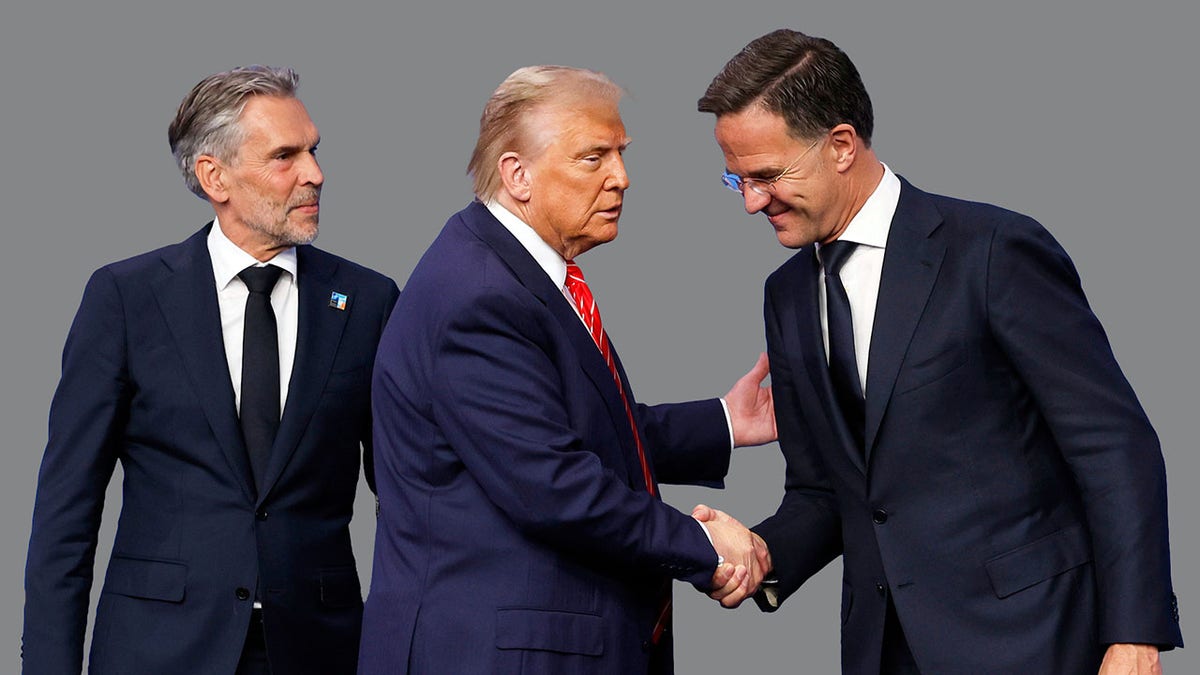
President Donald Trump is greeted by NATO Secretary General Mark Rutte (right) and Netherland Prime Minister Dick Schoof (left) at the official welcoming ceremony for the 2025 NATO Summit at The Hague on June 25, 2025. (AP Images)
«Donald Trump’s a real contrast to Joe Biden,» Peter Rough, a senior fellow and the director of the Hudson Institute’s Center on Europe and Eurasia, told Fox News Digital. «Joe Biden, bear hugged the NATO allies to the point of smothering them with adoration, and that caused them, I think, to sit back and relax a little bit.
«Donald Trump, by contrast, exposes the allies to just enough hostile power to encourage them to do more, but it doesn’t expose them so much that it might invite a Russian attack,» he added. «And I think that’s the art of the deal, so to speak.»
PUTIN MUM ON TRUMP’S 50-DAY ULTIMATUM, KREMLIN OFFICIALS CLAIM RUSSIA ‘DIDN’T CARE’
But while experts agree it is unlikely that NATO nations would have stepped up their spending on defense even more without the pressure Trump put on them, Russian President Vladimir Putin’s role in re-invigorating NATO cannot be ignored.
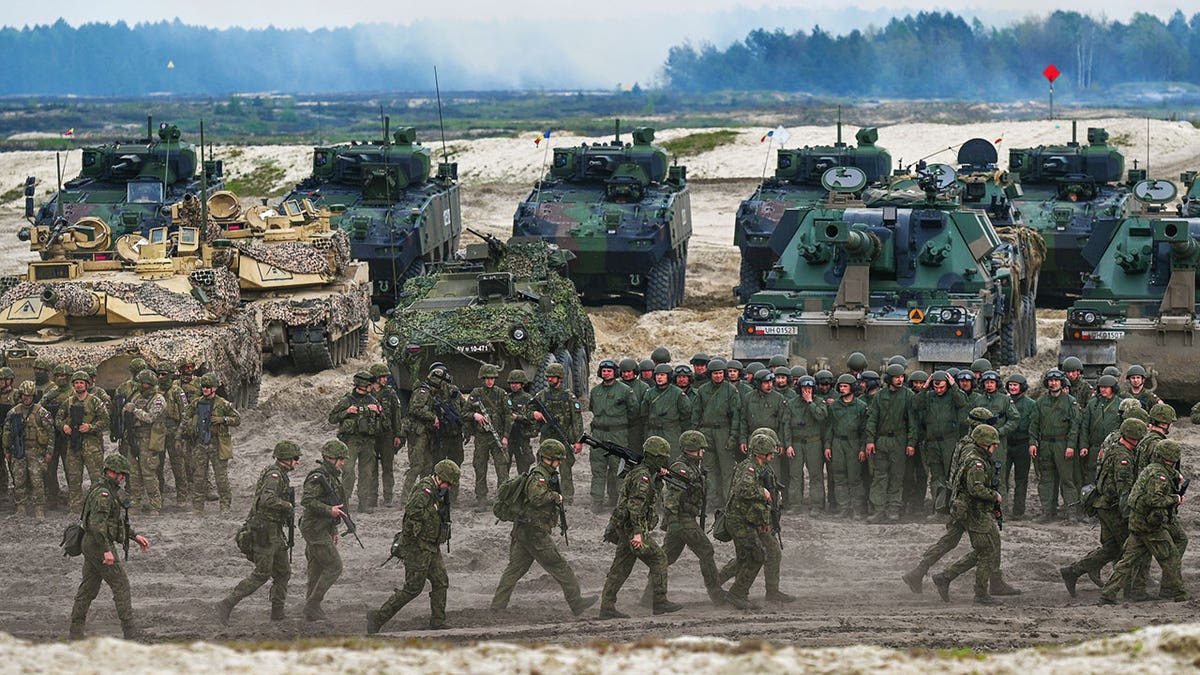
Participants of a high-intensity training session, seen at the end of the exercise at the Nowa Deba training ground on May 6, 2023 in Nowa Deba, Poland. (Artur Widak/NurPhoto via Getty Images)
«If Vladimir Putin and the Russians in the post-Cold War period had sought to engage Europe and chosen more of a democratic future, there might not be a NATO Alliance today,» Rough said. «But Putin has given NATO a real reason to exist, and President Trump has done his part by… cajoling, pushing, nudging the allies.»
But not everyone is convinced that the changes NATO is undergoing are permanent.
RUSSIA THREATENS WEST WITH ‘PREEMPTIVE STRIKES’ AS NATO LOOKS TO DELIVER PATRIOTS ‘AS QUICKLY AS POSSIBLE’
Mike Ryan, who formally served as Deputy Assistant Secretary of Defense for European and NATO Policy, told Fox News Digital he does not necessarily believe that the Trump and Putin presidencies have permanently changed the NATO alliance but said, «Both have energized and focused [the] allies.»
«But that’s what happens in NATO when confronted with an external crisis,» he added.
Upon Trump’s re-election there was increased concern about how the U.S. would be perceived by its allies, whether it was still considered a trusted partner or if it was returning to isolationist tendencies not seen since the lead up to World War II.
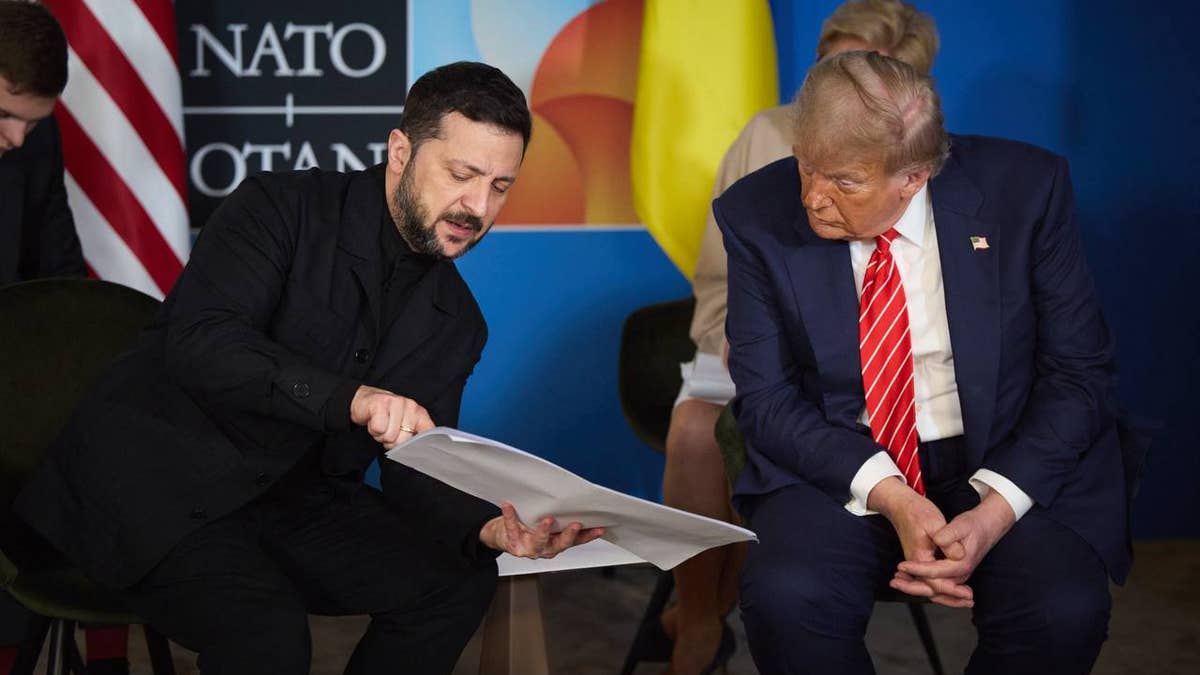
US President Donald Trump and Ukrainian President Volodymyr Zelenskyy meet during the NATO Heads of State and Government Summit in The Hague, Netherlands on June 25, 2025. (Getty Images)
«The answer is very clearly no,» Doran argued. «If anything, Trump came back and did exactly the same thing he did in the first administration, and that was to remind the Europeans that they are chronically under-spending on defense.
«If anything, Trump hasn’t changed at all. It’s the Europeans’ awareness that they need to spend more, and they have responded positively to that challenge, and that is very encouraging,» he added.
Though Rough cautioned there is a balance to be maintained when putting such high pressure on U.S. allies.
CLICK HERE TO GET THE FOX NEWS APP
«Donald Trump’s created a lot of anxiety in Europe, and it’s important to convert that anxiety into policy wins,» he said. «If that anxiety is allowed to linger or is exacerbated or made worse, then one could see some European states push more for so-called strategic autonomy, or a separation from the U.S.
«But if that anxiety translates to… real policy victories and partnerships with Europe, then I think it can be a healthy thing,» Rough said.


NEWYou can now listen to Fox News articles!
Video footage captured the fiery aftermath of a ballistic missile strike that hit Ramat Gan, a neighborhood east of Tel Aviv, overnight Tuesday, killing at least two people, according to Israeli officials.
The footage shows a car engulfed in flames, with wreckage scattered across the street as emergency responders assess the scene and ambulance sirens sound in the background.
The missile was launched by Iran’s paramilitary Revolutionary Guard, which said it targeted central Israel to avenge the killing of Ali Larijani, secretary of Iran’s Supreme National Security Council and one of the country’s most powerful figures.
Iran’s Revolutionary Guard said it launched Khorramshahr-4 and Qadr multiple-warhead missiles, which it claims have an increased chance of evading missile defense systems and can overwhelm radar tracking.
ISRAEL HITS BACK AFTER COORDINATED IRAN-HEZBOLLAH MISSILE, DRONE STRIKES, URGES BEIRUT TO REIN IN TERRORISTS
Emergency workers respond to a ballistic missile attack in which a couple in their 70s were killed, according to published reports, on March 18, 2026 in the Tel Aviv suburb of Ramat Gan, Israel. (Alexi J. Rosenfeld/Getty Images)
Israel said the two victims killed in the overnight strike were a couple in their 70s.
The attack is part of a rapidly escalating tit-for-tat conflict that began Feb. 28 following U.S. and Israeli strikes on Iran, which have since killed multiple senior Iranian officials. Those include Larijani and Gen. Gholam Reza Soleimani, head of the Revolutionary Guard’s Basij militia, who was killed Tuesday.

A first responder on scene after a deadly Iranian ballistic missile attack lands near Tel Aviv. (Magen David Adom)
Israeli Defense Minister Israel Katz also said Iran’s Intelligence Minister Esmaeil Khatib was killed in an overnight strike, though Iran has not confirmed his death.

Iran launched a retaliatory missile against Israel overnight Tuesday. (Magen David Adom)
Iran has responded with a widening campaign of missile and drone attacks targeting Israel, U.S.-linked positions and energy infrastructure across the Persian Gulf, including strikes reported in Saudi Arabia, the United Arab Emirates, Qatar and Bahrain.
CLICK HERE TO DOWNLOAD THE FOX NEWS APP
The broader conflict has raised fears of a regional war and potential disruptions to global energy supplies, as Iran has also threatened shipping through the Strait of Hormuz — a critical transit route for the world’s oil.
The Associated Press contributed to this report.
israel,iran,middle east

NEWYou can now listen to Fox News articles!
Lawmakers will get to grill President Donald Trump’s top intelligence and spying officials on the Iran war publicly for the first time, just a day after the nation’s top counterterrorism official resigned in protest over the conflict.
Director of National Intelligence Tulsi Gabbard, CIA Director John Ratcliffe, FBI Director Kash Patel, National Security Agency chief Lt. Gen. William Hartman and Defense Intelligence Agency Director Lt. Gen. James Adams are all set to testify before the Senate Intelligence Committee on Wednesday.
The hearing comes after Joe Kent, Trump’s pick to lead the National Counterterrorism Center under Gabbard, suddenly exited the job on Tuesday.
TOP COUNTERTERRORISM OFFICIAL RESIGNS IN PROTEST OF US WAR AGAINST IRAN
Director of National Intelligence Tulsi Gabbard talks to reporters in the Brady Press Briefing Room at the White House on July 23, 2025. (Chip Somodevilla/Getty Images)
«I cannot in good conscience support the ongoing war in Iran,» Kent said on X. «Iran posed no imminent threat to our nation, and it is clear that we started this war due to pressure from Israel and its powerful American lobby.»
While Venezuela and Cuba could be points of discussion, Iran will likely be a major topic during the annual Worldwide Threats hearing, given that Senate Democrats have clamored for public hearings from Secretary of State Marco Rubio and Secretary of War Pete Hegseth on the ongoing war.
Gabbard, who built her political career bucking war with Iran and the U.S. getting involved in regime change, will likely be grilled over Kent’s resignation from his post.
MULLIN FACES DEMOCRAT GRILLING IN FIRST HURDLE TO LEAD DHS AMID SHUTDOWN FIGHT
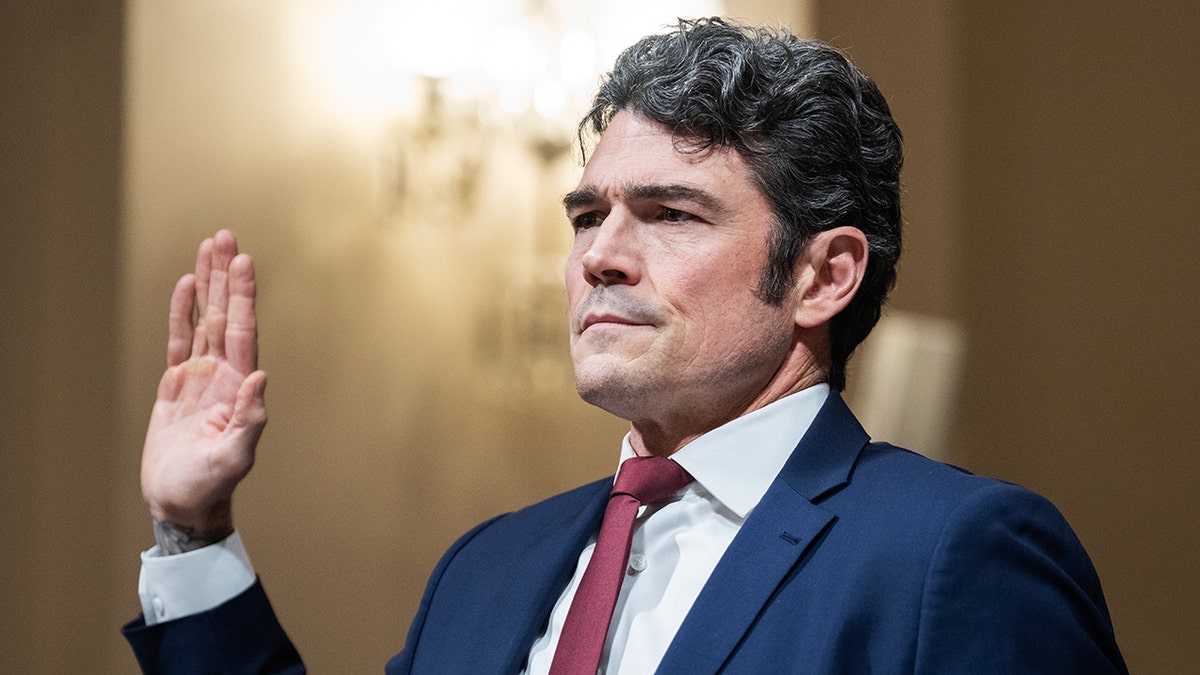
Joe Kent, director of the National Counterterrorism Center, is sworn in to the House Homeland Security Committee hearing titled, «Worldwide Threats to the Homeland,» in the Cannon building on Dec. 11, 2025. (Tom Williams/CQ-Roll Call, Inc. via Getty Images)
Following his announcement, Gabbard said that her job as DNI chief is to help «coordinate and integrate all intelligence to provide the President and Commander in Chief with the best information available to inform his decisions.»
«After carefully reviewing all the information before him, President Trump concluded that the terrorist Islamist regime in Iran posed an imminent threat, and he took action based on that conclusion,» Gabbard said on X.
The hearing will be led by Senate Intelligence Committee Chair Tom Cotton, R-Ark., and Sen. Mark Warner, D-Va., who is the top-ranking Democrat on the panel.
DEMOCRATS THREATEN TO GRIND SENATE TO A HALT TO FORCE PUBLIC IRAN HEARINGS

Sen. Tom Cotton, R-Ark., argued that the war with Iran would continue for weeks, not days, as the U.S. continues to kneecap its offensive abilities. (Bill Clark/CQ-Roll Call, Inc. via Getty Images)
Both have been at odds in their view of the war — Cotton fervently backs Trump’s decision, while Warner argued that Iran posed no «imminent threat» to the U.S.
«So the decision to put our service members in harm’s way and bases around the region in harm’s way was entirely based upon the president’s decision, not an imminent threat to America,» Warner told CNN earlier this month.
Cotton speculated that the conflict would end in a matter of weeks, and reaffirmed that position when pressed.
CLICK HERE TO DOWNLOAD THE FOX NEWS APP
«I’ve said that, based on my conversations with the President and my understanding of Iran’s military capabilities, I would expect it to take weeks, not days, and we’re only a couple weeks into it,» Cotton said.
«And again, every single day brings hundreds, if not 1000s, of strikes into Iran that steadily and methodically degrade their military, and the end state will be a country … without the offensive capabilities to continue to terrorize the United States, Israel, our Arab friends and the civilized world,» he continued.
politics,senate,tulsi gabbard,donald trump,war with iran
INTERNACIONAL
Panamá impulsa su primera carretera ecológica en Colón en medio de dudas de ambientalistas
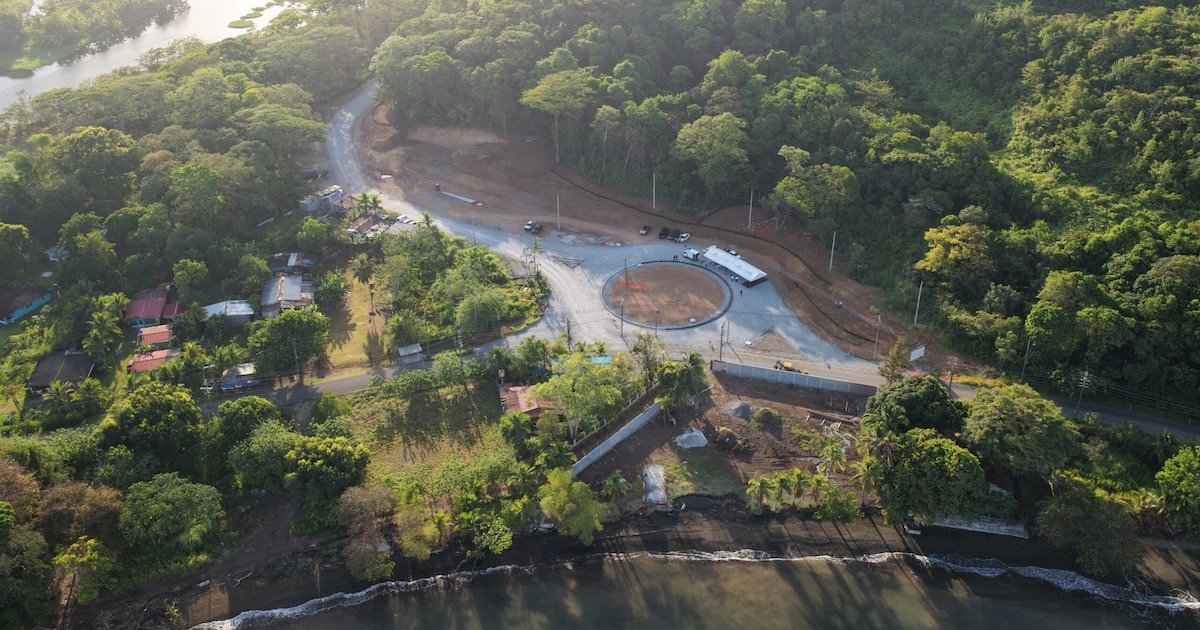
La construcción del Corredor del Caribe, considerada la primera carretera ecológica de Panamá, avanza en medio de una combinación de expectativas económicas y exigencias ambientales que han marcado su desarrollo desde el inicio.
El proyecto, que conecta Quebrada Ancha con María Chiquita en la provincia de Colón, registra un avance cercano al 40% y se ha convertido en una de las obras de infraestructura más observadas del país por su ubicación dentro de un corredor biológico estratégico.
La iniciativa busca equilibrar desarrollo y conservación, aunque ese mismo objetivo ha sido el centro de una controversia que obligó a rediseñar su ejecución.
Desde su concepción, la obra fue planteada como una vía de 28 kilómetros destinada a mejorar la conectividad hacia la Costa Arriba de Colón, una región históricamente rezagada en términos de acceso vial.
El proyecto apunta a dinamizar el turismo, la agricultura y el comercio, facilitando el traslado de personas y productos en una zona con alto potencial económico.
Además, se estima que beneficiará directamente a más de 150,000 personas, lo que refuerza su importancia dentro de la estrategia de desarrollo regional impulsada por el Estado.
Sin embargo, el elemento que distingue al Corredor del Caribe es su enfoque ambiental. La carretera ha sido rediseñada bajo un modelo ecológico, incorporando criterios que no formaban parte del contrato original.

Entre las medidas más relevantes destacan la construcción de al menos 35 pasos de fauna —aéreos, terrestres y pluviales—, diseñados para permitir el desplazamiento seguro de especies como jaguares, pumas, ocelotes y monos.
A esto se suman restricciones operativas como límites de velocidad de 40 km/h, control de acceso mediante garitas y la prohibición de circulación de vehículos pesados en ciertos tramos.
El componente ecológico también se articula con la creación del Parque Nacional Sierra Llorona, una nueva área protegida de más de 16,700 hectáreas. Esta zona cumple una función clave dentro del Corredor Biológico Mesoamericano, al conectar ecosistemas entre el Parque Nacional Chagres y el Parque Nacional Portobelo.
La coexistencia entre la vía y el parque ha sido presentada por el Gobierno como un modelo de integración entre infraestructura y conservación, aunque expertos advierten que este equilibrio dependerá de la ejecución efectiva de las medidas de mitigación.

El impacto esperado de la obra trasciende lo económico. El proyecto busca transformar la dinámica social y territorial de la región, mejorando el acceso a servicios básicos, educación y oportunidades de empleo.
Asimismo, se proyecta que impulse el turismo ecológico hacia destinos como Portobelo y María Chiquita, aprovechando la riqueza natural del área. No obstante, estos beneficios están condicionados a que la intervención no degrade los ecosistemas que precisamente constituyen su principal atractivo.
La controversia ambiental ha sido uno de los factores determinantes en el desarrollo del proyecto. Organizaciones ambientalistas cuestionaron desde el inicio el trazado de la carretera, señalando que atraviesa zonas sensibles como la reserva de Sierra Llorona y afecta fuentes hídricas críticas.
Uno de los principales puntos de conflicto fue la categoría del Estudio de Impacto Ambiental (EIA), ya que sectores técnicos consideraban que el tramo más delicado debía evaluarse bajo categoría III y no II, debido a la magnitud de los posibles impactos.

Estas tensiones derivaron en un proceso legal que frenó temporalmente la obra. En junio de 2024, la Corte Suprema de Justicia ordenó la suspensión provisional del proyecto, lo que obligó a revisar su diseño y enfoque.
La posterior reactivación en enero de 2025 estuvo condicionada a ajustes técnicos y ambientales, marcando un punto de inflexión en la ejecución. Como resultado, el trazado fue dividido en dos obras con estudios de impacto diferenciados, lo que permitió avanzar bajo estándares más estrictos de evaluación.
El debate de fondo ha girado en torno a la disyuntiva entre desarrollo y conservación. Mientras sectores empresariales y comunidades locales respaldan la carretera como motor económico, grupos ambientalistas insisten en que existen alternativas menos invasivas, como la rehabilitación de rutas existentes. Esta discusión refleja una tensión estructural en la planificación territorial del país, donde los proyectos de infraestructura suelen intersectar con áreas de alto valor ecológico.
A pesar de las críticas, las autoridades sostienen que el Corredor del Caribe representa un cambio de paradigma. El proyecto incorpora por primera vez en Panamá un enfoque sistemático de conectividad ecológica, integrando infraestructura vial con conservación de la biodiversidad.
Sin embargo, expertos coinciden en que el verdadero reto no está en el diseño, sino en la ejecución, fiscalización y cumplimiento de las medidas ambientales a lo largo del tiempo.
corresponsal:Desde Panamá

Los motivos del deseado fichaje de Bastoni por el Barça: solidez, personalidad y encaje en el sistema de Flick

Bajo la lupa: cómo es el plan inédito para auditar la calidad de los institutos donde se forman los docentes

Fiery aftermath of Iran missile strike near Tel Aviv caught on video after 2 killed

Senate to question Trump intel leaders on Iran war after top official quits in protest

El entierro Marcelo Araujo tuvo un error crítico y su familia no pudo despedirlo: «Fue enviado directamente al crematorio»

El Gobierno desreguló las patentes farmacéuticas: la explicación de Sturzenegger

TRAICIÓN Y ÉXODO: La promesa rota de Monteoliva que desató una ola masiva de bajas en la Policía Federal

Insólito: un esquiador británico terminó la Copa del Mundo de Oslo bajo los efectos del alcohol

La fuerte exigencia a Mauro Icardi para poder ver a sus hijas con Wanda Nara: “A Maurito se lo va a multar si no lleva a las menores al colegio”

Adorni se disculpó por el viaje de su esposa: “Fue una pésima decisión, más allá de que no generó gasto para el Estado”

 POLITICA1 día ago
TRAICIÓN Y ÉXODO: La promesa rota de Monteoliva que desató una ola masiva de bajas en la Policía Federal
- INTERNACIONAL2 días ago
Insólito: un esquiador británico terminó la Copa del Mundo de Oslo bajo los efectos del alcohol
- POLITICA1 día ago
Adorni se disculpó por el viaje de su esposa: “Fue una pésima decisión, más allá de que no generó gasto para el Estado”