INTERNACIONAL
DNI Tulsi Gabbard declassified Trump-Russia docs: Here’s what they say

NEWYou can now listen to Fox News articles!
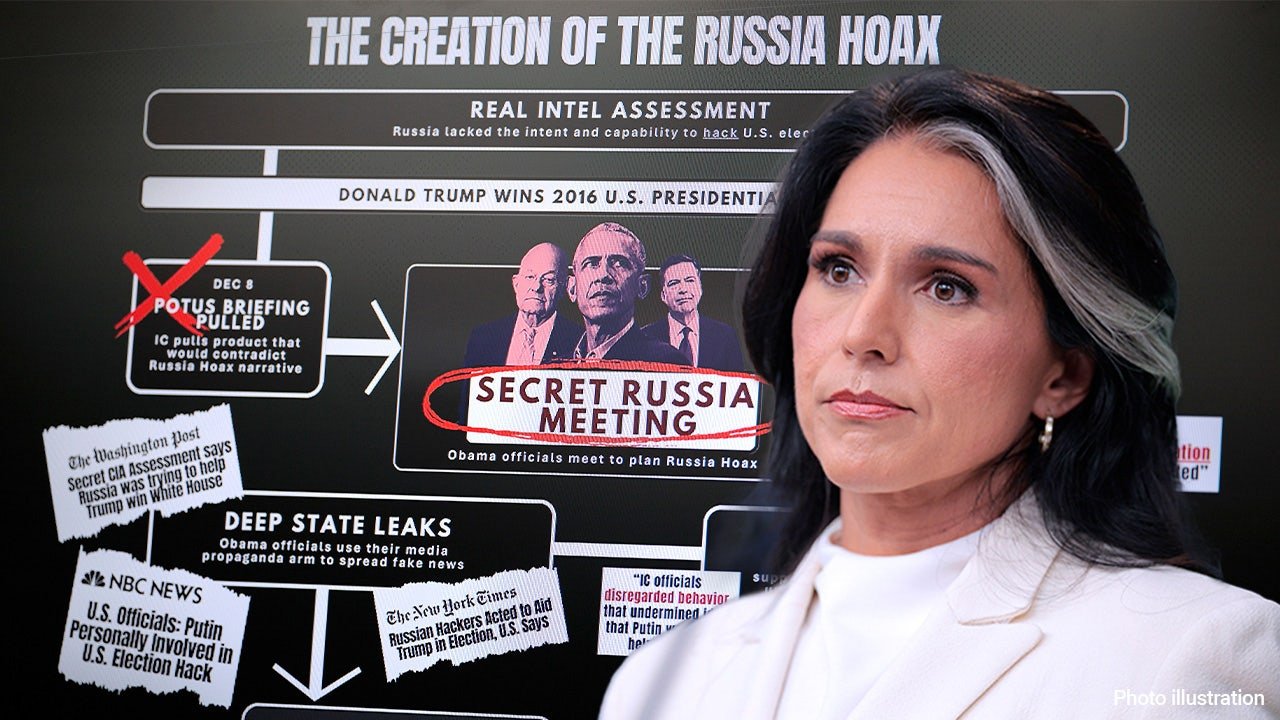
Director of National Intelligence Tulsi Gabbard declassified a slew of documents this month, revealing that Obama administration officials «manufactured» intelligence to push the Trump-Russia collusion narrative.
Director of National Intelligence Tulsi Gabbard talks to reporters in the Brady Press Briefing Room at the White House July 23, 2025, in Washington, DC., after releasing newly declassified documents about the Trump-Russia collusion «hoax.» (Chip Somodevilla/Getty Images; Fox News Digital)
Here’s a look at the newly declassified records:
Declassified Presidential Daily Brief
Documents revealed that in the months leading up to the November 2016 election, the intelligence community consistently assessed that Russia was «probably not trying … to influence the election by using cyber means.»
One instance was on Dec. 7, 2016, weeks after the election. Then-Director of National Intelligence James Clapper’s talking points stated, «Foreign adversaries did not use cyberattacks on election infrastructure to alter the U.S. presidential election outcome.»
Fox News Digital obtained a declassified copy of the Presidential Daily Brief, which was prepared by the Department of Homeland Security, with reporting from the CIA, Defense Intelligence Agency, FBI, National Security Agency, Department of Homeland Security, State Department and open sources, for Obama, dated Dec. 8, 2016.
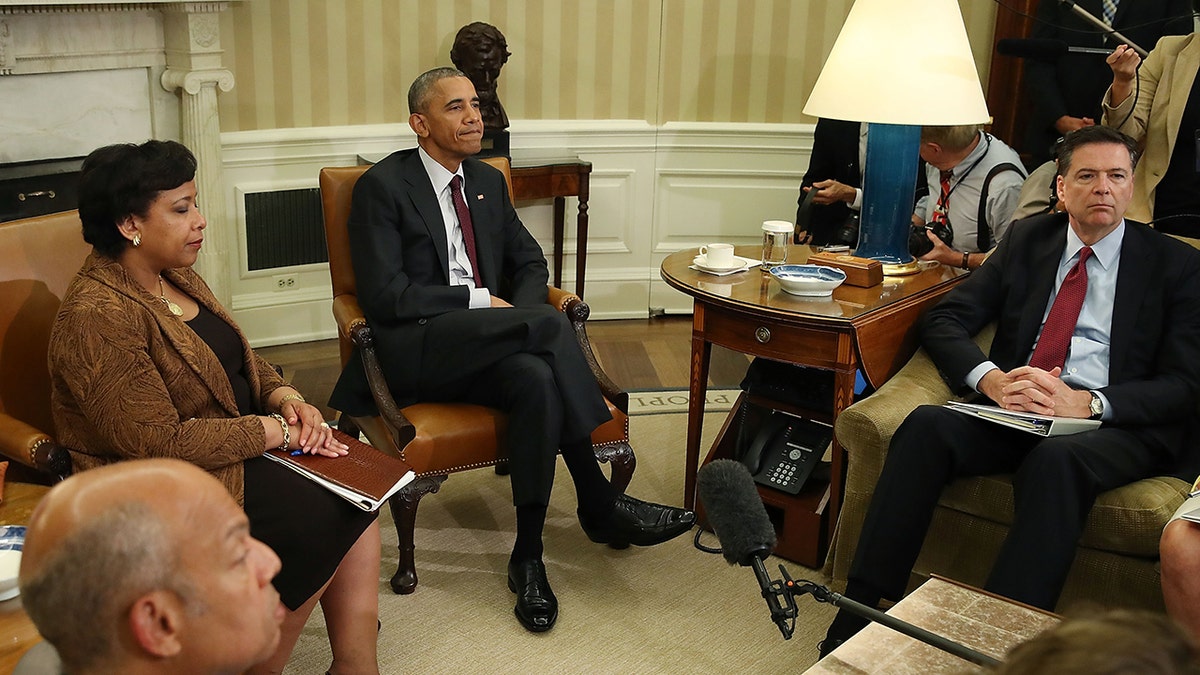
President Barack Obama speaks with reporters in the Oval Office July 19, 2016, after a meeting with Attorney General Loretta Lynch and FBI Director James Comey. (Mark Wilson/Getty Images)
«We assess that Russian and criminal actors did not impact recent U.S. election results by conducting malicious cyber activities against election infrastructure,» the Presidential Daily Brief stated. «Russian Government-affiliated actors most likely compromised an Illinois voter registration database and unsuccessfully attempted the same in other states.»
But the brief stated that it was «highly unlikely» the effort «would have resulted in altering any state’s official vote result.»
«Criminal activity also failed to reach the scale and sophistication necessary to change election outcomes,» it stated.
The brief noted that the Office of the Director of National Intelligence assessed that any Russian activities «probably were intended to cause psychological effects, such as undermining the credibility of the election process and candidates.»
The brief stated that cyber criminals «tried to steal data and to interrupt election processes by targeting election infrastructure, but these actions did not achieve a notable disruptive effect.»
Fox News Digital obtained declassified, but redacted, communications from the FBI in the Presidential Daily Brief, stating that it «should not go forward until the FBI» had shared its «concerns.»
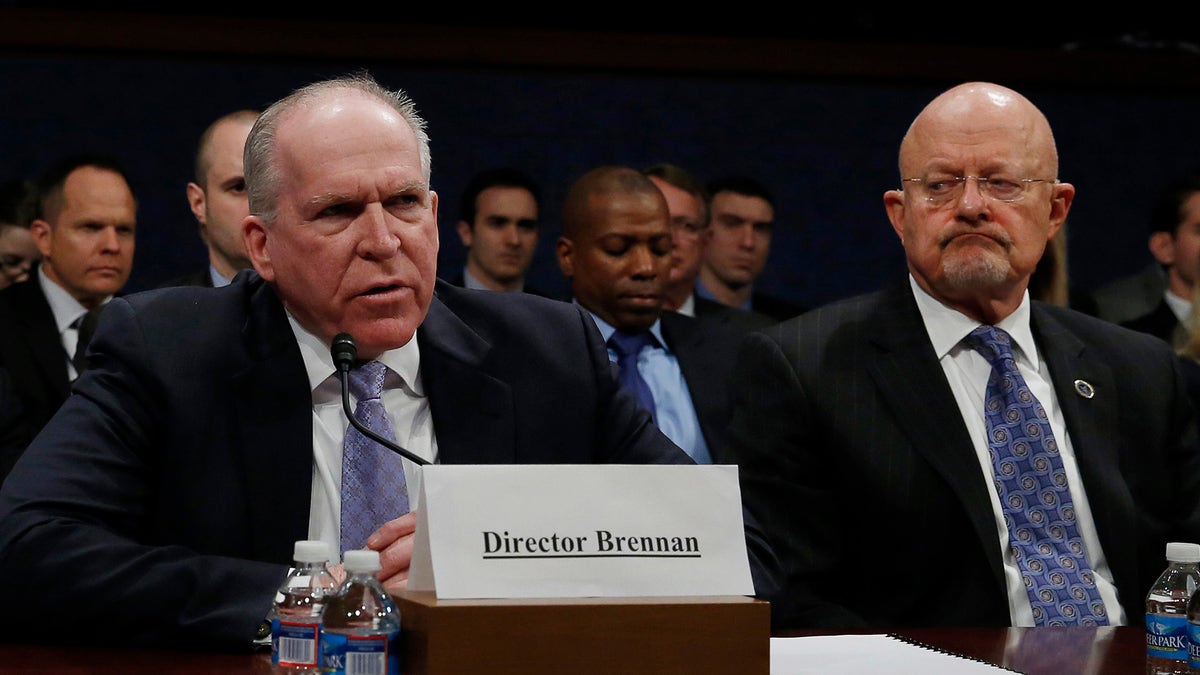
Former Director of National Intelligence James Clapper and former CIA Director John Brennan appear at a public hearing in Washington. (Reuters/Gary Cameron )
Those communications revealed that the FBI drafted a «dissent» to the original Presidential Daily Brief.
OBAMA ADMIN ‘MANUFACTURED’ INTELLIGENCE TO CREATE 2016 RUSSIAN ELECTION INTERFERENCE NARRATIVE, DOCUMENTS SHOW
The communications revealed that the brief was expected to be published Dec. 9, 2016, the following day, but later communications revealed the Office of the Director of National Intelligence, «based on some new guidance,» decided to «push back publication» of the Presidential Daily Brief.
«It will not run tomorrow and is not likely to run until next week,» wrote the deputy director of the Presidential Daily Brief at the Office of the Director of National Intelligence, whose name is redacted.
The following day, Dec. 9, 2016, a meeting convened in the White House Situation Room, with the subject line starting: «Summary of Conclusions for PC Meeting on a Sensitive Topic (REDACTED.)»
The meeting included top officials in the National Security Council, Clapper, then-CIA Director John Brennan, then-National Security Advisor Susan Rice, then-Secretary of State John Kerry, then-Attorney General Loretta Lynch, then-Deputy FBI Director Andrew McCabe, among others, to discuss Russia.
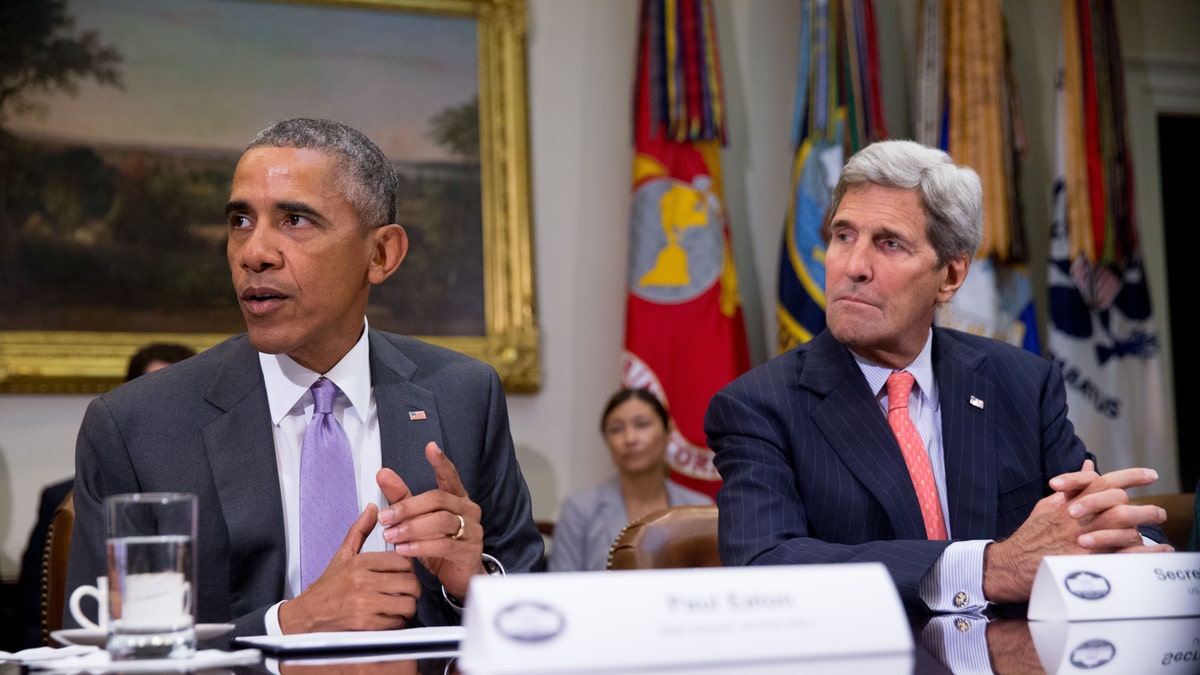
President Obama, accompanied by Secretary of State John Kerry, meets with veterans and Gold Star Mothers to discuss the Iran nuclear deal in the Roosevelt Room at the White House in Washington Sept. 10, 2015. (AP Images)
The declassified meeting record, obtained by Fox News Digital, revealed that principals «agreed to recommend sanctioning of certain members of the Russian military intelligence and foreign intelligence chains of command responsible for cyber operations as a response to cyber activity that attempted to influence or interfere with U.S. elections, if such activity meets the requirements» from an executive order that demanded the blocking of property belonging to people engaged in cyber activities.
After the meeting, according to the Office of the Director of National Intelligence, Clapper’s executive assistant emailed intelligence community leaders tasking them to create a new intelligence community assessment «per the president’s request» that detailed the «tools Moscow used and actions it took to influence the 2016 election.»
«ODNI will lead this effort with participation from CIA, FBI, NSA, and DHS,» the record states.
Later, Obama officials «leaked false statements to media outlets» claiming that «Russia has attempted through cyber means to interfere in, if not actively influence, the outcome of an election.»
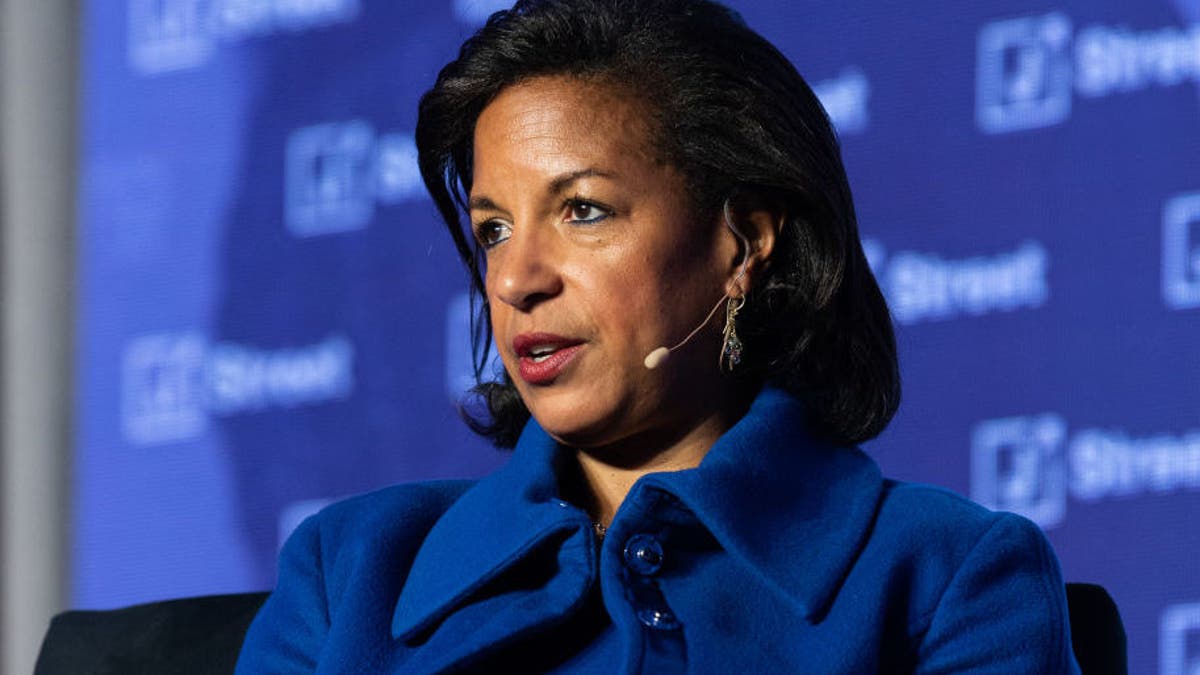
Former National Security Advisor Susan Rice speaks at the J Street National Conference in Washington in April 2018. (Getty Images)
By Jan. 6, 2017, a new Intelligence Community Assessment was released that, according to the Office of the Director of National Intelligence, «directly contradicted the IC assessments that were made throughout the previous six months.»
Intelligence officials told Fox News Digital that the ICA was «politicized» because it «suppressed intelligence from before and after the election showing Russia lacked intent and capability to hack the 2016 election.»
Officials also said it deceived the American public «by claiming the IC made no assessment on the ‘impact’ of Russian activities,» when the intelligence community «did, in fact, assess for impact.»
«The unpublished December PDB stated clearly that Russia ‘did not impact’ the election through cyber hacks on the election,» an official told Fox News Digital.
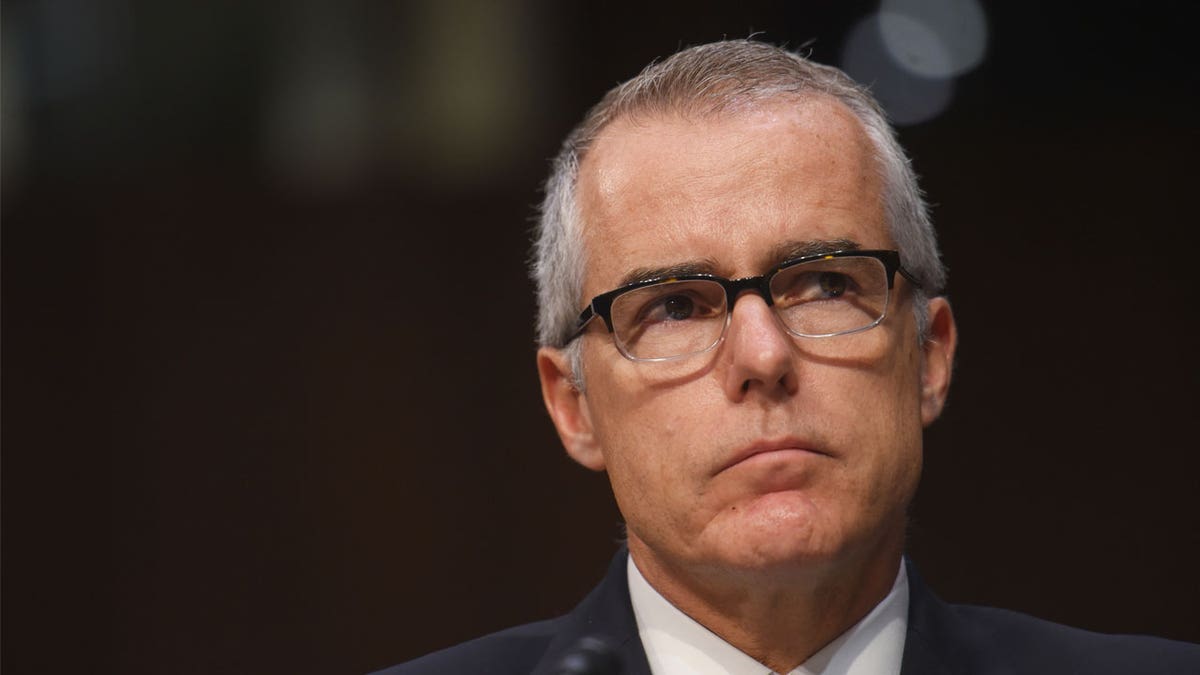
Former FBI Deputy Director Andrew McCabe testifies during a congressional hearing in Washington. (Jahi Chikwendiu/The Washington Post via Getty Images)
FBI LAUNCHES CRIMINAL INVESTIGATIONS OF JOHN BRENNAN, JAMES COMEY: DOJ SOURCES
The official also said the ICA had assessed that «Russia was responsible for leaking data from the DNC and DCCC,» while «failing to mention that FBI and NSA previously expressed low confidence in this attribution.»
Officials said the intelligence was «politicized» and then «used as the basis for countless smears seeking to delegitimize President Trump’s victory, the years-long Mueller investigation, two Congressional impeachments, high level officials being investigated, arrested, and thrown in jail, heightened US-Russia tensions, and more.»
Declassified House Intelligence Committee Report
A report prepared by the House Permanent Select Committee on Intelligence in 2020 said the intelligence community did not have any direct information that Russian President Vladimir Putin wanted to help elect Donald Trump during the 2016 presidential election, but, at the «unusual» direction of then-President Barack Obama, published «potentially biased» or «implausible» intelligence suggesting otherwise.
The report, based on an investigation launched by former House Intelligence Committee Chairman Devin Nunes, R-Calif., was dated Sept. 18, 2020. At the time of the publication of the report, Rep. Adam Schiff, D-Calif., was the chairman of the committee.
The report has never before been released to the public and instead has remained highly classified within the intelligence community.
Fox News Digital obtained the «fully-sourced limited-access investigation report that was drafted and stored in a limited-access vault at CIA Headquarters.» The report includes some redactions.
BRENNAN DIRECTED PUBLICATION OF ‘IMPLAUSIBLE’ REPORTS CLAIMING PUTIN PREFERRED TRUMP IN 2016, HOUSE FOUND
The committee focused on the creation of the Intelligence Community Assessment of 2017, in which then-CIA Director John Brennan pushed for the inclusion of the now-discredited anti-Trump dossier despite knowing it was based largely on «internet rumor,» as Fox News Digital previously reported.
According to the report, the ICA was a «high-profile product ordered by the President, directed by senior IC agency heads, and created by just five CIA analysts, using one principal drafter.»
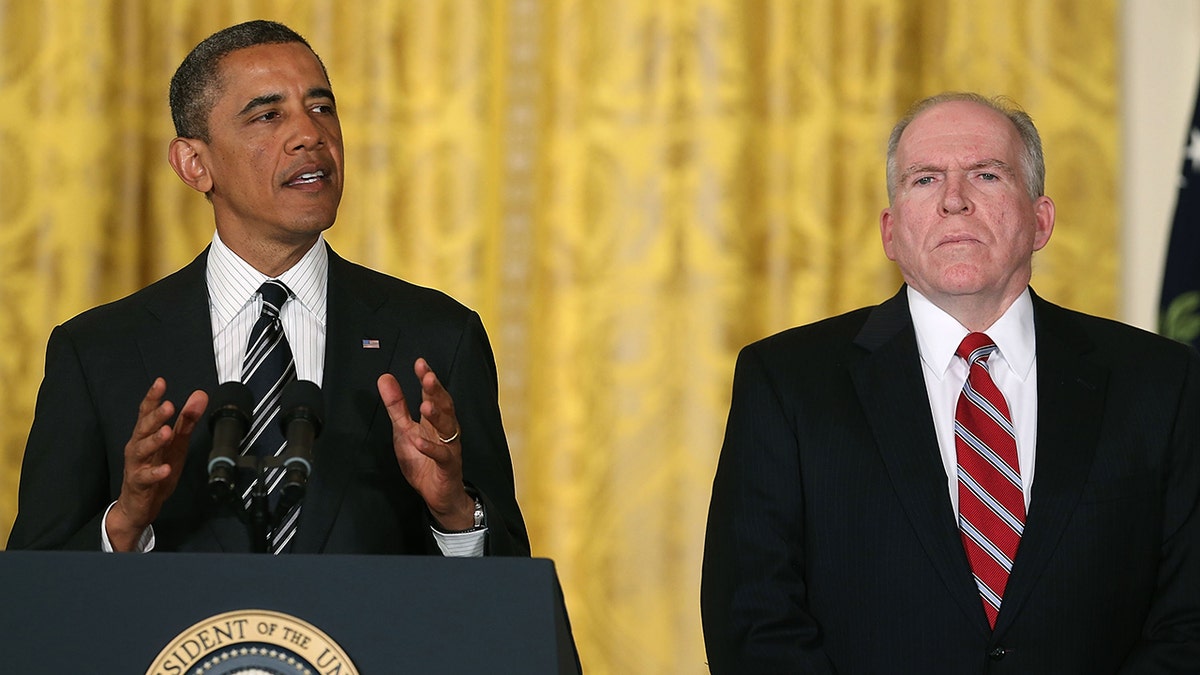
President Obama nominates John Brennan as CIA director during a ceremony at the White House Jan. 7, 2013. (Mark Wilson/Getty Images)
«Production of the ICA was subject to unusual directives from the President and senior political appointees, and particularly DCIA,» the report states. «The draft was not properly coordinated within CIA or the IC, ensuring it would be published without significant challenges to its conclusions.»
The committee found that the five CIA analysts and drafter «rushed» the ICA’s production «in order to publish two weeks before President-elect Trump was sworn-in.»
«Hurried coordination and limited access to the draft reduced opportunities for the IC to discover misquoting of sources and other tradecraft concerns,» the report states.
The report states that Brennan «ordered the post-election publication of 15 reports containing previously collected but unpublished intelligence, three of which were substandard — containing information that was unclear, of uncertain origin, potentially biased, or implausible — and those became foundational sources for the ICA judgements that Putin preferred Trump over Clinton.»
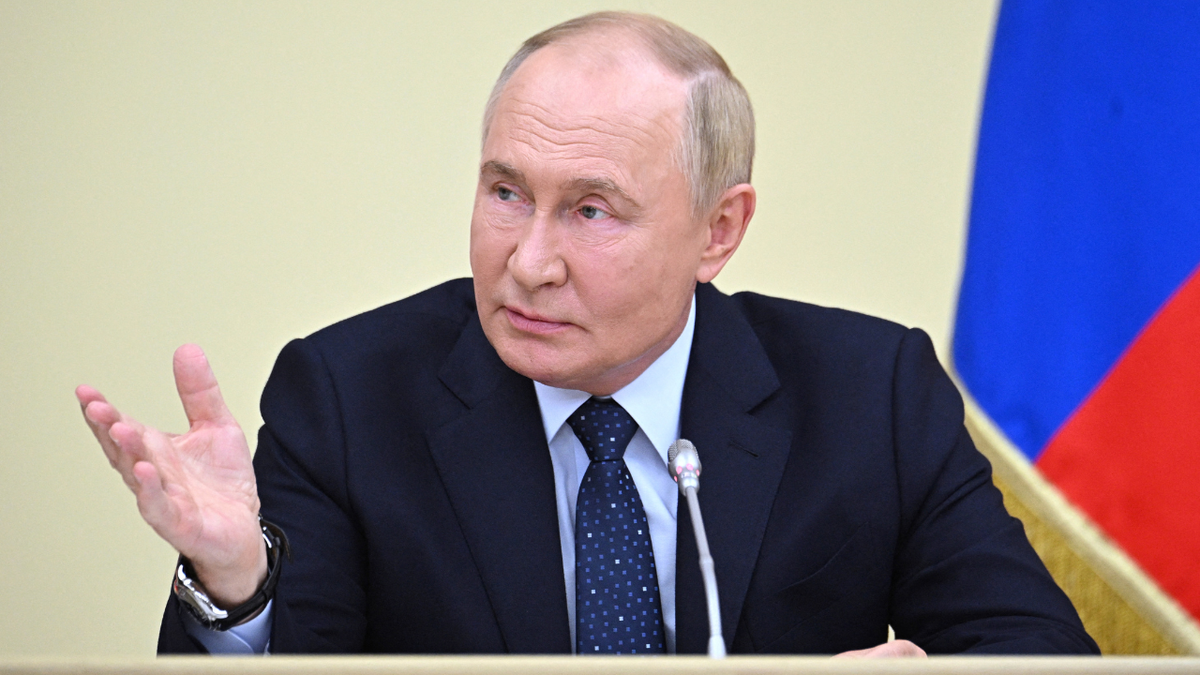
Russian President Vladimir Putin chairs a government meeting at his Novo-Ogaryovo residence Aug. 7, 2024. (Sergei Bobylyov/Pool/AFP via Getty Images)
«The ICA misrepresented these reports as reliable, without mentioning their significant underlying flaws,» the committee found.
«One scant, unclear, and unverifiable fragment of a sentence from one of the substandard reports constitutes the only classified information cited to suggest Putin ‘aspired’ to help Trump win,» the report states, adding that the ICA «ignored or selectively quoted reliable intelligence reports that challenged — and in some cases undermined — judgments that Putin sought to elect Trump.»
The report also states that the ICA «failed to consider plausible alternative explanations of Putin’s intentions indicated by reliable intelligence and observed Russian actions.»
The committee also found that two senior CIA officers warned Brennan that «we don’t have direct information that Putin wanted to get Trump elected.»
Despite those warnings, the Obama administration moved to publish the ICA.
The ICA «did not cite any report where Putin directly indicated helping Trump win was the objective.»
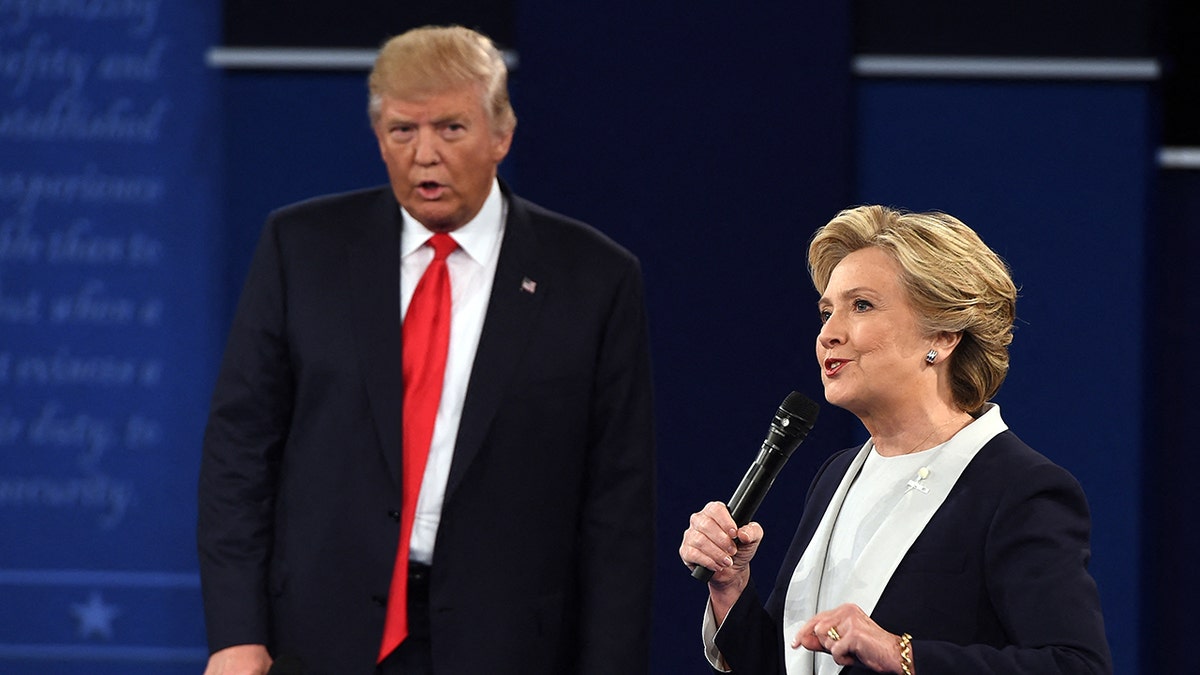
Hillary Clinton and Donald Trump participate in the second presidential debate at Washington University in St. Louis Oct. 9, 2016. (Robyn Beck/AFP via Getty Images)
The ICA, according to the report, excluded «significant intelligence» and «ignored or selectively quoted» reliable intelligence in an effort to push the Russia narrative.
The report also includes intelligence from a longtime Putin confidant who explained to investigators that «Putin told him he did not care who won the election,» and that Putin «had often outlined the weaknesses of both major candidates.»
The report also states that the ICA omitted context showing that the claim that Putin preferred Trump was «implausible —if not ridiculous.»
The committee also found that the ICA suppressed intelligence that showed that Russia was actually planning for a Hillary Clinton victory because «they knew where (she) stood» and believed Russia «could work with her.»
The committee also noted that the ICA «did not address why Putin chose not to leak more discrediting material on Clinton, even as polls tightened in the final weeks of the election.»
The committee also found that the ICA suppressed intelligence showing that Putin was «not only demonstrating a clear lack of concern for Trump’s election fate,» but also indicated «that he preferred to see Secretary Clinton elected, knowing she would be a more vulnerable President.»
Declassified Hillary Clinton section of House Intelligence Committee Report
One section of the declassified House Intelligence Committee report states that the material in Putin’s possession included Russian intelligence on Democratic National Committee information allegedly showing that senior Democratic leaders found Clinton’s health to be «extraordinarily alarming.»
«As of September 2016, the Russian Foreign Intelligence Service had DNC information that President Obama and Party leaders found the state of Secretary Clinton’s health to be ‘extraordinarily alarming,’ and felt it could have ‘serious negative impact’ on her election prospects,» the report states. «Her health information was being kept in ‘strictest secrecy’ and even close advisors were not being fully informed.»
The Russian Foreign Intelligence Service also allegedly had DNC communications that showed that «Clinton was suffering from ‘intensified psycho-emotional problems, including uncontrolled fits of anger, aggression, and cheerfulness.’»
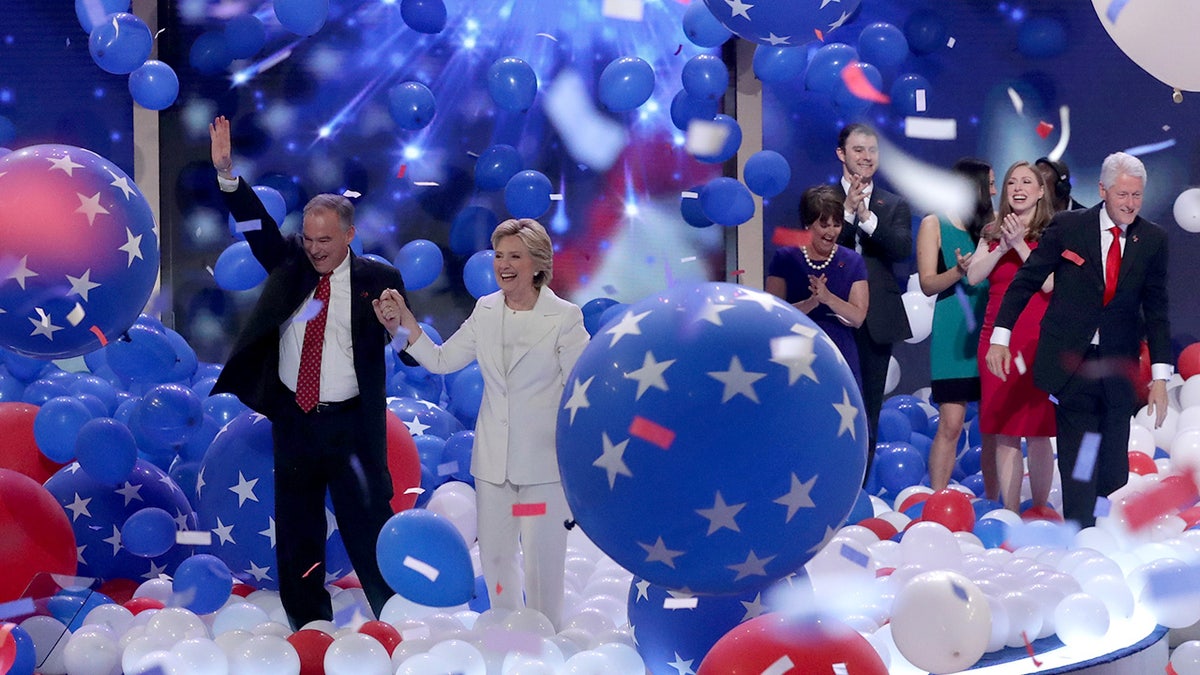
Democratic presidential nominee Hillary Clinton and her running mate, Sen. Tim Kaine ,appear onstage with their families at the Democratic National Convention in Philadelphia July 28, 2016. (Alex Wong/Getty Images)
«Clinton was placed on a daily regimen of ‘heavy tranquilizers’ and while afraid of losing, she remained ‘obsessed with a thirst for power,’» the report states.
The Russians also allegedly had information that Clinton «suffered from ‘Type 2 diabetes, Ischemic heart disease, deep vein thrombosis, and chronic obstructive pulmonary disease.’»
HILLARY CLINTON AIDE DISMISSES TULSI GABBARD’S CLAIMS AS ‘RIDICULOUS’
The Russians also allegedly possessed a «campaign email discussing a plan approved by Secretary Clinton to link Putin and Russian hackers to candidate Trump in order to ‘distract the American public’ from the Clinton email server scandal.»
Gabbard, during the White House press briefing Wednesday, said there were «high-level DNC emails that detailed evidence of Hillary’s, quote, psycho-emotional problems, uncontrolled fits of anger, aggression and cheerfulness, and that then-Secretary Clinton was allegedly on a daily regimen of heavy tranquilizers.»
CLICK HERE TO GET THE FOX NEWS APP
A tranquilizer is a drug used to reduce mental disturbance, such as anxiety and tension. Tranquilizers are typically prescribed to individuals suffering from anxiety, sleep disturbances and related conditions affecting their mental and physical health.
A Clinton aide dismissed the claims as «ridiculous.»
Neither Clinton nor Obama responded to Fox News Digital’s requests for comment.

INTERNACIONAL
Corte Constitucional admitió demandas contra dos leyes económicas urgentes de Daniel Noboa
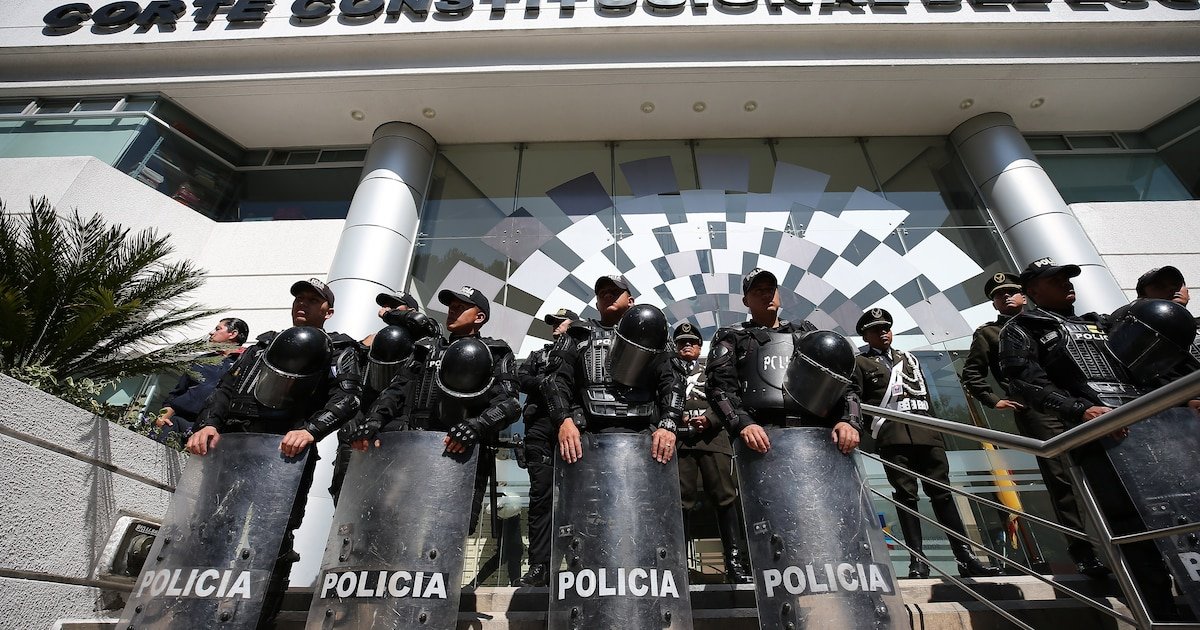
La Corte Constitucional de Ecuador admitió a trámite dos demandas de inconstitucionalidad presentadas contra leyes aprobadas por la Asamblea Nacional a partir de proyectos calificados como urgentes en materia económica por el presidente Daniel Noboa. Se trata de las causas 118-25-IN, relacionada con la Ley Orgánica de Transparencia Social, y 160-25-IN, respecto de la Ley de Fortalecimiento y Sostenibilidad Crediticia, ambas publicadas en 2025 y remitidas por el Ejecutivo bajo el procedimiento abreviado previsto en la Constitución.
En el caso 118-25-IN, la Sala de Admisión avocó conocimiento el 4 de febrero de 2026 y resolvió admitir la acción pública de inconstitucionalidad por la forma contra la Ley Orgánica de Transparencia Social. El accionante sostiene que la norma vulnera el principio de unidad de materia al incluir disposiciones reformatorias en ámbitos tributarios y mineros que, a su criterio, no guardan conexidad con el objeto principal de la ley. En su demanda, argumenta que la incorporación de reformas sobre dividendos, utilidades no distribuidas y fases de exploración minera habría desbordado el eje temático del proyecto original, afectando los artículos 82, 136, 137 y 424 de la Constitución.
El tribunal de admisión consideró que los cargos expuestos cumplen con los requisitos formales y argumentativos previstos en la Ley Orgánica de Garantías Jurisdiccionales y Control Constitucional (LOGJCC), en particular en cuanto a la claridad y pertinencia de los argumentos sobre la supuesta infracción constitucional. En consecuencia, dispuso correr traslado a la Presidencia de la República, a la Asamblea Nacional y a la Procuraduría General del Estado para que, en el término de quince días, intervengan defendiendo o impugnando la constitucionalidad de la norma.

Por su parte, en la causa 160-25-IN, la Corte admitió a trámite la acción pública de inconstitucionalidad presentada por la Fundación Regional de Asesoría en Derechos Humanos (INREDH) contra disposiciones específicas de la Ley de Fortalecimiento y Sostenibilidad Crediticia. La demanda se dirige, por el fondo, contra reformas introducidas a la Ley del Banco del Instituto Ecuatoriano de Seguridad Social (BIESS) y a la Ley de Seguridad Social.
Entre los puntos cuestionados se encuentran las disposiciones que permiten al BIESS realizar operaciones de reporto, gestionar créditos con entidades financieras nacionales o extranjeras y pignorar parte de su portafolio de inversiones, así como la posibilidad de vender cartera vencida. La accionante sostiene que estas medidas podrían afectar la intangibilidad de los fondos y reservas de la seguridad social, protegidos por el artículo 372 de la Constitución, y comprometer el derecho a la seguridad social reconocido en el artículo 34. Asimismo, impugna la reforma que modifica el mecanismo de designación del vocal representante de la Función Ejecutiva en el Consejo Directivo del IESS y la norma que atribuye al propio IESS la determinación del presupuesto para el proceso electoral de sus representantes.
La Sala de Admisión verificó que la demanda cumple con los requisitos del artículo 79 de la LOGJCC y que los cargos formulados permiten, en la fase de sustanciación, plantear problemas jurídicos sobre la compatibilidad de las normas impugnadas con la Constitución. Por ello, resolvió admitir la causa sin que ello implique un pronunciamiento sobre el fondo. En ambos casos, la Corte enfatizó que la admisión a trámite no constituye prejuzgamiento.

En la causa 160-25-IN, el tribunal negó además la solicitud de medidas cautelares que buscaba suspender provisionalmente las disposiciones impugnadas, al considerar que la argumentación presentada no acreditaba de manera suficiente los requisitos de verosimilitud, inminencia y gravedad exigidos por la LOGJCC.
Con estas decisiones, la Corte Constitucional abre la fase de sustanciación de dos procesos que cuestionan la validez formal y material de leyes tramitadas bajo el mecanismo de urgencia económica, lo que reabre el debate sobre los límites del procedimiento legislativo abreviado y el alcance de las reformas en materia financiera y de seguridad social impulsadas por el Ejecutivo.
edificio,exterior,gente,gesto,grupo,policías,protesta,trabajando
INTERNACIONAL
Biden admin skirted rules to deliver massive contract to nonprofit run by ex-official, IG report reveals
NEWYou can now listen to Fox News articles!
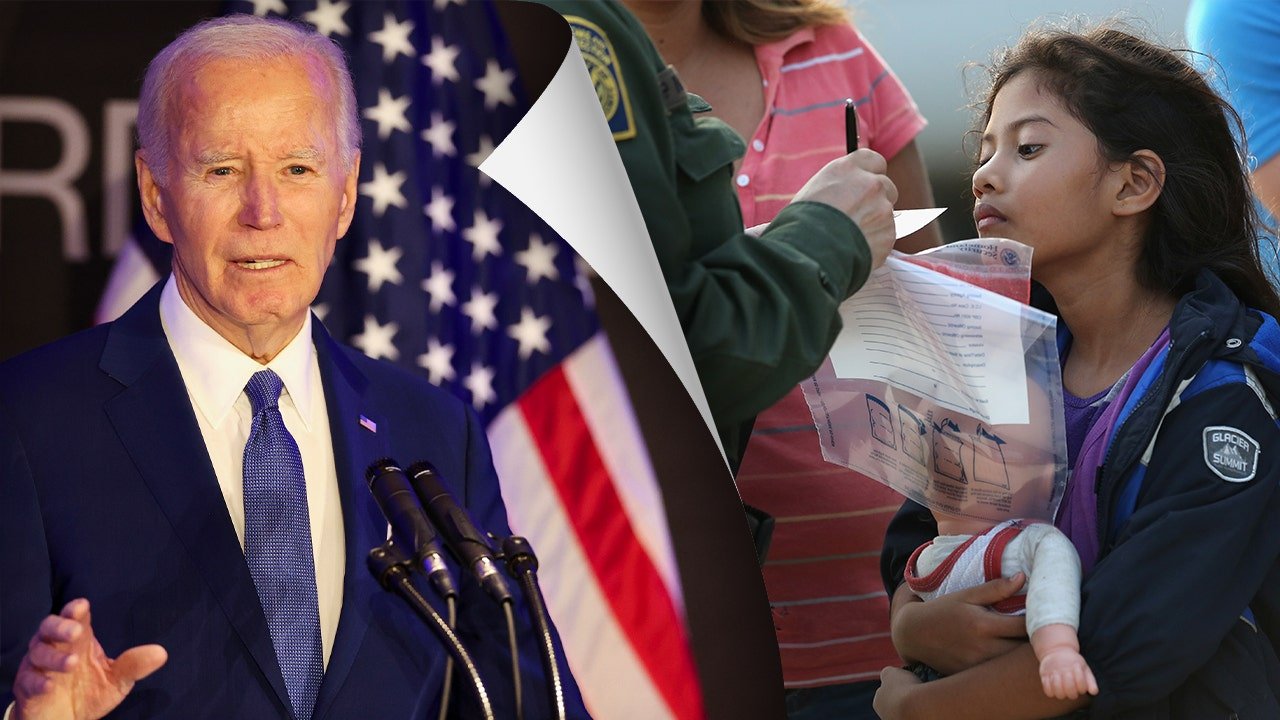
EXCLUSIVE: A new Inspector General’s report released Thursday morning accuses the former Biden administration of bypassing federal rules when issuing a more than half-a-billion dollar «sole source contract» to a nonprofit led by a former Biden official to deal with the unaccompanied minor crisis in 2021.
The Administration of Children and Families (ACF), which is under HHS and manages unaccompanied minors, awarded $529 million for a 1-year contract in March 2021 to a nonprofit called Family Endeavors, Inc. to help establish and manage a new emergency intake site in Texas (EIS) with 2,000 extra beds. However, according to the OIG’s new report, Biden’s ACF failed to follow federal procurement requirements that require full and open competition due to their own «insufficient planning,» rather than the COVID induced emergency the Biden administration cited.
Furthermore, the inspector general’s report found that the contract price was more than double the agency’s own cost estimate of $244 million, and indicated that the agency «subsequently modified» the award 15 times, extending the period until May 2022 and increasing the value to more than three times the original estimate from ACF.
DOGE SAYS TEXAS NONPROFIT WITH FORMER BIDEN TRANSITION MEMBER REAPED MILLIONS OPERATING EMPTY FACILITY
A family seen walking towards a barrier blocking passage across the U.S. border. (Department of Health and Human Services)
«ACF knew well in advance of March 2021 that it was projected to need more shelter beds than existing sites could provide and should have begun contract planning at that time,» the report states. «ACF failed to reasonably conduct the necessary advanced planning to execute a contract for procurement of those beds and related services using full and open competition.»
The report says ACF made only a limited attempt to do the necessary research for the contract, and did not even follow the findings it came up with.
«On March 5, 2021, Endeavors emailed ORR offering emergency assistance for the care of unaccompanied alien children. On March 13, 2021, Endeavors emailed ORR again with an unsolicited proposal, which included a statement of capabilities and concept of operations for an emergency shelter to serve unaccompanied alien children. Three days later, on March 16, 2021, ACF awarded a firm-fixed-price sole source contract to Endeavors to provide and operate an EIS facility in Pecos, Texas,» the report states.

Images of the emergency intake site in Pecos, Texas operated by Family Endeavors, Inc. The nonprofit received $529 million to build out 2,000 beds. (Department of Health and Human Services)
The contract beginning March 2021 was «by far the largest ever» for Endeavors Family, Inc., and came months after the company hired Andrew Lorenzen-Strait, who served as an adviser to the Biden-Harris transition team. The contract was also the second largest ever awarded by the agency, according to Axios.
«Despite multiple requests, ACF could not provide support for its review of the Endeavors quote, the price analysis techniques used to analyze the quote, or an [independent Government cost estimate] for an EIS dated before the contract was awarded,» the new inspector general’s report states. «When we asked for documentation, ACF told us that it was under significant time constraints to award contracts.»
WHITE HOUSE, DHS PUSH BACK ON CLAIMS ICE TARGETED 5-YEAR-OLD IN MINNESOTA, SAY CHILD WAS ‘ABANDONED’
Family Endeavors Inc. told Axios that its work on the border was a «continuation of services» that it has conducted for the migrant population since 2012. By April 2021, a month after the contract began, federal procurement records showed ACF had already paid $255 million of the no-bid contract to the nonprofit, which had already dwarfed the nonprofit’s total $43 million budget in 2018.
Family Endeavors, Inc. did not immediately respond to an after-hours email from Fox News seeking comment.
In September 2023, then-Chairman of the House Homeland Security Committee, former Rep. Mark Green, R-Tenn., and then-Chairman of the House Subcommittee On Oversight, Investigations and Accountability, former-Rep. Dan Bishop, R-N.C., sent a letter to Lorenzen-Strait about his ties to both the Biden administration and Endeavors. The letter requested him to both reach out to the committee for an interview and mandated he preserve records on his communications with leaders involved in granting other «sole source» contracts.
«On January 20, 2021, Family Endeavors, Inc. (Endeavors) named you the Senior Director for Migrant Services and Federal Affairs. Immediately preceding your position with Endeavors, you served on the Biden-Harris transition team, and previously was an Immigration and Customs Enforcement (ICE) official,» the letter said. «In March 2021, just two months after you joined Endeavors, ICE awarded an $86.9 million sole source contract to Endeavors to provide beds and services in hotels for migrants who illegally crossed the Southwest border.»
The letter cites an undercover video recording from Project Veritas of Lorenzen-Strait «boasting» about his participation in government contracts related to migrant services.
CLICK HERE TO DOWNLOAD THE FOX NEWS APP
«Specifically, you refer to the Endeavors contract as a ‘corrupt bargain.’ You further discuss ‘brokering’ a deal that won Cherokee Federal, a team of tribally owned federal contracting companies, a nearly $2 billion contract with the Department of Health and Human Services (HHS) to provide services to unaccompanied alien children,» the letter continues with its claims. «In the video, you admit that Cherokee Federal is not equipped to handle the contract. You also admit that while you are publicly involved with the company Deep Water Point & Associates, you hid participation in government contracts through the entities, VerdinPoint and The Tanager Group.»
A HHS spokesperson said that under President Donald Trump the ACF is implementing stricter accountability measures and strengthening oversight.
«The previous administration wasted more than $1.8 billion dollars on a facility intended to house illegal aliens that was not even used in the last year of the previous administration, and that kind of fiscal mismanagement is exactly what Secretary Kennedy is working to correct,» the spokesperson said. «In fact, this contract was cancelled in the early months of the Trump administration as soon as this mismanagement was discovered. HHS and ORR remain fully committed to protecting children, restoring accountability at every level of the system, and putting Americans first.»
Edmund DeMarche contributed to this report.
immigration,joe biden,homeland security,deportation,politics,banking finance

Postura


Monster Hunter Stories 3 tiene tan buen combate, que si no hubiera historia seguiría jugando de todos modos

Cuándo se vota la reforma laboral en Diputados y qué posibles escenarios analiza el Gobierno

Créditos para jubilados ANSES: cómo pedir un préstamo, requisitos y valor de las cuotas

Pelea por no descender en la Premier League y ya echó ¡a su tercer entrenador en la temporada!

Reforma laboral: la modificación sobre accidentes o enfermedades ajenas al trabajo

Corte Constitucional admitió demandas contra dos leyes económicas urgentes de Daniel Noboa

Acuartelamiento policial en Santa Fe: reclamo salarial y temor a un conflicto nacional de seguridad

La advertencia de ATE a los gobernadores que apoyan la reforma laboral: “Firmarán su sentencia de muerte”

Cuánto le cuesta a la clase media llenar el changuito y cómo varían los precios de los alimentos entre provincias

Argentina usa la canasta más vieja de la región: así mide el INDEC frente a países vecinos

 POLITICA2 días ago
Acuartelamiento policial en Santa Fe: reclamo salarial y temor a un conflicto nacional de seguridad
- POLITICA2 días ago
La advertencia de ATE a los gobernadores que apoyan la reforma laboral: “Firmarán su sentencia de muerte”
- ECONOMIA2 días ago
Cuánto le cuesta a la clase media llenar el changuito y cómo varían los precios de los alimentos entre provincias