Connect with us

INTERNACIONAL

What we know about Trump’s meeting with Vladimir Putin in Alaska

Published

on


NEWYou can now listen to Fox News articles!

A historic summit is set to be held between President Donald Trump and Russian President Vladimir Putin in Alaska on Friday.

Advertisement

Though specifics on the summit like the time and exact location remain unknown, all eyes will be on the talks as world leaders wait to see what, if anything, can be accomplished in Putin’s first trip to the U.S. in a decade. 

Here’s what we know:

U.S. President Donald Trump meets with Russian President Vladimir Putin in Helsinki, Finland, July 16, 2018. (REUTERS/Kevin Lamarque)

Advertisement

VLADIMIR PUTIN TO RETURN TO US FOR THE FIRST TIME IN A DECADE

AGENDA 

White House press secretary Karoline Leavitt confirmed on Tuesday that Trump will travel to Anchorage on Friday morning for what she described as a «listening exercise» with Putin.

Trump, who on Monday described the talks as a «feel-out meeting,» has made clear that his chief agenda item will be to determine whether a ceasefire in Ukraine is even possible.

Advertisement

When pressed by reporters this week as to what he specifically hopes to achieve from the in-person talks with Putin — particularly following seemingly positive calls that only resulted in a «frustrated» Trump and continued Russian bombardment in Ukraine — the president was light on specifics. 

Though he told reporters that he thinks he will know whether a ceasefire deal with Putin is even possible within the first «two minutes.»

«I’m not going to make a deal. It’s not up to me to make a deal,» he said. «I think a deal should be made for both [Putin and Ukrainian President Volodymyr Zelenskyy].

Advertisement

«I’d like to see a ceasefire. I’d like to see the best deal that could be made for both parties. You know, it takes two to tango,» he added. 

TRUMP GOES AFTER ZELENSKYY OVER ‘LAND SWAPPING’ DISPUTE, LAYS OUT ‘FEEL OUT MEETING’ WITH PUTIN
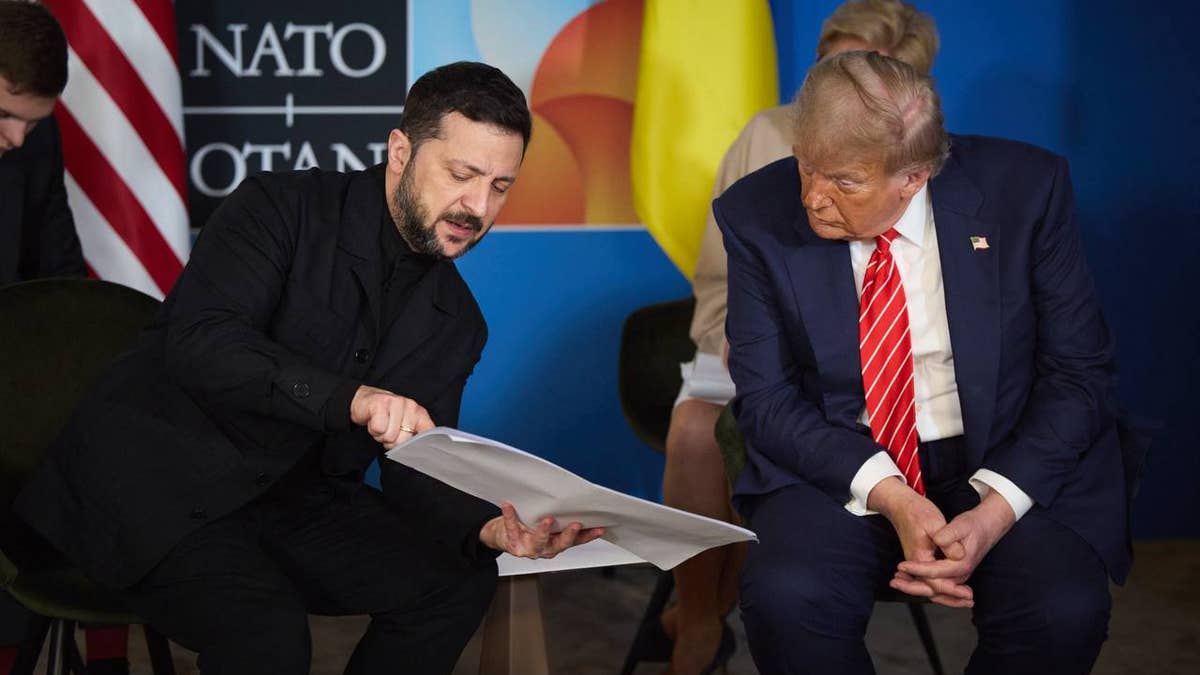
President Donald Trump meets with Ukrainian President Volodymyr Zelenskyy during the NATO summit in The Hague, Netherlands

U.S. President Donald Trump and Ukrainian President Volodymyr Zelenskyy meet during the NATO Heads of State and Government Summit in The Hague, Netherlands on June 25, 2025.  (Getty Images)

EXPECTATIONS

Trump has raised geopolitical eyebrows over the last week when he suggested there would be a land «swap» that Russia and Ukraine would need to agree to. 

Advertisement

While it remains unclear which borders he thinks will likely be moved around, particularly which Russian borders he foresees Putin handing over to Kyiv, Ukrainian President Volodymyr Zelenskyy and his allies in NATO have made clear any deal forged without Ukraine will not be acceptable.

Zelenskyy over the weekend reiterated that he cannot unilaterally agree to cede territory illegally occupied by Russia without a national referendum under Ukraine’s Constitution.

«Any decisions that are without Ukraine are at the same time decisions against peace,» he added. «They will not bring anything. These are dead decisions. They will never work.»

Advertisement

Following a meeting with top EU officials on Monday, chief diplomat for the EU Kaja Kallas told Fox News Digital, «Ukraine’s right to exist as a sovereign nation is under attack, as well as the security of our European continent.»

«As far as Russia has not agreed to full and unconditional ceasefire, we should not even discuss any concessions,» she said. «It has never worked in the past with Russia, and will not work with Putin today.

Trump, who is slated to hold talks with Ukraine and NATO allies on Wednesday, said he will first call Zelenskyy following his talks with Putin, followed by calls to European leaders.
Advertisement
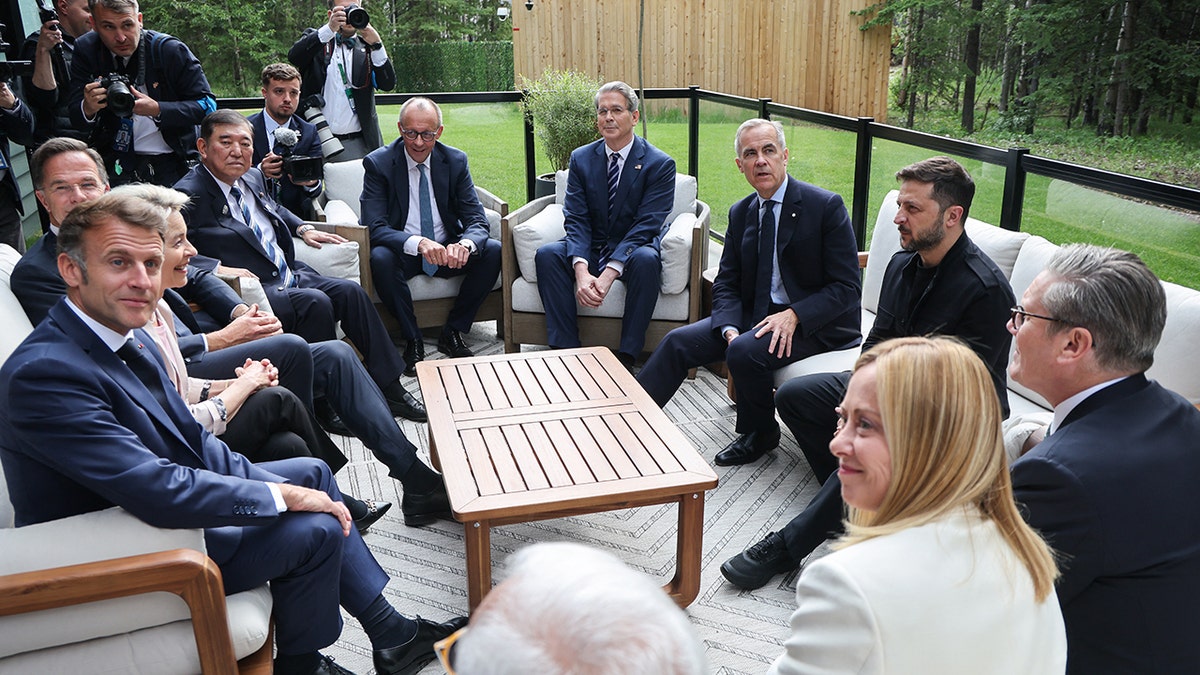
French President Emmanuel Macron, European Commission President Ursula Von der Leyen, NATO Secretary General Mark Rutte, Japanese Prime Minister Shigeru Ishiba, German Chancellor Friedrich Merz, U.S. Secretary of Treasury Scott Bessent, Canadian Prime Minister Mark Carney, Ukrainian President Volodymyr Zelenskyy, British Prime Minister Keir Starmer, and Italian Prime Minister Giorgia Meloni meet during the Group of Seven (G7) Summit

French President Emmanuel Macron, European Commission President Ursula Von der Leyen, NATO Secretary General Mark Rutte, Japanese Prime Minister Shigeru Ishiba, German Chancellor Friedrich Merz, US Secretary of Treasury Scott Bessent, Canadian Prime Minister Mark Carney, Ukrainian President Volodymyr Zelenskyy, British Prime Minister Keir Starmer, and Italian Prime Minister Giorgia Meloni meet during the Group of Seven (G7) Summit at the Pomeroy Kananaskis Mountain Lodge in Kananaskis, Alberta, Canada on June 17, 2025. (LUDOVIC MARIN/AFP via Getty Images)

EU HITS BACK AT TRUMP, ZELENSKYY COMMENTS, NO CONCESSIONS IN UKRAINE BEFORE PUTIN CEASEFIRE AGREEMENT

WHY ALASKA

Though geographically speaking, Anchorage is a near equal distance from Moscow and Washington, D.C., the president prompted surprise when he said Putin had agreed to meet him in Alaska rather than a third-party state, like Switzerland or Hungary, both of which were floated as potential meeting locations.

However, both locations held dubious optics, as Switzerland, a member of the International Criminal Court, could be obligated to act on the 2023 ICC arrest warrant issued against Putin, and Hungary, though frequently seen as sympathetic to Russia, is a NATO member state. 

Advertisement

«They probably avoided Europe, because if they included Europe, then Europe would have demanded that they’re actually at the table,» Dan Hoffman, former CIA Moscow Station Chief, told Fox News Digital. «Probably your two choices were go to Russia — which Trump would never do — or invite him here.

«It also exposes the challenge that you can’t solve this without Ukraine and without Europe,» he added.

But Alaska also has a shared history with the U.S., which Washington purchased from Saint Petersburg — then the capital of Russia — in 1867.

Advertisement

Though this shared past was championed by some in Russia and the U.S., like the Kremlin’s special economic envoy Kirill Dmitriev, who called it the «perfect stage» for the Putin-Trump talks, others took to social media to suggest it showed the precarious nature of sovereign borders. 

Anchorage, Alaska

Anchorage, Alaska is set to receive both President Donald Trump and Russian President Vladimir Putin for a high-level bilateral meeting on Friday Aug. 15, 2025. (Zihao Chen via Getty Images)

ZELENSKYY TELLS PUTIN TO ‘BE BRAVE’ AND FINALLY AGREE TO TRILATERAL MEETING WITH TRUMP

ZELENSKYY’S ROLE

Zelenskyy does not appear to have been officially invited to the talks, which the White House on Tuesday confirmed are the result of a direct invitation from Putin. 

Advertisement

«The president is agreeing to this meeting at the request of President Putin,» Leavitt said Tuesday. «And the goal of this meeting for the president is to walk away with a better understanding of how we can end this war.» 

Zelenskyy is set to hold talks with the U.S. president ahead of the high-level bilateral meeting on Wednesday alongside other European leaders. 

Zelenskyy has repeatedly said he is open to meeting with Putin directly to end the war, though Putin has thus far refused.

Advertisement
Zelenskyy UK France Germany Poland

 Poland’s Prime Minister Donald Tusk, Ukrainian President Volodymyr Zelensky, French President Emmanuel Macron, Britain’s Prime Minister Keir Starmer and Germany’s Chancellor Friedrich Merz, hold a telephone conversation with US President Trump on the sidelines of a meeting at the 6th European Political Community summit on May 16, 2025 at Skanderbeg Square in Tirana, Albania.  (KuglerSteffen/Bundesregierung via Getty Images)

WHAT’S NEXT

Trump on Monday said his goal is that following his meeting with Putin, the Kremlin chief will sit down with Zelenskyy to begin hashing out terms for a ceasefire — whether or not it includes him in direct negotiations.

«Ultimately, I’m going to put the two of them in a room. I’ll be there, or I won’t be there,» Trump said Monday. «And I think it’ll get solved.»

CLICK HERE TO GET THE FOX NEWS APP

Advertisement

Zelenskyy on Tuesday said he also discussed the possibility of holding high-level talks organized by Turkey, which has hosted previous diplomatic negotiations that have failed to secure any lasting ceasefire agreements, but have released thousands of Ukrainian and Russian prisoners of war (POWs).

«We are ready for any format of meeting aimed at stopping the killings and ending the war,» Zelenksyy said. «President Erdoğan confirmed his country’s readiness to organize a summit of the leaders of Ukraine, the United States, Russia, and Türkiye.»

Experts have warned it is too soon to tell what could come out of the talks with Putin on Friday.

Advertisement


donald trump,vladimir putin,russia,ukraine,alaska,volodymyr zelenskyy,world

Advertisement

INTERNACIONAL

«Esta guerra no ha terminado»: Tres columnistas debaten qué debe suceder a continuación en Irán
Published

on


El presidente Donald Trump anunció un alto el fuego con Irán antes de las negociaciones previstas para este fin de semana para la resolución del conflicto entre Estados Unidos e Irán.

Stephen Stromberg, editor de la sección de opinión de The New York Times, reunió a los columnistas Nicholas Kristof y Bret Stephens, así como a la colaboradora Megan K. Stack, para analizar las perspectivas de paz y las consecuencias de la guerra hasta el momento.

Advertisement

La conversación ha sido editada para mayor claridad y brevedad.

Stephen Stromberg: ¿Qué probabilidades hay de que los disparos se reanuden antes de que ambas partes lleguen a un acuerdo? Bret, ¿por qué no empiezas tú?

Bret Stephens: Como se dice que dijo el gran físico Niels Bohr (¿o fue Yogi Berra?), «Es muy difícil predecir, sobre todo el futuro».

Advertisement

Pero yo diría que esta guerra no ha terminado.

No creo que Donald Trump permita que Irán siga bloqueando el estrecho de Ormuz.

No creo que Benjamin Netanyahu, primer ministro de Israel, permita que el alto el fuego interfiera en la campaña de su país contra Hezbolá en el Líbano.

Advertisement

Y no creo que a los que están al mando en Teherán les interese un acuerdo que los deje sin uranio enriquecido o sin la capacidad de enriquecerlo.

Nicholas Kristof: Coincido en que veremos más enfrentamientos armados.

Las dos partes están demasiado distanciadas como para llegar rápidamente a un acuerdo, así que sospecho que se atacarán mutuamente y pondrán a prueba sus límites.

Advertisement

Pero también creo que ambas partes desearían un acuerdo, el adecuado, por lo que podría haber cierta disposición a seguir adelante de forma ambigua, incluso con violaciones por parte de la otra parte, sin que se retome la guerra a gran escala. Eso espero.

Megan K. Stack: No creo que la violencia esté a punto de terminar.

Pero sí creo que hay una pequeña posibilidad —hago hincapié en «pequeña»— de que Trump aproveche los próximos días para sacar a Estados Unidos de todo este embrollo y declarar la victoria.

Advertisement

Líbano, que ayer sufrió el ataque israelí más mortífero hasta la fecha, es un punto clave de fricción.

¿Desea Trump un alto el fuego con la suficiente urgencia como para intentar detener la ofensiva israelí contra Líbano?

¿Ve Irán suficiente ventaja en obtener un acuerdo con Estados Unidos ahora como para abandonar Líbano?

Advertisement

El historial de Trump sugiere que no se volverá contra Israel, pero se encuentra en una situación de presión sin precedentes debido a lo que muchos —incluida yo— consideramos una debacle desastrosa en Irán.

Stromberg: ¿Cuáles deberían ser las líneas rojas del presidente Trump en las próximas negociaciones?

Stephens: ¿ Como mínimo?

Advertisement

Primero, el estrecho de Ormuz es una vía marítima internacional que debe estar abierta al tráfico marítimo, libre de amenazas de violencia y sin peajes.

Segundo, Irán no puede tener ni su reserva de uranio enriquecido ni el derecho a enriquecerlo; si Irán quiere uranio poco enriquecido para alimentar reactores nucleares, podemos suministrárselo.

Tercero, Irán debe respetar la soberanía de todos sus vecinos, incluidos países como el Líbano, donde mantiene aliados.

Advertisement

No puede haber paz en la región mientras Irán proporcione a grupos terroristas los medios para socavar gobiernos y atacar países vecinos.

Cuarto, Irán no puede volver a masacrar a su propio pueblo y esperar impunidad: lo que se denomina la «responsabilidad de proteger» es algo que le debemos al pueblo iraní, asediado por la violencia.

Kristof: La línea roja más importante debería ser la cuestión nuclear.

Advertisement

Sería una catástrofe para la región si Irán se apresurara a desarrollar armas nucleares y se convirtiera en otra Corea del Norte, y creo que esta guerra ha aumentado ese riesgo.

Si Irán realiza pruebas y acumula armas nucleares, Arabia Saudita, Turquía y quizás Egipto también las adquirirán.

Por lo tanto, la máxima prioridad debería ser el retorno a un acuerdo nuclear que gestione las reservas de uranio altamente enriquecido de Irán y el regreso de los inspectores al país. Irán hizo una oferta bastante buena sobre armas nucleares en vísperas de la guerra, que Estados Unidos rechazó; dudo que podamos obtener algo igual de bueno ahora, y es probable que Irán insista en cierta capacidad de enriquecimiento de bajo nivel.

Advertisement

Quizás tengamos que aceptarlo, siempre y cuando abordemos el tema del uranio altamente enriquecido, los límites al enriquecimiento adicional y un régimen de inspección riguroso.

No creo que las demás líneas rojas de Bret sean alcanzables si se quiere poner fin a la guerra; Irán prefiere continuar la guerra antes que renunciar a la influencia que ha adquirido sobre el estrecho de Ormuz.

Y creo que insistirá en mantener a sus aliados.

Advertisement

Así que tendremos que tomar decisiones difíciles, porque nuestra posición negociadora es peor hoy que antes de la guerra.

La decisión más difícil debería ser impedir que Irán obtenga armas nucleares, incluso si eso implica ceder en otros ámbitos.

Stack: Las líneas rojas están bien, pero Trump sabe que no está en una posición fuerte para exigir nada.

Advertisement

Parece desesperado por salir de esta guerra.

Dudo que esté dispuesto a hacer concesiones en el estrecho de Ormuz, lo que podría ampliar el control de Irán sobre el paso e incluso permitirle obtener beneficios del peaje a los barcos.

Pero no me sorprendería que surgiera un acuerdo de este tipo.

Advertisement

Crearía una fuente de ingresos para ayudar a Irán a reconstruirse tras la guerra sin ceder directamente a las demandas iraníes de reparaciones.

Además, trasladaría la responsabilidad de abordar el tema del estrecho de Ormuz a Europa y Asia, algo que a Trump le conviene.

Stephens: No creo que debamos sobreestimar la fuerza de Irán:

Advertisement

tienen una habilidad innata para el farol que no se corresponde con su destreza en el combate.

Puede que tengan razón al decir que Trump quiere un acuerdo, pero no creo que lo quiera a cualquier precio: si hay algo que el presidente detesta más que nada, es la apariencia de debilidad.

Y dejar que Irán controle el estrecho ahora más que al principio da una imagen de debilidad. Dudo que Trump lo tolere.

Advertisement

Stack: No estoy seguro de eso.

Trump había moderado su retórica sobre el estrecho de Ormuz, especialmente después de no lograr que sus aliados europeos lo apoyaran para tomar una postura firme contra Irán al comienzo de esta guerra.

Su posición actual parece ser que Estados Unidos no depende del estrecho de Ormuz, y que quienes sí dependen —Europa y Asia— pueden encontrar su propia solución.

Advertisement

La realidad es que Trump ya se ve débil, de forma desastrosa.

Creo que lo sabe y está intentando minimizar las pérdidas.

Stromberg: El estrecho de Ormuz es una vía marítima internacional. ¿Puede Trump negociar legítimamente su estatus? ¿Sería estable cualquier acuerdo que dejara a Irán con un control sustancial sobre el estrecho, considerando cómo reaccionaría el resto del mundo ante un acuerdo que impusiera barreras de paso que no existían antes del inicio de la guerra?

Advertisement

Kristof: Según el derecho internacional, el estrecho de Ormuz debería considerarse una vía marítima internacional con libre paso. Pero si Irán impone un peaje, quizás con Omán, no veo quién lo impedirá.

La principal contrapresión sería China, pero se estima que Irán puede ganar 500 mil millones de dólares en los próximos cuatro años cobrando por el paso, y no renunciará a ello fácilmente.

Irán podría argumentar que, por razones medioambientales y de seguridad, debe coordinar el paso por el estrecho.

Advertisement

Esto significaría que Irán saldría enormemente fortalecido de esta guerra. Trump lo detestaría, pero podría quejarse de que él hizo el trabajo difícil y ahora les corresponde a los europeos abrir el estrecho, lo que dejaría a Irán en control.

Stephens: Ceder el control del estrecho a Irán —con o sin la participación de Omán— sería un fiasco. Sentaría un precedente catastrófico:

¿Deberían ahora los hutíes, con base en Yemen, exigir el control del estrecho de Bab el-Mandeb, en la desembocadura del mar Rojo? ¿Y qué hay de Indonesia en el estrecho de Malaca?

Advertisement

La Armada de Estados Unidos nació para garantizar la libertad de los mares; esto sería su fin.

Pero no es necesario que Irán controle el estrecho.

Obligar a Irán a abrirlo es un objetivo militar alcanzable para el que el Pentágono lleva décadas planificando.

Advertisement

Si tenemos que hacerlo, debemos hacerlo, e insistir legítimamente en el apoyo de nuestros socios europeos y del Pacífico, que dependen mucho más de la energía del Golfo Pérsico que nosotros.

Stack: Informes recientes sugieren que Irán ha publicado mapas del estrecho que dan a entender que el paso está minado, y ha pedido a las navieras extranjeras que discutan sus rutas con Irán para garantizar un paso seguro.

Se trata de una estrategia inicial agresiva de cara a las negociaciones de este fin de semana.

Advertisement

Stromberg: Suponiendo que ustedes tres tengan razón y que los disparos puedan reanudarse, ¿qué podría hacer Estados Unidos, si es que puede hacer algo, para obtener mayor influencia?

Stephens: Los iraníes están intentando construir una nueva base nuclear subterránea, aún más inexpugnable que la antigua de Fordo, en un lugar llamado Montaña del Pico.

Deberíamos destruirla como medida de precaución ante el próximo intento nuclear ilícito de Irán.

Advertisement

Deberíamos tomar el control de las islas iraníes en la desembocadura del estrecho, incluso si eso implica el despliegue de tropas terrestres.

Deberíamos destruir elementos de la economía iraní de los que depende el régimen, incluidas las instalaciones petroleras.

Incluso podríamos ayudar a los israelíes en el Líbano, como recordatorio de que la amenaza que representa Hezbolá no es solo para Israel.

Advertisement

Pero bajo ningún concepto debemos atacar infraestructuras, como centrales eléctricas, de las que dependen los civiles iraníes.

Lo último que deberíamos hacer es concederle a este régimen el inmerecido favor de la simpatía de su pueblo.

Stack: Los tiroteos no han cesado realmente; ¡miren Líbano! También creo que es un error pensar que el único problema de Estados Unidos en estas negociaciones es la falta de influencia.

Advertisement

Existe además una grave falta de credibilidad.

¿Por qué debería Irán confiar en algo de lo que diga esta administración? En dos ocasiones durante el último año, Irán ha negociado con Estados Unidos y se ha declarado dispuesto a hacer concesiones reales, solo para sufrir ataques con bombas por sorpresa. Trump es el único responsable de haber destruido tan gravemente su propia credibilidad. Ahora tiene que negociar en una situación de semidesesperación con un adversario que no tiene motivos para creerle.

No creo que haya forma de superar estos problemas, y es probable que la posición de Estados Unidos solo empeore con el tiempo.

Advertisement

Kristof: Cada vez que Trump intenta obtener ventaja, la pierde, y además parece más desesperado.

Las estrategias que ha empleado para conseguirla, como asesinar líderes, amenazar con lo que podría equivaler a un genocidio y contemplar la incautación de instalaciones en alta mar, han resultado contraproducentes y han debilitado nuestra posición.

La única medida militar que consideraría, aunque probablemente la descartaría, sería un esfuerzo conjunto con los Emiratos Árabes Unidos para apoderarse de tres islas en disputa en el estrecho —Abu Musa y las islas Tunb Mayor y Menor— y entregarlas inmediatamente a los Emiratos para su ocupación y control.

Advertisement

Esto supondría un duro golpe para Irán, pero los emiratíes se encargarían de la operación.

El problema es que Irán casi con toda seguridad respondería con un nuevo ataque de misiles contra la infraestructura de la región.

Así que, quizás, en lugar de apoderarnos directamente de las tres islas, sería mejor insinuar que podríamos hacerlo si fracasan las negociaciones.

Advertisement

Es una amenaza más efectiva que una acción concreta.

También deberíamos internacionalizar las negociaciones.

China y Pakistán han sido los actores más sensatos hasta ahora, y deberíamos incluirlos, sobre todo porque China mantiene buenas relaciones con Irán, desea que el estrecho esté abierto y no quiere que Irán posea armas nucleares.

Advertisement

Stromberg: Por supuesto, la administración Trump argumenta que, tras seis semanas de guerra, Estados Unidos ya ha logrado lo suficiente como para que el costo haya valido la pena. Si la guerra terminara ahora, ¿cómo se verían los costos y los beneficios?

Stephens: En el espíritu de la Pascua judía, adopto una postura de «dayenu» —«habría sido suficiente»— respecto a la guerra. Irán seguía una estrategia similar a la de Corea del Norte, consistente en acumular un vasto arsenal de misiles con el objetivo de hacer impensable el costo de atacar sus instalaciones nucleares.

(En el caso coreano, la disuasión no se basaba tanto en misiles convencionales, sino en artillería apuntando a Seúl). Israel y Estados Unidos actuaron justo a tiempo para reducir drásticamente esa amenaza, lo que, como mínimo, brindó al mundo varios años de relativa seguridad frente a un Irán nuclear. ¡Eso sí que es un momento de «dayenu»!

Advertisement

La destrucción de gran parte de la capacidad militar de Irán, sumada, esperemos, a la continuidad de las sanciones económicas contra el régimen, también significa que Teherán estará mucho más debilitado ante el próximo levantamiento popular, prácticamente inevitable.

Además, la disminución o eliminación de muchos de los aliados regionales de Irán, incluido el régimen de Assad en Siria, crea oportunidades para un cambio positivo en la región que no habría sido posible cuando grupos como Hamás y Hezbolá estaban en su máximo apogeo.

Pero todo esto depende de cómo termine la guerra. Si termina ahora, es decir, prematuramente, estos logros podrían resultar contraproducentes, es decir, insuficientes. La Guerra del Golfo de 1991, que finalizó con Saddam Hussein aún en el poder, demostró lo que sucede cuando no se completa el trabajo y se prepara a la región para su próxima crisis.

Advertisement

Kristof: Este conflicto entre Trump y Netanyahu se estudiará como un ejemplo de cómo no se debe librar una guerra.

Las ganancias son muy modestas: hemos debilitado significativamente la armada, el ejército y la capacidad misilística de Irán. Los costos son inmensos: hemos dejado a Irán, por ahora, al mando de una de las vías marítimas más importantes del mundo; hemos matado a escolares y jugadores de voleibol; hemos gastado cantidades de misiles y armamento que debilitan la disuasión en Asia Oriental y pueden poner en riesgo a Taiwán; hemos fortalecido a los elementos más intransigentes y extremistas dentro de Irán y hemos elevado el poder de la Guardia Revolucionaria; hemos aumentado la probabilidad de que Irán despliegue armas nucleares en los próximos cinco años; hemos perjudicado el futuro de nuestros socios del Golfo; y hemos elevado el precio del petróleo, los fertilizantes, etc., durante algún tiempo.

Más niños africanos morirán de desnutrición debido al alza vertiginosa de los precios de los fertilizantes y la disminución de las cosechas. Pienso especialmente en el pueblo iraní, que protestó con tanta valentía por la democracia en enero y fue brutalmente masacrado; pues también los hemos dejado en peor situación.

Advertisement

El régimen es tan impopular que en los últimos años se ha visto obligado a ceder en algunos temas, y existía la posibilidad de que, tras la muerte de Ali Khamenei, el nuevo líder supremo de Irán fuera alguien como Hassan Khomeini, quien habría continuado por ese camino. En cambio, hemos dado a los sectores más intransigentes una nueva oportunidad, y la represión es mayor que nunca.

Y ya que estamos hablando del costo de esta guerra, también está el costo financiero: aproximadamente 1,3 millones de dólares por minuto solo en gastos a corto plazo.

Linda Bilmes, experta de Harvard en financiación de guerras, estima que el total alcanzará el billón de dólares.

Advertisement

Con menos de tres semanas del costo de esta guerra, podríamos haber proporcionado educación preescolar universal en Estados Unidos para niños de 3 y 4 años, o haber hecho que la universidad fuera accesible para todas las familias con ingresos anuales de 125.000 dólares o menos, o haber revertido durante un año los recientes recortes a los subsidios de la Ley de Cuidado de la Salud Asequible.

Podríamos haber usado esas sumas para fortalecer a Estados Unidos.

En cambio, las usamos para, en efecto, fortalecer a Irán.

Advertisement

Stack: Si pulsáramos un interruptor y termináramos la guerra ahora, Estados Unidos obtendría: Un Irán debilitado y dañado (no estoy convencido de que esto beneficie directamente a EE. UU., pero otros discreparían).

Pero: No habría cambio de régimen. No se confiscarían las reservas de uranio. Las bases militares estadounidenses en el Golfo quedarían prácticamente inhabitables. Nuevas tensiones con los aliados del Golfo.

Una opinión pública estadounidense muy desaprobadora. Una percepción global de que Netanyahu nos convenció para entrar en guerra y fracasamos estrepitosamente. Nick también plantea un punto excelente: ahora es más probable que Irán busque un arma nuclear, y es probable que otros estados también comprendan que la única forma de protegerse es obtener una bomba nuclear. Esto es malo para todos.

Advertisement

Irán obtendría: Miles de muertos, incluyendo a muchos altos funcionarios. Daños materiales graves que requerirían mucho tiempo y dinero para su reparación.

Nueva animosidad con los estados árabes del Golfo.

Pero: Liberación de las presiones políticamente desestabilizadoras de las sanciones. Control sobre el estrecho de Ormuz, de vital importancia económica. Nuevas tensiones entre Estados Unidos e Israel, y creciente desaprobación de Israel entre los votantes estadounidenses. La percepción global de que Irán se mantuvo firme frente a la superpotencia mundial.

Advertisement

Mientras tanto, hemos visto a Trump dar tumbos tratando de volver a… lo que tenía antes de empezar a bombardear Irán: un estrecho de Ormuz abierto e Irán en la mesa de negociaciones.

Stephens: Algunas de las críticas a la gestión de Trump en la guerra me recuerdan al chiste del monje que se queja de la comida en su monasterio: «La comida es pésima y las raciones son muy pequeñas». ¿La objeción es que nunca deberíamos haber ido a la guerra? ¿O que no hemos avanzado lo suficiente en el logro de nuestros objetivos?

Me parece que una vez que decidimos (a) que un Irán nuclear es inaceptable; (b) que Irán no estaba negociando de buena fe; y (c) que Irán no había aprendido la lección tras los ataques de junio pasado a sus instalaciones nucleares y se estaba apresurando a reconstruir sus capacidades militares, entonces parece que otra guerra era inevitable y necesaria, y que lo principal ahora es terminar el trabajo que empezamos.

Advertisement

Stack: Mi objeción es que Estados Unidos nunca debió haber entrado en guerra. Trump debió haberse ceñido a las negociaciones que parecían prometedoras.

Kristof: El régimen más debilitado por esta guerra podría ser el de Trump. Creo que las consecuencias económicas de la guerra aumentan la probabilidad de que los demócratas ganen el Senado y la Cámara de Representantes en otoño, y quizás también aumenten la posibilidad de que un presidente demócrata suceda a Trump. Pienso en el rey Creso de Lidia consultando al Oráculo de Delfos sobre si debía atacar el Imperio Persa. El Oráculo le dijo que, si lo hacía, un gran imperio sería destruido. Así que Creso, complacido, siguió adelante. Y el Oráculo tenía razón: Creso atacó Persia y destruyó un gran imperio: el suyo propio.

c.2026 The New York Times Company

Advertisement
Continue Reading

INTERNACIONAL

Australia’s most decorated living soldier charged amid fierce debate over war crimes allegations

Published

on


NEWYou can now listen to Fox News articles!

Australian authorities have arrested and charged the country’s most decorated living soldier, Ben Roberts-Smith, 47, with five war crime murders allegedly committed during the war in Afghanistan.

Advertisement

Roberts-Smith, a former member of the Australian Defence Force, was arrested at Sydney Airport on Tuesday. His arrest has sparked outcry from a former Australian prime minister, who argued its unfair to judge the actions of «men in mortal combat by the standards of ordinary civilian life.» X owner Elon Musk also weighed in on the arrest, calling it «insane.»

The Australian Federal Police and the Office of the Special Investigator said Roberts-Smith is being charged in connection with the killings of five unarmed Afghans in three separate incidents between 2009 and 2012. AFP Commissioner Krissy Barrett alleged that Roberts-Smith either killed the unarmed Afghans himself or instructed a subordinate to kill them. If convicted, Roberts-Smith faces life imprisonment on each charge.

«It will be alleged the victims were not taking part in hostilities at the time of their alleged murder in Afghanistan,» Barrett said during a press conference. «It will be alleged the victims were detained, unarmed and were under the control of ADF members when they were killed.»

Advertisement

NEW CHARGES AGAINST DC NATIONAL GUARD SHOOTING SUSPECT OPEN DEATH PENALTY DOOR

Ben Roberts-Smith arrives at the Federal Court in Sydney on June 9, 2021. Australia’s most decorated living war veteran lodged an appeal on Tuesday, July 11, 2023, against a civil court ruling that blamed him for the unlawful killings of four Afghans. (Rick Rycroft/AP)

The investigation into Roberts-Smith began in 2021, according to Ross Barnett, director of investigations at the Office of the Special Investigator. Roberts-Smith received the Victoria Cross after storming two enemy machine guns during his fifth tour in Afghanistan.

Advertisement

Barnett said at the press conference that the investigation was «under challenging circumstances,» given that some of the murders occurred well over a decade ago and investigators were unable to visit Afghanistan.

«We don’t have access to the crime scenes, we don’t have photographs, site plans, measurements, the recovery of projectiles, blood spatter analysis, all of those things we would normally get at a crime scene,» Barnett said at the press conference.

TRUMP’S DC GUARD DEPLOYMENT DIDN’T FUEL VIOLENCE — BIDEN’S AFGHAN VETTING BREAKDOWN DID
Advertisement
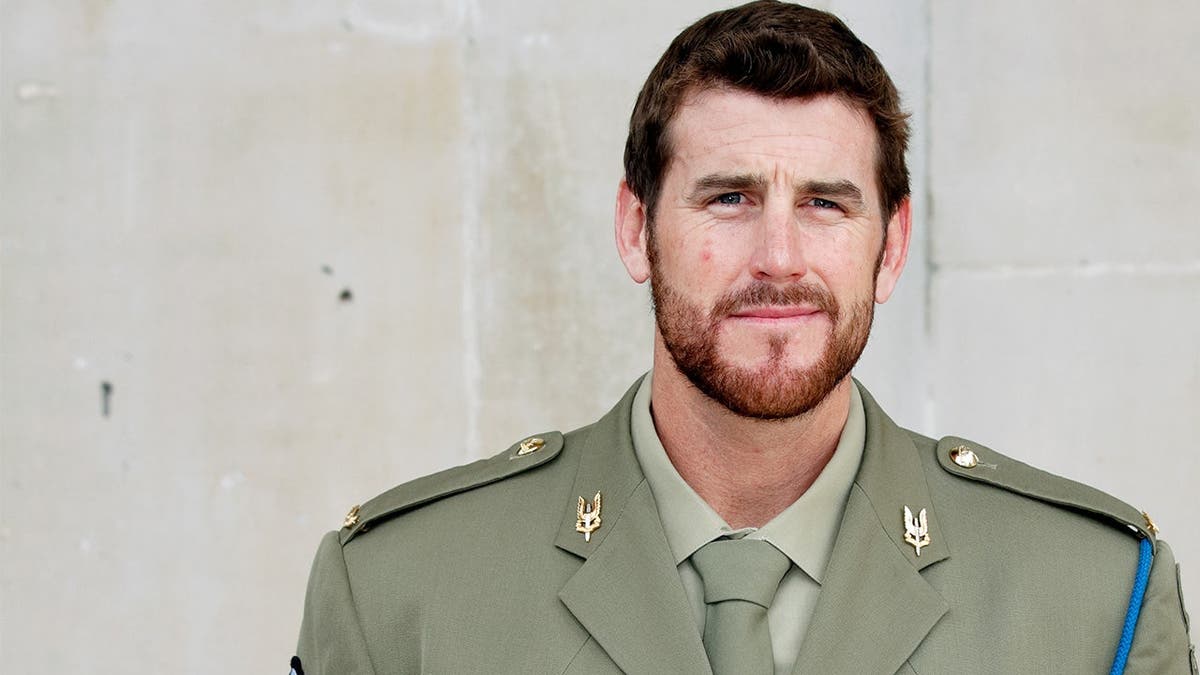
Ben Roberts-Smith standing outside St. Martin-in-the-Fields Church while wearing a suit and medals.

Corporal Ben Roberts-Smith VC, MG attends a Victoria Cross and George Cross Association Reunion Service at St. Martin-in-the-Fields Church on May 30, 2012 in London, England. (Max Mumby/Indigo/Getty Images)

While Australia’s current prime minister has yet to weigh in on the arrest, former Australian Prime Minister and leader of the Liberal Party Tony Abbott expressed his support for Roberts-Smith on X in a lengthy post.

«If Ben Roberts-Smith transgressed, why wasn’t this picked up prior to his gallantry awards and why wasn’t any culture of brutality towards prisoners detected by his more senior officers, and dealt with quickly, rather than being allowed to fester, as has been alleged, for over a decade?» Abbott wrote.

Allegations that Roberts-Smith engaged in war crimes began circulating publicly in 2017 and 2018 in articles published by The Age, the Sydney Morning Herald and The Canberra Times.

Advertisement

Roberts-Smith filed a defamation suit against the papers, which became Australia’s most expensive defamation trial, but in 2023, a Federal Court judge ruled that four of the six murder allegations brought by the papers against Roberts-Smith were legitimate.

In one of the allegations ruled to have merit by Justice Anthony Besanko, Roberts-Smith allegedly marched a handcuffed Afghan man named Ali Jan off the edge of a 10-meter cliff. He survived the fall, but Roberts-Smith and his fellow soldiers walked down a footpath to meet him. Roberts-Smith then ordered a subordinate, known as Person 11 in court, to shoot him.
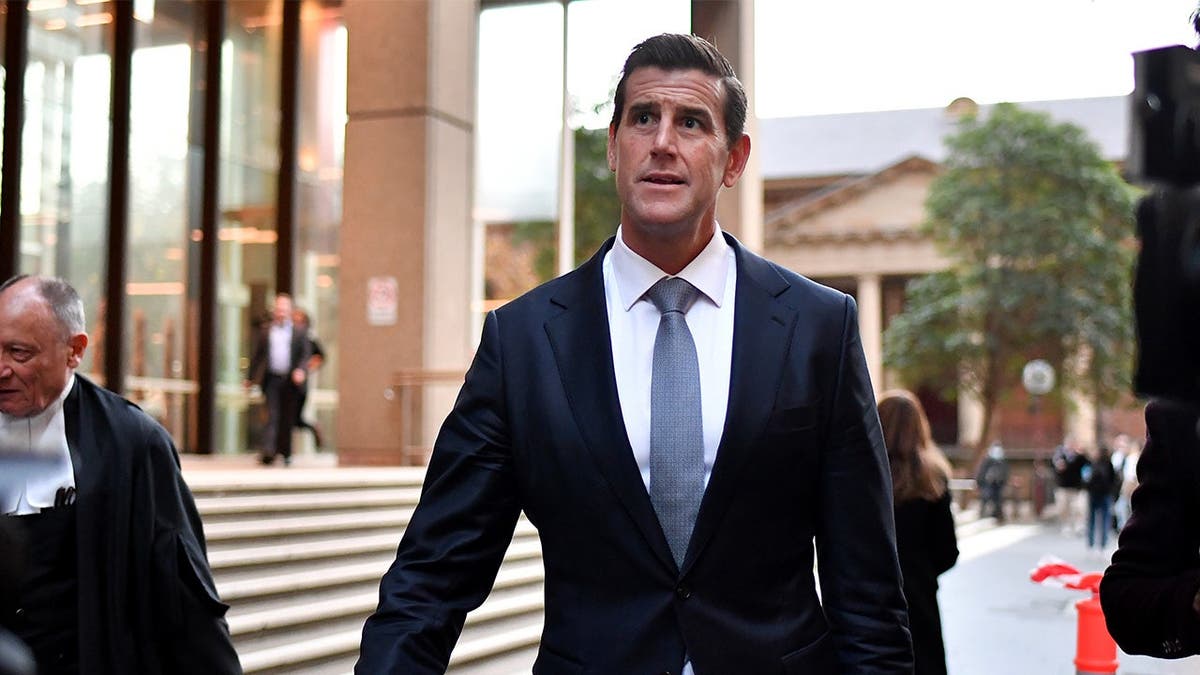
Ben Roberts-Smith walking away from the Federal Court of Australia while wearing a dark suit and blue tie.

Ben Roberts-Smith departs the Federal Court of Australia in Sydney on June 7, 2021 in Sydney, Australia. (Sam Mooy/Getty Images)

CLICK HERE TO DOWNLOAD THE FOX NEWS APP

Advertisement

The High Court dismissed Roberts-Smith’s appeal of the ruling in September 2025.

The criminal charges against Roberts-Smith stem from a joint effort by OSI and AFP. The two Australian agencies have conducted 53 investigations into ADF members tied to war crime allegations in Afghanistan. Ten of the investigations remain ongoing.

Advertisement


australia, afghanistan, army, armed forces, military trials

Advertisement
Continue Reading

INTERNACIONAL

Trump backs Hilton ahead of California GOP vote, testing Bianco’s grip on party endorsement
Published

on


NEWYou can now listen to Fox News articles!

California Republicans this weekend will vote to endorse their pick for California governor in the race to succeed term-limited Democratic Gov. Gavin Newsom.

Advertisement

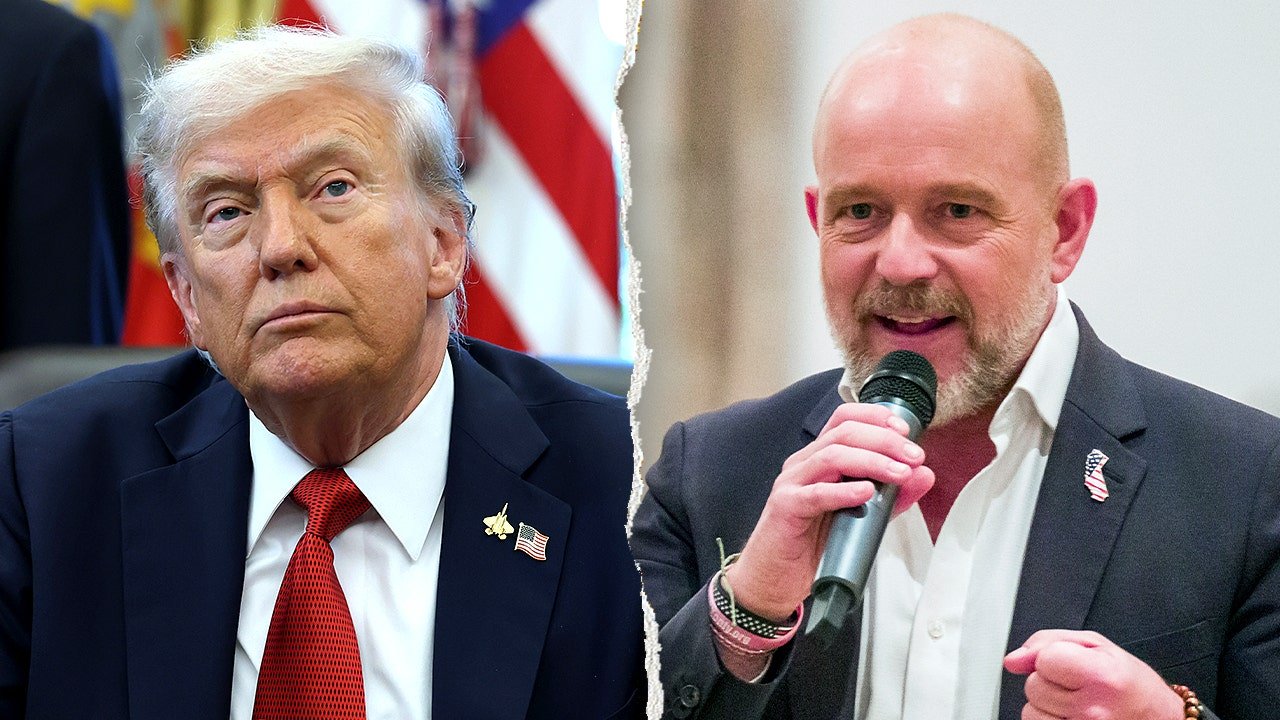
The vote, this Sunday in San Diego at the California GOP’s annual convention, comes a week after President Donald Trump took sides between the two major Republican candidates in the race, backing conservative commentator and former Fox News Channel host Steve Hilton over Riverside County Sheriff Chad Bianco.

Trump, whose endorsements are extremely influential in GOP primaries, argued in his endorsement statement that California had «gone to hell» and that «Steve can turn it around, before it is too late, and, as President, I will help him to do so!»

The president’s support for Hilton is expected to pay immediate dividends at the state GOP convention.

Advertisement

HERE’S WHO TRUMP IS BACKING IN THE GOLDEN STATE GUBERNATORIAL SHOWDOWN

Republican governor candidate Steve Hilton speaks to press during Huntington Beach City Attorney Michael Gates press event at Huntington Beach on Wednesday, Jan. 14, 2026, in Huntington Beach, California. Huntington Beach City Attorney Michael Gates announced his run for California attorney general. (Kayla Bartkowski/Los Angeles Times)

«I think it definitely can help rally the base behind a candidate and generate some noise and some enthusiasm,» California Republican Party chairwoman Corrin Rankin told Fox News Digital.

Advertisement

Bianco is a loyal Trump supporter who has plenty of friends and support among California Republican insiders. But Trump’s endorsement of Hilton, a top adviser to then-British Prime Minister David Cameron a decade and a half ago before moving to the U.S. and becoming an American citizen in 2021, may boost him at the GOP convention, where backing from 60% of delegates is needed to land the party’s endorsement.

But Bianco, the sheriff who recently grabbed plenty of national attention for seizing ballots in Riverside County, appeared defiant.

«For too long, politicians and insiders from Sacramento to Washington have tried to pick our leaders for us. That’s not leadership, that’s a coronation, and it’s exactly how we ended up with the failed leadership Californians are living with today,» he said in a social media video. «This election belongs to the people, not the political class.»

Advertisement

TOUGH ON CRIME REPUBLICAN SHERIFF LAUNCHES BID FOR CALIFORNIA GOVERNOR
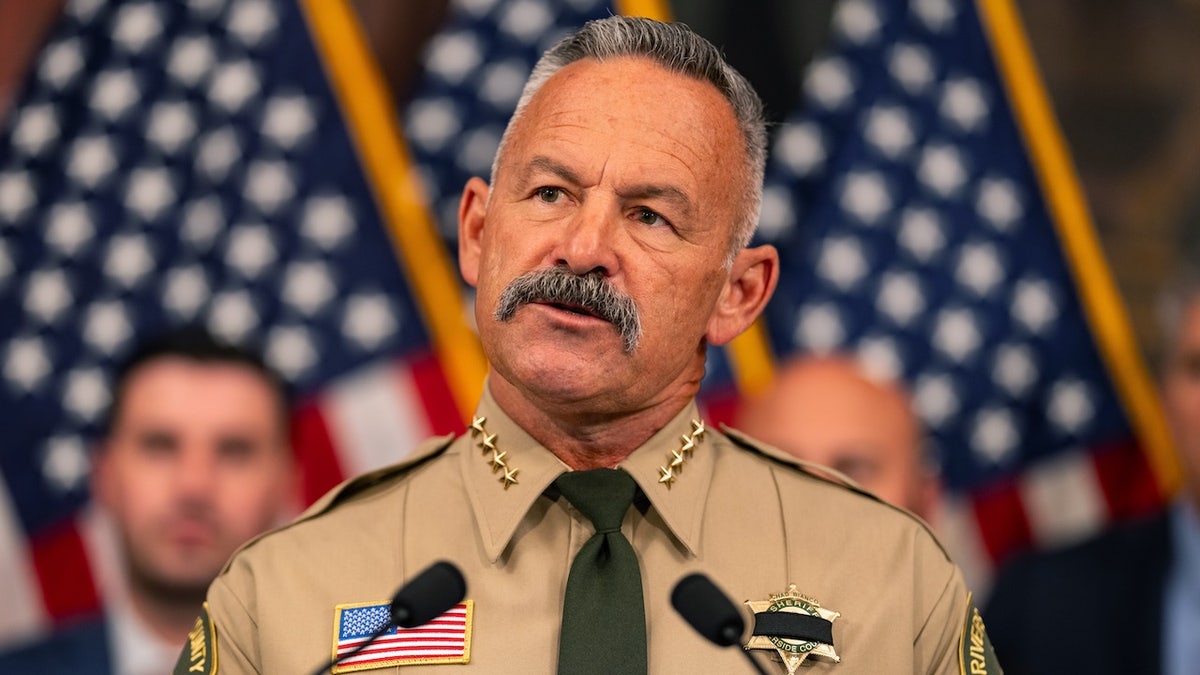
Sheriff Chad Bianco speaking at a news conference at the U.S. Capitol

Sheriff Chad Bianco of Riverside County speaks during a news conference at the U.S. Capitol on May 15, 2024, in Washington, DC. This week marks National Police Week, which sees thousands of police officers from departments across the country coming to Washington DC to honor law enforcement who died in the line of duty. (Kent Nishimura/Getty Images)

Trump’s endorsement may have another unintended consequence.

Candidates from both major political parties appear on the same ballot in the left-leaning state’s June primary, with the top two finishers advancing to November’s general election.

Advertisement

Some Democrats were concerned that with nine candidates in the race, support among Democratic voters would be so badly divided in the primary that no contender would reach the general election. Hilton and Bianco had been the top two candidates in some public opinion polls, giving some in the GOP hope of a final face-off between two Republicans.

That scenario may be less likely now, as Hilton’s support is expected to rise and Bianco’s drop in light of the president’s endorsement. Polling in the past week gave a hint of a Hilton surge.

«Trump kills any GOP hopes of an R vs R runoff in the California governor’s race,» Rob Pyers of California Target Book, which describes itself as a non-partisan and unbiased political almanac, wrote last week in a social media post.

Advertisement

MEDIA PERSONALITY STEVE HILTON ENTERS CALIFORNIA GUBERNATORIAL RACE
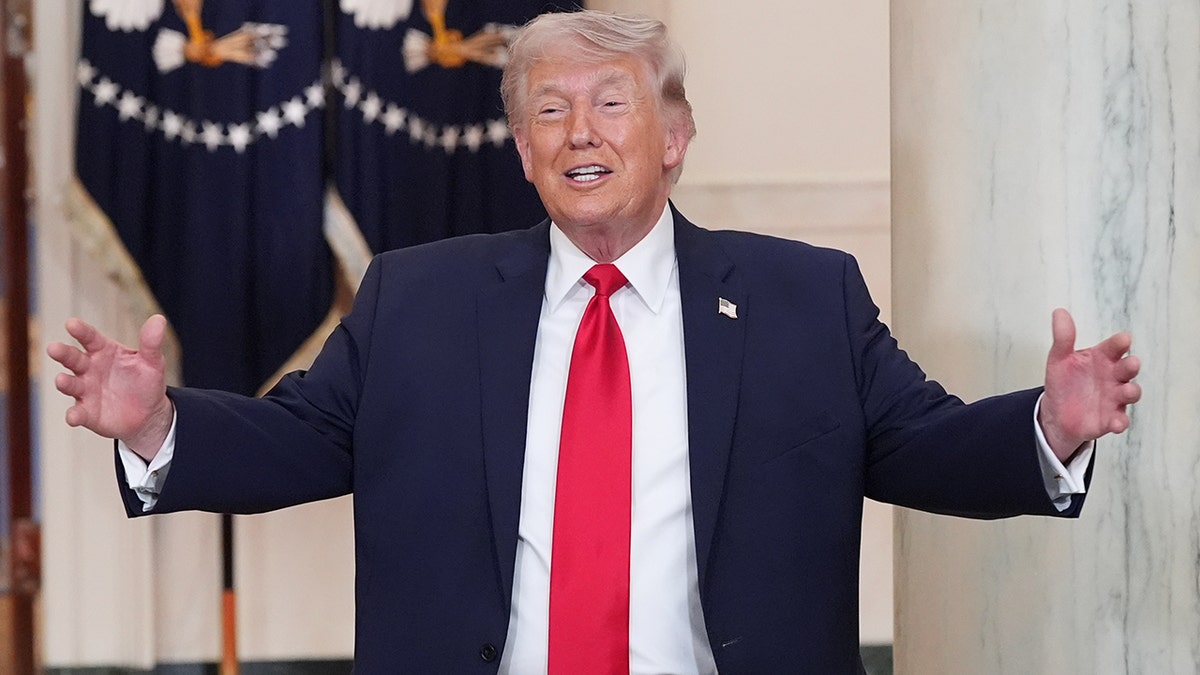
President Donald Trump took sides in California's race for governor, endorsing conservative commentator Steve Hilton.

Trump’s endorsement of Hilton has sent shock waves through California’s Republican Party.  (Alex Brandon/AP)

But Hilton dismissed as a pipe dream talk of shutting out the Democrats from the general election ballot.

«That scenario of two Republicans [making the general election ballot], I’ve been saying this for months, was always a fantasy,» Hilton said on Fox Business’ «The Bottom Line.» «The idea that the Democrat machine in California was just going to hand over the state to two Republicans was never serious. It was never, never going to happen.»

Advertisement

He further argued, «What was more likely was actually…you were going to have two Democrats in the top two and then we’ll have no chance of change. So this really makes sure that we have a Republican in the top two.»

CLICK HERE TO GET THE FOX NEWS APP

No Republican has won a statewide election in California since then-Gov. Arnold Schwarzenegger’s 2006 re-election victory.

Advertisement

And with the president’s approval rating in California hovering in the 30s, Trump’s endorsement will likely do Hilton no favors if he makes it onto the November ballot.

gavin newsom, donald trump, republican convention, california, republicans, elections, gubernatorial

Continue Reading

Tendencias