INTERNACIONAL
Federal judge rules Trump appointee Alina Habba is unlawfully serving as US attorney

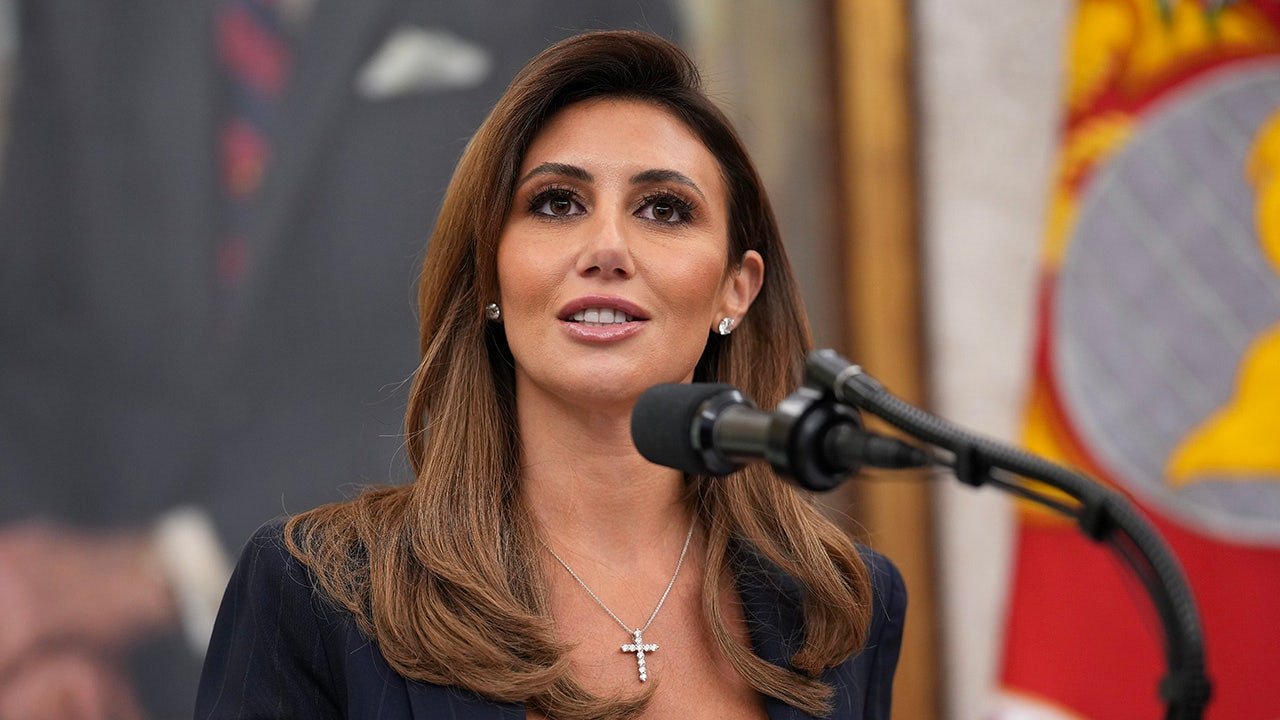
Alina Habba battles New Jersey judges, vows to fight back
Former federal prosecutor Jim Trusty discusses Tulsi Gabbard’s referral of Russia probe evidence to the Department of Justice and Alina Habba’s ongoing efforts to stay on as Acting U.S. Attorney for New Jersey after her interim term expired.
NEWYou can now listen to Fox News articles!
A judge on Thursday found that Alina Habba was unlawfully serving in the role of acting U.S. attorney of New Jersey after President Donald Trump sidestepped typical processes to keep her in charge.
Judge Matthew Brann said Habba has not been the rightful temporary U.S. attorney for New Jersey since July 1, a ruling that follows two criminal defendants in New Jersey challenging her appointment in court, alleging it was unconstitutional.
«Faced with the question of whether Ms. Habba is lawfully performing the functions and duties of the office of the United States Attorney for the District of New Jersey, I conclude that she is not,» Brann wrote in a 77-page order.
JUDGE TO DECIDE ALINA HABBA’S FATE AS US ATTORNEY IN NEW JERSEY
Alina Habba, newly appointed interim US attorney for New Jersey, speaks to members of the media outside the West Wing of the White House in Washington, DC, US, on Monday, March 24, 2025. (Samuel Corum/Sipa/Bloomberg via Getty Images)
Habba, Trump’s former personal defense lawyer, had been serving as interim U.S. attorney, but when her term expired last month, Trump and Attorney General Pam Bondi used loopholes in federal vacancy laws to install her as «acting» rather than «interim» U.S. attorney.
One of the defendants in the district, Julien Giraud, alleged that the moves violated his constitutional rights because of the string of unconventional actions it took to attempt to keep Habba in the role.
TRUMP STANDS BY ALINA HABBA AS DOJ CLASHES WITH JUDGES OVER HER REPLACEMENT
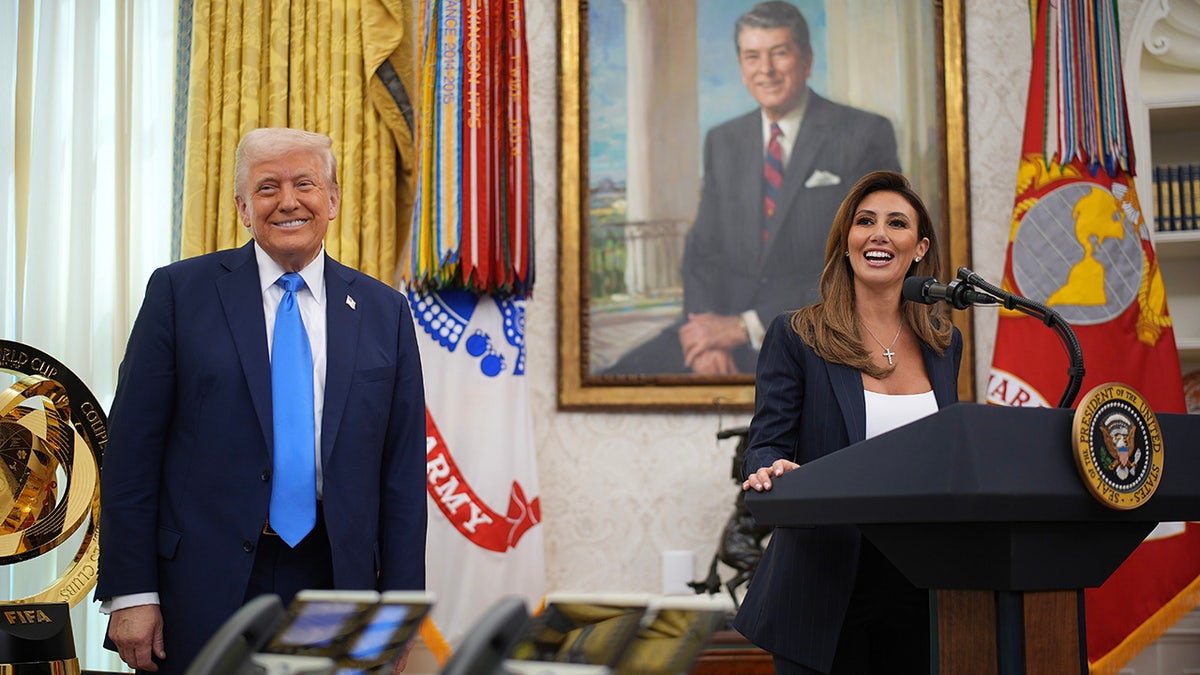
President Donald Trump listens as White House Presidential Counselor Alina Habba delivers remarks before being sworn in as the interim U.S. Attorney for New Jersey in the Oval Office at the White House on March 28, 2025 in Washington, DC. (Andrew Harnik/Getty Images)
Brann, an Obama appointee serving in the Middle District of Pennsylvania, agreed and found Habba could not prosecute Giraud or another defendant who challenged Habba’s position. The judges said the criminal cases could proceed in the court district, just not under Habba’s purview.
Brann is presiding over the matter after the chief judge of the Third Circuit Court of Appeals, which covers New Jersey and Pennsylvania, decided the case presented too much of a conflict for New Jersey’s federal judges.
Last month, the New Jersey judges made the rare decision to decline to extend Habba’s term and instead appointed career attorney Desiree Grace to the job. Trump and Bondi fired Grace, withdrew Habba’s nomination as permanent U.S. attorney and then reinstated Habba as acting U.S. attorney, which they said kept Habba in charge for at least another 210 days under federal statute.
TRUMP APPOINTS HABBA AS ‘ACTING’ ATTORNEY AFTER JUDGES OUSTED HER
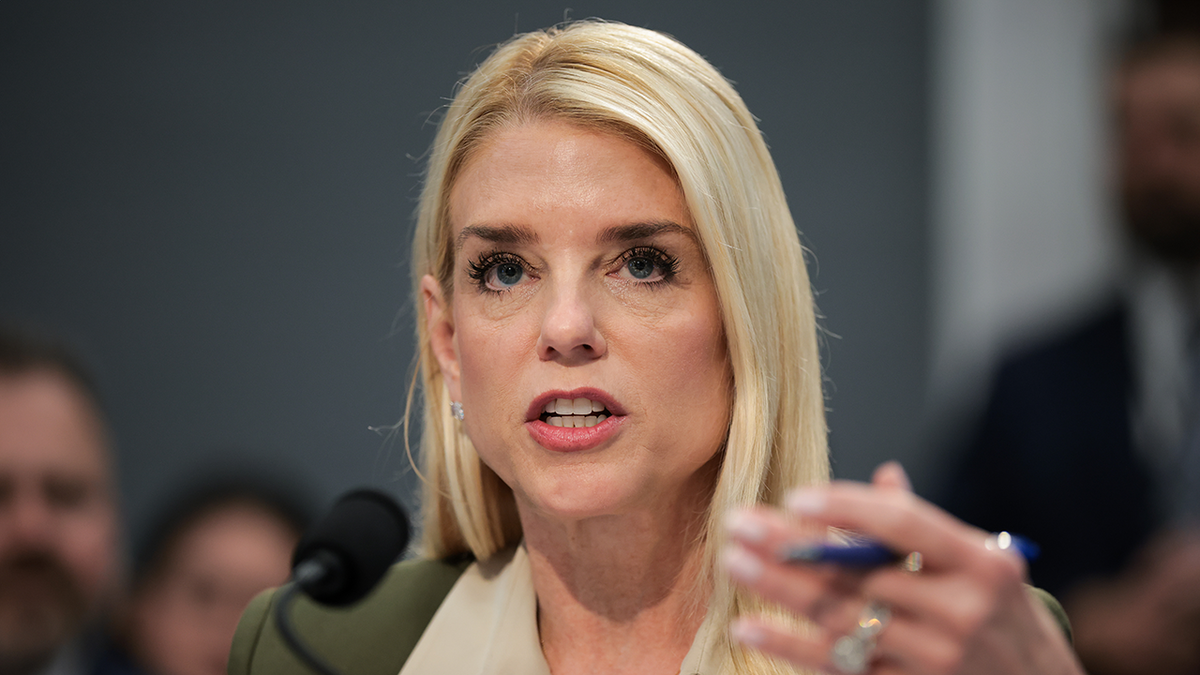
Attorney General Pam Bondi testifies before the House Committee on Appropriations at the U.S. Capitol on June 23, 2025 in Washington, DC. (Kayla Bartkowski/Getty Images)
Brann said his ruling effectively disqualified Habba from prosecuting the two defendants’ cases and that her signatures on court filings were invalid, opening the floodgates for other defendants in New Jersey to object to Habba prosecuting them as well.
The judge said his ruling would not take effect until the Trump administration had an opportunity to appeal.
Spokespeople for Habba and the DOJ did not respond to a request for comment.
Brann’s ruling comes against the backdrop of Trump and Bondi using similar maneuvers to keep the president’s preferred appointees as head prosecutors of court districts in blue states, including in California and New York, where the appointees are struggling to find paths to Senate confirmation.
CLICK HERE TO GET THE FOX NEWS APP
Brann said the Trump administration improperly flouted the Federal Vacancies Reform Act by exploiting its loopholes in Habba’s case.
«A statutory interpretation that opens a gaping loophole in this tightly crafted scheme meant to provide only limited flexibility and prevent ‘manipulation’ flies in the face of the goal that Congress was trying to accomplish,» Brann wrote. «Although clearer text could require such a result, the Government’s arguments reaching such a conclusion through vague implication must fail.»
alina habba,justice department,donald trump,pam bondi,politics,new jersey










INTERNACIONAL
Iran goes dark amid ‘regime paranoia’, blackout follows Israeli, US strikes on compound
NEWYou can now listen to Fox News articles!
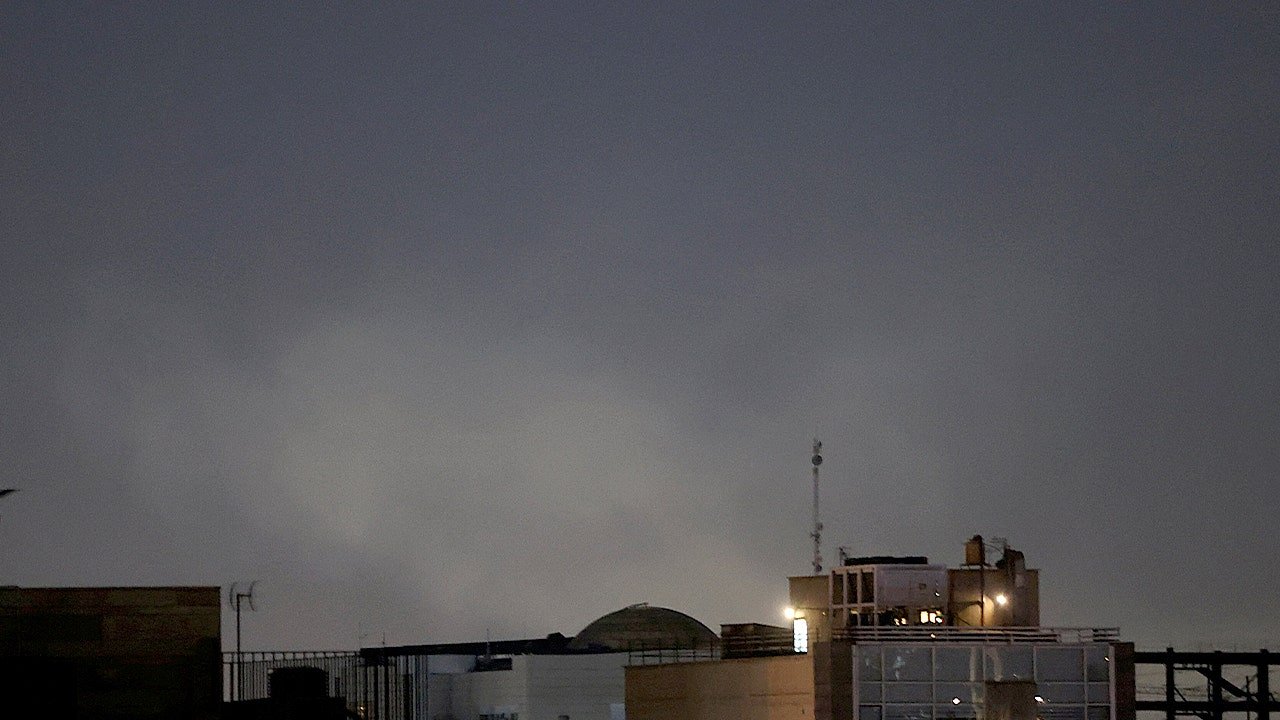
Iran was plunged into an internet blackout Saturday after Israel and the U.S. launched military strikes around the country, according to a global internet monitor.
Within hours of the strikes — which officials said targeted infrastructure and killed dozens of senior regime figures at a compound in Tehran— NetBlocks CEO Alp Toker confirmed connectivity started «flatlining.»
«We’re tracking the ongoing blackout, but our assessment is that this is straight out of Iran’s wartime playbook and consistent both technically and strategically with what we saw during the 2025 Twelve-Day War with Israel,» Toker told Fox News Digital.
«Iran’s internet connectivity is now flatlining around the 1% level, so the original blackout the regime imposed during the morning has been consolidated,» he confirmed.
«The blackout was imposed just after 7:00 UTC, not long after the attack on the Iranian regime compound,» Toker clarified, adding that Iran had been largely offline for approximately 12 hours following the attack.
«At 06:10 UTC, there is the main compound strike; at 07:10 UTC, telecoms disruption starts; at 08:00 UTC, the blackout is largely in effect; and by 08:30 UTC, connectivity flatlines.»
«Wartime national blackouts are exceedingly rare around the world, and it’s something we’ve only really seen at this scale in Iran,» he said.
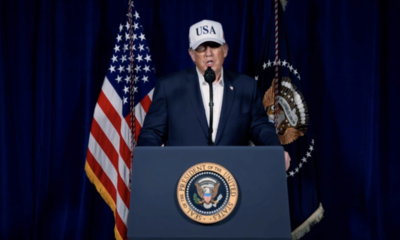
President Donald Trump monitors U.S. military operations in Iran following an Israeli strike in Tehran on Saturday, Feb. 28, 2026. (@WhiteHouse/X)
In the wake of the attack, dubbed Operation Epic Fury, President Donald Trump said on Truth Social that the «heavy and pinpoint» bombing in Iran «will continue uninterrupted throughout the week or as long as necessary to achieve our objective of PEACE THROUGHOUT THE MIDDLE EAST AND, INDEED, THE WORLD!»
He claimed Iranian security forces and members of the regime’s powerful Islamic Revolutionary Guard Corps were already seeking immunity. He urged them to «peacefully merge with the Iranian Patriots.»
«We are hearing that many of their IRGC, Military, and other Security and Police Forces no longer want to fight and are looking for Immunity from us,» Trump said in the post. «As I said last night, ‘Now they can have Immunity; later they only get Death!’»
Toker argued the timing of the blackout suggested it was imposed deliberately as the regime sought to secure communications amid fears of further targeting.
TRUMP TELLS IRANIANS THE ‘HOUR OF YOUR FREEDOM IS AT HAND’ AS US-ISRAEL LAUNCH STRIKES AGAINST IRAN
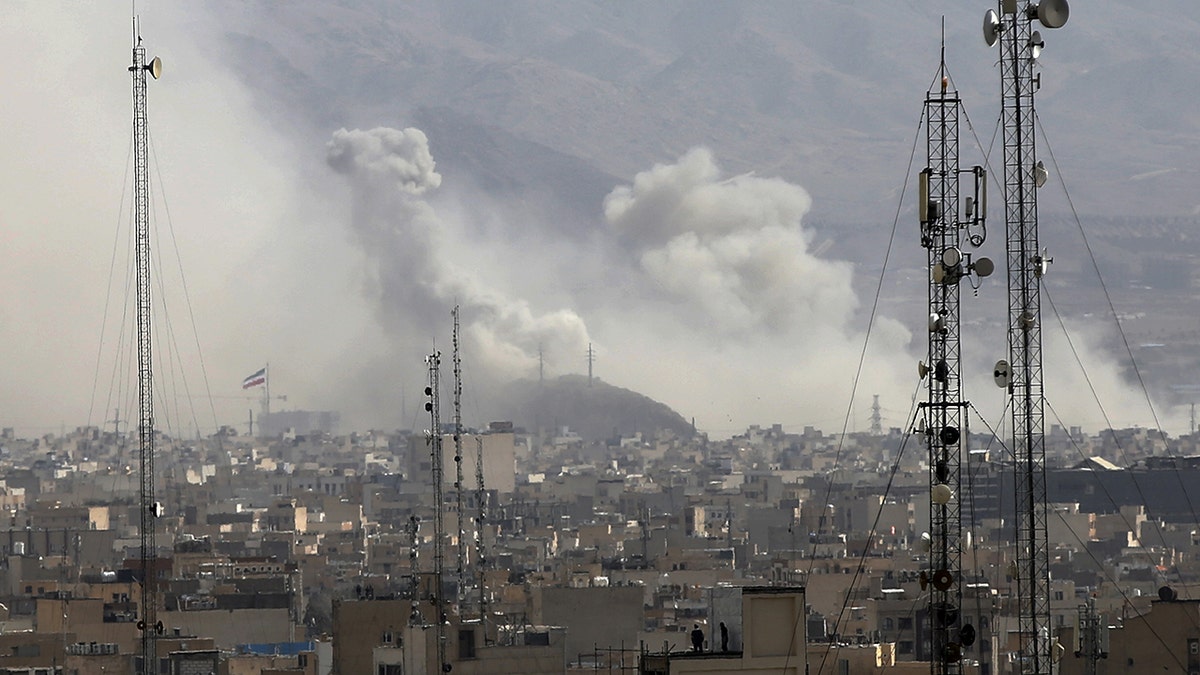
TEHRAN, IRAN – FEBRUARY 28: Smoke rises over the city center after an Israeli army launches 2nd wave of airstrikes on Iran on February 28, 2026. (Photo by Fatemeh Bahrami/Anadolu via Getty Images) (Fatemeh Bahrami/Anadolu via Getty Images)
«The Iranian regime will have deployed this new blackout to counter potential cyberattacks during their own military operation, but also to avoid leaking the locations of senior regime figures through metadata and user-generated content,» he said.
«Communications would have been limited, and Iran’s leadership would have proceeded with the assumption that all communications, including satellite or whitelisted networks, carry risks,» he said before claiming that «paranoia would be well grounded at this point, with the blackout a belated but direct response to that.»
«Those participating directly would already know to avoid technology that could betray their whereabouts,» Toker said.
«However, the metadata may well have played a part in determining that the meeting of regime leaders was being held at the Tehran compound, who was in attendance, and at what time.»
DID THEY GET HIM? KHAMENEI’S FATE REMAINS UNKNOWN AFTER ISRAEL-US STRIKE LEVELS HIS COMPOUND
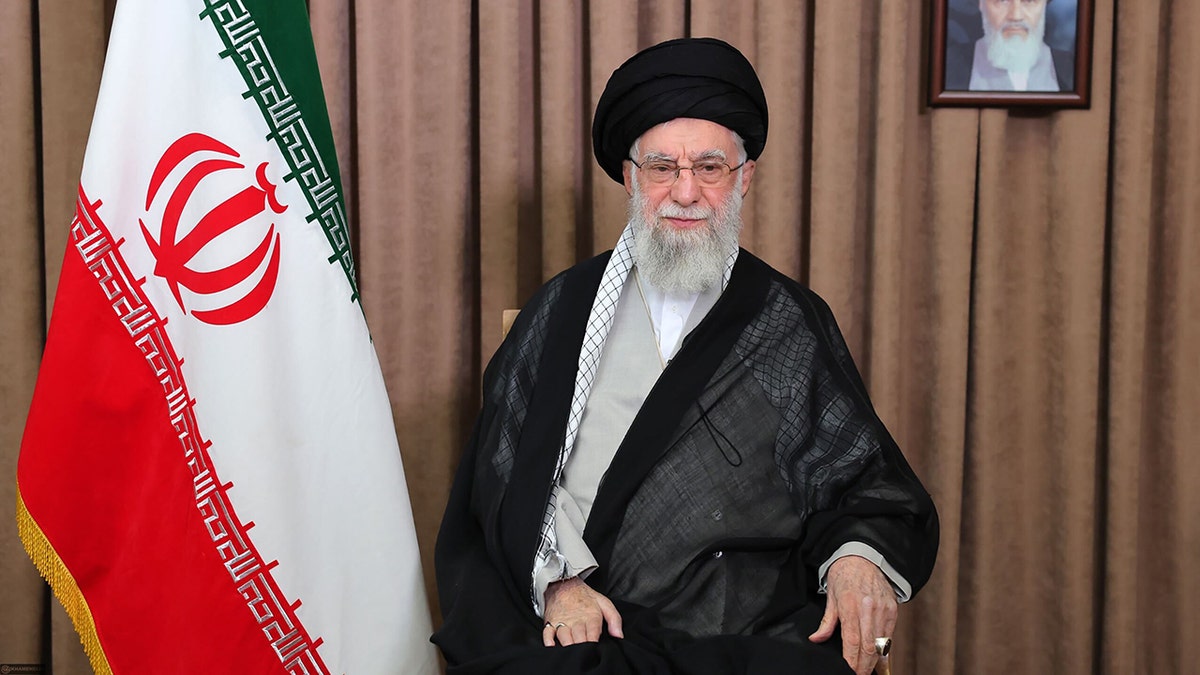
In this handout image provided by the Office of the Supreme Leader of Iran, Iranian Supreme Leader Ali Khamenei addresses the nation in a state television broadcast on June 18, 2025 in Tehran, Iran. (Office of the Supreme Leader of Iran via Getty Images)
Toker revealed that the broader network around the regime leaders and around the compound wouldn’t have had the same strict restrictions.
«This kind of adjacent ‘background noise’ can be correlated against other intelligence sources to build an understanding of activity on the ground,» he added.
«Smartphones are a readily available, almost ‘free’ source of intelligence, and even when locked down, they eventually connect to international online services and generate insights that can be used to pinpoint regime figures,» Toker said.
CLICK HERE TO DOWNLOAD THE FOX NEWS APP
«In the aftermath of Saturday’s strike, this concern will have been high on the remaining Iranian leadership’s minds, especially if they didn’t have a clear and specific understanding of how the meeting was compromised.»
Iran has previously imposed sweeping internet shutdowns during periods of domestic unrest, including nationwide protests in January, which saw thousands killed, often seeking to curb the spread of information and restrict coordination.
Related Article

war with iran,ali khamenei,bombings,middle east,terrorism
INTERNACIONAL
El Salvador registra más de 25,000 inmuebles inscritos en el primer bimestre de 2026 y mantiene dinamismo en la creación de empresas

En lo que va del año 2026, el Centro Nacional de Registros (CNR) reporta la inscripción de 25,381 inmuebles, una cifra que equivale a $720 millones, según datos oficiales difundidos por el director ejecutivo del CNR, Camilo Trigueros. Este comportamiento refleja la continuidad de una tendencia positiva que se consolidó en 2025, cuando se efectuaron 151,567 transferencias de dominio, generando un movimiento superior a $4,212 millones en el mercado inmobiliario salvadoreño. El incremento interanual en las transferencias de dominio alcanzó el 13%, impulsado tanto por la recuperación de zonas residenciales antes afectadas por la violencia, como por el renovado interés de inversionistas y ciudadanos residentes en el exterior.
Trigueros explicó en entrevista con el Noticiero Hechos, de Canal 12, que el proceso de transferencia de dominio responde principalmente a operaciones de compraventa, aunque también se registran casos de donaciones y herencias. Un estudio interno del CNR identificó que, en años recientes, las compraventas en colonias bajo control de pandillas eran prácticamente inexistentes debido a la falta de compradores y al temor de los propietarios a vender. Actualmente, tras mejoras en las condiciones de seguridad, estas zonas experimentan una reactivación del mercado inmobiliario, con participación de inversionistas nacionales, extranjeros y miembros de la diáspora salvadoreña.
El dinamismo del sector inmobiliario se suma al crecimiento sostenido de la actividad empresarial en el país. De acuerdo con datos publicados por Infobae el 4 de enero, El Salvador cerró 2025 con la creación de 8,373 nuevas empresas y más de 13,000 solicitudes de registro de marca, alcanzando cifras récord para la economía nacional. El crecimiento interanual en la conformación de nuevas empresas fue del 11%, mientras que las solicitudes de marca aumentaron un 18%, con especial énfasis en los sectores de gastronomía y comercio. Entre los factores que explican esta expansión se encuentran la digitalización de trámites, la simplificación de procesos y la implementación de figuras jurídicas más accesibles, como las Sociedades por Acciones Simplificadas (SAS).
El inicio de 2026 mantiene la tendencia al alza. Según datos oficiales, solo en enero se constituyeron cerca de 900 nuevas entidades, lo que proyecta que, de mantenerse el ritmo actual, El Salvador podría superar las 10,000 empresas creadas al finalizar el año. La digitalización de los servicios del CNR permite que el 70% de los usuarios obtenga respuesta a sus trámites en menos de 24 horas, lo que ha fortalecido la confianza de los inversionistas y emprendedores.
La recuperación del sector inmobiliario y el auge en la creación de empresas se explican, en parte, por la percepción de mayor seguridad, la estabilidad macroeconómica y el fortalecimiento institucional. De acuerdo con el balance presentado por Trigueros en medios radiales y televisivos, la mayoría de las nuevas empresas corresponden a sectores de servicios y comercio, con énfasis en pequeñas empresas familiares y emprendimientos gastronómicos. Además, la eliminación de barreras burocráticas y la gratuidad de trámites electrónicos han sido determinantes para el aumento de la formalización empresarial.
En 2025, la demanda de servicios del CNR creció un 11.1%, con más de 130,000 atenciones registradas a nivel nacional. El Instituto Adam Smith de la Universidad de la Florida ubicó a El Salvador en la quinta posición de facilidad para abrir una empresa en Latinoamérica, subiendo quince posiciones respecto a años previos. Las autoridades anticipan que la continuidad de las reformas y la ampliación de los servicios digitales mantendrán el ritmo de crecimiento en ambos rubros durante 2026.
corresponsal:Desde San Salvador, El Salvador
INTERNACIONAL
El ataque a Irán afectó también los viajes en Medio Oriente: caos en vuelos y aeropuertos
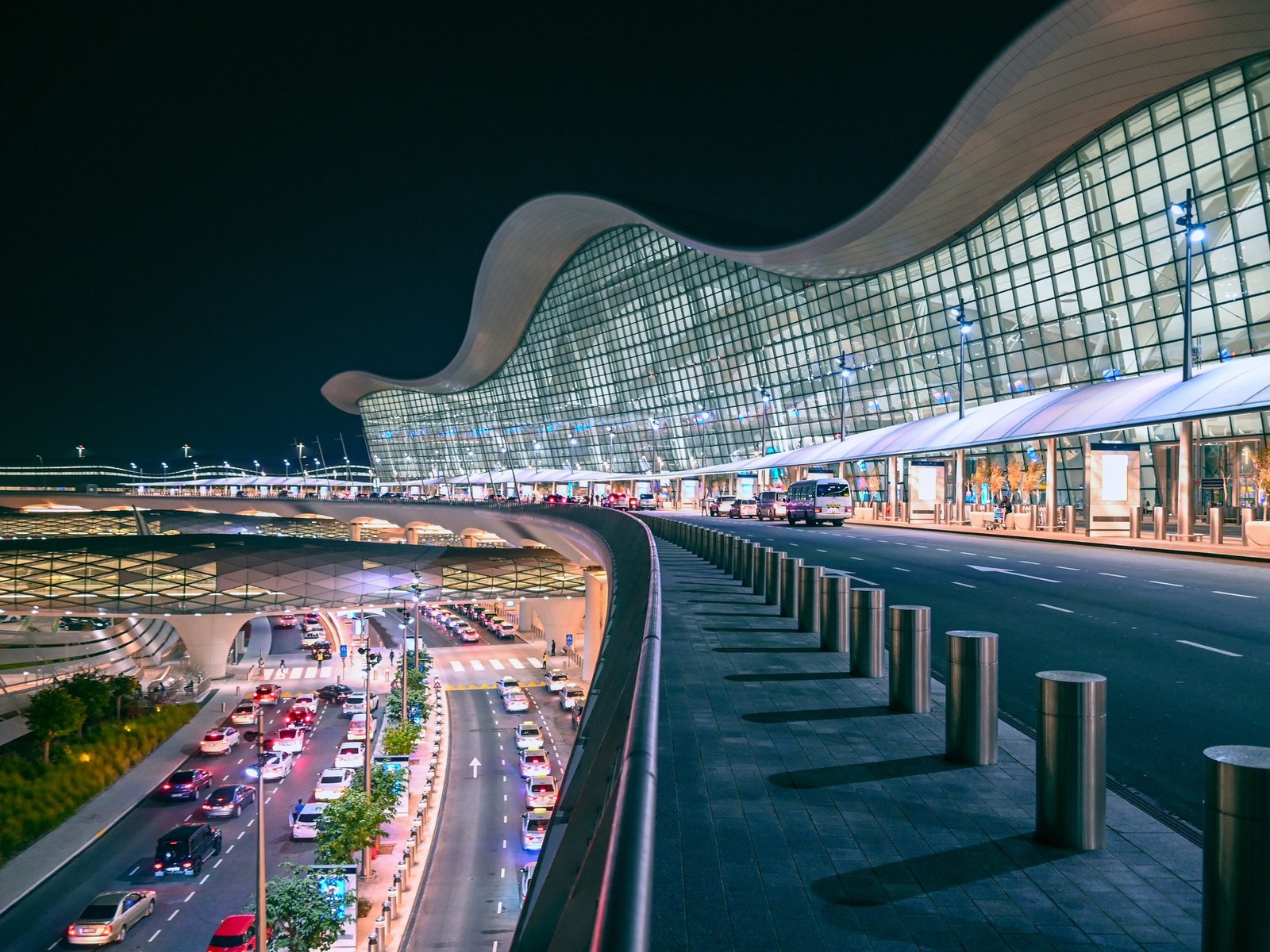
El ataque de Estados Unidos e Israel a Irán en la madrugada del sábado cambió sorpresivamente los planes de vuelos en todo Oriente Medio por el cierre del espacio aéreo en la región y las complicaciones se extendían este fin de semana por los ataques contra algunos aeropuertos y la suspensión de las operaciones en estaciones clave que conectan Europa, África y Occidente con Asia.
Cientos de miles de viajeros quedaron varados o fueron desviados a otros aeropuertos luego que Israel, Qatar, Siria, Irán, Irak, Kuwait y Bahréin cerraron sus espacios aéreos. Tampoco hubo actividad de vuelos sobre Emiratos Árabes Unidos, según el sitio web de rastreo FlightRadar24, después que el gobierno allí anunciara un “cierre temporal y parcial” de su espacio aéreo.
En ese marco se produjeron el cierre de aeropuertos clave de conexión en Dubái, Abu Dabi y Doha, y a la cancelación de más de 1.800 vuelos por parte de las principales aerolíneas de Oriente Medio. Las tres aerolíneas más importantes que operan en esos aeropuertos —Emirates, Qatar Airways y Etihad— suelen tener alrededor de 90.000 pasajeros por día transitando por esos centros y aún más viajeros con destino a lugares en Oriente Medio, según la firma de análisis de aviación Cirium.
En medio hubo un ataque de represalia iraní que impactó en el Aeropuerto Internacional de Dubái, el más grande de Emiratos Árabes Unidos y uno de los más transitados del mundo, donde al menos un hombre de nacionalidad asiática murió y otras tres personas resultaron heridas.
Emirates condenó el “ataque flagrante que involucró misiles balísticos iraníes”. También se reportaron ataques en otros aeropuertos comerciales de la región, incluido el Aeropuerto Internacional de Kuwait.
Henry Harteveldt, un analista de la industria aérea y presidente de Atmosphere Research Group, alertó que los pasajeros “deberían prepararse para retrasos o cancelaciones durante los próximos días a medida que estos ataques evolucionen y, con suerte, terminen”.
Las aerolíneas que están cruzando Oriente Medio tendrán que desviar los vuelos alrededor del conflicto, con muchos vuelos dirigidos hacia el sur sobre Arabia Saudí. Eso añadirá horas a esos viajes y consumirá combustible adicional, sumándose a los costos que las aerolíneas tendrán que absorber. Por lo tanto, los precios de los boletos podrían comenzar a aumentar rápidamente si el conflicto se prolonga.
Los vuelos adicionales también ejercerán presión sobre los controladores de tráfico aéreo en Arabia Saudí, que podrían tener que ralentizar el tráfico a fin de asegurarse de manejarlo de manera segura. Y los países que cerraron su espacio aéreo dejarán de percibir las tarifas de sobrevuelo que las aerolíneas pagan por cruzar por encima.
Por ahora no está claro cuánto tiempo durará la interrupción de las operaciones de vuelo. A modo de comparación, el ataque israelí y estadounidense a Irán en junio de 2025 duró 12 días.
En ese contexto, algunas aerolíneas estaban emitiendo exenciones para los viajeros afectados, lo que significa que los pasajeros pueden reprogramar sus planes de vuelo sin pagar cargos adicionales ni tarifas más altas.
Al menos 145 aviones que se dirigían a ciudades como Tel Aviv y Dubái a primera hora del sábado fueron desviados a aeropuertos en ciudades como Atenas, Estambul o Roma, según FlightAware. Otros dieron la vuelta y regresaron al lugar desde donde despegaron.
Un avión pasó casi 15 horas en el aire después de salir de Filadelfia y llegar hasta España antes de dar la vuelta y regresar al lugar donde comenzó.
Numerosas aerolíneas cancelaron vuelos internacionales a Dubái durante el fin de semana, y la agencia de aviación civil de India designó gran parte de Oriente Medio —incluidos los cielos sobre Jordania, Arabia Saudí y Líbano— como una zona de alto riesgo de seguridad a todas las altitudes.
Air India canceló todos los vuelos a destinos de Oriente Medio. Turkish Airlines señaló que los vuelos a Líbano, Siria, Irak, Irán y Jordania se suspenderán hasta el lunes, y que los vuelos a Qatar, Kuwait, Bahréin, Emiratos Árabes Unidos y Omán se suspenderán hasta nuevo aviso.
Delta Airlines, con sede en Estados Unidos, y United Airlines suspendieron los vuelos a Tel Aviv al menos durante el fin de semana, y la aerolínea holandesa KLM ya había anunciado a principios de semana que suspenderá sus vuelos con origen y destino en Tel Aviv.
Aerolíneas como Lufthansa, Air France, Transavia y Pegasus han cancelado todos los vuelos a Líbano, y American Airlines suspendió los vuelos de Filadelfia a Doha.
La inglesa British Airways informó que sus vuelos a Tel Aviv y Bahréin se suspenderán hasta la próxima semana, y que los vuelos a Amán, Jordania, se cancelarán el sábado.
Con información de AP / SMB

Iran goes dark amid ‘regime paranoia’, blackout follows Israeli, US strikes on compound

El Salvador registra más de 25,000 inmuebles inscritos en el primer bimestre de 2026 y mantiene dinamismo en la creación de empresas

Qué pasará con los contratos de trabajo antiguos tras la aprobación de la reforma laboral en el Congreso

Llega el reemplazo de Gallardo: Eduardo Coudet será el nuevo entrenador de River Plate

La DAIA respaldó la postura del Gobierno tras el ataque de Estados Unidos al régimen iraní

El impactante look color Tiffany que eligió Mirtha Legrand para su primer programa con 99 años

Catherine Fulop contó el difícil momento que atraviesa su madre en Venezuela: “Está postrada”

Jorge Macri prepara su discurso para abrir el año legislativo: el deseo de reelección y el espejo en Bukele

Crisis en la industria: otra multinacional se achica y cierra una planta en la Argentina

Alarma por la salud de Divina Gloria tras salir de Gran Hermano: “La internaron directamente en terapia intensiva”

 CHIMENTOS2 días ago
Alarma por la salud de Divina Gloria tras salir de Gran Hermano: “La internaron directamente en terapia intensiva”
- CHIMENTOS2 días ago
Ginette Reynal dio una rotunda marcha atrás con una decisión que tomó hace dos meses: “No aguanto más”
- CHIMENTOS2 días ago
¡Titi revolucionó Gran Hermano! Cuáles son las 5 cosas que ya extraña: «Accesorios, pilates, bondiola, auriculares y bailar»