INTERNACIONAL
Witkoff meets Ukraine officials in New York ahead of emergency UN Security Council meeting: ‘Very productive’

NEWYou can now listen to Fox News articles!
EXCLUSIVE: White House Special Envoy Steve Witkoff met with Ukrainian officials in New York City Friday for «very productive and constructive» talks ahead of Kyiv’s emergency U.N. Security Council meeting, Fox News Digital has learned.
Witkoff met with Andriy Yermak, the head of Ukraine’s office of the president and chief of staff, and Sergiy Kyslytsya, Ukraine’s ambassador extraordinary.
RUSSIAN ATTACK KILLS 17, INJURES 48 OTHERS IN KYIV, UKRAINIAN OFFICIALS SAY
Senior administration officials familiar with the meeting told Fox News Digital that Yermak and Kyslytsya gave Witkoff a status update on the war with Russia and Moscow’s most recent attacks.
Russia launched a large-scale attack on Kyiv Wednesday night, killing at least 17 people, wounding 48 others and damaging buildings, officials in Ukraine said.
Russian President Vladimir Putin, left, meets with U.S. Special Envoy Steve Witkoff, right, at Kremlin Palace in Moscow Aug. 6, 2025. (Kremlin Press Office/Handout/Anadolu via Getty Images)
The Ukrainian officials invited Witkoff to visit Ukraine in the future, a senior official told Fox News Digital.
Witkoff is continuing talks with Ukrainian officials, who say they are making progress.
The meeting, according to Trump administration officials, was a status update and a reaffirmation of the goal of getting both Ukraine and Russia to meet to ultimately reach an agreement to end the war.
Witkoff’s diplomatic approach in the highly sensitive talks has been met with praise by Trump Cabinet officials and foreign officials alike.
Secretary of State Marco Rubio also touted Witkoff’s work, saying he is «a key member of President Trump’s team and plays an indispensable role in advancing the president’s priorities.»
Rubio told Fox News Digital that Witkoff’s «unique perspective and innovative approach open new opportunities for diplomacy that were previously unavailable.»
«It’s been remarkable to see him in action and a privilege to call him a colleague,» Rubio told Fox News Digital.
National Security Advisor to the United Kingdom Jonathan Powell also praised Witkoff’s style.
Powell reflected on his more than 30 years of experience in peace negotiations, telling Fox News Digital that «there is a lot of snobbery in diplomacy — that peace can only be made in grand chandelier rooms, with a delegation of tens of officials and decades of diplomatic experience.»
«But in my experience, the people who are actually successful at making peace operate on their own and concentrate on building trust between key leaders on either side and moving quietly to cut a deal,» Powell said. «Steve Witkoff is exactly that sort of person.»
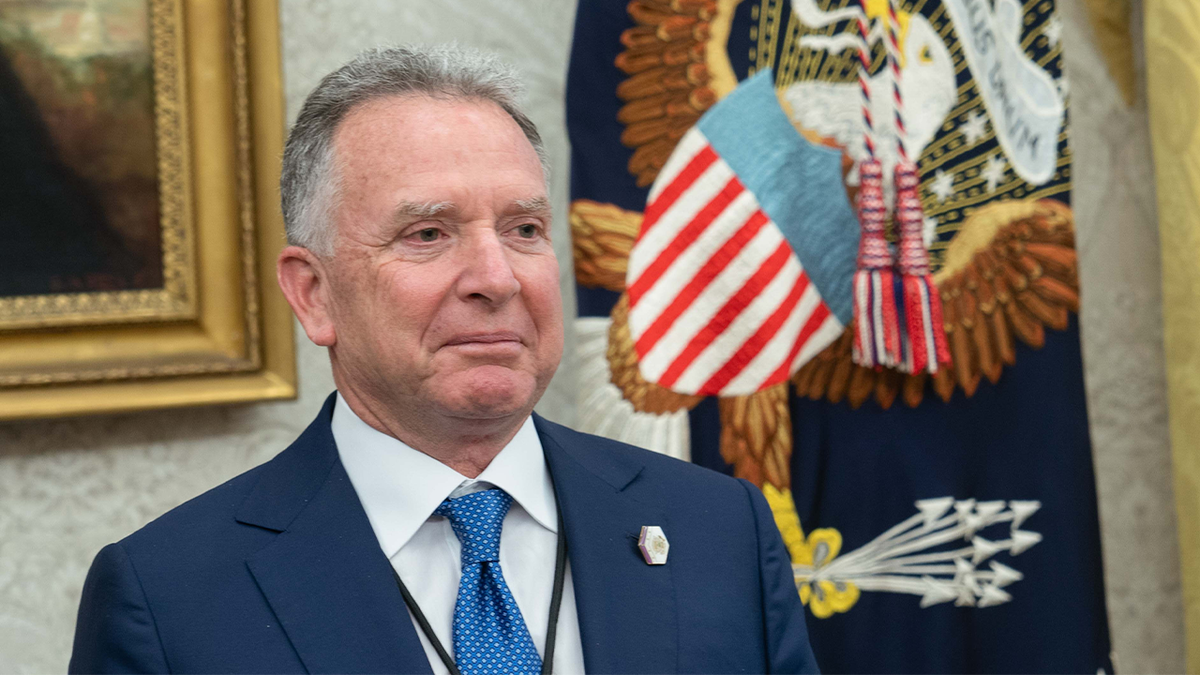
Steve Witkoff, U.S. special envoy to the Middle East, during an executive order signing ceremony in the Oval Office of the White House in Washington Feb. 3, 2025. (Chris Kleponis/CNP/Bloomberg via Getty Images)
Powell told Fox News Digital that Witkoff’s experience of «making deals in a completely different field,» along with his «charm and optimism, unburdened by the tens of reasons why an initiative cannot work, and a steely focus on getting to a lasting agreement.
«In the court of this year, Steve has been able to open doors that no one else could and make peace possible in a series of different conflicts which would otherwise have remained insoluble.»
And Jared Kushner, a former senior adviser to Trump during his first administration, told Fox News Digital that the Trump administration’s «small, focused teams with the right leadership can achieve great results.»
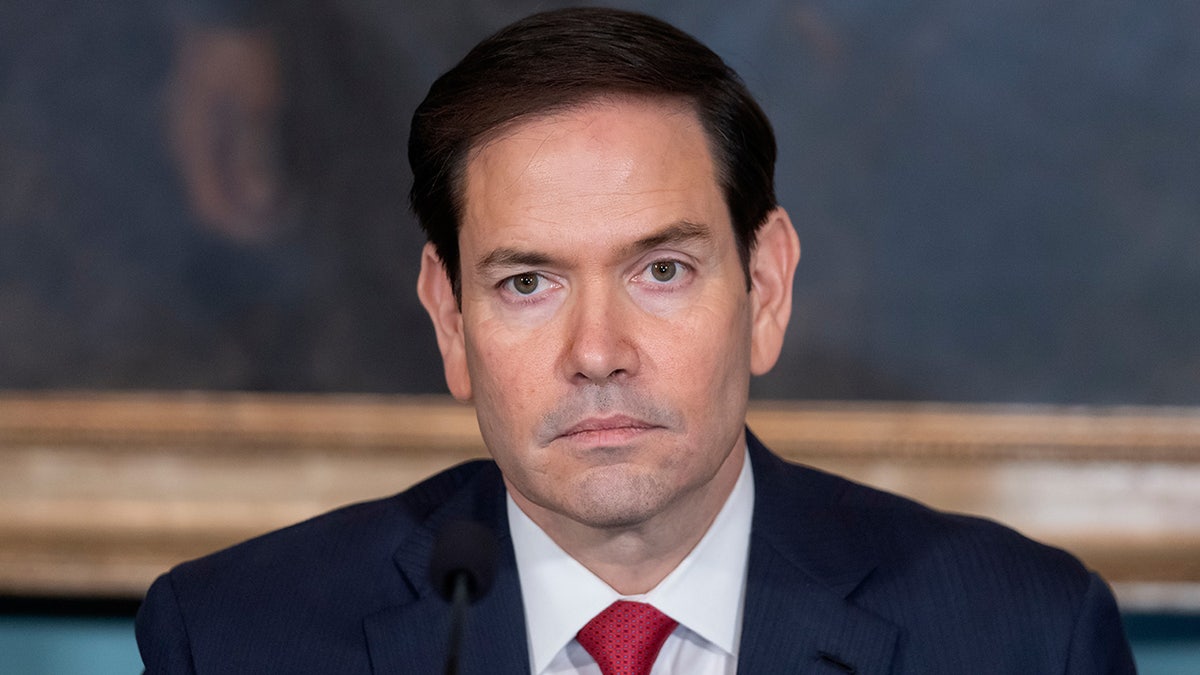
Secretary of State Marco Rubio also touted Steve Witkoff’s work, saying he is «a key member of President Trump’s team and plays an indispensable role in advancing the president’s priorities.» (Mark Schiefelbein/The Associated Press)
«Coming from the deal world, managing several complex deals at the same time is not uncommon,» Kushner said, touting Witkoff’s «commitment, creativity and determination to solve some of the world’s most complex problems.»
«Steve is quick to seek out advice and expertise when he is assessing a situation and evolves his perspectives as the facts change,» Kushner said.
Reports this week, however, quoted anonymous sources who said Witkoff didn’t have enough experience to handle the Ukraine-Russia conflict.
Vice President JD Vance, though, told Fox News Digital that Witkoff has «made more progress toward ending the bloodshed in Ukraine than all his critics combined.»
«He’s a natural diplomat, an experienced negotiator and a true humanitarian,» Vance said.
Vance blasted those who have criticized Witkoff for simply being «threatened.»
RUSSIA LAUNCHES LARGEST ATTACK ON UKRAINE THIS MONTH FOLLOWING TRUMP’S MEETINGS WITH PUTIN, ZELENSKYY
«These smears are coming from lifelong bureaucrats who are threatened by Steve’s success and who are basically opposed to a productive peace process,» Vance said.
Meanwhile, Witkoff’s meeting with officials in New York City comes just hours after Ukraine requested an emergency open briefing at the U.N. Security Council following Russia’s overnight aerial attacks on Kyiv and other cities across Ukraine.
Council members Denmark, France, Greece, the Republic of Korea, Slovenia and the United Kingdom supported the meeting request.
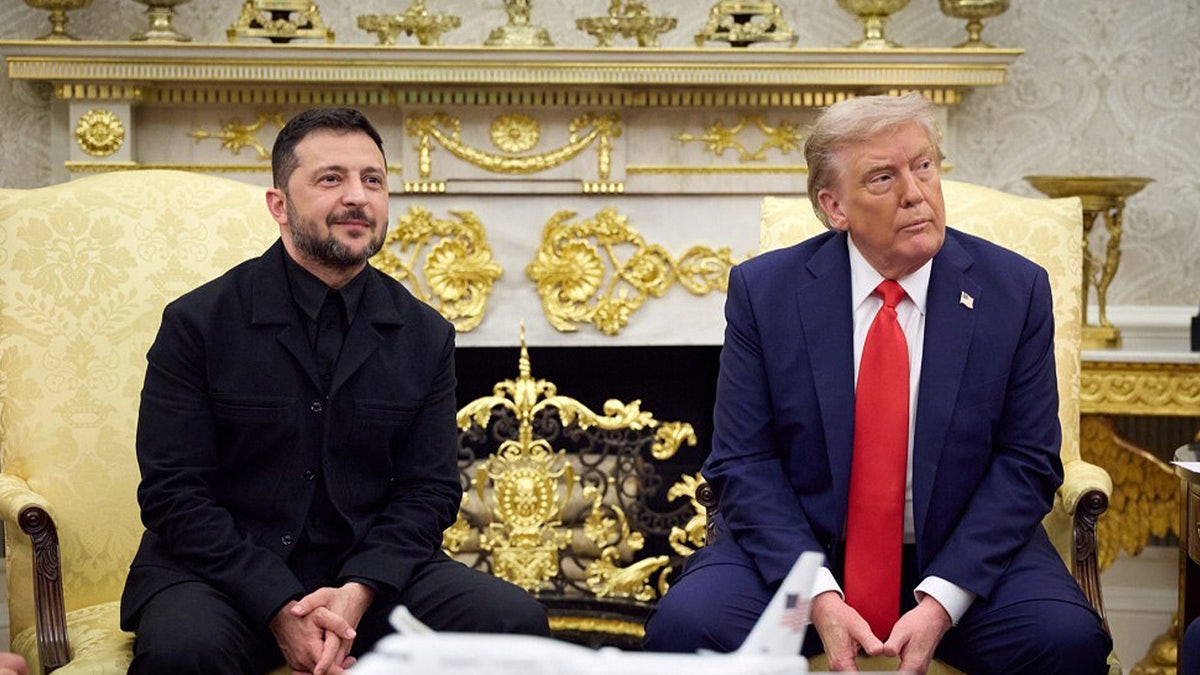
Ukrainian President Volodymyr Zelenskyy, left, meets with President Donald Trump in Washington, D.C., Aug. 19, 2025. (Ukrainian Presidency/Handout/Anadolu via Getty Images)
Reports say Russia used nearly 600 drones and more than 30 ballistic and cruise missiles in the attack this week.
Russia’s continued attacks come after Trump met with Russian President Vladimir Putin in Alaska earlier in August. Putin proposed Ukraine cede some territory in exchange for peace.
Days later, Trump hosted Ukrainian President Volodymyr Zelenskyy and several European heads of state at the White House, and he urged Ukraine to accept a land swap deal with Russia. Trump has argued that it is the most efficient way to end the war.
Trump hosted Zelenskyy along with French President Emmanuel Macron, British Prime Minister Keir Starmer, German Chancellor Friedrich Merz, Italian Prime Minister Giorgia Meloni and Finnish President Alexander Stubb.
NATO Secretary-General Mark Rutte and European Commission President Ursula von der Leyen also attended the meeting at the White House.
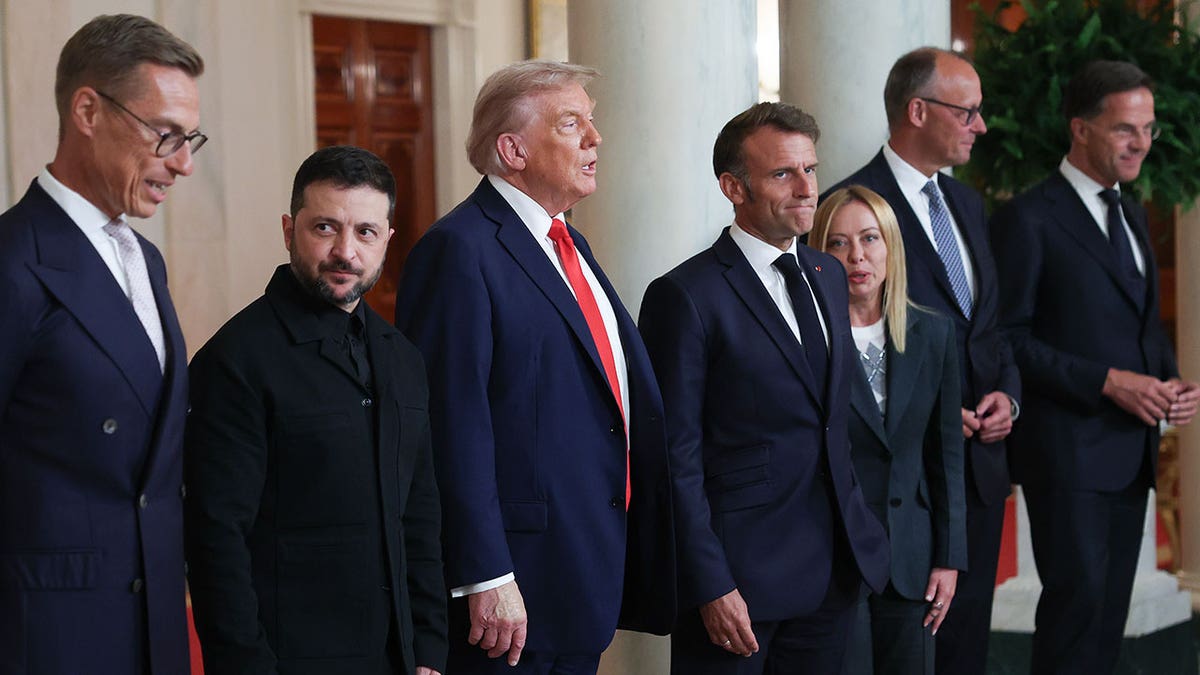
Finnish President Alexander Stubb, Ukrainian President Volodymyr Zelenskyy, President Donald Trump, French President Emmanuel Macron, Italian Prime Minister Giorgia Meloni, German Chancellor Friedrich Merz and NATO Secretary General Mark Rutte prepare to depart after a group photo prior to meeting at the White House Aug. 18, 2025, in Washington. (Win McNamee/Getty Images)
Trump is coordinating the next steps in brokering an end to the war and is encouraging Putin and Zelenskyy to meet.
Trump has said that after Putin and Zelenskyy meet, he will host a «trilat,» which will be a meeting between Putin, Zelenskyy and Trump.
«After that meeting takes place, we will have a Trilat, which would be the two Presidents, plus myself,» Trump said last week. «Again, this was a very good, early step for a War that has been going on for almost four years. Vice President JD Vance, Secretary of State Marco Rubio, and Special Envoy Steve Witkoff, are coordinating with Russia and Ukraine.»
But after the latest attack, Zelenskyy blasted Putin, saying Russia «chooses ballistics instead of the negotiating table. It chooses to continue killing instead of ending the war.
CLICK HERE TO GET THE FOX NEWS APP
«And this means that Russia still does not fear the consequences,» Zelenskyy added. «Russia still takes advantage of the fact that at least part of the world turns a blind eye to murdered children and seeks excuses for Putin.»
Zelenskyy added that it is «definitely time for new, tough sanctions against Russia for everything it is doing.
«All deadlines have already been broken, dozens of opportunities for diplomacy ruined,» he said. «Russia must feel accountable for every strike, for every day of this war. Eternal memory to all victims of Russia.»
ukraine,russia,white house,state department,marco rubio,jd vance



INTERNACIONAL
US military opens coordination center in Israel for Gaza stabilization and aid efforts amid ceasefire
NEWYou can now listen to Fox News articles!
Five days after world leaders endorsed a U.S.-brokered plan to end the Israel-Hamas war, the U.S. Central Command (CENTCOM) on Friday opened a Civil-Military Coordination Center (CMCC) in southern Israel to serve as the main hub for Gaza stabilization efforts.
The CMCC is designed to support stabilization efforts, according to a news release.
Sources told Fox News last week that roughly 200 U.S. troops had arrived in Israel, along with a C-17 transport plane packed with command-and-control equipment and supplies.
U.S. military personnel will not deploy into Gaza, focusing on facilitating the flow of humanitarian, logistical and security assistance from international counterparts into Gaza.
VANCE WARNS HAMAS AS GAZA PEACE PLAN’S CIVILIAN MILITARY COOPERATION CENTER OPENS
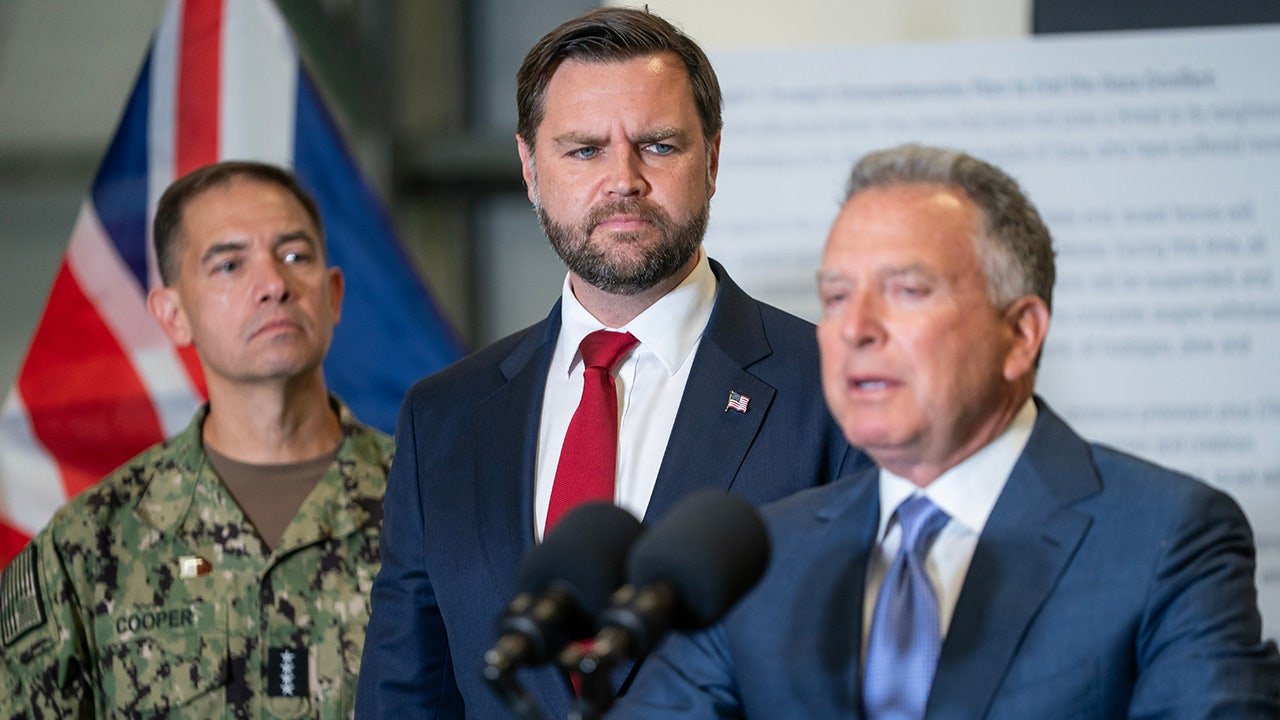
Vice President JD Vance, center, and CENTCOM Adm. Brad Cooper, left, look on as U.S. special envoy to the Middle East Steve Witkoff speaks following a military briefing at the Civilian Military Coordination Center in southern Israel Tuesday. (Nathan Howard/The New York Times via AP, Pool)
«Bringing together stakeholders who share the goal of successful stabilization in Gaza is essential for a peaceful transition,» CENTCOM commander Adm. Brad Cooper said in a news release. «Over the next two weeks, U.S. personnel will integrate representatives from partner nations, non-governmental organizations, international institutions and the private sector as they arrive to the coordination center.»
The CMCC will also oversee implementation of the ceasefire agreement with an operations floor designed to track real-time developments in Gaza.
US MILITARY TO OVERSEE NEXT PHASE OF PEACE DEAL FROM COORDINATION BASE IN ISRAEL
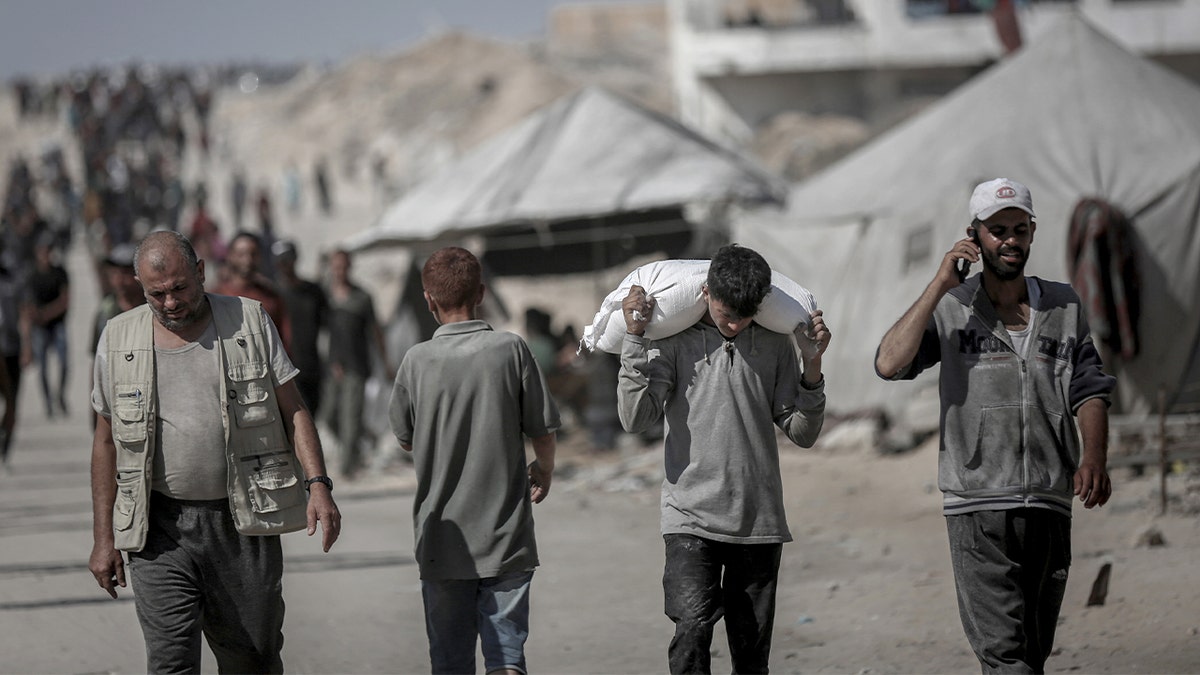
A Palestinian man collects food from a humanitarian aid distribution point in Beit Lahia, northern Gaza. (Ahmad Salem/Bloomberg via Getty Images)
Its offices and meeting spaces are structured to «foster collaborative planning among leaders, representatives and staff,» according to the release.
Fox News has learned that the CMCC will be located a few miles northeast of Gaza.
About 200 U.S. service members with expertise in transportation, planning, security, logistics and engineering established the CMCC under the leadership of U.S. Army Central commander Lt. Gen. Patrick Frank.
US SENDS CENTCOM TROOPS TO ISRAEL FOR TRUMP-BROKERED HAMAS CEASEFIRE MONITORING
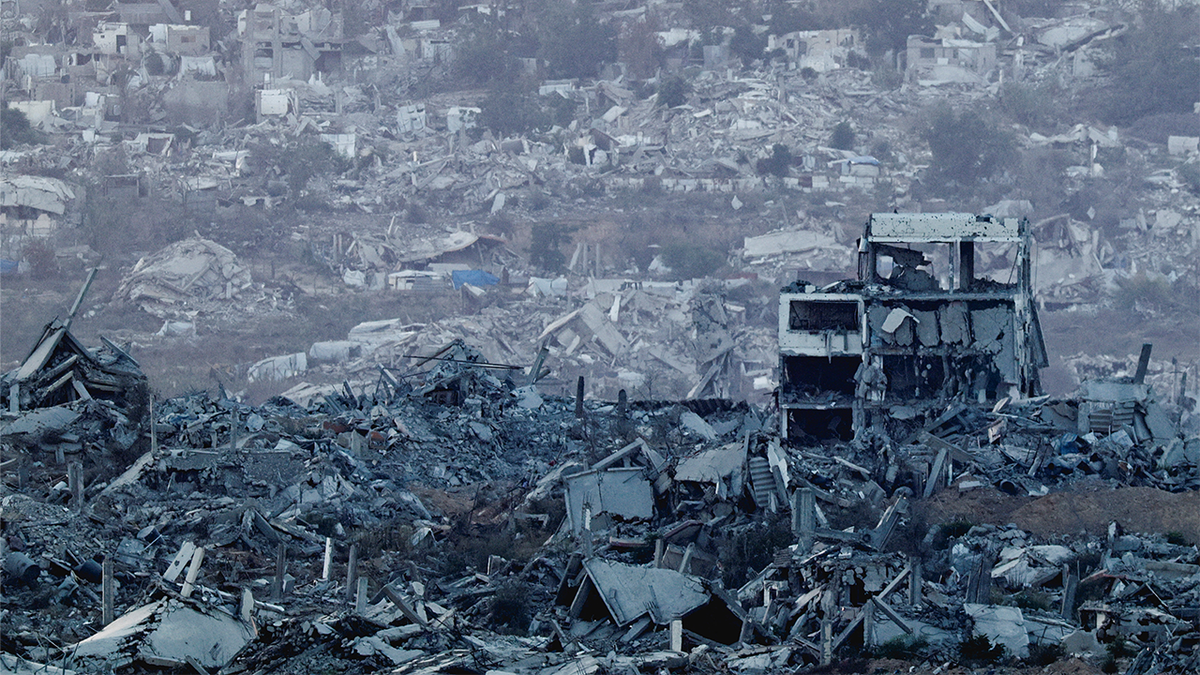
Destroyed buildings in Gaza, as seen from Israel. (Reuters)
«The team worked tirelessly to build the CMCC from the ground up,» Cooper wrote in a statement. «They can take great pride in knowing that they have built something that is critical to enabling the transition to civilian governance in Gaza.»
Due to the large tunnel network under Gaza City, tunnels will need to be filled to make the ground stable enough for construction.
CLICK HERE TO DOWNLOAD THE FOX NEWS APP
Hamas has yet to return all 28 bodies of deceased hostages, delaying the start of the next stage.
Israel, which has reiterated its commitment to recovering every hostage’s remains, received the bodies of seven identified hostages this week, along with one Palestinian mistakenly included among them.
Fox News’ Jennifer Griffin and Fox News Digital’s Rachel Wolf contributed to this report.
israel,middle east,military,world
INTERNACIONAL
El Reino Unido enviará militares a Israel para sumarse a la fuerza internacional de estabilización en Gaza
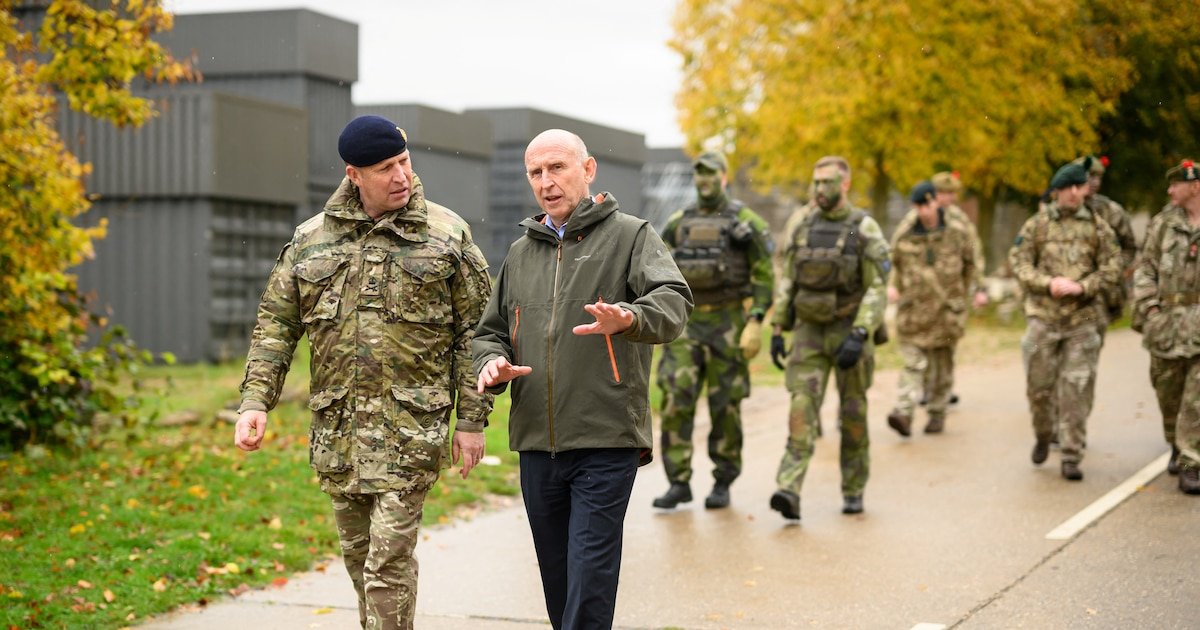
Un reducido grupo de oficiales militares del Reino Unido ha sido desplegado en Israel para integrarse en una fuerza de tarea liderada por Estados Unidos. El objetivo es apoyar los esfuerzos de estabilización en Gaza tras la entrada en vigor de una nueva tregua entre Israel y el grupo terrorista Hamas.
Según un portavoz del Ministerio de Defensa del Reino Unido, la decisión responde a una solicitud explícita de las autoridades estadounidenses y busca que el país permanezca integrado en los trabajos internacionales para garantizar la estabilidad posconflicto en la región.
De acuerdo con información difundida por el Ministerio de Defensa de Reino Unido y citada por medios británicos, los enviados corresponden a un cuerpo de “un pequeño número de oficiales de planificación”, entre los que se incluye un comandante de dos estrellas que ocupará el puesto de subcomandante del Centro de Coordinación Civil-Militar (CMCC, por sus siglas en inglés). Esta fuerza, coordinada principalmente por el ejército estadounidense, tiene el objetivo de asegurar la estabilidad y la monitorización del alto el fuego en el enclave palestino, aunque aún no se han definido en detalle cuál será su composición exacta, su papel específico, la cadena de mando ni su estatuto jurídico.
La participación militar británica se limita actualmente a funciones de asesoramiento y planificación en el CMCC, sin un mandato para desplegar tropas directamente en Gaza. Un portavoz del Ministerio de Defensa del Reino Unido afirmó en un comunicado que la iniciativa “busca mantener la integración en los esfuerzos de planificación guiados por Estados Unidos para la estabilidad posconflicto en Gaza”, y aseguró que Londres “sigue trabajando con socios internacionales para respaldar el alto el fuego y evaluar la mejor contribución que puede desempeñar en el proceso de paz”.
En declaraciones recogidas por la prensa británica, el ministro de Defensa británico, John Healey, detalló que el Reino Unido aporta “experiencia y capacidades especializadas” para cooperar en la operación. Healey subrayó que el país no lidera el esfuerzo, pero sí “cumple con su papel”, tras confirmar que la participación responde a una petición formal de Estados Unidos. Desde Londres, el ministro matizó que el Reino Unido desempeña una función “de anclaje” con el envío de personal de alto rango, pero que el liderazgo recae en los socios estadounidenses y mediadores internacionales como Egipto, Qatar y Turquía.
Esta decisión se produce apenas diez días después de que la ministra de Exteriores británica, Yvette Cooper, descartara públicamente planes para enviar tropas a Medio Oriente y un día después de declarar que cualquier despliegue futuro requeriría una inversión significativa.

Por parte de la administración estadounidense, el vicepresidente JD Vance reiteró en una conferencia de prensa en Kiryat Gat, al sur de Israel, que no está prevista la entrada de efectivos estadounidenses en Gaza. “No habrá soldados estadounidenses sobre el terreno en Gaza. El presidente de Estados Unidos, Donald Trump, lo ha dejado muy claro. Nuestro mando militar lo ha confirmado en repetidas ocasiones”, afirmó Vance, añadiendo que la contribución de Washington se centrará en una “coordinación útil”.
Vance, optimista sobre el mantenimiento de la tregua, explicó que, aunque se han producido episodios violentos recientes —Israel denunció el asesinato de dos soldados y respondió con bombardeos que dejaron decenas de víctimas palestinas, según el Ministerio de Salud de Gaza—, confía en la continuidad del alto el fuego, vigente desde el 10 de octubre. El alto el fuego es el tercero tras dos años de enfrentamiento, iniciado por el ataque de Hamas el 7 de octubre de 2023.
En el marco del acuerdo promovido por Trump, Hamas liberó a 20 rehenes que mantenía cautivos desde el ataque inicial y se comprometió a entregar los cuerpos de los fallecidos, aunque hasta ahora solo ha podido devolver parte de ellos debido a las dificultades para localizarlos en Gaza, devastada por hostilidades continuas. El grupo terrorista ha expresado su intención de entregar más cuerpos en las próximas horas y manifestó su firme voluntad de mantener el pacto.
El plan de alto el fuego contempla una hoja de ruta para el futuro de Gaza que incluye la retirada parcial de tropas israelíes hasta la llamada “Línea Amarilla”, dejando bajo control israelí aproximadamente la mitad del territorio, sobre todo fronteras. En fases posteriores se prevé el desarme completo de Hamas y la exclusión del grupo de cualquier función de gobierno local, aunque de momento no se ha fijado un plazo definitivo para su cumplimiento.
(Con información de AFP, EFE y Reuters)
International,Relations,Diplomacy / Foreign Policy,Middle East
NEWYou can now listen to Fox News articles!
FIRST ON FOX: A group of House Republicans is raising concerns about the potential effects of the U.S. importing Argentinian beef after President Donald Trump floated the idea earlier this week.
Rep. Julie Fedorchak, R-N.D., is leading seven other House GOP lawmakers in a letter to the president on Tuesday evening, warning the potential plan has rattled the multibillion-dollar American ranching industry.
«America’s cattle producers are among the most resilient and hardworking in the nation,» the Republicans wrote. «Collectively, the cattle industry supports thousands of jobs across our districts and contributes $112 billion to rural economies nationwide.»
«In recent days, we have heard strong concerns from producers regarding reports that the U.S. may import beef from Argentina.»
HOUSE PASSES TRUMP-BACKED PLAN TO AVERT GOVERNMENT SHUTDOWN
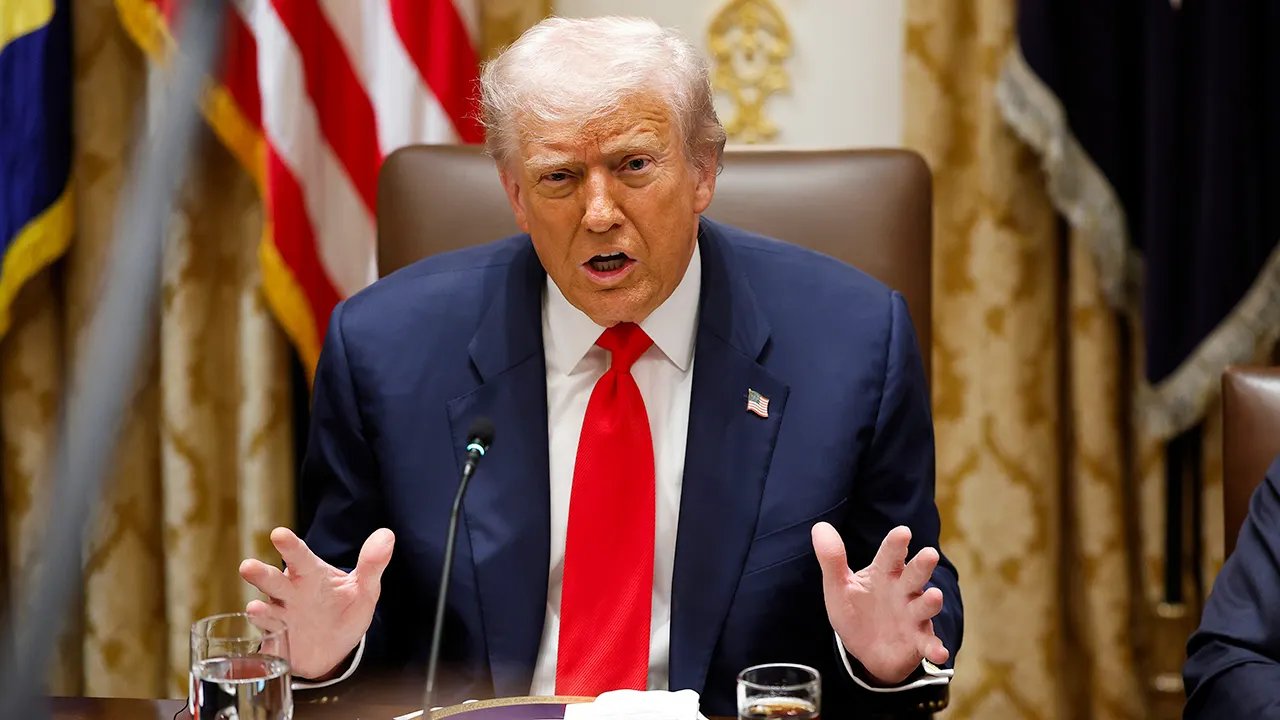
President Donald Trump speaks during a meeting with President of Argentina Javier Milei in the Cabinet Room at the White House in Washington, Oct. 14, 2025. (Kevin Dietsch/Getty Images)
The House Republicans acknowledged the «importance of strong trade relationships and diverse markets» but added that beef producers in their districts «are seeking clarity on how this decision will be made, what safety and inspection standards will apply, and how this policy aligns with your administration’s commitment to strengthening American agriculture.»
Trump suggested Sunday that buying beef from Argentina could help lower prices for Americans at home, amid a wider promise to lower costs for U.S. citizens.
«One of the things we’re thinking about doing is beef from Argentina,» Trump told reporters aboard Air Force One.
He later elaborated in his conversation with reporters, «We would buy some beef from Argentina. If we do that, that will bring our beef prices down.»
«Our groceries are down, our energy prices are down. I think we’re going to have $2 gasoline pretty soon. We’re getting close and everything’s down. The one thing that’s kept up is beef,» Trump said.
He added that it would not be «that much» but argued it would help Argentina, a U.S. ally, as well.
58 HOUSE DEMS VOTE AGAINST RESOLUTION HONORING ‘LIFE AND LEGACY’ OF CHARLIE KIRK

Cattle drive to Centennial Ranch, San Juan Mountains, Colorado. (Joe Sohm/Visions of America/Universal Images Group via Getty Images)
But the House Republicans questioned whether imported beef would be held to the same food safety and animal health requirements as that of the U.S., which they called «the gold standard.»
«Any import policy must hold foreign suppliers to those same rigorous standards. Introducing beef from countries with inconsistent safety or inspection records could undermine the confidence that U.S. ranchers have worked decades to earn,» the lawmakers warned.
«We respectfully request additional information on this matter and urge your administration to ensure that any future decisions are made with full transparency, sound science, and a firm commitment to the U.S. cattle industry. America’s producers can compete with anyone in the world. If given an opportunity, they will continue to respond quickly to the market demand for more quality American beef in our grocery stores.»
In addition to Fedorchak, the letter is also signed by Reps. Michelle Fischbach, R-Minn., Troy Downing, R-Mont., Gabe Evans, R-Colo., Dusty Johnson, R-S.D., Derek Schmidt, R-Kan., Jeff Hurd, R-Colo., and Republican Study Committee Chair August Pfluger, R-Texas.
White House spokesman Kush Desai told Fox News Digital in response, «The Trump administration remains committed to addressing the needs and concerns of American cattle producers and safeguarding their interests at home and abroad. That’s why the administration has secured billions in new export opportunities for American agricultural products in our historic trade deals with the UK, Japan, the EU, and others.»
«It’s also why the administration is focused on reversing a prolonged decrease in the supply of live cattle by growing American cattle herds with robust action to deliver disaster relief to cattle country, support new ranchers, and reduce risk for cattle producers,» Desai said.
Trump’s proposal has stirred some anxiety among some Republicans whose constituencies depend on cattle ranching.
Sen. Deb Fischer, R-Neb., posted on X Tuesday, «If the goal is addressing beef prices at the grocery store, this isn’t the way.»
«The U.S. has safe, reliable beef, and it is the one bright spot in our struggling ag economy. Nebraska’s ranchers cannot afford to have the rug pulled out from under them when they’re just getting ahead or simply breaking even,» Fischer wrote.
Meanwhile, Fox News Digital was told that Rep. Harriet Hageman, R-Wyo., also raised significant concerns about what importing beef from Argentina could do to the U.S. cattle ranching industry during a call with fellow House Republicans on Tuesday.
CLICK HERE TO GET THE FOX NEWS APP
But some Republican responses were more muted. Sen. Markwayne Mullin, R-Okla., told reporters that Trump «definitely identified a problem» regarding a shortage of cattle in the U.S. He added, «I understand what he’s trying to get done. I think there’s more ways to implement it.»
Fedorchak herself told Fox News Digital, «We’ve all received a number of questions and calls from our constituents over the last few days, so we are asking for clarity on the administration’s long-term plans. Our farmers and ranchers stand ready to deliver on the president’s America-First agenda. North Dakotans take great pride in producing the safest, highest-quality beef in the world — and we should be building on that success.»
house of representatives politics,politics,donald trump,republicans

Encuestas de la elección en la provincia de Buenos Aires 2025: quién gana, según los últimos sondeos

Cómo es y qué información brinda la plataforma de la UBA creada para las elecciones legislativas

Hard Rock Café abre un nuevo restaurant en una exclusiva zona del Gran Buenos Aires

El elogio del arquero del Arsenal a Julián Álvarez

Los creadores de Call of Duty preparan cambios clave para Black Ops 7 antes de su lanzamiento, y uno de ellos es sobre la ayuda al apuntado

L-Gante tras la estafa de su ex manager: está en bancarrota y contó su mayor miedo

Un juez federal rechazó el habeas corpus presentado por Lázaro Báez y ordenó trasladarlo a la cárcel de Ezeiza

La fuerte actitud de Manu Urcera con Indiana Cubero que reveló la verdad de la interna familiar: “El saludo del piloto a la hija de Nicole Neumann por su cumpleaños”

“El Pollo” Carvajal revela cómo Chávez pagaba a Kirchner, Lula y Petro con dinero del narcotráfico

La cruda confesión del Turco Naim a 1 año de la separación de Emilia Attias: «Me di cuenta que hay que aprender a estar solo»

 CHIMENTOS3 días ago
La fuerte actitud de Manu Urcera con Indiana Cubero que reveló la verdad de la interna familiar: “El saludo del piloto a la hija de Nicole Neumann por su cumpleaños”
- POLITICA3 días ago
“El Pollo” Carvajal revela cómo Chávez pagaba a Kirchner, Lula y Petro con dinero del narcotráfico
- CHIMENTOS2 días ago
La cruda confesión del Turco Naim a 1 año de la separación de Emilia Attias: «Me di cuenta que hay que aprender a estar solo»