INTERNACIONAL
Greta Thunberg flotilla won’t be unloading anything on Gaza’s beaches, warns expert


NEWYou can now listen to Fox News articles!
Humanitarian aid transported by Greta Thunberg’s second flotilla won’t even reach Gaza because of a lack of docking facilities and Israel’s «lawful» blockade, a maritime expert has said.
As the Swedish activist’s boats left Barcelona Sunday, Thunberg was joined by figures, including Game of Thrones actor Liam Cunningham and former Barcelona mayor Ada Colau.
The Global Sumud Flotilla, consisting of about 70 boats, is carrying aid including food, water and medicine and hoping to bring this to civilians in the Gaza Strip.
The flotilla is expected to be joined by more boats before they reach Gaza around Sep. 14 or 15.
ISRAEL BLOCKS HUMANITARIAN AID INTO GAZA AFTER HAMAS REJECTS CEASEFIRE EXTENSION PROPOSAL
Swedish climate activist Greta Thunberg waves from a boat taking part in a civilian flotilla bound for Gaza, aiming to break the Israeli blockade and deliver humanitarian aid, in Barcelona, Spain, Sunday, Aug. 31, 2025. (AP Photo/Emilio Morenatti)
«The whole world knows that this is coming and the IDF is going to maintain a security perimeter out in the water to protect the beaches of Gaza,» Professor James Kraska, S.J.D., told Fox News Digital.
«There aren’t any port facilities in this area to unload anything and Gaza lacks a port sufficient to receive such a large flotilla. There’s a small fishing port, but that’s inadequate.
«The U.S. built a temporary port at considerable expense, about $200 million, and dismantled it because the weather and meteorology in the area made it unsustainable,» the U.S. Naval War College professor confirmed.

Greta Thunberg waves as she joins a flotilla heading for Gaza with aid. (AP)
Thunberg’s second attempt at leading a flotilla comes amid the ongoing war in Gaza City that has killed more than 63,000 people.
GRETA THUNBERG DEPORTED FROM ISRAEL AFTER GAZA-BOUND ‘SELFIE YACHT’ WAS SEIZED

Greta Thunberg stands near a Palestinian flag after boarding the Madleen boat and before setting sail for Gaza along with activists of the Freedom Flotilla Coalition in June. (AP)
At a press conference in Barcelona before she left, Thunberg framed the mission as an act of survival.
«The story here is about Palestine. The story here is how people are being deliberately deprived of the very basic means to survive,» Thunberg said, alleging that Israel was violating international law by «unlawfully intercepting boats in international waters» and preventing humanitarian aid from reaching civilians.
This is not Thunberg’s first attempt at delivering aid. In June, she was deported after her ship, the Madleen, was stopped by Israeli forces along with 11 others on board.
FOX NEWS ‘ANTISEMITISM EXPOSED’ NEWSLETTER: GRETA’S ANTI-ISRAEL STUNT GOES AWRY

Israel said it deported Swedish climate activist Greta Thunberg. (Courtesy)
Professor Kraska emphasized that having Israel’s blockade is a lawful operation during an armed conflict to prevent vessels entering, but it must meet certain requirements, including notice, effectiveness, and impartial enforcement.
«Ultimately, there is authority for Israel to defend the blockade,» Kraska said. «But it’s not just the law — politics and practical realities are involved as well. Both sides are weighing those dimensions.
«Israel, however, maintains that its maritime security operations, which look like a blockade, are a lawful measure of war and will act to prevent ships from docking.
CLICK HERE TO GET THE FOX NEWS APP
«There is not one controlling narrative: there is international law, the political situation and the tactical dimension,» he added.
greta thunberg,middle east,israel








INTERNACIONAL
La cara oculta de Berlín durante la segunda guerra mundial: arte, fiestas y supervivencia

A los autócratas les gusta ser amados. En los primeros días de la invasión nazi a Polonia en 1939, los propagandistas alemanes alardeaban sobre la “apasionada devoción” de los berlineses por su Führer. Sin embargo, observadores atentos notaron una apatía inesperada que se asentó sobre la capital. El periodista estadounidense William Shirer, radicado en Berlín, reportó que no presenció “ninguna emoción, ningún hurra, ningún aplauso”. Ni siquiera detectó odio hacia los enemigos británicos y franceses.
En realidad, los dictadores prosperan no gracias al amor, sino a la indiferencia. Como muestra Ian Buruma en Stay Alive, su historia concisa y relevante sobre el Berlín en tiempos de guerra, los regímenes se alimentan de la tibia respuesta ante la violencia y de los miles de compromisos diarios que los ciudadanos adoptan para sobrevivir. La mayoría de las personas en el Berlín de la guerra, escribe Buruma, “no eran cínicas, ni abusivas, ni fanáticas; simplemente se adaptaban”. Su historia funciona como advertencia sobre la “tentación de mirar hacia otro lado” ante la deriva hacia la autocracia.
Durante los años de la guerra, los berlineses convirtieron el “mirar hacia otro lado” en una forma de arte. Se distraían con películas, conciertos y desfiles de moda. Algunos buscaban consuelo en vinos finos que los alemanes habían obtenido de Francia; otros conseguían café y pasteles racionados. “Por el precio adecuado, se puede conseguir cualquier cosa”, escribió el autor Erich Kästner en su diario en el invierno de 1941. “Todo está en venta”. Hasta 1944, los espectadores seguían llenando las gradas para ver partidos de fútbol, aunque fuera en campos llenos de cráteres.

La mercancía esencial era las Beziehungen: influencias. Quienes tenían buenas conexiones dentro de la jerarquía nacionalsocialista gozaban de mayor poder. La promesa de influencia transformó aspectos fundamentales de la identidad personal. Buruma cita el caso de Erich Alenfeld, un judío convertido al cristianismo, quien escribió una carta a Hermann Göring en 1939 ofreciéndose como voluntario para el ejército alemán; su hijo luego ingresó a las Juventudes Hitlerianas. Estas transformaciones no siempre fueron acomodos cínicos. También respondían al espíritu nacionalista de la época. Personas como los Alenfeld, según Buruma, “estaban tan influidas por el romanticismo alemán como cualquier otro de su generación”.
Cuando el escapismo y el patriotismo no bastaban, quedaba el exilio, una opción popular entre literatos alemanes de distintas tendencias políticas. Bertolt Brecht, dramaturgo de izquierda, y Thomas Mann, novelista antes conservador, abandonaron el país en 1933 al llegar los fascistas al poder. Mann fue muy crítico con quienes decidieron quedarse. Todo lo publicado en Alemania entre 1933 y 1945, afirmaba, tenía el aroma “de sangre y vergüenza”.
El director de orquesta Wilhelm Furtwängler se decía ante todo artista —“unpolitisch”, en el idioma de la época—. Permaneció en Alemania y, pese a su oposición al Reich, dirigió la Filarmónica de Berlín en 1942 durante el cumpleaños número 53 de Hitler. La marca de sangre y vergüenza lo persiguió el resto de su vida. Tras la guerra, cuando le ofrecieron dirigir la Orquesta Sinfónica de Chicago, su contemporáneo italiano Arturo Toscanini y otros se opusieron. La sinfónica retiró la oferta.

Muchos alemanes, en realidad, no tenían alternativa. Los impuestos de salida para residentes judíos hacían que emigrar resultara costoso. En su lugar, se vieron forzados a huir al submundo berlinés. La capital de los años 40 estaba apenas a una o dos décadas de distancia de la Babilonia berlinesa de la era de Weimar. Familias alquilaban habitaciones en burdeles y se escondían en billares de mala reputación. Esta situación las hacía vulnerables a la extorsión sexual. Estos refugiados domésticos se autodenominaban “U-boats”, sumergidos bajo la superficie de la sociedad.
El propio padre de Buruma, Leo, pasó parte de la guerra en Berlín, esquivando bombardeos aliados e intentando encontrar su equilibrio entre la resistencia y la supervivencia. Leo había sido obligado a trasladarse de los Países Bajos a Alemania, donde trabajó en una fábrica que producía frenos para locomotoras y también ametralladoras ligeras. Recordaba ver los bombarderos aliados brillando en el cielo como un banco de peces plateados. Las bombas de un ataque rompieron una tubería de gas y causaron heridas a su novia. Durante el resto de su vida, cuenta Buruma, su padre no soportó el sonido de los fuegos artificiales.
El relato de Buruma se apoya en anécdotas y fuentes primarias, pero carece de grandes ideas estructuradas. Exeditor de The New York Review of Books, es un autor habituado a la historia intelectual; publicó un estudio reciente sobre el filósofo Baruch Spinoza. Tal vez por eso, entre los detalles del Berlín en guerra que aparecen en “Stay Alive”, surge el deseo de que profundice más. Alemania en la primera mitad del siglo XX fue un crisol para los grandes debates entre arte y política. El volumen se beneficiaría de una exposición más estructurada y de mayor contexto.

Al final de la guerra, la ideología elevada se había transformado en nihilismo. Los berlineses enfrentaban peligros en todos los frentes. Mientras la dirigencia nazi se entregaba a orgías finales bañadas en alcohol, los “U-boats” humanos debían ocultarse de los “perros encadenados” del Reich, matones que arrestaban y ejecutaban a cualquiera mayor de 15 años que se negara a luchar. Los habitantes de la ciudad sufrían la llegada de las tropas soviéticas; más de 100,000 mujeres y niñas de Berlín fueron violadas. Buruma entrevistó a una sobreviviente en una residencia asistida, quien relató que fue violada dos veces por soldados rusos cuando tenía solo 14 años.
Un valor central del libro de Buruma son sus entrevistas con sobrevivientes, un grupo que desaparece con rapidez. Alguien que tenía 10 años en 1945 hoy tendría 91. En ese sentido, el título “Stay Alive” adquiere un significado adicional. Su historia preserva un mundo que se desvanece de la memoria viva. Aunque la memoria puede alimentar el ultranacionalismo, también puede servir como herramienta de reconciliación. Buruma define su libro como una especie de “carta de amor” a la ciudad, un desafío propio al poder corrosivo de la indiferencia.
Fuente: The New York Times

Democratic divide expands ahead of 2026 midterms
Former U.S. Transportation Secretary Pete Buttigieg joins ‘Saturday in America’ to discuss the 2026 midterm elections, the growing rift between Democrats as socialism gains favor, intensifying anti-ICE protests and Nicolás Maduro’s capture.
NEWYou can now listen to Fox News articles!
Chicago City Treasurer Melissa Conyears-Evrvin failed to defeat a crowded field of Democratic candidates Tuesday for a deep-blue House seat, despite the American Israel Public Affairs Committee (AIPAC) spending aggressively to put her over the top.
Conyears-Ervin’s loss represents a notable defeat for the pro-Israel group, which frequently intervenes in Democratic primaries.
State Rep. LaShawn Ford, D-Ill., won the 13-way primary ballot after weathering a torrent of attack ads powered by the cryptocurrency industry. Ford touted the endorsement of Rep. Danny Davis, D-Ill, who represented the district incorporating parts of the city’s South Side and western suburbs for nearly three decades.
AIPAC and its affiliates spent more than $5 million boosting Conyears-Ervin. The Chicago Democrat also had the support of the city’s influential teachers’ unions and the cryptocurrency industry.
Chicago City Treasurer Melissa Conyears-Evrvin is backed by the American Israel Public Affairs Committee (AIPAC). (Getty Images)
Ford’s GOP opponent will face a steep battle to win the general election in the Democrat-heavy district. In 2024, former Vice President Kamala Harris won more than 80% of the vote in the district, where Black Americans constitute a plurality.
Conyears-Ervin previously came up short in a primary challenge against Davis in 2024, though her campaign was marred by allegations that she misused city funds for personal use and retaliated against whistleblowers. The Chicago Democrat paid a $30,000 fine in 2025 to resolve the charges brought by a city ethics panel.
AOC RAISING MONEY BY USING PRO-ISRAEL GROUP’S ATTACK ON HER ‘SQUAD’ ALLY
Eleven other Democratic candidates were on the ballot in a free-for-all contest to replace Davis.
Jason Friedman, a real estate developer and philanthropist, also failed to receive a sizable share of votes despite outraising the field. AIPAC’s main super PAC spent tens of thousands of dollars attacking his candidacy.
Progressive activist Kina Collins and several other left-wing candidates appeared to split the vote among voters hailing from the party’s leftward flank.
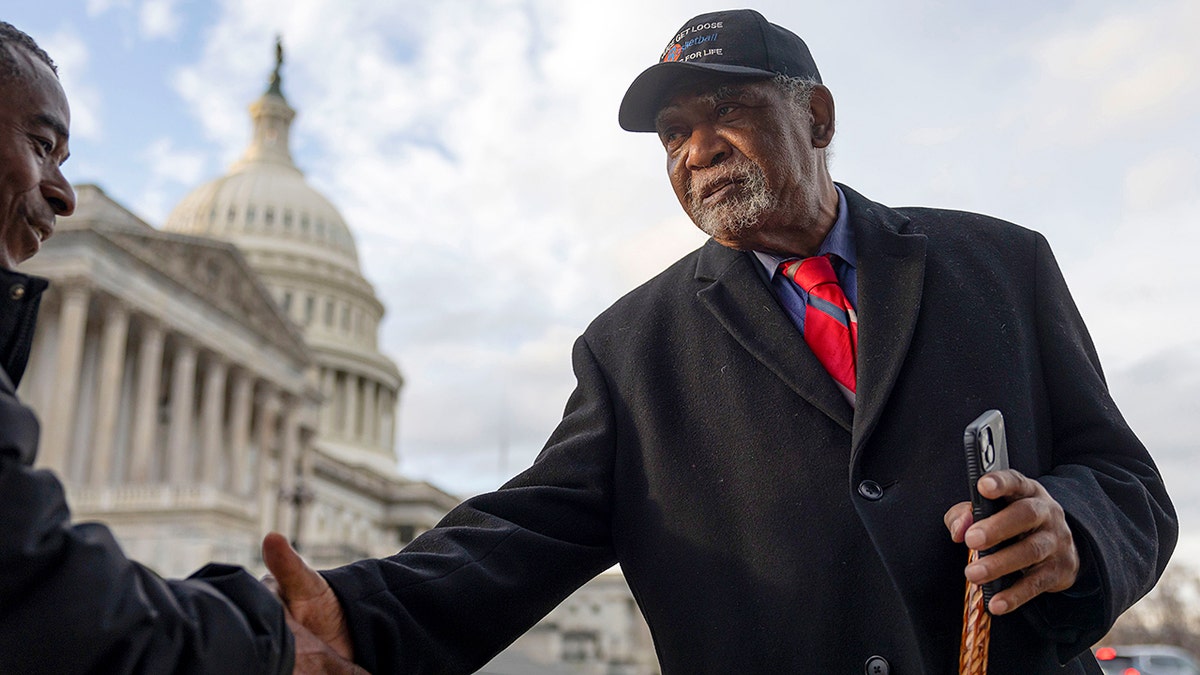
Rep. Danny Davis, D-Ill., passed on running for re-election after representing a Chicago-based House seat since 1997. (Brian Cassella/Chicago Tribune/Tribune News Service via Getty Images)
WHERE SANDERS AND AOC BACKED PROGRESSIVE CONGRESSIONAL CANDIDATE ANALILIA MEJIA STANDS ON KEY ISSUES
AIPAC, a frequent player in congressional races, has had mixed success intervening in 2026 primaries so far.
In February, the group was successful in torpedoing former Rep. Tom Malinowski’s comeback bid in a New Jersey special election, but a Democrat with even more hostile views toward Israel narrowly won the primary. That candidate, Analilia Mejia, who is endorsed by Sen. Bernie Sanders, I-Vt., and Rep. Alexandria Ocasio-Cortez, D-N.Y., is on track to win the general election in April in the Democrat-held seat.
The group also spent heavily against several other Illinois Democrats running in other primary contests who have views critical of Israel, including media personality Kat Abughzaleh.

Analilia Mejia secured the Democratic Party nomination in a special election to find out who will take over newly elected New Jersey Gov. Mikie Sherrill’s vacant House seat. (Heather Khalifa/Bloomberg via Getty Images)
CLICK HERE TO DOWNLOAD THE FOX NEWS APP
Conyears-Ervin has served as Chicago’s city treasurer since 2019 and previously did a one-term stint in the state legislature.
Chicago has faced an array of fiscal challenges during Conyears-Ervin’s tenure. Two rating agencies downgraded Chicago’s credit rating in February over the city’s sizable budget deficits.
midterm elections,chicago,congress,democrats,politics
INTERNACIONAL
El incómodo encuentro de Donald Trump con el primer ministro de Irlanda en pleno Salón Oval



Vítolo renunció a la IGJ: lamentó no haber podido culminar su tarea contra ámbitos “considerados intocables”

El Senado debatirá hoy la continuidad del juez Carlos Mahiques y la designación de Crexell como embajadora

Yanina Latorre contó lo que no se vio de la feroz pelea de dos panelistas: “Se fueron a las manos”

La motosierra de Milei pierde efectividad: ¿peligra superávit fiscal?

Seis hombres armados roban en la casa de El Aynaoui, jugador de la Roma, con él y su familia en el interior

Cierran una barrera clave en la ciudad desde este miércoles para construir un paso bajo nivel: cuánto durará la obra

TRAICIÓN Y ÉXODO: La promesa rota de Monteoliva que desató una ola masiva de bajas en la Policía Federal

La fuerte exigencia a Mauro Icardi para poder ver a sus hijas con Wanda Nara: “A Maurito se lo va a multar si no lleva a las menores al colegio”

BOMBAZO – Guerra abierta: Feinmann y Rossi contraatacan tras la denuncia de Victoria Villarruel

Insólito: un esquiador británico terminó la Copa del Mundo de Oslo bajo los efectos del alcohol

 POLITICA1 día ago
TRAICIÓN Y ÉXODO: La promesa rota de Monteoliva que desató una ola masiva de bajas en la Policía Federal
- INTERNACIONAL1 día ago
Insólito: un esquiador británico terminó la Copa del Mundo de Oslo bajo los efectos del alcohol
- POLITICA1 día ago
Adorni se disculpó por el viaje de su esposa: “Fue una pésima decisión, más allá de que no generó gasto para el Estado”