INTERNACIONAL
Army secretary reveals how Rangers bypass Pentagon red tape to counter exploding drone threat

NEWYou can now listen to Fox News articles!
EXCLUSIVE: Army Secretary Dan Driscoll said U.S. soldiers are improvising with government credit cards to buy and test battlefield gear as they adapt to the exploding drone threat — as the Army shifts its long-term posture toward countering China in the Indo-Pacific.
In an interview with Fox News Digital, Driscoll described how elite units like the 75th Ranger Regiment are bypassing the Pentagon’s cumbersome procurement system to test new drones, sensors and weapons in real time. At the same time, he said the Army is aligning with the Pentagon’s assessment of China as the nation’s «pacing threat,» building a force optimized for the Indo-Pacific but still capable of deploying worldwide at a moment’s notice.
After a visit with the regiment at Hunter Army Airfield in Savannah, Georgia, on Tuesday, Driscoll said Rangers «basically just use their corporate credit card to go online and purchase things to test, and they will find what works.»
«They’ll do a lot of that outside the traditional procurement process. That flexibility lets them innovate and test at a speed that’s just really hard to do in the conventional force,» he added.
‘THRILLED TO BE HERE’: ARMY SECRETARY SAYS GUARD TROOPS EAGER FOR DC CRIME FIGHT
Army Secretary Dan Driscoll tours Hunter Army Airfield in Savannah, Ga. (Spc. Luke Sullivan/75th Ranger Regiment )
Driscoll described the 75th Ranger Regiment as «live G.I. Joe dolls.» Watching them train in close-quarters battle, he said, you can’t help but notice their sheer size and physicality as they wedge themselves through doorways during room-clearing drills. That raw power, he added, is a reminder of why the U.S. invests so heavily in maintaining elite infantry forces.
But even America’s premier ground fighters are being forced to rethink how they operate. Driscoll said the age of slipping silently onto an objective under cover of night — fast-roping from a Black Hawk, breaching doors, and overwhelming defenders — is vanishing.
The spread of cheap battlefield technology, from drones to acoustic sensors to loitering munitions, has made stealth insertions far more difficult. «We don’t really own the night like we used to,» he said, noting that night-vision gear and detection tools that were once expensive and rare are now accessible to adversaries at scale.
That shift, he argued, has turned special operators into improvisers. Rangers and other elite units are now experimenting with disposable drones, commercial quadcopters and custom-built weapons to stay ahead.
Unlike conventional forces bound by long acquisition cycles, these units have the flexibility to innovate quickly.
The idea is for Rangers to test rapidly, see what works, and then pass those lessons along to the rest of the Army.
The problem, he acknowledged, is what comes next. While small-unit experimentation is thriving, scaling those solutions across the broader force runs headlong into bureaucratic red tape.
HEGSETH TEARS UP RED TAPE, ORDERS PENTAGON TO BEGIN DRONE SURGE AT TRUMP’S COMMAND

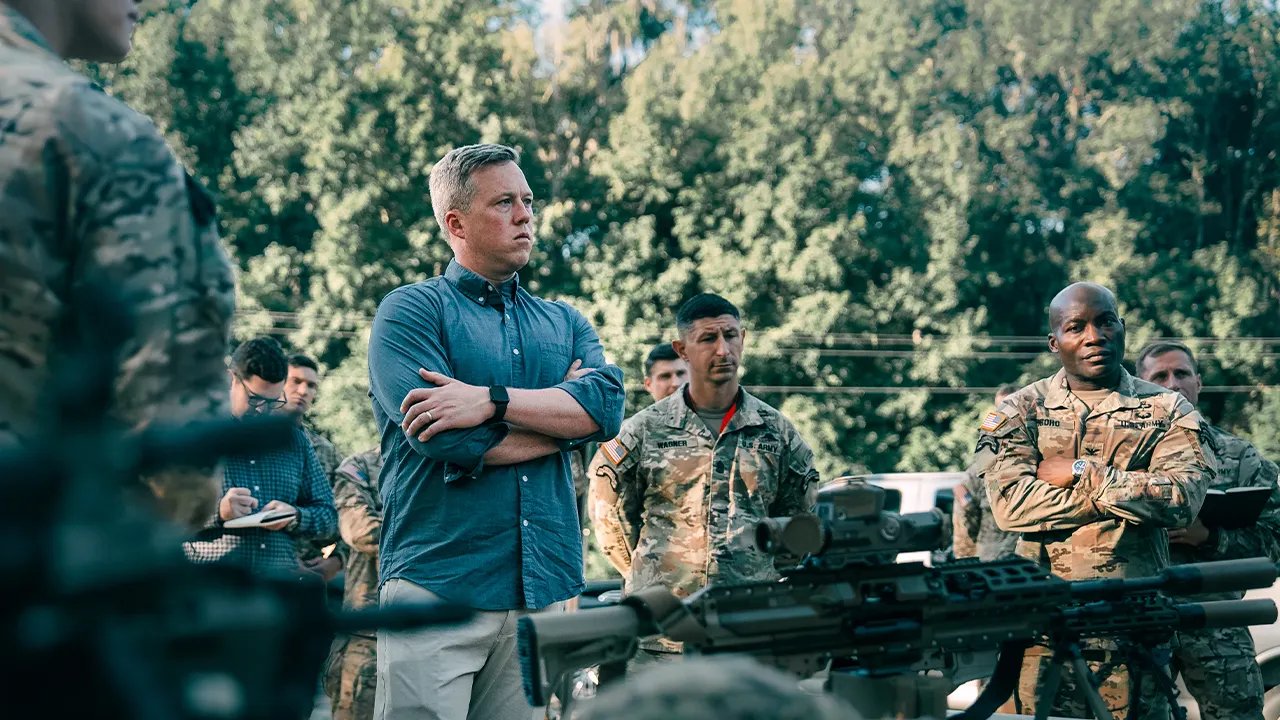
Army Secretary Dan Driscoll meeting with Rangers at Hunter Airfield. (Spc. Luke Sullivan/75th Ranger Regiment)
Driscoll pointed out that Congress once gave the Army a dozen broad funding categories it could move money between — say, vehicles in one bucket, drones in another. Today, he said, there are more than 1,400 narrowly drawn «buckets,» some tied to specific makes and models, making it nearly impossible to pivot quickly. That rigidity might not matter for tanks or trucks, but with drone technology evolving every few weeks in Ukraine, he said, the Army risks falling behind.
Driscoll visited the airfield just weeks after a shooting on base at Fort Stewart, where Hunter is located. He met with students of the criminal investigation division (CID), which is currently leading the probe into the shooting. Five soldiers were injured after a sergeant allegedly opened fire with a personal handgun he brought on base.
While he praised the CID’s «speed and professionalism» with the investigation, Driscoll added, «The Army wants zero of these incidents, and so we are looking at everything we can to try to ensure it never happens again.»
Driscoll spoke with Fox News Digital ahead of an expected global force posture review set for late summer or early fall. That review may lead to sizable shifts in the number of troops deployed at bases throughout Europe, the Middle East or the Indo-Pacific.
Driscoll said the Army is aligning itself with the Pentagon’s assessment of China as the nation’s «pacing threat.»
He emphasized that the service is designing its force to be effective in the Indo-Pacific — particularly in providing the logistics, sustainment and long-term presence needed to deter or fight a peer competitor.
At the same time, Driscoll cautioned against focusing too narrowly on one theater. «Human history has been pretty difficult to predict where the next conflict may unfold,» he said, stressing that the Army must remain capable of deploying anywhere the president and defense secretary direct. That flexibility, he argued, is a defining feature of land power.
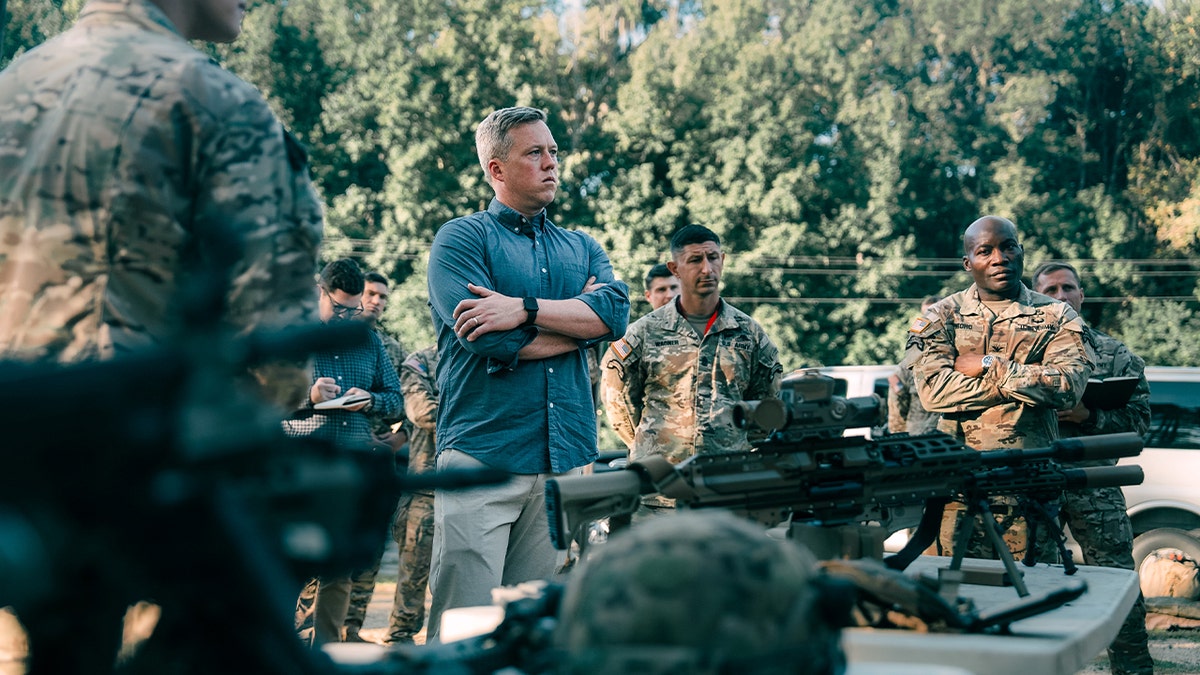
Army Sec. Dan Driscoll observes Ranger training at Hunter Army Airfield. (Spc. Luke Sullivan/75th Ranger Regiment)
Driscoll declined to outline his full recommendations for the upcoming review but made clear one priority: counter-drone measures. «With the Secretary of Defense’s support, we are putting together plans to make a pretty aggressive investment in how to counter the threat from drones across the world and here at home,» he told Fox News Digital.
In his tenure, Driscoll has kicked off the Army Transformation Initiative, a top-to-bottom modernization drive he says is essential for the Army to remain decisive against peer adversaries like China.
CLICK HERE TO GET THE FOX NEWS APP
«If you look at what the Army was like in the late 1990s as it went into the counterinsurgency operations of the early 2000s, we really haven’t changed all that much,» he said.
Now, «the Army is running as fast as it possibly can to try to reinvent itself, to be ready for modern warfare.»
us army,army,defense,drones,politics









INTERNACIONAL
EN VIVO: El Ejército de Israel abatió a un terrorista de Hezbollah en el sur del Líbano

De acuerdo con el parte militar difundido en X, “las fuerzas de seguridad identificaron al terrorista perteneciente a la unidad antitanque de la organización terrorista, que se encontraba apostado en una mezquita de la zona”, y “lo neutralizaron”. Luego, destruyeron el recinto para eliminar la amenaza

El presidente estadounidense, Donald Trump, afirmó que Irán podría ser “eliminado en una noche”, lo que “podría” ocurrir este martes, fecha límite que fijó para que Teherán reabra el estrecho de Ormuz. El mandatario evitó pronunciarse sobre el final de la guerra y la definió como un “período crítico” condicionado por las decisiones iraníes.
Trump reiteró además las advertencias de atacar infraestructuras clave como puentes y centrales eléctricas en Irán, y sostuvo que la población iraní estaría dispuesta a soportar las consecuencias si eso deriva en su libertad. Desde Teherán advirtieron que un ataque de ese tipo tendría efectos que se extenderían más allá de la región.
En paralelo, el mandatario consideró el lunes una propuesta de alto el fuego de 45 días como un “paso significativo”, aunque “insuficiente”. El régimen de Irán rechazó la iniciativa y exigió el fin definitivo de la guerra, según medios estatales. En ese contexto, el líder supremo Mojtaba Khamenei sostuvo que las fuerzas iraníes no se dejarán intimidar por los asesinatos de comandantes.
Durante la madrugada del martes, la Fuerza Aérea de Israel atacó decenas de aeronaves y helicópteros militares iraníes en tres aeropuertos de Teherán, según informó la Fuerza de Defensa de Israel (IDF). Los bombardeos constituyen uno de los operativos de mayor magnitud contra infraestructuras militares iraníes en la capital.
A continuación, la cobertura minuto a minuto:
El Ejército israelí atacó un complejo petroquímico clave del régimen de Irán en Shiraz

Las Fuerzas de Defensa de Israel (FDI) atacaron otro complejo petroquímico en Shiraz, señalado como uno de los pocos que permanecen operativos en Irán para la producción de componentes químicos esenciales destinados a explosivos y materiales vinculados a misiles balísticos. Según las FDI, la operación se enmarca en una ofensiva más amplia contra infraestructura considerada clave para las capacidades militares iraníes.
De acuerdo con el parte militar, la Fuerza Aérea israelí, bajo la dirección de la Dirección de Inteligencia, completó un extenso vuelo de ataque en varias regiones de Irán. Entre los objetivos alcanzados figura una planta petroquímica en Shiraz utilizada, según Israel, por las fuerzas armadas iraníes para producir ácido nítrico, un insumo necesario para explosivos y para el desarrollo de misiles balísticos. Las FDI señalaron que el ataque agravó el daño a las capacidades del régimen, en particular en la producción de armamento basado en estos componentes.
Las autoridades israelíes indicaron además que este complejo forma parte de un reducido número de instalaciones de este tipo que siguen en pie, tras ataques previos contra la mayor planta petroquímica de Irán y el complejo de Maheshar. En paralelo, las FDI informaron que atacaron una base de misiles balísticos en el noroeste del país, desde donde, según afirmaron, se lanzaron decenas de misiles hacia territorio israelí. El emplazamiento fue alcanzado mientras soldados y comandantes operaban en su interior, con el objetivo de ejecutar ataques contra Israel y otros países.
El FMI advirtió que la guerra en Medio Oriente impulsará la inflación y frenará el crecimiento mundial
“Si no hubiéramos tenido esta guerra, habríamos visto una ligera revisión al alza de nuestras previsiones de crecimiento. En cambio, ahora todo apunta a un aumento de los precios y a un crecimiento más lento”, dijo el lunes la directora del organismo, Kristalina Georgieva


El Fondo Monetario Internacional (FMI) advirtió que la guerra en Medio Oriente acelerará la inflación y ralentizará el crecimiento mundial, en un contexto de creciente incertidumbre económica y antes de la publicación de nuevas previsiones globales la próxima semana.
El puente que conecta Arabia Saudita y Baréin fue cerrado al tráfico de forma indefinida por temor a ataques procedentes de Irán

El puente que conecta Arabia Saudita y Baréin fue cerrado al tráfico de forma indefinida por temor a ataques procedentes de Irán, según informes. La medida afecta al King Fahd Causeway, la única vía terrestre que une a Arabia Saudí con la nación insular de Baréin.
En una publicación en X, la autoridad que supervisa el puente indicó que el tránsito fue “suspendido como medida de precaución” ante ataques iraníes dirigidos contra la provincia oriental saudita. La infraestructura, de 25 kilómetros de extensión, constituye un punto clave para la circulación entre ambos países.
El cierre se produce en un contexto de creciente tensión, luego de que Donald Trump amenazara con bombardear puentes y centrales eléctricas en Irán si no se reabre el estrecho de Ormuz. Irán, por su parte, advirtió con represalias “devastadoras” en caso de que su infraestructura civil resulte dañada, en una región del Golfo afectada por ataques en medio del conflicto con Estados Unidos e Israel.
El Ejército de Israel abatió a un terrorista de Hezbollah en el sur del Líbano
El Ejército de Israel informó que abatió a un terrorista de Hezbollah en el sur del Líbano durante una serie de operaciones de la División 91, en el marco de acciones enfocadas en la protección de los residentes del norte. Según el comunicado oficial, “las fuerzas de la División 91 han estado operando en el sur del Líbano en las últimas semanas y continúan ampliando las operaciones terrestres centradas en la protección de los residentes del norte”.
De acuerdo con el parte militar, “las fuerzas de seguridad identificaron a terroristas pertenecientes a la unidad antitanque de la organización terrorista Hezbollah, que se encontraban apostados en una mezquita de la zona”.
Tras su detección, “las fuerzas neutralizaron a los terroristas y destruyeron el recinto para eliminar la amenaza”. En otra operación, “las fuerzas identificaron a un terrorista que las observaba desde un edificio” y “la Fuerza Aérea, en cooperación con las fuerzas de seguridad y cerrando rápidamente el cerco, neutralizó al terrorista”.
El comunicado también indicó que “las fuerzas de la Brigada Givati neutralizaron escuadrones terroristas y localizaron numerosas armas”. Entre el material incautado, precisó, “se encontraban artefactos explosivos, diversos tipos de armas, municiones y otros pertrechos” que eran utilizados por la organización para llevar a cabo ataques.
Filipinas confirmó la muerte de un segundo ciudadano en la guerra de Medio Oriente
La guerra en Oriente Medio dejó una segunda víctima filipina, informó este martes el Gobierno de Filipinas, después de que un misil impactara en la vivienda de una mujer en Haifa, en Israel. La víctima murió el domingo junto a su esposo israelí y sus suegros ancianos, según el Departamento de Asuntos Exteriores, que no difundió sus identidades.
Los servicios de rescate israelíes informaron el lunes que recuperaron cuatro cuerpos entre los escombros de un edificio residencial alcanzado por un misil iraní el día anterior. Medios locales identificaron a la mujer como Lucille-Jean y señalaron que fue hallada junto a su familia tras varias horas de labores de rescate. La Embajada de Filipinas en Tel Aviv notificó a los familiares y brinda asistencia para la repatriación de los restos, pese a las dificultades actuales en los desplazamientos.
El conflicto ya había causado una primera víctima filipina el 1 de marzo, cuando Mary Ann Velasquez De Vera, cuidadora de 32 años, murió al intentar llevar a su paciente a un refugio. Al menos dos millones de filipinos residen en la región, muchos como trabajadores migrantes.
El mercado surcoreano abre en alza con un fuerte impulso tecnológico
El principal índice de la Bolsa de Seúl, el Kospi, subía más de un 1% en la apertura de este martes, impulsado por las previsiones del gigante tecnológico Samsung Electronics, que anticipó un beneficio operativo récord para el primer trimestre del año.
Tras poco más de una hora de negociación, el indicador avanzaba un 1,3%, equivalente a 70,7 puntos, hasta los 5.521,03 enteros, luego de cerrar el lunes con una suba del 1,36 %. En paralelo, el índice Kosdaq, que agrupa a firmas tecnológicas y de mediana capitalización, registraba un alza más moderada del 0,61 %.
El repunte del mercado se producía tras el informe de Samsung Electronics, que proyecta un beneficio operativo récord de unos 57,2 billones de wones (alrededor de 38.000 millones de dólares) para el primer trimestre de 2026, más de ocho veces el resultado del mismo período de 2025. Sus acciones subían cerca de un 2 % en la apertura, mientras su competidor SK Hynix avanzaba más de un 3 %. En el sector automotor, Hyundai Motor ganaba un 0,96 %, y Kia se mantenía sin cambios.
gesto,hombre,interior,mirando,sentado
INTERNACIONAL
Meet the Fairfax killers: Top violent illegal alien criminals wreaking havoc on major American suburb

NEWYou can now listen to Fox News articles!
Democratic leaders in Virginia’s most populous county are facing criticism over an ongoing «epidemic» of violence by illegal immigrants that has left 13 dead in a major American suburb near the nation’s capital.
Seven illegal immigrants have been arrested in Fairfax County, a suburb of Washington, D.C., in recent years for violent attacks ranging from infanticide to a machete killing and gang activity.
Despite these arrests, critics of Fairfax County leaders say they are prioritizing criminal illegal immigrants over Americans’ safety by maintaining sanctuary-type policies that limit cooperation with U.S. Immigration and Customs Enforcement. Virginia’s new Democratic Gov. Abigail Spanberger is also facing criticism for a day-one executive order that reversed the state’s policy of cooperating with ICE.
One critic, Katie Gorka, chair of the Fairfax County GOP, referred to the spate of violence as an «epidemic» ravaging her community. She blamed local Commonwealth’s Attorney Steve Descano and the Democratic-controlled Fairfax County Board of Supervisors.
‘VIRGINIA FATHER’ CHARGED WITH MURDERING INFANT DAUGHTER IS ILLEGAL ALIEN, SAYS DHS
Meet the illegal immigrants behind the ongoing spate of violence in Fairfax County.
Misael Lopez Gomez – Infant murder
Misael Lopez Gomez, who was arrested on Friday for allegedly killing his own daughter, is a Guatemalan illegal alien, according to DHS. (Melina Mara/Getty Images; Fox News)
ICE has lodged a detainer, or request to hold, with the Fairfax County Sheriff’s Office for Misael Lopez Gomez, 28, who is charged with murder and felony child abuse for allegedly killing his 3-month-old daughter.
According to the Fairfax County Police Department, the 3-month-old was in the care of Lopez Gomez at the time of the incident at a home in Bailey’s Crossroads, Virginia. The department said that during the investigation, detectives and hospital staff observed evidence consistent with abuse. Preliminary results from an autopsy by the Office of the Chief Medical Examiner determined the cause of death to be blunt force trauma.
Lauren Bis, a spokesperson for the Department of Homeland Security, called Lopez Gomez a «cold blooded killer» and «monster.» DHS said Lopez Gomez crossed the border into the country illegally in New Mexico in July 2023, under the Biden administration.
Anibal Armando Chavarria Muy – Fatal stabbing
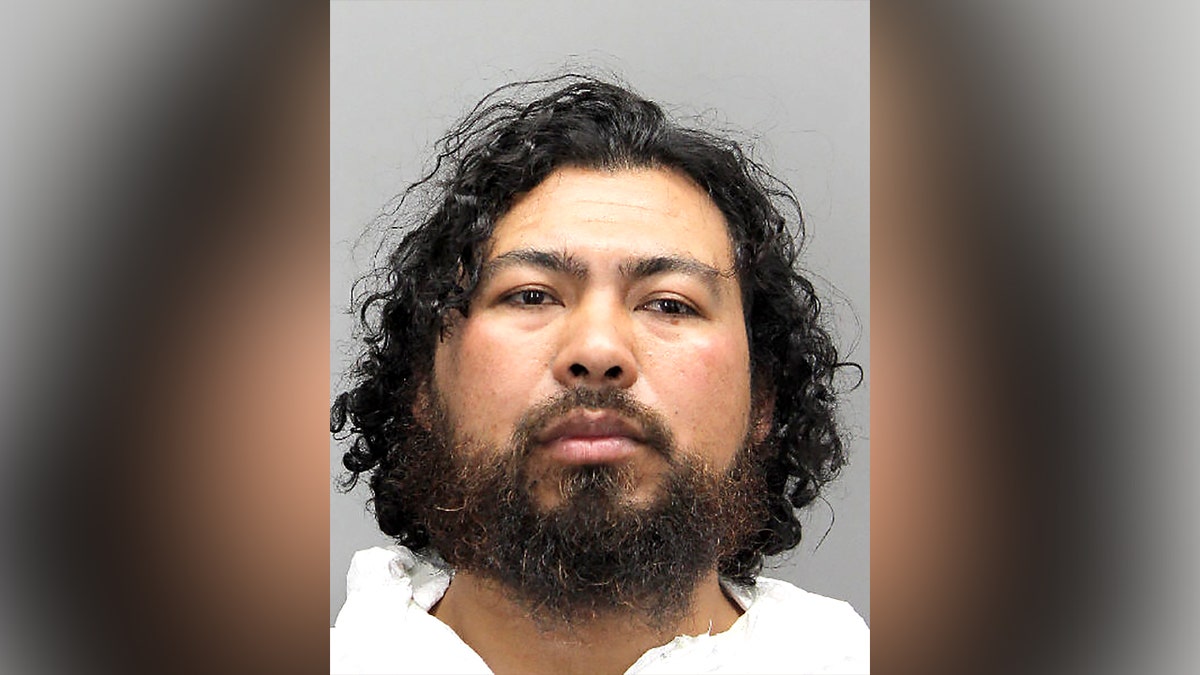
Anibal Armando Chavarria Muy faces second-degree murder charges in Fairfax County, Virginia. (Fairfax County Police)
The same week, ICE lodged a detainer request asking Fairfax County not to release Anibal Armando Chavarria Muy, 38, following his arrest in connection with a fatal stabbing the prior weekend.
ICE PRESSURES SPANBERGER AS FAIRFAX MURDER SUSPECTS TRIGGER NEW DETAINERS IN ‘SANCTUARY’ CLASH
Chavarria Muy is charged with second-degree murder in connection with the stabbing, which also took place in a home in Bailey’s Crossroads. Local outlet WUSA9 reported that officers responding to the scene found a man with multiple stab wounds inside the home. The man was later pronounced dead at a nearby hospital.
According to DHS, Chavarria Muy is in the U.S. illegally and entered the country at an unknown place and time.
Abdul Jalloh – Repeat offender stabbing

Abdul Jalloh has been arrested more than 30 times since entering the U.S., according to officials. (DHS)
A month before Chavarria Muy’s arrest, Fairfax County Police arrested and charged Abdul Jalloh, 32, with second-degree murder in connection with the fatal stabbing of a 41-year-old Virginia woman named Stephanie Minter.
Officers responding to the incident, which took place at a bus stop in the Hybla Valley neighborhood in Fairfax County, found her with multiple stab wounds in her upper body. She was pronounced dead at the scene on Feb. 23.
Surveillance footage captured Jalloh and Minter exiting a bus at the stop where she was killed, and Fairfax County detectives determined Jalloh was allegedly responsible for the stabbing. He is charged with second-degree murder. He is also charged with larceny that occurred the day after the fatal stabbing.
According to DHS, Jalloh is an illegal alien from Sierra Leone who entered the U.S. illegally under the Obama administration in 2012.
DHS said that before his arrest for murder, Jalloh had been arrested more than 30 times and faced charges including rape, malicious wounding, assault, drug possession, identity theft, trespassing, larceny, firing a weapon, contributing to the delinquency of a minor, and pickpocketing.
Marvin Fernando Morales Ortez – Fatal shooting
On Dec. 19, DHS said it «vehemently condemns Fairfax County’s sanctuary policies» after Salvadoran illegal immigrant Marvin Fernando Morales Ortez, 23, was charged with second-degree murder for a fatal shooting the day after the agency said local authorities released him after declining to honor a detainer request.
DHS said ICE had lodged a detainer request for Morales Ortez after he was arrested for assault and brandishing a firearm on Sept. 14. Morales Ortez had prior arrests for aggravated assault of a police officer, larceny and disorderly conduct, according to DHS.
Morales Ortez was charged with second-degree murder in connection with a fatal shooting at a home in Reston, Virginia, which is in Fairfax County.
He illegally entered the U.S. in Sept. 2016 near Hidalgo, Texas. DHS said he was released into the country by the Obama administration and that in 2022, the Biden administration dismissed his immigration proceedings and marked him as a non-enforcement priority.
Maldin Anibal Guzman – Mob murder
Maldin Anibal Guzman, 27, a Honduran illegal immigrant, was convicted of second-degree murder by mob in connection with a July 2024 killing in Oakton, within Fairfax County.
Local outlet ABC7 reported that Guzman was given a plea deal by Descano’s office, allowing him to serve only five years in prison. Local affiliate Fox 5 reported that Guzman entered the country illegally through the Texas border under the first Trump administration in 2018. The outlet said that ICE lodged multiple detainers for Guzman with the Fairfax County Sheriff’s Office that were not honored, allowing Guzman back into the community before the mob murder.
Elmer De Jesus Alas Candray – MS-13 executions
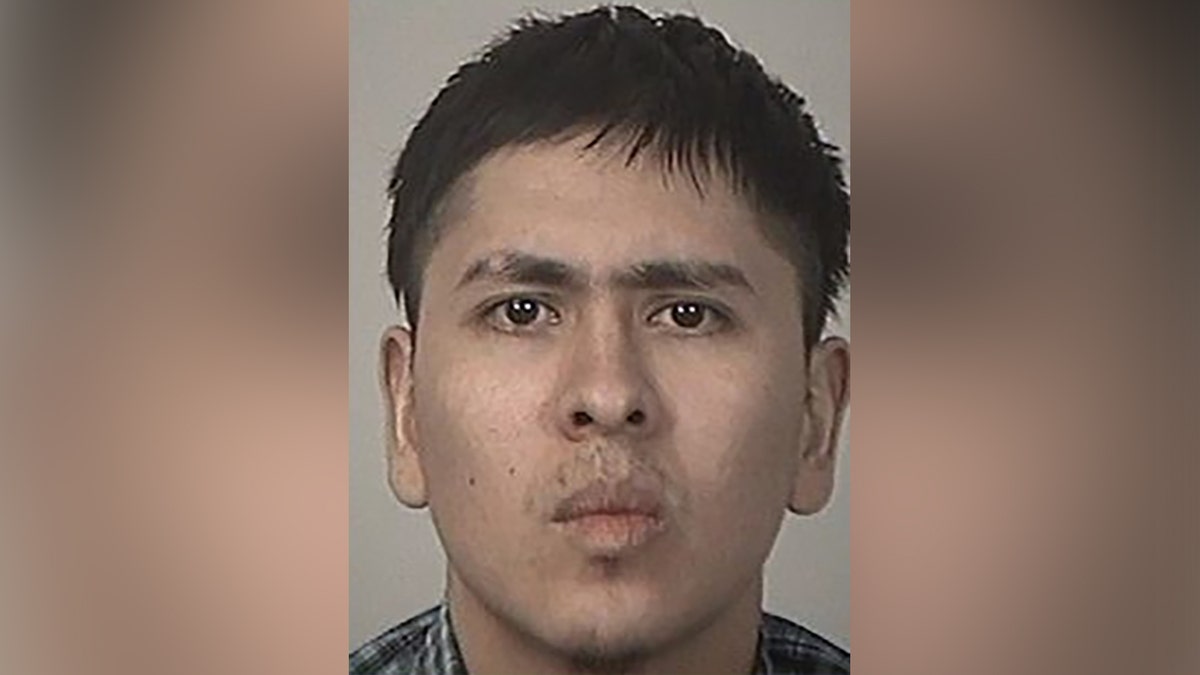
MS-13 gang member Elmer Alas Candray was convicted by a jury of killing five people in Northern Virginia. (Rappahannock Regional Jail)
Elmer De Jesus Alas Candray, 28–29, a Salvadoran illegal immigrant and member of the MS-13 gang, was convicted of six murders, including conspiracy to participate in a racketeering enterprise; five counts each of conspiracy to commit murder in aid of racketeering and murder in aid of racketeering; and three counts of using a firearm during a violent crime resulting in death.
Five of the murders took place in Fairfax County from 2018 to 2022. The killings were carried out by Candray and co-conspirators using pistols and machetes. One of the killings, which took place in Reston in 2020, involved Candray and co-conspirators luring a young woman under false pretenses and taking turns shooting her in the face.
Jose Iraheta Palacios – Triple murder suicide
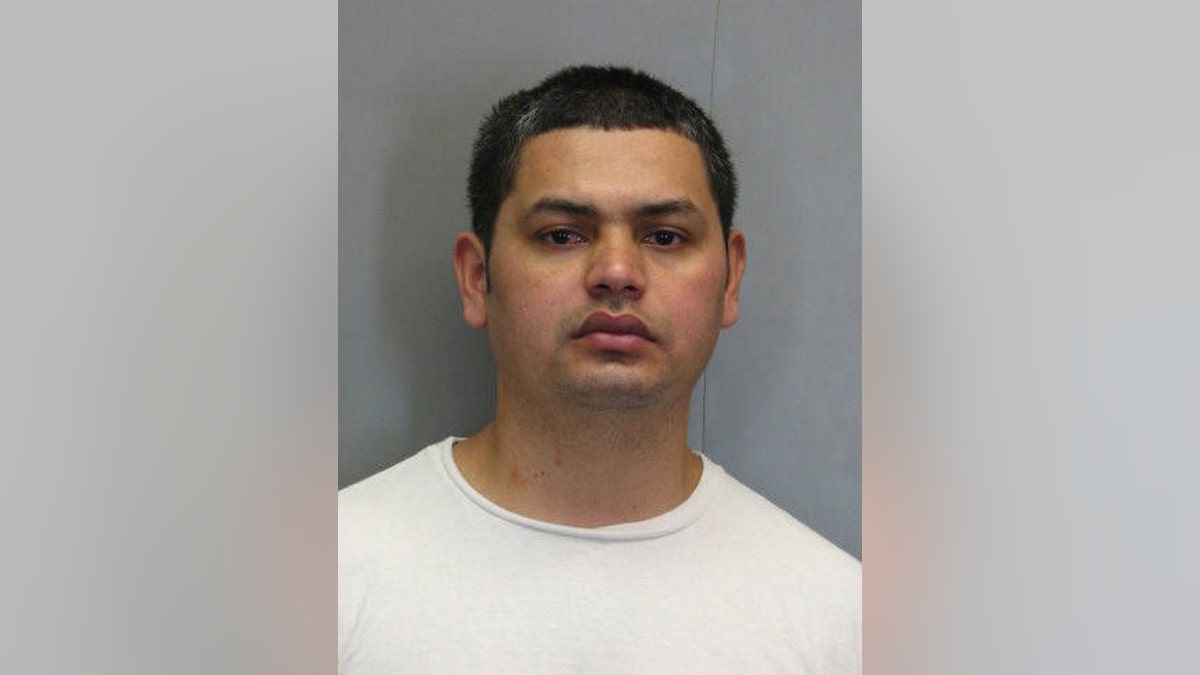
Jose Angel Iraheta Palacios’ mugshot from 2015 arrest. (Manassas City Police Department)
In Herndon, a community in Fairfax County, Jose Iraheta Palacios, another Salvadoran illegal immigrant MS-13 member nicknamed «Little Crazy,» murdered his girlfriend, Claudia Menjivar, and two children, ages 9 and 10, before jumping to his own death in June 2021.
Palacios had previously pleaded guilty in Fairfax County Circuit Court in 2015 to human trafficking, gang recruitment of a juvenile and three counts of gang participation and was sentenced to nine years. That sentence would have kept him behind bars until 2024, but a judge suspended the sentence, allowing Iraheta Palacios to serve just two years in state prison. He was deported, though later made it back into the U.S.
ILLEGAL MIGRANT CHARGED IN DEADLY 124 MPH CHASE THAT KILLED PREGNANT TEEN, UNBORN CHILD
Officers next encountered Iraheta Palacios around 6 a.m. June 19, 2021, sitting on top of a parking garage on Democracy Drive in Reston Town Center in Herndon, Virginia, and threatening to jump. An affidavit and police radio transmission revealed he told officers he killed his girlfriend, Claudia Menjivar, and her children after arguing over infidelity.
Officers attempted to talk Iraheta Palacios off the ledge for nearly an hour before he ultimately jumped and died from the fall.
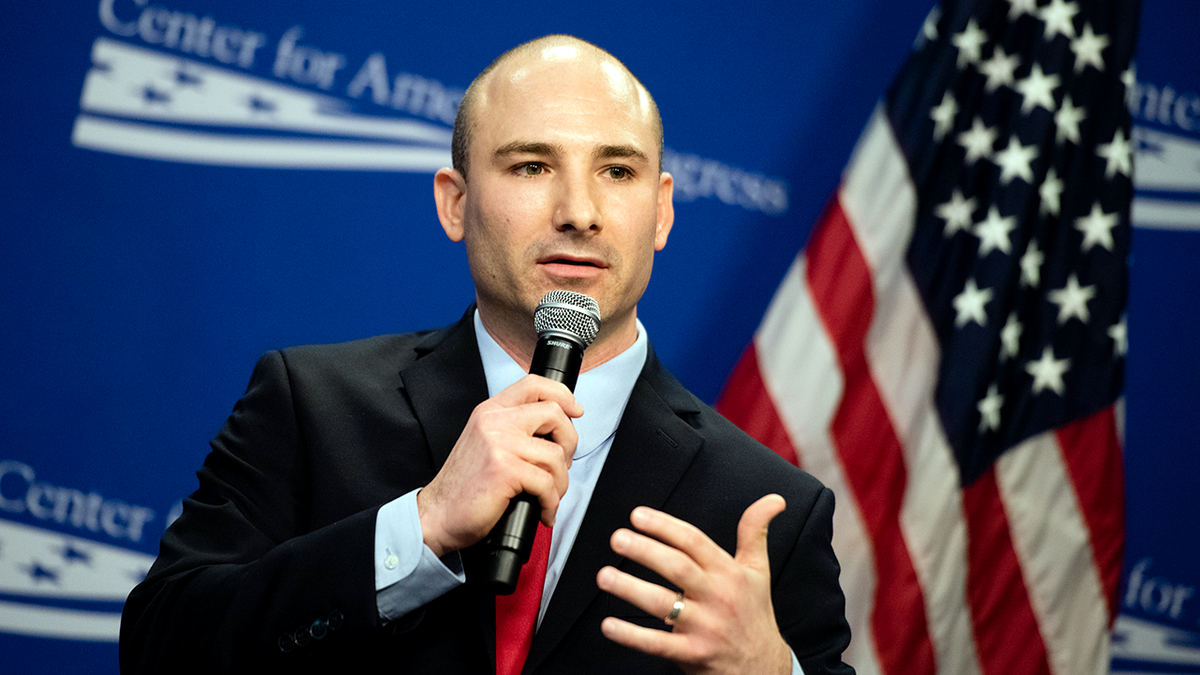
Commonwealth’s Attorney Steve Descano is seen speaking at an event in Fairfax County, Virginia. (Sarah Voisin/Getty Images)
Community ‘epidemic’
Commenting on a post showing the mugshots of the illegal immigrant murderers, the Virginia GOP wrote, «These are the criminals that Virginia Democrats care about more than your family’s safety.»
Gorka, who leads the local Fairfax County Republican committee, asserted that the county is «experiencing an epidemic of crime because of Commonwealth’s Attorney Steve Descano’s unwillingness to prosecute violent offenders.»
«Under Descano, felony convictions, trials and guilty verdicts have dropped sharply, which means repeat offenders are out on our streets,» she said, adding, «This is compounded by the fact that Fairfax County’s ‘Public Trust and Confidentiality Policy,’ adopted by the Democratic-majority Board of Supervisors, functionally makes Fairfax a sanctuary county.»
According to Gorka, the Fairfax County Sheriff’s Office under Democratic Sheriff Stacey Kincaid has declined more than 1,150 detainers in roughly two and a half years.
She said that former Virginia Gov. Glenn Youngkin, a Republican, had «partially addressed» the problem through an executive order requiring law enforcement cooperation with ICE before Spanberger rescinded the order.
CLICK HERE TO GET THE FOX NEWS APP
«Virginia Democrats prioritize criminals over victims, illegal aliens over citizens, and Fairfax County citizens have had enough,» Gorka told Fox News Digital.
In response, Laura Birnbaum, a spokesperson for Descano’s office, told Fox News Digital that she could not comment on the more recent cases involving Lopez Gomez, Chavarria Muy, Jalloh and Morales Ortez, «since they all have pending criminal cases our office is actively prosecuting.»
Birnbaum said regarding Guzman’s case the plea agreement was «the only way to ensure that the defendants were incarcerated for this brutal murder,» since the victim’s body was found in a creek the next morning, with no DNA or any physical evidence at the scene and «all witnesses in this case were terrified to come forward or assist with prosecution.»
She emphasized that Candray’s convictions were federal and «our office did not handle them.» Regarding Palacios, Birnbaum said he «died by suicide during this incident» and «there’s no criminal case because he died.»
Meanwhile, Allyson Conroy, a spokesperson for the Fairfax County Sheriff’s Office, told Fox News Digital that the office «does not obstruct or prevent ICE from acting on their civil detainers nor does the office ‘decline’ detainers.»
Conroy said the Fairfax County Sheriff’s Office is «committed to the safety and security of our diverse community.» She emphasized that «the law requires that whenever an undocumented person is booked into the Fairfax County Adult Detention Center (ADC), ICE is notified that person has been taken into custody. Federal authorities may enforce their civil process and assume custody of a person once a judge orders that person to be released.»
Fox News Digital reached out to Spanberger and the Fairfax County Board of Supervisors for comment.
Fox News Digital’s Greg Wehner and Danielle Wallace contributed to this report.
sanctuary cities, immigration, democratic party, virginia, migrant crime, illegal immigrants, enforcement
INTERNACIONAL
Santiago Peña designó a un nuevo viceministro de Seguridad y nombró a un nuevo comandante de la Policía Nacional en Paraguay
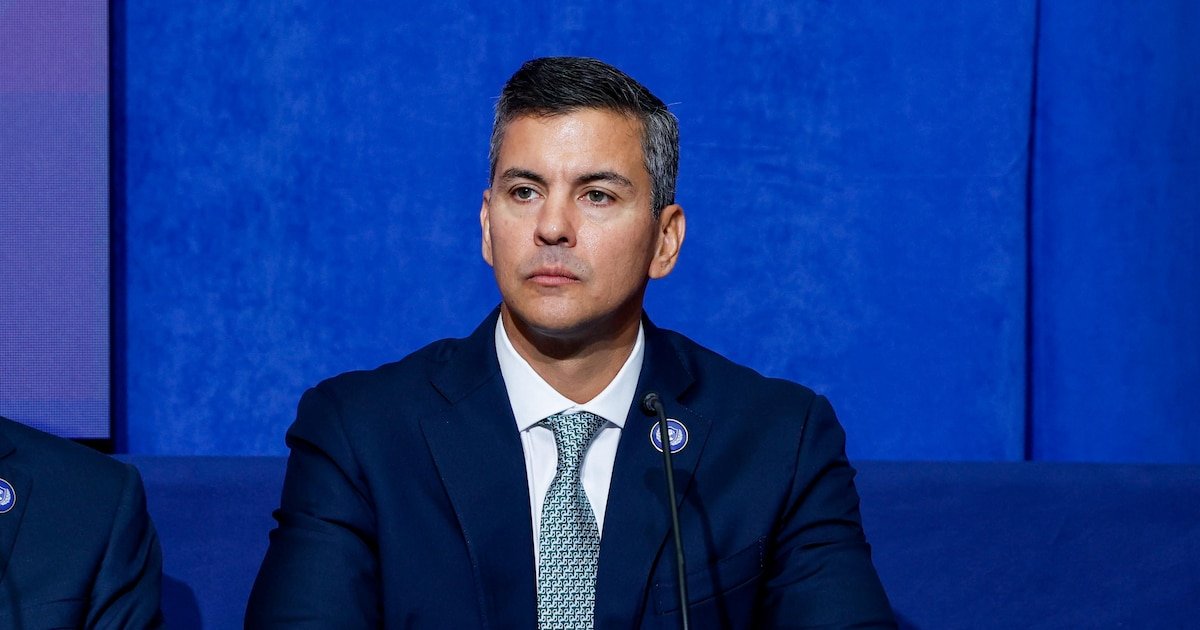
El presidente de Paraguay, Santiago Peña, designó este lunes a Carlos Benítez como viceministro de Seguridad Interna en reemplazo de Oscar Pereira y nombró a César Silguero como nuevo comandante de la Policía Nacional, en una reconfiguración del área que el Gobierno vincula con el fortalecimiento de la seguridad ciudadana.
El anuncio lo realizó el ministro del Interior, Enrique Riera, quien en una conferencia de prensa televisada afirmó que la medida apunta a “fortalecer” la seguridad ciudadana en el país. El cambio forma parte del proceso de ajustes impulsados por el Ejecutivo en la segunda mitad del mandato iniciado en agosto de 2023.
Durante la presentación de las nuevas autoridades, Riera destacó los antecedentes profesionales de los funcionarios. “Ellos están acá por sus currículos que, entre paréntesis, son impecables. Entonces, es muy agradable hacer un cambio, porque todos los cambios, hay que decirlo, renuevan esperanzas”, expresó.
El titular del Interior explicó que la salida de Pereira no responde a fallas en su desempeño. “No tiene nada que ver” con bajo rendimiento o errores de ejecución, sostuvo, y vinculó la decisión con la necesidad de profundizar las políticas en curso. Según indicó, el objetivo es avanzar en la “profundización del trabajo” dentro de la Policía Nacional.
Con su designación como viceministro, Benítez, de 55 años, pasó a retiro de la institución policial “de forma voluntaria”, según precisó Riera. El ministro también remarcó que el cambio se definió con antelación. “Era una decisión que estaba tomada antes de la Semana Santa, y lo manejamos con mucha cautela”, afirmó.

Benítez ocupó la comandancia de la Policía Nacional desde agosto de 2023. En ese contexto, había advertido de manera pública sobre la existencia de presuntos elementos dentro de la fuerza que actuaban “al margen de la ley”, en referencia a situaciones internas que requerían control institucional.
La designación de Silguero como jefe de la Policía Nacional completa el esquema de conducción en el área de seguridad. El funcionario se desempeñaba como segundo al mando y ahora asume la titularidad del cuerpo en una etapa que el Gobierno presenta como de consolidación de cambios.
En junio de 2024, Paraguay reformó la ley que rige a la Policía Nacional con el objetivo de elevar el nivel de profesionalismo y ratificar su carácter no deliberante, conforme a la Constitución de 1992. Este marco normativo define el funcionamiento de la institución y establece los lineamientos para su accionar.
En la conferencia de prensa, Benítez señaló que desde su nuevo cargo buscará consolidar el enfoque establecido tras esa reforma. El funcionario indicó que trabajará para afianzar el nuevo paradigma en el desempeño del cuerpo de seguridad.
Los cambios en el Ministerio del Interior se inscriben en una reorganización más amplia del gabinete en la segunda mitad del mandato presidencial. Según las autoridades, las modificaciones buscan reforzar áreas estratégicas de la administración.
Contexto económico y otros movimientos
Una semana antes de estos anuncios en el área de seguridad, el Gobierno dispuso cambios en el Ministerio de Economía y Finanzas. El jefe de Gabinete, Javier Giménez, informó que Peña removió al titular de la cartera, Carlos Fernández Valdovinos, y designó como interino a Juan José Galeano.

“El presidente de la República, Santiago Peña, ha dispuesto en la mañana de hoy cambios en el Ministerio de Economía y Finanzas”, declaró Giménez. El portavoz sostuvo que el funcionario saliente “hizo un trabajo extraordinario” y explicó que el “segundo tiempo” de la gestión requiere capacidades “muy específicas”.
Fernández Valdovinos había impulsado medidas de ajuste fiscal bajo un esquema que definió como “economía de guerra”, en respuesta a la caída de ingresos tributarios. Tras su salida, escribió en la red social X: “Misión Cumplida!!! Todo por mi querido Paraguay”.
Además, el Ejecutivo designó a César Riveros como director del Instituto Nacional de Tecnología, Normalización y Metrología tras la renuncia de Lira Giménez.
En el plano comercial, el presidente promulgó la ley que ratifica el acuerdo de libre comercio entre la Unión Europea y el Mercosur. “Asunción fue la cuna del Mercosur y hoy vuelve a ser protagonista”, escribió Peña tras la firma. El viceministro de Relaciones Exteriores, Miguel Ángel Aranda Daroczi, señaló que el acuerdo representa “una gran oportunidad de integrar el mercado y ofrecer lo que produce el Mercosur a todo el mercado europeo”.
Según datos oficiales, el tratado abarca un mercado de aproximadamente 720 millones de personas y prevé la eliminación de aranceles para más del 90 % del comercio entre ambas regiones.
(Con información de EFE)
ceremonia de apertura de la reunión contra el crimen organizado trasnacional en sudamérica,políticos

Más modelos y precios más bajos: cuánto cuestan las pick-ups en abril, según su equipamiento y confort

Santiago del Moro dio el parte médico de Andrea del Boca, después de su fuerte caída en Gran Hermano

Designaron a la nueva síndico general del PAMI en medio del proceso de auditorías internas

EN VIVO: El Ejército de Israel abatió a un terrorista de Hezbollah en el sur del Líbano

Boca aterrizó en Chile con una llamativa lista de convocados: el equipo de Úbeda con seis cambios para su debut en la Libertadores

Meet the Fairfax killers: Top violent illegal alien criminals wreaking havoc on major American suburb

La nueva advertencia de Donald Trump a Irán: «El tiempo se acaba, quedan 48 horas antes del infierno»

Círculo rojo: intrigas en el gabinete, desgaste por el caso Adorni y movimientos inquietantes en el Poder Judicial

Caputo habló sobre los créditos del Banco Nación que tomaron sus funcionarios: “No hay nada ilegal ni inmoral”

Créditos del Banco Nación: el Gobierno reveló que Pettovello echó a Massaccesi porque “mintió”

 INTERNACIONAL3 días ago
La nueva advertencia de Donald Trump a Irán: «El tiempo se acaba, quedan 48 horas antes del infierno»
- POLITICA2 días ago
Círculo rojo: intrigas en el gabinete, desgaste por el caso Adorni y movimientos inquietantes en el Poder Judicial
- ECONOMIA21 horas ago
Caputo habló sobre los créditos del Banco Nación que tomaron sus funcionarios: “No hay nada ilegal ni inmoral”