INTERNACIONAL
Desesperanza entre apagones, basura y falta de agua en Cuba: el día a día en el centro de La Habana


INTERNACIONAL
Lo que muestran las imágenes satelitales sobre los esfuerzos para destruir los misiles balísticos de Irán

Las instalaciones subterráneas son un objetivo prioritario y difícil de destruir.
La destrucción en algunas instalaciones de misiles balísticos sobre la superficie es extensa.
Los emplazamientos de misiles atacados el año pasado vuelven a ser objetivos.
NEWYou can now listen to Fox News articles!
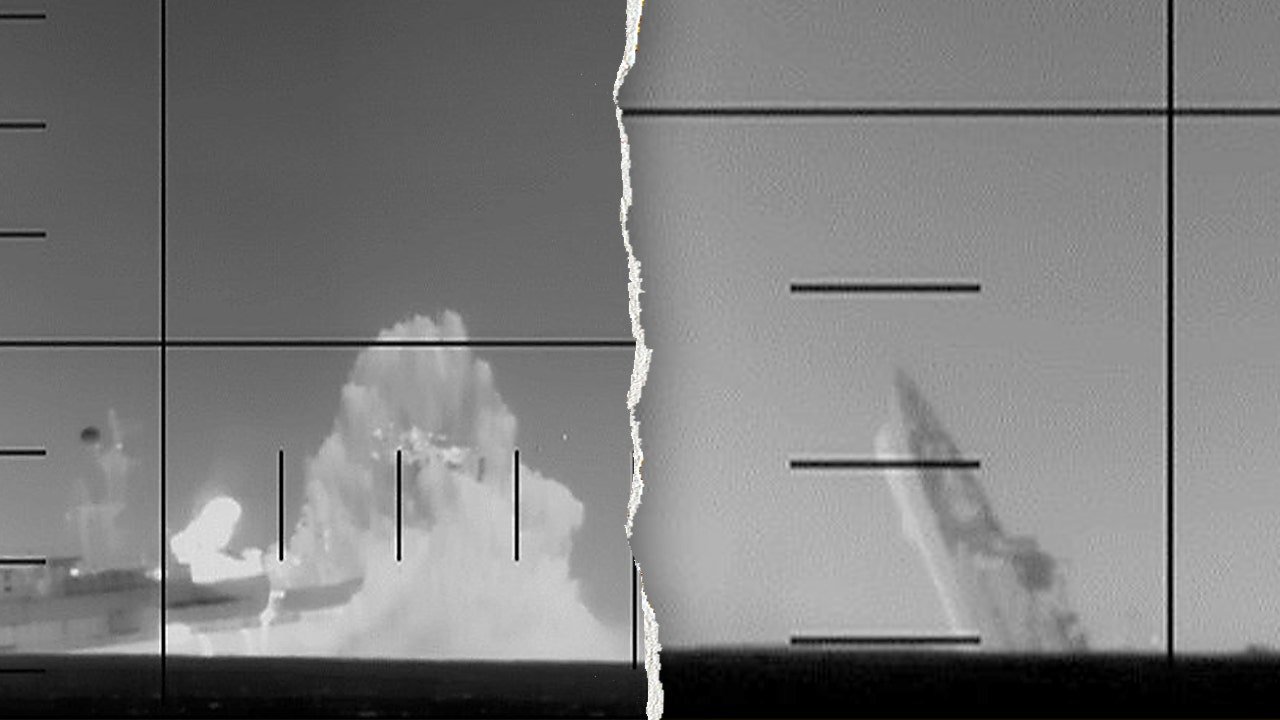
A multi-million-dollar U.S. Navy torpedo detonated underneath an Iranian warship in a nighttime submarine strike off Sri Lanka’s southern coast — an attack, War Secretary Pete Hegseth said Wednesday in a Pentagon update, was the first of its kind since World War II.
The weapon, identified as a Mark 48 Advanced Capability (ADCAP) torpedo, underscored the scale of force used, and signaled to Tehran that «the gloves really are off,» according to a former U.S. submarine commander.
«The Mark 48 is one of the most lethal anti-ship weapons in the U.S. inventory,» Thomas Shugart, an adjunct senior fellow at the Center for a New American Security, told Fox News Digital.
The torpedo carries a 650-pound warhead and is designed not to strike a ship directly, Shugart said, but to detonate beneath it, creating a massive vapor bubble that breaks the vessel’s back and splits it in half.
A U.S. submarine sunk an Iranian warship in international waters in the Indian Ocean, War Secretary Pete Hegseth confirmed Wednesday. (@DeptofWar / X)
«This torpedo detonated underneath the stern of the Iranian ship and lifted it up out of the water, and so it sank in a matter of minutes,» he added.
The torpedo costs approximately $4.2 million per unit, according to recent data, with Shugart likening the strike to rare submarine attacks in modern naval history.
In addition to World War II, he pointed to the 1982 Falklands War as one example of a submarine-launched torpedo sinking a major surface combatant.
«This was the second time ever that a nuclear-powered submarine has fired a torpedo and sunk a ship,» Shugart said.
«The only other time that happened was a British submarine called HMS Conqueror, which similarly sank an Argentine cruiser, the General Belgrano, during the Falklands War in 1982,» he added.
TRUMP SAYS US MISSION IN IRAN IS ‘AHEAD OF SCHEDULE,’ VOWS TO ‘EASILY PREVAIL’ OVER REGIME
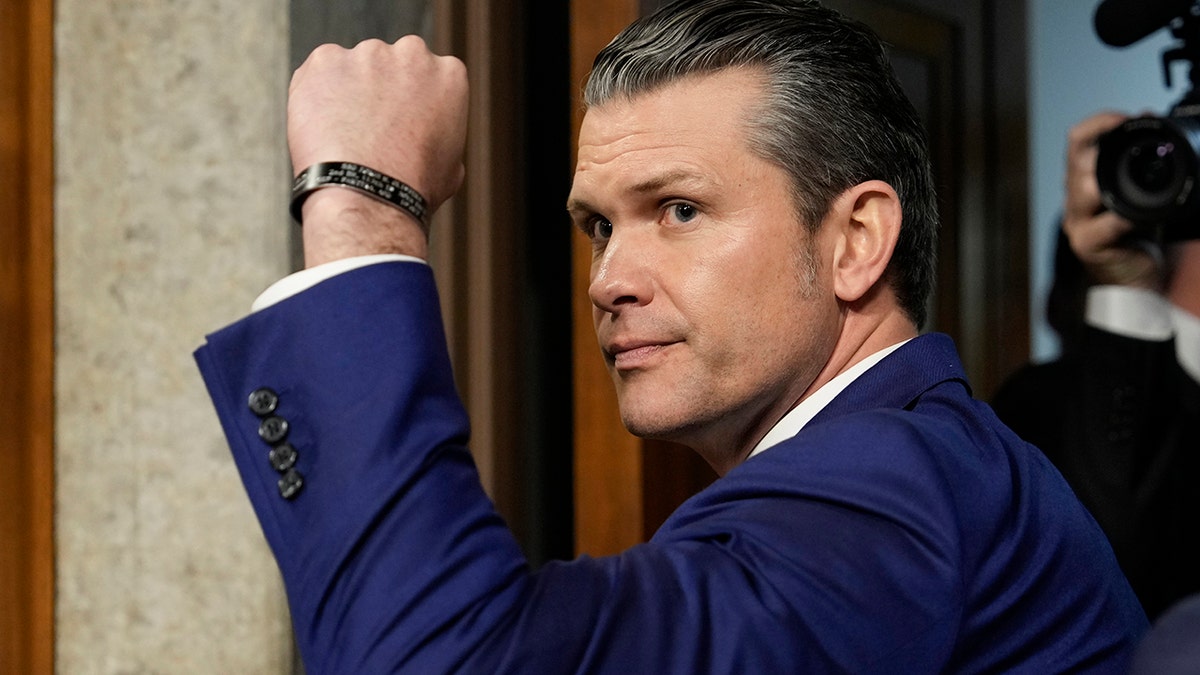
Pete Hegseth, President-elect Donald Trump’s choice to be Defense secretary, at the completion of his confirmation hearing before the Senate Armed Services Committee, at the Capitol in Washington, Tuesday, Jan. 14, 2025. (AP Photo/Ben Curtis) (AP Photo/Ben Curtis)
The naval submarine operation, he said, would have involved increased surveillance, forward naval deployments and targeted actions designed to demonstrate U.S. maritime dominance.
«It definitely seems to me like a message that the gloves really are off,» Shugart added.
«An American submarine sank an Iranian warship that thought it was safe in international waters,» Hegseth told reporters at the Wednesday briefing.
FORMER TOPGUN PILOT DECLARES IRAN MILITARY ‘OVER WITH’ AMID US AIR SUPERIORITY, BUT WARNS OF ANOTHER DANGER
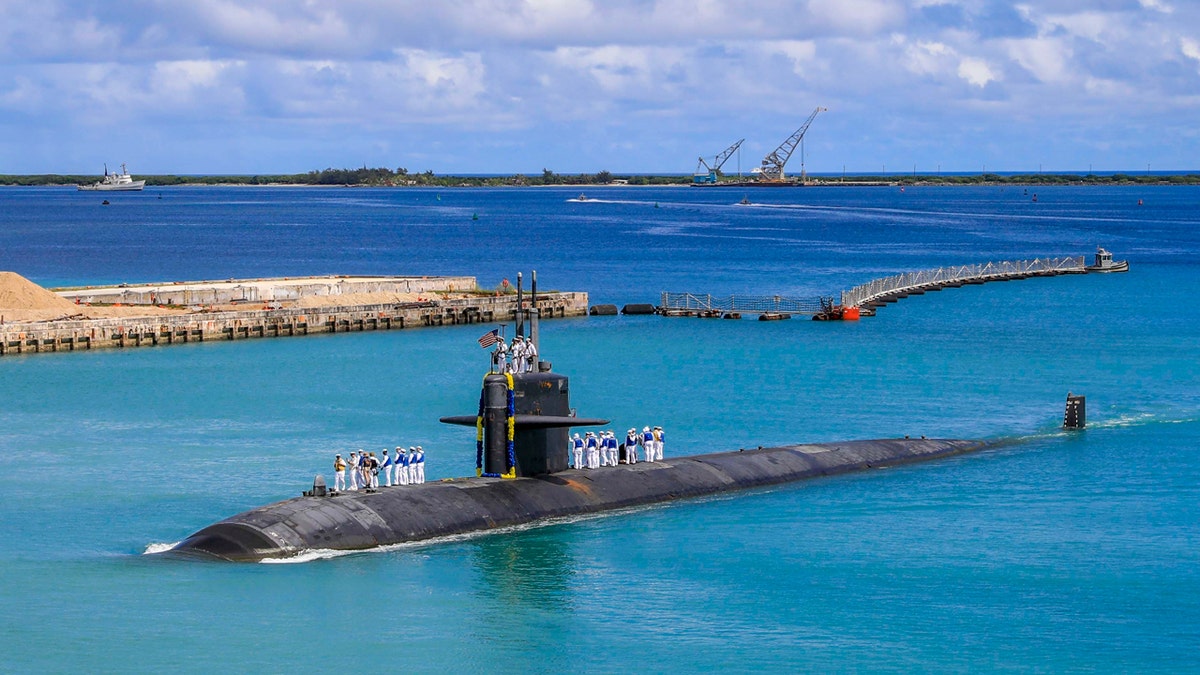
In this photo provided by U.S. Navy, the Los Angeles-class fast attack submarine USS Oklahoma City (SSN 723) returns to U.S. Naval Base in Guam, Aug. 19, 2021. (Mass Communication Specialist 3rd Class Naomi Johnson/U.S. Navy via AP)
Hesgeth described the strike as «a quiet death,» adding that it marked the first sinking of an enemy ship by torpedo since World War II.
«The U.S. Navy submarines are very highly mobile, very, very quiet, and our crews are extremely well-trained,» Shugart explained. «This was not a challenge for a U.S. Navy submarine to fire a torpedo.»
«To hunt down and sink an Iranian ship like that is not — that’s not a challenging task for a U.S. nuclear-powered submarine,» he said.
The targeted vessel, identified as the IRIS Dena, was the newest frigate in Iran’s naval fleet and was equipped with surface-to-air missiles, anti-ship missiles, torpedo launchers and other heavy weaponry.
According to Sri Lanka’s Foreign Affairs Minister Vijitha Herath, the country’s coast guard received a distress call at 5:08 a.m. local time Wednesday from the Iranian vessel reporting an explosion.
EX-CENTCOM CHIEF DETAILS ‘EXQUISITE INTELLIGENCE’ BEHIND IRAN STRIKES, SAYS NEXT STEPS HINGE ON ‘MISSILE MATH’
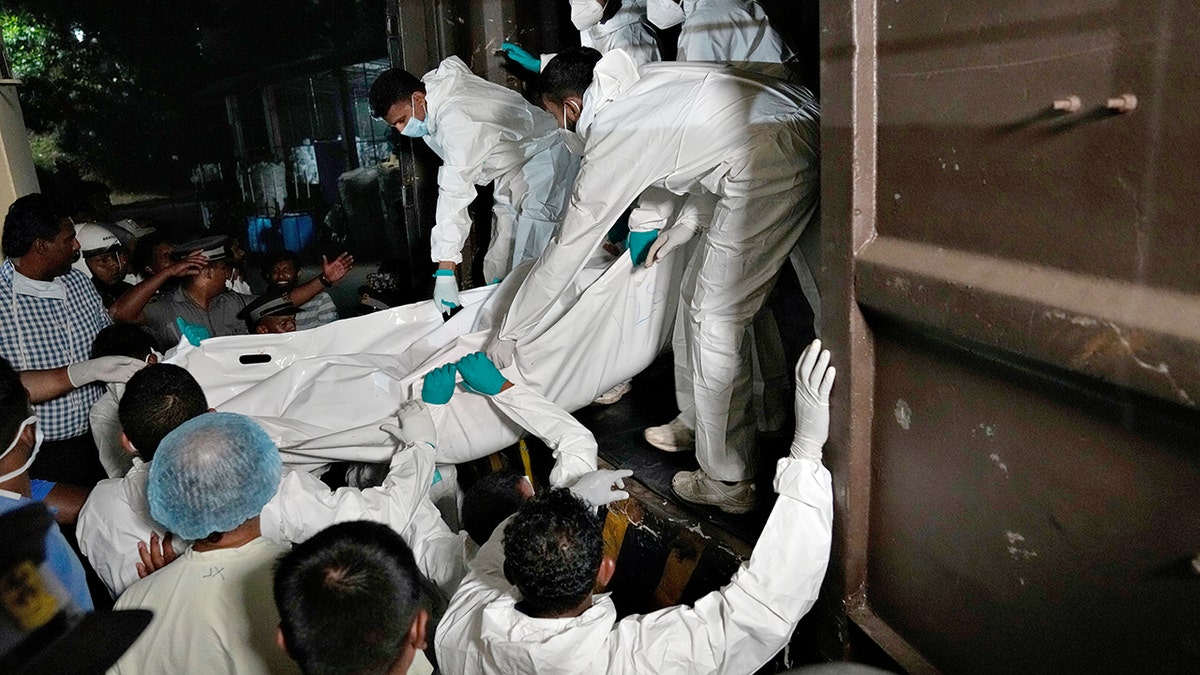
Healthcare workers unload the bodies of Iranian sailors from a vehicle who died when their IRIS Dena warship sank outside Sri Lanka’s territorial waters, in Galle, Sri Lanka, Wednesday, March 4, 2026. (AP Photo/Eranga Jayawardena)
«I’m not sure Iran has any operational submarines anymore, but if they were operational, their biggest submarines would be at least 20 or 30 years old,» Shugart said.
«They would be ex-Russian diesel-electric submarines, so they’re not nuclear-powered like the U.S. ones, with satellite communications and unlimited mobility.»
CLICK HERE TO DOWNLOAD THE FOX NEWS APP
«The U.S. submarines can operate at high speed for as long as they want with unlimited endurance, other than the food on board. They carry the most advanced weapons, the most advanced sensors.»
«This strike sent a message that if there are any Iranian warships left or any Iranian government-owned ships, they should expect no mercy,» he added.
Related Article

war with iran,iran,middle east,us navy,wars
INTERNACIONAL
DHS defends McLaughlin against allegations husband’s company profited millions from ad contracts: ‘Baseless’
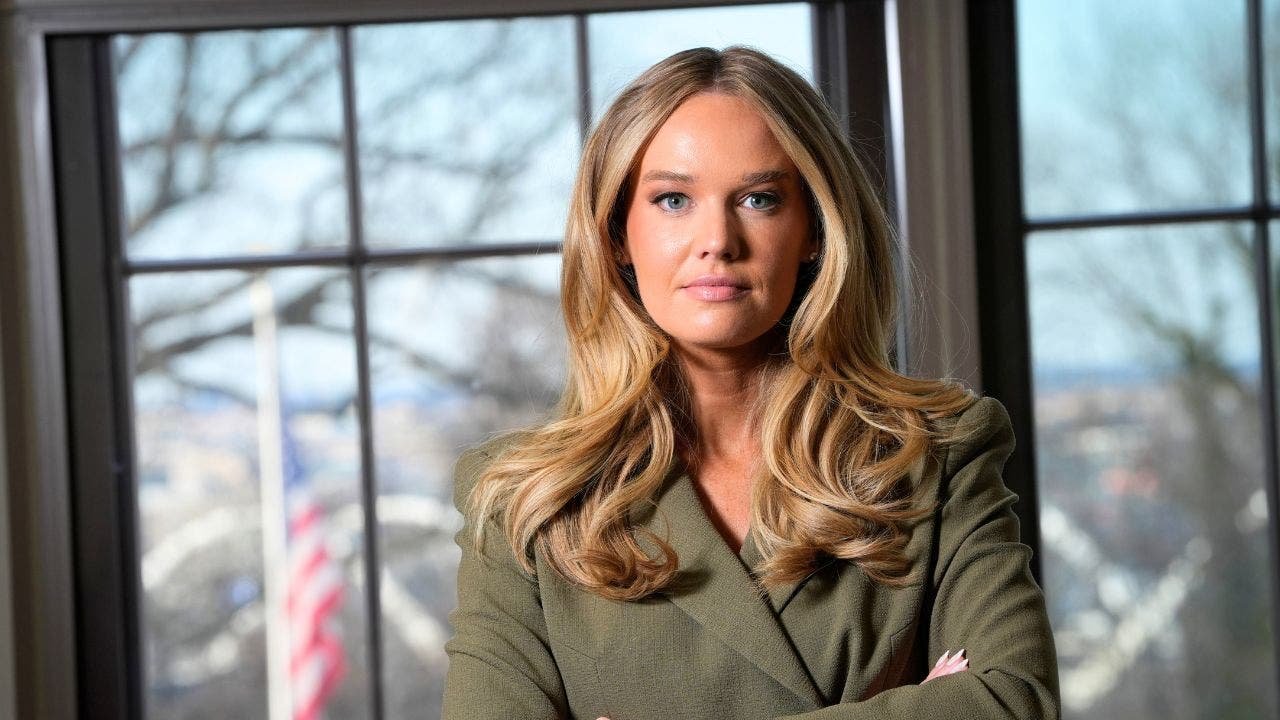
NEWYou can now listen to Fox News articles!
EXCLUSIVE: Newly obtained financial statements shed light on claims that former Department of Homeland Security (DHS) Assistant Secretary Tricia McLaughlin’s husband’s company made millions from a DHS advertising campaign.
DHS Secretary Kristi Noem faced intense questioning during a Senate Judiciary Committee hearing Tuesday, and Sen. John Kennedy, R-La., specifically called out the agency for contracting a public relations firm headed by McLaughlin’s husband, Benjamin Yoho.
«I have personally reviewed the allegations against Ms. McLaughlin, and I find them to be baseless,» DHS General Counsel James Percival told Fox News Digital. «Nothing illegal or unethical occurred with respect to these contracts. Ms. McLaughlin was not involved in selecting any subcontractors.
«She is, however, a superstar in the public affairs world, so I am not surprised that she married a successful businessman whose services were attractive to these outside firms.»
Newly obtained financial statements address allegations that former Department of Homeland Security Assistant Secretary Tricia McLaughlin’s husband’s firm improperly profited from a multimillion-dollar DHS ad campaign. Lawmakers pressed Secretary Kristi Noem over the contracts during a heated Senate hearing. (Jack Gruber/USA Today)
Kennedy alleged that Yoho’s firm, The Strategy Group, «got most of the money» out of what the Louisiana Republican senator says was $220 million in «television advertisements that feature [Noem] prominently.»
«I’m sorry,» Kennedy said. «Safe America Media was a company formed 11 days before you picked them. And that the Strategy Group got most of the money. And the head of that is married to your former spokesperson.»
«It’s just hard for me to believe knowing the president as I do, that you said, ‘Mr. President, here’s some ads I’ve cut, and I’m going to spend $220 million running them,’ that he would have agreed to that,» Kennedy explained. «I don’t think Russ Vought at OMB [Office of Management and Budget] would have agreed to that.»
‘YOU SHOULD BE ASHAMED!’: PROTESTER DRAGGED FROM KRISTI NOEM’S SENATE HEARING
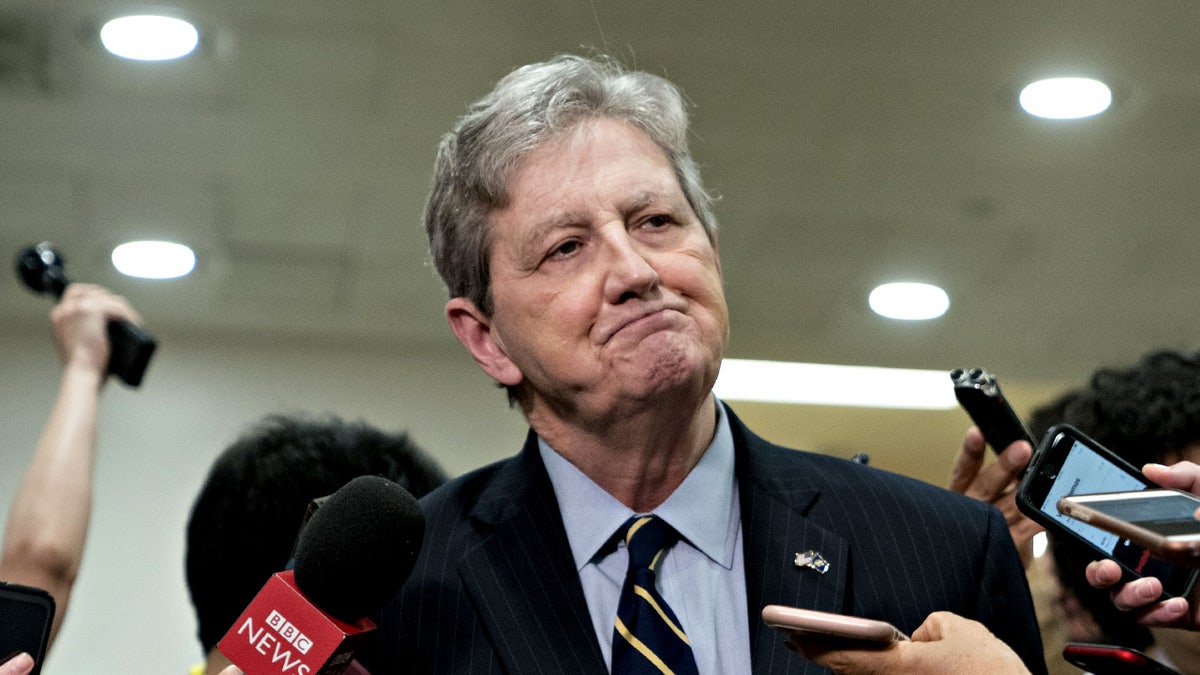
Senate scrutiny intensified over a DHS advertising campaign after Sen. John Kennedy, R-La., questioned whether a firm linked to McLaughlin’s husband benefited unfairly. DHS officials and the company deny any wrongdoing or multimillion-dollar profits. (Andrew Harrer/Bloomberg via Getty Images)
The Strategy Group is a conservative advertising agency for which Yoho serves as CEO.
Figures obtained by Fox News Digital show a slightly lesser total advertising expenditure of approximately $185 million, with a total of roughly $146.5 million going to a campaign called «Save America.»
However, of the total that went to «Save America,» roughly $348,000 went to production costs, while the remaining $142 million went to «media buys.»
Sources at DHS say that media buys are the cost of actually buying the ads themselves, whether purchased from social media or for a TV ad.
Kennedy also alleged that the bidding process for the contracts never took place and that Safe America Media’s recent founding was a cause for concern and collusion between McLaughlin and her husband’s business.
WATCH THE MOST VIRAL MOMENTS AS KRISTI NOEM’S HEARING GOES OFF THE RAILS
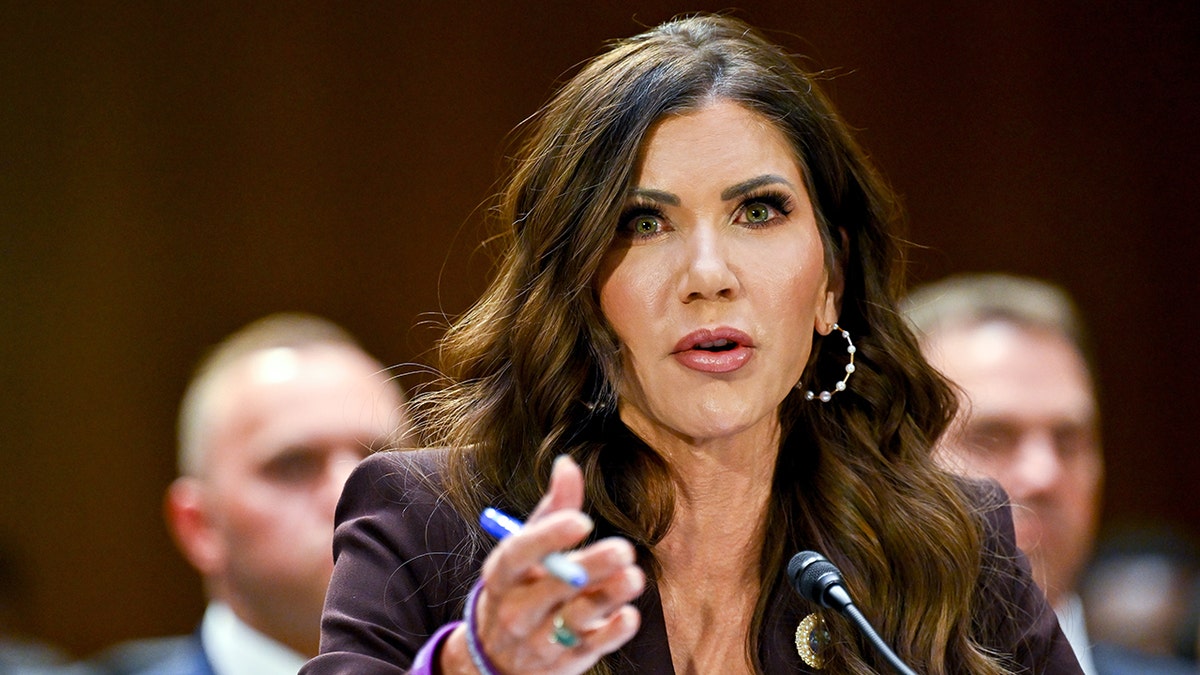
Debate over DHS’ «Save America» ad campaign intensified as senators challenged its costs and contractor ties, even as agency officials touted the initiative as a historic success in promoting self-deportation. (Graeme Sloan/Getty Images)
«Yes they did,» Noem responded during the hearing. «They went out to a competitive bid, and career officials at the department chose who would do those advertising commercials.»
The Strategy Group posted to X Tuesday that it never had a contract with the department. While it did receive several hundred thousand dollars for production costs associated with the advertising campaigns, The Strategy Group never made millions.
«The Strategy Group has never had a contract with DHS,» the post said. «We had a subcontract with Safe America [Media] for limited production services. Safe America paid us $226,137.17 total for 5 film shoots, 45 produced video advertisements and 6 produced radio advertisements.
DHS SPOKESWOMAN TRICIA MCLAUGHLIN TO LEAVE TRUMP ADMIN, SOURCE CONFIRMS
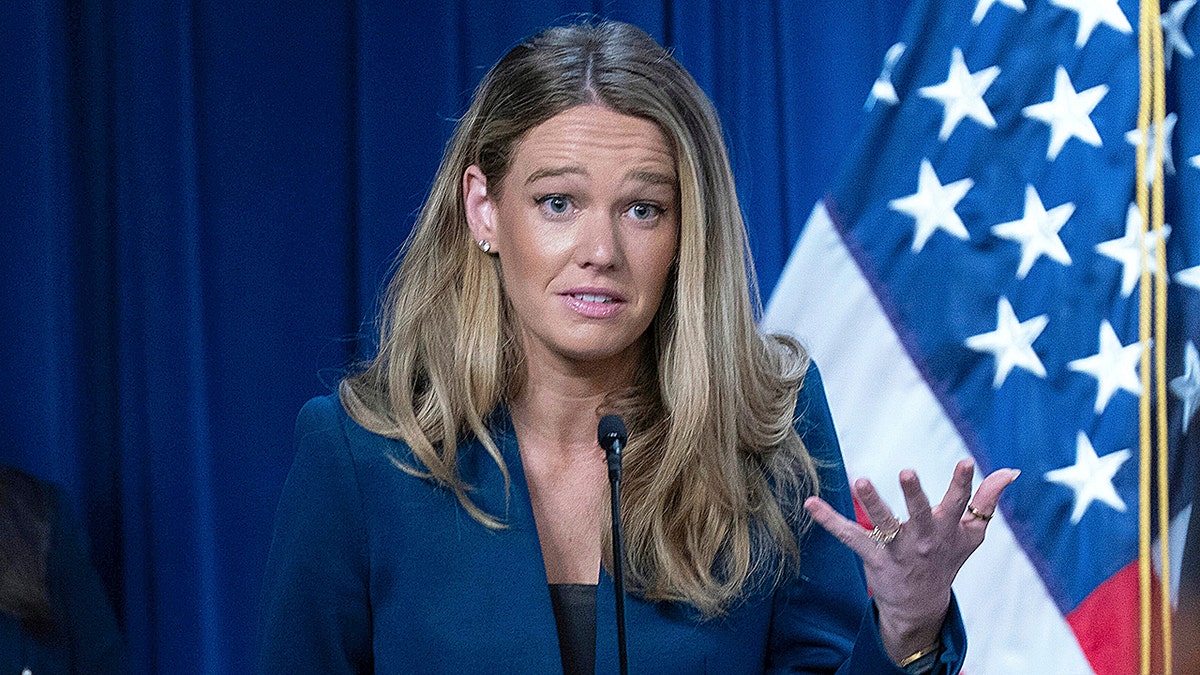
Critics raised concerns about potential conflicts of interest in a high-dollar DHS advertising effort, but department representatives say McLaughlin recused herself and that subcontracting decisions were made independently. (AP Photo/Jose Luis Magana, File)
«If you’re going to try to question our integrity, bring actual evidence — we did,» the post concluded.
Because these ads were purchased using public funds, all contract totals are publicly available.
Lauren Bis, who took up the role of assistant secretary once McLaughlin left office, told Fox News Digital Tuesday that scrutiny from Republicans and Democrats over the advertising spending was unjustified because the campaigns resulted in «the most successful ad campaign in U.S. history.»
«Sanctuary politicians are attacking this ad campaign because it has been successful in CLOSING our borders and getting more than 2.2 million illegal aliens to LEAVE the U.S.,» Bis said.
«The DHS domestic and international ad campaign was the most successful ad campaign in U.S. history. The results speak for themselves: 2.2 million illegal aliens self-deported, and we now have the most secure border in American history.»
KRISTI NOEM TO FACE SENATE GRILLING OVER MINNEAPOLIS SHOOTINGS AS DHS SHUTDOWN HITS WEEK 3

The Trump administration reaffirmed that all illegal immigrants are eligible for deportations as they focus on arresting violent criminals first. (Raquel Natalicchio/Houston Chronicle via Getty Images)
Bis also compared the cost of arresting and deporting an illegal migrant to that of the minimal cost of an illegal migrant self-deporting. The department says the advertising campaign played a key role in marketing self-deportation.
A spokesperson at DHS also told Fox News Digital that contractors decide who they hire, fulfilling the terms of a contract, not the department itself.
«By law, DHS cannot and does not determine, control or weigh in on who contractors hire or use to fulfill the terms of the contract,» a DHS spokesperson told Fox. «Those decisions are made by the contractor alone. We have only become aware of these companies because of this inquiry and did not hire those companies.»
The spokesperson also noted that McLaughlin «recused herself» from interactions with subcontractors to avoid «any perceived appearance of impropriety.»
«Upon hearing who the subcontractors were for production of the ad, Ms. McLaughlin recused herself from any interaction or engagement with any subcontractors to avoid any perceived appearance of impropriety,» the spokesperson continued. «DHS Office of Public Affairs is the program officer. Ms. McLaughlin oversees the DHS Office of Public Affairs, which is simply the vehicle for this contract.»
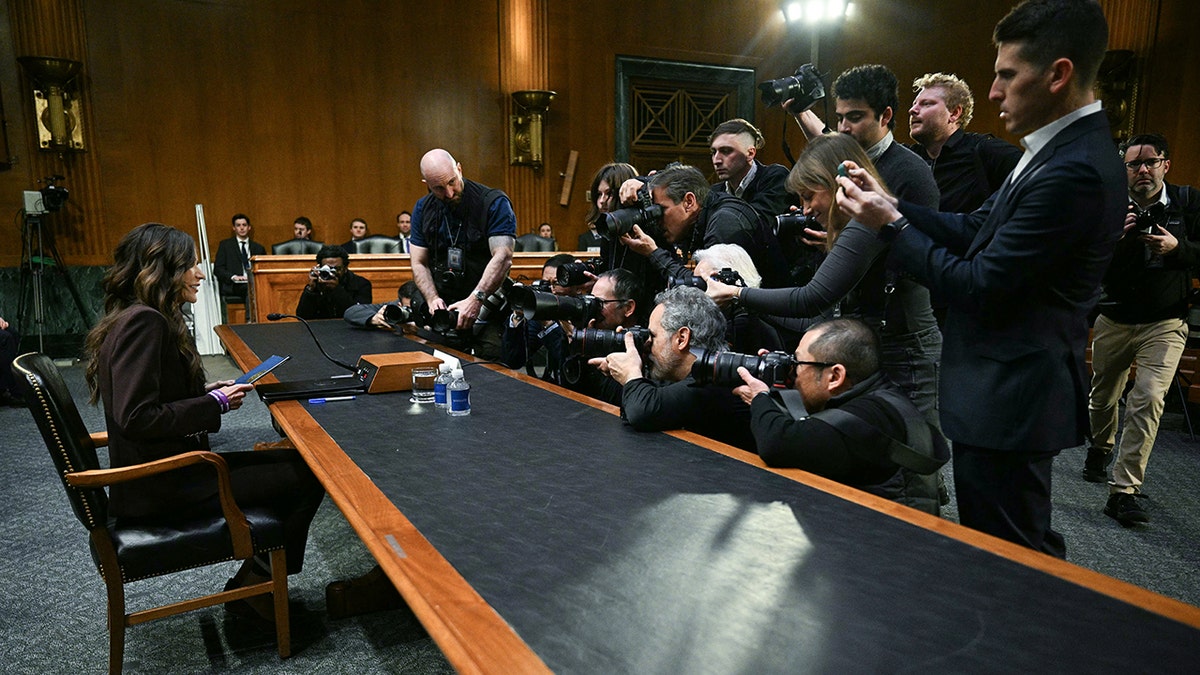
Department of Homeland Security Secretary Kristi Noem takes her seat as she arrives to testify during a Senate Judiciary Committee hearing Tuesday on Capitol Hill in Washington, D.C. (Jim Watson/AFP via Getty Images)
McLaughlin told Fox News Digital the criticism of her and her family by senators at the hearing is a matter of public manipulation.
CLICK HERE TO DOWNLOAD THE FOX NEWS APP
«This is yet another example of politicians intentionally trying to dupe and manipulate the public to try to manufacture division and anger,» McLaughlin told Fox News Digital. «The ad spend and contracts are a matter of public record, and the process was done by the book.
«These politicians would rather smear private citizens and American small businesses than do any basic research.»
Fox News Digital’s Alexandra Koch contributed to this report.Related Article

kristi noem,hearings,congress,illegal immigrants,advertisements,homeland security

Super Mario Run recibe evento de Super Mario Bros Wonder – Nintendo Switch 2 Edition + Encuentro en el Parque Belabel – Nintenderos

Lo que muestran las imágenes satelitales sobre los esfuerzos para destruir los misiles balísticos de Irán

$4.2M US torpedo detonates under Iranian warship in historic ‘No Mercy’ strike

DHS defends McLaughlin against allegations husband’s company profited millions from ad contracts: ‘Baseless’

Diputados empieza a debatir la Ley de Glaciares y el oficialismo quiere sesionar la semana que viene

Detrás del dólar estable: el flujo de USD 11.000 millones que apuntaló la calma cambiaria y la compra de divisas del BCRA

Destrozaron a Andrea del Boca por el terrible pecado que tuvo en Gran Hermano: “La quiero presa”, apuntaron contra la actriz por un detalle en la cocina

La histórica figura de Intrusos que se va del programa y armó un escándalo con Adrián Pallares y Rodrigo Lussich: “Me voy”, reveló Pablo Layus

¡Otro abandono! El participante de Gran Hermano que anunció su salida de la casa: La confesión de Gabriel Lucero que se suma a la lista de renuncias

Puertas adentro, Villarruel explotó: «El esfuerzo no lo hizo la política» y demolió el relato económico de Milei

 POLITICA2 días ago
Puertas adentro, Villarruel explotó: «El esfuerzo no lo hizo la política» y demolió el relato económico de Milei
- CHIMENTOS3 días ago
Pampita se mudó a un castillo francés de detalles alucinantes: «1000 metros, 14 ambientes, vale 11 millones de dólares»
- CHIMENTOS3 días ago
El drama que vive Oriana Sabatini a horas del nacimiento de su hija con Paulo Dybala: se complicó la salud de su abuela de 90 años