INTERNACIONAL
El Senado de Uruguay, a un paso de despenalizar la eutanasia: cómo será la votación y los detalles del proyecto

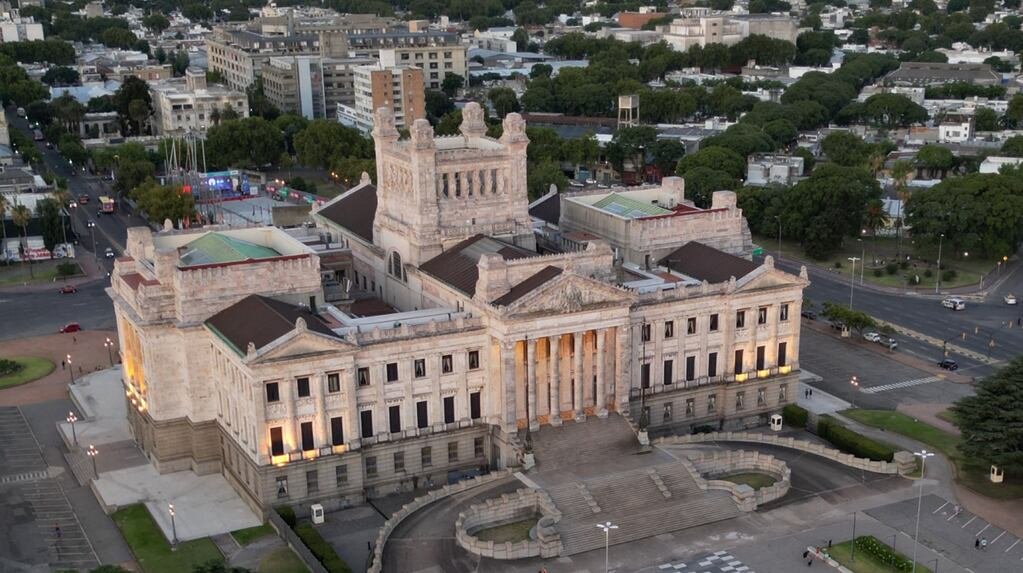
Uruguay está a punto de dar un paso histórico: el Senado debate y se espera que apruebe la despenalización de la eutanasia.
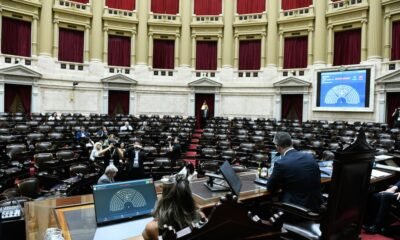
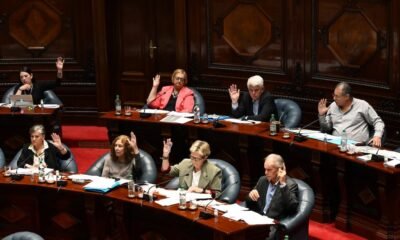
La iniciativa, conocida como “ley de Muerte digna”, ya recibió el visto bueno de la Cámara de Diputados en agosto, tras una sesión maratónica y con respaldo de legisladores de distintos partidos. Ahora, el proyecto llega al Senado, donde el Frente Amplio —mayoría en la cámara alta y principal impulsor de la ley— anticipó su apoyo.
Leé también: Tras el acuerdo de cese el fuego, Netanyahu enfrenta una fuerte presión interna y el aislamiento internacional
Un debate que cruza partidos y emociones
La votación no solo divide a la sociedad, sino también a los bloques políticos. Tanto en el Partido Nacional como en el Partido Colorado hay posturas encontradas. Por ejemplo, la senadora blanca Graciela Bianchi y el colorado Andrés Ojeda ya adelantaron que votarán a favor.
En una jugada clave, el colorado Robert Silva pidió licencia para que asuma su suplente, Ope Pasquet, quien fue uno de los principales promotores del proyecto en la legislatura pasada. “Después de tanto luchar será parte”, expresó Silva, reflejando la carga emocional que atraviesa el debate.
El testimonio que conmovió al Parlamento
Entre los presentes en las gradas del Palacio Legislativo se encuentra Beatriz Gelós, una docente de 71 años que padece esclerosis lateral amiotrófica (ELA) desde hace 19 años. Su historia, marcada por la imposibilidad de realizar tareas cotidianas y el sufrimiento físico, fue uno de los argumentos más potentes durante la discusión en Diputados.
“Me daría una paz impresionante que se apruebe. Es una ley de compasión, muy humana, muy bien redactada”, dijo Gelós a la agencia de noticias AFP. Beatriz Gelos, que sufre de ELA, apoya la ley de Muerte digna en Uruguay. (Foto: AFP/Eitan Abrahamovich).
Si su deseo se cumple, Uruguay se unirá a un reducido grupo de países que permiten el procedimiento y en el que figuran Canadá, Colombia, Países Bajos, Nueva Zelanda y España.
Colombia se convirtió en 1997 en el primer país de América en despenalizar la eutanasia por decisión de la Corte Constitucional, aunque la primera eutanasia legal se realizó en 2015. Desde 2021, el acceso está permitido incluso a personas con enfermedades graves e incurables no terminales. En 2023 se practicaron unas 270 eutanasias, casi un 50% más que en 2022, según el Laboratorio DescLAB.
Quiénes apoyan y quiénes rechazan la ley
El debate en el Senado se da con la presencia de organizaciones como Empatía Uruguay y Tenemos ELA, que impulsan la aprobación, y de Prudencia Uruguay, que se opone.
Los defensores del proyecto sostienen que la ley “regula y garantiza el derecho de las personas a transcurrir dignamente el proceso de morir y a recibir asistencia para hacerlo”. Para ellos, cada persona debe poder decidir sobre su propio destino y evitar sufrimientos que considere insoportables.
Leé también: Torturas, aislamiento e inanición: los rehenes liberados por Hamas relataron el horror de 2 años de cautiverio
Los defensores del proyecto coinciden en que su redacción brinda garantías y representa la historia de un país acostumbrado a aprobar leyes liberales como la regulación del mercado de cannabis, el matrimonio igualitario y el aborto.
Un 62% de los uruguayos está a favor de legalizar la eutanasia y apenas un 24% la rechaza, según una encuesta presentada en mayo por la Consultora Cifra.
El Colegio Médico respetó las diversas posiciones de sus socios y no proclamó una postura ante el tema. Sin embargo, asesoraron en todo el proceso “para tener las máximas garantías para los pacientes y para los médicos”, comentó a la AFP el presidente de la entidad, Álvaro Niggemeyer.
La iglesia Católica mostró “tristeza” ante la votación afirmativa en Diputados y la resistencia al proyecto traspasó los ámbitos religiosos. Más de una decena de organizaciones y decenas de personas rechazaron la redacción del proyecto por “deficiente y peligrosa”.
Cómo será el procedimiento para acceder a la eutanasia
El proyecto establece que la eutanasia podrá aplicarse solo en casos muy específicos: personas mayores de edad, en pleno uso de sus facultades mentales, que padezcan enfermedades crónicas, incurables o irreversibles que “menoscaben gravemente su calidad de vida” y les provoquen sufrimientos “insoportables”.
El proceso apunta a que tengan una muerte “indolora, apacible y respetuosa de su dignidad” y consta de ocho etapas. Todo debe comenzar con un pedido personal del paciente a un médico. Luego, un segundo profesional —sin vínculo con el primero— debe dar su opinión. Si ambos coinciden, se realiza una segunda entrevista con el paciente para confirmar su voluntad y, finalmente, se deja constancia de su “última voluntad”. Solo entonces, el médico actuante podrá proceder.
Eutanasia, muerte digna., enfermedad










INTERNACIONAL
Nicolás Maduro, el ex chofer que maniobró el poder en Venezuela durante 13 años y ahora enfrenta a la Justicia en Estados Unidos
Represión y violaciones a los derechos humanos
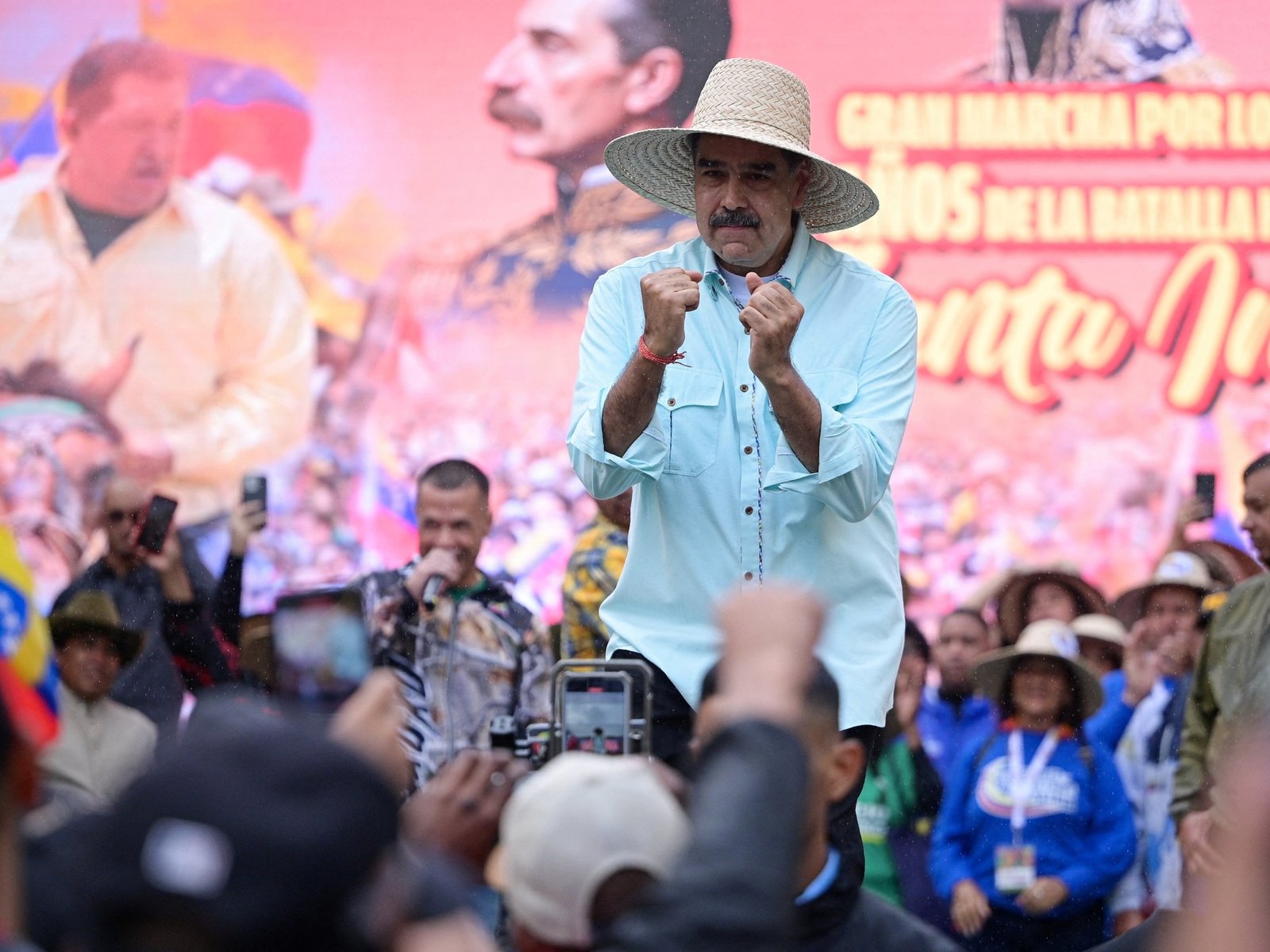
 Nicolás Maduro, en una marcha en Caracas el 10 de diciembre pasado. Foto: REUTERS
  Una imagen difundida este sábado en la red Truth Social por Donald Trump, tras la captura de Nicolás Maduro en Caracas. Foto: REUTERS
 Realpolitik
NEWYou can now listen to Fox News articles!
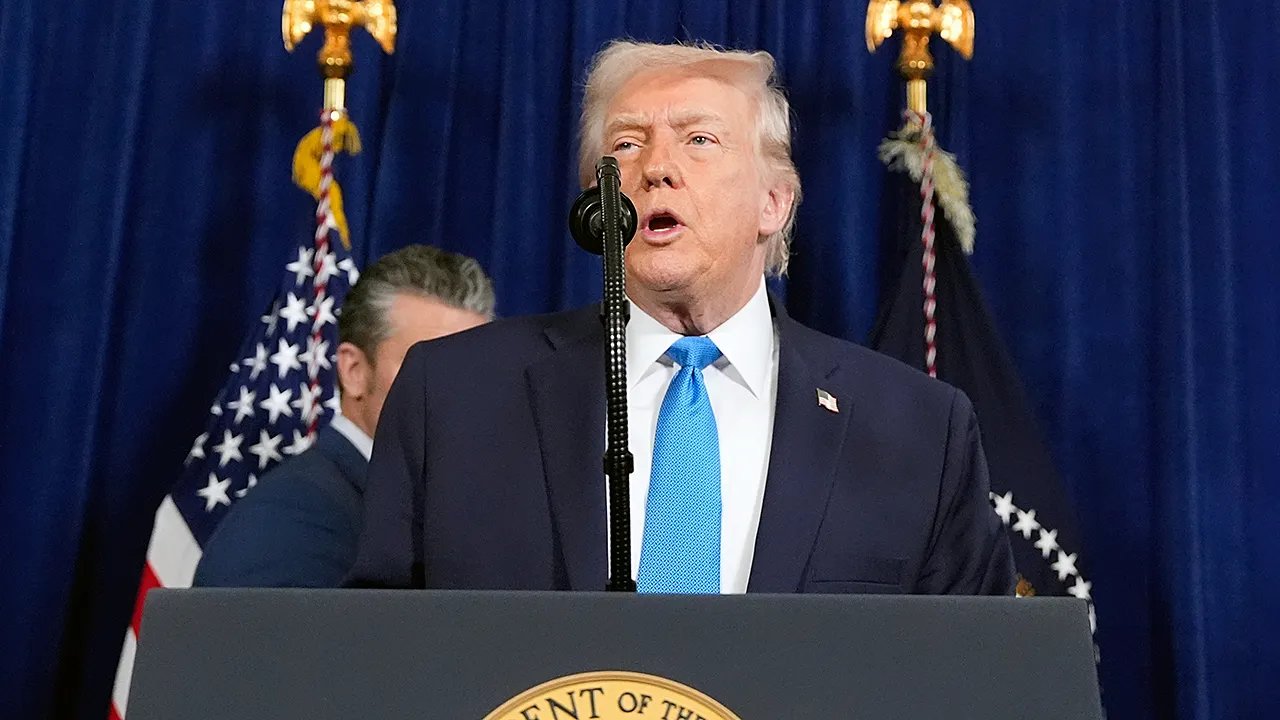
President Donald Trump said the United States is «going to run the country» in Venezuela until what he described as a safe, proper and judicious transition can take place.
Trump framed the role as temporary but necessary, saying the U.S. does not want to allow «somebody else get in» before conditions are stable. He said the goal is peace, liberty and justice for Venezuelans, including those who have fled to the United States and hope to return home.
«We’re going to run the country until such time as we can do a safe, proper and judicious transition,» Trump said.
He also warned the U.S. is prepared to escalate further if needed, saying, «We are ready to stage a second and much larger attack,» and that American forces remain in position. «We’re there now, and we’re going to stay until such time as the proper transition can take place,» Trump said.
Trump spoke during a news conference Saturday hours after U.S. special forces bombed Caracas and captured dictator Nicolás Maduro and his wife Cilia Flores, taking them to New York to face drug trafficking charges.
LIVE UPDATES: TRUMP CONFIRMS OVERNIGHT STRIKES IN VENEZUELA, SAYS US HAS ‘CAPTURED’ MADURO
President Donald Trump said the United States is «going to run the country» in Venezuela until what he described as a safe, proper and judicious transition can take place. (AP Photo/Alex Brandon)
Trump said the U.S. plans to directly manage Venezuela alongside partners while rebuilding the country’s oil sector. «We’re going to be running it with a group, and we’re going to make sure it’s run properly,» Trump said. «We’re going to rebuild the oil infrastructure, which will cost billions of dollars. It’ll be paid for by the oil companies directly … and we’re going to get the oil flowing the way it should be.» He said the U.S. would ensure Venezuelans are «taken care of,» including those «forced out of Venezuela by this thug.»
Pressed on whether U.S. forces would remain inside the country, Trump did not rule out a sustained troop presence. «They always say boots on the ground — so we’re not afraid of boots on the ground if we have to,» he said, confirming U.S. troops were already involved «at a very high level» during the operation.
Trump repeated that the U.S. intends to stay and retain control, saying, «We’re there now. We’re ready to go again if we have to. We’re going to run the country… very judiciously, very fairly.» He added that the U.S. was prepared to launch another attack if necessary and accused Venezuela’s former leadership of stealing American-built oil infrastructure, saying, «We’re late, but we did something about it.»
Asked whether the U.S. would back opposition leader María Corina Machado or work with Venezuela’s newly sworn-in vice president, Trump signaled flexibility. He noted the vice president had been «picked by Maduro,» but said U.S. officials were already engaging with her. «She’s essentially willing to do what we think is necessary to make Venezuela great,» Trump said, adding that the issue was being handled directly by his team.
Trump continued, «She was quite gracious, but she really doesn’t have a choice. We’re going to have this done right. We’re not going to just do this when they leave like everybody else, leave and say, you know, let it go to hell. If we just left, it has zero chance of ever coming back. We’ll run it properly. We’ll run it professionally. We’ll have the greatest oil companies in the world go in and invest billions and billions of dollars and take out money. Use that money in Venezuela. And the biggest beneficiary are going to be the people of Venezuela.»
MADURO MET CHINESE ENVOY HOURS BEFORE US CAPTURE FROM CARACAS AS BEIJING SLAMS OPERATION
Trump was asked by another reporter, «Why is running a country in South America ‘America first’?»
Trump replied: «We want to surround ourselves with good neighbors. We want to surround ourselves with stability. We want to surround ourselves with energy. We have tremendous energy in that country. It’s very important that we protect it.»
U.S. efforts to run or oversee political transitions in foreign countries have frequently encountered setbacks in recent years, highlighting the uncertainty surrounding Trump’s approach to Venezuela.
The last time the U.S. intervened militarily to remove a leader in Latin America was in Panama in 1989, when American forces ousted dictator Manuel Noriega. While the operation succeeded quickly, it was followed by long-term challenges in stabilizing governance.
While the invasion quickly removed Manuel Noriega, it resulted in significant civilian harm. Estimates of civilian deaths vary widely, and entire neighborhoods — most notably El Chorrillo in Panama City — were heavily damaged, leaving thousands homeless. This complicated post-invasion stabilization and fueled lingering resentment among parts of the population.

Trump spoke during a news conference Saturday morning hours after U.S. special forces bombed Caracas and captured dictator Nicolás Maduro and his wife Cilia Flores, taking them to New York to face drug trafficking charges. (AP Photo/Cristian Hernandez)
MARÍA CORINA MACHADO EMERGES AS TOP POTENTIAL SUCCESSOR AFTER MÁDURO’S FALL
But after years of soaring hyperinflation that wiped out savings, hollowed out wages and fueled mass migration, some U.S. officials — and many Venezuelans — believe virtually anyone who comes to power would be better than Nicolás Maduro. Venezuelans inside the country and those who fled to the United States were seen celebrating in the streets during moments of heightened U.S. pressure, according to videos that circulated widely on social media.
Venezuelan opposition leaders Edmundo González Urrutia and his running mate Machado have positioned themselves as the alternative to President Nicolás Maduro, insisting they won last year’s presidential election despite the government’s declaration of Maduro as the victor.
After the capture, Machado called on Venezuela’s armed forces to recognize opposition candidate Edmundo González Urrutia as the country’s «legitimate president» and commander-in-chief. (Carlos Jasso/Reuters)
Machado, who was barred from holding office by the Maduro-appointed high court, threw her support behind González as a unity candidate, while the opposition and several international observers rejected the official results as fraudulent.
González has since left Venezuela amid pressure from the Maduro government, while Machado’s present whereabouts is unknown, urging continued domestic and international pressure to force a political transition.
After the capture, Machado called on Venezuela’s armed forces to recognize opposition candidate Edmundo González Urrutia as the country’s «legitimate president» and commander-in-chief, while declaring the opposition is prepared to «assert our mandate and take power.» In a defiant statement, she said «the hour of freedom has arrived,» argued President Nicolás Maduro now faces international justice, and urged Venezuelans at home and abroad to mobilize as what she described as the final phase of a democratic transition.
CLICK HERE TO DOWNLOAD THE FOX NEWS APP
Asked about the U.S.’s track record of ousting dictators, Trump replied: «That’s when we had different presidents. . . . That’s not with me. We’ve had a perfect track record of winning. We win a lot and we win. If you look at Soleimani, you look at al-Baghdadi, you look at the Midnight Hammer, Midnight Hammer was incredible. . . . So, with me, you’ve had a lot of a lot of victory. You’ve had only victories, you’ve had no losses yet.»
venezuelan political crisis,donald trump,defense,latin america,foreign policy
INTERNACIONAL
Iran and Maduro ties suffer major blow following US operation and capture of Venezuelan dictator
NEWYou can now listen to Fox News articles!
The Trump administration’s military operation that resulted in the capture of Venezuelan President Nicolás Maduro is a devastating setback to the South American nation’s long-term ally, the Islamic Republic of Iran, experts contend.
As Iran experiences yet another day of anti-regime protests across the country, Jason Brodsky, the policy director of United Against Nuclear Iran (UANI), who has written about Maduro’s nefarious activities, told Fox News Digital that, «Maduro’s capture will be a blow to Iran’s interests in the Western Hemisphere as he was a longtime ally of Tehran under the banner of anti-imperialism and Americanism in the region.»
He said, «How much of a blow it will be will depend on who comes to power after Maduro. Iran and Hezbollah have used Venezuela as an operational hub for terrorism, drug trafficking, and power projection in Latin and South America.»
CARTEL CONNECTION: HEZBOLLAH AND IRAN EXPLOIT MADURO’S VENEZUELA FOR COCAINE CASH
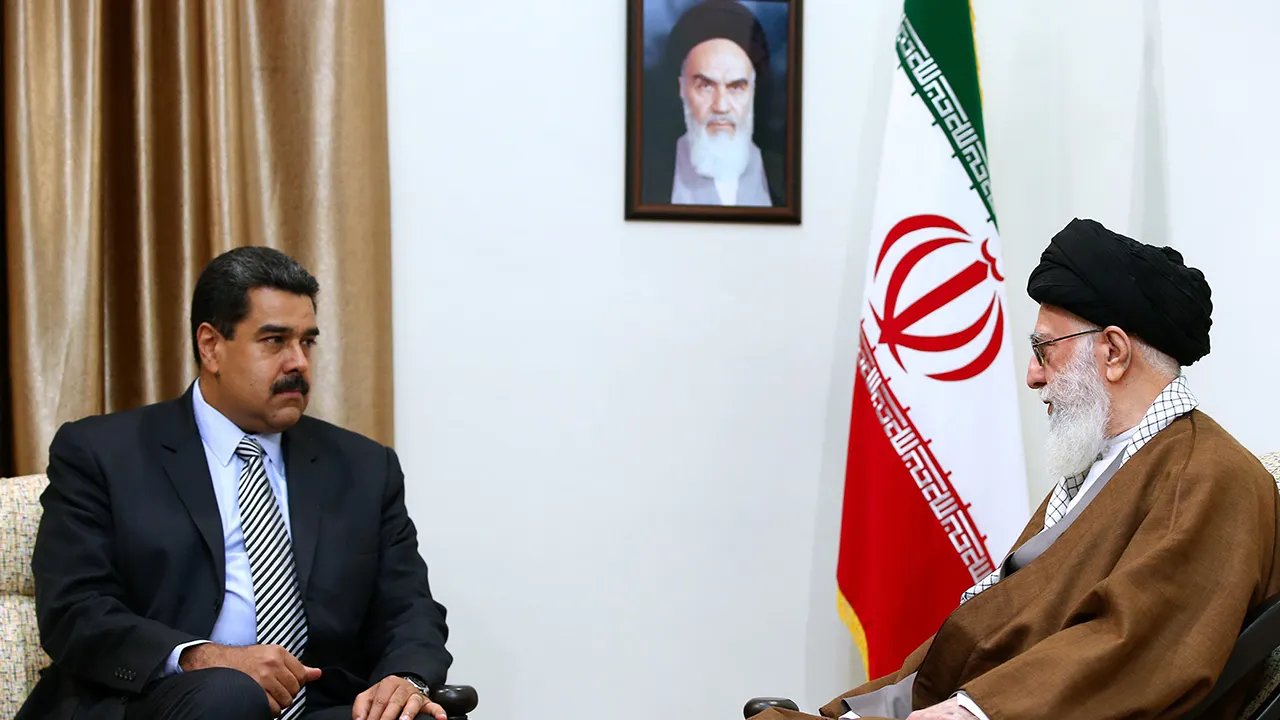
Venezuelan President Nicolas Maduro (L) meets with Supreme Leader of Iran Ayatollah Ali Khamenei (R) within Maduro’s visit for «Gas Exporting Countries Forum» (GECF) meeting in Tehran, Iran on November 23, 2015. (Press Office/Anadolu Agency/Getty Images)
He continued, «Iran had a military partnership with Caracas as well, especially with drones. So Tehran is likely eyeing these developments very warily. Its interests in the region were already weakened after Bolivia’s presidential election, which brought to power a center-right leader who reestablished relations with Israel.»
In November, Fox News Digital reported that the Islamic Republic was backing Maduro just as the Trump administration stepped up military pressure in the Caribbean and expanded its crackdown on criminal networks tied to the regime in Caracas.
Brodsky said, «This will be a strike heard around the world. Iran’s regime will be watching it very closely as President Trump threatened the supreme leader during the 12-Day War. This historic strike adds to the perception of President Trump being unpredictable and risk-ready, which inspires fear in U.S. adversaries and bolsters the credibility of the threat of American military force. This strengthens U.S. deterrence.»
ON MADURO’S ‘TERROR ISLAND,’ HEZBOLLAH OPERATIVES MOVE IN AS TOURISTS DRIFT OUT
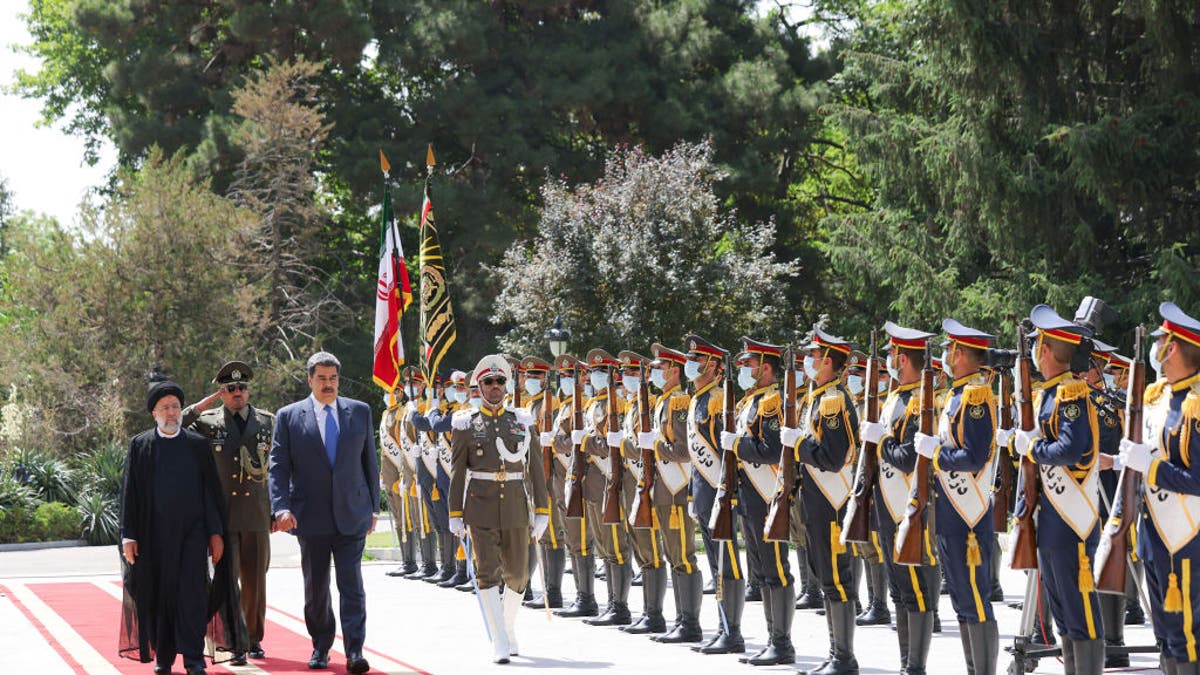
Ex-Iranian President Ebrahim Raisi (L) welcomes Venezuelan President, Nicolas Maduro (3rd L) at Sadabat Palace in Tehran, Iran on June 11, 2022. (Photo by Iranian Presidency / Handout/Anadolu Agency via Getty Images) (Photo by Iranian Presidency / Handout/Anadolu Agency via Getty Images))
The Iranian Foreign Ministry said in a statement that it «strongly condemns the American military attack on Venezuela and the flagrant violation of the national sovereignty and territorial integrity of the country.»
Potkin Azarmehr, a British-Iranian expert on Iran, told Fox News Digital that «Every fall of a dictator who is allied with the Ayatollahs is both a boost to the morale of the people in Iran and a setback for the ruling mullahs.»
PROTESTS SPREAD ACROSS IRAN AS REGIME THREATENS US FORCES AS ‘LEGITIMATE TARGETS’ AFTER TRUMP WARNING
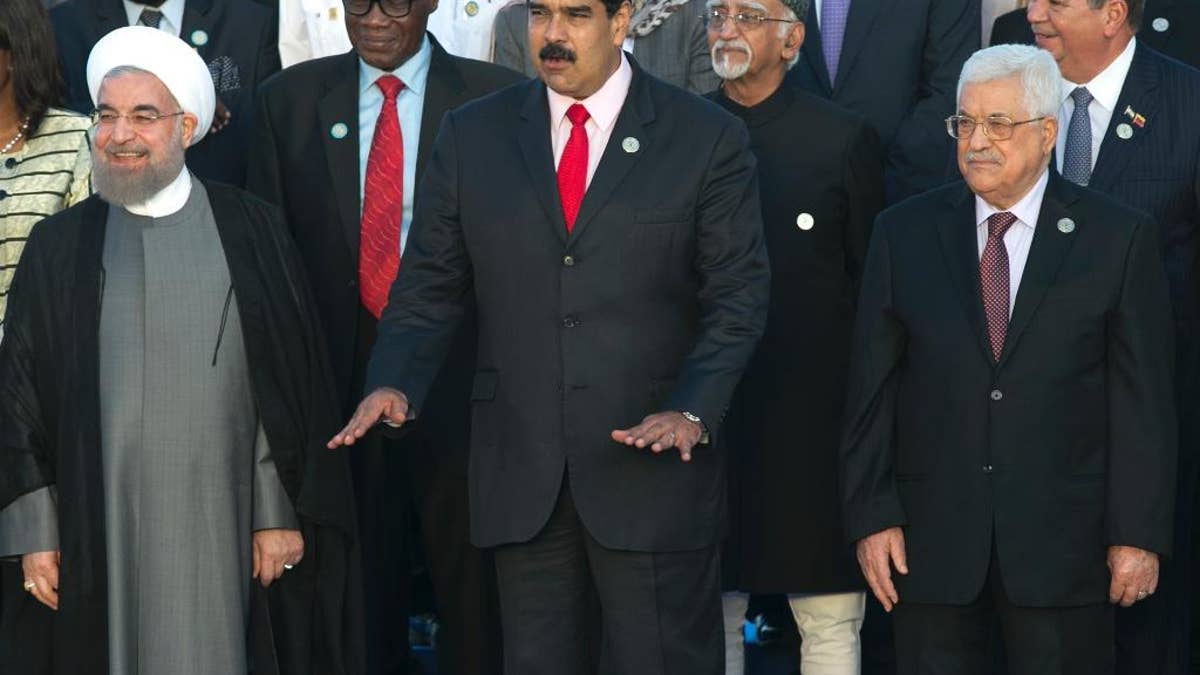
The then Iranian President Hassan Rouhani, from left front, Venezuela’s President Nicolas Maduro, and Palestinian President Mahmoud Abbas, gather for the official group photo at the 17th Non-Aligned Movement Summit in Porlamar, on Venezuela’s Margarita Island, Saturday, Sept. 17, 2016. (AP Photo/Ariana Cubillos) (The Associated Press)
He added that, «The Islamic Republic saw its ‘axis of resistance’ fall apart in the region. Now it’s witnessing its partner in crime further away toppled. This will seriously damage the regime’s revenues and resources. Many of the ruling officials must now be tempted to defect before it’s too late.»
CLICK HERE TO DOWNLOAD THE FOX NEWS APP
Iran’s axis of resistance was the troika alliance consisting of the now-defunct Bashar al-Assad regime in Syria and the weakened Hezbollah terrorist movement in Lebanon.
Fox News’ Efrat Lachter contributed to this report.
venezuelan political crisis,iran,conflicts,terrorism,narco terror

Cómo “desintoxicar” el organismo después de las comidas de Año Nuevo

Senado. Del divorcio político Milei-Villarruel al rechazo de Ficha Limpia, un año a puro vértigo

Nicolás Maduro, el ex chofer que maniobró el poder en Venezuela durante 13 años y ahora enfrenta a la Justicia en Estados Unidos

El mensaje de un ex jugador de la selección de Venezuela tras la captura de Nicolás Maduro

Trump vows US will ‘run’ Venezuela until ‘safe’ transition of power

Carrefour vende el termo Stanley con descuento y en cuotas sin interés: cuánto sale

Sueldo empleada doméstica: cuáles son los nuevos montos por hora y mes para enero 2026

Noelia Marzol subió un video con su marido y encendió la polémica: “Momento de lujuria”

El mensaje de Año Nuevo de Javier Milei: “Hemos cumplido con todas nuestras promesas de campaña”

Con ironía, Juana Repetto contó por qué no fue al casamiento de su hermano: “Entendí todo”

 CHIMENTOS1 día ago
Noelia Marzol subió un video con su marido y encendió la polémica: “Momento de lujuria”
- POLITICA3 días ago
El mensaje de Año Nuevo de Javier Milei: “Hemos cumplido con todas nuestras promesas de campaña”
- CHIMENTOS2 días ago
Con ironía, Juana Repetto contó por qué no fue al casamiento de su hermano: “Entendí todo”