INTERNACIONAL
War Department refocuses on AI, hypersonics and directed energy in major strategy overhaul


NEWYou can now listen to Fox News articles!
EXCLUSIVE – The War Department is narrowing its research and development strategy to six «Critical Technology Areas» officials say will speed up innovation and strengthen America’s military edge.
Under Secretary of War for Research and Engineering Emil Michael said the plan will deliver faster, more focused results to the warfighter by merging overlapping programs and steering funding toward technologies that will shape future conflicts.
«As the Department of War’s Chief Technology Officer, I am statutorily charged with the mission of advancing technology and innovation for the armed forces,» Michael wrote in a Nov. 13 memorandum to senior Pentagon and combatant command leadership. «The previous list of fourteen CTAs did not provide the focus that the threat environment of today requires.»
The six areas—Applied Artificial Intelligence, Biomanufacturing, Contested Logistics Technologies, Quantum and Battlefield Information Dominance, Scaled Directed Energy and Scaled Hypersonics — will be advanced through rapid «sprints» designed to move emerging technologies from prototype to production.
ARMY SECRETARY REVEALS HOW RANGERS BYPASS PENTAGON RED TAPE TO COUNTER EXPLODING DRONE THREAT
The Pentagon is seen from a flight taking off from Ronald Reagan Washington National Airport in Arlington, Virginia. (Alex Wong/Getty Images)
Secretary of War Pete Hegseth said the streamlined approach will keep the United States ahead of its rivals.
«Our nation’s military has always been the tip of the spear,» Hegseth said. «Under Secretary Emil Michael’s six Critical Technology Areas will ensure that our warriors never enter a fair fight and have the best systems in their hands for maximum lethality.»
The initiative also aligns with President Donald Trump’s Artificial Intelligence Action Plan, which directs the War Department to become an «AI-First» organization.
Officials say the shift will reshape how intelligence is processed, how logistics are managed and how weapons systems are deployed.
«In alignment with President Trump’s Artificial Intelligence (AI) Action Plan, the Department of War must become an ‘AI-First’ organization,» Michael wrote. «When adopted rapidly, AI will fundamentally transform the Department from the enterprise-level, to intelligence synthesis and to warfighting.»
WAR DEPARTMENT PUSHES BACK ON ‘FALSE’ NARRATIVE OF INTERNAL STRATEGY SPLIT
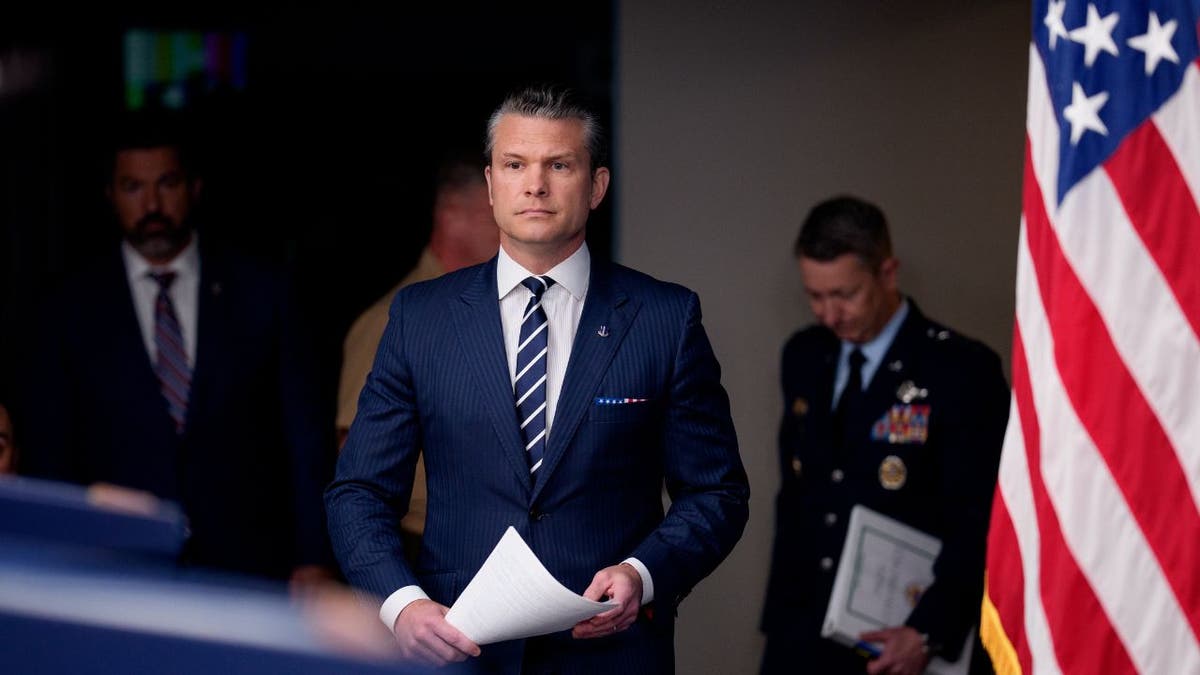
Defense Secretary Pete Hegseth arrives for a news conference at the Pentagon, June 22, 2025, in Arlington, Virginia. (Andrew Harnik/Getty Images)
Michael’s plan emphasizes resilience and self-sufficiency on the battlefield. Biomanufacturing will create bio-based materials to reduce reliance on foreign suppliers, while Contested Logistics Technologies will help U.S. forces sustain operations in contested or denied environments.
The goal, he said, is to ensure troops can fight and resupply even when traditional lines are cut. Each new technology area is meant to reinforce that capability.
«Future warfare will likely be characterized by contested environments in which the Joint Force is challenged to surge, operate into and within the operational theater, and resupply, reconstitute, and recover forces,» Michael wrote. «This CTA will enable the demonstration, validation, and scaling of novel approaches and technologies.»
HEGSETH SHREDS SOVIET-STYLE BUREAUCRACY AND ‘FIVE-YEAR PLANS’ GOVERNING PENTAGON

Artificial intelligence and quantum computing are among the six new technology areas the War Department says will shape future U.S. military operations. (Getty Images)
Other priorities include quantum computing for secure battlefield communications, scaled directed energy systems such as high-energy lasers and high-power microwave weapons, and the expansion of hypersonic capabilities for both offensive and defensive missions.
CLICK HERE TO DOWNLOAD THE FOX NEWS APP
Each effort depends on close coordination between the Pentagon, private industry and allied militaries to ensure the technologies reach the field quickly.
«Executing these sprints will require unprecedented coordination between the Office of the Under Secretary of War for Research and Engineering, military departments, combatant commands and other Office of the Secretary of War components,» Michael said. «I am committed to working with you and our partners inside and outside of the Department on these efforts.»
national security,pentagon,tech,secretary of defense,military tech









INTERNACIONAL
Una turista contó cómo vivió el operativo contra “El Mencho” entre bloqueos, disparos y un “estado de guerra”

Entre disparos y bloqueos de narcotraficantes, decenas de turistas quedaron atrapados el domingo en unas cabañas de Tapalpa, en el estado mexicano de Jalisco, donde fue abatido en un operativo militar Nemesio Oseguera Cervantes, alias “El Mencho”.
“Desde que desperté, los helicópteros ya sobrevolaban muy cerca, y fue alrededor de las 7:00 cuando nuestros familiares intentaron contactarnos“, relató a EFE una turista que pidió mantener el anonimato.
Fue entonces que se dio cuenta de que estaba hospedada cerca de la guarida de “El Mencho”, en el complejo turístico Tapalpa Country Club.
Leé también: Escondida en un bosque y protegida por muros de piedra: así es la mansión donde cayó “El Mencho”
En esta zona boscosa, rodeada por centenares de árboles y residencias de lujo, la mujer y su grupo de amigos se encerraron en una habitación al fondo de una cabaña, “la más segura”, porque “no tenía tantos cristales que pudieran ser atravesados por una bala”.
Con la poca señal que llegaba a sus teléfonos celulares, recibieron decenas de mensajes enviados a un chat del condominio, integrado por aproximadamente 60 personas -entre turistas nacionales e internacionales y organizadores-, quienes solicitaban a huéspedes y propietarios “no salir de las cabañas”.
“Estado de guerra”
Afuera de las cabañas se desarrollaba un fuerte operativo del Ejército mexicano para capturar a “El Mencho”, el líder del Cartel Jalisco Nueva Generación (CJNG) y uno de los narcotraficantes más buscados del mundo.
“Al inicio pensábamos que era un operativo normal, pero después empezaron a llegarnos videos de grupos armados pasando entre las cabañas y, minutos más tarde, escuchamos disparos. Una hora de disparos”, recordó.
Dos soldados custodian una zona de Tapalpa, en Jalisco (Foto: Reuters)
El tiroteo terminó al mediodía.
Según se supo después, el líder narco se escondía desde el 21 de febrero en una exclusiva cabaña con su pareja sentimental.
Las conversaciones durante esas horas eran de temor y aislamiento.
Leé también: El narcotráfico dio una brutal muestra de poder de fuego ante el cambio de estrategia del gobierno mexicano
“Estábamos en un estado de guerra del que no podíamos salir”, señaló la turista. Afuera había un bloqueo con un camión que impedía el paso.
“No teníamos más comida” y, sobre todo, “queríamos regresar a casa”, porque “nuestras familias viven en Guadalajara, donde la situación estaba “aún peor”, agregó.
El operativo contra el capo mexicano desató una ola de violencia en todo el país, en la que fallecieron 25 integrantes de la Guardia Nacional y más de 30 miembros del CJNG.
Cómo fue el regreso a casa
Regresar a la ciudad de Guadalajara la tarde del domingo fue una “misión imposible”. Además de los bloqueos ilegales en Tapalpa, se reportaban otros 18 en todo el estado de Jalisco, según las autoridades federales.
“En el chat de los condominios se decía que seguían quemando autos y negocios y que no era seguro regresar. Mientras pasaban las horas, yo enviaba cada treinta minutos un mensaje a mi mamá para decirle que todo estaba bien”, relató.
“El miedo no se me quitaba de la piel”, subrayó.
La noche del domingo estuvo marcada por el “insomnio”, ante la psicosis de que “alguien entrara o las balas volvieran a sonar”.
“Al despertar sabíamos que teníamos que salir de ahí”, indicó al explicar que la estrategia de escape la realizaron entre pequeños grupos de turistas que iban abandonando Tapalpa y, al mismo tiempo, avisando por mensajes de Whatsapp el estado del camino hasta Guadalajara.
Leé también: Con la muerte de “El Mencho”, México aleja el fantasma de la intervención de Trump
Con la llegada del primer grupo a la capital de Jalisco, la testigo logró salir de Tapalpa en un trayecto de dos horas y media, durante el cual contabilizó más de 15 vehículos volcados en la carretera, todos “llenos de ceniza”.
“En cada curva te encontrabas un camión quemado o surcos tapados con tierra para que los autos no se hundieran”, resaltó.
Tres días después, Guadalajara, uno de los principales puntos de operación del Cartel Jalisco Nueva Generación, sigue con el código rojo activado y las actividades en suspenso.
(Con información de EFE)
México
NEWYou can now listen to Fox News articles!
U.S. and French officials signaled Tuesday they are working to steady relations after a diplomatic flare-up that led France to restrict U.S. Ambassador Charles Kushner’s access to senior government officials.
The U.S. Embassy in France told Fox News Digital that the two sides remain in contact following the dispute, which was triggered by U.S. government social media posts about the killing of a French activist earlier this month.
«Ambassador Kushner and Foreign Minister Barrot, who have met regularly during the Ambassador’s tenure, spoke today in a frank and amicable call, reaffirming their shared commitment to working together, along with all other Ministers and French officials, on the many issues that impact the United States and France, particularly as the two countries celebrate 250 years of rich diplomatic relations,» the statement said.
The outreach suggests both governments are seeking to contain the fallout from a clash that briefly raised questions about diplomatic protocol and political sensitivities between two of NATO’s closest allies.
U.S. and French officials signaled Tuesday they are working to steady relations after a diplomatic flare-up that led France to restrict U.S. Ambassador Charles Kushner’s access to senior government officials. (Ludovic Marin/AFP via Getty Images)
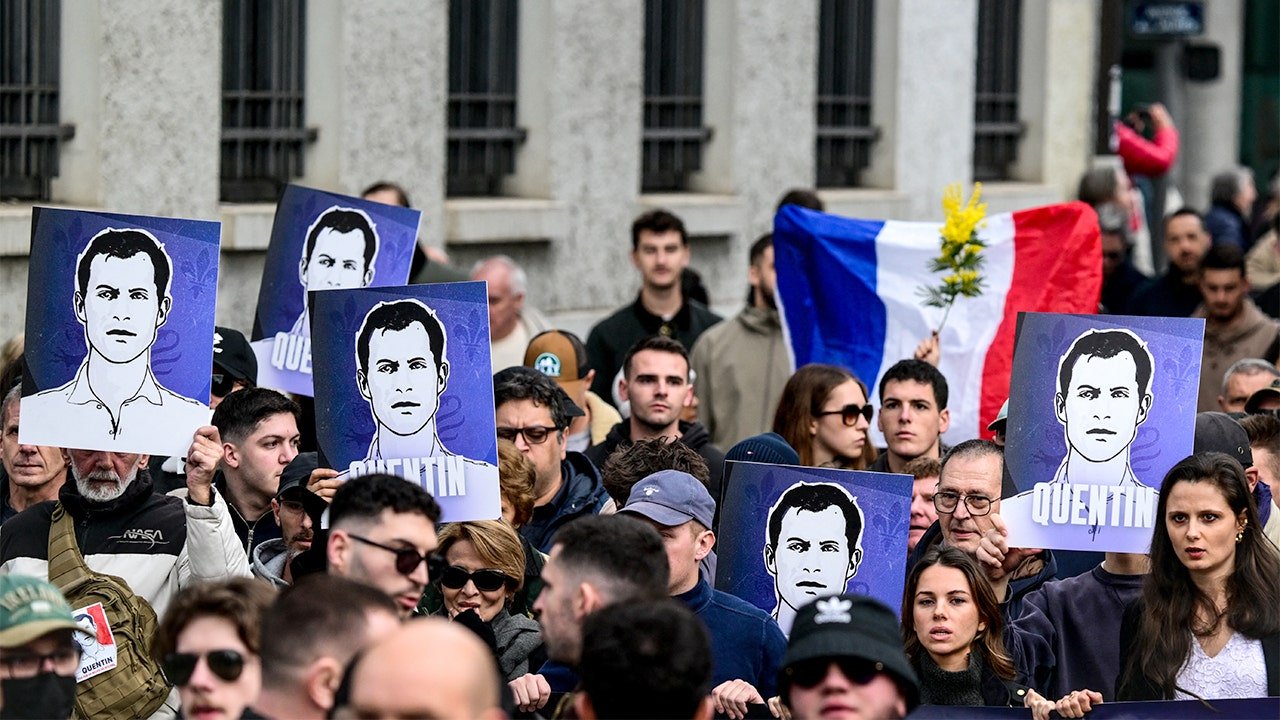
France had moved to limit Kushner’s access to top officials after he did not attend a summons at the French Foreign Ministry over remarks posted by official U.S. government accounts following the death of 23-year-old activist Quentin Deranque, who was killed during clashes between far-left and far-right groups in Lyon earlier this month.
The Associated Press reported that Deranque, described as a far-right activist and a fervent nationalist, was beaten during the confrontation and later died of brain injuries sustained in the attack.
In a Feb. 19 post on X, the U.S. State Department’s Bureau of Counterterrorism wrote that reports — corroborated by France’s interior minister — that Deranque was killed by left-wing militants «should concern us all,» adding: «Violent radical leftism is on the rise and its role in Quentin Deranque’s death demonstrates the threat it poses to public safety.» The U.S. Embassy in France later shared the statement on its official account.
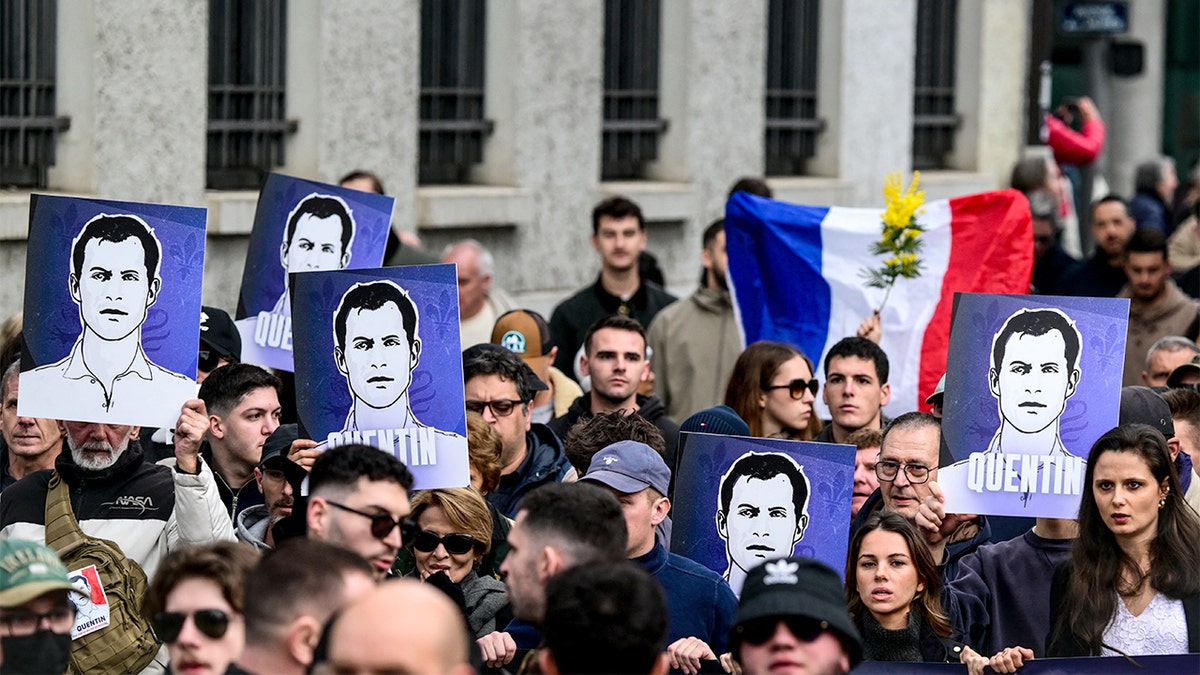
France had moved to limit Kushner’s access to top officials after he did not attend a summons at the French Foreign Ministry over remarks posted by official U.S. government accounts following the death of 23-year-old activist Quentin Deranque, who was killed during clashes between far-left and far-right groups in Lyon earlier this month. (Olivier Chassignole/AFP via Getty Images)
TRUMP KEEPS MACRON UNDER SPOTLIGHT AS GREENLAND TALKS GRIND FORWARD FROM DAVOS
French Foreign Minister Jean-Noël Barrot characterized the remarks as an unwelcome intrusion into France’s domestic political debate and said Kushner’s failure to appear at the Quai d’Orsay «will naturally affect his ability to carry out his mission in our country.» He described the no-show as a «surprise,» saying ambassadors are expected to respect «the most basic practices of diplomacy» when summoned.
«We have no lessons to learn in matters of maintaining order or public order in matters of violence, and we have no lessons to learn at all from the reactionary international, simply,» Barrot said in an interview with public broadcaster France Info.
While Tuesday’s call between Kushner and Barrot indicates both sides are attempting to prevent the disagreement from escalating, the episode unfolded against a broader backdrop of periodic tension in transatlantic relations.
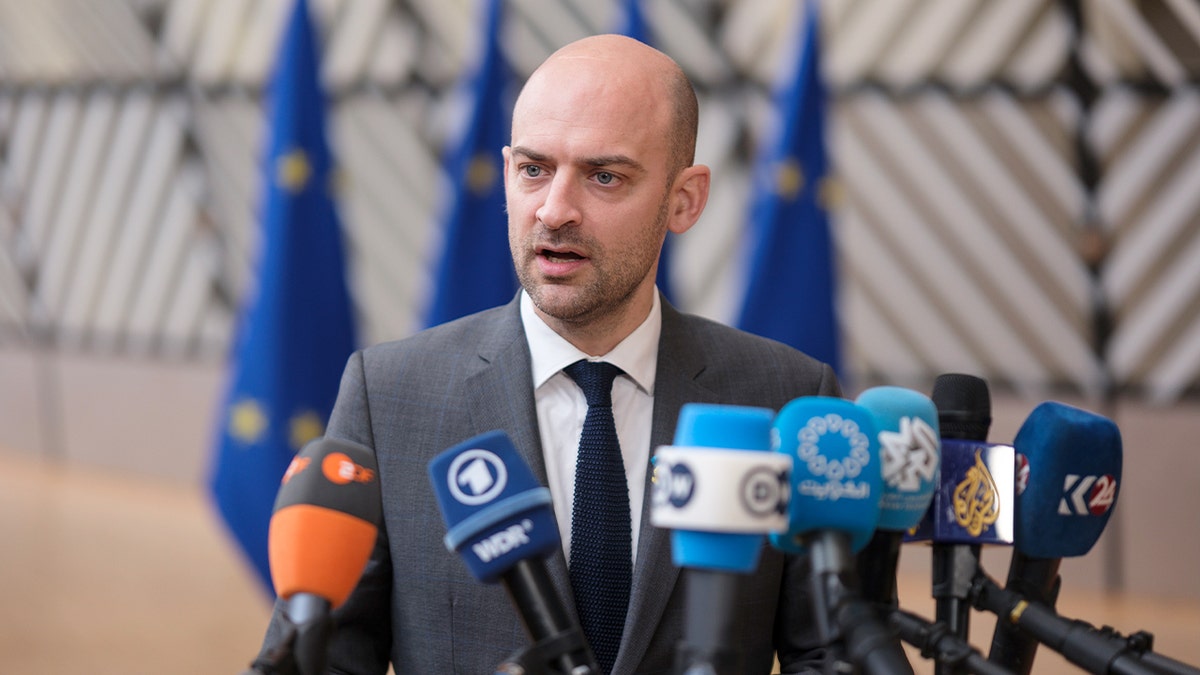
French Foreign Minister Jean-Noël Barrot characterized the remarks as an unwelcome intrusion into France’s domestic political debate and said Kushner’s failure to appear at the Quai d’Orsay «will naturally affect his ability to carry out his mission in our country.» (Thierry Monasse/Getty Images)
CLICK HERE TO DOWNLOAD THE FOX NEWS APP
France has at times pushed for greater European «strategic autonomy» in defense and foreign policy — an approach that can diverge from Washington’s priorities, particularly as President Donald Trump has pressed NATO allies to increase defense spending and align more closely with U.S. strategic objectives. Trade has also been a recurring friction point in recent years, with tariff disputes between the United States and the European Union periodically affecting French exports.
Despite those differences, France remains one of Washington’s closest security partners in Europe, cooperating extensively on counterterrorism, intelligence sharing and NATO operations. Diplomatic access to senior officials plays a central role in coordinating those efforts, making even symbolic restrictions notable.
Related Article
france,foreign policy,state department,politics
INTERNACIONAL
South African president thanks Putin after 17 men ‘lured’ to Russian frontlines begin returning home
NEWYou can now listen to Fox News articles!
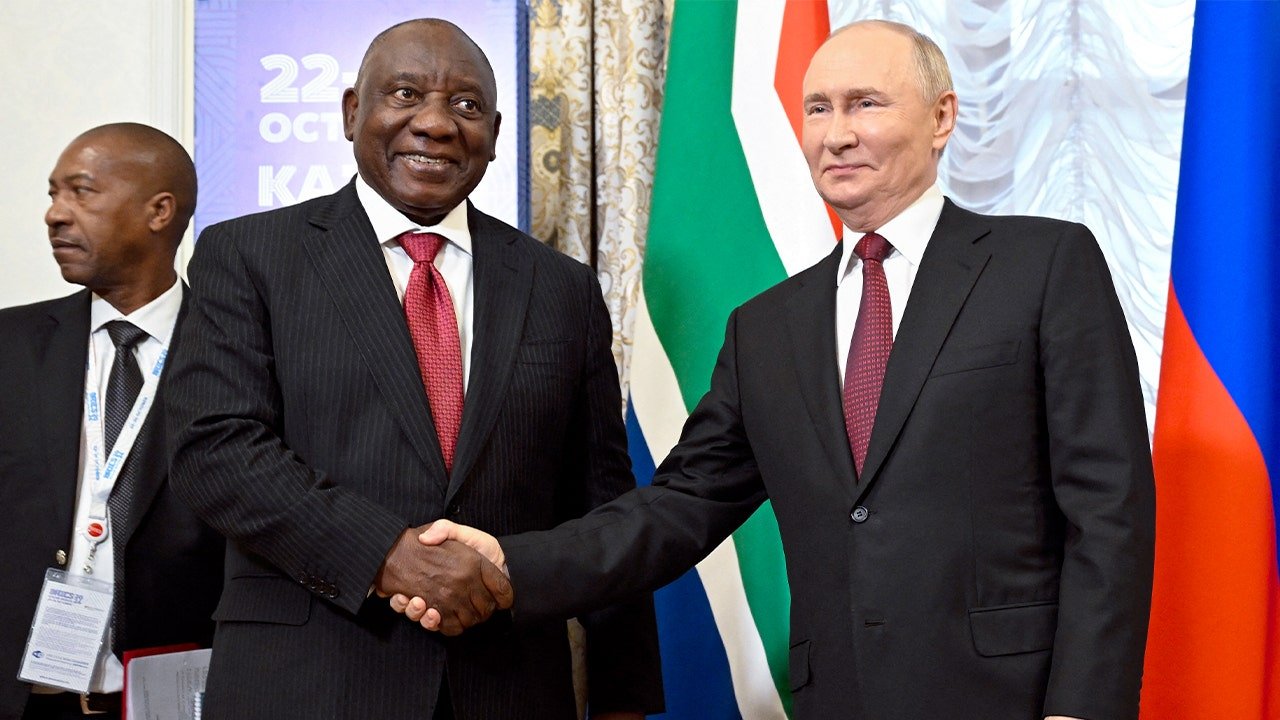
South African President Cyril Ramaphosa thanked Russian President Vladimir Putin after 17 men who the government said were «lured» to Russian frontlines in its war against Ukraine began returning home.
In a statement Tuesday, Ramaphosa’s office said the South African government, working closely with Russian authorities, secured the repatriation of the men after receiving distress calls requesting assistance.
The group, ranging in age from 20 to 39, was allegedly recruited into «mercenary activities.»
The circumstances surrounding their recruitment remain under investigation.
South African President Cyril Ramaphosa delivers the State of the Nation address in Cape Town, South Africa, on Feb. 12, 2026. (Rodger Bosch/Pool via Reuters)
Ramaphosa expressed gratitude to Putin for responding positively to his request for help during a Feb. 10 phone call between the two leaders.
Four of the men have already returned to South Africa, while 11 are expected to arrive soon.
Two remain in Russia — one receiving treatment at a hospital in Moscow and another being processed before finalizing travel arrangements.
KENYA DEMANDS ANSWERS FROM RUSSIA OVER RECRUITMENT OF CITIZENS TO FIGHT IN UKRAINE WAR
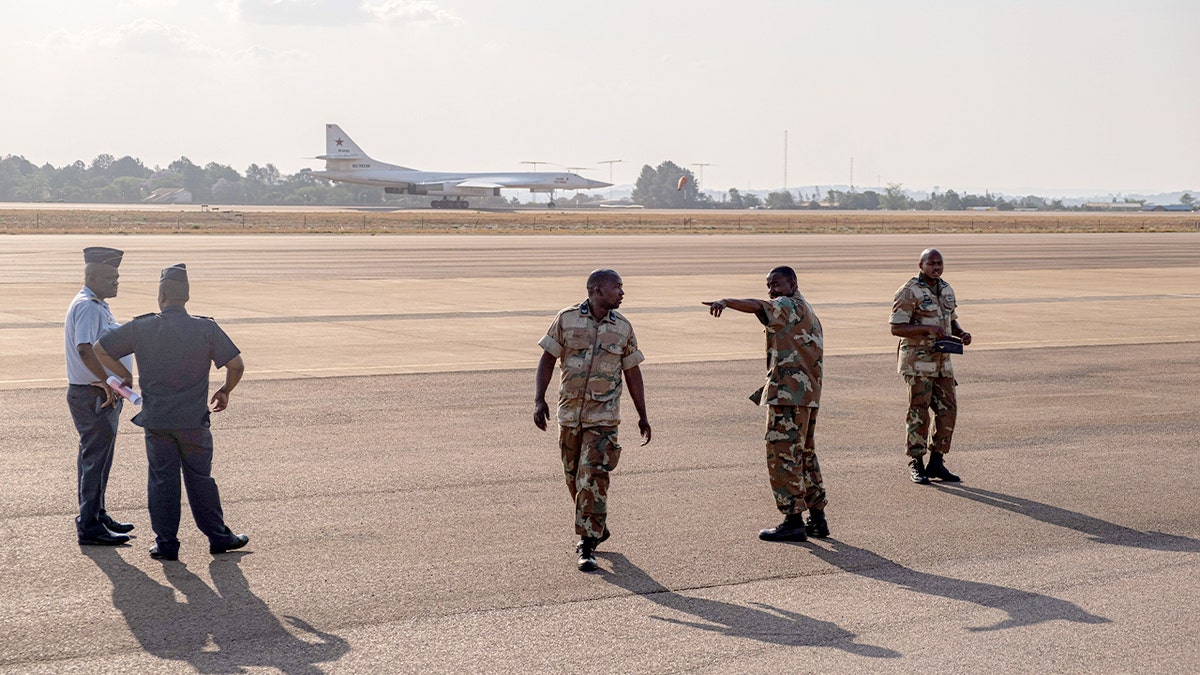
South African police officers and soldiers stand on the tarmac as a Russian Air Force Tupolev Tu-160 strategic bomber lands at Waterkloof Air Force Base in Centurion, South Africa, on Oct. 23, 2019. (Emmanuel Croset/AFP via Getty Images)
South Africa’s embassy in Moscow is continuing to monitor the hospitalized individual until he is cleared to travel, according to Ramaphosa’s office.
Ukraine’s Foreign Minister Andrii Sybiha said in November that Kyiv estimates at least 1,436 foreign nationals from 36 African countries have been recruited to fight for Russia, warning the true number may be higher.
AMERICANS WARNED OF AL QAEDA-LINKED TERRORIST PRESENCE IN POPULAR VACATION GETAWAY
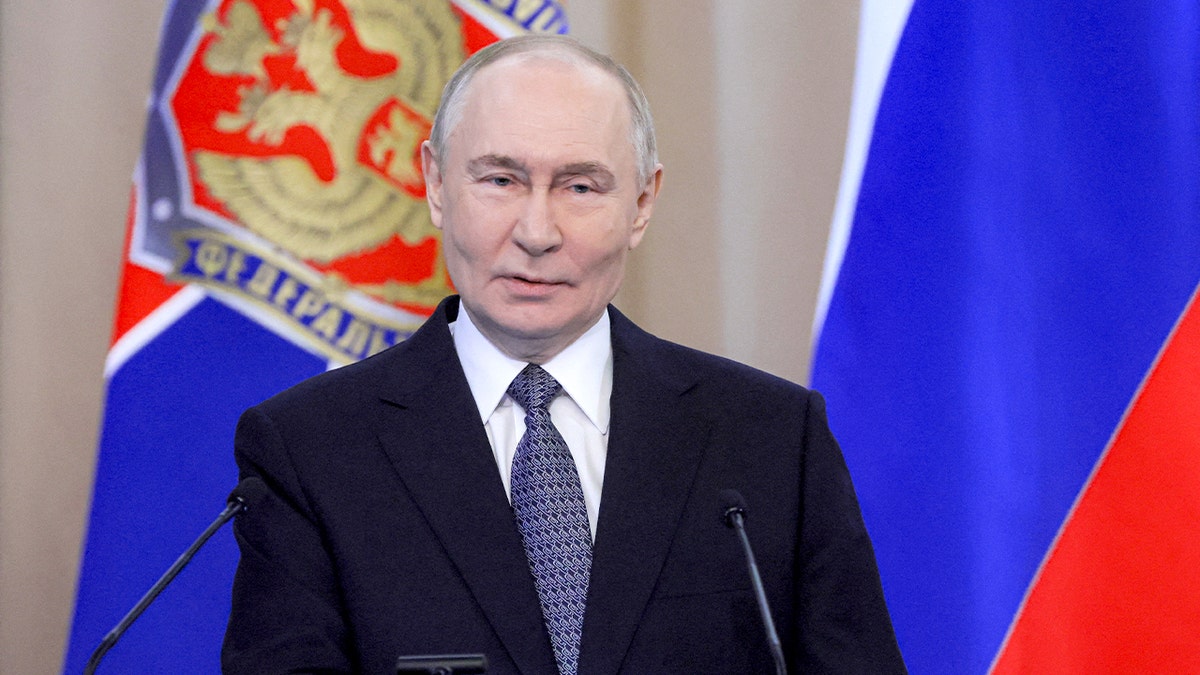
Russian President Vladimir Putin delivers a speech during a meeting of the Federal Security Service board in Moscow, Russia, on Feb. 24, 2026. (Sputnik/Mikhail Metzel/Pool via Reuters)
CLICK HERE TO DOWNLOAD THE FOX NEWS APP
Sybiha said Russia uses a range of tactics to recruit foreigners, including financial incentives, deception and coercion.
«Signing a contract is equivalent to signing a death sentence,» he wrote on X. «Foreign citizens in the Russian army have a sad fate. Most of them are immediately sent to the so-called ‘meat assaults,’ where they are quickly killed.»
Related Article

south africa,vladimir putin,russia,ukraine

Jornada financiera: las acciones argentinas volvieron a subir y el riesgo país superó los 540 puntos

Central Córdoba vs. Talleres: formaciones, hora y dónde ver por tv

Una turista contó cómo vivió el operativo contra “El Mencho” entre bloqueos, disparos y un “estado de guerra”

Con sigilo político, el Gobierno ajusta la reforma de la ley de glaciares y negocia con aliados para blindar la votación en el Senado

El Senado tratará el proyecto del Régimen Penal Juvenil este viernes

Cómo vivió Alejandro, el hijo de Locomotora Oliveras, su despedida de En el Barro 2: “Fue algo duro de ver”

Villarruel cuestionó la apertura de importaciones: «Sin industria, se pasa a depender de China»

“Ahora es la hora de jugarse”: el mensaje de Patricia Bullrich a los empresarios tras aprobarse la reforma laboral

Según un especialista, el precio de la carne se mantendrá alto “entre dos y tres años”

Cómo será el tratamiento de la reforma laboral en el Senado, luego de haber obtenido la media sanción en Diputados

 POLITICA3 días ago
Cómo será el tratamiento de la reforma laboral en el Senado, luego de haber obtenido la media sanción en Diputados
- ECONOMIA3 días ago
¿Me pueden pagar el sueldo con botellas de vino o Bitcoin?: la letra chica de la reforma laboral
- POLITICA3 días ago
Así está el recuento estimado de votos de la reforma laboral que se debate en la Cámara de Diputados