INTERNACIONAL
Climate deadlines collide with politics as Dem-led states chase Big Oil in court but spare local refiners


NEWYou can now listen to Fox News articles!
Several Democrat-led states are facing conflicting forces in their efforts to transition to 100% green power, as leaders try to shore up the power grid while other officials sue fossil fuel companies in the same light activists did to tobacco firms in the 1990s.
In that decade, dozens of states sued tobacco giants Philip Morris and R.J. Reynolds, alleging they knowingly endangered public health and misled consumers about nicotine’s addictiveness. The cases culminated in a $200 billion «master settlement» in 1998 that banned billboard advertising and reshaped corporate liability in the industry.
Today, several jurisdictions in Colorado are suing ExxonMobil and Suncor in a similar fashion, accusing them of knowing their product harms the environment and public health.
Boulder, Colorado, along with Boulder County and San Miguel County received the blessing of the Colorado Supreme Court in May to move forward with their suit, and officials claimed the energy companies «greatly contributed to an altered climate.»
SUPREME COURT MUST FREEZE THE CLIMATE EXTORTION OF OUR ENERGY INDUSTRY
A Valero refinery operates in Benicia, Calif. (David Paul Morris/Getty Images)
«This case seeks to hold these companies responsible for knowingly contributing to climate change while concealing the dangers of their products,» Boulder city officials said in a statement.
According to a release from Boulder City, Coloradans could face hundreds of millions of dollars in added costs needed to «adapt» to a climate changed by continued reliance on such companies.
ExxonMobil countered that federal law preempts Colorado’s authority to apply state law to the alleged injuries.
«We’ve maintained from the beginning this case is meritless and has no place before a state court,» the company said in an emailed statement to Climate in the Courts.
NEWSOM PUSHES CLIMATE RECORD ABROAD AS CALIFORNIANS SHOULDER AMERICA’S HIGHEST GAS COSTS
Meanwhile, Colorado Gov. Jared Polis set a 2040 goal for moving the Centennial State away from fossil fuels, but was questioned by critics for trying to maintain fossil fuel infrastructure at the same time.
Rep. Jeff Hurd, R-Colo., previously asked the Trump administration to force Colorado to keep the Comanche power plant online to avoid an «energy emergency,» according to Colorado Public Radio (CPR).
Last week, the Polis administration joined with Xcel Energy to petition state regulators to keep Comanche Unit 2 online for at least another year. The coal plant was supposed to close December 31.
Reached for comment, Polis spokesperson Eric Maruyama told Fox News Digital that a separate Comanche coal-fired unit is broken and that the state will benefit from keeping Unit 2 operational.
NEWSOM VOWS TO BLOCK TRUMP’S REPORTED ENERGY PLAN IN CALIFORNIA, EXPERTS PUSH BACK
«Colorado is well on its way to achieving 100% clean energy and reducing emissions while saving people money and ensuring energy reliability,» Maruyama said.
«Renewable energy remains the least expensive form of energy, and thanks to Governor Polis’ leadership, in 2024, 43% of Colorado’s total electricity was produced by wind, solar or other renewable sources while maintaining among the lowest energy costs in the country.»
Reports show Coloradans have the third-lowest electricity costs in the nation relative to income.
Hawaii also sued oil firms in 2024, alleging they violated the state constitution’s «public trust doctrine,» claiming companies deceived the public regarding fossil fuels’ alleged harm done to the state’s resources.
Back on the mainland, California is dealing with its own complex energy production situation, according to critics, who point to Democratic governors over the past decade-plus who have worked to set strict deadlines for moving the Golden State away from oil and gas.
Former Gov. Jerry Brown and Gov. Gavin Newsom set a 2045 deadline for achieving carbon-free energy under SB-100. In July, the California Energy Commission under the Newsom administration held talks with «market players» to discuss the planned closure of two major oil companies’ refineries by 2026, according to Politico.
BIDEN’S GREEN ENERGY FIASCO, NOT TRUMP’S REFORMS, IS JACKING UP YOUR ELECTRIC BILL
Phillips 66 and Valero both are considering or have started the process of shutting down their operations, and a source familiar with the situation said that oil companies must regularly analyze whether costly maintenance cycles that occur on average every five years are worth funding.
Chevron already moved out, shifting its headquarters from Contra Costa County to Houston, Texas — but it continues to support some California operations.
With the state positioned against fossil fuels for the long term, these companies have to think seriously about investing in such maintenance cycles to keep their operations running smoothly, the source said.
Valero told California officials earlier this year it plans to seriously consider idling or ending production by April, according to Politico.
Meanwhile, a spokesperson for the state energy commission told the outlet it has been «actively supporting conversations with a variety of market players to discuss pathways to address the impacts of the closure intent announcements of the Phillips 66 refinery in Wilmington and Valero refinery in Benicia.»
NEWSOM CLAIMS TRUMP IS ‘HANDING THE FUTURE TO CHINA’ AT BRAZILIAN CLIMATE CONFAB THAT WH SKIPPED
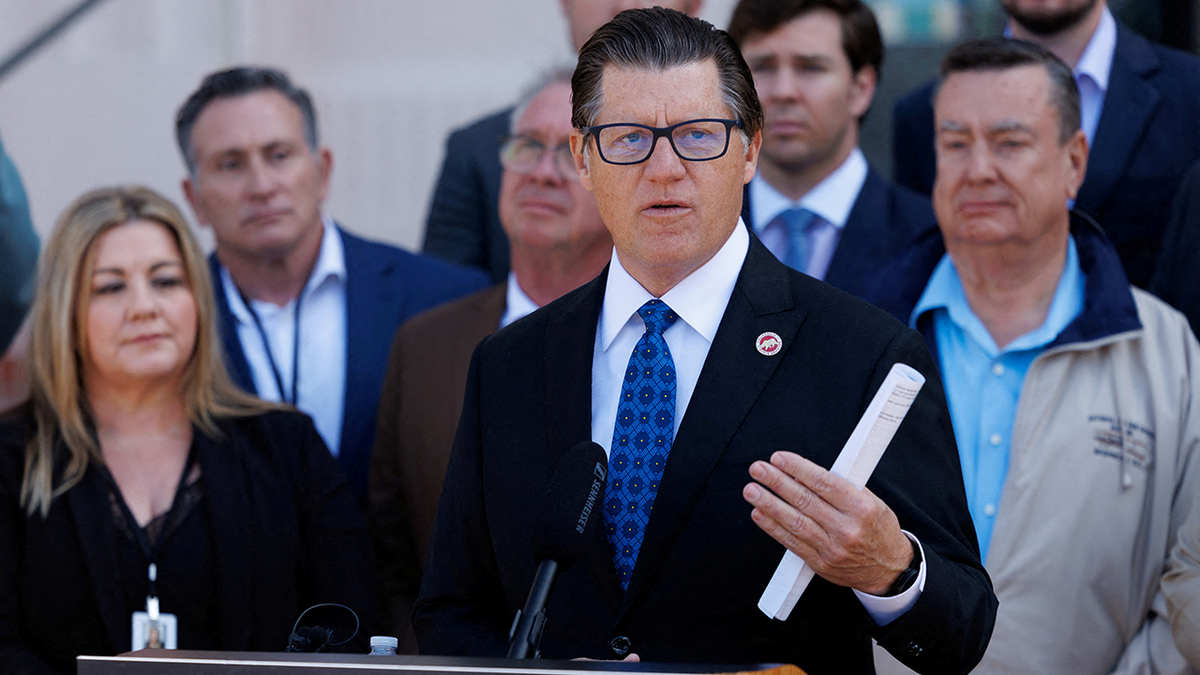
CA State Senate Minority Leader Brian W. Jones, R-San Diego (Reuters)
The outlet described the dynamic as an «about-face after the past two years» of «Newsom focused on preventing gasoline price spikes by increasing regulations on refiners.» Over the summer, his administration proposed loosening permitting requirements for new oil wells in the Bakersfield area.
California Senate Minority Leader Brian Jones, R-San Diego, criticized Newsom’s approach.
«Social engineering and market manipulation on the part of government never end well,» he said.
«We’re seeing that now in California and everyday citizens are the ones paying the price for Gavin Newsom’s political experiments: Gasoline prices are through the roof and rising, and the average family can’t afford to survive, much less thrive, here in the Golden State.»
Jones said the affordability crisis in his state is «real» and is only exacerbated by recent and looming refinery closures.
CLICK HERE TO DOWNLOAD THE FOX NEWS APP
«We need a major course correction that puts working families over ideology. Absent that, I’m not sure this ends well.»
Fox News Digital reached out to Newsom’s office for comment for purposes of this story.
cities state and local,colorado,energy,california,governors









INTERNACIONAL
Monopolio, privilegios y falta de competencia: las razones detrás del fallo contra Panama Ports
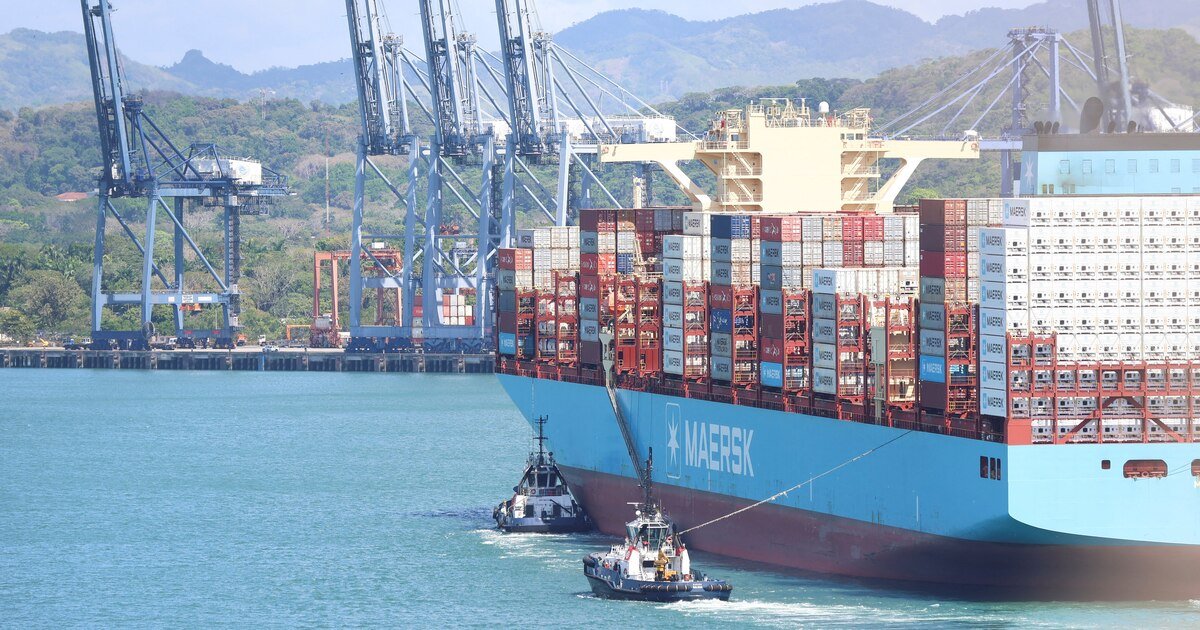
Más allá del impacto político y económico que provocó la decisión, la sentencia de la Corte Suprema de Justicia que declaró inconstitucional el marco legal de la concesión otorgada a Panama Ports Company, S.A. (PPC) se sostiene sobre un razonamiento jurídico que va mucho más allá de aspectos formales o administrativos.
El fallo examina el diseño mismo del contrato, sus adendas y su régimen de prórroga, y concluye que, en su conjunto, crearon un esquema incompatible con varios principios constitucionales.
Uno de los primeros elementos analizados por el tribunal fue el alcance real de los derechos concedidos a la empresa. La Corte estudió si el contrato, aprobado mediante la Ley 5 de 1997, se limitaba a permitir la operación de dos terminales específicas o si, en la práctica, otorgaba a PPC una posición privilegiada sobre áreas portuarias presentes y futuras.
En este punto, el tribunal concluyó que ciertas cláusulas vinculadas a expansiones, áreas adyacentes y derechos preferentes configuraban un control extendido que iba más allá de una concesión ordinaria.
Este análisis llevó a la Corte a vincular el contrato con el principio constitucional de libre competencia. El fallo advierte que, al establecer ventajas estructurales a favor de un solo operador, el régimen aprobado por ley podía generar barreras de entrada para otros potenciales concesionarios.
Desde esta perspectiva, no se trataba únicamente de un contrato entre el Estado y una empresa, sino de un esquema legal que condicionaba el mercado portuario a largo plazo.

Otro eje central del razonamiento fue la forma en que se otorgó y prorrogó la concesión. El tribunal examinó si el Estado había garantizado procesos abiertos, transparentes y competitivos, acordes con el interés público.
En su evaluación, la Corte cuestionó que la prórroga se produjera sin un procedimiento equivalente a una nueva licitación, sin una comparación objetiva de ofertas y sin una revisión integral del desempeño del concesionario.
Para los magistrados, este mecanismo debilitaba el control estatal sobre un servicio estratégico. Al no existir una instancia real de evaluación y competencia, el Estado reducía su margen para renegociar condiciones, exigir mejoras o reconsiderar el modelo de explotación portuaria conforme a nuevas realidades económicas y logísticas.
El tema fiscal también ocupó un lugar relevante en el fallo. La Corte analizó el alcance de las exoneraciones y beneficios otorgados a PPC y a empresas vinculadas.
En este punto, el tribunal recordó que la potestad tributaria forma parte esencial de la soberanía estatal y que las excepciones deben estar debidamente justificadas, delimitadas y sustentadas en el interés general.

Según la sentencia, el régimen concedido presentaba un grado de amplitud que podía afectar la capacidad recaudatoria del Estado sin una justificación técnica suficientemente demostrada.
Este aspecto fue interpretado como una alteración indebida del equilibrio entre incentivos a la inversión y protección del erario.
Otro componente considerado fue el ambiental. La Corte revisó si el desarrollo y expansión de las actividades portuarias estaban respaldados por instrumentos adecuados de evaluación de impacto, monitoreo y mitigación.
El fallo señala deficiencias en este ámbito y subraya que la protección ambiental no puede ser tratada como un aspecto secundario en proyectos de infraestructura de gran escala.
En el análisis judicial, la ausencia de evaluaciones integrales y actualizadas se relaciona directamente con el deber constitucional del Estado de garantizar un ambiente sano y de prevenir daños irreversibles, especialmente en zonas costeras estratégicas.
Un elemento transversal en toda la sentencia es la noción de soberanía y dominio sobre bienes de uso público. La Corte examinó si el contrato y sus adendas preservaban la capacidad del Estado para administrar libremente sus puertos o si, por el contrario, generaban una dependencia estructural frente al concesionario.
El tribunal concluyó que ciertas disposiciones limitaban de forma excesiva la potestad estatal para decidir sobre su propia infraestructura.

Desde esta óptica, el fallo no cuestiona la figura de la concesión en sí misma, sino la forma en que fue diseñada. La Corte reconoce que el Estado puede delegar la operación de servicios, pero subraya que dicha delegación no puede traducirse en una renuncia práctica al control estratégico.
En cuanto a los argumentos de la defensa, PPC sostuvo que el contrato había sido aprobado por ley, refrendado por las autoridades competentes y sometido al control del órgano legislativo.
También alegó que el análisis pretendido implicaba revisar la conveniencia económica del negocio, lo cual, a su juicio, excedía las funciones del control constitucional.
La Corte respondió señalando que su competencia no se limitaba a verificar el cumplimiento formal de trámites, sino a evaluar si el contenido normativo era compatible con la Constitución.
En este sentido, el tribunal dejó claro que la existencia de refrendos, debates legislativos o controles administrativos no convalida un régimen que vulnera principios materiales.
El concepto del Procurador General de la Nación, Luis Manuel Gómez Rudy, influyó de manera relevante en el razonamiento final. En su vista fiscal, el Ministerio Público coincidió en que el contrato y su prórroga planteaban problemas en materia de competencia, privilegios, fiscalidad y control estatal.

Aunque la Corte no adoptó de manera automática todos sus argumentos, sí incorporó varios de sus planteamientos en el análisis.
Finalmente, el fallo concluye que la inconstitucionalidad no deriva de un solo vicio aislado, sino de la acumulación de factores: privilegios excesivos, ausencia de competencia efectiva, debilidad en los mecanismos de control, impacto fiscal, deficiencias ambientales y limitaciones a la soberanía. En conjunto, estos elementos configuraron un modelo incompatible con el orden constitucional.
Desde esta perspectiva, la decisión no se fundamenta en la falta de un refrendo específico ni en un error administrativo puntual, sino en una revisión estructural del régimen concesionario.
La sentencia establece así un precedente relevante para futuras concesiones en sectores estratégicos, al fijar límites claros sobre el alcance de los derechos que pueden otorgarse, la necesidad de competencia real y la obligación permanente de preservar el interés público.
El embajador de Estados Unidos, Kevin Marino Cabrera, no dudó en opinar sobre el fallo de la CSS. El diplomático presentó el fallo como una señal de que en Panamá opera un sistema judicial independiente que puede corregir decisiones contractuales cuando, a su juicio, chocan con exigencias de transparencia y con el interés público.
Su mensaje apunta a un efecto reputacional: la idea de que el país refuerza el Estado de derecho al exigir rendición de cuentas a operadores privados en infraestructura crítica.

En la misma línea, el embajador conectó la decisión con dos conceptos que suelen interesar a Washington y a los mercados: seguridad nacional y clima de inversión. Su argumento es que una justicia predecible y aplicada de forma imparcial mejora la confianza, porque transmite que los contratos válidos se respetan y los que no lo son se corrigen, lo que —según su lectura— elevaría el atractivo de Panamá para inversión de calidad y de largo plazo.
Por su parte, el contralor Anel Flores enmarcó el resultado como la culminación de una acción institucional de la Contraloría General de la República de Panamá para preservar los bienes y el patrimonio de los panameños.
Al acudir a notificarse oficialmente del fallo, buscó reforzar la idea de que la Contraloría actuó dentro de su mandato legal y que el proceso respetó el derecho de defensa de las partes, aun cuando el desenlace sea adverso para el concesionario.

El contralor además elevó el tono político del mensaje: calificó la decisión como un antes y un después para la relación portuaria del país y sostuvo que, tras el fallo, la responsabilidad sobre los puertos retorna al ámbito del interés colectivo.
El contralor Anel Flores acudió a la Secretaría General de la Corte para notificarse oficialmente del fallo. Como antecedente del caso, la Contraloría General de la República de Panamá había realizado una auditoría sobre la concesión, en la que planteó la existencia de una posible lesión patrimonial al Estado, y a partir de esa actuación institucional presentó demandas de inconstitucionalidad con el argumento de proteger los bienes y el patrimonio públicos.
Business,Corporate Events,South America / Central America

Tradición
Problemas

NEWYou can now listen to Fox News articles!
Gaza’s Rafah border crossing with Egypt resumed limited operations Monday under the terms of the Israeli-Hamas ceasefire agreement, reopening a critical gateway that had been largely closed for nearly two years.
The reopening comes with tight restrictions. Only a small number of people will be permitted to travel in either direction and commercial goods will not be allowed to pass through the crossing, officials said.
Egyptian authorities said the first day of operations will allow up to 50 Palestinians to cross in each direction, a figure that reflects the narrow scope of the initial reopening rather than a full return to prewar travel.
Health officials in Gaza say tens of thousands of residents with urgent medical needs are seeking evacuation through Rafah, underscoring the pressure on the crossing even as access remains tightly controlled. Thousands of Palestinians currently outside Gaza are also hoping to return.
US MILITARY TO OVERSEE NEXT PHASE OF PEACE DEAL FROM COORDINATION BASE IN ISRAEL
Ambulances line up to enter the Egyptian gate of the Rafah crossing on the way to the Gaza Strip, in Rafah, Egypt, Sunday, Feb. 1, 2026. (AP Photo/Mohamed Arafat)
Before the war, Rafah served as Gaza’s primary passage to the outside world. All other crossings into the territory are shared with Israel. Under the ceasefire framework that took effect in October, Israeli forces continue to control the corridor between the crossing and the areas where most Palestinians live.
Israel and Egypt are vetting travelers, and the crossing is being overseen with international involvement, officials said, as part of efforts to prevent weapons smuggling while allowing limited humanitarian movement.

A crane enters the Egyptian gate of the Rafah crossing to the Gaza Strip, in Rafah, Egypt, Sunday, Feb. 1, 2026. (AP Photo/Mohamed Arafat)
Egypt has said the crossing must function in both directions and has pushed back against any use of Rafah as a mechanism to permanently displace Palestinians from Gaza.
US ENVOY WITKOFF SAYS HIGH-LEVEL MIAMI TALKS FOCUSED ON ‘UNIFIED GAZAN AUTHORITY’ AS ISRAEL CEASEFIRE ADVANCES
Elsewhere in the territory, fighting-related incidents continued despite the ceasefire. Gaza hospital officials accused an Israeli navy vessel of firing on a tent camp near the southern city of Khan Younis, killing a 3-year-old Palestinian boy. Israel’s military said it was reviewing the report.
Egyptian authorities said roughly 150 hospitals across the country are prepared to receive patients evacuated from Gaza, while the Egyptian Red Crescent has set up support areas on the Egyptian side of the crossing.

A truck carrying humanitarian aid at the Rafah border on the Egyptian side, in Rafah, Egypt, on Thursday, Jan. 29, 2026. (Reuters)
Israel seized control of the Rafah crossing in May 2024, describing the move as part of its campaign against Hamas smuggling routes. The crossing was briefly opened for medical evacuations during a short-lived ceasefire in early 2025.
The U.S.-brokered ceasefire that took effect on Oct. 10 halted more than two years of fighting that began with the Hamas-led terror attacks on southern Israel on Oct. 7, 2023. The ceasefire’s initial phase focused on hostage exchanges, increased humanitarian aid and a limited Israeli pullback.
CLICK HERE TO DOWNLOAD THE FOX NEWS APP
A second phase envisions a new Palestinian governing arrangement for Gaza, the deployment of an international security force, the disarmament of Hamas and steps toward reconstruction — goals that remain unresolved.
The Associated Press contributed to this report.
middle east,israel,world

¿Hasta cuándo sigue la ola de calor y qué día llueve? Este es el pronóstico del clima en el AMBA para esta semana

Monopolio, privilegios y falta de competencia: las razones detrás del fallo contra Panama Ports

Karina Milei activa gestiones para incidir en la próxima conformación del Consejo de la Magistratura y choca con Santiago Caputo

Financial Times resaltó el boom de compras de argentinos ante la apertura de la economía: furor por Apple, Lego y Stanley

Es uno de los juegos gratis más jugados, pero 128 millones de jugadores no podrán tocar Apex Legends en unos meses

Incredulidad con la estatua de Falcao de 195 kilogramos: ‘Es terrorífica’

La escandalosa prohibición de María Susini: por qué no quiere que Facundo Arana se acerque a sus hijos

A qué hora puede llover hoy en CABA, según el Servicio Meteorológico Nacional

Julieta Díaz contó por qué no funcionó su noviazgo con Luciano Castro en medio de la separación con Griselda Siciliani

Maximo Kirchner propuso que Axel Kicillof presida el PJ Bonaerense

 CHIMENTOS3 días ago
Julieta Díaz contó por qué no funcionó su noviazgo con Luciano Castro en medio de la separación con Griselda Siciliani
- INTERNACIONAL2 días ago
Estados Unidos advirtió al régimen de Irán que “no tolerará” ejercicios militares “inseguros” cerca de sus fuerzas en Medio Oriente
- POLITICA3 días ago
El New York Times asegura que la Argentina podría firmar un acuerdo con EE.UU. para recibir deportados