INTERNACIONAL
Uruguay busca extraditar desde Argentina a uno de sus mayores narcos vinculado a Sebastián Marset

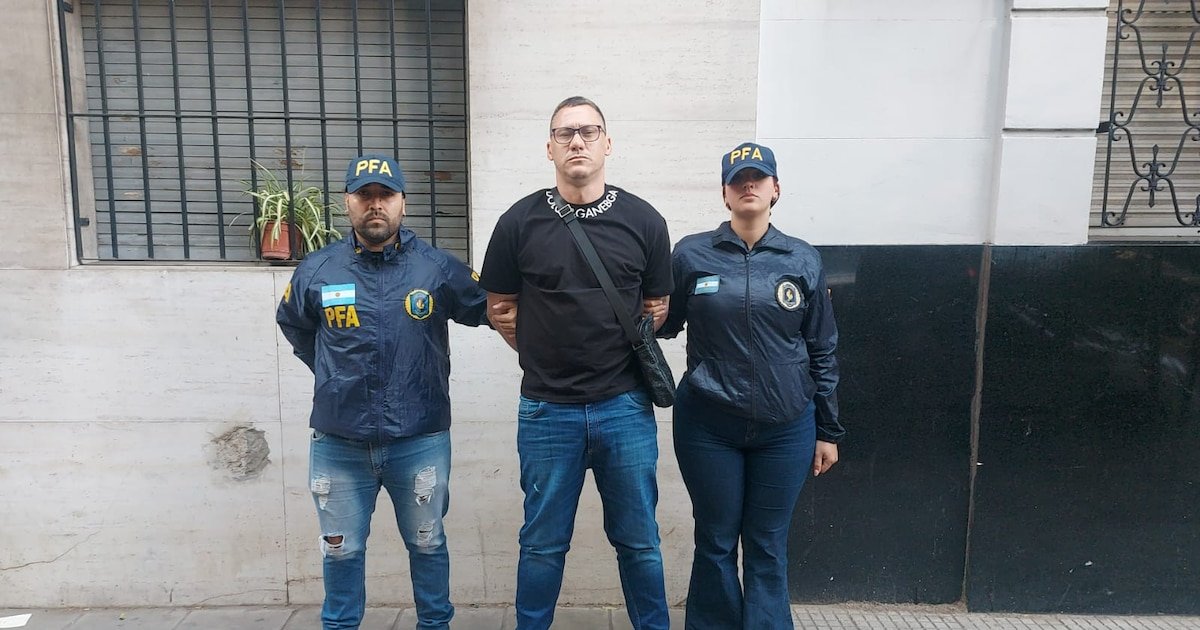
El narcotraficante uruguayo Luis Fernando Fernández Albín había llegado en junio a Argentina, sin ningún pedido de captura vigente. Se había mudado a un escondite en un departamento en la Avenida Rivadavia al 6300, en el barrio porteño de Flores. Se movía por Buenos Aires en dos vehículos, una camioneta Volkswagen Amarok y un Peugeot 208. Este jueves por la tarde la Policía Federal Argentina lo capturó.

El ministro del Interior de Uruguay, Carlos Negro, dijo este jueves que Uruguay buscará su extradición. “Seguimos en la senda de pegarle a las organizaciones criminales y pegarles donde más les duele, es decir, en los bienes y en el dinero”, dijo Negro en una rueda de prensa este jueves, tras la detención del delincuente en Argentina.
El narcotraficante, de 38 años, había logrado escapar de los grandes operativos de drogas. Las sospechas de los investigadores uruguayos siempre recaían sobre él, pero nunca se lograban reunir los elementos suficientes para poder arrestarlo. Fernández Albín había estado preso y condenado, pero por delitos que le permitieron recuperar la libertad al poco tiempo.
En diciembre, por ejemplo, había sido condenado por una amenaza a los responsables de las cárceles, tuvo una pena de siete meses y quedó libre en junio. Según informó El Observador, a los pocos días viajó hacia Argentina y se radicó allí. Ese destino no le era ajeno: Fernández Albín es argentino y tiene contactos en ese país.
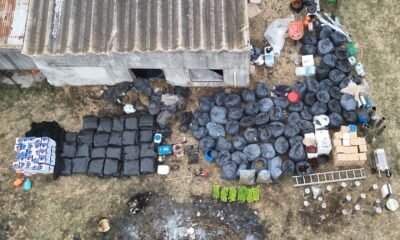
Fue la incautación de dos toneladas de cocaína, en agosto, la que le permitió a las autoridades lograr la mayor evidencia para pedir formalmente su arresto. En una precaria chacra, los policías encontraron debajo de la arena casi dos toneladas de cocaína dispuestos para ser colocados en una lancha, que alcanzaría un barco en alta mar y tendría como destino final a Europa. El cargamento encontrado está valuado en USD 13 millones en el mercado interno, pero esa cifra era superior si se considera que iba hacia el mercado europeo. Allí se valorizaría en unos USD 60 millones.
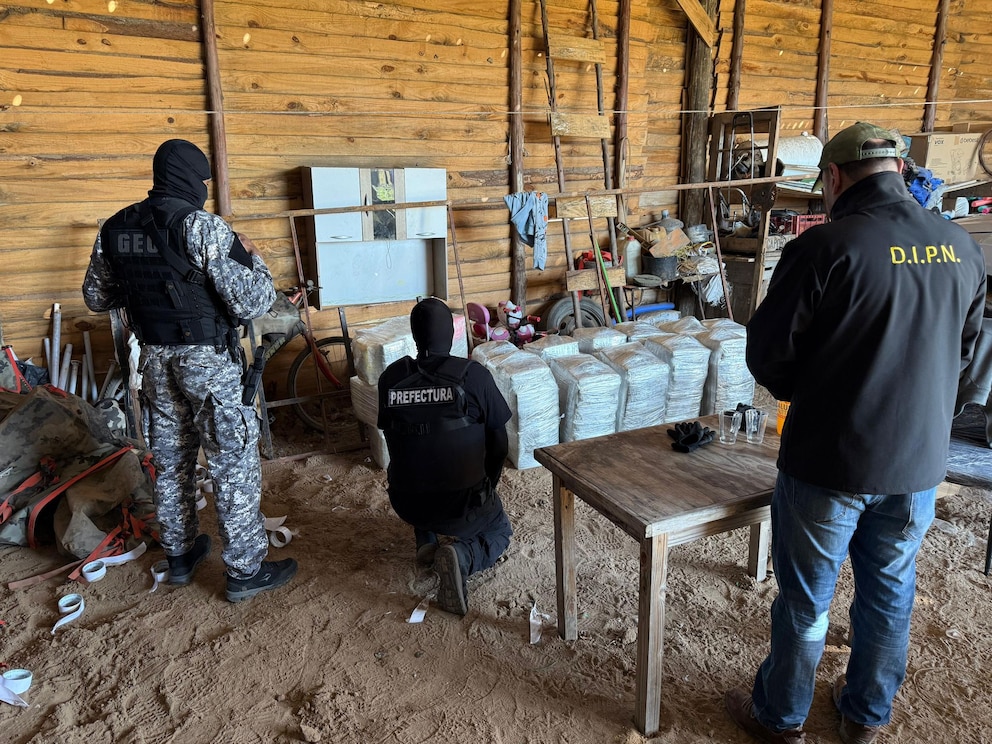
Fernández Albín fue localizado muy cerca de la chacra donde se encontró la droga. Por llamadas, monitoreo y conexión de cuentas, los agentes advirtieron que Fernández Albín estaba detrás de ese cargamento.
Los investigadores uruguayos creen que Fernández Albín se encarga de proporcionar la logística de los grandes cargamentos de droga de Sebastián Marset, el narcotraficante uruguayo que está prófugo de la Justicia desde hace más de dos años. Además, su clan también se dedica a abastecer de pasta base y marihuana para el consumo interno de la zona metropolitana de Montevideo, consignó El Observador.
En Uruguay, en tanto, se realizaron cuatro allanamientos en Montevideo y en Ciudad de la Costa que permitieron también detener a la esposa de Fernández Albín, a una empleada y a un hijo de ella, informó este viernes el diario El País. Se incautaron tres vehículos de la marca Renault, Chevrolet y Volkswagen, varios celulares y documentos.

Para este viernes está prevista una audiencia judicial en el país en la que se definirá la imputación de estas personas o el cese de la detención. Mientras tanto, Uruguay inició el trámite para lograr la extradición de Fernández Albín desde Argentina, un proceso que puede llevar varias semanas.
El vínculo entre Fernández Albín y Marset no ha podido ser probado por los investigadores, pero lo dan por hecho. Consultado sobre este vínculo, el ministro Negro se excusó de hacer declaraciones justificándose en que la investigación es reservada.

La detención de Fernández Albín fue pocos días después de la del Betito Suárez, otro narco uruguayo que lidera uno de los grupos criminales más grandes y que, a su vez, está asociado al del narcotraficante detenido en Argentina.a
corresponsal: Desde Montevideo








INTERNACIONAL
La muerte del capo narco Nemesio Oseguera, “El Mencho”: Washington dice que es “un gran acontecimiento” para México, Estados Unidos y América Latina
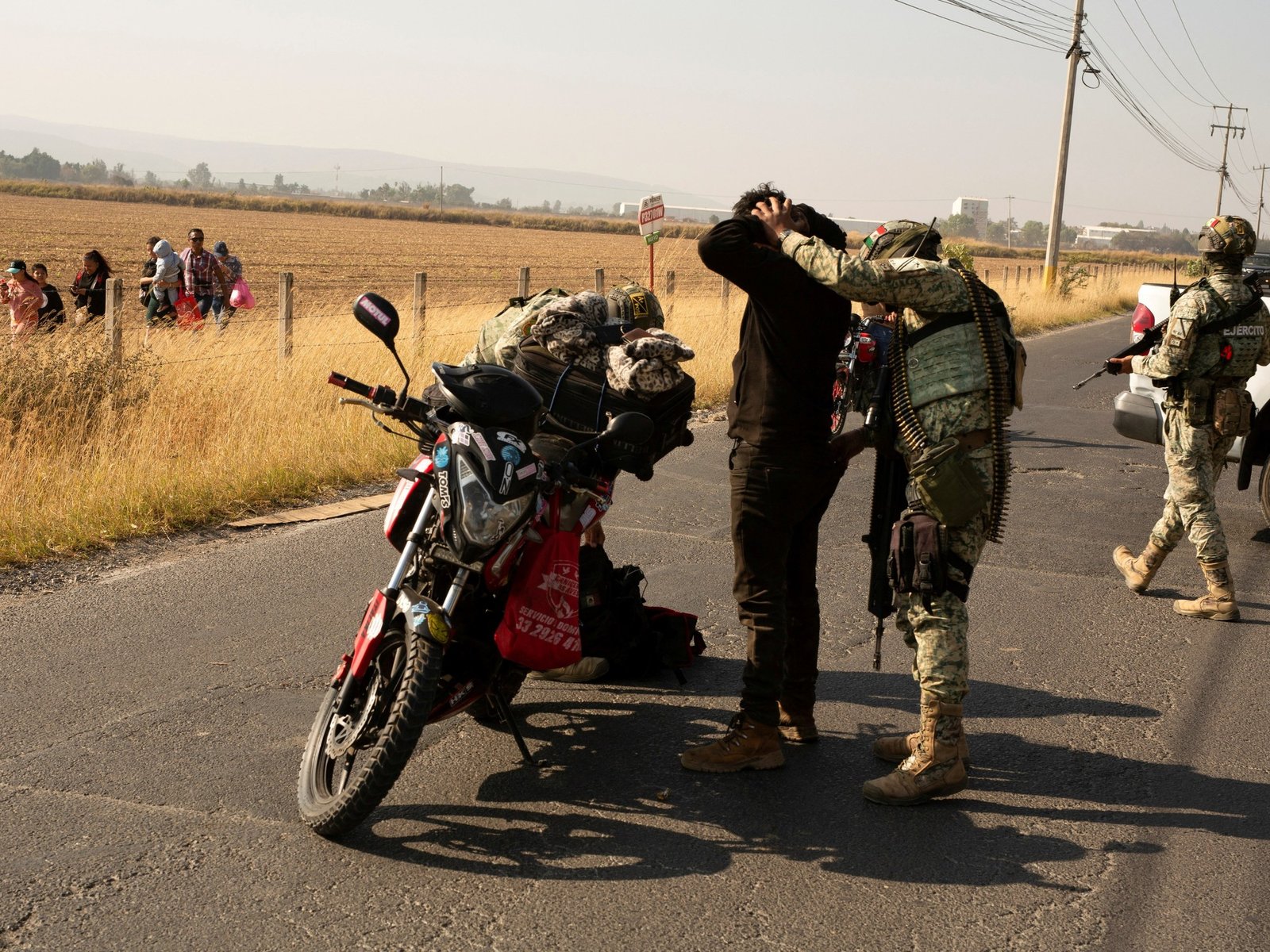
«Se me ha informado que fuerzas de seguridad mexicanas han matado a ‘El Mencho’, uno de los capos de la droga más sanguinarios», dijo en la red X, Christopher Landau, subsecretario de Estado de ese país. «Esto es un gran hito para México, Estados Unidos, América Latina y el mundo (…). Los buenos somos más que los malos. Felicidades a las fuerzas del orden público de la gran nación mexicana», añadió.
El ejército mexicano anunció este domingo que mató al poderoso capo del narcotráfico Nemesio Oseguera «El Mencho», líder del Cártel Jalisco Nueva Generación (CJNG), tras un violento operativo que conmovió al estado de Jalisco.
La muerte del «Mencho» ocurre en medio de la presión del gobierno del presidente estadounidense, Donald Trump, para que México frene el envío de drogas, en particular del fentanilo, a su país.
Trump ha amagado en varias ocasiones con aranceles a las exportaciones mexicanas, al señalar que el gobierno de la presidenta Claudia Sheinbaum no ha hecho lo suficiente para combatir al narcotráfico.
«El Mencho», de 59 años, era uno de los capos más buscados por México y Estados Unidos, que ofrecía una recompensa de 15 millones de dólares. Era uno de los líderes narco más importantes en actividad tras el arresto de los fundadores del Cártel de Sinaloa, Joaquín Guzmán «El Chapo» e Ismael «Mayo» Zambada, actualmente en prisión en Estados Unidos.
El ejército dijo en un comunicado que el «Mencho» resultó herido en un enfrentamiento con militares en la localidad de Tapalpa, en Jalisco (oeste), y murió «durante su traslado vía aérea a la Ciudad de México».
El ejército añadió que, para la ejecución de esta operación, «además de los trabajos de inteligencia militar central» (…) «se contó con información complementaria» por parte de autoridades estadounidenses.
En total, murieron siete delincuentes y tres militares resultaron heridos. Dos miembros del CJNG fueron detenidos y se incautó diverso armamento, como lanzacohetes capaces de derribar aeronaves y destruir vehículos blindados, según la misma fuente.
Sujetos armados bloquearon con autos y camiones incendiados distintas vías de Jalisco, en respuesta al operativo de fuerzas federales en la región. Por la tarde se veían restos de vehículos calcinados y otros aún en llamas en varias carreteras, en medio del sonido de las sirenas de las fuerzas de seguridad.
Las autoridades han señalado que 21 bloqueos carreteros siguen activos. El ejército añadió que elementos militares se concentran en los estados aledaños a Jalisco «para reforzar la seguridad».
El estado de Jalisco, que recibirá cuatro partidos del Mundial de Fútbol de 2026, ordenó la cancelación de eventos masivos este domingo y la suspensión de clases presenciales para el lunes.
En Guadalajara, capital de Jalisco, diversos negocios, desde farmacias hasta tiendas de conveniencia y gasolineras, cerraron sus puertas y las calles lucen semivacías, constató la AFP.
«Llegaron unos sujetos armados, vi la pistola y dijeron que nos saliéramos, nos salimos y tenían un carro con las puertas abiertas. Pensé que nos iban a secuestrar, corrí para enfrente a un puesto de tacos y me resguardé con ellos», dijo a AFP María Medina, quien trabaja en una tienda de conveniencia que fue incendiada por sujetos armados.
Los bloqueos por el operativo en el que murió Oseguera se extendieron también al balneario de Puerto Vallarta y al vecino estado de Michoacán, en donde su organización tiene presencia.
El cártel del «Mencho» fue formado en 2009 y se convirtió en una de las bandas del narcotráfico más violentas de México, según información del Departamento de Justicia estadounidense.
Estados Unidos ha nombrado a ese cártel como una organización terrorista y lo acusa del tráfico de cocaína, heroína, metanfetamina y fentanilo.
Oseguera es también un viejo conocido del actual secretario de Seguridad Pública federal, Omar García Harfuch. El 20 de junio de 2020 el «Mencho» ordenó un inédito asalto armado contra Harfuch en calles de Ciudad de México. El funcionario resultó herido y tres personas murieron, entre ellos dos escoltas.
NEWYou can now listen to Fox News articles!
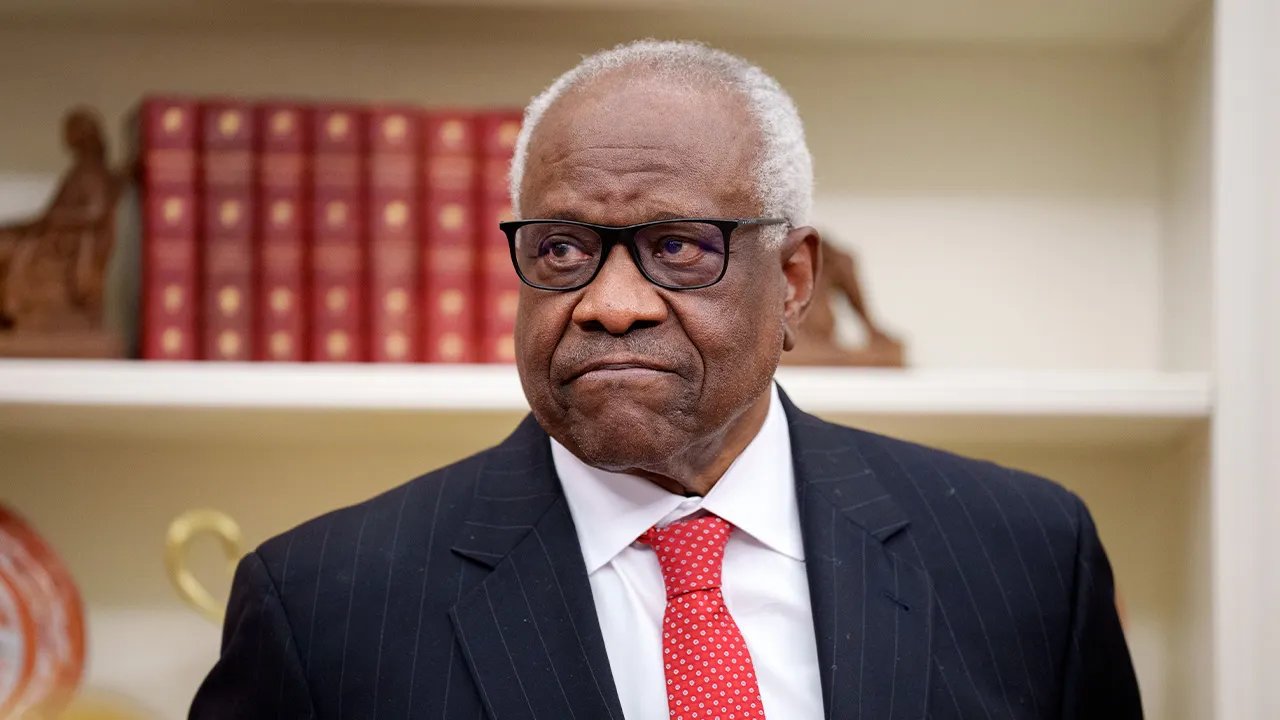
Supreme Court Justice Clarence Thomas ripped the court’s decision blocking President Donald Trump’s use of an emergency law to impose sweeping tariffs on trading partners, calling it a fundamental misread of both the governing statute and the Constitution’s separation of powers.
«As (Kavanaugh) explains, the Court’s decision … cannot be justified as a matter of statutory interpretation. Congress authorized the President to ‘regulate … importation,’» Thomas wrote in his dissent. «Throughout American history, the authority to ‘regulate importation’ has been understood to include the authority to impose duties on imports.»
The court invalidated Trump’s use of an emergency law to impose tariffs in a 6–3 decision Friday morning after weeks of Trump championing that the court should rule in his favor as part of his larger effort to boost the economy, jobs and bring down costs for Americans. Thomas and Justice Samuel Alito joined Justice Brett Kavanaugh in dissenting from the ruling, with Thomas also offering his own separate dissent.
The majority of the court ruled Friday that the International Emergency Economic Powers Act does not authorize the president, even after declaring a national emergency, to impose tariffs — and that Congress did not speak clearly enough to transfer its tariff-and-tax power to the executive branch.
TRUMP RESPONDS TO SUPREME COURT RULING REJECTING SWEEPING TARIFFS POWERS: ‘A DISGRACE’
Supreme Court Justice Clarence Thomas wrote a blistering dissent Feb. 20, 2026, after the Supreme Court found President Donald Trump’s tariffs illegal. (Andrew Harnik/Getty Images)
The International Emergency Economic Powers Act (IEEPA) is a 1977 law that allows the president, after declaring a national emergency in response to foreign threats, to regulate or block certain economic transactions and property interests, such as by imposing sanctions.
«The president asserts the extraordinary power to unilaterally impose tariffs of unlimited amount, duration, and scope,» Supreme Court Justice John Roberts wrote for the court. «In light of the breadth, history, and constitutional context of that asserted authority, he must identify clear congressional authorization to exercise it.»
TRUMP’S TARIFF REVENUES HIT RECORD HIGHS AS SUPREME COURT DEALS MAJOR BLOW
In his dissent, Thomas argued that nondelegation doctrine is a narrow constraint, saying a line is crossed only when Congress delegates «core» power to make rules triggering deprivations of «life, liberty, or property» — not «from delegating other kinds of power,» such as tariffs.
The nondelegation doctrine forbids Congress from delegating core legislative power to the president.
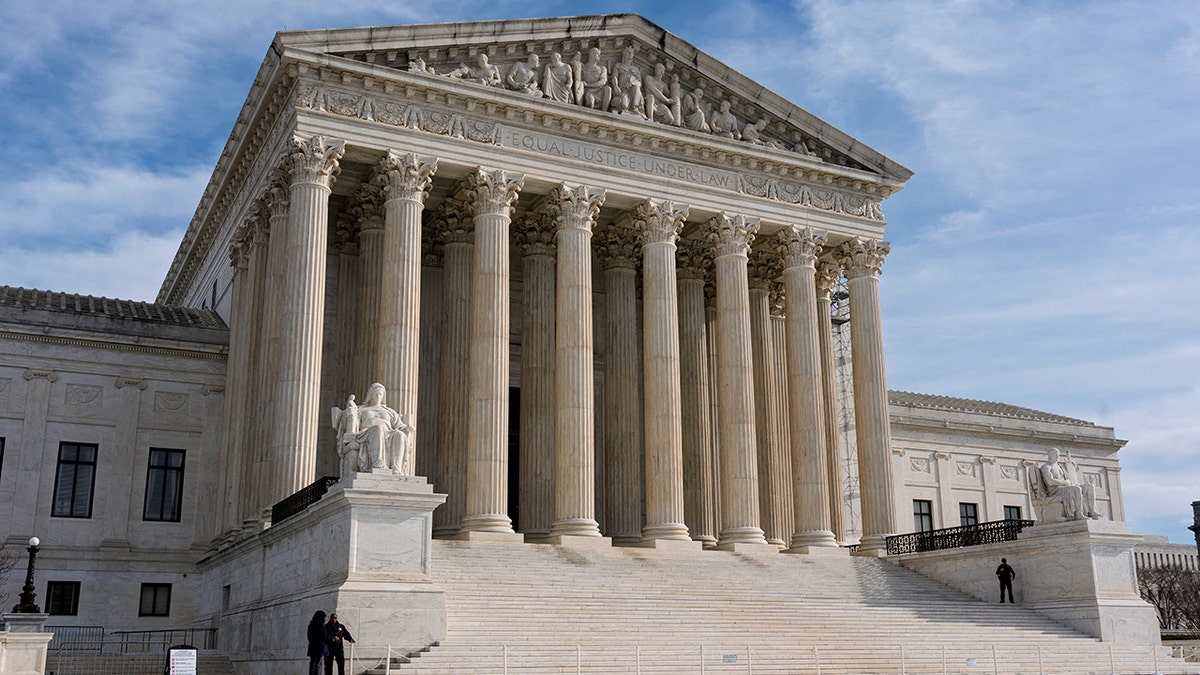
The Supreme Court is seen on Capitol Hill in Washington, Dec. 17, 2024. (AP Photo/J. Scott Applewhite, File)
«As I suggested over a decade ago, the nondelegation doctrine does not apply to ‘a delegation of power to make rules governing private conduct in the area of foreign trade,’ including rules imposing duties on imports,» Thomas wrote. «Therefore, to the extent that the Court relies on ‘separation of powers principles’ to rule against the President is mistaken.»
SUPREME COURT RULES ON TRUMP TARIFFS IN MAJOR TEST OF EXECUTIVE BRANCH POWERS
Thomas pointed to President Nixon’s 1971 import surcharge as a real-world test case that was later upheld in United States v. Yoshida Int’l under IEEPA’s predecessor statute, the Trading with the Enemy Act.
Nixon announced a 10% across-the-board import surcharge on foreign nations in 1971, with the U.S. Court of Customs and Patent Appeals upholding the policy under the same «regulate … importation» language in 1975.
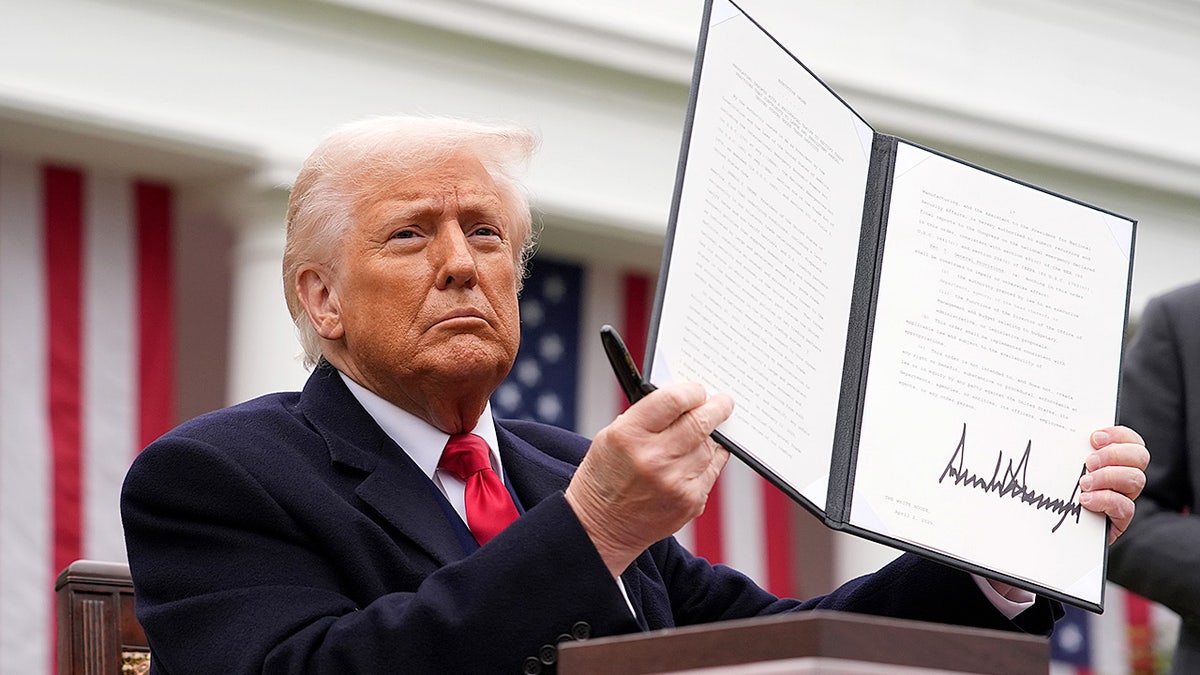
President Donald Trump displays a signed executive order imposing tariffs on imported goods during a «Make America Wealthy Again» trade announcement event in the White House Rose Garden April 2, 2025. (Andrew Harnik/Getty Images)
«The meaning of that phrase was beyond doubt by the time that Congress enacted this statute, shortly after President Nixon’s highly publicized duties on imports were upheld based on identical language,» Thomas wrote.
«The statute that the President relied on therefore authorized him to impose the duties on imports at issue in these cases,» Thomas wrote, adding that Kavanaugh «makes clear that the Court errs in concluding otherwise.»
Trump unveiled his tariff policies in April 2025, which have come with repeatedly updated deals with foreign nations, as a tool to bring parity to U.S. trade policy and encourage businesses to open up shop on U.S. soil as part of an American manufacturing renaissance to boost the job market and the economy.
CLICK HERE TO GET THE FOX NEWS APP
Trump, in recent months, has repeatedly promoted that the Supreme Court rule in his favor, warning just Thursday during a trip to a steel factory in Georgia that «without tariffs, this country would be in such trouble right now.»
The president held a press conference shortly after the decision on Friday, announcing a 10% global tariff, while underscoring that the «Supreme Court did not overrule tariffs,» but «merely overruled a particular use of IEEPA tariffs.»
donald trump,economy,supreme court,politics,law
INTERNACIONAL
Iran could ‘activate’ Hezbollah if US targets regime, Trump’s inner circle to decide: expert

NEWYou can now listen to Fox News articles!
Iran’s Islamic Revolutionary Guard Corps (IRGC) has tightened control over Hezbollah in the Middle East amid looming prospects of potential U.S. strikes, according to reports.
According to the Jerusalem Post, the tactical shift comes as Hezbollah and Iran prepare for military confrontation in the region, with analysts warning that if Washington specifically strikes the regime, Hezbollah is ready to be «activated.»
«If the regime in Tehran feels threatened, the likelihood of unleashing Hezbollah against Israel and U.S. regional assets increases substantially,» Ross Harrison, a senior fellow at the Middle East Institute, told Fox News Digital.
«Hezbollah would not be activated right away, unless the attack immediately targets the leadership of the Islamic Republic. But as part of a graduated response, Hezbollah will likely be seen as an asset,» he said.
«If it faces an existential risk, then Iran may throw caution to the wind and try to deploy Hezbollah to the maximum,» Harrison, author of «Decoding Iran’s Foreign Policy» explained.
IRAN SIGNALS NUCLEAR PROGRESS IN GENEVA AS TRUMP CALLS FOR FULL DISMANTLEMENT
«As part of a graduated response, Hezbollah will likely be seen as an asset,» Ross Harrison, a senior fellow at the Middle East Institute, told Fox News Digital. (Fadel Itani/NurPhoto via Getty Images)
President Donald Trump previously gave Iran a deadline of 10 to 15 days to respond to a deal, raising questions about what steps Washington could take if Tehran fails to comply.
A new round of talks is now scheduled for Thursday in Geneva and expected to focus on Iran’s nuclear program, including uranium enrichment levels and sanctions relief.
«The decision-making circle in the White House is very small regarding Iran, with the president keeping a close hand on it all,» Harrison explained.
He added that any decision to directly target the Iranian regime would likely rest within Trump’s inner circle of advisers.
«Normally there is input from the National Security Council and the wider intelligence community,» Harrison said. «Since the decision-making process in the White House is opaque, it is hard to know how much of this is getting through.»
WITKOFF WARNS IRAN IS ‘A WEEK AWAY’ FROM ‘BOMB-MAKING MATERIAL’ AS TRUMP WEIGHS ACTION
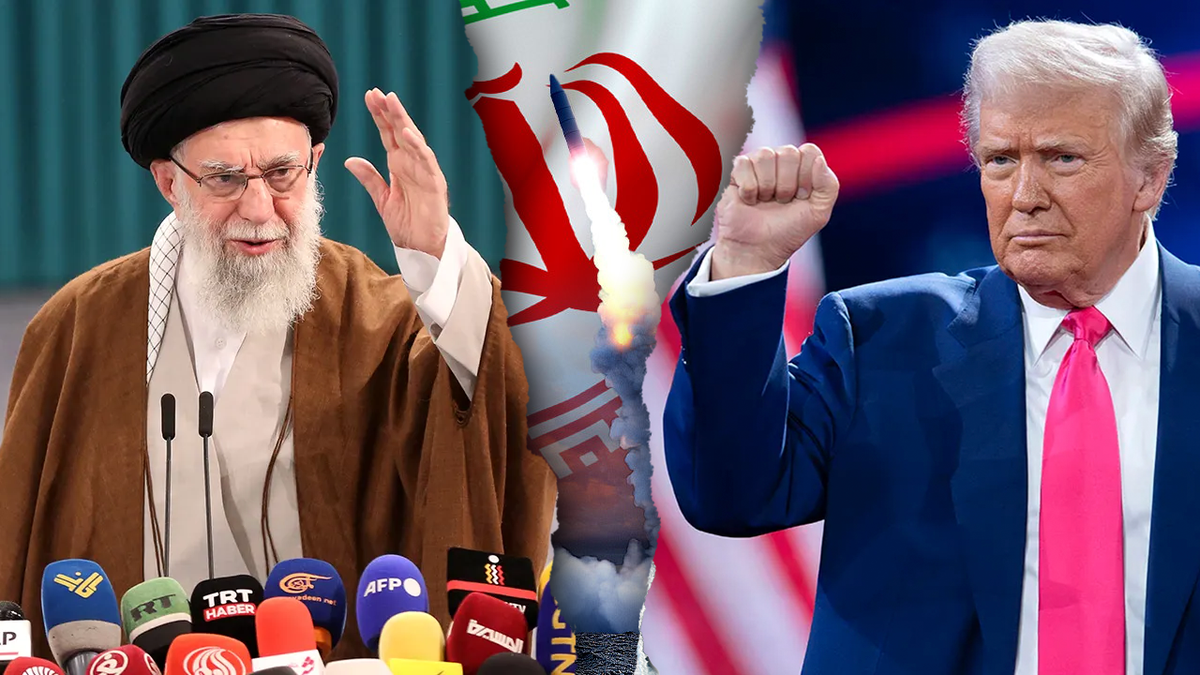
Another round of talks between the U.S. and Iran is slated for Thursday in Geneva. (Getty Images)
«If the U.S. is engaging with the Saudis and Emiratis, they are getting warnings about the possibility of this war spreading to the broader region, which would be deleterious to the U.S. and its allies,» he added.
Harrison also warned that there was «potential for attacks to spread across the region, to Israel through direct Iranian ballistic attacks and via Hezbollah, and to the Gulf Arab states through Iran directly and possibly via the Houthis from Yemen.»
Regional media reports also suggest Iran’s ties with Hezbollah are strengthening. Sources told Al Arabiya and Al Hadath that IRGC officers have been rebuilding Hezbollah’s military infrastructure and managing strategic war plans.
The coordination follows changes within Hezbollah’s leadership, Harrison explained.
«Since the killing by Israel of Hezbollah leader Hassan Nasrallah last year, ties and operational coordination have to some degree been reestablished,» he said.
«The IRGC has supported Hezbollah in Lebanon for decades,» he said, adding that efforts to reestablish ties appear to be occurring «particularly in light of the destruction of Iran’s nuclear sites last June.»
IRAN DRAWS MISSILE RED LINE AS ANALYSTS WARN TEHRAN IS STALLING US TALKS
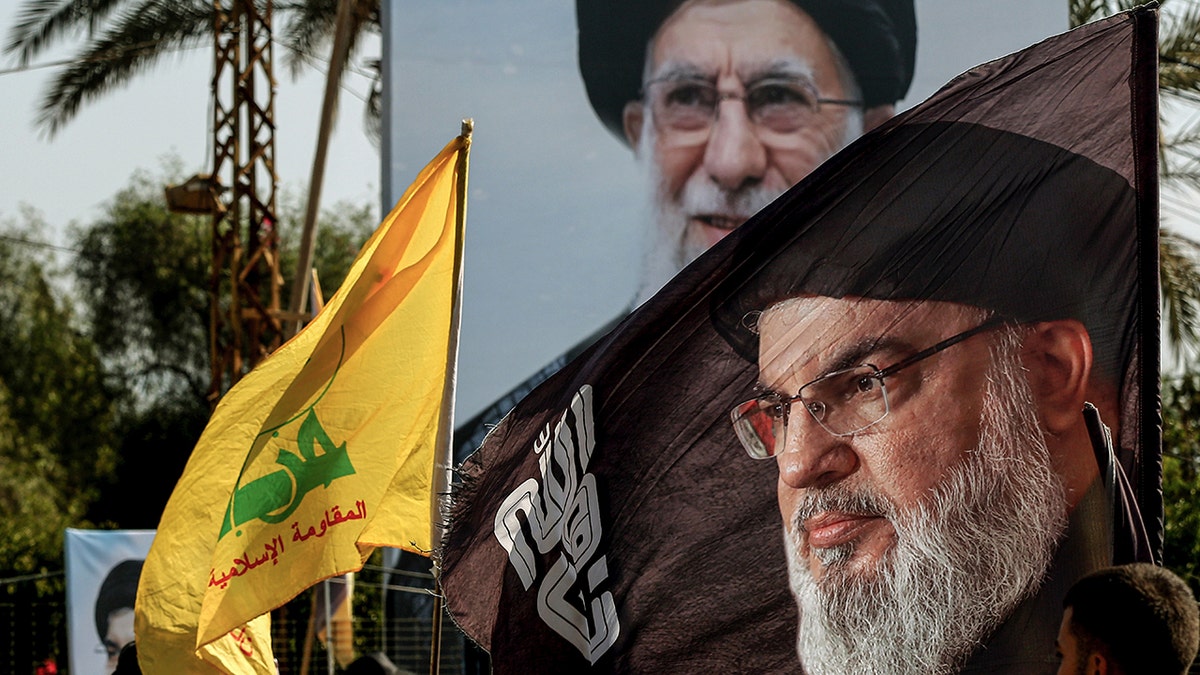
«Since the killing by Israel of Hezbollah leader Hassan Nasrallah last year, ties and operational coordination have to some degree been reestablished,» Harrison said. (Marwan Naamani/picture-alliance/dpa/AP Images)
«Iran is trying to resurrect lost assets, such as its missile program and its connections to Hezbollah,» Harrison said.
«Hezbollah has been seen for decades by Iran as a deterrence asset against an Israeli or American attack. Since Hezbollah has its own interests, connected to but separate from Iran, whether its leadership will go all the way for Tehran is unknown,» he concluded.
CLICK HERE TO DOWNLOAD THE FOX NEWS APP
The developments surrounding Hezbollah and the IRGC came as Supreme Leader Ayatollah Ali Khamenei has appointed close ally Ali Larijani as the country’s de facto leader, according to reports.
Fox News Digital has reached out to the White House for comment.
middle east,iran,ali khamenei,donald trump,middle east foreign policy,israel,lebanon

Quién ganó las elecciones en Mendoza 2026

Manuel Adorni criticó el cierre de Fate: “Fue sugestivo, detrás de eso hubo una complicidad con la vieja política”

Aumento en la medicina privada: las empresas de prepaga aplicarán subas de hasta 3,2%

El diálogo entre Lando Norris y otro piloto que reveló la separación del campeón de la F1 y la modelo Magui Corceiro

Ángel de Brito destapó la drástica actitud de Sabrina Rojas por la internación de Luciano Castro: “Se mantiene en silencio”

Martín Menem defendió la reforma laboral impulsada por el Gobierno: “Los que nos critican son los artífices del fracaso”

Escándalo en MasterChef: una famosa abandonó a los gritos y acusando que está todo arreglado

Del himno peronista de Kelly Olmos al exabrupto de Agustina Propato: las perlitas del debate por la reforma laboral

Villarruel cuestionó la apertura de importaciones: «Sin industria, se pasa a depender de China»

“Ahora es la hora de jugarse”: el mensaje de Patricia Bullrich a los empresarios tras aprobarse la reforma laboral

 ECONOMIA2 días ago
Villarruel cuestionó la apertura de importaciones: «Sin industria, se pasa a depender de China»
- POLITICA2 días ago
“Ahora es la hora de jugarse”: el mensaje de Patricia Bullrich a los empresarios tras aprobarse la reforma laboral
- ECONOMIA2 días ago
Según un especialista, el precio de la carne se mantendrá alto “entre dos y tres años”