INTERNACIONAL
Minnesota judge’s ‘highly unusual’ decision tossing $7.2 million fraud verdict draws mounting scrutiny


NEWYou can now listen to Fox News articles!
Lawmakers and the legal community are raising questions after a Minnesota judge took the uncommon step of overturning a unanimous jury verdict in a massive $7.2 million Medicaid fraud case, a move experts say is rarely seen in white-collar prosecutions.
The ruling, handed down late last month by Hennepin County Judge Sarah West, comes as Minnesota is engulfed in a series of major welfare and human services fraud scandals that have drawn national attention and shaken confidence in the state’s oversight systems.
West’s decision has triggered broader doubts about Minnesota’s resolve to prosecute white-collar and welfare fraud at a time when billions in public funds could be vulnerable.
JaneAnne Murray, a University of Minnesota law professor who studies criminal procedure, said she was surprised by the decision.
COMER TARGETS WALZ IN NEW HOUSE INVESTIGATION, CITING NEARLY $1B IN ALLEGED MINNESOTA FRAUD
Judge Sarah West, right, is facing scrutiny after overturning a unanimous jury verdict in a $7.2 million Medicaid fraud case. At left is a view of downtown Minneapolis Dec. 4, 2025. (Stephen Maturen/Getty Images; Hennepin County Courts)
«It is highly unusual for a judge to reject a jury’s verdict in any case, much less a white-collar one, where issues of intent will almost always be circumstantial,» Murray told Fox News Digital.
Minnesota’s circumstantial-evidence standard, she noted, is among the strictest in the country and requires prosecutors to «exclude any reasonable hypothesis of innocence.»
Legal experts say Minnesota’s unusually stringent rule gives judges broader authority to vacate convictions if prosecutors cannot rule out every reasonable alternative explanation for the defendant’s conduct. The Minnesota Supreme Court is reviewing the decades-old standard, but Murray said West was applying the law as it stands today.
«The judge in the Medicaid fraud case was applying the current law,» Murray said.
Until now, West had maintained a low profile on the bench with no prior rulings that attracted substantial controversy. But last month’s decision was derided by Republican Minnesota Sen. Michael Holmstrom, who labeled her a «true extremist.»
West, a former public defender appointed to the bench in 2018 by Gov. Mark Dayton, previously handled juvenile and child protection cases in Hennepin County. She also held leadership roles in the Hennepin County Bar Foundation, which funds legal aid and community justice programs.
She presided over the prosecution of Abdifatah Yusuf, found guilty by a jury of six counts of aiding and abetting theft after he and his wife were accused of stealing $7.2 million from the state’s Medicaid program while running a home healthcare business, according to the Minnesota Attorney General’s Office.
‘SCHEMES STACKED UPON SCHEMES’: $1B HUMAN-SERVICES FRAUD FUELS SCRUTINY OF MINNESOTA’S SOMALI COMMUNITY
Prosecutors said the business lacked a real office, operated «for years out of a mailbox» and that Yusuf allegedly used the money to fund a «lavish lifestyle» that included shopping sprees at luxury retailers such as Coach, Canada Goose, Michael Kors, Nike and Nordstrom.
But West tossed the conviction, ruling that the state’s case relied heavily on circumstantial evidence and failed to eliminate other reasonable inferences about Yusuf’s personal involvement in the billing scheme.
«There is a reasonable, rational inference that Mr. Yusuf was the owner … but that his brother, Mohamed Yusuf, was committing the fraud … without Mr. Yusuf’s knowledge or involvement,» West wrote in her ruling.
She said the scale and nature of the fraud was «of great concern» but ruled the state failed to prove Yusuf knowingly participated in it.
Andy McCarthy, a former assistant U.S. attorney and Fox News contributor, said the ruling veered far beyond what trial judges are normally permitted to do, underscoring how exceptional the move was.
MINNESOTA FRAUD SCHEME UNEARTHS MILLIONS IN LUXURY PROPERTY, CARS: DOJ

A bicyclist rides through downtown Minneapolis during an evening snowstorm as traffic moves along N. 1st Avenue. (Nikolas Lanum/Fox News Digital)
«It is highly unusual for a judge to overturn a jury verdict in a criminal case,» McCarthy told Fox News Digital, noting that a judge who believes the evidence is legally insufficient is supposed to stop the case before it ever reaches the jury.
McCarthy said the reported rationale for vacating the verdict «seems untenable,» arguing circumstantial evidence is routinely strong enough to sustain convictions.
«The fact that a case is circumstantial — meaning there is no central witness who saw the crime — is not a reason to overturn it,» he said. «Very often, circumstantial cases are much stronger than cases that rise or fall on the testimony of witnesses of dubious credibility.»
He added that judges are required to instruct jurors to view evidence as a whole rather than in isolation.
«The judge is only permitted to vacate a guilty verdict if it is obviously irrational and against the full weight of the evidence,» McCarthy said.
Because West waited until after deliberations to overturn the verdict, McCarthy said the state may still have the ability to appeal, a procedural opening that does not exist when a judge tosses a case before the jury deliberates.
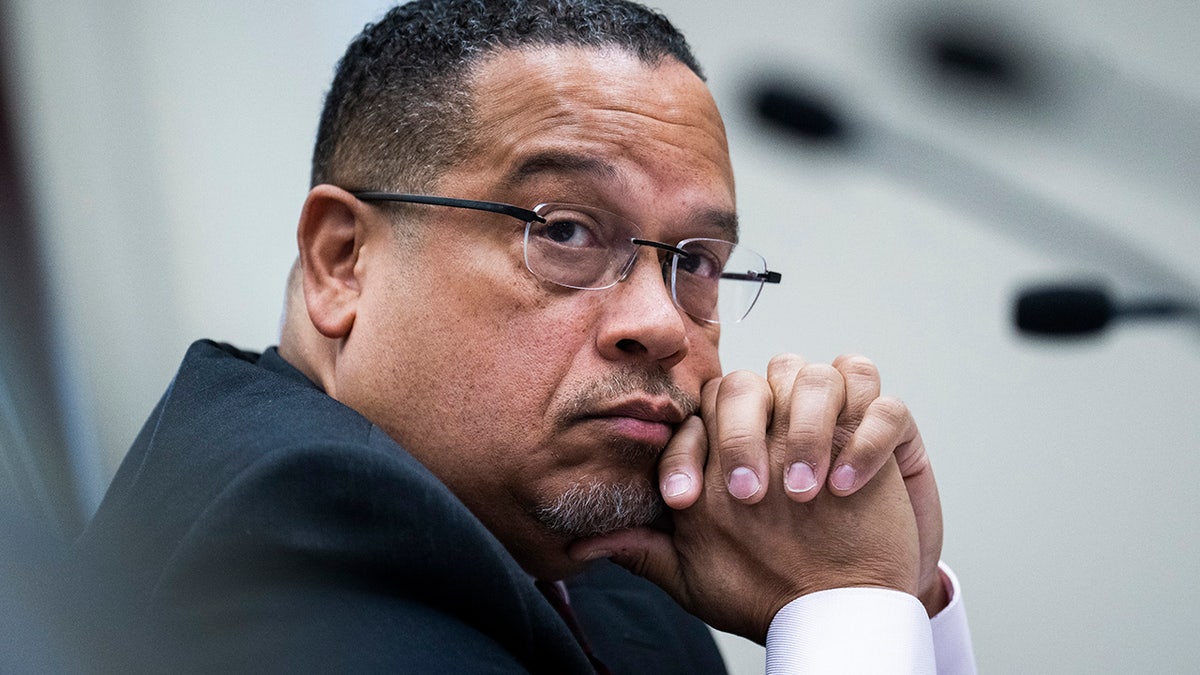
Minnesota Attorney General Keith Ellison has filed an appeal. (Tom Williams/CQ-Roll Call, Inc via Getty Images)
Ben Walfoort, the jury foreperson, told KARE he was «shocked» by West’s decision and said the jury’s conclusion «was not a difficult decision whatsoever.»
CLICK HERE TO DOWNLOAD THE FOX NEWS APP
Minnesota Attorney General Keith Ellison has filed an appeal.
The decision has also triggered a political fight, with Holmstrom sending a formal letter to Judge West demanding she unseal key exhibits — and the entire case record — arguing that the public «must know what is happening in their courts and in their welfare programs.»
Holmstrom called the ruling «unprecedented» and said locking away documents produced in open court violates Minnesota’s tradition of transparency.
Fox News’ Andrew Mark Miller and Adam Sabes contributed to this report.
minnesota fraud exposed,politics,minnesota,in court,crime world,robbery theft,us










INTERNACIONAL
Portland mayor demands ICE leave city after federal agents use tear gas on protesters ‘Sickening decisions’
NEWYou can now listen to Fox News articles!
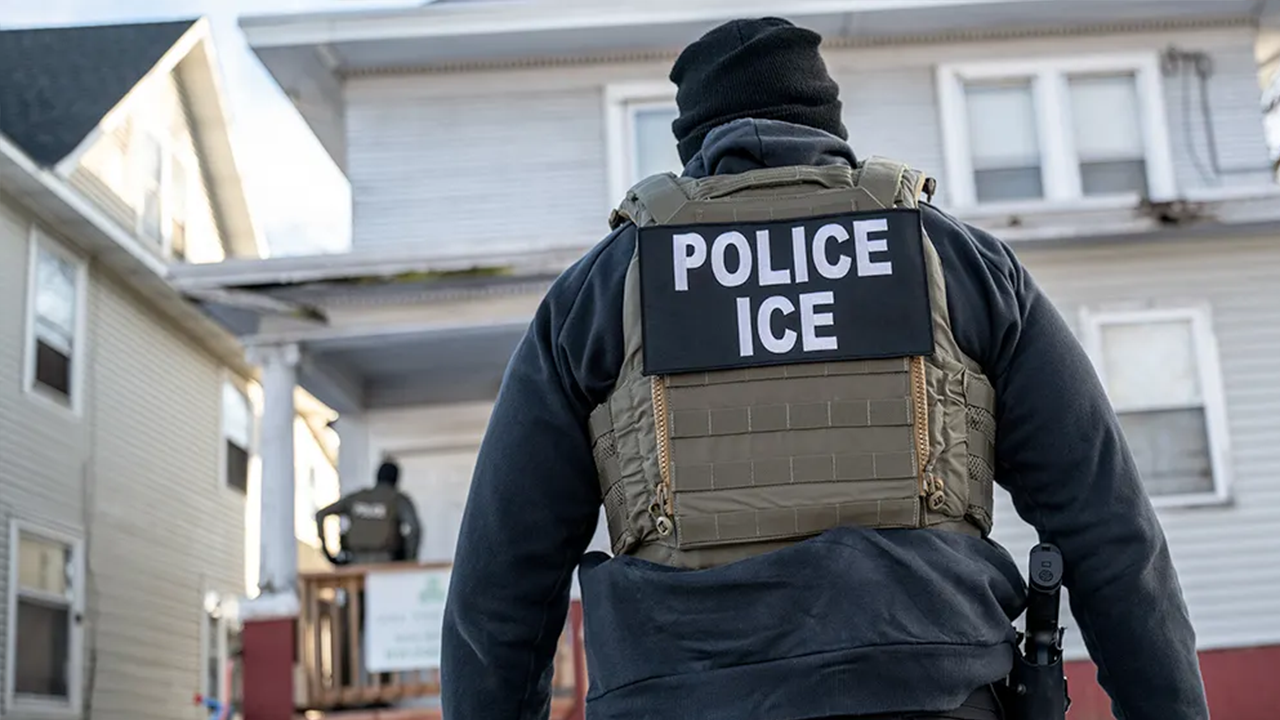
The mayor of Portland, Oregon, is calling on U.S. Immigration and Customs Enforcement (ICE) to leave his city after federal agents deployed tear gas at a crowd of demonstrators, including young children, outside an ICE facility over the weekend.
Mayor Keith Wilson characterized the protests on Saturday as peaceful, as federal agents reportedly used tear gas, pepper balls, flash-bang grenades and rubber bullets against the anti-ICE demonstrators.
Wilson urged ICE agents to resign and for the agency to leave Portland, denouncing their «use of violence» and the «trampling of the Constitution.»
«Today, federal forces deployed heavy waves of chemical munitions, impacting a peaceful daytime protest where the vast majority of those present violated no laws, made no threat, and posed no danger to federal forces,» he said in a statement on Saturday.
CHICAGO MAYOR BRANDON JOHNSON PUTS ICE ‘ON NOTICE’ WITH EXECUTIVE ORDER SEEKING PROSECUTION OF AGENTS
Mayor Keith Wilson characterized the protests in his city as peaceful, as he called for ICE to leave. (Ali Gradischer/Getty Images)
«To those who continue to work for ICE: Resign. To those who control this facility: Leave. Through your use of violence and the trampling of the Constitution, you have lost all legitimacy and replaced it with shame. To those who continue to make these sickening decisions, go home, look in a mirror, and ask yourselves why you have gassed children. Ask yourselves why you continue to work for an agency responsible for murders on American streets. No one is forcing you to lie to yourself, even as your bosses continue to lie to the American people,» the mayor continued.
The mayor added that this nation «will never accept a federal presence where agents wield deadly force against the very people they are sworn to serve.»
«I share the impatience with those who demand we use every legal tool at our disposal to push back against this inexcusable, unconscionable, and unacceptable violence against our community,» Wilson said. «I share the need to act. Actions that can withstand the scrutiny of the justice system take time – and we cannot afford to lose this fight.»
CBP/BORDER PATROL AGENTS PLACED ON ADMINISTRATIVE LEAVE AFTER DEADLY CONFRONTATION WITH ALEX PRETTI
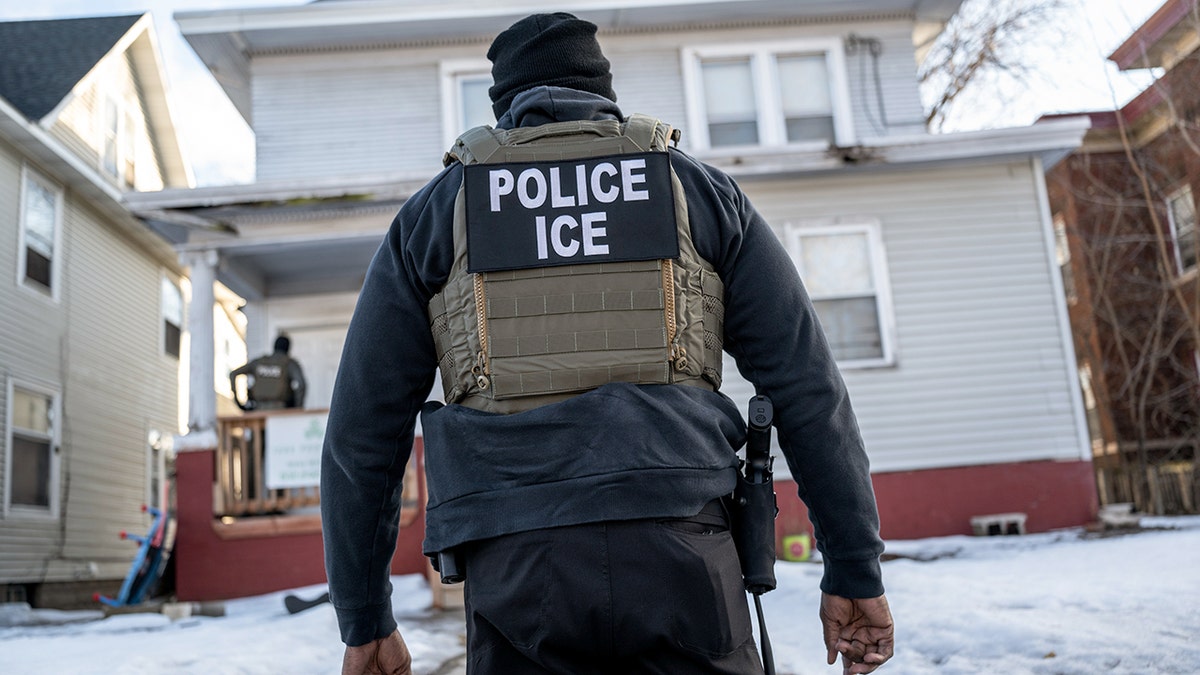
Federal agents deployed tear gas at a crowd of demonstrators, including young children, outside an ICE facility in Portland. (Victor J. Blue/Bloomberg via Getty Images)
Portland officials are working to operationalize an ordinance, which went into effect last month, that imposes a fee on detention facilities that use chemical agents, the mayor said.
«As we prepare to put that law into action, we are also documenting today’s events and preserving evidence. The federal government must, and will, be held accountable,» he wrote.
«Portland will continue to stand firmly with our immigrant neighbors, who deserve safety, dignity, and the full protection of the communities they help build,» he continued. «We are also proud of the Portlanders who showed up today in peaceful solidarity, demonstrating the strength and clarity of those shared values in the face of federal overreach.»
This comes amid national unrest and bipartisan scrutiny of immigration enforcement tactics following two killings of U.S. citizens by federal immigration agents last month in Minneapolis.
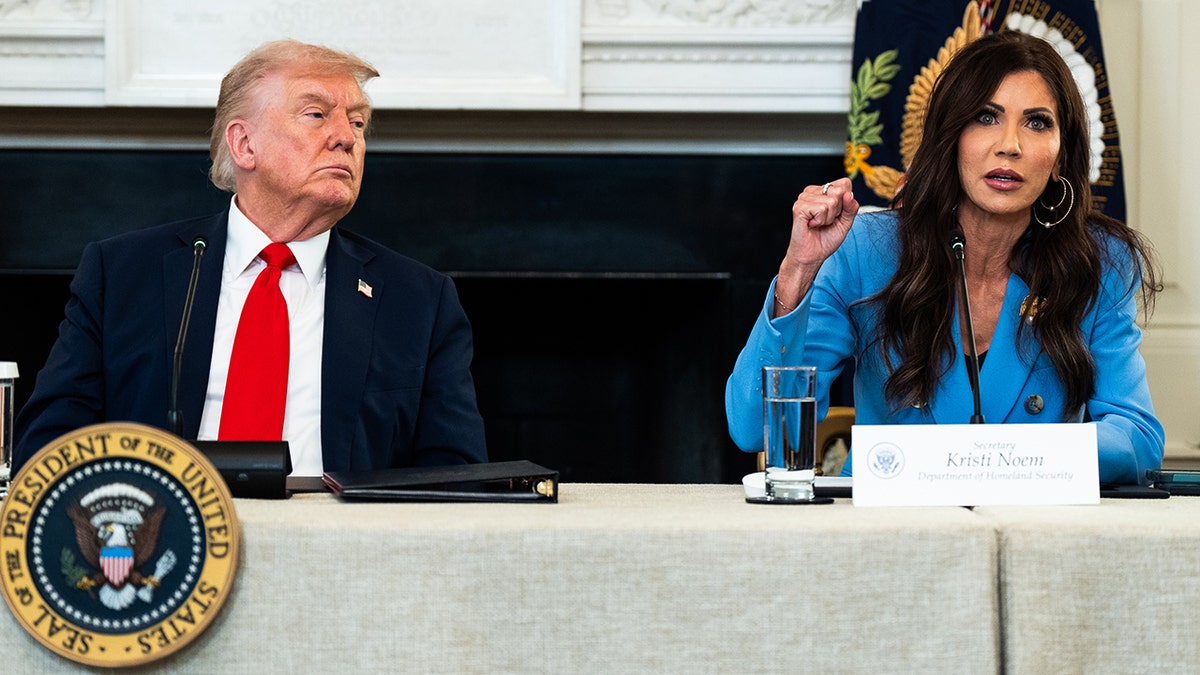
The Trump administration has faced bipartisan scrutiny over its immigration enforcement tactics following two killings of U.S. citizens by federal immigration agents in Minneapolis. (Demetrius Freeman/The Washington Post via Getty Images)
CLICK HERE TO DOWNLOAD THE FOX NEWS APP
Renee Nicole Good was shot and killed by ICE agent Jonathan Ross on Jan. 7 in Minneapolis, and Alex Pretti was fatally shot on Jan. 24 by Border Patrol agent Jesus Ochoa and Customs and Border Protection officer Raymundo Gutierrez while he was recording immigration enforcement operations in the same city.
Pretti, an ICU nurse, appeared to be attempting to assist a woman agents had knocked down when he was sprayed with an irritant, pushed to the ground and beaten, according to video and witness accounts. An agent was later seen pulling Pretti’s lawfully owned firearm from his waistband before other agents fired several shots, killing him.
portland,oregon,us,donald trump,homeland security,kristi noem,us protests
INTERNACIONAL
“As Nasty As They Wanna Be”: qué hay detrás del álbum más censurado en la historia del rap
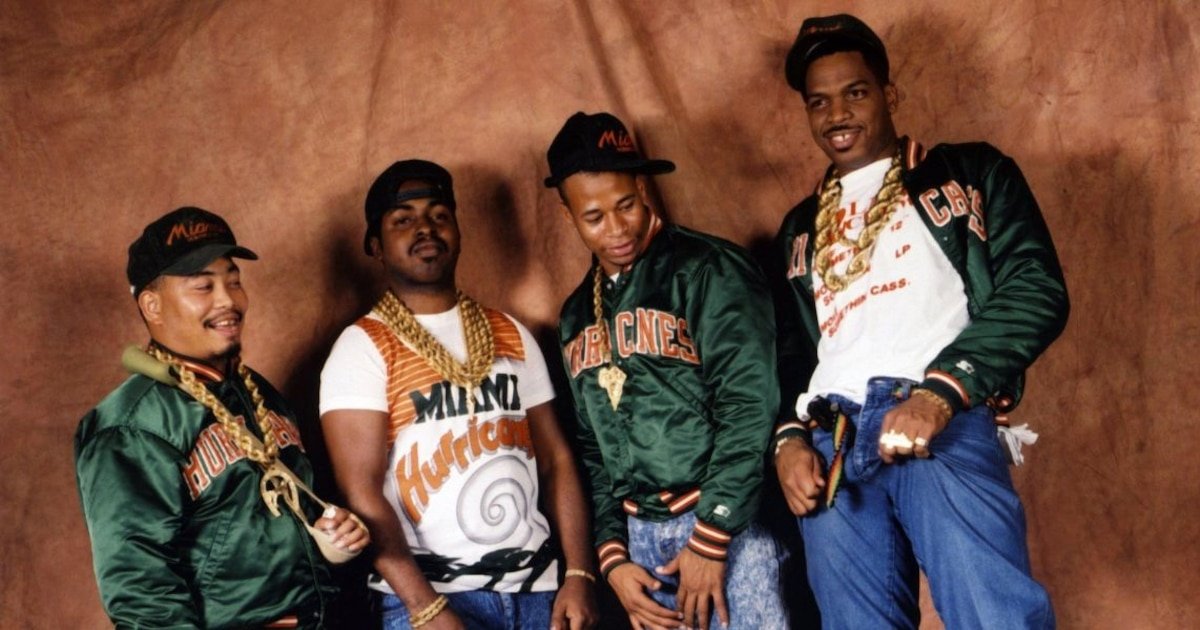
En 1990, la industria musical de Estados Unidos vivió un hecho inédito: por primera vez, un álbum fue declarado “legalmente obsceno”. El protagonista de este episodio fue 2 Live Crew, un grupo de rap originario de Miami, cuyo tercer disco, As Nasty As They Wanna Be, no solo desató controversia por su contenido, sino que también reconfiguró los límites entre arte, moral y legalidad.
Formado en la década de los 80, 2 Live Crew se caracterizaba por sus letras explícitas, ritmos acelerados y una actitud desafiante que rompía con los códigos de la época. El grupo, liderado por Luther Campbell (conocido como Luke Skyywalker), ya era un referente del subgénero Miami bass, pero no fue hasta el lanzamiento de As Nasty As They Wanna Be, el 7 de febrero de 1989, que se convirtieron en un fenómeno nacional.
El disco, repleto de referencias sexuales y lenguaje explícito, fue el mayor éxito comercial de la banda y obtuvo la certificación de platino de la Recording Industry Association of America (RIAA).
La polémica que rodeó el álbum terminó de definir su lugar en la historia. “Con letras explícitas, ritmos provocadores y una actitud desfachatada, 2 Live Crew se metió directo en el ojo de la tormenta cultural”, señaló Indie Hoy.
La llegada al mercado de As Nasty As They Wanna Be coincidió con una creciente preocupación social e institucional por el contenido de la música popular, en especial el rap, que para muchos sectores conservadores representaba una amenaza para los valores tradicionales.
La controversia alcanzó su punto máximo en 1990, cuando un tribunal del distrito de Florida declaró a As Nasty As They Wanna Be como “legalmente obsceno”, un fallo sin precedentes en la historia de la música estadounidense. El disco, que ya incluía el clásico sello de advertencia parental, pasó a ser el primer álbum en recibir tal calificación jurídica.
Según el fallo, el contenido de las canciones era tan explícito que excedía los límites de la libertad artística y podía ser considerado un delito.
Dos días después de la sentencia, un vendedor de discos de Florida fue arrestado por vender una copia del álbum a un policía encubierto. “La detención convirtió a 2 Live Crew en leyenda. No por romper récords de ventas, sino por entrar a los libros de historia como los primeros músicos en ser procesados por el contenido lírico de su obra”, destacó Indie Hoy.
El impacto del proceso judicial fue inmediato. Figuras públicas, como David Bowie, manifestaron su apoyo a la libertad de expresión artística. Incluso académicos de renombre, como Henry Louis Gates Jr., testificaron a favor del grupo durante el juicio.
Este episodio no solo consolidó la fama de 2 Live Crew, sino que también abrió un debate sobre el papel del Estado frente a las expresiones culturales consideradas ofensivas o disruptivas.

El juicio contra 2 Live Crew no solo marcó un antes y un después en la industria del rap, sino que también sentó un precedente legal de alcance duradero. El disco, que representó el final de la relación del grupo con el sello Skyywalker Records —renombrado luego como Luke Records tras una demanda de George Lucas por el uso del nombre—, pasó a ser un símbolo de la lucha por la libertad artística en Estados Unidos.
La controversia en torno a As Nasty As They Wanna Be se inscribió en una larga tradición de enfrentamientos entre músicos y el sistema judicial. Casos como el arresto de Jim Morrison en 1969 en Miami por “exposición indecente”, el hostigamiento sufrido por Billie Holiday por interpretar “Strange Fruit” o la persecución política contra Fela Kuti en Nigeria por sus letras contestatarias muestran que el arte musical ha sido históricamente terreno de disputa y resistencia.
A pesar de la censura inicial y los problemas legales, el álbum de 2 Live Crew resistió el paso del tiempo como un recordatorio de los riesgos y desafíos que implica empujar los límites del discurso público. “Más allá del debate sobre el tono de sus letras, lo cierto es que su caso marcó un antes y un después en la relación entre música y legalidad”, concluyó Indie Hoy.
As Nasty As They Wanna Be no solo fue un éxito comercial, sino que se transformó en un punto de inflexión en la discusión sobre los límites de la libertad artística y la intervención estatal.
INTERNACIONAL
Quién es Laura Fernández, la Bukele de Costa Rica que arrasó en las elecciones y será la próxima presidenta
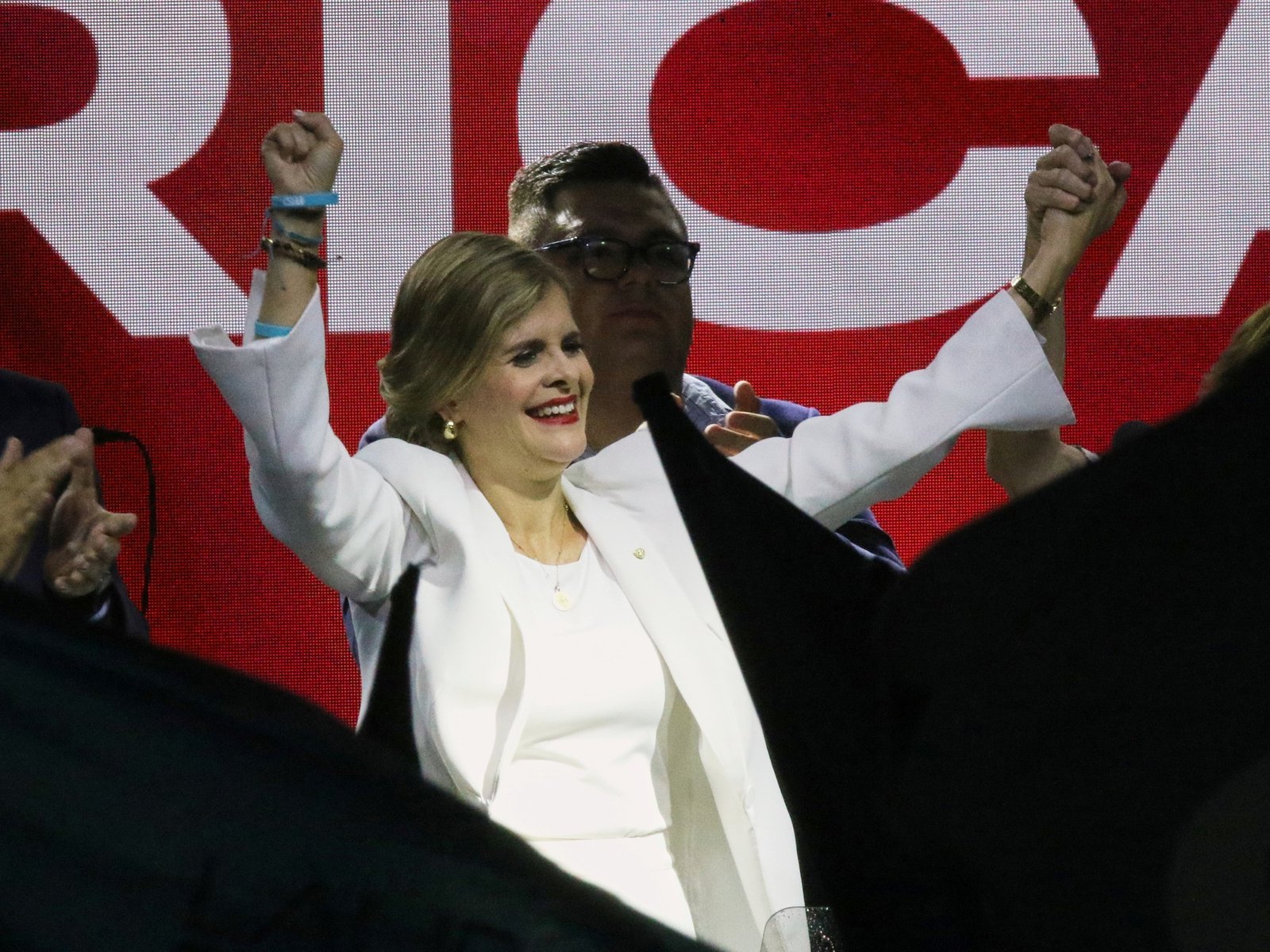
La “heredera” de Rodrigo Chaves

Atacar la inseguridad y el narcotráfico, el principal objetivo


Milei y Sturzenegger defendieron la política económica del Gobierno: “Éramos tan infelices y no lo sabíamos”

Cuánto cobran los caseros en febrero 2026

Un amigo de Martín Demichelis rompió el silencio y apuntó contra Evangelina Anderson: “Alguien distorsiona la…”

Canales para ver el Barracas Central vs. Deportivo Riestra por el Torneo Apertura

Con las reformas laboral y penal en el centro del debate, comienzan las sesiones extraordinarias en el Congreso

Portland mayor demands ICE leave city after federal agents use tear gas on protesters ‘Sickening decisions’

La escandalosa prohibición de María Susini: por qué no quiere que Facundo Arana se acerque a sus hijos

A qué hora puede llover hoy en CABA, según el Servicio Meteorológico Nacional

Julieta Díaz contó por qué no funcionó su noviazgo con Luciano Castro en medio de la separación con Griselda Siciliani

Maximo Kirchner propuso que Axel Kicillof presida el PJ Bonaerense

 CLIMA NOTICIAS3 días ago
A qué hora puede llover hoy en CABA, según el Servicio Meteorológico Nacional
- CHIMENTOS3 días ago
Julieta Díaz contó por qué no funcionó su noviazgo con Luciano Castro en medio de la separación con Griselda Siciliani
- POLITICA3 días ago
El New York Times asegura que la Argentina podría firmar un acuerdo con EE.UU. para recibir deportados