INTERNACIONAL
China’s missile surge puts every US base in the Pacific at risk — and the window to respond is closing

NEWYou can now listen to Fox News articles!
China has spent decades building a land-based missile force designed to keep the United States out of a fight over Taiwan — and U.S. officials say it now threatens every major airfield, port and military installation across the Western Pacific.
As Washington races to build its own long-range fires, analysts warn that the land domain has become the most overlooked — and potentially decisive — part of the U.S.–China matchup. Interviews with military experts show a contest defined not by tanks or troop movements, but by missile ranges, base access and whether U.S. forces can survive the opening salvos of a war that may begin long before any aircraft take off.
«The People’s Liberation Army Rocket Force … has built an increasing number of short-, medium-, and long-range missiles,» Seth Jones of the Center for Strategic and International Studies told Fox News Digital. «They have the capability to shoot those across the first and increasingly the second island chains.»
For years, Chinese officials assumed they could not match the United States in air superiority. The Rocket Force became the workaround: massed, land-based firepower meant to shut down U.S. bases and keep American aircraft and ships outside the fight.
HIGH STAKES ON THE HIGH SEAS AS US, CHINA TEST LIMITS OF MILITARY POWER
«They didn’t think that they could gain air superiority in a straight-up air-to-air fight,» said Eric Heginbotham, a research scientist at the Massachusetts Institute of Technology. «So you need another way to get missiles out — and that another way is by building a lot of ground launchers.»
«The People’s Liberation Army Rocket Force… has built an increasing number of short-, medium-, and long-range missiles,» Seth Jones of the Center for Strategic and International Studies told Fox News Digital. (CNS Photo via Reuters)
The result is the world’s largest inventory of theater-range missiles, backed by hardened underground facilities, mobile launchers and rapid shoot-and-scoot tactics designed to overwhelm U.S. defenses.
Despite China’s numerical edge, American forces still hold advantages Beijing has not yet matched — particularly in targeting and survivability.
U.S. missiles, from Tomahawks to SM-6s to future hypersonic weapons, are tied into a global surveillance network the People’s Liberation Army cannot yet replicate. American targeting relies on satellites, undersea sensors, stealth drones and joint command tools matured over decades of combat experience.
«The Chinese have not fought a war since the 1970s,» Jones said. «We see lots of challenges with their ability to conduct joint operations across different services.»
The U.S., by contrast, has built multi-domain task forces in the Pacific to integrate cyber, space, electronic warfare and precision fires — a level of coordination analysts say China has yet to demonstrate.
Jones said China’s defense industry also faces major hurdles.
«Most of (China’s defense firms) are state-owned enterprises,» he said. «We see massive inefficiency, the quality of the systems … we see a lot of maintenance challenges.»
Still, the United States faces a near-term problem of its own: missile stockpiles.
«We still right now … would run out (of long-range munitions) after roughly a week or so of conflict over, say, Taiwan,» Jones said.
SKIES AT STAKE: INSIDE THE US-CHINA RACE FOR AIR DOMINANCE
Washington is trying to close that gap by rapidly expanding production of ground-launched weapons. New Army systems — Typhon launchers, high mobility artillery rocket system, batteries, precision strike missiles and long-range hypersonic weapons with a range exceeding 2,500 kilometers — are designed to hold Chinese forces at risk from much farther away.
Heginbotham said the shift is finally happening at scale.
«We’re buying anti-ship missiles like there’s no tomorrow,» he said.
If current plans hold, U.S. forces will field roughly 15,000 long-range anti-ship missiles by 2035, up from about 2,500 today.
China’s missile-heavy strategy is built to overwhelm U.S. bases early in a conflict. The United States, meanwhile, relies on layered air defenses: Patriot batteries to protect airfields and logistics hubs, terminal high altitude area defense (THAAD) interceptors to engage ballistic missiles at high altitude, and Aegis-equipped destroyers that can intercept missiles far from shore.
Heginbotham warned the U.S. will need to widen that defensive mix.
«We really need a lot more and greater variety of missile defenses and preferably cheaper missile defenses,» he said.
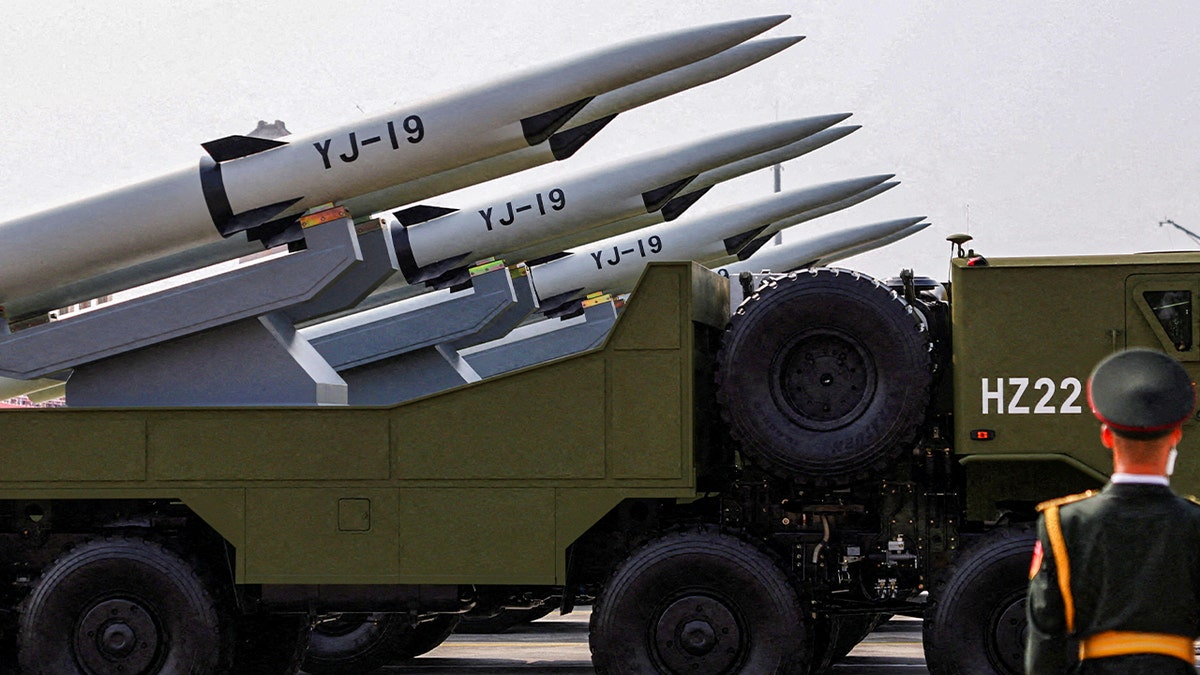
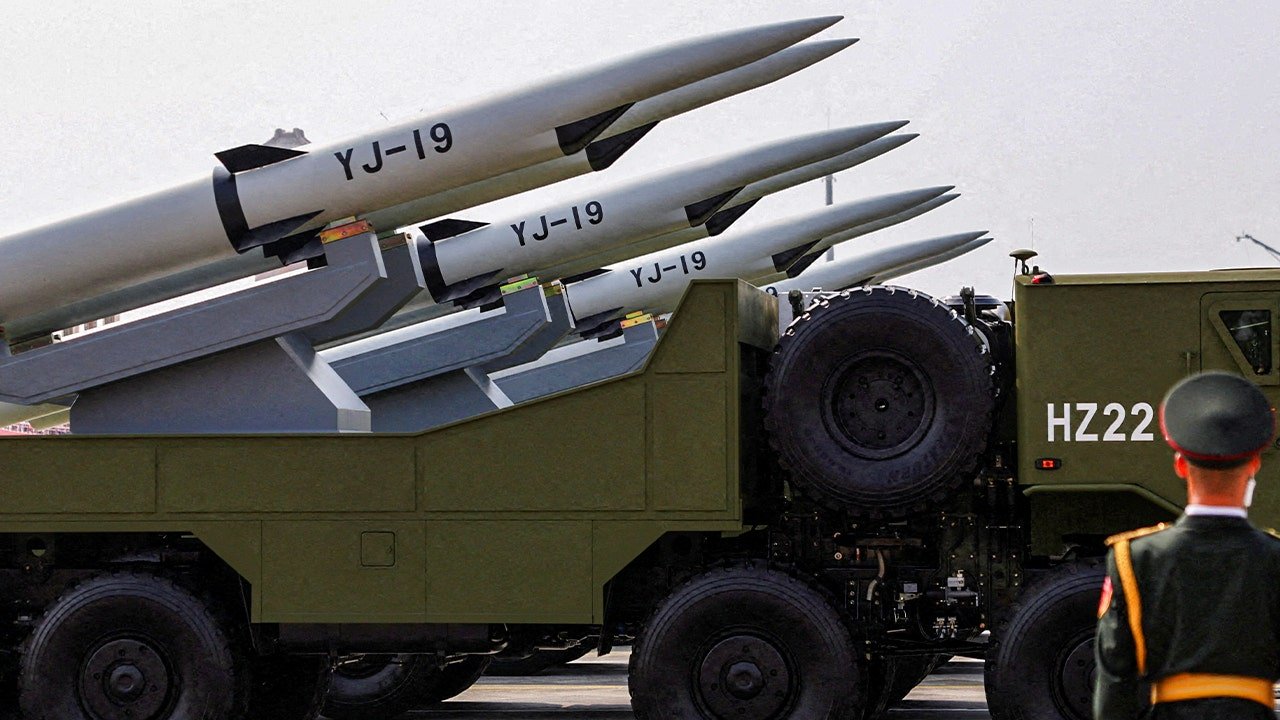
A member of the People’s Liberation Army stands as the maritime operations group displays YJ-19 hypersonic anti-ship missiles during a military parade to mark the 80th anniversary of the end of World War Two, in Beijing, China, Sept. 3, 2025. (Tingshu Wang/Reuters)
One of Washington’s biggest advantages is its ability to conduct long-range strikes from beneath the ocean. U.S. submarines can fire cruise missiles from virtually anywhere in the Western Pacific, without relying on allied basing and without exposing launchers to Chinese fire — a degree of stealth China does not yet possess.
Command integration is another area where Beijing continues to struggle. American units routinely train in multi-domain operations that knit together air, sea, cyber, space and ground-based fires.
Jones and Heginbotham both noted that the People’s Liberation Army has far less experience coordinating forces across services and continues to grapple with doctrinal and organizational problems, including the dual commander–political commissar structure inside its missile brigades.
Alliances may be the most consequential difference. Japan, the Philippines, Australia and South Korea provide depth, intelligence sharing, logistics hubs and potential launch points for U.S. forces.
China has no comparable network of partners, leaving it to operate from a much narrower geographic footprint. In a missile war, accuracy, integration and survivability often matter more than sheer volume — and in those areas the United States still holds meaningful advantages.
At the heart of this competition is geography. Missiles matter less than the places they can be launched from, and China’s ability to project power beyond its coastline remains sharply constrained.
«They’ve got big power-projection problems right now,» Jones said. «They don’t have a lot of basing as you get outside of the first island chain.»
The United States faces its own version of that challenge. Long-range Army and Marine Corps fires require host-nation permission, turning diplomacy into a form of firepower.
«It’s absolutely central,» Heginbotham said. «You do need regional basing.»
Recent U.S. agreements with the Philippines, along with expanded cooperation with Japan and Australia, reflect a push to position American launchers close enough to matter without permanently stationing large ground forces there.
A U.S.–China land conflict would not involve armored columns maneuvering for territory. The decisive question is whether missile units on both sides can fire, relocate and fire again before being targeted.
China has invested heavily in survivability, dispersing its brigades across underground bunkers, tunnels and hardened sites. Many can fire and relocate within minutes. Mobile launchers, decoys and deeply buried storage complexes make them difficult to neutralize.
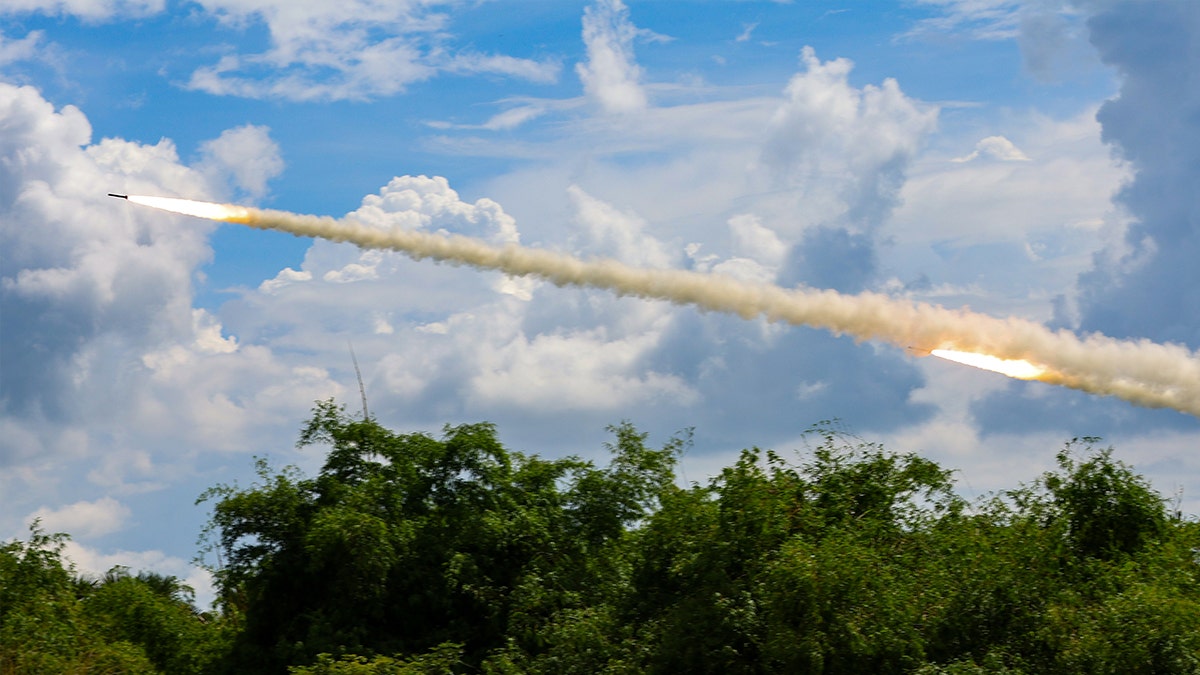
U.S. forces will field roughly 15,000 long-range anti-ship missiles by 2035, up from about 2,500 today. (Daniel Ceng/Anadolu via Getty Images)
U.S. launchers in the Pacific would face intense Chinese surveillance and long-range missile attacks. After two decades focused on counterterrorism, the Pentagon is now reinvesting in deception, mobility and hardened infrastructure — capabilities critical to surviving the opening stages of a missile war.
Any U.S. intervention in a Taiwan conflict would also force Washington to confront a politically charged question: whether to strike missile bases on the Chinese mainland. Doing so risks escalation; avoiding it carries operational costs.
«Yes … you can defend Taiwan without striking bases inside China,» Heginbotham said. «But you are giving away a significant advantage.»
Holding back may help prevent the conflict from widening, but it also allows China to keep firing.
«It’s a reality of conflict in the nuclear age that almost any conflict is gonna be limited in some ways,» Heginbotham said. «Then the question becomes where those boundaries are drawn, can you prevent it from spreading? What trade-offs you’re willing to accept?»
A U.S.–China clash on land would not be fought by massed armies. It would be a missile war shaped by geography, alliances and survivability — a contest where political access and command integration matter as much as raw firepower.
CLICK HERE TO DOWNLOAD THE FOX NEWS APP
For the United States, the challenge is clear: build enough long-range missiles, secure the basing needed to use them and keep launchers alive under fire. For China, the question is whether its vast missile arsenal and continental depth can offset weaknesses in coordination, command structure and real-world combat experience.
The side that can shoot, relocate and sustain fire the longest will control the land domain — and may shape the outcome of a war in the Pacific.
This is the third installment of a series comparing U.S. and Chinese military capabilities. Feel free to check out earlier stories comparing sea and air capabilities.
china,conflicts defense,military tech







INTERNACIONAL
El cardenal nicaragüense Leopoldo Brenes reorganiza a los sacerdotes de Managua mientras se agrava la tensión con la dictadura
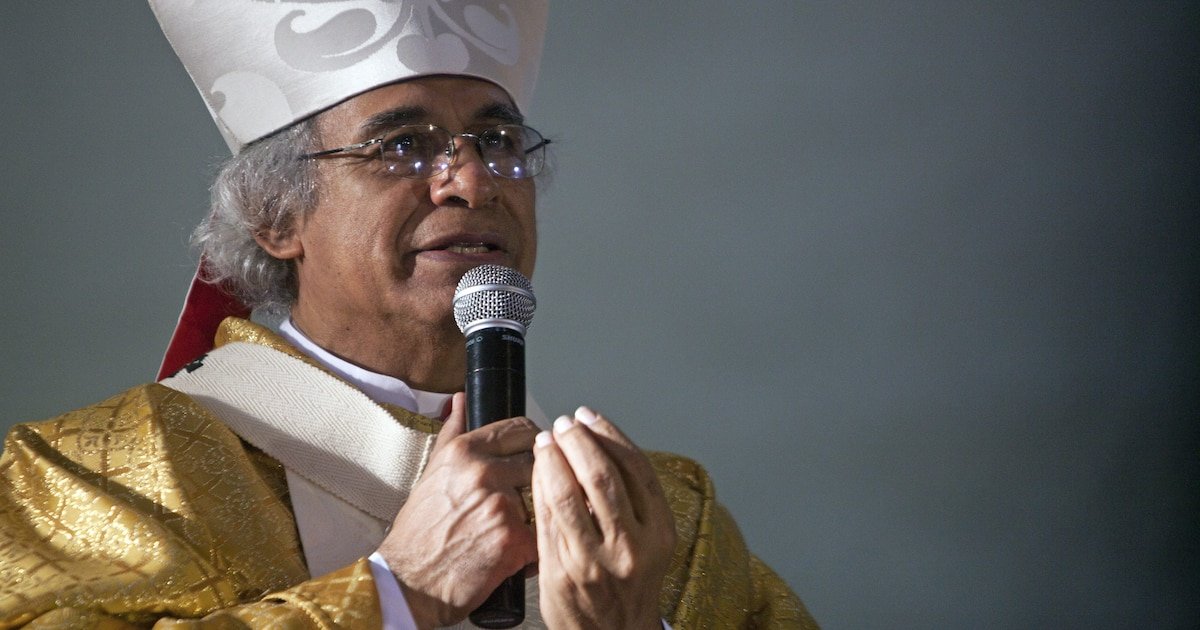
El cardenal Leopoldo José Brenes anunció este domingo el traslado de 23 sacerdotes en la Arquidiócesis de Managua, una reorganización forzada por la expulsión de religiosos que ha dejado múltiples parroquias sin titulares en Nicaragua. La medida se produce en medio de la escalada represiva de la dictadura de Daniel Ortega y Rosario Murillo contra la Iglesia católica, que ha convertido al país centroamericano en uno de los escenarios más graves de persecución religiosa del continente.
Brenes explicó en un comunicado que las nuevas asignaciones pastorales responden al “bien espiritual y la debida atención pastoral de las comunidades parroquiales” de la capital nicaragüense. Entre los movimientos destaca la designación del sacerdote Kevin Mayorga, recientemente ordenado, para ocupar la parroquia Nuestro Señor de Esquipulas, que quedó vacante tras el destierro del padre Héctor Treminio en enero de 2024.
La reorganización incluye parroquias cuyos titulares fueron obligados al exilio por presión gubernamental, como la parroquia Nuestra Señora de las Américas, antes dirigida por el padre Fernando Téllez Báez, quien abandonó Nicaragua en diciembre de 2023 ante amenazas policiales. Brenes también nombró un nuevo director del Seminario Mayor La Purísima: el sacerdote Hanz Bendixen, que ejercía como párroco de la iglesia San Ignacio de Loyola.
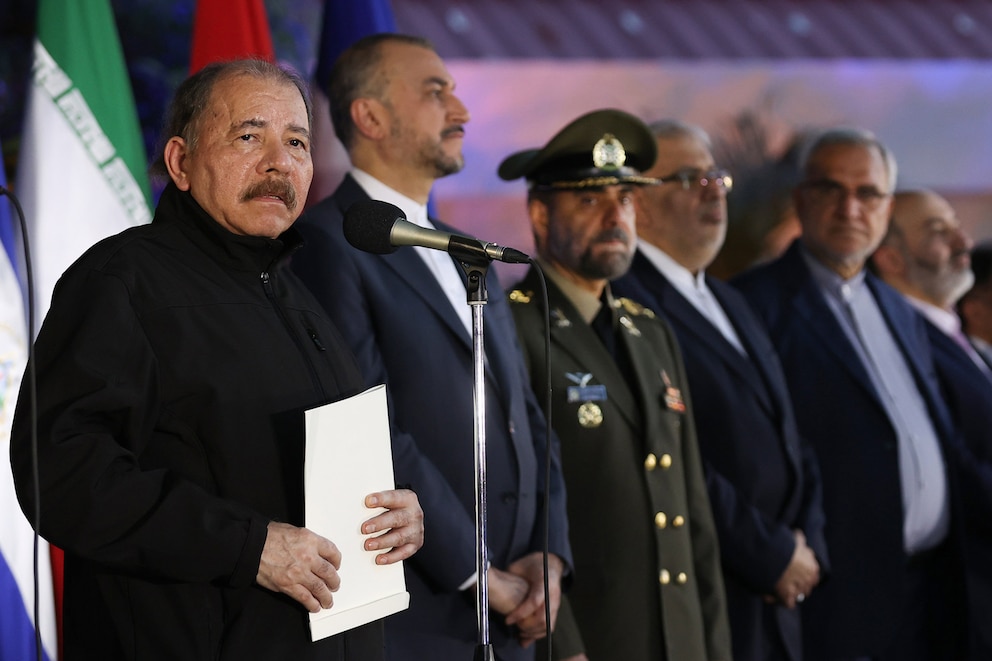
El alcance de la persecución religiosa en Nicaragua se refleja en cifras contundentes. Según el informe “Fe bajo fuego” de la ONG Colectivo Nicaragua Nunca Más, al menos 261 religiosos han sido desterrados del país desde 2018, incluidos cuatro obispos, cerca de 140 sacerdotes, más de 90 religiosas, una decena de seminaristas y tres diáconos. Entre los expulsados figuran el presidente de la Conferencia Episcopal, Carlos Enrique Herrera, y los obispos Silvio Báez, Rolando Álvarez e Isidoro Mora.
La relación entre la dictadura de Ortega-Murillo y el Vaticano ha alcanzado niveles de ruptura sin precedentes. En marzo de 2023, el fallecido papa Francisco calificó como “dictadura grosera” al régimen nicaragüense, apenas un mes después de que Álvarez fuera condenado a 26 años y cuatro meses de prisión por “traición a la patria”. El obispo de Matagalpa fue posteriormente desterrado a Roma en enero de 2024, tras permanecer más de 500 días en prisión, la mayoría en régimen de aislamiento.
Ortega respondió a las críticas vaticanas con medidas de represalia directas. Disolvió y expropió a la Compañía de Jesús, orden religiosa a la que pertenecía el papa Francisco, y ha calificado reiteradamente a la Iglesia católica como “mafia” y antidemocrática. En marzo de 2022, el nuncio apostólico Waldemar Stanislaw Sommertag fue expulsado del país, punto de inflexión que marcó el deterioro definitivo de las relaciones diplomáticas entre Managua y la Santa Sede.
La persecución no se limita a expulsiones. La investigadora Martha Patricia Molina ha documentado 1.030 ataques contra católicos entre abril de 2018 y enero de 2025, que incluyen agresiones físicas, profanaciones, confiscaciones de propiedades eclesiásticas y la prohibición de más de 18.800 procesiones religiosas. En enero pasado, el régimen confiscó el Seminario Mayor de Filosofía San Luis Gonzaga de la Diócesis de Matagalpa, desalojando a 30 seminaristas, y se apropió del Centro Diocesano de Pastoral La Cartuja.

EFE/ Jorge Torres
La dictadura también ha cerrado 5.609 asociaciones sin fines de lucro, de las cuales 1.294 eran de carácter religioso, según el informe de Nicaragua Nunca Más. Al menos 54 medios de comunicación, 22 de ellos religiosos, han sido clausurados por el Instituto de Telecomunicaciones estatal.
El Grupo de Expertos en Derechos Humanos sobre Nicaragua de la ONU denunció en julio de 2024 que la dictadura mantiene ataques “sistemáticos” contra la Iglesia católica y ha cometido crímenes de lesa humanidad, entre ellos deportación forzosa, encarcelación arbitraria, tortura y persecución por motivos religiosos. Los expertos consideran que estos ataques obedecen a que el régimen percibe a la Iglesia como amenaza directa a su control totalitario sobre la sociedad nicaragüense.
Mientras tanto, los sacerdotes que permanecen en Nicaragua enfrentan restricciones severas: vigilancia policial constante, prohibición de referirse en homilías a temas como derechos humanos o democracia, revisión de teléfonos celulares y obligación de presentar informes semanales sobre sus actividades a las autoridades, según denuncias de organizaciones defensoras de derechos humanos.
christianity,dorado,gente,hablando,mitra,religion and belief,religiosos
NEWYou can now listen to Fox News articles!
President Donald Trump on Sunday endorsed former Sen. John E. Sununu of New Hampshire, a longtime GOP Trump critic, over one of his first-term ambassadors, former Sen. Scott Brown, in a crucial Senate race that’s one of a handful that may determine the Senate majority in the midterm elections.
Sununu, who was praised by Trump as an «America First Patriot» who «will work tirelessly to advance our America First Agenda,» is seen by top Senate Republicans as the strongest candidate to flip the seat held by longtime Democratic Sen. Jeanne Shaheen, who is retiring at the end of this year rather than seek re-election to a fourth six-year term.
«John E. Sununu has my Complete and Total Endorsement — HE WILL NOT LET YOU DOWN. MAKE AMERICA GREAT AGAIN — ELECT JOHN E. SUNUNU,» Trump emphasized, in a post on social media.
Sununu is a former three-term representative who defeated then-Gov. Shaheen in New Hampshire’s 2002 Senate election. But the senator lost to Shaheen in their 2008 rematch.
DEMOCRATS EYE NARROW PATH TO CAPTURE SENATE MAJORITY, BUT ONE WRONG MOVE COULD SINK THEM
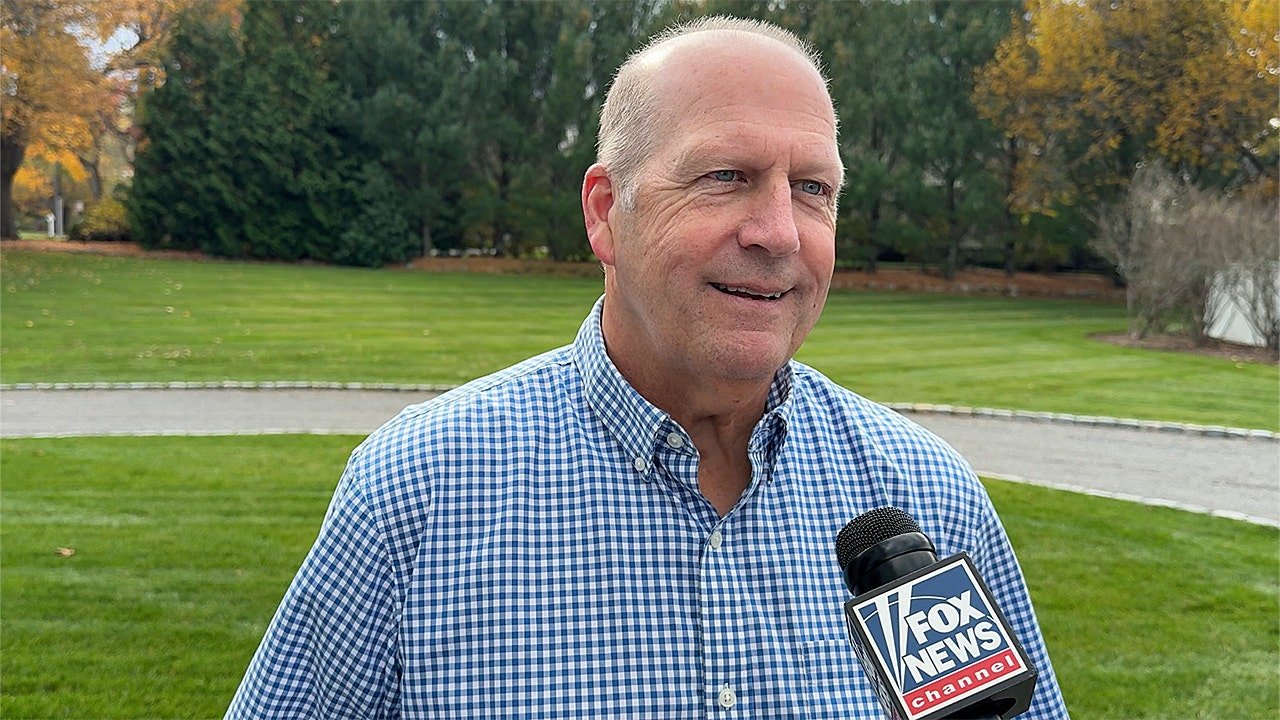
Former Republican Sen. John E. Sununu of New Hampshire is interviewed by Fox News Digital, on Sept.15, 2025 in Rye, N.H. (Paul Steinhauser/Fox News Digital)
«I want to thank the President for his support and thank the thousands of Granite Staters who are supporting me,» Sununu said after landing Trump’s endorsement.
The endorsement will further boost Sununu, who enjoys a polling and fundraising advantage over Brown.
After Trump’s endorsement, the Senate Leadership Fund, which is aligned with Senate Majority Leader John Thune, said on X that «John Sununu is the clear choice to be New Hampshire’s next US Senator, and President Trump’s critical endorsement has put an end to the primary.»
TIM SCOTT TELLS MAGA VOTERS TRUMP ‘IS ON THE BALLOT’ AS GOP FIGHTS TO GROW SENATE MAJORITY IN 2026
But Brown, as of now, has no intentions of dropping out.
«I’ve always believed that the people of New Hampshire are the ultimate authority on our future, and they deserve a choice between candidates seeking to earn their support,» he said in a statement.
And apparently questioning Sununu’s MAGA credentials, he added, «I am running to ensure our America First agenda is led by someone who views this mission not as a career path, but as a continuation of a lifelong commitment to service.»
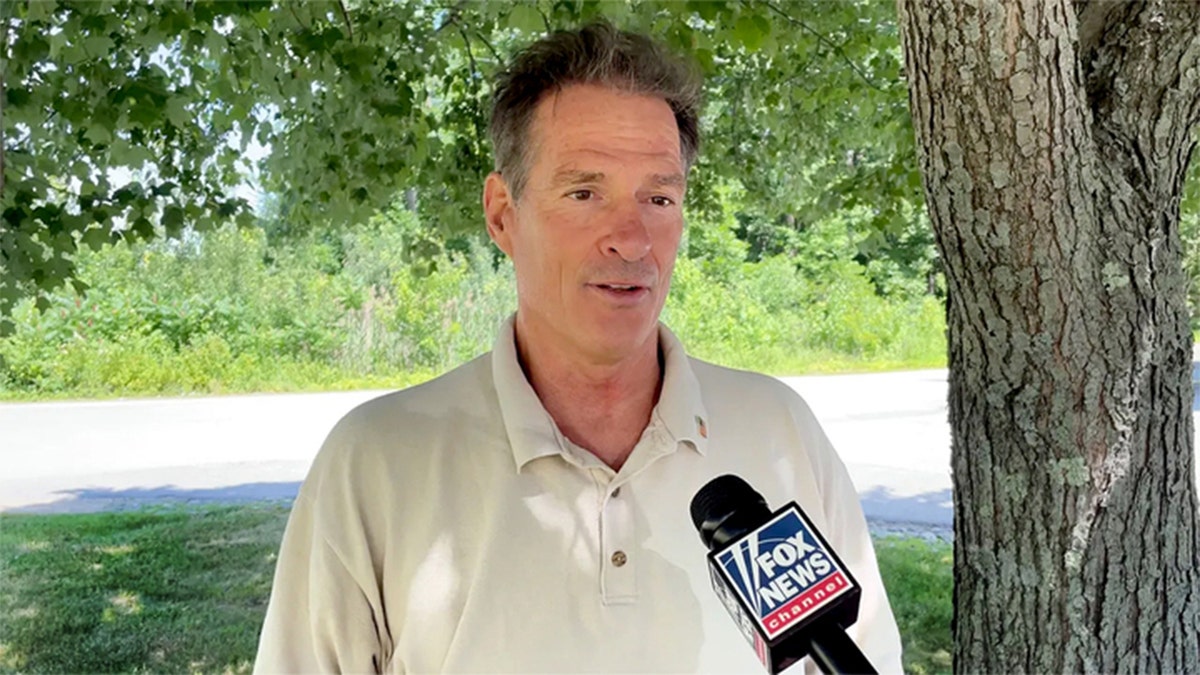
Former Sen. Scott Brown, who launched a Republican Senate campaign in New Hampshire in June, is interviewed by Fox News Digital, on July 4, 2025, in Exeter, N.H. (Paul Steinhauser – Fox News )
Brown emphasized, «My priorities for New Hampshire remain clear: a stronger economy, a secure border, reliable and affordable energy and better health care for our veterans. This mission has always been about you, not me. Let’s keep working!»
Sununu is a brand name in New Hampshire politics. His father, John H. Sununu, is a former governor who later served as chief of staff in then-President George H.W. Bush’s White House. And one of his younger brothers is former Gov. Chris Sununu, who won election and re-election to four two-year terms steering the Granite State.
FIRST ON FOX: SUNUNU LAUNCHES BID TO RETURN TO SENATE
But Sununu has a long history of backing Trump rivals. He served as national co-chair on the 2016 Republican presidential campaign of then-Ohio Gov. John Kasich, who declined to support Trump as the party’s nominee.
And Sununu, along with then-Gov. Chris Sununu, endorsed former ambassador and former South Carolina Gov. Nikki Haley in the 2024 New Hampshire Republican presidential primary, as she battled Trump for the nomination.
And on the eve of the first-in-the-nation presidential primary, the former senator wrote an opinion piece titled «Donald Trump is a loser,» that ran in the New Hampshire Union Leader, the state’s largest daily newspaper.
Brown endorsed Trump ahead of his 2016 New Hampshire primary victory, which launched him toward the GOP presidential nomination and ultimately the White House. Brown later served as U.S. ambassador to New Zealand during Trump’s first term.
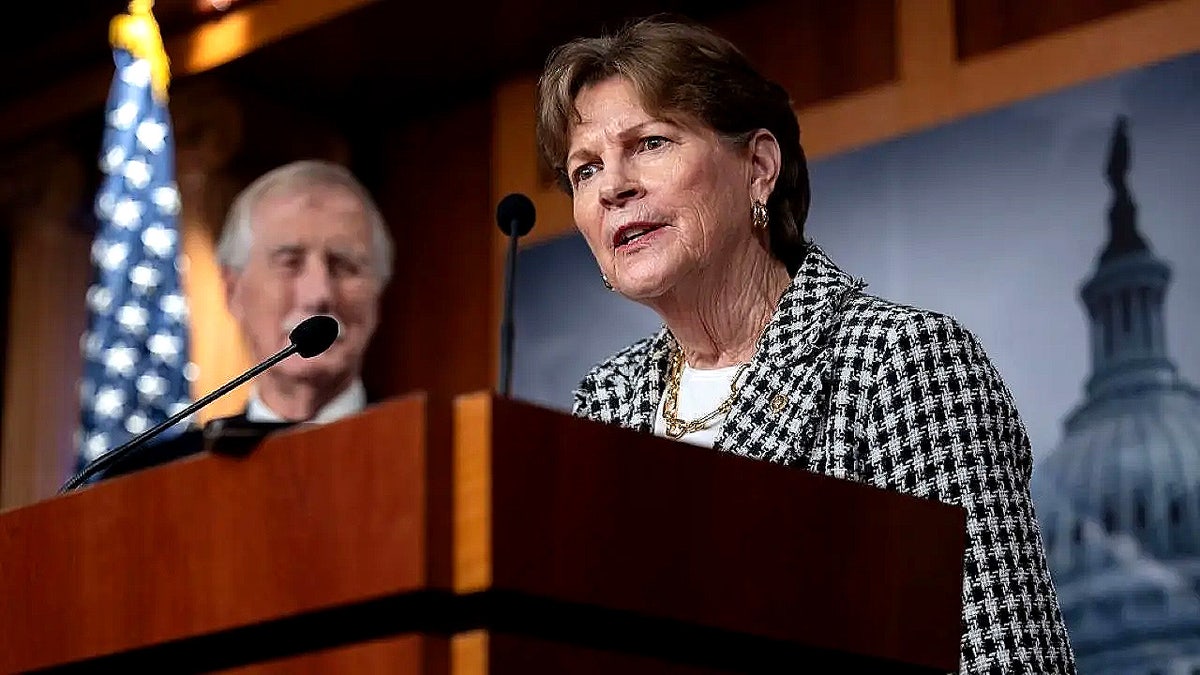
Democratic Sen. Jeanne Shaheen of New Hampshire, seen speaking at a press conference in Washington, DC on November 9, 2025, is retiring at the end of this year. (Nathan Posner/Anadolu via Getty Images)
Some in New Hampshire’s MAGA base immediately rejected the president’s endorsement of Sununu, calling it a «slap in the face to grassroots supporters» who have long backed Trump.
«The Sununu family openly mocked, degraded, and worked against the America First movement, the President himself, and the policies that energized New Hampshire voters,» a group of MAGA activists posted on X. «We will continue and intensify our campaign opposition to the Sununu operation.»
Brown formally launched his Senate campaign in June, after over six months of reaching out to grassroots supporters in the state. He raised roughly $1 million during his first three months as a candidate.
Sununu jumped into the race in late October, with the backing of the National Republican Senatorial Committee (NRSC), which is the Senate GOP’s campaign arm.
FIRST ON FOX: BROWN SHOWCASES HEALTHY FUNDRAISING HAUL
NRSC chair Sen. Tim Scott said at the time that Senate Republicans were «all-in» for Sununu.
Since then, Sununu has landed the backing of a majority of the Republicans in the Senate, as well as from GOP leaders in New Hampshire.
The seat in New Hampshire, along with an open Democrat-held seat in Michigan are two of the NRSC’s top targets this year as they aim to expand their 53-47 majority in the chamber. Georgia, where the GOP views Democratic Sen. Jon Ossoff as very vulnerable, is the NRSC’s other top target.
Sununu more than doubled Brown’s fundraising haul during the past three months, and the latest public opinion polls in New Hampshire indicate Sununu with a double-digit lead over Brown in the GOP primary, which won’t be held until September.

Democratic Senate candidate in New Hampshire, Rep. Chris Pappas, is interviewed by Fox News Digital, on July 4, 2025, in Portsmouth, N.H. (Paul Steinhauser – Fox News)
Pappas, a four-term congressman who represents the eastern half of the state, outraised both Sununu and Brown combined during the 4th quarter of 2025 fundraising.
CLICK HERE TO GET THE FOX NEWS APP
And the latest polls indicate Pappas topping Sununu by single digits and Brown by double digits in hypothetical general election matchups.
Pappas is the clear front-runner for his party’s nomination, in a race that also includes Karishma Manzur, a member of the New Hampshire Democratic Party’s rules committee.
donald trump,senate elections,midterm elections,republicans elections,campaigning,new hampshire
Trump ramping up pressure on Iran as tensions grow
Fox News correspondent Danamarie McNicholl reports the latest on tension with Iran from West Palm Beach, Florida. National Security Institute’s Andrew Borene also joins ‘Fox News Live’ to discuss escalating military pressure in the Middle East.
NEWYou can now listen to Fox News articles!
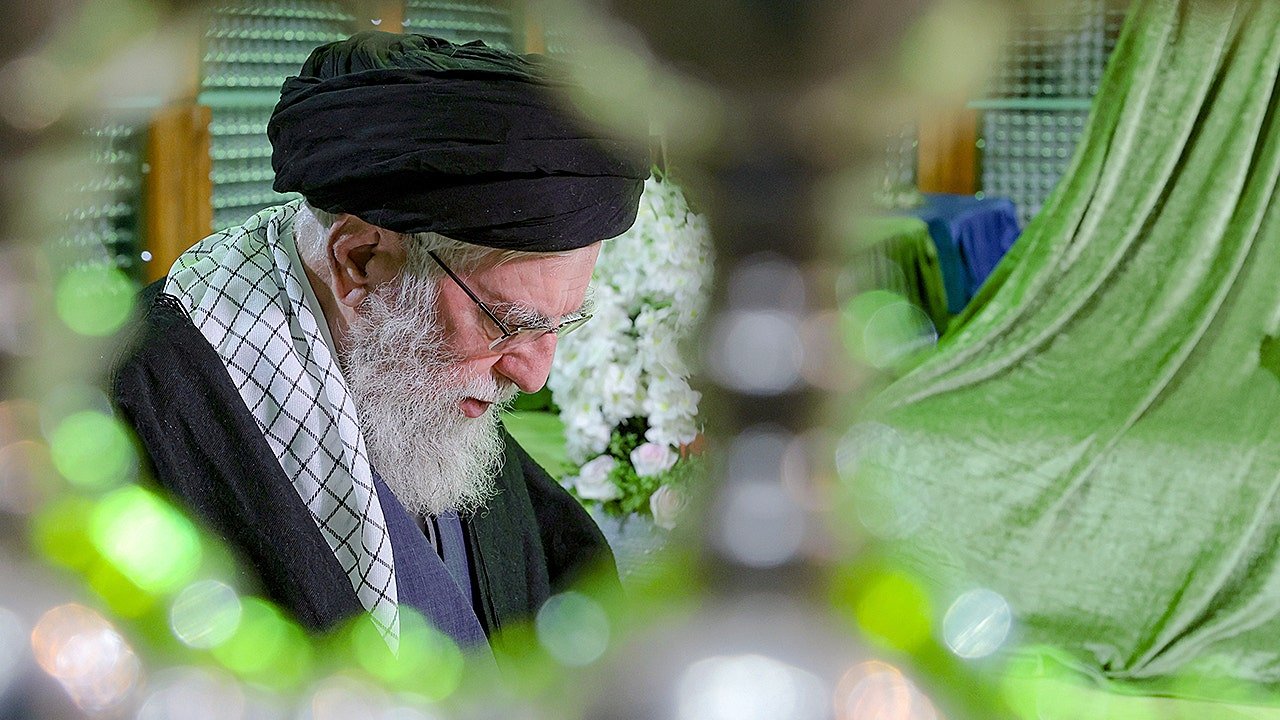
Iran’s regime released staged images of Supreme Leader Ayatollah Ali Khamenei in an attempt to show strength and boost a military under strain, according to opposition groups operating outside the country.
The photographs, published by Iranian state media Jan. 31, marked Khamenei’s first public appearance in weeks and showed him praying at the tomb of Islamic Republic founder Ayatollah Ruhollah Khomeini as regime officials issued new threats against the U.S. and Europe.
Ali Safavi, a senior official with the National Council of Resistance of Iran, said the images were aimed less at reassuring the public than at boosting morale among the regime’s weakening security forces.
«The images of Ali Khamenei were pure propaganda,» Safavi told Fox News Digital. «He wanted to show that he is not afraid of dying, but at the same time he is desperately trying to boost the morale of his demoralized forces.»
TRUMP SAYS IRAN CALLED ‘NUMEROUS’ TIMES TO MAKE DEAL AS CARRIER ENTERS MIDDLE EAST WATERS
Iran’s Supreme Leader Khamenei makes first public appearance in weeks with fresh U.S. threats. (Office of the Iranian Supreme Leader Credit/Associated Press)
Safavi said the Islamic Revolutionary Guard Corps (IRGC) remains the backbone of the regime’s power but is showing signs of strain after weeks of suppressing nationwide protests.
«These images are intended to project strength and shore up the repressive forces,» he said. «But underneath, the regime is reeling from the reality that its criminal clique cannot break the will of the people and Khamenei knows the situation will never return to what it was before Dec. 28.»
The release of the photos coincided with calls from the European Parliament to designate the IRGC as a terrorist organization.
HUNDREDS RALLY OUTSIDE IRANIAN UN AMBASSADOR’S FIFTH AVENUE RESIDENCE CALLING FOR REGIME CHANGE
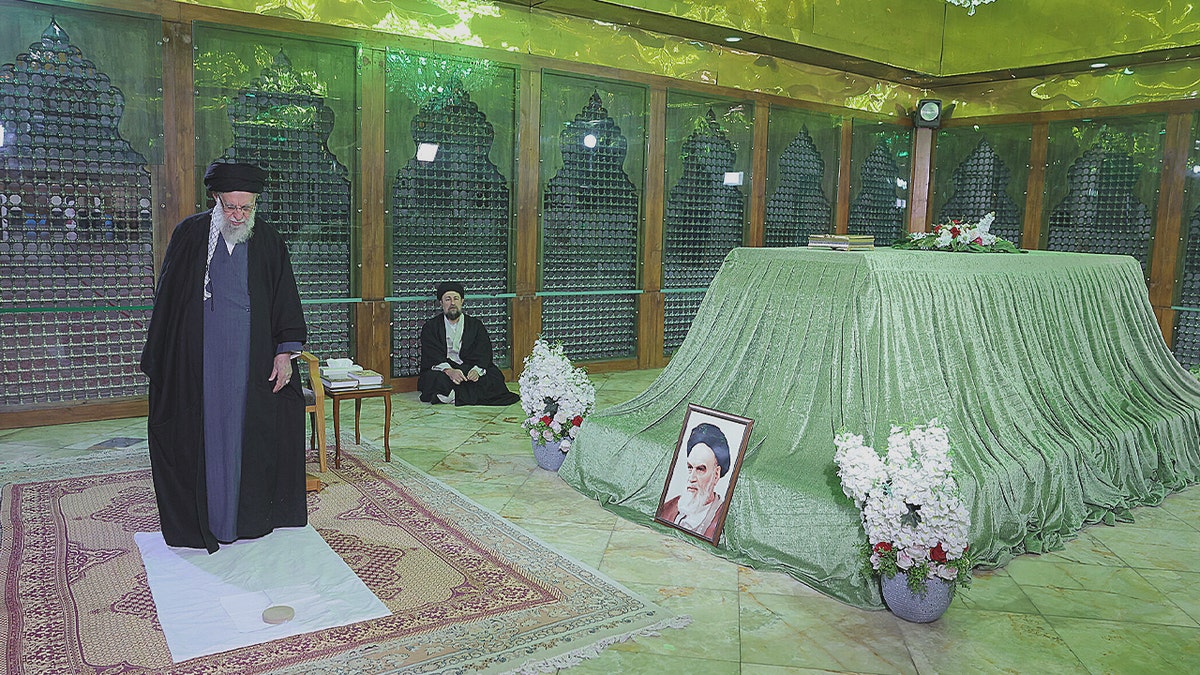
The supreme leader attended prayers at the founder’s tomb as officials issued fresh threats against the U.S. and Europe, opposition groups said. (Office of the Iranian Supreme Leader/Associated Press)
«The IRGC is the backbone of this regime,» Safavi said. «Its disintegration can only occur after a fundamental shift in the balance of forces and with the presence of organized resistance on the ground. Only then do defections at lower levels of the military become meaningful.»
Tehran reacted angrily to the European move with Iranian lawmakers appearing in IRGC uniforms in a highly choreographed show of solidarity, according to reports.
A banner reading, «The Revolutionary Guard is the largest anti-terrorism organization in the world,» was displayed at the speaker’s podium, and the IRGC flag was prominently featured, according to the Times of Israel.
US MILITARY WARNS IRAN IT WILL NOT TOLERATE ANY ‘UNSAFE’ ACTIONS AHEAD OF LIVE-FIRE DRILLS IN STRAIT OF HORMUZ
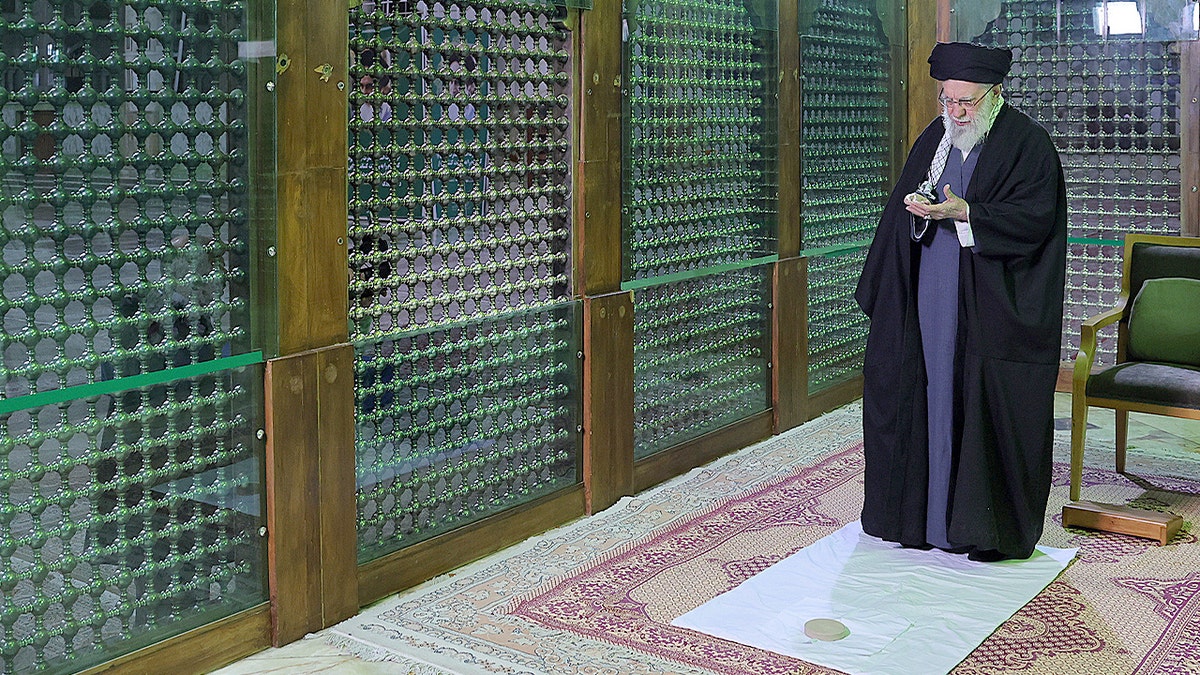
Iranian regime projects strength through staged images of Supreme Leader Ayatollah Ali Khamenei at prayers, opposition groups say. (Office of the Iranian Supreme Leader/Associated Press)
«We saw the same thing when the U.S. designated the IRGC a foreign terrorist organization in 2019,» Safavi said.
«More than half of these lawmakers are former IRGC commanders,» he added. «The IRGC dominates Iran’s economy and permeates the executive, legislative and judicial branches, as well as educational institutions.»
After the U.S. dispatched a naval strike group led by the USS Abraham Lincoln to the region, Khamenei also warned Sunday in comments reported by Iranian state media that any military action would trigger a wider regional conflict.
«We are not the ones who start a war,» Khamenei said . «But if America attacks or harms Iran, the Iranian nation will deliver a strong blow — and any war started by America will spread across the region,» he said per reports.
CLICK HERE TO DOWNLOAD THE FOX NEWS APP
President Donald Trump said Sunday that if Iran does not reach a deal on its nuclear program, «we’ll find out» whether Khamenei’s warning proves correct.
«Doing business with Iran means doing business with the IRGC,» Safavi said. «The IRGC is the regime — even the clerics.»
iran,ali khamenei,middle east,donald trump,world protests,terrorism

El cardenal nicaragüense Leopoldo Brenes reorganiza a los sacerdotes de Managua mientras se agrava la tensión con la dictadura

"Eso no es tan interesante". Un jefazo de Skyrim no tiene tan claro que una serie de The Elder Scrolls pueda funcionar, y explica los motivos

Solo en off: el sugestivo gesto de Adorni con el Poder Judicial

Matías Alé rompió el silencio y contó por qué echó a Alfa de su obra: “Me perjudicaba”

Trump backs former critic Sununu in high-stakes swing state Senate race

Cuánto cuesta alquilar en cada barrio de CABA: un departamento de 3 ambientes ya supera el millón de pesos

La escandalosa prohibición de María Susini: por qué no quiere que Facundo Arana se acerque a sus hijos

A qué hora puede llover hoy en CABA, según el Servicio Meteorológico Nacional

Julieta Díaz contó por qué no funcionó su noviazgo con Luciano Castro en medio de la separación con Griselda Siciliani

Maximo Kirchner propuso que Axel Kicillof presida el PJ Bonaerense

 CLIMA NOTICIAS3 días ago
A qué hora puede llover hoy en CABA, según el Servicio Meteorológico Nacional
- CHIMENTOS2 días ago
Julieta Díaz contó por qué no funcionó su noviazgo con Luciano Castro en medio de la separación con Griselda Siciliani
- POLITICA2 días ago
El New York Times asegura que la Argentina podría firmar un acuerdo con EE.UU. para recibir deportados