INTERNACIONAL
Así es Puntagrande, el hotel más pequeño del mundo

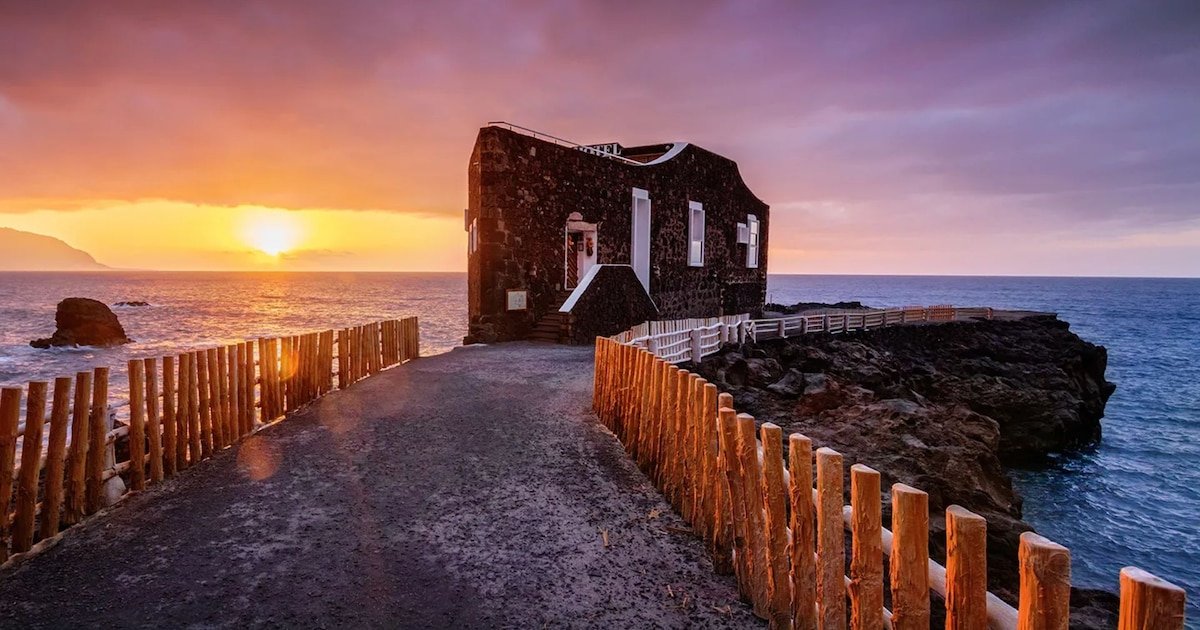
En la pequeña isla de El Hierro, ubicada en el archipiélago de Canarias, se encuentra un lugar tan singular como exclusivo: el Hotel Puntagrande, considerado por el Libro Guinness de los Récords como el hotel más pequeño del mundo desde 1987.
Con una construcción que asemeja el casco de un barco anclado y solo cinco habitaciones, este establecimiento resalta sobre una lengua de roca volcánica que se adentra en el Atlántico, en el pueblo pesquero de Las Puntas, dentro del municipio de Frontera.
La estructura original del hotel se remonta a 1830, cuando fue construida como almacén para higos, uvas, almendras y la primera aguardiente de Canarias. Sin embargo, fue recién en 2018 cuando el italiano Davide Nahmias, junto a su esposa Paula y sus hijas Marta, Sophie y Noa, decidieron convertirlo en un rincón de hospitalidad en sintonía con el entorno.
“Visita como turista, permanece como invitado y parte como amigo”, es la frase que, según señala la familia Nahmias, en declaraciones recogidas por Europa Press, define el espíritu de Puntagrande.
El Puntagrande emerge entre las olas del océano como una pieza única de arquitectura boutique solo para adultos. Popularmente conocido como “el hotelito”, ofrece a sus huéspedes privacidad y una conexión directa con la naturaleza.
Cada una de sus cuatro habitaciones y la suite ha sido diseñada para emular el camarote de un antiguo navío, pero dotado de comodidades modernas y una decoración inspirada en materiales naturales y motivos náuticos.
No hay televisores en ninguna habitación: aquí, la pantalla es el Atlántico y la banda sonora está compuesta por el impacto de las olas contra la roca. La suite deluxe destaca por ofrecer dos terrazas con solárium, vistas al mar y un techo acristalado para disfrutar del cielo estrellado de El Hierro.
“Cada amanecer y cada atardecer parecen diseñados para el alojamiento”, describe la Guía MICHELIN, mientras que en el salón y en el restaurante se expone una colección de matrículas de barcos internacionales, evocando la enorme relevancia histórica de Canarias como ruta de los alisios. Un antiguo buzo del siglo XIX actúa como singular guardián del espíritu marino que impregna el hotel.

La intimidad y la exclusividad se potencian en cada rincón. Un aspecto que resulta determinante para el flujo de visitantes famosos que han elegido Puntagrande a lo largo de los años. Entre los más reconocidos figuran miembros de la familia real española, así como artistas como Sergio Dalma, Lola Flores y el dúo musical Azúcar Moreno.
Uno de los mayores atractivos para los huéspedes es la propuesta culinaria del restaurante Alma Marina, dirigido por Arabisen Quinteros y Lorena Machín. El compromiso por el producto local, el respeto al entorno y la intención de ofrecer una “emoción en cada plato” son los pilares de un menú que combina creatividad y tradición.
Aquí, el pescado fresco y los ingredientes autóctonos protagonizan una carta que sorprende tanto a visitantes como a críticos especializados.
Entre sus novedades, el restaurante presenta la experiencia Table 3D Mapping, en la que historias vinculadas al mar y a la isla se proyectan visualmente sobre las mesas, creando una experiencia inmersiva que fusiona gastronomía y tecnología.
Además, el hotel alberga el exclusivo Club del Puro, un espacio reservado para quienes desean explorar los mejores puros prémium y una selección de licores espirituosos de todo el mundo, disfrutando de un ambiente íntimo y distendido.
“La filosofía del Puntagrande es clara: no busca el lujo extremo, sino ofrecer un vínculo auténtico con la naturaleza y la cultura local”, sostienen sus propietarios.
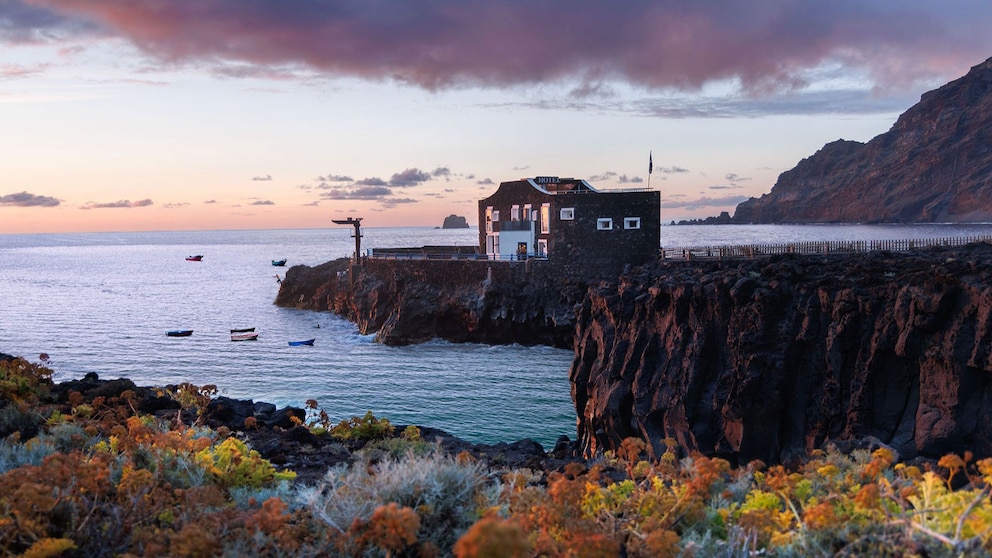
A lo largo de su historia, el pequeño hotel ha recibido importantes premios y reconocimientos que refuerzan su reputación más allá del récord Guinness. En 1984 fue galardonado con el Premio a la Excelencia Turística y, en 1991, recibió la medalla de plata a la Importancia Turística por parte del Gobierno de Canarias.
En este 2025, el Puntagrande ha sido distinguido con una llave Michelin, reconocimiento que consolida su prestigio en la escena internacional del turismo de excelencia y autenticidad.
Este logro, según señaló Europa Press, refuerza el papel del hotel no solo como destino exclusivo, sino como símbolo emocional de la isla de El Hierro, donde la inmensidad del océano se funde con el carácter íntimo de una construcción diminuta pero cargada de personalidad.

INTERNACIONAL
Iran nuclear talks ‘didn’t pass the smell test’ before Trump launched strikes, says Vance
NEWYou can now listen to Fox News articles!
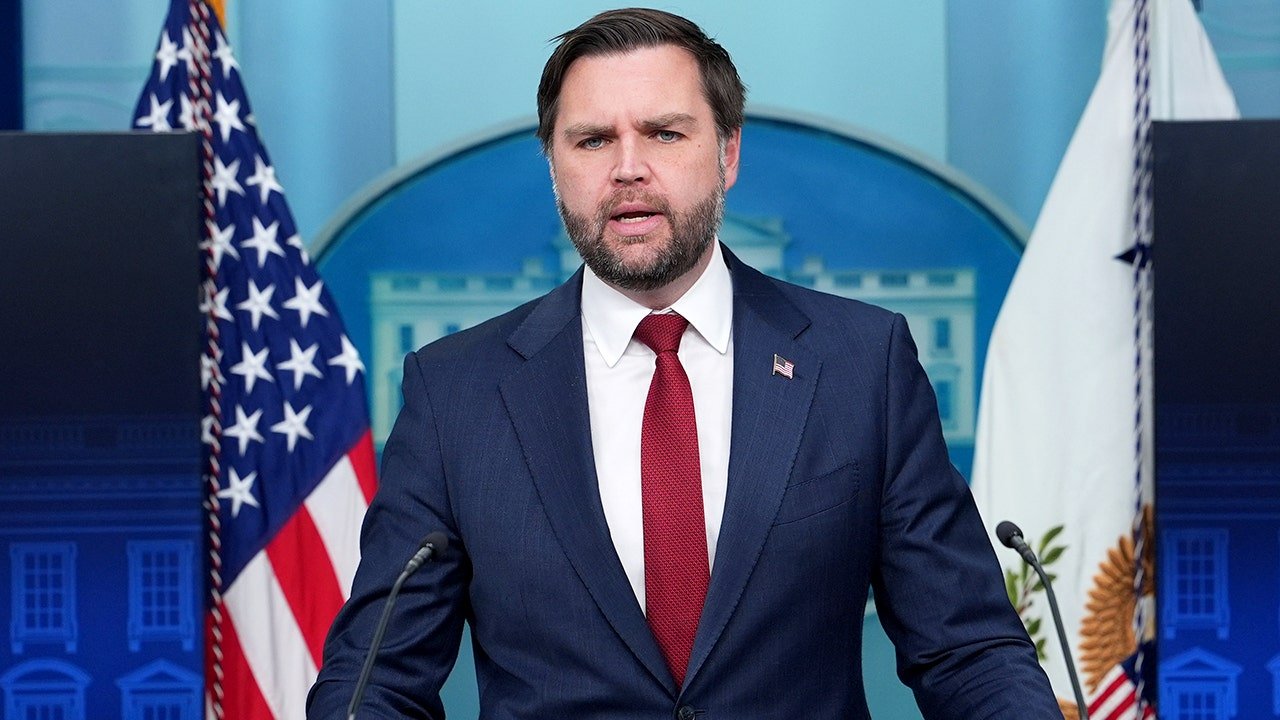
Vice President JD Vance confirmed Monday that negotiations with Iran over its nuclear program collapsed after U.S. officials concluded Tehran’s claims «did not pass the smell test,» prompting President Donald Trump to authorize Operation Epic Fury.
Speaking on «Jesse Watters Primetime,» Vance said U.S. envoys — including Steve Witkoff, Secretary of State Marco Rubio and Jared Kushner — had conducted rounds of «deliberate» talks in Geneva with the Iranian delegation.
The discussions were aimed at curbing Tehran’s nuclear program in exchange for sanctions relief and averting a broader conflict, he said, but ultimately broke down.
«But the Iranians would come back to us and they’d say, ‘Well, you know, having enrichment for civilian purposes, for energy purposes, is a matter of national pride,’» Vance said.
Omani Foreign Minister Badr al-Busaidi, President Donald Trump’s Special Representative for the Middle East, Steve Witkoff and U.S. negotiator Jared Kushner meet ahead of the U.S.-Iran talks, in Muscat, the capital of Oman, on Feb. 06, 2026. (Oman Foreign Ministry/Anadolu via Getty Images)
«And so we would say, ‘OK, that’s interesting, but why are you building your enrichment facilities 70 feet underground? And why are you enriching to a level that’s way beyond civilian enrichment and is only useful if your goal is to build a nuclear bomb?’» he said.
«Nobody objects to the Iranians being able to build medical isotopes; the objection is these enrichment facilities that are only useful for building a nuclear weapon,» Vance clarified.
«It just doesn’t pass the smell test for you to say that you want enrichment for medical isotopes, while at the same time trying to build a facility 70 to 80 feet underground,» he explained.
TRUMP DECLARES ‘I GOT HIM BEFORE HE GOT ME’ AFTER IRAN’S SUPREME LEADER KILLED IN STRIKE
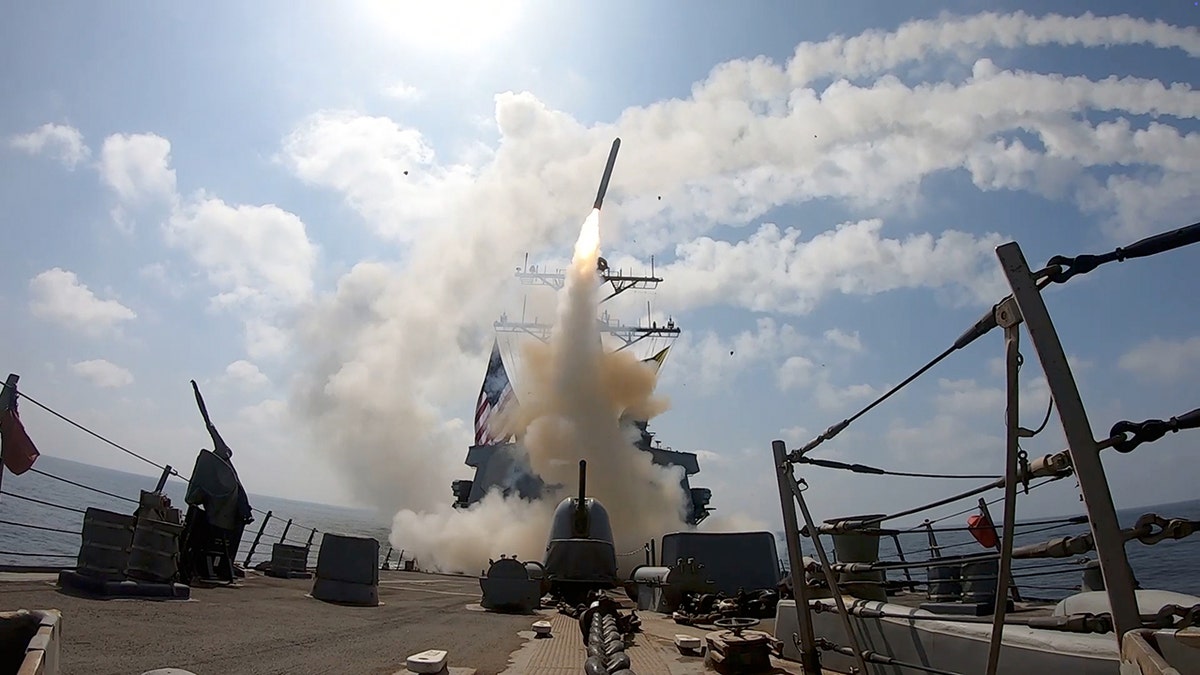
This image from video provided by U.S. Central Command shows a missile being launched from a U.S. Navy ship in support of Operation Epic Fury on Saturday, Feb. 28, 2026. (U.S. Central Command via AP)
Vance spoke as Operation Epic Fury ended its third day. Launched on Feb. 28, U.S. and Israeli forces carried out coordinated precision strikes deep inside Iran aimed at crippling Tehran’s missile arsenal and nuclear infrastructure.
A key issue had been Iran enriching uranium to high levels, including material around 60% purity — a fraction of weapons-grade but far above limits set under the 2015 nuclear deal — keeping international alarm high over proliferation risks.
«We destroyed Iran’s ability to build a nuclear weapon during President Trump’s term,» Vance told Watters. «We set them back substantially. But I think the President was looking for the long haul,» he said.
«Trump was looking for Iran to make a significant long-term commitment that they would never build a nuclear weapon, that they would not pursue the ability to be on the brink of a nuclear weapon.»
FIRES RAGE AT IRAN’S BANDAR ABBAS NAVAL HEADQUARTERS, STRAIT OF HORMUZ TRAFFIC STALLED
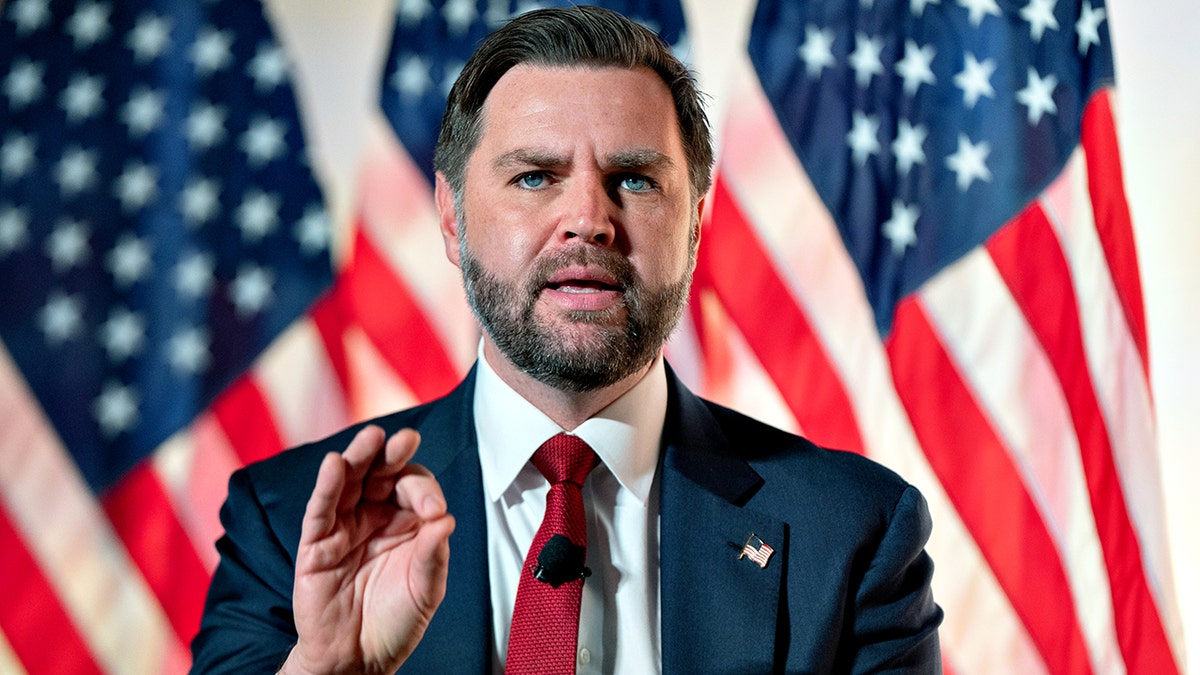
Vice President JD Vance speaks with Breitbart News Washington bureau chief Matthew Boyle at Andrew W. Mellon Auditorium, Nov. 20, 2025, in Washington. (Julia Demaree Nikhinson/AP Photo)
«He wanted to make sure that Iran could never have a nuclear weapon, and that would require fundamentally a change in mindset from the Iranian regime.»
CLICK HERE TO DOWNLOAD THE FOX NEWS APP
«The President is not going to rest until he accomplishes that all-important objective of ensuring that Iran can’t have a nuclear weapon, not just for the next few years, not just because we obliterated for dough or some other.»
«There’s just no way that Donald Trump is going to allow this country to get into a multiyear conflict with no clear end in sight and no clear objective,» Vance added while describing that the administration would prefer to see «a friendly regime in Iran, a stable country, a country that’s willing to work with the United States.»
Related Article
war with iran,ali khamenei,donald trump,jd vance,iran
INTERNACIONAL
El Estrecho de Ormuz se vuelve clave en la guerra en Medio Oriente: qué es y cómo afecta al precio del crudo
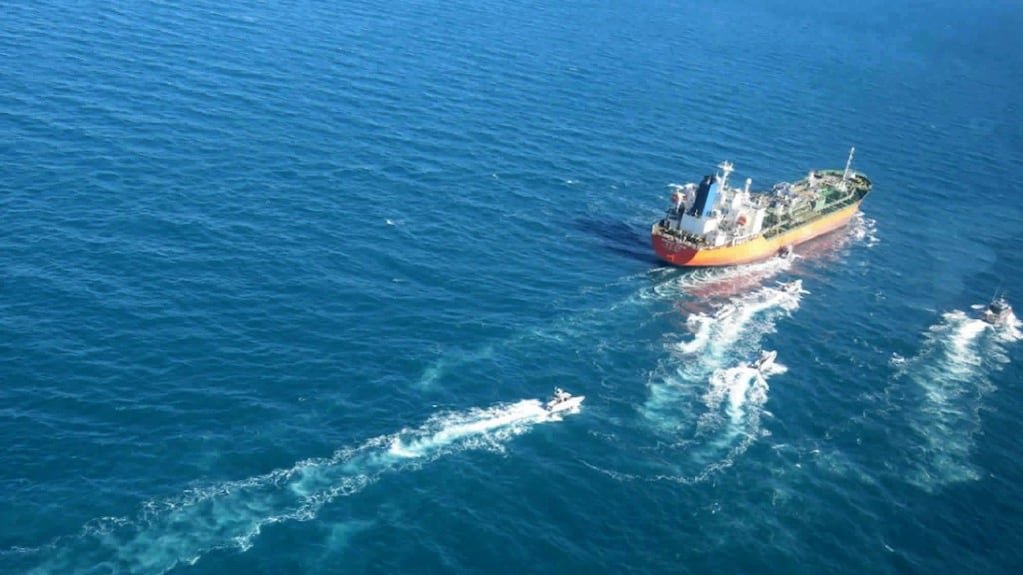
Los árabes lo conocen como Bab as-Salam, la “Puerta de la Paz”, pero la guerra en curso en Medio Oriente lo convierte en un elemento clave del conflicto entre Irán y la coalición conformada por Israel y Estados Unidos.
El estratégico estrecho de Ormuz está a un paso de transformarse en el centro de la desesperada estrategia bélica del gobierno de los ayatollah. Su anunciado cierre amenaza con provocar una crisis en el mercado petrolero mundial y una fuerte e inédita alza en el precio del barril de crudo. Según analistas, podría llegar hasta los 100 dólares.
Leé también: Qué es la Fuerza Quds, el cuerpo de elite iraní que organiza los ataques en el exterior
El paso marítimo entre Irán y Omán es clave. Por allí circula más del 20% del tráfico petrolero y gasífero del mundo. Gran parte de la producción de crudo de Arabia Saudita, Irak, Kuwait, Bahréin, Qatar y los Emiratos Árabes Unidos pasa por ahí. Se trata de unos 19 millones de barriles diarios transportados por un promedio de 13 buques por día. De hecho, el gobierno qatarí depende en forma casi total del estrecho. EL ESTRECHO DE ORMUZ. Por ahí circula cerca de un tercio del crudo mundial.
Pero por ahí transita también gran parte de las exportaciones iraníes. Su cierre es una decisión extrema con profundas implicaciones internas en tiempos de guerra.
Además, hay un elemento extra a tener en cuenta: China se vería perjudicada por su cierre. El gobierno de Beijing es el principal beneficiario de las exportaciones energéticas a través del paso de Ormuz, especialmente iraníes. China tiene una gran influencia en Teherán.
¿Dónde queda el estrecho de Ormuz y por qué es tan importante?
El estrecho de Ormuz está ubicado entre el Golfo de Omán y el Golfo Pérsico. En la costa norte está el territorio iraní. En el sur se encuentra la península omaní de Musandam. Ambos países están separados por una lengua de mar de apenas 45 kilómetros.
Después de tres días de guerra, el comandante de la Guardia Revolucionaria de Irán anunció que el Estrecho de Ormuz está cerrado y advirtió que prenderá fuego a cualquier barco que intente pasar, según informaron los medios iraníes.
“Incendiaremos cualquier barco que intente pasar por el estrecho de Ormuz”, dijo el general Sardar Jabbari en una publicación en el canal de Telegram de la Guardia iraní y alertó: “También atacaremos los oleoductos y no permitiremos que salga ni una sola gota de petróleo de la región. El precio del petróleo alcanzará los 200 dólares en los próximos días”, alertó.
Leé también: Irán: los tres desafíos que enfrenta la oposición en el exilio para intentar tomar el poder
No sería la primera vez que buques petroleos son atacados en la región.
Ya lo hizo su grupo proxy yemení, el de los rebeldes hutíes, cuando a fines de 2023 empezó a atacar a buques y cargueros que atravesaban el Mar Rojo, otra área vital en la región, en solidaridad con Gaza. Entonces se paralizó el comercio en ese paso clave del tráfico de mercaderías internacional.
¿Qué pasa con el precio del petróleo?
El petróleo Brent para entrega en mayo escaló este lunes hasta situarse en los 77,74 dólares por barril al cierre de la sesión del Mercado de Futuros de Londres, ante los temores de escasez de suministro por la guerra.
El barril de crudo del mar del Norte, de referencia en Europa, avanzó 4,87 dólares en el Intercontinental Exchange londinense (ICE) en comparación al cierre de la sesión del pasado viernes, cuando terminó en 72,87 dólares.
El crudo reaccionó al alza y alcanzó su nivel más alto de los últimos ocho meses tras el estallido de la guerra.
Leé también: Trump enumeró los cuatro objetivos de su ofensiva contra Irán y no descartó enviar fuerzas terrestres
El sentimiento alcista, que llegó a superar los 80 dólares horas antes, aunque algo más moderado, predominó entre los inversores ante los temores de escasez de suministro por el aumento de las tensiones en Oriente Medio y pendiente de la evolución del conflicto en Irán, uno de los principales productores de crudo de la OPEP+ y que controla el estrecho de Ormuz.
Algunos analistas vaticinan que, de cerrarse por completo y durante un tiempo prolongado ese paso clave, los precios del petróleo podrían llegar a alcanzar hasta los 100 dólares por barril, en el peor de los escenarios.
Además del petróleo, los precios del gas también se incrementaron cerca de un 45% hoy después de que Qatar cerrase la mayor refinería de gas natural licuado del mundo, tras haber sido atacada por drones iraníes, afectando al 20% de la producción a nivel global.
Irán, Israel, Donald Trump
INTERNACIONAL
Trump admin warned lawmakers Israel was ‘determined to act with or without us’ before massive Iran strikes
NEWYou can now listen to Fox News articles!
Speaker Mike Johnson, R-La., described the recent U.S.-Israeli strikes on Iran as a defensive measure, saying, «Israel was determined to act with or without us» following a classified briefing on Monday evening.
Johnson told reporters after the briefing that Israel viewed Iran’s capabilities as an existential threat and was prepared to conduct operations regardless of U.S. participation. He said Israel’s assessment shaped American deliberations, and it was «determined to act in their own defense here, with or without American support.»
The speaker said administration officials had to weigh risks to U.S. forces, regional assets and interests before supporting the operation.
«They had to evaluate the threats to the U.S., to our troops, to our installations, to our assets in the region and beyond. And they determined, because of the intelligence that we had, that a coordinated response was necessary,» Johnson said.
Speaker of the House Mike Johnson, R-La., gestures as he meets with reporters ahead of a key procedural vote to end the partial government shutdown, at the Capitol in Washington, Tuesday, Feb. 3, 2026. (J. Scott Applewhite/AP Photo)
Johnson said he guarantees that if the U.S. had not acted, the Trump administration would have been hauled in by Congress and asked why they waited if they had «existential intelligence, knowing that that would happen.»
«I am convinced that they did the right thing,» he said.
Rubio confirmed that Israel was prepared to act against Iran and said the president «made a very wise decision.»
«We knew that there was going to be an Israeli action. We knew that that would precipitate an attack against American forces,» he told reporters. «And we knew that if we didn’t preemptively go after them before they launched those attacks, we would suffer higher casualties.»
FIRES RAGE AT IRAN’S BANDAR ABBAS NAVAL HEADQUARTERS, STRAIT OF HORMUZ TRAFFIC STALLED
Sen. Mark Warner, D-Va., a top Democrat on the Intelligence Committee, emerged from the briefing and said he did not believe there was an «imminent threat» prior to Saturday’s strikes.
«There was no imminent threat to the United States of America by the Iranians. It was a threat to Israel,» he said. «We equate a threat to Israel is the equivalent of an imminent threat to the United States. Then we are in uncharted territory.»
«We have seen the goals for this operation change now, I believe 4 or 5 times,» he went on.
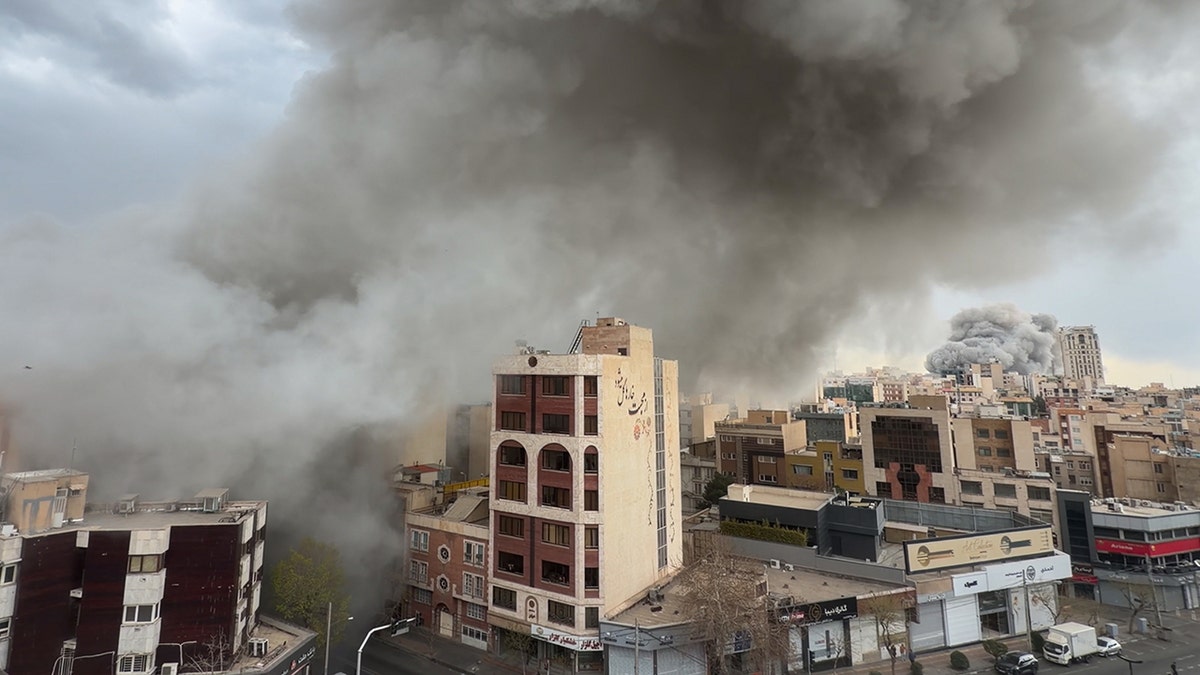
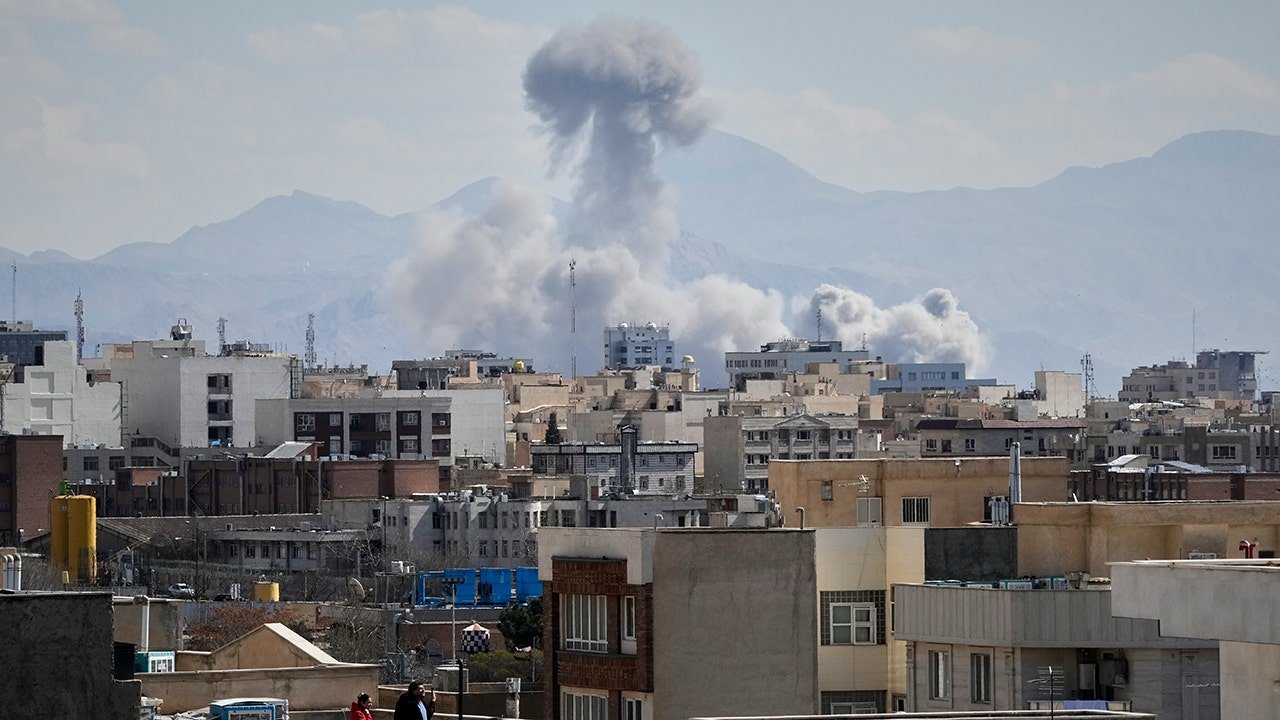
Plumes of smoke from two simultaneous strikes rise over Tehran, Iran, Monday, March 2, 2026. (Mohsen Ganji/AP Photo)
US SURGES FORCES TO MIDDLE EAST AS PENTAGON WARNS IRAN FIGHT ‘WILL TAKE SOME TIME’
Rubio insisted the operation was not about Iranian regime change but about taking out its capabilities as a threat to the region – focused on ballistic missiles and naval capacity.
He did not say whether strikes would extend to nuclear facilities.
«I do believe there is more than adequate justification for our American and Israeli actions,» Senate Armed Services Committee Chairman Roger Wicker, R-Miss., told reporters he believes there is «more than adequate justification for our American and Israeli actions,» without saying more.
House Foreign Affairs Committee Chairman Brian Mast, R-Fla., told Fox News Digital in an interview afterward that he felt administration officials did a good job of illustrating the threat level faced by the U.S. in the days leading up to the strikes.
«I think that’s largely been very open source. The president laid that out, you know, very clearly. It does go beyond that to what I can’t get into, but it goes beyond that. I’m sure it’ll come out in the administration’s good time, but it’s not for me to say,» Mast said.
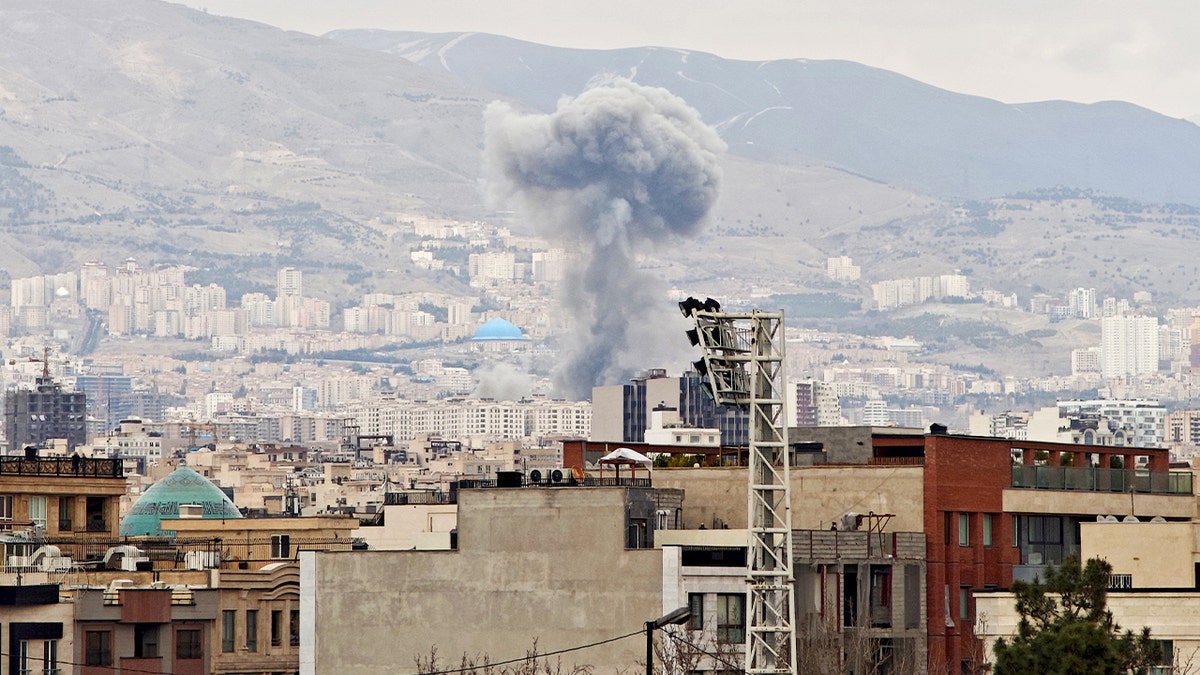
Smoke rises in Tehran following an explosion on March 2, 2026, amid ongoing U.S. and Israeli military strikes. (Majid Saeedi/Getty Images)
«But the more immediate nature of threats — I’m going through the negotiations with [Special Envoy Steve Witkoff], [Jared Kushner], Rubio, others that were a part of having those conversations and throughout that 10-day window of, you know, let’s call it countdown to make a deal, the threats that were going on in that window is probably the high-side information that you have.»
He also said there was a lot of daylight between what Democrats and Republicans in the briefing considered an «imminent threat.»
«It’s like, for me as a soldier, right, if I see an enemy machine gun nest, that to me, given that it’s an enemy machine gun nest, is an imminent threat,» Mast said. «To Democrats, unless that machine gun is burning up its barrels firing at you, it’s not yet an imminent threat. And those are the two separate ways that we’re looking at it.».
CLICK HERE TO DOWNLOAD THE FOX NEWS APP
On February 26th, the U.S. launched Operation Epic Fury against Iran in coordination with Israel. The offensive campaign has resulted in the death of 49 top Iranian leaders, including the Supreme Leader, Ayatollah Ali Khamenei. Six U.S. service members have lost their lives in Iranian counterattacks.
The opening phase of the conflict struck more than 1,000 targets in the first 24 hours, according to Gen. Dan Caine, chairman of the joint chiefs of staff. American B-2 bombers flew 37-hour round-trip missions from the continental United States to hit underground facilities with penetrating munitions, he added.
Related Article

war with iran,mike johnson,iran,middle east foreign policy

Iran nuclear talks ‘didn’t pass the smell test’ before Trump launched strikes, says Vance

Otra histórica empresa textil en crisis: abrió concurso preventivo y busca seguir operando

Domènec Torrent deja de ser entrenador de Rayados de Monterrey

Juan Manuel Olmos advirtió sobre los niveles de desempleo e instó al peronismo a crear una alternativa económica con orden fiscal

La sensual producción de fotos de Marta Fort luego de cumplir 22 años que encendió las redes

La esposa de Nahuel Gallo habló tras la liberación del gendarme: “No tuvimos ningún tipo de contacto con la AFA”

Evangelina Anderson contó qué pasará con sus hijos ante el próximo desafío de Martín Demichelis en España

Destrozaron a Andrea del Boca por el terrible pecado que tuvo en Gran Hermano: “La quiero presa”, apuntaron contra la actriz por un detalle en la cocina

¡Tensión en vivo! Aníbal Pachano y Nancy Pazos protagonizaron un cruce explosivo en la mesa de Mirtha Legrand

Las predicciones más importantes en la vida de cada signo del horóscopo en marzo, según Jimena La Torre: «Será un cambio rotundo»

 CHIMENTOS2 días ago
Destrozaron a Andrea del Boca por el terrible pecado que tuvo en Gran Hermano: “La quiero presa”, apuntaron contra la actriz por un detalle en la cocina
- CHIMENTOS2 días ago
¡Tensión en vivo! Aníbal Pachano y Nancy Pazos protagonizaron un cruce explosivo en la mesa de Mirtha Legrand
- CHIMENTOS2 días ago
Las predicciones más importantes en la vida de cada signo del horóscopo en marzo, según Jimena La Torre: «Será un cambio rotundo»