INTERNACIONAL
From Syria to Somalia, US troops remain deployed this holiday season under missions that never formally ended

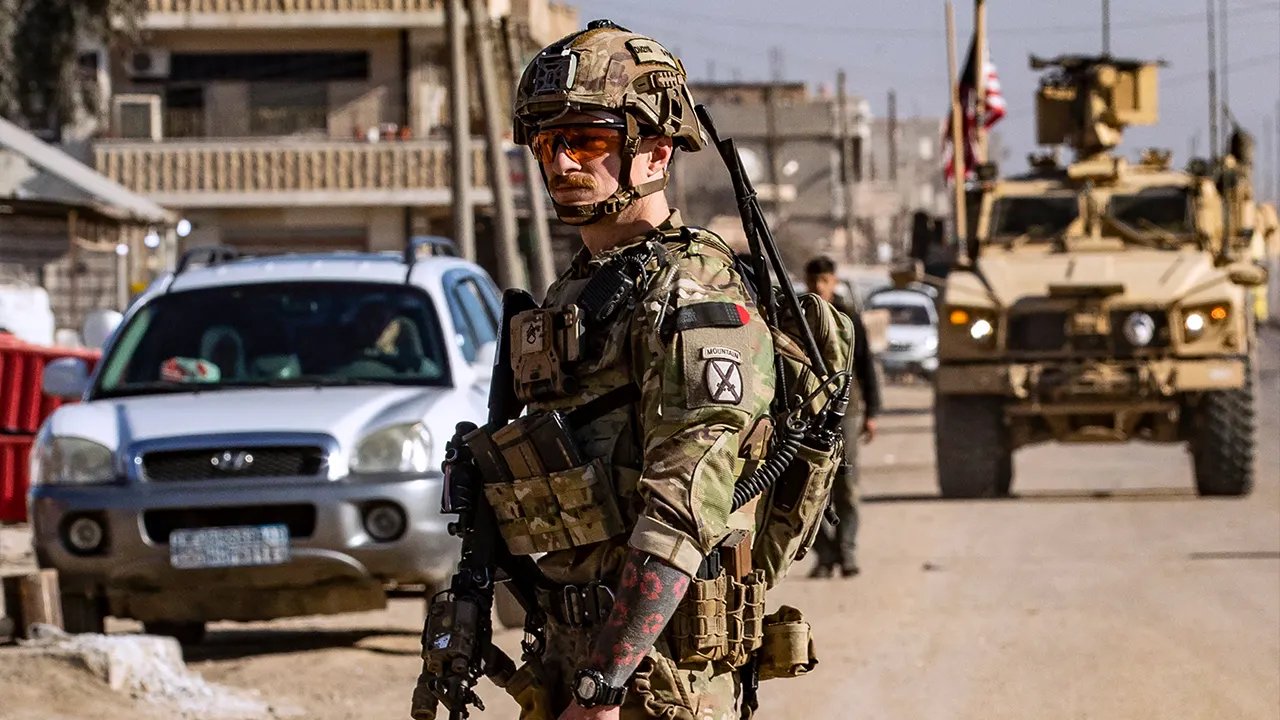
US troops remain in Syrian region to counter ISIS
Fox News chief national security correspondent Jennifer Griffin has the latest on President Donald Trump’s response to the deadly ambush of two National Guardsmen in Syria on ‘Special Report.’
NEWYou can now listen to Fox News articles!
While Washington debates future threats from China, Iran and Russia, U.S. forces remain engaged in conflicts most Americans believe ended years ago — in Syria, Iraq, Somalia and Yemen.
The missions are smaller and quieter than the wars that defined the post-9/11 era. There are no troop surges or primetime speeches.
But American service members continue to conduct raids, launch airstrikes and intercept enemy fire under war authorities passed more than two decades ago — long after public attention moved on.
The wars did not end. They simply faded from view.
DEADLY STRIKE ON US TROOPS TESTS TRUMP’S COUNTER-ISIS PLAN — AND HIS TRUST IN SYRIA’S NEW LEADER
Some 40,000 U.S. troops remain stationed in the Middle East, as of June — a reminder that America’s military footprint there has shrunk, but never disappeared.
Syria: The war that never formally ended
Roughly 900 U.S. troops remain deployed in eastern Syria, where American forces continue counterterrorism operations against the Islamic State group and defend themselves from Iranian-backed militias.
The mission is officially described as a stabilization effort following ISIS’s territorial defeat. In reality, U.S. troops still face rocket, drone and indirect fire attacks, particularly as regional tensions rise.
American forces operate alongside the Syrian Democratic Forces, targeting ISIS cells that continue to carry out assassinations, ambushes and prison-break attempts.
The mission was thrust back into the spotlight in December when two National Guardsmen and one American contractor were shot and killed by a lone suspected Islamic State fighter in Syria.
Some 900 US troops are still stationed in Syria. (Delil SOULEIMAN/AFP via Getty Images)
U.S. airstrikes and special operations raids have continued even as Syria largely has vanished from the national conversation. There is no declared war and no defined end state — yet American troops remain in an active combat environment.
The U.S. military entered Syria in 2014 as part of the campaign against the Islamic State, launching airstrikes and later deploying special operations forces to work with local partners. The American footprint expanded during the fight to dismantle ISIS’s self-declared caliphate, with U.S. troops embedded alongside Kurdish-led forces in eastern Syria.
After ISIS lost its territorial hold in 2019, Washington sharply reduced its presence but did not fully withdraw, keeping several hundred troops in the country to prevent an ISIS resurgence and counter Iranian-backed militias. Despite repeated calls to end the mission, U.S. forces have remained in Syria for more than a decade, operating without a formal declaration of war and under post-9/11 authorities that were never repealed.
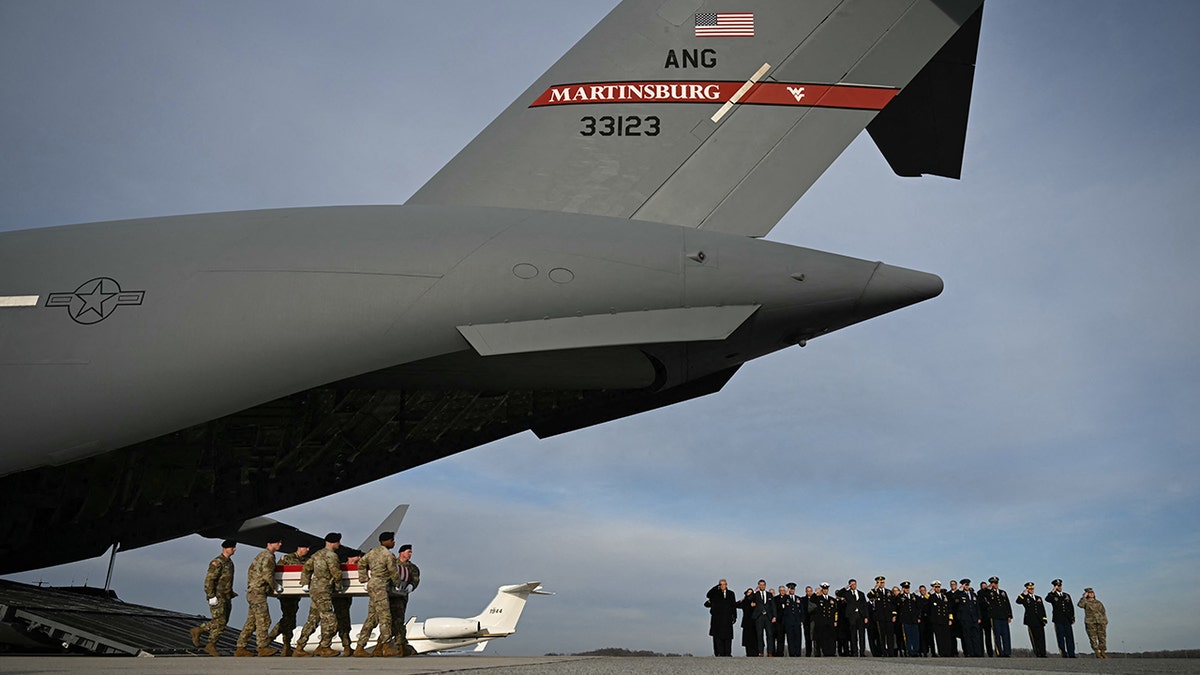
Last week the Syria mission was thrust back into the spotlight when two National Guardsmen and one American contractor were shot by a lone suspected Islamic State fighter in Syria. (ANDREW CABALLERO-REYNOLDS / AFP via Getty Images)
Iraq: A war winding down, but not finished
The U.S. military mission in Iraq is shrinking, but it has not yet concluded.
Under an agreement reached with Baghdad , Washington has begun drawing down its forces and transitioning responsibility for countering the Islamic State to Iraqi security forces. The American-led coalition is expected to reduce its footprint by roughly 20% of the some-900 forces that remained, consolidate remaining troops largely in the Kurdish region and wind down its mission by September.
Even as the drawdown proceeds, U.S. forces have continued to face threats from Iranian-backed militias, particularly during periods of heightened regional conflict. American troops retain the authority to defend themselves and to strike ISIS targets if the group shows signs of resurgence.
The Iraq war no longer resembles the conflict Americans remember from the 2000s. But U.S. troops are still deployed, still armed and still operating in a country where the risk has not disappeared, even as Washington works toward a responsible transition.
The U.S. military entered Iraq in 2003 with the invasion that toppled Saddam Hussein, launching a war that would define American foreign policy for the next decade. U.S. forces remained in large numbers through years of counterinsurgency fighting before formally ending combat operations and withdrawing in 2011.
American troops returned in 2014 after the Islamic State seized large parts of Iraq, leading a U.S.-led coalition that helped Iraqi forces roll back ISIS’s territorial gains. Since then, the U.S. mission has steadily narrowed from combat to advising and assistance, and in 2024 Washington and Baghdad agreed to wind down the coalition’s role, beginning a phased drawdown that is still underway.
Somalia: America’s quietest war
Few Americans realize the United States is still conducting one of its most persistent counterterrorism campaigns in Somalia.
U.S. special operations forces are deployed alongside Somali government troops fighting al-Shabaab, an al-Qaeda-linked terrorist group that continues to carry out deadly attacks. American airstrikes remain a regular feature of the mission, though details are often released sparingly or after the fact.
There is no large U.S. troop presence and little sustained media coverage. But the fighting never stopped.
The U.S. military presence in Somalia dates back to the early 1990s, when American forces intervened as part of a humanitarian mission during the country’s civil war. That deployment ended in 1994 after the deadly «Black Hawk Down» battle in Mogadishu, which killed 18 U.S. service members and led Washington to withdraw. For years afterward, U.S. involvement was limited, but American forces gradually reentered Somalia in the 2000s through counterterrorism strikes and advisory missions as al-Qaeda–linked groups gained ground.
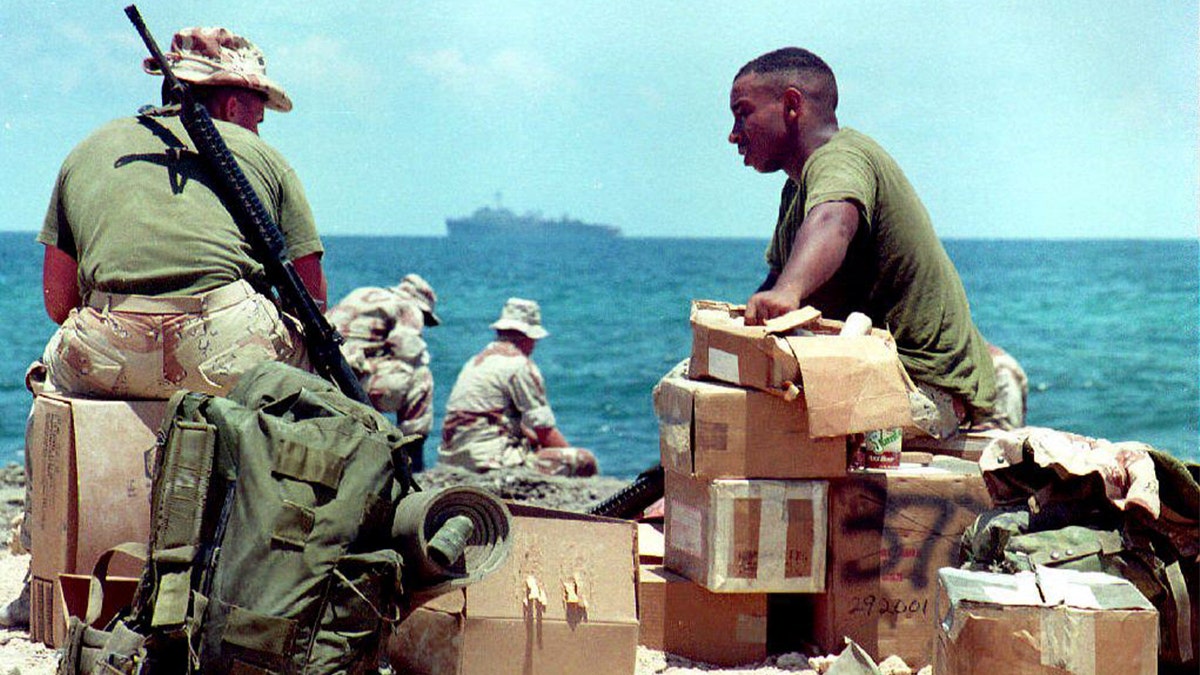
The U.S. military presence in Somalia dates back to the early 1990s, when American forces intervened as part of a humanitarian mission during the country’s civil war. (PASCAL GUYOT/AFP via Getty Images)
The U.S. expanded its presence again after 2017, conducting regular airstrikes and deploying special operations forces to assist Somali troops fighting al-Shabaab. In late 2020, the Trump administration ordered most U.S. forces to withdraw, shifting to an «over-the-horizon» posture. The Biden administration reversed that decision in 2022, redeploying several hundred U.S. troops to Somalia, where they remain today as part of an ongoing counterterrorism mission.
Some 500 U.S. troops are stationed in Somalia and earlier this year War Secretary Pete Hegseth emphasized the importance of maintaining a footprint in Africa.
«Africa is very much the front lines from a fight you’ve got Islamists, you’ve got Christian populations that are under siege in Africa that have been ignored for far too long.»
«We’re not trying to have American boots all over the globe,» he said when asked in February whether the Trump administration would keep troops in Somalia. «We’ll review the force posture there, with the generals doing the heavy lifting.»
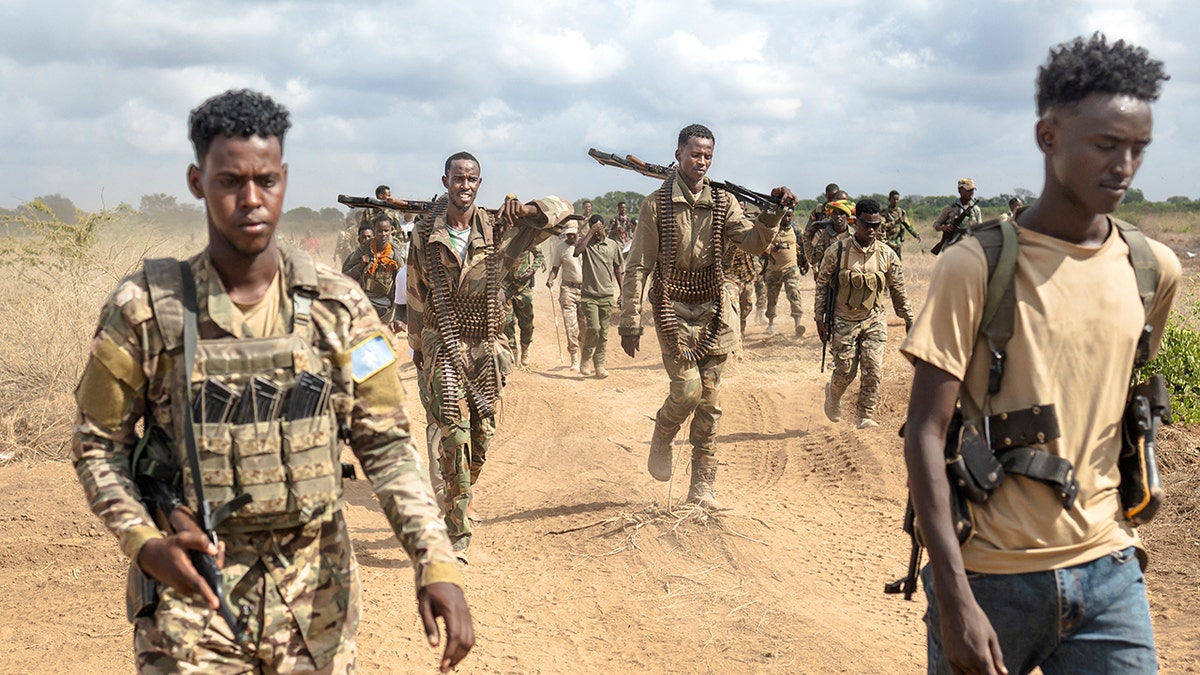
The U.S. expanded its presence again after 2017, conducting regular airstrikes and deploying special operations forces to assist Somali troops, like those above, fighting al-Shabaab. (Tony Karumba/AFP via Getty Images)
Yemen: a war Americans are fighting without realizing it
The U.S. does not have a base presence in Yemen but frequently trades attacks with Houthi rebels settled there.
U.S. naval and air forces have intercepted missiles and drones launched by Iran-backed Houthi forces targeting international shipping lanes in the Red Sea and Gulf of Aden, placing American sailors and pilots in direct combat. The attacks have prompted U.S. strikes aimed at degrading the Houthis’ missile, drone and radar capabilities, as Washington seeks to protect global trade and deter further escalation.
In spring 2025, U.S. forces launched a weeks-long air and naval campaign against Iran-backed Houthi targets across Yemen — hitting more than 1,000 sites linked to missile, drone and weapons infrastructure — in a sustained effort to blunt the rebels’ attacks on commercial and military vessels in the Red Sea and Gulf of Aden.
Operation Southern Spear: Counter-narcotics strikes in the Caribbean and eastern Pacific
The U.S. has conducted 28 strikes on alleged narco-trafficking boats in the waters near Venezuela, killing a total of 103 people.
South and Central America have seen the largest U.S. military buildup in the region in decades: 15% of all naval assets are now positioned in the Southern Command theater, including the world’s largest aircraft carrier, the U.S.S. Gerald R. Ford.
US MILITARY STRIKES NARCO-TERRORIST VESSELS IN LATEST EASTERN PACIFIC DRUG TRAFFICKING OPERATION
So far, U.S. military action has stopped short of strikes on Venezuelan soil. But the scale and proximity of American forces underscore how quickly a campaign launched under counter-narcotics authorities could tip into a far more overt confrontation, one aimed at pushing leader Nicolas Maduro from power.
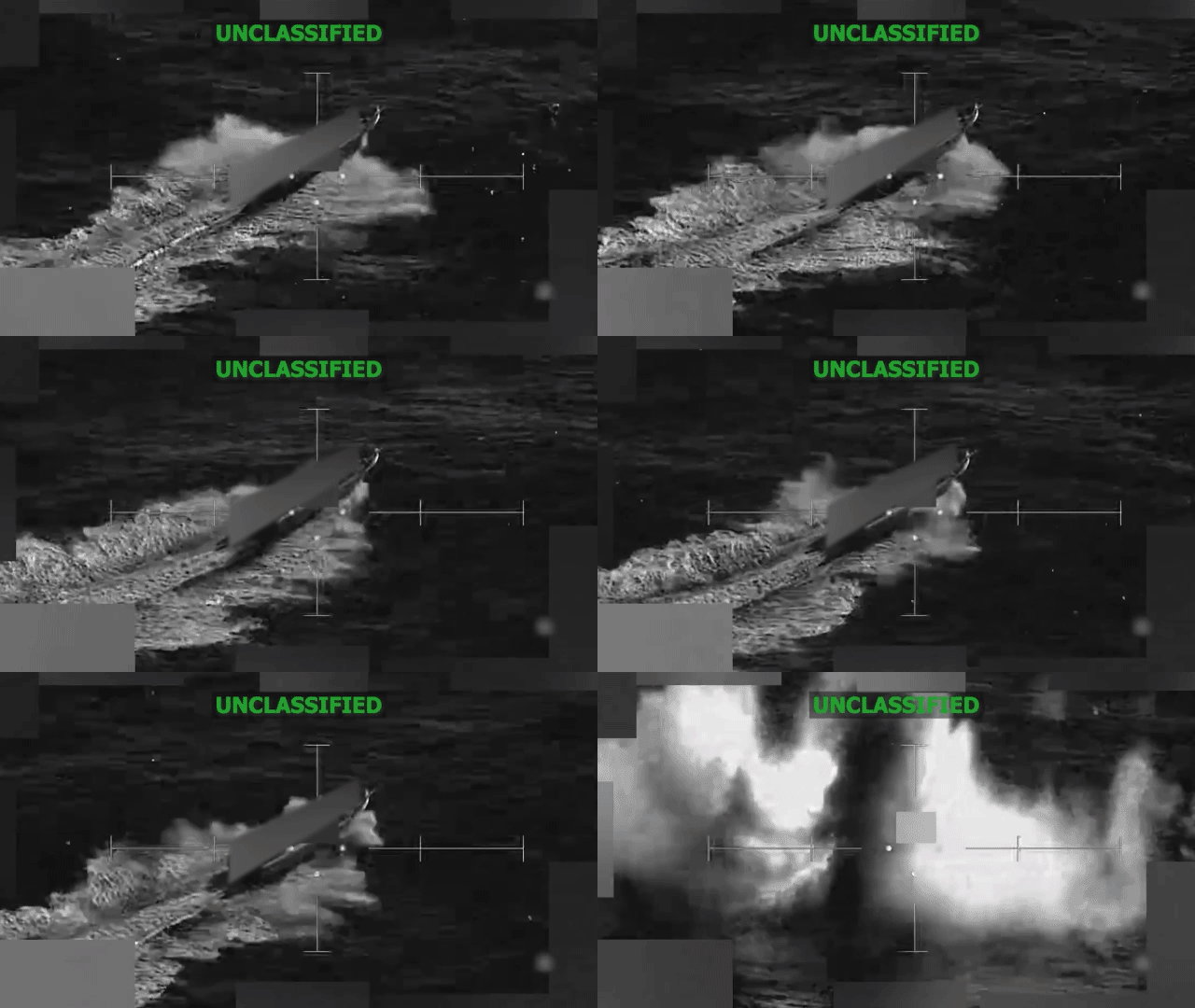
SOUTHCOM said it carried out a lethal kinetic strike that killed four male narco-terrorists in the Eastern Pacific. (U.S. Southern Command via X)
Wars without endings
None of these conflicts were formally concluded by Congress. Most continue under the same post-9/11 authorizations passed more than two decades ago.
For the Middle East, the Trump administration has signaled that may change – but as long as the threat of Iran exists, it’s unlikely the U.S. will leave the region on a broad scale.
CLICK HERE TO DOWNLOAD THE FOX NEWS APP
«The days in which the Middle East dominated American foreign policy in both long-term planning and day-to-day execution are thankfully over — not because the Middle East no longer matters, but because it is no longer the constant irritant, and potential source of imminent catastrophe, that it once was,» the White House’s national security strategy, released earlier this month, said.
«It is rather emerging as a place of partnership, friendship, and investment — a trend that should be welcomed and encouraged.»
syria,iraq,conflicts defense,military,armed forces









INTERNACIONAL
Analysts say Gaza ‘civilian’ deaths include Hamas, other terror members working as medics, media workers

NEWYou can now listen to Fox News articles!
As Hamas and Palestinian Islamic Jihad (PIJ) publicly claim their dead, new research shows that many previously counted as civilians were in fact members of the terrorist organizations, undermining accusations that Israeli forces deliberately targeted civilians in Gaza.
Researchers monitoring the Hamas-run health ministry’s death reports told Fox News Digital that a growing number of «martyrs» were exposed as terrorists by their own groups such as Hamas, despite maintaining public identities as healthcare or media workers.
Gabriel Epstein, senior policy associate at Israel Policy Forum, told Fox News Digital that he has tracked multiple individuals named by Hamas and PIJ as martyrs killed in battle in Gaza who held positions in the health industry, including nongovernmental organizations (NGOs.)
US-BACKED GAZA AID GROUP SLAMS DOCTORS WITHOUT BORDERS, ACCUSES IT OF SPREADING ‘FALSE’ CLAIMS
Smoke rises and ball of fire over buildings in Gaza City on Oct. 9, 2023, during an Israeli air strike. (Sameh Rahmi/NurPhoto via Getty Images)
Epstein found several individuals labeled as medical staff who are also members of terrorist groups. The most serious revelation from the martyr list is Fadi al-Wadiyya, a physiotherapist for Médecins sans frontières, who was killed by Israel Defense Forces in June 2024. MSF responded to the death, saying they were «outraged» and «strongly condemn[ed] the killing of our colleague.»
When the IDF claimed that al-Wadiyya was a member of PIJ, MSF said they had «no prior knowledge» of his «alleged involvement in military activities» and said they had «not received any formal explanation» of «the circumstances of his killing.»
In a Telegram account claiming to be the media reserve for the Al-Quds Brigades, a post mourning al-Wadiyya’s martyrdom on Feb. 24 lists the physiotherapist as an assistant to the military manufacturing unit of PIJ’s Al-Quds Brigades.
Fox News Digital asked MSF whether they were aware of al-Wadiyya’s PIJ connections prior to the martyr announcement. A spokesperson said, «We would not knowingly employ people engaging in military activity» as it «would pose a danger to our staff and patients by compromising our neutrality.»
HAMAS TERRORISTS USE AMBULANCES, SCHOOLS, HOSPITALS IN VIOLATION OF US-BROKERED CEASEFIRE, IDF OFFICIAL SAYS
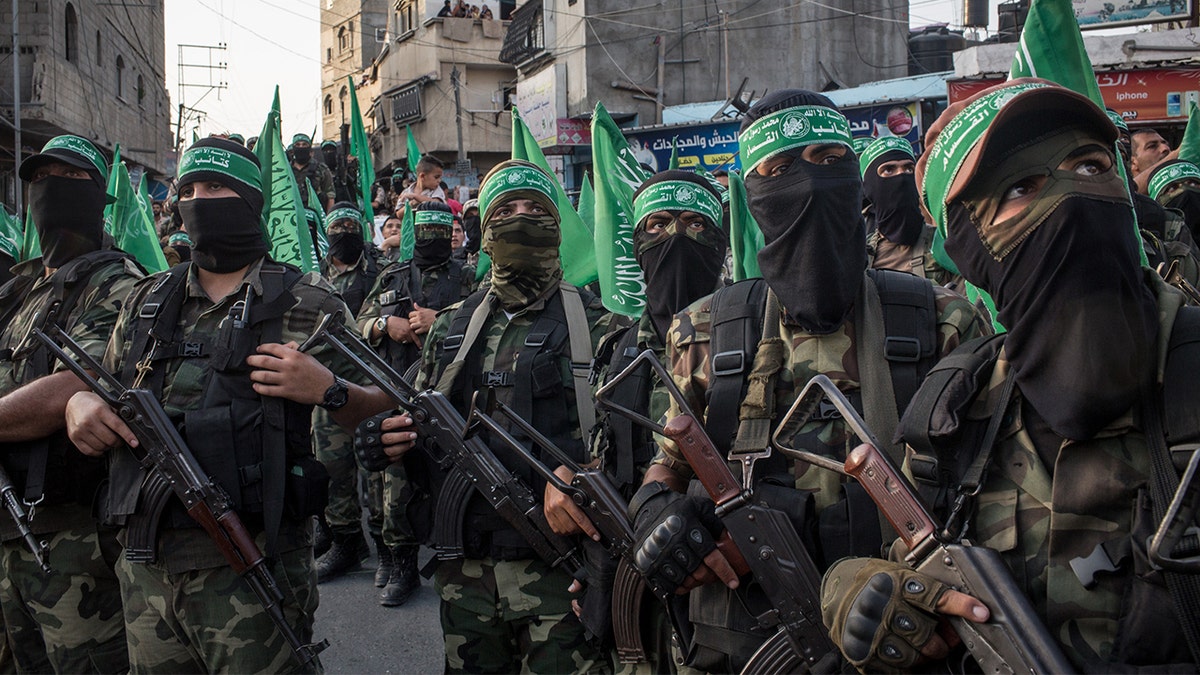
Hamas terrorists march in Gaza during a parade. (Getty Images)
The spokesperson said that «MSF had no indication that Fadi Al Wadiya might have been involved in military activity of any kind prior to the Israeli authorities’ online posts in June 2024. In the immediate aftermath of Al-Wadiya’s killing, we asked for explanations from the Israeli authorities, but never received an official response. If the Israeli authorities were aware of Al-Wadiya’s links with militant activities, they never shared this info with us until after he was killed. To this day, the only information they shared and that we are aware of is what was shared through public social media posts.»
The IDF banned MSF operations in Gaza from the beginning of March because the organization refused to provide a list of its Palestinian employees. In response to Fox News Digital’s questions about whether they would consider providing this list to the IDF presently, MSF’s spokesperson said, «We did not share our staff lists with Israel because we did not receive concrete assurances to ensure the safety of our staff or the independent management of our operations. This is a place where humanitarian workers have frequently been detained, attacked, and killed. We have a responsibility to protect our colleagues from harm.»
Epstein shared several other cases of healthcare workers who played prominent roles in terror groups.
MEDICAL NGO THAT SLAMMED ISRAEL’S ANTI-TERROR RAID NOW QUITS GAZA HOSPITAL OVER ARMED OPERATIVES

Ambulances carrying patients from Kamal Adwan Hospital in Beit Lahya, Gaza City. Oct. 12, 2024. (Hamza Z. H. Qraiqea/Anadolu via Getty Images)
Mohammed Akram Abdullah al-Kafarna was mourned by the Palestinian Nursing and Midwifery Association’s Facebook page as the nursing supervisor at Kamal Adwan Hospital and by the Institute for Palestine Studies as head of the Gaza nursing system. A Telegram account that lists members of Hamas’ best-outfitted Izz al-Din al-Qassam Brigades, al-Kafarna is described as one of Beit Hanoun’s «Qassam Martyrs.»
Ayman Suleiman Aliyan Abu Tayr was listed as martyred in Khan Younis in June 2025. The Institute for Palestine Studies labels him as a nurse and head of the clinical nutrition department at Nasser Hospital. According to a Telegram account linked to PIJ’s Al-Quds Brigades, Abu Tayr was a Commander in the Central Operations Unit of the Al-Quds Brigades.
Jaber Abdulhamid Diab Mohammedin was mourned on the Palestinian Ministry of Health General Directorate of Nursing’s Facebook page as an Intensive Care Unit nurse at the Al-Rantisi Specialized Children’s Hospital. A Telegram account linked to the Islamic Jihad Movement lists Mohammedin as a commander in the military manufacturing unit of the PIJ’s Al-Quds Brigade.
Nidal Jaber Abdulfattah al-Najjar is labeled as an administrator at the Palestinian Ministry of Health, according to the Institute for Palestine Studies, while a mourner on Facebook noted that he worked in the Al-Rantisi Children’s Hospital. He is labeled on a Telegram account emblazoned with Hamas’ distinctive red triangle as a martyr commander of Hamas’ Al-Radwan Battalion.
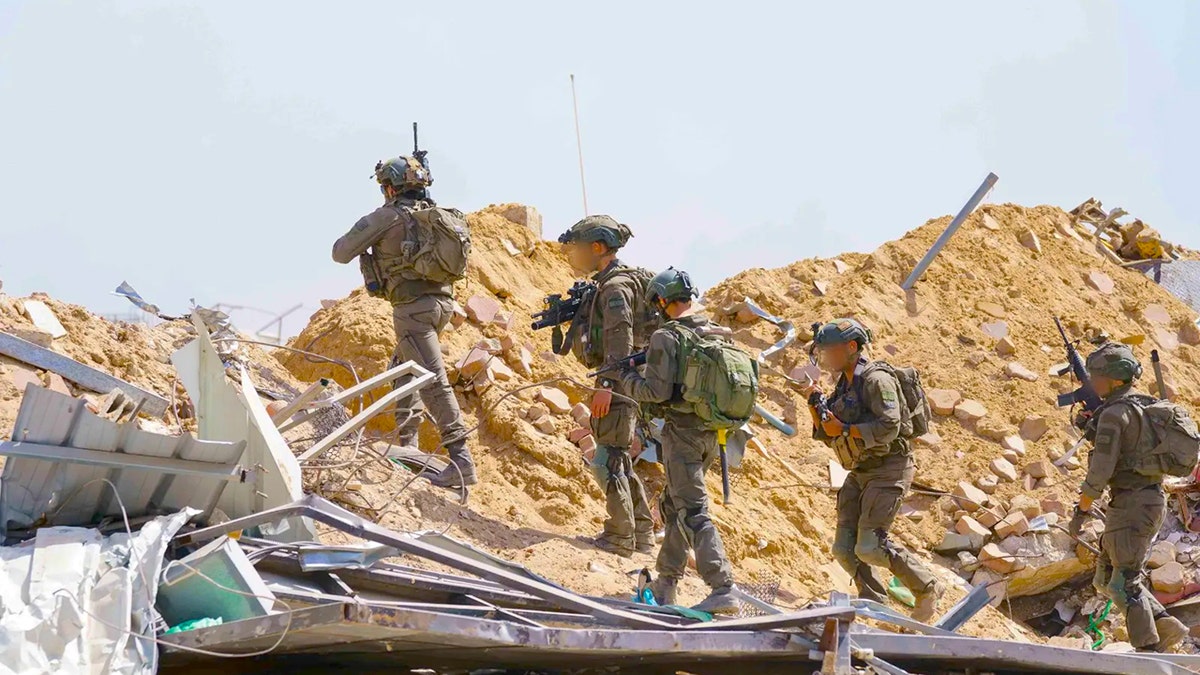
IDF forces are seen operating in Rafah, in the Gaza Strip. (IDF Spokesman’s Unit)
Salo Aizenberg, director of media watchdog group HonestReporting, told Fox News Digital that he is tracking at least 10 «virtually indisputable» examples of journalists who are actually combatants, working with Hamas and other terrorist groups.
David Adesnik, vice president of research for the Foundation for Defense of Democracies, told Fox News Digital that he has also been tracking the disclosures. «With PIJ, the number of commanders who operated with civilian cover is striking,» Adesnik said. «We’re at a point where the evidence indicates that this duplicity was a routine part of a strategy to infiltrate civilian organization, especially humanitarian ones. This provides access and protection while ensuring outrage when these supposed humanitarians are killed.»
Adesnik said he believes it «likely that Hamas also employed this strategy in a systematic way, but right now we mainly have the PIJ disclosures. Given that Hamas is many times larger, if it were to disclose this kind of information, the effects could easily ripple across the humanitarian sector in Gaza.»
Among the cases Aizenberg is tracking are media workers. He said that his list is «based solely on admissions by those groups and other Gazan sources,» and «does not include the many additional examples identified through Israeli evidence.»
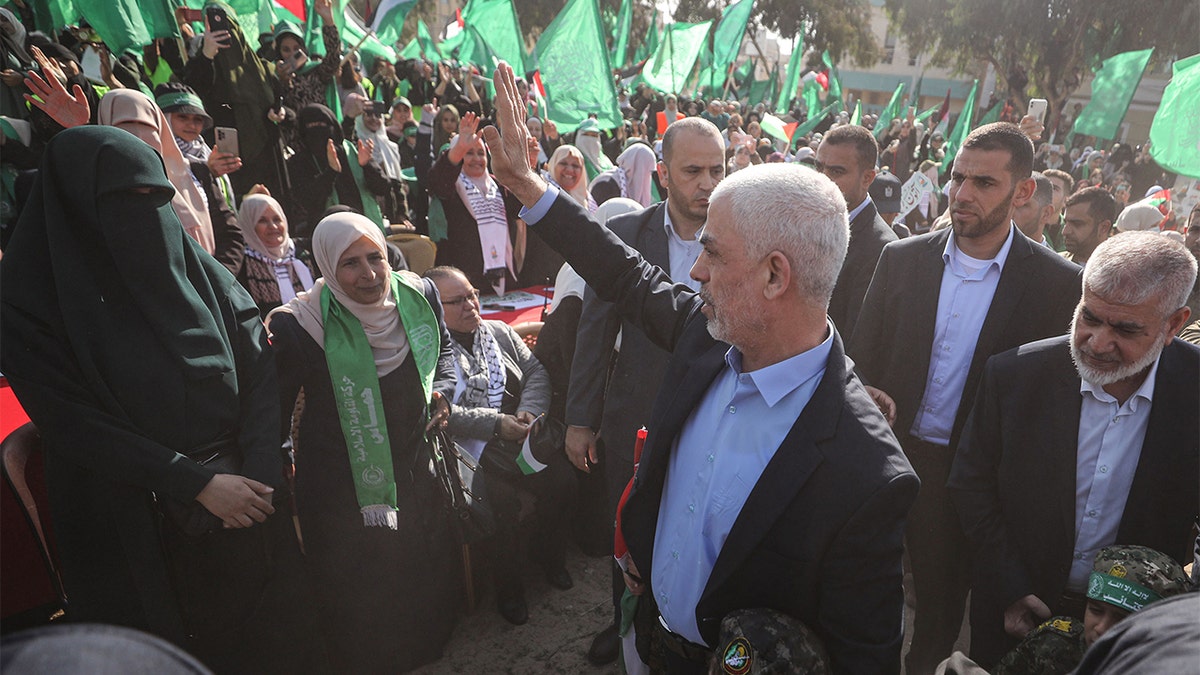
Yahya Sinwar, the former Hamas terror leader who was killed by the IDF, waves to a crowd in Gaza. (Mustafa Hassona/Anadolu Agency via Getty Images)
Though the Committee to Protect Journalists (CPJ) cites Yacoup Al-Borsch as a journalist and the executive director of Namaa Radio, Aizenberg has found «numerous social media posts and martyr notices identifying him as a fighter and ‘mujahid.’» This includes a Facebook post from an account affiliated with the Al-Omari Mosque in Jabalia.
Ahmed Abu Sharia was a freelancer who worked for outlets like Iranian Tasnim News Agency, the CPJ says. According to the «official» Telegram site of the Mujahideen Brigades, the Palestinian Mujahideen movement’s military wing, he was also a member of the Mujahideen Brigades.
Rizq Abu Shakian was a «media worker and administrator for the pro-Hamas Palestine Now Agency,» according to CPJ. Shakian also appears in Hamas uniform on a Telegram site that shares images of Palestinian martyrs. According to Aizenberg’s research, he was a member of the Al-Qassam Brigades.
In response to questions about whether CPJ would update listings of journalists who have been claimed as terror affiliates, the group directed Fox News Digital to its policy for updating listings, which states, «CPJ has a long-standing policy of updating its data and the accompanying narrative accounts without issuing formal corrections as new information becomes available over time. In certain cases, a record may be removed from public view when new information leads CPJ to determine that a case falls outside its mandate or for security concerns, such as the safety of the journalist and their family. CPJ will publicly record when it has removed a journalist from the database for a reason outside of security concerns. «
CLICK HERE TO DOWNLOAD THE FOX NEWS APP
As the shaky ceasefire in Gaza continues, analysts say they continue to place value in closely examining the war’s casualties. Epstein said that «reviewing cases of militants who held dual civilian roles in key sectors like media, healthcare and education is important for the historical record and underscores the information limitations press, government, and analysts face in real time during conflict.» He said that «over time, militant identification can give a sense of just how deep Hamas, PIJ and other militant groups’ hold over key sectors in Gaza was.»
israel,hamas,conflicts,terrorism
NEWYou can now listen to Fox News articles!
Sen. Markwayne Mullin, R-Okla., survived a key test vote on Sunday on his way to becoming the next Homeland Security chief.
Mullin, who was tapped by President Donald Trump to be the next Department of Homeland Security secretary, still has one more vote to go, and likely won’t be confirmed until Monday evening.
Should he survive the final confirmation vote on Monday, he will replace DHS Secretary Kristi Noem, who Trump fired following explosive hearings on the Hill and after the deaths of Renee Nicole Good and Alex Pretti during immigration operations in Minnesota.
SCHUMER GAMBIT FAILS AS DHS SHUTDOWN HITS 36 DAYS AND AIRPORT LINES GROW
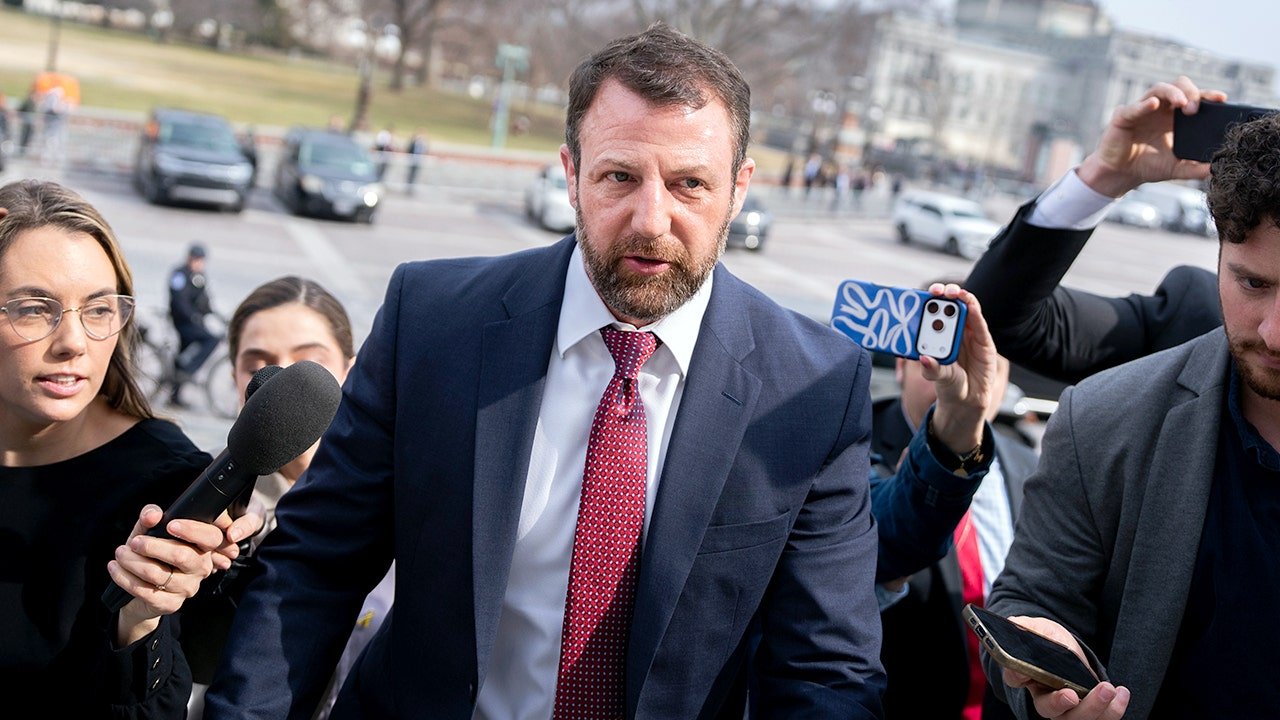
Sen. Markwayne Mullin speaks to reporters on the Capitol steps in Washington, D.C. (Tom Williams/Getty Images)
Sunday’s test vote, which was largely party-line save for Sen. John Fetterman, D-Pa., who was the key vote to move his colleague out of committee earlier in the week, comes after his explosive confirmation hearing earlier in the week.
Mullin was grilled by both Democrats and Sen. Rand Paul, R-Ky., who Mullin once called a «snake» and charged that his 2017 assault was «justified.» During the hearing, Mullin didn’t back down from his prior remarks.
«I’m not perfect. I don’t claim to be perfect,» Mullin said. «I make mistakes just like anybody else. But mistakes, if you own them, you can learn from them and you can move ahead. And I’ll make that commitment to you.»
GOP SENATOR’S GAMBIT EXPOSES FALSE DEM CLAIMS ABOUT SUPPORTING VOTER ID
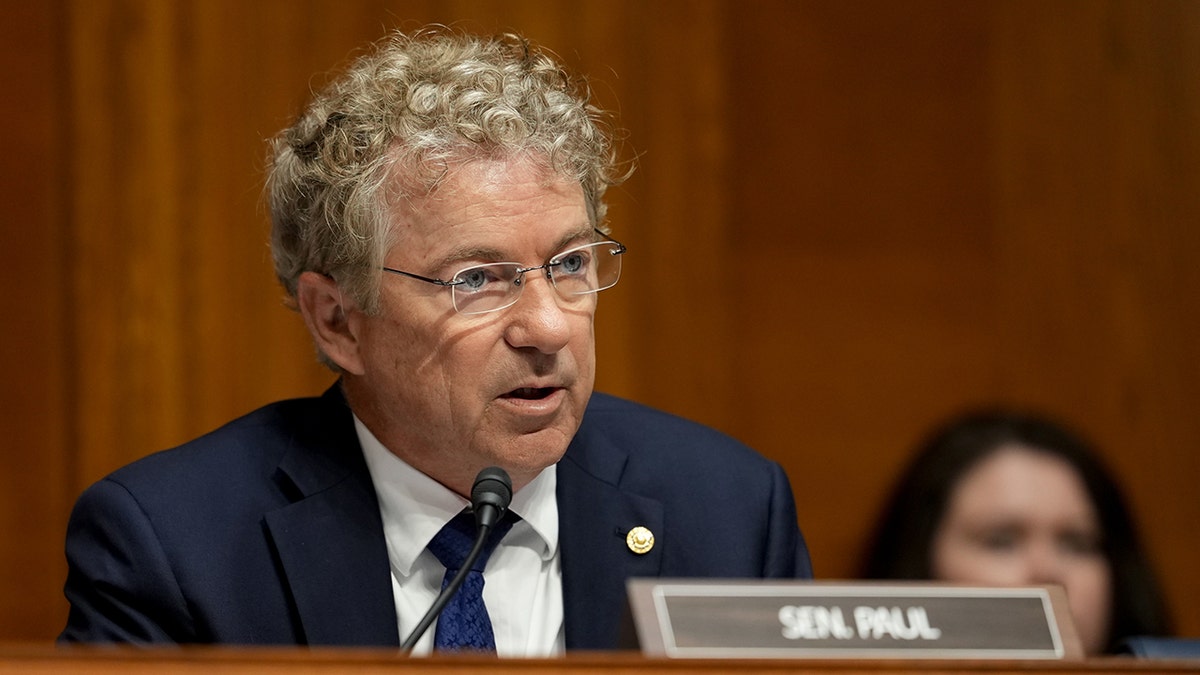
Senator Rand Paul, a Republican from Kentucky, during a Senate Health, Education, Labor, and Pensions Committee hearing in Washington, DC, US, on Wednesday, June 25, 2025. (Eric Lee/Bloomberg via Getty Images)
If successful on Monday, Mullin will take the reins of an agency that is currently shut down. Senate Democrats, led by Senate Minority Leader Chuck Schumer, D-N.Y., have blocked DHS funding five times in their quest to get stringent reforms to Immigration and Customs Enforcement (ICE).
Mullin appeared amicable to making changes at the agency during his hearing.
Congressional Democrats have demanded, among other things, that ICE agents get judicial warrants to enter a home or business in the field rather than administrative warrants. And when asked by Sen. Richard Blumenthal, D-Conn., whether he would commit to requiring judicial warrants for ICE agents to search homes and businesses, Mullin appeared to give ground to the demand.
«Judicial warrants will be used to go into houses, into place of businesses, unless we’re pursuing someone that enters in that place,» Mullin said. «I have not mixed words with that, and I haven’t changed my opinion about that.»
Meanwhile, what was a shutdown stalemate thawed over earlier this week, when Senate Democrats made a counter offer of DHS demands to the White House after over two weeks of radio silence.
MULLIN FACES DEMOCRAT GRILLING IN FIRST HURDLE TO LEAD DHS AMID SHUTDOWN FIGHT
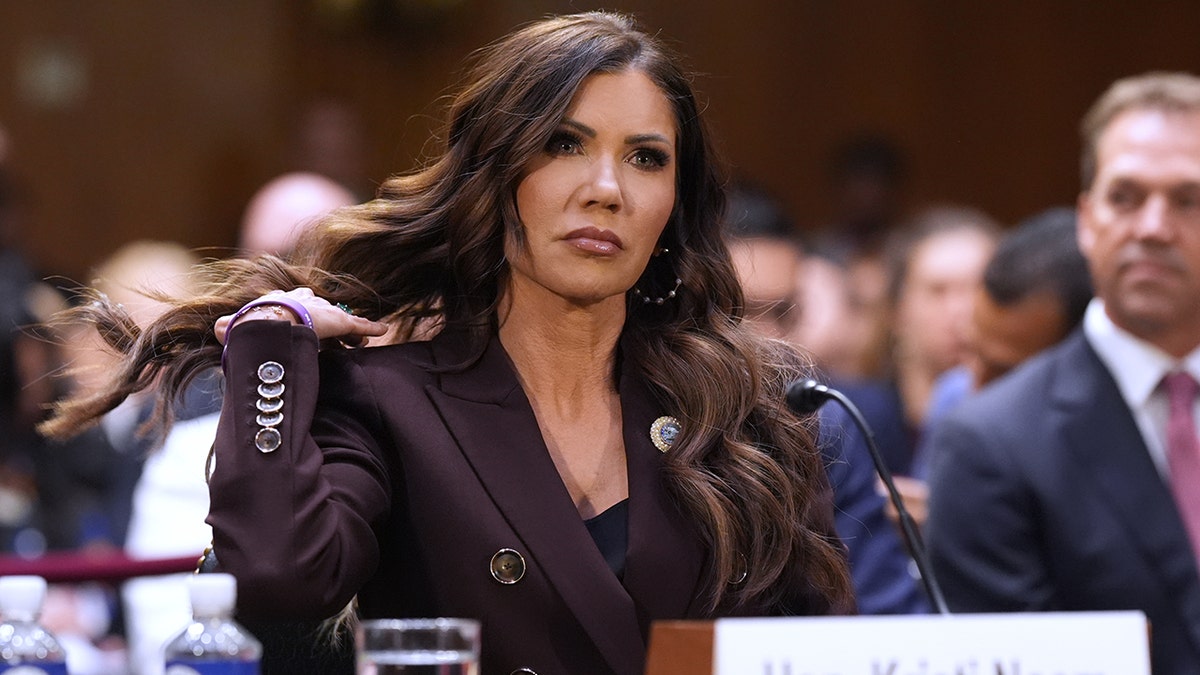
Homeland Security Secretary Kristi Noem appears for an oversight hearing before the Senate Judiciary Committee, at the Capitol in Washington, Tuesday, March 3, 2026. (J. Scott Applewhite/AP Photo)
That spurred back-to-back meetings on the Hill, with Sens. Susan Collins, R-Maine, and Katie Britt, R-Ala., along with border czar Tom Homan, sitting down with a cohort of Senate Democrats. A third meeting was slated for Saturday, but was canceled at the last minute.
The shutdown is currently on its way to becoming the longest in history, unless either side can lock in a deal to fund the agency. Mullin’s nomination to lead DHS has so far not swayed Senate Democrats, either, despite their demands the Noem be booted.
Whether both sides meet again over the weekend remains in the air.
CLICK HERE TO DOWNLOAD THE FOX NEWS APP
Senate Majority Leader John Thune, R-S.D., accused Senate Democrats of believing that the shutdown «politically good for them.»
«It’s not politically good for anybody to have literally tens of thousands and hundreds of thousands of people out of work and important functions of our government not being carried out on a daily basis and functions that are important to our homeland security and our national security,» Thune said.
politics,senate,homeland security,donald trump,government shutdown
INTERNACIONAL
La guerra contra Irán se extiende peligrosamente hasta convertirse en un conflicto regional y en una crisis económica mayor para el mundo entero
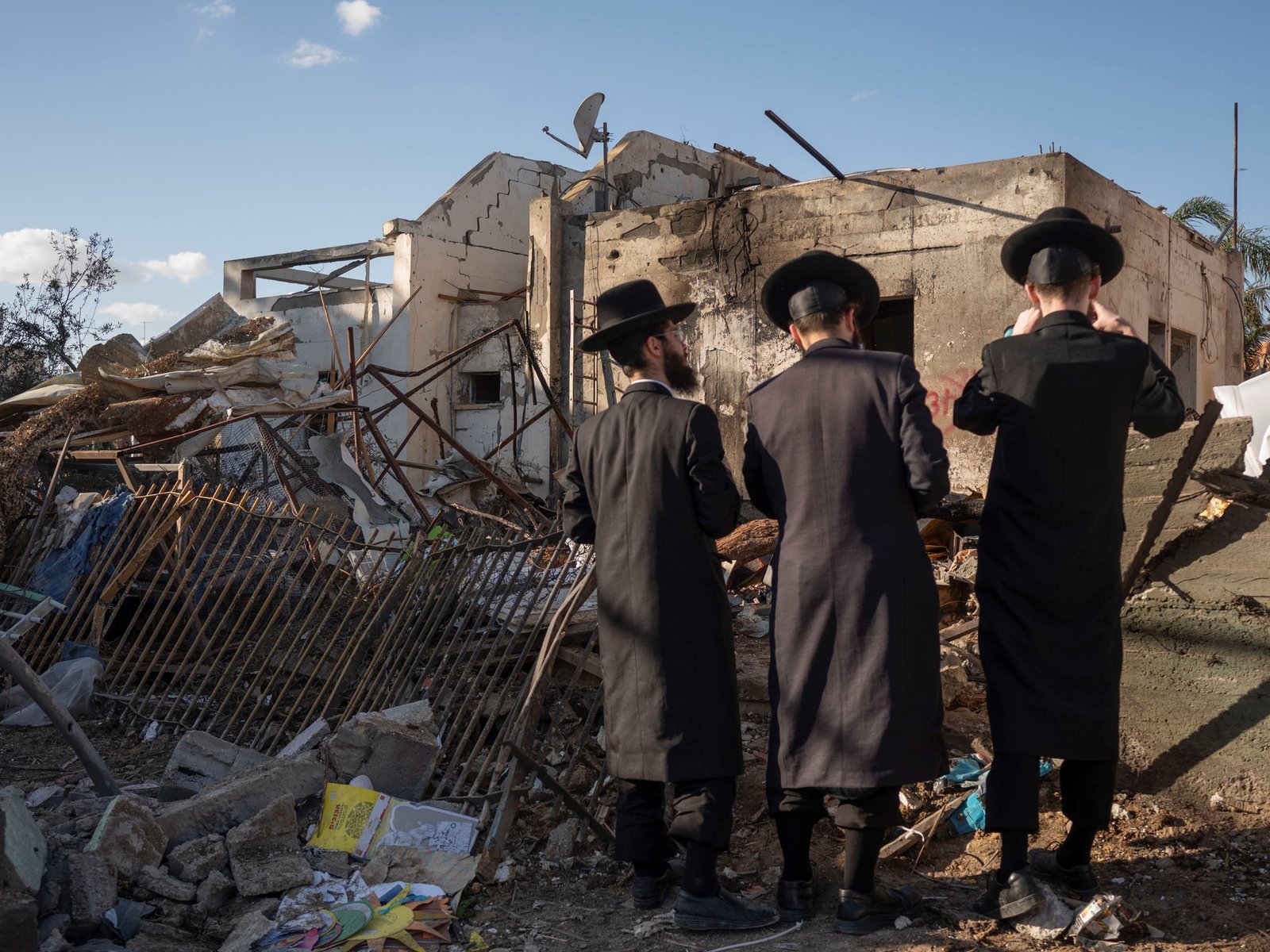
Los misiles iraníes pueden llegar a Europa
Israel y Estados Unidos, dos estrategias distintas
Europa quiere solución diplomática
Israel y sus defensas vulnerables a misiles iraníes
Los «cobardes» de la OTAN

Javier Milei regresó de Hungría en medio de las tensiones políticas y buscará recuperar el control de la agenda local

Terciopelo, encaje y trenzas: así fue el look otoñal de Juana Viale en la mesa de su programa

Cuál es la empresa familiar más antigua de la Argentina, a qué se dedica y quiénes son los dueños

Barcelona, imparable: le ganó al Rayo Vallecano y se mantuvo puntero en La Liga

Analysts say Gaza ‘civilian’ deaths include Hamas, other terror members working as medics, media workers

El Gobierno busca aprobar en abril la nueva Ley de Glaciares y enfrenta cuestionamientos de la oposición

Senado: la oposición pidió explicaciones por $LIBRA y los vuelos de Adorni y Bullrich defendió al Gobierno

Kicillof desembarcó en CABA, lanzó su proyecto 2027 y empezará a ampliar su armado político en todo el país

¿DÓNDE ESTÁ ESMERALDA? El grito de una madre que sacude a la Argentina: «Me la arrebataron de la puerta»

¿MACRI 2027? El «operativo retorno» que sacude al PRO y los nombres que suenan para la vicepresidencia

 POLITICA3 días ago
Kicillof desembarcó en CABA, lanzó su proyecto 2027 y empezará a ampliar su armado político en todo el país
- POLITICA3 días ago
¿MACRI 2027? El «operativo retorno» que sacude al PRO y los nombres que suenan para la vicepresidencia
- POLITICA2 días ago
¿FIN DE CICLO? Escándalo por la mansión no declarada y viajes de lujo empujan a Manuel Adorni fuera del Gobierno: Su salida sería inminente