INTERNACIONAL
Choques entre fuerzas sirias y kurdos reavivan la tensión en Alepo


Los enfrentamientos entre la alianza armada liderada por los kurdos Fuerzas de Siria Democrática (FSD) y las fuerzas gubernamentales sirias se intensificaron este lunes en los accesos a la ciudad de Alepo, en un nuevo episodio de violencia que dejó varios heridos y provocó el desplazamiento de vecinos de zonas residenciales cercanas a la línea de contacto.
Según la versión del Ministerio del Interior de Siria, las unidades kurdosirias desplegadas en los barrios de Sheij Maqsoud y Ashrafieh abrieron fuego contra puestos de control de las fuerzas de seguridad tras una retirada “repentina”, lo que —de acuerdo con el comunicado oficial— constituyó una violación de los acuerdos alcanzados entre ambas partes.
El ministerio aseguró que los choques causaron heridas a un miembro de las fuerzas de seguridad interna y a otro del Ejército, además de afectar a integrantes de la Defensa Civil y a varios civiles. No se difundió un balance total de víctimas ni detalles sobre la gravedad de las lesiones.
Las FSD rechazaron esa versión y denunciaron en un comunicado difundido a través de Telegram que el ataque fue ejecutado por facciones afiliadas al Ministerio de Defensa sirio contra uno de sus puestos de control en la rotonda de Sheij Maqsoud. Según la alianza kurda, la responsabilidad de la escalada recae en el Gobierno central.

En una actualización posterior, las fuerzas kurdosirias afirmaron que el uso de “armamento pesado” por parte de facciones progubernamentales dejó al menos cinco civiles heridos, entre ellos una niña, en los barrios del norte de Alepo, una zona densamente poblada que ha sido escenario recurrente de choques intermitentes en los últimos años.
El Ministerio de Defensa sirio negó esas acusaciones y calificó de “falsos” los informes sobre un ataque del Ejército contra posiciones kurdas. Según su versión, las fuerzas gubernamentales fueron sorprendidas por disparos procedentes de zonas bajo control de las FSD.
Mientras los enfrentamientos continuaban durante varias horas, el gobernador de Alepo, Azam al Gharib, pidió a la población que evitara acercarse a las áreas de combate para reducir riesgos. “Su seguridad es nuestra responsabilidad”, afirmó, al tiempo que advirtió que el Estado no tolerará amenazas a la estabilidad de la ciudad.
Los barrios de Sheij Maqsoud y Ashrafieh, de mayoría kurda, han sido históricamente uno de los principales focos de fricción entre las autoridades centrales y las fuerzas kurdosirias, incluso después de que el Gobierno recuperara el control formal de Alepo durante la guerra civil.

El episodio se produce en un momento delicado del proceso político abierto tras el derrocamiento de Bashar al Assad. En marzo, el nuevo Ejecutivo sirio y las FSD firmaron un acuerdo marco para buscar una salida negociada al estatus de las zonas autónomas kurdas del noreste del país, pero las conversaciones han sufrido varios reveses y periodos de estancamiento.
En los últimos meses, ambas partes habían anunciado esfuerzos renovados para retomar el diálogo, en medio de presiones regionales y de la necesidad de redefinir la arquitectura de seguridad del país tras más de una década de conflicto.
Este mismo lunes, los ministros de Exteriores de Turquía y Siria, Hakan Fidan y Asad al Shaibani, advirtieron tras una reunión en Damasco de que no perciben una voluntad clara de las fuerzas kurdosirias para integrarse plenamente en las estructuras del Estado sirio.
Las declaraciones, sumadas a los choques en Alepo, reflejan la fragilidad de un equilibrio que depende tanto de acuerdos internos como de la influencia de actores regionales, y anticipan que la redefinición del papel político y militar de las fuerzas kurdas seguirá siendo uno de los principales desafíos para la estabilidad de Siria en el corto plazo.
Anniversaries,Civil Conflict,Demonstrations,Riots,Anniversaries,Middle East,Civil Unrest









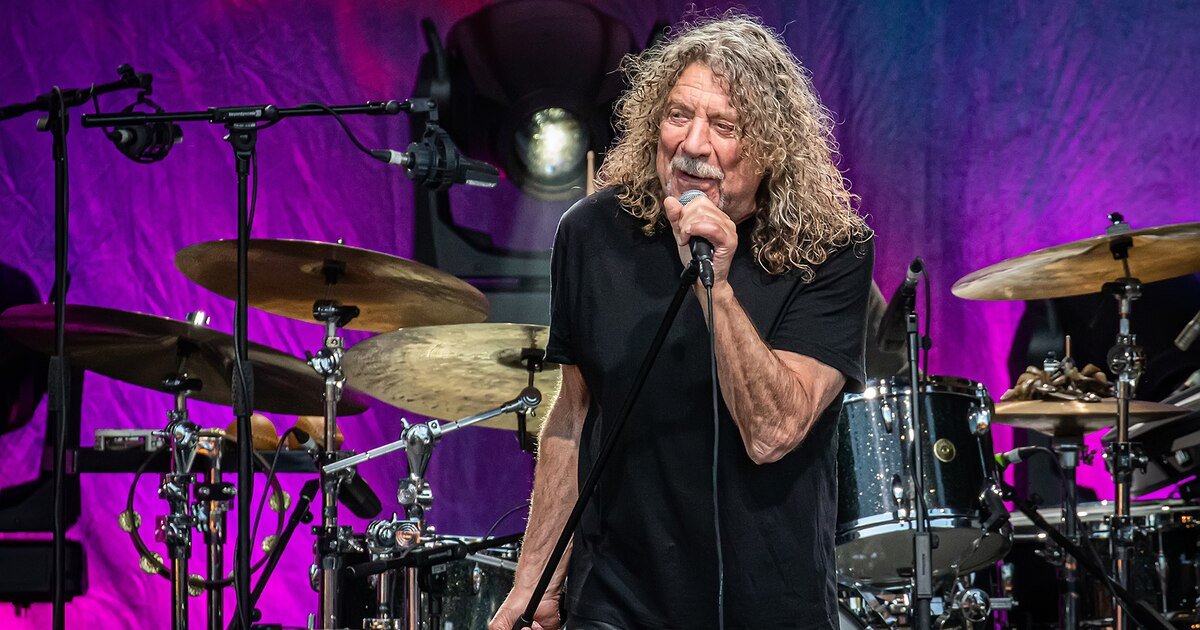
A principios de los años 2000, Robert Plant, cantante de Led Zeppelin, conducía por la costa de Oregón. Mientras escuchaba una emisora local, se encontró ante una situación inusual. El locutor propuso a los oyentes donar dinero con el fin de vetar “Stairway to Heaven” de la programación. Plant llamó, ofreció una suma considerable y la emisora aceptó el trato.
El músico, célebre por su voz en Led Zeppelin, explicó después que esta decisión respondió a su hartazgo. Llevaba décadas escuchando el tema en todos lados y quería poner fin a esa repetición. Esa acción marcó un punto de inflexión en su relación con la canción que lo acompañó durante gran parte de su carrera.
El episodio ocurrió en KBOO, una radio comunitaria de Oregón. Plant donó USD 10.000 para que el tema no volviera a sonar. “Estaba harto de escucharla”, confesó en una entrevista a NPR. No se trató de enojo ni desprecio, sino de saturación pura: su propio clásico se había convertido en una carga.
De acuerdo con Rock FM, Robert Plant enfatizó que la canción es una obra maestra en el aspecto musical. Sin embargo, con los años, se distanció del significado de sus propias letras. En 2019, reconoció que ya no podía identificarse con ellas. “Ya no escribiría esas líneas abstractas”, señaló. El cantante llegó a comparar la relación con su tema más célebre con la de un antiguo amigo: una figura cercana con la que no siempre se desea compartir momentos.
En 1988, Plant reafirmó esa postura. Declaró que sentía rechazo ante la posibilidad de tener que cantar “Stairway to Heaven” en todos los conciertos. Explicó: “Tuvo su importancia, pero después de tantos años, ya no es para mí”. Así justificó su negativa a interpretar el tema en vivo durante mucho tiempo, salvo en ocasiones excepcionales.

La reacción de la emisora ante la donación también sorprendió. KBOO solía recibir discos de Atlantic, la discográfica de Led Zeppelin, pero no dudó en aceptar el reto de Plant. Incluso, cuando Ahmet Ertegun, presidente del sello, conoció la historia, la consideró graciosa y la tomó con humor, según el propio Plant, en testimonios recogidos por Rock FM.
El contexto personal de Plant en esa época ayuda a entender su decisión. Después de años de giras multitudinarias y éxito global, el artista buscaba renovar su rumbo creativo. Iniciaba un nuevo capítulo junto a la banda Strange Sensation, con la que exploró raíces del blues y otros sonidos alejados de la nostalgia de Zeppelin.

Foto: REUTERS
Durante la gira Dreamland, Plant evitó la presión de recrear grandes éxitos del pasado. Eligió enfocar su energía artística en propuestas diferentes y así quedó reflejado en ese gesto simbólico: un portazo a “Stairway to Heaven”, pagando una suma para nunca oírla en esa emisora.
La historia confirma la relación singular que muchos artistas desarrollan con sus obras más famosas. En ocasiones, la demanda del público y de los medios puede volver agotador un éxito que, en su día, representó un hito en sus carreras.

Según Kenwyn House, guitarrista del evento benéfico en el que Plant volvió a cantar el tema en 2023, la interpretación en Oxfordshire partió de una subasta entre donantes. Alguien ofreció una suma significativa para escuchar la canción en vivo y el dinero benefició a una causa solidaria.
“Me gustaba la ideología de la canción, pero odiaba la idea de convertirla en un himno estático en cada concierto”, aseguró Plant. En 2007, durante el Ahmet Ertegun Tribute Concert de Londres, Led Zeppelin se reunió y él accedió a interpretarla, comprendiendo el valor excepcional del momento.

La reacción de Plant en Oregón representa un ejemplo inusual del poder transformador de la música en la vida de sus propios creadores. Optó por el humor y la decisión firme, priorizando el presente sobre la nostalgia. El episodio deja ver el lado humano detrás de la leyenda: la preferencia de seguir adelante antes que quedar atrapado en la repetición de un único éxito.
Esta experiencia destaca la singular conexión de Plant con su mayor clásico. Tras medio siglo de impacto cultural, el músico eligió el silencio sobre la repetición y confirmó, una vez más, la esencia inquieta que guía a los grandes artistas.
optamatchid:2367887,optauuid:ejlf5i7n6h5w5evd2wkx0wufo
NEWYou can now listen to Fox News articles!
Former special counsel Jack Smith undercut claims made by Cassidy Hutchinson, a former White House aide and Jan. 6 Committee witness, while testifying in a recent deposition to Congress.
Smith told the House Judiciary Committee this month that he evaluated Hutchinson’s explosive claims as part of his investigation and prosecution of President Donald Trump related to the 2020 election, according to a transcript published Wednesday.
Smith said they had deficiencies because Hutchinson did not offer firsthand information.
Asked during the deposition how he would have approached cross-examining Hutchinson, Smith said he would have moved to prohibit a portion of her testimony from being used.
JACK SMITH DENIES POLITICS PLAYED ANY ROLE IN TRUMP PROSECUTIONS AT HOUSE HEARING
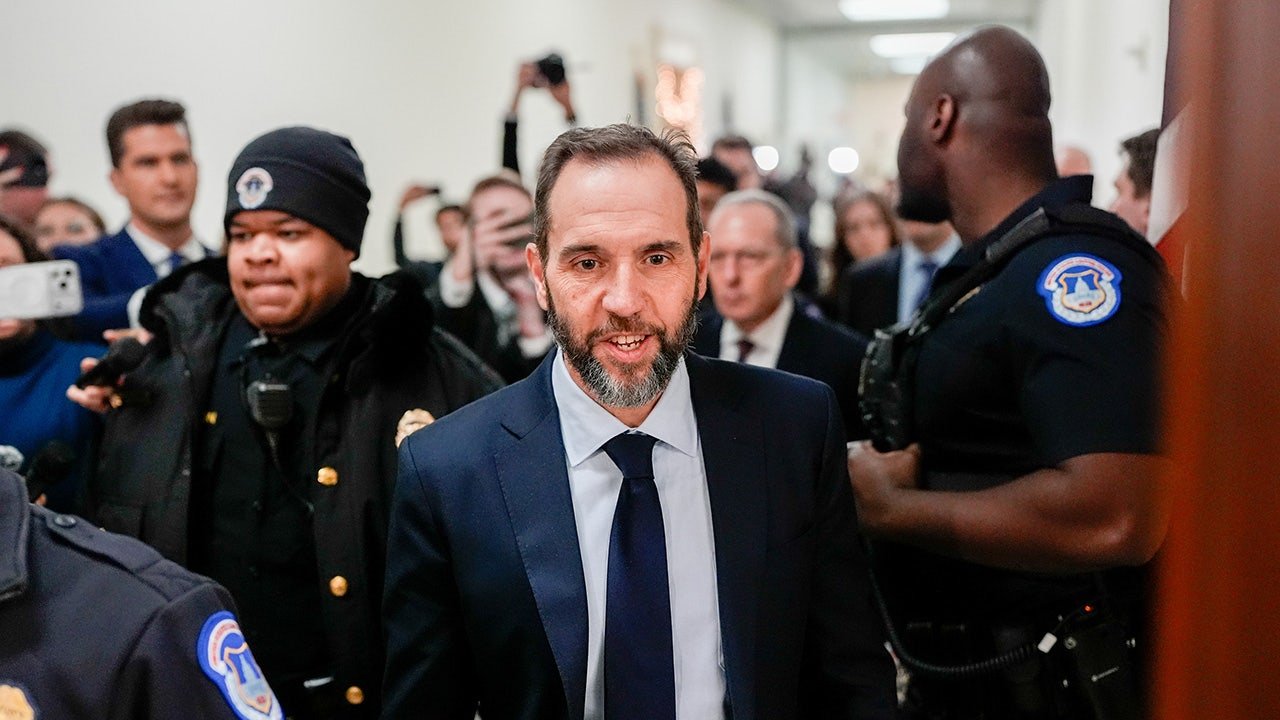
Jack Smith, former special counsel, arrives for a closed-door deposition before the House Judiciary Committee in Washington, D.C., Dec. 17, 2025. (Kent Nishimura/Bloomberg via Getty Images)
«If I were a defense attorney and Ms. Hutchinson were a witness, the first thing I would do was seek to preclude some of her testimony because it was hearsay, and I don’t have the full range of her testimony in front of me right now, but I do remember that that was a decent part of it,» Smith said.
Smith was also asked about specific claims Hutchinson had made, including that Trump was aware that some of his supporters would be armed at his rally and that Trump attempted to grab the steering wheel of his driver out of anger.
Hutchinson «was a second or even thirdhand witness,» Smith said, adding that other witnesses gave «different perspectives» than her.

Cassidy Hutchinson, an aide to Mark Meadows when he was White House chief of staff in the Trump administration, gestures toward her neck as she retells a story involving President Trump during House Jan. 6 select committee hearing on Capitol Hill June 28, 2022. (Jabin Botsford/The Washington Post via Getty Images)
«We interviewed, I think, the people she talked to, and we also interviewed, if my recollection is correct, officers who were there, including the officer who was in the car,» Smith said. «And that officer, if my recollection is correct, and I want to make sure I’m right about this, said that President Trump was very angry and wanted to go to the Capitol, but the version of events that he explained was not the same as what Cassidy Hutchinson said she heard from somebody secondhand.»
Smith noted that «a number of the things that she gave evidence on were secondhand hearsay, were things that she had heard from other people and, as a result, that testimony may or may not be admissible, and it certainly wouldn’t be as powerful as firsthand testimony.»
Hutchinson became a key witness in the Democrat-led Jan. 6 Committee’s investigation into the U.S. Capitol attack, testifying privately several times and publicly. Her testimony dominated headlines, but her claims became a point of scrutiny for Republicans, who found the committee’s work lacked credibility because its only Republican members were two vocal anti-Trump lawmakers.
Hutchinson served as a top aide to White House chief of staff Mark Meadows in the final months of Trump’s first presidency, giving her an inside look at internal discussions among White House officials in the aftermath of the 2020 election.
JACK SMITH SUBPOENAED FOR DEPOSITION WITH HOUSE JUDICIARY COMMITTEE
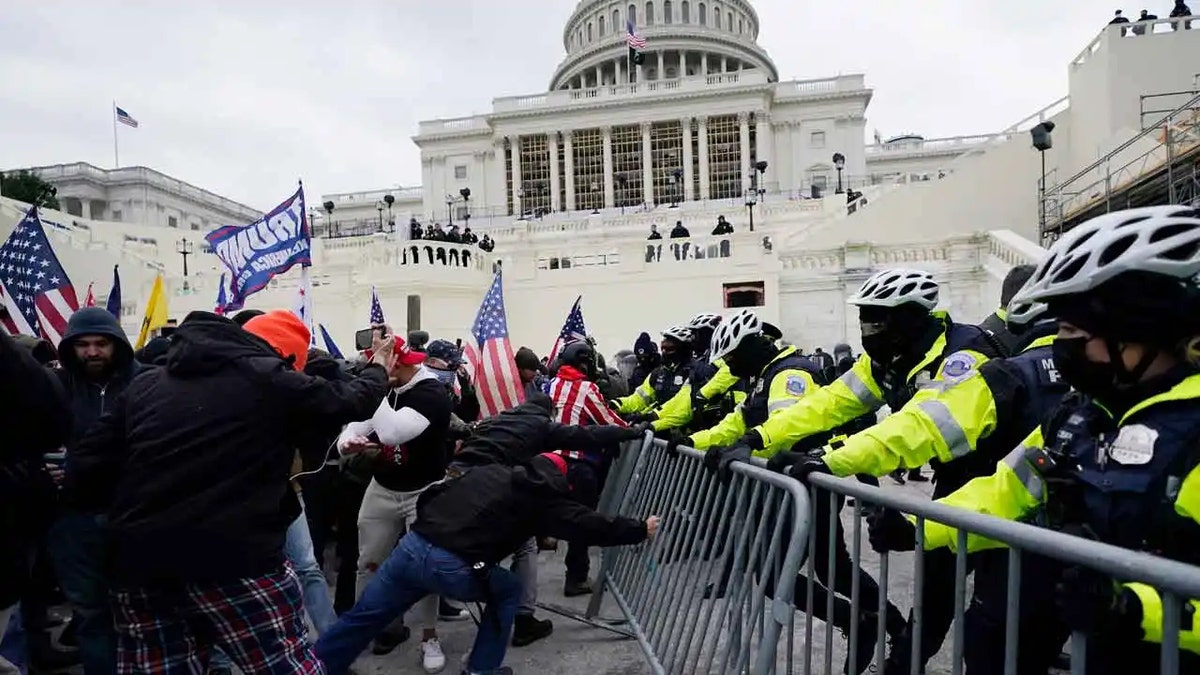
The Jan. 6 riot at the U.S. Capitol in 2021. (Julio Cortez, File)
In a highly publicized hearing in June 2022, Hutchinson testified under oath about what she said were warnings inside the White House about the possibility of violence on Jan. 6 and Trump’s alleged awareness that some supporters attending his rally would be armed.
In another claim that was later disputed by other witnesses, Hutchinson also recalled conversations about how Trump attempted to grab the steering wheel from a U.S. Secret Service agent because he wanted to go to the Capitol and not the West Wing.
Hutchinson testified that she was told that the president «said something to the effect of, ‘I’m the effing president, take me up to the Capitol now,’ to which [the agent] responded, ‘Sir, we have to go back to the West Wing.’ The president reached up towards the front of the vehicle to grab at the steering wheel.»
Hutchinson had not mentioned that particular story in any of her prior interviews with the committee. She later said she withheld it at the direction of her former lawyer, Stefan Passantino.
CLICK HERE TO GET THE FOX NEWS APP
Smith was asked about Hutchinson as part of a more than eight-hour closed-door deposition this month that centered on his investigations and prosecutions of Trump related to the 2020 election and Trump’s alleged retention of classified material.
Smith defended his investigative practices, including subpoenaing Senate and House lawmakers’ phone data. He also defended some of his prosecutorial decisions, including seeking gag orders against Trump and bringing an unusually slimmed-down superseding indictment against Trump after the Supreme Court ruled that Trump had some presidential immunity protections.
justice department,capitol protests,congress,washington dc,politics
INTERNACIONAL
Netanyahu warns of ‘eighth front’ ideological battle for American hearts and minds with Christian leaders
NEWYou can now listen to Fox News articles!
Israeli Prime Minister Benjamin Netanyahu used a meeting with Evangelical Christian leaders in Florida today to underscore Israel’s reliance on faith-based allies in the United States, as divisions inside the U.S. over Israel’s war and U.S. support continue to surface.
The meeting came days after Netanyahu held talks on Monday with President Donald Trump at Mar-a-Lago, amid growing debate within conservative circles over the scope of American backing for Israel and the direction of U.S. foreign policy in the Middle East.
Speaking to the leaders, Netanyahu said Israel has emerged «in many ways victorious» from what he described as a «seven-front war,» but warned that an additional front now looms in the West.
ISRAELI HOSTAGES FREED, IRAN HIT, CEASEFIRE HELD — 2025 SHATTERED IDEA THAT US WAS EXITING THE MIDDLE EAST
Israeli Prime Minister Benjamin Netanyahu meets with leaders of the Evangelical Christian community in Florida, accompanied by members of the Israeli delegation. (Amos Ben Gershom / GPO)
«There’s an eighth front,» he said, describing a struggle «for the hearts and minds of people, especially young people in the West, and for me especially in the United States.» He framed that effort not only as Israel’s fight, but as a broader one. «It’s our common Judeo-Christian civilization’s battle,» he said.
The prime minister argued that this ideological front requires the same resolve as military action. «There are some people who believe that faith should be silent and terrorism should be understood,» Netanyahu said. «Faith should speak its voice and terrorism should be confronted, not understood, confronted and defeated.»

Pro-Palestinian Muslim protesters hold a banner saying «From the river to the sea..» and chant at a demonstration calling for an end to Israeli attacks on Gaza. London, UK, Dec. 9, 2023. ( Andy Soloman/UCG/Universal Images Group via Getty Images)
Netanyahu repeatedly emphasized the historical and ideological bond between Christian Zionists and Israel. «You are representatives of the Christian Zionists who made Jewish Zionism possible,» Netanyahu said, crediting U.S. Christian support as central to the reestablishment of the Jewish state. «I can say that we have no better friends.»
TRUMP PICK FOR RELIGIOUS FREEDOM ENVOY VISITS HOLY LAND, CITES STRONG US-ISRAEL BOND
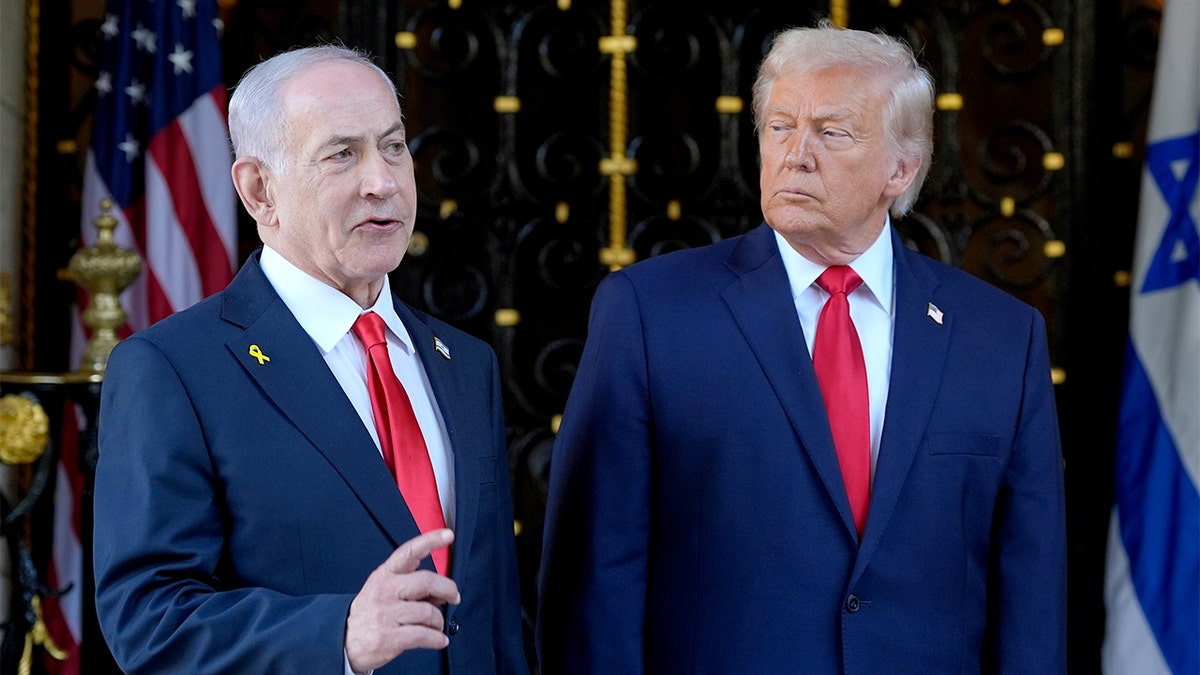
President Donald Trump listens as Israel’s Prime Minister Benjamin Netanyahu speaks during an arrival at Trump’s Mar-a-Lago club in Palm Beach, Florida, on Monday, Dec. 29, 2025. (Alex Brandon/AP)
Netanyahu told the group he had spoken with Trump the day before and described what he sees as global threats facing Israel and its allies. He pointed to «two forces,» identifying «radical Shiite Islam,» led by Iran, and «radical Sunni Islam,» which he said is led by the Muslim Brotherhood.
He also highlighted persecution of Christians in multiple regions, saying Christians are being targeted «in Syria, in Lebanon, in Nigeria, in Turkey, and beyond,» while arguing that Israel plays a unique protective role. «One country protects the Christian community, enables it to grow, defends it, and makes sure that it thrives,» Netanyahu said. «That country is Israel. There is no other. None.»
CLICK HERE TO DOWNLOAD THE FOX NEWS APP
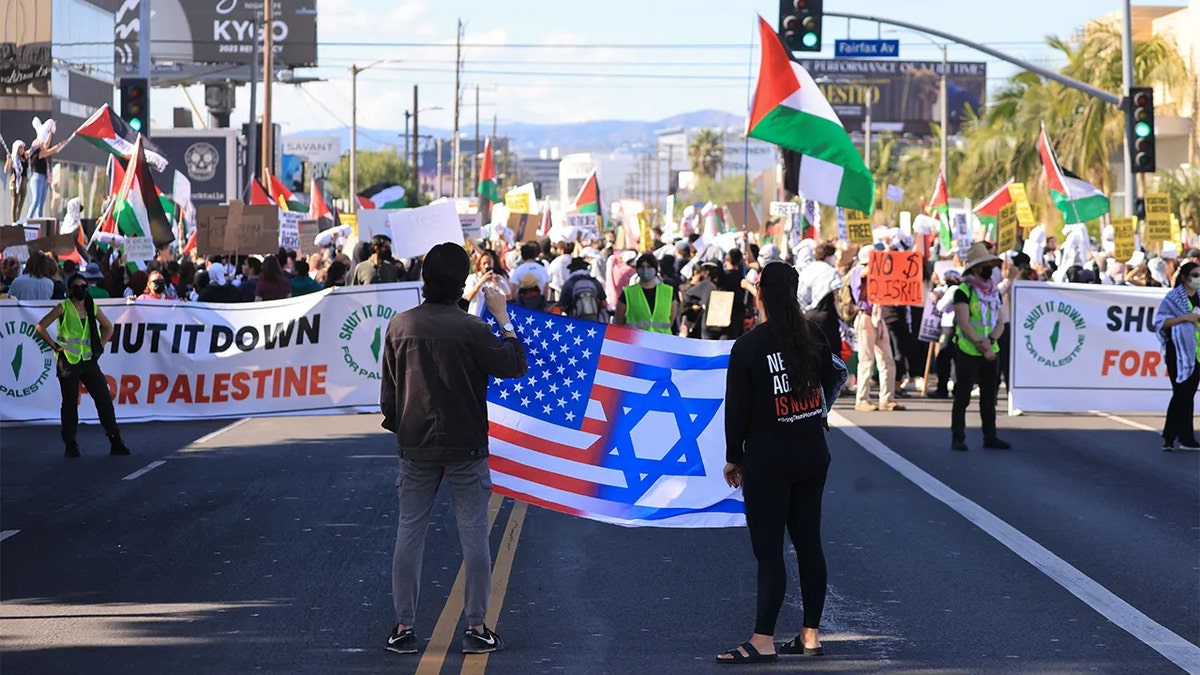
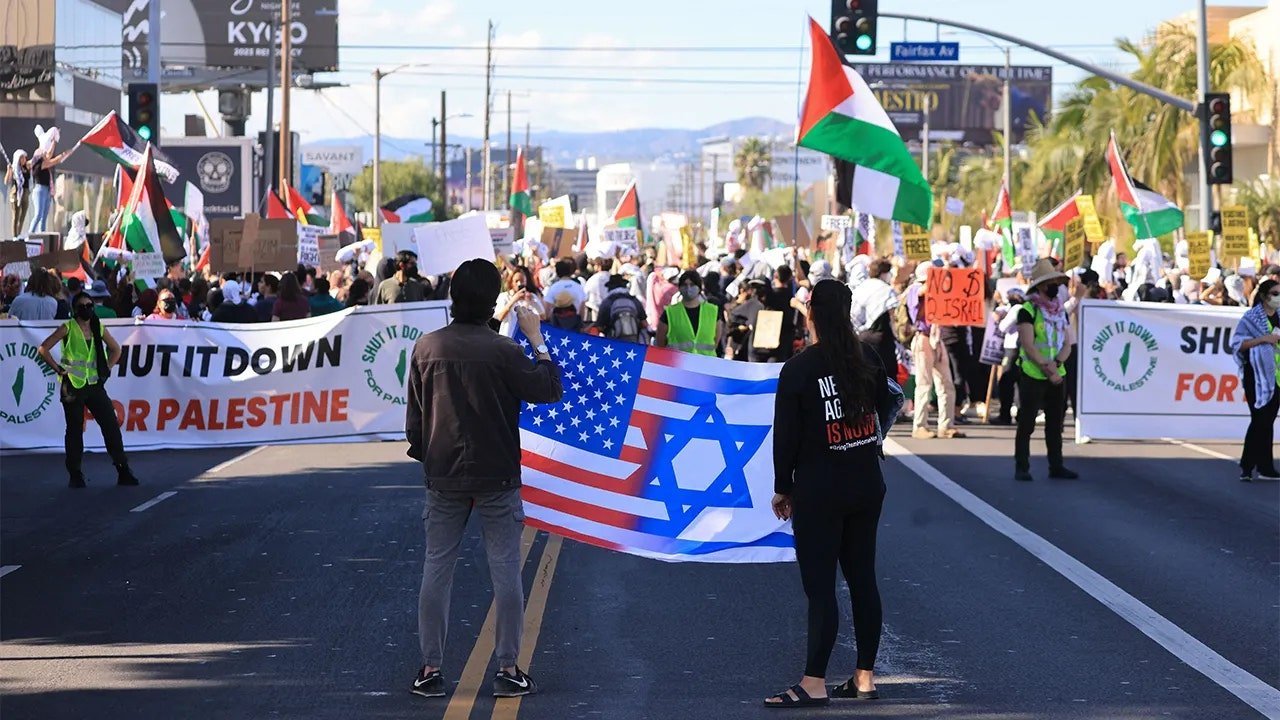
People hold an Israeli and US flag in front of a large group of anti-Israel protesters march outside The Grove shopping center on Black Friday, carrying a giant banner reading «Shut it Down for Palestine» in Los Angeles, Nov. 24, 2023. (David Swanson/AFP via Getty Images)
Netanyahu said Israel is working toward broader cooperation to assist Christian communities under threat worldwide. «We are joining an effort to have basically a United Nations of countries that support Christian communities around the world,» he said, adding, «Just as you are helping us, we want to help back.»
Israel’s Ambassador to the United Nations, Danny Danon, who attended the meeting, later wrote on X that Evangelical leaders’ commitment to Israel was «inspiring» and said shared values would «fortify the bond between both our nations.»
benjamin netanyahu,israel,donald trump,evangelical,christianity,wars

El Gobierno anunció que la ANDIS dejará de existir y sus funciones serán absorbidas por el Ministerio de Salud

Sorpresa en la Premier League: el Chelsea de Enzo Fernández anunció la salida del entrenador

Cómo cuidar el aire acondicionado para que enfríe bien en medio del calor extremo

Se liberaron u$s20.000 millones del blanqueo y en la City crece el optimismo por su impacto

La encrucijada del PRO en el 2026: resolver el conflicto con LLA o apuntar a ser una alternativa electoral en 2027

El día que Robert Plant pagó para “vetar” su clásico “Stairway to Heaven” en la radio

Calor extremo en el AMBA: cuándo la temperatura rozará los 40 grados

Calendario de pagos de ANSES de enero 2026: cuándo cobran jubilados, pensionados y beneficiarios de planes sociales

Quién era Charlie Menditéguy, el millonario argentino que conquistó a Brigitte Bardot y renunció a la Fórmula 1 por ella

Patricia Bullrich destacó la aprobación del Presupuesto 2026 y la ruptura del peronismo en el Senado

 CHIMENTOS2 días ago
Jorge Lanata, a un año de su muerte: el periodista más original, influyente y popular de su generación
- POLITICA2 días ago
Axel Kicillof insistirá con la reelección indefinida de intendentes, pero evita el debate de la Boleta Única
- POLITICA2 días ago
Documento clave: la empresa de Faroni pactó con la AFA quedarse con el 30% de sus ingresos comerciales en el exterior