INTERNACIONAL
Las crecientes protestas populares en Irán ya dejan al menos tres muertos



NEWYou can now listen to Fox News articles!
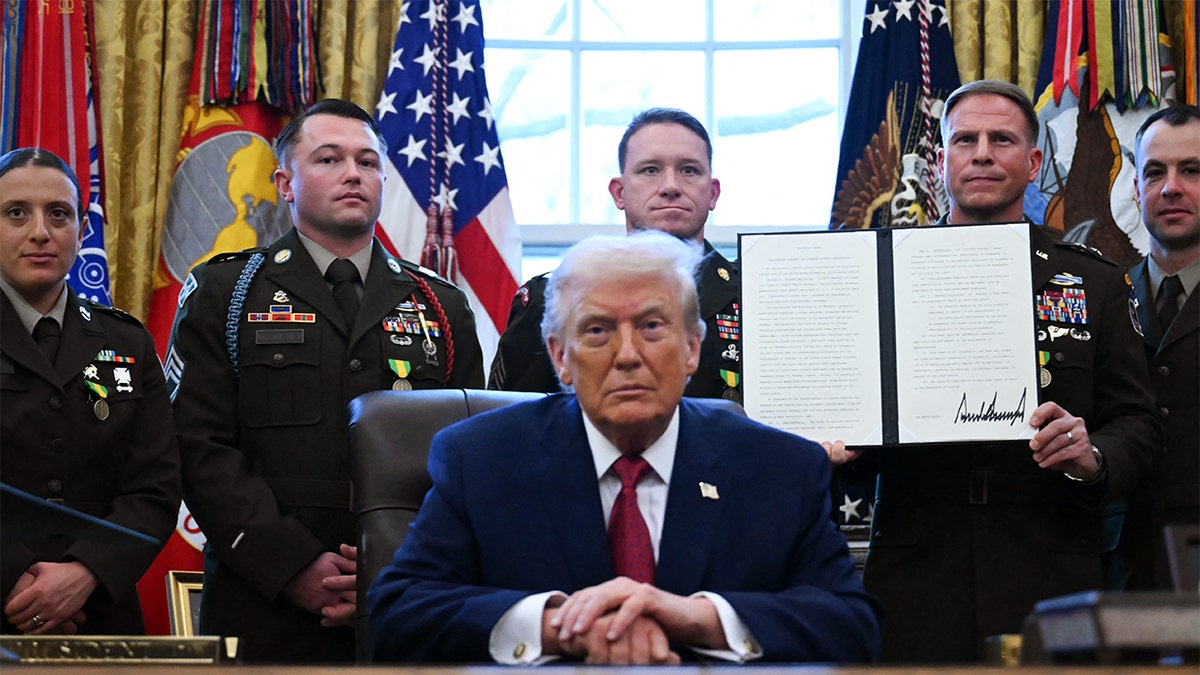
President Donald Trump spent the first year of his second White House term signing a torrent of executive orders aimed at delivering on several major policy priorities, including slashing federal agency budgets and staffing, implementing a hard-line immigration crackdown and invoking emergency authority to impose steep tariffs on nearly every U.S. trading partner.
The pace of Trump’s executive actions has far outstripped that of his predecessors, allowing the administration to move quickly on campaign promises. But the blitz has also triggered a wave of lawsuits seeking to block or pause many of the orders, setting up a high-stakes confrontation over the limits of presidential power under Article II and when courts can — or should — intervene.
Lawsuits have challenged Trump’s most sweeping and consequential executive orders, ranging from a ban on birthright citizenship and transgender service members in the military to the legality of sweeping, DOGE-led government cuts and the president’s ability to «federalize» and deploy thousands of National Guard troops.
FEDERAL JUDGE BLOCKS TRUMP’S BIRTHRIGHT CITIZENSHIP BAN FOR ALL INFANTS, TESTING LOWER COURT POWERS
Many of those questions remain unresolved. Only a few legal fights tied to Trump’s second-term agenda have reached final resolution, a point legal experts say is critical as the administration presses forward with its broader agenda.
Trump allies have argued the president is merely exercising his powers as commander in chief.
Critics counter that the flurry of early executive actions warrants an additional level of legal scrutiny, and judges have raced to review a crushing wave of cases and lawsuits filed in response.
President Donald Trump speaks to the media after signing an executive order at the White House. (Chip Somodevilla/Getty Images)
WINS:
Limits on nationwide injunctions
In June 2025, the Supreme Court sided with the Trump administration 6-3 in Trump v. CASA, a closely watched case centered on the power of district courts to issue so-called universal or nationwide injunctions blocking a president’s executive orders.
Though the case ostensibly focused on birthright citizenship, arguments narrowly focused on the authority of lower courts’ ability to issue nationwide injunctions and did not wade into the legality of Trump’s order, which served as the legal pretext for the case. The decision had sweeping national implications, ultimately affecting the more than 310 federal lawsuits that had been filed at the time challenging Trump’s orders signed in his second presidential term.
Justices on the high court ultimately sided with U.S. Solicitor General John Sauer, who had argued to the court that universal injunctions exceeded lower courts’ Article III powers under the Constitution, telling justices that the injunctions «transgress the traditional bounds of equitable authority,» and «create a host of practical problems.»
The Supreme Court largely agreed. Justices ruled that plaintiffs seeking nationwide relief must file their lawsuits as class action challenges. This prompted a flurry of action from plaintiffs in the weeks and months that followed as they raced to amend and refile relevant complaints to lower courts.
Firing independent agency heads
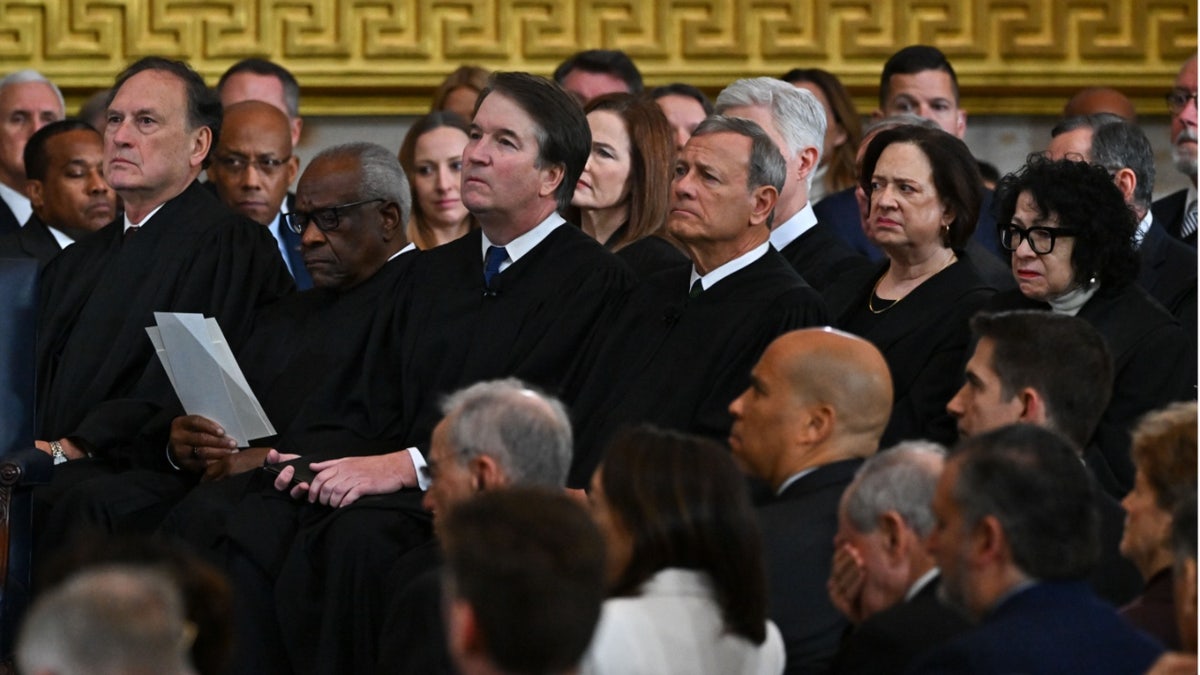
The Supreme Court also signaled openness to expanding presidential authority over independent agencies.
donald trump,supreme court,federal courts
INTERNACIONAL
Investigadores revelaron cómo llegaron los cerdos domésticos a Oceanía desde Asia hace 4 mil años
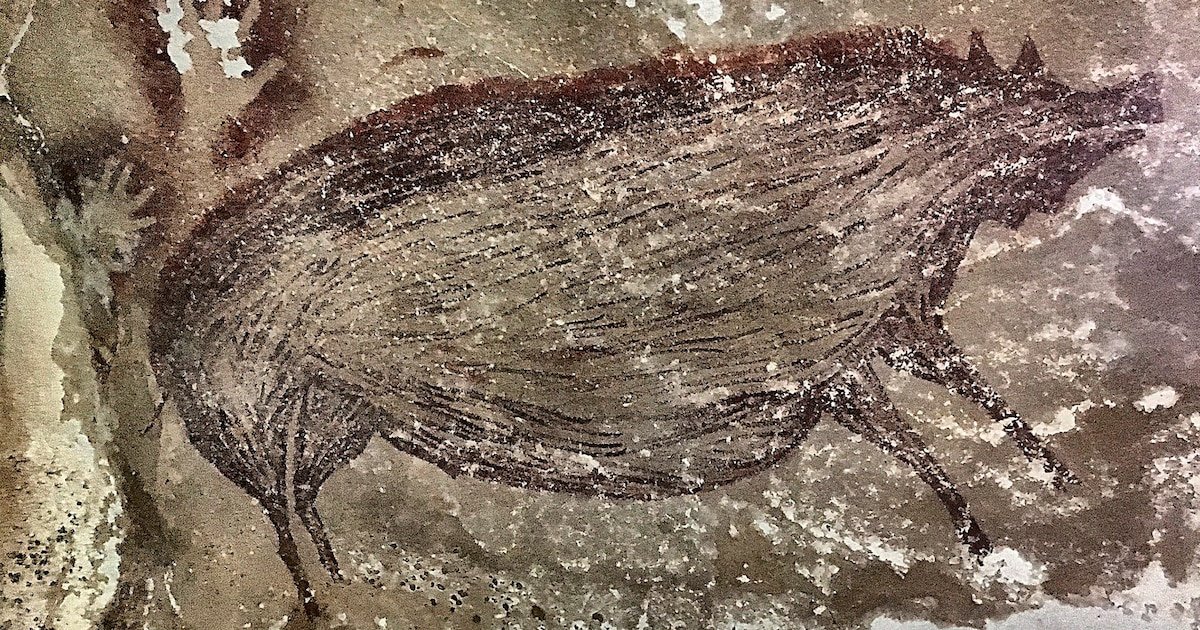
Los cerdos de las islas del Pacífico tienen una historia que se conecta con antiguos viajes humanos.
Un equipo internacional encontró que la mayoría de los cerdos domésticos y libres desde Filipinas hasta Hawái desciende de animales que grupos de habla austronesia llevaron desde el sudeste de China y Taiwán hace unos 4.000 años.
Esa llegada dejó una marca clara en la fauna de las islas. Los cerdos viajaron junto a los humanos en canoas por largas distancias y, al establecerse en nuevas islas, se integraron a los ecosistemas locales.
El estudio publicado en la revista Science, de la Asociación Estadounidense para el Avance de la Ciencia (AAAS) muestra que estos cerdos no se mezclaron con especies silvestres locales en las islas al llegar.

Los investigadores afirmaron: “los cerdos en Oceanía carecen de mezcla genética con especies silvestres nativas presentes a lo largo de la ruta de dispersión austronesia en Filipinas, Sulawesi y otras islas”.
Solo los descendientes que quedaron en Wallacea (una región de islas en el sudeste asiático, situada entre Asia y Australia) y se volvieron salvajes llegaron a cruzarse con especies locales.
David W. G. Stanton lideró la investigación junto a científicos de la Universidad Queen Mary de Londres, el Instituto de Ciencia Evolutiva de Montpellier, la Universidad de Oxford, la Universidad de Estocolmo y otras instituciones del Reino Unido, Francia, Suecia, Alemania, Estados Unidos, Filipinas, Australia, Nueva Zelanda, Islandia, Bélgica, Brunei, Vietnam, Bután, Sri Lanka, Vanuatu e Indonesia.

Durante mucho tiempo, la presencia de cerdos en islas lejanas como Hawái fue un misterio para la ciencia. Las personas han movido animales durante siglos, pero el origen real de los cerdos del Pacífico seguía sin respuesta.
Los investigadores quisieron saber si estos animales llegaron en una sola ola migratoria o en varias etapas. Buscaron aclarar si los cerdos del Pacífico se mezclaron con otras especies o si mantuvieron su linaje original.
Para responder, el equipo analizó el ADN y la forma de los dientes de cientos de cerdos modernos y antiguos. Así lograron reconstruir los recorridos y cambios de los cerdos en el Pacífico durante casi 3.000 años.
El hallazgo ayuda a entender cómo los movimientos humanos pueden transformar la vida animal y el ambiente en las islas.

El equipo estudió 117 genomas de cerdos modernos, antiguos y de museos y más de 700 dientes.
Los datos muestran que los cerdos llevados por los austronesios permanecieron aislados de las especies silvestres durante siglos.
Los investigadores escribieron: “los cerdos en Oceanía carecen de mezcla genética con especies silvestres nativas de las islas a lo largo de la ruta migratoria”.
Identificaron un grupo genético especial, el “Clado del Pacífico”, en la mayoría de los cerdos desde Wallacea hasta Hawái.
Ese grupo se identifica en la mayoría de los cerdos al este de la Línea de Wallace (un límite biogeográfico que separa las especies animales de Asia y Australia en el sudeste asiático) y también en algunos animales de Java, Sumatra y el sudeste asiático continental.

La forma de los dientes fue una pista clave. Los cerdos del Pacífico tienen una dentadura diferente, que los distingue de otras poblaciones. Este rasgo surgió por el aislamiento y la adaptación a nuevas islas.
Los primeros cerdos domésticos que llegaron al Pacífico no se mezclaron con especies salvajes locales. Solo después, algunos de estos cerdos se volvieron salvajes en Wallacea y se cruzaron con otras especies.
Durante la época colonial, llegaron cerdos europeos a Papúa Nueva Guinea y Nueva Caledonia. Esto generó nuevas mezclas genéticas.
Los investigadores escribieron que “la ascendencia europea se introdujo en estas regiones, probablemente por cerdos domésticos europeos durante y después del periodo colonial”.

El análisis reveló que, aunque algunos cerdos de Sumatra, Java y otras islas mezclaron linajes, la mayoría de los cerdos del Pacífico mantiene el linaje traído por los austronesios.
Los resultados muestran que la dispersión de los cerdos estuvo marcada por cuellos de botella genéticos y adaptación.
Los investigadores afirmaron: “su peculiar morfología dental y el aislamiento genético inicial pueden reflejar que estos cerdos introducidos tenían rasgos domésticos que facilitaron su transporte y manejo por grupos de habla austronesia”.

El equipo científico expresó que se debería analizar más genomas antiguos y modernos para entender mejor la historia de los cerdos en el Pacífico.
“Las futuras investigaciones con genomas de alta cobertura y análisis funcionales serán clave para entender el éxito de estas poblaciones ferales”, mencionaron.
Aún faltan muestras de ADN antiguo en partes de Asia. Esto impide conocer todos los detalles de las rutas que siguieron los cerdos.
Pero con los resultados obtenidos ya se puede afirmar que la historia de estos cerdos muestra cómo los viajes humanos dejan huellas en los animales y en los ambientes. El estudio reveló una historia de traslados, aislamiento y cambios en islas lejanas.
Environment,North America,Science / Technology,Oahu
NEWYou can now listen to Fox News articles!
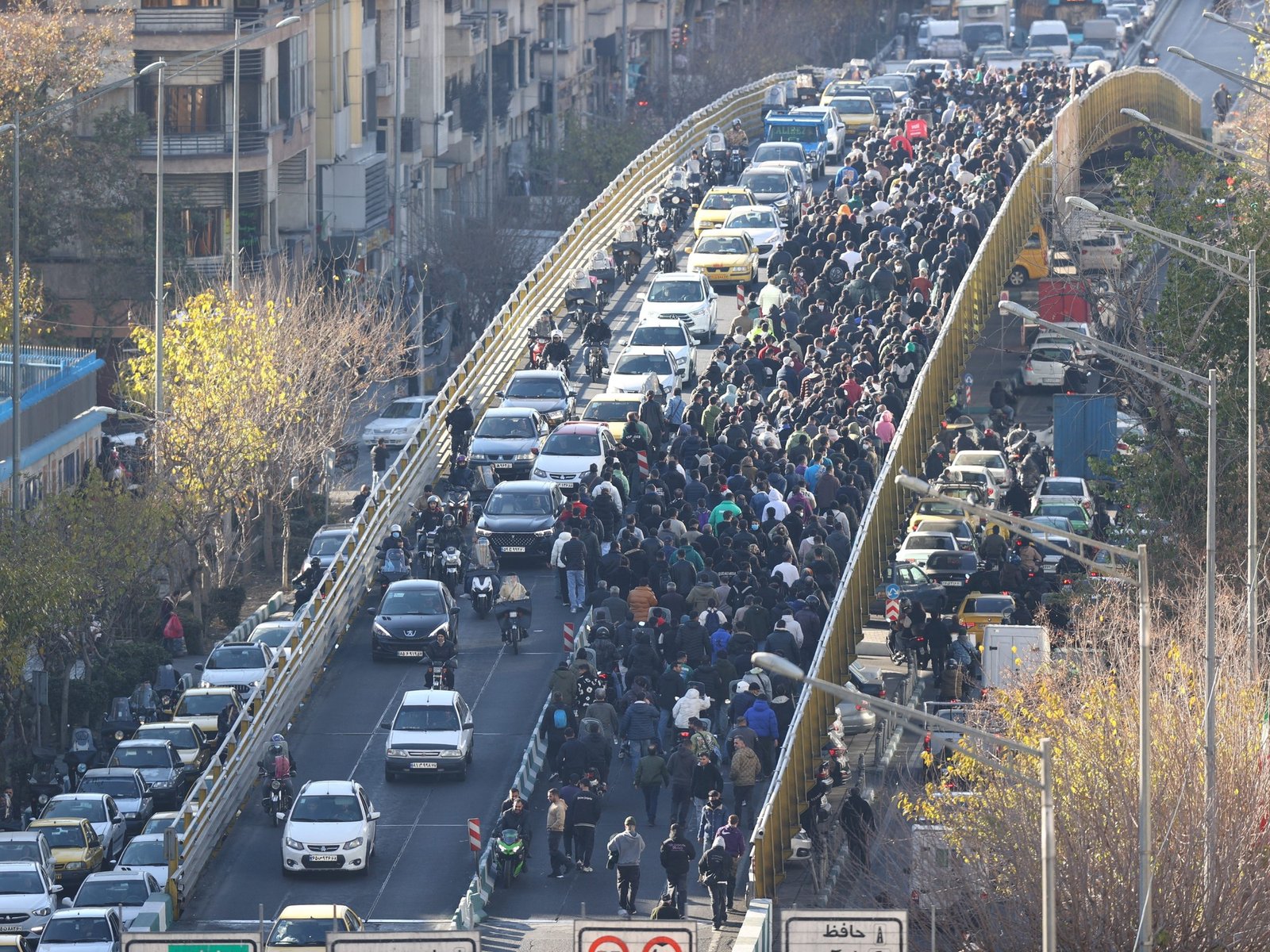
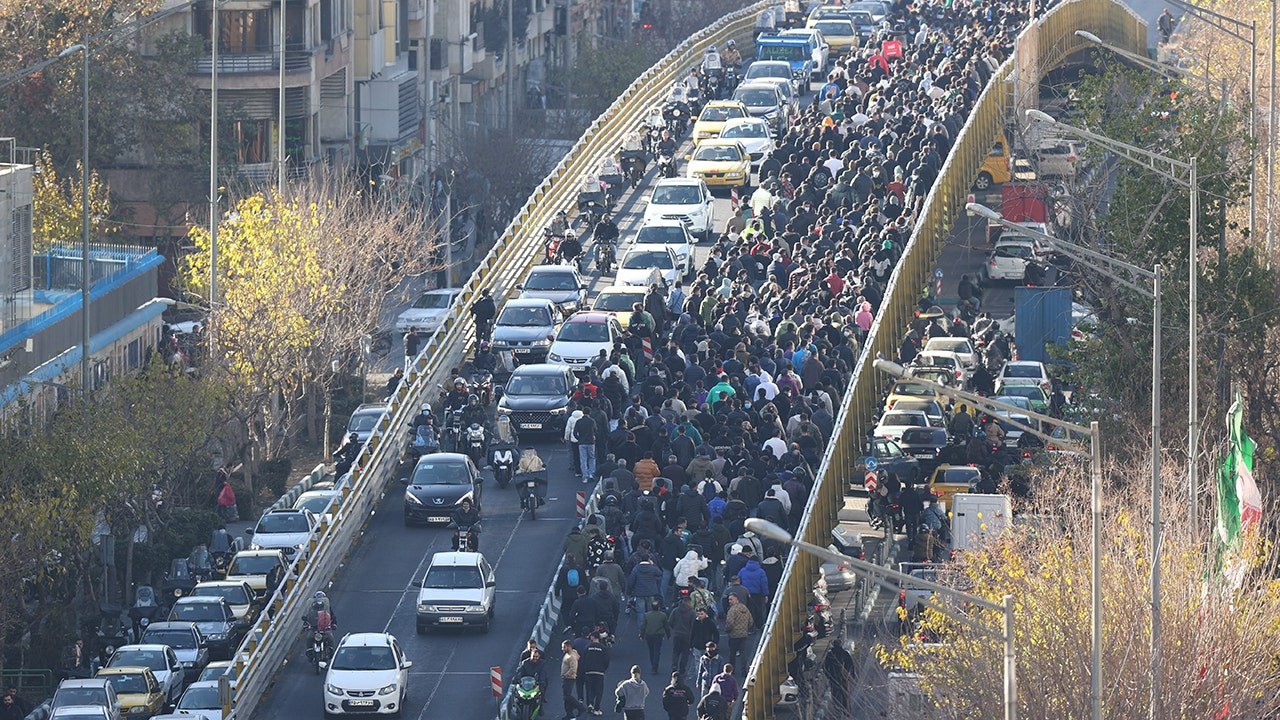
Protests in Iran entered a fifth consecutive day on Thursday, with demonstrations and clashes reported across Tehran and multiple provincial cities as authorities, state-linked media and rights groups cited additional deaths overnight.
According to Reuters, several people have been killed since the unrest escalated, based on reports from Iranian media and human rights groups. Iranian authorities have confirmed at least one death, while other fatalities have been reported in different provinces.
Opposition group National Council of Resistance of Iran (NCRI) told Fox News Digital in a statement that protests and street clashes continued Thursday morning in Tehran and in cities including Marvdasht, Kermanshah, Delfan and Arak, and claimed that two protesters were killed by direct fire in Lordegan. Fox News Digital could not independently verify the deaths.
ANTI-IRAN REGIME PROTESTS GROW ACROSS COUNTRY AS TRUMP ADMIN BOOSTS DEMONSTRATORS OFFERING SUPPORT
Protesters push back security forces in Tehran on Dec 30, 2025. (NCRI)
The protests began on Sunday after shopkeepers and merchants demonstrated against soaring inflation, unemployment and the sharp depreciation of Iran’s currency. The unrest quickly spread beyond bazaars to include students and wider public demonstrations in cities across the country.
In Lordegan, in Chaharmahal and Bakhtiari province, clashes intensified overnight. Fars News Agency, affiliated with the Revolutionary Guards, reported that crowds threw stones at government buildings, including the governor’s office, the judiciary, the Martyrs Foundation, the Friday prayer complex and several banks. Police used tear gas to disperse protesters, and multiple buildings were heavily damaged. Fars said two people were killed during the clashes, without specifying whether they were protesters or security personnel.
The Kurdish rights group Hengaw reported that protesters in Lordegan were killed by security forces. In Kuhdasht, authorities said a member of the Basij volunteer paramilitary force was killed, and 13 others wounded during clashes, blaming demonstrators. Hengaw disputed that account, telling Reuters that the individual was a protester killed by security forces. Reuters said it could not confirm either version.
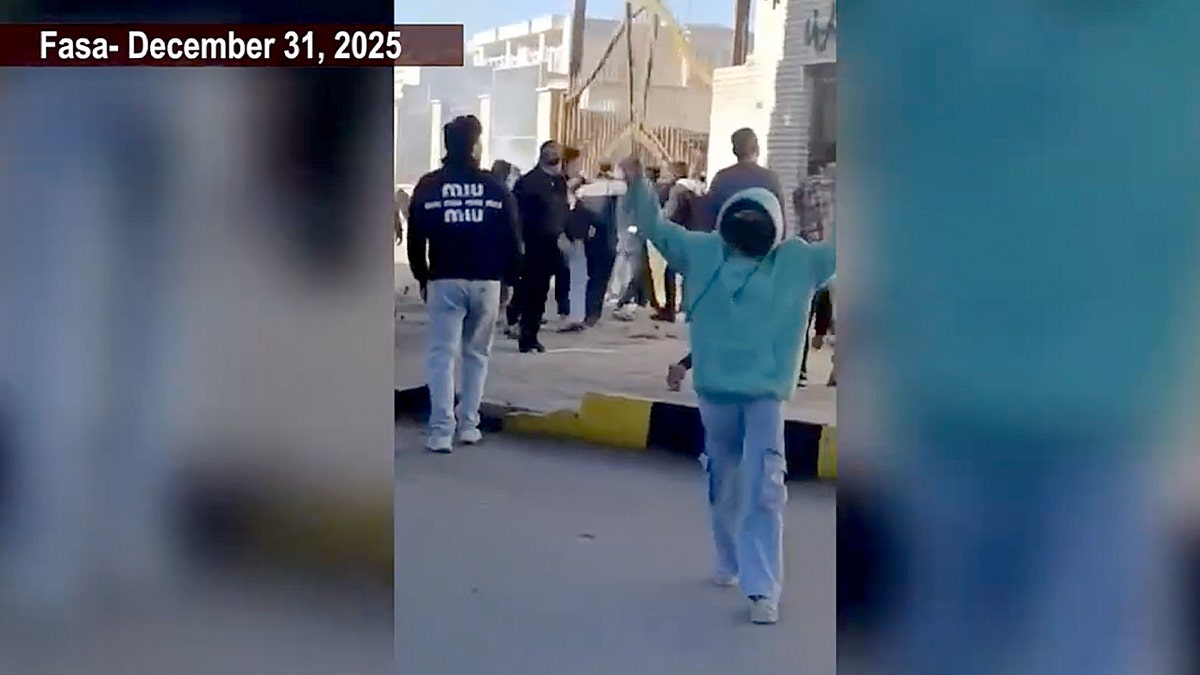
Iran protests force nationwide shutdown as President Masoud Pezeshkian closes businesses and offices across 21 provinces amid mounting public anger. (MEK/ People’s Mojahedin Organization of Iran)
Separately, Iran International reported that a 37-year-old man was shot dead in Fooladshahr, in Isfahan province, during overnight protests. Iran International said it verified the man’s identity and reviewed video footage, while provincial police confirmed the death of a 37-year-old citizen without providing further details.
IRANIAN PRESIDENT SAYS HIS COUNTRY IS AT ‘TOTAL WAR’ WITH THE US, ISRAEL AND EUROPE: REPORTS
Six women who were detained during protests in Tehran have been transferred to the women’s ward of Evin prison, U.S.-based rights group Human Rights Activists News Agency (HRANA) said.
President Donald Trump and other administration officials voiced support for the demonstrators this week. Speaking Monday, Trump pointed to Iran’s economic collapse and long-standing public discontent, while stopping short of explicitly calling for regime change.
Maryam Rajavi, the President-elect of the National Council of Resistance of Iran, issued a statement on the continuing protests, noting: «The four-day uprising by merchants, students, and other sectors of society signals the Iranian people’s determination to be free from religious tyranny. This wretched regime is doomed to be overthrown by the risen populace and rebellious youth. The final word is spoken in the streets by the people and the rebellious youth, those with nothing left to lose. This regime must go.»
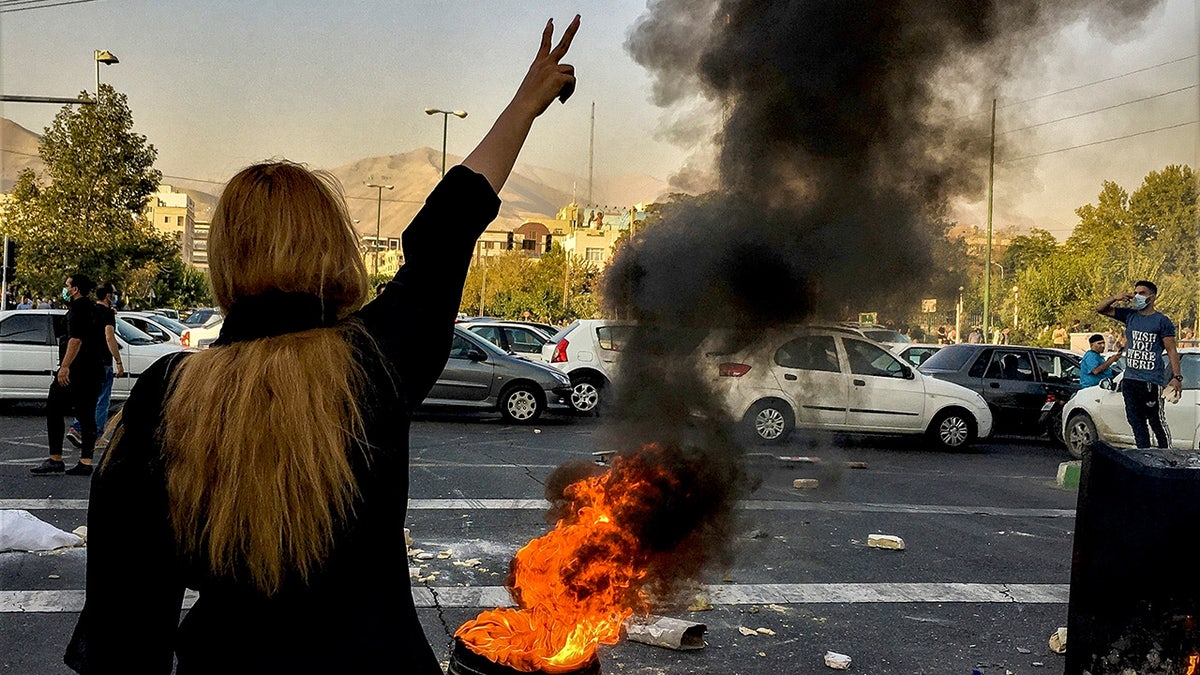
The last major protests seen in Iran followed the death of 22-year-old Mahsa Amini after she was detained by the morality police, in Tehran, Oct. 1, 2022. (AP Photo/Middle East Images, File)
The unrest comes as Iran’s economy remains under severe strain from years of international sanctions, high inflation and currency depreciation. Authorities declared a nationwide shutdown on Wednesday, officially citing extreme cold weather, and said the government offered to hold talks with representatives of merchants and trade unions over what it described as «legitimate demands.»
Another influential dissident leader, the exiled Crown Prince Reza Pahlavi, the eldest son of the late Shah of Iran, took to X and appealed to the international community «to stand with the people of Iran.» He continued in part, «The current regime has reached the end of the road. It stands at its most fragile: weak, deeply divided, and unable to suppress the courage of a rising nation. The growing protests show this year will be the definitive moment for change.»
CLICK HERE TO DOWNLOAD THE FOX NEWS APP
Iran has faced repeated waves of unrest over the past decade. While nationwide protests in 2022 following the death of Mahsa Amini centered on women’s rights and state repression, the current demonstrations are rooted primarily in economic grievances, with protesters in several cities now openly directing their anger at Iran’s political leadership.
Reuters contributed to this report.
iran,donald trump,world protests,middle east

"¿Cómo es posible?". Alguien ha jugado 2.150 horas en Steam en solo dos semanas, y aunque parezca increíble hay explicación

Kennys Palacios fue sorprendido por su novio mientras celebraba el Año Nuevo en Brasil: “Me caso”

El Gobierno impulsa una reforma integral del sistema de inteligencia: qué cambios prevé y cuáles son los nuevos controles

La intimidad del festejo de Año Nuevo de las figuras de la selección argentina: de la gran fiesta de Dibu Martínez a la suelta de globos

Inside Trump’s first-year power plays and the court fights testing them

Jorge Macri vetó leyes de la oposición y abre un nuevo frente con un peronismo fortalecido

Calor extremo en el AMBA: cuándo la temperatura rozará los 40 grados

Quién era Charlie Menditéguy, el millonario argentino que conquistó a Brigitte Bardot y renunció a la Fórmula 1 por ella

Axel Kicillof insistirá con la reelección indefinida de intendentes, pero evita el debate de la Boleta Única

Jorge Lanata, a un año de su muerte: el periodista más original, influyente y popular de su generación

 POLITICA3 días ago
Axel Kicillof insistirá con la reelección indefinida de intendentes, pero evita el debate de la Boleta Única
- CHIMENTOS3 días ago
Jorge Lanata, a un año de su muerte: el periodista más original, influyente y popular de su generación
- POLITICA2 días ago
Documento clave: la empresa de Faroni pactó con la AFA quedarse con el 30% de sus ingresos comerciales en el exterior