INTERNACIONAL
Mamdani announces new Office of Mass Engagement, says he needed a ‘clean slate’ to govern New York City

NEWYou can now listen to Fox News articles!
New York City Mayor Zohran Mamdani said Friday his first executive order as mayor was meant to draw a line after former Mayor Eric Adams was indicted while also launching a new City Hall office aimed at changing how the public is involved in decision-making.
«In the first executive order, you, as the new mayor of a city, have to sign a continuation of all prior executive orders or a revocation or an amendment of all of them,» Mamdani said during a question-and-answer session focused on what he called the city’s revived Office of Mass Engagement.
Mamdani said his administration chose to continue the executive orders that came before Adams’ 2024 indictment on federal corruption charges, which were later dropped by the Justice Department and dismissed by a federal judge in April.
«And, so, what we did was to sign an executive order that continued every executive order that predated the moment when our former mayor was indicted,» Mamdani said, calling it «a moment when many New Yorkers lost even more faith in New York City politics and the ability of city government to actually prioritize the needs of the public, as opposed to the needs of the person.»
MAMDANI PICKS EDUCATOR WHO WORKED TO DISMANTLE GIFTED & TALENTED PROGRAM AS NYC SCHOOLS CHANCELLOR
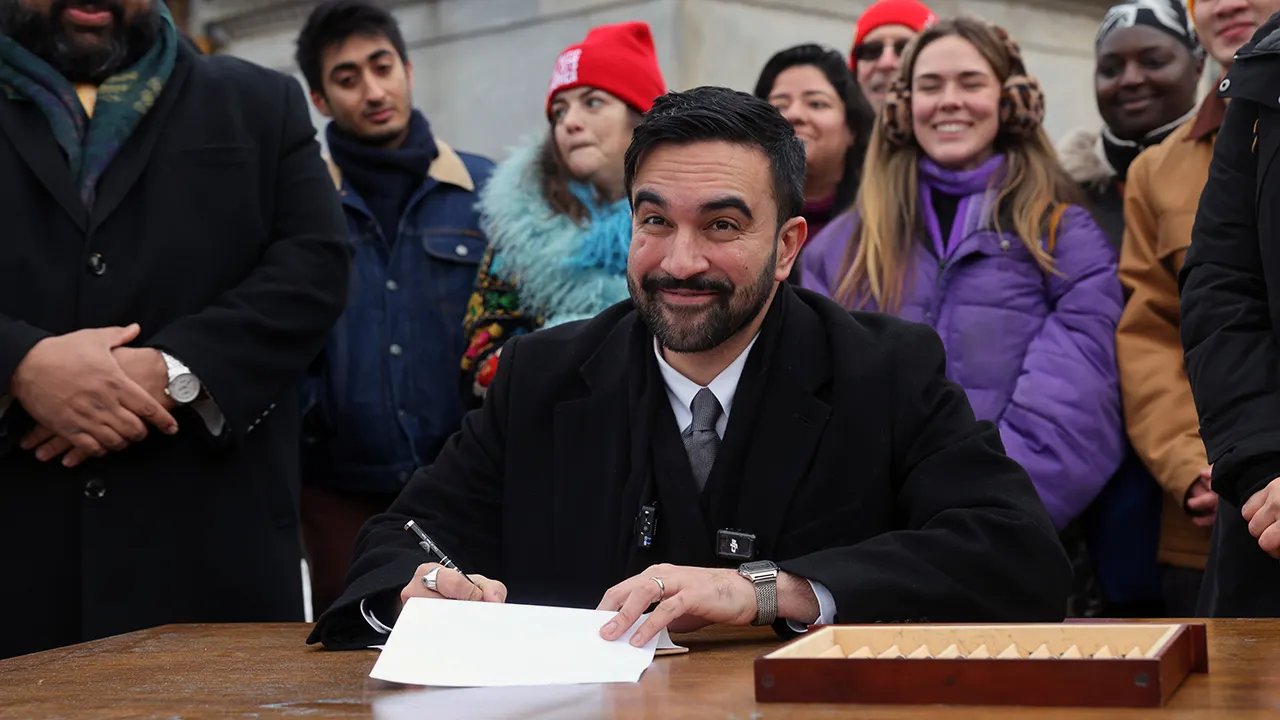
New York City Mayor Zohran Mamdani signs executive orders with campaign volunteers during an appearance at Grand Army Plaza in Brooklyn, Friday, in New York City. The newly inaugurated mayor has revoked a number of executive orders issued by former NYC Mayor Eric Adams, including some related to Israel. (Spencer Platt/Getty Images)
«And what we will now do is showcase that new era to protect each and every New Yorker and to deliver for those same New Yorkers in a manner that they have not seen under prior administrations,» he added.
The executive order revoked or required reissuance of mayoral directives issued after Sept. 26, 2024, giving the Mamdani administration control over which policies would carry forward.
Mamdani made the remarks as he described the purpose of a new Office of Mass Engagement, which he said is intended to bring together civic outreach work already happening across city government.
BISHOP ROBERT BARRON SLAMS ZOHRAN MAMDANI’S ‘WARMTH OF COLLECTIVISM’ LINE: ‘FOR GOD’S SAKE’
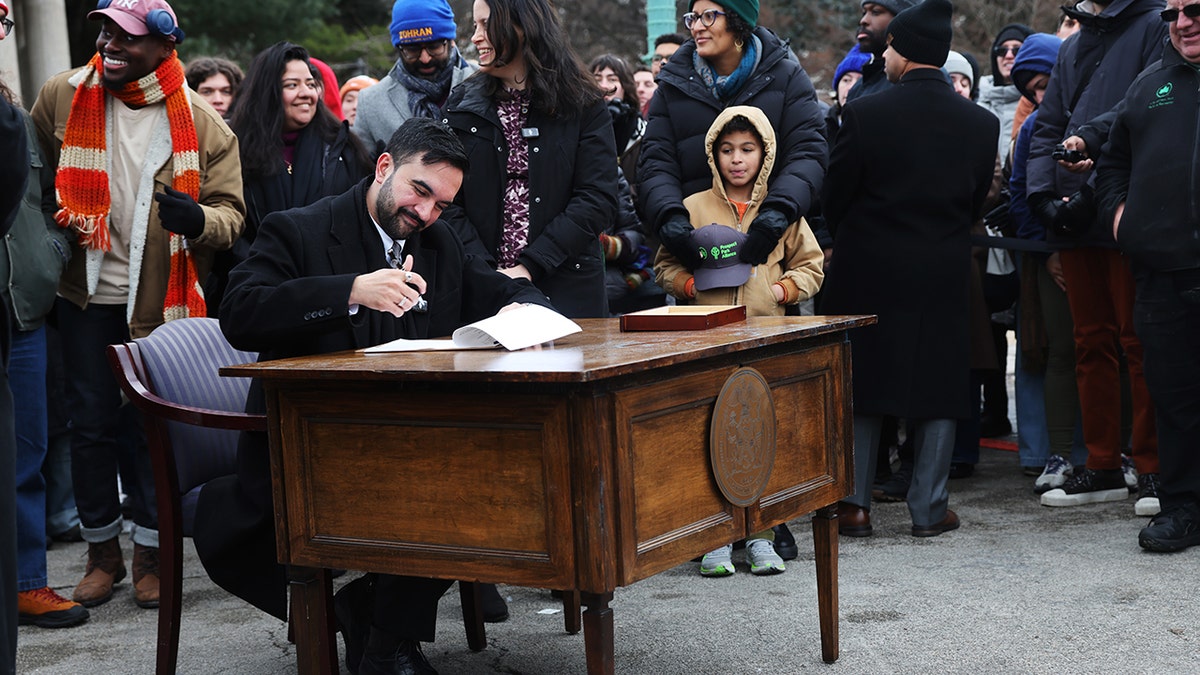
New York City Mayor Zohran Mamdani signs executive orders with campaign volunteers during an appearance at Grand Army Plaza in Brooklyn, N.Y. (Spencer Platt/Getty Images)
Mamdani said the new Office of Mass Engagement will be led by Tascha Van Auken, an organizer whose background includes national Democratic campaigns and New York City’s Democratic Socialists of America (DSA).
«Since President Obama’s first campaign in 2008 to her leadership in New York City DSA, Tascha has spent more than a decade organizing at scale,» Mamdani said.
Mamdani credited Van Auken with building the volunteer operation behind his mayoral campaign, saying she mobilized more than 100,000 volunteers who knocked on more than 3 million doors across the city.
«The work of civic engagement has existed before today. It has been a part of city government,» Mamdani said. «However, it has often been siloed in different parts of city government infrastructure, sometimes under different offices, sometimes through different initiatives.
«Part of the intent of this executive order is not just to create a new Office of Mass Engagement, but also to cohere all of the work that is already being done into one place so that we can ensure that it’s not duplicative, and it’s actually fulfilling its intent.»
MAMDANI DISPUTES ANTISEMITISM DEFINITION AMID BLOWBACK FROM JEWISH COMMUNITY ABOUT DAY 1 EXECUTIVE ORDERS
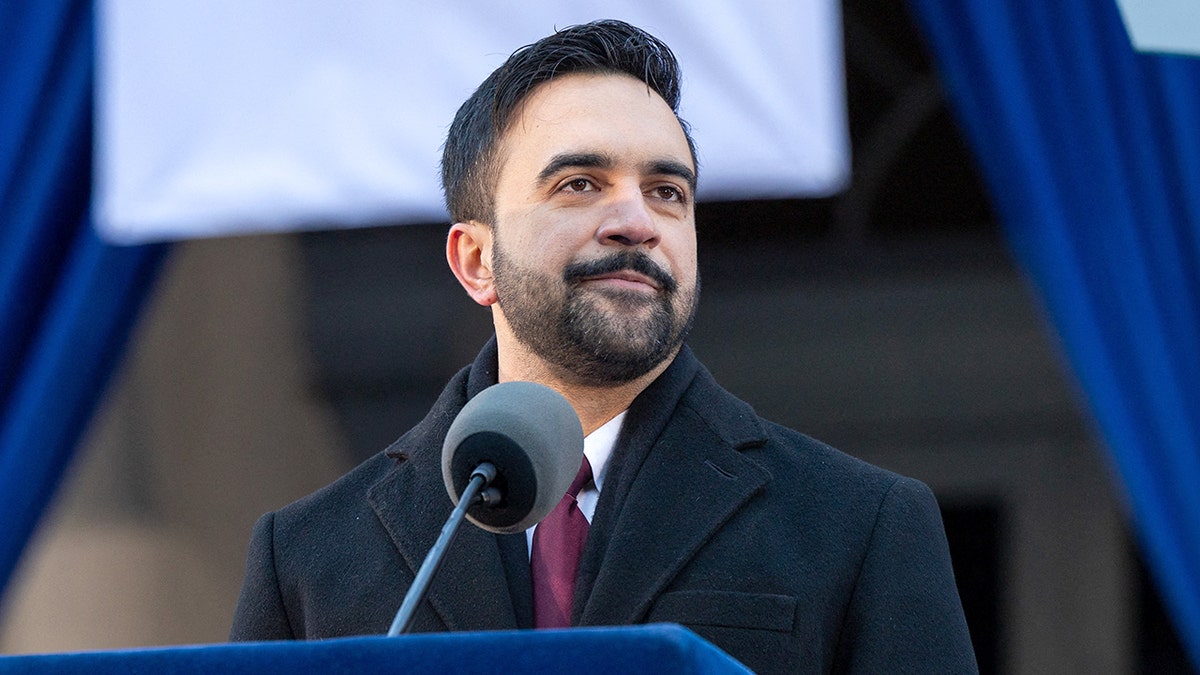
NYC Mayor Zohran Mamdani addresses the crowd during his inauguration outside of City Hall on Thursday. (Jason Alpert-Wisnia/Hans Lucas/AFP via Getty Images)
Mamdani said he wants the new office to change when public engagement happens in the policy process.
«Oftentimes, the outreach and engagement of city government is done with an intention to justify a decision that’s already been taken,» he said. «The point of this office is, however, to make decisions with a large part being what the public actually thinks about those decisions.»
Asked about budget and staffing, Mamdani said the office will initially draw from existing city employees.
«There are a number of employees within this office that are already working for the city, within previously existing offices. And then the specifics of how it will expand beyond that is something that we will be sharing later,» he said.
Mamdani rejected the idea that the office was built around re-election politics, saying it is aimed at «delivering for New Yorkers today, delivering for New Yorkers every single day. … We have an opportunity in this moment where New Yorkers are allowing themselves to believe in the possibility of city government once again. That is not a belief that will sustain itself in the absence of action,» Mamdani said.
Mamdani also pointed to another appointment announcement, saying the engagement office aligns with his decision to name Ali Najimy to lead recruitment and outreach for the Mayor’s Advisory Committee on the Judiciary.
«Too often, the ability for a New Yorker to become a judge has been determined by who they know, as opposed to the work that they do,» Mamdani said, adding that the goal is to ensure the judicial system reflects the city and «a commitment to excellence and an application of the law in a universal manner.»
CLICK HERE TO DOWNLOAD THE FOX NEWS APP
Najimy said the position would expand recruitment citywide and shape criminal and family court appointments, saying that candidates should be evaluated «on the merits of their experience, their qualifications, their commitment to public service.»
Mamdani said he does not want the new office judged by activity alone.
«We should not be measured on the number of meetings we hold or the number of surveys that are filled out,» he said. «We should, in fact, be measured by the way in which we incorporate that feedback into the decisions that we make.
Mamdani’s office did not immediately respond to Fox News Digital’s request for additional comment.
zohran mamdani,ericadams,new york city,socialism







NEWYou can now listen to Fox News articles!
Former special counsel Jack Smith used a closed-door deposition with House Republicans last month to defend his investigations into Donald Trump’s alleged effort to subvert the 2020 presidential election and his alleged retention of certain classified documents, using the hours-long testimony to forcefully dispute the notion that his team had acted politically, and citing what he described as ample evidence to support the indictments that had been levied against Trump.
«I made my decisions in the investigation without regard to President Trump’s political association, activities, beliefs, or candidacy in the 2024 presidential election,» Smith told members of the House Judiciary Committee in the Dec. 17 interview.
The interview was Smith’s first time appearing before Congress since he left his role as special counsel in 2024. And while much of the information was not new, the exchange was punctuated by sharp exchanges with Republicans on the panel, both on the strength of the case, and on his own actions taken during the course of the probe — most recently, on the tolling records his team sought from a handful of Republican lawmakers over the course of the investigation. Republicans have assailed the records as being at odds with the speech or debate clause of the Constitution.
«I made my decisions in the investigation without regard to President Trump’s political association, activities, beliefs, or candidacy in the 2024 presidential election,» Smith told the committee. «We took actions based on what the facts, and the law required — the very lesson I learned early in my career as a prosecutor.»
Republicans on the panel ultimately opted to publish the redacted transcript on New Year’s Eve, a decision that may have helped dull the impact of any news the 255-page document may have generated amid the broader hustle and bustle of the holiday season.
Here are some of the biggest moments and notable exchanges from the eight-hour hearing.
TRUMP STRIPS SECURITY CLEARANCES FROM LAW FIRM TIED TO JACK SMITH CASES
Special Counsel Jack Smith arrives to remarks on a recently unsealed indictment including four felony counts against former President Donald Trump in Washington, D.C. (Photo by Drew Angerer/Getty Images) (Drew Angerer/Getty Images)
New political tensions
Smith was tapped by former Attorney General Merrick Garland in 2022 to investigate the alleged effort by Trump and his allies to overturn the results of the 2020 election, as well as Trump’s keeping of allegedly classified documents at his Mar-a-Lago residence in Palm Beach after leaving office in 2020. Smith had brought charges against Trump in both cases.
The charges were dropped after Trump’s election, in keeping with a longstanding Justice Department policy that discourages investigating sitting presidents for federal criminal charges, and Smith resigned from his role shortly after.
If nothing else, Smith’s Dec. 17 testimony underscored just how much has changed since Trump’s reelection in 2024.
Trump, for his part, has used his first year back in office to follow through on his promises to go after his perceived political «enemies,» including by revoking security clearances of many individuals, including employees of a D.C.-based law firm that represents Smith, and taking other punitive measures to punish or fire FBI agents involved in the Jan. 6, 2021, investigation.
During his testimony last month, Smith fiercely disputed the notion that Trump’s remarks about the 2020 election results would be protected by the First Amendment.
«Absololutely not,» he said in response to a lawyer for Republicans on the House Judiciary Committee.
The lawyer then ticked through a «long list of disputed elections» in U.S. history and former presidents who have spoken out about «what they believed to be fraud,» or other issues regarding election integrity. «I think you would agree that those types of statements are sort of at the core of the First Amendment rights of a presidential candidate, right?»
«There is no historical analog for what President Trump did in this case,» Smith said immediately.
JACK SMITH SUBPOENAED FOR DEPOSITION WITH HOUSE JUDICIARY COMMITTEE
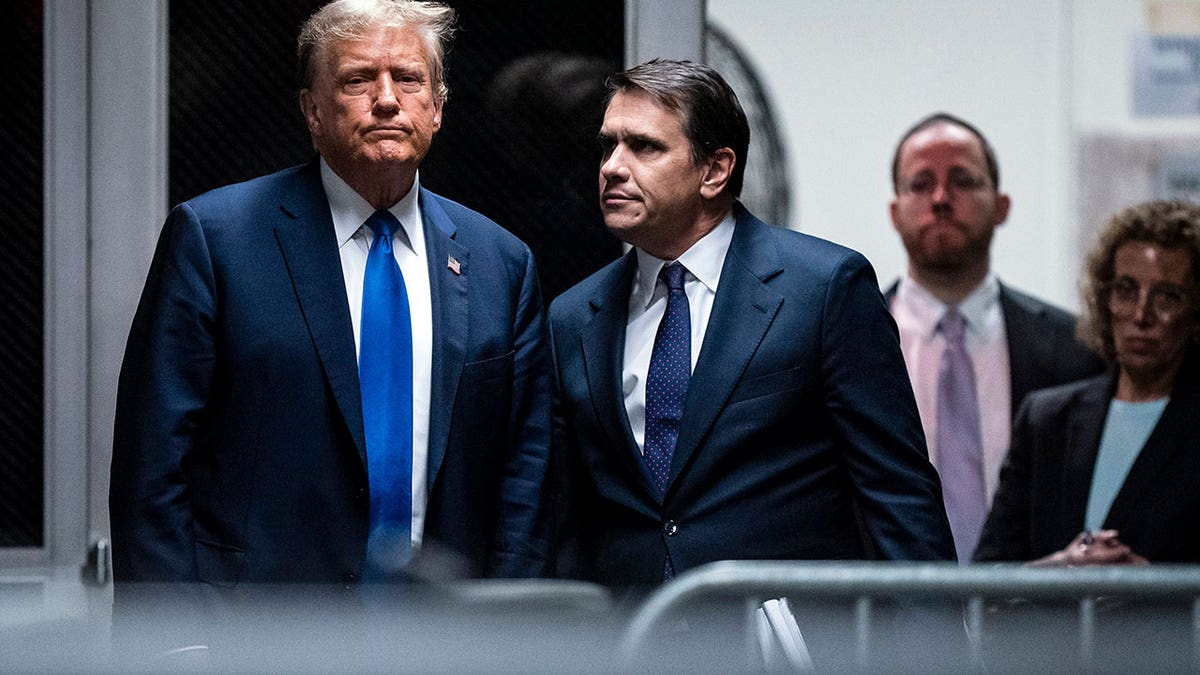
Former President Donald Trump and attorney Todd Blanche return from a lunch break in his trial at Manhattan court in New York on Thursday, April 18, 2024. (Jabin Botsford/The Washington Post via AP, Pool)
‘Powerful’ evidence
Smith told members that the special counsel ultimately gathered evidence against Trump that was, in his view, sufficient to secure a conviction.
«He made false statements to state legislatures, to his supporters in all sorts of contexts and was aware in the days leading up to Jan. 6th that his supporters were angry when he invited them, and then he directed them to the Capitol,» Smith said of Trump’ actions in the run-up to Jan. 6.
«Now, once they were at the Capitol and once the attack on the Capitol happened, he refused to stop it. He instead issued a tweet that, without question in my mind, endangered the life of his own vice president,» Smith added. «And when the violence was going on, he had to be pushed repeatedly by his staff members to do anything to quell it.»
Other possible co-conspirators had not been charged, as Smith noted at one point during the interview.
But Smith said in the testimony that his team had developed «proof beyond a reasonable doubt» that Trump «engaged in a criminal scheme to overturn the results of the 2020 election and to prevent the lawful transfer of power.»
They’d also developed what he described as «powerful evidence» that Trump willfully retained highly classified documents after leaving office in January 2021 at his private Mar-a-Lago residence, and was obstructing the government’s efforts to recover the records.
Smith’s team had not determined how to proceed for possible ‘co-conspirators’
Smith said that, when the special counsel wound down in the wake of the 2024 elections, his team had not determined whether to charge the key Trump allies who may or may not have acted as co-conspirators, including Rudy Giuliani, Sidney Powell and John Eastman.
«As we stated in the final report, we analyzed the evidence against different co-conspirators,» Smith said. Smith reiterated his allegation that Trump was «the most culpable» and «most responsible» person for the alleged attempts to subvert the 2020 election results.
He said the special counsel had «determined that we did have evidence to charge people at a certain point in time.»
But at the time the investigation was wound down, they had not made «final determinations about that at the time that President Trump won reelection, meaning that our office was going to be closed down.»
FBI OUSTS FORMER ACTING DIRECTOR, AGENT INVOLVED IN J6 PROSECUTIONS, WITH MORE EXPECTED
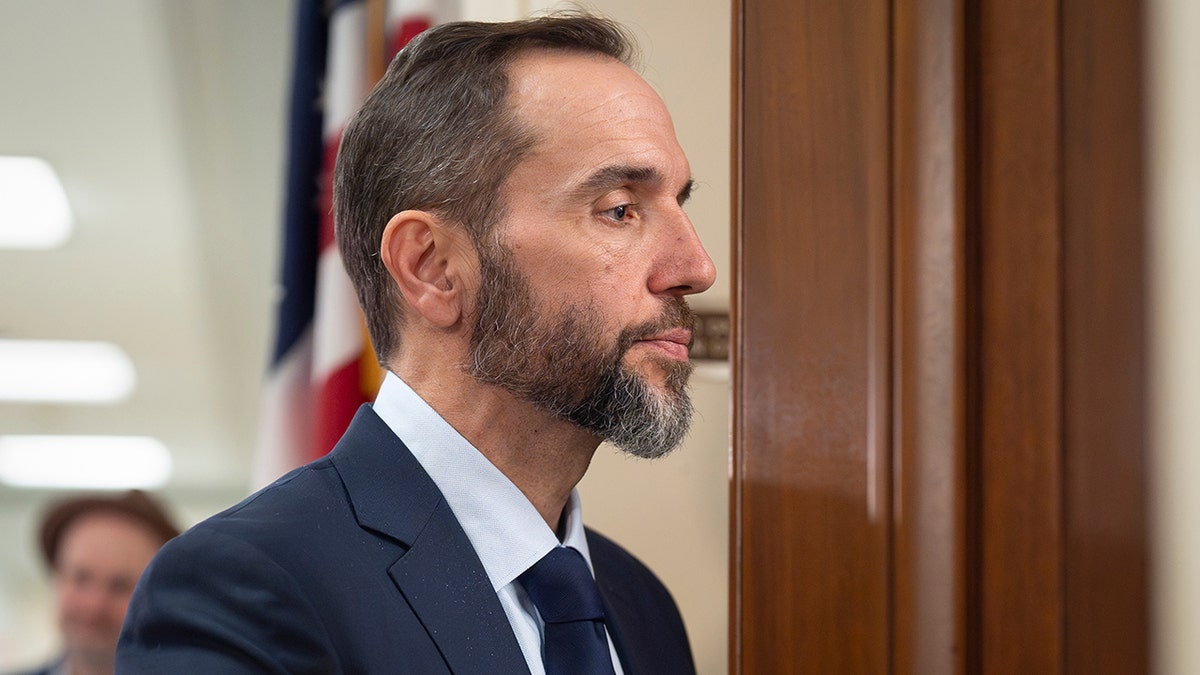
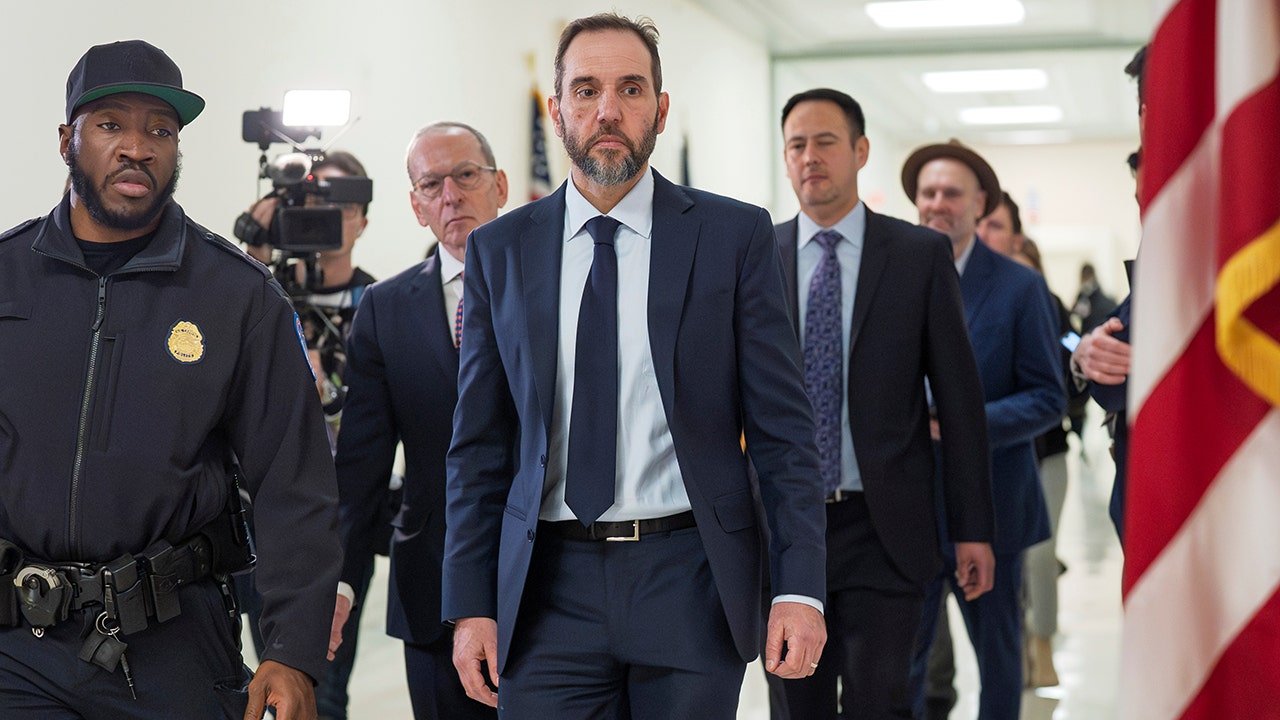
Former Department of Justice Special Counsel Jack Smith enters a room in the Rayburn House Office Building to give his deposition before the House Judiciary Committee, part of its oversight into DOJ investigations into President Donald Trump, on Capitol Hill in Washington, Wednesday, Dec. 17, 2025. (J. Scott Applewhite/AP Photo)
He lamented the ousting of DOJ, FBI officials
Smith used his opening remarks to lament the ousting of FBI agents and Justice Department officials involved in the Jan. 6 investigations.
«I am both saddened and angered that President Trump has sought revenge against career prosecutors, FBI agents, and support staff simply for doing their jobs and for having worked on those cases,» Smith said.
His remarks came after the FBI in recent months ousted a handful of personnel involved in the Jan. 6 investigations, an effort individuals familiar with the action described to Fox News at the time as an act of «retaliation.»
Thousands of FBI personnel in February were forced to fill out a sprawling questionnaire asking employees detailed questions about any role they may have played in the investigation into the Jan. 6, 2021, U.S. Capitol riots — ranging from whether they had testified in any criminal trials to when they last participated in investigation-related activity.
FBI AGENTS SUE TRUMP DOJ TO BLOCK ANY PUBLIC IDENTIFICATION OF EMPLOYEES WHO WORKED ON JAN. 6 INVESTIGATIONS
Smith’s team didn’t tell the courts that subpoenaed phone records belonged to lawmakers
Smith was grilled during the deposition about the highly scrutinized subpoenas his team issued to phone companies for data belonging to House and Senate lawmakers as part of his investigation, saying they aligned with the Justice Department’s policy at the time.
Smith said the Public Integrity Section signed off on the subpoenas, a point corroborated by records previously released by Grassley’s office.
Those records also showed that the Public Integrity Section told prosecutors to be wary of concerns lawmakers could raise about the Constitution’s speech or debate clause, which gives Congress members added protections.
The subpoenas to the phone companies were accompanied by gag orders blocking the lawmakers from learning about the existence of the subpoenas for at least one year. Smith said the D.C. federal court, which authorized the gag orders, would not have been aware that they applied to Congress members.»I don’t think we identified that, because I don’t think that was Department policy at the time,» Smith said.
Asked during the deposition about who should be held accountable for lawmakers who felt that the seizure of a narrow set of their phone data was a constitutional violation, Smith said Trump should be held accountable.
«These records are people, in the case of the Senators, Donald Trump directed his co-conspirators to call these people to further delay the proceedings,» Smith said.
CLICK HERE TO GET THE FOX NEWS APP
«He chose to do that. If Donald Trump had chosen to call a number of Democratic Senators, we would have gotten toll records for Democratic Senators. So responsibility for why these records, why we collected them, that’s — that lies with Donald Trump,» he said.
donald trump,politics,justice department,federal courts
INTERNACIONAL
🔴URGENTE – Trump aseguró que «Nicolás Maduro y su esposa han sido capturados y sacados de Venezuela»
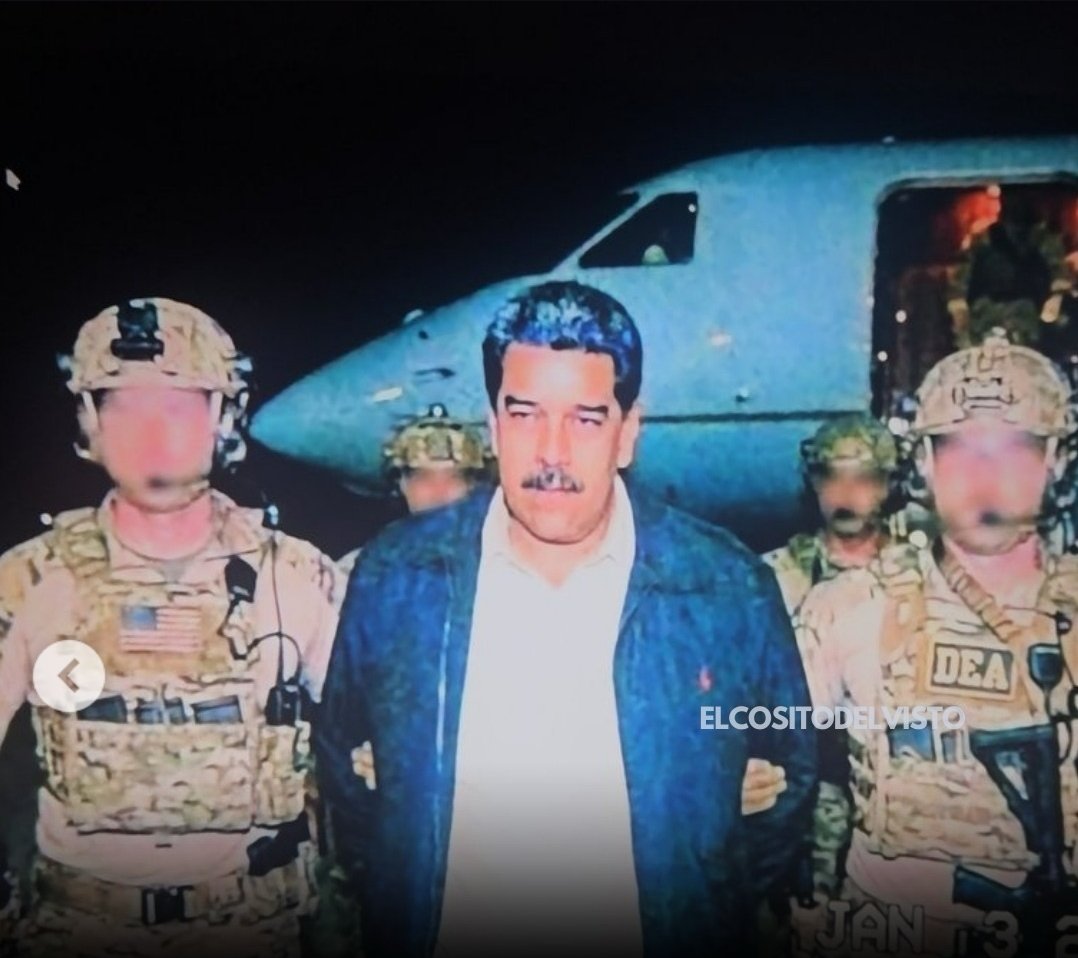
De madrugada se habían denunciado «fuertes explosiones en Venezuela», y a las 6.24 el secretario de Defensa estadounidense Pete Hegseth confirmó que el posteo de Trump sobre «la extracción de Maduro» era real. No hay mayores detalles y Trump habló de una conferencia de prensa mas tarde en Mar a Lago.
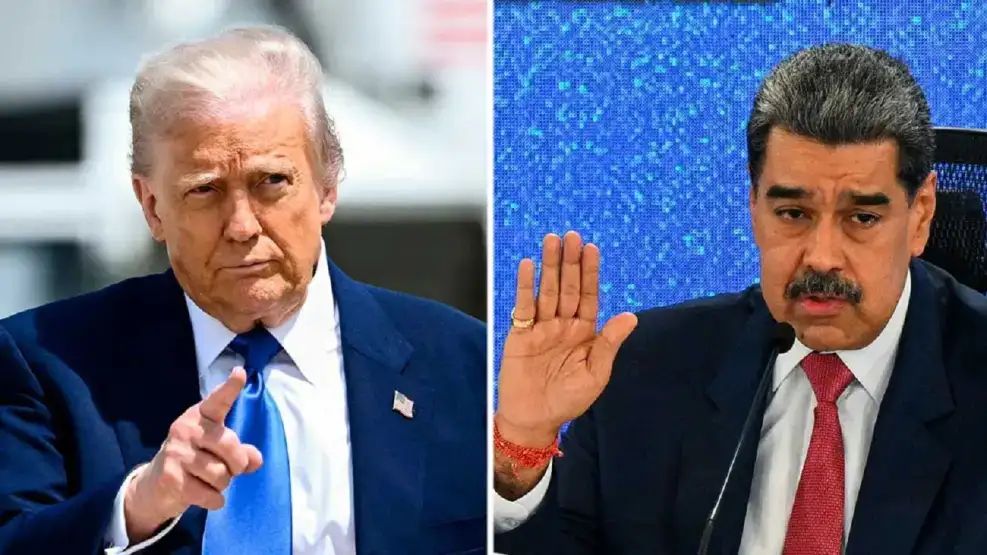
Hoy 03:43
«Grandes explosiones» se escucharon esta madrugada en distintas partes de Venezuela, y 6.21 de este sábado 3 de enero de 2026 el presidente estadounidense Donald Trump señaló en sus redes sociales que «hemos exitosamente ejecutado un ataque a gran escala contra Venezuela y su líder, el presidente Nicolás Maduro, quien ha sido junto con su esposa capturado y extraído del país»
Estos hechos conmocionantes ocurren luego que el presidente de Estados Unidos, Donald Trump -quien ya desplegó una considerable fuerza naval en el Caribe- planteara la posibilidad de realizar ataques terrestres contra el gobierno de Nicolás Maduro, e incluso asegurara que los días en el poder del líder chavista «estaban contados».
Imágenes sin verificar subidas a las redes sociales mostraban grandes incendios con columnas de humo, pero sin elementos claros que permitan ubicar con exactitud el sitio de los estallidos, que parecen ocurrir al sur y al este de la ciudad. Según AFP, a las 02H38 (06H38 GMT), pudo sentirse una nueva explosión en Caracas, mientras continuaba el sobrevuelo de aeronaves.
Esto no les gusta a los autoritarios
El ejercicio del periodismo profesional y crítico es un pilar fundamental de la democracia. Por eso molesta a quienes creen ser los dueños de la verdad.
Maduro, en una entrevista que se conoció el jueves pasado, afirmó: «El sistema defensivo nacional ha garantizado y garantiza la integridad territorial, la paz del país y el uso y disfrute de todos nuestros territorios».
Noticia en desarrollo.
INTERNACIONAL
La Diablada de Píllaro: la fiesta de demonios que cada enero reinventa la identidad andina de Ecuador
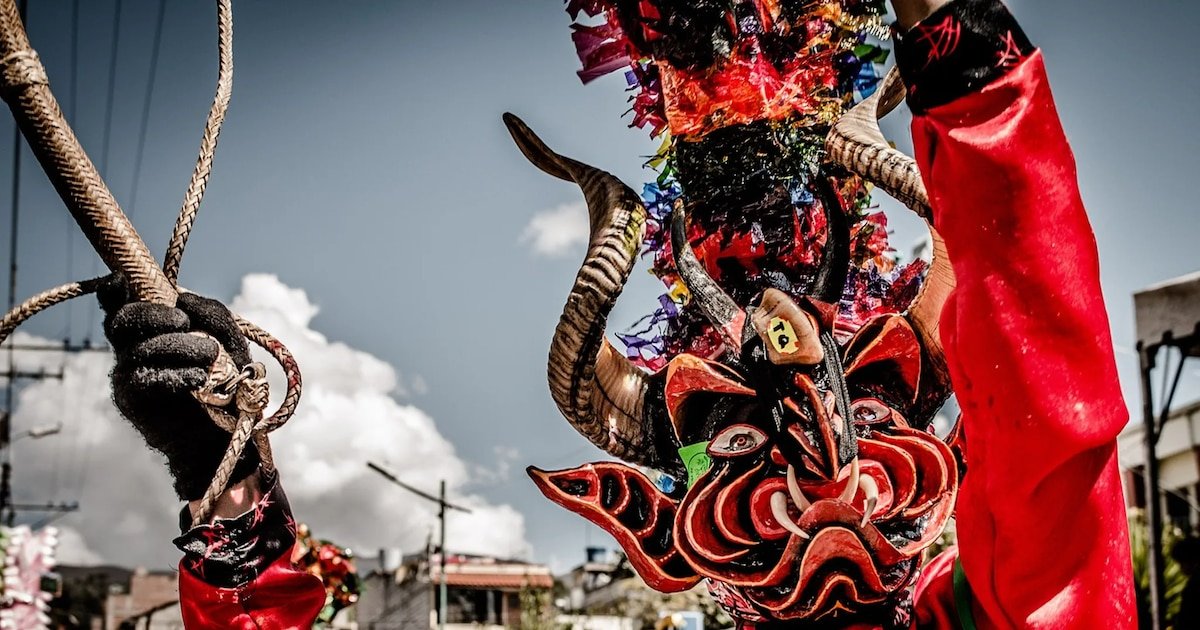
Cada año, entre el 1 y el 6 de enero, una pequeña ciudad andina del centro de Ecuador se transforma por completo. Las calles de Píllaro, en la provincia de Tungurahua, se llenan de figuras demoníacas de enormes cuernos, máscaras rojas y negras, música estridente y danzas ininterrumpidas que se prolongan durante horas. No se trata de una celebración religiosa en el sentido tradicional ni de un carnaval al uso. Es la Diablada de Píllaro, una de las manifestaciones culturales más singulares del país y, al mismo tiempo, una de las menos conocidas fuera de sus fronteras.
Para un observador extranjero, la escena puede resultar desconcertante: diablos bailando en pleno Año Nuevo, familias enteras disfrazadas, niños y adultos compartiendo el mismo rito, y una comunidad que parece celebrar al demonio. Sin embargo, la Diablada no exalta el mal ni la transgresión religiosa. Al contrario, es una fiesta de identidad, memoria y renovación, profundamente arraigada en la historia local y en las formas de resistencia cultural de los pueblos andinos.
El origen de la Diablada de Píllaro se remonta a la época colonial y está envuelto en varias versiones transmitidas oralmente. Una de las más difundidas sostiene que los indígenas de la zona se disfrazaban de diablos como forma de burla y protesta frente a los abusos de los hacendados y la imposición religiosa española.

Vestirse de demonio era, en ese contexto, una manera simbólica de rechazar el poder colonial y apropiarse de aquello que la Iglesia condenaba. Otra versión atribuye el nacimiento de la tradición a conflictos entre comunidades vecinas, cuando jóvenes pillareños se disfrazaban de diablos para ahuyentar a pretendientes foráneos que cortejaban a las mujeres del pueblo. Más allá de la anécdota, todas las narraciones coinciden en un punto: la Diablada nació como un acto de resistencia y afirmación colectiva.
Con el paso del tiempo, aquella expresión espontánea se convirtió en una celebración estructurada que ha sobrevivido durante más de un siglo. En 2009, el Estado ecuatoriano la declaró Patrimonio Cultural Inmaterial, reconociendo su valor histórico y simbólico.

Desde entonces, lejos de folklorizarse o diluirse, la fiesta ha ganado fuerza y participación, consolidándose como un ritual identitario que atraviesa generaciones.
La Diablada se celebra durante seis días consecutivos, del 1 al 6 de enero. En ese periodo, más de una decena de comunidades rurales y barrios de Píllaro organizan comparsas, conocidas localmente como partidas, que recorren las principales calles del cantón. Cada partida puede reunir entre cientos y miles de participantes. No hay espectadores pasivos: el pueblo entero se involucra, ya sea bailando, tocando música, preparando comida o recibiendo a los visitantes.

El personaje central es el diablo pillareño, fácilmente reconocible por su máscara artesanal. Estas máscaras, elaboradas a mano con papel, engrudo y secadas al sol, se adornan con cuernos y colmillos reales de animales, además de pintura brillante y rasgos exagerados. No hay dos iguales. Cada una es una obra única que puede tardar meses en completarse y que refleja la creatividad de su portador. El traje suele ser rojo, con flecos dorados, capa, medias del mismo color y un látigo que acompaña los movimientos del baile.
Pero la Diablada no es solo de diablos. A su alrededor aparecen otros personajes que completan la escena: las guarichas, hombres disfrazados de mujer que representan la picardía y la abundancia; los capariches, que barren simbólicamente el camino para “limpiar” las malas energías del año anterior; las parejas de línea, que bailan de forma continua y coordinada durante todo el recorrido; y figuras cómicas que interactúan con el público. Cada rol tiene un significado y una función dentro del ritual colectivo.
La música es constante. Bandas populares interpretan ritmos tradicionales andinos como sanjuanitos, albazos y pasacalles, marcando el paso de los bailarines durante horas. El baile no se detiene: es parte esencial del sentido de la fiesta. En la cosmovisión andina, moverse, danzar y hacer ruido es una forma de activar la vida, de espantar la desgracia y de empezar el nuevo ciclo con energía.

Desde el punto de vista simbólico, la Diablada funciona como un rito de renovación. Los participantes “entregan” al diablo las penas, conflictos y frustraciones del año que termina, para iniciar uno nuevo con esperanza. Por eso se celebra en enero, en coincidencia con el calendario cristiano, pero desde una lógica cultural propia, marcada por el sincretismo entre creencias indígenas y tradiciones coloniales.
En las últimas décadas, la Diablada de Píllaro también se ha convertido en un potente atractivo turístico. Miles de visitantes nacionales y extranjeros llegan cada año atraídos por la singularidad del evento. La ciudad alcanza ocupación hotelera plena, los restaurantes y comercios locales incrementan sus ingresos y la fiesta se proyecta como una vitrina cultural del Ecuador andino. Sin embargo, para los pillareños, el turismo es un efecto secundario, no el objetivo principal. La prioridad sigue siendo mantener viva la tradición y transmitirla a las nuevas generaciones.
corresponsal:Desde Quito

Javier Milei celebró el anuncio de Trump sobre la captura de Maduro: «La libertad avanza»

Key takeaways from Jack Smith’s testimony to House Judiciary Committee

¡Conmovedor! Miriam Lanzoni confesó que le diagnosticaron psoriasis: «Noches enteras sin dormir envuelta en un film»

“Es la volcada del año”: la jugada que hizo enloquecer a los fanáticos en la victoria de Chicago Bulls ante Orlando Magic

🔴URGENTE – Trump aseguró que «Nicolás Maduro y su esposa han sido capturados y sacados de Venezuela»

La productividad del trabajo aumenta por la reducción del ausentismo, según datos oficiales

Sueldo empleada doméstica: cuáles son los nuevos montos por hora y mes para enero 2026

Documento clave: la empresa de Faroni pactó con la AFA quedarse con el 30% de sus ingresos comerciales en el exterior

El mensaje de Año Nuevo de Javier Milei: “Hemos cumplido con todas nuestras promesas de campaña”

El Gobierno avanza en un REPO por u$s2.000 millones para enfrentar los vencimientos de deuda

 POLITICA2 días ago
El mensaje de Año Nuevo de Javier Milei: “Hemos cumplido con todas nuestras promesas de campaña”
- SOCIEDAD2 días ago
Apagón masivo en el AMBA: el servicio no se restablece del todo y hay miles de usuarios que aún no tienen luz
- CHIMENTOS2 días ago
Con ironía, Juana Repetto contó por qué no fue al casamiento de su hermano: “Entendí todo”