INTERNACIONAL
US gains leverage over Canadian oil, weakens China amid US plans to overhaul Venezuelan oil market


NEWYou can now listen to Fox News articles!
The Trump administration’s plans to revitalize the Venezuelan oil market puts the United States at an advantage over Canada and serves to weaken China, according to energy experts.
Conservative politicians, including the leader of Canada’s conservative opposition party, are calling on Canadian Prime Minister Mark Carney to approve a new Pacific coast pipeline to help aid the country’s oil exports to overseas markets, amid fears that the United States’ involvement in Venezuela’s market will significantly impact the competitiveness of Canadian oil. Canadian lawmakers are concerned that increased oil exports from Venezuela to the United States, which is Canada’s largest oil purchaser, will displace oil from Canada, forcing the country to drop its prices in order to stay competitive.
Meanwhile, experts have added that the U.S. involvement in Venezuela’s oil market will also serve to weaken China.
«This is going to be bad for all petrostates, and Canada is basically a petrostate,» Energy and Environment Legal Institute’s Steve Milloy, a former fossil fuel industry lobbyist, told Fox News Digital.
TRUMP TELLS SCARBOROUGH US WILL KEEP VENEZUELA OIL WHEN PRESSED ON IRAQ COMPARISONS
A «petrostate» is a term used to describe a nation whose government and economy heavily rely on revenue from oil and natural gas exports.
Donald Trump fist-bumps next to images of the Canadian and Chinese flags. (Getty Images)
«Canada, like all petrostates — Iran, all of OPEC, all those people — are going to be at our mercy,» Milloy added.
The leader of Canada’s conservative opposition party, Pierre Poilievre, said in a letter to Carney Tuesday, that the country needs to «move millions of barrels a day to overseas markets» in order to reduce Canada’s «dependence» on the United States’ oil market.
«Venezuela’s re-entry to American markets means time is running out,» Poilievre told Carney in his letter, arguing «our sovereignty depends» on buffering the Canadian oil markets from the United States’ influence amid its plans to go into Venezuela and overhaul its oil.
«Recent events surrounding Venezuelan dictator Nicolás Maduro emphasize the importance that we expedite the development of pipelines to diversify our oil export markets, including a new Indigenous co-owned bitumen pipeline to BC’s northwest coast to reach Asian markets,» Alberta Premier Danielle Smith also said Monday.
But, according to Carney, Canadian oil will remain «competitive,» citing its «clearly low risk» and «low cost» due to the country’s stable governance, Reuters reported Tuesday. «That makes Canadian oil competitive for the medium and long term,» Carney said. «We welcome the prospect of greater prosperity in Venezuela, but we also see the competitiveness of Canadian oil.»
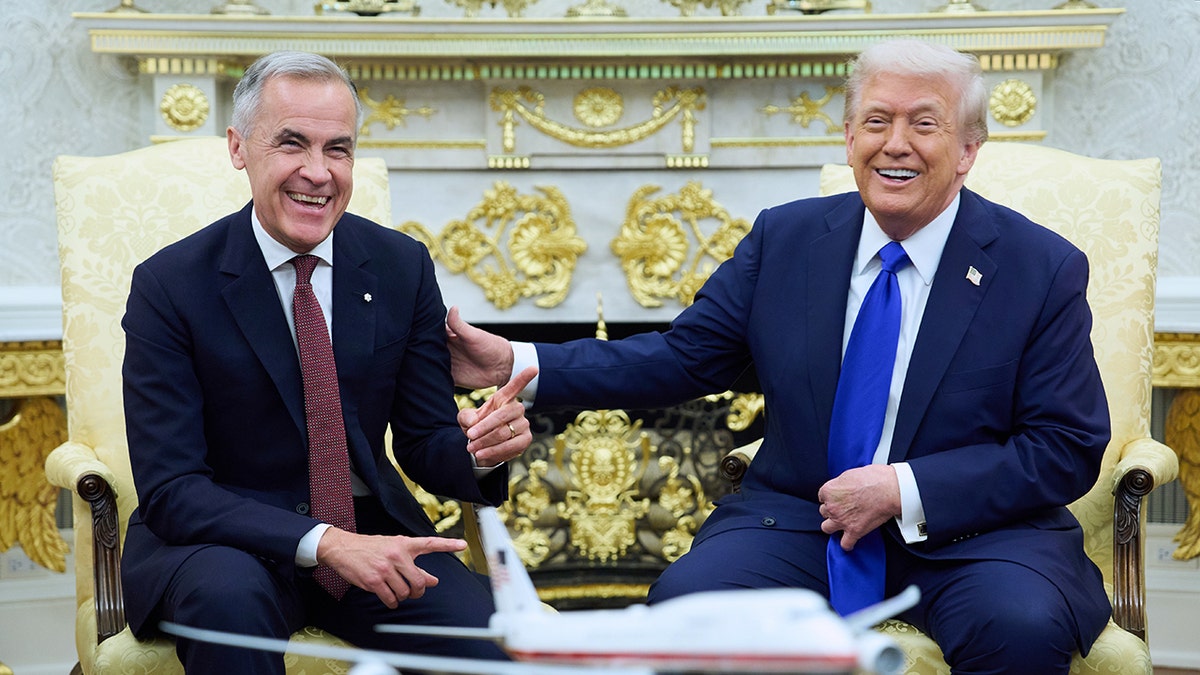
President Donald Trump meets with Canadian Prime Minister Mark Carney in the Oval Office of the White House, on Tuesday, Oct. 7, 2025, in Washington. (Evan Vucci/The Associated Press)
3 KEY TAKEAWAYS FROM TRUMP’S PUSH TO PUT US OIL FIRMS BACK IN VENEZUELA
However, Milloy argued that if Canada is «forced to sell cheaper oil» it will significantly impact the country’s ability to generate revenue. But, Milloy also noted, it is also slightly «premature to say what’s going to happen just yet» as it will take time for the impact of the United States’ intervention in Venezuela’s oil market to take shape.
«There’s a lot yet to be worked out,» Milloy said.
In addition to Canada, Milloy suggested that President Donald Trump’s decision to go into Venezuela and take over its oil market also helps the United States’ leverage over China.
«Another important factor is that a lot of Venezuelan oil went to China,» he pointed out.
«China is basically oil poor, and that’s why China has been trying to electrify everything. They have a lot of nuclear power there, they’re running as much solar and wind as they can because they’re oil poor, they don’t have natural gas and and they need to insulate themselves when they do something stupid like invade Taiwan,» Milloy said. «If they’re dependent on oil and gas, the global market will just shut down. There will be an embargo, and they’ll be screwed. So they’re trying to electrify everything as much as possible — the trucks, the cars, just everything. And this is just another lever on China … They were buying their oil from Venezuela, probably at a cut-price, and that’s going to end. Trump said he would sell oil in China, but it’s not going to be a cut-price.»
CLICK HERE TO DOWNLOAD THE FOX NEWS APP
That sentiment was also echoed by U.S. Oil and Gas Association President Tim Stewart.
«Long term, what this does now, is it puts 40% of the entire production in the world under the U.S. security umbrella — that’s from Alberta to Argentina. And it completely resets the global geopolitical world in terms of the U.S.’s ability to project its interests across the world. We can do things internationally without having an immediate price spike in crude,» Stewart told Fox News.
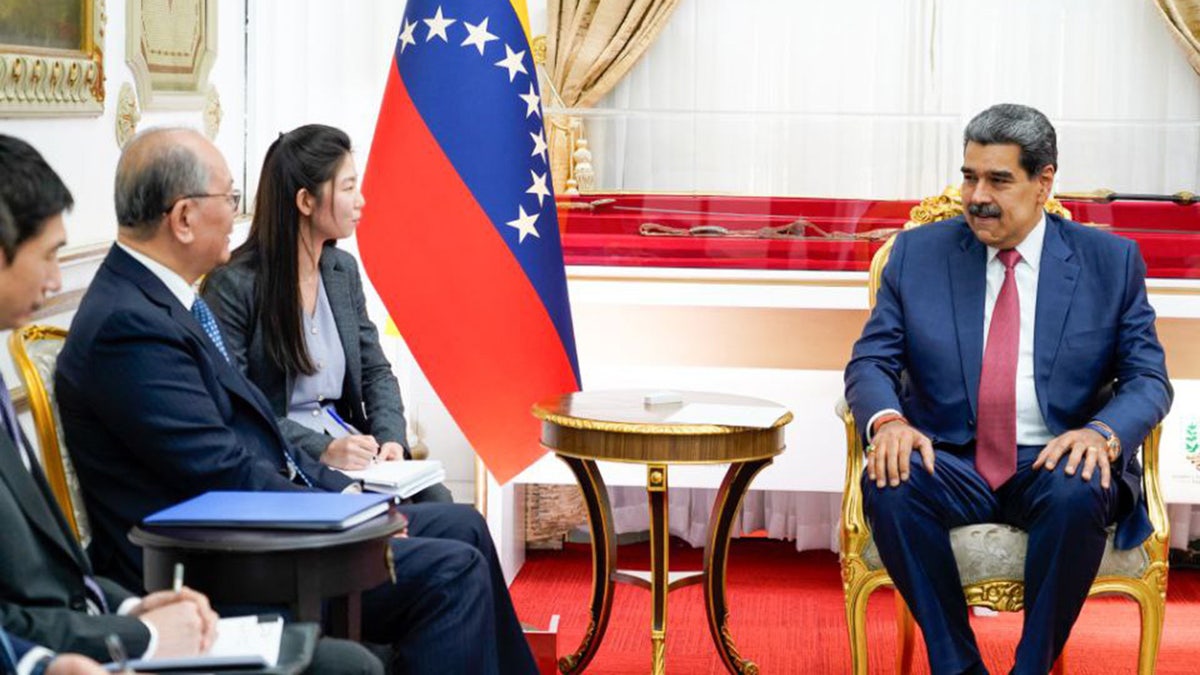
Venezuelan President Nicolas Maduro, right, meets with Qi Xiaoqi, Special Envoy of President Xi Jinping, in Caracas, Venezuela, Jan. 2, 2026. (Presidency of Venezuela/Handout/Anadolu via Getty Images)
«Venezuela is the poster child for the Belt and Road Initiative. The numbers I saw with Venezuela now is about $20 billion to China over just the course of the last few years, and that’s largely backed by crude shipments,» Stewart continued. «What this says to China is ‘I’m sorry, but your failure to plan with good borrowing partners does not constitute our financial obligation.’ It also sends a message to China, ‘Hey get out of our hemisphere.’ … (China) takes about 80% of Venezuela’s crude right now so it’s going to have a big impact on them.»
energy in america,canada,china,economy,energy,venezuelan political crisis












NEWYou can now listen to Fox News articles!
«The water bill went up. The light bill went up. Now property taxes — what exactly are we doing here?»
This was one of many cries of worry and frustration voiced by New York City residents at a recent public meeting, where they said that Mayor Zohran Mamdani’s policies since taking office have made life more expensive. The backlash is significant as Mamdani, like many Democrats who swept into office in November, campaigned explicitly on making life more affordable for constituents.
It’s not just in New York. Like Mamdani, Democratic Virginia Gov. Abigail Spanberger campaigned as a vocal critic of Republican economic policies. Now, she is facing voter outrage as costs in the Old Dominion continue to rise, and an economic climate that is increasingly seen as hostile to businesses drives away some of the biggest contributors to the tax base.
The trend underscores mounting political risk for Democrats, who will now need to demonstrate that they’re keeping their promises ahead of the midterms.
New York’s ‘one-two wealth destruction punch’
Democratic New York City Mayor Zohran Mamdani placed affordability at the center of his campaign to lead America’s largest city. (Andrew Lichtenstein/Corbis/Getty Images)
In New York City — the world’s financial capital and home to nearly 9 million — rising costs have national consequences.
Residents say Mamdani is backtracking on campaign promises to lower housing costs, pointing to a proposed property tax hike, rising water bills and higher electricity costs as signs that life is only getting more expensive.
With the city’s housing market already under strain, where demand far exceeds available supply, critics say Mamdani’s proposed rent freeze could discourage new construction, tighten inventory and push prices higher over time.
MAMDANI BUDGET POURS MILLIONS INTO DEI OFFICES AND CUTS 5,000 NYPD JOBS

For tenants and homeowners, Mamdani’s changes could mean fewer housing options and higher costs over time. (Adam Gray/Bloomberg/Getty Images)
«Economists — whether they are on the right or on the left — essentially are in universal agreement that when the government implements price controls in the rental market, you end up with housing shortages,» said E.J. Antoni, chief economist at the Heritage Foundation.
Antoni argued the city’s affordability challenges are largely policy-driven. «If we look at the ways in which New York City is more expensive than other places around the country, it is chiefly due to bad public policy that has imposed those costs,» he said, adding that «doubling down on those government failures will only make it worse.»
Edward Pinto, a senior fellow and co-director of the AEI Housing Center at the American Enterprise Institute, said Mamdani’s proposal to freeze rents and increase property taxes in New York would be a «one-two wealth destruction punch.»
MAMDANI’S ESTATE TAX PLAN COULD DRIVE WEALTH OUT OF STATE, CRITICS WARN

Economists warn that Mamdani’s housing proposal will exacerbate affordability issues in the nation’s largest city. (Beata Zawrzel/NurPhoto/Getty Images)
«The rent freeze would drive multifamily property values down and the increase in property taxes would drive both multifamily and single-family values down. At the same time, the construction of new supply would contract and property upkeep would diminish as repairs are deferred and improvements are not made,» Pinto said.
For tenants and homeowners, those shifts could translate into fewer housing options and higher long-term costs.
When asked about Mamdani’s latest proposal — an estate tax plan that could pull middle-class families into a levy long aimed at the wealthy — Pinto warned it would deal a new blow to the city.
«This proposal would destroy NYC’s wealth in a different manner,» Pinto said. «This estate tax proposal will mistreat capital and result in the voluntary exodus of NYC residents and their wealth to places like Florida and Tennessee,» he added.
Virginia: ‘Particularly determined to raise the tax burden’
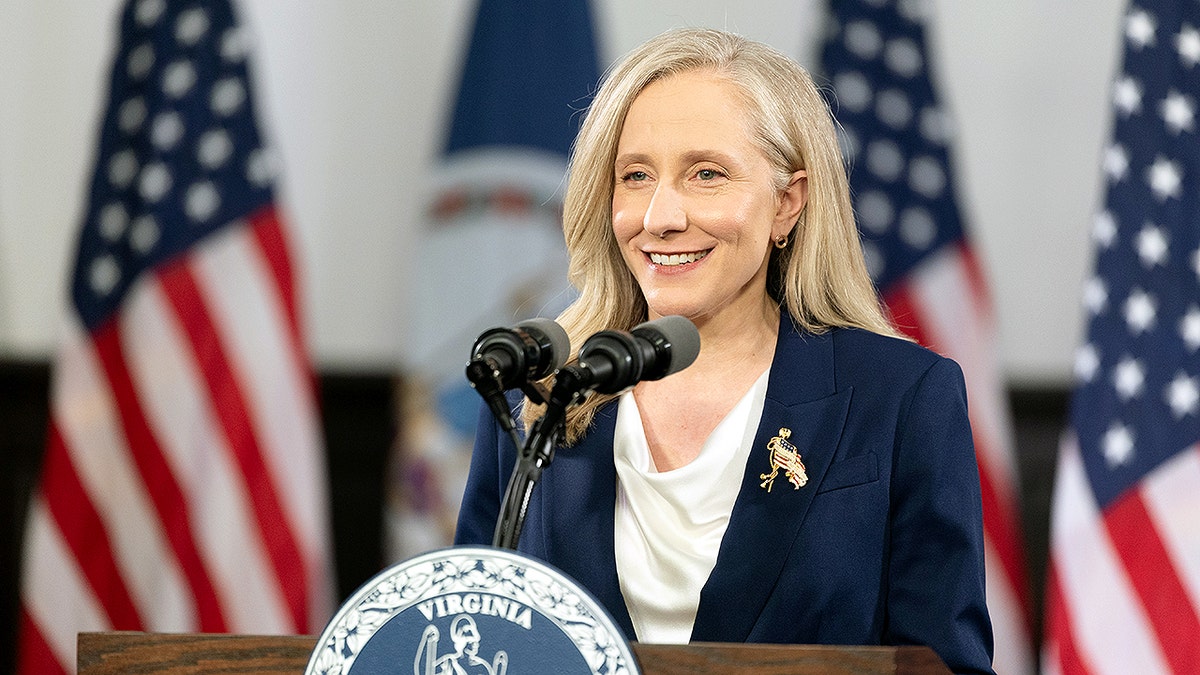
Virginia Gov. Abigail Spanberger offers the Democratic response to the State of the Union. (Mike Kropf/Getty Images)
Despite the fact that Spanberger campaigned on affordability in Virginia, lawmakers from her party in Richmond are advancing a sweeping set of tax proposals that will raise costs for residents and businesses.
They propose more than 50 taxes targeting income, investment and everyday economic activity, from joining a gym to bringing pets to the groomers.
«This is part of a broader picture we’re seeing across blue states,» said Jack Salmon, a research fellow at the Mercatus Center at George Mason University focusing on tax and fiscal policy. «These states seem particularly determined to raise the tax burden on their highest-earning taxpayers.»
At the center are changes to Virginia’s tax structure. One bill would raise top income tax rates to as high as 10%, while another would impose a 3.8% tax on investment income.
CONSERVATIVE STATES SEE LOWER INFLATION THAN LIBERAL ONES NATIONWIDE, WHITE HOUSE DATA SHOWS
For some high earners, those levies could stack — pushing rates to 13.8% and moving Virginia closer to high-tax states.
Lawmakers are also considering a range of new taxes and fees across the economy, from higher sales taxes and levies on deliveries and rideshare services to taxes on everyday services like repairs, gym memberships, dry cleaning and dog grooming, along with new taxes on large employers.
Adding to the strain are rising energy costs. A Dominion Energy rate hike that took effect Jan. 1 reflects, in part, the costs of transitioning to offshore wind under the Virginia Clean Economy Act (VCEA) — a policy that could result in higher utility bills for customers.
Spanberger has also moved to rejoin the Regional Greenhouse Gas Initiative (RGGI), a carbon pricing program her predecessor, Republican Gov. Glenn Youngkin, exited — a move critics warn will increase the burden on household energy bills.
CLICK HERE TO DOWNLOAD THE FOX NEWS APP
The mounting costs are already drawing concern from business leaders. Aerospace giant Boeing plans to move its headquarters from Virginia to Missouri, a shift expected to hit the state’s tax base and business climate.
Even if the immediate fiscal impact is limited, the loss of high-paying headquarters jobs and the spending they support is expected to erode tax revenues and create ripple effects across the local economy, from reduced consumer spending to weaker demand for services.
With costs rising and frustration mounting, voters will soon decide whether those promises still hold — or whether change is coming in November.
Mamdani and Spanberger’s office did not respond to Fox News Digital’s requests for comment.
zohran mamdani, new york city, abigail spanberger, taxes, midterm elections

El Ejército de Israel asegura haber matado a unos 850 miembros del grupo chií Hezbollah en el Líbano, donde las autoridades elevan el total de fallecidos a alrededor de 1.250 desde que comenzaron los ataques israelíes al país.
“Hemos eliminado a más de 850 terroristas de Hezbollah. De ellos, 230 de la Fuerza Radwan (el cuerpo de élite de la organización)”, dijo durante una videoconferencia ante los medios el portavoz castrense Nadav Shoshani.
El Ministerio de Salud libanés elevó el lunes a 1.247 los muertos en el país por ataques israelíes, entre ellos 124 niños. En los últimos días Israel ha bombardeado hasta en tres ocasiones de forma deliberada ambulancias y centros médicos, matando a al menos 52 personas.
Otro ataque en el sur del Líbano mató recientemente a los periodistas Ali Shaib y Fatima y Mohamed Fatuni. Mientras que el Ejército israelí ha asegurado que el primero pertenecía a Hezbollah sin publicar pruebas verificables, aún no se ha pronunciado sobre los dos últimos.
El portavoz aseguró que el grupo chií ha disparado contra Israel hasta 5.000 municiones, entre drones, y misiles, que han matado hasta el momento a dos civiles israelíes en el norte del país.
Además, diez soldados han muerto en la operación terrestre en el sur del Líbano desde que Israel profundizó su invasión del sur del país hace un mes. Los últimos cuatro, anunciados este martes.
Hasta el momento, cinco divisiones del Ejército operan en el sur del Líbano, según el diario The Times of Israel: la 162 hace incursiones y la 146 tiene una posición defensiva en el área occidental; la 91 y la 36 mantienen ofensivas en la parte oriental y la 210 está posicionada en el Monte Dov (en la frontera entre los Altos del Golán sirios, ocupados, y el Líbano).

Una sexta, la 98 se prepara para desplegarse en el país vecino en el marco de la expansión anunciada por el Gobierno israelí de la “zona de seguridad” en el sur del Líbano, en referencia al territorio que ocupa militarmente para las operaciones de las tropas.
“En muchos casos actuamos en zonas fronterizas, pero en algunos casos llevamos a cabo redadas y operaciones selectivas en otras aldeas”, aseguró el portavoz.
Por su parte, el primer ministro de Israel, Benjamin Netanyahu, ha afirmado este martes que la ofensiva lanzada a finales de febrero junto a Estados Unidos contra Irán se encuentra ya a “medio camino”, pero ha descartado matizar una fecha concreta para su fin.
En este sentido, ha aclarado durante una entrevista con la cadena de televisión estadounidense Newsmax que los objetivos de la guerra “se han superado más allá del ecuador” a pesar de rechazar “fijar un calendario” concreto para que los ataques terminen
Netanyahu ha insistido en que el objetivo principal de esta guerra son las “reservas de uranio enriquecido” de Irán y se ha mostrado optimista en lo referente a la ofensiva conjunta, la cual considera que “ha aportado avances significativos en el proceso de desmantelamiento de las capacidades iraníes”.
Además, ha aclarado que el objetivo “más importante” es “impedir que Teherán adquiera armas nucleares”. “Hemos superado el ecuador en cuanto al éxito de la misión”, ha recalcado, al tiempo que ha citado “éxitos” como el “debilitamiento de la infraestructura militar, nuclear e industrial de Irán”.

“Ya hemos mermado su capacidad balística, destruido fábricas y eliminado a científicos nucleares clave”, ha incidido el primer ministro israelí, que ha añadido que estos esfuerzos han hecho “retroceder de forma significativa las ambiciones” iraníes.
Es por ello que ha subrayado que la campaña militar “no solo tiene como objetivo debilitar a Irán en el presente sino también prevenir un futuro mucho más peligroso”. “Están buscando armas nucleares y los medios para lanzarlas contra ciudades estadounidenses”, ha advertido, no sin antes destacar que “de eso trata esta guerra, de evitar ese desenlace”.
El mandatario israelí ha aseverado que la fase actual de la operación se centra en “retirar el uranio enriquecido de Irán, un paso clave que podría detener de forma permanente su capacidad para fabricar un arma nuclear. La atención se centra en sus reservas de uranio enriquecido”, ha sostenido, al tiempo que ha matizado que el propio presidente estadounidense, Donald Trump, ha exigido que el material sea retirado del país y entregado a terceros.
(Con información de EFE)
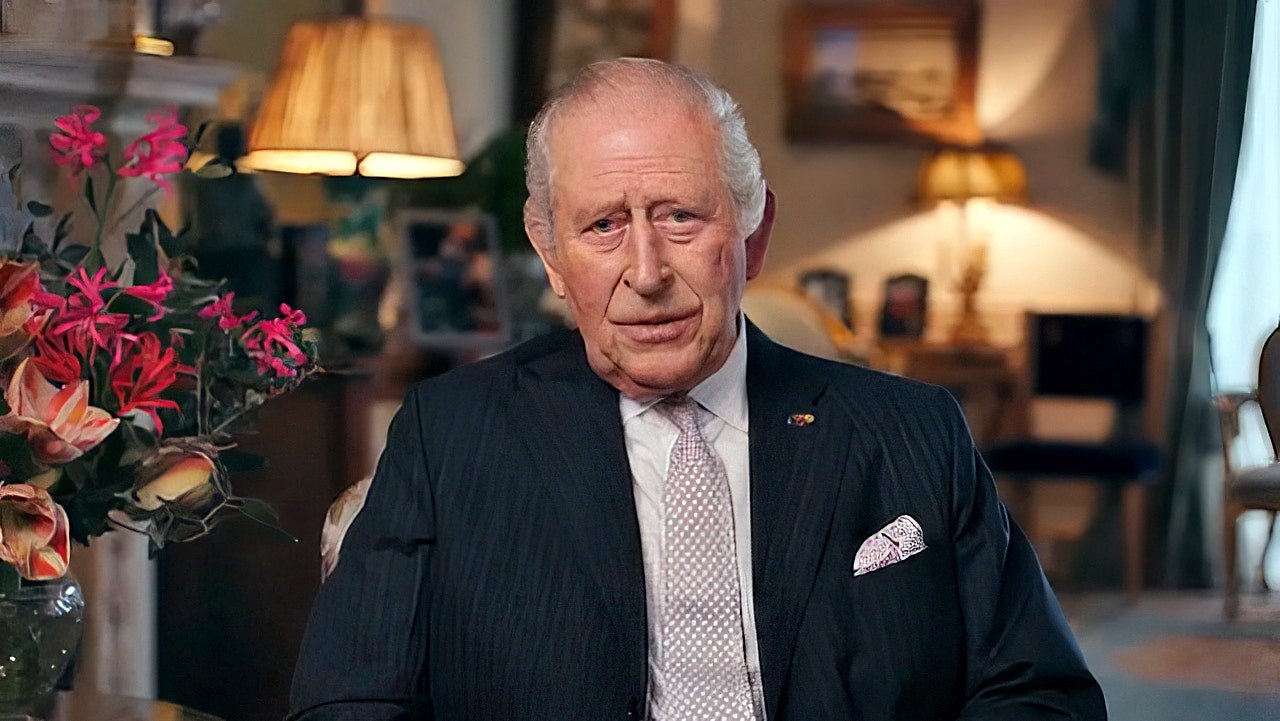
NEWYou can now listen to Fox News articles!
King Charles III and Queen Camilla will visit the United States next month to mark the 250th anniversary of American independence, according to Buckingham Palace.
Officials said the trip will highlight historic ties and the modern bilateral relationship between the two nations, with full details of the itinerary to be announced closer to the visit.
CLICK HERE TO DOWNLOAD THE FOX NEWS APP
This is a developing story. Please check back for updates.
british royals

La Justicia confirmó que el Gobierno debe cumplir con la ley de financiamiento universitario

Tiroteo en Santa Fe, en vivo: comenzó el cortejo fúnebre para trasladar los restos de Ian Cabrera

Mega data centers en la Patagonia: promesas millonarias y alerta por la falta de regulación

El Santos de Neymar moderniza su estadio de Vila Belmiro para recibir a San Lorenzo

Dems who ran on affordability now face backlash as costs climb in NY, Virginia

Pelea Milei-Tapia pasó a los sueldos: AFA avaló un aumento del 12,5% y rompió el techo paritario

Máximo Kirchner salió al cruce de Milei y Macri tras el fallo por YPF a favor de la Argentina

La secretaria del piloto denunció que el amigo de Adorni la hostiga y la justicia dispuso medidas

El Gobierno cambia su propuesta de reforma: endurece penas para delitos comunes, pero no para los casos de corrupción

¡DERIVA ECONÓMICA Y SOBERBIA POLÍTICA! El abismo entre el «relato oficial» y la realidad de una clase media que no aguanta más

 POLITICA3 días ago
Máximo Kirchner salió al cruce de Milei y Macri tras el fallo por YPF a favor de la Argentina
- POLITICA3 días ago
La secretaria del piloto denunció que el amigo de Adorni la hostiga y la justicia dispuso medidas
- POLITICA2 días ago
El Gobierno cambia su propuesta de reforma: endurece penas para delitos comunes, pero no para los casos de corrupción