INTERNACIONAL
El Ártico enfrenta una nueva era de extremos climáticos: los hallazgos de un estudio internacional


En el corazón del Ártico, donde durante siglos la vida siguió ciclos naturales entre el hielo y la tundra, científicos detectaron un fenómeno que cambia la historia ambiental de la región. El Ártico entró en una nueva era de extremos climáticos, una realidad que afecta ya a millones de kilómetros cuadrados de ecosistemas y amenaza la vida de plantas, animales y comunidades humanas. Así lo concluye una investigación internacional publicada en la revista Science Advances.
La imagen del Ártico como un territorio de hielos eternos y estaciones predecibles está quedando atrás. Un equipo de investigación impulsado por el Instituto Meteorológico de Finlandia (FMI), con apoyo de la Universidad de Sheffield, analizó más de setenta años de registros atmosféricos para rastrear el avance de los cambios climáticos en la región.
Los resultados muestran que los eventos climáticos extremos han aumentado de manera notable en las últimas tres décadas, modificando patrones que durante siglos parecían estables.

Los autores del estudio detectaron que olas de calor, heladas fuera de temporada y episodios de lluvia sobre nieve se han vuelto más frecuentes y severos. El informe atribuye este escenario a una aceleración del calentamiento regional.
El Ártico se está calentando entre tres y cuatro veces más rápido que el promedio mundial, lo que genera condiciones inéditas y obliga a las comunidades y ecosistemas a adaptarse a marchas forzadas.
Gareth Phoenix, profesor de Ecología de Plantas y Cambio Global en la Universidad de Sheffield, explicó que “la frecuencia de eventos extremos ha aumentado de manera abrupta en el Ártico. En un tercio del territorio, estos fenómenos recién empezaron a presentarse en las últimas décadas”. Esta transformación, que afecta tanto a la temperatura como a la estacionalidad, está reconfigurando el equilibrio del norte polar.

Los datos expuestos subrayan que nuevos patrones estacionales y extremos climáticos alteran la dinámica de supervivencia de especies adaptadas al frío polar. Uno de los ejemplos más preocupantes es la creciente frecuencia de lluvia sobre nieve, que ya incide sobre más del 10% de la superficie terrestre del Ártico. Este fenómeno provoca la formación de capas de hielo que bloquean el acceso de los renos a los líquenes, su fuente principal de alimento durante el invierno.
Juha Aalto, investigador del FMI, señaló que nunca antes se había abordado de modo tan exhaustivo “cómo los factores bioclimáticos extremos modifican la vida y el funcionamiento de los ecosistemas del norte”.
El informe puntualiza que estas alteraciones no afectan únicamente a la flora y fauna, sino que repercuten en el tejido social y económico de la región. Según describió Phoenix: “Estos eventos pueden causar la muerte de plantas en grandes extensiones y provocar alta mortalidad en animales, como los renos, lo que también perjudica los medios de vida de los pueblos indígenas”.

El alcance de las consecuencias va más allá del ambiente natural. El cambio en los ciclos de nieve y temperatura impacta en las rutas migratorias, la reproducción de especies y la viabilidad de las prácticas tradicionales de las comunidades originarias.
Esta presión constante obliga a modificar estrategias de subsistencia y pone a prueba la capacidad de adaptación de culturas que dependen de la estabilidad ambiental.
El análisis presentado identifica regiones donde los efectos del cambio climático resultan especialmente pronunciados. Escandinavia occidental, el archipiélago ártico canadiense y Siberia central se han convertido en focos de transformación acelerada. Allí, la combinación de modificaciones estacionales y extremos meteorológicos lleva los ecosistemas a situaciones límite, sin antecedentes en los registros previos.
Al menos un nuevo tipo de evento extremo afecta ya a un tercio de la superficie terrestre del Ártico. Esta tendencia obliga a las instituciones científicas y a los gobiernos a contar con información actualizada y específica para planificar respuestas adecuadas. El monitoreo constante del bioclima emerge como herramienta clave, tanto para anticipar riesgos sobre la biodiversidad como para diseñar estrategias de adaptación social.

El estudio destaca que la aparición de “zonas críticas” se vincula con la interacción entre cambios en las estaciones y el surgimiento de extremos meteorológicos, lo que multiplica los desafíos para la resiliencia de la región.
La capacidad de anticipar y responder a estos fenómenos se convierte en un factor decisivo para la protección de la naturaleza y las comunidades.
El impacto del cambio climático en el Ártico transciende sus fronteras. La región funciona como un reservorio natural de carbono y su degradación puede comprometer la capacidad global para mitigar el calentamiento. Phoenix advirtió que “el daño también afecta a quienes no viven en la región, ya que puede comprometer la capacidad del Ártico para frenar el cambio climático”.
El trabajo científico utilizó datos de reanálisis atmosférico, una técnica que integra observaciones reales con simulaciones por computadora. Esta metodología resulta vital en zonas remotas, donde las mediciones directas son escasas. Gracias a este enfoque, los especialistas lograron identificar patrones recientes y evidenciar que los ecosistemas del Ártico enfrentan condiciones nunca antes experimentadas, con consecuencias potencialmente profundas en el equilibrio ecológico y social.
icebergs,Ártico,cambio climático,deshielo,océano,naturaleza,medio ambiente,crisis climática,paisaje polar,hielo










INTERNACIONAL
Russian missile strike kills 10 in Ukraine as Trump says ‘hatred’ between countries complicating peace deal
NEWYou can now listen to Fox News articles!
A Russian ballistic missile strike on a residential building in Kharkiv, Ukraine, killed at least 10 people, including two children, and wounded 16 others Saturday, officials said.
The strike was part of a broader overnight assault in which Russia launched 29 missiles and 480 drones targeting Ukrainian energy infrastructure, with damage reported in Kyiv and at seven other locations across the country, according to President Volodymyr Zelenskyy.
Zelenskyy called for an international response following the attack.
«There must be a response from partners to these savage strikes against life. I thank everyone who will not remain silent. Russia has not abandoned its attempts to destroy Ukraine’s residential and critical infrastructure, and therefore support must continue,» he said in a post on X.
The ruins of an apartment building burn following a Russian missile attack in Kharkiv, Ukraine, on Saturday. (Andrii Marienko/AP Photo)
«We count on active work with the European Union to guarantee greater protection for our people,» he added. «I am grateful to everyone who helps strengthen our protection.»
Preliminary Ukrainian data showed air defense systems downed 19 missiles and 453 drones, while nine missiles and 26 strike drones hit 22 locations.
Russia’s Defense Ministry said the strikes targeted Ukrainian military factories, energy facilities and air bases.
TRUMP SAYS ‘HATRED’ BETWEEN PUTIN, ZELENSKYY BLOCKING UKRAINE PEACE DEAL

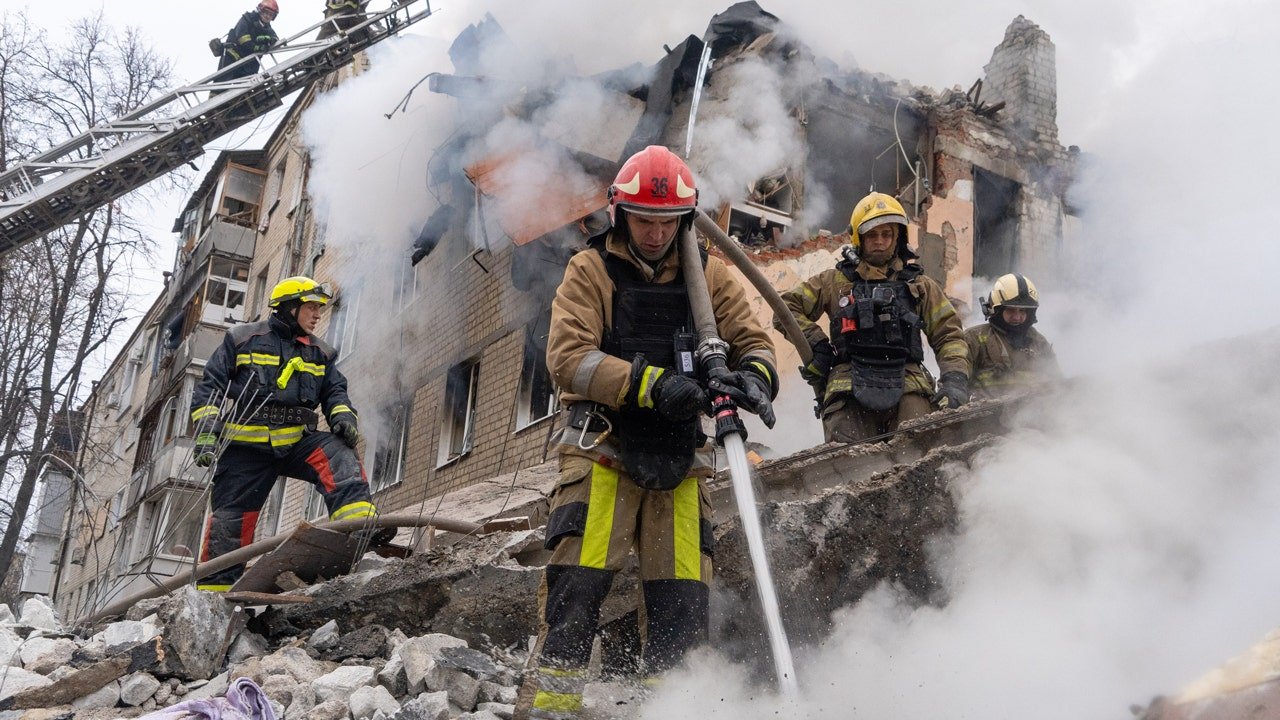
Ukrainian firefighters work at the scene of an apartment building following a Russian missile attack in Kharkiv, Ukraine, Saturday. (Andrii Marienko/AP Photo)
Speaking Saturday at the Shield of the Americas Summit in Doral, Florida, President Donald Trump said the «hatred» between Russia and Ukraine was complicating efforts to reach a peace deal.
«It’s so great that, you know, Ukraine, Russia, you’d think there would be a little bit of camaraderie, [but] there’s not. And the hatred is so great. It’s very hard for them to get there. It’s very, very hard to get there. So we’ll see what happens,» Trump said. «But we’ve been close a lot of times and one or the other would back out.»
«But we’re losing, you know, they’re losing, you know, doesn’t really affect us very much because we’ve got an ocean separating. I’m doing it as a favor to Europe, and I’m doing it as a favor to life because they’re losing 25,000 souls,» Trump added. «Think of that every month. 25,000. Last month, 31,000. Both sides, 31,000 people died, mostly soldiers.»
CLICK HERE TO DOWNLOAD THE FOX NEWS APP
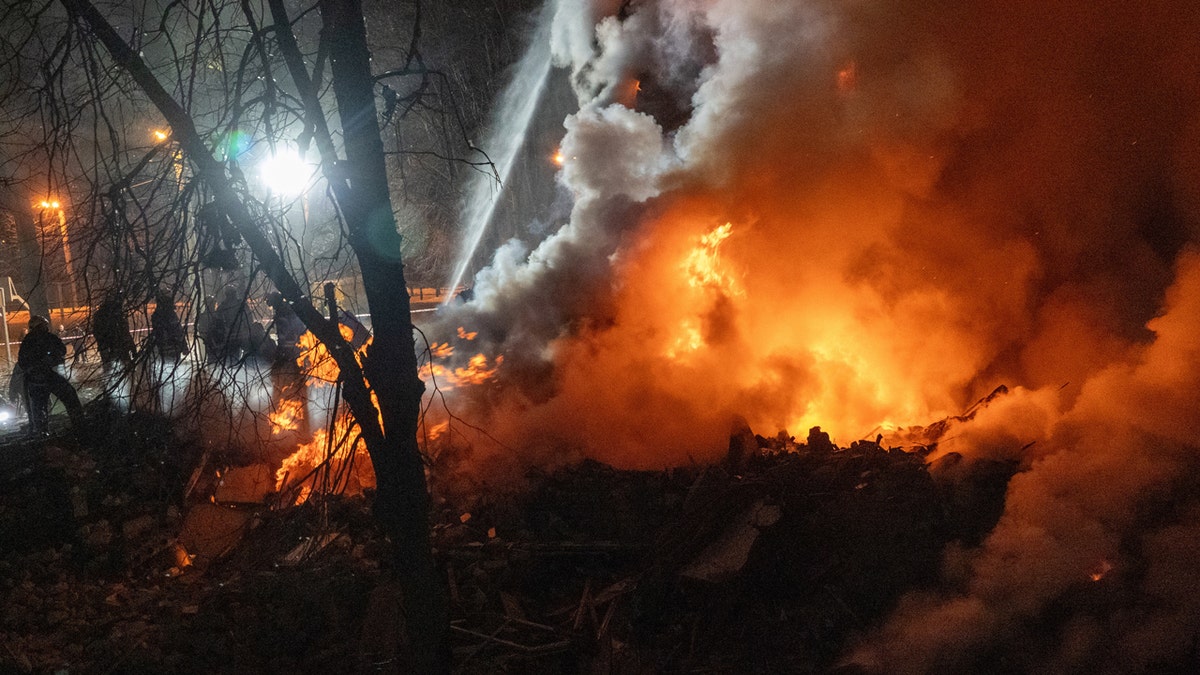
Firefighters tackle a fire in an multi-story apartment building following a Russian missile attack in Kharkiv, Ukraine, Saturday. (Andrii Marienko/AP Photo)
Last month, Zelenskyy told Fox News that Russia is trying «to play with the president of the United States» and stalling U.S.-brokered efforts to end the war.
Fox News Digital’s Greg Norman-Diamond and The Associated Press contributed to this report.
Related Article

volodymyr zelenskyy,ukraine,russia,wars,military,world
INTERNACIONAL
GOP senators say Trump’s strikes ‘significantly degraded’ Iran but emphasize attacks not ‘forever wars’
NEWYou can now listen to Fox News articles!
PALM BEACH, Fla. — One week into the U.S. and Israeli attacks on Iran, two Republican senators on the Senate Armed Services Committee say the military operation has «degraded» Tehran’s ability to strike back.
But in exclusive interviews with Fox News Digital, senators Rick Scott of Florida and Ted Budd of North Carolina emphasized the fighting will not lead to U.S. involvement in «forever wars» in the volatile Middle East.
«Our military is doing a great job,» Scott said. Pointing to Iran, he added, «They want to destroy America. We’ve got to stop them.»
Budd highlighted that «we have significantly degraded Iran’s ability to shoot back at us. … Their capacities are degraded. We’ve had great success.»
Budd and Scott spoke while attending an economic conference in Florida hosted by the Club for Growth, an influential and politically potent conservative group that pushes for fiscal responsibility.
President Donald Trump, who called for Iran’s «unconditional surrender,» said Saturday that Tehran will be «hit very hard» and warned the U.S. is considering «areas and groups» not previously considered as targets.
Over the past week, Operation Epic Fury has widened in scope as Iran has retaliated against a growing number of nations in the region. This week, the Republican-controlled House and Senate, in separate votes nearly entirely along party lines, rejected moves by Democrats to restrict the president’s ability to steer the fighting.
WHAT COULD COME NEXT IN THE ATTACKS ON IRAN
The president said Thursday in an interview with Axios he should be involved in choosing Iran’s next leader. Iranian Supreme Leader Ayatollah Ali Khamenei was killed in the initial strikes against Iran a week ago.
And there are concerns among many on the right that the strikes against Iran could lead to prolonged American military involvement in the region, which Trump has repeatedly campaigned against during his three runs for the presidency.
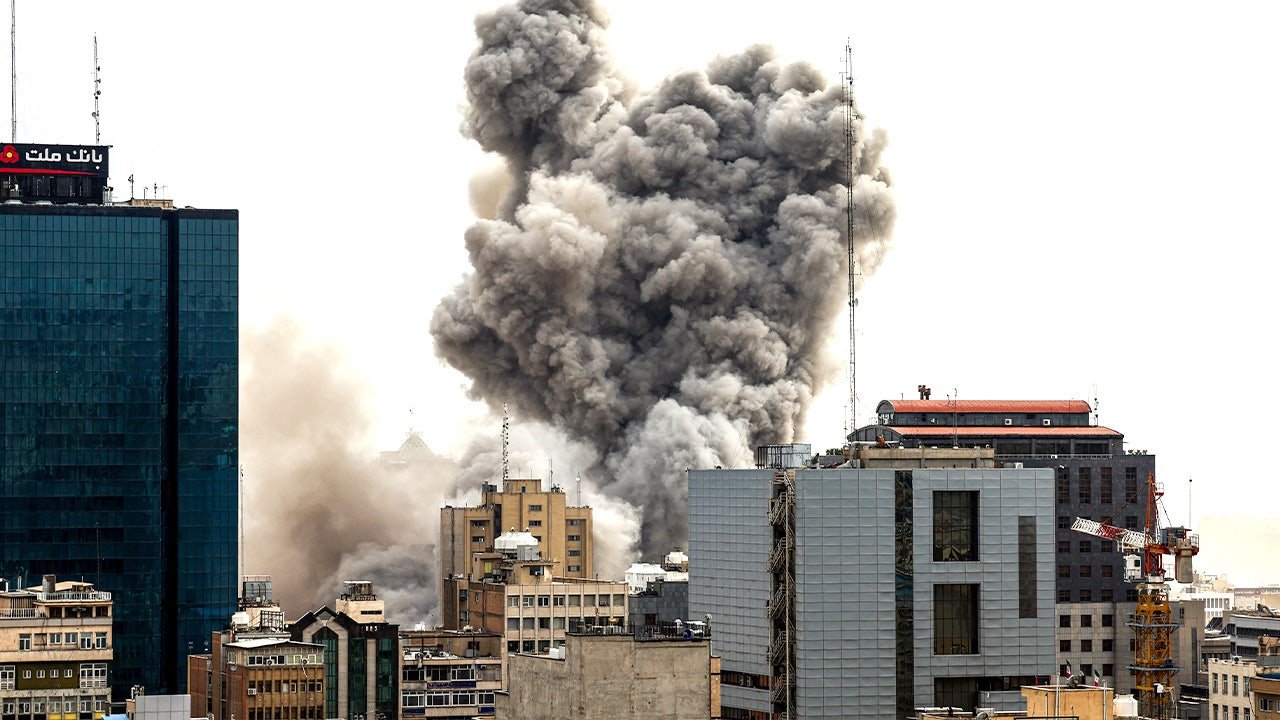
It’s been one week since the U.S. and Israeli launched military strikes against Iran. (Contributor/Getty Images)
«Trump doesn’t want to be in forever wars. Every time I’ve talked to him, he doesn’t want that,» Scott said. «But I think what we do want to make sure we don’t have another Ayatollah that wants to … chant ‘Death to America’ and ‘death to our allies’ and try to destroy us.»
Budd added that «we’re not up for forever wars. We want to get in, get this thing done, get out and have peace for our country and the rest of the region.»
The latest Fox News national poll indicated that American voters are divided on the U.S. and Israeli strikes on Iran even as a majority sees the country as a security risk.
Sixty-one percent of those questioned viewed Iran as a danger to the U.S., according to the survey conducted Feb. 28-March 2. But that concern did not translate into majority support for the current U.S. military action, as 50% approved and 50% disapproved.
Support for the attacks was lower in national polling from other news organizations.
But the Fox News poll and the other surveys indicated widespread support among Republicans.
«Trump’s doing the right thing. He’s saving American lives by making sure that Iran does not have a nuclear weapon or ballistic missile. So, he’s doing the right thing,» Scott emphasized.
Budd added, «I’m very excited [about] what President Trump’s done. … The goal is American prosperity and American safety, and that’s what President Trump wants.»
Oil prices have shot up since the start of the fighting, instantly resulting in higher costs for gasoline across America. That’s a major concern for Republicans as they aim to keep control of the House and Senate majorities in this year’s midterm elections.

A driver refuels a vehicle at a Wawa gas station in Media, Pa., March 2, 2026. Oil and gas prices have shot up in the past week amid the strikes against Iran. (Matthew Hatcher/Bloomberg/Getty Images)
«Hopefully it’s all going to be short term. Hopefully … the demolition of the Iranian military will happen quickly and actually will get lower oil prices,» Scott said.
CLICK HERE TO DOWNLOAD THE FOX NEWS APP
Budd acknowledged «we are going to have some short-term disruptions.»
But the senator was optimistic that «very soon we’ll have gas prices much cheaper than ever before. We were already on that pathway. President Trump is all about stability. He’s all about the price of oil.»
donald trump,war with iran,iran,ted budd,republicans,middle east foreign policy,defense
INTERNACIONAL
Trump amenaza a Irán con una «destrucción total» y advierte que habrá muchos más muertos



Existe un RTS que merece el mismo destino que Age of Empires. Los fans sueñan con que Microsoft se lo dé con un remaster digno

Argentina puede surfear la tensión global pero hay que ser selectivo: cómo invertir

Sofía Pachano relató el impacto que tuvo en Aníbal la llegada de su hijo: “Le salvó la vida”

Malas noticias para Dibu: Emiliano Martínez podría ser sancionado en Inglaterra por promocionar casa de apuesta

Cómo es el exclusivo club de golf de Donald Trump en Miami en el que tendrá un nuevo encuentro con Javier Milei

Russian missile strike kills 10 in Ukraine as Trump says ‘hatred’ between countries complicating peace deal

El hijo adoptivo de José María Muscari tomó una tajante decisión de vida a los 18 años

¡Interna total! Pablo Layus explotó y blanqueó quiénes son los que arruinan Intrusos: «Te matan»

Javier Milei habló de la crisis con la vicepresidenta: “No quiero la renuncia de Victoria Villarruel”

El desafortunado comentario de Yanina Zilli contra Daniela de Lucía, tras la muerte de su padre: “Jugamos con lo personal”

 POLITICA2 días ago
Javier Milei habló de la crisis con la vicepresidenta: “No quiero la renuncia de Victoria Villarruel”
- CHIMENTOS3 días ago
El desafortunado comentario de Yanina Zilli contra Daniela de Lucía, tras la muerte de su padre: “Jugamos con lo personal”
- CHIMENTOS2 días ago
Ian Lucas se hartó de las mentiras de Evangelina Anderson y confirmó que fueron novios: “Ella me da vergüenza”