INTERNACIONAL
David Bowie por siempre: 6 canciones que resumen una obra extraordinaria


Definir a David Bowie lo limita, pero aquí va un intento. Transformó y se transformó a lo largo de cinco décadas, en 26 discos de estudio que operan como testimonio de cada uno de sus períodos de mutación. “Camaleónico” es un adjetivo que surge inmediatamente, aunque no alcanza.
En los años 60 del siglo XX, alcanzó notoriedad gracias a su capacidad para adoptar personalidades distintas y probar géneros variados. Creció en un suburbio londinense carente de recursos, ambiente donde jamás llegó a sentirse parte. Su inclinación por lo artístico superó cualquier otra vía y lo llevó a formarse en mimo con el bailarín y actor Lindsay Kemp, además de buscar inspiración en artistas como el comediante Anthony Newley y el cantautor Jacques Brel. Estas referencias pretenden reafirmar una imagen de su obra: aunque proyectaba la imagen de un “Gran Artista” fascinado por el potencial creativo del rock, en esencia elegía la variedad de las artes porque le ofrecía mayor libertad que cualquier alternativa explorada. Tal vez eso explique, un poco aunque sea, quién fue David Bowie.
Después, claro, están sus canciones. Esta es una selección arbitraria de 6 temas que, década por década, sirven para entender esos caminos de transformación.
Esta canción en los días de julio de 1969 cuando el mundo estaba conmocionado por la llegada del hombre a la Luna, es una historia sobre un astronauta ficticio -el “Major Tom”, tal vez antecedente del “Capitán Beto” de Luis Alberto Spinetta-. Melancólica y sugerente, su sonido se aleja del music hall del fallido álbum debut hacia un tipo de folk psicodélico que recién alumbraba en el Reino Unido. Como tal, fue una de las composiciones musicalmente más complejas que jamás haya escrito. Y no solo fue el tema que catapultó su carrera, sino que también ha sido, tal vez, su canción más influyente de todos los tiempos.
Bowie contó en una entrevista en 2003 que se inspiró al ver la película 2001: Odisea del espacio de Stanley Kubrick, admitiendo que estaba muy drogado cuando fue a verla varias veces, y que fue ahí donde finalmente encontró el flujo para componer la canción. A lo largo de los 5 minutos 18 segundos que dura, narra la experiencia de un astronauta que pierde contacto con la Tierra tras completar su órbita y queda a la deriva en el espacio. Bowie alterna las voces (su voz) hasta asumirse como el mismísmo Mayor Tom. Reinventándose: esa profunda desconexión con el resto del mundo que concluye con la sentencia “Y no hay nada que yo pueda hacer”. Deja que su propio destino tome el curso final de su vida. Como es tan usual de escuchar ahora: icónica.
Otra canción de la nutrida colección “espacial” de Bowie, fue publicada como single del álbum Hunky Dory, solo dos años después del aterrizaje del Apolo 11 en la Luna. A pesar de su apariencia de balada, impulsada por un piano ornamentado y un delicado acompañamiento orquestal, encierra un universo de intensa emoción y belleza singular en apenas cuatro minutos de música pop. Inicia con el piano y la voz de Bowie, desarrollando progresiones armónicas cada vez más sofisticadas que intensifican la tensión hasta desembocar en un estribillo de corte cinematográfico.
Aunque la melodía resulta cadenciosa y casi inofensiva, la letra se adentra en la exploración de la mente humana, provocando una reflexión sobre política, corrupción, percepción, realidad, concepción y existencia. Frente a la dificultad de definir qué es exactamente, resulta más sencillo precisar lo que no es: bajo su disfraz de inocente canción de amor, plantea interrogantes sin ofrecer soluciones y evita cualquier tipo de respuesta evidente. Así era Bowie, por cierto.
La colaboración con Nile Rodgers -el rey del funk como guitarrista y compositor de Chic– que marcó el ingreso de lleno de Bowie en los años 80, es una de las mejores canciones bailables de todos los tiempos (al final y al cabo, eso es lo que pide: “Bailemos”) con una intro brillante que -podemos intuir, casi asegurar, no hace falta ser un erudito- se tomó prestada de la progresión vocal original de Los Beatles en “Twist and Shout”. Dura 7.37 minutos, una pequeña transgresión para la música pop pero a la vez, coherente con su objetivo de llegar a las discotecas.
Eso mismo, su carácter extenso y enérgico permitió que por segunda vez en su historia, Bowie alcanzara el número uno en las listas estadounidenses. Casi ocho años después de la primera (“Fame”, en 1975), repitió la fórmula de sumergirse en el soul y la música de club, apostando por un sonido funky de largo aliento. En el medio, un electrizante solo de guitarra cortesía de Jimmy Ray Vaughan, nada menos. Con todo eso junto, la canción es una especie de milagro. es una especie de milagro. El ritmo es ligeramente irregular, pero también es colosal. Rodgers toca sus rasgueos de guitarra con eco mientras una línea de bajo gigantesca y divertida murmura debajo de él. La letra es una invitación a bailar, pero el cantor la declama con su tono de solemne barítono (cortesía de la casa). Única e irrepetible.
Viaje directo a los filosos años 90 de Pixies, Nirvana, Nine Inch Nails y también de la película Seven y la serie Twin Peaks. Y ahí estaba él otra vez. Esta canción de alguna forma representa ese tiempo y esa increíble capacidad suya para sintonizar con el clima de época. Publicada como primer single de Outside, un disco con pretensiones de “conceptual”, que cuenta de manera no lineal, la investigación del asesinato de una adolescente en un pueblo ficticio de New Jersey, por parte de un detective llamado Nathan Adler (un alter ego de Bowie). Subyacente, la canción (y el disco) muestras las nuevas ropas del emperador: paisajes sonoros densos e industriales, ritmos marcados y samples encuadrados dentro de ciertos toques de art rock, música industrial, jazz, electrónica y ambient.
La canción, que juguetea con la idea de los asesinatos con fines rituales, tuvo un particular destino: fue utilizada para musicalizar los créditos finales de Seven, la emblemática película de David Fincher estrenada justamente en ese 1995. Y otro detalle de color audiovisual: el video, dirigido por Sam Bayer (autor de “Smells like teen spirit” de Nirvana), muestra a un Bowie frenético, con los ojos delineados, acupuntura y artistas cortando partes del cuerpo y ensamblando una figura de minotauro. Imágenes inquietantes y poderosas que remiten al “arte de la sangre y las vísceras” del austríaco Hermann Nitsch.
El tema de apertura, una marcha victoriosa de rock de dientes apretados, es el primer single del álbum Reality, el disco que lo metió de lleno en un siglo XXI que recién amanecía. “Supongo que es una pieza impresionista, y a la vez positiva: por la forma en que lo he escrito, proviene de tener toda esta unidad familiar y de tener una hija de tres años”, declaró en aquel momento, cuando el mundo había cambiado después de los atentados del 11/9 de 2001. De hecho, las primeras líneas de la letra ofrecen una poética figura del horror. “Mira la gran estrella blanca/Sobre Battery Park” evoca instantáneamente a las nubes de polvo y la devastación del sitio donde antes se encontraba el World Trade Center con sus torres gemelas.
Por cierto, vuelve a aparecer la palabra “star” (estrella), tal como ya había sucedido en “The Prettiest Star”, “Starman”, “Lady Stardust”, “Star”, “Ziggy Stardust” y “Shining Star (Makin’ My Love)”. Y el ‘New Killer’ del título es un juego de palabras con la pronunciación estadounidense de ‘nuclear’, que se escuchaba con frecuencia en aquella época por parte del entonces presidente de Estados Unidos, George W. Bush. El videoclip, dirigido por Brumby Boylston, de manera inusual no cuenta con la presencia de Bowie, sino que incluye una serie de imágenes de estilo años 50 presentadas de manera lenticular. Entre ellas la un astronauta dormido (¿El Major Tom?) cuyo despertar de último minuto evita una colisión con la Tierra.
El canto de cisne, oscuro y profundamente reflexivo. La canción que da nombre al último disco publicado en vida -el 8 de enero de 2016, cuando cumplía 69 años, dos días antes de su muerte- dura casi 10 minutos (curiosidad estadística: es la segunda canción más larga de su historia, después de “Station to Station”) y es una especie de autoepitafio: solo él sabía que se trataba de eso. Radical en su concepción art-rock y jazz de vanguardia, con un ritmo quebrado de drum’n’bass, suena a despedida en la voz grave de su protagonista.
Fue concebida desde el principio como dos secciones (“una suite en dos partes más que dos canciones diferentes”, según recordó el tecladista Jason Lindner) que serían unidas en el estudio con “una parte central libre”, de acuerdo con los correos electrónicos de Bowie a la banda. El guitarrista Ben Monder recordó las instrucciones de Bowie: “‘Vamos a hacer una sección y se va a disolver y transformar en la siguiente sección’, que es más como una canción pop, ‘luego va a volver a transformarse en la parte original pero con un ritmo más fuerte’”.
Todo suena inquietantemente premonitorio y así se mantiene, diez años después. Su voz pasa de un grito distorsionado digitalmente al inconfundible falsete elevado. “Algo sucedió el día que él murió / El espíritu se elevó un metro y luego se hizo a un lado / Alguien más ocupó su lugar y, valientemente, gritó / ‘Soy una estrella negra, soy la estrella de una estrella, soy una estrella negra.’” Pasadas 48 horas de que el mundo oía estas palabras, David Bowie murió y esta canción, se convirtió en su discurso de despedida.

INTERNACIONAL
«Acabo de salir del infierno», el crudo relato del argentino-israelí sobre la cárcel en Venezuela, su liberación y un cara a cara con Diosdado Cabello

El infierno, según Yaacob
El cara a cara con Diosdado Cabello
 Diosdado Cabello se mostró llamativamente de traje en una conferencia del gobierno venezolano. Foto: Reuters.
El recibimiento en Tel Aviv
 El argentino-israelí Yaacob Harary, en Tel Aviv tras ser liberado del chavismo. Foto: EFE
NEWYou can now listen to Fox News articles!
California’s fight over taxes and regulation is colliding with a broader economic shift, as wealthy residents and entrepreneurs take their money elsewhere — delivering a windfall of capital, jobs and taxpayers to red-state competitors.
That shift is already visible in migration patterns across the country.
From 2021 to 2024, Texas and Florida posted the largest net population gains, while California and several northeastern states recorded some of the steepest losses, according to IRS and U.S. Census Bureau data.
CALIFORNIA WEALTH TAX PROPOSAL HEMORRHAGES $1T AS BILLIONAIRES FLEE
Those migration trends are now colliding with a political fight over how the Golden State taxes its wealthiest residents.
At the center of the controversy is a proposed ballot initiative backed by the Service Employees International Union that would impose a one-time 5% wealth tax on Californians with assets exceeding $1 billion, including unrealized gains.
If the measure qualifies for the November ballot and is approved by voters, it would apply retroactively to anyone who lived in California as of Jan. 1, 2026.
Supporters say the measure would boost funding for healthcare and education, while critics warn it could drive investment and talent out of the state.
California Gov. Gavin Newsom has recently said he opposes the Billionaire Tax Act. (Wally Skalij/Los Angeles Times/Getty Images)
Those concerns come as income migration data already shows money moving out of several traditionally blue states.
IRS figures indicate several traditionally blue states losing billions of dollars in adjusted gross income — the income used to calculate federal taxes — as residents move to lower-tax states, particularly across the South and Sun Belt.
CONSERVATIVE STATES SEE LOWER INFLATION THAN LIBERAL ONES NATIONWIDE, WHITE HOUSE DATA SHOWS
Steve Moore, co-founder of Unleash Prosperity, said California’s tax base will continue to erode as more high-profile tech billionaires relocate ahead of the proposed wealth tax.
«California’s tax base took a massive hit at the end of last year. Silicon Valley billionaires left the state, taking their wealth and future wealth with them,» Moore said, attributing those moves to the proposed 2026 Billionaire Tax Act, which targets the state’s ultra-wealthy.
«These business tycoons are running to states like Florida and Texas because of lower taxes, economic freedom and future economic prosperity,» he said, describing it as «voting with their feet.»
«It is common sense for business leaders to pick places for future financial success rather than economic suffocation,» he added.
MAMDANI’S RISE IN NYC MIRRORS ECONOMIC FLIGHT TO THE SOUTH, STUDY SHOWS
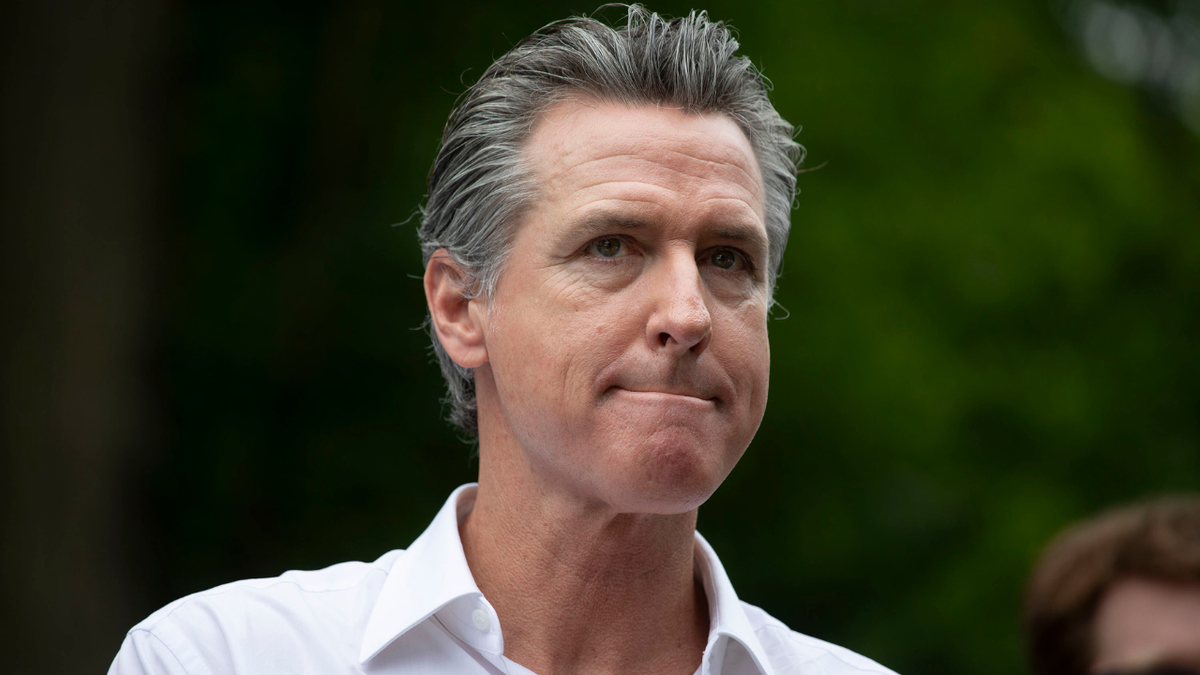
California Gov. Gavin Newsom said the wealth tax should be handled at the national level. (Bill Pugliano/Getty Images)
California Gov. Gavin Newsom has also come out against the proposed wealth tax, warning it could backfire even as he defends the state’s existing progressive tax system.
«For months, I’ve been fighting this, because it’s exactly what I feared would happen — and now it has. This is something I’ve been warning about for years,» Newsom told The New York Times.
Newsom said he has long opposed the measure and believes taxing the ultra-wealthy should be addressed at the national level rather than state by state.
GET FOX BUSINESS ON THE GO BY CLICKING HERE
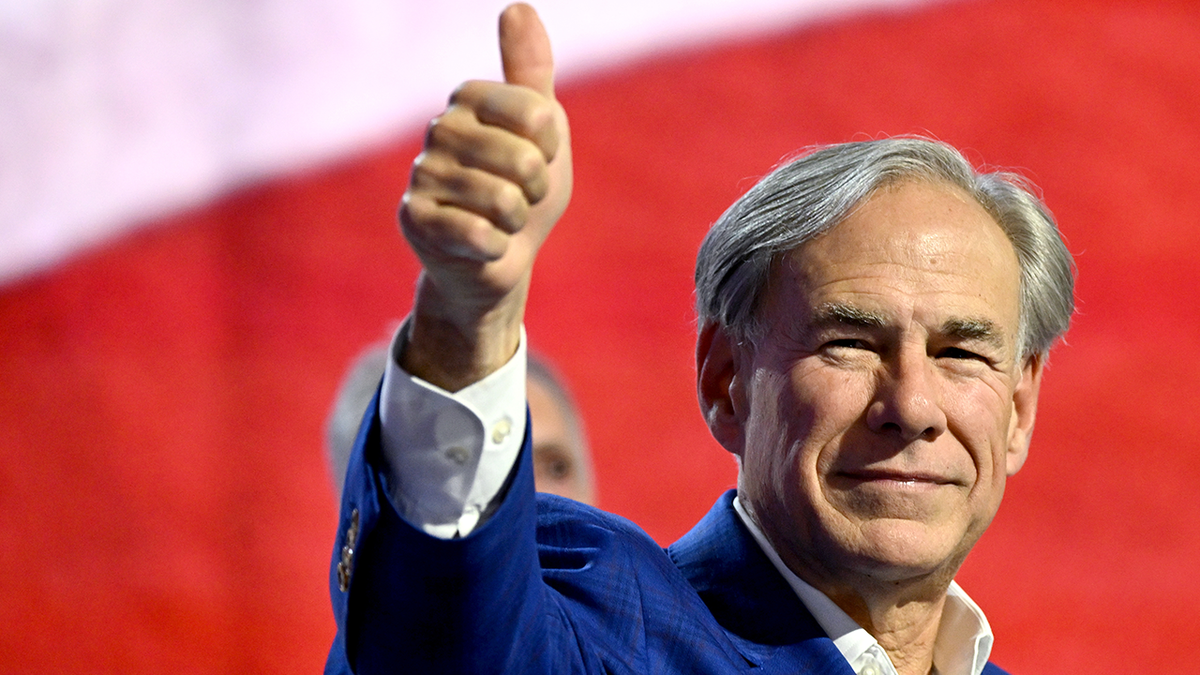
Texas Gov. Greg Abbott’s office told Fox News Digital that he will continue welcoming businesses and residents fleeing California to his state. (David Paul Morris/Bloomberg via Getty Images)
Even as Newsom raises alarms, Republican governors in Florida and Texas say they are already benefiting from businesses and residents leaving California.
Texas Gov. Greg Abbott’s office echoed that sentiment, saying the state continues to draw companies seeking lower taxes and a lighter regulatory environment.
«People and businesses vote with their feet, and they are continually choosing to move to Texas more than any other state,» Abbott spokesman Andrew Mahaleris said.
He added that Texas’ lack of corporate and personal income taxes and its predictable regulatory climate have made it an attractive destination for companies weighing a move out of California.
Florida Gov. Ron DeSantis called the California proposal «economic insanity.»
california,gavin newsom,taxes
INTERNACIONAL
Republican senator condemns alleged Syrian army abuses as ceasefire follows Aleppo fighting
Trump to meet with Syrian president at White House
The Shadow Warriors Project founder Mark Geist joined ‘Fox & Friends First’ to discuss Ahmed al‑Sharaa’s White House visit and how the bilateral ties could impact the ability of the U.S. to fight terror abroad and more.
NEWYou can now listen to Fox News articles!
The chairman of the Senate Foreign Relations Committee pressed the Syrian government to hold perpetrators accountable amid accusations of grave human rights violations within Syria’s army during the seizure of two Kurdish neighborhoods in Aleppo. Some reports claim jihadist-aligned members of the army were responsible for the abuses.
Jim Risch, R-Idaho., wrote on Tuesday on X that «I am gravely concerned about the conduct of armed forces in Aleppo, Syria, over the past week and urge the government to hold accountable those who committed these egregious acts. After years of war, the role of Syria’s new government and armed forces is to safeguard the inherent rights of its citizens, not to infringe upon them.»
Risch responded to an X Post from the Syrian Network condemning the desecration of a woman’s body in Aleppo, where it was thrown from a high floor by a member of the Syrian Army.
DEADLY STRIKE ON US TROOPS TESTS TRUMP’S COUNTER-ISIS PLAN — AND HIS TRUST IN SYRIA’S NEW LEADER
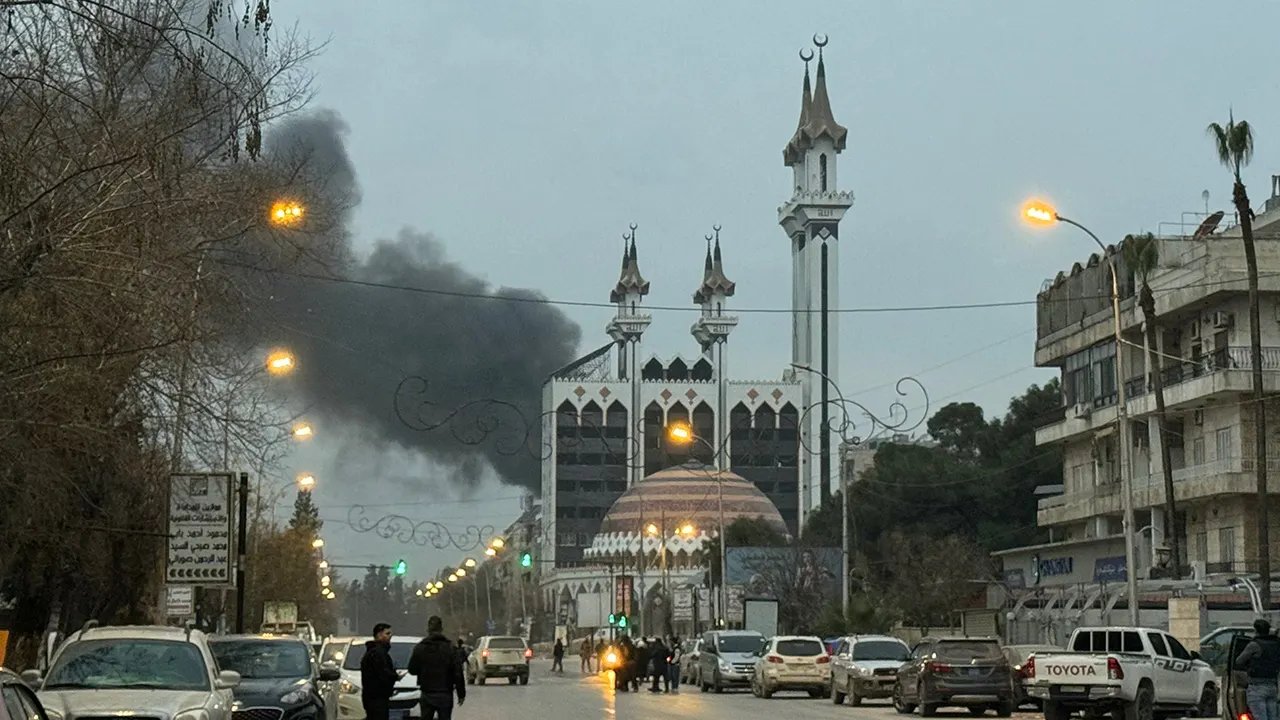
Columns of smoke rise from the site of artillery shelling that targeted the area near Aleppo’s Abdelrahman Mosque on Jan. 8, 2026, amid intense clashes between government forces and the Kurdish Syrian Democratic Forces (SDF) forces. Syria’s military warned civilians in two besieged Kurdish neighborhoods in the city of Aleppo to leave on Dec. 8, as it prepared to conduct a fresh wave of strikes targeting Kurdish positions. Thousands have already fled the area following clashes between the army and Kurdish-led forces that have killed more than a dozen people. (Omar Haj Kadour / AFP via Getty Images)
On Tuesday, Adm. Brad Cooper, the commander of CENTCOM, appealed «to all parties to exercise maximum restraint» in the Aleppo area.
After days of intense clashes, Syrian army forces controlled by the former U.S. designated terrorist Ahmed al-Sharaa, who was previously a member of the terrorist movements al-Qaeda and the Islamic State, seized two neighborhoods (Sheikh Maqsood and Ashrafiyeh) on Sunday in the city of Aleppo, where members of the Kurdish-led Syrian Democratic Forces, or SDF were based.
The SDF played a critical role in aiding U.S. forces to defeat the Islamic State in Syria.
ISRAEL SHUTS DOOR ON TURKEY IN GAZA AS TRUMP PRAISES ERDOGAN, PLAYS DOWN CLASH
Mazloum Abdi, the leader of the SDF, wrote on X that an agreement via international mediation had cemented the evacuation of Syrian Kurds from the two districts in Aleppo.
Abdi wrote that, «With mediation by international parties to halt the attacks and violations against our people in Aleppo, we have reached an understanding that leads to a ceasefire and ensures the evacuation of the martyrs, wounded, stranded civilians and fighters from the Ashrafiyeh and Sheikh Maqsood neighborhoods [in northern Aleppo] to North and East Syria [Rojava],» according to the Kurdish news organization Rudaw.
The U.S. Ambassador to Turkey, Tom Barrack, who also serves as the Special Envoy for Syria, wrote on X on Saturday after the Aleppo ceasefire agreement was apparently reached, that he met with President «al-Sharaa, Foreign Minister Asaad al-Shaibani, and members of their team in Damascus to discuss recent developments in Aleppo and the broader path forward for Syria’s historic transition.»

Soldiers of the Syrian army in the entrance of Sheik Maksoud neighborhood during continuing fighting between the Syrian forces and the SDF on Jan. 10, 2026 in Aleppo, Syria. A ceasefire announced yesterday did not take hold as fighting continued between the Syrian army and Kurdish fighters in the Ashrafieh and Sheikh Maqsoud neighborhoods of Aleppo. Overnight, the army announced that it had completed a security sweep of the Sheikh Maqsoud neighborhood. (Adri Salido/Getty Image)
He added, «The Syrian government has reaffirmed its commitment to the March 2025 integration agreement with the SDF, which provides a framework for incorporating SDF forces into national institutions in a manner that preserves Kurdish rights and strengthens Syria’s unity and sovereignty.»
Wladimir van Wilgenburg, a Kurdish studies expert, told Fox News Digital prior to the Syrian army ousting SDF from Aleppo districts that, «Kurds suspect that Turkey is pushing Damascus to push out Kurdish forces from Aleppo to give a major blow to the SDF, so that they will make more concessions to Damascus and make the Kurdish negotiation position weaker.
«Ankara wants the SDF to integrate into the Syrian army on an individual basis, not as separate divisions,» van Wilgenburg said. He added, «Moreover, the SDF wants a decentralized system, while Damascus wants a centralized system. The Kurds have decided to make a stand in Aleppo. The current situation could spark a widespread conflict that could undermine Trump’s policy of creating sustainable peace in the Middle East.»
ISRAEL AND SYRIA RESUME DIPLOMATIC DIALOGUE AFTER MONTHS OF SILENCE UNDER US MEDIATION

Tom Barrack met with the Syrian president on behalf of the United States on Saturday, Jan 10, 2025 (@USAMBTurkiye via X)
The Aleppo health directorate said at least 24 civilians were killed and more than 120 people were injured during five days of clashes.
The government of Turkey’s President Recep Tayyip Erdogan views the Syrian Kurds as a threat to Turkey because many Kurdish organizations across the region seek an independent state that would include a part of Turkey, where there is a large Kurdish population. Erdogan has over the years launched devastating attacks on the Kurds in northern Syrian.
Retired four-star Army general Jack Keane previously told Fox News’ Mark Levin on «Life, Liberty & Levin» that President Trump during his first term was able to stop Erdogan’s attacks on the Syrian Kurds.
The General Command of the SDF issued a statement last week, stating «We warn that the continuation of this aggression against civilians will lead to serious repercussions that will not be limited to Sheikh Maqsoud and Ashrafieh or to the city of Aleppo alone, but will risk plunging all of Syria back into an open battlefield. Full responsibility for this will rest with those who persist in choosing the use of force against civilians.»
Al-Sharaa‘s rule over the past year has seen radical Islamist forces aligned with his army engage in massacres of a range of Syrian minority groups, from Alawites to the Druze. Radical Islamists have also murdered Syrian Christians.
Sinam Mohamad, the representative of the Syrian Democratic Council to the U.S., told Fox News Digital that a «decentralized system will save Syria from any or conflict in the future.» She said «We regret foreign influence» in Syria, noting that «Turkey still has influence on Damascus.» She said that Turkey seeks to «provoke» in Syria, citing the recent attacks in Aleppo.

Rebel forces seized Mengh Airbase and the city of Tel Rifaat in the Aleppo countryside on Dec. 1, 2024, following clashes with the Syrian Democratic Forces (SDF) and Syrian regime forces. (Photo by Rami Alsayed/NurPhoto via Getty Images) (Photo by Rami Alsayed/NurPhoto via Getty Images)
Mohammad said the Syrian Kurds have a «negotiating committee to discuss the autonomous government in northeastern Syria. We also have women units in the SDF who have been fighting against ISIS.» She asked what is the «future of women in the army» in Syria? «Damascus does not want women units in the army. In Israel, they have women in the army.»
She said this part of the negotiations with al-Sharaa’s government with respect to the March 2025 agreement reached between the SDF and the Syrian regime.
Van Wilgenburg said, «The clashes began after the latest negotiations between the Kurds and Damascus over the implementation of the March 10 agreement did not produce any results. Damascus earlier verbally agreed on three SDF divisions, but there were remaining discussions and different view points over command and control. The last meeting took place on Jan. 4 in Damascus.»
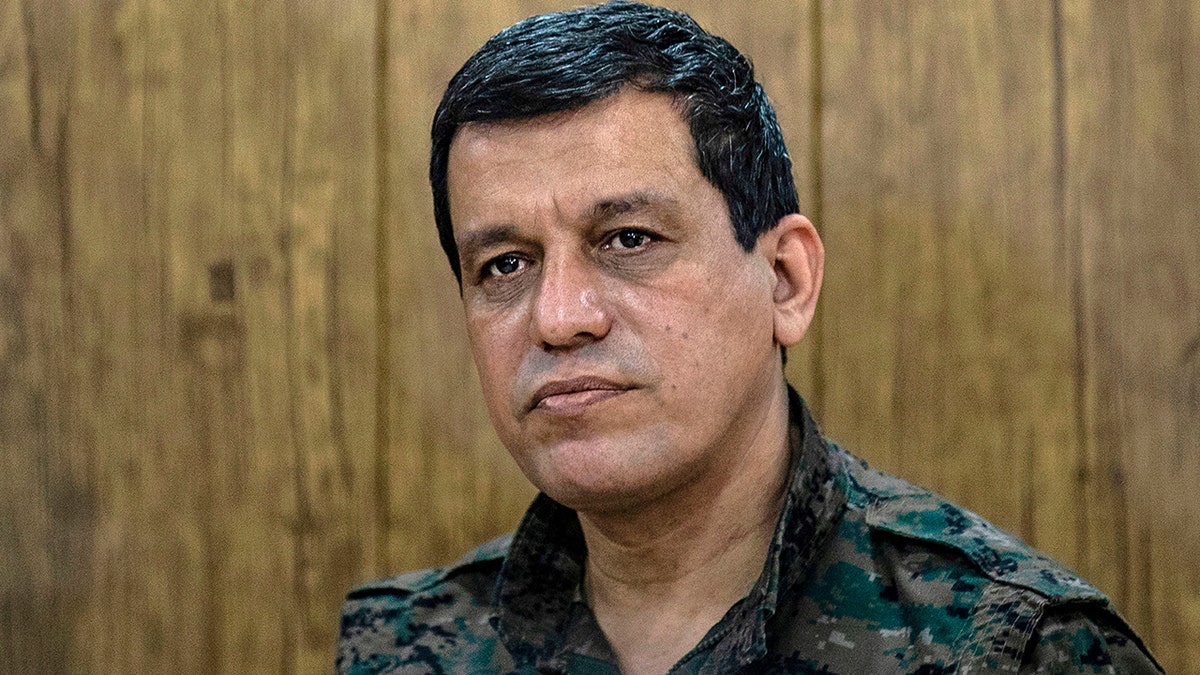
FILE: Mazloum Abdi (Kobani), commander-in-chief of the Syrian Democratic Forces (SDF), meets with the Raqa civil council in Syria’s northeastern city of Hasakeh on Nov. 1, 2020. (Delil Souleiman/AFP via Getty Images)
According to the SDF, «the neighborhoods of Sheikh Maqsoud and Ashrafieh have been under complete siege by factions of the Damascus government for more than six months. These neighborhoods do not, under any circumstances, constitute a military threat, nor can they serve as a launching point for any attack on the city of Aleppo.»
CLICK HERE TO DOWNLOAD THE FOX NEWS APP
The statement added that, «The allegations promoted by bloodthirsty circles within Damascus-affiliated factions, claiming the existence of intent or military movement by our forces from these neighborhoods, are false and fabricated. They are used as a pretext to justify the siege, shelling and massacres committed against civilians.»
Fox News Digital reached out numerous times to the spokesperson for Turkey’s embassy in Washington D.C. as well as the U.S. State Department.
syria,middle east,conflicts,terrorism,foreign policy senate

Aumento de peajes desde febrero: montos y autopistas incluidas

Javier Milei recibió a los hermanos argentinos que fueron rehenes de Hamas durante más de dos años

El Kun Agüero y las escandalosas versiones que lo vincularon a una famosa conductora: «Ella no le dio bola y a manera de perdón, se acercó Martín Pepa»

Boca Juniors vs. Millonarios: formaciones, hora y dónde ver por tv

Alarma en la zona norte de Buenos Aires por la aparición de polillas negras: brotes, dermatitis y alergias

«Acabo de salir del infierno», el crudo relato del argentino-israelí sobre la cárcel en Venezuela, su liberación y un cara a cara con Diosdado Cabello

El drama matrimonial que vive Maru Botana luego de 28 años en pareja con Bernardo Solá: «Tiene varios problemas»

Polémica en redes: Milei y Feinmman se cruzaron con Marcela Feudale por los incendios en Chubut

Murió el cantante colombiano Yeison Jiménez en un accidente de avión: el video del día que predijo la tragedia

La triste despedida de Jorge “Corcho” Rodríguez a Pía, su asistente por 30 años: “Gracias por tu amor”

 CHIMENTOS2 días ago
La triste despedida de Jorge “Corcho” Rodríguez a Pía, su asistente por 30 años: “Gracias por tu amor”
- POLITICA1 día ago
La AFA giró US$8 millones a cinco empresas en Miami que ya no existen: un argentino disolvió hace seis días una firma clave
- POLITICA2 días ago
Incendios en Chubut: el fiscal general aseguró que el responsable podría recibir hasta 20 años de prisión