INTERNACIONAL
American flags torched, riot police clash with protesters ahead of Trump Davos arrival

NEWYou can now listen to Fox News articles!
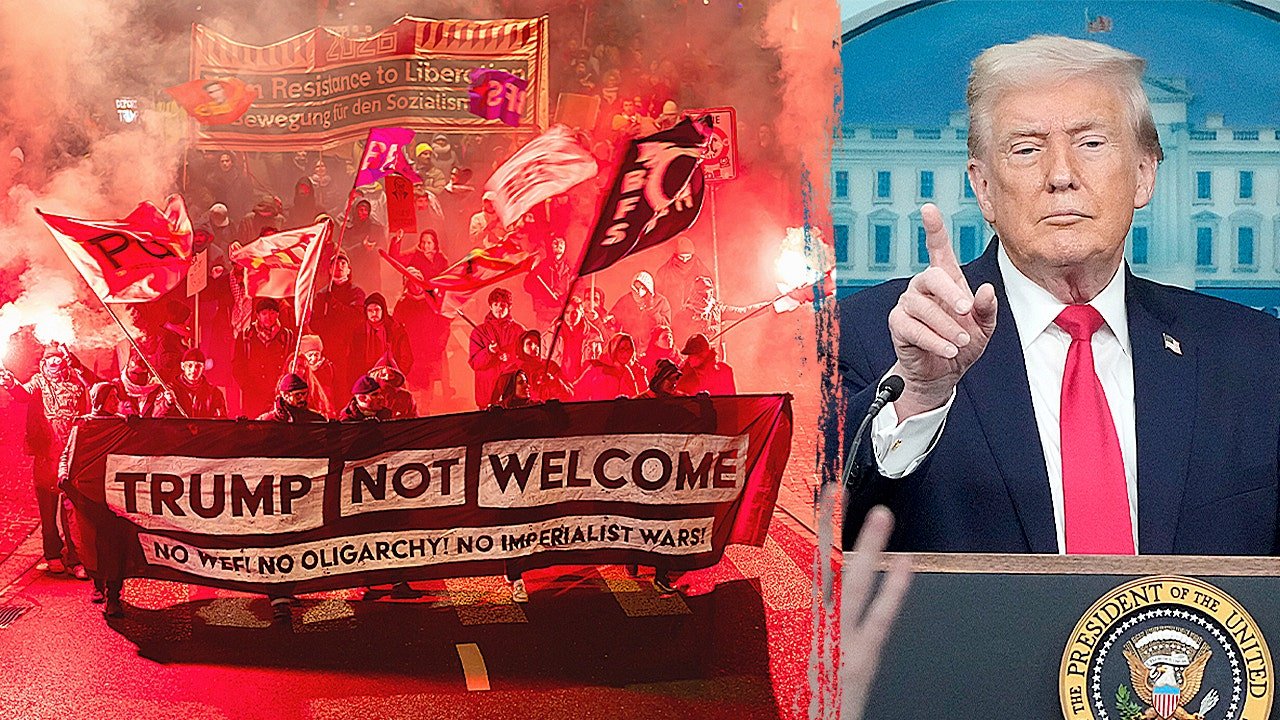
Violent protests erupted in several Swiss cities as American flags were burned and riot police clashed with demonstrators ahead of President Trump’s arrival in Davos, Switzerland, for the World Economic Forum.
Trump is scheduled to arrive Wednesday and is expected to deliver a speech at the annual gathering of global political leaders and corporate executives.
His visit comes amid heightened tensions with European leaders after Trump doubled down on his push to acquire Greenland for U.S. national security reasons and declined to rule out military options.
TRUMP SAYS ‘YOU’LL SEE’ WHEN ASKED HOW FAR HE’LL GO ON GREENLAND TAKEOVER
Swiss riots erupt in multiple cities as anti-Trump protesters march against President Trump’s World Economic Forum appearance, with police deploying water cannons. (Michael Buholzer/Keystone via AP)
The Davos forum, held in eastern Switzerland, is one of the world’s most high-profile economic summits, bringing together heads of state, CEOs, bankers and policymakers to discuss global trade, security and geopolitics.
Around 300 protesters marched through Davos Jan. 19 to oppose both the forum and Trump’s planned appearance.
Chanting slogans and holding banners reading «Trump not welcome,» demonstrators accused Swiss authorities of legitimizing what they described as authoritarian and plutocratic politics by hosting the U.S. president.
GREENLAND NEEDS US FOR DEFENSE BECAUSE ‘EUROPEANS PROJECT WEAKNESS,’ US TREASURY SECRETARY ARGUES

The protests turned violent as demonstrators burn American flags and clash with riot police ahead of President Trump’s Wednesday arrival in Switzerland. (Michael Buholzer/Keystone via AP)
Images from the protests showed masked demonstrators setting fire to American flags, while local media reported smashed windows and other property damage.
Swiss outlet Swissinfo reported clashes broke out after police moved to disperse the crowd.
Officers in full riot gear deployed water cannons, chemical irritants and rubber bullets and said they were targeted with fireworks.
The outlet also reported a police statement said «paint bags were thrown at the facades and shop windows were smashed on the corner of Bahnhofstrasse and Uraniastrasse», with the amount of property damage unknown.
Two police officers were also reportedly hit by stones but remained unharmed.
Similar demonstrations were held elsewhere, including in Bern, where a protest was broken up as police sealed off the city center.
PROTESTS EXPLODE IN GREENLAND AMID TRUMP TAKEOVER PUSH: ‘WE ARE NOT INTERESTED IN BEING AMERICANS’
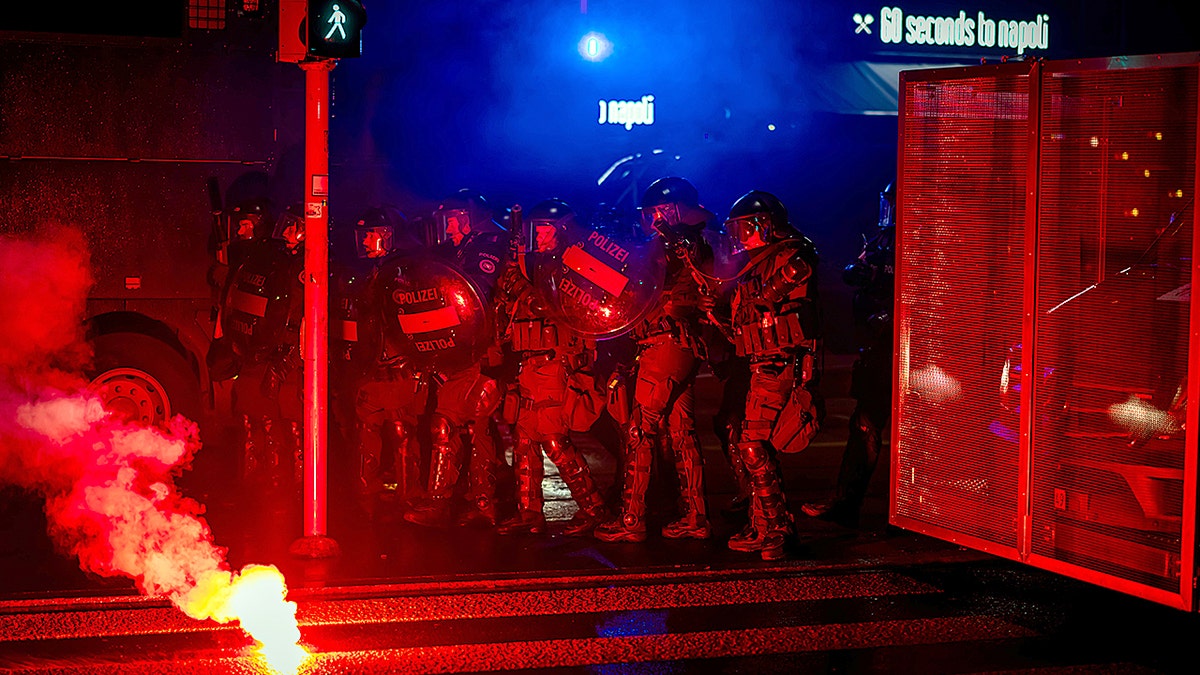
Roughly 300 demonstrators clashed with riot police who deployed water cannons and rubber bullets. (Michael Buholzer/Keystone via AP)
In Zurich, thousands marched Sunday night, with one placard reading, «Put the Trumpster in the dumpster.»
Activists from the Swiss NGO Campax also projected a cartoon image of Trump onto a ski slope near Davos, branding him the «Spirit of plutocracy.»
Trade tensions are expected to dominate discussions at the summit, alongside talks on the war in Ukraine and broader global security concerns.
CLICK HERE TO DOWNLOAD THE FOX NEWS APP
Trump addressed the Greenland issue in a social media post early Tuesday.
«As I expressed to everyone, very plainly, Greenland is imperative for National and World Security,» Trump wrote. «There can be no going back — on that, everyone agrees. The United States of America is the most powerful country anywhere on the globe, by far.»
donald trump,world protests,europe,police and law enforcement,trade,world politics






NEWYou can now listen to Fox News articles!
The Islamic Republic of Iran is on track to exceed the record number of executions it carried out against opponents in 2025, with 657 executions in the first three months of the year, according to the Iran Human Rights Society.
Hiding behind the war with the U.S. and Israel, critics say the regime appears desperate to eliminate opposition, particularly following anti-regime demonstrations that shook the nation’s rulers and resulted in tens of thousands being murdered by the country’s security forces and militias.
In March, the regime was met with condemnations, including from President Donald Trump, over the execution of 19-year-old wrestler Saleh Mohammadi.
MOJTABA KHAMENEI REGIME EXECUTES CHAMPION WRESTLER AS IRAN INTENSIFIES BRUTAL CRACKDOWN DURING WAR
A protester holds ‘Stop executions in Iran’ and ‘Free Iran’ placards during the demonstration. Demonstrators gathered outside Downing Street in protest against executions in Iran and in support of freedom for Iran. (Vuk Valcic/SOPA Images/LightRocket via Getty Images)
On Iran’s latest killing spree, a State Department spokesperson told Fox News Digital, «This latest barbaric act is more evidence of why the regime can never be allowed the advanced capabilities that we are destroying.»
The United Nations Special Rapporteur on the situation of human rights in the Islamic Republic of Iran, Mai Sato, said that since the start of the war at least six executions took place as of March 30, and noted on her X account that an additional two executions took place on March 31.
Sato described the regime’s known victims as protesters, an accused spy for Israel, and individuals charged with «armed rebellion» against the regime. Sato said that «due to the internet blackout, it is unclear who else has been executed or are at risk of execution.» She said, «What is clear is that the death penalty is being used as a tool for suppressing political opposition in wartime conditions.»
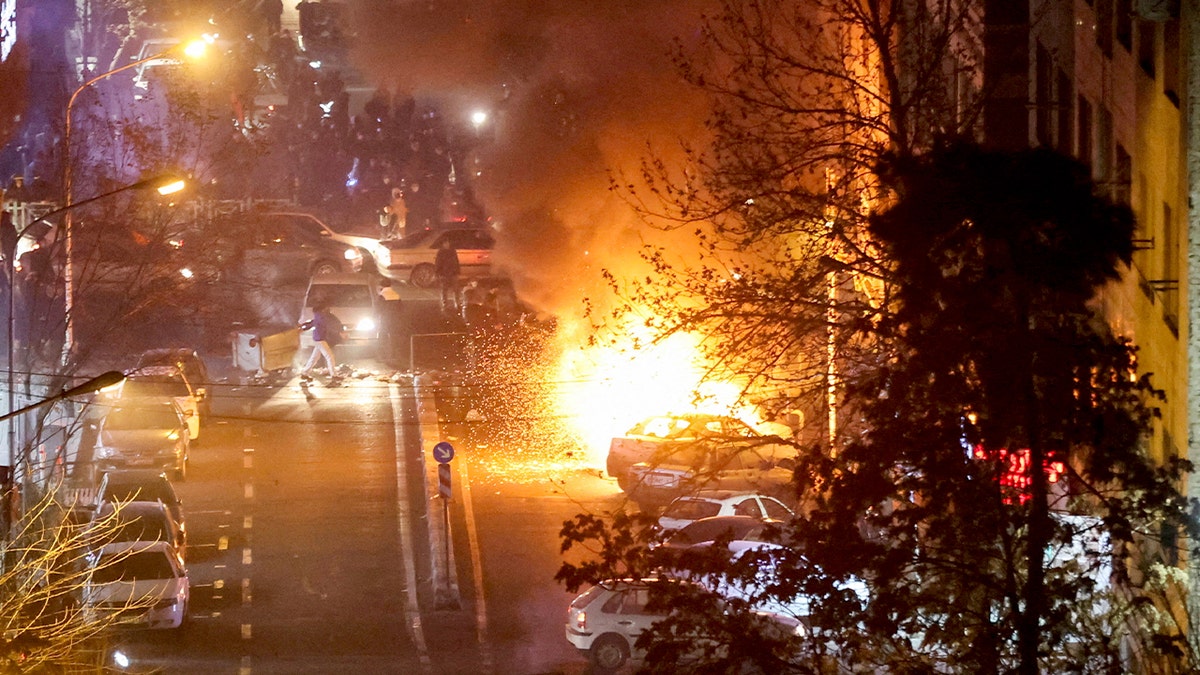
Cars burn in a street during a protest over the collapse of the currency’s value in Tehran, Iran, Jan. 8, 2026. (Stringer/WANA (West Asia News Agency) via REUTERS)
IRAN’S INTERNET BLACKOUT HIDING STRIKE DAMAGE AND SUPPRESSING DISSENT, ISRAELI OFFICIALS SAY
The Secretariat of the NCRI provided a written statement to Fox News Digital describing the recent executions of four members of the Iranian dissident organization People’s Mohahedin Organization of Iran (PMOE/MEK). The NCRI said members Mohammad Taghavi and Akbar Daneshvarkar were transferred from Ghezel Hesar prison on March 29, and executed the following morning. Four additional members of the group, Babak Alipour, Vahid Bani Amerian, Abolhassan Montazer and Pouya Ghobadi, were transferred as well. On March 31, the regime executed Alipour and Ghobadi.
Ali Safavi, a member of the NCRI’s Foreign Affairs Committee, called for «urgent action» to save the lives of Amerian and Montazer.
Maryam Rajavi, the president-elect of the NCRI, posted on X that the execution conducted on March 31 «reflects the clerical regime’s fear and desperation.» She called on the United Nations and its member states to engage in «practical and effective measures, including the closure of embassies and the expulsion of the regime’s terrorist diplomats and agents.»
CLICK HERE TO DOWNLOAD THE FOX NEWS APP
Before the Islamic Republic killed thousands of its own people during January protests, the United Nations Office of the High Commissioner for Human Rights stated that the Islamic Republic carried out «at least» 1,500 executions in 2025. According to the High Commissioner, «the scale and pace of executions suggest a systematic use of capital punishment as a tool of State intimidation, with disproportionate impact on ethnic minorities and migrants.»
Amnesty International has raised similar concerns, and additionally noted that five «young protesters» now «face the imminent risk of execution,» having been transferred from Ghezal Hesar «to an unidentified location» as of March 31.
war with iran, terrorism, world protests
INTERNACIONAL
FLASHBACK: Trump’s ‘Liberation Day’ tariffs hit one-year mark as economists split on fallout
NEWYou can now listen to Fox News articles!
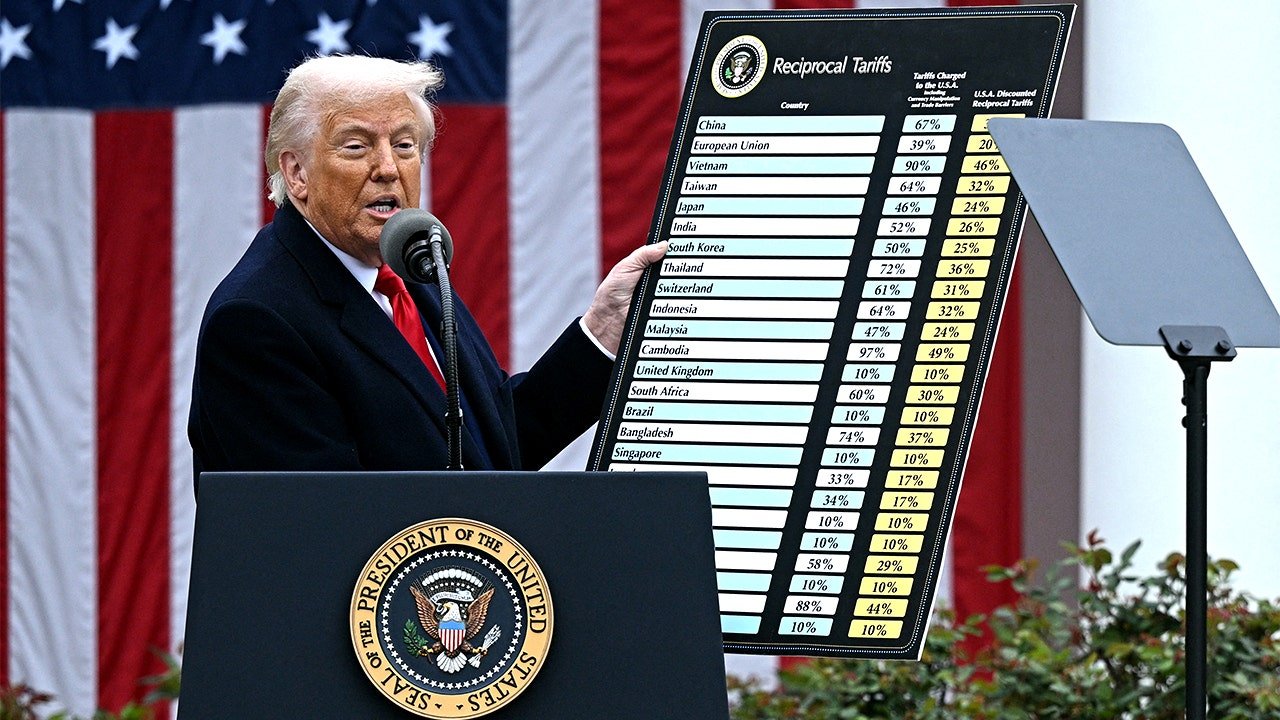
A year ago today, President Donald Trump announced a sweeping new round of global tariffs, escalating trade tensions with key allies and adversaries alike, raising fresh concerns about the outlook for the U.S. and global economy.
The «Liberation Day» tariffs were introduced as a broad set of import taxes that Trump said would correct long-standing trade imbalances and reduce U.S. reliance on foreign goods.
In the months that followed, markets experienced bouts of volatility as businesses and investors adjusted to the shifting trade landscape. Policymakers and economists, meanwhile, debated the longer-term impact on growth, inflation and global trade flows.
Many economists warned of potential consequences, including higher prices, slower growth and rising uncertainty for businesses and investors.
TRUMP SAYS US WOULD BE ‘DESTROYED’ WITHOUT TARIFF REVENUE
President Donald Trump announced his «Liberation Day» tariffs on April 2, 2025, at the White House. (Brendan Smialowski/AFP/Getty Images)
But not everyone agreed.
«Trump proved 12 Nobel Prize economists wrong,» economist Stephen Moore told Fox News Digital.
«Inflation didn’t rise. Why? Because the tax cuts, deregulation and ‘drill, baby, drill’ policies lowered prices and offset the tariffs,» added Moore, a former Trump adviser and co-founder of the free-market advocacy group Unleash Prosperity.
But Moore’s view was not widely shared. Here’s a look back at what other economists said at the time.
Larry Summers
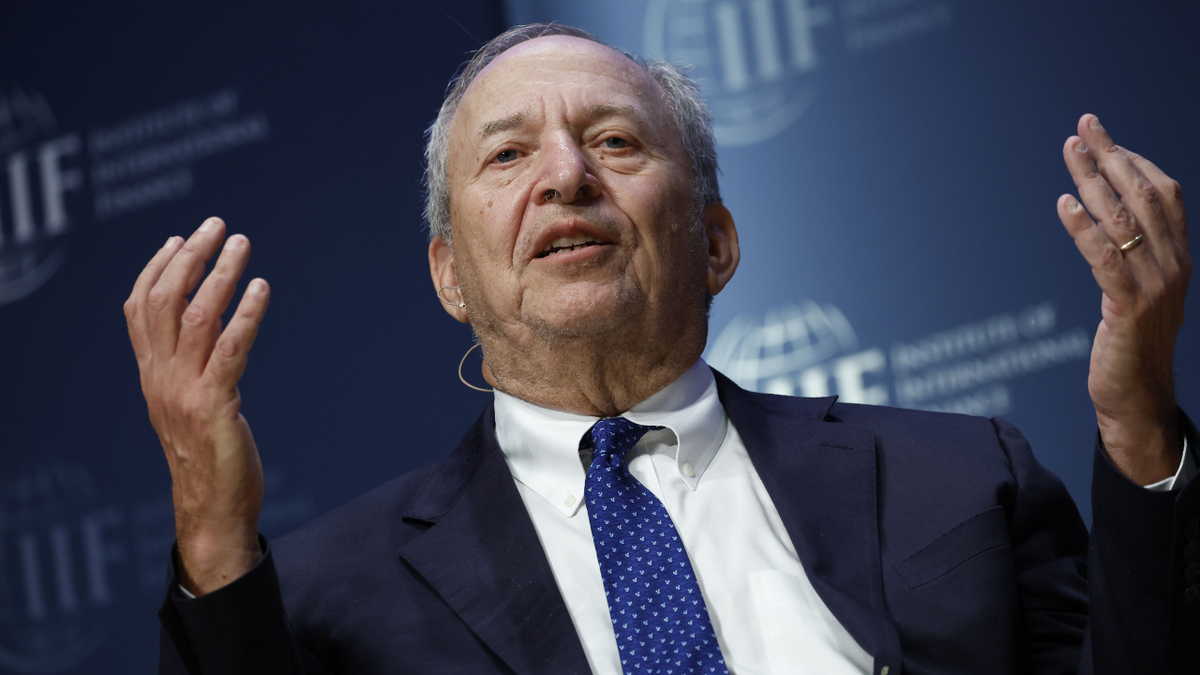
Lawrence Summers, former president emeritus and professor at Harvard University, called the tariff policy «masochistic.» (Ting Shen/Bloomberg via Getty Images)
Former Treasury Secretary Larry Summers called the ‘Liberation Day’ tariffs «masochistic,» saying they were the worst levy the U.S. had imposed in decades.
«Never before has an hour of Presidential rhetoric cost so many people so much,» Summers wrote on X. «The best estimate of the loss from tariff policy is now closer to $30 trillion or $300,000 per family of four.»
Paul Krugman
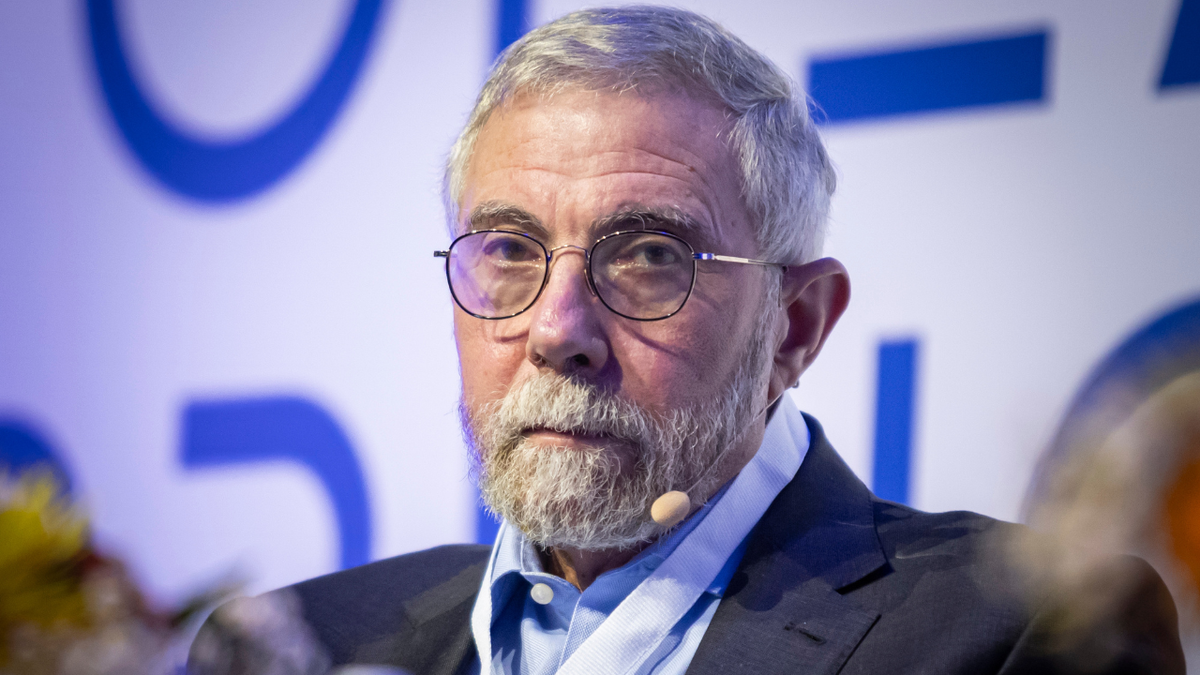
Paul Krugman, a Nobel laureate, said Trump had «gone full-on crazy» after the ‘Liberation Day’ tariffs were announced. (Gene Medi/NurPhoto via Getty Images)
Paul Krugman, a Nobel Prize–winning economist, said Trump had «gone full-on crazy» in the hours after the «Liberation Day» tariffs were announced.
«If you had any hopes that Trump would step back from the brink, this announcement, between the very high tariff rates and the complete falsehoods about what other countries do, should kill them,» Krugman, a former MIT and Princeton University professor, wrote in his Substack newsletter.
Christine Lagarde
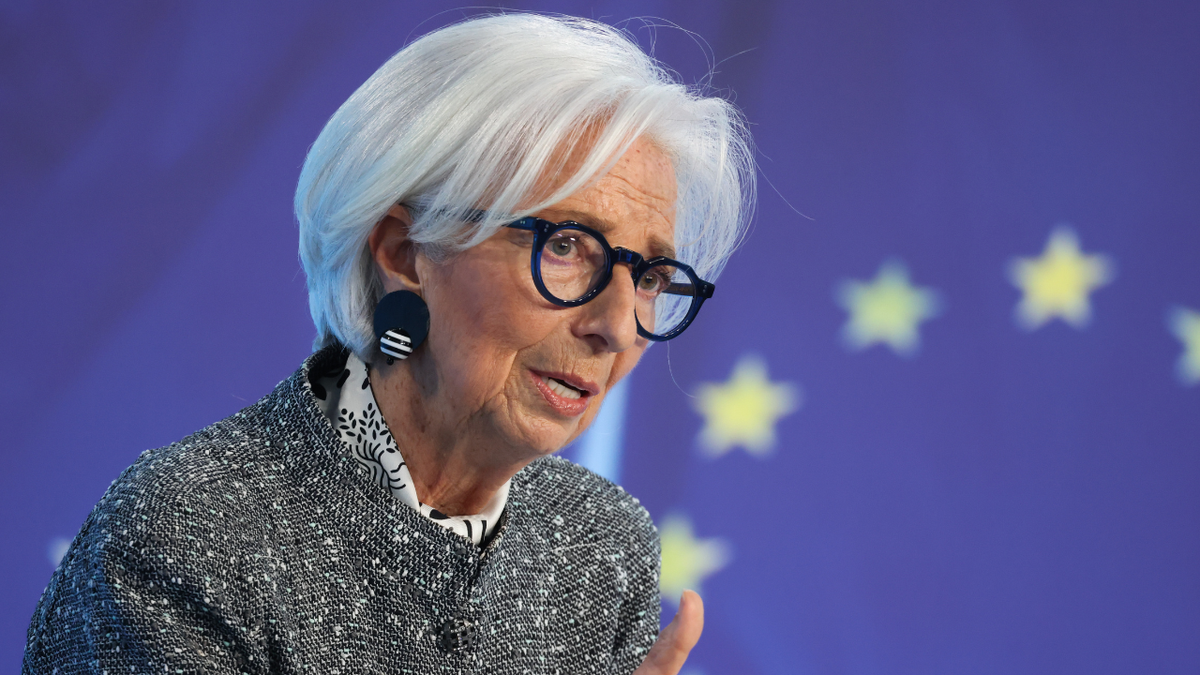
Christine Lagarde, president of the European Central Bank (ECB), at a rates decision news conference in Frankfurt, Hesse, Germany, on Thursday, March 19, 2026. (Alex Kraus/Bloomberg via Getty Images)
Christine Lagarde, president of the European Central Bank, warned that the tariffs would be «negative the world over,» in an interview with Ireland’s Newstalk.
She said Trump’s trade policy would weigh on global growth and carry broad consequences.
«It will not be good for the global economy, and it will not be good for those who impose the tariffs or those who retaliate,» Lagarde said.
Joseph Stiglitz
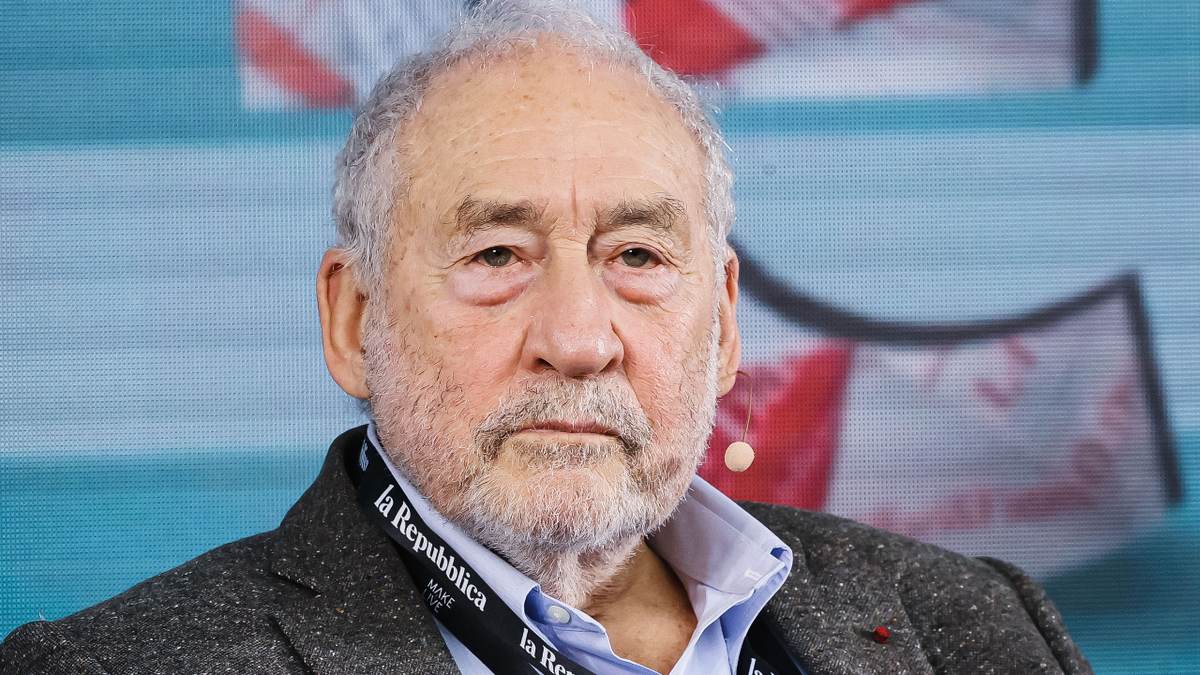
Joseph Stiglitz said the Trump administration’s tariffs would «crater the economy.» (Alessandro Bremec/NurPhoto via Getty Images)
Economist Joseph Stiglitz said Trump’s tariff threats have made the U.S. «a scary place to invest» and could unleash stagflation. Stagflation refers to a combination of slow economic growth and rising prices. Stiglitz, a Columbia University professor and former World Bank economist, warned in an interview with The Guardian that he does not see a strong economic outlook ahead.
«I cannot see a really robust economy,» said Joseph Stiglitz, former chair of President Bill Clinton’s Council of Economic Advisers. «I see the global economy suffering greatly from the uncertainty that Trump poses.»
He also said the inflation triggered by the tariffs is moving in the wrong direction and that the only thing the Trump administration will succeed in doing is «to crater the economy.»
Jared Bernstein
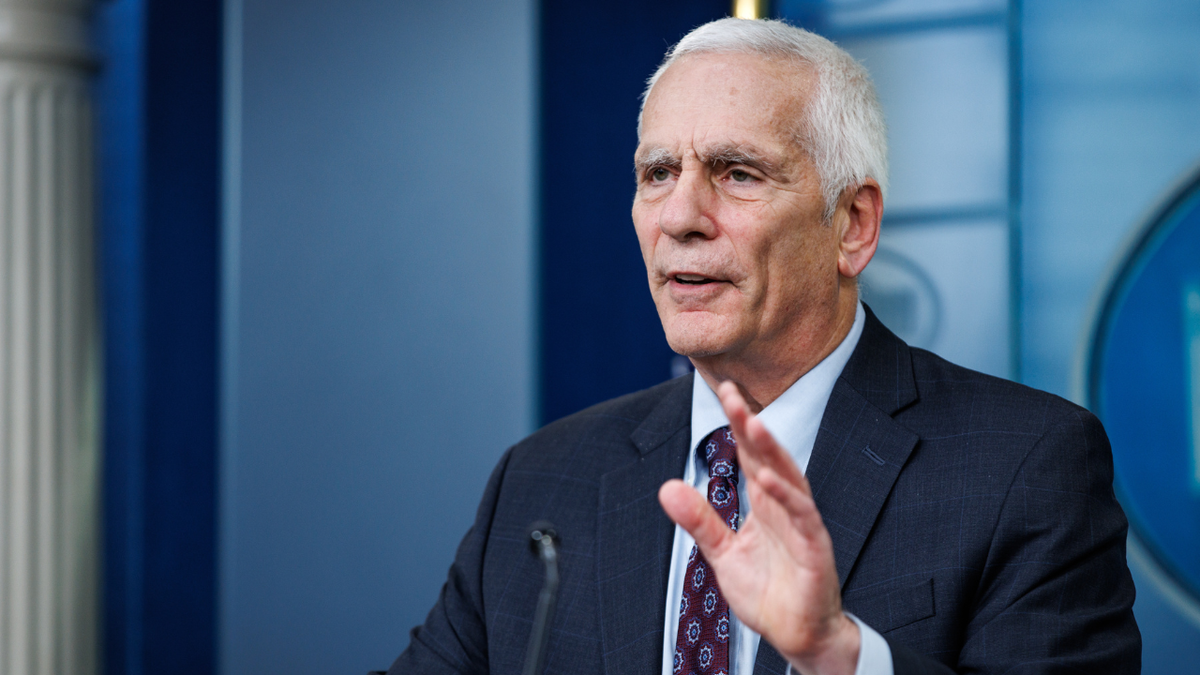
Jared Bernstein, chair of the White House Council of Economic Advisors, said the Trump administration may reverse course on tariffs if economic pressures intensify. (Samuel Corum/Sipa/Bloomberg via Getty Images)
Jared Bernstein, the former White House chief economist under President Joe Biden, said the U.S. is a «large, dominant economy» that is relatively closed, meaning it relies less on trade than most countries.
«That means, as Trump has argued, we can hurt other countries more than they can hurt us,» Bernstein said. «But he hasn’t offered a clear rationale for why we should start a trade war with traditionally reliable partners like Canada, Mexico, Japan, and Europe.»
Bernstein said Trump may reverse course if mounting economic pressures—such as higher inflation, slower growth, falling stock prices and rising recession risks—intensify from the tariffs.
«So far, that may have been the approach in Trump’s first term; it doesn’t appear to be the approach this time around,» he said.
Mohamed El-Erian
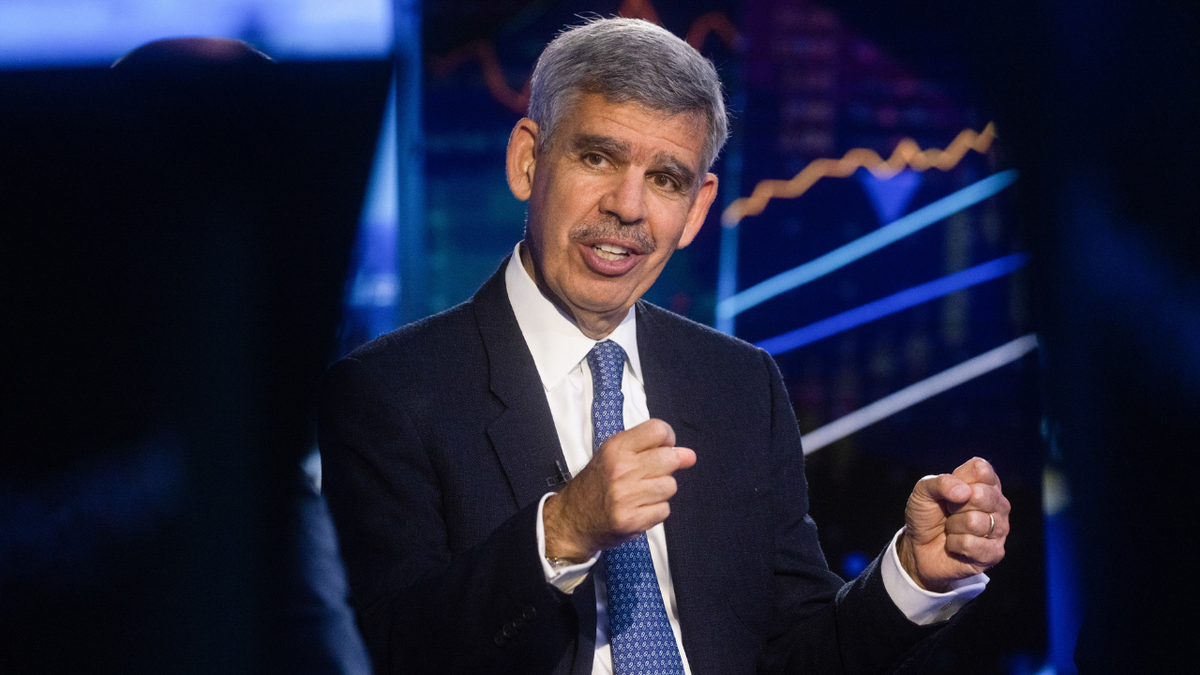
Mohamed El-Erian, chief economic advisor for Allianz, said the U.S. economy could adjust to the tariffs provided the White House shared more details about the trade policy. (Chris Ratcliffe/Bloomberg via Getty Images)
Allianz chief economic adviser Mohamed El-Erian called for clarity from the White House. «If we get clarity on this, this is an economy that can adjust,» he told FOX Business.
El-Erian, the former CEO of bond giant PIMCO, wrote on X that «the price action in global financial markets in the immediate aftermath of the U.S. tariff announcement points to major worries about global economic growth.»
Bill Gross
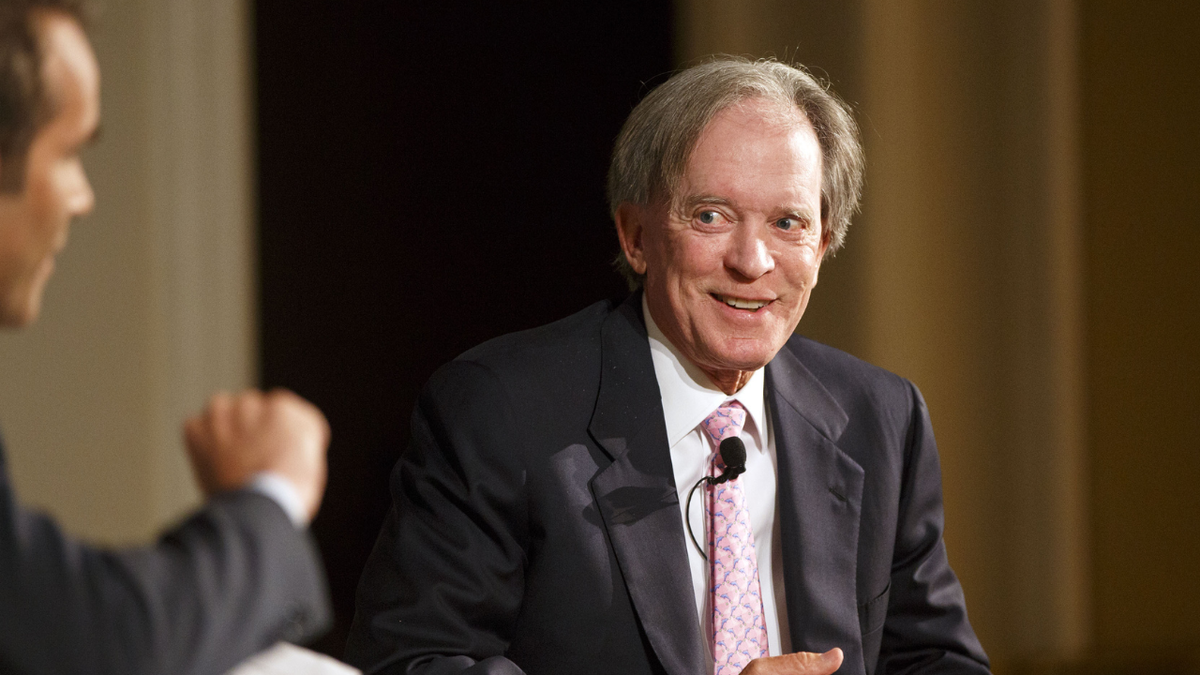
Bill Gross, co-founder of PIMCO, said he did not believe Trump would reverse course on tariffs, even if there was economic pressure. (Patrick T. Fallon/Bloomberg via Getty Images)
Bill Gross, the co-founder of Pacific Investment Management Co., known as Pimco, said the latest round of tariffs is «similar to going off the gold standard in 1971″—an «epic» shift that markets won’t quickly recover from.
«It’s not something where you can time a market bottom quickly,» Gross told CNBC. «It’s something we’re going to have to live with as long as President Trump maintains this stance.»
CLICK HERE TO DOWNLOAD THE FOX NEWS APP
Gross, dubbed the «Bond King,» added that he does not expect Trump to reverse course. «To be very blunt, President Trump is a macho male, and this macho male is not going to back down tomorrow simply because the Nasdaq is down 5%,» he said.
trade, economy, donald trump, politics
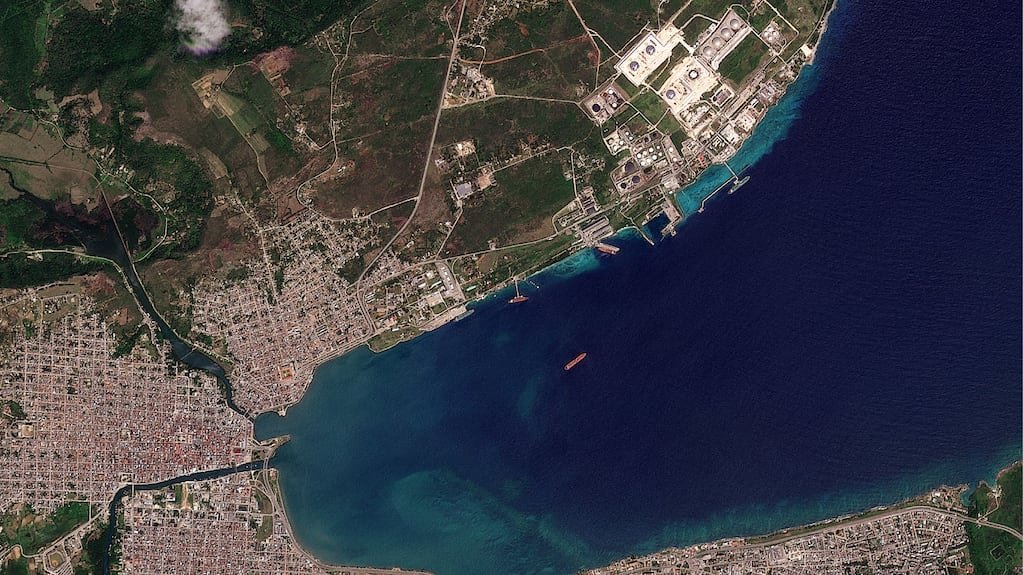
Un buque petrolero ruso con crudo atracó este martes en Cuba y el gobierno de Donald Trump dijo que permitiría la entrega del combustible, después de meses de un bloqueo petrolero estadounidense de facto que ha contribuido a sumir a la nación, necesitada de energía, en una crisis humanitaria.
El buque “Anatoly Kolodkin”, sujeto a sanciones estadounidenses y cargado con 730.000 barriles de crudo, ingresó temprano por la mañana al puerto de Matanzas, 100 km al este de La Habana, según un equipo de la AFP en el terreno.
Leé también: El sistema de salud de Cuba está paralizado por el bloqueo de Estados Unidos
La escasez de combustible ha perjudicado servicios esenciales en Cuba, incluido el sistema de salud. La prohibición estadounidense de importar petróleo extranjero se ha considerado una estrategia del gobierno de Trump para presionar al gobierno de Cuba.
Aunque es significativo, el petróleo del buque ruso solo aportaría a Cuba combustible para unas cuantas semanas, dijeron los expertos.
¿Qué está provocando la crisis energética de Cuba?
Cuba dependía en gran medida del petróleo venezolano y mexicano, pero los envíos cesaron en enero después de que Estados Unidos capturó al presidente de Venezuela y tomó el control de sus exportaciones de petróleo. El gobierno de Trump también dijo que impondría aranceles a los países que intentaran suministrar combustible a Cuba, lo que ocasionó que México dejara de enviar petróleo.
El presidente Trump ha dicho que cree que tendrá “el honor de tomar Cuba” y, en las negociaciones con funcionarios cubanos, su gobierno ha señalado que el presidente de Cuba, Miguel Díaz-Canel, debería renunciar.
El gobierno cubano ha condenado al gobierno de Trump por intentar empujar a Cuba hacia el colapso económico, y Díaz-Canel, líder de un régimen comunista que ha gobernado a la isla durante más de 65 años, dijo que “la opción de la rendición no es la opción de Cuba”.
El domingo por la noche, después de que The New York Times informó de la intención del gobierno estadounidense de permitir que el cargamento de petróleo llegara a Cuba, Trump dio a entender que se trataba de un gesto humanitario.
“No nos importa que alguien reciba un cargamento, porque necesitan, tienen que sobrevivir”, dijo a los periodistas. “Si un país quiere enviar petróleo a Cuba ahora mismo, no tengo ningún problema con ello. Sea Rusia o no”.
Ante una pregunta el lunes sobre si el gobierno permitiría que más buques petroleros llegaran a Cuba, Karoline Leavitt, secretaria de prensa de la Casa Blanca, dijo que “estas decisiones se están tomando caso por caso en estos momentos.”
El lunes, Dmitri S. Peskov, portavoz del presidente de Rusia, Vladimir Putin, dijo que el envío de combustible se había planteado de antemano a Estados Unidos.
Rusia, añadió, tiene la obligación de “proporcionar la ayuda necesaria a nuestros amigos cubanos”.
La Casa Blanca no respondió inmediatamente a una solicitud de comentarios sobre la declaración de Peskov.
Leé también: EE.UU. permitirá que un petrolero ruso llegue a Cuba y rompa el bloqueo
¿Por qué permite Estados Unidos este envío?
No está claro por qué Estados Unidos ha permitido un envío ruso mientras que a países como México, que han estado deseosos de ayudar a Cuba, se les ha impedido enviar buques petroleros después de que Trump amenazó con imponer aranceles.
El envío podría indicar que Estados Unidos no quería hacer sufrir aún más al pueblo cubano, dijeron los expertos. Pero también dijeron que es probable que la campaña de presión contra Cuba haya quedado relegada a un segundo plano por la guerra en Irán.
El presidente ruso Vladimir Putin junto al mandatario estadounidense Donald Trump. (Doug Mills/The New York Times)
“La sociedad y la infraestructura cubanas están tan obstaculizadas en estos momentos que existe un riesgo real de que se produzca un colapso total que no beneficiaría a nadie”, dijo Pedro Freyre, director de práctica internacional del bufete de abogados Akerman, de Miami, y experto en la política entre Estados Unidos y Cuba. “Eso es ir demasiado lejos”.
La guerra de Irán, añadió, probablemente ha ampliado los plazos de los planes del gobierno de Trump sobre Cuba.
“Hay un retraso palpable”, dijo. “El proceso está estancado”.
Para algunos cubanos, el combustible ruso supuso una buena noticia inusual.
Aldo Alvarez, quien dirige un negocio de reparto en Cuba, dijo que esperaba que lo peor hubiera pasado.
Pero otros cubanos veían la llegada prevista de petróleo como un parche temporal que podía retrasar el colapso de un régimen que detestaban.
“Esto proporciona más desesperación a la gente que solo ansía un cambio completo aquí”, dijo Giovanny Fardales, traductor en La Habana que lleva semanas esperando a poder comprar gasolina para su coche y gasóleo para el generador de su casa. “Nadie quiere que llegue más petróleo, todo el mundo quiere que este sistema se derrumbe, no más comunismo y punto”.
¿Servirá de algo el cargamento?
Aproximadamente el 40 por ciento de la red energética de Cuba se sustenta en centrales eléctricas que funcionan en gran medida con petróleo crudo que Cuba produce internamente. Pero Cuba depende del combustible extranjero para alimentar gran parte de su economía, incluidas fábricas y granjas.
La interrupción de los envíos de petróleo ha provocado escasez de alimentos, paralizado las bombas de agua que funcionan con combustible, disparado los precios de la gasolina, obligado a los hospitales a cancelar operaciones quirúrgicas y desconectado equipos que salvan vidas, como máquinas de diálisis e incubadoras.
El combustible ruso “no es una solución ante la extrema escasez de combustible”, dijo Ricardo Torres, economista de la Universidad Americana en Washington especializado en Cuba.
Trump dijo que el envío de petróleo no supondría una gran diferencia para Cuba a largo plazo.
“Cuba está acabada”, dijo. “Tienen un mal régimen. Tienen un liderazgo muy malo y corrupto. Y tanto si reciben un barco de petróleo como si no, no va a importar”.
Por Emma Bubola, reportera del Times que cubre Argentina desde Buenos Aires.
Alina Lobzina colaboró con la reportería desde Londres.
The New York Times, cuba, Estados Unidos

Escabechina en Italia tras la eliminación en la repesca del Mundial: Gravina y Buffon dimiten

Del reality show a la vida real: Alex Caniggia y Melody Luz festejaron 4 años de relación

Iran regime uses war to mask ‘brutal’ execution surge against political opponents

Argentina le exigió al Encargado de Negocios de Irán que abandone el país en 48 horas

La fabricante de Oreo y Milka selló un acuerdo “histórico” con el gremio: qué pasará con la producción y el empleo

Diputados de Unión por la Patria proponen una “reparación histórica” económica para los veteranos de Malvinas

Nuevas críticas de Marcela Pagano contra los Milei: “Karina es la que gobierna”, aseguró

Dos jubiladas que le habrían prestado dinero a Manuel Adorni negaron conocerlo

Quiénes son las dos acreedoras del préstamo con el que Adorni compró su departamento en Caballito

El incómodo momento que Wanda Nara y Martín Migueles le habrían hecho pasar a los japoneses en el tren bala: la foto

 POLITICA2 días ago
Dos jubiladas que le habrían prestado dinero a Manuel Adorni negaron conocerlo
- POLITICA3 días ago
Quiénes son las dos acreedoras del préstamo con el que Adorni compró su departamento en Caballito
- POLITICA1 día ago
El Gobierno reevalúa la estrategia de comunicación por el caso Adorni y mide el impacto en la imagen de Milei