INTERNACIONAL
US begins transferring ISIS detainees from Syria to Iraq amid security transition


NEWYou can now listen to Fox News articles!
U.S. Central Command (CENTCOM) said on Wednesday it has begun moving ISIS detainees from northeastern Syria to Iraqi-controlled facilities as part of a broader effort to prevent the terror group’s resurgence and maintain long-term security in the region.
CENTCOM said U.S. forces transported 150 ISIS fighters who were being held at a detention facility in Hasakah, Syria, to a secure location in Iraq, with up to 7,000 detainees potentially slated for transfer.
«We are closely coordinating with regional partners, including the Iraqi government, and we sincerely appreciate their role in ensuring the enduring defeat of ISIS,» said CENTCOM commander Adm. Brad Cooper. «Facilitating the orderly and secure transfer of ISIS detainees is critical to preventing a breakout that would pose a direct threat to the United States and regional security.»
US LAUNCHES WAVE OF STRIKES IN SOMALIA TARGETING ISIS, AL-SHABAB TERROR THREATS
A view of al-Hol camp, where families linked to the Islamic State group are being held, in Hasakah province, Syria, Wednesday, Jan. 21, 2026. (Izz Aldien Alqasem/Anadolu via Getty Images)
The announcement comes one day after U.S. Ambassador to Turkey and special envoy for Syria Tom Barrack said Damascus is prepared to assume security responsibilities, including control of ISIS detention facilities and camps.
The State Department said in a 2025 report to Congress that roughly 8,400 ISIS-affiliated detainees from more than 70 countries are being held in detention facilities run by the Syrian Democratic Forces (SDF), the largest of which is the al-Hol camp.
Barrack helped broker a fragile four-day ceasefire agreement Tuesday between the new interim Syrian government, led by Ahmed al-Sharaa, and the Kurdish-led SDF, after escalating clashes threatened to spiral further.
The U.S. official said the Trump administration does not seek a long-term military presence in Syria, emphasizing the need instead for a continued focus on defeating remaining ISIS elements.
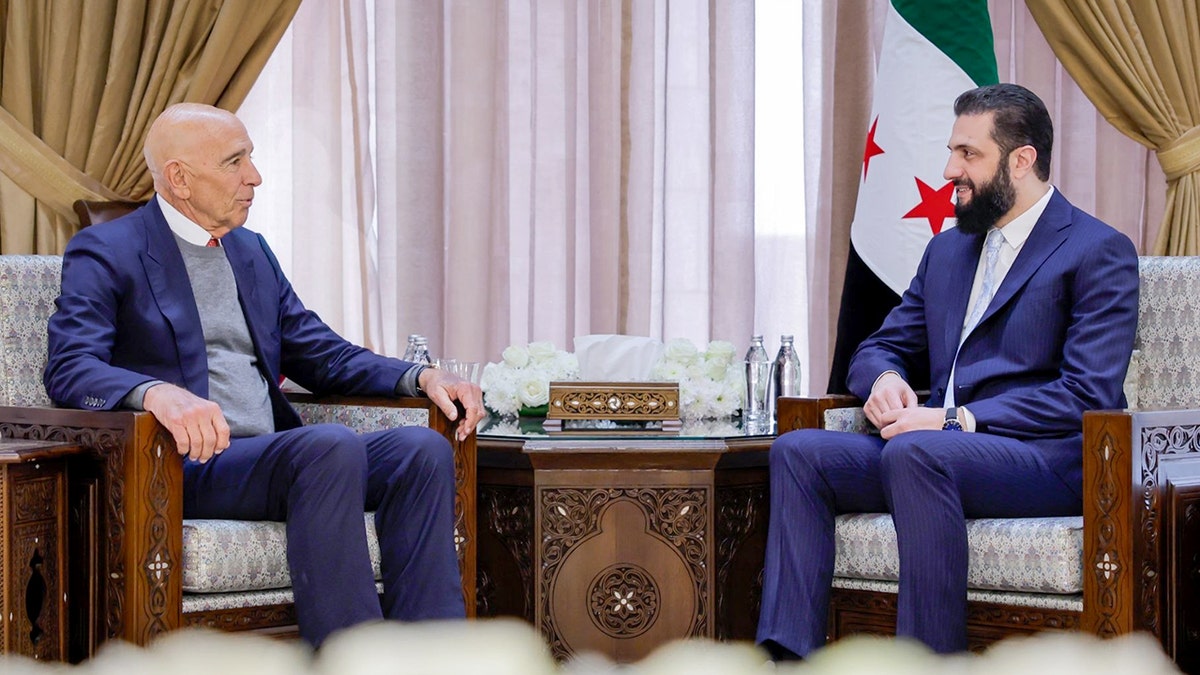
Syrian President Ahmed Sharaa meets with U.S. Special Envoy for Syria Thomas Barrack at the People’s Palace in Damascus, Syria, Sunday, Jan. 18, 2026. (Syrian Presidency/Handout/Anadolu via Getty Images)
«The deal integrates SDF fighters into the national military (as individuals, which remains among the most contentious issues), hand over key infrastructure (oil fields, dams, border crossings), and cede control of ISIS prisons and camps to Damascus,» Barrack wrote on X.
«This creates a unique window for the Kurds: integration into the new Syrian state offers full citizenship rights (including for those previously stateless), recognition as an integral part of Syria, constitutional protections for Kurdish language and culture (e.g., teaching in Kurdish, celebrating Nawruz as a national holiday), and participation in governance—far beyond the semi-autonomy the SDF held amid civil war chaos,» he added.
ISIS SOLDIERS BEHEAD CHRISTIANS IN MOZAMBIQUE, BURNING CHURCH AND HOMES: ‘SILENT GENOCIDE’
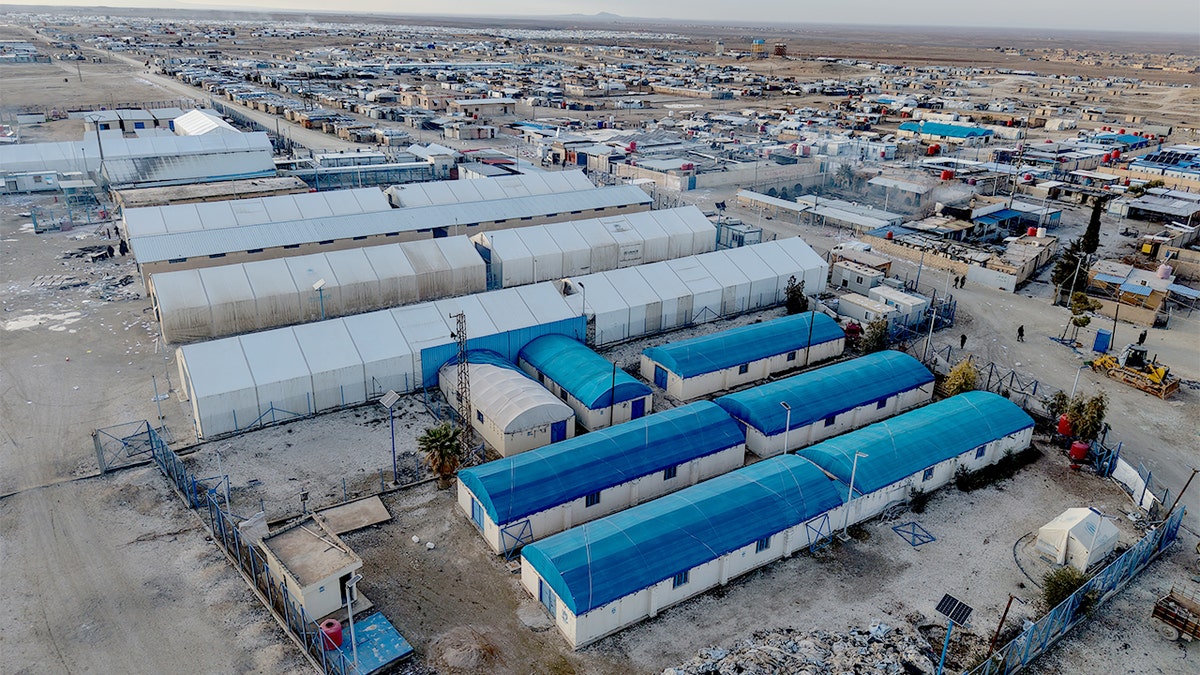
An aerial view of Hol Camp, where families linked to the Islamic State group are being held, in Hasakah province, Syria, Wednesday, Jan. 21, 2026. (Izz Aldien Alqasem/Anadolu via Getty Images)
CLICK HERE TO DOWNLOAD THE FOX NEWS APP
Syria’s Ministry of Interior said Monday that security forces had recaptured 81 of the 120 ISIS prisoners who escaped from the al-Shaddadi prison in the Hasakah countryside and were continuing efforts to track down the remaining escapees.
The interim government and the SDF have since traded blame over responsibility for the escape, which occurred amid heightened tensions over security arrangements in the region.
isis,syria,military,iraq,middle east












INTERNACIONAL
Carnaval de Río: un homenaje a Lula Da Silva encendió la polémica en Brasil a meses de las elecciones
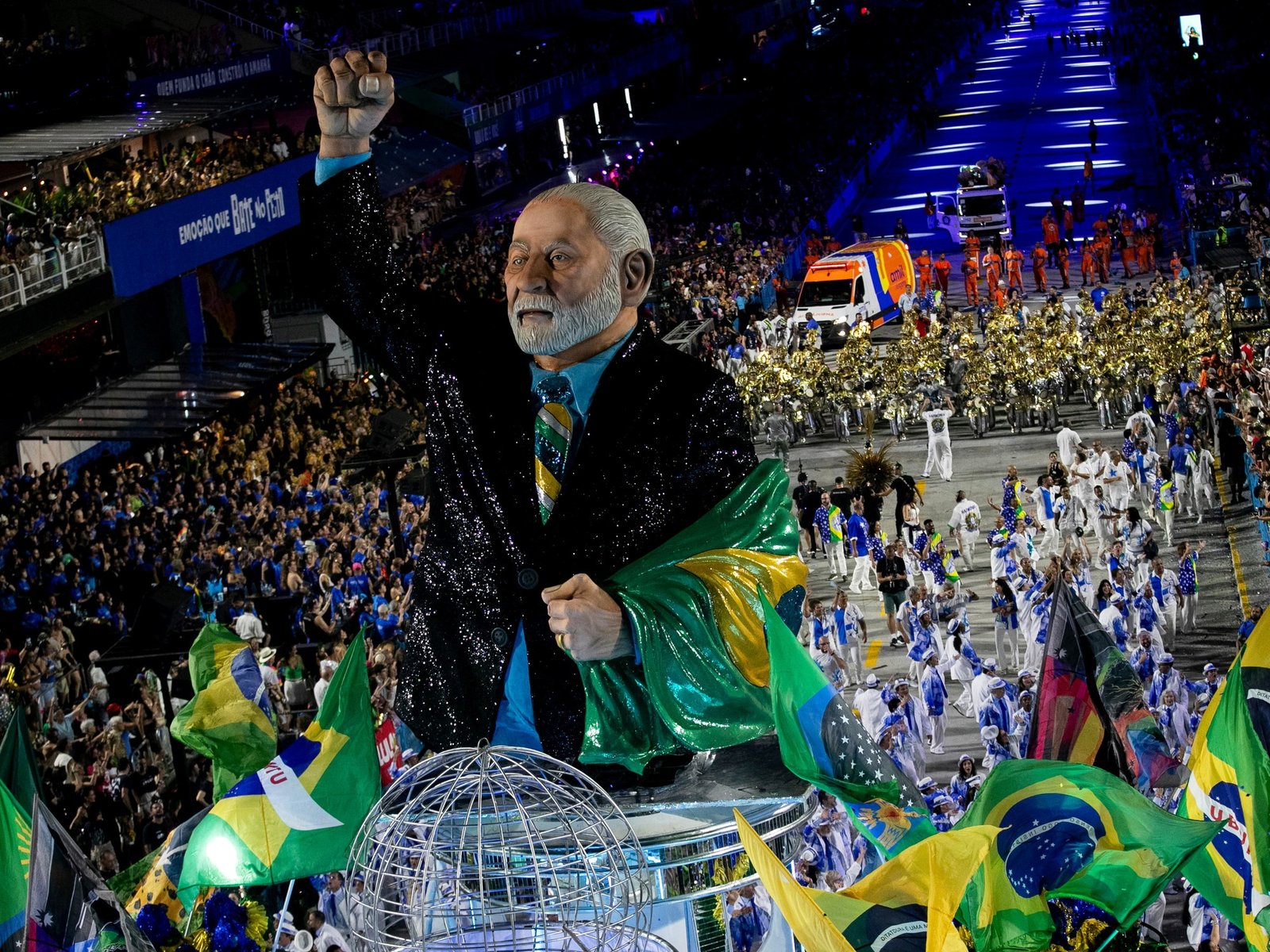
La explicación del guionista del desfile

INTERNACIONAL
Rubio se reúne con el primer ministro Orbán en Hungría para impulsar acuerdos energéticos y reforzar la cooperación bilateral
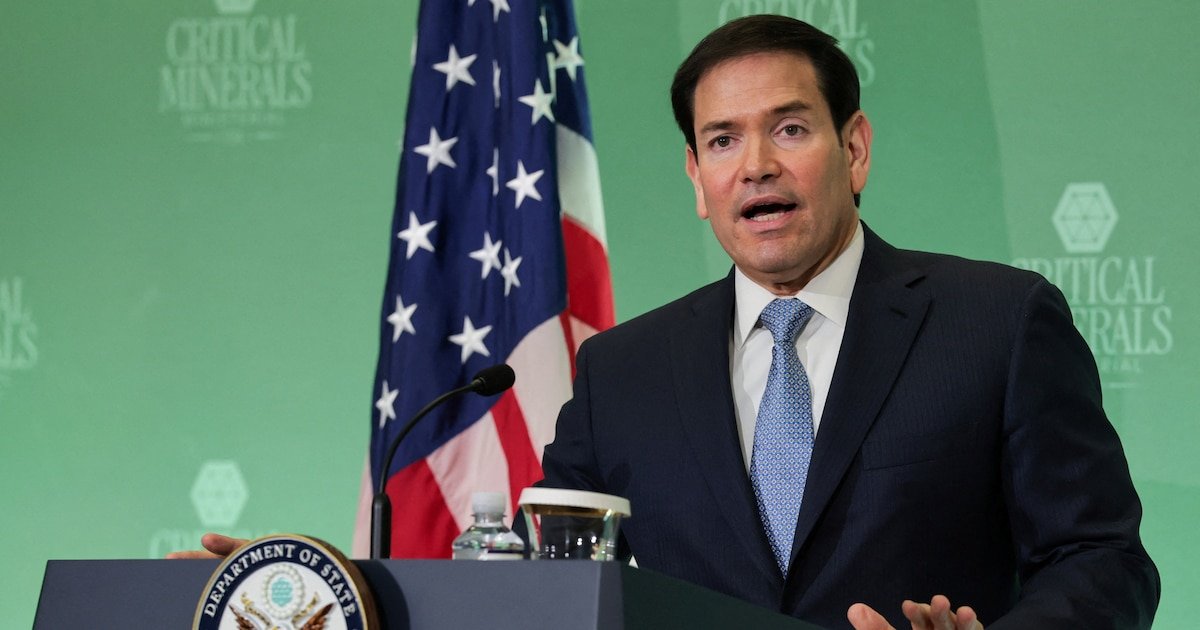
El secretario de Estado de Estados Unidos, Marco Rubio, llegó a Budapest para reunirse con el primer ministro Viktor Orbán, en el tramo final de una gira por Europa marcada por la seguridad, la guerra en Ucrania y el respaldo político de Washington al líder húngaro en plena campaña electoral.
La visita se produce antes de las elecciones legislativas del 12 de abril en Hungría, donde Orbán enfrenta un desafío relevante por parte de la oposición. Las encuestas ubican al partido gobernante Fidesz por detrás del TISZA, encabezado por el dirigente opositor Péter Magyar.
Rubio aterrizó en la capital húngara el domingo por la noche y tiene previsto mantener conversaciones este lunes por la mañana con Orbán antes de regresar a Washington. La reunión sigue a su participación en la Conferencia de Seguridad de Múnich y a su visita a Bratislava, donde se habló con el primer ministro eslovaco Robert Fico, otro dirigente nacionalista cercano a la Casa Blanca.
El presidente estadounidense Donald Trump expresó su respaldo al mandatario húngaro días antes del encuentro. En una publicación en redes sociales, destacó que Orbán logró resultados “fenomenales” en Hungría y le deseó suerte de cara a los comicios de abril.
En Budapest, Rubio y el ministro de Exteriores húngaro, Péter Szijjártó, tienen previsto firmar un acuerdo de cooperación en materia de energía nuclear. Según el jefe de comunicación internacional del Gobierno húngaro, Zoltán Kovács, en la agenda también figuran los contactos sobre Ucrania y la cooperación bilateral.

Kovács señaló que ambos dirigentes debatirán “los esfuerzos por la paz” en Ucrania y otros asuntos estratégicos. Tras el encuentro, está prevista una rueda de prensa conjunta para informar sobre el resultado de las conversaciones.
Desde Bratislava, Rubio defendió la relación con Europa y el papel de Estados Unidos dentro de la alianza atlántica. En un mensaje dirigido a los socios europeos, afirmó: “No estamos pidiendo a Europa que sea un vasallo de Estados Unidos. Queremos ser su socio. Queremos trabajar con Europa. Queremos trabajar con nuestros aliados”.
Durante su intervención en la Conferencia de Seguridad de Múnich, el secretario de Estado pidió a los países europeos que se sumen a la estrategia de Trump frente a la inmigración masiva, en un discurso que también incluyó referencias a la defensa de la civilización occidental. Al mismo tiempo, buscó transmitir calma sobre la posición estadounidense respecto de la OTAN y Groenlandia.
En Hungría, el Gobierno considera que la guerra en Ucrania será uno de los temas centrales del encuentro. El ministro Szijjártó sostuvo que “los políticos europeos intentan socavar sistemáticamente los esfuerzos de Donald Trump para lograr la paz (en Ucrania)”, según el portal independiente 444.hu.

Orbán, que gobierna con mayoría absoluta desde 2010, mantuvo un discurso duro contra sus adversarios internos y externos en un acto reciente. Allí aseguró que continuará su lucha contra “organizaciones pseudo-civiles, periodistas, jueces y políticos comprados”. También atacó a la “maquinaria opresiva de Bruselas”, en referencia a las autoridades de la Unión Europea, con las que mantiene desacuerdos desde hace años.
Los líderes comunitarios cuestionan a su Gobierno por presuntas restricciones a las voces críticas en el poder judicial, el ámbito académico, los medios y la sociedad civil, además de acusarlo de atacar a las minorías. La cercanía política con Rusia y el vínculo con el presidente Vladimir Putin aumentan la tensión con Bruselas.
Hungría mantiene una fuerte dependencia energética de Moscú. El país adquiere de Rusia el 85% del gas y el 65% del crudo que consume. Tras una visita de Orbán a la Casa Blanca en 2025, Trump concedió a Hungría una exención a las sanciones contra las importaciones de petróleo y gas rusos vinculadas a la invasión de Ucrania.
En noviembre pasado, el primer ministro anunció que su país también recibió excepciones sin límite temporal a las sanciones estadounidenses contra las petroleras rusas Rosneft y Lukoil.

Orbán se convirtió en una figura destacada para muchos simpatizantes de Trump por su postura contra la migración durante la crisis de refugiados sirios. Desde entonces, visitó varias veces el resort Mar-a-Lago en Florida y sostuvo una relación política cercana con el mandatario estadounidense.
El líder húngaro figura entre los dirigentes que viajarán a Washington la próxima semana para asistir a la reunión inaugural de la denominada “Junta de la Paz” impulsada por Trump, una iniciativa que críticos consideran diseñada para competir con el Consejo de Seguridad de la ONU.
(Con información de EFE y AFP)
Business,Domestic Politics,International Relations,Corporate Events,Diplomacy / Foreign Policy,North America,Government / Politics
INTERNACIONAL
Waltz calls UN a ‘cesspool for antisemitism’ as Trump administration pushes major reforms
NEWYou can now listen to Fox News articles!
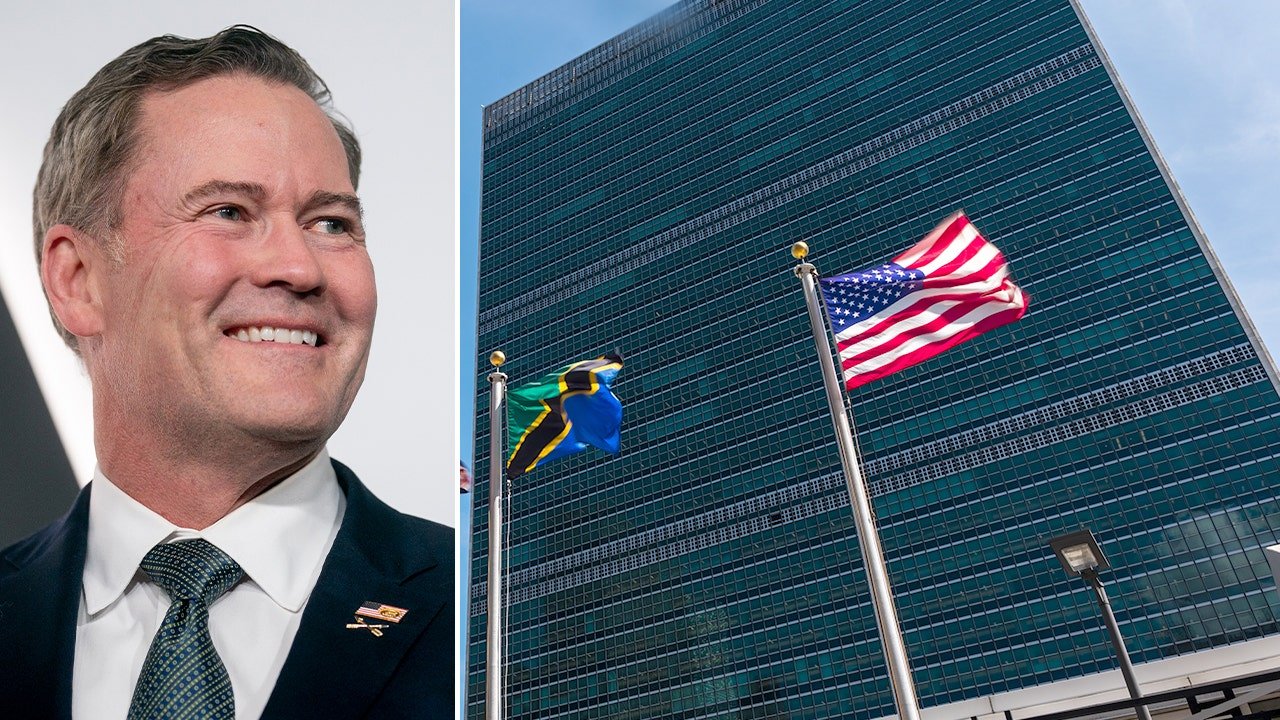
EXCLUSIVE: U.S. Ambassador to the United Nations Mike Waltz is calling for sweeping reform at the world body, placing the fight against antisemitism at the top of the agenda as the Trump administration pushes for changes across the institution.
In an exclusive on-camera interview, Waltz argued that confronting antisemitism should be a central pillar of any overhaul of the U.N., alongside a broader return to what he described as the organization’s core mission of peace and security.
«The U.N. has an atrocious history and record when it comes to antisemitism. Number one, it’s a cesspool for antisemitism in many ways,» Waltz said. «This administration is determined to fight it.»
TRUMP ADMIN WEIGHS TERRORISM SANCTIONS AGAINST UN PALESTINIAN AID AGENCY OVER HAMAS ALLEGATIONS
U.S Ambassador to United Nations Michael Waltz speaks with Israel’s Ambassador to the United Nations Danny Danon before a meeting of the United Nations Security Council to consider a U.S. proposal for a U.N. mandate to establish an international stabilization force in Gaza, at U.N. headquarters in New York City, Nov. 17, 2025. (Eduardo Munoz/Reuters)
He framed the issue as both urgent and historic, linking rising global antisemitism and the aftermath of the Oct. 7 Hamas terrorist attacks to what he said must be a renewed commitment inside international institutions.
«We have to live up to the mantra of never again,» Waltz said. «As we see antisemitism on the rise around the world… after October 7th, in particular, we have to live up to that mantra.»
Waltz pointed to Holocaust remembrance and survivor testimony as essential tools in combating denial and historical revisionism, saying education must be central to any U.N. response.
«It’s about education. It’s about fighting back on these ridiculous denials of the Holocaust,» he said. «But most importantly, while we still have them, it’s about hearing from the survivors and hearing their personal stories.»
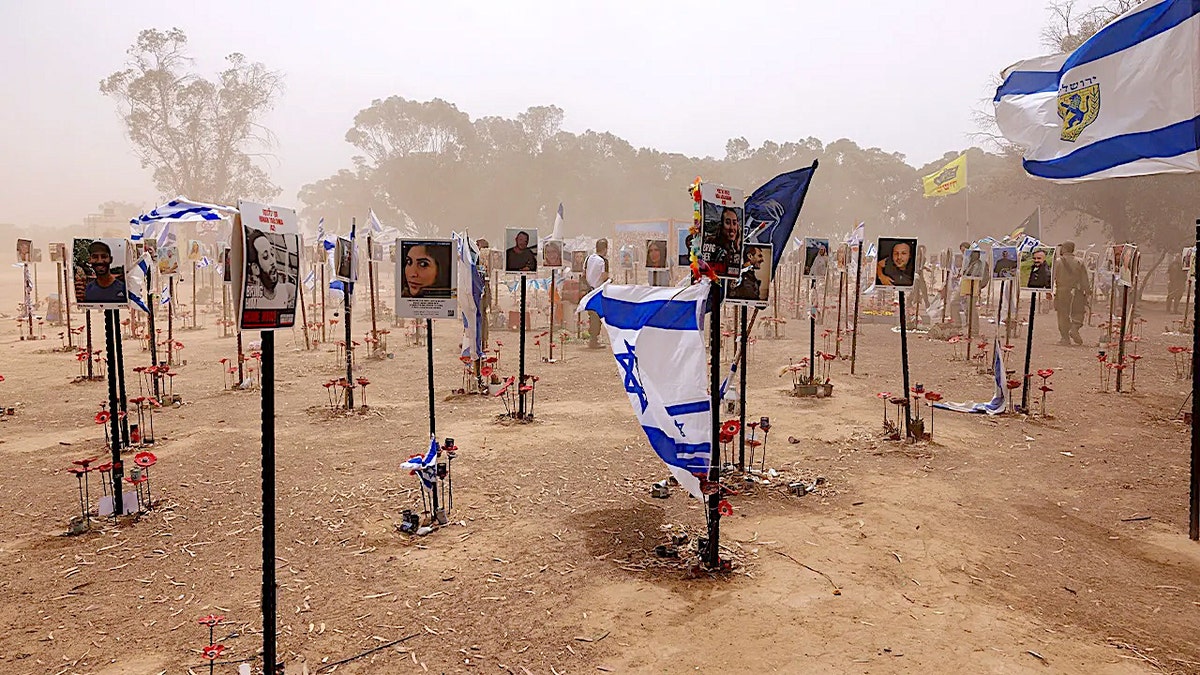
Memorials at the site of the Oct. 7 Hamas terror attack on the Supernova music festival near Kibbutz Re’im, Israel, on Monday, May 27, 2024. (Kobi Wolf/Bloomberg via Getty Images )
He added that U.N. forums should elevate survivor testimony rather than political messaging.
«My recommendation to the U.N. is, get the diplomats and the politicians out of the way, let’s just hear from the survivors because their stories are compelling, they are tragic, they need to be heard and documented, and they certainly can’t ever be denied,» Waltz said.
The ambassador’s remarks come as the administration calls for broader structural reform at the United Nations, including changes to how it approaches development aid, humanitarian operations and leadership.
WALTZ TO ROOT OUT ANTISEMITISM, ELIMINATE ‘WOKE’ PROGRAMS, GET ‘BACK TO BASICS’ AT THE UNITED NATIONS
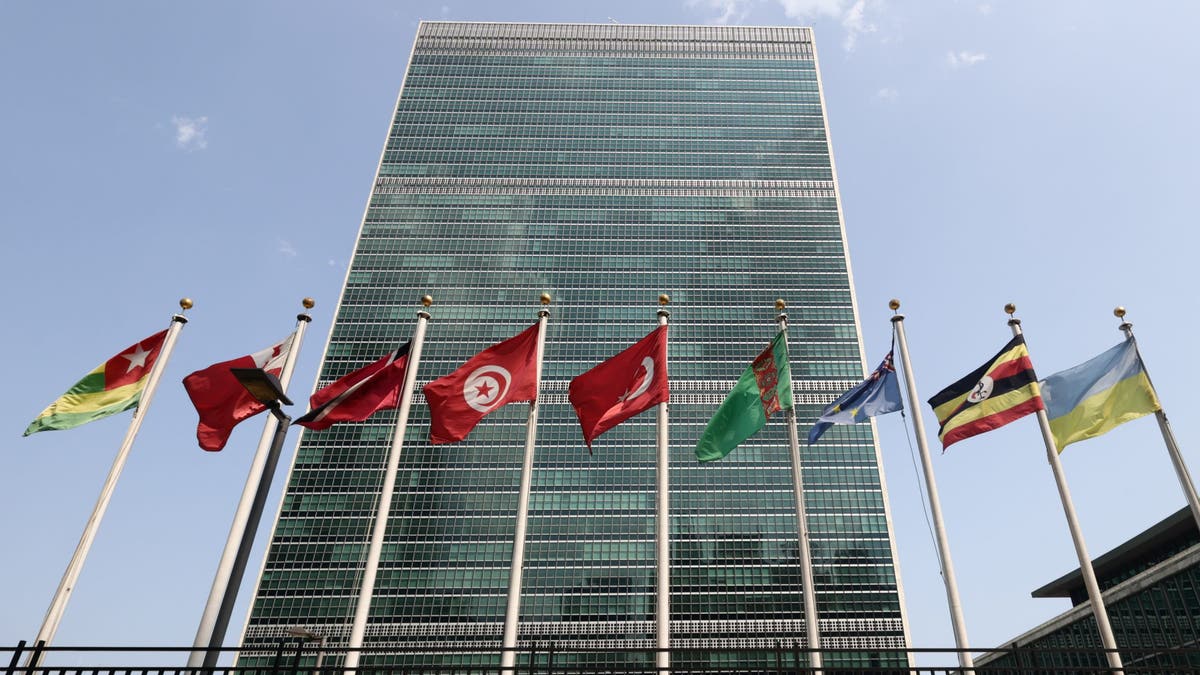
A view of the United Nations Headquarters building in New York City, United States on July 16, 2024. (Jakub Porzycki/NurPhoto via Getty Images)
Waltz said Washington wants to see a more focused institution centered on conflict prevention and peacekeeping, with less reliance on traditional aid frameworks.
«I see, and I think what the president sees, is a much more focused U.N. that we have taken back to the basics of promoting peace and security around the world and enforcing peace when conflict breaks out through its peacekeeping forces,» he said.
The push for reform comes against the backdrop of longstanding criticism from U.S. officials and watchdog groups over how Israel is treated within the U.N. system and concerns about antisemitism linked to some U.N.-affiliated bodies.
UNRWA, the U.N. agency responsible for Palestinian refugees, has faced mounting scrutiny in recent years. Reports by education monitoring organizations documented content in materials used in UNRWA-linked classrooms that delegitimizes Israel or includes antisemitic themes.
Media investigations after Oct. 7 further intensified attention on the agency, with allegations involving staff and militant ties triggering donor freezes and internal probes.
An independent review commissioned by the United Nations acknowledged neutrality challenges and recommended stronger oversight and vetting mechanisms.
ISRAEL’S NETANYAHU DEMANDS WESTERN GOVERNMENTS ACT TO BATTLE ANTISEMITISM: ‘HEED OUR WARNINGS’

Photos released by the Israeli Defense Force show three individuals that the Israeli military claims are Hamas terrorists inside an UNRWA compound in Rafah. (IDF)
Beyond UNRWA, critics have pointed to structural patterns across the U.N. system. Israel remains the only country assigned a permanent agenda item at the U.N. Human Rights Council, mandating discussion at every session.
At the General Assembly, Israel has frequently been the subject of more country-specific resolutions than any other state in many annual sessions.
Successive U.S. administrations have described that focus as disproportionate.
U.N. officials reject the characterization of institutional antisemitism, arguing that scrutiny reflects the scale and duration of the Israeli-Palestinian conflict and humanitarian concerns, and pointing to reforms underway within agencies including UNRWA.
CLICK HERE TO DOWNLOAD THE FOX NEWS APP
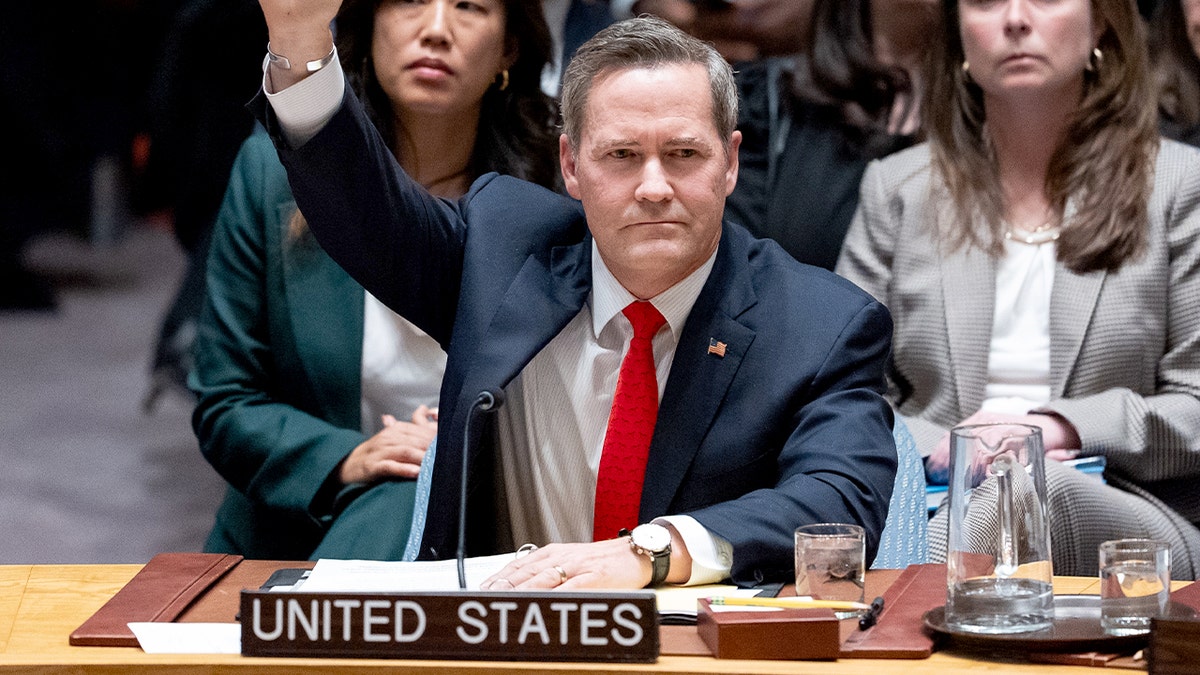
U.S. Ambassador to the United Nations Mike Waltz raises his hand to vote in favor of a draft resolution authorizing an International Stabilization Force in Gaza on Nov. 17, 2025. (Adam Gray/Getty)
Waltz said confronting antisemitism must remain a priority as the U.N. prepares for leadership changes and debates over its future direction. He placed combating antisemitism within that broader reform push, alongside other policy priorities and future leadership decisions at the world body.
«So those are just some of the things in addition to… taking on antisemitism… getting… good, strong leadership in the U.N. going forward that we hope to get done during our time here.»
anti semitism,united nations,israel,state department,holocaust

Victoria Villarruel se reunió con un gobernador opositor y escala su interna con el Gobierno

Hay alerta amarilla por tormenta para este lunes 16 de febrero: las provincias afectadas

Deuda: cuándo y de cuánto son los próximos vencimientos y cuál es la estrategia oficial para acumular pesos

Canales para ver el Rosario Central vs. Barracas Central por el Torneo Apertura

Wanda Nara, Lali Espósito y Nicki Nicole sorprendieron en La Casita de Bad Bunny en el cierre de River: las imágenes

Carnaval de Río: un homenaje a Lula Da Silva encendió la polémica en Brasil a meses de las elecciones

A quién afecta la Reforma laboral: estos son los puntos clave del proyecto de Milei

Reforma laboral: la modificación sobre accidentes o enfermedades ajenas al trabajo

Cayeron 20% las ventas de automóviles en China y el régimen impone medidas para regular el mercado

El Barça y media Europa esperan: la joya de 19 años Diomandé atrapada en un lío legal

 POLITICA2 días ago
El Gobierno busca aprobar la reforma laboral y el Régimen Penal Juvenil antes del 1 de marzo
- SOCIEDAD2 días ago
Avistaron una ballena azul en Chubut por primera vez en la historia
- INTERNACIONAL2 días ago
Chaotic video shows passengers trading midair blows; plane forced to divert: reports