INTERNACIONAL
Snowstorm could’ve sparked grid catastrophe if Biden climate policies weren’t reversed: Energy Dept


NEWYou can now listen to Fox News articles!
EXCLUSIVE: The electric grid kept the lights on for much of the country hit by the weekend’s massive snowstorm chiefly because the Trump administration broke from Biden-era plans, keeping five major coal-fired power plants online and allowing grid providers to draw in more fossil fuel-based energy in vulnerable areas.
The Energy Department made the claims in exclusive comments to Fox News Digital, as officials said multiple megawatts of power were made additionally available from otherwise taboo hydrocarbons.
Secretary Chris Wright issued several emergency orders over the weekend and through Tuesday that permitted power plants to operate beyond levels set by EPA regulations and considered the ceiling prior to President Donald Trump’s second term, a source familiar with the situation told Fox News Digital.
LIZ PEEK: TRUMP WHITE HOUSE FIRED UP ABOUT KING COAL’S RETURN TO POWER
A man shovels snow amid the massive snowstorm this week. (Arnold Gold/CT Post via Getty Images)
Five such plants were on track to be closed under the Biden-era push to pivot from fossil fuels to green energy, the official said, adding that the Trump administration was prepared to give energy producers leeway to push more power online to reduce risks of blackouts. The Trump administration saved 17 gigawatts of coal power that were going to be forcibly shut down as well, Fox News has learned.
«We told grid providers: if your energy demand reaches a critical level… let us know,» the official said, adding that there is a direct correlation between the power being saved up and what was needed to keep the lights on as states from Alabama to Vermont were hammered with wintry weather and deep freezes.
As the storm approached, Wright informed grid operators to be prepared to use more than 35 gigawatts of unused backup generation nationwide, sourced from anywhere from data centers to big-box stores, bypassing prior environmental regulations by emergency order.
That gave a wide buffer against blackouts and hundreds of millions in emergency costs for Americans — as 1 gigawatt is enough to power Wright’s hometown Denver metro area alone.
TRUMP ADMIN RELAUNCHES KEY COUNCIL AFTER BIDEN ADMIN SHUTTERED IT: ‘IGNORANCE AND ARROGANCE’
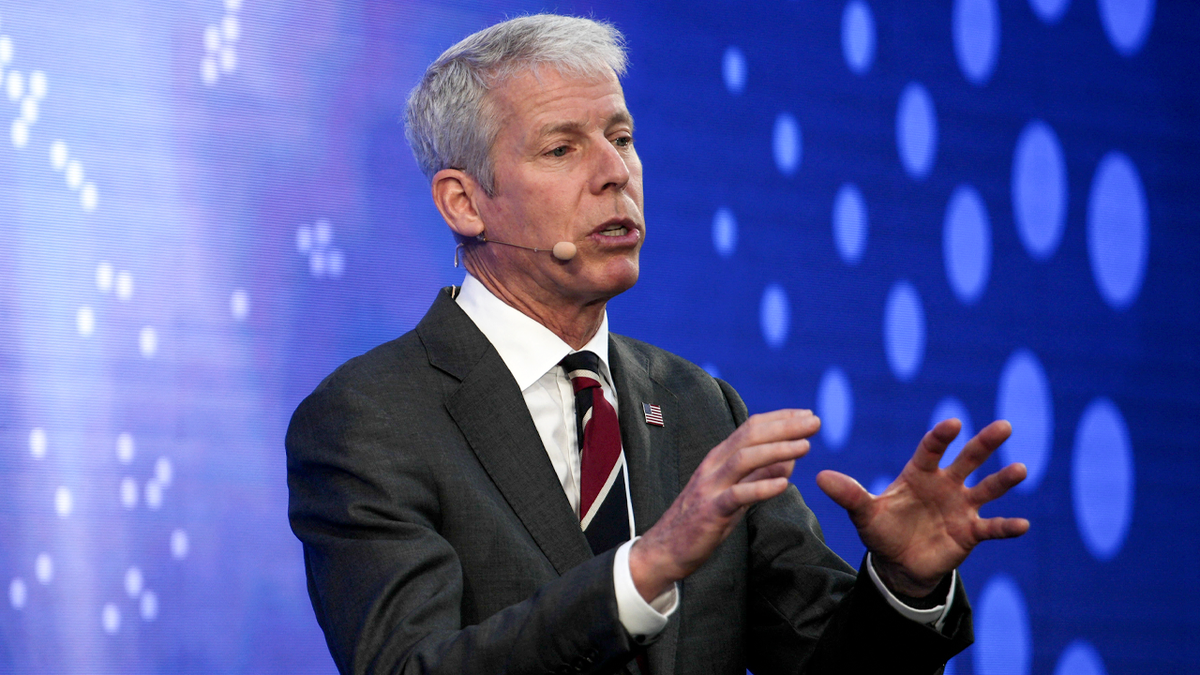
Energy Secretary Chris Wright talks during the 6th Partnership for Transatlantic Energy Cooperation in Athens, Greece, on Nov. 7, 2025. (Menelaos Myrillas/SOOC/AFP via Getty Images)
«How power sources perform during peak electricity demand reveal their true value,» Energy Department press secretary Ben Dietderich told Fox News Digital.
«Across the country, wind and solar generation plummeted while natural gas, coal and oil plants did the majority of the work keeping the lights on during the storm. According to DOE data, the Biden administration’s support for forcibly closing reliable coal and natural gas plants had America on track to see blackouts increase 100 times over by 2030.»
«Thankfully, President Trump was elected and has already prevented the forced closure of five coal plants and more than 17 gigawatts of reliable coal power,» Dietderich added.
CONGRESS REPEALED THE GREEN NEW DEAL. CAN TRUMP FINISH THE JOB?
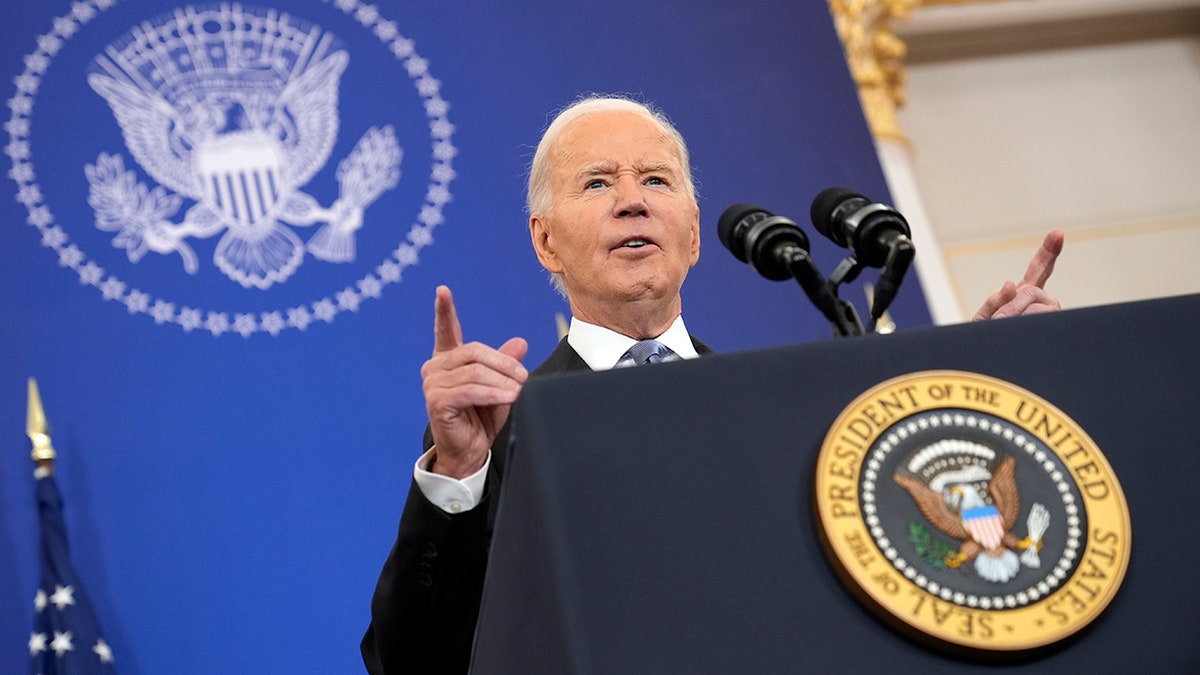
The Trump administration broke from Biden-era plans, keeping five coal-fired power plants online and allowing grid providers to draw in more fossil fuel-based energy in vulnerable areas. (AP/Susan Walsh)
Dietderich said the Trump administration and Wright continue to be committed to «unleashing» affordable and reliable energy that works — «whether the wind is blowing or the sun is shining,» a common administration reference to the unreliability of those forms of green energy when those natural power sources aren’t present.
As the storm approached, Wright remarked that the Trump administration «will not stand by and allow the previous administration’s reckless energy subtraction policies and bureaucratic red tape put American lives at risk.»
The structure of the department’s emergency preparations is also meant to save American lives, he said.
TRUMP MOCKS ‘ENVIRONMENTAL INSURRECTIONISTS’ AS AMERICANS BRACE FOR MASSIVE WINTER STORMS: ‘GLOBAL WARMING?’
In that regard, wind and solar power only accounted for 10% of the energy utilized across the storm’s path.
Hydrocarbons and coal, by contrast, provided 68% of the power in those same areas, a power source often maligned on the left.
CLICK HERE TO DOWNLOAD THE FOX NEWS APP
The department noted that in New England — where renewable and green energy sources are often put on the proverbial pedestal — nearly two-thirds of the energy utilized was sourced from hydrocarbon-based or coal-fired power.
American coal power itself provided enough electricity for 30 million homes across the storm’s path, the department said.
Fox News Digital reached out to President Biden’s representatives for comment.
energy,climate change environment,white house,environmental,winter storm,biden executive orders,environment









INTERNACIONAL
Monopolio, privilegios y falta de competencia: las razones detrás del fallo contra Panama Ports

Más allá del impacto político y económico que provocó la decisión, la sentencia de la Corte Suprema de Justicia que declaró inconstitucional el marco legal de la concesión otorgada a Panama Ports Company, S.A. (PPC) se sostiene sobre un razonamiento jurídico que va mucho más allá de aspectos formales o administrativos.
El fallo examina el diseño mismo del contrato, sus adendas y su régimen de prórroga, y concluye que, en su conjunto, crearon un esquema incompatible con varios principios constitucionales.
Uno de los primeros elementos analizados por el tribunal fue el alcance real de los derechos concedidos a la empresa. La Corte estudió si el contrato, aprobado mediante la Ley 5 de 1997, se limitaba a permitir la operación de dos terminales específicas o si, en la práctica, otorgaba a PPC una posición privilegiada sobre áreas portuarias presentes y futuras.
En este punto, el tribunal concluyó que ciertas cláusulas vinculadas a expansiones, áreas adyacentes y derechos preferentes configuraban un control extendido que iba más allá de una concesión ordinaria.
Este análisis llevó a la Corte a vincular el contrato con el principio constitucional de libre competencia. El fallo advierte que, al establecer ventajas estructurales a favor de un solo operador, el régimen aprobado por ley podía generar barreras de entrada para otros potenciales concesionarios.
Desde esta perspectiva, no se trataba únicamente de un contrato entre el Estado y una empresa, sino de un esquema legal que condicionaba el mercado portuario a largo plazo.

Otro eje central del razonamiento fue la forma en que se otorgó y prorrogó la concesión. El tribunal examinó si el Estado había garantizado procesos abiertos, transparentes y competitivos, acordes con el interés público.
En su evaluación, la Corte cuestionó que la prórroga se produjera sin un procedimiento equivalente a una nueva licitación, sin una comparación objetiva de ofertas y sin una revisión integral del desempeño del concesionario.
Para los magistrados, este mecanismo debilitaba el control estatal sobre un servicio estratégico. Al no existir una instancia real de evaluación y competencia, el Estado reducía su margen para renegociar condiciones, exigir mejoras o reconsiderar el modelo de explotación portuaria conforme a nuevas realidades económicas y logísticas.
El tema fiscal también ocupó un lugar relevante en el fallo. La Corte analizó el alcance de las exoneraciones y beneficios otorgados a PPC y a empresas vinculadas.
En este punto, el tribunal recordó que la potestad tributaria forma parte esencial de la soberanía estatal y que las excepciones deben estar debidamente justificadas, delimitadas y sustentadas en el interés general.

Según la sentencia, el régimen concedido presentaba un grado de amplitud que podía afectar la capacidad recaudatoria del Estado sin una justificación técnica suficientemente demostrada.
Este aspecto fue interpretado como una alteración indebida del equilibrio entre incentivos a la inversión y protección del erario.
Otro componente considerado fue el ambiental. La Corte revisó si el desarrollo y expansión de las actividades portuarias estaban respaldados por instrumentos adecuados de evaluación de impacto, monitoreo y mitigación.
El fallo señala deficiencias en este ámbito y subraya que la protección ambiental no puede ser tratada como un aspecto secundario en proyectos de infraestructura de gran escala.
En el análisis judicial, la ausencia de evaluaciones integrales y actualizadas se relaciona directamente con el deber constitucional del Estado de garantizar un ambiente sano y de prevenir daños irreversibles, especialmente en zonas costeras estratégicas.
Un elemento transversal en toda la sentencia es la noción de soberanía y dominio sobre bienes de uso público. La Corte examinó si el contrato y sus adendas preservaban la capacidad del Estado para administrar libremente sus puertos o si, por el contrario, generaban una dependencia estructural frente al concesionario.
El tribunal concluyó que ciertas disposiciones limitaban de forma excesiva la potestad estatal para decidir sobre su propia infraestructura.

Desde esta óptica, el fallo no cuestiona la figura de la concesión en sí misma, sino la forma en que fue diseñada. La Corte reconoce que el Estado puede delegar la operación de servicios, pero subraya que dicha delegación no puede traducirse en una renuncia práctica al control estratégico.
En cuanto a los argumentos de la defensa, PPC sostuvo que el contrato había sido aprobado por ley, refrendado por las autoridades competentes y sometido al control del órgano legislativo.
También alegó que el análisis pretendido implicaba revisar la conveniencia económica del negocio, lo cual, a su juicio, excedía las funciones del control constitucional.
La Corte respondió señalando que su competencia no se limitaba a verificar el cumplimiento formal de trámites, sino a evaluar si el contenido normativo era compatible con la Constitución.
En este sentido, el tribunal dejó claro que la existencia de refrendos, debates legislativos o controles administrativos no convalida un régimen que vulnera principios materiales.
El concepto del Procurador General de la Nación, Luis Manuel Gómez Rudy, influyó de manera relevante en el razonamiento final. En su vista fiscal, el Ministerio Público coincidió en que el contrato y su prórroga planteaban problemas en materia de competencia, privilegios, fiscalidad y control estatal.

Aunque la Corte no adoptó de manera automática todos sus argumentos, sí incorporó varios de sus planteamientos en el análisis.
Finalmente, el fallo concluye que la inconstitucionalidad no deriva de un solo vicio aislado, sino de la acumulación de factores: privilegios excesivos, ausencia de competencia efectiva, debilidad en los mecanismos de control, impacto fiscal, deficiencias ambientales y limitaciones a la soberanía. En conjunto, estos elementos configuraron un modelo incompatible con el orden constitucional.
Desde esta perspectiva, la decisión no se fundamenta en la falta de un refrendo específico ni en un error administrativo puntual, sino en una revisión estructural del régimen concesionario.
La sentencia establece así un precedente relevante para futuras concesiones en sectores estratégicos, al fijar límites claros sobre el alcance de los derechos que pueden otorgarse, la necesidad de competencia real y la obligación permanente de preservar el interés público.
El embajador de Estados Unidos, Kevin Marino Cabrera, no dudó en opinar sobre el fallo de la CSS. El diplomático presentó el fallo como una señal de que en Panamá opera un sistema judicial independiente que puede corregir decisiones contractuales cuando, a su juicio, chocan con exigencias de transparencia y con el interés público.
Su mensaje apunta a un efecto reputacional: la idea de que el país refuerza el Estado de derecho al exigir rendición de cuentas a operadores privados en infraestructura crítica.

En la misma línea, el embajador conectó la decisión con dos conceptos que suelen interesar a Washington y a los mercados: seguridad nacional y clima de inversión. Su argumento es que una justicia predecible y aplicada de forma imparcial mejora la confianza, porque transmite que los contratos válidos se respetan y los que no lo son se corrigen, lo que —según su lectura— elevaría el atractivo de Panamá para inversión de calidad y de largo plazo.
Por su parte, el contralor Anel Flores enmarcó el resultado como la culminación de una acción institucional de la Contraloría General de la República de Panamá para preservar los bienes y el patrimonio de los panameños.
Al acudir a notificarse oficialmente del fallo, buscó reforzar la idea de que la Contraloría actuó dentro de su mandato legal y que el proceso respetó el derecho de defensa de las partes, aun cuando el desenlace sea adverso para el concesionario.

El contralor además elevó el tono político del mensaje: calificó la decisión como un antes y un después para la relación portuaria del país y sostuvo que, tras el fallo, la responsabilidad sobre los puertos retorna al ámbito del interés colectivo.
El contralor Anel Flores acudió a la Secretaría General de la Corte para notificarse oficialmente del fallo. Como antecedente del caso, la Contraloría General de la República de Panamá había realizado una auditoría sobre la concesión, en la que planteó la existencia de una posible lesión patrimonial al Estado, y a partir de esa actuación institucional presentó demandas de inconstitucionalidad con el argumento de proteger los bienes y el patrimonio públicos.
Business,Corporate Events,South America / Central America

Tradición
Problemas

NEWYou can now listen to Fox News articles!
Gaza’s Rafah border crossing with Egypt resumed limited operations Monday under the terms of the Israeli-Hamas ceasefire agreement, reopening a critical gateway that had been largely closed for nearly two years.
The reopening comes with tight restrictions. Only a small number of people will be permitted to travel in either direction and commercial goods will not be allowed to pass through the crossing, officials said.
Egyptian authorities said the first day of operations will allow up to 50 Palestinians to cross in each direction, a figure that reflects the narrow scope of the initial reopening rather than a full return to prewar travel.
Health officials in Gaza say tens of thousands of residents with urgent medical needs are seeking evacuation through Rafah, underscoring the pressure on the crossing even as access remains tightly controlled. Thousands of Palestinians currently outside Gaza are also hoping to return.
US MILITARY TO OVERSEE NEXT PHASE OF PEACE DEAL FROM COORDINATION BASE IN ISRAEL
Ambulances line up to enter the Egyptian gate of the Rafah crossing on the way to the Gaza Strip, in Rafah, Egypt, Sunday, Feb. 1, 2026. (AP Photo/Mohamed Arafat)
Before the war, Rafah served as Gaza’s primary passage to the outside world. All other crossings into the territory are shared with Israel. Under the ceasefire framework that took effect in October, Israeli forces continue to control the corridor between the crossing and the areas where most Palestinians live.
Israel and Egypt are vetting travelers, and the crossing is being overseen with international involvement, officials said, as part of efforts to prevent weapons smuggling while allowing limited humanitarian movement.

A crane enters the Egyptian gate of the Rafah crossing to the Gaza Strip, in Rafah, Egypt, Sunday, Feb. 1, 2026. (AP Photo/Mohamed Arafat)
Egypt has said the crossing must function in both directions and has pushed back against any use of Rafah as a mechanism to permanently displace Palestinians from Gaza.
US ENVOY WITKOFF SAYS HIGH-LEVEL MIAMI TALKS FOCUSED ON ‘UNIFIED GAZAN AUTHORITY’ AS ISRAEL CEASEFIRE ADVANCES
Elsewhere in the territory, fighting-related incidents continued despite the ceasefire. Gaza hospital officials accused an Israeli navy vessel of firing on a tent camp near the southern city of Khan Younis, killing a 3-year-old Palestinian boy. Israel’s military said it was reviewing the report.
Egyptian authorities said roughly 150 hospitals across the country are prepared to receive patients evacuated from Gaza, while the Egyptian Red Crescent has set up support areas on the Egyptian side of the crossing.

A truck carrying humanitarian aid at the Rafah border on the Egyptian side, in Rafah, Egypt, on Thursday, Jan. 29, 2026. (Reuters)
Israel seized control of the Rafah crossing in May 2024, describing the move as part of its campaign against Hamas smuggling routes. The crossing was briefly opened for medical evacuations during a short-lived ceasefire in early 2025.
The U.S.-brokered ceasefire that took effect on Oct. 10 halted more than two years of fighting that began with the Hamas-led terror attacks on southern Israel on Oct. 7, 2023. The ceasefire’s initial phase focused on hostage exchanges, increased humanitarian aid and a limited Israeli pullback.
CLICK HERE TO DOWNLOAD THE FOX NEWS APP
A second phase envisions a new Palestinian governing arrangement for Gaza, the deployment of an international security force, the disarmament of Hamas and steps toward reconstruction — goals that remain unresolved.
The Associated Press contributed to this report.
middle east,israel,world

¿Hasta cuándo sigue la ola de calor y qué día llueve? Este es el pronóstico del clima en el AMBA para esta semana

Monopolio, privilegios y falta de competencia: las razones detrás del fallo contra Panama Ports

Karina Milei activa gestiones para incidir en la próxima conformación del Consejo de la Magistratura y choca con Santiago Caputo

Financial Times resaltó el boom de compras de argentinos ante la apertura de la economía: furor por Apple, Lego y Stanley

Es uno de los juegos gratis más jugados, pero 128 millones de jugadores no podrán tocar Apex Legends en unos meses

Incredulidad con la estatua de Falcao de 195 kilogramos: ‘Es terrorífica’

La escandalosa prohibición de María Susini: por qué no quiere que Facundo Arana se acerque a sus hijos

A qué hora puede llover hoy en CABA, según el Servicio Meteorológico Nacional

Julieta Díaz contó por qué no funcionó su noviazgo con Luciano Castro en medio de la separación con Griselda Siciliani

Maximo Kirchner propuso que Axel Kicillof presida el PJ Bonaerense

 CHIMENTOS3 días ago
Julieta Díaz contó por qué no funcionó su noviazgo con Luciano Castro en medio de la separación con Griselda Siciliani
- INTERNACIONAL2 días ago
Estados Unidos advirtió al régimen de Irán que “no tolerará” ejercicios militares “inseguros” cerca de sus fuerzas en Medio Oriente
- POLITICA3 días ago
El New York Times asegura que la Argentina podría firmar un acuerdo con EE.UU. para recibir deportados