INTERNACIONAL
Republicans blast Democrats’ Trump election meddling claims as hypocritical ‘conspiracy theory’

NEWYou can now listen to Fox News articles!
Senate Democrats are accusing President Donald Trump of trying to meddle in the upcoming election cycle, and Senate Republicans are calling them out.
The topic of election integrity was again thrust back into the forefront by House Republicans last week, who demanded that voter ID legislation be included in a deal struck by Trump and Senate Minority Leader Chuck Schumer, D-N.Y., to fund the government.
While that ultimately never came to fruition, the talking point and legislative push have remained.
THUNE REJECTS TRUMP’S CALL TO NATIONALIZE ELECTIONS, WARNS DEMS TRIED THE SAME
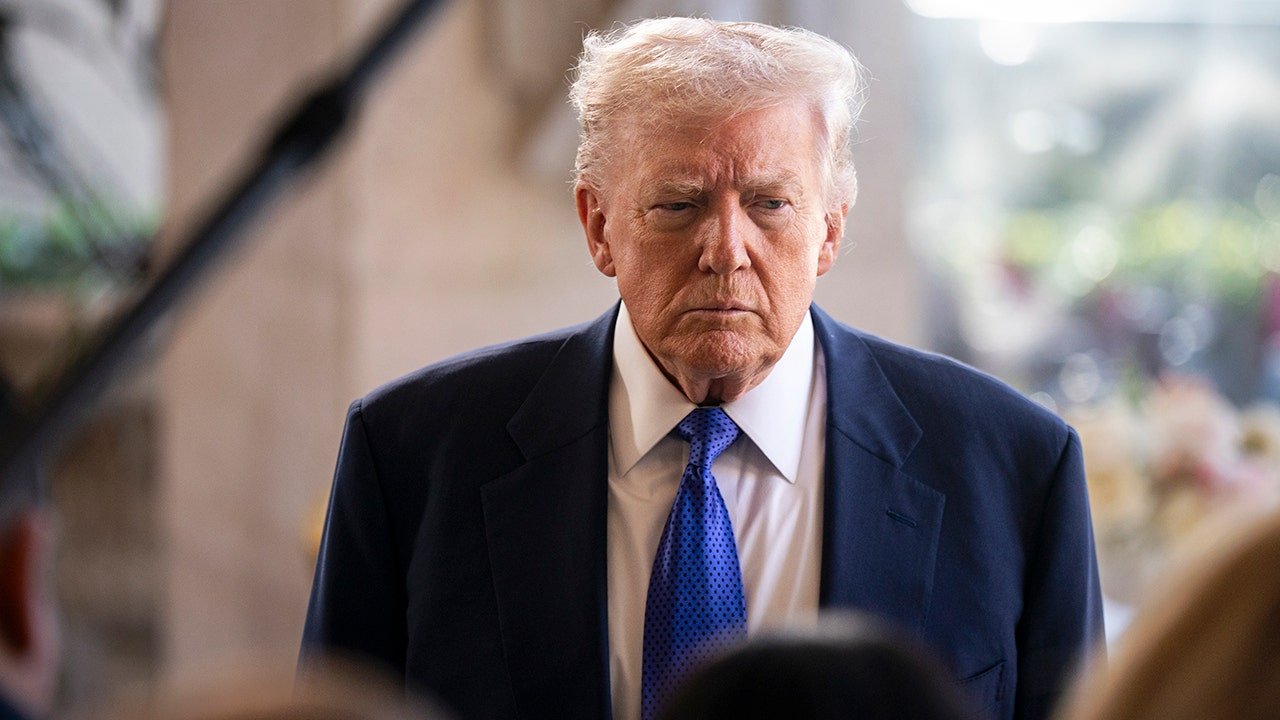
President Donald Trump speaks to reporters and members of the media at Mar-a-Lago on Feb. 1, 2026, in Palm Beach, Fla. (Al Drago/Getty Images)
Trump has called on Republicans to nationalize elections throughout the week; the FBI conducted a raid on an election hub in Fulton County, Ga. and a cohort from the Senate GOP are pushing for the SAVE America Act to get a shot in the upper chamber.
Senate Democrats see the moves as laying the groundwork for election interference during the 2026 midterm election cycle — a point that they railed against Trump and Republicans for years.
«I think as Trump gets more desperate, he’s looking at ways that he can rig the election anytime a Republican doesn’t win,» Sen. Chris Murphy, D-Conn., told Fox News Digital. «He thinks it’s unfair, and so he wants to tilt the rules to make sure the Democrats don’t win.»
«So yeah, I think we ultimately have to be really vigilant about this,» he continued. «The Constitution is crystal clear, the federal government can’t run state elections, but that doesn’t mean he won’t try.»
REPUBLICANS, TRUMP RUN INTO SENATE ROADBLOCK ON VOTER ID BILL
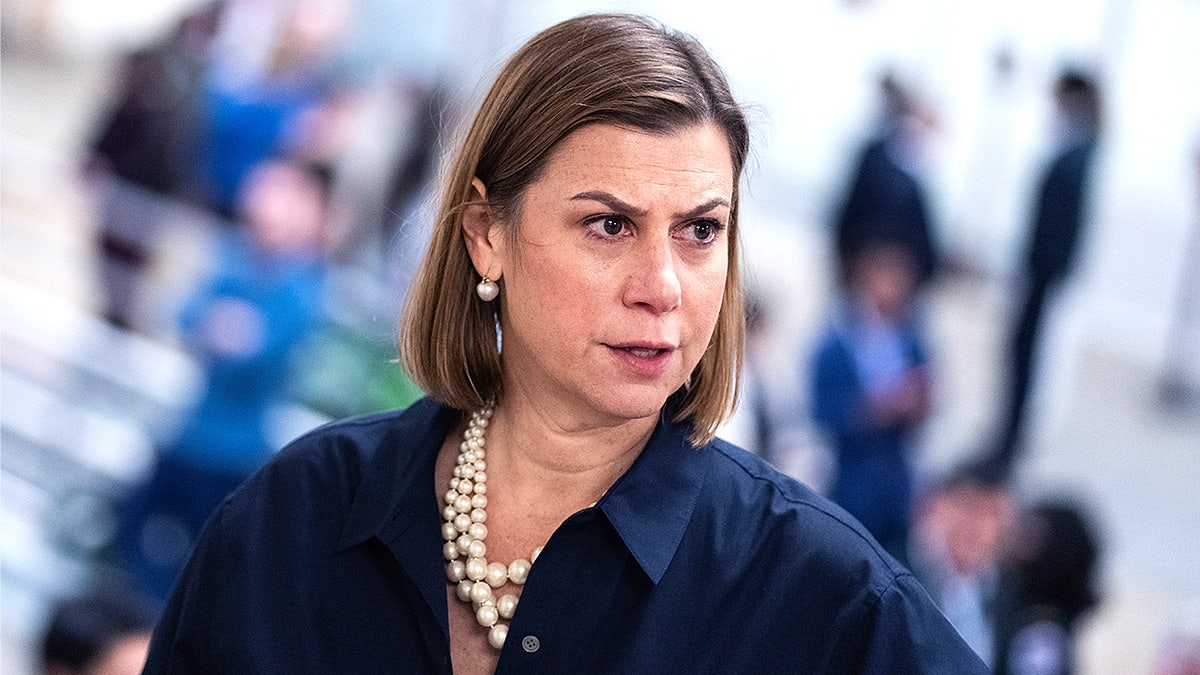
Sen. Elissa Slotkin is seen during votes at the U.S. Capitol in Washington, D.C., on Oct. 23, 2025. (Tom Williams/CQ Roll Call, Inc. via Getty Images)
The accusation has made Senate Republicans balk, particularly after congressional Democrats raged against the GOP for questions of election integrity following the 2020 election and after Democrats pushed for their own, sweeping election reform packages under former President Joe Biden.
Sen. Eric Schmitt, R-Mo., told Fox News Digital that Democrats’ charge was «ridiculous.»
«Sounds like a conspiracy theory,» Schmitt said.
«I think President Trump cares very deeply about the integrity of our elections,» he continued. «If you ask the American people, they support voter ID by overwhelming numbers. So look, they’ve got some outrage of the week every week.»
Trump’s comments to nationalize elections came first during an interview with former FBI Deputy Director Dan Bongino on his podcast, where the president said, «The Republicans should say, ‘We want to take over, we should take over the voting in at least many — 15 places.’»
Sen. Elissa Slotkin, D-Mich., shot back that a Democratic politician didn’t need to weigh in on the issue because Trump «said it with his own mouth.»
«You can take the president at his own words and believe what he says,» Slotkin told Fox News Digital. «And he’s had an obsession with this issue, certainly an obsession with Fulton County, since he lost the 2020 election, and he’s now weaponizing the federal government because of his obsession.»
SCHUMER NUKES GOP PUSH FOR ‘JIM CROW-ERA’ VOTER ID LAWS IN TRUMP-BACKED SHUTDOWN PACKAGE

Sen. Mike Lee, R-Utah, wants House Republicans to push back against the Trump-backed government funding deal and demanded that it include DHS funding and his voter ID legislation. (Bill Clark/CQ Roll Call, Inc. via Getty Images)
But some Senate Republicans have pushed back on Trump’s desire to implement more federal control over elections.
They argue that it’s a request that runs headfirst into the Constitution, which dictates that elections are run at the state and local levels with little impact from the federal government. Senate Majority Leader John Thune, R-S.D., has also thrown cold water on the notion.
«Distributed, decentralized elections held at state-level, in my view, are a protection against hacking and other things, so it’s a lot harder to hack 50 systems than it is one,» Thune said. «So, if that’s the issue, I’m a believer in keeping most of those administered — most issues, at least administered by the state. The issue of citizenship, when it comes to voting, would be an exception to that.»
CLICK HERE TO DOWNLOAD THE FOX NEWS APP
And while there is a push to pass the SAVE America Act, which would include voter ID, proof of citizenship to register to vote, and other reforms, it’s unlikely to survive in the Senate.
That’s because of the 60-vote filibuster threshold and Senate Democrats’ near-unanimous disdain of the legislation, which Senate Minority Leader Chuck Schumer, D-N.Y., has called «Jim Crow 2.0.»
Still, Sens. Mike Lee, R-Utah, Ron Johnson, R-Wis., and Rick Scott, R-Fla., the three most vocal supporters of the bill, met with Trump to discuss a path forward on Thursday.
«It is Democrats bending over backwards to prevent voter ID and proof of citizenship for American elections,» Lee told Fox News Digital in a statement. «It is Democrats demanding that nobody ask questions about election security and irregularities. The projection is jaw-dropping.»
politics,senate,midterm elections,donald trump









INTERNACIONAL
Churchill, Shakespeare and the UK flag all under siege in modern Britain, commentators say
NEWYou can now listen to Fox News articles!
Over a century ago, Britain was seen as the place to be. It pioneered science, including medicine. It built industries such as railroads, major bridges and created a strong middle class. And despite what some would say, it was the only major empire that abolished slavery and policed the oceans, at its own considerable expense, to make sure other countries didn’t enslave people. And it had the largest Navy in the World. Now, many say that all seems like a distant memory.
The latest controversy involves images or statues of some of the United Kingdom’s most lauded people. The face of Winston Churchill, the British Prime Minister during WWII, is being removed from the five-pound note by the Bank of England. The Reform UK leader Nigel Farage called the decision «absolutely crackers,» noting the proposal was to replace Churchill and others with a picture of a beaver.
STATE DEPARTMENT WARNS UK OVER GROOMING GANG HANDLING: ‘UNSPEAKABLE ABUSE’
Churchill’s statue in Westminster was vandalized in 2020 and again last month. Churchill led the defense of Britain, which was the only country in Europe that didn’t fall during WWII.
«Decades of woke education policy have taught people to deny and decry the history of this country as it is deemed to be oppressive, racist and unfair,» Alan Mendoza, founder and executive director of the Henry Jackson Society, told Fox News Digital. He says the teaching labor unions controlled by the hard left have enforced their agenda on generations of pupils. «It is no surprise, therefore, that at least some of their victims have imbibed this philosophy and are acting on it.»
In this photo illustration, some 5 pounds banknotes and Winston Churchill are displayed on a table. (Sheldon Cooper/SOPA Images/LightRocket via Getty Images)
Statues of British people who lived centuries ago have been targeted to be pulled down and then destroyed. Some of these efforts have been successful. Some have not. William Gladstone, Robert Peel, James Cook, and Francis Drake were targeted for destruction by activists, according to Sky News. These men were, respectively, a reformist prime minister, the founder of the police force, a naval explorer and a privateer. Luckily, their statues remain largely intact.
Now William Shakespeare is under attack. Apparently, being white is a bad thing, and some say the Bard was really a black woman. The activist summary is that Shakespeare might be used to advocate white nationalism.
These attempts to erase high-achieving Brits from history might appear trivial, Matt Goodwin, a GB News Presenter, wrote on X. «It matters far more than many people realize,» he wrote. «Across the Western World, an assortment of Diversity, Equity and Inclusion [DEI] bureaucrats, radical activists, and increasingly compliant public institutions are engaged in a cultural project that seeks to delegitimize our national.»
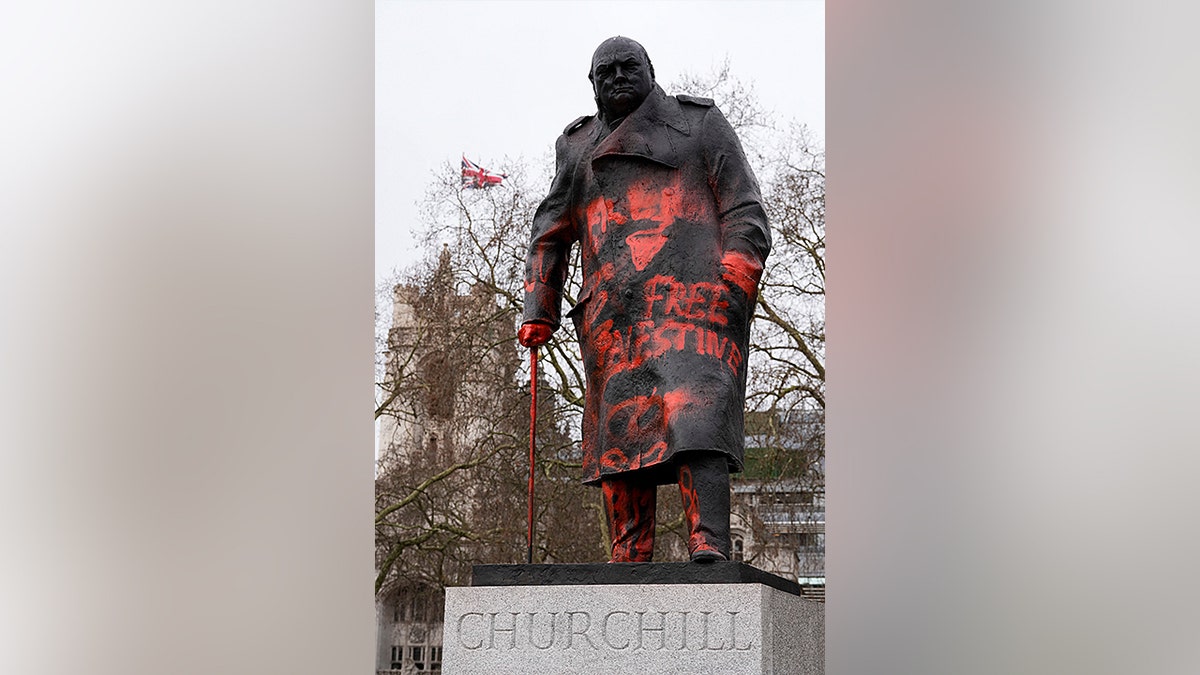
The statue of Sir Winston Churchill, which was defaced overnight with red paint and the words «Free Palestine», in Parliament Square, London, Britain, February 27, 2026. (REUTERS/Carlos Jasso)
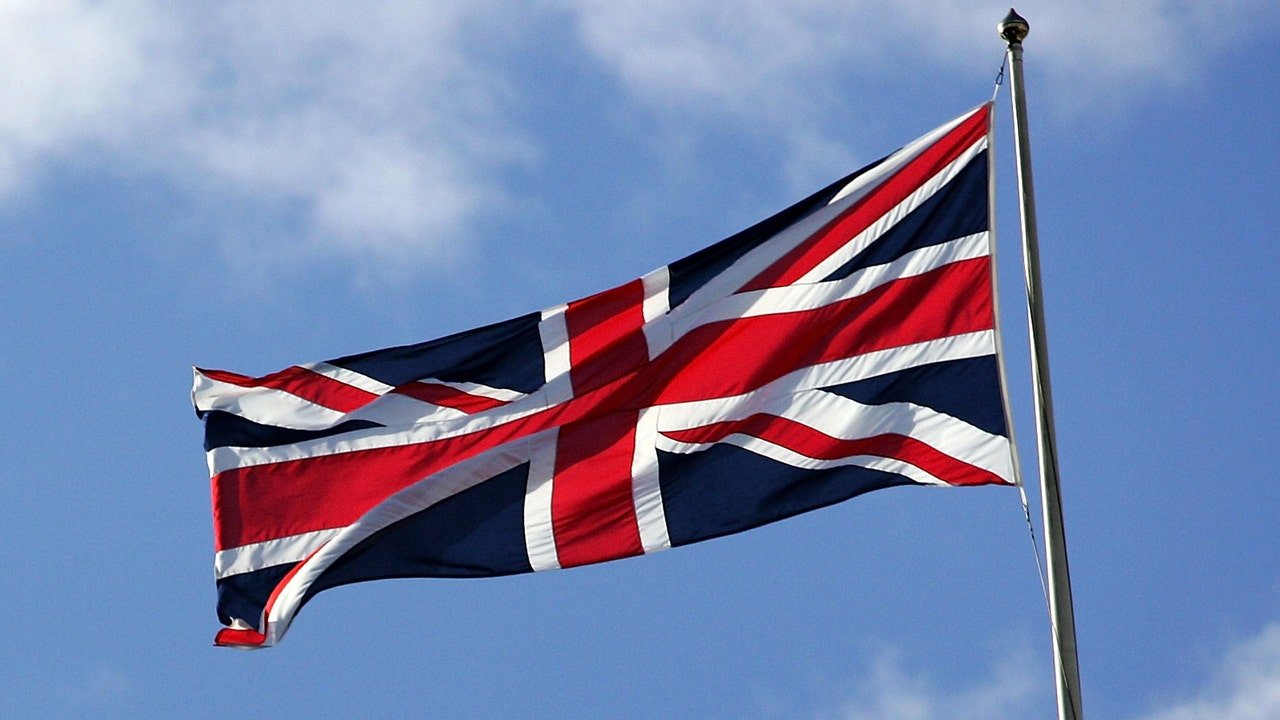
It’s not just statues and images that have been targeted. Flying your own country’s flag can get you in trouble. Left-wingers in Britain, such as Labour Party supporters, often view the flying of the United Kingdom’s Union Flag, or England’s George Cross, as racist or anti-immigration.
FORMER UK PM DEFENDS TRUMP FOR HIGHLIGHTING ‘SHARIA LAW’ IN BRITAIN DURING UN SPEECH
«So strong has become the voice of DEI and immigrants that any sign of a proud U.K. gets denounced,» Ben Habib, founder of the Advance UK political party, told Fox News Digital. «DEI cannot bear strong nations – it wants them set aside so minorities feel at «home».
Habib also notes there’s an added complication with the Union and St. George’s flags – they both represent Christian Saints. «That is offensive to the growing numbers practicing foreign religions in the U.K.,» he told Fox News Digital.
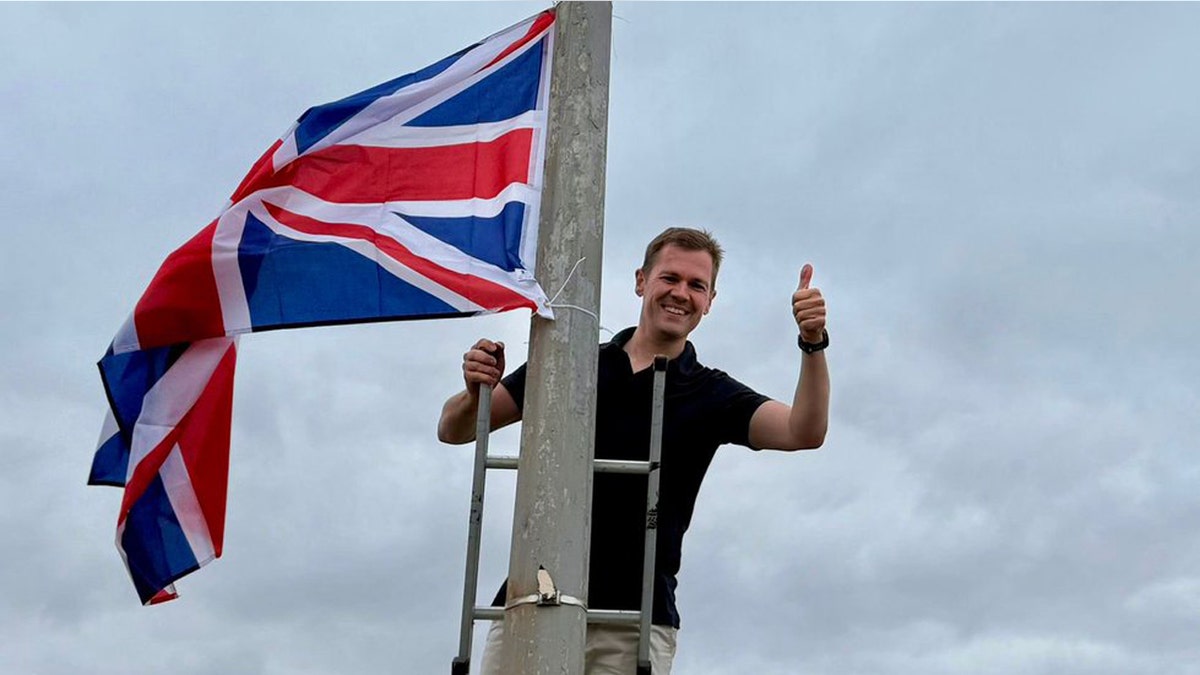
British MP Robert Jenrick climbed a post Newark, U.K. to hang a British flag. (Robert Jenrick via X)
Much of this flag-hating began following the invasion of Israel by Hamas, an Iran-backed terrorist organization. The U.K. then witnessed a surge in Palestinian flags flying on public buildings. This upset more than a few British patriots, who then stepped out with the British flags. «We need to start cohering around national stories and symbols, and the flag is the most visual way of doing that,» says Colin Brazier, a British culture commentator had previously told Fox News Digital.
Planning authorities, usually the local U.K. councils, do not need to grant permission for people to fly either the Union Flag or the George Cross. Other flags are seen as an advertisement. However, spray-painting a George Cross on a building that’s not yours is not allowed.
Despite the George Cross being seen as anti-immigrant in the U.K., the historical St. George, who died approximately 1700 years ago, is mentioned in the Koran as a friend of Moses. And some religious scholars suggest he is a servant of God.
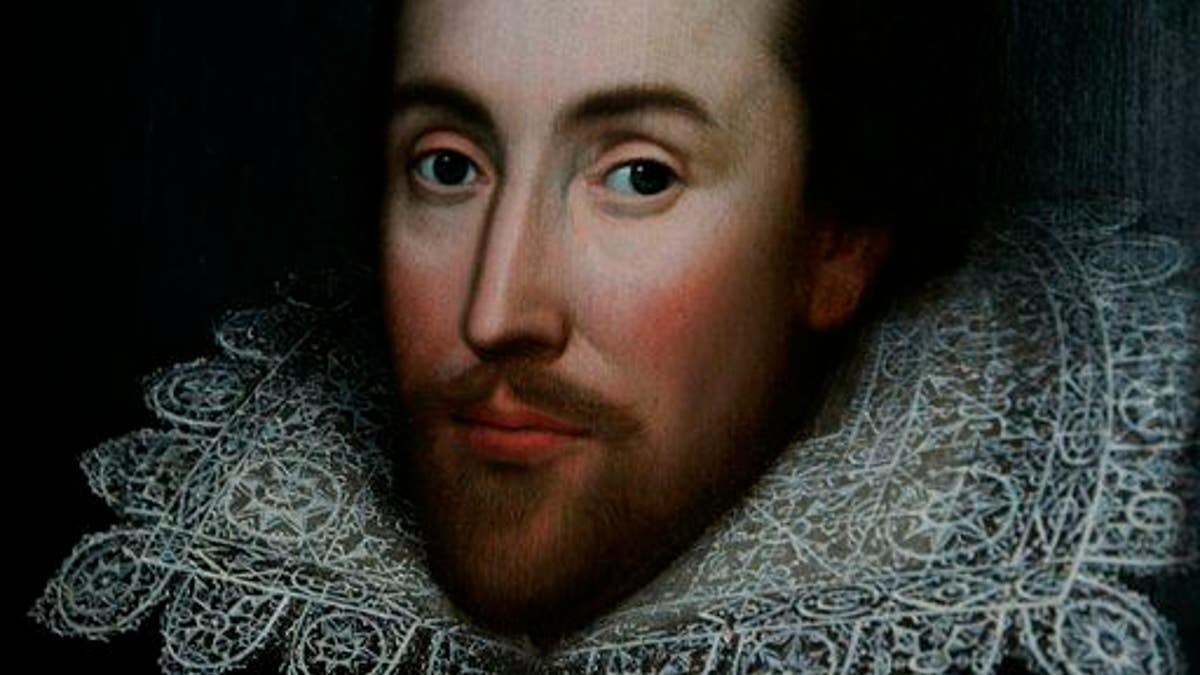
A detail of the newly discovered portrait of William Shakespeare, presented by the Shakespeare Birthplace trust, is seen in central London, Monday March 9, 2009. The portrait, believed to be almost the only authentic image of the writer made from life, has belonged to one family for centuries but was not recognized as a portrait of Shakespeare until recently. There are very few likenesses of Shakespeare, who died in 1616. (Lefteris Pitarakis/AP Photo)
At the same time, Britain’s economy has slowed to a near total stop under the present center-left Starmer government. The unemployment rate increased to 5.4% in December, up from 3.6% in August 2022, according to data from Trading Economics. The country’s GDP growth has been stuck at 1% or less since the first quarter of 2022.
CLICK HERE TO DOWNLOAD THE FOX NEWS APP
Part of the rush to take up flags may be the disastrous economy in Britain. One outstanding, poorly thought-through government policy came from the Labour Party, which mandated an increase in National Insurance contributions (the U.S. equivalent to FICA) by corporations, undermining any chance of increasing employment, as the jump in costs effectively acted as a tax on employment.
Fox News Digital’s Michael Saunders contributed to this report.
united kingdom,woke,dei,europe
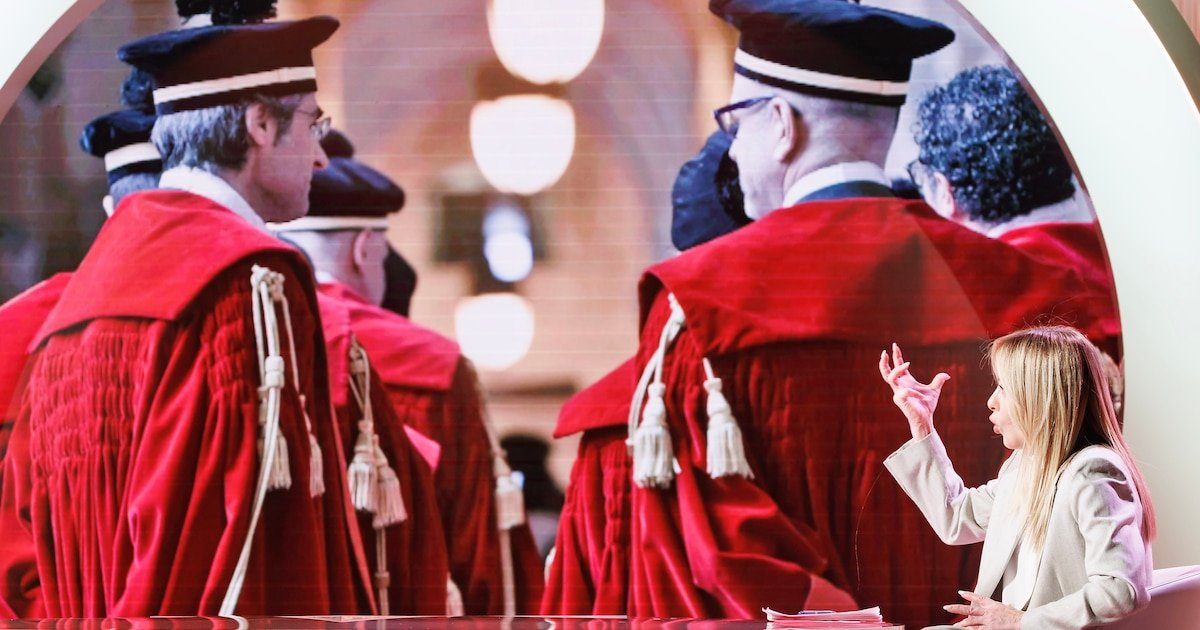
La primera ministra conservadora de Italia, Giorgia Meloni, enfrenta una prueba política crucial en un referéndum de dos días sobre la reforma judicial que comienza el domingo, una votación que se ha convertido en un juicio más amplio sobre su liderazgo dentro y fuera del país.
Presentada originalmente como una revisión técnica del sistema de justicia, la reforma ha agudizado las divisiones políticas y ha unificado a la oposición de centroizquierda, convirtiendo el referéndum en un pulso simbólico sobre la fortaleza de Meloni a un año de las elecciones nacionales.
Encuestas recientes muestran que la contienda sigue demasiado reñida como para hacer pronósticos, con el bando del “No” ganando impulso en la recta final en un clima polarizado en el que la participación podría resultar decisiva.
Lorenzo Pregliasco, analista político y experto en encuestas de YouTrend, señaló que un rechazo de la reforma podría tener un peso político significativo.

“Una posible victoria del ‘No’ enviaría una señal política, debilitando el aura de invencibilidad de Meloni, al tiempo que empujaría a la oposición de centroizquierda a decir que ya existe una alternativa en el país”, dijo Pregliasco a The Associated Press.
Meloni evitó al principio vincular demasiado su imagen al referéndum, recelosa del peligro de que una derrota pudiera debilitarla dentro del país y en el exterior.
Actualmente encabeza el gobierno más estable de Italia en años, tras ganar credibilidad entre sus aliados europeos como una líder carismática. Una victoria en el referéndum reforzaría aún más su permanencia en el poder en el plano interno, junto con su posición internacional.
Por eso, a medida que se acercaba la votación y las encuestas se estrechaban, la primera ministra italiana cambió de estrategia y abrazó por completa la campaña del “Sí”.

Meloni ha endurecido su retórica, acusando a sectores de la judicatura de obstaculizar el trabajo del gobierno en materia de migración y seguridad, y advirtiendo que no aprobar la reforma fortalecería “facciones” judiciales sin rendición de cuentas y pondría en peligro la seguridad de los ciudadanos.
“Si la reforma no sale adelante esta vez, probablemente no tendremos otra oportunidad”, afirmó la mandataria en un acto de campaña la semana pasada. Nos encontraremos con facciones aún más poderosas, jueces aún más negligentes, sentencias aún más surrealistas, inmigrantes, violadores, pedófilos, narcotraficantes siendo liberados y poniendo en riesgo su seguridad”.
Sus advertencias tajantes han suscitado duras críticas de magistrados y del centroizquierda, que sostienen que las reformas erosionarían la independencia judicial y socavarían las garantías constitucionales.
Los analistas afirman que el referéndum también tiene implicaciones internacionales.

La alineación de larga data de Meloni con el presidente de Estados Unidos, Donald Trump, antes políticamente ventajosa, se ha vuelto cada vez más problemática a medida que su política exterior —en particular la guerra de Estados Unidos e Israel con Irán— enfrenta un rechazo creciente entre los italianos.
“Meloni se enfrenta a lo que yo llamaría el ‘riesgo Trump’, que consiste en parecer demasiado subordinada al presidente de Estados Unidos, un líder político extremadamente impopular en Italia y en el resto de Europa y que genera mucha desconfianza, incluso entre los candidatos de centroderecha”, indicó Pregliasco.
Una derrota en el referéndum no obligaría a Meloni a dimitir —su mandato se extiende hasta 2027 y ella ha prometido completarlo repetidamente—, pero podría mermar su credibilidad dentro de la Unión Europea, donde se la considera un factor de estabilidad en un entorno a menudo políticamente volátil.
El referéndum se centra en reformas largamente debatidas destinadas a remodelar la estructura del poder judicial italiano.

Una medida clave incluye separar las trayectorias profesionales de jueces y fiscales, impidiéndoles cambiar de función, algo que actualmente está permitido pero rara vez ocurre.
Otro cambio importante concierne al Consejo Superior de la Magistratura, que supervisa los nombramientos y los asuntos disciplinarios de los magistrados. La reforma propone dividirlo en tres cámaras separadas y modificar la forma en que se eligen sus miembros, sustituyendo las elecciones internas por selecciones por sorteo entre jueces y fiscales elegibles.
El choque entre los líderes de derecha de Italia y los magistrados ha marcado la política italiana, y estalló durante los gobiernos del fallecido líder conservador Silvio Berlusconi, quien fue uno de los defensores más firmes de la reforma judicial.
Los partidarios sostienen que los cambios modernizarán un sistema judicial notoriamente lento y reforzarán la rendición de cuentas. Pero los críticos, incluidos magistrados destacados, afirman que la reforma no aborda las prioridades reales y, al mismo tiempo, amenaza la independencia del poder judicial.

Nicola Gratteri, jefe fiscal de Nápoles y magistrado antimafia desde hace mucho tiempo, formuló una de las críticas más contundentes.
“No creo que este gobierno haya implementado las reformas necesarias para que los juicios funcionen de manera más eficaz”, declaró Gratteri a la AP. “En cambio, ha hecho prácticamente imposible combatir los delitos contra la administración pública y abordar los abusos de cuello blanco y la corrupción”.
Mientras los italianos se preparan para votar, el referéndum se erige como uno de los momentos definitorios del mandato de Meloni: una decisión que podría reconfigurar no solo el sistema de justicia, sino también la trayectoria de su gobierno, independientemente del resultado.
(con información de AP)
Europe
INTERNACIONAL
Bolivia vota por autoridades regionales en una elección que definirá el mapa político de los próximos años

Cerca de 8.000 bolivianos acudirán a las urnas este domingo 22 de marzo para participar en las elecciones autonómicas y elegir a las principales autoridades regionales. La jornada electoral, convocada por el Tribunal Supremo Electoral, se desarrollará de manera simultánea en los nueve departamentos del país.
En estos comicios se renovarán gobernadores, asambleístas departamentales, alcaldes y concejales, además de autoridades regionales e indígenas, en lo que constituye uno de los procesos más amplios del sistema democrático boliviano. En total, están en disputa más de 5.000 cargos públicos con un récord histórico de candidatos: hay más de 34.000 inscritos.
De igual forma, diversas organizaciones políticas participan en la contienda, reflejando la pluralidad del escenario político boliviano. Entre ellas, está inscrita la oficialista Alianza Patria, integrada, entre otros frentes, por el recién resucitado Movimiento de la Izquierda Revolucionaria (MIR), del expresidente Jaime Paz Zamora (1989-1993), padre del actual mandatario Rodrigo Paz.
Patria ha inscrito candidatos en algunas regiones, pero ninguno ha conseguido hasta ahora descollar en las encuestas, por lo que los resultados de la votación pueden ser un termómetro del peso real que tiene a nivel regional el respaldo del presidente.

Estas elecciones representan un momento clave en la configuración del poder territorial en Bolivia. Las plazas más disputadas son las que integran el denominado “eje central”: La Paz, Cochabamba y Santa Cruz, que concentran tanto recursos como población.
En Santa Cruz, los candidatos que disputan con mayor ventaja la Gobernación según las encuestas son el actual gobernador Luis Fernando Camacho, que busca la reelección, y el emprendedor tech y excandidato a vicepresidente Juan Pablo Velasco. La definición de esta votación tiene implicancias importantes por el peso demográfico, político y económico de Santa Cruz, pero también por la relación de los principales candidatos con el Gobierno: Camacho es aliado del presidente Paz, mientras que Velasco es parte de la principal fuerza de oposición a nivel nacional.
Otro cargo relevante en el contexto político actual es el de la gobernación de Cochabamba, donde el candidato con mayor ventaja en los sondeos es uno de los discípulos del expresidente Evo Morales: el dirigente cocalero Leonardo Loza. El analista político Carlos Saavedra afirma que “el verdadero candidato ahí es Evo” y agrega que, aunque el expresidente respalda a otros postulantes para otras instancias, “ninguna candidatura es tan preponderante y significativa como la de Loza”.

Por otro lado, algunas regiones han visto reaparecer liderazgos que habían estado fuera de la arena política en los últimos años, como el exalcalde de La Paz, Luis Revilla, que disputa la Gobernación luego de haber estado en el exilio por cinco años; o la exalcaldesa de Santa Cruz de la Sierra, Angélica Sosa, que volvió a la palestra luego de salir de prisión acusada de múltiples casos de corrupción.
Las elecciones se desarrollan en un contexto económico complejo y en medio de una alta expectativa por la redistribución de recursos públicos, debido a que la administración de Rodrigo Paz ha prometido poner en marcha un modelo denominado “50/50” con el que busca profundizar la descentralización y la autonomía regional.
Según informó el Órgano Electoral, los resultados preliminares se conocerán alrededor de las 21:00, hora local. El único cargo para el que la legislación incluye el balotaje es el de gobernador: si ninguno de los postulantes alcanza la mayoría requerida (50% de los votos o más de 40% con una ventaja de al menos 10% respecto al segundo), habrá una nueva votación en abril.
Con la posesión de las autoridades electas prevista para mayo, se terminará de configurar el mapa político de Bolivia para el próximo quinquenio.
South America / Central America,Government / Politics,Elections / Voting,ENTRE RIOS

Cómo los gigantes de la IA intentaron tomar al asalto el último reducto de la mente humana: las olimpiadas matemáticas

»¡VAN A FUNDIR A MEDIO PAÍS!»: El lapidario diagnóstico de Roberto Cachanosky sobre el plan de Milei

Churchill, Shakespeare and the UK flag all under siege in modern Britain, commentators say

El monto que te cobran por tener la tarjeta de Mercado Pago en 2026

El ‘calcio’ se desmorona: Europa retrata las miserias de Italia

Leo Damario y Antonella Kruger, director y actriz de Solo Fanáticos: “El cine argentino no le daba lugar a mujeres así”

Juicio por YPF: la Justicia de EEUU benefició a Argentina y suspendió todas las demandas hasta que se defina la cuestión de fondo

Senado: la oposición pidió explicaciones por $LIBRA y los vuelos de Adorni y Bullrich defendió al Gobierno

Kicillof desembarcó en CABA, lanzó su proyecto 2027 y empezará a ampliar su armado político en todo el país

¿DÓNDE ESTÁ ESMERALDA? El grito de una madre que sacude a la Argentina: «Me la arrebataron de la puerta»

 POLITICA3 días ago
Kicillof desembarcó en CABA, lanzó su proyecto 2027 y empezará a ampliar su armado político en todo el país
- POLITICA2 días ago
¿MACRI 2027? El «operativo retorno» que sacude al PRO y los nombres que suenan para la vicepresidencia
- POLITICA2 días ago
¿FIN DE CICLO? Escándalo por la mansión no declarada y viajes de lujo empujan a Manuel Adorni fuera del Gobierno: Su salida sería inminente