INTERNACIONAL
Top Iran security official seen in Oman days after indirect nuclear talks with US

NEWYou can now listen to Fox News articles!
A top Iranian security official was spotted in Oman just days after Tehran and the U.S. held indirect nuclear talks in the Mideast sultanate.
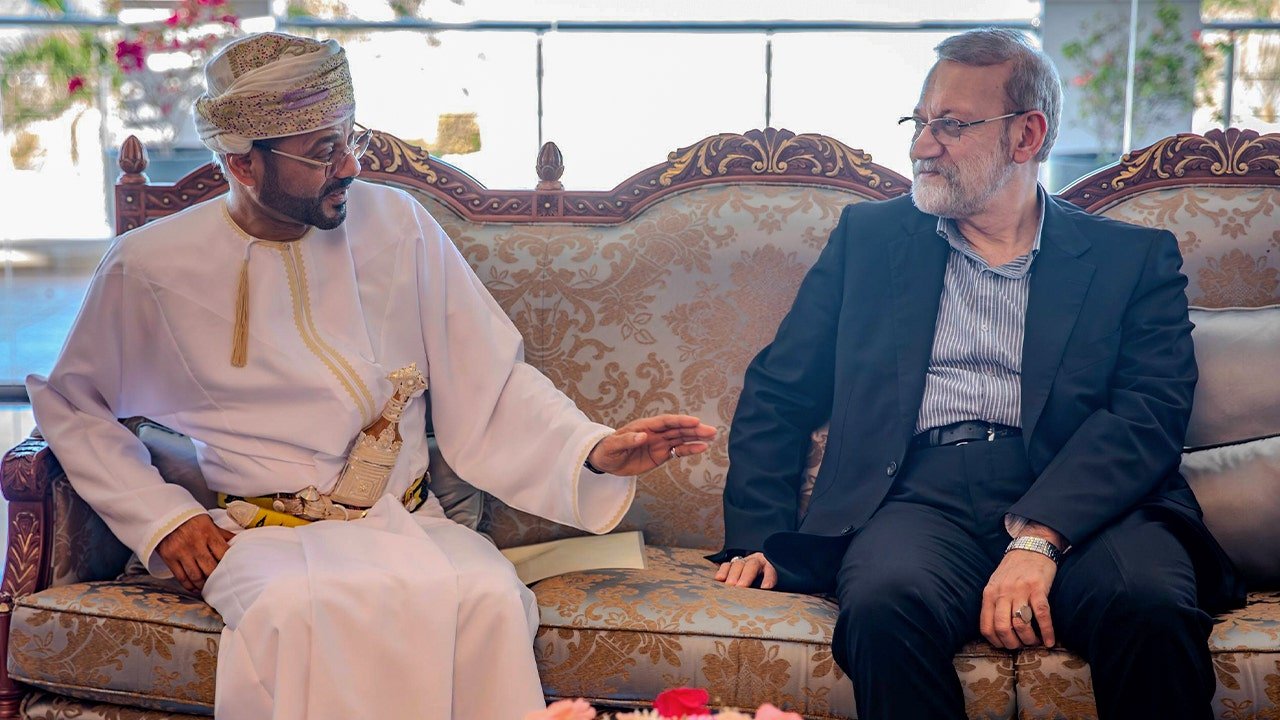
Ali Larijani, a former Iranian parliament speaker who now serves as the secretary to the country’s Supreme National Security Council, was likely in the country to discuss what comes next after the initial round of talks, The Associated Press reported. The outlet noted that Larijani’s team shared photos of him with Omani Foreign Minister Badr al-Busaidi, the chief intermediary in the U.S.-Iran talks.
Iranian media reportedly said Larijani would deliver an important message, but later state television said al-Busaidi «handed over a letter» to the Iranian official without elaborating on the letter’s origins, according to the AP.
IRAN VOWS TO ‘TARGET US BASES’ IF AMERICAN FORCES LAUNCH AN ATTACK: REPORT
Secretary of the Supreme National Security Council Ali Larijani, right, listens to Omani Foreign Minister Badr al-Busaidi during their meeting in Muscat, Oman, Tuesday, Feb. 10, 2026. (Erfan Kouchari/Iran’s Supreme National Security Council Office via AP)
While in Oman, Larijani also met with Omani Sultan Haitham bin Tariq for nearly three hours, according to the AP, which cited the Iranian state-run IRNA news agency. Additionally, the outlet said that Larijani was set to travel to Qatar, which houses the U.S. military installation that bombed Iran’s nuclear sites in 2025.
Larijani accused Israel of playing a «destructive role» in the talks just before Israeli Prime Minister Benjamin Netanyahu’s expected visit to Washington, D.C.
«Netanyahu is now on his way to the United States. Americans must think wisely and not allow him, through posturing, to imply before his flight that ‘I want to go and teach Americans the framework of the nuclear negotiations.’ They must remain alert to the destructive role of the Zionists,» Larijani wrote on X.
Israel and Iran engaged in a 12-day war in the summer of 2025 which culminated in the U.S. bombing Tehran’s nuclear facilities. Iran, which has been grappling with mass anti-government protests, has blamed Israel and the U.S. for various grievances.
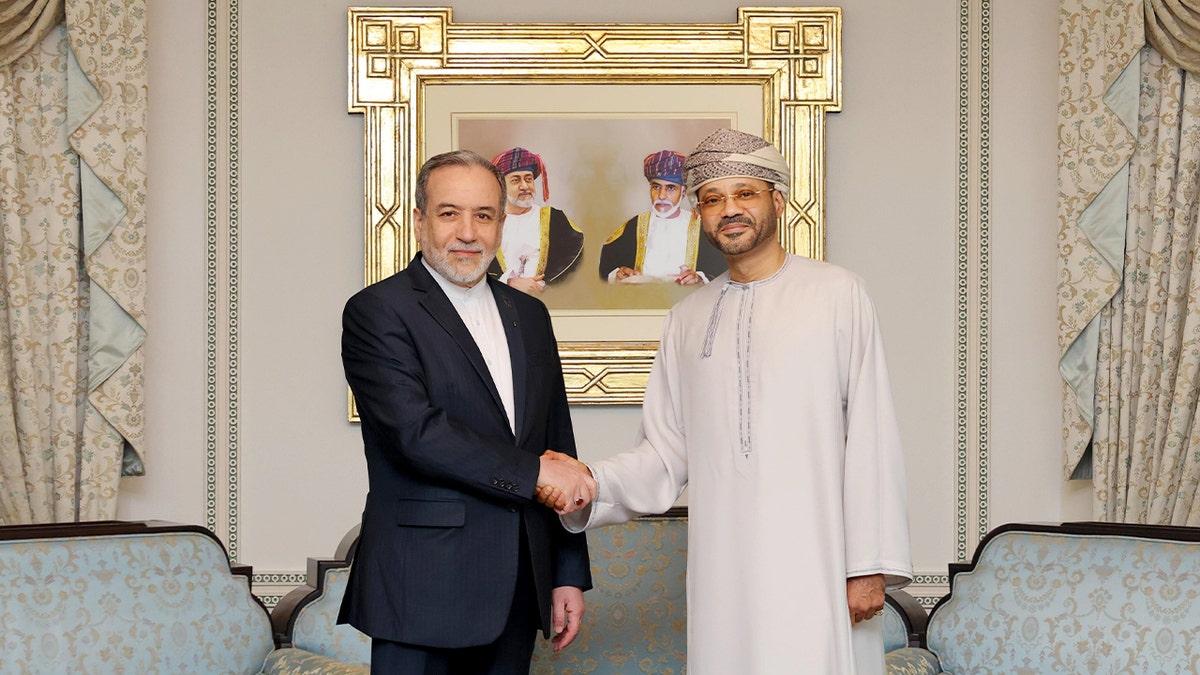
Omani Foreign Minister Sayyid Badr Hamad Al Busaidi meets with Iranian Foreign Minister Abbas Araghchi ahead of U.S.-Iran talks in Muscat, Oman, on Feb. 6, 2026. (Oman Foreign Ministry/Anadolu via Getty Images)
IRAN RAMPS UP REGIONAL THREATS AS TRUMP CONSIDERS TALKS, EYEWITNESS ACCOUNTS OF REGIME VIOLENCE EMERGE
Officials from both the U.S. and Iran have said that the first round of talks went well and suggested that they would continue.
«The Muscat meeting, which was not a long one, it was a half-day meeting. For us, it was a way to measure the seriousness of the other side, and to find out how we could continue the process. Therefore, we mostly addressed the generalities,» Iranian Foreign Ministry spokesman Esmail Baghaei said at a news conference Tuesday in Tehran, according to the AP.
«Our principles are clear. Our demand is to secure the interests of the Iranian nation based on international norms and the Non-Proliferation Treaty and peaceful use of nuclear energy,» Baghaei said, according to the AP. «So as for the details, we should wait for the next steps and see how this diplomatic process will continue.»

Omani Foreign Minister Sayyid Badr Hamad Al Busaidi, special envoy Steve Witkoff and negotiator Jared Kushner meet ahead of the U.S.-Iran talks, in Muscat on Feb. 6, 2026. (Oman Foreign Ministry/Anadolu via Getty Images)
SATELLITE IMAGES REVEAL ACTIVITY AT IRAN NUCLEAR SITES BOMBED BY US, ISRAEL
Iranian Foreign Minister Abbas Araghchi said indirect nuclear talks with the U.S. in Oman were «a good start» and that there was a «consensus» that the negotiations would continue.
«After a long period without dialogue, our viewpoints were conveyed, and our concerns were expressed. Our interests, the rights of the Iranian people, and all matters that needed to be stated were presented in a very positive atmosphere, and the other side’s views were also heard,» Araghchi said.
«It was a good start, but its continuation depends on consultations in our respective capitals and deciding on how to proceed,» he added.
President Donald Trump also expressed optimism about the indirect talks, telling reporters aboard Air Force One on Friday that «Iran looks like it wants to make a deal very badly. We’ll have to see what that deal is.»
When he was pressed on how long the U.S. would be willing to wait to make a deal with Iran, the president indicated some flexibility, saying he believes the two nations can reach an agreement.
«It can be reached. Well, we have to get in position. We have plenty of time. If you remember Venezuela, we waited around for a while, and we’re in no rush. We have very good [talks] with Iran,» Trump said.
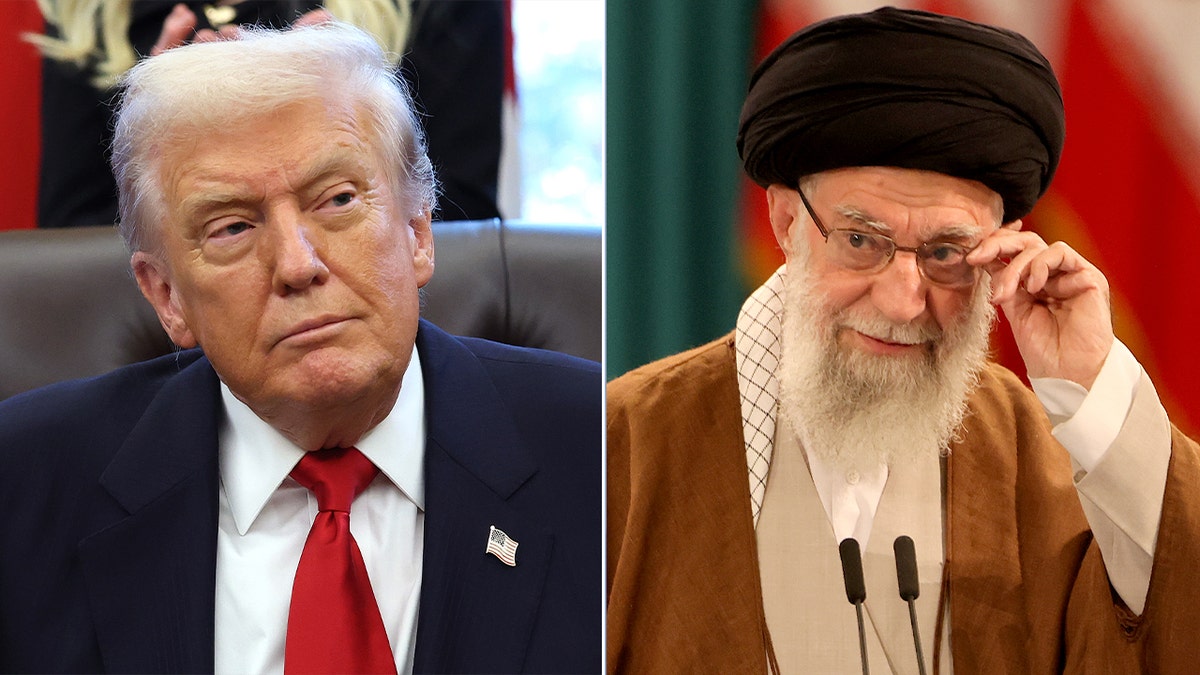
President Donald Trump said indirect nuclear talks with Iran were «very good» and that Tehran «wants to make a deal very badly.» (Anna Moneymaker/Getty Images; Atta Kenare/AFP via Getty Images)
CLICK HERE TO DOWNLOAD THE FOX NEWS APP
«They know the consequences if they don’t make a deal. The consequences are very steep. So, we’ll see what happens. But they had a very good meeting with a very high representative of Iran,» the president added.
American and Iranian representatives held separate meetings with Omani officials on Friday amid flaring tensions between Washington and Tehran. Oman’s Foreign Ministry said the meetings were «focused on preparing the appropriate conditions for resuming diplomatic and technical negotiations.»
The Associated Press contributed to this report.
world,iran,nuclear proliferation,middle east











INTERNACIONAL
Uruguay quiere reformar sus cárceles: hay 477 personas presas por cada 100 mil habitantes, el nivel más alto de la región
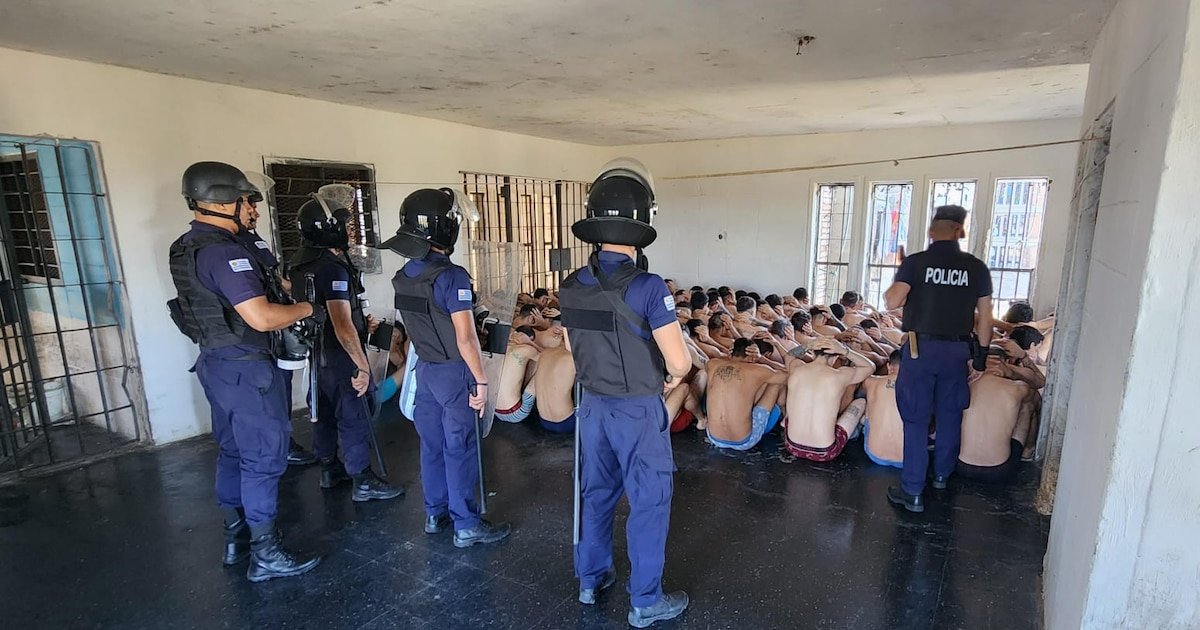
El sistema carcelario de Uruguay tiene un estado crítico desde hace años. Los informes sobre lo que ocurre dentro de las cárceles generan alarmas: allí más del 40% de los presos no tiene acceso a medicamentos, asistencia ni posibilidades de rehabilitación. Y, además, sufren un “trato cruel, inhumano y degradante”, como lo definió el ex comisionado para el sistema carcelario Juan Miguel Petit. Describió que en la prisión hay un “estado inconstitucional”.
Con este marco crítico de fondo, el gobierno de Yamandú Orsi prepara una reforma para el Instituto Nacional de Rehabilitación (INR), como se le llama al organismo que gestiona las cárceles en el país.
Uno de los cambios previstos es una modificación del nombre: las cárceles pasarán a ser gestionadas por un Instituto Nacional de Reinserción, si es que se aprueba el proyecto de ley presentado por el ministro del Interior, Carlos Negro, a la bancada oficialista.

“El instituto que se propone crear tendrá como competencia el cumplimiento de las medidas o penas privativas de libertad o alternativas, el diseño, implementación y control de las políticas y programas de reinserción social, la organización y gestión del sistema penitenciario y la vigilancia y control de las unidades penitenciarias”, dice la exposición de motivos del proyecto de ley, informado por La Diaria.
Esta propuesta surge como una respuesta a la “crisis estructural” del sistema penitenciario del país, reconoce el Ministerio del Interior en el texto. Y luego detalla las características que tiene: “Niveles inaceptables de hacinamiento, condiciones edilicias deficitarias, dificultades para el ejercicio de derechos y acceso a programas de tratamiento por parte de la población encarcelada, carencias de recursos humanos y materiales, así como debilidad extrema del sistema de medidas alternativas”.
Una de las explicaciones del gobierno uruguayo es que las dificultades “están fuertemente asociadas al incremento constante de la población privada de libertad”. Esta cantidad en 2025 volvió a romper su récord histórico y consolidó “la posición de liderazgo en América del Sur y en el mundo, con 477 personas privadas de libertad cada 100.000 habitantes”.

El texto menciona otros datos que a las autoridades le genera alarma: solo el 17% de los privados de libertad accede a oportunidades adecuadas de integración social, mientras casi la mitad (46%) está sometida a los tratos crueles, inhumanos y degradantes, tal como reflejó Petit en su informe.
“La evidencia muestra que los sistemas penitenciarios colapsados no solo no logran operar como mecanismos eficaces para combatir el delito, sino que incluso pueden actuar reforzando identidades y hábitos delictivos, así como consolidar grupos criminales”, agrega la exposición de motivos del proyecto de ley.
Además, el texto menciona que en los últimos años hubo “propuestas innovadoras” para revertir esta crisis, pero no tuvieron éxito. “No han logrado transformar radicalmente las condiciones de vida de la mayor parte de la población sujeta a sanciones penales, ni los resultados obtenidos a partir de la intervención estatal”.

El proyecto ahora será enviado a los sindicatos que están involucrados con la gestión diaria del Instituto Nacional de Rehabilitación, así como a la Organización de Funcionarios Civiles Penitenciarios. En el oficialismo tienen previsto que, durante el tratamiento parlamentario del proyecto, se incorporan cambios a la propuesta original.
El Ministerio del Interior define que el proyecto de ley presentado es “un paso fundamental para avanzar en el proceso de reforma penitenciaria”.
Además, según consignó El Observador, uno de los principales objetivos de este proyecto de ley es avanzar en la autonomía del organismo y separar definitivamente la “tarea de persecución y represión del delito, de la del tratamiento de las personas sujetas a sanciones penales”. De aprobarse la propuesta, este nuevo organismo dejará de depender del Ministerio del Interior pero seguirá relacionado con el Poder Ejecutivo a través de esta cartera.
INTERNACIONAL
Dem lawmaker compares ICE agents to Nazis and Gestapo during fiery House hearing on enforcement
NEWYou can now listen to Fox News articles!
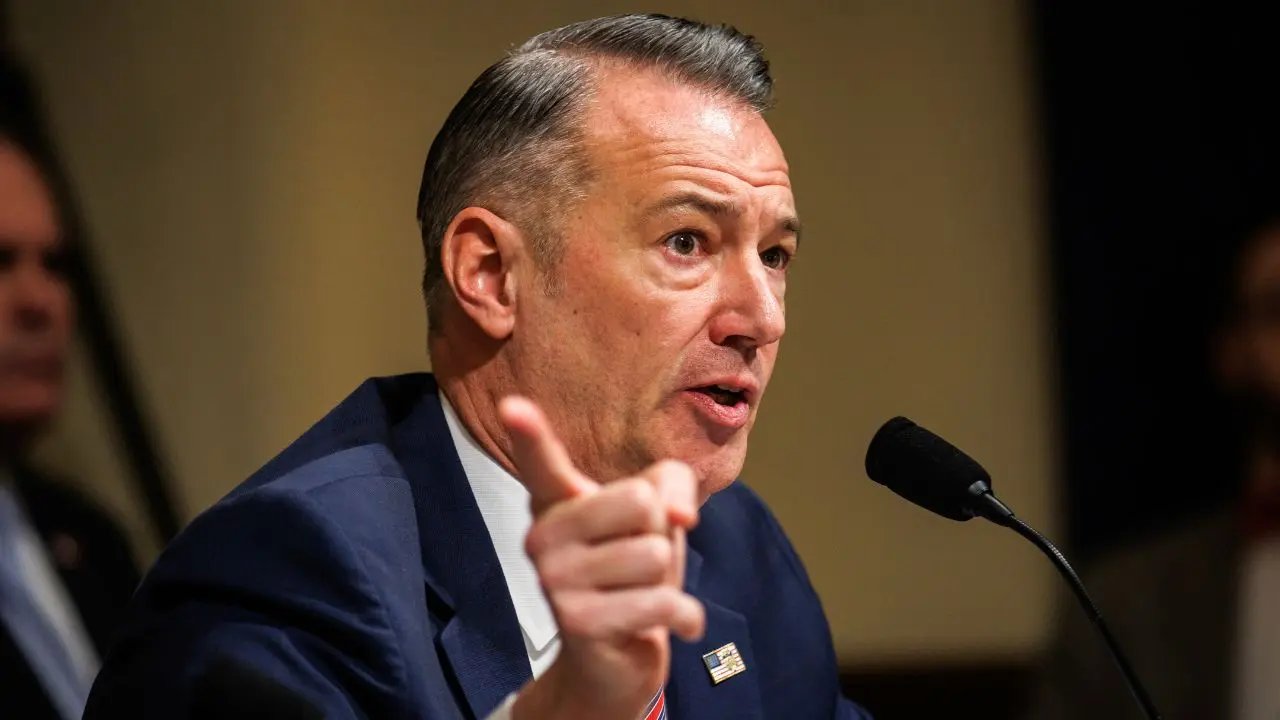
Democratic lawmakers compared Immigration and Customs Enforcement (ICE) agents to Nazis and the Gestapo during a heated House Homeland Security Committee hearing Tuesday, as the agency’s acting director faced sharp questioning over enforcement tactics and accountability.
The exchange turned explosive when Rep. Dan Goldman, D-N.Y., pressed ICE acting director Todd Lyons on whether agents have been asking people on the streets to show proof of U.S. citizenship, citing reports claiming that American citizens have allegedly been questioned during immigration enforcement actions.
Goldman escalated the line of questioning by invoking historical comparisons, asking pointedly, «Is Nazi Germany one?» after Lyons acknowledged that «very nefarious regimes» had required proof of citizenship. Goldman also pressed Lyons on whether the Soviet Union employed similar tactics.
Lyons pushed back, calling the comparison inappropriate and «the wrong type of questioning,» before snapping, saying, «The Holocaust Museum is on 14th Street and Independence. If you want to go see Nazis, that’s where it is.»
MARYLAND DEMOCRAT’S BILL SEEKS TO ‘DIGITALLY UNMASK’ ICE AGENTS AFTER FATAL MINNEAPOLIS SHOOTING
U.S. Immigration and Customs Enforcement acting director Todd Lyons testifies during a House Homeland Security Committee hearing on Capitol Hill in Washington, D.C., on Feb. 10, 2026. (Samuel Corum/Getty Images)
Goldman reclaimed his time and accused ICE leadership of having it «backwards,» arguing that public criticism of the agency stemmed from its own conduct.
«People are simply making valid observations about your tactics, which are un-American and outright fascist,» Goldman said. «So I have a simple suggestion. If you don’t want to be called a fascist regime or secret police, then stop acting like one.»
Goldman’s questioning followed Lyons’ own testimony earlier in the hearing, in which the ICE acting director said agents have been labeled «Gestapo or secret police» by elected officials and activists. Lyons tied that rhetoric to what he described as a sharp rise in threats and assaults against ICE personnel, saying it has endangered agents and their families.
BORDER CZAR TOM HOMAN CALLS ANTI-ICE ROADBLOCKS IN MINNEAPOLIS A ‘JOKE’ AFTER POLICE CHIEF DISBANDS THEM
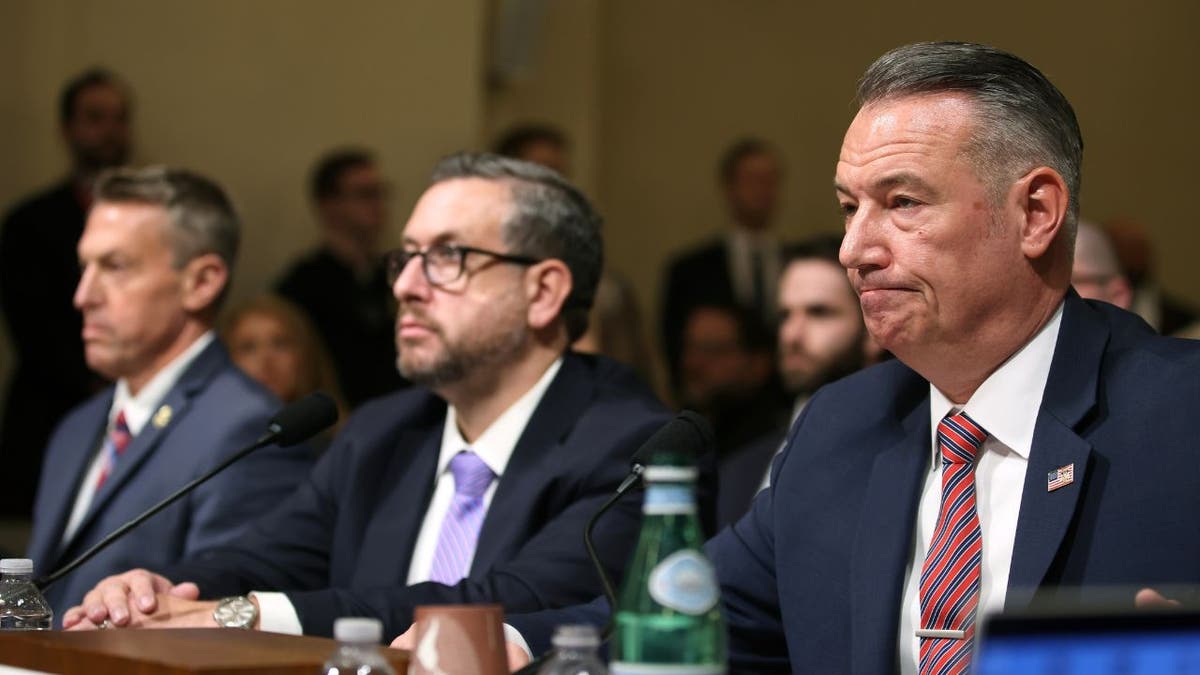
Immigration and Customs Enforcement acting director Todd Lyons testifies alongside U.S. Customs and Border Protection Commissioner Rodney Scott and U.S. Citizenship and Immigration Services Director Joseph Edlow during a House Homeland Security Committee hearing on Capitol Hill on Feb. 10, 2026. (Samuel Corum/Getty Images)
Nazi references surfaced elsewhere during the hearing as well. Rep. Bennie Thompson, D-Miss., cited «Greg Bovino, who styled himself in Nazi attire,» while criticizing federal immigration operations in Minnesota and the use of masked agents during recent enforcement actions.
The hearing focused on oversight of the Department of Homeland Security and its immigration enforcement agencies amid questions about the limited use of body cameras, particularly following the fatal shootings of Renee Good and Alex Pretti in Minneapolis last month.
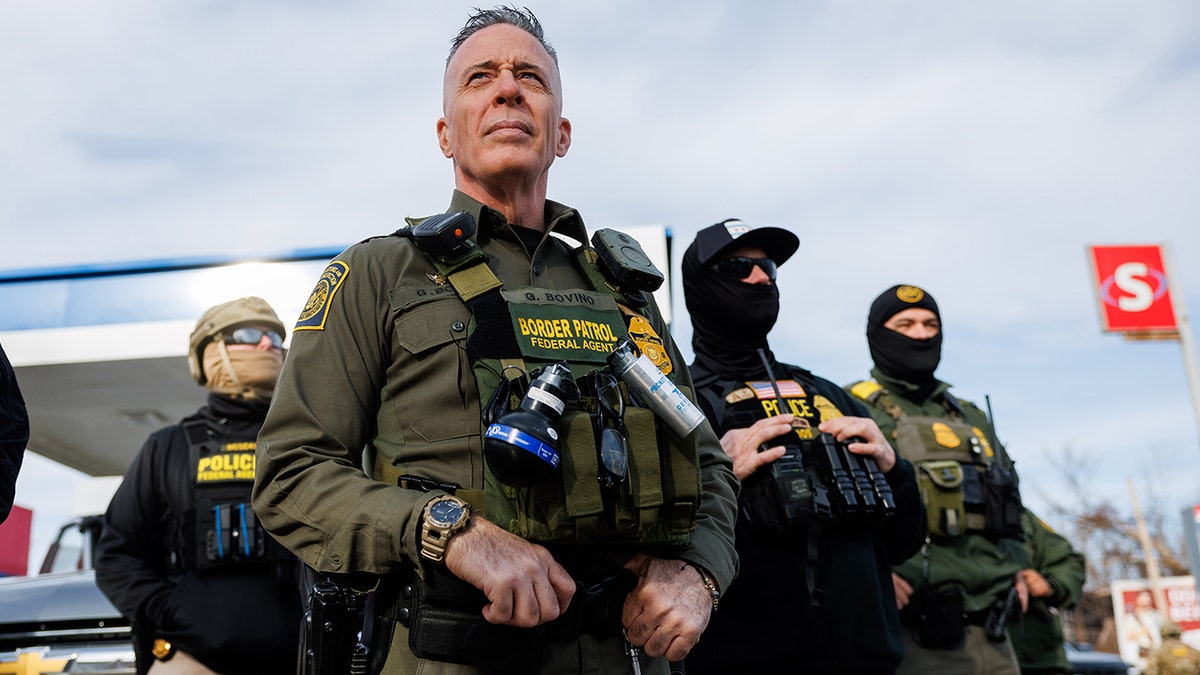
U.S. Border Patrol commander Gregory Bovino was also compared to a Nazi. (Armando L. Sanchez/Chicago Tribune/Tribune News Service via Getty Images)
Lawmakers raised concerns about agents operating in masks or unmarked gear, whether encounters involving U.S. citizens are being adequately documented and whether the lack of body-camera footage has hindered transparency and accountability in recent use-of-force incidents.
CLICK HERE TO DOWNLOAD THE FOX NEWS APP
Under questioning, Lyons acknowledged that only a fraction of ICE agents are currently equipped with body cameras, as lawmakers pressed the agency to expand their use and release footage to the public.
politics,immigration,holocaust,illegal immigrants,homeland security,border security,congress
NEWYou can now listen to Fox News articles!
Kenya will press Russia for answers after reports emerged that its citizens are being recruited to fight in Ukraine, the country’s foreign minister said.
Musalia Mudavadi told the BBC in an interview on Tuesday that the recruitment was «unacceptable and clandestine.»
He said the government has shut down illegal recruiters and would urge Moscow to sign an agreement barring the conscription of Kenyan citizens.
Nairobi estimates that about 200 nationals have been recruited to fight for Russia, and Mudavadi explained that families have struggled to recover the bodies of loved ones killed in the conflict.
NEW FOOTAGE SHOWS NORTH KOREAN TROOPS CLEARING DANGEROUS MINES FOR RUSSIA IN WAR ZONE
Musalia Mudavadi speaks after signing a bilateral agreement supporting Kenyan police officers deployed to the Multinational Security Support Mission in Haiti in Santo Domingo, Dominican Republic, on May 12, 2025. (Erika Santelices/Reuters)
«It is difficult because, remember, it depends on where the body has been found,» the foreign minister told the BBC. «There some have been found in Ukraine – we are also working with the government of Ukraine to try and get the remains of those people repatriated.»
In a November post on X, Ukraine’s Foreign Minister Andrii Sybiha said Kyiv estimates that at least 1,436 foreign nationals from 36 African countries have been recruited to fight for Russia in its war against Ukraine, warning the true number may be higher.
Sybiha said Russia uses a range of tactics to recruit foreigners, including financial incentives, deception and coercion.
US ACCUSES RUSSIA OF ‘DANGEROUS AND INEXPLICABLE ESCALATION’ IN UKRAINE WAR DURING PEACE NEGOTIATIONS
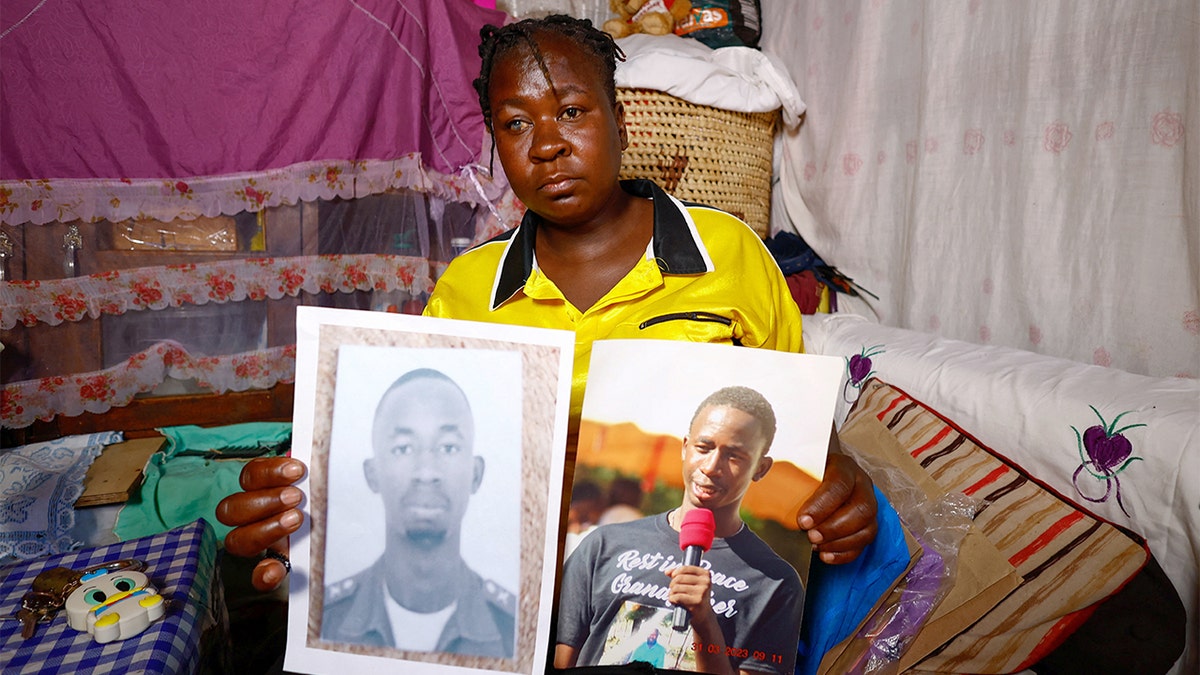
Susan Khandasi Kuloba, whose son David Kuloba died while fighting for Russia in Ukraine, poses with portraits of him during an interview at her home in Kibera, Nairobi, Kenya, on Dec. 2, 2025. (Thomas Mukoya/Reuters)
«Signing a contract is equivalent to signing a death sentence,» he wrote. «Foreign citizens in the Russian army have a sad fate. Most of them are immediately sent to the so-called ‘meat assaults,’ where they are quickly killed.»
Mudavadi said in December that the government had received multiple emails and urgent communications from Kenyans in distress at military camps in Russia.
AS UKRAINE WAR DRAGS ON, TRUMP HITS PUTIN BY SQUEEZING RUSSIA’S PROXIES
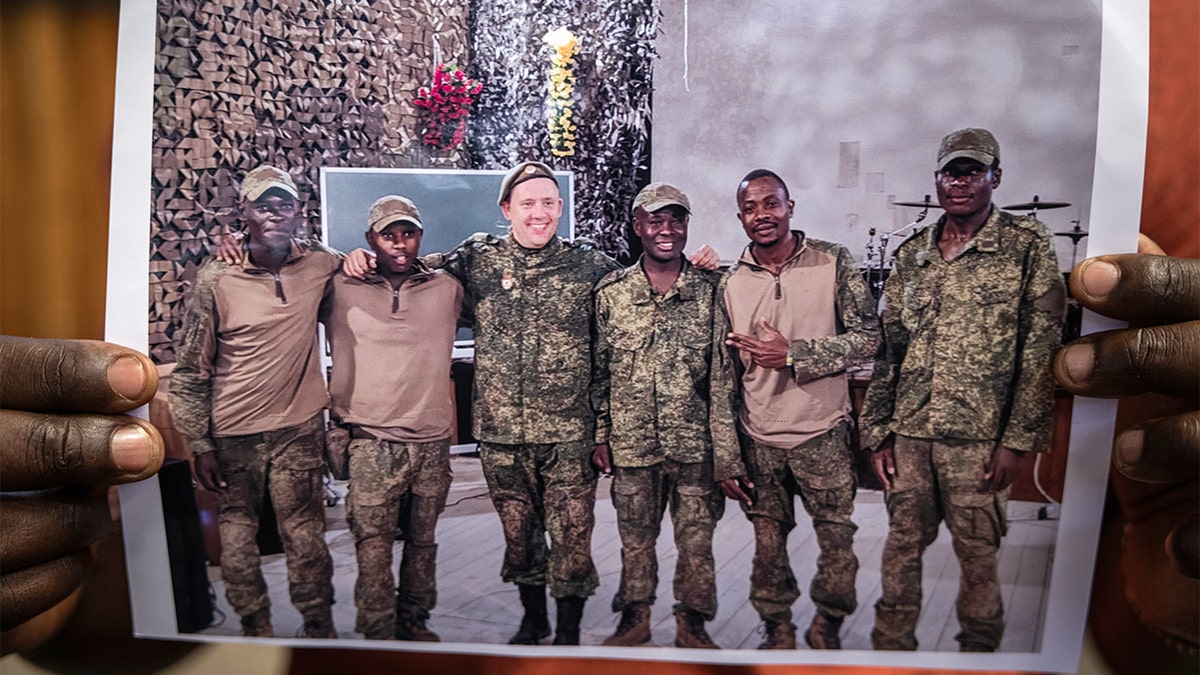
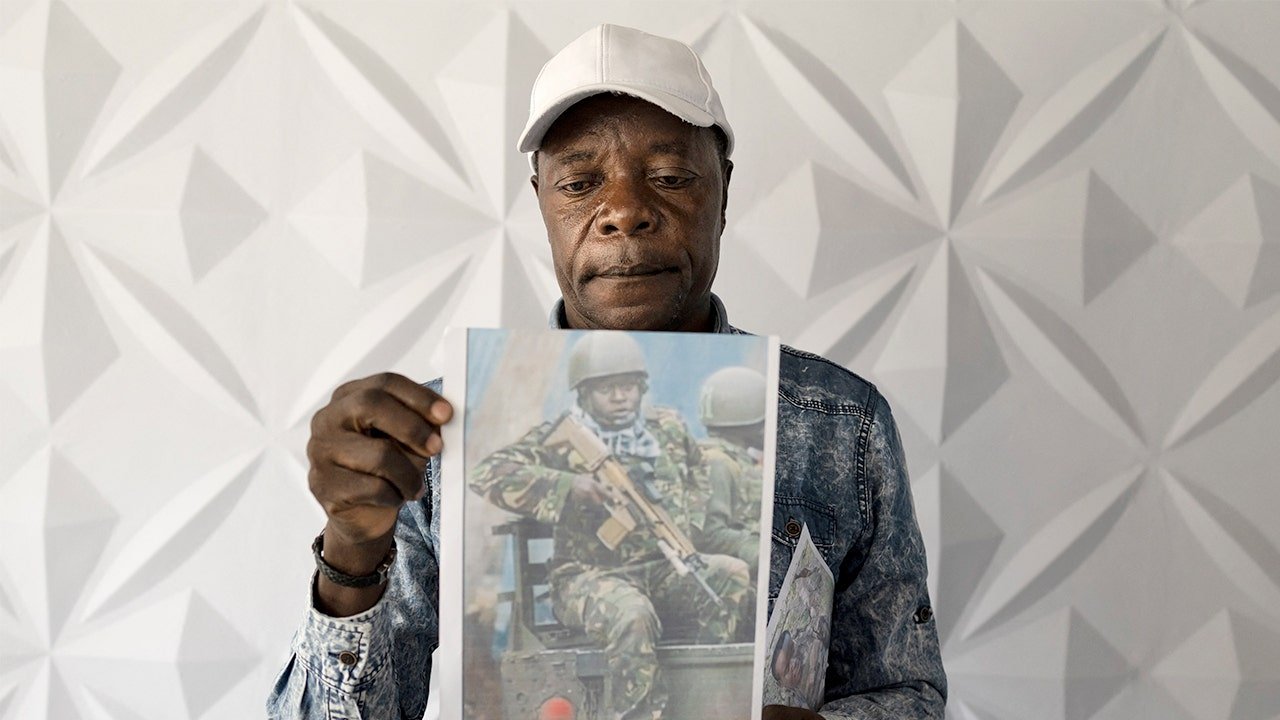
Evans Khagola, cousin of Oscar Khagola, holds a printed photo sent by Oscar to his father showing him and other soldiers when they started training in Russia, photographed in Nairobi, Kenya, on Jan. 21, 2026. (Ed Ram/The Washington Post via Getty Images)
CLICK HERE TO DOWNLOAD THE FOX NEWS APP
«Several of them have reported injuries among our nationals and others stranded, following attempted recruitment into the violent conflicts,» he told the Kenya News Agency, the country’s state-run news service.
Mudavadi said the government has since tightened recruitment regulations, deregistering more than 600 non-compliant agencies and strengthening job verification through the Diaspora Placement Agency to curb exploitation.
africa,russia,ukraine,recruitment

Uruguay quiere reformar sus cárceles: hay 477 personas presas por cada 100 mil habitantes, el nivel más alto de la región

Cuadernos de las Coimas: un exfuncionario cargó contra los “delatores” y se calienta el juicio

Tini Stoessel mostró el tatuaje que se hizo borracha: se arrepintió y lo quiere borrar

Guía para entender el proyecto de reforma laboral: banco de horas, vacaciones y despidos

Superó graves lesiones e hizo historia en los Juegos Olímpicos de Invierno: la esquiadora argentina que corre como un F1, pero sobre hielo

¿Cómo funcionarán los colectivos, trenes y subtes el miércoles 11 de febrero?

Natalie Weber contó toda la verdad del coqueteo de Sabrina Rojas a Mauro Icardi en un boliche: “Yo sé lo que pasó esa noche y te puedo decir que Sabrina no fue”

El sector industrial advierte que la apertura económica exige eliminar las distorsiones internas

Mirtha Legrand se quebró desconsolada al hablar de la renuncia de Jimena Monteverde a su mesaza

Central Córdoba vs. Unión: formaciones, hora y dónde ver por tv

 ECONOMIA3 días ago
El sector industrial advierte que la apertura económica exige eliminar las distorsiones internas
- POLITICA1 día ago
Acuartelamiento policial en Santa Fe: reclamo salarial y temor a un conflicto nacional de seguridad
- ECONOMIA3 días ago
Argentina usa la canasta más vieja de la región: así mide el INDEC frente a países vecinos