INTERNACIONAL
The surprising reason why Americans could face high beef prices for years

NEWYou can now listen to Fox News articles!
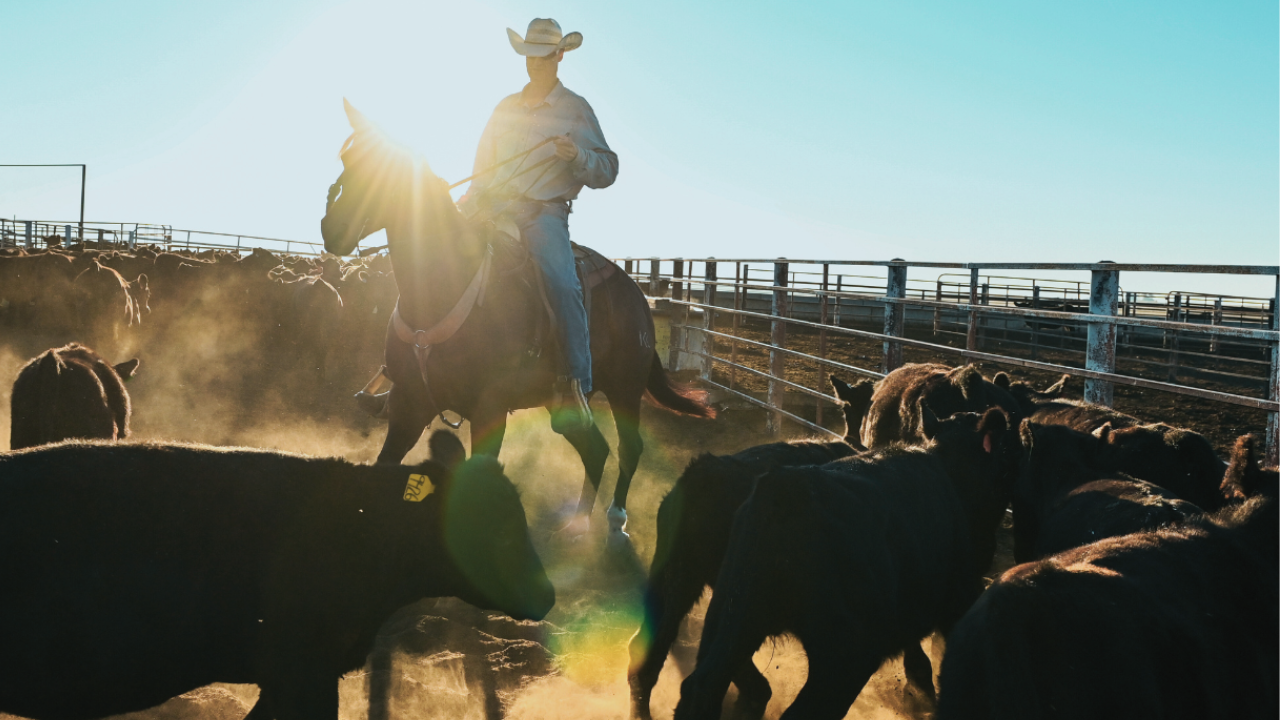
Beef prices are soaring — and economists warn Americans shouldn’t expect relief anytime soon, as the U.S. cattle herd shrinks to its smallest size in 75 years.
The massive decrease in cattle numbers has been caused by years of drought, soaring costs and an aging ranching workforce. Agricultural economists and ranchers alike say rebuilding herds will take years, meaning beef prices aren’t likely to ease anytime soon.
«The biggest thing has been drought,» said Eric Belasco, head of the agricultural economics department at Montana State University.
Years of dry weather have wiped out grasslands across the West and Plains, leaving ranchers without enough feed or water to sustain their herds. Many have been forced to sell cattle early, even the cows needed to produce the next generation of calves, making it difficult to rebuild America’s herds.
THE COST OF THIS GROCERY STAPLE IS NEARING RECORD HIGHS — AND AMERICANS CAN’T GET ENOUGH
Cattle look at a rancher who inspects them on a farm from a truck. (Jonne Roriz/Bloomberg/Getty Images)
Data from the Kansas City Federal Reserve found that with each incremental increase in drought severity, cattle-producing regions see about a 12% drop in hay production, a 5% rise in hay prices, a 1% reduction in herd size and a 4% decline in farm income.
That slow recovery isn’t just economic — it’s biological, according to Derrell Peel, a professor of agricultural economics at Oklahoma State University.
«The fact of the matter is there’s really nothing anybody can do to change this very quickly,» Peel said. «We’re in a tight supply situation that took several years to develop, and it’ll take several years to get out of it.»
Peel, who specializes in livestock marketing, said it takes roughly two years to bring cattle to market and several years to rebuild herds — leaving little room for short-term relief.
THE SINGLE CRUSHING PROBLEM AMERICAN CATTLE RANCHERS WISH TRUMP WOULD FIX INSTEAD

Ranchers and agricultural economists alike say rebuilding the cattle inventory will take years. (Ricky Carioti/The Washington Post/Getty Images)
And once herds shrink, the loss is hard to reverse.
That reality is unfolding deep in ranch country. Cole Bolton, owner of K&C Cattle Company, whose pastures stretch along the soft edge of the Texas Hill Country, said the cattle industry is still in the early stages of recovery.
«I think it’s going to take a while to fix this crisis that we’re in with the cattle shortage,» Bolton told Fox News Digital. «My message to consumers is simple: folks, be patient. We’ve got to build back our herds.»
About 1,000 miles away, Will Harris, a fourth-generation cattleman in Bluffton, Georgia, said the ripple effects of the shrinking cattle herd are now landing squarely on consumers.
«The American cattle herd is smaller than it has been since the 1950s and that contraction has pushed beef prices to historic highs. Demand is strong, but domestic supply simply isn’t meeting it and that gap is being felt most by consumers,» said Harris, owner of White Oak Pastures.
According to U.S. Department of Agriculture data, the average price of beef in grocery stores climbed from about $8.40 per pound in March to $10.10 per pound by December 2025, a roughly 20% increase.
IN TEXAS CATTLE COUNTRY, ONE RANCHER WELCOMES TRUMP’S FOCUS ON DECADES OF THIN MARGINS
Despite rising prices, Americans haven’t blinked. In 2025, shoppers spent more than $45 billion on beef, buying more than 6.2 billion pounds, according to data from Beef Research, a contractor for the National Cattlemen’s Beef Association.
Spending jumped about 12% from a year earlier, while the amount of beef sold rose more than 4% — a sign consumers aren’t just paying more, they’re buying more.
CLICK HERE TO GET THE FOX NEWS APP
The revelation comes as President Donald Trump temporarily expands beef imports from Argentina to blunt high grocery prices, while also laying out longer-term plans to bolster the U.S. cattle industry.
While imports could ease pressure at the grocery store in the short term, ranchers and economists alike say they are no substitutes for rebuilding the domestic cattle supply.
economy,trade,texas,food











Objetivos

Vidas

INTERNACIONAL
Pritzker joins chorus of Dem governors boycotting White House dinner after snub ignites ‘chaos’

NEWYou can now listen to Fox News articles!
A chorus of Democratic governors are rallying behind their fellow Democratic Governors Jared Polis, from Colorado, and Wes Moore, from Maryland, after they did not receive invites for a traditionally bipartisan White House dinner.
Illinois Democrat Governor J.B. Pritzker was among those who decided they would be boycotting the slate of events hosted at the White House for the National Governors Association’s annual winter gathering held Feb. 19-21.
«No way will I attend the White House dinner with this President,» Gov. Pritzker said Tuesday. «I’m standing with Gov. Wes Moore and Gov. Jared Polis — and standing against Trump’s corruption and hatred. And I’m calling on my Republican colleagues to do the same.»
The boycott is being led by the chair of the Democratic Governors Association, Kentucky Gov. Andy Beshear, and its vice chair, Michigan Gov. Gretchen Whitmer. Other Democratic Party governors who have committed to the boycott include California Gov. Gavin Newsom, Pennsylvania Gov. Josh Shapiro and Minnesota Gov. Tim Walz. A coalition of 18 governors signed a statement Tuesday slamming President Donald Trump for creating «chaos and division» by snubbing the state leaders.
GOP MUTINY FORCES HOUSE SPEAKER MIKE JOHNSON TO DELAY VOTE ON KEY PIECE OF TRUMP’S AGENDA
Democratic Party Governors Wes More (left), from Maryland, and Jared Polis (right), from Colorado. (Getty Images)
The White House reportedly decided to divert from the traditional path of inviting both Republican and Democratic governors to the events being held at the White House. Although a White House official also reportedly told Politico that «many Democrats were invited to dinner at the White House» while others were not.
The move not to invite all Democrat governors to the winter gathering comes after President Trump got into a public spat with Democrat Governor of Maine, Janet Mills, at a bipartisan «Governors Working Session» last year in February over transgender sports participation. The heated back-and-forth was televised on national stations for all to see and led to the pair exchanging barbs for the subsequent weeks over the matter and over the state’s unwillingness to follow federal orders, such as those related to transgender sports participation.
When reached for comment on the matter, a White House spokesperson referred Fox News Digital to press secretary Karoline Leavitt’s comments Tuesday on the matter from the White House briefing room, during which she defended President Trump’s decision to not invite the Democratic Party governors.
«I just spoke with the president about this. It is a dinner at the White House. It’s the people’s house. It’s also the president’s home, and so he can invite whomever he wants to dinners and events here at the White House,» Leavitt told reporters from the White House briefing room Tuesday.
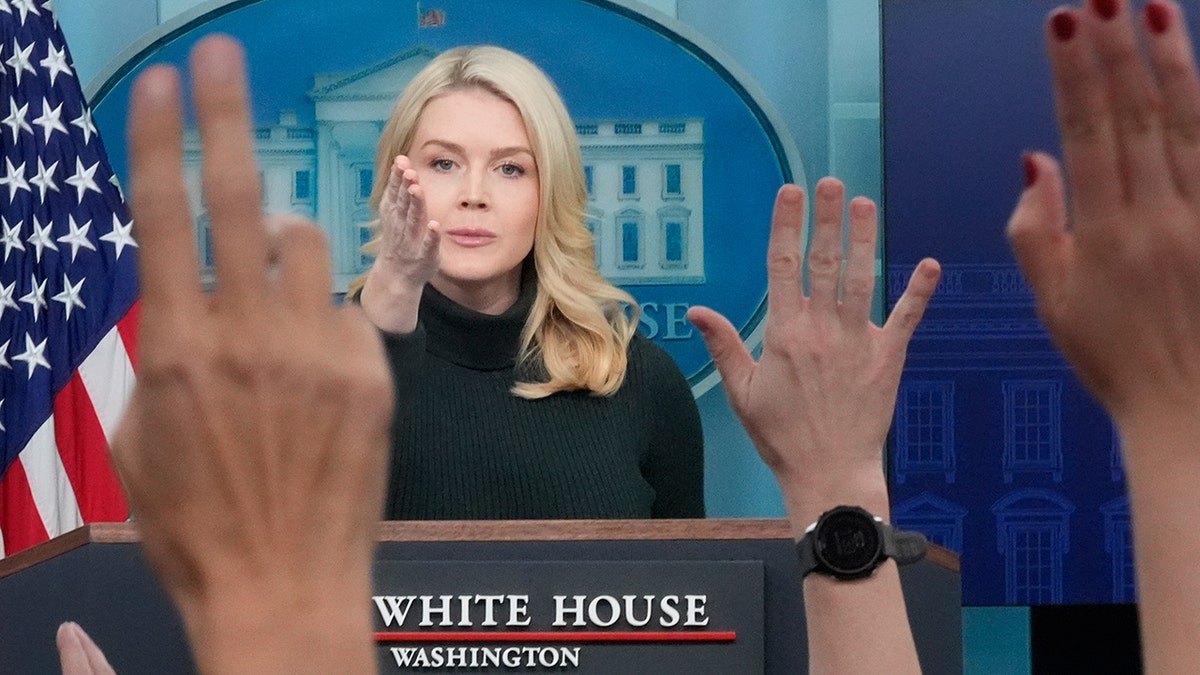
Reporters raise their hands to ask a question as White House press secretary Karoline Leavitt speaks with reporters in the James Brady Press Briefing Room at the White House, Monday, Jan. 26, 2026, in Washington. (Alex Brandon/AP Photo)
FAR-LEFT NONPROFITS IN THE HOT SEAT AS LAWMAKER EXPOSES THEM FOR ‘SOWING CHAOS’ IN US
She added that Gov. Moore had been invited the previous year, but never ended up coming. «Nobody reported on it. But, again, the president has the discretion to invite whomever he wants to the White House, and he welcomes all those who received an invitation to come and if they don’t want to that’s their loss.»
During an appearance on CNN’s «State of the Union,» Moore suggested his lack of an invite was due to race, telling the show it was «not lost» on him that he is the only black governor in the country and the president was trying to deny him attendance at an organization’s event that Moore said his fellow Democrat governors have said they would like to see him lead. Moore also pointed to the fact he led a delegation of governors to the White House several weeks ago.
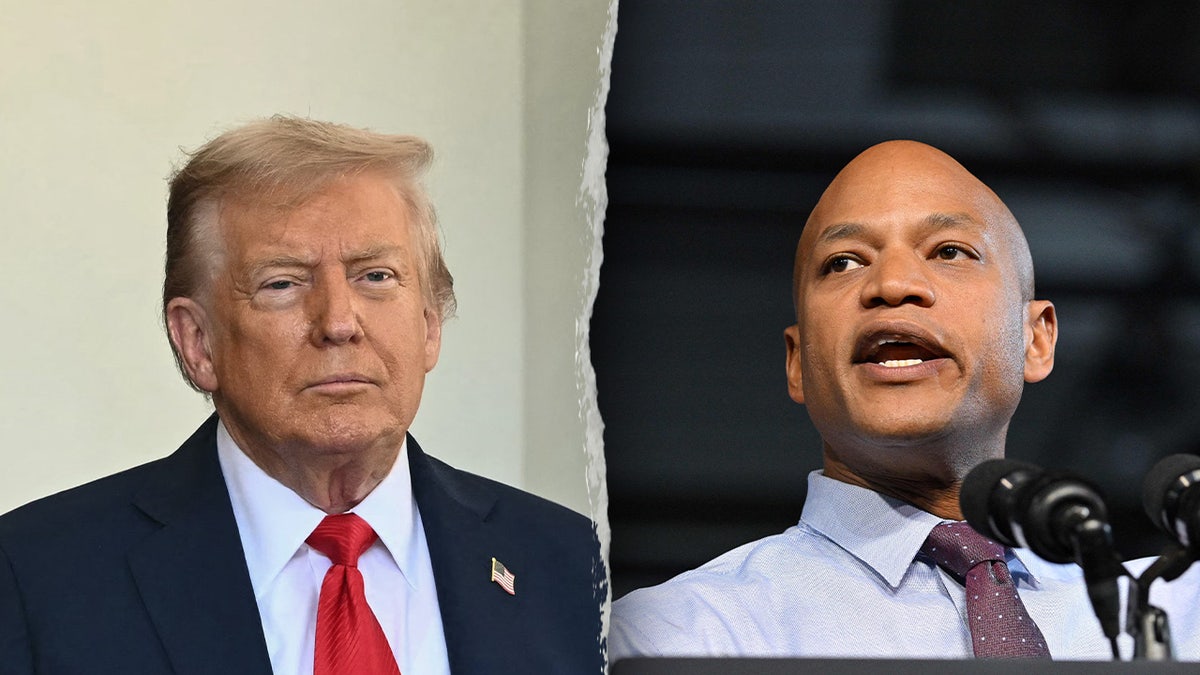
President Donald Trump (left) and Maryland Democratic Gov. Wes Moore (right) (Mandel Ngan/AFP via Getty Images)
In a statement, Brandon Tatum, CEO of the National Governors Association, said he was «disappointed in the administration’s decision.»
CLICK HERE TO DOWNLOAD THE FOX NEWS APP
Oklahoma Gov. Kevin Stitt, a Republican who is the chairman of the NGA, said in a Monday letter to fellow governors that the association was «no longer serving as the facilitator» for the upcoming event, according to The Associated Press. Stitt said the NGA was meant to represent all governors — those of the 50 states as well as the governors of American Samoa, Guam, the Northern Mariana Islands, Puerto Rico and the Virgin Islands.
Fox News Digital’s Rachel Wolf and Patrick Ward contributed to this report.
governors,white house,politics,democratic party,state and local,donald trump
INTERNACIONAL
Los therians llegaron a Uruguay y un centenar se reunió en Montevideo: “Desde chico me identifico como mono”

Uruguay se sumó a la tendencia de los nuevos personajes conocidos como therians. Son personas que aseguran sentirse animales y adoptan comportamientos en la vida cotidiana. En la tarde del martes, cientos de ellos se dieron cita en Montevideo y colmaron la Plaza Independencia con máscaras de animales que cubrían sus rostros y otros accesorios.
Un centenar de jóvenes, en su mayoría adolescentes, se encontraron en ese punto céntrico de la capital uruguaya, de acuerdo a la crónica del noticiero Telemundo de Canal 12. La idea en Uruguay surgió de una joven llamada Manuela, que vio la tendencia internacional y decidió replicarla en Uruguay. En un video de Tik Tok planteó su curiosidad, propuso reunirse y su posteo se viralizó. Y el encuentro se hizo realidad.
Francesca, una joven que participó del encuentro, contó que su familia se tomó “bastante bien” la decisión porque no es “muy prejuiciosa”. “Yo soy un humano normal, me comporto como humano. Es espiritualmente que yo me siento conectada”.
“En mi caso me identifico solo con el mono. Desde chico siempre me gustó estar abajo de los árboles, comer banana, caminar de esta forma”, relató otro de ellos en la televisión uruguaya.
Uno de los jóvenes detalló que no están todo el tiempo vestidos de esa manera porque se haría imposible la vida en sociedad. Entonces, es una vestimenta que queda para los ratos libres. Aclaró, sin embargo, que no pueden replicar todas las conductas: “No podemos c… en la calle, por ejemplo, ni tener sexo en la calle como haría un gorila salvaje”.
Otra de las jóvenes relató que es un “politherian”: “Es un therian que tiene más de un theritipo, por lo que me identifico con más de un animal. Ser therian no se puede elegir porque es una conexión. He visto muchos therians que dicen: ‘Uh, me gusta ser therian, voy a serlo’. Si querés hacerlo está bien, pero no es lo recomendado”, señaló la adolescente.

“El término therian es sentir una conexión con el animal. Sentís que pertenecés a esa vida”, señaló.
Algunos de los participantes señalaron que durante la mayor parte del día se comportan como seres humanos normales.
Consultada en Telemundo, otra adolescente contó que “desde siempre” fue una therian. “Empecé sintiéndome sola, haciéndome máscaras. Las intentaba vender, pero nadie me las compraba. Nadie sabía lo que era. Entonces, en un momento descubrí lo que era la comunidad therian y ahí empecé a juntarme más, a conocer gente, incluso a enseñar a gente a saltar y caminar. Ahí empezó todo”, describió.
La joven luego remarcó: “¡Los therians no están locos! Los therians sienten alguna conexión con un animal”.
Enzo, uno de los therian que estaba en la juntada, relató a Canal 5 que hay distintas categorías de therian. Una de ellas se denomina “otra pata” y consiste simplemente en utilizar la máscara, la cola y los guantes. Ellos, según el joven, siguen una “moda” y utilizan la máscara por “estética”.
Otro segundo nivel se llama “otro corazón”, pensado para quienes se identifican “espiritualmente” con un animal. El tercer nivel es propiamente ser un therian, para quienes se identifican completamente. Puede ser porque la persona siente que “en otra vida” fue un animal, relató el joven.

“En mi caso, me identifico como un perro. Un perro así nomás. ¿Por qué? Porque considero que tengo la personalidad de un perro. Soy muy leal, muy fiel”, comentó.
Muchos llegaron hasta la Plaza Independencia solo por curiosidad y observaron cómo los jóvenes saltaban y exhibían otras destrezas que los identificaba con un animal.
El senador opositor Sebastián Da Silva se sumó a la tendencia. En la red social X bromeó en una repuesta a un usuario: “Me hice therian así cambiás un poco la obsesión”.
therians,Uruguay

Paro por 24 horas de aceiteros contra la reforma laboral. Amenazan con profundizar el plan de lucha

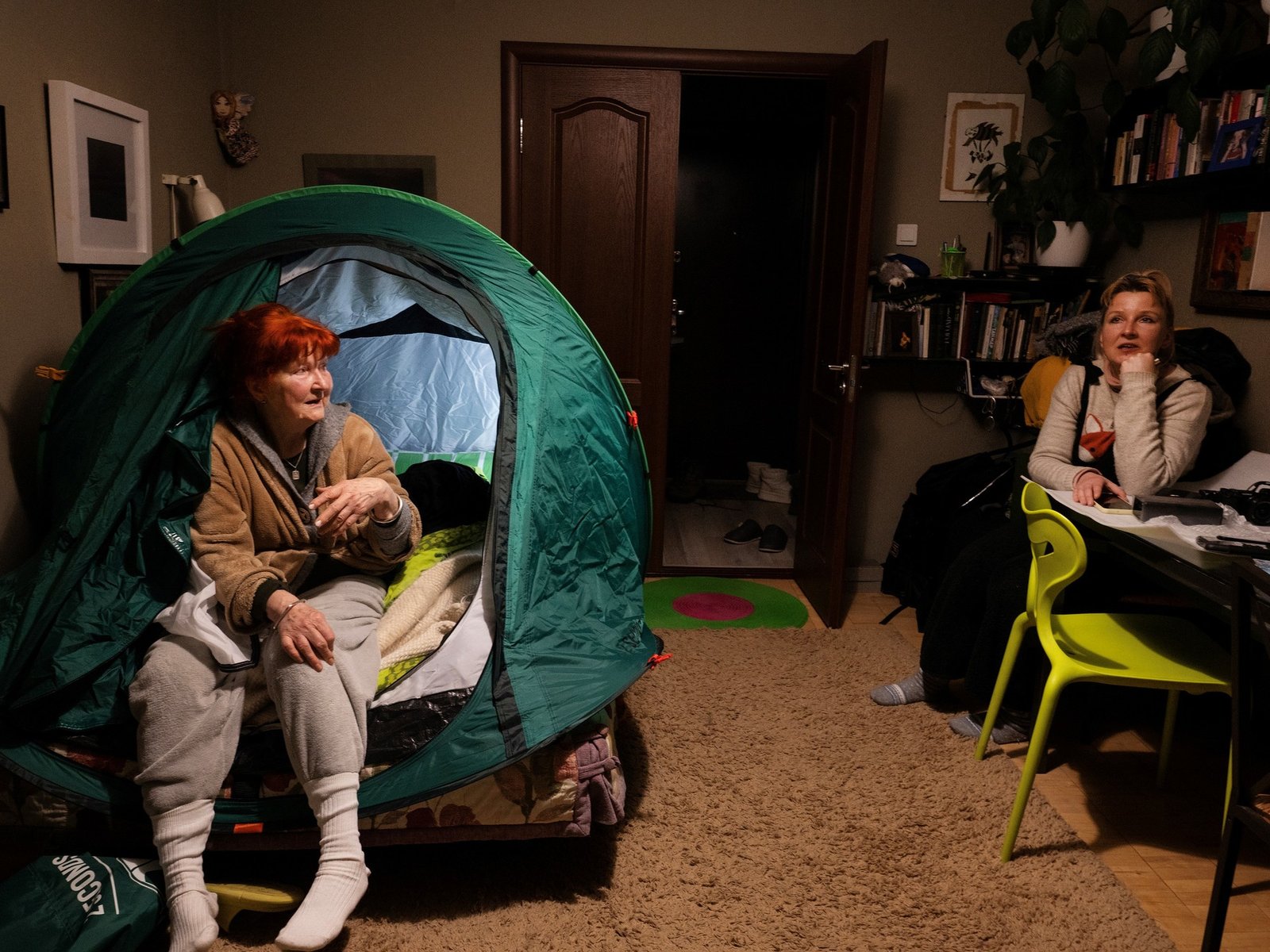
Rusia apagó la calefacción. Así que durmió en una carpa sobre su cama

Las fotos del aterrador accidente que sufrió una snowboarder tras caer de cabeza en los Juegos Olímpicos de Invierno

Milei ordenó a la mesa política que se instale en el Senado para evitar sorpresas y lograr la aprobación de la reforma laboral

El Chino Darín rompió el silencio tras el nacimiento de su hijo con Úrsula Corberó y se quebró al tener que dejarlos: “Pasará un tiempito»

Un plan para las Fuerzas Armadas: el ministro Presti entregará 534 viviendas a militares en actividad

El sector industrial advierte que la apertura económica exige eliminar las distorsiones internas

Mirtha Legrand se quebró desconsolada al hablar de la renuncia de Jimena Monteverde a su mesaza

Central Córdoba vs. Unión: formaciones, hora y dónde ver por tv

Acuartelamiento policial en Santa Fe: reclamo salarial y temor a un conflicto nacional de seguridad

 POLITICA1 día ago
Acuartelamiento policial en Santa Fe: reclamo salarial y temor a un conflicto nacional de seguridad
- ECONOMIA3 días ago
Argentina usa la canasta más vieja de la región: así mide el INDEC frente a países vecinos
- POLITICA22 horas ago
La advertencia de ATE a los gobernadores que apoyan la reforma laboral: “Firmarán su sentencia de muerte”