
INTERNACIONAL
Segregación escolar en Panamá: el Museo del Canal reconstruye la memoria afrocaribeña excluida del relato oficial

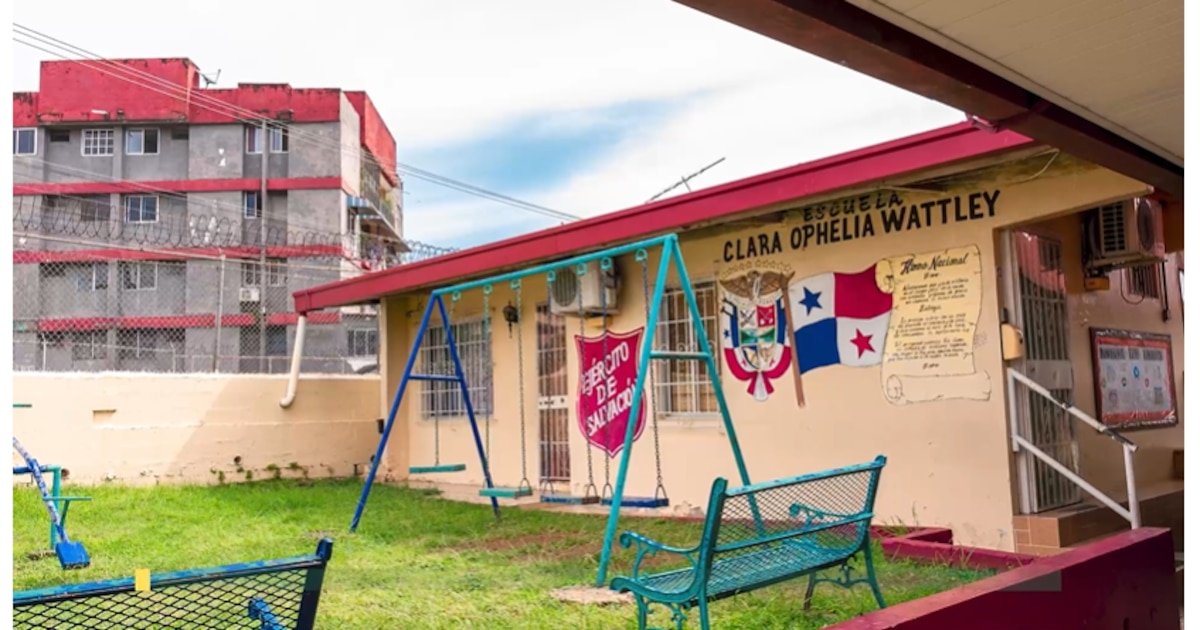
Panamá vuelve a mirar su pasado educativo a través de la historia afrocaribeña. El Museo del Canal presentó el proyecto digital Escuelas Afrocaribeñas, una investigación desarrollada en ArcGIS StoryMaps que documenta y mapea las experiencias escolares de estudiantes afrocaribeños angloparlantes en el país entre 1930 y 1950.
La iniciativa busca rescatar memorias invisibilizadas y reconstruir un capítulo clave de la historia social panameña, marcado por procesos de migración, identidad cultural y desigualdad educativa.
El proyecto fue liderado por Nyasha Warren, gerente de Investigación y Documentación del museo, junto a Kaysha Corinealdi, profesora asociada de Rutgers University–New Brunswick.
La investigación contó con la colaboración del Centro de Investigación Educativa AIP (CIEDU) y el respaldo de la Secretaría Nacional de Ciencia, Tecnología e Innovación (SENACYT), integrando enfoques históricos, testimoniales y tecnológicos para reconstruir el acceso a la educación de la comunidad afrocaribeña.
El StoryMap reúne historias orales de personas afrocaribeñas que cursaron estudios en escuelas oficiales y privadas en la ciudad de Panamá y en la antigua Zona del Canal.

Además, incorpora revisión de archivos públicos y privados en Panamá y Estados Unidos, junto con material fotográfico histórico, lo que permite reconstruir la vida cotidiana en aulas marcadas por dinámicas de segregación racial y barreras lingüísticas.
La investigación expone cómo el racismo, el clasismo y la xenofobia limitaron el acceso a la educación durante las décadas de 1930, 1940 y 1950. }
El proyecto incorpora una cronología que contextualiza los desafíos educativos de la comunidad afrocaribeña. Entre los hitos más relevantes figuran los debates constitucionales de 1940 que afectaron su estatus ciudadano, la Constitución panameña de 1941 que catalogó a afrocaribeños como descendientes de “inmigración prohibida”, y la Constitución de 1946 que introdujo mecanismos para optar por la nacionalidad panameña y estableció el principio de educación sin discriminación racial.
En el plano internacional, el fallo Brown vs. Board of Education de 1954 declaró inconstitucional la segregación escolar en Estados Unidos, aunque en la Zona del Canal el sistema segregado persistió bajo otras denominaciones, prolongando las barreras educativas.

El estudio documenta que, pese a las restricciones, la comunidad afrocaribeña desarrolló estrategias para garantizar la alfabetización y el acceso a la educación. Escuelas ubicadas en casas, iglesias y espacios comunales surgieron como alternativas a la exclusión institucional, consolidando entornos educativos donde el idioma inglés y la identidad cultural afrocaribeña desempeñaron un rol central en la formación académica y social de los estudiantes.
Entre las escuelas destacadas en el proyecto se encuentran instituciones comunitarias que operaron en barrios como Río Abajo, Colón y áreas cercanas a la Zona del Canal, donde la presencia afrocaribeña fue significativa.
Estos centros educativos no solo ofrecían enseñanza formal, sino que también funcionaban como espacios de cohesión cultural y resistencia frente a la discriminación estructural que caracterizaba el sistema educativo de la época.
Nyasha Warren señaló que la investigación rescata memorias que permanecieron fuera de los relatos oficiales y permite comprender tanto el impacto de las políticas públicas como la resiliencia comunitaria. Por su parte, Kaysha Corinealdi destacó que el proyecto reafirma la importancia de preservar narrativas que complejizan la historia nacional, mostrando cómo la comunidad afrocaribeña transformó la exclusión en oportunidades de organización y aprendizaje.

El proyecto identifica una red diversa de espacios educativos creados por la comunidad afrocaribeña angloparlante como respuesta a la exclusión del sistema formal. Entre ellos destaca la Parroquia Episcopal San Cristóbal en Parque Lefevre, fundada en 1939 y convertida en un centro educativo donde la maestra Elma Murrell de Payne impartía clases de preescolar en el salón parroquial durante la década de 1950.
Posteriormente, la educadora trasladó su iniciativa al Jardín San Cristóbal, hoy Escuela San Cristóbal, considerada la institución privada más antigua del corregimiento con más de siete décadas de funcionamiento continuo. Este caso evidencia cómo iglesias y liderazgos comunitarios se transformaron en pilares educativos para la población afrocaribeña.
El estudio también documenta el papel del Ejército de Salvación en Río Abajo, donde en 1959 se fundó una iniciativa educativa que evolucionó desde programas comunitarios y guardería hasta una escuela primaria formal. Inicialmente llamada Escuela Samuel L. Brengle, la institución fue renombrada en 1994 como Escuela Clara Ophelia Wattley en honor a una educadora destacada dentro de la comunidad.
Estas experiencias reflejan cómo las iglesias no solo brindaban apoyo espiritual, sino que funcionaban como semilleros de docentes y espacios de formación integral en contextos de limitaciones estructurales.

La investigación también destaca la labor del profesor John G. C. Phillips, quien fundó múltiples escuelas afrocaribeñas en sectores como Calidonia, San Miguel y Pueblo Nuevo. Entre ellas sobresale la Escuela McCarthy, ubicada en Pueblo Nuevo, que funcionaba como centro educativo durante la semana y sede religiosa los fines de semana, evidenciando la dualidad de usos comunitarios.
Asimismo, la Escuela Panazone, situada en Calidonia, ofrecía educación primaria y secundaria, así como formación para adultos en horario nocturno, incluyendo taquigrafía y actividades culturales. Estas instituciones ampliaron oportunidades educativas en momentos en que el acceso formal era limitado.
El storymap documenta además iniciativas educativas dentro de hogares y comunidades del antiguo enclave canalero. Ejemplo de ello es la Escuela Mrs. Vassell en Red Tank, donde la enseñanza preescolar se impartía en viviendas particulares para preparar a los niños antes del ingreso a la escuela formal.
Tras el despoblamiento de Red Tank en la década de 1950, muchas familias fueron trasladadas a Paraíso y La Boca, trasladando también sus experiencias educativas comunitarias. Igualmente, la escuela de comercio de Mr. y Mrs. Walker en Paraíso brindaba formación en mecanografía y taquigrafía dentro del enclave canalero, mostrando la presencia de educación afrocaribeña tanto dentro como fuera de la Zona del Canal.

El estudio resalta que la escolarización afrocaribeña también se desarrolló en el ámbito doméstico. La historia de Agatha Williams Springer describe cómo aprendió a leer en la casa de su abuelo en Vista Alegre, Arraiján, utilizando el Royal Reader, texto británico de alfabetización. Este ejemplo evidencia que la educación comunitaria trascendía las instituciones físicas y se apoyaba en redes familiares y culturales que fortalecían la alfabetización y la identidad colectiva.
El uso de ArcGIS StoryMaps permitió integrar cartografía histórica, testimonios y archivos en una plataforma interactiva que facilita la exploración del pasado educativo afrocaribeño. La herramienta digital ofrece un recorrido georreferenciado por escuelas, comunidades y experiencias individuales, contribuyendo a democratizar el acceso al conocimiento histórico y a fomentar el diálogo sobre memoria, identidad y educación.
El proyecto también permite contextualizar la relación entre educación y ciudadanía en Panamá, evidenciando cómo las políticas migratorias y raciales influyeron en el desarrollo del sistema educativo. A través de relatos personales, el StoryMap muestra los desafíos enfrentados por estudiantes afrocaribeños para acceder a oportunidades académicas, así como los mecanismos de solidaridad comunitaria que posibilitaron la continuidad de su formación.
Con la presentación de Escuelas Afrocaribeñas, el Museo del Canal reafirma su compromiso con la investigación histórica inclusiva y el uso de herramientas digitales para ampliar la comprensión del pasado panameño. La iniciativa se posiciona como un aporte a la memoria colectiva, destacando el papel de la comunidad afrocaribeña en la construcción del sistema educativo nacional y en la defensa del derecho a la educación en contextos de discriminación estructural.
corresponsal:Desde Panamá











INTERNACIONAL
El Vaticano tuvo que salir a desmentir un encuentro de alto voltaje entre el Pentágono y un enviado de León XIV



NEWYou can now listen to Fox News articles!
Just hours before the ceasefire deal went into effect on Tuesday between the U.S. and Iran’s clerical regime to pause fighting for two weeks, the regime urged young children and adults to surround Iranian energy facilities as human shields in reaction to President Trump’s threat to wipe out its energy infrastructure.
The thinking behind Iran’s regime’s willingness to use children and civilians as cannon fodder, according to observers, is that an American airstrike that kills children or civilians will dramatically sway U.S. public opinion against the war and create a rally-round-the-regime effect in Tehran.
And now with high-level peace talks due to start between the U.S. and Iran in Pakistan, Tehran can be seen as the godfather of propaganda when it comes to manipulating much of the world’s media — even more skilled than its terror apprentice forces in Gaza and Lebanon. Yemen and beyond.
INSIDE TEHRAN AFTER STRIKES: IRANIAN WOMAN DESCRIBES FEAR, CHECKPOINTS AND PEOPLE USED AS ‘HUMAN SHIELDS’
A billboard showing a portrait of the late Iranian Supreme Leader Ayatollah Ali Khamenei, who was killed in U.S.-Israeli strikes, looms over an empty square in Tehran, Iran, Thursday, March 5, 2026. (Vahid Salemi/AP Photo)
«Godfather of propaganda»
Lisa Daftari, an Iran expert, told Fox News Digital that the theocratic state’s exploitation of civilians for their war aim is part and parcel of their nearly half-century playbook against the West. «The Islamic Republic is the Godfather of propaganda. It has spent 47 years perfecting the art of saying one thing at the negotiating table and doing another in the field. The Trump administration should walk into these talks with maximum skepticism. This regime has never kept its word on its weapons, and there’s no reason to believe this time is different.»
She pointed to Tehran’s «record of positioning civilian infrastructure — hospitals, mosques, schools and now power plants — as military shields. They did it in Lebanon through Hezbollah. They did it in Gaza through Hamas. And they are doing it now on their own soil, with their own people, under coercion. Iranians who refuse to participate face consequences.»
Daftari, who is the Editor-in-Chief of the Foreign Desk, added that, «Iran’s regime has never hesitated to use its own people as a shield. The difference now is they’re doing it in front of cameras, in real time, knowing exactly which images will make prime-time news around the world. This is propaganda. And the two-week ceasefire just gave them more time to manipulate the West and continue on in their narrative warfare.»
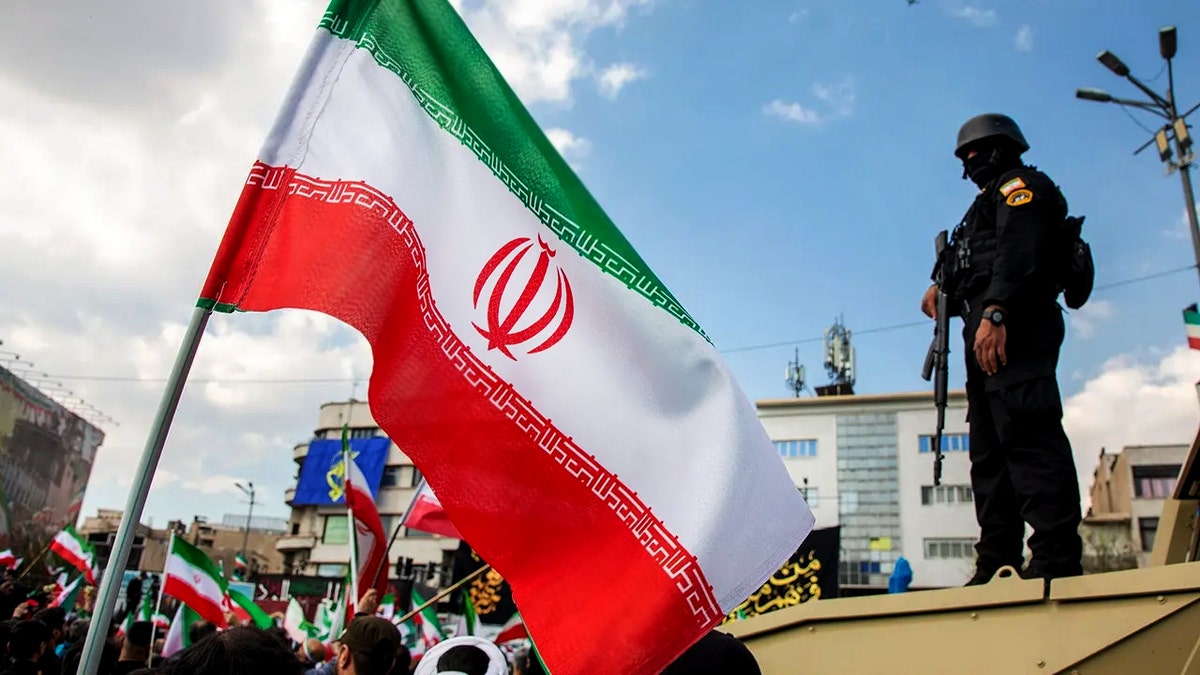
Members of security forces watch over the crowd during a funeral procession held for IRGC Navy Chief Alireza Tangsiri, alongside other senior naval commanders and their families who were killed in US-Israeli strikes in late March, on April 1, 2026, in Tehran, Iran. (Majid Saeedi/Getty Images)
Capitalizing on a tragedy
Right at the beginning of «Operation Epic Fury», the world’s media was full of accounts from Iran of an air strike that reportedly hit an Iranian school for girls in the town of Minab Feb. 28. The air strike reportedly killed 175 people, most of whom were children, at the Shajarah Tayyebeh elementary school, according to the regime. The school was located on the same street as buildings used by the IRGC. A Pentagon investigation was launched in March to look into the allegations that a U.S. missile struck the school.
Speaking to Fox News Digital last month, Iranian-American journalist Banafsheh Zand, who has been following the reporting, pointed to the fact that the school that has been there for more than a decade and its reported affiliation with Iran’s military. She said that while the regime claims between 168 fatalities and 180 fatalities, mostly girls between the ages of 7 and 12, along with teachers and parents from the school, there has been no independent confirmation of the reported casualty figures.
TRUMP’S IRAN CEASEFIRE ROCKED WITHIN HOURS AMID REPORTED MISSILE, DRONE ATTACKS
«There is no confirmation on the number of people, from anyone other than regime sources,» she said. «Some people in the area said it was 65 boys. Sixty-five boys? What are 65 boys doing in a girls’ school at 10:30 on a Saturday morning?»
Both Democratic and Republican U.S. administrations have classified Iran’s regime as a leading state-sponsor of terrorism.
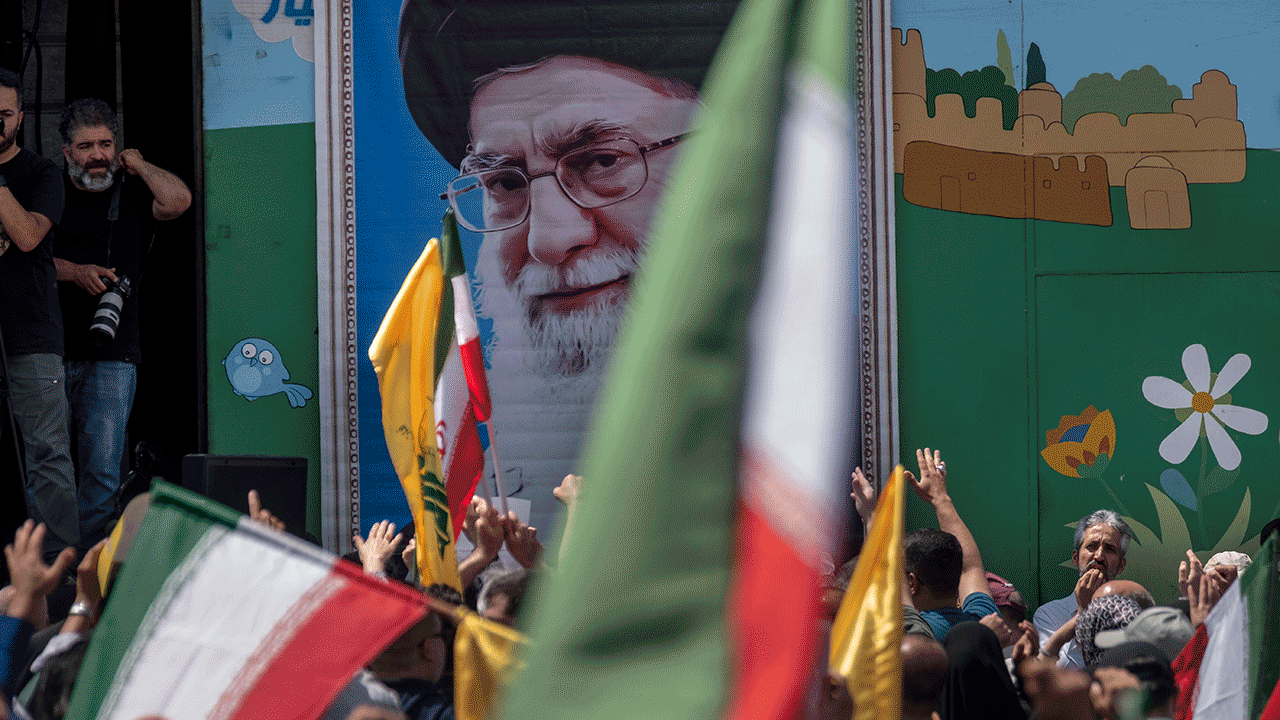
Iranian worshippers hold up their hands as signs of unity with Iran’s former Supreme Leader, Ayatollah Ali Khamenei, during an anti-Israeli rally to condemn Israel’s attacks on Iran, in downtown Tehran, Iran, on June 20, 2025. (Morteza Nikoubazl/NurPhoto via Getty Images)
Fooling the media
Speaking on ‘Jesse Watters Primetime,’ on Thursday, Sen. John Fetterman, D-Pa., said the American media was «essentially… carrying water for Iran.»
Jonathan Ruhe, a fellow at JINSA, told Fox News Digital, «The regime wants to show the Iranian people that it is not weakened despite all the deaths in its leadership and losses in its arsenals, and to claim legitimacy by showing it is winning against the eternal American and Israeli enemies.»
He said, «Like Hezbollah and Hamas, Iran uses civilians as human shields for propaganda purposes. It cares nothing for the safety and fate of its own people. It wants to portray the country as undaunted and willing to sacrifice for victory. And if civilians are killed, all the better for the regime’s political goals… Iran wants to undermine U.S. domestic support for the war by framing it as America doing Israel’s bidding, and by using AI-generated disinformation to depict massive destruction and casualties at U.S. bases in the Middle East.»
The regime suffered a crisis of legitimacy after millions of Iranians poured into the streets in January and demanded the dissolution of the Islamic Republic.
Both the IRGC and Basij — the regime’s street fighting paramilitary troops — played a key role in the mass murder of 45,000 Iranian civilians in January, who protested the regime. President Trump said in his address to the nation that the regime killed 45,000 people. The previous death toll was estimated to be over 35,000 people.
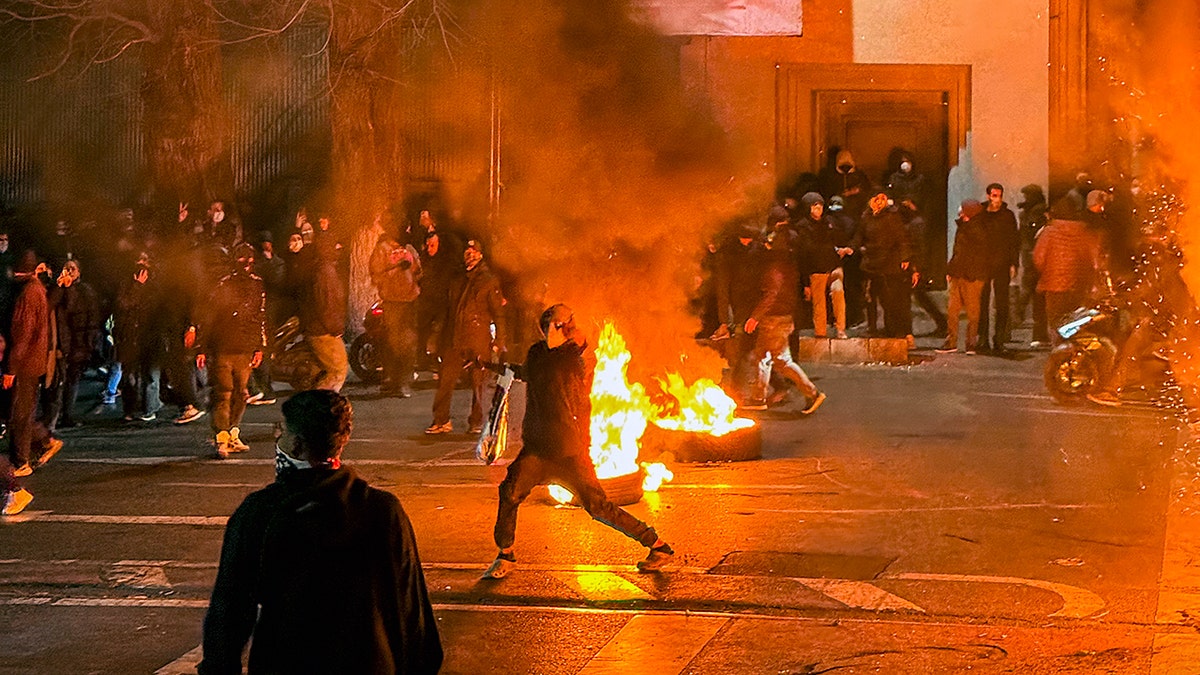
Iranians gather while blocking a street during a protest in Tehran, Iran on January 9, 2026. (MAHSA / Middle East Images / AFP via Getty Images)
Ruhe said, «As it did before the war, it also wants to delegitimize protesters and other internal opposition by depicting them as American and Israeli agents. It can be expected to ramp up all of these propaganda efforts during the ceasefire. The United States and our partners will be part of this intended audience, too.»
Using children in war
Adding to its deadly propaganda mix, the regime freely uses child soldiers to achieve its goals. According to Amnesty International, «Eyewitness accounts and verified audiovisual evidence show child soldiers having been deployed at IRGC checkpoints and patrols, armed with weapons, including AK47pattern rifles.»
Erika Guevara-Rosas, senior director for Research, Advocacy, Policy and Campaigns, for Amnesty stated in the report that, «The Iranian authorities are shamelessly encouraging children as young as 12 to join an IRGC run military campaign, putting them in grave danger and violating international law, which prohibits the recruitment and use of children in the military. Recruiting children under 15 into the armed forces constitutes a war crime.»
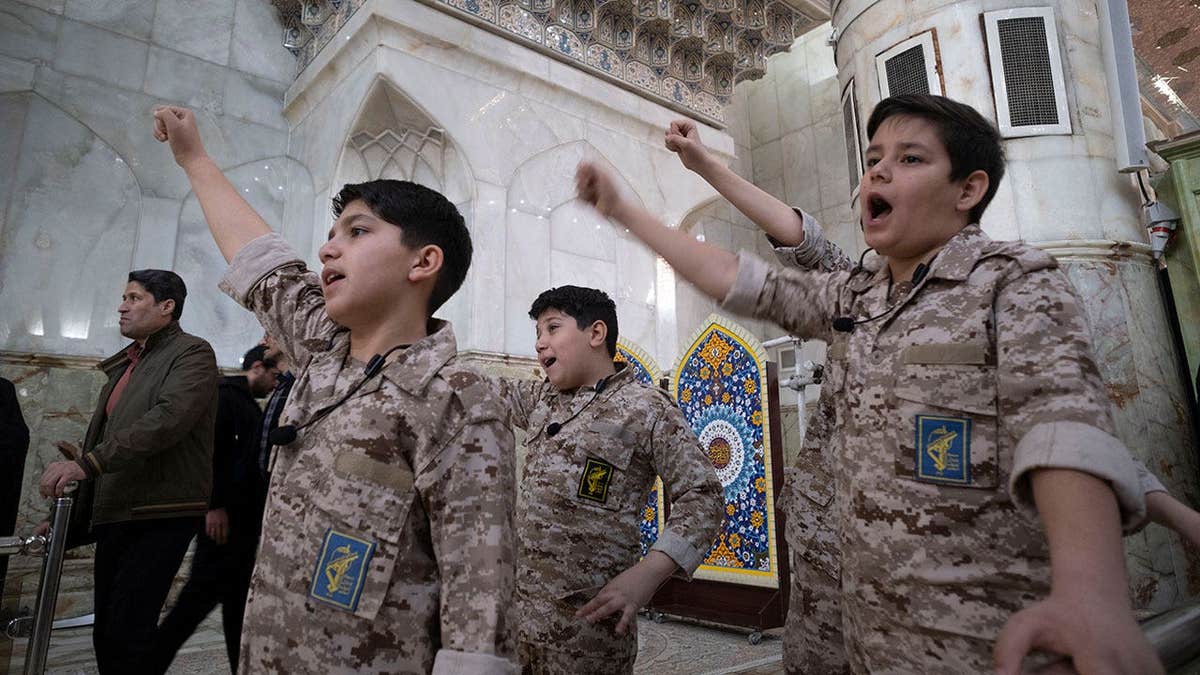
Iranian schoolboys wear Islamic Revolutionary Guard Corps (IRGC) military uniforms and shout anti-U.S. and anti-Israeli slogans during a ceremony marking the 47th anniversary of the victory of Iran’s Islamic Revolution at the shrine of Ayatollah Ruhollah Khomeini in the Behesht-e Zahra cemetery in southern Tehran, Iran, on Feb. 1, 2026 (Morteza Nikoubazl/NurPhoto via Getty Images)
Jennifer Dyer, a retired commander of U.S. Naval Intelligence, told Fox News «I’d say the remnant of the regime can’t muster enough human shields to be doing it all over the place. The people are too resistant. Protests continued in the country the last couple of days, and some reporting on social media indicated a crackdown by the Basij on protesters after the so-called ceasefire was announced.»
CLICK HERE TO DOWNLOAD THE FOX NEWS APP
In late March, a deputy of Iran’s Islamic Revolutionary Guard Corps, Mohammad Rasoul Allah Corps of Greater Tehran, Rahim Nadali, declared that the state launched a recruitment campaign called the «Homeland-Defending Combatants for Iran» that is «open to volunteers» aged 12 and older. The drive to recruit child soldiers took place in mosques and bases of the paramilitary organization Basij. The recruitment campaign sought adolescents to join «combatants defending the homeland.»
Fox News Digital reached out to Iran’s U.N. Mission in New York for a comment.
war with iran, iran, mass murder, military
INTERNACIONAL
FLASHBACK: Dems want to boot Trump with 25th amendment, but refused to do so under Biden
NEWYou can now listen to Fox News articles!
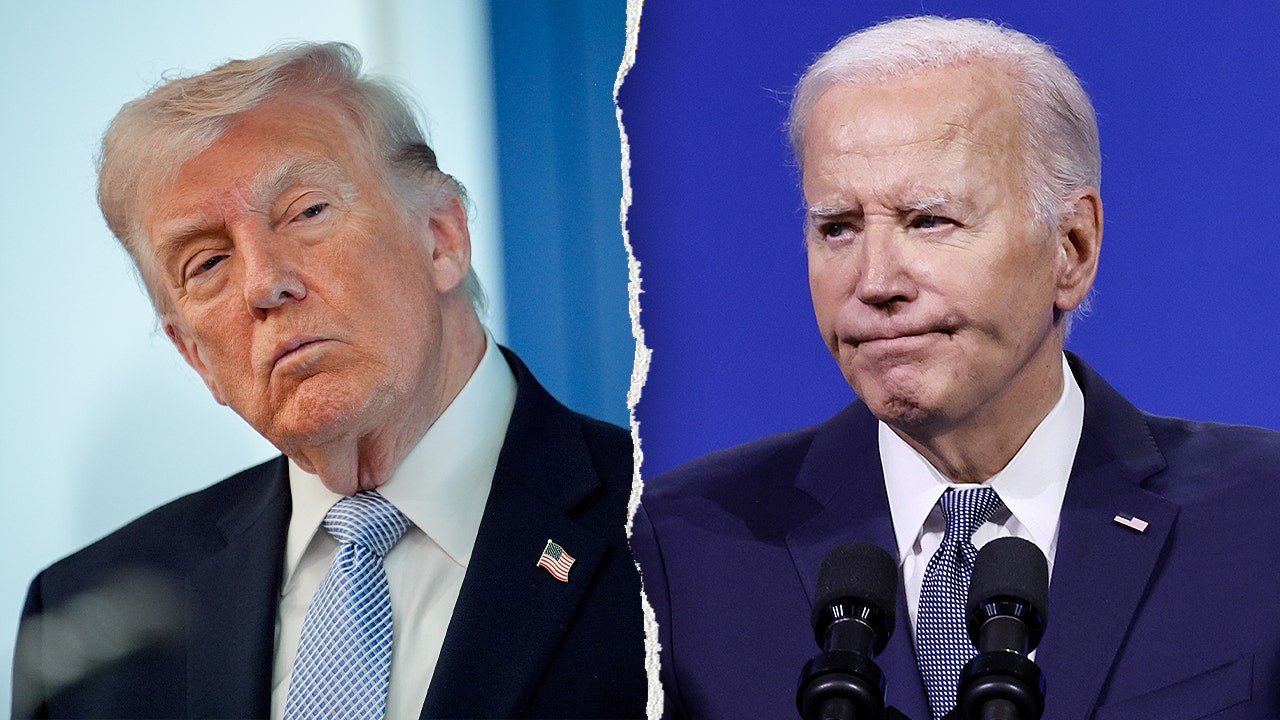
Congressional Democrats want President Donald Trump ousted through extraordinary measures, despite previously dismissing similar calls targeting former President Joe Biden.
More than 50 Democratic lawmakers have called on Trump’s Cabinet to effectively depose him using the 25th Amendment, arguing that the president is unfit to serve over his comments and actions regarding Iran. Their demands were sparked by his social media declaration that a «whole civilization will die» unless the Iranian government agreed to reopen the Strait of Hormuz.
«I certainly think the president should be removed,» Sen. Andy Kim, D-N.J., said. «I mean, he’s unfit for office. I think the 25th Amendment, and if not, then impeachment.»
But less than two years ago, Republicans made the same argument against Biden that Democrats ignored.
SENATE DEM ACCUSES TRUMP OF BEING ‘UNFIT FOR OFFICE,’ JOINS GROWING CALL TO IMPEACH, OUST PRESIDENT
Sen. Eric Schmitt, R-Mo., at the time wrote a letter to then-Secretary of State Antony Blinken calling for him, along with Vice President Kamala Harris, to invoke the 25th Amendment.
«If President Biden is unwilling to resign, for the sake of our great nation, you must do your duty to relieve him of his constitutional powers and duties,» Schmitt wrote.
Congressional Democrats want President Donald Trump ousted through extraordinary measures, despite previously dismissing similar calls targeting former President Joe Biden. (Manuel Balce Ceneta/AP Photo)
Now, only a small group of Senate Democrats have made the case for Trump’s ouster, while most of the enthusiasm has come from the House.
Democrats’ calls to remove Trump through impeachment and conviction or the 25th Amendment cannot happen without widespread GOP support. House Democratic leadership, however, continues to provide a platform for those discussions.
House Judiciary Committee Ranking Member Jamie Raskin, D-Md., will hold a caucus-wide briefing on the workings of the 25th Amendment Friday afternoon.
EX-TRUMP ALLY MARJORIE TAYLOR GREENE JOINS LEFT-WING CALLS FOR THE 25TH AMENDMENT AS IRAN DEADLINE NEARS
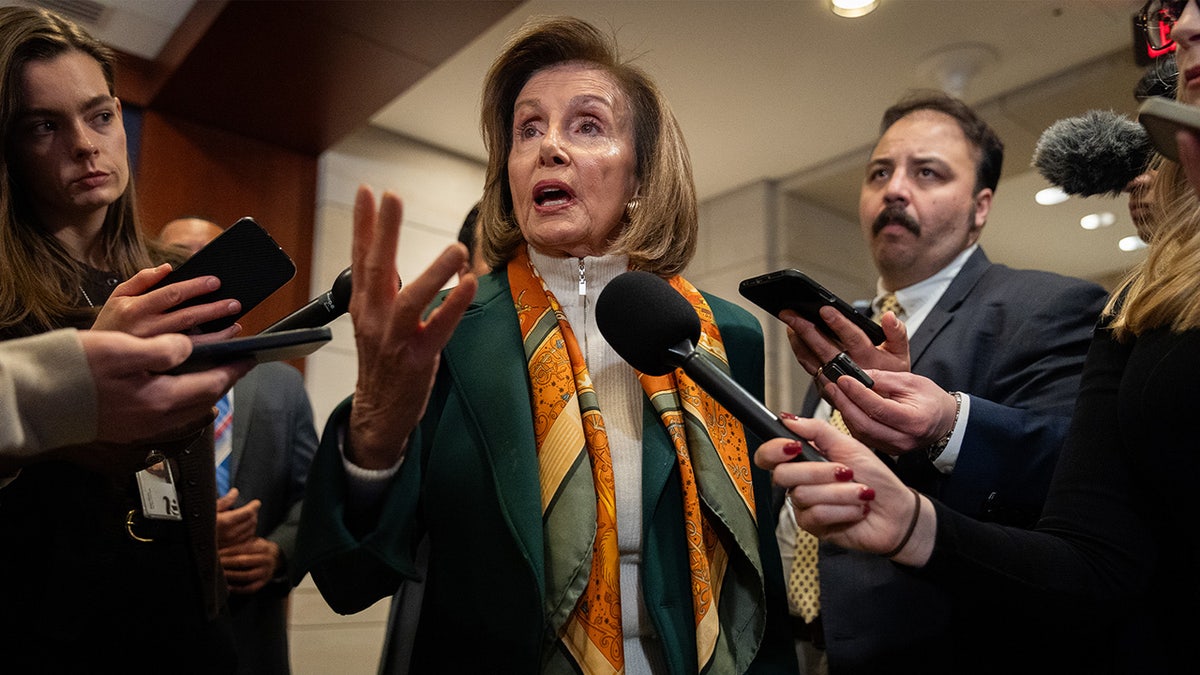
Congresswoman Nancy Pelosi (D-Calif.) did not call for the 25th Amendment to be invoked against Biden. Pelosi did, however, renew her call to see Trump ousted through that process in recent days. (Nathan Posner/Anadolu via Getty Images)
In the summer of 2024, Republicans demanded that Biden be removed from office after a disastrous debate performance against Trump and following a report from former Special Counsel Robert Hur that called into question the then-president’s cognitive ability and handling of classified documents.
House Speaker Mike Johnson, R-La., said at the time, «There’s a lot of people asking about the 25th Amendment, invoking the 25th Amendment right now, because this is an alarming situation.»
GOP INFIGHTING REPLACES CLASH WITH DEMS, DERAILS PATH TO END HISTORIC DHS SHUTDOWN
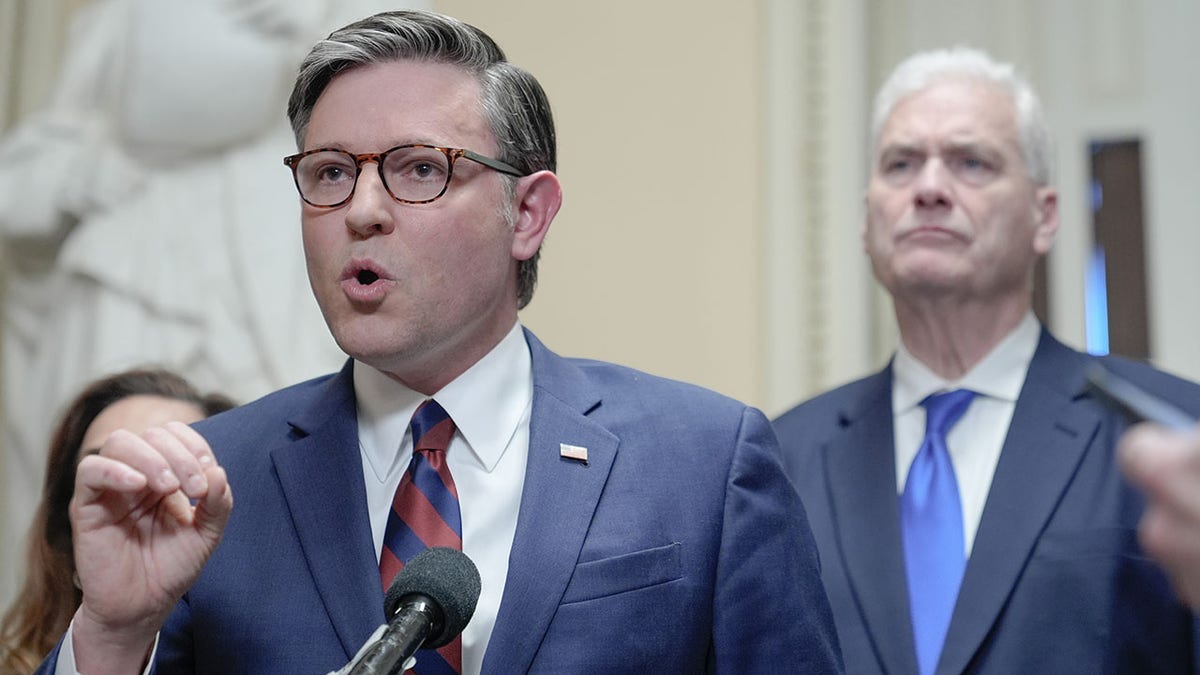
House Speaker Mike Johnson, R-La., said at the time, «There’s a lot of people asking about the 25th Amendment, invoking the 25th Amendment right now, because this is an alarming situation.» (Mariam Zuhaib/AP)
«Our adversaries see the weakness in this White House, as we all do,» Johnson added. «I take no pleasure in saying that. I think this is a very dangerous situation.»
Democrats quickly closed ranks and disputed accusations that Biden’s mental acuity was rapidly declining. Some, however, did call for Biden to drop out of the race against Trump over fears he would not be able to beat his political foe in a rematch after stumbling during their only debate.
Top congressional Democrats, Rep. Nancy Pelosi, D-Calif., and then-Senate Majority Leader Chuck Schumer, D-N.Y., reportedly urged Biden privately to step aside, and dozens of Democrats publicly called on him to exit the race while there was still time to find a replacement.
Neither, however, called for the 25th Amendment to be invoked against Biden. Pelosi did, however, renew her call to see Trump ousted through that process in recent days.
CLICK HERE TO DOWNLOAD THE FOX NEWS APP
«Donald Trump’s instability is more clear and dangerous than ever,» Pelosi said on X. «If the Cabinet is not willing to invoke the 25th Amendment and restore sanity, Republicans must reconvene the Congress to end this war.»
Schumer has so far stopped short of calling for Trump’s removal from power.
Trump, when pressed on next moves in Iran, joked in April during a Cabinet meeting that if he revealed what comes next, his own Cabinet would oust him.
«I can’t say what we’re going to do because if I did, I wouldn’t be sitting here for long. They’d probably — what is it called? The 25th Amendment — They’d institute the 25th Amendment,» Trump said. «Which they didn’t do with Biden, which is shocking.»
politics, donald trump, joe biden, democrats, trump impeachment inquiry, democrats senate

“Caputito” y “Rioja”: el audio en el que un exfuncionario de Andis aludiría a los Menem y al asesor de Milei

La CGT anunció una marcha en contra del Gobierno a Plaza de Mayo el 30 de abril

Cuánto tiene que ganar una familia para ser de clase media en CABA

Video: el penal y rebote que atajó a sus 45 años un arquero ex Racing e Independiente

El agotamiento que muchos tienen sin darse cuenta: qué es el burnout silencioso

Se cancela la versión para Nintendo Switch de Decapolice, nuevo vídeo y más detalles – Nintenderos

Mario Kart Tour avanza su siguiente temporada de primavera con ciudades europeas – Nintenderos

Melania Trump’s forceful Epstein denial draws bipartisan support from lawmakers

Un gobernador presentó un amparo contra la reforma de la Ley de Glaciares y pidió suspender su aplicación

Trump blasts Biden admin for releasing illegal immigrant now charged in fatal hammer attack on Florida mother
-
 SOCIEDAD12 horas ago
Mario Kart Tour avanza su siguiente temporada de primavera con ciudades europeas – Nintenderos
-
 INTERNACIONAL12 horas ago
Melania Trump’s forceful Epstein denial draws bipartisan support from lawmakers
-
 POLITICA11 horas ago
Un gobernador presentó un amparo contra la reforma de la Ley de Glaciares y pidió suspender su aplicación