INTERNACIONAL
To go or not to go? Supreme Court at the State of the Union

NEWYou can now listen to Fox News articles!
It goes against the very instincts of some of the most powerful officials in the U.S.: get all dressed up, appear before a national TV audience, but sit there like statues without betraying any words or emotion.
For members of the Supreme Court, enduring the annual State of the Union address is a civic exercise in poker-faced discretion. As recent history has shown, that has not always been easy.
Tuesday’s speech by President Donald Trump will be watched closely not only for what is said, but also for who will be there in person to hear it — especially an undetermined number of justices with front-row seats.
This year’s appearances are especially of interest, coming four days after a 6-3 majority of the court struck down the president’s sweeping tariffs, in a sweeping setback to his economic agenda.
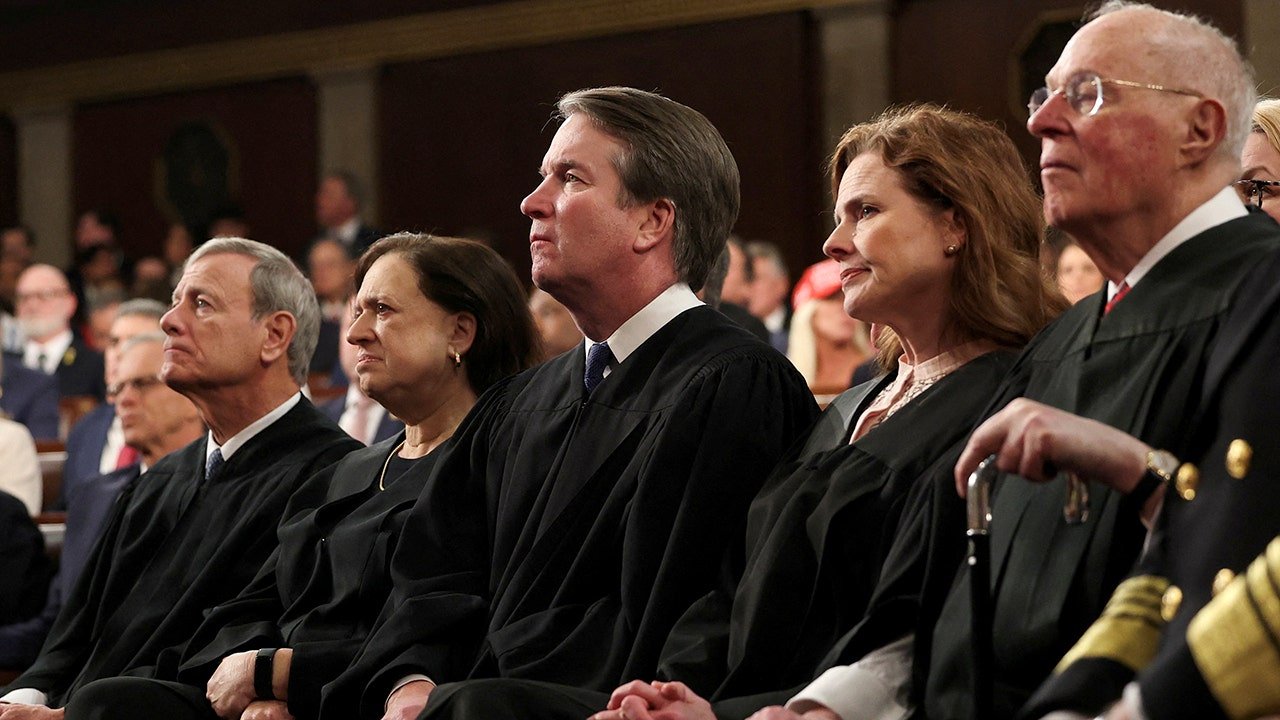
Chief Justice John Roberts, Justices Elena Kagan, Brett Kavanaugh and Amy Coney Barrett and retired Justice Anthony Kennedy attend President Donald Trump’s address to a joint session of Congress at the U.S. Capitol on March 4, 2025. (Win McNamee/Pool via Reuters)
Trump lashed out sharply at the court, especially the six members who voted against him, including two he appointed to the bench — Justices Neil Gorsuch and Amy Coney Barrett.
The president said he was «ashamed of certain members of the court, absolutely ashamed for not having the courage to do what’s right for the country.»
At least one member of the bench, Justice Samuel Alito, has previously stated he will likely no longer go — after lingering, dramatic criticism leveled at a court ruling by Obama in his 2010 address.
But one or more justices have almost always attended the annual speech to Congress and the nation in recent decades. Court members are not required by law to be there, but custom has dictated their appearance, mostly for show. They are a key, if low-key, part of the pageantry, and are compelled to sit politely and stoically, amid the often high-spirited partisan rhetoric and response of the event.
There is no word yet from the high court on who will appear. Invitations are sent to each chamber, and the justices have individual discretion over whether to go.
Those who do traditionally wear their judicial robes, are escorted into the House as a group, and take prominent seats up front.
Retired justices usually get asked as well, minus the robes. They are joined by other officers of the court, such as the marshal and clerk.
WATCH: TOP 5 MOST MEMORABLE MOMENTS IN AMERICAN STATE OF THE UNION HISTORY
Chief Justice John Roberts and Justice Elana Kagan, along with former Justices Stephen Breyer and Anthony Kennedy, have been regular attendees over the years.
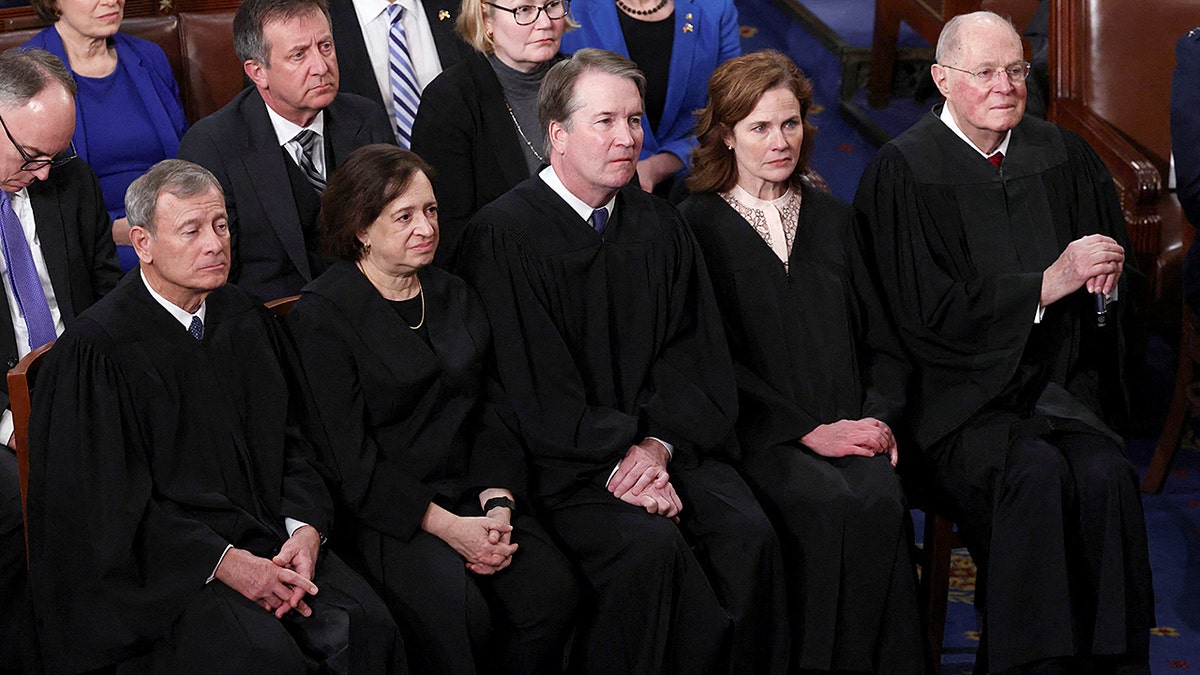
Chief Justice John Roberts, Justices Elena Kagan, Brett Kavanaugh and Amy Coney Barrett and retired Justice Anthony Kennedy attend President Donald Trump’s speech to a joint session of Congress, March 4, 2025. (Reuters/Evelyn Hockstein)
But the ceremony put the justices in a highly uncomfortable position in 2010.
Democrats cheered President Barack Obama when he dressed down high court conservatives for its ruling in Citizens United v. Federal Election Commission, issued a week earlier, which removed legal barriers preventing corporations and unions from spending unlimited sums on federal elections.
«With all due deference to the separation of powers,» Obama said, «the Supreme Court reversed a century of law to open the floodgates for special interests — including foreign corporations — to spend without limit in our elections.»
Alito, sitting just feet away in the audience, shook his head and mouthed words interpreted as «not true,» referring to the line about «foreign corporations,» court sources later confirmed.
Alito’s five fellow justices in attendance showed no emotion.
He had been a regular at previous addresses, but months after the incident, Alito told an audience in New York that he felt «like the proverbial potted plant» and would not be attending in the near future. In fact, the year after the presidential dress-down, Alito was in Hawaii at a law school symposium.
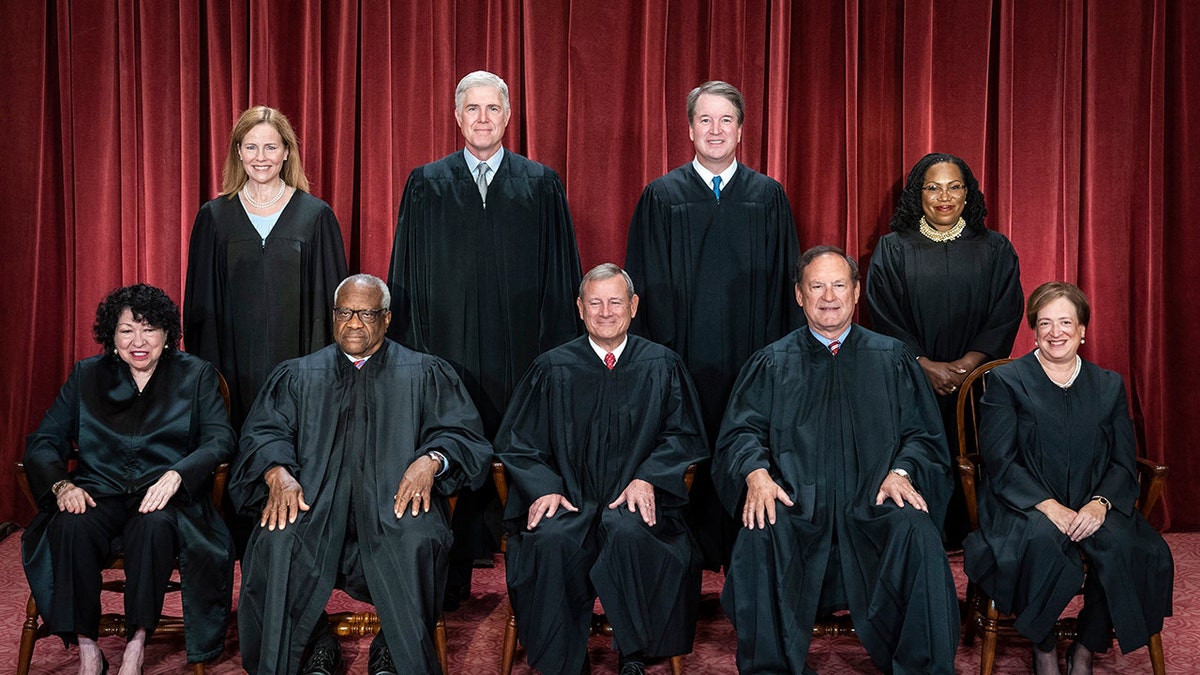
Justices pose for an official group portrait at the Supreme Court building on Capitol Hill on Oct. 7, 2022, following the addition of Justice Ketanji Brown Jackson. (Jabin Botsford/The Washington Post via Getty Images)
REPORTER’S NOTEBOOK: TRUMP’S STATE OF THE UNION BECOMES POLITICAL BOXING MATCH AS DEMOCRATS BOYCOTT
The now 75-year-old justice also, with a smile, noted that his colleagues «who are more disciplined, refrain from manifesting any emotion or opinion whatsoever.»
Roberts labeled the political atmosphere at the 2010 address «very troubling.»
The head of the federal judiciary has said partisan rhetoric and gestures aimed at the court left him questioning whether his colleagues should continue to attend.
During that 2010 address, members of Congress sat just behind the justices, many applauding loudly when Obama made his remarks about the court’s election spending case, especially Sen. Charles Schumer, D-N.Y.
«It does cause me to think whether or not it makes sense for us to be there» Roberts said weeks after the controversy. «To the extent the State of the Union has degenerated into a political pep rally, I’m not sure why we’re there.»
Then-White House press secretary Robert Gibbs responded quickly at the time with an indirect attack on Roberts, saying «the only thing troubling» was the Citizens United ruling itself.
Regardless, Roberts has never missed a State of the Union as chief justice.
THOMAS RIPS SUPREME COURT TARIFFS RULING, SAYS MAJORITY ‘ERRS’ ON CONSTITUTION
That included 2021 with President Joe Biden’s address to a joint session of Congress that was limited in attendance because of the pandemic. The sparse, widely-separated crowd included Roberts, a few Cabinet officers and a smattering of congressional members, all wearing masks.
Some justices were regular no-shows at the State of the Union, including John Paul Stevens, who stepped down from the court months after the 2010 State of the Union.
Roberts’ predecessor, Chief Justice William Rehnquist, also rarely appeared in person, once because he considered a painting class more preferable.
Justice Clarence Thomas called it «very uncomfortable for a judge to sit there.» He went to Obama’s first annual address in 2009, but has not been back since.
«There’s a lot that you don’t hear on TV,» he once said, «the catcalls, the whooping, hollering and under-the breath comments.»
Another more vocal no-go was the late Justice Antonin Scalia, who compared the televised State of the Union to «cheerleading sessions.»
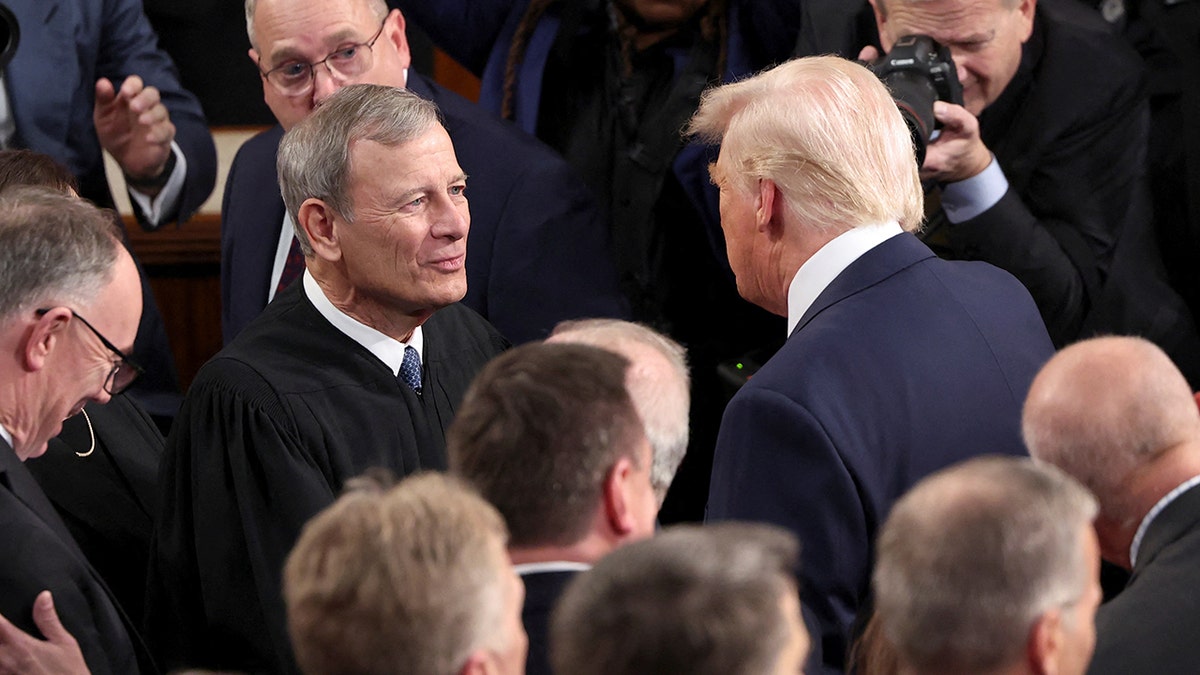
President Donald Trump talks to Chief Justice John Roberts on the day of his speech to a joint session of Congress, at the U.S. Capitol, March 4, 2025. (Reuters/Kevin Lamarque)
«I don’t know at what point that happened, but it has happened, and now you go and sit there like bumps on a log while applause lines cause one half of the Congress to leap up while [another line] causes the other half to leap up,» he once said. «It is a juvenile spectacle. And I resent being called upon to give it dignity.»
TRUMP REVEALS HIS ‘NEW HERO’ SUPREME COURT JUSTICE AFTER TARIFFS RULING
He last attended the event in 1997, but did attend a special joint session of Congress after the 9/11 terror attacks in 2001, with four other justices.
Scalia, a generally verbose and animated jurist, said bluntly: «You just sit there, looking stupid.»
Even remarks touching on supposedly nonpartisan topics like patriotism, war veterans and puppy dogs leave the justices in a quandary: should they applaud, should they stand and applaud or do neither? The protocols are never clear, and the public might view the court members as aloof or uncaring if they offer no reaction during, say, a salute to Martin Luther King Jr.’s memory, when everyone else is shown engaging in bipartisan applause in the chamber.
One «extra-court-ricular» event that is a must-attend for the Supreme Court is the presidential inauguration. All nine members were at last year’s public swearing-in for Trump to a second four-year term. Roberts and Kavanaugh had official duties to administer the oaths of office to the president and vice president, respectively, but the other seven justices only had to sit there, again quietly, in the Capitol Rotunda.
Breyer is the one justice who might be called a «regular» at the State of the Union, going to nearly all of them since joining the court in 1994, including one in his retirement.
He missed President Bill Clinton’s last annual address in 2000 because of the flu. That year, no justices were in attendance.
Many believe the justices have to go to such events, that it is just another unwanted chore of office. Not so, Breyer told us in 2005. «People attend if they wish to attend. I do wish to attend, so I go.»
KAVANAUGH RIPS SUPREME COURT MAJORITY’S ‘ILLOGICAL’ LINE ON TARIFFS
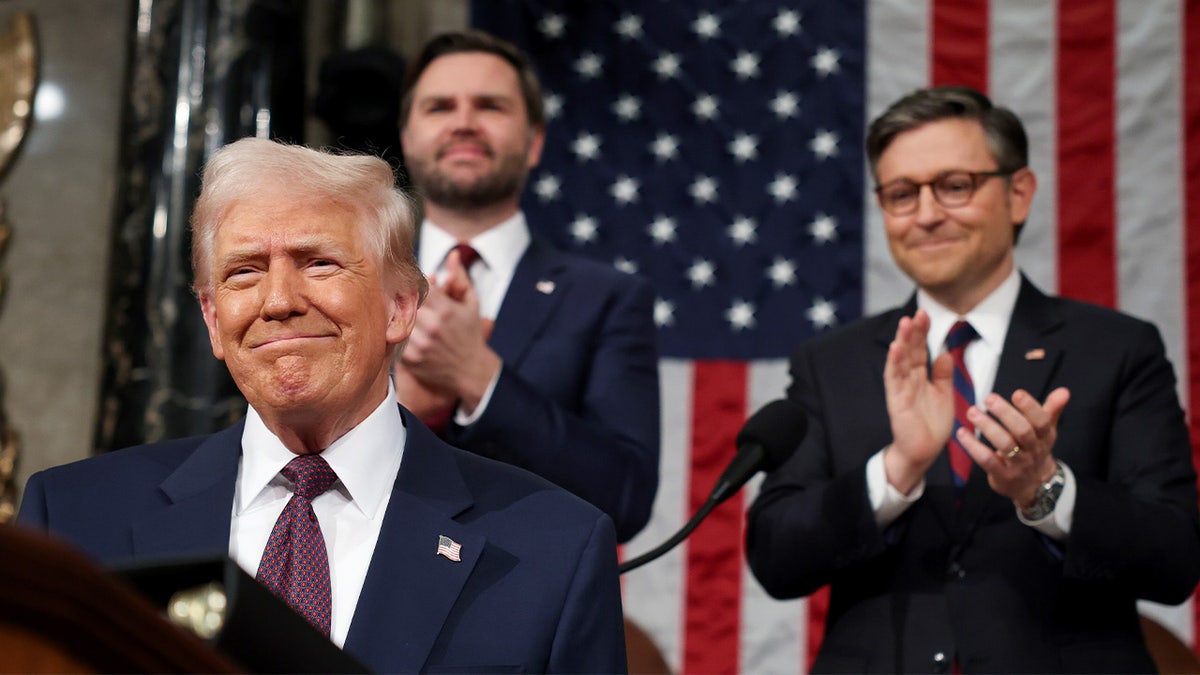
President Donald Trump is set to deliver his fourth State of the Union address of his presidency on Feb. 24, 2026. (Win McNamee/Getty Images)
Here’s a list of Supreme Court members attending recent State of the Union or equivalent Joint Session of Congress addresses in recent years, based on Fox News research and congressional records. Names are listed by seniority:
– 2025: John Roberts, Elena Kagan, Brett Kavanaugh, Amy Coney Barrett, Anthony Kennedy (retired)
– 2024: Roberts, Sonia Sotomayor, Kagan, Neil Gorsuch, Kavanaugh, Ketanji Brown Jackson, Kennedy (retired)
– 2023: Roberts, Kagan, Kavanaugh, Barrett, Jackson, Kennedy, Stephen Breyer (retired)
– 2022: Roberts, Breyer, Kagan, Kavanaugh, Barrett
– 2021: Roberts (limited speech attendance because of pandemic)
– 2020: Roberts, Kagan, Gorsuch, Kavanaugh
– 2019: Roberts, Kagan, Gorsuch, Kavanaugh
– 2018: Roberts, Breyer, Kagan, Gorsuch
– 2017: Roberts, Kennedy, Breyer, Sotomayor, Kagan
– 2016: Roberts, Kennedy, Ruth Bader Ginsburg, Breyer, Sotomayor, Kagan
– 2015: Roberts, Kennedy, Ginsburg, Breyer, Sotomayor, Kagan
– 2014: Roberts, Kennedy, Ginsburg, Breyer, Kagan
– 2013: Roberts, Kennedy, Ginsburg, Breyer, Sotomayor, Kagan
– 2012: Roberts, Kennedy, Ginsburg, Breyer, Kagan
– 2011: Roberts, Kennedy, Ginsburg, Breyer, Sotomayor, Kagan
– 2010: Roberts, Kennedy, Ginsburg, Breyer, Samuel Alito, Sotomayor
– 2009: Roberts, Kennedy, Clarence Thomas, Ginsburg, Breyer, Alito
– 2008: Roberts, Kennedy, Breyer, Alito
– 2007: Roberts, Kennedy, Breyer, Alito
– 2006: Roberts, Thomas, Breyer, Alito
– 2005: Breyer
– 2004: Breyer
– 2003: Breyer
– 2002: Kennedy, Breyer
– 2001: Breyer
– 2000: None
– 1999: Sandra Day O’Connor, Kennedy, David Souter, Thomas, Ginsburg, Breyer
– 1998: William Rehnquist, O’Connor, Souter, Thomas, Breyer
– 1997: Antonin Scalia, Kennedy, Souter, Thomas, Ginsburg, Breyer, Byron White (retired)
CLICK HERE TO DOWNLOAD THE FOX NEWS APP
– 1996: Rehnquist, O’Connor, Kennedy, Thomas, Ginsburg, Breyer
– 1995: Rehnquist, O’Connor, Scalia, Ginsburg, Breyer, Harry Blackmun (retired)
Related Article
supreme court,state of the union,donald trump







INTERNACIONAL
Iran’s shadowy chemical weapons program draws scrutiny as reports allege use against protesters
NEWYou can now listen to Fox News articles!
A new report from the Foundation for Defense of Democracies (FDD) raises concerns about Iran’s opaque chemical weapons program, which argues policymakers have paid little attention to compared with Iran’s more scrutinized nuclear weapons program.
The FDD report outlines how the Iranian regime may have resorted to the unconventional use of chemical weapons while it faced an unprecedented uprising beginning in December 2025, a wave of unrest Tehran has not seen since the 1979 Islamic revolution. Any use of chemical weapons by Iran would be in defiance of their obligations under the 1997 Chemical Weapons Convention.
«The United States, its allies and the Organization for the Prohibition of Chemical Weapons (OPCW) should investigate credible claims that Iran’s regime used chemical weapons against its own people,» Andrea Stricker, deputy director of FDD’s nonproliferation program and author of the report, told Fox News Digital.
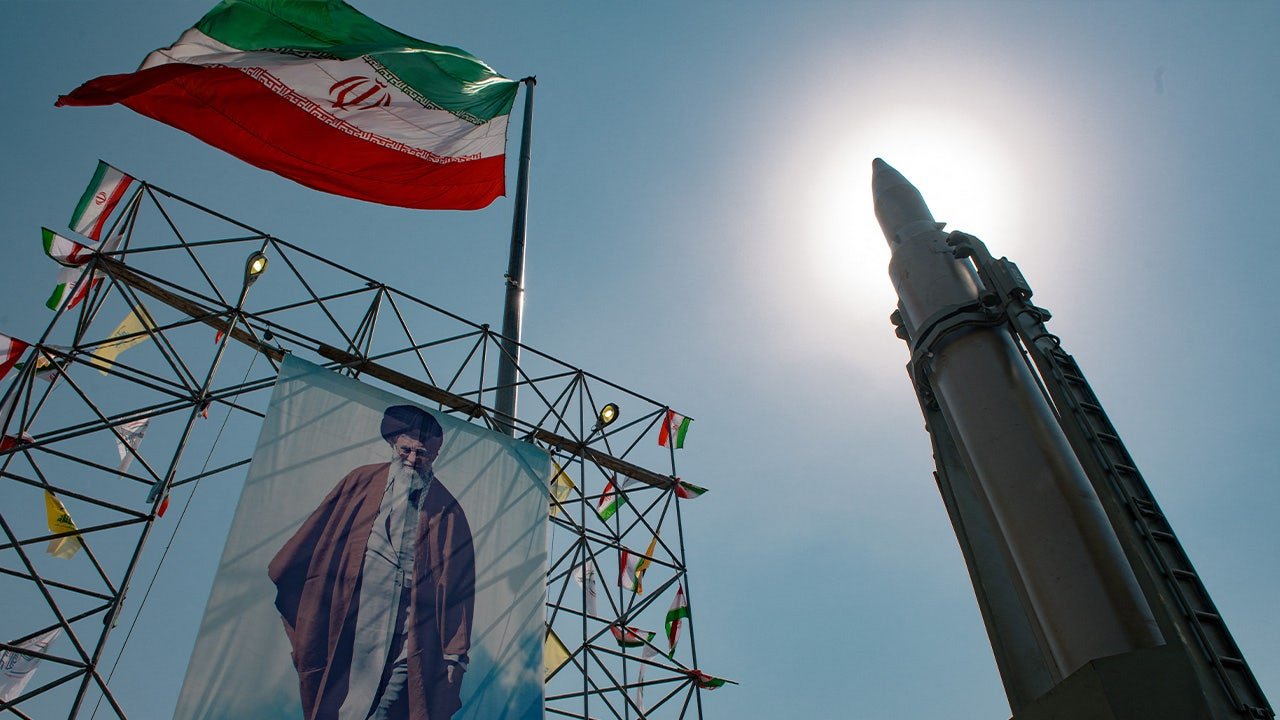
An Iranian military truck carries surface-to-air missiles past a portrait of Iran’s supreme leader, Ayatollah Ali Khamenei, during a parade on April 18, 2018, in Tehran. (Atta Kenare/AFP via Getty Images)
Iran’s illicit chemical weapons program is under renewed scrutiny as the Trump administration appears closer to taking military action against Iran and its nuclear weapons program.
While the U.S. has been engaged in indirect talks with Iranian officials mediated by Oman in Geneva, the U.S. has increased its military presence in the Persian Gulf, sending the USS Gerald R. Ford to join dozens of other warships to the region.
On Tuesday, Iranian Foreign Minister Seyed Abbas Araghchi posted on X that «Iran will resume talks with the U.S. in Geneva with a determination to achieve a fair and equitable deal—in the shortest possible time.»
The foreign minister claimed that Iran will not pursue nuclear weapons under any circumstances but emphasized that Iran will not forgo its right to harness peaceful nuclear technology.
ISRAELI OFFICIALS REPORTEDLY WARN IRAN’S BALLISTIC MISSILES COULD TRIGGER SOLO MILITARY ACTION AGAINST TEHRAN
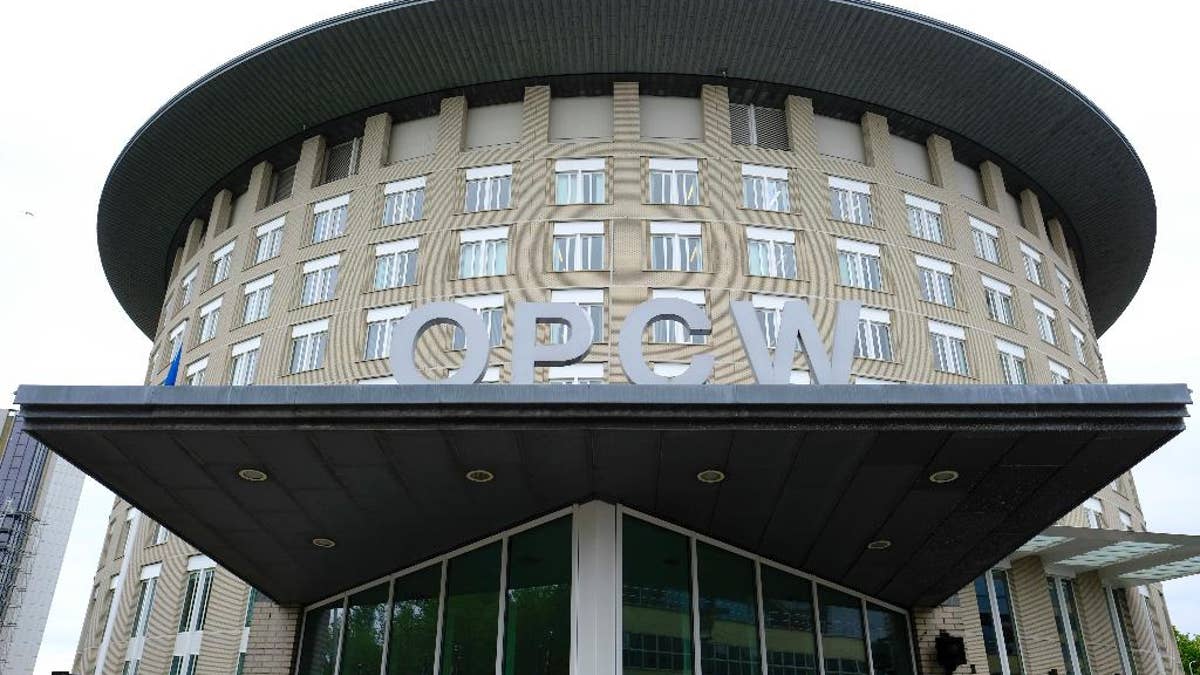
The headquarters of the Organization for the Prohibition of Chemical Weapons (OPCW) in The Hague, Netherlands, May 5, 2017. (Peter Dejong/The Associated Press)
«A deal is within reach, but only if diplomacy is given priority,» he added.
Despite the optimism and push for continued talks, there remain fears that Iran will not make any meaningful concessions on their nuclear program, which could lead to U.S. military strikes on the nation.
A broader regime change campaign to topple the Islamic republic’s government, led by Ayatollah Ali Khamenei, is also not off the table, according to some reports.
«If Washington launches strikes against Iran, it should give serious consideration to targeting the regime’s chemical weapons research and production facilities. Such action would help halt further development and potential use of these weapons while sending a clear message that the regime cannot commit atrocities with impunity,» Stricker said.
The Chemical Weapons Convention (CWC), which Iran is party to, upholds the norms against state-held chemical weapons, specifically, banning states’ development, stockpiling, production and use of chemical weapons, even for retaliatory reasons, as well as their receipt from or transfer to anyone.
US ASSETS IN MIDDLE EAST POSITIONED FOR ‘HIGHLY KINETIC’ WAR, EX-PENTAGON OFFICIAL WARNS
Israel’s deputy ambassador to the Netherlands, Yaron Wax, said in July 2025 before a special meeting of the OPCW that «over the past two decades Iran has been developing a chemical weapons program based on weaponized pharmaceutical agents.»
These agents, Wax said, impact the central nervous system and can be fatal even in small doses.
The ambassador said at the Shahid Meisami Research Complex, destroyed by Israel in June 2025, Iran’s Shahid Meisami Group (SMG) was working on fentanyl opioid-derived tactical munitions for military use. Israel believes the pharmaceutical-based agents were transferred to Syria’s longtime and now deposed dictator, Bashar al-Assad, and Iraqi Shia militias as well.
Iran began developing its chemical weapons program in 1983 during its war with Iraq in response to chemical attacks from the regime of Saddam Hussein, according to the U.S. Intelligence Community.
As recently as 2024, the U.S. has repeatedly found Iran in noncompliance with its obligations under the CWC.
In a post on X in November 2024, the Iranian mission to the United Nations pushed back on the charges against it. «A victim of Western-donated chemical weapons employed by the Saddam regime, Iran stands as a responsible member of the Chemical Weapons Convention (CWC). Over the past several decades, not a single instance of Iranian violation has been recorded. The current unfounded reports are merely an outgrowth of psychological warfare propagated by the Zionist regime in the wake of its recent defeat on the Lebanese front.»
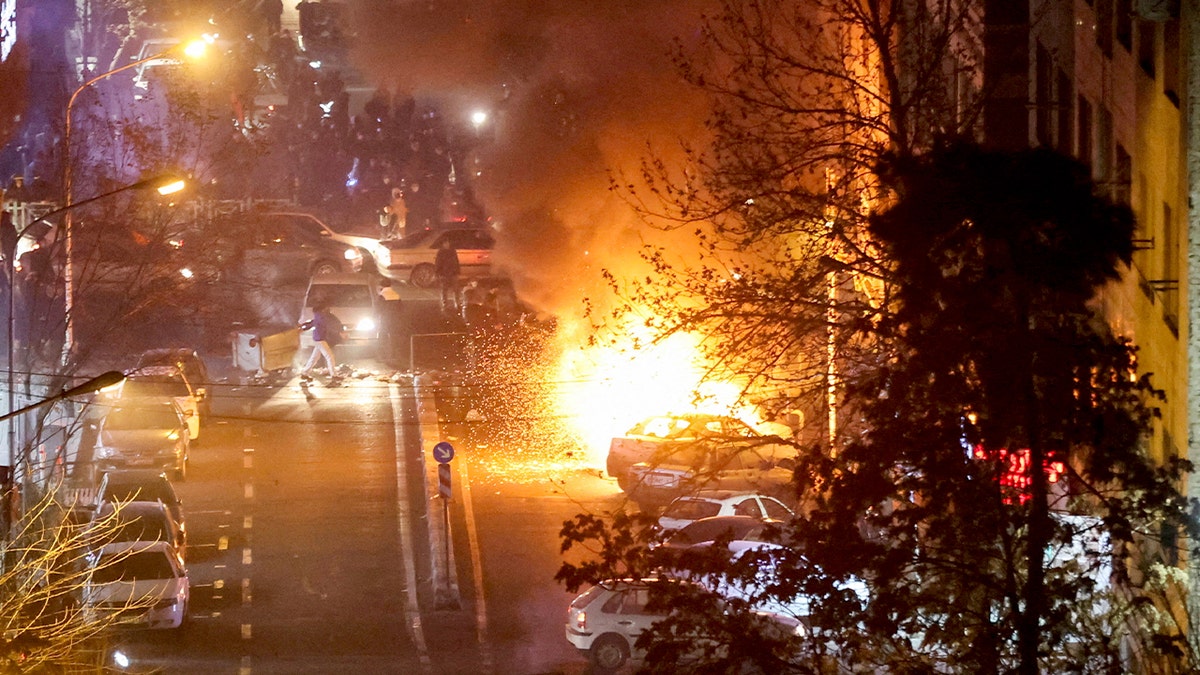
Cars burn in a street during a protest over the collapse of the currency’s value in Tehran, Iran, Jan. 8, 2026. (Stringer/West Asia News Agency via Reuters)
TRUMP WARNS IRAN, DELAYS STRIKES AS RED LINE DEBATE ECHOES OBAMA’S SYRIA MOMENT
Stricker says the U.S. and international community have failed to hold Iran accountable for its illegal chemical weapons program, and meaningful action must be taken to prevent Iran from transporting banned substances to Iran’s nefarious proxy actors in the Middle East.
The report notes that the U.S. and OPCW should launch a pressure campaign against Iran, calling out the regime and publicizing any violations. The Trump administration, the report recommends, should demand a formal ultimatum to demonstrate compliance with the convention and accept monitoring and verification mechanisms.
FDD also suggests Israel should ratify the CWC and work within the OPCW, which would give Israel more credibility in combating Iranian violations.
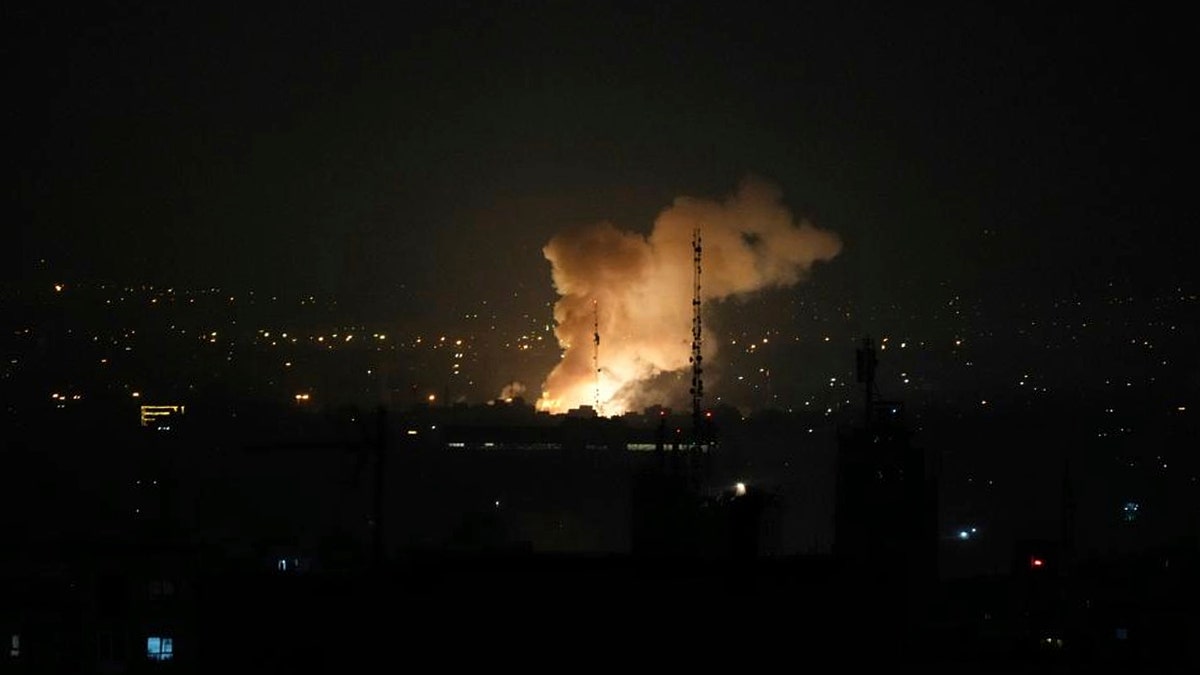
Smoke rises after an explosion in Tehran, Iran, June 13, 2025, during an attack by Israel. (Getty Images)
CLICK HERE TO DOWNLOAD THE FOX NEWS APP
The report says that, as a last resort, the U.S. should consider launching strikes targeting regime chemical weapons facilities, or support Israeli efforts, if actionable intelligence indicates movement on Iran’s chemical weapons efforts or a renewed push by the regime to use such illegal weapons to crack down on anti-government protests.
«The only solution to Iran’s persistent WMD threat is for the United States and Israel to undermine the regime’s grip on power. Until then, the two nations will periodically be forced to play whack-a-mole with Tehran’s capabilities whenever they endanger regional peace,» Stricker said.
Related Article

iran,israel,conflicts,ali khamenei,national security
INTERNACIONAL
Una turista contó cómo vivió el operativo contra “El Mencho” entre bloqueos, disparos y un “estado de guerra”

Entre disparos y bloqueos de narcotraficantes, decenas de turistas quedaron atrapados el domingo en unas cabañas de Tapalpa, en el estado mexicano de Jalisco, donde fue abatido en un operativo militar Nemesio Oseguera Cervantes, alias “El Mencho”.
“Desde que desperté, los helicópteros ya sobrevolaban muy cerca, y fue alrededor de las 7:00 cuando nuestros familiares intentaron contactarnos“, relató a EFE una turista que pidió mantener el anonimato.
Fue entonces que se dio cuenta de que estaba hospedada cerca de la guarida de “El Mencho”, en el complejo turístico Tapalpa Country Club.
Leé también: Escondida en un bosque y protegida por muros de piedra: así es la mansión donde cayó “El Mencho”
En esta zona boscosa, rodeada por centenares de árboles y residencias de lujo, la mujer y su grupo de amigos se encerraron en una habitación al fondo de una cabaña, “la más segura”, porque “no tenía tantos cristales que pudieran ser atravesados por una bala”.
Con la poca señal que llegaba a sus teléfonos celulares, recibieron decenas de mensajes enviados a un chat del condominio, integrado por aproximadamente 60 personas -entre turistas nacionales e internacionales y organizadores-, quienes solicitaban a huéspedes y propietarios “no salir de las cabañas”.
“Estado de guerra”
Afuera de las cabañas se desarrollaba un fuerte operativo del Ejército mexicano para capturar a “El Mencho”, el líder del Cartel Jalisco Nueva Generación (CJNG) y uno de los narcotraficantes más buscados del mundo.
“Al inicio pensábamos que era un operativo normal, pero después empezaron a llegarnos videos de grupos armados pasando entre las cabañas y, minutos más tarde, escuchamos disparos. Una hora de disparos”, recordó.
Dos soldados custodian una zona de Tapalpa, en Jalisco (Foto: Reuters)
El tiroteo terminó al mediodía.
Según se supo después, el líder narco se escondía desde el 21 de febrero en una exclusiva cabaña con su pareja sentimental.
Las conversaciones durante esas horas eran de temor y aislamiento.
Leé también: El narcotráfico dio una brutal muestra de poder de fuego ante el cambio de estrategia del gobierno mexicano
“Estábamos en un estado de guerra del que no podíamos salir”, señaló la turista. Afuera había un bloqueo con un camión que impedía el paso.
“No teníamos más comida” y, sobre todo, “queríamos regresar a casa”, porque “nuestras familias viven en Guadalajara, donde la situación estaba “aún peor”, agregó.
El operativo contra el capo mexicano desató una ola de violencia en todo el país, en la que fallecieron 25 integrantes de la Guardia Nacional y más de 30 miembros del CJNG.
Cómo fue el regreso a casa
Regresar a la ciudad de Guadalajara la tarde del domingo fue una “misión imposible”. Además de los bloqueos ilegales en Tapalpa, se reportaban otros 18 en todo el estado de Jalisco, según las autoridades federales.
“En el chat de los condominios se decía que seguían quemando autos y negocios y que no era seguro regresar. Mientras pasaban las horas, yo enviaba cada treinta minutos un mensaje a mi mamá para decirle que todo estaba bien”, relató.
“El miedo no se me quitaba de la piel”, subrayó.
La noche del domingo estuvo marcada por el “insomnio”, ante la psicosis de que “alguien entrara o las balas volvieran a sonar”.
“Al despertar sabíamos que teníamos que salir de ahí”, indicó al explicar que la estrategia de escape la realizaron entre pequeños grupos de turistas que iban abandonando Tapalpa y, al mismo tiempo, avisando por mensajes de Whatsapp el estado del camino hasta Guadalajara.
Leé también: Con la muerte de “El Mencho”, México aleja el fantasma de la intervención de Trump
Con la llegada del primer grupo a la capital de Jalisco, la testigo logró salir de Tapalpa en un trayecto de dos horas y media, durante el cual contabilizó más de 15 vehículos volcados en la carretera, todos “llenos de ceniza”.
“En cada curva te encontrabas un camión quemado o surcos tapados con tierra para que los autos no se hundieran”, resaltó.
Tres días después, Guadalajara, uno de los principales puntos de operación del Cartel Jalisco Nueva Generación, sigue con el código rojo activado y las actividades en suspenso.
(Con información de EFE)
México
NEWYou can now listen to Fox News articles!
U.S. and French officials signaled Tuesday they are working to steady relations after a diplomatic flare-up that led France to restrict U.S. Ambassador Charles Kushner’s access to senior government officials.
The U.S. Embassy in France told Fox News Digital that the two sides remain in contact following the dispute, which was triggered by U.S. government social media posts about the killing of a French activist earlier this month.
«Ambassador Kushner and Foreign Minister Barrot, who have met regularly during the Ambassador’s tenure, spoke today in a frank and amicable call, reaffirming their shared commitment to working together, along with all other Ministers and French officials, on the many issues that impact the United States and France, particularly as the two countries celebrate 250 years of rich diplomatic relations,» the statement said.
The outreach suggests both governments are seeking to contain the fallout from a clash that briefly raised questions about diplomatic protocol and political sensitivities between two of NATO’s closest allies.
U.S. and French officials signaled Tuesday they are working to steady relations after a diplomatic flare-up that led France to restrict U.S. Ambassador Charles Kushner’s access to senior government officials. (Ludovic Marin/AFP via Getty Images)
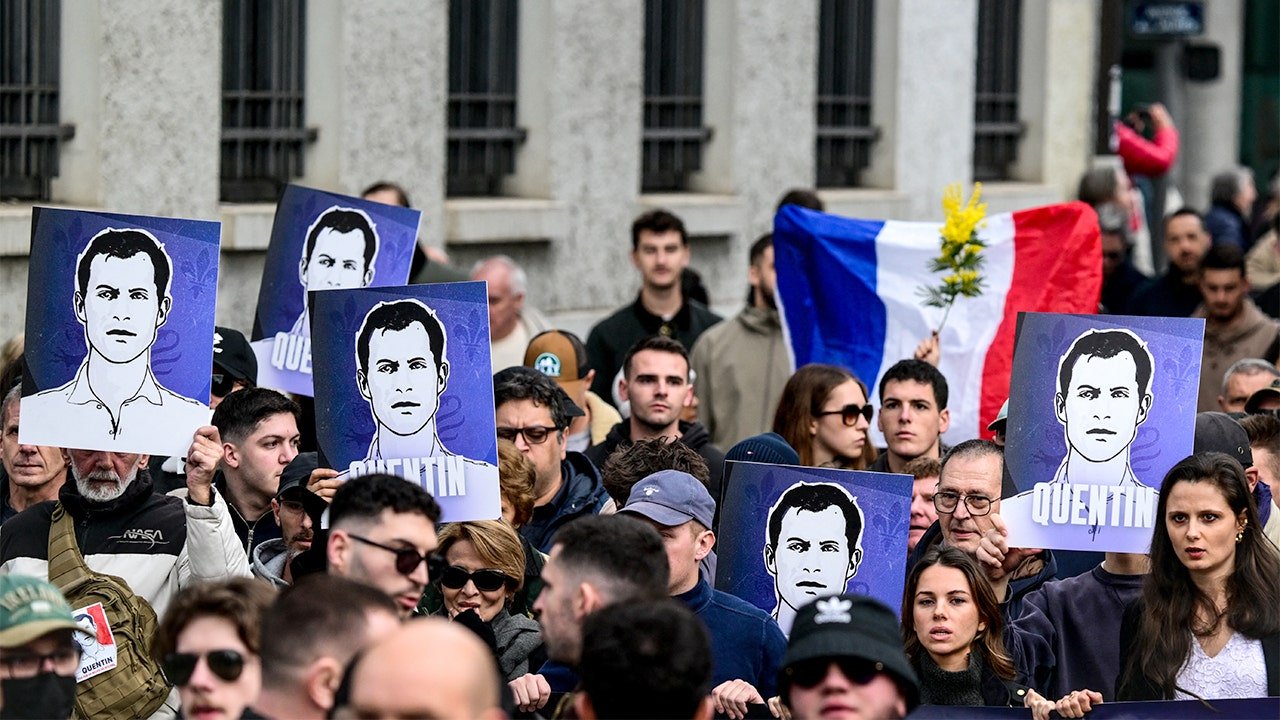
France had moved to limit Kushner’s access to top officials after he did not attend a summons at the French Foreign Ministry over remarks posted by official U.S. government accounts following the death of 23-year-old activist Quentin Deranque, who was killed during clashes between far-left and far-right groups in Lyon earlier this month.
The Associated Press reported that Deranque, described as a far-right activist and a fervent nationalist, was beaten during the confrontation and later died of brain injuries sustained in the attack.
In a Feb. 19 post on X, the U.S. State Department’s Bureau of Counterterrorism wrote that reports — corroborated by France’s interior minister — that Deranque was killed by left-wing militants «should concern us all,» adding: «Violent radical leftism is on the rise and its role in Quentin Deranque’s death demonstrates the threat it poses to public safety.» The U.S. Embassy in France later shared the statement on its official account.
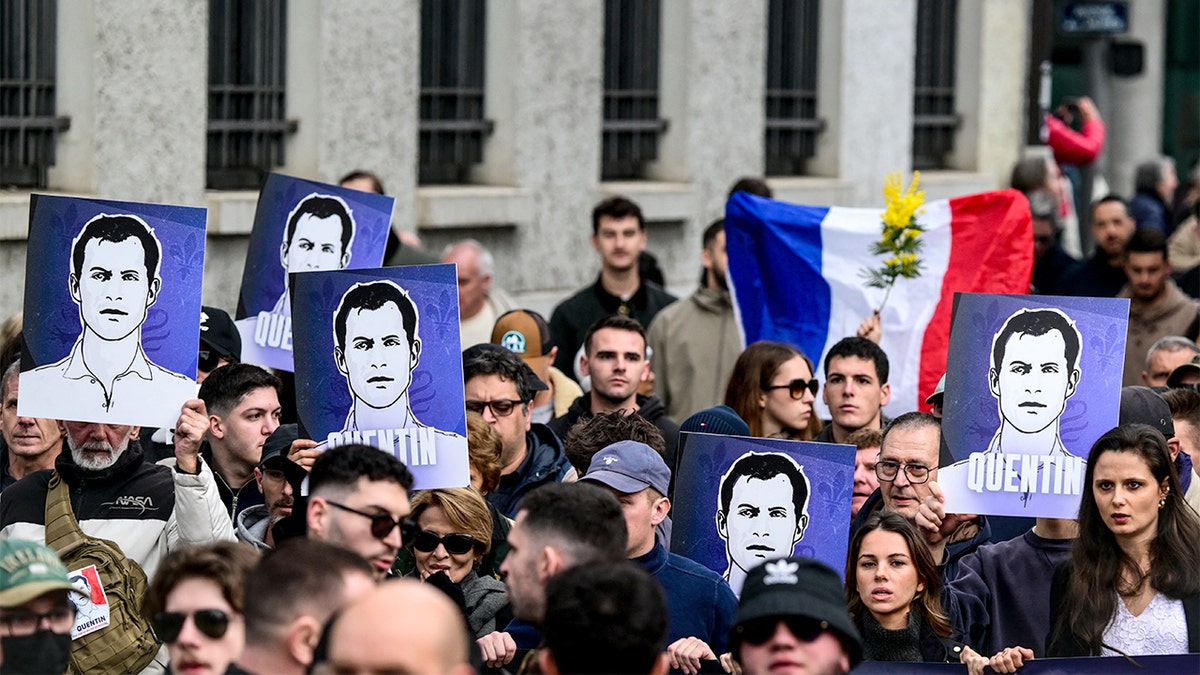
France had moved to limit Kushner’s access to top officials after he did not attend a summons at the French Foreign Ministry over remarks posted by official U.S. government accounts following the death of 23-year-old activist Quentin Deranque, who was killed during clashes between far-left and far-right groups in Lyon earlier this month. (Olivier Chassignole/AFP via Getty Images)
TRUMP KEEPS MACRON UNDER SPOTLIGHT AS GREENLAND TALKS GRIND FORWARD FROM DAVOS
French Foreign Minister Jean-Noël Barrot characterized the remarks as an unwelcome intrusion into France’s domestic political debate and said Kushner’s failure to appear at the Quai d’Orsay «will naturally affect his ability to carry out his mission in our country.» He described the no-show as a «surprise,» saying ambassadors are expected to respect «the most basic practices of diplomacy» when summoned.
«We have no lessons to learn in matters of maintaining order or public order in matters of violence, and we have no lessons to learn at all from the reactionary international, simply,» Barrot said in an interview with public broadcaster France Info.
While Tuesday’s call between Kushner and Barrot indicates both sides are attempting to prevent the disagreement from escalating, the episode unfolded against a broader backdrop of periodic tension in transatlantic relations.
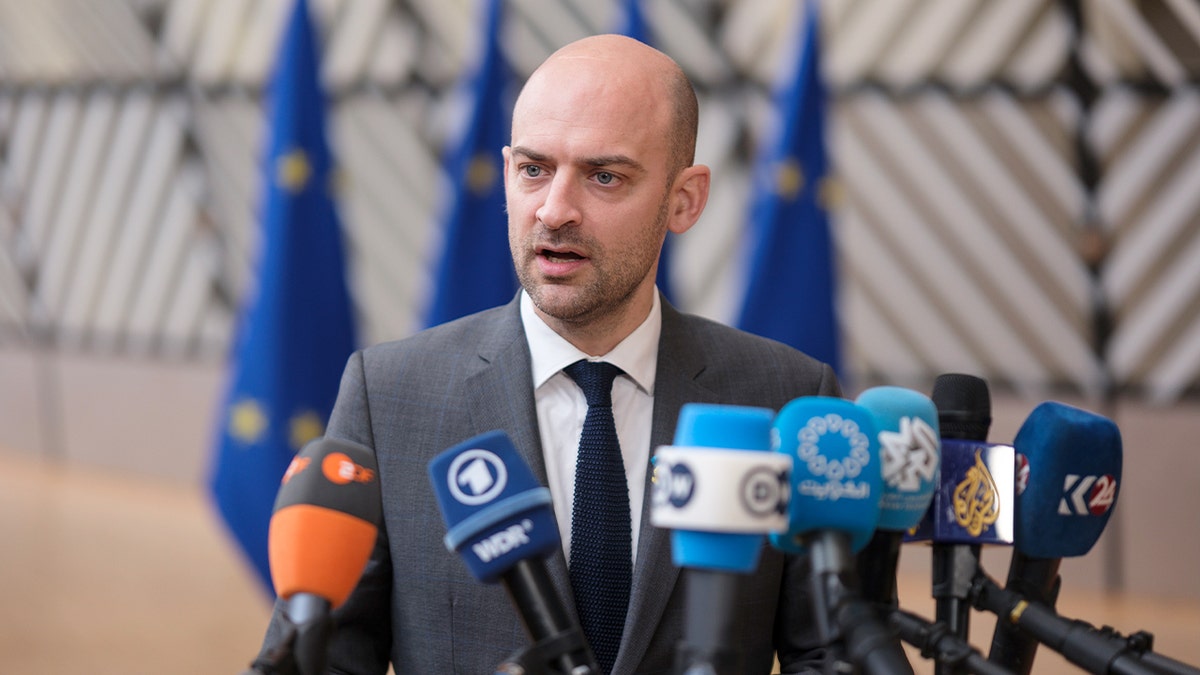
French Foreign Minister Jean-Noël Barrot characterized the remarks as an unwelcome intrusion into France’s domestic political debate and said Kushner’s failure to appear at the Quai d’Orsay «will naturally affect his ability to carry out his mission in our country.» (Thierry Monasse/Getty Images)
CLICK HERE TO DOWNLOAD THE FOX NEWS APP
France has at times pushed for greater European «strategic autonomy» in defense and foreign policy — an approach that can diverge from Washington’s priorities, particularly as President Donald Trump has pressed NATO allies to increase defense spending and align more closely with U.S. strategic objectives. Trade has also been a recurring friction point in recent years, with tariff disputes between the United States and the European Union periodically affecting French exports.
Despite those differences, France remains one of Washington’s closest security partners in Europe, cooperating extensively on counterterrorism, intelligence sharing and NATO operations. Diplomatic access to senior officials plays a central role in coordinating those efforts, making even symbolic restrictions notable.
Related Article
france,foreign policy,state department,politics

El Gobierno se prepara para la Asamblea Legislativa: cadena nacional, el pedido a los ministros y una cena en Olivos

Elecciones en el PJ bonaerense: tras el acuerdo entre Kicillof y Máximo Kirchner, en qué municipios habrá internas

Iran’s shadowy chemical weapons program draws scrutiny as reports allege use against protesters

Gigante del agro en problemas: lluvia de cheques rechazados y un tendal de productores sin cobrar

San Lorenzo enfrenta a Instituto en la continuidad de la séptima fecha del Torneo Apertura

El video de Andrea del Boca que preocupó a todo Gran Hermano y pone en duda su continuidad: «Enloqueció»

Villarruel cuestionó la apertura de importaciones: «Sin industria, se pasa a depender de China»

“Ahora es la hora de jugarse”: el mensaje de Patricia Bullrich a los empresarios tras aprobarse la reforma laboral

Según un especialista, el precio de la carne se mantendrá alto “entre dos y tres años”

Cómo será el tratamiento de la reforma laboral en el Senado, luego de haber obtenido la media sanción en Diputados

 POLITICA3 días ago
Cómo será el tratamiento de la reforma laboral en el Senado, luego de haber obtenido la media sanción en Diputados
- POLITICA3 días ago
Así está el recuento estimado de votos de la reforma laboral que se debate en la Cámara de Diputados
- POLITICA1 día ago
“Nos hacemos cargo”: Patricia Bullrich admitió un error del Gobierno en la inclusión del artículo de las licencias médicas